




Abstract

Future of headache: A personal view
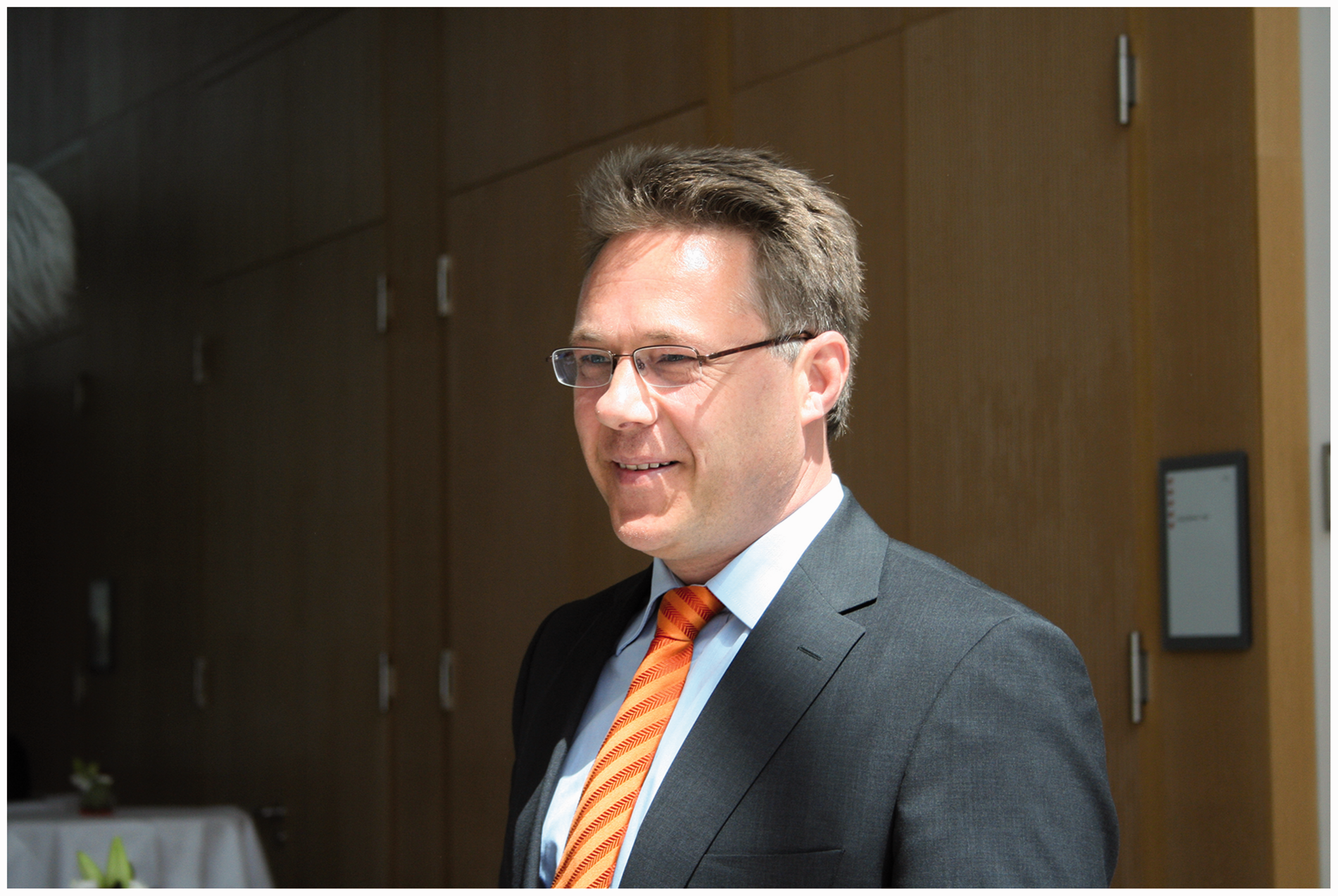
My first contact with headache was when I trained as a neurologist with Chris Diener in Essen, and it is fair to say that as a young doctor I could easily have become interested in stroke or epilepsy. But I did not. Instead I became more and more fascinated by a disease that is rewarding for a clinician (because thankfully we can help so many patients) as it is exciting and puzzling for a scientist. It is certainly fair to say that I would not have chosen headache if Chris Diener had not crossed my path (or rather I crossed his) and directed me towards a still rather neglected pain syndrome. I later had the fortune to meet my other academic mentor, Peter Goadsby, who certainly settled my wish to devote my career to headache research. I have been working clinically in the field of headache for nearly 20 years now, and my research interests focus on headache, pain, neural plasticity and functional imaging.
My main focus is on clinical research, and my main goals are to further stimulate and promote young researchers, a goal which is shared by the other members of the IHS board who consequently helped to organize two IHS-IASP joint meetings for younger researchers in Hamburg and Siena. I believe that it is extremely important that young scientists in the field of headache and pain know each other and build new networks. I would even go so far as to suggest that the future for headache research will depend on how much we inspire young doctors and bright scientists to devote their strength and ideas to headache. How do we achieve that? Mentorship certainly continues to play the biggest part. As a society our additional goal must be to help foster new ideas, raise awareness, promote research collaborations between various disciplines and – most of all – inspire young people.
Clinical and research of headache certainly has all it takes to intrigue young doctors and our commitment is to make this even more rewarding. One way is surely to bond with physicians and scientists who are already interested in and even share in part our quest – the societies of IASP and EFIC are brothers in arms, if I may say so. It is my aim that the IHS will continue to bond with pain researchers whilst strengthening the uniqueness of headache research with a particular emphasis in encouraging younger researchers. In the end it is the young doctors we don’t know yet, young doctors and researchers who make our devotion their own, young people of the future who will keep the IHS attractive and forceful. I am thankful to my mentors for passing on this knowledge.
Optimistic about the future of headache

It is a privilege to continue to serve with my colleagues on the Board of Trustees of the International Headache Society. I remain committed to working with the Society to advance research, education, and patient care in headache medicine. These are challenging times for the Society and the field in general. Funding for research and education remains scarce, and we must adapt to a new landscape of reduced support for activities by private industry.
In the face of these challenges, however, I am extremely optimistic about the future. The Headache Master School and International Headache Academies sponsored by the IHS, along with other organizations, have been spectacularly successful, attracting the best and the brightest clinicians and researchers from around the world, and solidifying an international foundation of headache specialists upon which the field will continue to be built. The IHS-IASP joint symposia have also been extremely productive, and represent a great example of the potential for collaborative interactions with our colleagues in the pain field, as well as other related fields.
Joining forces with other disciplines and societies will provide exciting new opportunities for advancing the field of headache medicine. My optimism is also based on advances in the basic and clinical science of headache, and some highly promising new approaches to headache therapy on the horizon. These advances will be highlighted at the International Headache Congress in Valencia in 2015. It has been an honor to work with Messoud Ashina, as well as the Scientific Program Committee to help to organize what promises to be an exceptional meeting. In addition to great science and the latest in clinical management of headache, our aim for the meeting is to shine a light on the outstanding work being done by junior members of our society, and to broaden the scope of the meeting beyond “the usual suspects” in the field. The reasons for my enthusiasm about the IHS and the future of headache medicine will be on full display – we look forward to seeing you in Valencia.