




Abstract

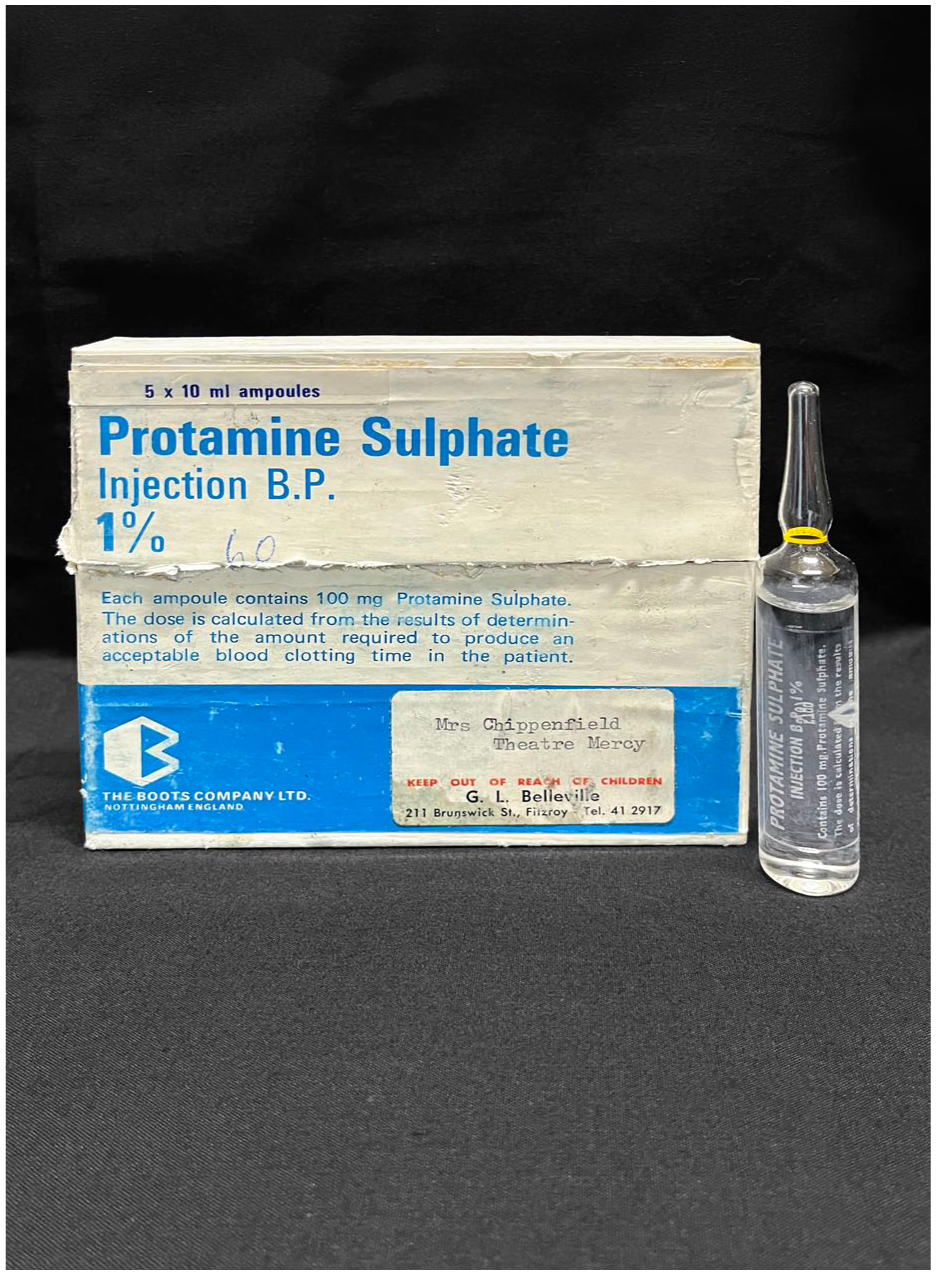
The university laboratories of Felix Hoppe-Seyler were situated on the ground floor of Tübingen castle, in what had formerly been the kitchen and laundry. 1 While the surroundings were magnificent, the research material was less appealing. Having struggled to isolate cells from lymph glands, Friedrich Miescher was using lymphocytes from pus on dressings from the local surgical clinic to study the fundamental chemical composition of cells. It was autumn of 1868 and Miescher, recent graduate of Basel University, had moved to Germany to learn from Hoppe-Seyler, a pioneer in the new field of physiological chemistry.
In the course of his experiments, Miescher discovered a substance with unexpected properties. 1 He named it nuclein, speculating that it originated from the cell nucleus, an organelle which had been discovered over 60 years earlier. There was heightened scientific interest in the nucleus at this time, largely due to the publication of Ernst Haeckel’s book suggesting it contained material responsible for hereditary traits. 2 Nuclein later proved to be the first crude precipitate of DNA, but Miescher was more interested in cellular function than hereditary traits.1,3 Returning to Basel, he continued working with cell nuclei, becoming Professor of Physiology at the age of 28.
Discovering that sperm cells consist almost entirely of nuclei, Miescher began using salmon sperm cells for his research. While the local rivers held plentiful supplies, the specimens quickly degraded if warm. There were no cool rooms, so his isolation work was confined to winter, catching fish in the middle of the night and working through the dawn hours with the windows open. As he improved his understanding of the acid nuclein, he noted it was bound together with a basic molecule he named “protamin”. 4 German scientist Albrecht Kossel, who would later win a Nobel Prize for his work on nucleic acids, furthered the work on protamine, establishing that protamines are a class of strong basic proteins. 5 They bind DNA via electrostatic charges, replacing histones, the structural protein of chromosomes, during spermatogenesis.
It was this binding capacity that led to the use of protamine as a therapeutic agent. In 1922, Professor Albert Krogh from the University of Copenhagen obtained the first licence to manufacture insulin in Denmark, joining forces with Hans Christian Hagedorn, a physician specialising in diabetes, to establish the Nordisk Insulinlaboratorium.6,7 Perversely, as manufactured insulin achieved greater purity, the duration of action became shorter, leading manufacturers to seek ways of artificially retarding absorption. Oils and vasoconstrictors were tried with variable success, as well as a variety of substances that rendered the insulin insoluble. Seeking a biological substance that would achieve the latter goal, Hagedorn began using a particular protamine from rainbow trout, known as salmine, with great success. 8
At the same time in New York, Erwin Chargaff and Kenneth Olson were looking for ways to prolong the action of another new therapeutic agent, heparin. Hearing of Hagedorn’s success, they tried adding salmine to the heparin preparation: ‘This was done in view of the promising results obtained with the combination of insulin and protamine. . . the effect was entirely unexpected; the anticoagulant action of heparin in vivo was entirely stopped by protamine.’ 9 They recognised the potential of this discovery immediately, noting that it could be useful in blood transfusion, but also ‘. . .makes it possible to interrupt the heparin action at any desired time.’
This serendipitous discovery was made just as heparin was finding a therapeutic role in the operating theatre, particularly in the expanding field of vascular surgery. In 1939, Jorpes and Thaning, commenting on recently published reports of the use of heparin in open embolectomies, noted ‘. . .a means for regulating the effect of heparin may become urgent in such cases’. 10 They experimented with protamine for heparin reversal in rabbits, dogs and then man, finding a dose of 50-150 mg ‘seemed to be practicable’ and without obvious side effects. But there were isolated reports of hypotension with the intravenous administration of protamine, particularly in dogs. 11
The early 1950s saw the introduction of cardiopulmonary bypass requiring large doses of heparin. 12 This led to an escalation in the use of protamine and soon concerns were being raised about its appropriateness as a reversal agent. Commercially available preparations of protamine were relatively unstable and had variable potency. Protamine was known to have intrinsic ‘multifaceted’ anticoagulant properties which complicated the clinical picture, and the hypotensive effects of protamine were becoming more apparent with rapid infusions of large doses. 13 Another anti-heparin agent, polybrene (hexadimethrine bromide) was described in 1958. It is a stable quaternary ammonium salt which exerts a potent anti-heparin effect and, like protamine, also has some intrinsic anticoagulant action. Briefly, polybrene was thought to be a superior reversing agent with higher potency and fewer side effects, but reports of renal failure soon emerged.14,15 These reports were difficult to interpret in the rapidly changing world of cardiac surgery, but confirmation of direct renal toxicity in animals saw manufacture cease in 1962, leaving protamine the only viable alternative. 16
The hypotensive effects of protamine continued to concern clinicians and researchers alike. Improvement in monitoring techniques in the 1970s suggested that the hypotension was not simply due to vasodilation but was associated with a fall in cardiac output and a progressive increase in pulmonary arterial pressure. 17 By the 1980s it was apparent that severe pulmonary vasoconstriction also occurred in some patients. 18 In 1985, Jan Horrow from the anaesthesia department at the Brigham and Women’s Hospital in Boston produced the first review of adverse reactions to protamine and categorised the adverse cardiovascular response into ‘. . .three distinct types: transient hypotension related to rapid drug administration; anaphylactoid responses; and catastrophic pulmonary vasocontriction’. 19 After suggesting ways of managing these side effects, he concluded: ‘It is reasonable to expect that an alternative drug to protamine will be available.’
Recent reviews demonstrate a greater understanding of the mechanisms of adverse reactions to protamine, and a more nuanced response to treatment—but the categorisation suggested by Horrow 40 years ago is essentially unchanged.20,21 The search for an alternative continues, with no clinically available successor currently available. There is increasing pressure to find antidotes to anticoagulants generally, not just unfractionated heparin. Low molecular weight heparins (LMWH), now in use clinically for around 40 years, are only partially reversed by protamine, and there are many new oral anticoagulants on the market which cannot be easily reversed. Some possibilities are on the horizon. Universal heparin reversal agent (UHRA) has shown promise in animal models. 22 Andexanet-alfa currently has approval for apixaban and rivaroxaban reversal but has been shown to reverse LWMH; currently that is complicating the clinical picture in patients presenting for surgery by creating heparin resistance but it may have therapeutic potential for heparin reversal.21,23
Meanwhile protamine is finding other applications in the brave new world of nanotechnology, ‘the up-and-coming trend in medicine’. 24 Nanoparticulate systems offer better drug stability, as well as controlled release and targeted drug delivery—most modern vaccines for example, use nanoparticles for antigen delivery. As well as binding strongly to DNA and RNA, protamine has specific cell penetrating properties which allow it to improve delivery of new therapeutic agents based on proteins, peptides and nucleic acids. Protamine therefore now ‘offers a plethora of possibilities for application in different fields’. 24
