




Abstract

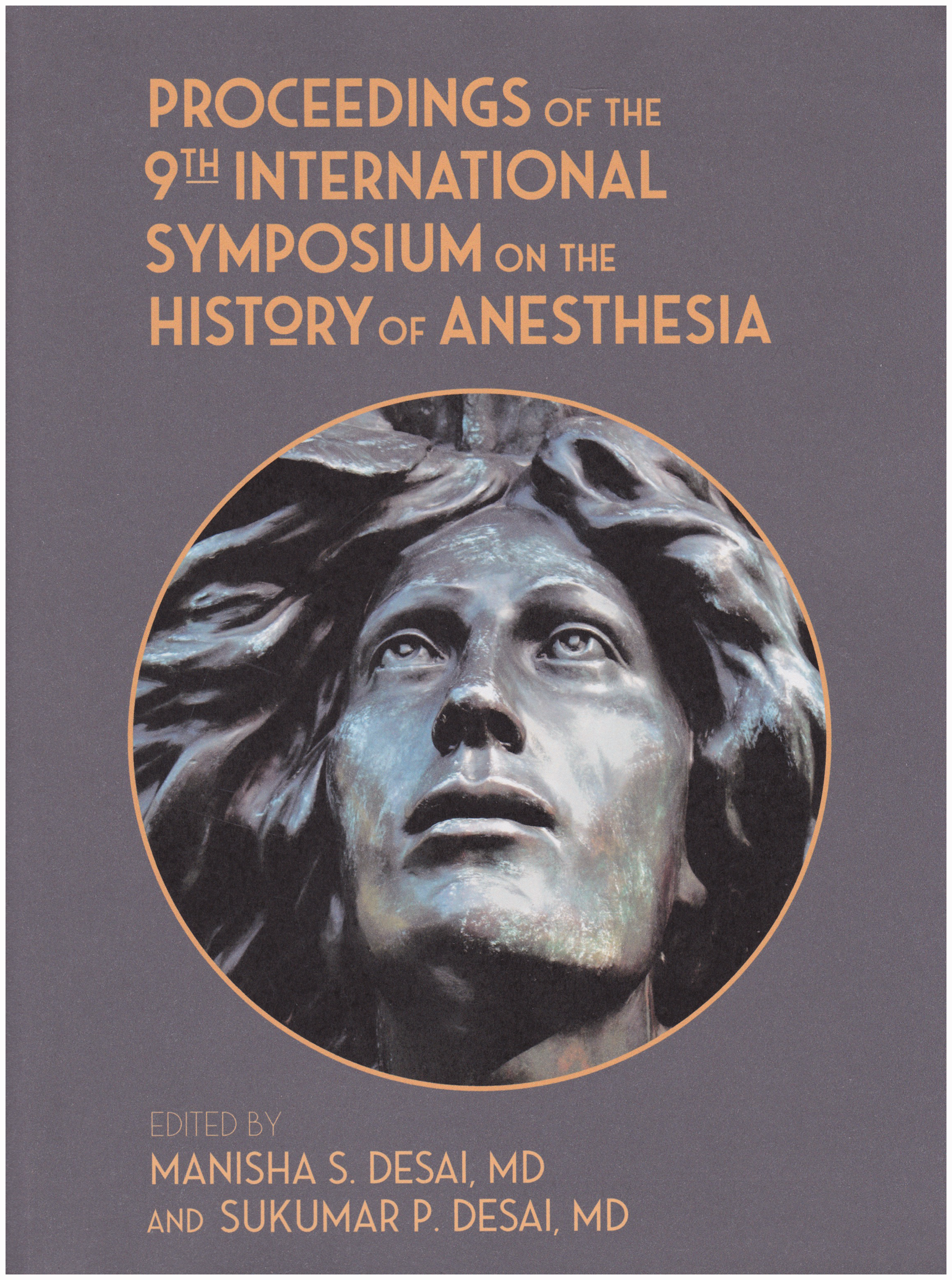
The 9th International Symposium on the History of Anaesthesia was held in Boston in October of 2017. This international symposium was first held in Rotterdam, The Netherlands, in 1982 and it continues to grow in both breadth and in attendance. Every four years it provides an opportunity for academics, clinicians and amateur enthusiasts to learn about the history of a profession that has changed the course of medicine and indeed mankind.
This meeting took place in Boston—a place so deeply involved with the development of anaesthesia, it was bound to provide a wealth of historical stories and discoveries. The proceedings from this meeting provide ample opportunity to discover and rediscover the pivotal moments in the development of our specialty.
Fittingly, there are papers about William Morton and the Ether Dome at Massachusetts General Hospital. There are also descriptions of the use of ancient herbs from China, Japan and the Middle East, and outlines of historical apparatus and techniques, whether these were true breakthroughs or unsuccessful folly. The breadth of anaesthesia is represented in these proceedings with stories from developed and developing countries. There is even a description of the tracheostomy allegedly performed by Alexander the Great. There are also outlines of the various anaesthetic museums around the world and their ongoing role in educating about the history of anaesthesia.
There is a paper outlining the ‘invisible history of women in anaesthesia’. Other papers of interest are given over to anaesthetic innovations during both the Great War and World War II. The theme continues with papers about the Cold War and The Space Race. The monarchy does not miss out, with an enlightening description of the pneumonectomy carried out on King George VI in 1951.
To the credit of the editors of these proceedings, we now have a great and informative record of those who presented. This is a book that all who are interested in the history of anaesthesia will appreciate and enjoy. I would recommend it as a useful addition to all anaesthetic departments.