




Abstract
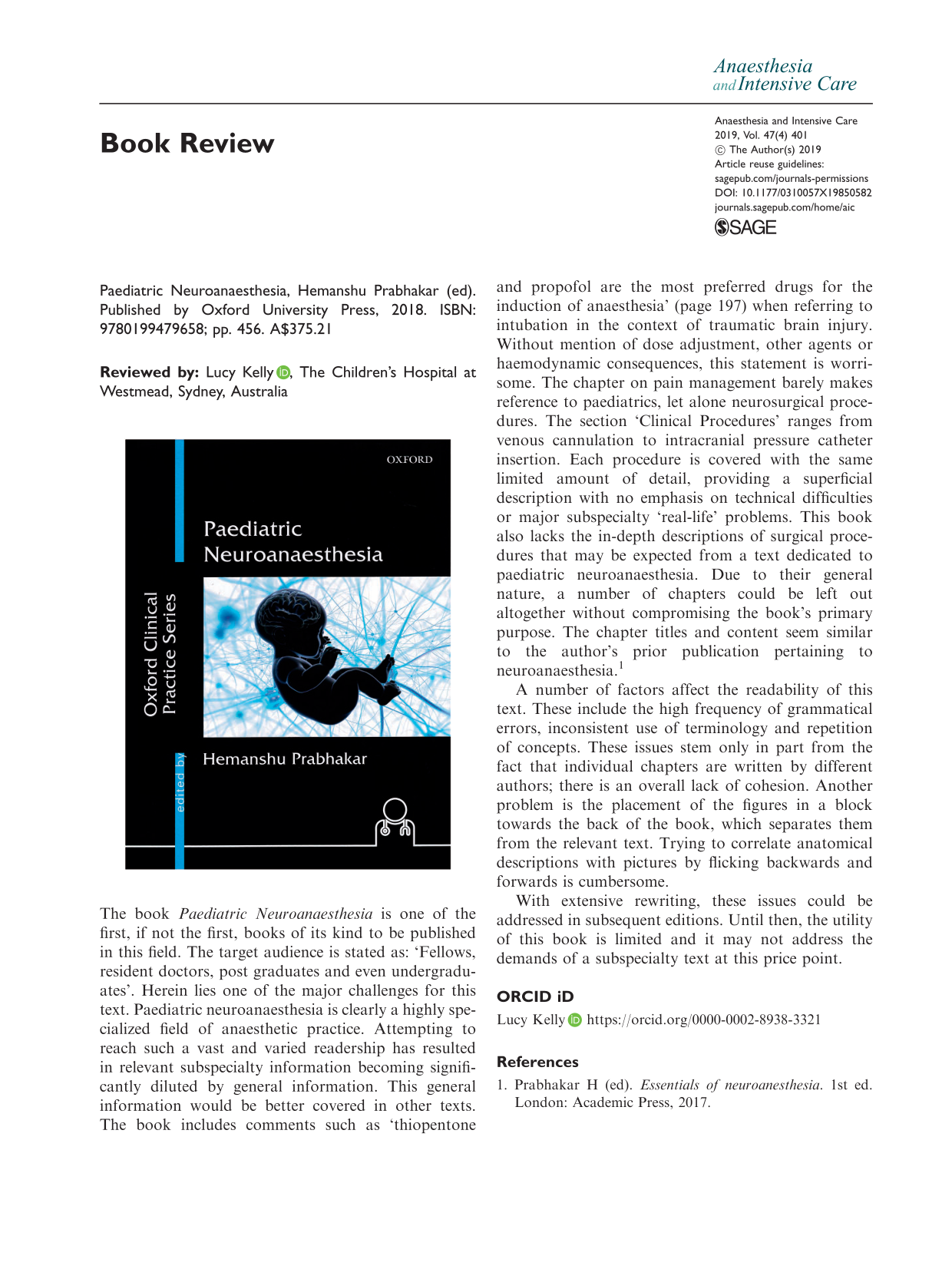
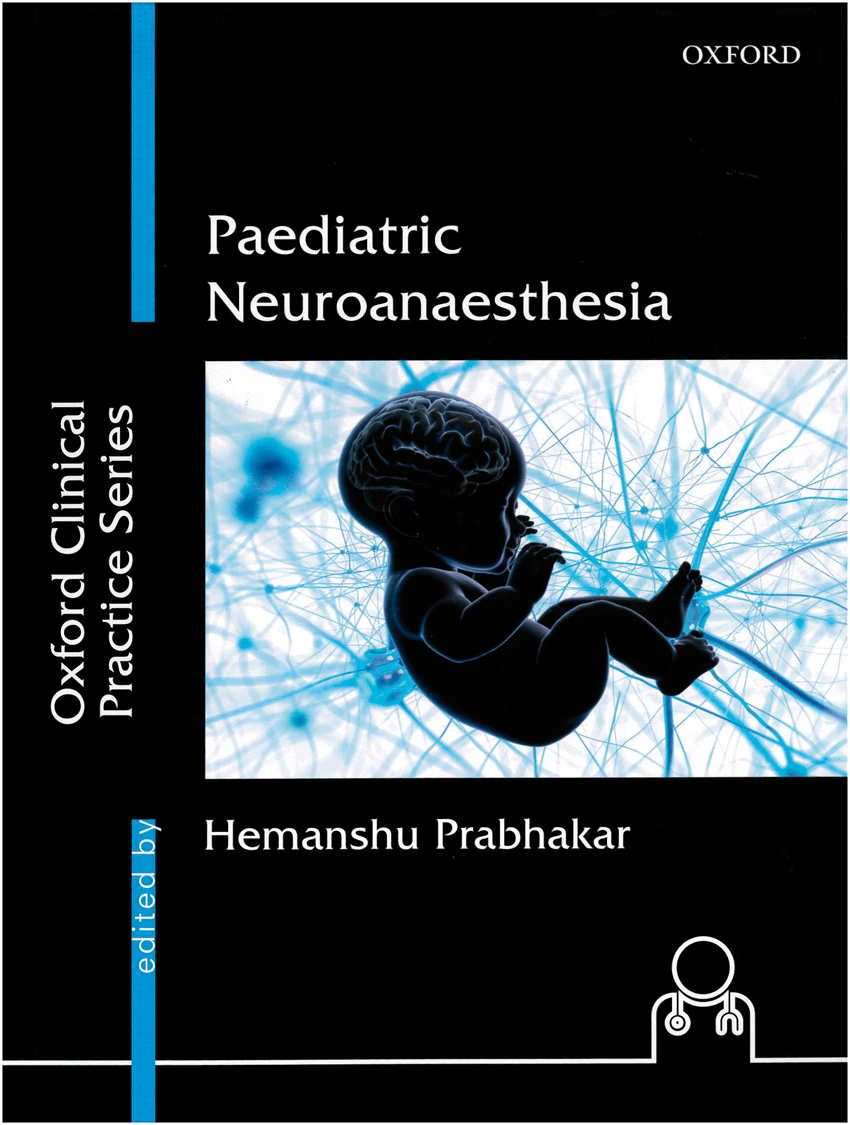
The book Paediatric Neuroanaesthesia is one of the first, if not the first, books of its kind to be published in this field. The target audience is stated as: ‘Fellows, resident doctors, post graduates and even undergraduates’. Herein lies one of the major challenges for this text. Paediatric neuroanaesthesia is clearly a highly specialized field of anaesthetic practice. Attempting to reach such a vast and varied readership has resulted in relevant subspecialty information becoming significantly diluted by general information. This general information would be better covered in other texts. The book includes comments such as ‘thiopentone and propofol are the most preferred drugs for the induction of anaesthesia’ (page 197) when referring to intubation in the context of traumatic brain injury. Without mention of dose adjustment, other agents or haemodynamic consequences, this statement is worrisome. The chapter on pain management barely makes reference to paediatrics, let alone neurosurgical procedures. The section ‘Clinical Procedures’ ranges from venous cannulation to intracranial pressure catheter insertion. Each procedure is covered with the same limited amount of detail, providing a superficial description with no emphasis on technical difficulties or major subspecialty ‘real-life’ problems. This book also lacks the in-depth descriptions of surgical procedures that may be expected from a text dedicated to paediatric neuroanaesthesia. Due to their general nature, a number of chapters could be left out altogether without compromising the book’s primary purpose. The chapter titles and content seem similar to the author’s prior publication pertaining to neuroanaesthesia. 1
A number of factors affect the readability of this text. These include the high frequency of grammatical errors, inconsistent use of terminology and repetition of concepts. These issues stem only in part from the fact that individual chapters are written by different authors; there is an overall lack of cohesion. Another problem is the placement of the figures in a block towards the back of the book, which separates them from the relevant text. Trying to correlate anatomical descriptions with pictures by flicking backwards and forwards is cumbersome.
With extensive rewriting, these issues could be addressed in subsequent editions. Until then, the utility of this book is limited and it may not address the demands of a subspecialty text at this price point.