




Abstract
Wind power is unsteady due to the stochastic nature of wind. Pumped storage is a reliable technology for hydropower storage and generation. This paper aims to regulate wind power with a pumped storage facility by designing a mathematical model of a stand-alone wind-driven pumped storage. The available wind continuously pumps water to a high-elevation upper reservoir, while electricity is generated per demand. A case study was developed in eastern Sudan, and results show that wind energy can be regulated using pumped storage. The scheme had a 71% roundtrip efficiency, with a monthly energy yield of 23 GWh sufficient to support the whole population of the Red Sea State in Sudan. This result indicates the good potential of a wind-driven pumped storage system to deliver continuous electricity using intermittent wind. Such a scheme will benefit the developing countries in Africa, where the requirements of this system are easily found.
Keywords
Introduction
Integrating renewable energy resources in power generation and water pumping applications addresses the United Nations Sustainable Development Goals (United Nations, 2015) from economic and environmental aspects. Since wind is acknowledged as a clean, inexhaustible, free, and reliable source of power, it has been increasingly integrated with hydro-pumped storage facilities for electricity production (Blakers et al., 2021). This research presents a novel approach to offset the impact of wind irregularities on supplied electricity by mechanically pumping water to a hydro-pumped storage (HPS). The research investigates the increased system efficiency through this approach via a case study in the eastern part of Sudan in Africa. According to the International Hydropower Association (2022b), most hydro-pumped storage facilities are in Europe, China, and the United States, with only three operating facilities in Africa and three in South America. All these facilities are hybrid, not necessarily including wind energy, while none use direct wind pumping technology.
The concept of wind pumping as viewed in literature addresses one of two approaches: mechanically driven wind pumping (MWP), which consists of a high-solidity rotor with a low hub height connected to a high-torque reciprocating pump (Achour and Kesraoui, 2021; Aized et al., 2019; Prasad et al., 2016), resulting in a 0.3 power coefficient and 17% conversion efficiency (Achour and Kesraoui, 2021; Gopal et al., 2013). Alternatively, the most widely used type is electrically driven water pumps (EWP), high-speed low-solidity wind generators coupled to rotodynamic pumps with an efficiency as high as Cp = 0.49 (Achour and Kesraoui, 2021; Gopal et al., 2013). The average wind speed in Sudan ranges between 5 and 7 m/s which is sufficient for water-pumping applications (Technical University of Denmark (DTU), 2024). Simulations and mathematical models were introduced to increase the efficiency of EWP systems (Achour and Kesraoui, 2021; Aized et al., 2019; Ayodele et al., 2018; Siddig, 2019). However, reviewed literature on both approaches of wind pumping applications focused on small diameter rotors to deliver low to moderate head and discharge (Abam and Ohunakin, 2017; Aksoy et al., 2017; Jamaludin et al., 2019; Laamari et al., 2015; Mouangue et al., 2015; Odesola and Adinoy, 2017).
Hydro-pumped storage is a centralised large-scale energy storage technology estimated to increase its global installed capacity to 240 GW by 2030 (Hunt et al., 2018; IHA, 2022a; Javed et al., 2020; Simão and Ramos, 2020; Zhu and Ma, 2019). The system performance and productivity indices vary between 70% and 85% (Al-Garalleh, 2017; Hunt et al., 2018; Javed et al., 2020; Kougias and Szabo, 2017). Conventional HPS stores energy during low electricity demand periods and off-peak hours, which discards the system to secondary operation without benefiting from its maximum potential as a full-time load supply as intended in this research. HPS facilities usually operate on two- or four-machine configurations describing the reversibility of the hydraulic and electric machines’ operation. More than 95% of the globally installed HPS plants use a two-machine configuration due to its compact design and low cost compared to the four-machine configuration (Al-Garalleh, 2017), whereas the latter has a higher efficiency (Ushakov, 2018). This research introduces a new configuration, replacing the pump and motor with the wind pump, while using a separate hydraulic turbine and generator. This is expected to make the system more efficient.
Using hydraulic systems to stabilise wind power generation was investigated in the literature (Hamzehlouia et al., 2013; Liu et al., 2023; Vaezi and Izadian, 2014) to replace the gearbox in a wind generator with a hydraulic transmission (Buhagiar and Sant, 2014; Wang et al., 2022; Yin et al., 2019). This approach reduces the weight of the wind turbine’s nacelle while maintaining 95.3% overall transmission efficiency (Tao et al., 2019), saving up to 18.8% of the cost (Roggenburg et al., 2020) and increasing the power transmitters’ lifespan (Vaezi and Izadian, 2014). These results gave more confidence to the design approach created in this research due to its expected positive impact on the wind pumping industry.
The conversion of wind kinetic power to hydraulic power, and eventually electricity is subjected to a variety of parameters and conditions related to the wind characteristics, wind turbine performance, mechanical transmission mode, pumping and generating configurations, and storage capacity (Anagnostopoulos and Papantonis, 2007; Brahmi and Chaabene, 2012; Moreno et al., 2010; Schaffarczyk, 2014). Careful design of these integrated parameters ought to be carried out in the research to optimise the performance of wind-driven HPS. The main research objectives were formulated to include the following points: • Creating the theory of design for an optimised stand-alone wind-driven pumped storage system using large-scale centrifugal pumps at medium wind speed sites. • Adaptation of optimised plant performance and numerical modelling of power transmission and conversion systems to govern the system’s cycle efficiency.
Research methodology
This paper develops a wind-driven pumped storage system model. The employed methodology includes: (1) Mathematical Modelling: Utilising mathematical equations of energy conversion and fluid dynamics to optimise the system design. (2) Techno-Economic Analysis: Conducting a detailed hydraulic analysis to ensure cost-effectiveness selection and design. (3) Case Study: Implementing the proposed model in the eastern part of Sudan to meet the energy demand of Suakin City, providing practical validation. (4) Data Acquisition: Gathering data from various entities and departments to support the analysis and ensure accuracy in the model’s application, as highlighted in the following points: (a) Water resources and land topography data are gathered from cartographic documents and field records of airport observatory entities, satellite databases, and statistical reports. (b) Hourly wind data for Suakin in the period 2001 to 2021 were obtained from the National Aeronautics and Space Administrative (NASA) Langley Research Center (LaRC) POWER Project funded through the NASA Earth Science/Applied Science Program (NASA, 2020). The data sets provided measurements from satellite systems at 10m and 50m above the ground. (c) Energy demand in Suakin was provided by the Ministry of Water Resources, Irrigation and Electricity in Sudan (2019). (d) Data for electric power stations in Sudan was provided by the Sudan Thermal Power Generating Co. Ltd (2021) and Sudan Hydro Generation and Renewable Energy Co. Ltd (2021). (e) Lists of pipe material prices were gathered from local Sudanese factories: Sarya, Alamjad, Edward, and Artech factories, and international suppliers, for example, Corrosion Resistant Products Ltd, Atlas Steels, Al-Jazera Factories for Steel Products Co. Ltd, Neelcon Steel, Piyush Steel, and Aesteiron Steels LLP.
Theory of design of wind-driven pumped storage system
The proposed wind-driven pumped storage system design addresses a closed-loop non-pressurised system, powered by low-solidity wind pumps and operating with a three-machine configuration. The system connects three main locations: wind farm, lower water reservoir, and upper water reservoir. The wind farm site requires medium to high wind power potential associated with an adequately large flat area. The lower reservoir necessitates adjacency to the wind farm location. The upper reservoir entails high elevation and large storage capacity preferably associated with a natural water basin. Figure 1 depicts a schematic illustration of the proposed system. Principle of system operation.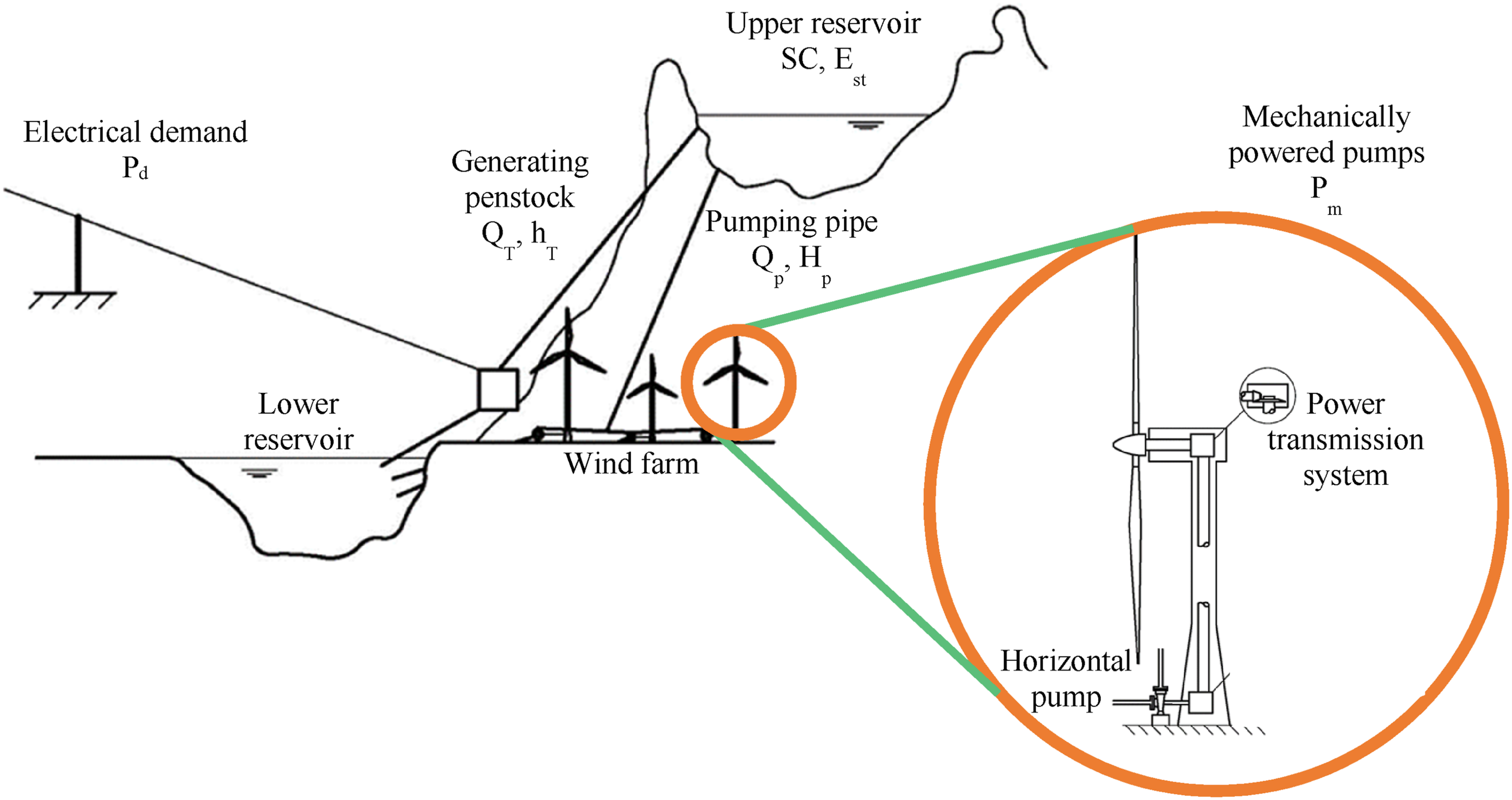
The operational hypothesis of the system relies on converting wind power to mechanical power driving centrifugal pumps to move water to a high-elevation reservoir. The power transmission system connects and increases the rotational speed of the high-torque wind rotor to the water pump requirements. A suitable water flow rate is determined to achieve the required head and fill reservoir within desired cycles, while constrained by demand and the head loss. Benefit-cost optimisation is performed for the design flow rate, plant capacity, and equipment sizes. Pumping and generating actions are unsynchronised, using separate pipelines to ensure practical exploitation of the available wind scheme while continuously meeting the demand. Other case-specific design considerations may include supplying water for the initial reservoir filling, balancing water losses, and partial replacements.
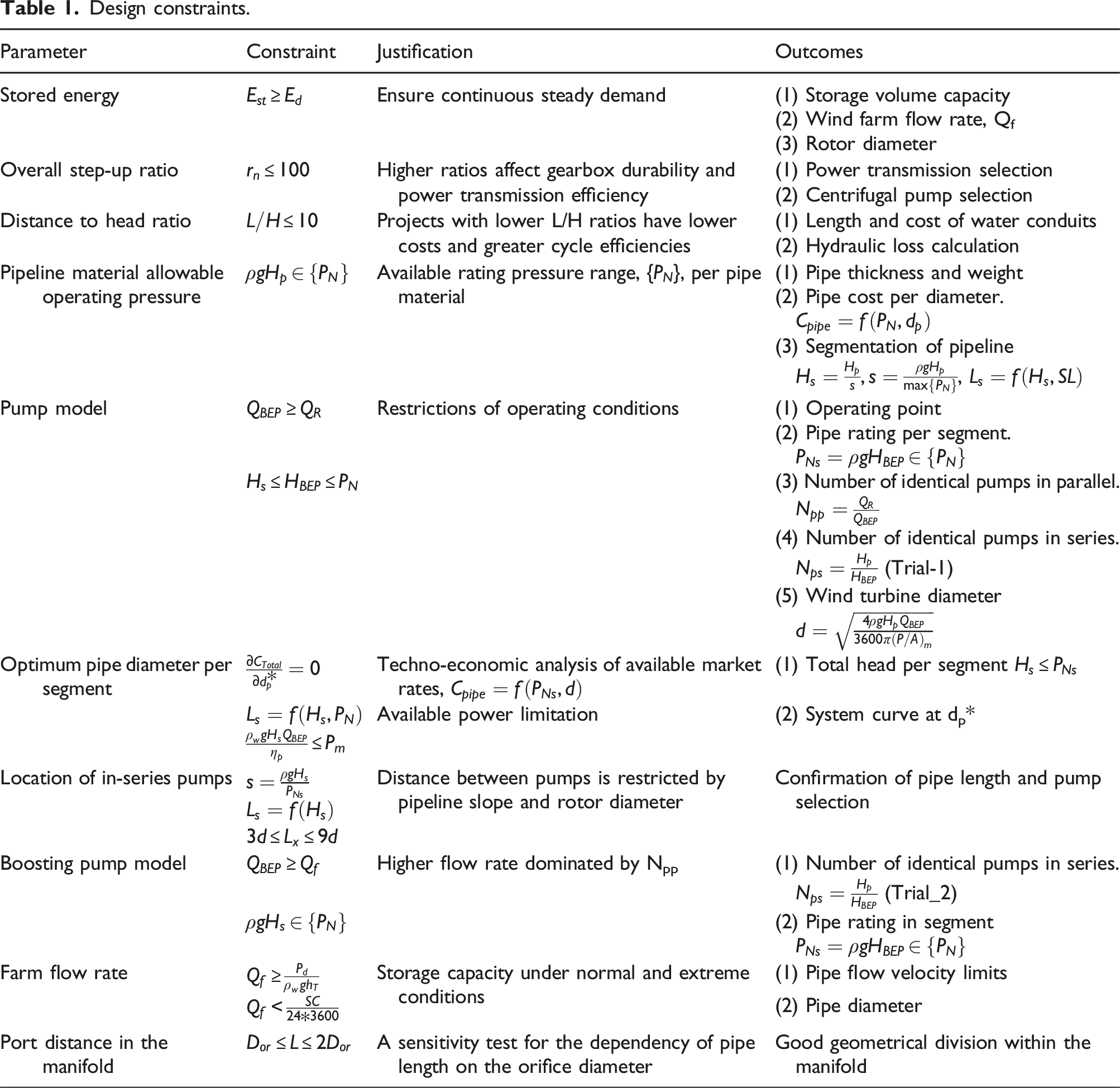
To design this novel system, integrated processes of analysis and optimisation are developed as presented in Figure 2. Decision-making parameters need to be evaluated and compared to guidelines, assumptions, constraints, and restrictions to ensure the optimum system performance. An overview of the design steps is discussed in the following sections. Flowchart of wind-driven pumped storage system parameters and design steps results.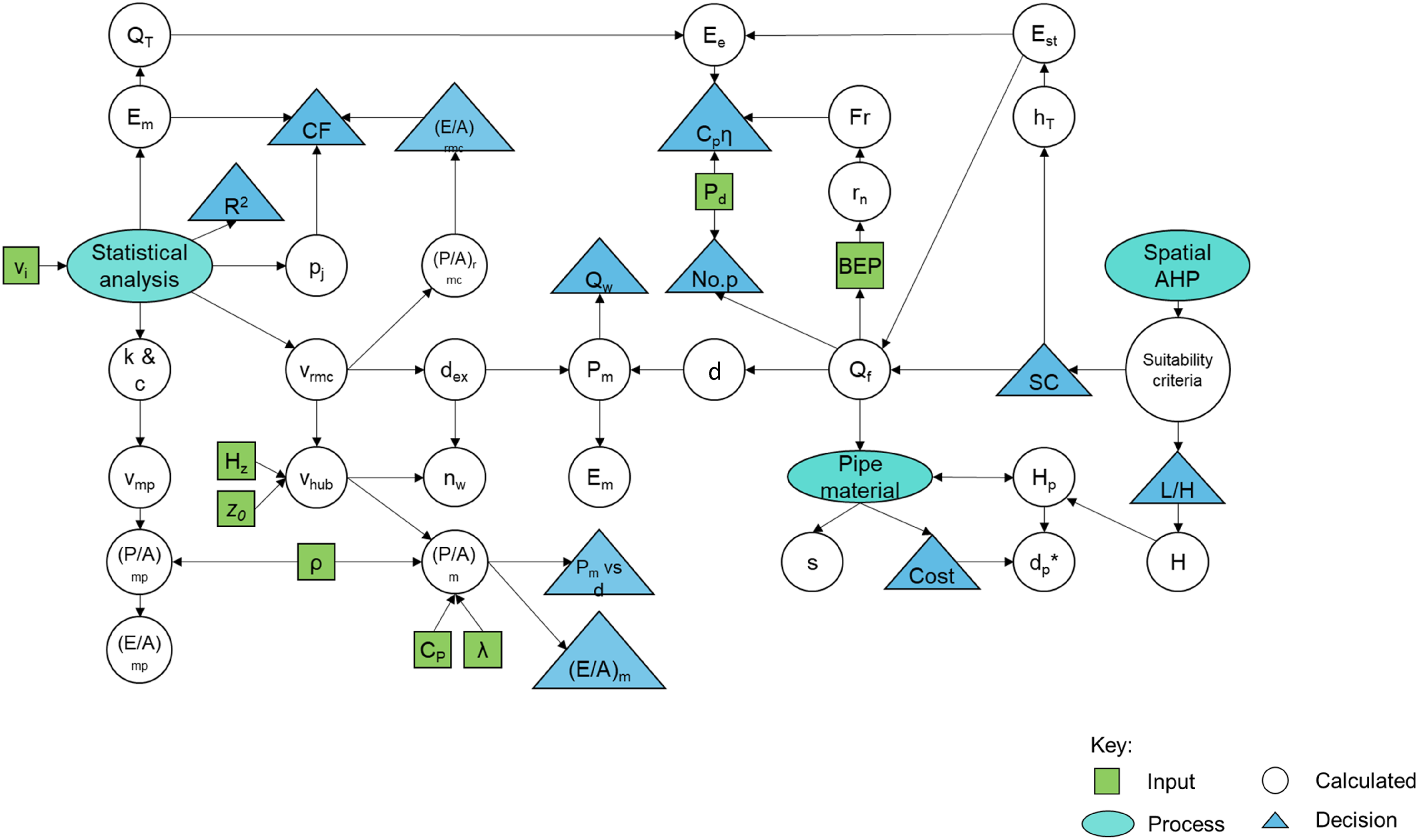
Statistical analysis of wind data
To calculate wind power potential in the site from historical wind data, the Method of Bins is used for wind speed statistical analysis and compared to the results of the Weibull density function (Brahmi and Chaabene, 2012; Giallanza et al., 2017; Manwell et al., 2009; Parajuli, 2016; Pishgar-Komleh et al., 2015; Siddig, 2013, 2019; Wagner, 2018; Zobaa and Bansal, 2011). The capacity factor in equation (1) is used to measure the productivity of the wind energy facility. It will also help in evaluating candidate locations by comparing the plant’s actual production over a given period, due to fluctuations in wind availability or maintenance, with the potential full-capacity output (Abam and Ohunakin, 2017; Hau, 2013; Wagner, 2018).

Hydraulic analysis
The hydraulic power side of the system requires sizing, selection or design of hydraulic machines, pipelines, and water reservoirs. Design considerations involve land topography, fluid properties, total power demand, and pipe material. Storage volume and elevation depend on the site’s geographic analysis and energy demand. Large-scale HPS plants with long discharge durations (more than 8 to 10 hours) exhibit the lowest cost per unit of energy (Rahman et al., 2020). Higher duration might be considered for wind lulls extending for more than 3 days. The required upper reservoir volume is calculated by equation (2), restricting the site selection suitability to


The piping system losses depend on its components’ geometry, size, and material (Swamee and Sharma, 2008). The optimum conduit diameter is found through an iterative techno-economic analysis (Siddig, 2021). An empirical formula





The iterative solution of pipeline design (Figure 3) depends on the operating pressure, outer diameter, and maximum allowable stress as per the ASME B31.1 (ASME, 2020; Engineering ToolBox, 2003; Michael Smith Engineers, 2021). Flowchart of pipeline hydraulic analysis.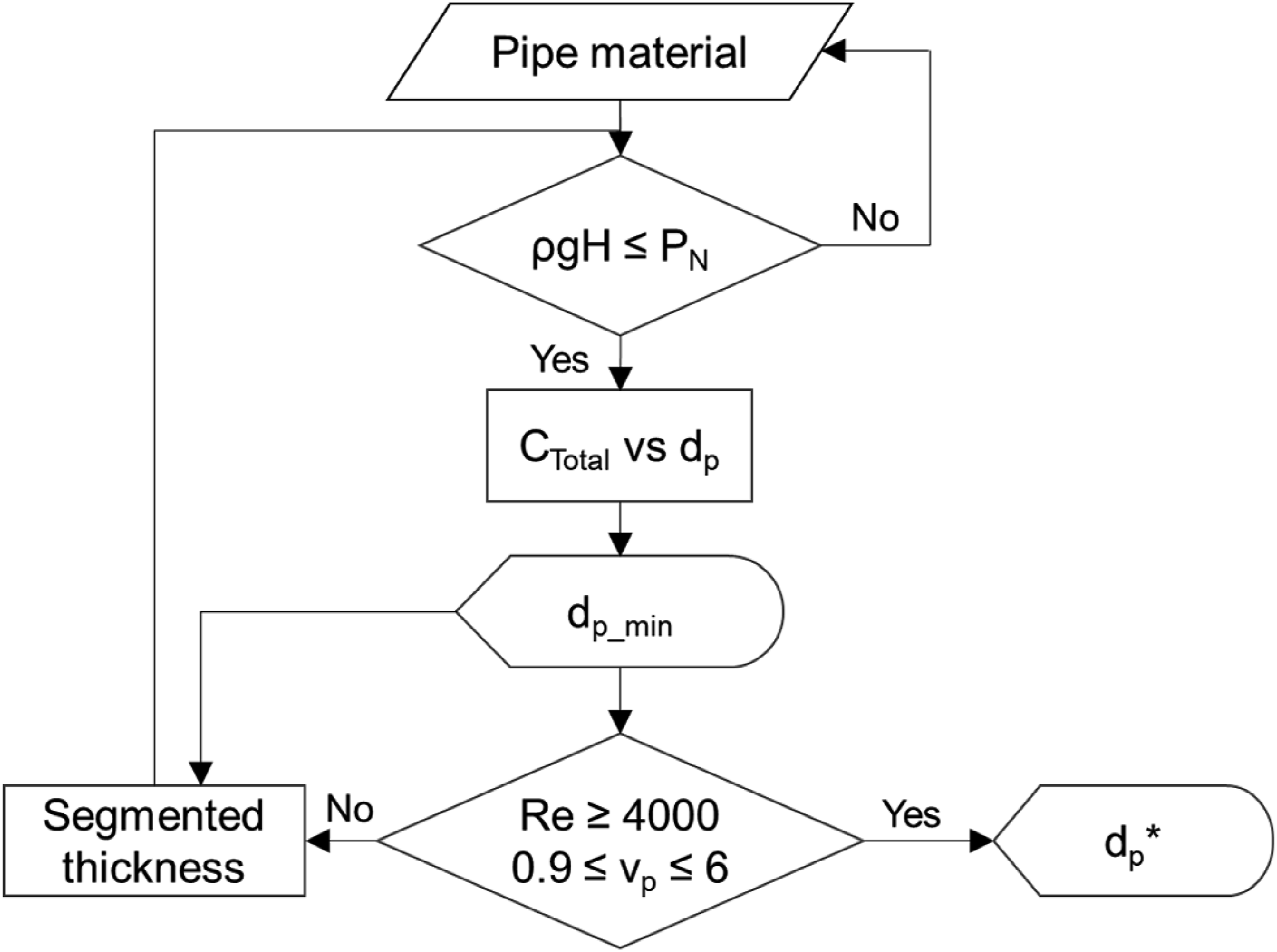
A centrifugal pump is recommended due to its good performance for large-capacity and variable head applications, limited maintenance, and continuous discharge. The high-speed low-solidity wind rotor and step-up power transmitter meet the pump’s rotational speed requirements. Maximum conversion of wind to hydraulic power is achieved by matching the hydraulic pump and wind rotor performance curves, resulting in suitable pump selection or design (Sun et al., 2011). The expected rotor diameter per pump is based on the pumping requirements and site power density and is constrained by the rotor’s hub height so that
The number of pumps operating in parallel within the wind farm, Npp, depends on the storage volume sizing and pump selection. If Npp >1, a manifold header is designed following Figure 4 and equations (9) to (12) (Milne, 2015; Weber-Shirk, 2021). Flowchart of manifold design.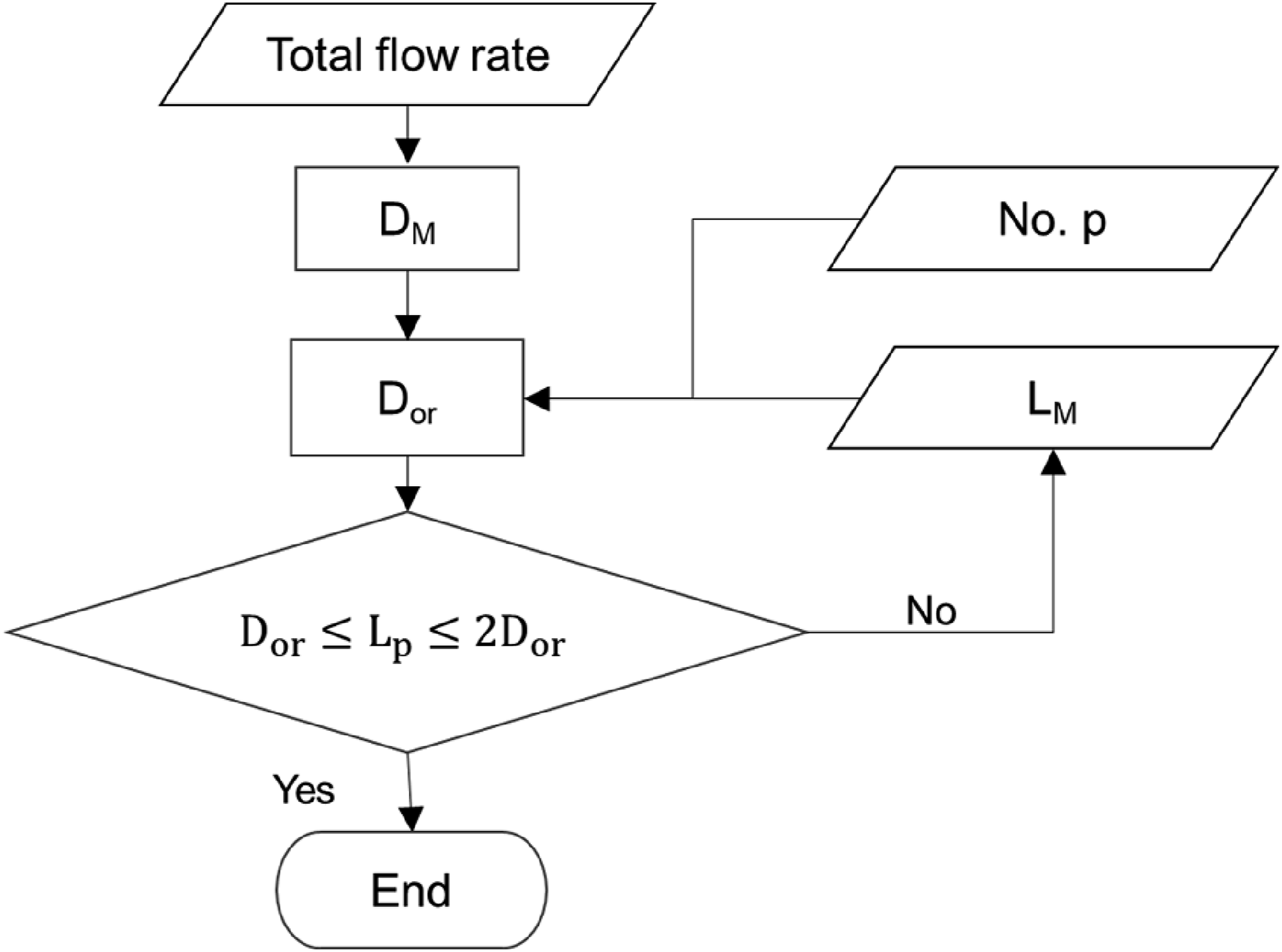




According to Modi and Seth (2017), the hydraulic turbine selection is governed by the head and specific speed values. Typically, the head in an HPS system is between 70 m and 500 m, which is appropriate for selecting Francis or Pelton wheel turbines. The penstock pipe diameter and generated electrical power can be determined based on the flow rate, head, and demand (Swamee and Sharma, 2008).
Power transmission selection
For low-power wind turbines, it is common to configure a gearbox with one planetary-two helical stages transmission and a constant step-up ratio (Krismumoorthy et al., 1990; Sousa, 2017) to meet the wind generator industry’s requirements for a compact, lightweight gearbox at the rotor hub. In the current system, an alternative power transmitter is justifiable to consider direct mechanical transmission, shaft directions, vibrations, and rotation rate.
Efficiency and productivity indices
Several productivity indices can be used to calculate the overall system performance. The energy factor relates the electrical to wind energy at the site (Gopal et al., 2013). Round Trip Factor is the ratio of energy stored, per unit of energy, to energy discharged from the storage system, per unit of energy. The higher the roundtrip factor, preferably above 80%, the less energy loss in the storage process. Roundtrip efficiency equals the maximum output energy generated by evacuating the upper reservoir divided by the energy required to completely refill it with continuous operation (U.S. Army Corps of Engineers, 2009). Equations (13)–(15) reflect these definitions.



Case study: Suakin–Arkaweit wind-driven pumped storage system
The created theory of system design was verified via a case study in the east region of Sudan, near the Red Sea Hills. Based on Sudan’s topography and wind potential, this region has high elevations, imminence to the seashore, and medium wind speeds, which satisfy the requirements of a wind-driven pumped storage system.
Design constraints.
Case study location
The Red Sea Hills reaches a maximum height of 2400 m with a direct adjacency to the seacoast. The hills, highlighted in red in Figure 5, are found in the Red Sea State which has a total area of 212,800 km2 and extends between the latitudes 19° to 23.2°N and longitudes 33.3° to 38.5°E (Red Sea State information Center, 2019). The state population was 1,406,277 in the 2008 census and was estimated to reach 1,825,180 in 2020 as calculated by (Central Bureau of, 2019). The coastline is 650 km long, with coastal plain width varying between 24 km and 56 km (Berry, 2015; Red Sea State information Center, 2019). The Sudan wind map for the years 2008 to 2017 as created by the Global Wind Atlas 3.4 (Davis et al., 2023; Technical University of Denmark (DTU), 2024) showed annual average wind speeds of 6 to 8 m/s at 50 m above ground level in the location. Sudan map: (a) Topography and (b) states (Mappr, 2021; Nations Online, 2021).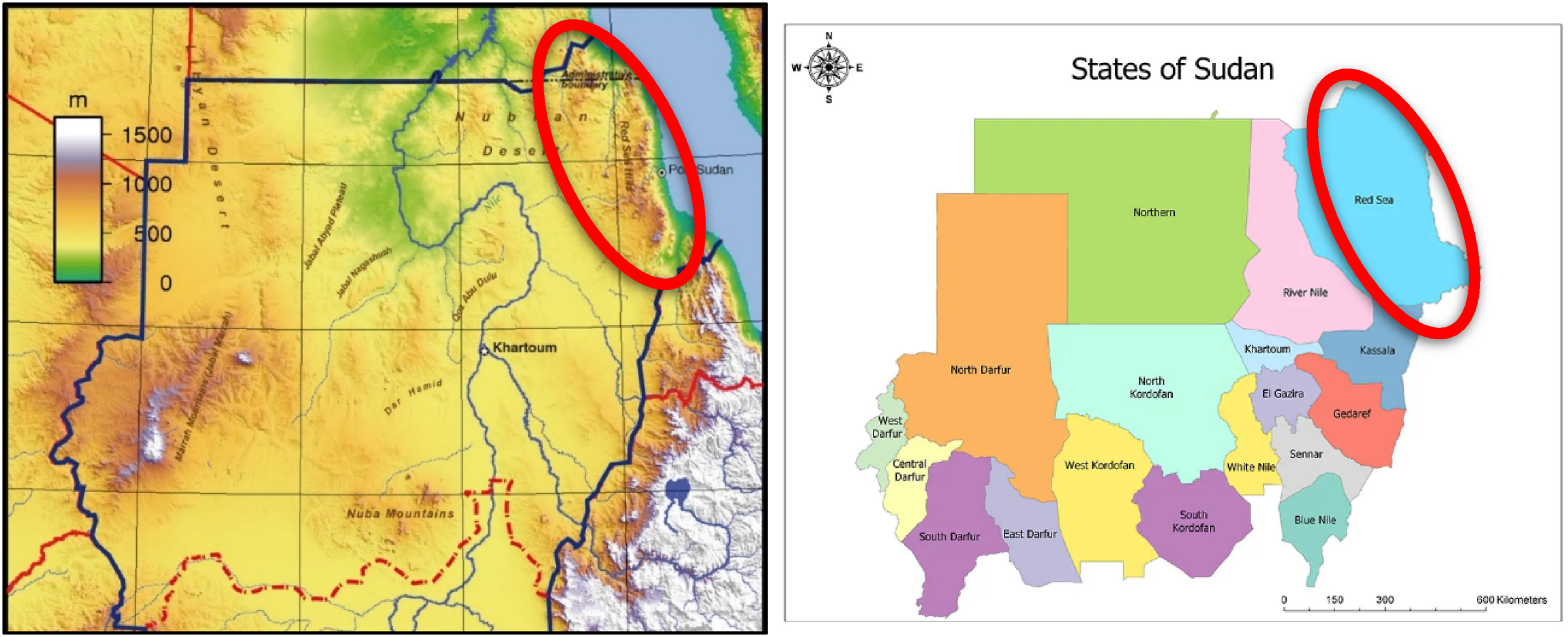
The broad coastline, wind flow conditions, high elevations, scattered population density, and water source availability offer a good opportunity for wind farm installation, reservoir excavation and water refill with minimal environmental and social impacts on the region. Suakin is a coastal city not connected to the national electrical grid; a suitable condition for using a stand-alone power plant. Arkaweit is a tourist town in the Red Sea Hills with a high elevation of 1090 m above sea level. The case study connects these two cities with a wind-driven pumped storage system. Figure 6 offers a general overview of the case study location. General overview of case study location (Google.LLC., 2023).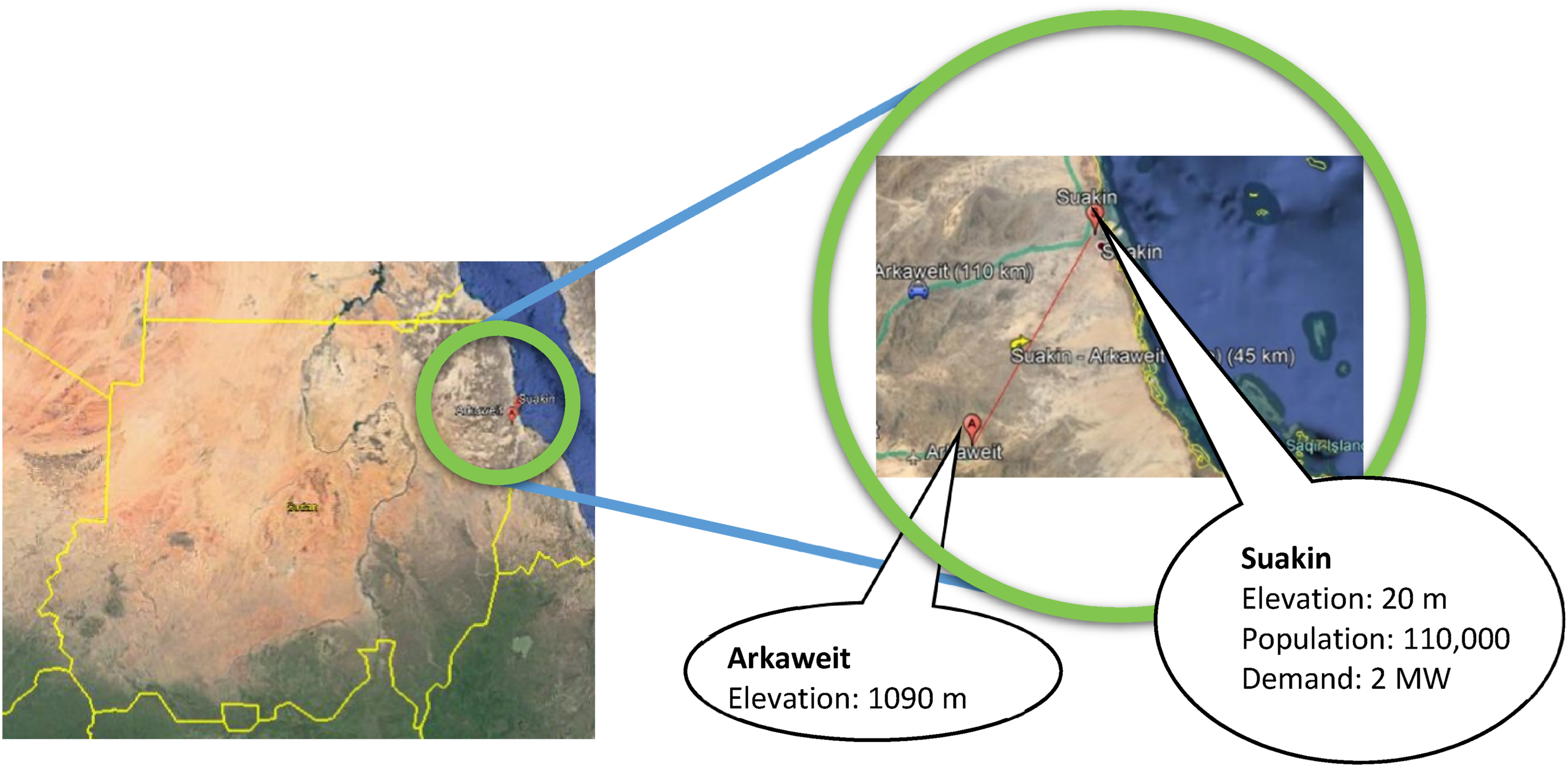
General assumptions and parameters
Although Suakin is adjacent to the sea, this case does not use seawater due to its out-of-the-study scope effects on the system. Water properties are considered constant at 30°C (Munson et al., 2013). Water levels in both upper and lower reservoirs are assumed to be kept constant over an operation cycle. The mechanical transmission efficiency is assumed constant at 98% with zero efficiency drop in the pumping station due to pump configuration. Typical wind turbine characteristics for constant pitch angle were adopted from Siddig (2019). The Sudanese Electricity Distribution Co. Ltd (2019) reported that the average electricity consumption of Suakin City is 2 MW. According to Wagner and Mathur (2018) hub heights of modern 1 MW to 3 MW wind turbines are usually 80 m to 130 m. The lower limit was implemented in this case study’s calculations.
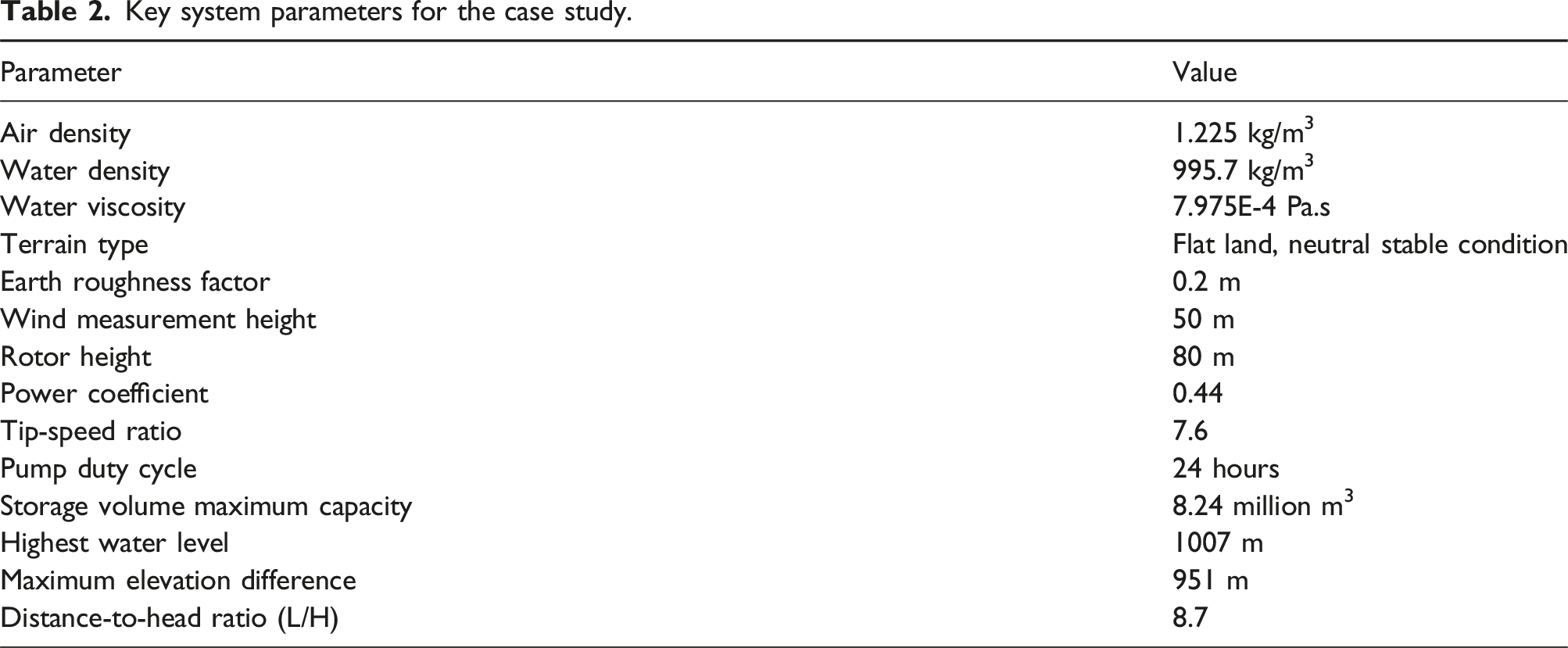
A spatial Analytical Hierarchy Process (AHP) was performed using Geographic Information System (GIS) tools considering wind speed, topography, population density, and distances from the roads, electricity grid, urban plantations, and protected land cover. Thence, the storage volume capacities, minimum static head, elevation profile, distance to head ratio (L/H), distance between the lower reservoir and the wind farm, and related parameters were calculated. The details of this AHP analysis are out of the current study’s scope, but the results adopted in calculations are shown in Figure 7 for the upper reservoir’s capacity and Figure 8 for the pipeline’s elevation profile. Key system parameters are summarised in Table 2. Storage volume capacity and height calculated from GIS analysis. Elevation profile of the pipeline path calculated from GIS analysis. Key system parameters for the case study.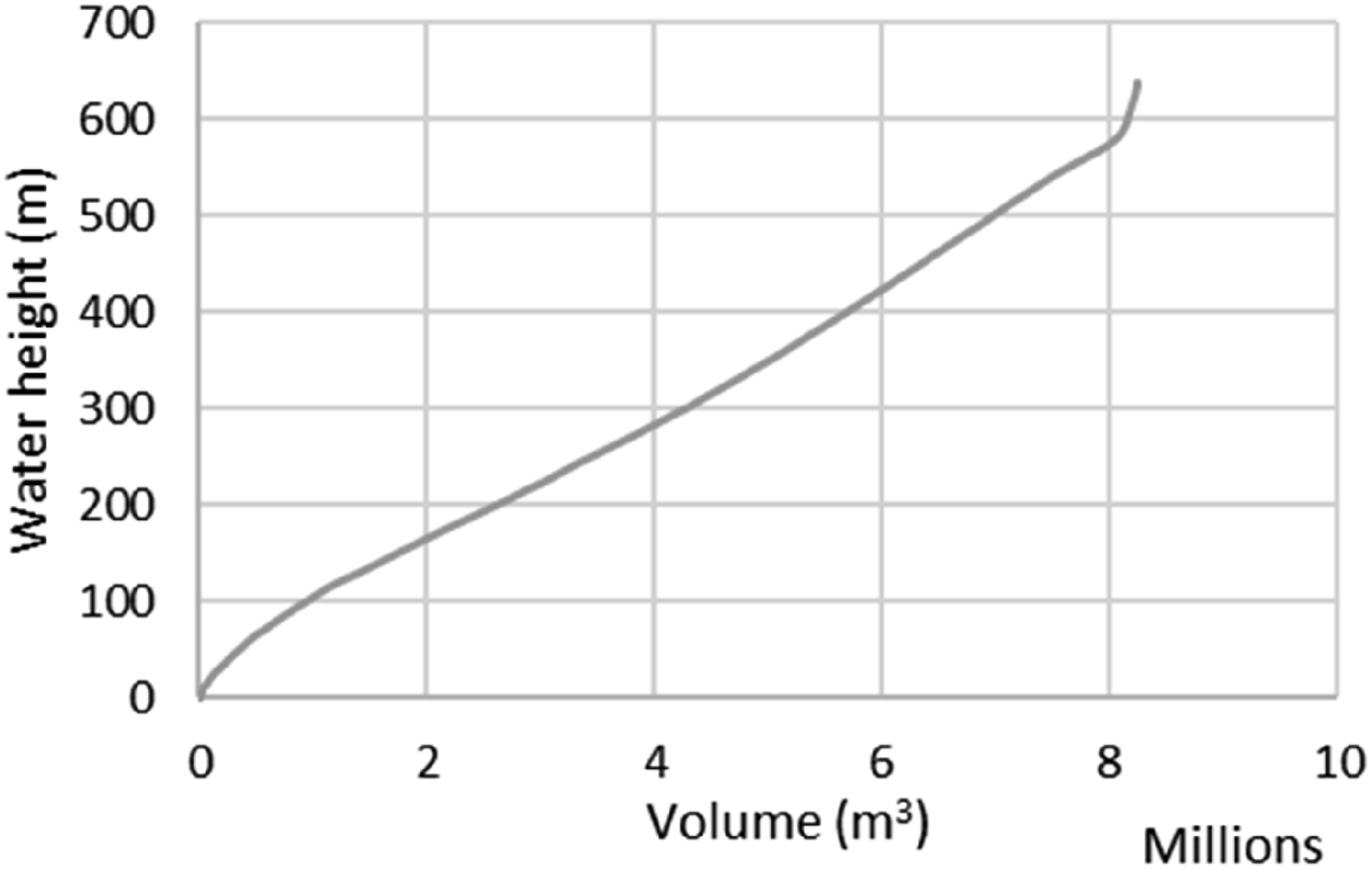

Case study scenarios
Three scenarios were studied considering the variability of wind speeds and system operation. (1) Scenario 1: Steady system. All variables are steadily distributed to analyse the annual storage operation. The effective wind speed at hub height is used for continuous pumping and the water level is kept constant at its maximum value. (2) Scenario 2: Variable wind speed and pump operation. Monthly variations in wind speeds govern the change of the required flow rate to maintain a constant stored volume of water. The number of monthly operating pumps varies to cover the flow rate requirements. (3) Scenario 3: Variable wind speed and storage capacity. Monthly variations in wind speeds change the volume of stored water. The continuous generation approach of steady demand results in accumulated stored energy per month.
Results and discussions
The average monthly speed in Suakin is shown in Figure 9 with an average wind speed of 5.03 m/s, and an average wind power density of 133 W/m2. The lowest wind speeds were recorded during the summer season, June to September, while the highest values are found in the winter season, December to February. Monthly mean wind speeds in Suakin for the years 2001–2021.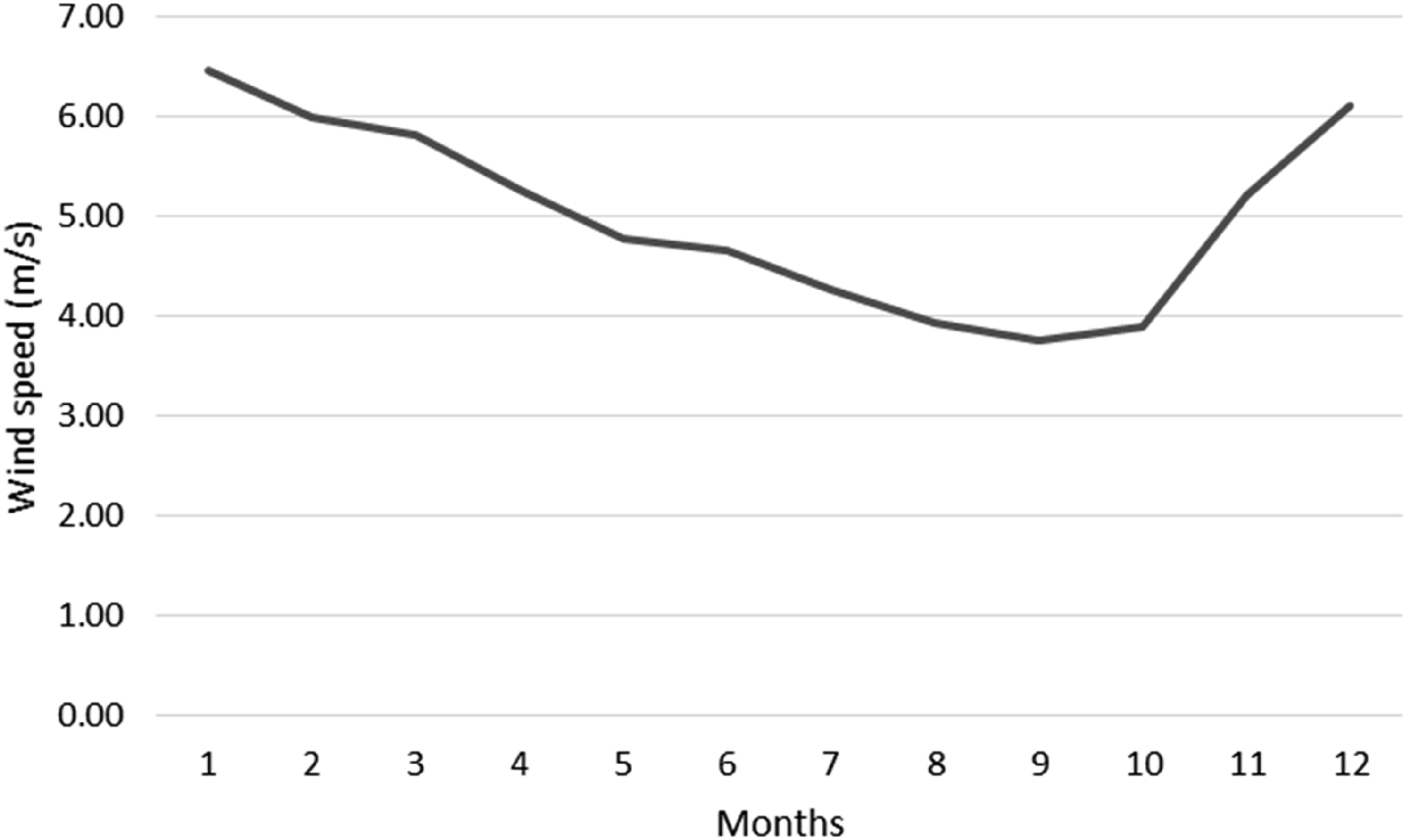
During the winter season the hourly average experiences fewer fluctuations than in summertime. The wind rose of Suakin, shown in Figure 10, indicates the prevailing wind direction of north to northeast. The most common wind speed category is 3 to 6 m/s followed by the range of 6 to 9 m/s. The wind speed rarely exceeds 12 m/s. Suakin’s wind rose for the years 2001–2021.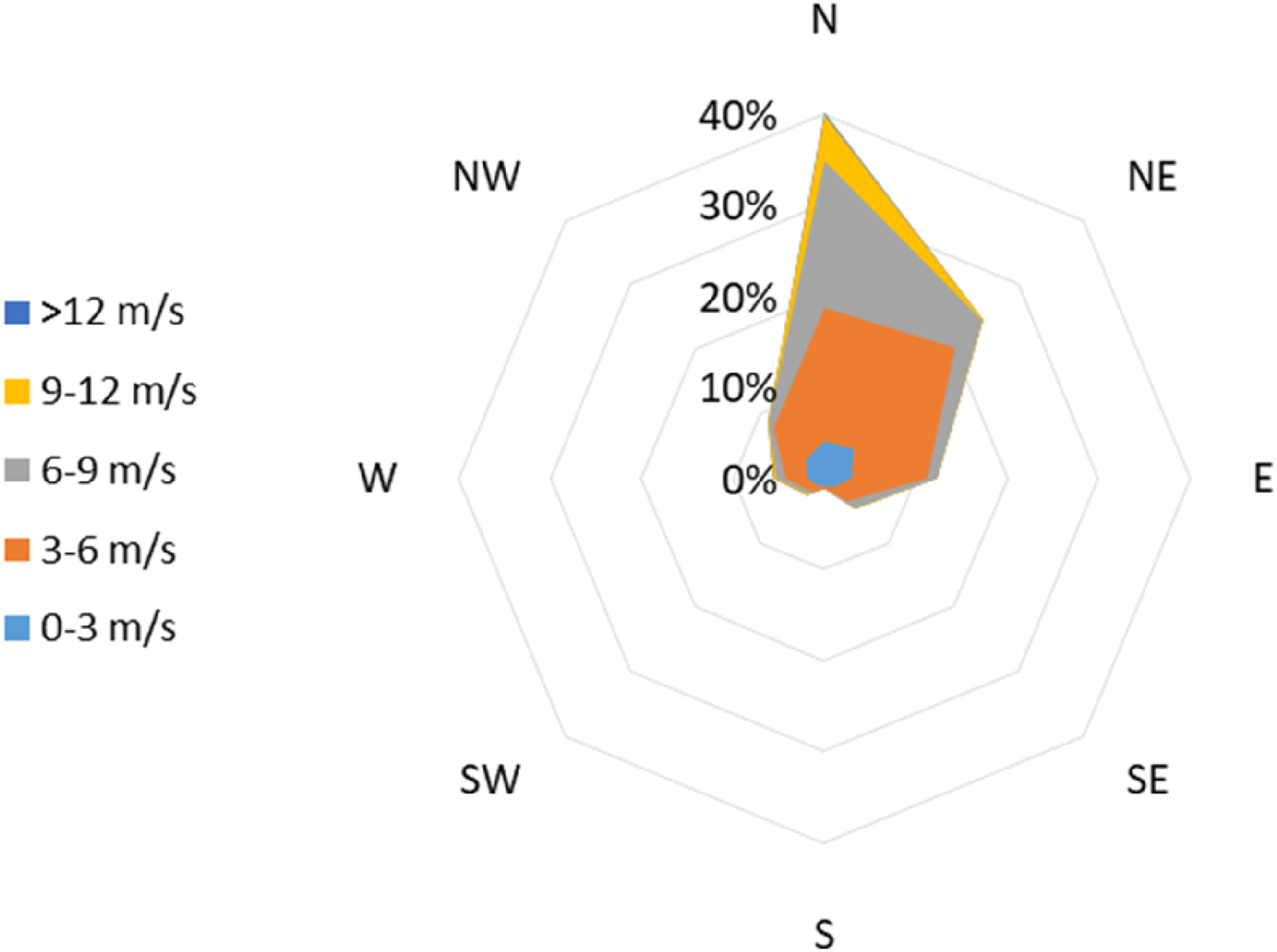
The site capacity factor, CF, was calculated using the annual Weibull distribution probability and found to be 55%. This result fell within the typical economical design value of conventional plants reported by Wagner (2018) to range between 40% and 80%.
Scenario 1: Steady system
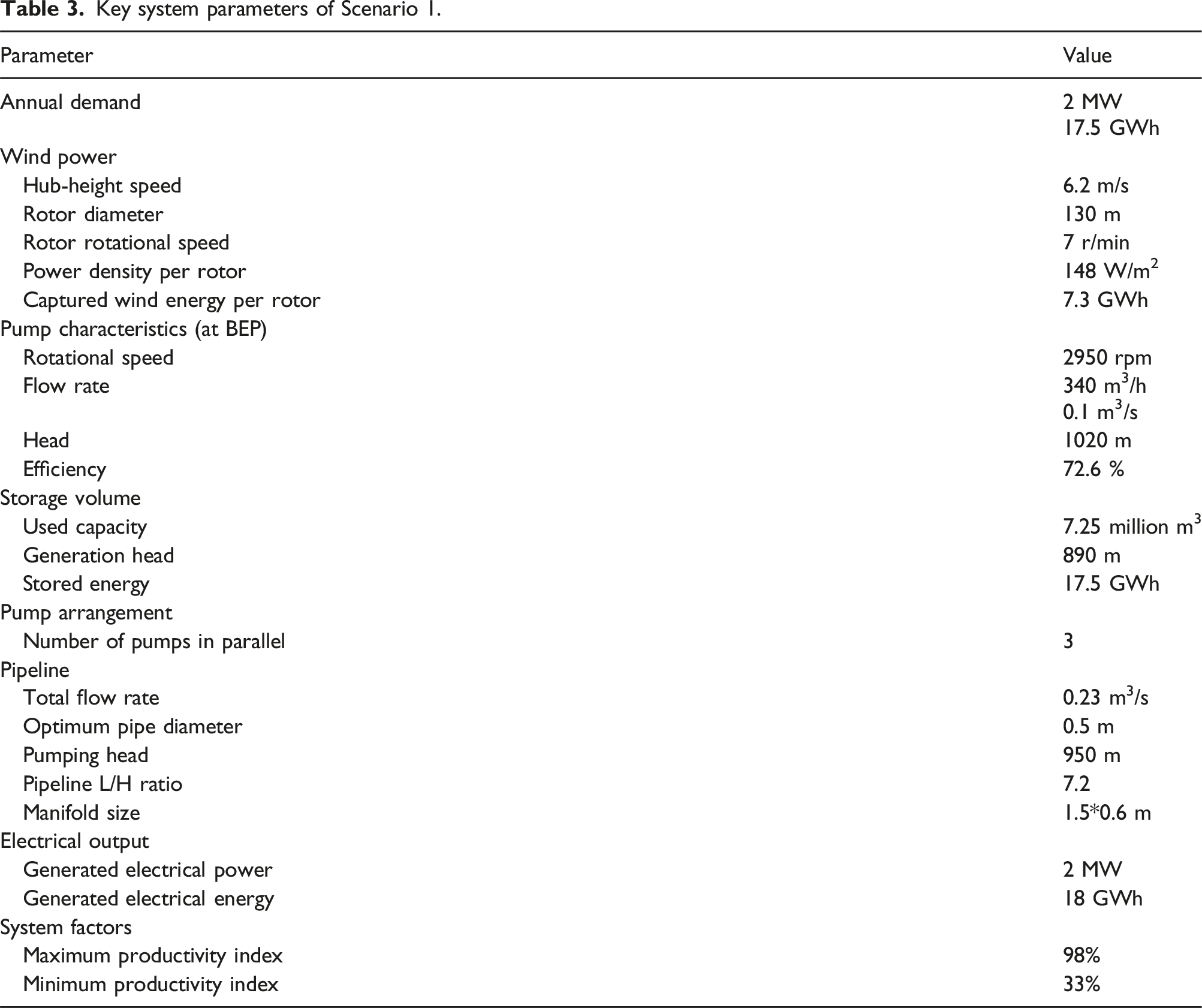
Wind speed was considered steady at the effective value of vrmc at the site. The design process and constraints explained in previous sections are followed to calculate different system parameters and component sizing. An annual storage operation is adopted translating the 2 MW power demand to 17.5 GWh energy demand. This can be covered by filling 88% of the available storage capacity, pumping a total farm flow of 827.4 m3/h.
Hydraulic analysis
The pump’s low rotational speed is a system constraint dominated by gearbox efficiency and durability considerations. Typically, the manufacturer’s pump characteristic curves associate low rotational speeds with low delivery heads. These conditions restricted pump selection to heads lower than the system requirements. On the other hand, the available wind power at hub height restricted the pump selection process to limited shaft power. Multistage pumps were preferred due to these regards. Lowara multistage pump model e-MP150B/06 (Lowara, 2019) was selected to deliver the required head, which agrees with the recommendation of the U.S. Army Corps of Engineers (2009) for multiple-stage four-machine configuration in projects exceeding 914 m height. The BEP characteristics were coupled with the typical wind turbine characteristics to calculate the following values: wind turbine’s mechanical power at hub height: 0.83 MW, rotor diameter: 131 m, and rotational speed: 6.9 rpm.
The hydraulic turbine’s head and discharge were compared to the turbine application range chart (Adejumobi and Shobayo, 2015) and Pelton turbine was found the most suitable for this study. The typical efficiency of this turbine type reaches 90% (Renewables First, 2015) which was used to calculate the minimum cost diameter of the penstock. The pipe hydraulic analysis resulted in flow rate, optimum pipe diameter and material selection with an estimated pipeline cost of 6100 million USD.
Cycle efficiency
The system’s cycle efficiency was calculated via productivity indices at the total number of operating machines to deliver the required annual demand. The energy factor relates the hydraulic turbine output energy to the theoretical wind energy available at the studied site and hub height without accounting for the turbine’s power coefficient or other conversion factors. This index was found to be 33%, which is higher than the value of 17% for conventional MWP reported by (Gopal et al., 2013). The roundtrip factor reached 98%, which reflects the highest theoretical efficiency of the generating part of this system. The roundtrip efficiency relates stored energy to the energy consumed in pumping. This productivity index indicates the highest theoretical efficiency in system operation from pumping to generation. The current system’s value of 94% is higher than the general pumped storage efficiency of 70%–85% identified by (Ardizzon et al., 2014; Javed et al., 2020). All these factors and performance indices support the assumptions of the research that the power loss in the traditional power conversion process of wind pumping can be reduced, and wind energy can sufficiently power a pumped storage system.
Key system parameters of Scenario 1.
Scenarios 2 and 3: Variable wind conditions
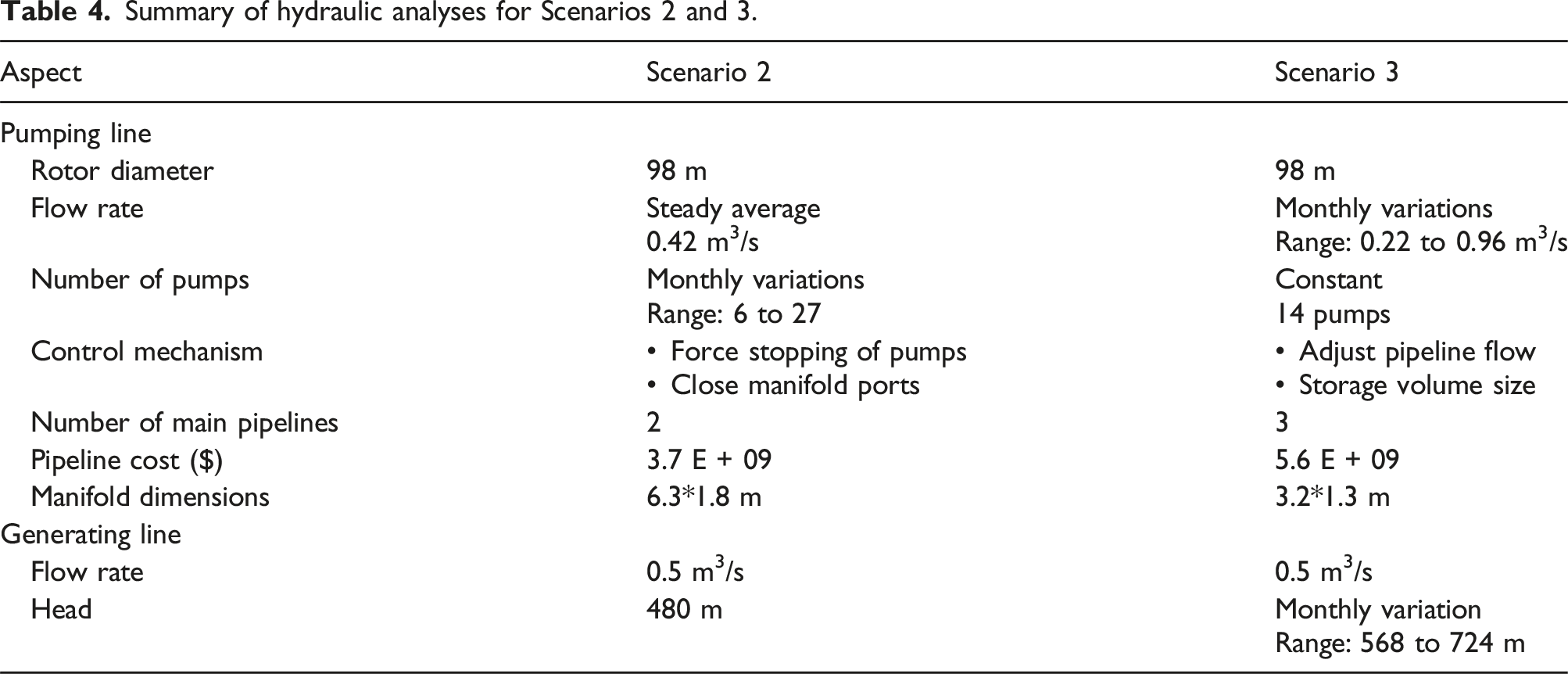
Both scenarios are based on the monthly variation of wind in the studied area, which affects the storage volume sizing, required flow rate, pumping pipeline analysis, and monthly number of operating pumps. Scenario 2 considers variable pump operation to account for the variability of wind, while the stored energy capacity is held constant. In Scenario 3, the stored energy capacity changes while operating with a constant number of wind pumps.
Storage volume sizing
The separately performed GIS analysis recommended a suitable site for the upper reservoir with a natural basin feature, introduced in Figure 7, with an available storage volume of 8.24 million m3 associated with a generating height, hT, of 1007 m. The potential stored energy in such a volume reaches 270 GWh, approximately 15 times Suakin’s annual demand. Using the average per capita energy consumption in Sudan of 2317 kWh as reported by (U.S. Energy Information Administration, 2023), this potential stored energy is sufficient to provide electricity to the entire Red Sea State population by operating 102 wind pumps.
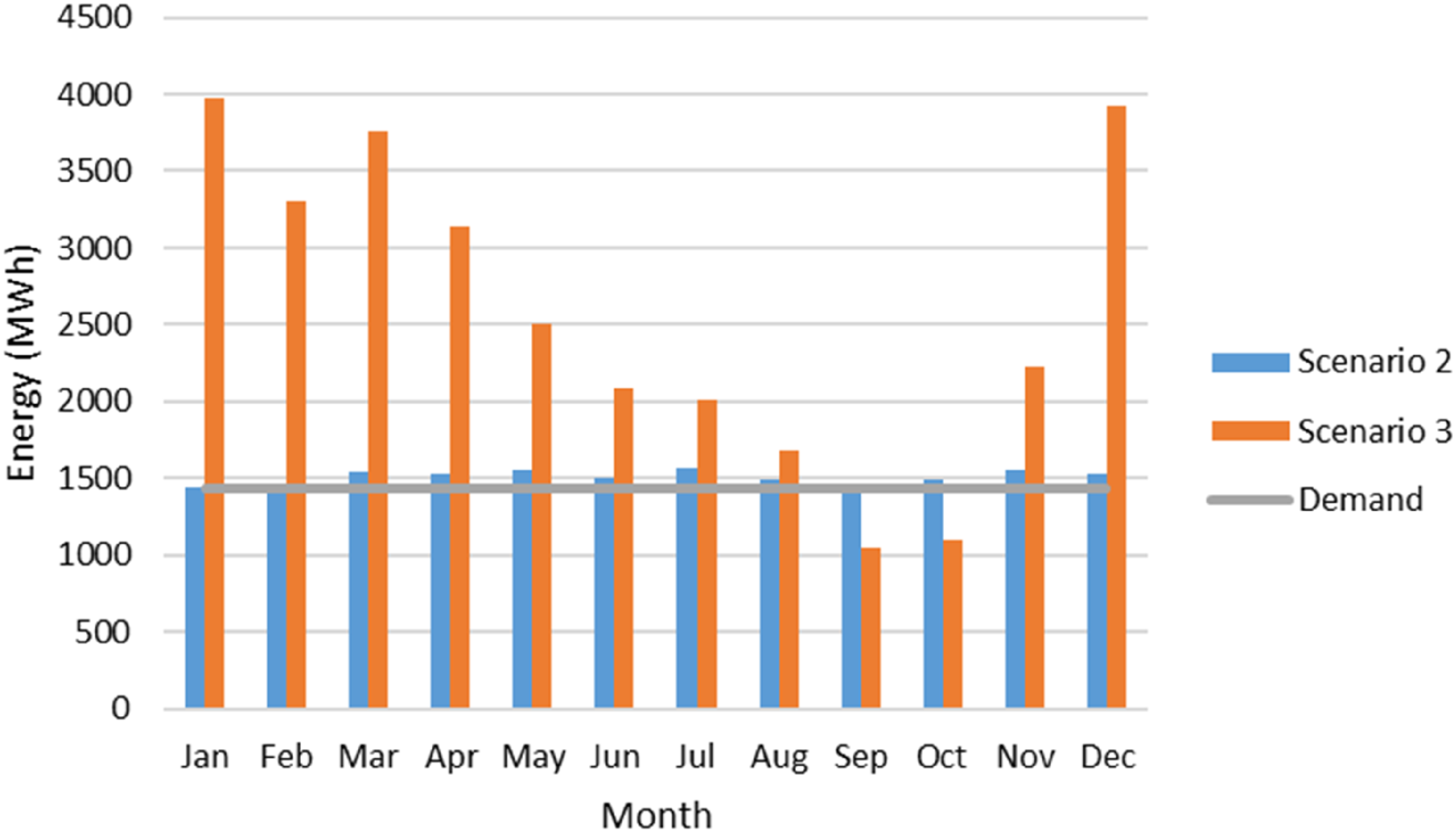
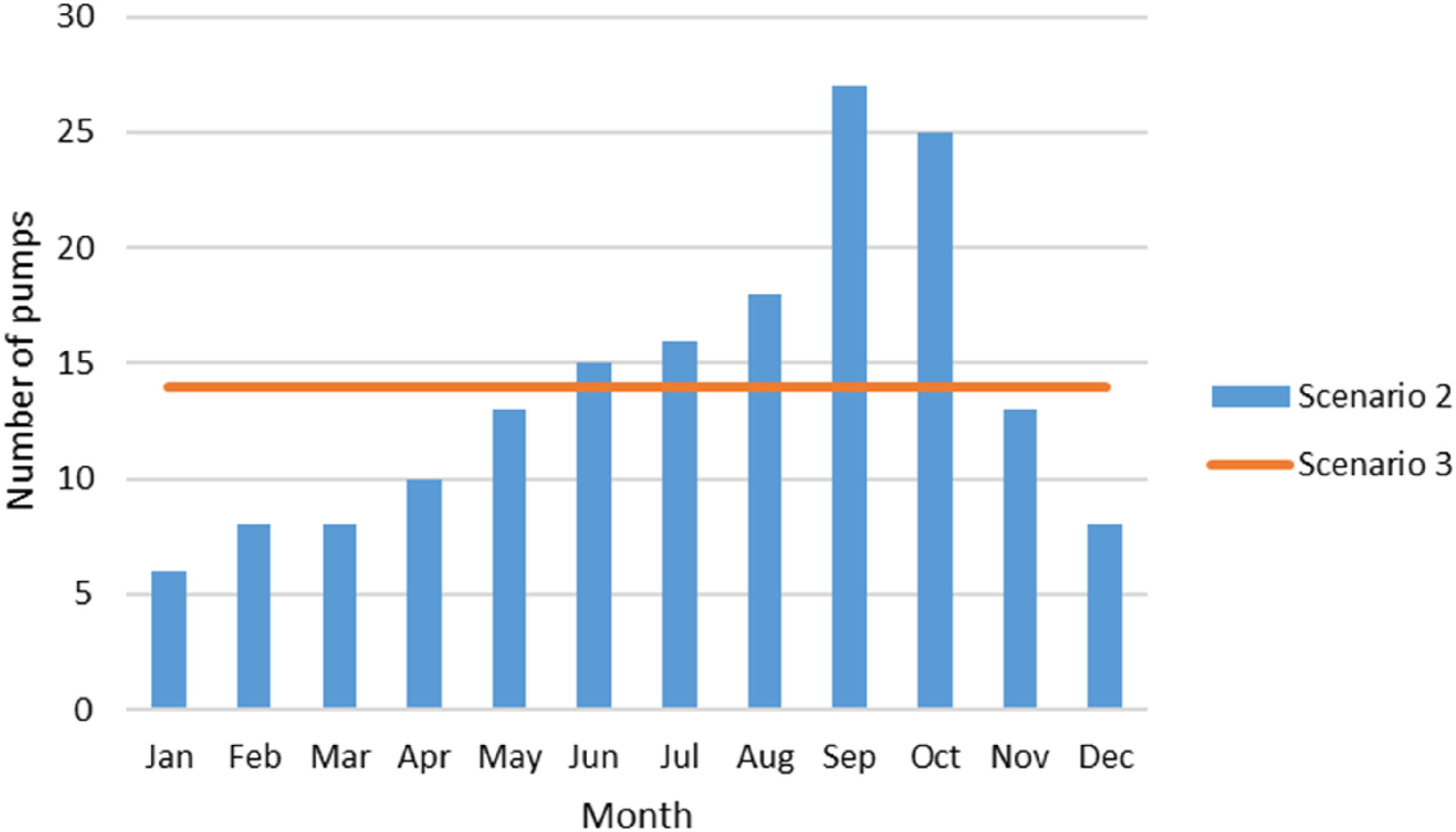
The monthly energy density available at the case study site (Figure 11) predicts the required flow rate to fill the recommended storage volume by balancing the monthly operation. The minimum stored energy should exceed the average monthly demand of 1440 MWh, which requires filling only 14% of the available storage capacity with an average flow rate of 0.42 m3/s. The storage capacity is associated with a 480 m height of water level as read from the GIS analysis (see Figure 7). In Scenario 2, the number of operating pumps changes with the required average storage. This will result in a variable pump operation scheme. Scenario 3 continuously operates an average number of pumps in all months to accumulate storage for the months of low wind speeds. The operating number of pumps and their flow rates are based on pump selection and pipeline design discussed in the following sections. Available monthly energy density in Suakin.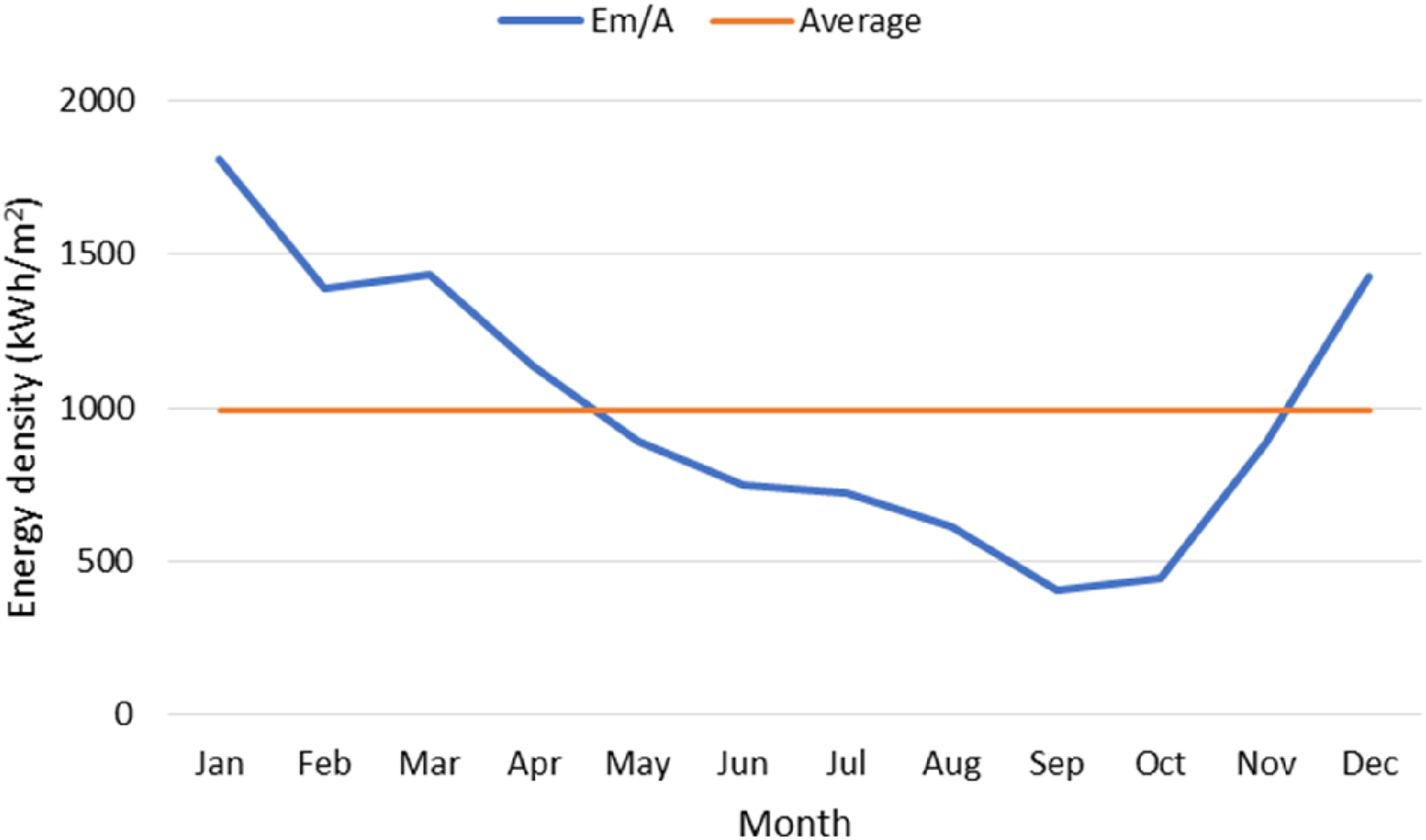
Hydraulic analysis
Summary of hydraulic analyses for Scenarios 2 and 3.
It is observed that the rotor rotational speed changes based on the available monthly wind fluctuations. The higher the wind, the higher the rotational speed and the lower the step-up ratio. A continuously variable power transmission system can be considered for these operating conditions.
Cycle efficiency
The monthly average of the productivity indices is shown in Figure 12. It is observed that Scenario 3, with the fixed number of operating pumps, has higher values of productivity indices. This is anticipated due to the accumulated monthly stored energy. Except for the roundtrip factor, these two scenarios result in lower values of productivity indices than Scenario 1. This is predictable accounting for the monthly fluctuations in wind speeds. Monthly average productivity indices for Scenarios 2 and 3.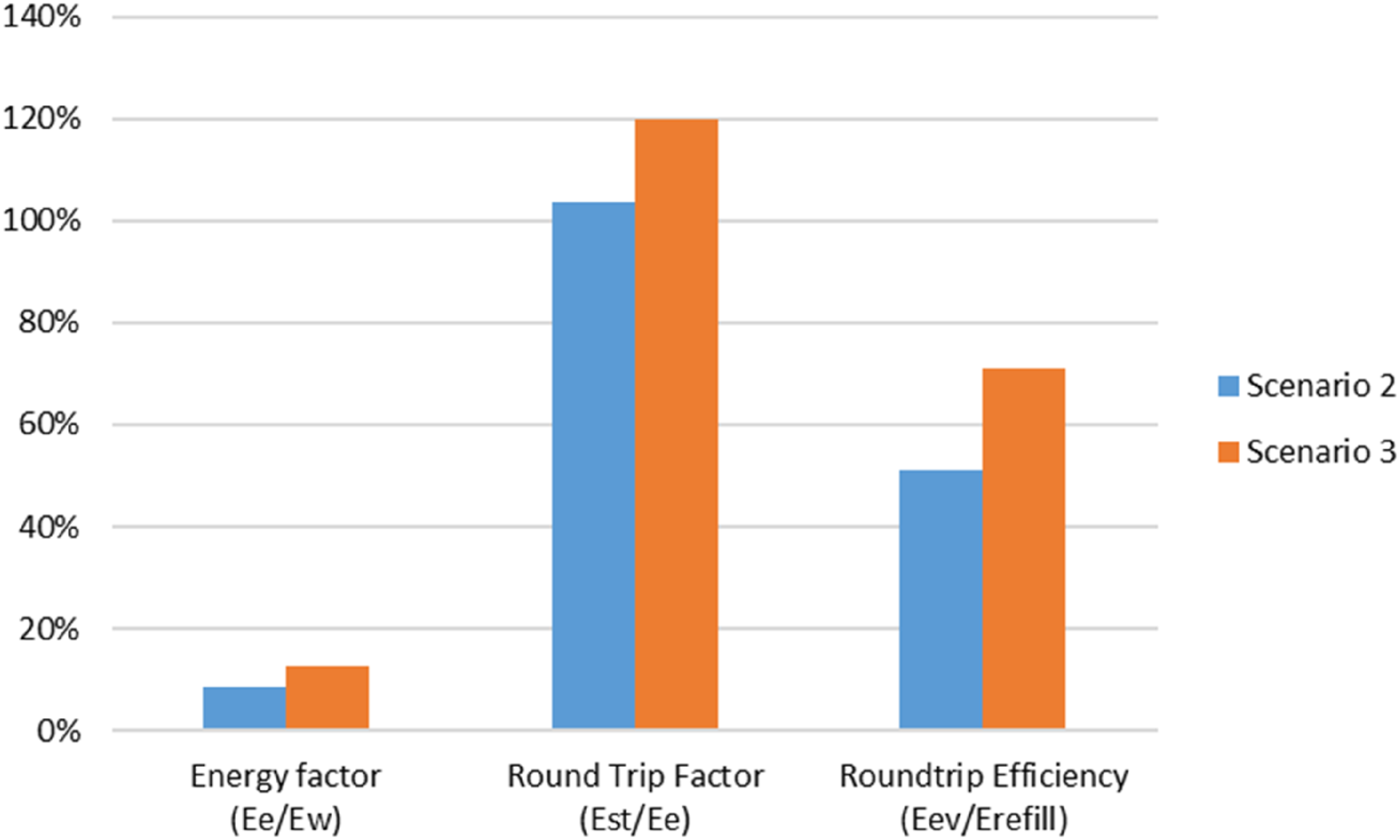
Overall system layout
The variable wind conditions and monthly pumping requirements resulted in key system parameters of Scenarios 2 and 3 as summarised in Figures 13, 14 and 15. Other system parameters are listed in Table 2 and Table 4. Wind and rotor speed for d = 98 m in Scenarios 2 and 3. Monthly energy storage and demand in Scenarios 2 and 3. Number of operating pumps in Scenarios 2 and 3.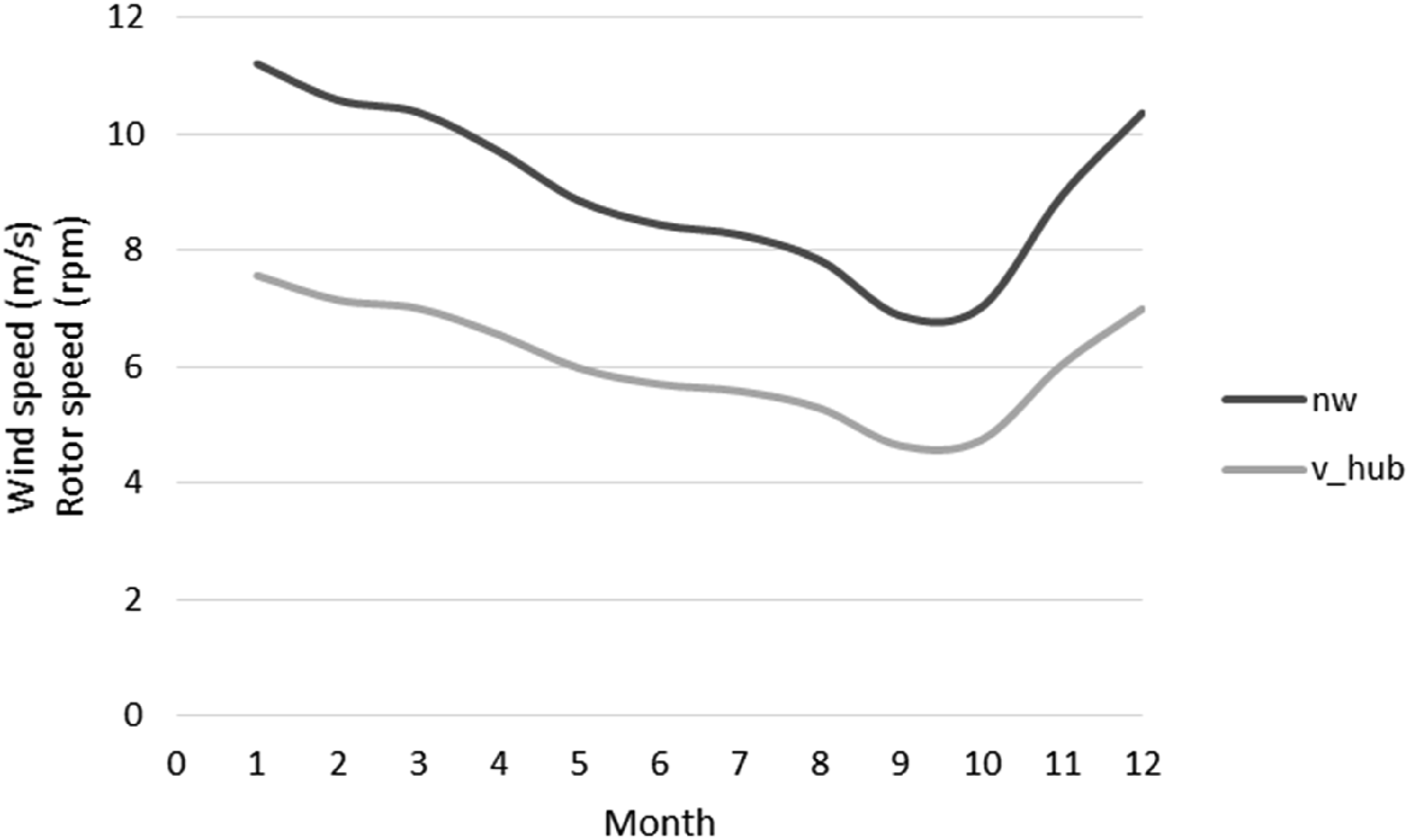
Conclusions and recommendations
This research presents a novel system of wind-driven pumped storage and its requirements, constraints, and design steps. The proposed system uses mechanically driven centrifugal pumps as the input energy of the hydro-pumped storage. The design process was used to analyse the performance of a case study system in the Suakin–Arkaweit vicinity in the eastern part of Sudan. The following conclusions emerged from this research work: (1) A procedural design of wind-driven pumped storage was created. Optimised system performance was ensured through parametric selection, comparative analysis and iterative mathematical solutions. (2) The geographical features and wind energy potentials in the Red Sea Hills fulfil all site selection constraints, which strongly recommend the installation of wind-driven pumped storage facilities in the area. (3) Three case study scenarios were considered for wind speed variations, pump operation, and storage capacity. In all scenarios, the roundtrip factor was above 90% indicating high system efficiency. (4) Accounting for wind variability reduced the roundtrip efficiency from 94% at effective wind speed to an average of 71% at monthly mean wind speed. Both values are acceptable for pumped storage facilities. However, accumulating storage increased the roundtrip factor by 22%.
The following points are recommended for further study and investigation: (1) Extract governing integral equations for the time-dependent storage operation cycle. (2) Detailed mechanical design of shafts and other hydraulic and mechanical power transmitting elements to consider exerted loads, forces and vibrations. (3) Conduct a cost analysis study for water harvesting using the HPS reservoirs.
Footnotes
Acknowledgements
The first author would like to thank the Council of At-Risk Scholars (CARA) for its support during the writing of the final manuscript.
Declaration of conflicting interests
The author(s) declared no potential conflicts of interest with respect to the research, authorship, and/or publication of this article.
Funding
The author(s) received no financial support for the research, authorship, and/or publication of this article.
