




Abstract
Nanoscale beams and rods are extensively used in several nano-electro-mechanical systems (NEMS) and their applications such as sensors and actuators. The surface and flexoelectricity phenomena have an extensive effect on nanosized structures and are related to their scale-dependent characteristics. This article presents the effect of different surface parameters and flexoelectricity on the electrostatic response of graphene-reinforced hybrid composite (GRHC) nanorods (NRs) using the theory of linear piezoelectricity, Euler-Bernoulli (EB), and Galerkin residual method. Based on these theories, the theoretical and finite element (FE) model is produced to investigate the static bending deflection of GRHC NRs when subjected to point and uniformly distributed load (UDL) considering different boundary conditions: cantilever (FC), fixed-fixed (FF), and simply supported (SS). This proposed FE model provides a useful tool for analyzing and investigating the outcomes of analytical models, which are found to be in good agreement. Our results presented in this article reveal that the effect of surface and flexoelectricity on the static bending response of GRHC NRs is noteworthy. These effects diminish with increased thickness/diameter of NR, and hence, these effects can be neglected for large-sized structures. The results presented here would help to identify the desired electrostatic response of GRHC NRs in terms of static bending response for a range of NEMS using different loading and boundary conditions as well as graphene volume fraction. This current study offers pathways for developing new proficient novel GRHC materials with enhanced control authority and present models can be exploited for numerous other materials as well as line-type structural systems such as beams, wires, rods, column/piers, and piles to study their global response.
Introduction
Over the last few decades, there is increasing research attention in flexible piezoelectric structures because of their inherent electro-mechanical coupling aspects that offer various opportunities to develop multifunctional next-generation nano-electro-mechanical systems (NEMS) with energy harvesting applications.1,2 The smart piezoelectric composite nanostructures show size-dependent properties such as flexoelectric and surface effects, which classical continuum mechanics cannot account for as compared to conventional bulk fiber-reinforced composite structures. In addition, due to the coupling of piezoelectricity and flexoelectricity at nano-level, the continuum and finite element (FE) modeling of such novel composite nanostructures get complicated. Hence, to make the optimum usage of the piezoelectric composite materials, it is important to acquire a well prior knowledge of these scale-dependent properties. Piezoelectric composite structures have widespread usage in mechanical, civil, marine, aerospace, and other industrial applications. A piezoelectric micro/nanoscale structure such as beams, plates, rods, and panels is found to be having massive capabilities for numerous applications including energy harvesters which contain sensors, actuators, parallel plate capacitors, and nanogenerators.3–10 Nanoscale beams and rods are extensively used in several NEMS applications. Precisely from the past couple of years, piezoelectric/non-piezoelectric materials have fascinated great interest for producing energy harvesters to generate the electric response on the application of mechanical load to the structure. In contrast to the phenomenon of the piezoelectric effect, an impulsive electric response in terms of polarization is exploited by a strain gradient known as the flexoelectric effect and it is more significant to accomplish the purpose of energy harvesting. The flexoelectric effect occurs in insulating as well as dielectric materials11,12 whereas the inversion symmetry plays a vital role. By breaking this inversion symmetry, one can generate the polarization even in the centrosymmetric crystals (i.e. in non-piezoelectric materials) because of the strain gradient. Such a gradient term shows substantial results at the nanolevel and hence the flexoelectric effect is acknowledged as a scale-dependent phenomenon. Firstly, the flexoelectric effect was studied in 1950s 13 but acknowledged very less in research interest for a long period because of its weak effect. Very recently from 2000s, the flexoelectric effect captivated much more attention from the scientific and nanoscale application point of view. Tagantsev 11 investigated the flexoelectric coefficients of dielectrics, ferroelectric, and materials such as relaxors and he observed that these coefficients depend on dielectric coefficient. These results confirmed the estimations made by Ma and Cross 14 through experimental characterization. Maranganti et al. 15 developed a comprehensive framework based on variational principle for dielectrics considering the flexoelectricity and offered solutions for the governing relations of a centrosymmetric continuum medium through Green’s function. Meanwhile, the advantage of flexoelectricity over piezoelectricity is, the piezoelectric effect which only occurs in 20 non-centrosymmetric point groups while the flexoelectric effect occurs in all dielectric with 32 crystalline point groups, interesting fact about the flexoelectricity is that one can generate piezoelectricity even in the non-piezoelectric materials. 16 For instance, Majdoub et al. 17 observed the flexoelectric effect for energy harvesters such as piezoelectric beam/ribbon due to substantial enrichment of the piezoelectric coefficient. In addition to flexoelectricity, Shen and Hu 18 recognized a general formulation for dielectrics with surface effects taken into account at nanoscale. In case of unimorph piezoelectric energy harvesters, Wang and Wang 19 proposed an analytical model with consideration of the flexoelectricity at nanolevel. Their outcomes revealed that flexoelectricity shows a noteworthy effect for piezoelectric cantilever beams in the energy harvesting application.
On the other hand, in addition to flexoelectricity, the influence of surface parameters is extensively renowned to substantially affect the physico-mechanical characteristics of nanostructures. The effects of different parameters of surface such as residual stresses, surface modulus, lame parameters, and surface piezoelectricity engrossed great research attention from fundamental applications. For example, Gurtin and Ian Murdoch 20 proposed the continuum model considering the linear surface elasticity theory. They assumed the deformable surface having zero or negligible thickness, which is adhered to bulk material considering the perfect bond amongst the surface and bulk material. The surface effect can also be known as a size-dependent phenomenon. Due to reduced geometrical dimensions to the nanoscale, the surface effects are primarily liable to produce the enhanced scale-dependent electro-mechanical response from the base material. To distinguish the crystal and amorphous structure, Izumi et al. 21 carried out the molecular dynamic (MD) simulation for evaluating the surface elastic coefficient as well as surface stresses. As the values/magnitudes of surface elastic moduli and surface stresses are different for different elements such as nickel (Ni), aluminum (Al), palladium (Pd), silver (Ag), platinum (Pt), copper (Cu), gold (Au), etc., including positive and negative sign. It depends upon the surface orientations of elements and crystal structures (crystallographic direction). For example, Shenoy 22 studied the different elements for values of surface residual stresses and elastic moduli. They showed the negative value of surface stresses for nickel in case of specific crystallographic direction and crystal surface while all other elements (Al, Ag, Cu, Au, Pd, Pt) possess positive value. The influence of surface stress on static/dynamic characteristics of elastic and piezoelectric materials is investigated by several researchers,23–26 and they observed that the surface effect will influence the performance of energy-harvesting elements as its size is minimized to nanolevel. Several authors21,25,27,28 investigated the approximate approach to compute the surface elastic constant and Ru 29 has predicted the same approach by considering the surface layer thickness and thermoelastic dissipation factor into account for the analysis of nanowire. Afterward, for demonstrating the influence of surface parameters including surface lame constants and residual surface stresses on the bending/modal analysis of circular and rectangular plates, Liu and Rajapakse 30 presented the FE and analytical methods. Chen 31 considered the consequence of a plane boundary of a piezoelectric body molded as a thin layer means surface layer with quantified bulk properties and derived the state-space formulation for a transfer relation concerning the state vectors at the top/bottom surface. The author also stated the relationship amongst the surface layer thickness and the surface piezoelectric coefficient. Yan and Jiang 32 have adopted the Euler-Bernoulli (EB) model for static bending analysis of the piezoelectric cantilever beam by taking the residual surface effects into account, but they have not considered the effect of flexoelectricity. Pan et al. 33 and Nan and Wang 34 introduced the characteristic length to specify the surface constant over the bulk material properties. From the study of extensive literature related to classical continuum mechanics, it is observed that these theories are not able to consider the small-scale effect of nano-scaled structures due to the absence of different scale parameters. Considering the insufficiencies of classical continuum theories, the higher-order non-classical continuum theories such as non-local elasticity theory (NET) of Eringen, shear deformation theory (SDT), nonlocal strain gradient theory (NSGT), and modified coupled stress theory (MCST) which give more precise outcomes by considering size effects, have been recommended to investigate the different responses of nanostructures. For instance, Ebrahimi and Dabbagh35–37 investigated the hygro-thermal and viscoelastic wave propagation properties of single- and double-layered graphene sheets (SLGSs and DLGSs) employing NET and NSGT. In addition, the value of wave frequency, phase velocity, and escape frequency of DLGSs were also obtained. Moreover, they performed parametric studies to examine the effect of different parameters such as length scale and nonlocal parameters, wave number, moisture concentration, temperature gradient, structural damping, Winkler and Pasternak coefficients, as well as axial load on the wave propagation response of SLGSs and DLGSs. Based on NET, Ebrahimi et al.38–41 presented a new two-step porosity dependent homogenization technique to investigate the wave propagation responses of functionally graded (FG) porous nanobeams in the presence of axial pre-load. They reported that if the porosity volume fraction is increased then the dispersion responses of FG nanobeams were decreased. Afterward, they investigated the wave propagation response of smart magnetostrictive sandwich nanoplates based on NSGT. In this, they reported that for low wave numbers the magnetostriction significantly affect the dispersion responses of smart nanoplate. Using same NSGT framework, they investigated the viscoelastic behavior of nanostructures such as FG nanobeams and nanoplates which are affected by the relationship between nonlocal time and space. These studies reveal that an increase in the nonlocal parameter can reduce the loss factor in a significant way due to the coupling between the nonlocalities in the spatial and temporal domains. Most recently, Naskar et al. 42 introduced a very powerful semi-analytical “Extended Kantorovich method” in conjunction with MCST to analyze the static and dynamic response of flexoelectric FG plate at the nanoscale in the presence of surface and piezoelectric effect.
Novoselov et al. 43 performed the ground-breaking experimental analysis of a single layer graphene sheet which fascinated enormous response from both academia and industry. It is also called mankind of the century because of its distinctive thermo-electro-mechanical properties. As graphene is made from allotrope of carbon, each atom is contributed to a chemical reaction from both sides, which is attributed to its two-dimensional (2-D) structure. In the present day, graphene becomes broadly acknowledged as the utmost outstanding material to form the graphene-based composite due to its high mechanical stiffness. To improve and economize the efficiency of composite/matrix, graphene nanosheets (GNS), graphene/graphite oxide (GO), and graphene platelets (GPLs) which are derivatives of graphene were surrounded into the different types of matrix.44–49 Whereas Rafiee et al. 48 accomplished the systematic experimentation to analyze the buckling behavior of graphene-based composite beam and they conveyed there is ∼52% enrichment of buckling capacity of the composite beam by adding graphene nanofillers with 0.1% weight fraction into the epoxy. Using algebraic polynomials and the Ritz method, the thermal post-buckling for examining the nonlinear thermal stability of graphene-based composite beams under constant temperature raise was performed by Kiani and Mirzaei 50 and Zhang et al. 51 Zhang et al. 51 presented the mechanical analysis including vibration, bending, and buckling of GO-based FG beams using the theory of first-order shear deformation. In this, using the modified Halpin-Tsai (HT) method, they estimated the effective mechanical properties of the graphene-based composite. Several authors52–54 studied the static and dynamic analysis of advanced composite, multi-material lattices, and FG materials by using different theories as well as a powerful machine learning tool for stochastic analysis. Wang et al. 55 established a 2-D elastic model with consideration of the constant distribution of graphene in each layer and also shear strain as well as the thickness strain, that is, plane stress state in each layer for free vibration and bending analysis of layered graphene composite beams. In conjunction with these investigations, interphase is a multifaceted area that can be used amongst the matrix and reinforced fiber for finding additional upgraded effective properties of the proposed composite. For finding more accurate as well as precise properties of the composite, no slippage assumption is generally taken into consideration amongst the reinforcement, matrix, and interphase. In that manner, Chen et al. 56 investigated the composite surrounded by GO to study gradient interphase not only to improve the distribution of carbon fiber/epoxy interface but also stress transfer features. By using different micromechanical and numerical models, Shingare and Naskar 57 predicted the overall piezoelastic properties of hybrid graphene-reinforced composite. They also reported lead zirconate titanate (PZT-5H)-based epoxy composite with and without considering graphene interphase. They showed a significant enhancement because of graphene nanofillers in traditional composites. Thus, graphene can be utilized as interphase and nanofillers to enhance the effective properties of composites. Nowadays, apart from conventional composite and FG structures, hybrid nanocomposite attracted great research interest due to the incorporation of micro- and nano-scaled reinforcement in the matrix phase. For instance, Ebrahimi et al.58–62 performed extensive research investigation on static stability, free vibration, and postbuckling analysis of multi-scale hybrid (MSH) nanocomposites and their different structural elements such as beams, plates, and shells composed of both macro- and nano-scale reinforcements such as carbon fiber (CF), glass fiber (GF), GO powder, and carbon nanotube (CNT) in a polymeric matrix. Most recently, Ebrahimi and Dabbagh 63 and Ebrahimi et al.64,65 presented an analytical solution for investigating the free vibration and buckling analysis of MSH nanocomposites plates reinforced with CNT nanoparticles. They considered the different micromechanical models such as rules-of-mixture, modified HT, and Eshelby-Mori-Tanaka model to compute the effective properties. In these above studies, they employed different analytical and FE theories such as EB beam theory, classical plate theory, Navier’s solution, Galerkin’s and Rayleigh-Ritz method based new refined higher-order SDT to envisage the buckling and vibration response of MSH nanoplates subjected to clamped-clamped and simply supported edge support conditions. Moreover, they also considered the effect of different parameters such as porosity, agglomeration of CNTs, straight and wavy CNTs as well as effect of viscoelastic properties of polymer and wavy shape of the CNTs to acquire desired response of MSH nanocomposite beams, plates, and shells. Shingare and Naskar 66 also investigated the piezoelectric and surface effects on a hybrid graphene-reinforced composite plate to study its static/dynamic responses. The above all studies related to FG, MSH, and advanced composites were mainly focused on static and dynamic behavior, but they didn’t consider the electromechanical response considering size-dependent properties such as flexoelectric and surface effects.
Taking inspiration from the concept of MSH nanocomposites, authors considered three-phase hybrid nanocomposite, namely, “Graphene-Reinforced Hybrid Composite (GRHC)” composed of graphene as nanofillers or interphase and PZT-5H as active piezoelectric fiber incorporated in the epoxy matrix. On careful examining the available scientific literature, it is noticed that no single study is available on such piezoelectric GRHC nanorod considering size-dependent properties such as flexoelectric and surface effects to improve its electromechanical properties which is an undeniable inspiration behind the present research. The novelty of the current study proposes the analysis of static bending analysis of flexoelectric GRHC nanorod (NR) (hereinafter the “hybrid NR”) considering different boundary conditions (BCs): cantilever that is, free-clamped (FC), fixed-fixed (FF), and simply supported (SS) and loading conditions: point (P) and uniformly distributed load (UDL). According to the practical point of view, these loading and BCs are important in automotive, aerospace, and spacecraft engineering structures. These structures are mainly subjected to the penetration of external load and UDL with all mentioned BCs. The objective of the present work is to extend the base knowledge of the gradient of strain/electric response to promote the importance of surface and flexoelectric effects in the nanostructure. The surface effects comprising the surface stress, modulus, and piezoelectricity are integrated into the model. From the literature, it is also observed that the analytical models are restricted to simple geometries and BCs while these models are also far more complicated for systems with somewhat more complex geometry. It is also well-known that nanoparticles appear with irregular surfaces when their dimensions are in the nanometer range. Therefore, to further elucidate the surface effect and better characterization of the electrostatic behavior of nanostructures, the FE method (FEM) should be a better option. In case of intricate geometries of beam and BCs, usually accounted for NEMS applications, a multipurpose in-house FE model needs to be developed. However, the traditional FEM can only provide numerical solutions without considering the surface and flexoelectricity effect. This thing keeping in mind, we developed a new FE formulation in the present article by incorporating the surface parameters as well as piezoelectric and flexoelectric effects with the traditional one.30,67 The Galerkin residual method is the most widely used technique to solve the problem with suitable approximation in analytical relations without using commercial FE software. Therefore, to avoid the complexity due to consideration of all dimensions of structures, we limited our FE analysis to one dimension (1-D). In the context of dimensional reduction, 1-D modeling always referred to line-type members such as beams, wires, rods, column, and piles, 2-D modeling referred to plate-type members such as walls, slabs, etc. (assuming suitable problem type: plane stress, plane strain, or axisymmetric) while 3-D modeling referred for the structural member by assuming appropriate dimensions to analyze prototype. For this reason, the authors developed an in-house FE code by assuming 1-D case based on the Galerkin residual method to validate the results obtained from an analytical formulation based on EB theory and compared both sets of results.
The results obtained from the present research work would offer new insights to engineer the domain configurations for tailoring the desired static electromechanical responses of the novel GRHC considering surface and flexoelectric effects. This has been demonstrated by comparison of different sets of results such as: (i) conventional composite nanorod (without surface and flexoelectric effects), (ii) flexo composite nanorod (considering only flexoelectric effect), and (iii) flexo-surface composite nanorod (considering surface and flexoelectric effects). From the computational development point of view, the impact of the above-mentioned aspects is quite significant. Thus, most importantly, the current results reveal that the incorporation of surface effect dominantly influences the electromechanical response of nanorods compared to the flexoelectric effect and both the effects should be considered to study the structural response of any nanostructure. Figure 1 illustrates the flowchart explaining the layout of the work carried out in the research article.
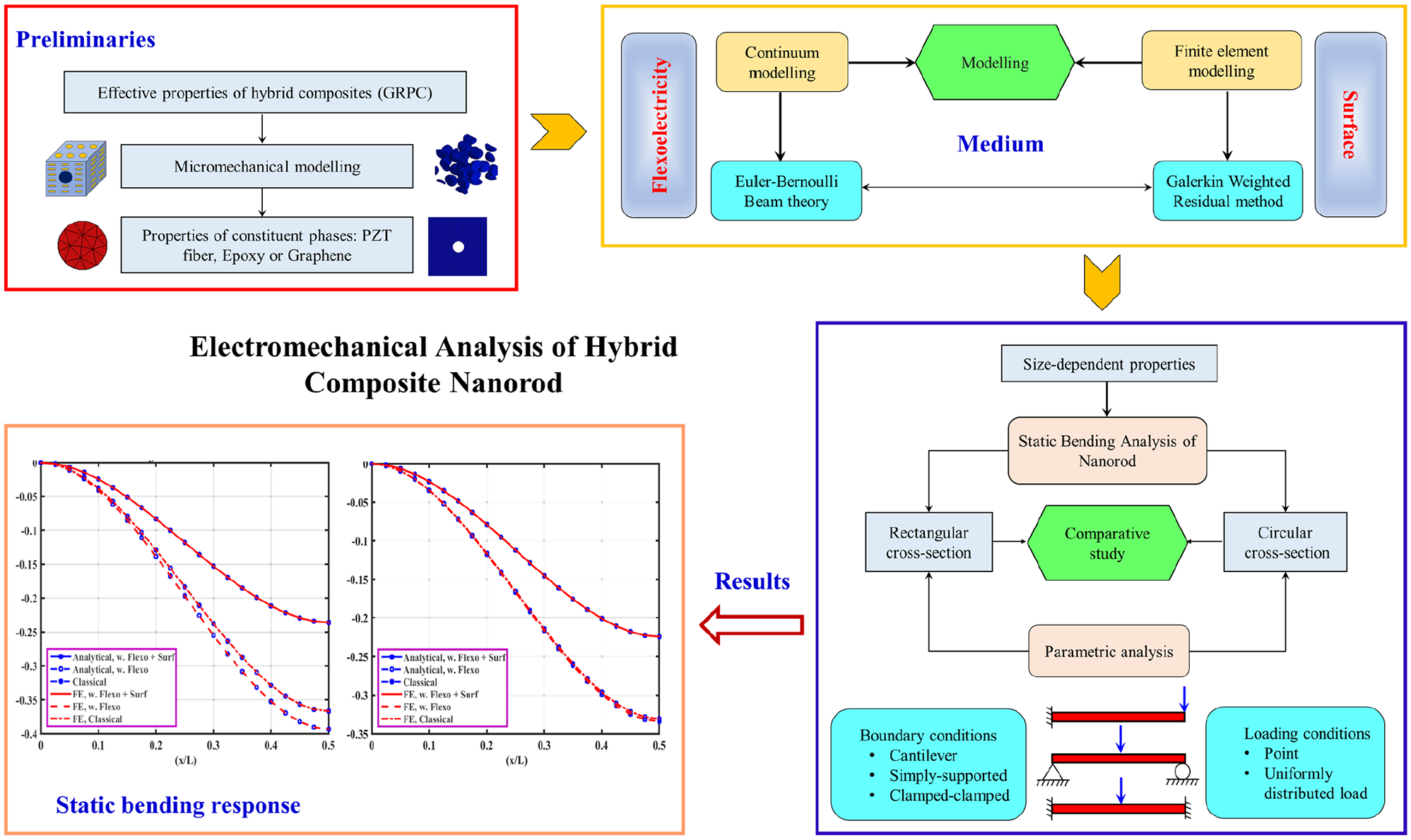
Flowchart of electromechanical analysis of hybrid NRs.
Electromechanical response of GRHC nanorod
Effective properties of GRHC
The determination of effective elastic and piezoelectric properties of graphene-reinforced hybrid composite (GRHC) is required priori and therefore, its effective properties are predicted first. We considered graphene sheets as nanofillers or interphase and PZT-5H as active piezoelectric fiber incorporated in the epoxy matrix to form GRHC. Figure 2 demonstrates a single GRHC representative volume element (RVE) which is assumed to be extracted from composite laminate. Recently, Shingare and Naskar6,57 studied the electrostatic response of GRHC and its structures accounting for the piezoelectric and flexoelectric effects. In this, they envisaged the overall effective properties of GRHC using analytical and numerical models such as two- and three-phase mechanics of materials (MOM) models, Halpin-Tsai (HT), rules-of-mixture (ROM), modified rules-of-mixture (mROM) as well as FE modeling. The effective properties of three-phase GRHC are evaluated by changing volume fractions of graphene interphase (
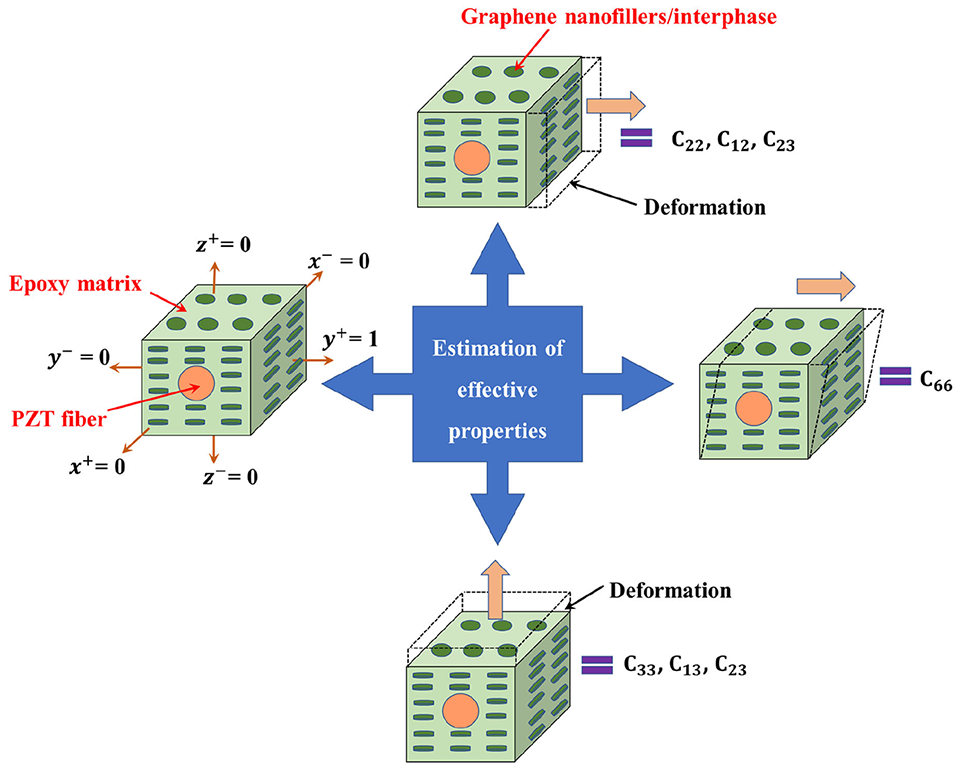
Schematics of three-phase GRHC RVEs for estimating effective properties.
The detailed analytical and FE micromechanical model for the development of three-phase GRHC is not shown here and for more details regarding MOM and FE modeling, readers are referred to Shingare and Naskar. 57 From this study, authors reported that these three-phase GRHCs show overall enhanced effective properties as compared to two-phase PZT-based composites, that is, without consideration of graphene interphase. Therefore, this three-phase hybrid composite is utilized for studying the static bending response of GRHC nanorod and their essential effective properties are mentioned in Table 2.
Governing equations
Considering the effects of flexoelectricity and surface parameters, the electric Gibb’s energy density function is characterized for materials with different effects: bulk and surface effect. In case of bulk material, the following internal energy density function is written by neglecting the higher-order strain gradient 68 :

wherein



whereas
In case of bulk materials, the constitutive equations can be written as:



where
In case of piezoelectric continuum, the surface internal energy density function is deduced as 18 :

where


whereas
Using equation (4), the linear constitutive relations are determined considering surface effect 18 :


To predict the static response of NRs with a ratio of thickness to length

Here,

NRs subjected to UDL with different BCs: (a) FC, (b) FF, and (c) SS.
Therefore, the following nonzero strain and strain gradients are obtained by using equations (2) and (7).
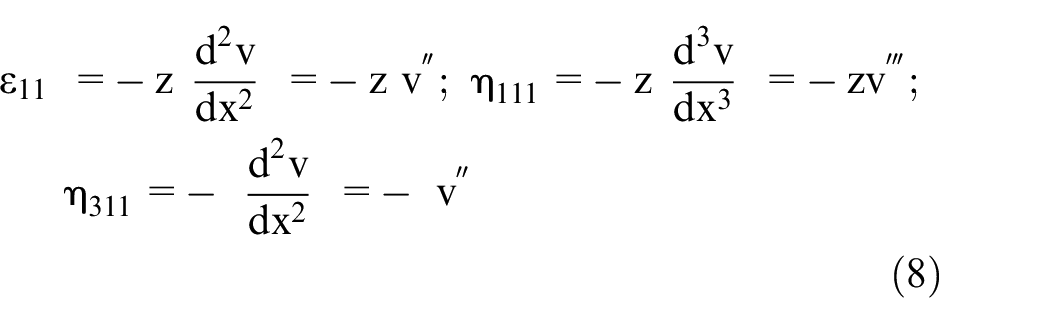
The internal energy density function for bulk material is again deduced by using equations (3) and (8) into equation (1) 68 :
wherein,

whereas
Using equations (5)–(8) into equation (4), the internal energy density function is again re-expressed as:
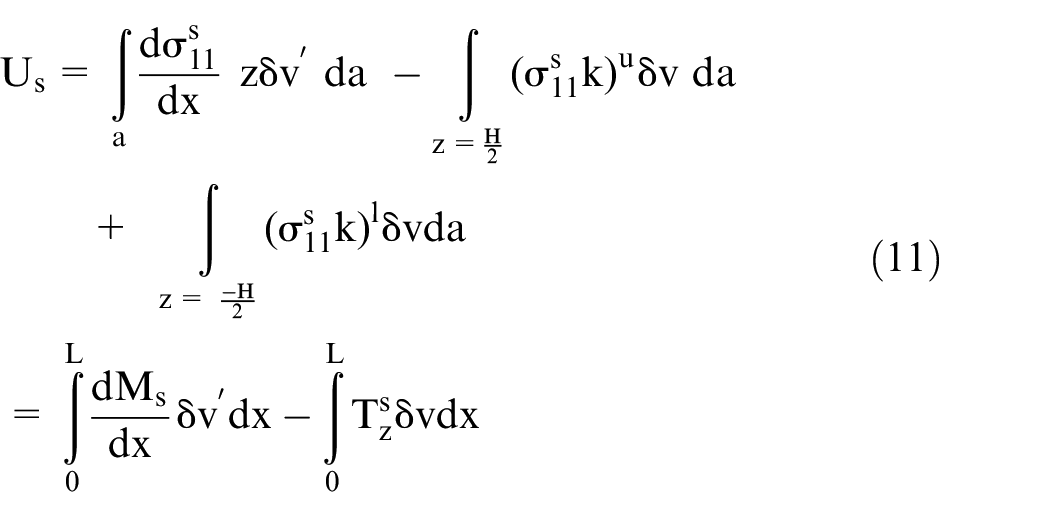
where
By using equation (6a), the axial surface stress

For surface effect,

in which
wherein
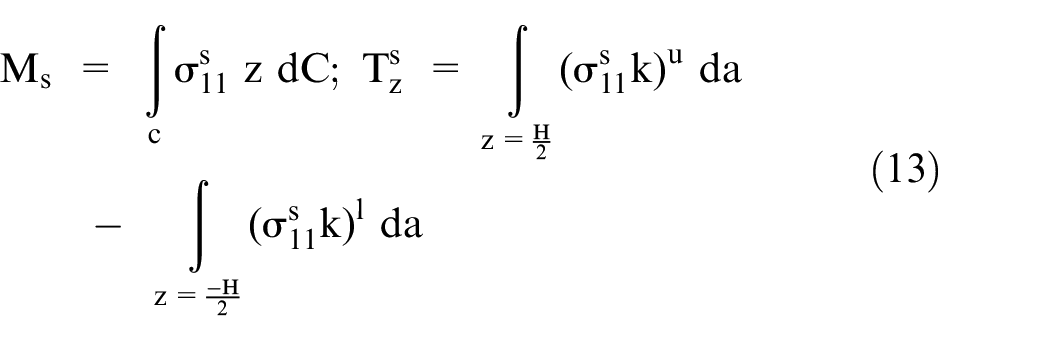
whereas
If the NR is subjected to uniformly transverse load

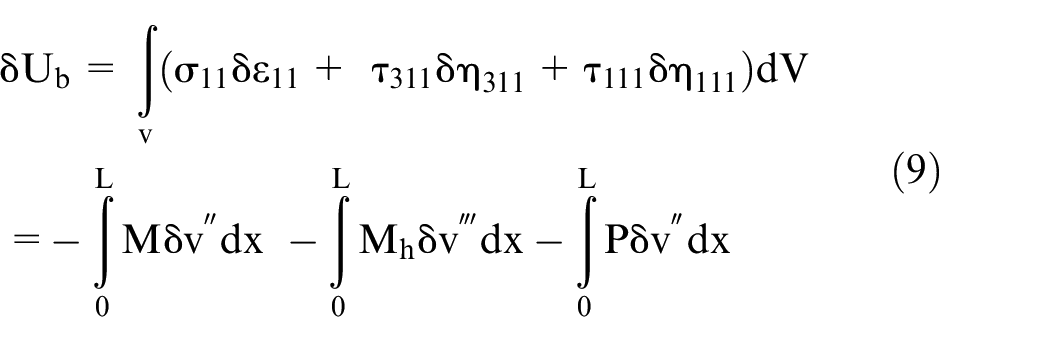
The variation principle is expressed using equations (9), (11), and (14):

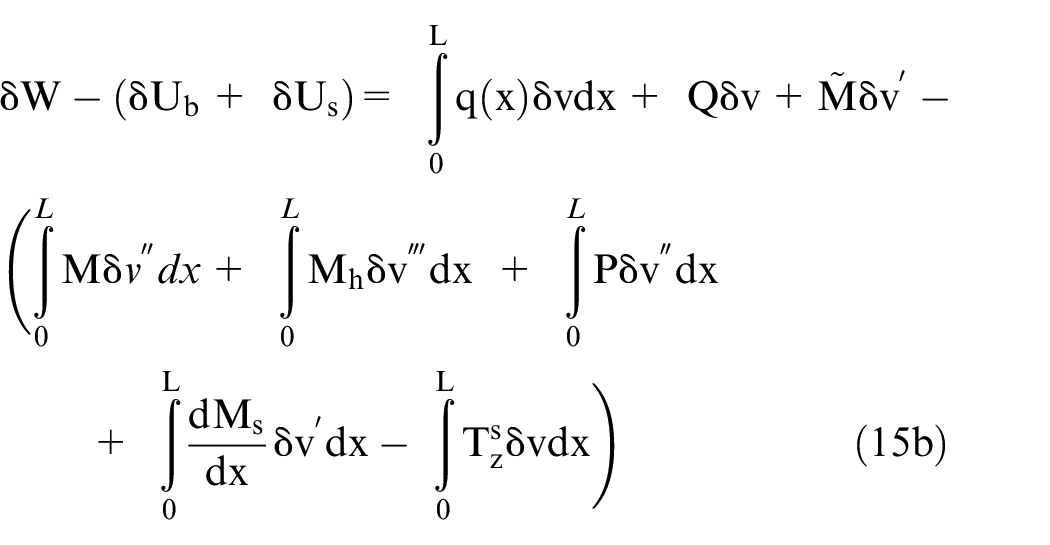
The equation (15b) is again re-formulated by using integration by parts:
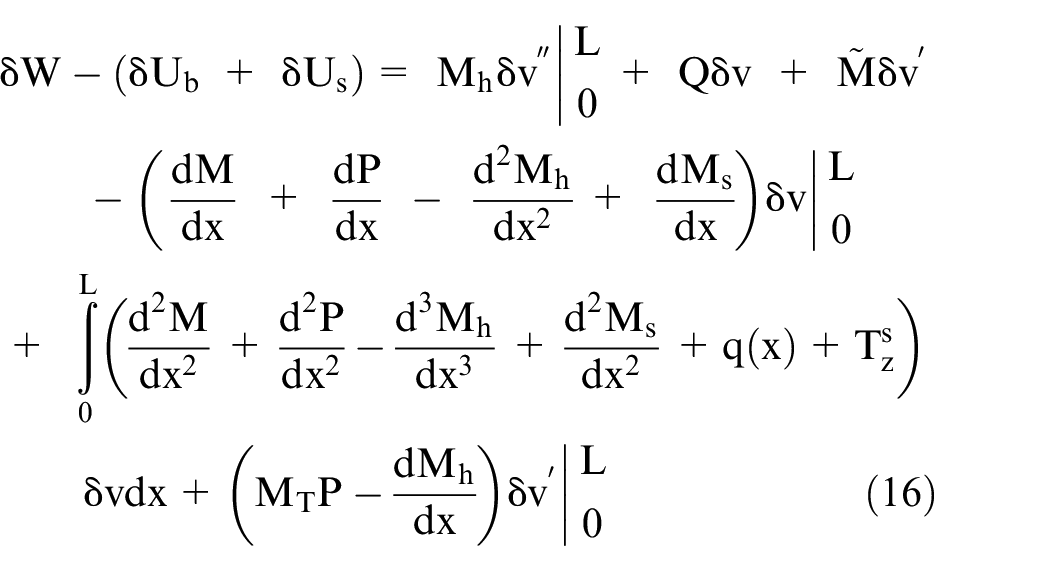
Because of the uncertainty of

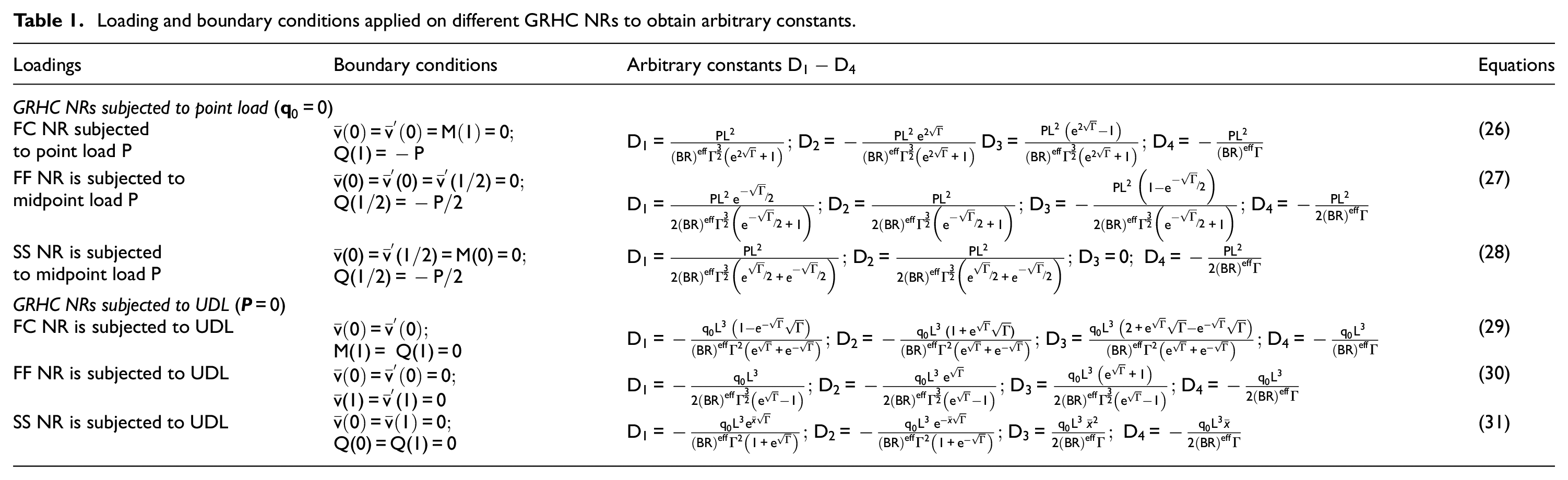
The following BCs are applied at the ends of a GRHC NRs:



For example, if cantilever NR subjected to end point load (P) then corresponding BCs are written as follows (x = 0 and L):
At x = 0,


At x = L,



whereas M,
If we consider the open-circuit case, then the electric field is obtained using the concept of electric flux density

Using equations (3) and (8) into equation (18), the BM and the higher-order axial couple can be reformulated as:


whereas

wherein
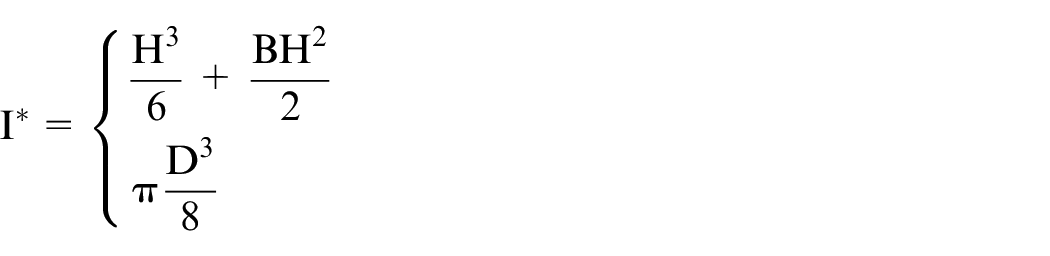
For Ex. NR with a circular (diameter D) and a rectangular (height H, width B) cross-section, the perimeter moment of inertia can be obtained as 30 :
The curvatures give the equivalent magnitudes but opposite directions on the top and bottom surfaces of the NR. Hence, by ignoring the nonlinear effect caused due to term (
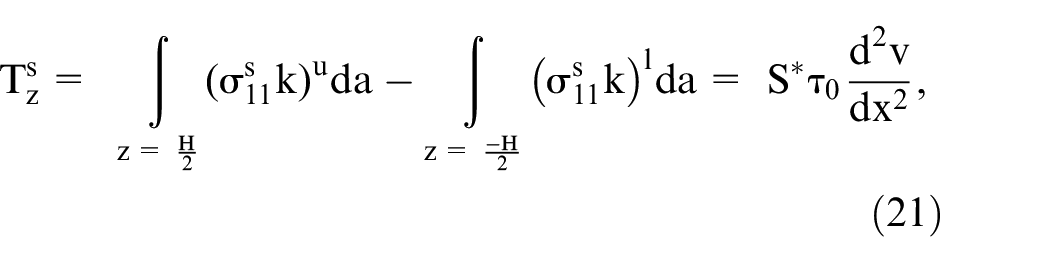
whereas
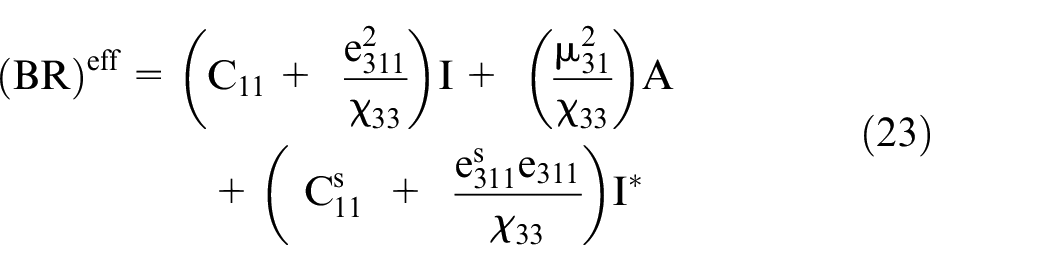
By considering the flexoelectric and surface effect in equation (17), the governing equation is formulated as 69 :

wherein
Static loading of the hybrid NRs
Equation (22) can be re-expressed to determine the nondimensional static bending deflection (

where as
To get the generalized solution, equation (24) is again simplified for applied point/UDL which can be determined as follows:
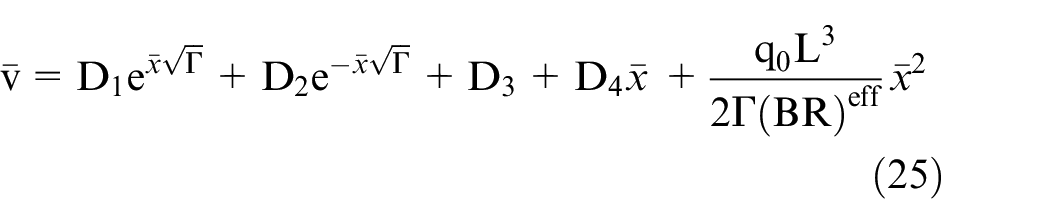
whereas
Loading and boundary conditions applied on different GRHC NRs to obtain arbitrary constants.
Finite element (FE) formulation considering the surface and flexoelectric effects
The proposed FE formulation considers the thin NRs subjected to point load and UDL under static loading condition, by considering no axial force and ignoring inertial terms equation (22) is re-expressed as:

In FE formulation, Galerkin’s weighted residual method is applied to equation (32) which can be reformulated as:
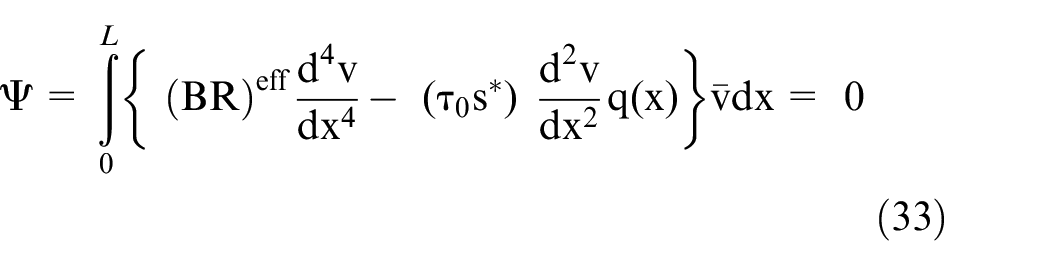
L denotes the NR length and
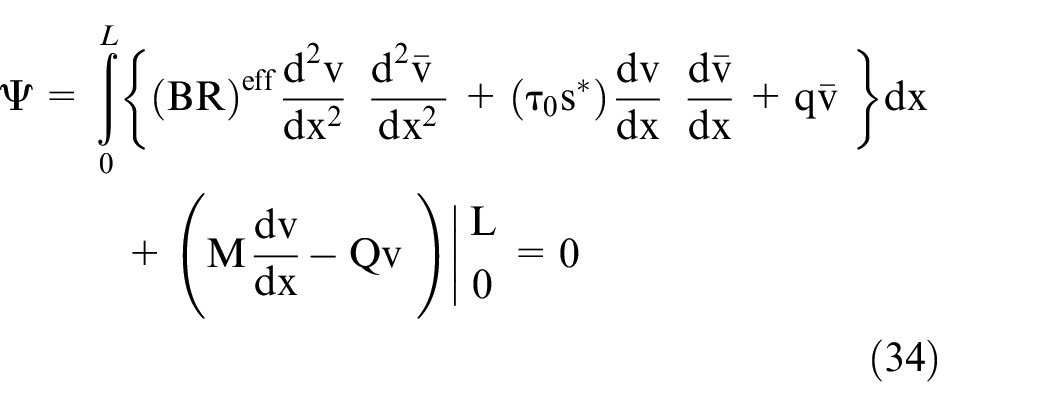
where the BM and shear force is formulated as:
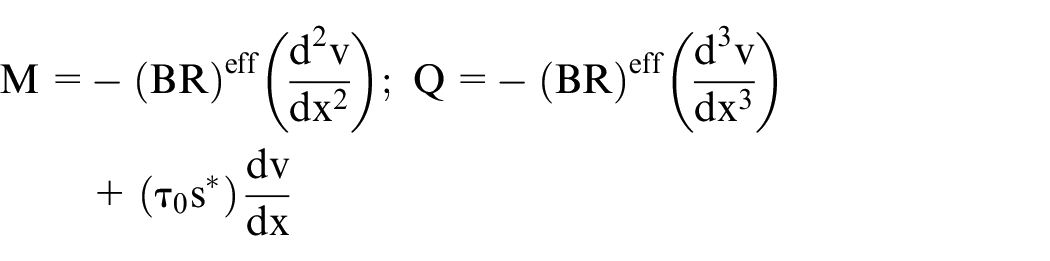
Equation (33) again expressed in weak form with application of integration by parts as:
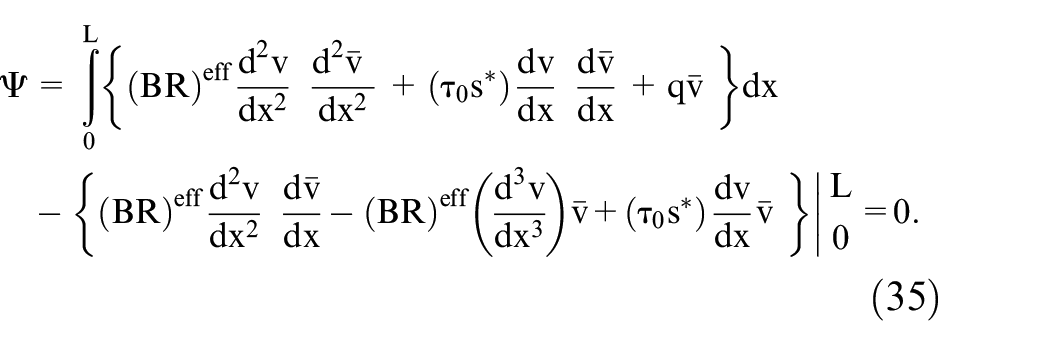
From the above weak form in equation (35), it is noted that the highest order of derivative of
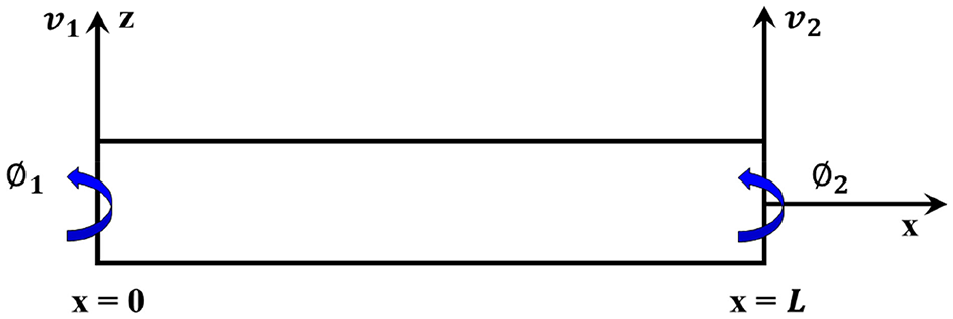
Two noded NR element.
Hence, the nodal displacement vector is interpreted as:

Therefore, making use of shape function

Here,
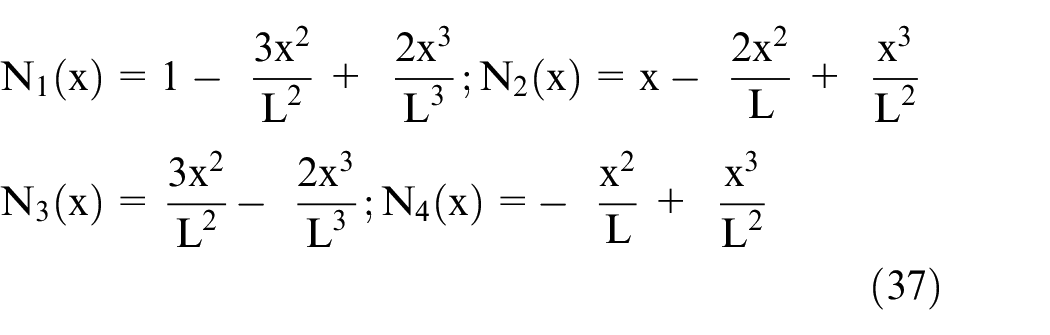
Making use of equation (37) into equation (35), we can get
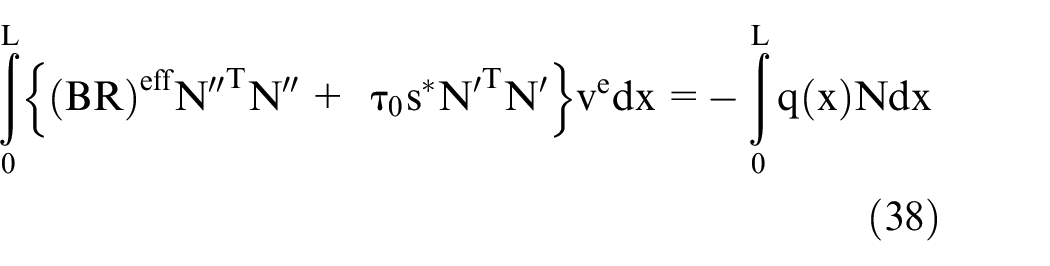
The element stiffness matrix is given by:

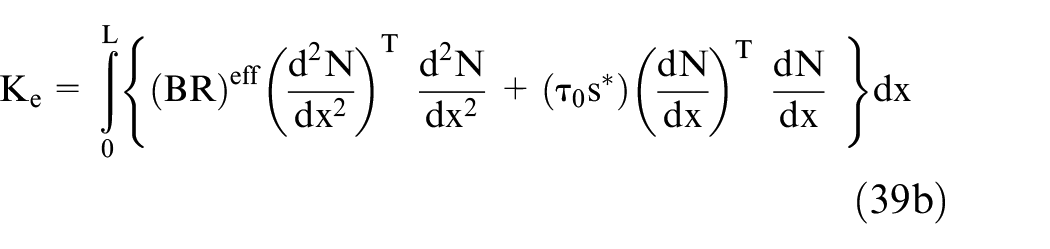
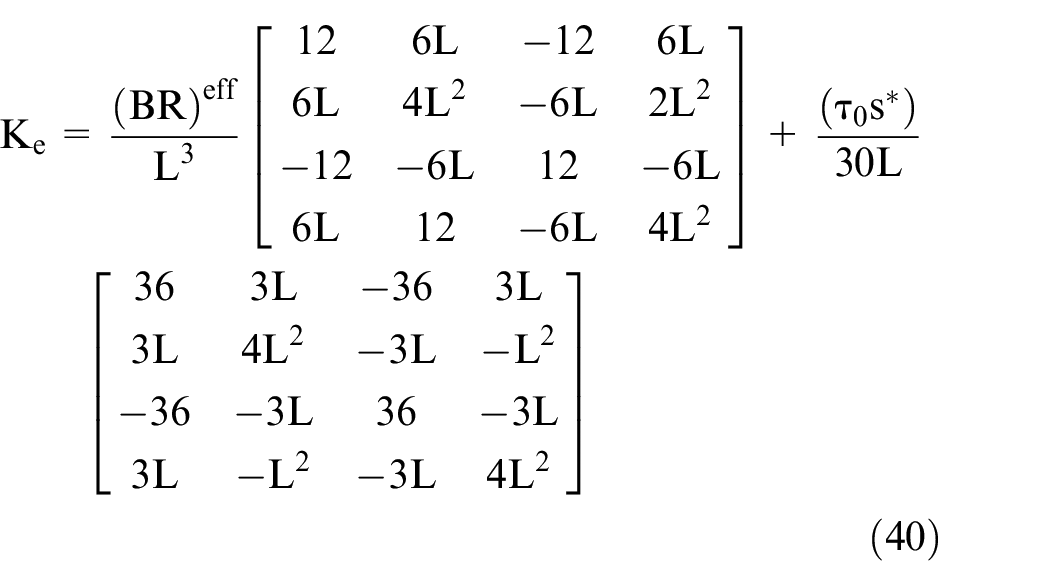
It is noted that equation (40) is divided into two sections: the initial section is analogous to improve the stiffness matrix while another section is interrelated to stiffness matrix accounting for the surface residual stress. The negative or positive magnitude of residual surface stresses influences the value of effective bending rigidity.
Therefore, the generalized nodal force vector is obtained as:

Here, we considered the generalized nodal force vector which contains the effect of the point load P and UDL.
By using the assembly of nodal force and element stiffness matrix, the equilibrium equation with global force vectors and element stiffness can be obtained as:

where f, d, and K signify the global force, displacement vector, and global stiffness matrix, respectively.
Results and discussion
The effective properties of GRHC were evaluated using a three-phase MOM model with consideration of graphene volume fraction which is considered 0.2 times volume fraction of PZT-5H which is taken from Shingare and Naskar 57 and are enlisted in Table 2. These properties of GRHC are used to envisage the electrostatic response of hybrid nanorods (NR). In this, we derived the analytical solutions for GRHC NRs using EB theory considering surface and flexoelectric effect in conjunction with FE model based on Galerkin residual method to validate the results obtained from the analytical model.
Effective properties of GRHC.

The surface elastic coefficients for the current model are equal to the elastic coefficients of GRHC multiplied by its surface layer thickness, assumed as 1 nm.29,31,70,71 Similarly, the coefficient of surface piezoelectricity can be calculated. We have taken the flexoelectric coefficient as
Convergence study for normalized deflection of NRs with respect to the number of finite elements.

Effect of graphene nanofillers
Figure 5 shows the variation of normalized deflection over the length of hybrid FC GRHC NR when subjected to UDL considering the different combinations of graphene and PZT. The different combinations of graphene and PZT considered here are:
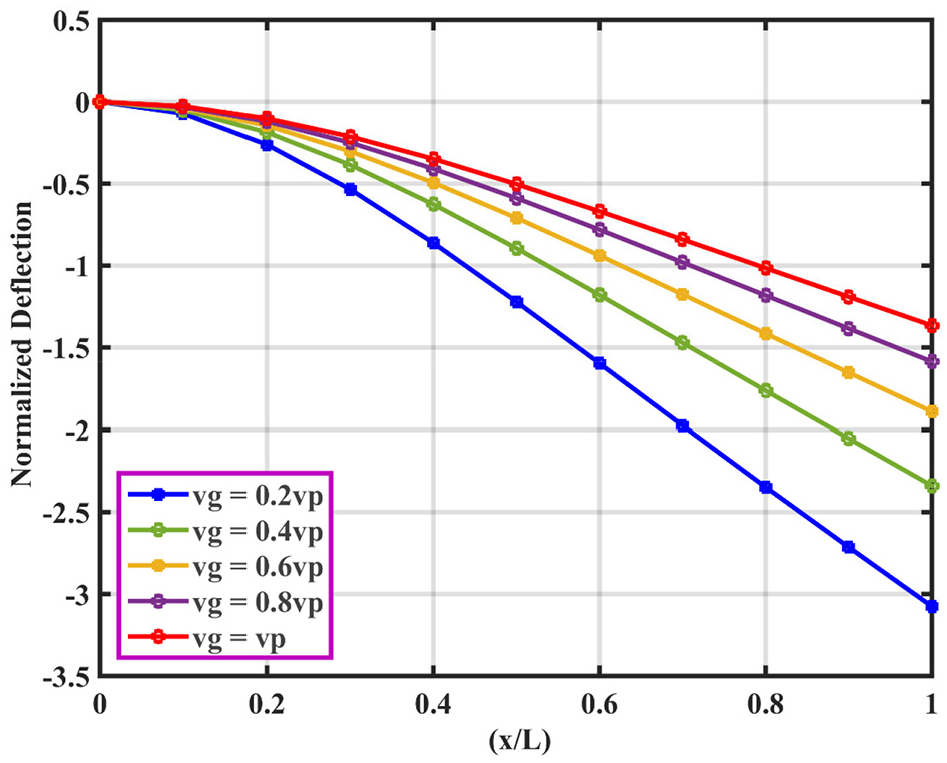
Normalized deflection of FC NR under UDL with different graphene percentages.
Effect of flexoelectricity and surface parameters on GRHC nanorods
In this Section, the flexoelectric and surface stress effects on the NRs with different BCs are discussed to investigate their elastic behavior (i.e. softening and stiffening). The deviation of normalized bending rigidity
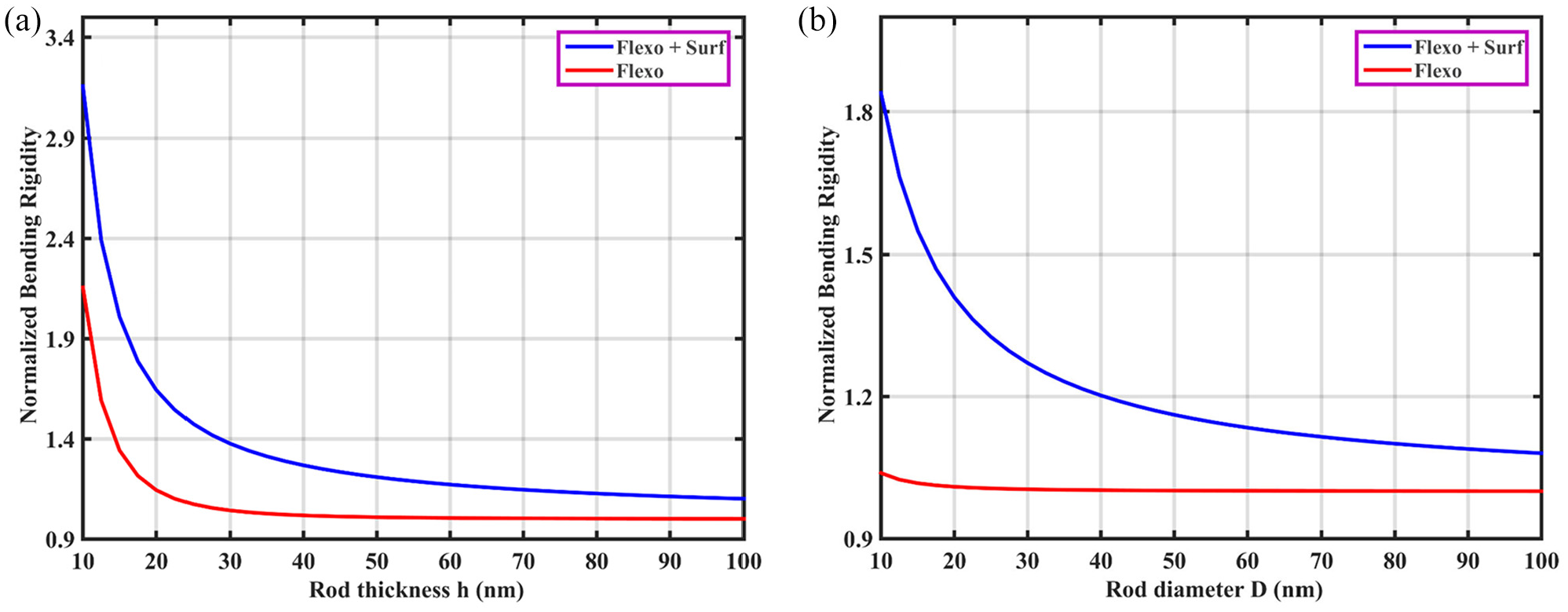
Normalized bending rigidity with respect to: (a) NR thickness and (b) NR diameter.
Figures 7 to 18 depict that the flexoelectricity and surface effect show a significant role in elastic response of NRs for different BCs and shows the clear difference during the time of comparison with the results of NR which considers pure flexoelectricity, combined surface and flexoelectricity effects, and without consideration of surface and flexoelectricity effects (classical or conventional NR). In case of SS and FF NRs, due to symmetry, only half of NRs deflections are shown. From this, it is observed that the deflection of NRs with consideration of both flexoelectricity and piezoelectricity is less when compared with results obtained considering only piezoelectricity. Besides the flexoelectricity effect, the surface stress effect is considered to examine the elastic response of deflection of NRs. In case of cantilever (FC) NR, this elastic behavior depends on the sign of surface stresses (positive
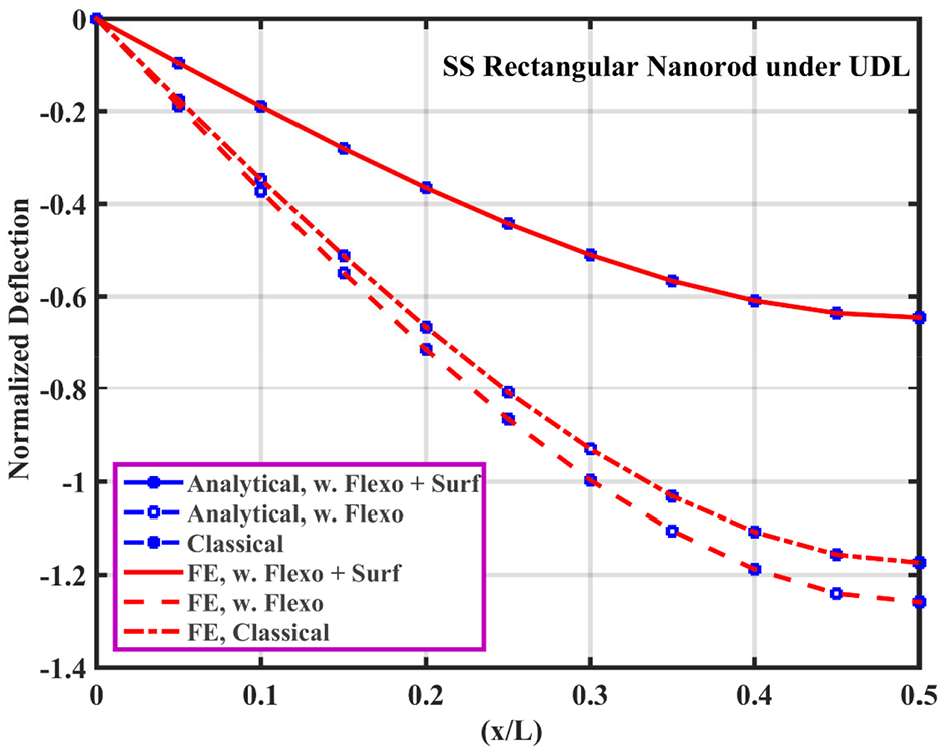
Normalized deflection over the length of SS rectangular NR.
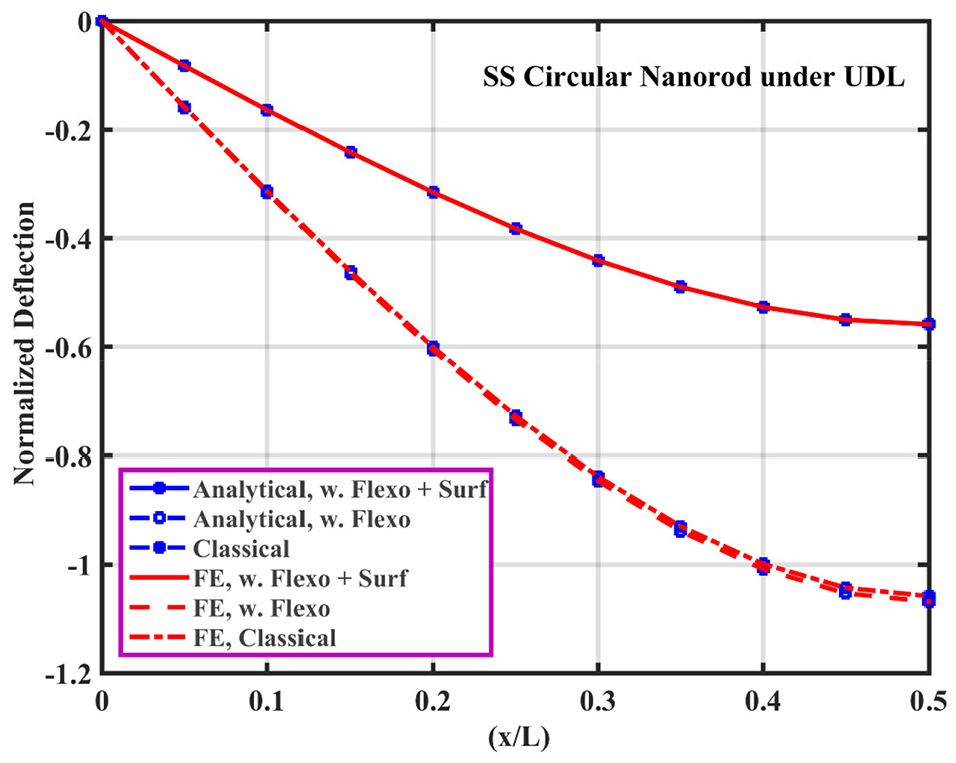
Normalized deflection over the length of SS circular NR.
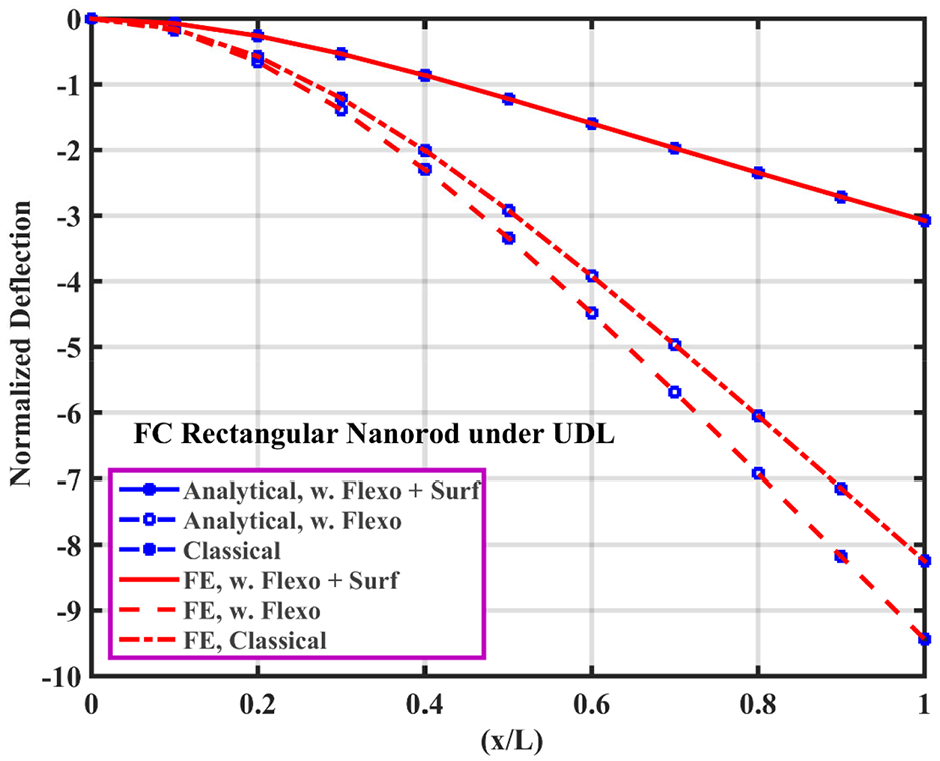
Normalized deflection over the length of FC rectangular NR.
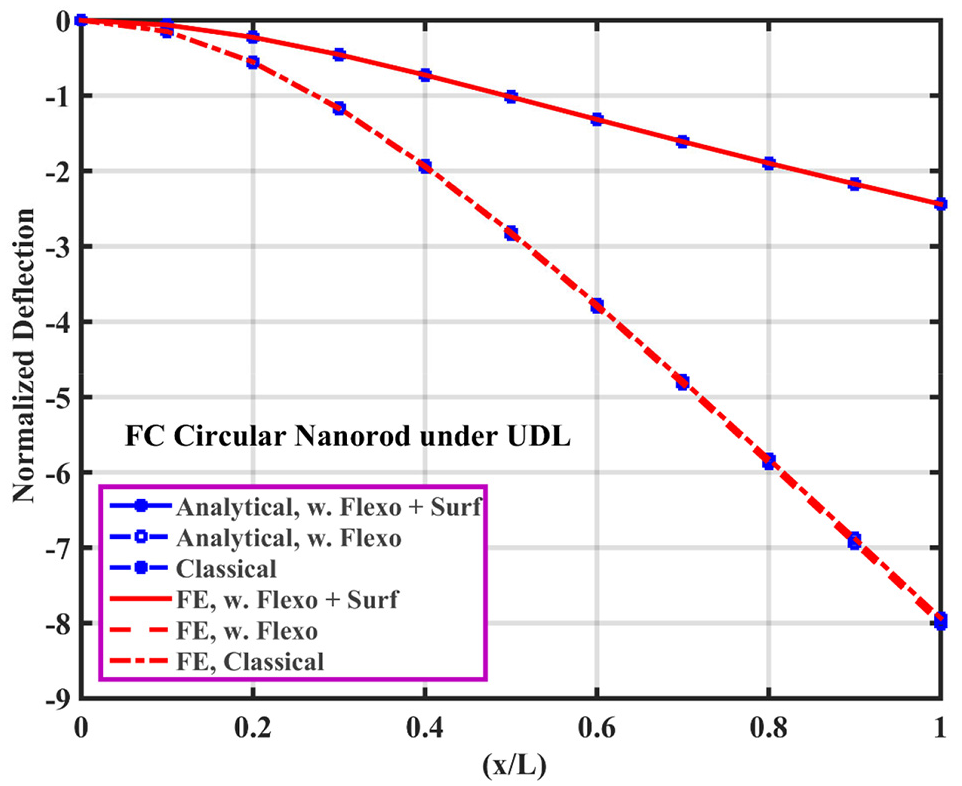
Normalized deflection over the length of FC circular NR.
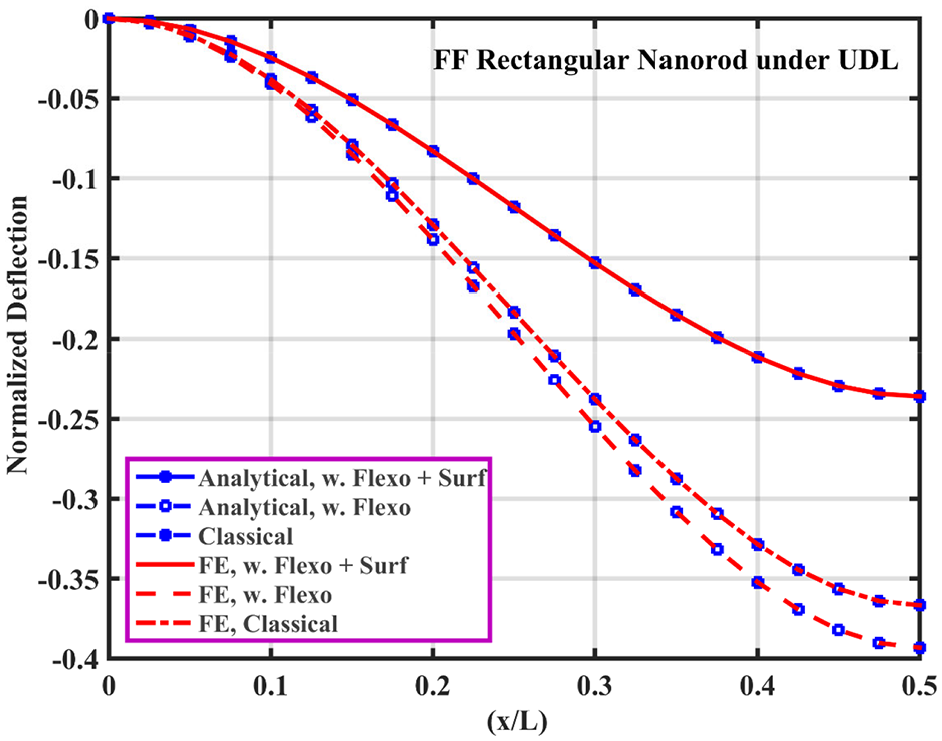
Normalized deflection over the length of FF rectangular NR.
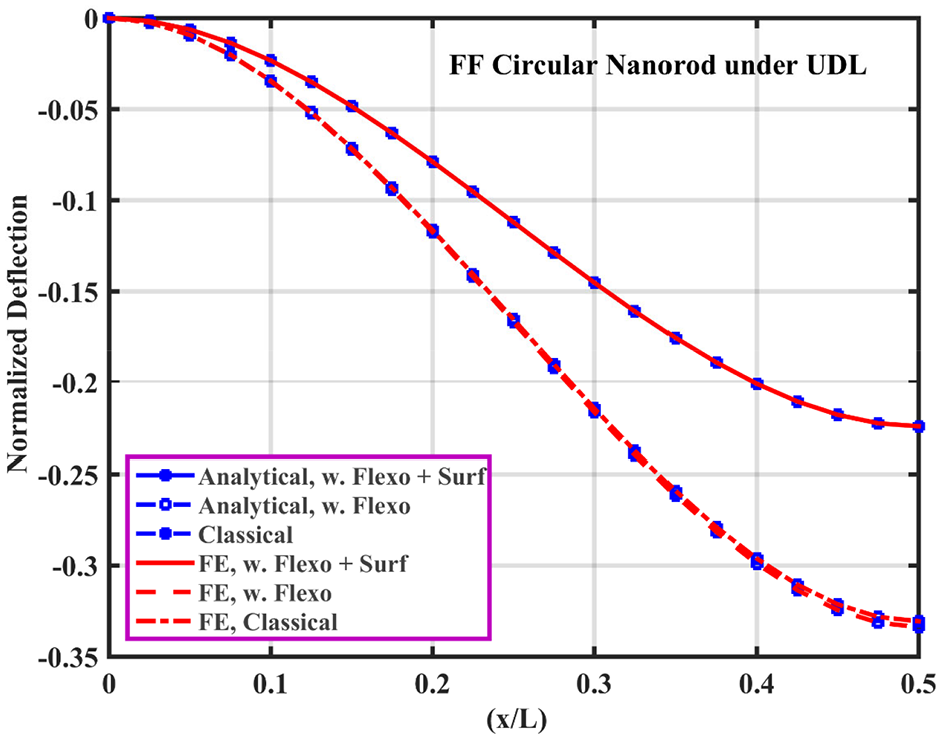
Normalized deflection over the length of FF circular NR.
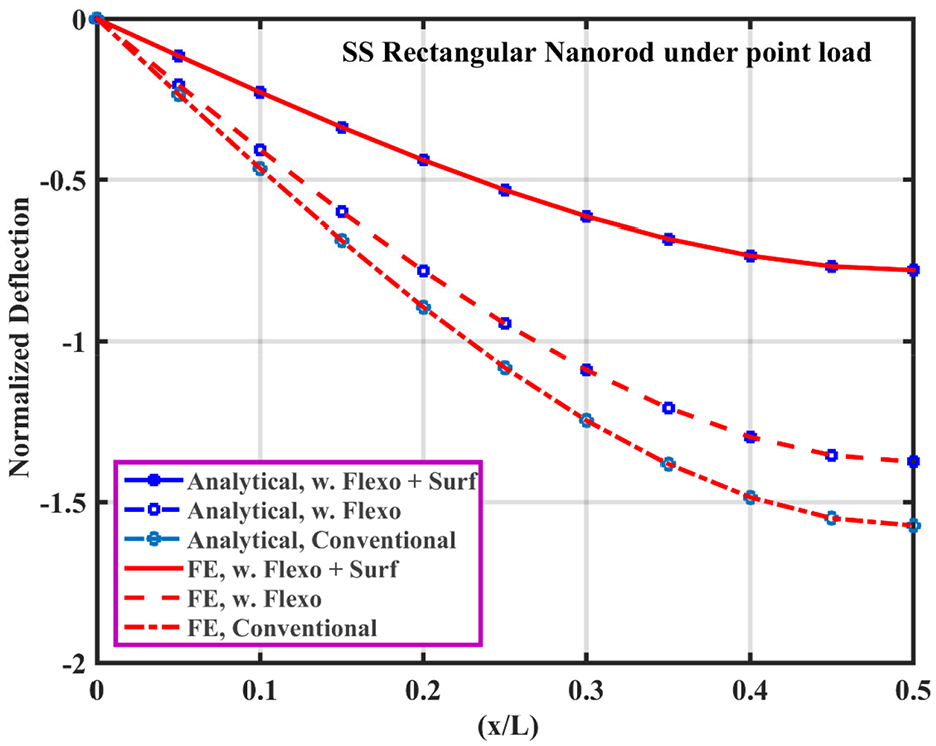
Normalized deflection over the length of SS rectangular NR.
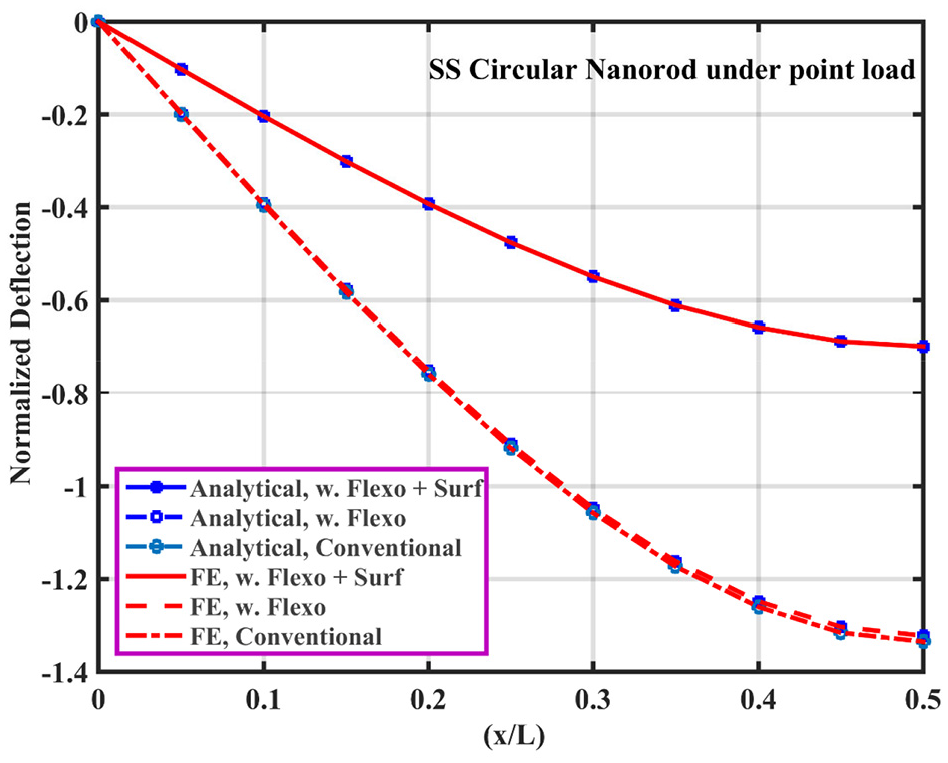
Normalized deflection over the length of SS circular NR.
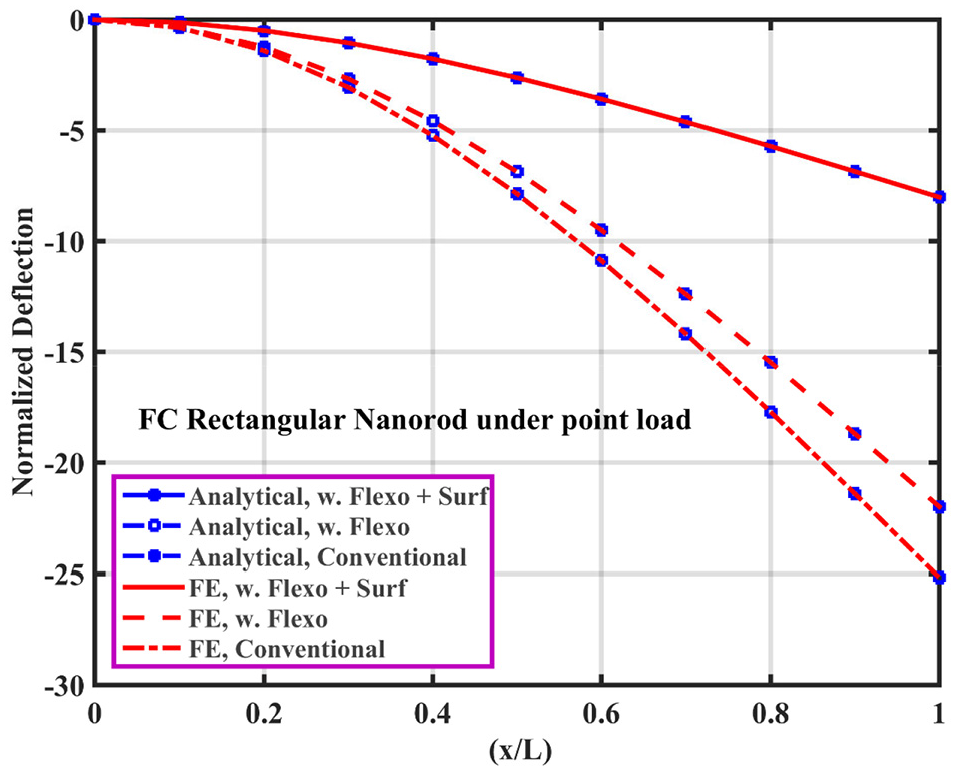
Normalized deflection over the length of FC rectangular NR.
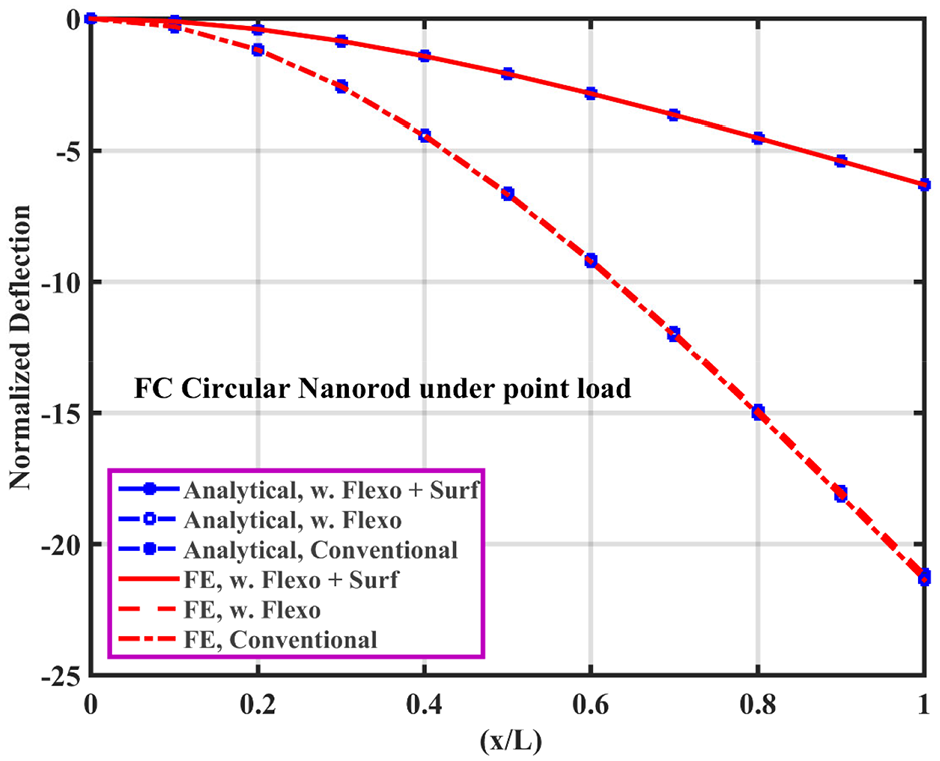
Normalized deflection over the length of FC circular NR.
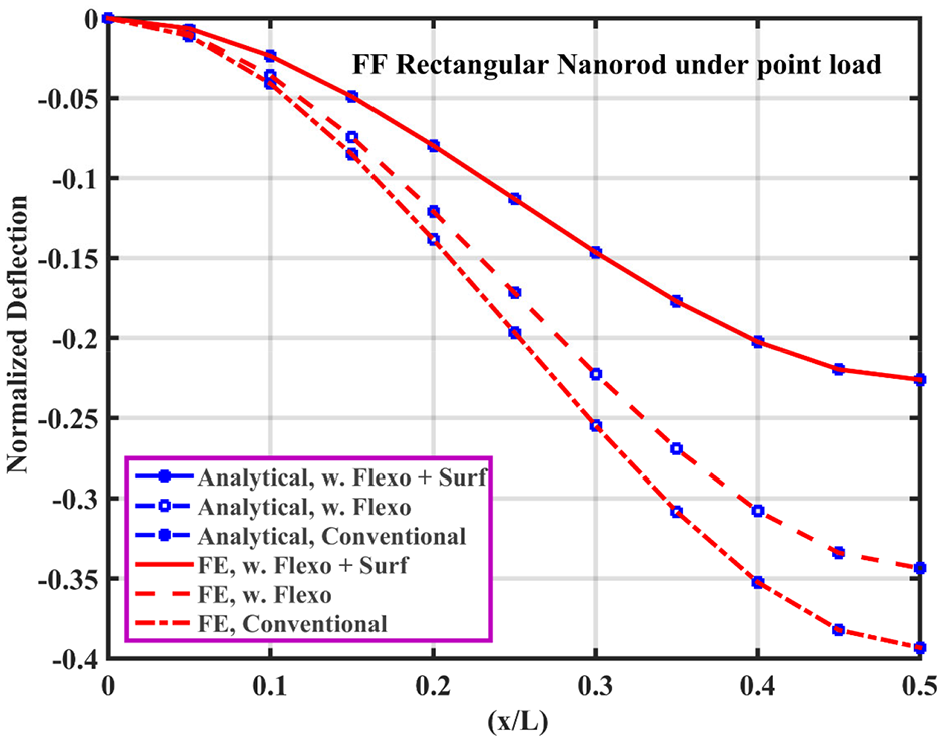
Normalized deflection over the length of FF rectangular NR.
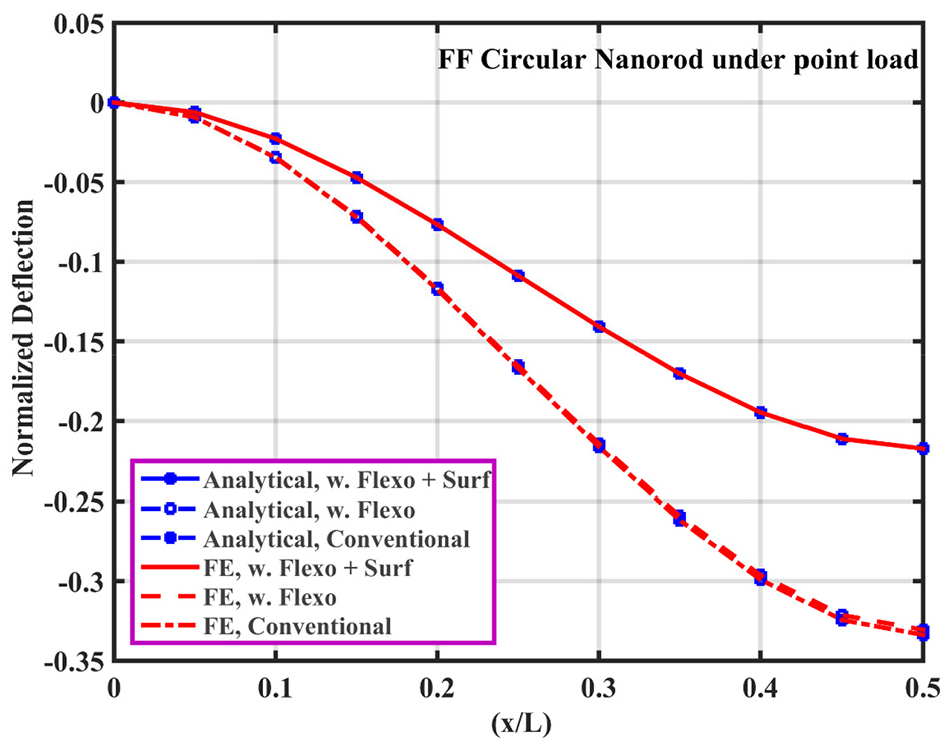
Normalized deflection over the length of FF circular NR.
It can be seen that SS and FF NRs show a stiffer elastic behavior while FC NR shows a softer elastic response for
In FE calculations, these NRs are subjected to the same point load and UDL is defined in a downward direction. Also, the material properties and geometry used in the FE calculations are similar to those of the analytical model. If the load is applied downward then the FC NR bent with concave downward shape results in negative curvature. Therefore, the additional corresponding uniform transverse load will be applied by surface stresses effect and the opposite signs of mechanical load. While the SS and FF NRs are exposed to downward load, it bent with a concave upward shape and the additional uniform transverse loads improve the deflection which is mechanically deformed. As the sign of curvature of NRs is similar to the surface stress, the deflection is enriched, and the reverse is true when the sign of curvature of NRs is opposite to the surface stress. The FF NR exhibits stiffer behavior when compared to SS NR because FF NR exhibits both downward as well as upward curvature. This is attributed to the reason that the SS and FF NRs are stiffened by positive surface stress effect
It is evident from Figures 7 to 18 that due to the incorporation of graphene as nanofillers, surface stress, and flexoelectricity result in a reduction of deflection of GRHC NRs as that of deflection of conventional NRs that is, without surface and flexoelectric effects (classical NRs). The other most important reason behind the reduction in static bending deflection is nothing but enriched stiffness/bending rigidity of GRHC due to consideration of graphene nanofillers which exhibit excellent electro-thermo-mechanical properties. Despite the fact, the magnitude of maximum deflection of GRHC NRs under point load and UDL observed in the following order: FC > SS > FF while the deflection of NRs irrespective of edge support conditions and cross-section gives maximum deflection for point load as compared to UDL. For instance, the deflection of GRHC NRs with consideration of pure flexoelectricity and considering combined flexoelectricity and surface stress effects are enhanced significantly when compared to that of deflection of conventional NRs irrespective of all edge support conditions. But if we compare the results between pure flexoelectricity and combine effects, then the deflection of NRs is reduced significantly due to consideration of later case. From these Figures 5 to 18, it is noticed that the surface parameters and flexoelectricity have a remarkable influence for smaller thickness and diameter of NRs and hence, it must be accounted properly. Therefore, it is concluded that the results presented in this work by using the analytical and FE models are found in excellent coherence.
Such numerical consequences fundamentally open up the paths of potential exploitation and enrichment of the desired electromechanical responses in design engineering including the factors such as open- and short-circuit condition, strain/electric gradient, surface effects, electromechanical loading as well as inverse piezo- and flexo-electric effects. With the recent advances in nano-scale manufacturing and experimental capabilities, this article will offer the essential physical understandings in modeling the size-dependent electromechanical coupling in multifunctional materials, systems, and devices for applications in distributed sensors, actuators, active controllers, and energy harvesters.
Conclusions and perspective
This article explores the static bending deflection behavior of graphene-reinforced hybrid composite (GRHC) nanorods (NRs) with flexoelectric and surface effects. In this, we derived the closed-form solutions for GRHC NRs using EB theory and linear piezoelectricity theory by considering surface stress and the flexoelectric effect. Moreover, the theoretical FE model is derived using Galerkin residual method to validate the results obtained from the analytical model under the same loading and BCs. Based on this, the static bending deflection of GRHC NRs for different types of BCs is considered to investigate the role of flexoelectricity and surface effect. For instance, we considered cantilever (FC), fixed-fixed (FF), and simply supported (SS) nanorods subjected to point and UDL loadings. The reduction in static deflection of GRHC NRs is enhanced by considering flexoelectricity and surface effect over the deflection of GRHC conventional NRs. From these results, it can be concluded that the magnitude of maximum deflection of GRHC NRs under point load and UDL observed in the following order: FC > SS > FF while the deflection of NRs irrespective of edge support conditions and cross-section gives maximum deflection for point load as compared to UDL. For instance, the deflection of GRHC NRs with consideration of pure flexoelectricity and considering combined flexoelectricity and surface stress effects are enhanced significantly when compared to that of deflection of conventional NRs irrespective of all edge support conditions. This current study offers pathways for developing new proficient novel GRHC materials with enhanced control authority and offers a guideline for the design of nanodevices in NEMS applications and several other industries.
The flexoelectricity is found to be more dominant for thin structures and it cannot be ignored while modeling 1-D, 2-D, and 3-D composite nanostructures. The novelty of the current study considers the introduction of graphene nanofillers in evaluating the overall properties of hybrid piezoelectric composite using the representative volume element (RVE) technique in context to composite laminates to form the different structural elements (MEMS/NEMS). The overall conclusion of this work is that the developed analytical and numerical models herein may provide the theoretical base for investigating the electrical and mechanical response of energy harvesters in form of beam and wire/rod. In the future, the proposed computationally effective method for electromechanical analysis of composite structures can be exploited for numerous other materials as well as structural systems to study their global response.
Footnotes
Declaration of conflicting interests
The author(s) declared no potential conflicts of interest with respect to the research, authorship, and/or publication of this article.
Funding
The author(s) received no financial support for the research, authorship, and/or publication of this article.
