




Abstract
Introduction
Although the benefits of physical activity are widely recognised, levels of inactivity are considerably higher for children and young people with disabilities than those without. Young people with disabilities struggle to access inclusive opportunities and there is a lack of research surrounding users’ experiences of disability sport more generally. This research aimed to explore members’ experiences of a community-based wheelchair basketball club and its impact on daily life.
Method
Semi-structured interviews were conducted with 11 disabled and able-bodied members of the club (aged 6–25 years) to gain an in-depth understanding of their experiences.
Findings
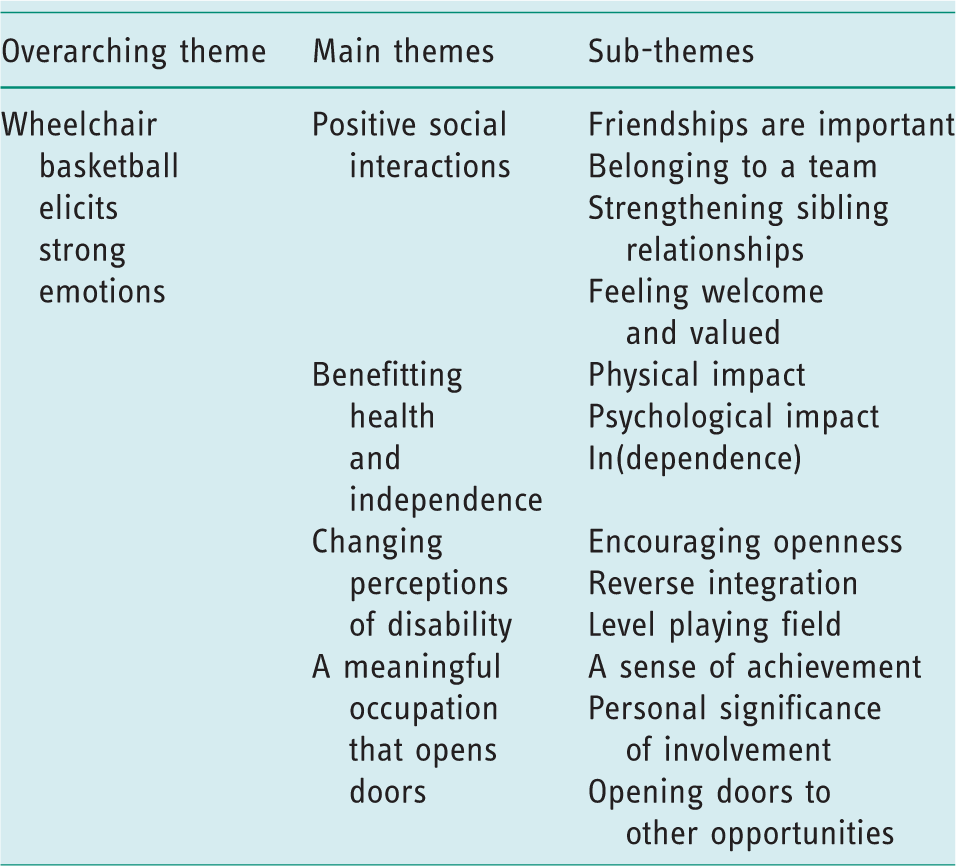
Inductive thematic analysis identified an overarching theme of ‘wheelchair basketball elicits strong emotions’ and four main themes of ‘positive social interactions’, ‘benefitting health and independence’, ‘changing perceptions of disability’ and ‘a meaningful occupation that opens doors’. Participants reported positive experiences of wheelchair basketball, which improved their physical and mental health whilst increasing opportunities for socialisation and encouraging acceptance of disability.
Conclusion
The findings have implications at individual, organisational and societal levels, and provide some justification for the role of occupational therapy in disability sport. The findings demonstrate the potential for inclusive community sports clubs to improve health and social outcomes for individuals, regardless of disability.
Introduction
The theoretical underpinnings of occupational therapy are founded on the notion that meaningful occupational engagement is fundamental to individuals’ health and wellbeing (Wilcock, 2007). Sport can be a meaningful occupation for individuals with disabilities (Sharp et al., 2012), although current participation rates demonstrate that personal, socioeconomic and environmental barriers are preventing these individuals from engaging in sport (Jaarsma et al., 2014). This exemplifies how people with disabilities are vulnerable to occupational injustices, including deprivation and marginalisation, where sociocultural norms and factors beyond their control impact on their ability to participate in meaningful occupations (Hammell and Beagan, 2017). Occupational therapists must advocate for occupational justice for vulnerable populations (World Federation of Occupational Therapists, 2006) and employ holistic approaches to help individuals with disabilities overcome barriers to participation (Grandisson et al., 2012). Given their education in task analysis and identifying the therapeutic potential of activity, occupational therapists are uniquely skilled to enable individuals to engage with activities such as sport and physical activity. Indeed, according to the College of Occupational Therapists (2008; now the Royal College of Occupational Therapists) occupational therapists should endorse accessible opportunities for physical activity as part of their role in health promotion.
From an international perspective, inclusion within sport received increased attention after the United Nations (UN) established the Convention on the Rights of Persons with Disabilities (CRPD) in 2006 (Kiuppis, 2018). Article 30.5 of the CRPD stipulates that member states must protect and promote disabled individuals’ rights to equal participation in sport (UN, 2006). The International Charter of Physical Education and Sport reiterates this and highlights the importance of early sporting experiences that may increase health awareness, social inclusion and lifelong involvement with physical activity (UNESCO, 2015). The Equality Act (2010) demonstrates the United Kingdom’s (UK’s) commitment to the CRPD. Specifically, Section 149.3.c refers to the public sector’s obligation to facilitate individuals with disabilities to engage in activities where participation is disproportionately low (Equality Act, 2010). However, low participation rates in disability sport continue to be an issue (Sport England, 2018), highlighting the need to enhance understanding of this through research.
Literature review
Sports participation has physiological and psychosocial benefits for individuals with disabilities, reducing their risk of hospitalisation and secondary health issues such as cardiovascular disease, diabetes, obesity and mental health issues (Jaarsma et al., 2014; Shapiro and Malone, 2016; Stephens et al., 2012). Research has shown that health benefits, having fun and social inclusion are the main facilitators for sports participation for children with disabilities, whilst barriers to participation include environmental inaccessibility, insufficient opportunities and negative societal attitudes (Grandisson et al., 2012; Jaarsma et al., 2015; Shields and Synnot, 2016). Shapiro and Malone (2016) found that higher levels of physical wellbeing were associated with significantly less fatigue and psychological distress, and significantly predicted health-related quality of life for athletes with physical disabilities (aged 8–21 years). However, levels of inactivity continue to be considerably higher for people with disabilities (43%) than those without (21%) (Sport England, 2018), and thus further exploration of their experiences is warranted.
Three main ways of enabling people with disabilities to participate in sport have been explored within the literature: segregation, mainstreaming and reverse integration. It is important to acknowledge that most of the included literature refers mainly to those with physical disabilities as opposed to learning disabilities or mental health issues. Segregated and mainstream settings encourage participation through sports specifically designed for those with disabilities (such as boccia) or adjustments to mainstream sports (for example adapted equipment/1:1 assistance) respectively (Kiuppis, 2018). These approaches can inadvertently contribute to feelings of exclusion by highlighting differences between people with disabilities and their able-bodied peers (Peers, 2012). Thus, this can contribute to the marginalisation of people with disabilities who do not match societal norms. Fitzgerald (2012) noted that such marginalisation is often apparent within attempts to include children with disabilities in mainstream physical education. Segregation and mainstreaming approaches reflect the biological theoretical grounding of the medical model of disability, which proposes that individuals’ disabilities stem directly from their physical impairments and must be resolved through rehabilitative interventions (Brittain, 2004). This model has been criticised for portraying disabilities as abnormalities that require ‘fixing’ and contributing to negative perceptions of wheelchair sports (Medland and Ellis-Hill, 2008). Reverse integration, wherein able-bodied individuals play disability sports (for example wheelchair basketball) alongside those with disabilities, is an alternative approach to inclusive sport (Kiuppis, 2018). This approach is synonymous with the social model of disability, which suggests that disability is a product of environmental barriers and social oppression that could be resolved through accessible architecture and altering societal perceptions of disability (Brittain, 2004). This aligns with a transactional perspective on occupation wherein disability is considered to be a situationally specific concept; that is, that ‘the presence of disability is contingent on the demands of the situation’ (Stone, 2012: 101). Therefore, within reverse integration the disabling barriers that prevent participation in mainstream physical activity contexts may no longer present an issue. Reverse integration has been controversially debated, with some researchers arguing that this approach could improve understanding of disabled individuals’ abilities, provide equal competitive opportunities, encourage the growth of disability sport (Brasile, 1992) and shift the focus from athletes’ disabilities to their sporting prowess (DePauw, 1997). In contrast, other researchers have suggested that this approach may cause athletes with disabilities to lose their identity and reinforces the stereotypical view that disability sports require the involvement of able-bodied athletes to achieve widespread recognition within society (Thiboutot et al., 1992). From an occupational perspective, this resonates with the affirmative model of disability wherein disabled individuals want society to embrace disability as a facet of human diversity without focusing solely on social inclusion (McCormack and Collins, 2012). Recent research with both able-bodied and disabled individuals has portrayed reverse integration as a positive framework for promoting inclusion in sport (Hutzler et al., 2016; Medland and Ellis-Hill, 2008). However, this research only examined adults’ experiences of reverse integration and thus future research must incorporate children’s perspectives to ensure their voices are heard.
Engaging in disability sports can change children’s perceptions of disability (Carter et al., 2014; Evans et al., 2015; Grenier et al., 2014). For example, Carter et al. (2014) explored experiences of a wheelchair sports club from the perspectives of the children (both disabled and able-bodied), their parents and club stakeholders. Participant observation, research activities (including drawing and storytelling) and a group survey were used to elicit the children’s perceptions of disability. Within the context of an overarching theme of ‘realising potential’, the children’s experiences incorporated having fun and overcoming physical challenges, whilst playing in wheelchairs rendered their disabilities as ‘invisible’ and no longer a dividing factor. However, it was unclear which wheelchair sport was examined and no information was included regarding trustworthiness of the data, so further research is required. Ensuring trustworthiness is generally accepted as a crucial criterion for assessing the quality of qualitative research (Finlay, 2006).
Most of the relevant research was conducted in countries with different sociocultural influences, which may affect the perspectives of individuals with disabilities and the representativeness of the findings within the UK. For example, some non-western cultures believe that disabled individuals should be hidden from society and have less access to opportunities and resources (Ravindran and Myers, 2012). Additionally, there is a lack of literature regarding children’s experiences of disability sport, with existing studies focusing on adults’ views (Jaarsma et al., 2015; Shields and Synnot, 2016). As such, the aim of this study was twofold: firstly to ascertain the members’ perspectives and experiences of the community wheelchair basketball club, and secondly to identify the impact it had on their daily lives. It was anticipated that exploring members’ experiences may also identify barriers and facilitators to participation and identify future improvements for the club.
Research context
The research context involved a community-based wheelchair basketball club, which was set up to promote participation in disability sport by raising awareness and providing weekly training sessions for individuals with disabilities alongside their able-bodied siblings. These sessions exemplify reverse integration and are open to individuals of all abilities. As the club approached the end of its first year, it was important to explore the members’ perspectives of the club to gain an eclectic understanding of the value and impact of this community initiative on their daily lives.
Method
Phenomenology explores how individuals make sense of their lived experiences (Wright St-Clair, 2015) and utilise open-ended flexible research methods, such as semi-structured interviews, to maximise the depth and richness of data (Reeves et al., 2008). It was therefore an appropriate methodology for this research study.
Recruitment of participants
Purposive sampling was necessary to ensure participants had experience of the phenomena of interest (Wright St-Clair, 2015). Comprehensive eligibility criteria ensured all members had the opportunity to participate (regardless of age, disability or duration of membership), to reflect the inclusive nature of the wheelchair basketball club. Broad eligibility criteria can maximise participant diversity to enable a deeper understanding of members’ lived experiences (Smythe, 2011). Members were excluded if communication or learning difficulties precluded participation in an interview, although efforts were made to accommodate these needs (for example through the printing/rewording/reformulation of questions) to maximise participation and avoid discrimination.
Ethical approval was obtained from the University Research Ethics Committee at Brunel University London. Potential participants (and parents of members under 18 years) were given comprehensive information sheets. Given that most participants were children, additional steps were taken to ensure the ethical integrity of the research, including creation of a child-friendly information sheet, with a Flesch–Kincaid reading score of 93.6, to ensure understanding amongst younger participants. This score reflects the highest achievable level of reading ease that is appropriate for younger children (Flesch, 1979).
Follow-up recruitment emails were sent to members/parents of children who had expressed verbal interest in participating. At the time of this study, 12 children and four adults had regularly attended the club for around 6 months. Of these, nine children and two adult members (aged 21 and 25 years) volunteered via email to participate in the research. Questions were answered verbally, and written consent was obtained before each interview. Parents witnessed their child’s verbal assent prior to provision of written consent. Verbal assent is not legally required but is a desirable ethical consideration when research involves children (Lambert and Glacken, 2011). Participants’ right to withdraw from the research was reiterated at the interviews and participants were reassured that non-participation would not affect their involvement in the wheelchair basketball club.
Interview procedure
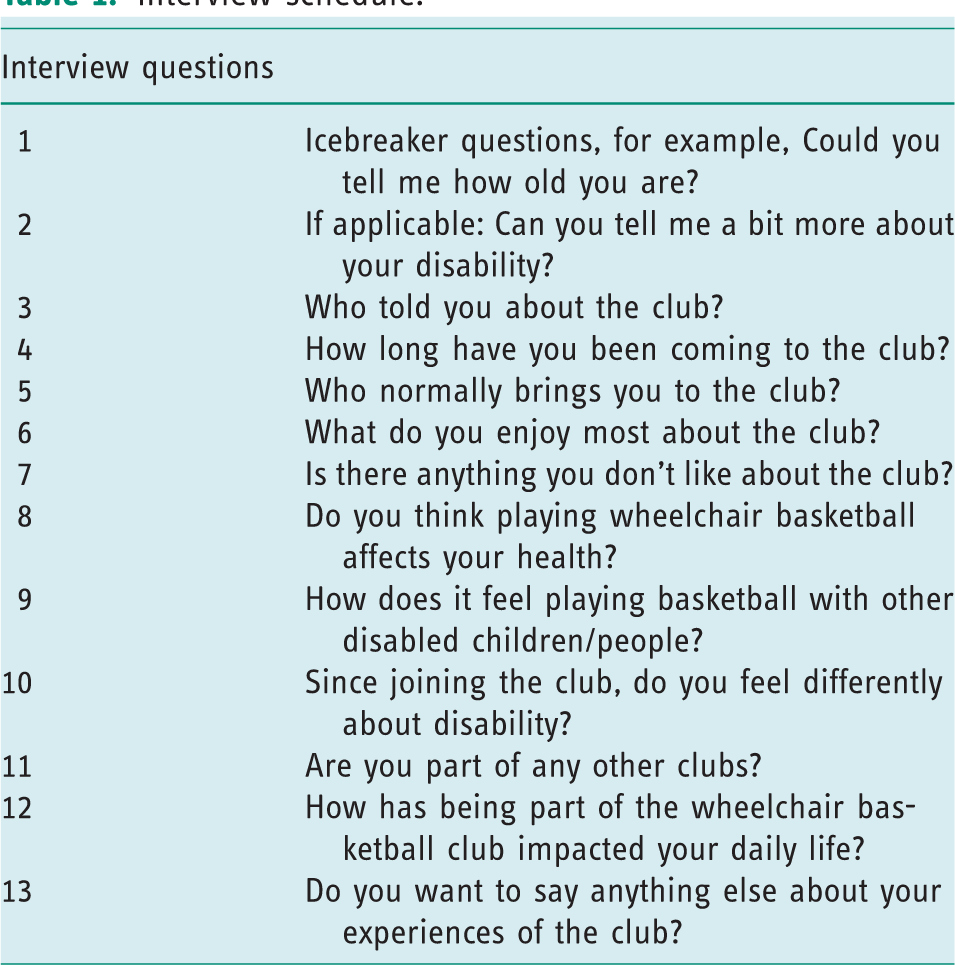
In-depth, semi-structured interviews are suitable for phenomenological research as they focus on the meanings that participants ascribe to their lived experiences (Seidman, 2013). The semi-structured interview schedule was comprised of open-ended questions regarding members’ experiences of the club and its impact on daily life, including reasons for participation, barriers/facilitators, positive/negative experiences and perspectives of disability (see Table 1). The interview schedule was piloted with two MSc occupational therapy students. Consequently, questions were refined and potential prompts considered to ensure comprehension and improve the flow of the interview. Questions were rephrased if younger participants required clarification of more complex questions (such as those regarding the impact of the club on their daily lives). For example, participants were asked whether they thought about wheelchair basketball every day or just during the session, or were asked to give an example of something that had changed at home/school since they had joined the club.
Interview schedule.
Interviews took place on a mutually convenient day/time in a private room within a university building or at participants’ homes. Participants’ parents waited outside the interview room, which enabled the children to speak freely whilst feeling safe. Interviews lasted from 10–38 minutes, were recorded on a digital voice recorder and were transcribed verbatim to provide an accurate record of interviews, which is essential for facilitating thematic analysis (Braun and Clarke, 2006). Pseudonyms were used in interview transcripts to protect participants’ identities.
Data analysis
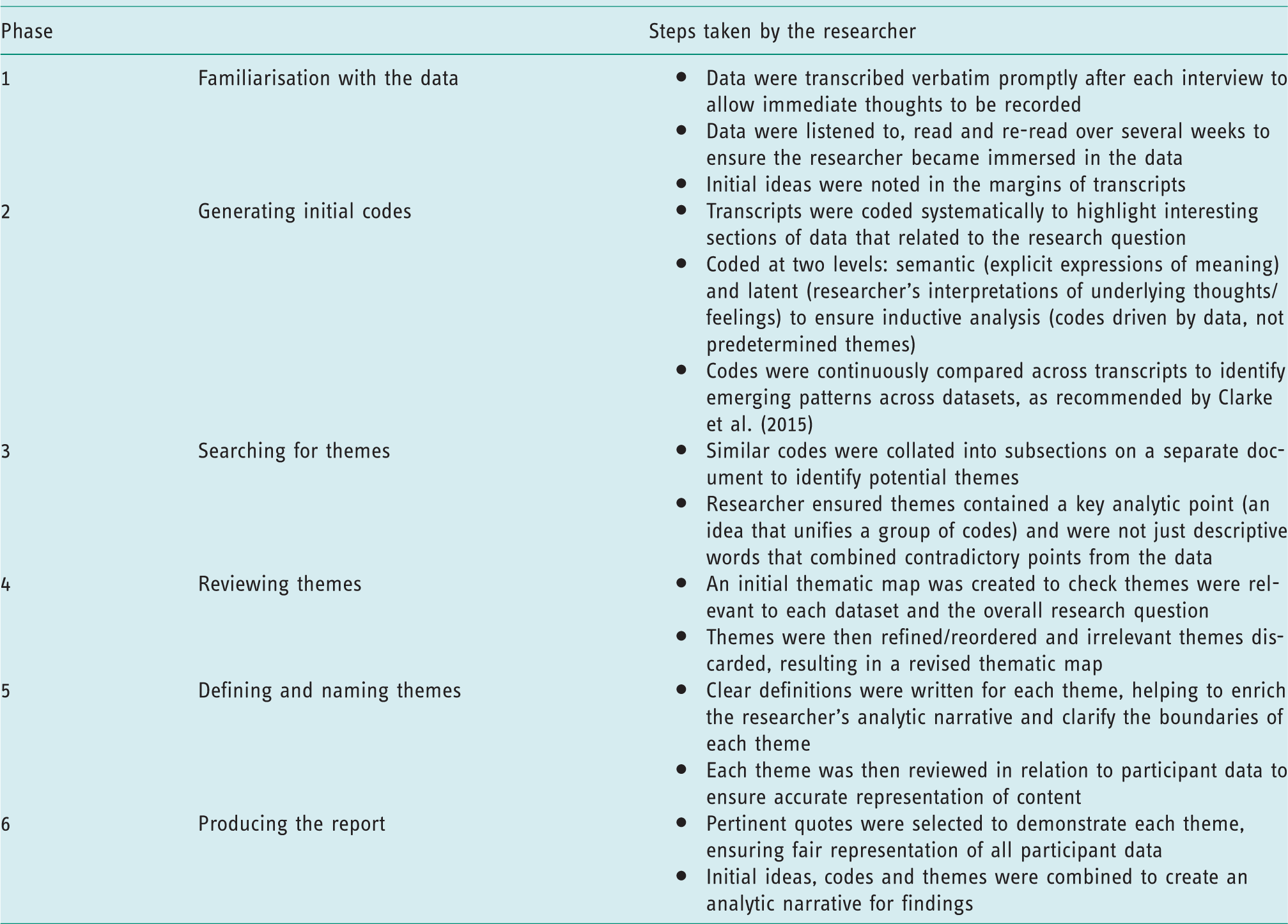
Inductive thematic analysis was chosen due to its congruence with phenomenological approaches whereby themes arise from within, and are not imposed onto, the data (Reeves et al., 2008). Table 2 illustrates how Braun and Clarke’s (2006) six phases of thematic analysis were used to ensure systematic, rigorous analysis of the data, which remained close to participant meanings whilst acknowledging the subjective influence of the researcher’s interpretation (Clarke et al., 2015). Pertinent quotes were selected to illustrate sub-themes, ensuring fair representation of all participants’ views, and are accompanied by an analytical narrative in the findings.
Six phases of thematic analysis (adapted from Braun and Clarke, 2006: 87).
Rigour
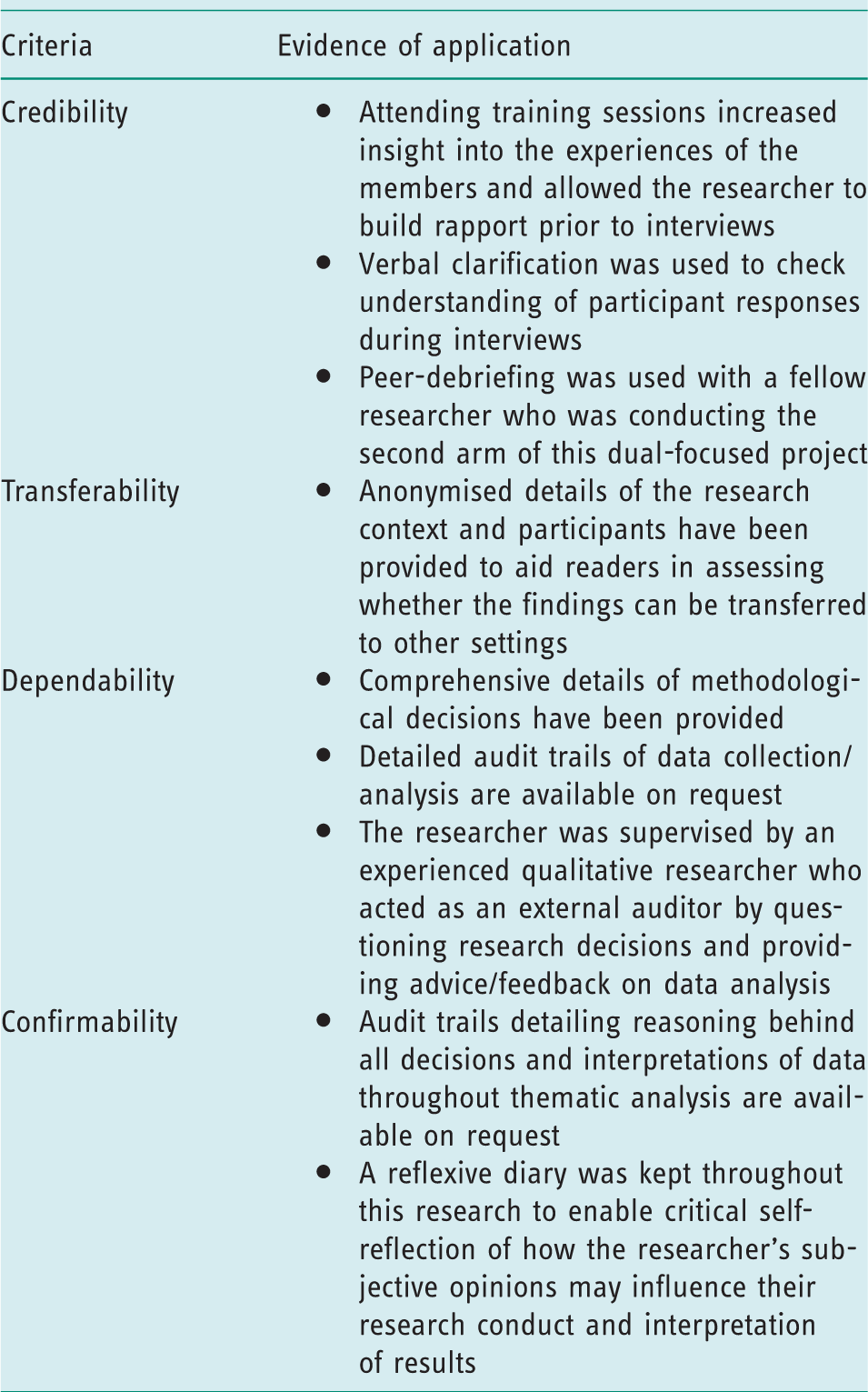
Lincoln and Guba’s (1985) criteria for verifying rigour have been influential within occupational therapy research (Finlay, 2006) and thus, as outlined in Table 3, were used to demonstrate the credibility, transferability, dependability and confirmability of this research.
Verification of rigour using criteria from Lincoln and Guba (1985).
Findings
Participant demographics
Table 4 provides information about the 11 participants, eight of whom had disabilities which included: cerebral palsy (n = 4), postural tachycardia syndrome, spina bifida, hemivertebra and Duchenne’s muscular dystrophy.
Participant Demographic Information.
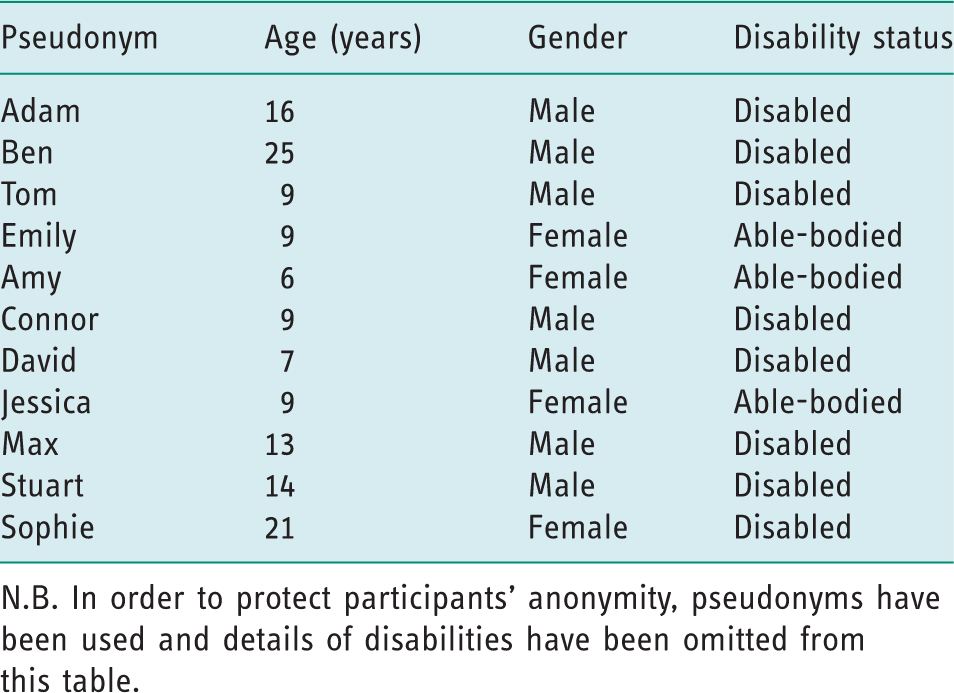
N.B. In order to protect participants’ anonymity, pseudonyms have been used and details of disabilities have been omitted from this table.
Emergent themes
Thematic analysis identified four main themes of ‘positive social interactions’, ‘benefitting health and independence’, ‘changing perceptions of disability’ and ‘a meaningful occupation that opens doors’, which were unified by an overarching theme of ‘wheelchair basketball elicits strong emotions’. Table 5 illustrates these themes and accompanying sub-themes.
Overview of themes.
Overarching theme
The underpinning concept of ‘wheelchair basketball elicits strong emotions’ demonstrated consonance across all participant responses. Noticeably, every single participant articulated that wheelchair basketball made them happy and that they were extremely upset when external barriers (such as weather/conflicting commitments) prevented them from attending, illustrated by Ben explaining that he felt ‘gutted’ when he had to miss a session. The emotive nature of wheelchair basketball was also evident through participants’ desire to protect their friends from injustice during a recent match: That really annoyed me, and I was like ‘HOW DARE YOU DISRESPECT MY FRIENDS’. I was so cross (Tom).
Theme 1: positive social interactions
Every participant mentioned the crucial impact of positive social interactions on their experiences through developing friendships, improved relationships with their siblings and feeling welcome and valued. For Tom, making new friends alleviated his feelings of apprehension present when joining the club, whereas Emily described how playing with her siblings reassured her: I was a bit nervous but then I made lots of friends and I really enjoyed it (Tom). It just makes me feel like I’m not alone here…I’ve got my siblings around me so I’m not going to be lonely…it gives a little bit more comfort because if I was by myself I’d be more scared (Emily). It’s just a good feeling to be working as a team and trying to achieve something, like win a game…it’s like acceptance…it’s nice to feel similar and understood (Sophie). I’ve never seen such a friendly bunch…especially the coach, he’s really nice, I’ve never seen a coach who helps with disability so much (Ben). Daddy’s boring. He only uses his phone, he doesn’t watch me (Connor). The only thing that annoys me is that whenever I do anything really good no-one is watching [participant went quiet and looked down] (Emily).
Theme 2: benefitting health and independence
Most of the participants acknowledged that wheelchair basketball was physically demanding, subsequently causing a range of symptoms including tiredness, perspiration and aches and pains, and causing frustration from being dependent on others: My heart beats really fast…It’s really really tiring, my hands get tired from pushing the wheels (Amy). When I finish playing, I’m all sweaty (David). I get too tired, it’s hard, ’cause then Daddy has to carry me back to the car and his back hurts (Connor). I’m willing to take that sacrifice over how much I enjoy it (Sophie). Going to training and doing wheelchair basketball, it’s keeping you in shape, healthier (Ben). It makes you good and STROOONG. Really strong. Mostly my arms ’cause my legs rest all the time they’re on the wheelchair [participant laughed]. So my arms do most of the work! (David). I’m pushed around in this [manual] chair but to get around myself I use my powerchair. Being stronger helps my arms to push…so using a manual chair in basketball is better, it’s good for me, so I can push myself around fast, and be more independent (Adam). You stay happy, maybe for the rest of the week ’cause you've had fun and remembered that feeling (Jessica). I’m so concentrated on the game, I don’t really think about other problems going on in my life…so I guess it’s a good distraction…it definitely positively impacts my mental health, because I’ve suffered with depression…so that’s kind of what pushed me to get involved (Sophie).
Theme 3: changing perceptions of disability
The reverse-integrated nature of the club, whereby able-bodied members can play alongside their disabled siblings, was viewed positively by most participants and helped to increase their understanding of disabilities. For example, Jessica expressed appreciation for the diverse range of abilities and Emily discussed how playing wheelchair basketball had challenged her preconceptions and dissipated her feelings of apprehension: It’s fun because there's a mixture of different children. ’Cause they can do different things (Jessica). I was a little nervous and like I’m gonna see different people…I actually liked all of them, they weren’t how I expected…it’s just made me a little bit more open to people who have disabilities because I used to be scared of them people, but now as I’m friends with some of them, I feel more open to them and more welcoming (Emily). They shouldn’t play at all, ’cause it's not for them…because people who don’t have disabilities have chances to do other things (Connor). School sports like rugby cricket football…I can’t do it at their level but here I can compete with other people…it’s nearly a level playing field, as close as it can be (Stuart). I don’t have to run or anything ’cause I'm kind of slow at school and so I just have to push and it makes it harder, ’cause most of the stuff is quite easy seeing as I don’t have a disability, but if I get challenged then it comes sort of like, levels with me (Emily). We all do different things, it’s a bit high for me so I just bounce the ball into the little hoop on legs (Adam). I think it’s good how the sport allows people like myself who wouldn’t physically be able to play a normal basketball game and people who really struggle with their physical disabilities to play together, and no-one is excluded (Sophie).
Theme 4: meaningful occupation that opens doors
Despite being relatively new, the club had already become a meaningful part of participants’ lives, which was exemplified through members’ pride in their achievements and desire to continue attending to improve their skills. For example, Ben and Stuart both articulated the importance of striving for achievements: I think it’s impacted my life because it’s given me something to achieve (Ben). It helps me if I’m playing against people that are better and stronger because they’re older than me…I think it helps me push myself more (Stuart). Our opponents were cheating, they were standing up out their chairs, snatching balls the way you’re not allowed to, they were just cheating [participant gestured animatedly] (Tom). I'm planning to make a presentation about it on the laptop, and bring my shirt into school…because I want to show a bit more people and tell people about it…and I just wanna say that it’s really great (Emily). I’m always waiting, ‘when is it Thursday, when is it Thursday?’ [participant jumped up and down] (Emily). It would be nice if we did it twice a week…because I really like basketball and I really enjoy going (Tom). It’s been a really positive experience so far, I plan to continue coming. I’m pretty gutted that it’s not on in May (Sophie). Well I bring a basketball into school and play with it, and it’s really changed the kind of person I am…it’s made me more friendlier…because I got invited to my first one of my friend’s birthday parties. I felt quite happy and like ‘yessss, that’s really cool’ [participant pumped fist] (Tom). I’ve been practising at home, shooting, from longer range (Max). I’ve bought a basketball at home to throw it around in my room, try and get used to catching it (Sophie).
Discussion
Every participant recognised the beneficial impact of wheelchair basketball on their physical and psychological health, which corroborates existing literature and public health guidelines (Jaarsma et al., 2014; NICE, 2009). However, in contrast with previous research wherein the challenging physical demands and exacerbation of symptoms precluded participation in exercise (Shields et al., 2011), members of this club explained that the fatigue and pain were worth it due to the level of enjoyment experienced. This suggests that the members attributed substantial value to personal health benefits and corresponds with research by Stephens et al. (2012), who found that athletes with disabilities perceived the physical challenge of wheelchair sports as enjoyable and beneficial.
These health benefits also impacted participants’ daily lives. For example, some participants described how increased strength, combined with improved wheelchair handling skills, helped them mobilise more efficiently in manual wheelchairs and thus increased their functional independence. For Adam and David, this manifested in reduced dependence on using powerchairs or relying on others to push them in manual wheelchairs. David stated that this had made his life ‘really really good’, which suggests that participation in sport can have a meaningful impact on quality of life. This resonates with existing evidence that physical activity improves quality of life through increasing functional independence for individuals with disabilities (Kawanishi and Greguol, 2013).
The emotive nature of participants’ experiences implies that wheelchair basketball is a meaningful part of their lives that directly impacts their psychosocial wellbeing, a concept that resonates with the importance of meaningful occupations (Feighan and Roberts, 2017). Additionally, the feeling of sadness that emerged when participants had to miss sessions due to factors beyond their control exemplifies occupational deprivation, a type of occupational injustice that negatively impacts wellbeing (Durocher et al., 2014). Moreover, engaging in meaningful occupations has been linked to identity development (Reed et al., 2011), which is illustrated through participants’ increased confidence and desire to raise awareness of the club. This suggests that being a member of the club may have facilitated a shift in participants’ identity from being a disabled person to an athlete. This aligns with previous research by Pack et al. (2017), wherein disability sport encouraged self-acceptance and positive identity development.
Participation in the club influenced members’ perceptions of disability by helping them to identify similarities, rather than differences, between able-bodied and disabled members’ abilities. Participants demonstrated an increased understanding that social and environmental barriers often prevent participation for individuals with disabilities, rather than their physical impairments. Evans et al. (2015) and Grenier et al. (2014) reported similar findings where adolescents’ perceptions of disability changed following exposure to disability sports at school. However, these studies only included able-bodied students and thus this research provides novel insight into the impact of wheelchair basketball on both disabled and able-bodied children and young people’s perceptions of disability. The participants’ experiences reflect the situational nature of disability, which is explored in depth within occupational science literature. For example, Stuart’s reference to how the club creates a ‘level playing field’ corresponds with the transactional perspective on occupation because his ability to participate differs between school and the club, thus supporting the notion that disability is situated and context-specific (Stone, 2012).
Playing wheelchair basketball also opened doors to other opportunities (for example Tom’s birthday party invitation). This was a novel finding because although previous research found that disability sports can prompt new friendships and decrease social restriction (Fiorilli et al., 2013), these social benefits rarely extended beyond sporting contexts. This demonstrates how the club is facilitating social inclusion in unexpected ways both within the context of wheelchair basketball and wider aspects of daily life (such as socialising with peers outside of school).
The findings demonstrate the importance of others’ reactions within the social environment. For example, Emily and Connor became upset when their father was preoccupied with his phone, which indicates that children attribute substantial value to gaining parental approval and recognition. This corroborates previous evidence that parental behaviours and insufficient encouragement could be social barriers to participation for children with disabilities (Shields et al., 2011). However, their disappointment was counterbalanced by reassurance from teammates and staff, which suggests that positive social interactions at the club have an important influence on members’ enjoyment and wellbeing. This corresponds with established literature, which proposes that occupations that encourage social interaction and relationships can improve health and wellbeing through facilitating feelings of ‘connectedness’ and belonging (Hammell, 2014; Wilcock, 2007).
This sense of belonging also impacted family life as participants discussed how playing wheelchair basketball strengthened relationships and increased quality time spent with siblings both at the club and at home. Although research has noted the benefits of socialisation and the facilitating influence of sibling involvement in physical activity (Carter et al., 2014; Grandisson et al., 2012), no identified studies have explored the psychosocial impact of playing alongside siblings within reverse-integrated settings.
Many participants in this study expressed positive perceptions of reverse integration, which reflects the consensus from recent literature (Medland and Ellis-Hill, 2008). However, Connor expressed a contrasting opinion that reverse integration within wheelchair basketball was unfair. Connor did not want to offer further explanation of why he felt this way, but he did refer to a lack of opportunities to play with other disabled children at school or in other clubs. This suggests he may have experienced discrimination through insufficient opportunities for participation, an issue well-documented within existing literature regarding social oppression of people with disabilities (Kiuppis, 2018). In contrast, Emily appreciated the inclusive nature of the club due to her personal struggles to ‘keep up’ in school sports, which corroborates findings by Stafford et al. (2015) that able-bodied children and young people also experience discrimination and emotional distress within mainstream sports. Additionally, the findings suggest that grading activities levels the playing field and empowers members to feel competent and included, thus overcoming discrimination and barriers to participation. Activity analysis and grading strategies are core skills possessed by occupational therapists and as such may demonstrate their valuable contribution towards promoting inclusion within sport.
These findings demonstrate numerous benefits of participation in wheelchair basketball for individuals with disabilities, including improved health, socialisation and independence. This community wheelchair basketball club has also begun to change perceptions of disability and combat social discrimination by providing accessible opportunities for participation and thus is in keeping with relevant legislation (for example the Equality Act, 2010). Therefore, it is important to consider the sustainability of the club, which depends on continued receipt of funding, the loss of which may negatively affect members’ wellbeing. This research demonstrates the personal significance of the club to members and may provide evidence-based justification for future funding bids.
Limitations
Although phenomenological approaches embrace the subjective nature of researchers’ interpretations, the potential impact of this on data analysis should not be ignored. As outlined by Lincoln and Guba (1985), use of researcher triangulation (whereby several researchers independently analyse data before collaboratively identifying themes) would have enhanced the credibility of this study. However, a reflexive journal was kept to minimise the influence of personal bias on research decisions and data analysis.
The use of purposive sampling and broad inclusion criteria led to increased variability in the age-range of participants, which differed between able-bodied participants (three children aged 6–9 years) and disabled participants (eight children and young people aged 7–25 years). However, efforts were made to adjust information sheets and interview questions to ensure understanding by younger participants, such as the use of Flesch–Kincaid readability tests. The brevity/variation in length of interviews is another limitation of this research. However, the shorter interviews were obtained from the youngest participants and were included to ensure all members’ voices were heard. In hindsight, combining younger members’ interviews with an additional research method (for example drawing/storytelling) could have enhanced the depth and credibility of the findings.
Furthermore, most participants (n = 7) opted to be interviewed at home, which increased the risk of external distractions. However, flexibility of location was offered to ensure participants were comfortable within their surroundings, which may have prompted more open/honest accounts of their lived experiences.
Future research
The findings of this study represent the experiences of members of a single wheelchair basketball club and thus may be influenced by specific sociocultural contextual influences. Therefore, further research is required in other disability sports clubs to corroborate or refute these findings. Additionally, this research focused on the experiences of existing members. Future research should investigate experiences of individuals who would like to play disability sport but have been unable to because they are likely to have experienced different barriers to participation. Increasing understanding of these barriers may boost recruitment of members to disability sports clubs to address the current issue of high levels of inactivity for people with disabilities (Sport England, 2018).
This study has gained initial insight into children and young people’s perspectives of reverse integration and the psychosocial impact of sibling involvement. The literature review identified a paucity of research examining these areas and thus future studies should explore these novel findings further.
Conclusion
The emotive nature of wheelchair basketball underpinned all the participants’ experiences, revealing that their involvement elicited happiness and enjoyment. Additionally, the findings demonstrated the beneficial impact of wheelchair basketball through increased opportunities for socialisation, improved physical and psychological health, and greater openness towards disability. The impact on daily life was evident through members’ descriptions of increased independence and confidence, and new friendships and hobbies. These findings exemplify the implications of this research at an individual, organisational and societal level through the provision of meaningful occupations, identification of potential improvements for the club and the opportunity to change societal perceptions of disability. Furthermore, this research has highlighted the important role of occupational therapy in disability sport within the context of health promotion whilst increasing inclusive opportunities for participation and advocating for occupational justice.
Overall, members expressed positive experiences of the community wheelchair basketball club and this research has demonstrated the potential for inclusive community sports clubs to elicit positive social change for all individuals, regardless of disability.
Key findings
Wheelchair basketball is a meaningful occupation that improves health and wellbeing. Inclusive reverse-integrated sports can change children and young people’s perceptions of disability. Occupational therapists have a crucial role in disability sport, which includes using activity analysis and grading strategies to facilitate participation and promote health.
What the study has added
This novel research has justified the role of occupational therapy in the disability sports club featured in this study. It has provided insight into the potential for this type of club model to transfer into other inclusive sports clubs in the community in order to improve health and elicit positive social change for all individuals, regardless of disability.
Footnotes
Acknowledgements
We would like to thank all of the children and young people who took part in this research project in order to evaluate the outcomes of a Sport England funded project.
Research ethics
Ethical approval was obtained from the College of Health and Life Sciences Research Ethics Committee at Brunel University London (8110-A-Mar2018-12243-1).
Consent
All participants provided written (signed parental consent in the case of children) and verbal assent to be interviewed for the study.
Declaration of conflicting interests
The authors declare no potential conflicts of interest with respect to the research, authorship or publication of this article.
Funding
The author(s) disclosed receipt of the following financial support for the research, authorship and/or publication of this article: This study was an independent evaluation of a Sport England funded project. The authors received no financial support for the research, authorship and/or publication of the article.
Contributorship
Philippa Moss researched the literature, contributed to ethical approval, implemented the data collection and analysis process, and produced the first draft of the manuscript. Kee Hean Lim contributed to the methodology, the analysis plan, ethical approval, and reviewed and edited drafts of the manuscript. Mellissa Prunty contributed to the methodology and the analysis plan, and reviewed and edited drafts of the manuscript. Meriel Norris contributed to the plan for the project, the methodology and the analysis plan. She reviewed and edited the final manuscript.