




Abstract
This study aims to explore the behavioral manifestation of sadism in females involved in sexual crimes. The sample includes 24 female sex offenders for which sadism was assessed with the SeSaS. To conduct a gender-based comparison analysis, we conducted a random selection of 100 sadistic male offenders. Bivariate comparisons and multidimensional scaling analysis were used to determine whether behavioral manifestation and dimensions of sadism are different in female sex offenders. Results showed that sadism in women manifests itself differently from male offenders and practical implications are discussed.
Keywords
Introduction
Although most often stereotypically perceived as caring and nurturing, studies have shown that women can be sexually violent (Skott et al., 2021). In a meta-analysis, women were found to have committed 2% of sexual offenses reported to the police, but 11.6% of sexual offenses reported in victim surveys (Cortoni et al., 2017). Some literature has previously argued that women tend to take a secondary role in the criminal act, sometimes in support of their intimate partner who is the primary perpetrator (e.g., Becker & McCorkel, 2011). However, others, such as Sommers and Baskin (1993) contradicted this by showing that many women commit violence alone or with other women.
Although sexual violence is not exclusive to men, it has been suggested that knowledge gained from research and practice with male sexual offenders (i.e., risk assessment approaches, treatment programs, management strategies) cannot be generalized to female offenders (Gannon & Cortoni, 2010). Even though some factors related to female sexual offending may appear like those identified in males, the development of these factors and their function are not the same as in males (Skott et al., 2021). Suschinsky et al. (2009) for instance have shown that the development of sexual interests and preference—deviant or not—appears to be different in males and females at biological, psychological, and social levels.
Based on these previous findings, it is legitimate to examine if the same applies to sexual sadism. Thus, this study endeavors to explore potential gender differences in the expression of sadistic tendencies, particularly within the context of criminal behavior as delineated by the Severe Sexual Sadism Scale (SeSaS). By examining these gender-specific manifestations of sadism, this research aims to contribute to a nuanced understanding of sexual violence perpetration and inform targeted intervention strategies tailored to the needs of both male and female offenders. Therefore, the current study proposes to compare the manifestations of sadism between male and female individuals based on their behaviors at a crime scene. Specifically, we will compare manifestations of sadism in a sample of female and male sexual offenders, respectively, who score equal to or higher than 4 on the SeSaS scale, indicating a diagnosis of sadism (Nitschke et al., 2009).
Manifestations of Sadism
Despite its salience in the field of sexual violence, only a few criminological studies have focused on the behavioral manifestations of sadism. Traditionally, empirical research has treated sexual sadism as a uniform category, assuming homogeneity among individuals involved in sadistic crimes (e.g., Dietz et al., 1990; Healey et al., 2013). However, more recent studies challenge this view by demonstrating that sexual sadism can manifest in diverse ways, indicating a need to refine its definition and measurement (Longpré et al., 2019; Nitschke et al., 2009).
In a series of recent studies, Chopin & Beauregard (2021b, 2023; Chopin et al., 2022) further explored this variability, identifying distinct patterns in how sadistic sexual fantasies are expressed. Their research, particularly on sexual homicide, categorizes offenders into four groups based on their behaviors: 1) those focusing on anal and oral penetration, 2) those inserting foreign objects into the victim’s orifices, 3) trophy collectors, and 4) those who engage in extensive torture and mutilation of their victims. Although interesting, most of the studies on sexual sadism have focused exclusively on male offenders or had too few female offenders in their data to permit statistical comparisons (see DeLisi et al., 2017; Robertson & Knight, 2014).
Sadism and Female Sex Offenders
A number of empirical studies have established the heterogeneity of profiles and motivations associated with female sexual offending (see Cortoni & Stefanof, 2020 for a review). However, sadism in women has only been examined in two exploratory studies. Pflugradt and Allen (2012) conducted interviews with five female sex offenders diagnosed with sexual sadism, uncovering notable gender-specific differences in the contexts of their sadistic crimes. The researchers found that these female offenders engaged in acts characterized by severe pain and torture, including a distinctive blend of psychological torture coupled with nurturing behaviors. Furthermore, they observed that unlike typical profiles of sadistic offenders, these women displayed no cognitive distortions; instead, they maintained a belief that their victims were deserving of the inflicted suffering (Pflugradt & Allen, 2012).
Following this, Pflugradt and Allen (2013) tested the validity of the SeSaS with female offenders. They used a sample of 90 incarcerated female sex offenders, of which five had been diagnosed as sadistic, and determined that the SeSaS was a valid measure of sadism for women. Their analysis revealed that the manifestations of sadism, as captured by the SeSaS, varied significantly between male and female offenders, indicating distinct patterns of sadistic behavior across genders.
Critical Analysis of the Literature and Aim of the Study
In reviewing the literature on sadism, particularly concerning female offenders, certain gaps in research are discernible, which present opportunities for deeper inquiry. The existing body of work, including studies that focus primarily on a small cohort of five diagnosed female sex offenders, provides an essential foundation. However, these studies predominantly employ qualitative and univariate analyses to explore the behavioral manifestations of sadism. While these methodologies are invaluable for initial explorations of complex constructs such as sadism, the intricate nature of this phenomenon necessitates a broader and more nuanced analytical approach. The literature on male sadistic offenders suggests that various behavioral manifestations of sadism might coalesce to form multifaceted dimensions. Recognizing and understanding these dimensions is crucial, as they enhance our comprehension of sadism and aid clinicians in devising targeted intervention strategies that cater to the underlying motivations of such offenders. The pioneering work of researchers like Pflugradt and Allen is significant and serves as a critical reference point in the scholarly discourse on sadism. Nonetheless, their findings warrant a nuanced evaluation, particularly concerning their sample size and the specific contexts of the offenses studied. Additionally, the application of assessment tools such as the SeSaS, which was initially developed for male offenders, to female populations raises important questions about the appropriateness of such methodologies given potential gender differences in the expression of sadistic behavior. These considerations underscore the need for a methodological approach that not only builds upon but also critically evaluates previous work. Such an approach highlights the exploratory nature of our study, aiming to broaden the understanding of sadistic behavior in sexual offenses across genders and contribute to the evolving landscape of psychological and criminological research. Therefore, the objective of this study is to explore the behavioral manifestation of sadism by analyzing the specific behaviors adopted by individuals during the commission of the crime and the dimensions (i.e., combinations of behaviors) of sadism in sadistic female offenders. In light of the literature review, we formulate two research question:
Research Question 1: Do the behavioral manifestations of sadism differ between female and male sex offenders?
Research Question 2: Are there differences in the dimensions of behavioral manifestation of sadism between female and male sex offenders?
Methodology
Sample
The sample includes 24 solo female sex offenders for which sadism was assessed with the SeSaS (i.e., score of 4 or higher). This sample comes from a larger national database of 759 sadistic sexual offenders (i.e., 735 male offenders and 24 female offenders) involved in sexual assaults, which occurred between 1990 and 2018 in France. This database includes information on offender, victim, and crime characteristics and data are derived from various sources of information. To avoid missing data, information is compiled by a team of crime analyst experts on violent crimes. For each case, the information comes from investigative reports, interview reports, medical/autopsy reports provided by pathologists, psychological reports provided by a team of forensic psychologists, and crime scene forensic reports. In order to compare the behavioral manifestations of sadism in female offenders with those of male offenders, we conducted a random selection 1 of 100 sadistic male offenders (100/515). A total of 220 cases involved in crimes that ended with a lethal outcome were excluded from the random selection to improve the comparison with the sadistic female offenders who were not involved in lethal crimes.
Participants
Sadistic female sex offenders represent 19.35% of the sample. Individuals involved in sadistic sexual crimes had a mean age of 29.20 years (SD = 10.69). Approximately one third used alcohol (33.06%) and one fifth (28.23%) used drugs prior to the crime. Approximately one quarter had previous criminal history (25.81%).
Victims were mostly females (87.90%) and had a mean age of 25.87 years (SD = 15.93) and half of them (58.06%) were single. Few victims were under the influence of alcohol (10.48%) or drugs (12.10%) at the time of the crime. One fifth of them (20.16%) had an active social life (i.e., were partying, participated in social events), and 10.48% were involved in prostitution. As to their activities at the time of the offense, 17.74% were involved in domestic activities (e.g., watching TV, cooking), 35.48% were walking alone from one point to another, 8.87% were sleeping, and 8.06% were visiting someone.
Assessment of Sexual Sadism
The SeSaS, developed by Nitschke et al. (2009), was specifically designed for assessing sexual sadism in male offenders. It encompasses a range of behaviors and psychological characteristics associated with sexual sadism, with its development grounded in a thorough understanding of its behavioral manifestation in males. This integration of theoretical and empirical research ensured the scale’s relevance and accuracy within the context of male sexual sadism. The choice of this assessment tool for our study is based on its strong correlation with the clinical diagnosis of sexual sadism, as indicated in findings from previous studies (Nitschke et al., 2009; Pflugradt & Allen, 2013). While the SeSaS is predominantly utilized with male offenders, Pflugradt and Allen (2013) also found it to be a valid measure for female sex offenders. However, it’s important to note that the original development of the SeSaS was focused on male offenders, which might impact its applicability to female offenders, necessitating careful consideration and potential adaptation in its use across genders.
Part 1 of the SeSaS is composed of 11 items related to behavioral manifestations of sadism: 1) individual is sexually aroused by the act, 2) individual exercises power/control/domination over the victim, 3) individual humiliates or degrades the victim, 4) individual tortures the victim or engages in acts of cruelty, 5) individual mutilates sexual parts of the victim’s body, 6) individual engages in gratuitous violence toward the victim, 7) individual keeps trophies of the victim, 8) individual mutilates nonsexual parts of the victim’s body, 9) victim is abducted or confined, 10) evidence of ritualism in the offense, and 11) insertion of foreign objects into victim’s body orifices. Total scores may range from 0 to a maximum of 11, with a cut-off score of 4 or above indicating the presence of sexual sadism (Nitschke et al., 2009). We observed a good reliability for the SeSaS items used to assess sexual sadism in these data (Cronbach’s α = 0.84). Individuals included in our study present an average score of 4.56 (SD = 0.79), with females presenting an average score of 5.13 (SD = 0.80) and male offenders an average score of 4.43 (SD = 0.74).
Measures
One dichotomous dependent variable was used in this study to identify male and female sadistic offenders (0 = male offenders; 1 = female offenders). To examine the distribution of sadistic manifestations, the 11 SeSaS items were coded dichotomously (0 = absent, 1 = present).
Analytical Strategy
The first analytical step consists of bivariate comparisons (i.e., chi-squares) between each SeSaS items and the two offender categories. The goal of this step consists of identifying significant differences (p < .005) at the bivariate level in behavioral manifestation of sadism between male and female offenders. The second analytical step consists of determining how sadistic behavioral manifestations combine with each other at the multivariate level. Multidimensional scaling analysis (MDS) was used with all dependent variables. The use of MDS is appropriate to identify the structure in a set of distance measures between a single set of objects or cases. Specifically, observations are assigned to specific locations in a conceptual low-dimensional space so that the distances between points in the space match the given similarities and dissimilarities as closely as possible (Giguère, 2006; Jaworska & Chupetlovska-Anastasova, 2009). The result is a least-squares representation of the objects in a low-dimensional space which improves the understanding of data structure. We used the Proximity Scaling (PROXCAL) procedure allowing to perform multidimensional scaling of proximity data to find a least-squares representation of the objects in a low-dimensional space (Busing et al., 1997). This procedure is commonly used for dichotomous variables as it is the case in our study. Rodgers (1991) showed that such method was valid in cases of small sample sizes (i.e., at least 10 statistical units). In the current study we used only dichotomous variables allowing us to calculate Euclidean distances between the different indicators, while no specific standardized process was required. For each indicator, XY coordinates are assigned according to its proximity to the others. Such process allows representing the indicators graphically on a two-dimensional axis and to determine which dimensions they belong to, as well as their proximity to other indicators. To assess the PROXSCAL MDS model goodness of fit, we used the Normalized Raw Stress measure, the Dispersion Accounted For measure as well as the Tucker’s Coefficient of Congruence (Kruskal, 1964).
Ethical approval was obtained to conduct this research from the Institutional Review Board of the first and third authors’ university.
Results
Table 1 presents results of the bivariate analyses. Findings suggest that individuals who commit gratuitous violence toward or wound of the victim (χ2 = 13.65, φ c = .33, p < .001), insert foreign objects into victim’s body (χ2 = 13.31, φ c = .15, p < .001), and keep trophies (χ2 = 21.22, φ c = .41, p < .001) are more likely to be females. On the opposite, individuals who are sexually aroused by the act (χ2 = 15.16, φ c = .35, p < .001), who exercise power/control/domination over the victim (χ2 = 2.96, φ c = .33, p < .001), and who display acts of ritualism during the crime (χ2 = 7.14, φ c = .24, p = .003) are more likely to be males. Finally, results show that females are more likely to present a higher average score on the SeSaS than males (Mann-Whitney U = 627, ω2 = .11, p < .001).
Bivariate Analysis of Sadism Manifestations Between Female and Male Sadistic Offenders (N = 124).
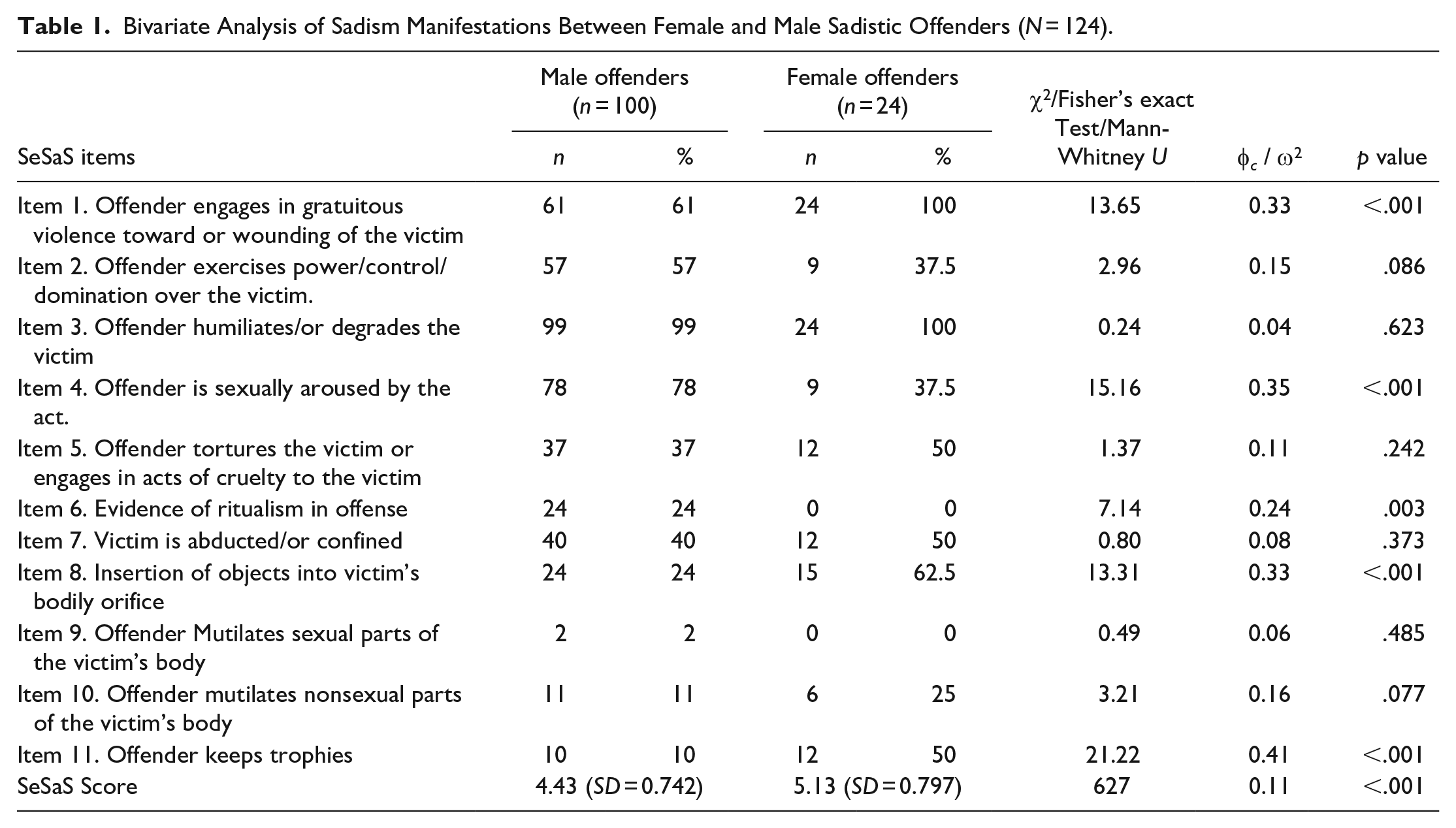
Table 2 presents goodness of fit stress and fit measures of the PROXSCAL MDS analysis. The measure-of-fit for this solution normalized raw STRESS produces .03 (Model 1) and .05 (Model 2) values. This coefficient varies from 0 to 1 and should be less than .05 as a good fit, which is the case for both models (Kruskal, 1964). The Tucker’s φ Coefficient of Congruence indicates that 98% of the variance in the Model 1 and 97% in the Model 2 are explained by two dimensions. This coefficient should be ideally more than 95% to confirm that the two-dimension representation is appropriate for the data used (Lorenzo-Seva & Ten Berge, 2006), which is the case here.
PROXSCAL MDS Goodness of Fit Stress and Fit Measures.
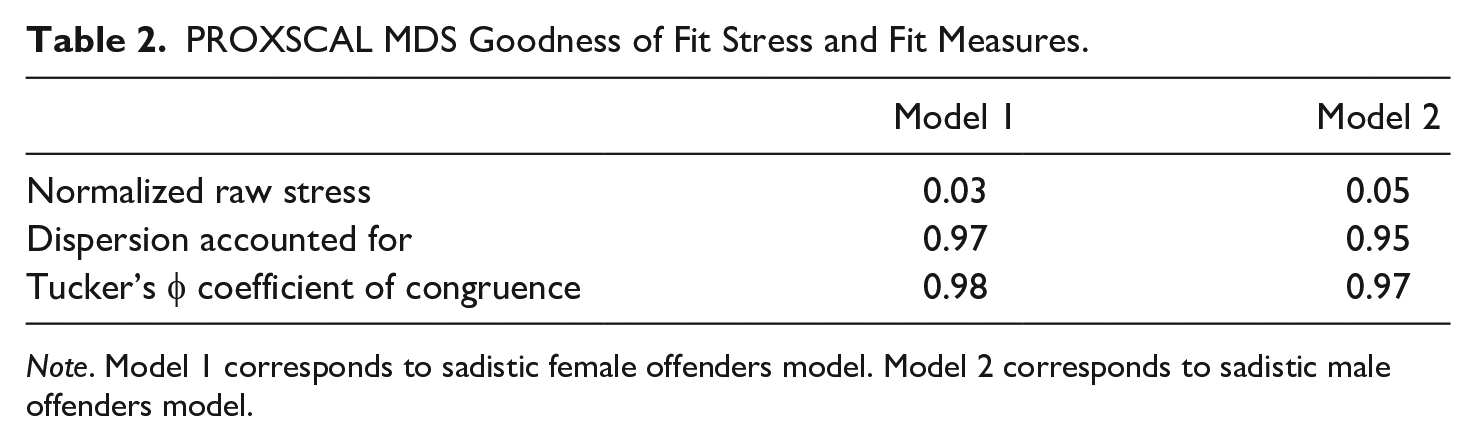
Note. Model 1 corresponds to sadistic female offenders model. Model 2 corresponds to sadistic male offenders model.
Table 3, Figures 1 and 2 present the proximity coordinates of the PROXSCAL MDS Model 1 and 2. The model 1 corresponds to the distribution of sadism behavioral manifestation in a two-dimensional space for females. The results suggest four distinct patterns (numbers in brackets are proximities coordinates). In the first category, we observe an association between Item 3 (humiliation; 0.28; 0.54) and Item 1 (gratuitous violence; 0.38; 0.44) of the SeSaS. The second pattern suggests an association between Item 7 (abduction, 0.64; −0.42) and item 2 (power/domination, 0.37; −0.68). We observe that Item 11 (trophies, 0.72; −0.02) is at the intersection between these two patterns. This suggests that it is associated with both of these items. A third pattern shows the association between Item 5 (torture, −0.66; −0.31) and Item 10 (mutilation of non-sexual parts; −0.52; −0.52). Finally, the last pattern suggests an association between Item 8 (foreign object insertion, −0.28; 0.23) and Item 4 (sexually aroused, −0.43; 0.31).
PROXSCAL MDS Proximities Coordinates (N = 124).
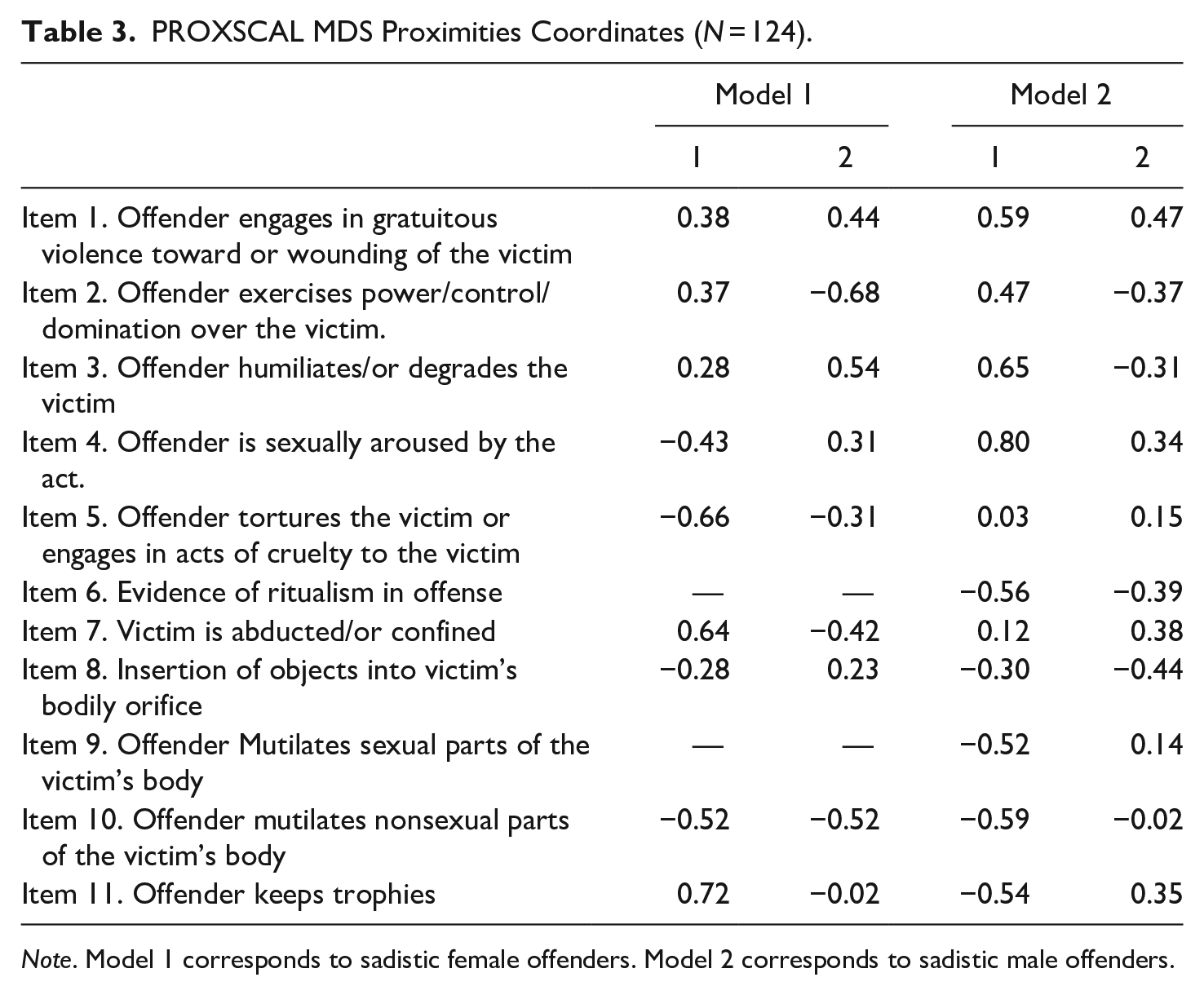
Note. Model 1 corresponds to sadistic female offenders. Model 2 corresponds to sadistic male offenders.
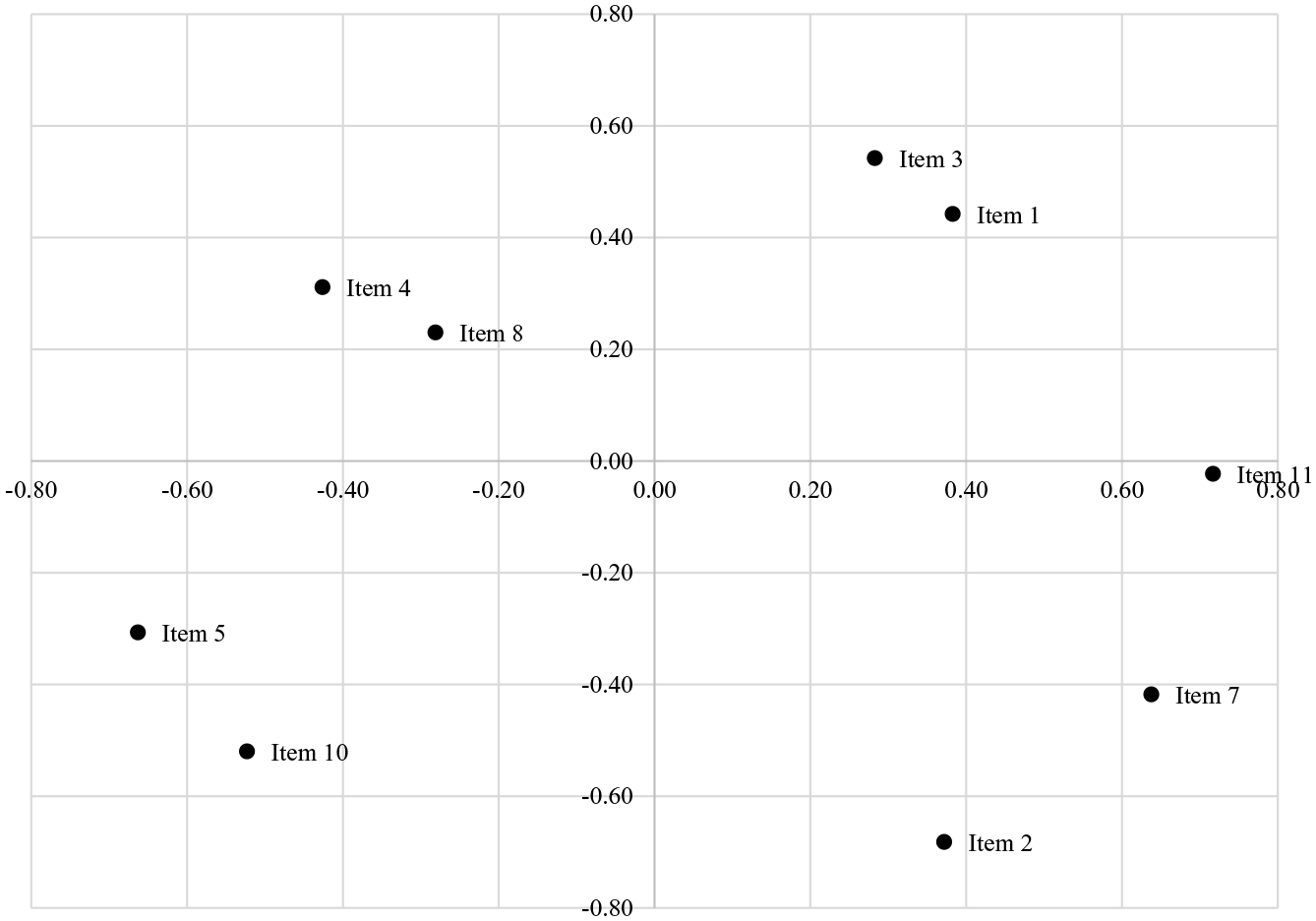
PROXSCAL MDS plot of Model 1 (sadistic female offenders).
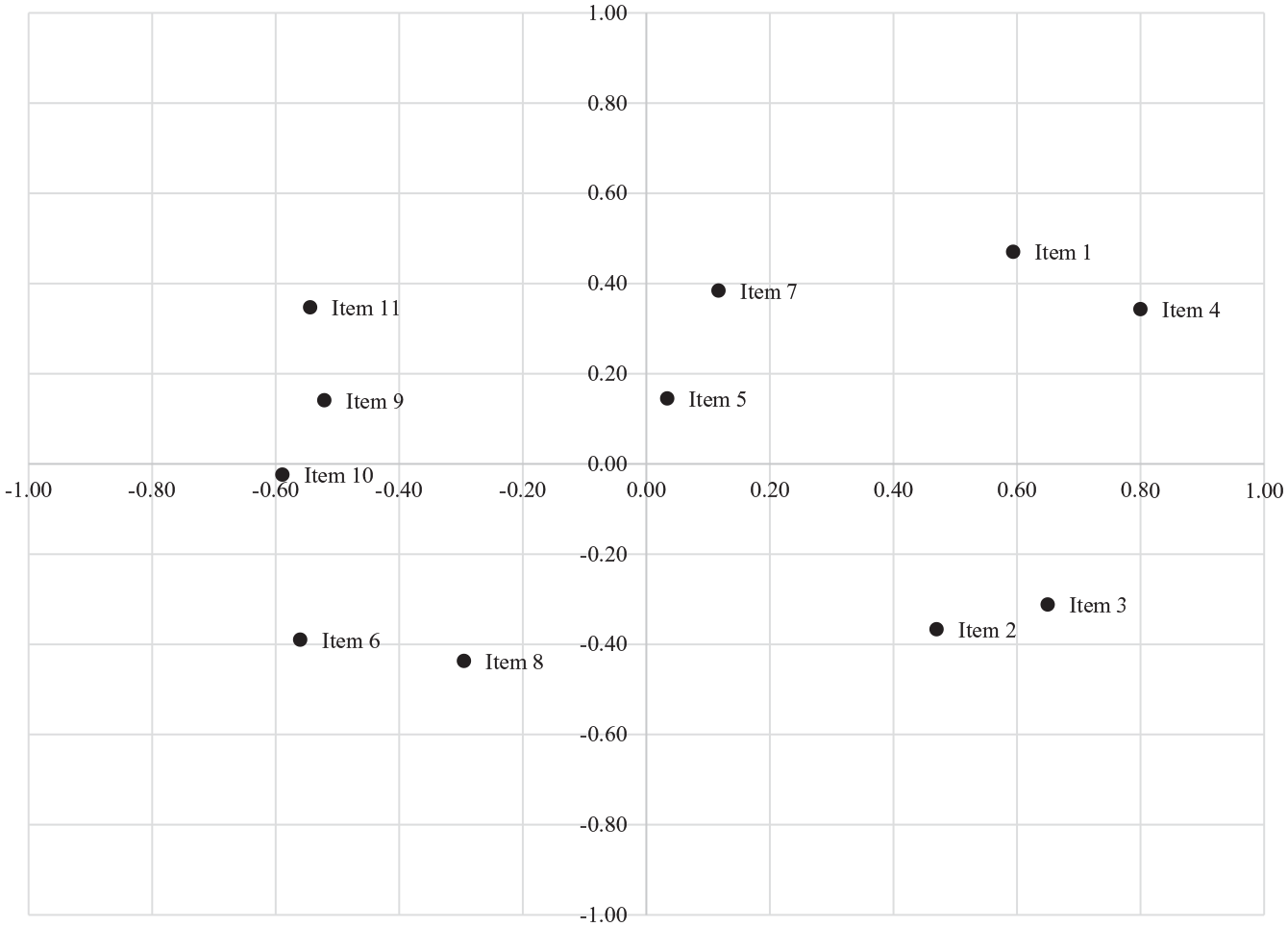
PROXSCAL MDS plot of Model 2 (sadistic male offenders).
The Model 2 corresponds to the distribution of sadism behavioral manifestation in a two-dimensional space for males. In the first pattern, we observe two subgroups of SeSaS Items. Item 1 (gratuitous violence, 0.59; 0.47) is associated with Item 4 (sexually aroused, 0.80; 0.34), while Item 7 (abduction, 0.12; 0.38) is closely associated with Item 5 (torture, 0.80; 0.34). In the second pattern, Item 3 (humiliation, 0.65; −0.31) is associated with Item 2 (power/domination, 0.47; −0.37). In the third pattern, Item 6 (ritualism, −0.56; −0.39) is associated with Item 8 (foreign object insertion, −0.30; −0.44), while in the fourth pattern Item 11 (trophies, −0.54; 0.35) is associated with Item 9 (mutilation of sexual parts, −0.52; 0.14). Item 10 (mutilation of non-sexual parts, −0.59; −0.02) is at the intersection between these two last patterns, suggesting an association with both of them.
Discussion
Sexual sadism is a frequent area of scholarly inquiry among sexual homicide offenders given its association with that form of offending (Dietz et al., 1990; Hill et al., 2006); however, the salience of sexual sadism among non-homicide sexual offenders and particularly among female sexual offenders is limited and based on a handful of offenders. Drawing on data from sexually sadistic sexual offenders from France, the current study investigated two research questions: 1) whether there are differences in the behavioral manifestations of sadism between female and male sex offenders, and 2) whether the dimensions of sadism vary among female sex offenders.
First, women clearly matter for the study of sexual sadism among sexual offenders. In these data, female sexual offenders had higher mean scores on the SeSaS compared to male sexual offenders and the patterning of their sexual sadism revealed interesting new combinations that beg for further study. Among women, the perpetration of gratuitous violence is paired with humiliation suggesting an extreme form of relational aggression where the violence is intended to damage the victim emotionally or socially. In contrast, among male sexual offenders’ gratuitous violence is paired with sexual arousal suggesting it is the raw manifestation of their paraphilic motivation. Indeed, comparatively among women, sexual arousal is linked with foreign object insertion. Building on these observations, Myers et al. (2010) provide essential insights into sexual sadism among juvenile sexual murderers, revealing pronounced psychopathy and a propensity for recidivism. These aspects, particularly evident in homicidal contexts, augment our understanding by illustrating stark contrasts with the more relational aggression observed in female offenders. Such findings highlight the importance of a demographic-spanning analysis of sexual sadism to comprehensively grasp its diverse manifestations.
Second, female sexual offenders are far more pathological in their conduct than is commonly perceived (Gakhal & Brown, 2011; Zack et al., 2018). Female offenders engaged in torture of their victims that was coupled with mutilation of non-sexual parts and they also kept trophies to memorialize their violence as it related to abduction behavior and the expression of power and domination. Interestingly, women in our models did not exhibit any evidence of ritualism or mutilation of sexual parts, again suggesting that their violence represents relational as opposed to explicitly sexual behavioral themes. The paternalistic notion that female sexual offenders are mere femme fatales who fall in love with younger victims is seriously challenged by the sadistic behavior seen in their offense conduct spanning gratuitous violence, abduction, torture, domination, mutilation, and foreign object insertion.
Third, whether research focused on juvenile sexual offenders, rapists, child molesters, online sexual offenders, or other typologies, sexual offender subgroups are highly heterogeneous (Fox & DeLisi, 2018; Robertiello & Terry, 2007). Although discrete groupings show commonalities in their victim preference, psychopathology, and offending careers, there is also ample variation within any particular typology. To illustrate, a visual inspection of Figures 1 and 2 shows how differently male and female sexual sadistic sexual offenders behave. We believe these distinct MDS plots represent real sex differences in the manifestation of sexual sadistic acts during sexual crimes.
Fourth, for good reason, sexual sadism has primarily been studied among the most acutely pathological sexual offenders: sexual homicide offenders. However, our data also show that rare forms of psychopathology, such as sexual sadism, are also evident among non-homicide offenders and samples of general criminal offenders as shown by prior research (Berner et al., 2003; Chopin et al., 2022; DeLisi et al., 2017). Despite its explicit connection to sexual deviance, other features of sexual sadism that bear on humiliating and degrading others, dominating others, and engaging in violent action merely for the sake of inflicting violence are compatible with other forms of violence including murder, aggravated assault, stalking, menacing with a deadly weapon, and armed robbery. In this regard, sexual sadism can serve as a potentially fruitful omnibus risk factor for antisocial behavior similar to other global criminological constructs, such as low self-control or psychopathy.
Fifth, while our study has shed light on gender differences in the manifestation of sexual sadism, it is imperative to acknowledge and explore critical questions regarding the comparability of SeSaS scores across genders. The SeSaS tool was originally designed to assess male sexual offenders, and its application to female offenders raises methodological and conceptual challenges. These challenges stem from the fact that the SeSaS has been validated in male populations, but its adaptation to females remains exploratory and subject to limitations due to gender differences in the expression and dynamics of sexual sadism. We must consider whether the manifestation of sexually sadistic behavior differs between genders, thereby raising questions about the direct comparability of SeSaS scores across male and female offenders. Moreover, our study may prompt further discussions on the necessity for adjustments or interpretive cautions when applying the SeSaS tool to female offenders, considering the unique characteristics of their sadistic behaviors and motivations.
Methodological Challenges of Applying the SeSaS to Women
The adaptation of the Severe Sexual Sadism Scale (SeSaS) for use with female offenders is a pioneering step in the field of psychological and criminological research. This adaptation arises from a significant gap in the existing tools available for assessing sexual sadism in women. Traditionally, research and diagnostic tools in this area have been male-centric, largely due to the higher prevalence of sexual sadism and related sexual offenses among males. However, this male-focused approach has left a notable void in understanding and identifying sexual sadism in females, who may exhibit different patterns or manifestations of this behavior. In adapting SeSaS for female offenders, researchers are venturing into relatively uncharted territory. The fundamental rationale for this adaptation is the need to extend our understanding of sexual sadism beyond the male demographic. This involves exploring whether the behavioral indicators and psychological patterns identified as markers of sexual sadism in men are also applicable to women. Such exploration is crucial, not only for the advancement of academic knowledge but also for practical applications in clinical and forensic settings. The process of adapting SeSaS for females, however, is not straightforward. It requires careful consideration of the differences in the expression of sexual sadism between genders. For instance, the motivations, psychological underpinnings, and behavioral manifestations of sexual sadism in women might differ from those in men. These differences could stem from varied sociocultural, psychological, and biological factors that influence how sexually sadistic tendencies are exhibited in females. Furthermore, the adaptation process involves critically examining the scale items of SeSaS to determine their relevance and applicability to female offenders. This might necessitate modifications to certain items or the inclusion of additional indicators that are more reflective of female sexual sadism. Additionally, there is a need to ensure that the language and framing of the scale items do not inherently bias the tool toward male-specific expressions of sexual sadism. In undertaking this adaptation, researchers also confront the challenge of dealing with a smaller population of female sexual sadists, which can impact the validity and reliability of the scale when applied to females. This scarcity also poses difficulties in gathering sufficient data to robustly test the scale’s applicability to females. Therefore, while adapting SeSaS for female offenders is a necessary and valuable endeavor, it is one that must be approached with caution, sensitivity, and a commitment to ongoing evaluation and refinement. This adaptation not only broadens the scope of research in sexual sadism but also contributes to a more inclusive and comprehensive understanding of this complex psychological phenomenon across genders.
Practical Implications: The Path Toward Adapting Assessment Tools for Female Sadism
The results of our study enable us to discuss and outline considerations regarding the development and adaptation of assessment tools for female sadistic behaviors. This is a complex and evolving process that requires meticulous attention to detail and a commitment to addressing the unique nuances of women’s behavior patterns, as suggested by our findings.
The development of a specialized assessment tool for female sadistic behaviors begins with a thorough examination of existing tools and research on male sadism. Our results indicate that certain behavioral manifestation of sadism, such as gratuitous violence, the insertion of foreign objects into the victim’s body, the mutilation of non-sexual body parts, and the keeping of trophies, are more frequently associated with women. Therefore, it is imperative to expand the scope of the tool to give greater consideration to these behaviors in the assessment of sadism in women.
The results show that behavioral manifestation of sadism in women exhibit distinct patterns. Therefore, rigorous validation studies, tailored to female sexual offender populations, are essential. The assessment tool must reliably identify and distinguish these different behavioral manifestation of female sadism. This includes evaluating the tool’s internal consistency, test-retest reliability, and criterion-related validity, while accounting for the specific patterns observed in women.
In parallel with the assessment tool, clear and gender-sensitive interpretation guidelines should be developed. Our results indicate that female sadism can manifest differently from that of men, including behaviors such as emotional manipulation and relational aggression. Therefore, these guidelines must emphasize the importance of considering gender-specific patterns and behaviors in the evaluation process to ensure accurate interpretation.
Our results suggest that the specialized tool should not only assess the presence of sadistic tendencies but also identify specific risk factors associated with female sadism. This may include a focus on the motivations behind sadistic behaviors, potential triggers, and the context in which these behaviors occur. Understanding these factors is essential for tailored intervention strategies.
The practicality of the assessment tool is paramount, as our results show that female sexual offenders exhibit unique patterns and behaviors. The tool should assist professionals in assessing the risk posed by these women, identifying areas requiring intervention, and developing individualized treatment plans. The data we have collected can guide the development of this aspect of the tool.
Study Limitations
We acknowledge limitations to the current study that primarily relate to omitted variable bias. On this issue, two variables are critically important. Adverse childhood experience or trauma exposure are indispensable risk factors for violent conduct generally and specifically among female sexual offenders (Levenson et al., 2015). Sexual offending can and often does vary depending on the severity, chronicity, and frequency with which offenders experienced abuse and neglect and can influence different motivational states including sadism, extreme anger, and desire for power (Harrati et al., 2018). These motivational states are important for understanding why sadistic female and male offenders choose to variously humiliate, torture, or mutilate their victims. We encourage other researchers to include adverse childhood experiences data to inform the ways that sadistic criminal behaviors unfold in the offending careers of sexual offenders. The second variable that we regrettably lacked is psychopathy. Several features of sexual sadism are directly compatible with psychopathy including the desire to dominate others, the willingness to engage in expressive and often gratuitous violence, and participation in instrumental criminal activity. Prior research (e.g., Mokros et al., 2011; Robertson & Knight, 2014) shows the value of measuring both sexual sadism and psychopathy in models of sexual violence. Ultimately, one of the major limitations of this study lies in the fact that we utilized a tool designed to identify sadism in masculine individuals, which we then analogously applied to male subjects. This approach has been previously employed in the literature but remains open to criticism. It indeed assumes that sadism should manifest in the same manner, irrespective of the individual’s gender. We believe that this study aids in enhancing the understanding of sadistic behaviors in women but it does not represent a conclusive end. Specific tools, tailored to a female specificities, should be developed and implemented to determine whether female sadism is distinct from male sadism and if it should be measured differently.
Conclusion
In conclusion, these groundbreaking findings highlight the distinct nature of sadism in women compared to male offenders. This holds significant implications for clinicians working with sexual offenders, particularly female sex offenders, as it reveals that sadistic women engage in criminal behaviors differently than their male counterparts. Therefore, practitioners must remain cognizant of these gender-specific differences when assessing and diagnosing sadism in female offenders. Different does not equate to absence; it simply signifies divergence.
Moreover, beyond the diagnostic implications, these findings have the potential to enhance correctional interventions for this unique subgroup of offenders. While our understanding of the etiology of sexual sadism remains limited, our study underscores that the violence exhibited by sadistic women is more relational in nature than the typical sexually-oriented violence observed in men. As such, this aspect could be integrated into treatment programs to address the specific needs of sadistic women. Neglecting to consider this dimension may result in overlooking critical treatment targets when working with these clients.
Looking ahead, future studies should delve deeper into the phenomenon of sexual sadism in females, ideally with larger and more diverse samples. Given the disparities observed between men and women, it is advisable for future research to incorporate clinical diagnoses to assess the validity of using tools like SeSaS with female sex offenders. This approach promises to enrich our understanding of sadism in women and contribute to more tailored and effective interventions.
Footnotes
Declaration of Conflicting Interests
The author(s) declared no potential conflicts of interest with respect to the research, authorship, and/or publication of this article.
Funding
The author(s) received no financial support for the research, authorship, and/or publication of this article.
