




Abstract

Resistance to Turkey’s most powerful is coming from a surprising quarter: rap musicians.
For decades, Turkey’s dissidents pushed back against machismo. Popular culture, humour and irony became their main tools in combating toxic masculinity. But in recent years, especially after a government crackdown on civil freedoms in 2017, an unexpected new wave of dissent has risen in the form of rap music.
Susamam (I Can’t Be Silent Anymore), a collaboration featuring 18 rappers, was released in September this year. On YouTube it has been viewed more than 36 million times, making music history and turning rap into a vehicle to fight Turkish machismo.
The 15-minute song is a manifesto of sorts about Turkey’s male-dominated social structure. It opens with Şanışer, the stage name of the 32-year-old rapper Sarp Palaur. Sporting a baseball cap, Şanışer walks among crowds in Istanbul while a mechanical background voice warns against superficialities that direct Turks’ minds away from their real problems.
Images of belly-dancers and other touristic cliches fill the screen before Fuat Ergin, one of the leading rappers, takes their place.
With his camouflage jackets, cargo pants and hunky presence, Ergin doesn’t look like a feminist. But male greed, he says, is destroying nature. In Susamam, Ergin stands on a tank to rap about industrial waste and its pollution in rural Anatolia. Another rapper, Ados, takes the mic from him and warns about the climate crisis and droughts threatening Turkey’s rivers. Şanışer joins them to ask viewers to break their silence. These rappers share a concern to protect nature from powerful men.
Server Uraz sings from inside a prison cell. He admits to remaining silent for years while journalists were imprisoned. “Now I’m too afraid even to tweet,” he says. Şanışer scorns him for caring about only “third-wave coffee shops” and “start-ups”, proclaiming: “If you were taken unlawfully from your home tonight, you wouldn’t find even one reporter to write your story. Because they’re all in jail.”
In this segment and others, rappers confront macho values head-on. They tackle other social ills, too: the education system, the injustices of courts and road rage on highways are subjects of their criticisms. One rapper drinks wine, singing his lines drunk on a pavement.
Şanşier, stage name of rapper Sarp Palaur, who is featured on Susamam
CREDIT: Leo Xandre
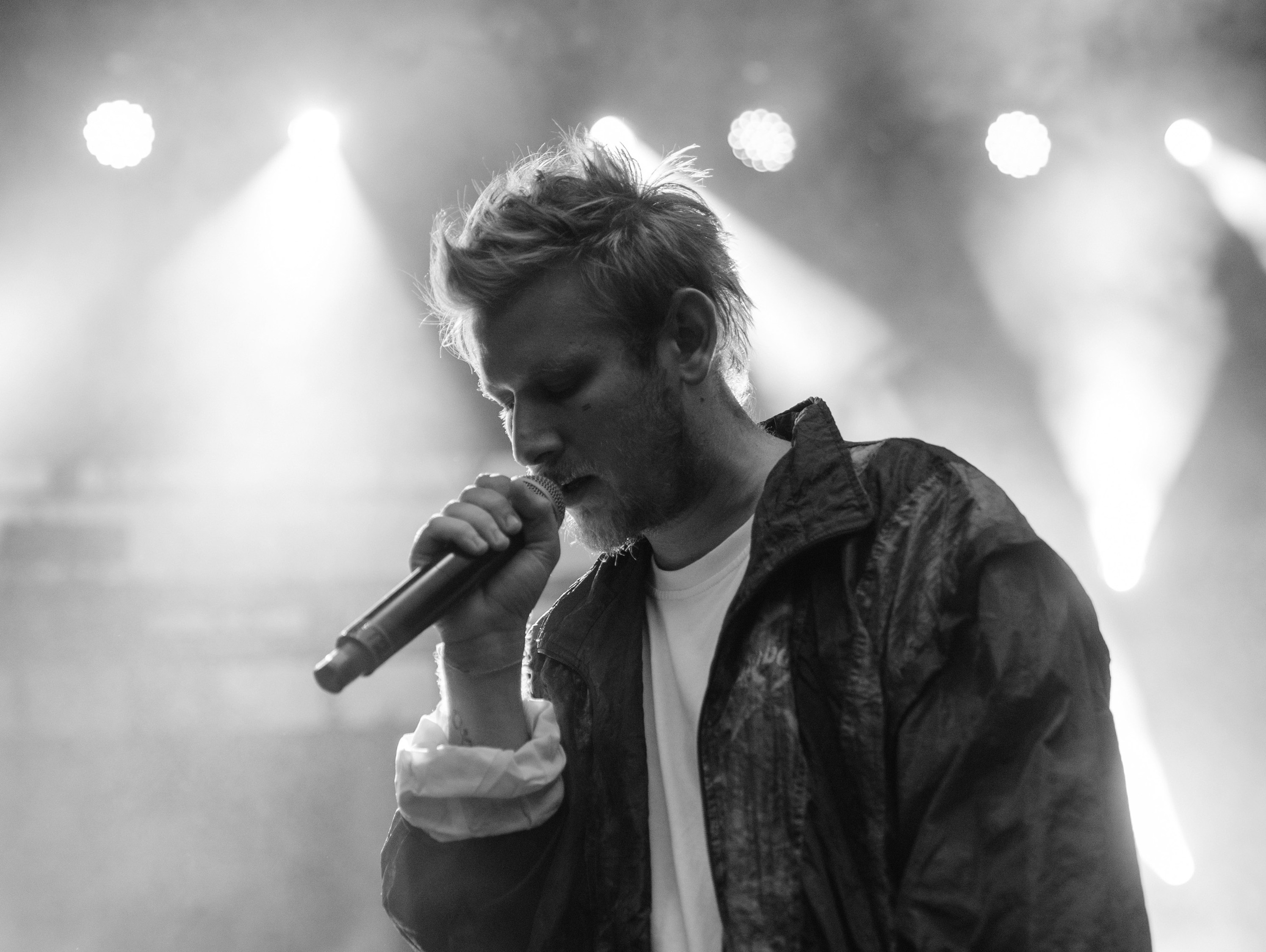
Another screams his lyrics to the mountains. Their performances are less a song than an outcry. These tough-looking guys passionately self-scrutinise.
Deniz Tekin, the only female performer in Susamam, sings about women’s rights, and lists some of the horrors Turkish women experience: husbands throw acid at their wives’ faces, brothers kill sisters and call their crimes “honour killings”, and supervisors expel female students from dormitories for so-called “improprieties”.
Tekin also mourns Turkish women killed in recent years by men in positions of power. Münevver Karabulut’s body was dismembered by the son of a Turkish tycoon who later committed suicide in prison. Şule Çet fell to her death from her boss’s office in the skyscraper he owned – her family say she was pushed. Emine Bulut’s estranged husband, who was a security guard, used a blade to cut her throat in public, as their child watched her bleed to death.
“No man is allowed to raise a fist against women!” rap the duo Sehabe and Yeis Sensura. “Yes, they are male, but they aren’t human!” The segment shows instances of male violence against women at home and on public transport. Security cameras regularly capture men abusing women – in March this year, the owner of an entertainment venue in Beşiktaş punched a female employee in the face. “You will stand up when I enter the room,” he said in the CCTV footage before attacking her. “Are you even human? How does one even get to this point?” they wonder in the song.
Naim Dilmener, one of Turkey’s leading music critics, told Index: “Şanışer and his friends voiced their dissent about Turkey’s present state. In their fight against sexism, those rappers tried to show that the opposition was not dead in the water [and] that they were willing to raise their voice.”
Although Dilmener approaches rap music’s new role with caution, he considers its critique of machismo to be a step in the right direction. “Like our rockers, Turkey’s rap musicians are famed for their sexism,” he said. “References, wordplay and swearwords in their songs always adore masculinity. This is why it’s no small feat that they’ve stopped being proud of their cocks even for a few minutes. I think we need a pile of these gestures for anti-sexism to truly triumph. Of course, Susamam can’t by itself erase machoism from Turkish culture. But symbolically it is a huge deal to see rappers raise their voice.”
Pro-government Turkish newspaper Yeni Şafak said the rap song was produced by terror groups, and accused foreign media such as the BBC and Deutsche Welle of bringing this “discourse of marginal leftist groups” to an international audience. The government issued a warning: “Art shouldn’t be the vessel of provocation and political manipulation.”
Pro-government trolls have attacked the Susamam rappers on social media, and on 17 September a complaint was filed in an Istanbul court against the song’s contributors. One of them, Defkhan, soon announced he was “leaving the project” because of the “political momentum the song has gained”. He tweeted: “I like my friends who’ve contributed to this song; I just don’t like politics.” But other celebrities, including the actor Ahmet Mümtaz Taylan and the rock musician Harun Tekin, announced their support for the song.
In 2014, Bülent Arınç, one of the founders of the ruling Justice and Development Party, famously proclaimed that women shouldn’t be allowed to laugh in public. In the half-decade that has followed, machismo has grown on social media but so has dissent. Tahribad-ı İsyan, perhaps Turkey’s most exciting rapper duo, sing about “dinosaur politicians” and nepotism among men in their segment of Susamam. They also repeat a famous political mantra, once used by socialists and feminists but now appropriated by men who have just had enough of machismo: “Don’t be silent; as long as you remain so you’ll be arrested next.”