




Abstract
Contrary to some people’s expectations, under-18s are happy to stand up for free speech, and for those with whom they disagree, says
The coarsening of public debate has thrown into sharp relief the question of the role that freedom of expression plays in such an environment. Is it enabling hate or promoting tolerance? And in such a febrile environment it is little surprise that calls are growing for certain groups and ideas to be denied space. Blame for this notion (that a whole raft of issues should simply no longer be discussed) is often laid at the door of young people, dismissively referred to as the “snowflake generation”. But this year has convinced me that the snowflake narrative is overdone. In fact, the people with whom I have had the most robust, open-minded discussions about the value of free speech have been under-18s. Which means I am able to speak with a degree of optimism.
Two events in particular struck a chord with me this year – a year that marks 50 years since the 1968 protests, many led by students, that heralded international social change. The first was an English National Opera youth camp for students from diverse backgrounds. The students, aged from 13 to 18, spent a week devising a show on issues of censorship. I led a workshop that covered issues such as drill music, homophobia and racism and, instead of the vehement defences of censorship I expected, I was bowled over by the nuanced, critical thinking evinced by this group of teenagers.
Instead of the militant defence of a position we are so used to seeing when engaged in debates – on social media in particular, or when watching most TV news debates – participants were respectful, willing to challenge and be challenged, and, crucially, willing to listen to other points of view and shift stance.
The students discussed recent examples of censorship in the UK including the dropping of “human zoo” performance Exhibit B from a planned staging at The Barbican; the cancelling of Homegrown, a play about radicalisation by the National Youth Theatre; and music bans. “We talked a lot about censorship and self-censorship,” said one of the students, who admitted he hadn’t given much thought to self-censorship and how it influenced his own personal interactions before the programme. After it, he said he realised “creators are people still censored even in our democratic society”.
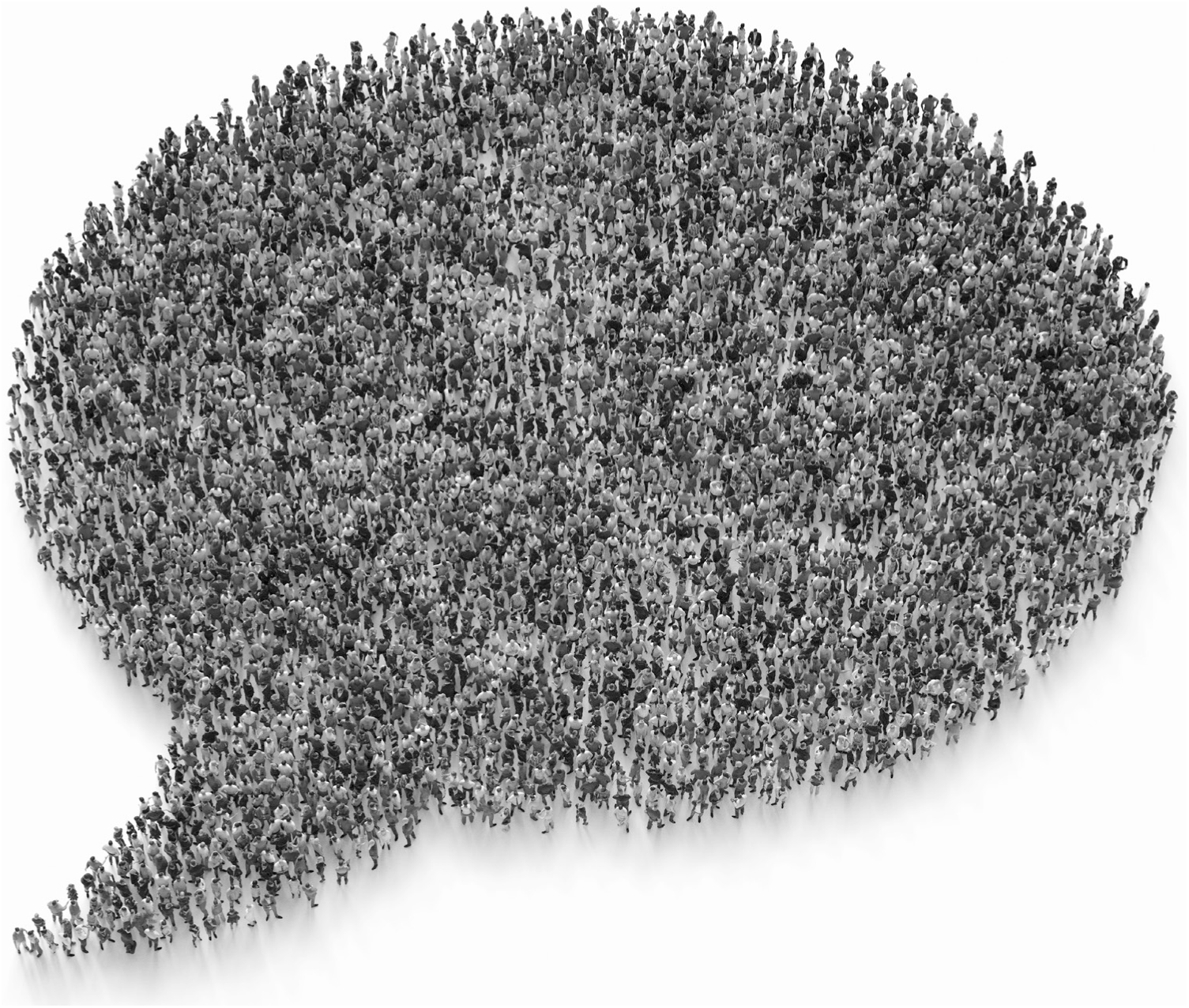
CREDIT: Magictorch/Ikon
I experienced much the same level of thoughtfulness and enthusiasm at a workshop later in the year with a group of school-age children in Brisbane, whom I tasked with identifying topics they deemed “taboo” and explaining why. Far from the arguments I expected – that x and x issue is taboo because it is simply “no longer up for discussion” and “that battle has been won” (often articulated by much older, and supposedly wiser, critics of free speech) – I again heard a group actively wrestling to understand why certain issues had been deemed off limits for discussion and what this meant for society.
I then asked the students to adopt a position they disagreed with and to argue that position to someone else. I expected silence. Instead, I heard and witnessed earnest attempts to understand ideas that for many were beyond the pale. No one shouted. No one stormed off in a huff (actual or virtual). No one resorted to verbal abuse. Some of the discussions were uncomfortable, but the discourse was respectful, thoughtful and earnest throughout.
Yes, there is plenty to worry about in modern discourse. Contemporary media, from television to Twitter, encourages us to see debate as necessarily polarised. And there are plenty of factors that have encouraged that. But the experience of working with young people has left me energised and optimistic. Young people are not all snowflakes. In my experience there is a group hungry to understand the world and make sense of it through robust and respectful debate. In that sense they are far more like those other structures of glittering, crystalline beauty: diamonds. And just as hard.