




Abstract

Journalists pull back on coverage of controversies in Singapore, because they know what might happen to them, says
All this was shared on social media. But there was little interest from the mainstream media. I know this because I was the only journalist waiting outside the police station for Ngerng’s release that day in 2016.
There are international rankings that Singapore does care about and those that it doesn’t. Press freedom is firmly in the latter category. That’s why I have been involved in launching a new website, New Naratif, a platform for journalism, art, research and community-building in south-east Asia. The members of our start-up team come from diverse backgrounds, but are united in the belief that there is a need for such a project.
We are creating a space for local writers to publish their work, and also a space for stories and issues that governments and local media are reluctant to touch; where people can get informed and discuss such issues.
Singapore is wealthy and developed, its populace largely highly-educated and plugged into global networks. Yet the country is ranked 151 out of 180 in Reporters Without Borders’ 2017 Press Freedom Index. As a freelance journalist focused on reporting from and on Singapore, it’s not a ranking that surprises me. There are many systemic challenges in our way.
The government, dominated by the People’s Action Party, has plenty of levers it controls: legislation that keeps the mainstream print and broadcast media under the government’s thumb, defamation laws (and the resources to hire expensive lawyers to sue), broad contempt-of-court laws and dominance over information flows. Without any freedom of information legislation, the government releases or withholds data at will, and there is little that journalists, academics or citizens can do about it.
A reporter for The Straits Times, Singapore’s main daily broadsheet, learnt this the hard way last year when she received a stern warning for breaching the Official Secrets Act after sending questions to government agencies related to a not-yet-publicised public housing initiative. She spent a night in detention while the police tried to get her to reveal her source. The person who leaked the information was fined about $1,500.
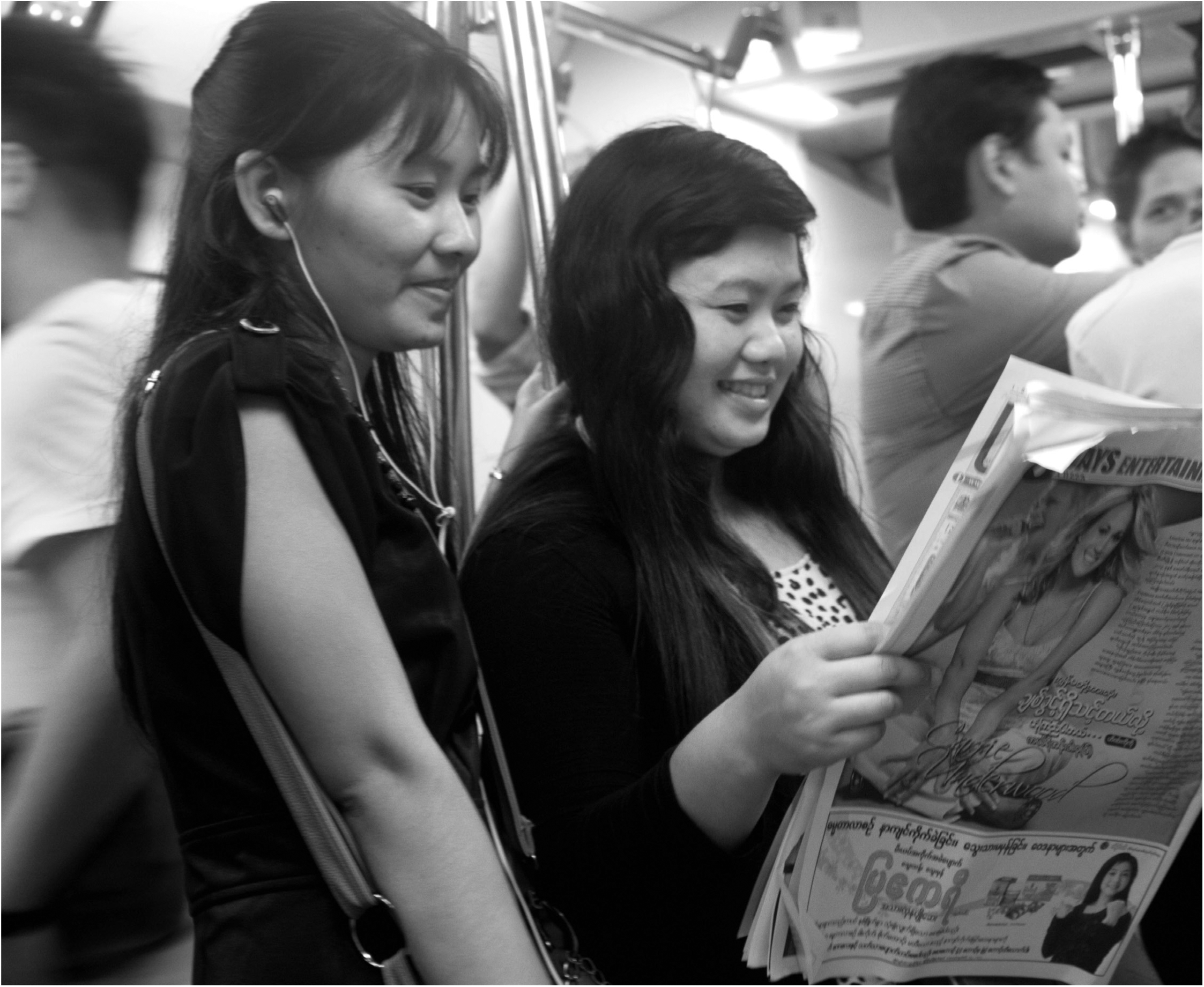
Women on the subway in Singapore
CREDIT: RosaIreneBetancourt 6/Alamy
It’s not easy for independent media in Singapore either. The Newspaper and Printing Presses Act, which prohibits publication unless a permit is granted by the government and gives the government the right to appoint management shareholders, essentially makes it impossible for independent media to exist in any form except online, and even that is difficult.
The authorities can arbitrarily define a website as a political association – as they did with The Online Citizen in 2011 – thus requiring it to adhere to laws on political donations, barring the site from receiving any form of foreign funding and limiting the amount of anonymous donations. An online licensing regime has also been introduced for popular websites, requiring them to put down deposits of nearly $40,000 that are forfeited if they fail to remove within 24 hours content flagged by the authorities.
But there are other challenges, too. Resources, in particular funding, are in short supply. Last year, independent news site The Middle Ground shut down after two-and-a-half years due to lack of finances.
Singapore is in crucial need of independent news sources, alternative perspectives and spaces where important yet politically sensitive questions can be asked. Challenging curbs to a press freedom requires holistic strategies and cannot be left to any one person or small group of people. Things can move forward only when there is solidarity and trust, built from ongoing conversations and the sharing of skills to organise and push for change. This is what our project New Naratif seeks to do.