




Abstract

Man Booker prize winner
Paul Beatty speaks on stage at the 2016 Man Booker Prize at The Guildhall in London, England.
CREDIT: John Phillips/Reuters
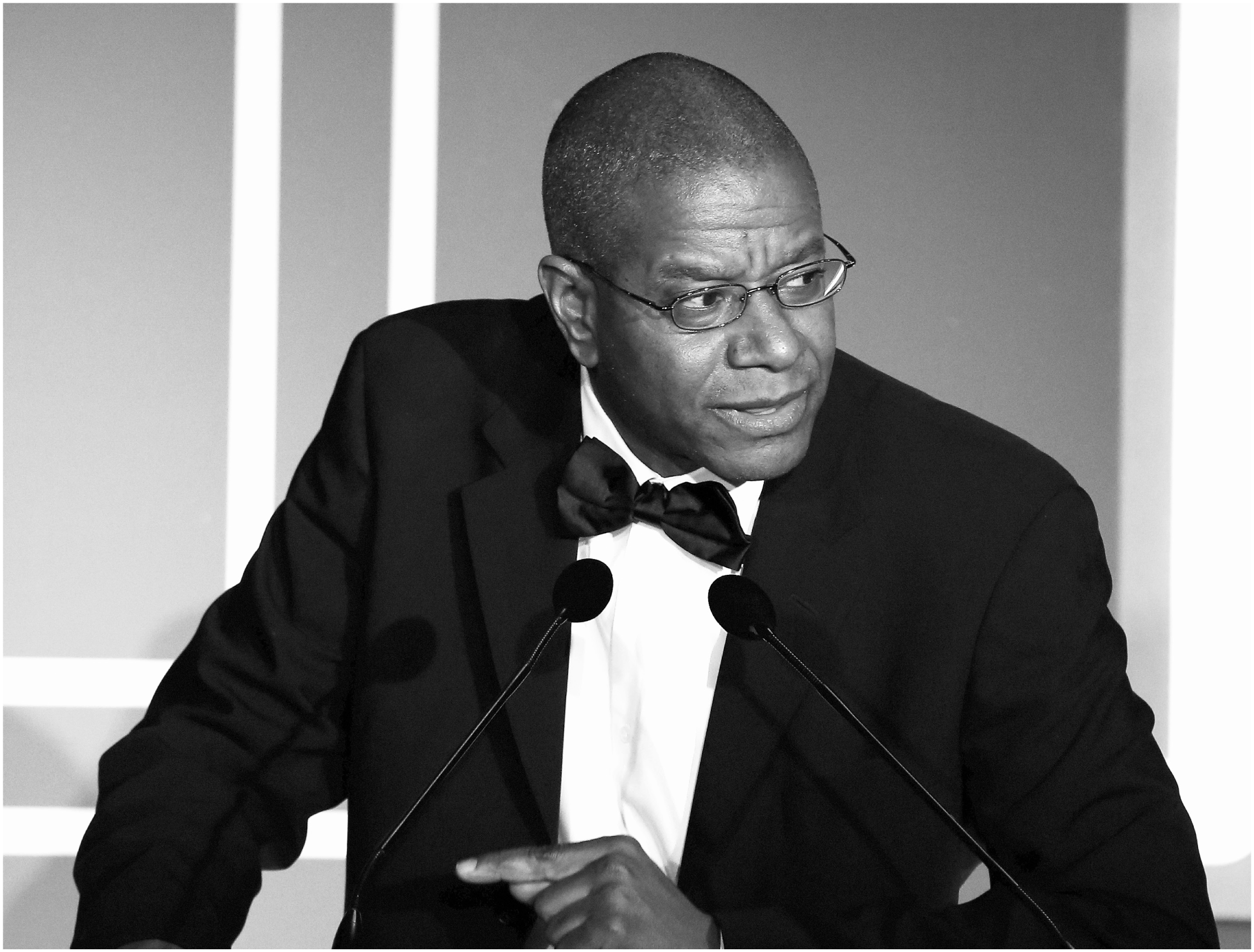
It was not just the plot that caught attention, but the language, a rich mix of poetic prose and brow-raising expletives, most notable of all being constant use of the “n” word.
When we meet in London this summer, I ask whether there are any words he wouldn’t use. He says yes, though will not reveal what they are as that would delete the purpose of not using them, a fair point. But he doesn’t place limits on words others can use.
“Anybody who knows how to spell can write the word,” he said in reference to the word nigger specifically.
“I’m not one of those people who is like certain people can say ‘shit’ and certain people can’t,” he said, adding: “No one owns language.”
This attitude extends to characters too, a point he addressed during his Man Booker Prize acceptance speech, when he referenced one of most heated debates currently swirling around the literary world, the idea of cultural appropriation. This debate, which has been brewing under the surface for some time, reached fever pitch back in September 2016 when Lionel Shriver, author of We Need To Talk About Kevin, opened the Brisbane Writers Festival with an impassioned speech on it. She argued in favour of writers being able to create any character, irrespective of their own background and experience.
Beatty said at the time: “It’s not about whites appropriating this, it’s about everyone appropriating everything – and thank goodness, I would have absolutely nothing to say if that wasn’t the case.”
Beatty was born in Los Angeles in 1962 and went on to study creative writing at Brooklyn College and psychology in Boston. His first book, a collection of poetry, was published in 1991, with another collection in 1994. Four novels ensued, tied together by his signature wit and societal insight: The White Boy Shuffle (1996), which follows a man’s transformation from outcast to messiah; Tuff (2000), the story of a 19-year-old ‘player-king’ in a Harlem gang who agrees to run for City Council; Slumberland (2008), which looks at a DJ in search of a mysterious musician in Berlin; and finally The Sellout.
Beatty says he’s fortunate to have not experienced outright censorship as an adult, but does remember one incident from when he was age six or seven. It was during summer camp and he was on a day camp bus when the police pulled the bus over, made Beatty get out and erase a poem he had written.
“I wish I could remember what was in it,” he said, explaining that the details are hazy, but that the incident overall is something he won’t forget.
“It’s not every day that the police pull over the day camp bus.”
When not writing his own work, Beatty teaches creative writing at Columbia University in New York and we discuss his teaching style.
“I challenge them to take risks. Those risks might not be my risks, those risks might piss me off. There are so many of them that are fearful of saying the wrong thing. Nothing wrong with wanting to say the right thing. They want to say the right thing. They are afraid to tackle certain subjects,” Beatty said.
“I think it’s good for them to be fearful, but they shouldn’t let that fear be debilitating,” he continued. Perhaps therein lies the recipe to his own success.