




Abstract

This was in the late 1980s, just over a decade after Mao Zedong died, and China was still recovering from a time when showing emotions in public was taboo. The show was like BBC Radio Four’s Woman’s Hour and addressed topics of interest to women. I started sharing some of the letters from my listeners. Soon people realised they were not the only ones in “a wrong life”, they were not “bad” and were not alone. The letters flooded in. Some days I received more than 100. They covered stories about very personal topics: sexual and physical abuse, infanticide and forced abortions and the general sexism embedded in Chinese society. At the end they always added: “This is only for you. Please keep it secret.” Or: “You can share my story with others on your show, but please use fake names.”
Of course, throughout this time there was still a long list of “unfriendly foreign media sources” that I was not allowed to cite. We also had to avoid mention of religious and Western festivals, as well as China’s modern history. And the call-in programme, launched in 1991, was controlled. I will never forget when a man rang and told me he wanted to kill me. “Women in my family are my property, my slaves. It’s not your business,” he said. “I have a right to use them and beat them. That is the family rule through generations.” I heard the screams of a woman and the radio controller quickly cut the call off.
His words didn’t perturb me. Instead, they made me more keen to get stories out and I was able to air most that came my way. The only caveat was to not point fingers, so I could talk about the pain a woman might have suffered from an abortion, but I could not condemn the government and the one child policy.
Today, radio is even more relaxed. Things are now discussed that I could never have spoken of. Buying property and cars, debating leftover daughters (unmarried women over the age of 27), the right kind of marriage and problems with hospitals are such topics.
Like in my day, radio reaches many people, especially due to the huge growth in car ownership, with people listening on the road. There are also still a lot of poor, illiterate people who benefit greatly from it, people who have been left out of China’s digital revolution.
A woman in a telephone booth in 1980s China
CREDIT: Thomas Hoepker/Magnum Photos
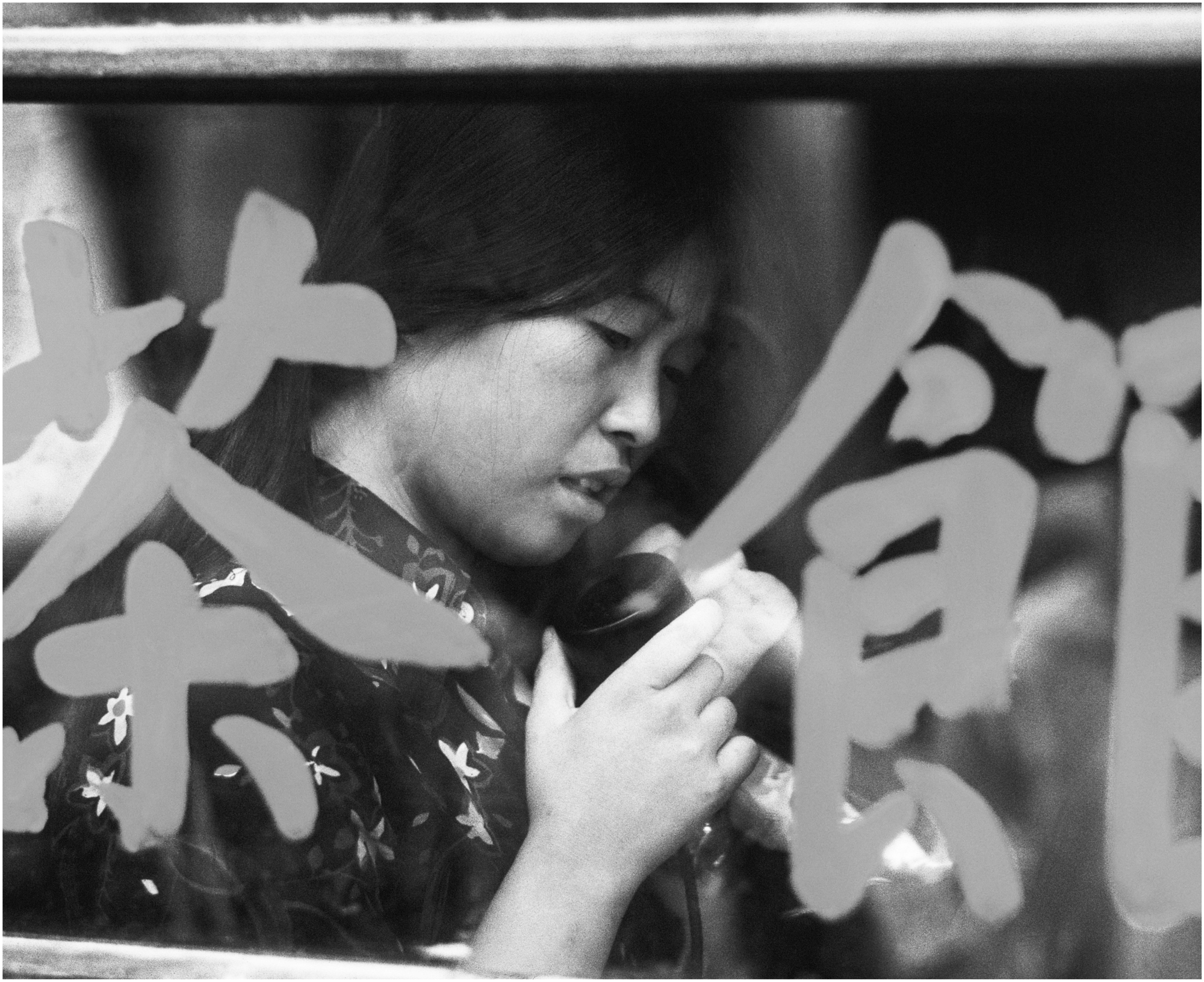
But perhaps because it does reach so many people, restrictions on radio remain, as my friend, a prominent radio personality, told me.
“If you want to continue your career in media, you must follow ‘daily news principles’, which are sent to your WeChat [Chinese mobile-messaging service] account,” he said. “I’m also given guidelines on what kind of international news we must not use from ‘unfriendly foreign media sources’.”
What makes it harder is that the red line of what’s acceptable to talk about keeps shifting, so presenters err on the side of caution. No one would discuss Tiananmen Square for example or Liu Xiaobo, a name most in China are unfamiliar with.
It’s indisputable that China has made remarkable progress since the 1980s, but there is much more to be done when it comes to free speech and the treatment of women, especially those in the countryside. Maybe radio can help.