




Abstract

For the past few years
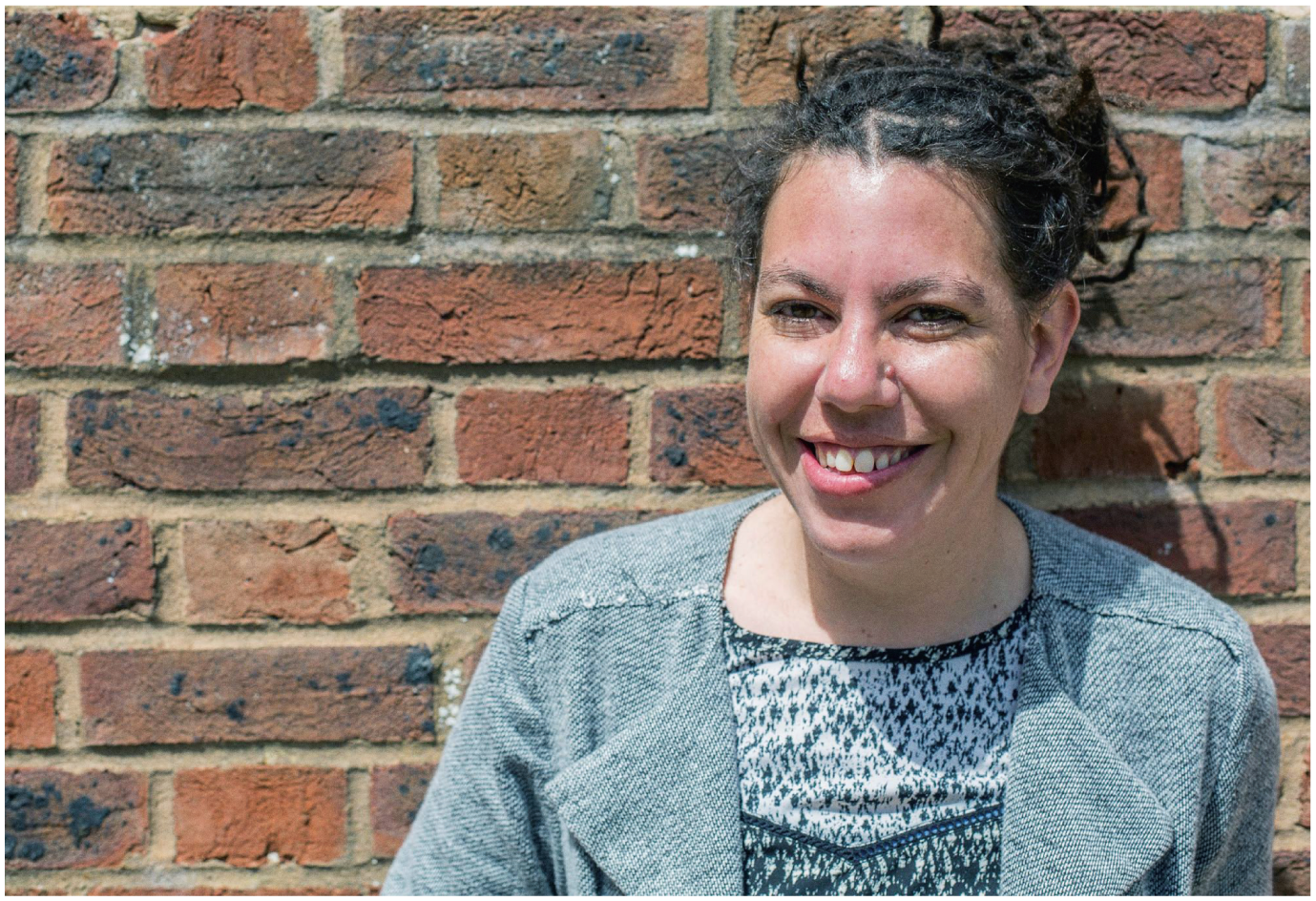
Amira Hanafi has been in Cairo since 2010, where she observed the Arab Spring and its aftermath
CREDIT: Hugh Hill
The project was born out of her desire to capture the voices of Egyptians between 2011 and 2013, when people started speaking out in public for the first time in many years.
CREDIT: Sam Darlow
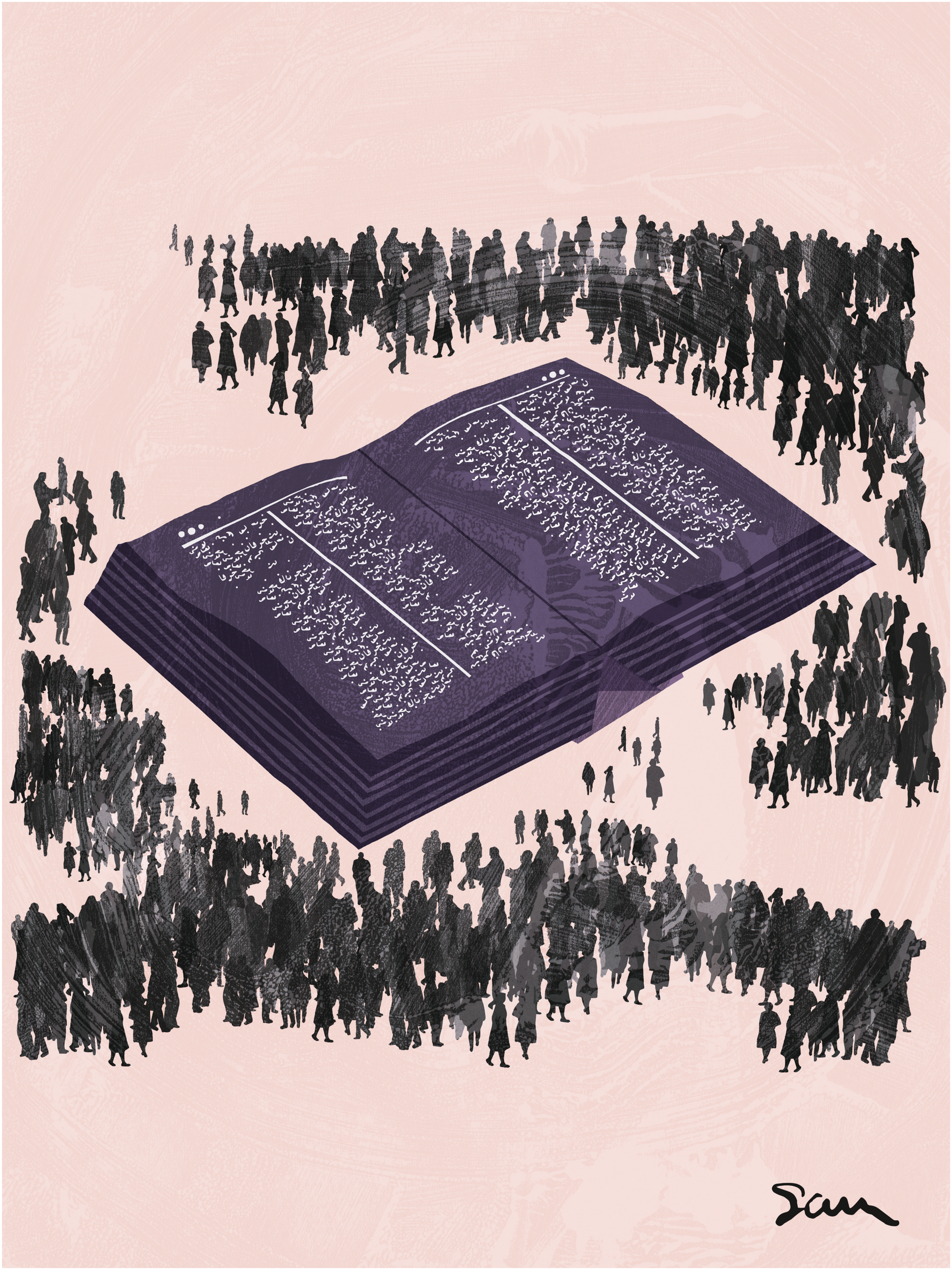
Before the revolution people didn’t talk much about their political views in public, said Hanafi. The years following the revolution were different. Public political speech was suddenly commonplace, so much so that the streets were filled with voices, expressing conflicting and shifting opinions on the developing events. It is these discussions, which were taking place in public places among ordinary people, that Hanafi was so keen to capture in her project. They’re especially significant now when freedom of expression is still being threatened in Egypt by successive regimes, as seen by the arrest of 25 journalists between 1 January and 1 December 2016, according to the Committee to Protect Journalists.
In 2014, Hanafi and her team talked to around 200 people across several areas of Egypt (the Delta, Upper Egypt, Cairo, Alexandria and the Sinai peninsula) to try and get a representative sample of people’s voices. She chose words like “freedom”, “security”, “revolution” and “couch party” (the latter referring to those who didn’t participate in protests, but who went out into the streets in 2013) and tried to find out how they defined these words.
“My concern is about those voices getting heard, not to highlight a particular opinion, but to let many opinions be heard. That is always on my mind,” she told Index.
Although of Egyptian origin, Hanafi was brought up just outside New York. Egyptian-Arabic is her second language, which meant that when she moved to Cairo in 2010 she did not understand everything being said to her.
When she asked people about what words meant, they not only explained the word, but the history and social meaning behind the words. This prompted her to think about how she could capture the political debate through them.
Here we publish extracts from Hanafi’s dictionary, which is due out in Arabic this Spring. These extracts have not yet been published in English. They are an amalgam of different people’s views on each term, designed to be read as separate thoughts, yet sharing a common theme
Definitions sourced for A Dictionary of the Revolution
Couch Party
Their only objective was stability. These people wanted peace, nothing more and nothing less. It didn’t matter to them if there was a certain president or a certain minister. For example, when Mubarak spoke on the night of 1 February 2011, saying he fully intended to leave power in six months’ time, I imagine a large number of people said, “OK, just give him a chance.”
I understand that some people are afraid of change. When the idea of revolution came up, it was really radical. Suddenly, there was intense change. People were talking about the removal of the regime. There were no police in the street. I feel as if fear was controlling people, to the point that they would accept any situation, no matter what happened.
Seventy million Egyptians are in the “couch party”. And I want to say that they shouldn’t be called the “couch party”. They don’t have another choice; their lives are forced upon them. They’re always looking to put food on the table, and at the end of the day they go home to sleep without dinner, because they can’t even accomplish that.
I was in the “couch party”. I didn’t participate in any democratic action, but not because I didn’t want to. It was rather, why should I expend all this effort? What am I going to exhaust myself for? The whole process is completely fixed.
I was one of them at first, until I saw people dying in front of me on the television, so I did something.
We went out and participated, and we were happy about it, because we felt at the time, during those three years, that when we spoke our voices had value. In the end it became clear that the “couch party” had the loudest voice, and they defined Egypt’s fate.
Freedom
We dreamed that freedom would be realised in Egypt.
For three years, I would give my opinion. I went out, participated and said, “I want this. Stop that. I don’t want that.”
There was more freedom of expression then, but these days it’s being repressed.
There’s no freedom of opinion, no freedom of expression, nothing at all. It’s just survival of the fittest. The strong beats the weak.
I’m supposed to be able to speak up about anything that goes on in this country, because it’s about me and my family, it’s about my brother, my friends, it’s about everyone. We still haven’t got there. Not yet.
Now we’ve gone back to the beginning. If we take a look at what’s happening now, whoever comes out and gives their opinion is stopped and is killed.
When was the best time you lived in your life? Wasn’t it when Mubarak was in power? In my opinion, it was better. Yeah, he stole and pillaged from us, but we lived in safety. The police were working. If I were sitting here talking with you about something like this, at the time we would have been arrested. It wasn’t right! But with people like us, that’s the right thing.
All of my life, I’ve tried to live in a way that I’m free. But I have to be prepared to run into problems with people. People have had a problem accepting difference, before the revolution and after.
The things that used to be forbidden and that I do now without anyone judging me - that’s freedom.
There’s no room for freedom under the rule of a tyrant. It’s like they can’t rule the country while people feel their freedom. They have to be enslaved and feel that they’re weak.
Freedom comes from inside the individual, not from outside. You have to believe in your freedom, and we’re not convinced of ours.
Voice
The voice is always heard. I mean, so long as someone raises their voice, the country will stay alive, and no-one can silence the people, ever.
I don’t know. Some time ago I felt that whatever we voiced, it was never heard.
The voice belongs to the demonstration. As long as there’s a large number, the voice will get to where it’s going. And no one can restrain that voice, as long as what they’re saying is right.
The voices of the youth when they were in the square, chanting: “Raise, raise, raise your voice; whoever chants will not die.”
“A woman’s voice is not a sin.” They used to say that a lot in the demonstrations.
After the revolution, the voice got to have a value. Before the revolution, even when we in civil society would raise an issue, organise a conference and meet with people, that would be the end of it. No one would bring up the subject again. But now when you say that something is an issue, you speak, you make groups on Facebook, you do other things, your voice is heard.
Now in the conditions we live in, there is no voice at all. This way or that, my voice has no value. Whoever speaks is trampled down. Now we find informants at the university with us, they find out who’s who and what they’re doing. If you think back to the Mubarak era, one had to sneak around and talk.
It’s boredom and despair. That’s what extinguishes the voice. Not gunfire or imprisonment. Boredom and despair.