




Abstract
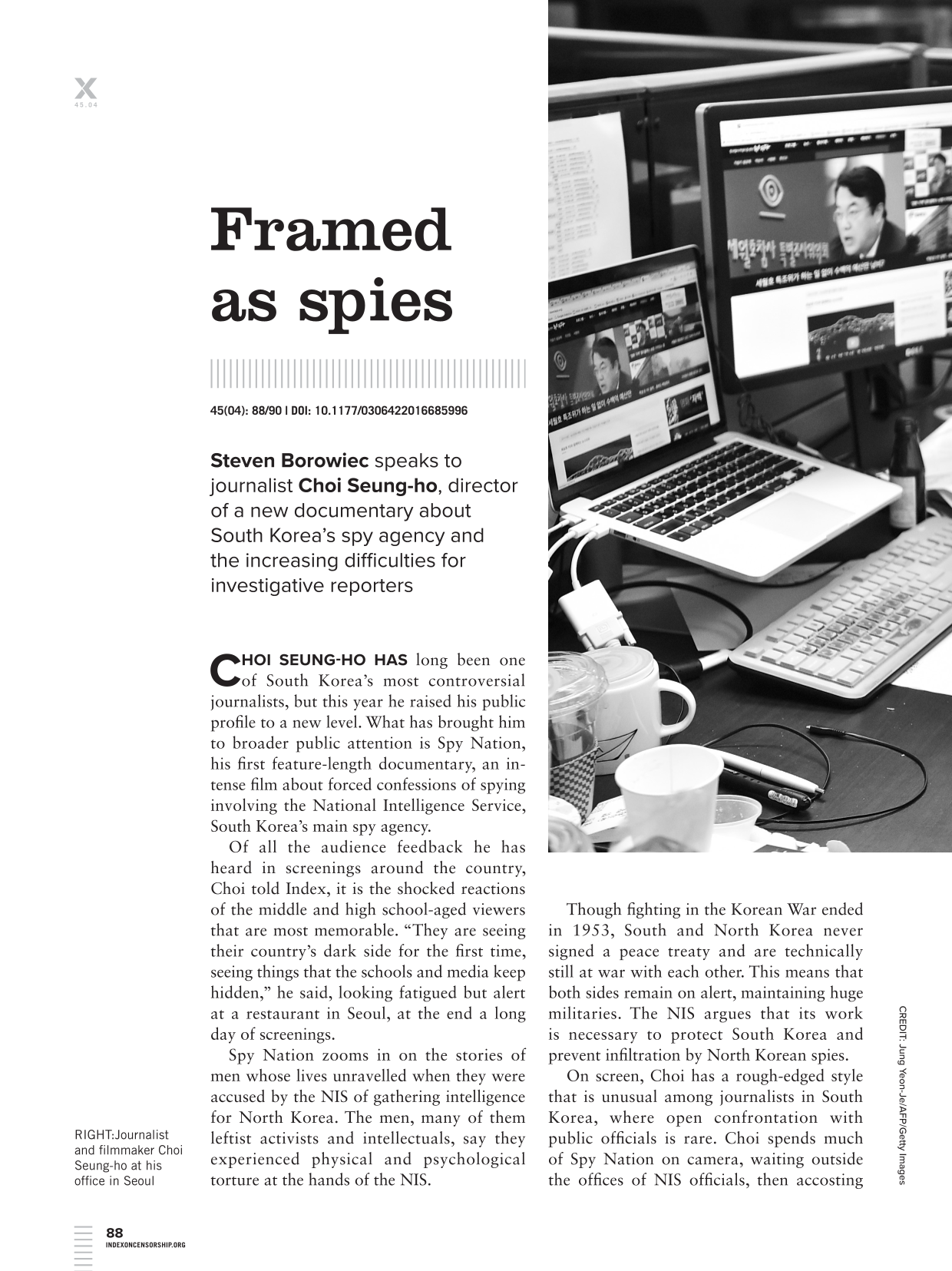
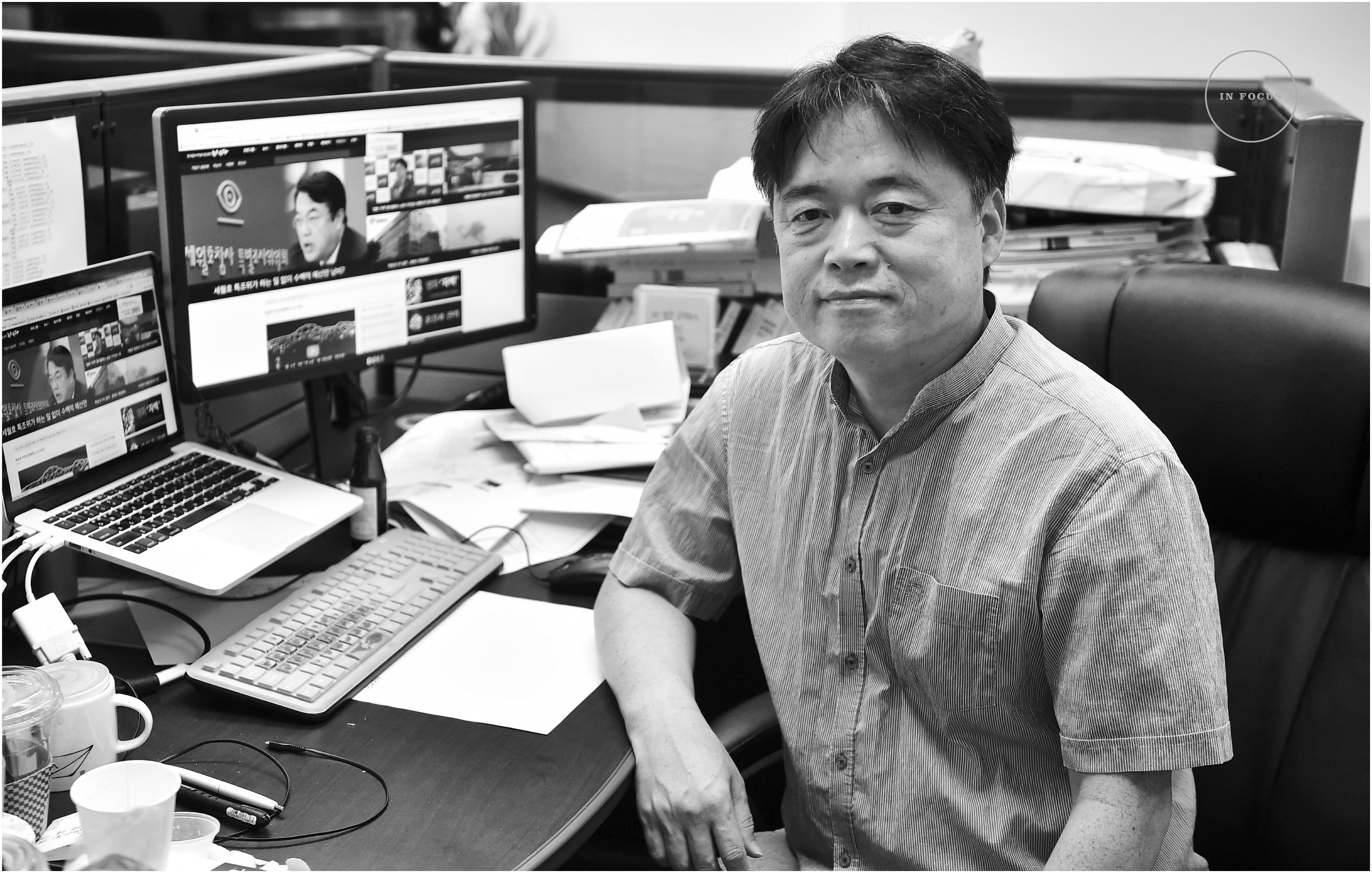
Journalist and filmmaker Choi Seung-ho at his office in Seoul
CREDIT: Jung Yeon-Je/AFP/Getty Images
Of all the audience feedback he has heard in screenings around the country, Choi told Index, it is the shocked reactions of the middle and high school-aged viewers that are most memorable. “They are seeing their country’s dark side for the first time, seeing things that the schools and media keep hidden,” he said, looking fatigued but alert at a restaurant in Seoul, at the end a long day of screenings.
Spy Nation zooms in on the stories of men whose lives unravelled when they were accused by the NIS of gathering intelligence for North Korea. The men, many of them leftist activists and intellectuals, say they experienced physical and psychological torture at the hands of the NIS.
Though fighting in the Korean War ended in 1953, South and North Korea never signed a peace treaty and are technically still at war with each other. This means that both sides remain on alert, maintaining huge militaries. The NIS argues that its work is necessary to protect South Korea and prevent infiltration by North Korean spies.
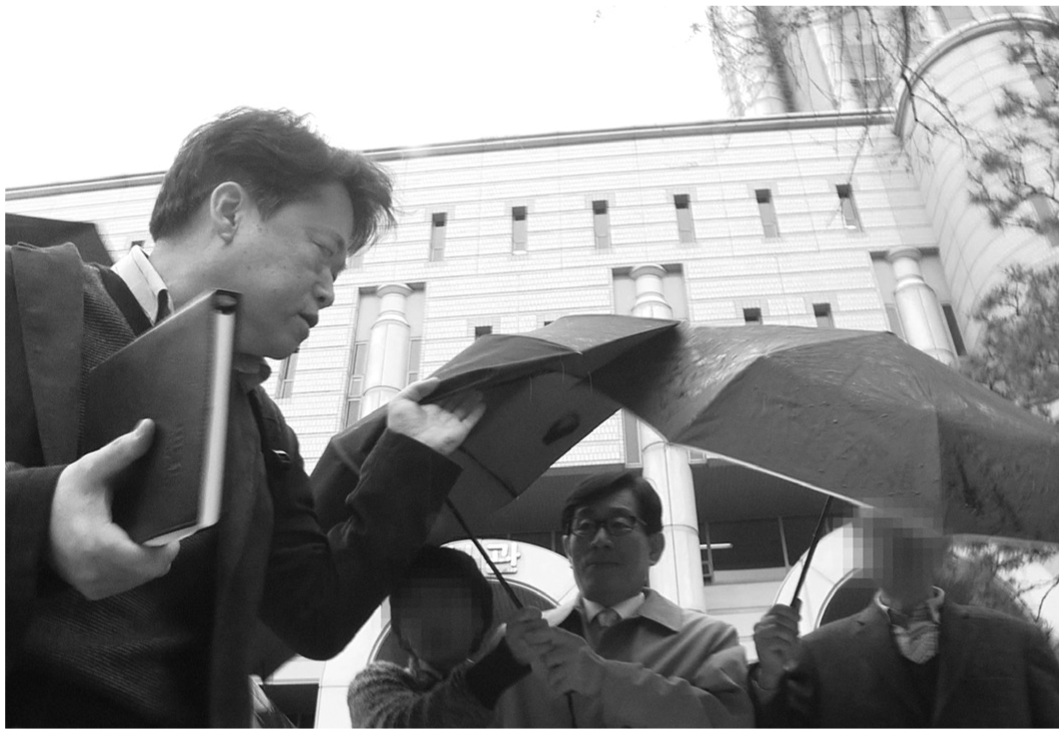
On screen, Choi has a rough-edged style that is unusual among journalists in South Korea, where open confrontation with public officials is rare. Choi spends much of Spy Nation on camera, waiting outside the offices of NIS officials, then accosting them seeking comment on alleged cases of people who say they have been framed for being spies.
The film became an unexpected success for an independently produced documentary, bringing in more than half a million dollars and drawing high-profile press coverage abroad. Choi explains that his story of spies has hit a nerve in his country, and drawn attention to a neglected problem. “We see this all the time in our society, this tendency for conservative governments to demonise their opponents by accusing them of being on North Korea’s side,” he said.
While encouraged by the strong response to the film, he remains concerned for the state of his country. “Democracy and freedom of expression in South Korea are at a real low point right now. We’ve become a society that doesn’t tolerate dissent,” he said.
Choi spent the first 26 years of his career riding high as a reporter for MBC, a major public broadcaster. By doggedly digging into some of the darkest stories in his country, he is regarded as a swashbuckling hero by some and a dangerous troublemaker by others.
Choi Seung-ho questions a National Intelligence Service official outside a Seoul courtroom
CREDIT: Newstapa
As a journalist, Choi is drawn to big stories of institutional malfeasance, and relishes holding powerful figures’ feet to the fire. He has taken on South Korea’s most heralded scientist, the wealthy elite who stash their money in overseas accounts, and a sitting president, Lee Myung-bak, who invested millions of dollars of public money in an ill-fated ecological project.
Choi’s run as a television anchor ended in 2012, when, along with other journalists, he was dismissed for participating in a strike undertaken by two public broadcasters. The journalists argued that since the report on President Lee’s failed ecological project, the network’s president, who was appointed directly by Lee, had interfered in editorial matters and prohibited any coverage critical of Lee’s administration.
When the strike was deemed illegal, Choi’s job was terminated. Not one to miss a beat, he teamed up with other dismissed journalists to found Newstapa, a viewer-supported online news site that specialises in stories on the misdeeds of South Korea’s government and big business.
Choi thinks it is noteworthy that years ago he was able to do investigative reporting for a major broadcaster, and have it run on national television during primetime, but nowadays he has to rely on crowdfunding to make his work possible, and he has to show it in cinemas. “No one today would get permission to do what I was able to do then. It shows how far the situation has deteriorated,” he said.
He argues that there is an urgent need for the kind of dogged reporting he does. “Being wholly independent now is stressful, because it means I don’t have the stable support of a big company, but it frees me to report on whatever I want. I don’t have to worry about possibly annoying any bosses or advertisers.”
Beyond the strong response to Spy Nation, Choi has one more reason for optimism: next year South Koreans go to polls to elect a new president. He hopes for an end to a decade of right-wing rule, that freedom of expression will be higher on the electoral agenda, and that his work may help this come about.
Choi’s work is openly opinionated, and he isn’t shy about expressing his opinion that the South Korean government ought to change its ways and end its repressive tactics. “As a journalist, all you can really do is tell a story truthfully, and hope the public responds and creates some kind of pressure for reform,” he said.