




Abstract
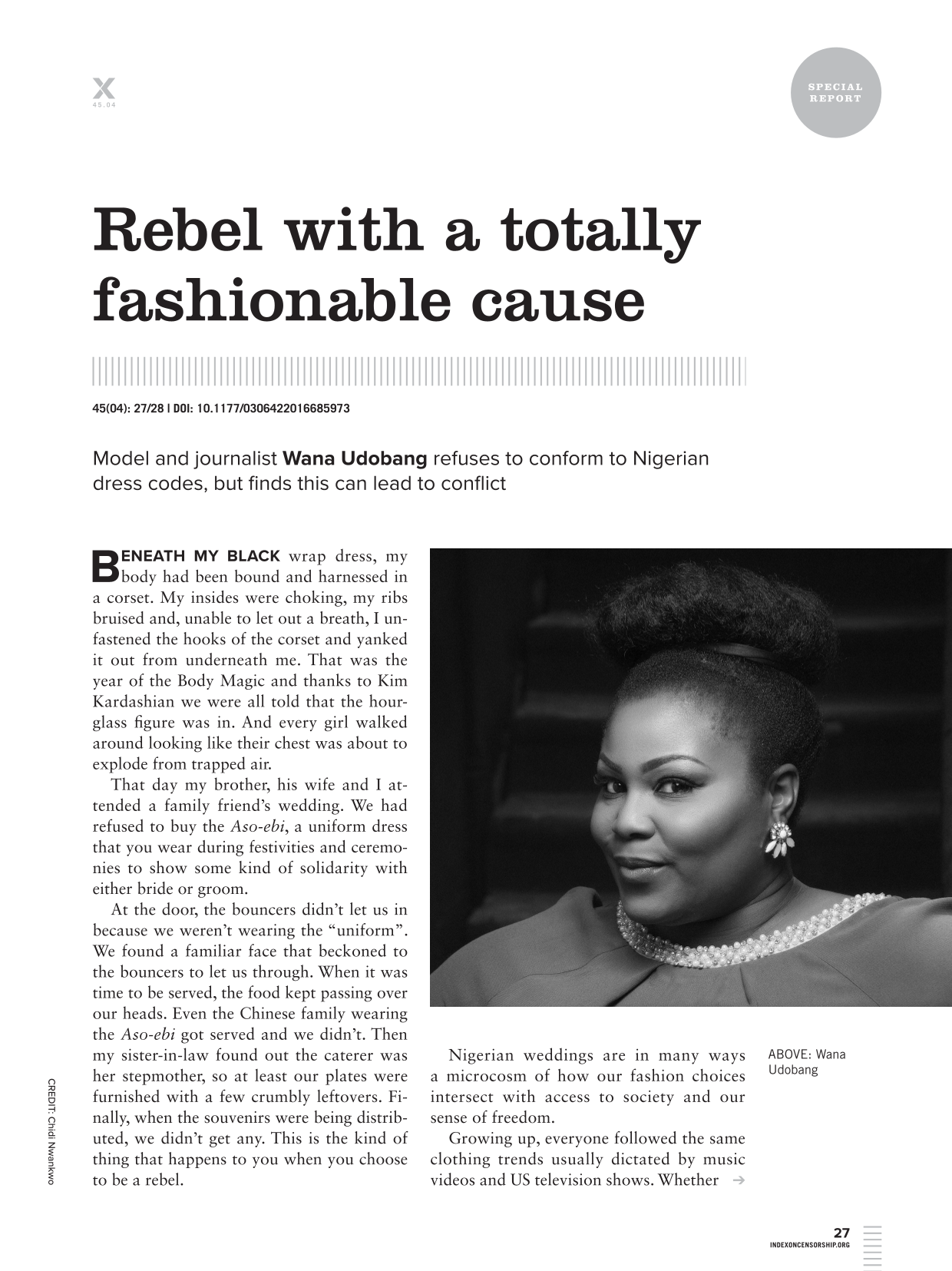
Model and journalist
That day my brother, his wife and I attended a family friend’s wedding. We had refused to buy the Aso-ebi, a uniform dress that you wear during festivities and ceremonies to show some kind of solidarity with either bride or groom.
At the door, the bouncers didn’t let us in because we weren’t wearing the “uniform”. We found a familiar face that beckoned to the bouncers to let us through. When it was time to be served, the food kept passing over our heads. Even the Chinese family wearing the Aso-ebi got served and we didn’t. Then my sister-in-law found out the caterer was her stepmother, so at least our plates were furnished with a few crumbly leftovers. Finally, when the souvenirs were being distributed, we didn’t get any. This is the kind of thing that happens to you when you choose to be a rebel.
Nigerian weddings are in many ways a microcosm of how our fashion choices intersect with access to society and our sense of freedom.
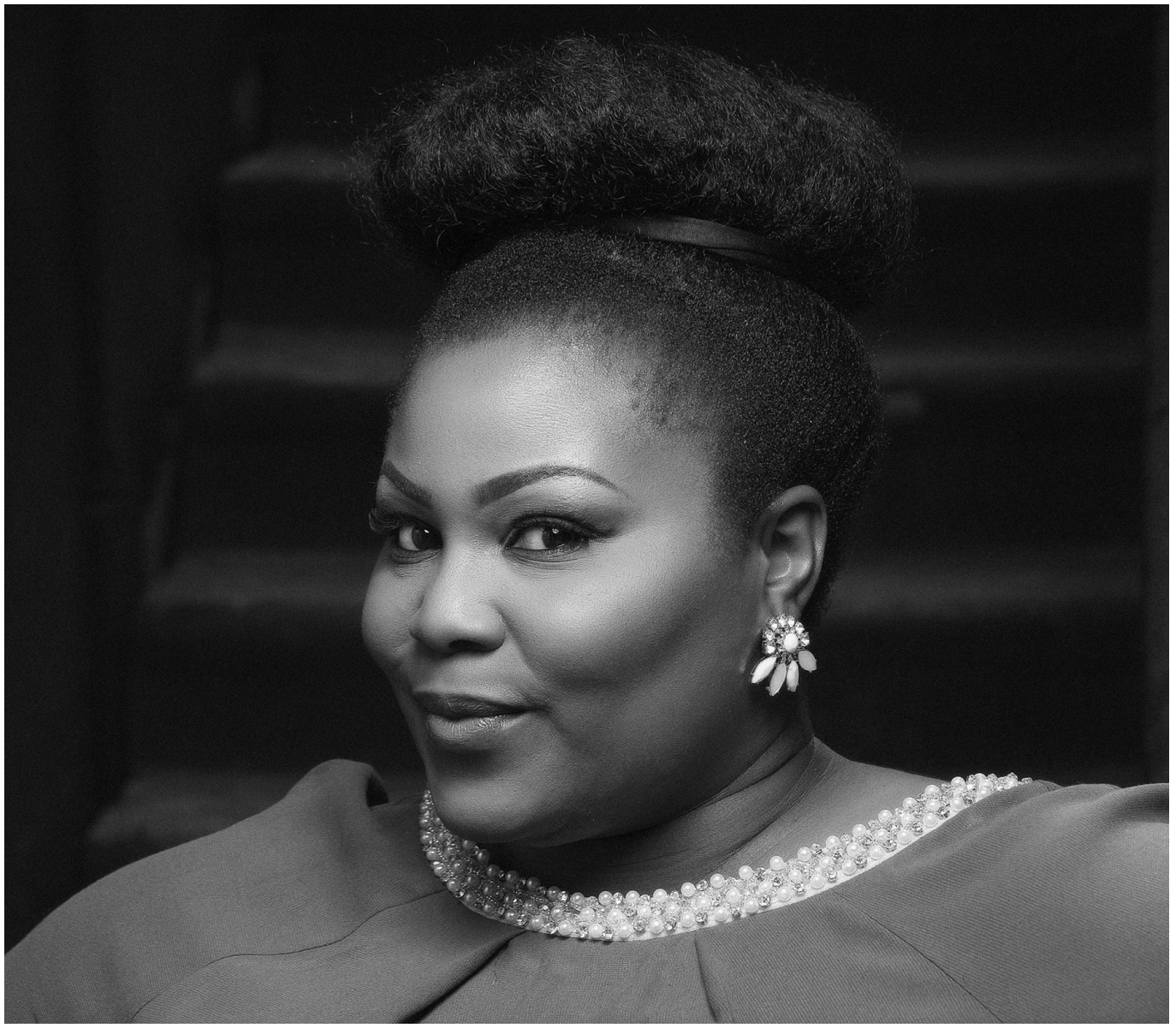
Wana Udobang
CREDIT: Chidi Nwankwo
Growing up, everyone followed the same clothing trends usually dictated by music videos and US television shows. Whether it was wearing your hair in Janet Jackson box braids or the Toni Braxton pixie cut or the boys in their lumberjack shirts and Timberland boots - if you weren’t on trend you could never hang out with the cool kids. Since we barely had subcultures that grew out of rebellious clothing choices or alternative music movements, many had little option but to strive to be cool. And if you didn’t make the cut you were deemed razz, which essentially is a synonym for lowbrow.
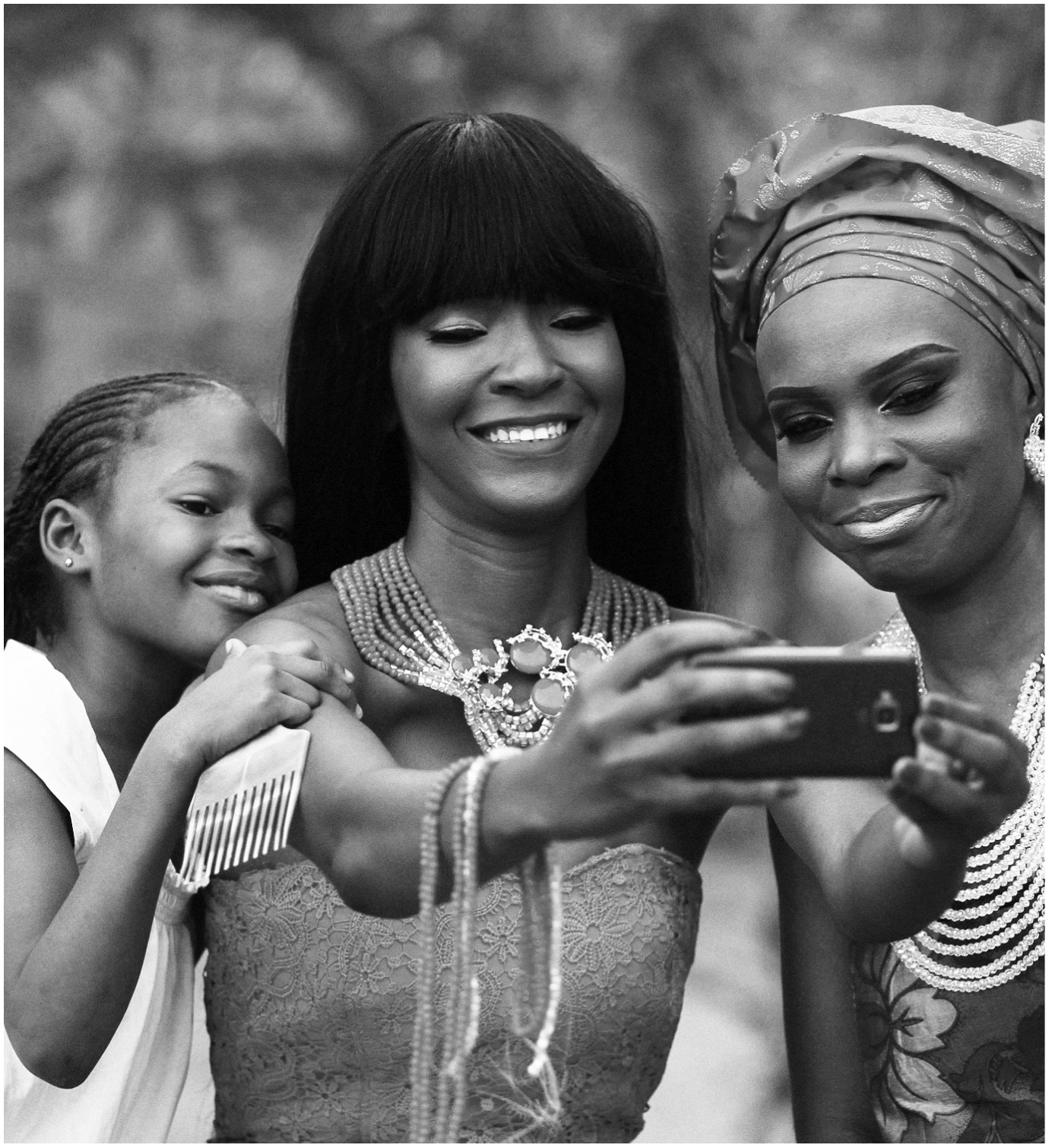
Two fashion models taking a selfie in Lagos, Nigeria
CREDIT: Akintunde Akinleye/Reuters
I find that our clothing choices share a link with our classist culture. You will often hear us use the term “dress the part” or “packaging”, though it isn’t restricted to fashion because it also encompasses your accent, the car you drive, the people you roll with. But the choices of clothing and the brand names which adorn your body have always been a key indicator of how much access you will be permitted into social circles, business cabals and pretty much everything else.
I left Nigeria as a teenager, attending sixth form in Dagenham, in the UK, where I first discovered chavs, punks, goths, and emo kids. I went on to study at an art college in Farnham where being different was what everyone strived for. For most of us, the stranger the better.
So you can only imagine the culture shock I experienced moving back home ten years later and often being criticised by my friends when embarking on a night out. I would usually get an eye scan from top to toe and then get asked: “Are you going out like that? This is not London. Oh please go and change and don’t embarrass me.” Unfortunately, since I live for embarrassing moments, my friends have gotten used to the fact that I usually wouldn’t dress to the nines just to go have a few drinks down the road.
Though fashion might just seem as basic as wearing a bunch of clothes and expressing yourself, I often think that our very restricted clothing choices are also symptomatic of our restrictions in personal freedom. It is reflected in our near absence of niche markets in business and even the fear that people have in expressing any alternative points of view on subjects like religion and sexuality. I remember a story about a girl who grew up belonging to the Grail Message religious sect but often lied to people when asked whether she was Christian for fear of judgment or being ostracised.
In many ways, what has happened is that we have grown from playground groups to adult gangs. I often wonder if we are still seeking validation as well as acceptance and our fashion choices are only indicative of that.