




Abstract
This research develops a multi-level framework to examine how resource-based antecedents shape individuals' decisions to start ventures via their perception of opportunities and how country-level characteristics pertaining to institutional development and institutional instability provide boundary conditions for the aforementioned associations. The empirical results show that entrepreneurial start-ups are positively affected by human capital resources and organisational resources, and that individuals’ perception of opportunities acts as a mediator within these relationships. In addition, the findings demonstrate that the proposed mediation effects are further bounded by country-specific institutional environments. The results offer new insights for the development of knowledge and theoretical bases by providing a multi-level perspective on how resource-based factors, perceived opportunity and institutions operate as principal determinants that affect entrepreneurial start-ups. This paper complements and advances resource-based theory by integrating an approach that focuses on institutions and the pursuit of entrepreneurial opportunities to assess the mechanisms that are needed to release the potential of resources in venture creation more comprehensively. The research findings have implications and values for general managers who are keen to understand why heterogeneous resource is necessary and how it functions in their businesses, as well as how the process of managing resources needs to be aligned with their capabilities to identify and pursue business opportunities.
Introduction
As there is a general consensus among management scholars, regulators and managers around the globe that resources represent a major driving force behind giving firms a competitive advantage, scholars continue to leverage theoretical views from established fields in management to gain a deeper understanding of entrepreneurial ventures (Kellermanns et al., 2016). The resource-based view (RBV) has become one of the most influential theoretical views and scholars have built upon the insight that it offers to better understand the determinants of entrepreneurial activity (De Clercq et al., 2013). Early studies on the RBV acknowledged that entrepreneurial activity is an intricate part of the resource-based framework (Rumelt, 1984). Nonetheless, while resource-based factors form a dominant paradigm for management studies (Zigan, 2013), the relationship between the RBV and entrepreneurial activity has been insufficiently researched and currently amounts to little more than providing a ‘research setting’ for empirical studies (Alvarez and Busenitz, 2001). In addition, the utilisation of resources for the exploration of opportunities should not be regarded in isolation from the macro environment in which new business opportunities occur (De Clerq et al., 2013). The different ways that resources, and the opportunities to exploit these resources, manifest themselves have led to different units of analysis and this has impeded the development of good theory within the field of management. Little attention has been paid to how the combination of resource-based and macro-level factors drive entrepreneurial activity within a single framework (Lim et al., 2016). In response, this research seeks to contribute to the existing management literature by investigating how resource-based antecedents, perceived entrepreneurial opportunity and macro institutions jointly affect entrepreneurial start-ups.
Given that entrepreneurial start-ups require substantial resources (Cullen et al., 2014; Desa, 2012), individual access to resources informs the likelihood that an individual will create a business venture (Bhagavatula et al., 2010). In order to advance the understanding of the importance of resource endowments for individuals' decisions to start new ventures, this paper concentrates on the central measure of resources (i.e. human capital resources, and organisational resources) to explain the differing rates of entrepreneurial start-ups across countries. In parallel, venture creation has increasingly come to be regarded as a consequence of the discovery, assessment, and exploitation of opportunities by individuals (Sarason et al., 2006). Several theoretical frameworks have suggested that the ability to perceive entrepreneurial opportunities is another important factor underpinning individuals’ desire and reasons for starting new ventures (Frese, 2009). Prior research has found that resource-based antecedents play an important role in facilitating individuals' ability to explore opportunities that can provide them with higher status and greater satisfaction with regard to their achievements in creating new businesses (Renko et al., 2012). The perceived opportunity acts as the consequence of a combination of resources that constitutes the essence of the emergence of a new venture. As resources and the pursuit of a perceived opportunity are critical to venture creation, in order for this condition to be met, this research therefore proposes that the theoretical development of entrepreneurial start-ups requires the consideration of resource-based antecedents, as well as a possible mediation mechanism through the perceived entrepreneurial opportunities. More specifically, as the first research objective, it assesses whether and how human capital resources and organisational resources affect entrepreneurial start-ups by mobilising a perceived opportunity within an organisation.
In addition, the literature has shown that an entrepreneurial start-up is not only the outcome of human behaviour, but also that external institutions play an important role in this context (Lim et al., 2016). Most business managers have been brought up in a macro environment in which they have to deal with increased uncertainty and turbulence (Mason, 2008). Scholars have placed particular emphasis on the differences between country-specific institutions that might give rise to distinct rates of entrepreneurial activities (Stenholm et al., 2013). For example, the early research by Baumol (1990) has shown that country-level institutions create the structure of the motivations that affect the choice of entrepreneurship over other occupations. Estrin et al. (2013) assessed how heterogeneity in country-specific institutions in terms of government activity, property rights, and institutional corruption can affect organisational growth aspirations and employment. As resources might inform an individual’s decision to exploit opportunities for venture creation, access to complementary resources within the institutional context and the distribution of such resources could become important in light of the uncertainty within the macro context that characterises any new business endeavour (Mandrinos and Nik Mahdi, 2016). Yet, how country-specific institutional environments interact with individuals’ opportunity perception in influencing their venture creation remains under-researched. This is a significant gap in the existing literature because an entrepreneurial start-up is a multi-level phenomenon, in which institutions play an important role in regulating the extent to which business owners and managers can exercise their resources while exploiting entrepreneurial opportunities (McMullen and Shepherd, 2006). Therefore, it is reasonable to expect country-level institutions to provide a boundary condition for the mediation relationship described above. The second objective of this research is therefore to examine how country-level institutions might facilitate or impede the impacts of perceived opportunities on entrepreneurial start-ups. Figure 1 illustrates the conceptual framework and hypotheses employed in this research. The research model.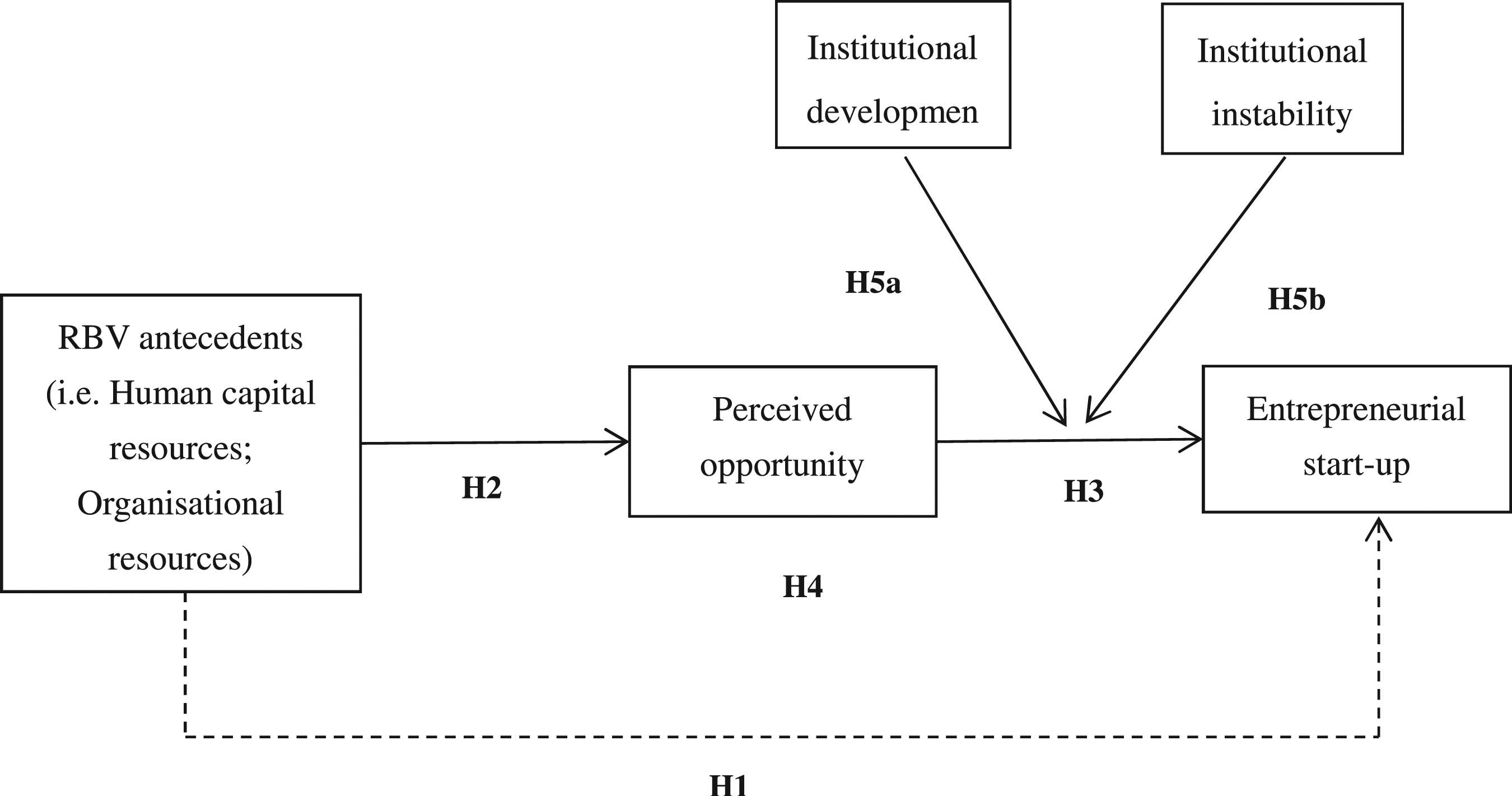
This research contributes to the extant literature in various ways. First, general managers have a keen interest in learning how resource serves as a fundamental condition of business start-ups (Alvarez and Busenitz, 2001). However, the RBV has been criticised for making ‘little effort to establish appropriate contexts’ (Priem and Butler, 2001: p.32). The RBV can be complemented and advanced by integrating the concept of institutions in order to assess the mechanisms that are needed to release the potential of resources more comprehensively. This paper advances the knowledge base in the field of general management that focuses on the role of resources in a particular context in which the businesses are embedded. Second, the resource-based approach regards ventures as a historically determined collection of resources or assets which are tied to the business management. The term ‘entrepreneurship’ is defined as situational behaviours that are appropriate in pursuing opportunities and much emphasis has been placed on understanding entrepreneurial behaviour as a part of general management (Kellermanns et al., 2016). Scholars have implicitly assumed that individuals benefit equally from the collection of resources and assets (Kellermanns et al., 2016). This paper does not assume that the benefits of human capital and organisational resources on venture creation are automatic and universal but, rather, provides an alternative pathway linking resource-based antecedents and perceived opportunity to entrepreneurial start-ups. Although organisational and human capital resources are essential ingredients for managers within organisations (Mandrinos and Nik Mahdi, 2016), this research reveals that the pursuit of opportunity that is grounded in individuals’ desire for personal success and independence leads to the indirect path of resource-based factors on entrepreneurial start-ups through the perception of entrepreneurial opportunities. Third, as economic growth and global competitiveness become increasingly tied to resources and knowledge-based capabilities, the strategic perspective of resource management requires specific attention to be paid to the macro context (De Clercq et al., 2013). Due to the lack of research that has been conducted at the intersection of the literature streams, building on the RBV and institutional theories, this research contributes to the ongoing debate about the boundary effect of the national environment on venture creation by dividing institutions into two dimensions. Incorporating institutional approaches into the study helps to clarify the contextual conditions pertaining to the observed relationships between resources, perceived opportunity and entrepreneurial start-ups.
In the next section, the association between resource-based factors and entrepreneurial activities is conceptualised. Data and method discusses how perceived opportunity plays a mediating role in the relationship between resource-based antecedents and entrepreneurial start-ups. In Analysis and results, it is further examined how national institutional environments could help to explain the boundary conditions of the proposed mediating effects of perceived opportunity on the aforementioned relationships. Following that, Discussion describes the method and the sample used. Managerial implications discusses the empirical results. Finally, Conclusions concludes with a discussion of the implications for theory and practice.
Theoretical framework and hypotheses
Resource-based view in entrepreneurship
Since the early 1980s, the RBV has become a popular theory of sustained competitive advantage in the management literature (Barney, 1991; Grant, 1991; Peteraf, 1993). The term ‘resource’ is widely conceived of as ‘anything which could be thought of as a strength or weakness of a given firm’ (Wernerfelt, 1984:172). Early work by Penrose (1959) conceptualised a firm as a set of resources within an administrative framework. Theorists regard organisations as consisting of a basic bundle of resources that nascent businesses and young businesses can draw on (e.g. Kellermanns et al., 2016; Liao et al., 2009; Wheelen and Hunger, 2010), and believe that these resources confer sustained competitive advantages (e.g. Barney, 1991; Hall, 1992). Early treatments of the RBV in the management literature emphasised the possession of resources that were valuable, rare, inimitable and non-substitutable, and could be used to generate a sustained competitive advantage (Barney 1991). Resources are differently distributed across firms and a firm develops its sustained competitive advantage based on its ability to exploit the value potential of the resources (Barney, 1991). A substantial body of early research supports this notion, and researchers have identified different types of resources that meet these criteria (e.g. Barney and Arikan, 2001; Dierickx and Cool, 1989; Wernerfelt, 1984; Zahra et al., 2004). However, later revisions placed a premium on beliefs about the relative value of resources when converting resources from inputs into outputs, which requires ventures to reconstitute and reconfigure resources in response to the external environment (Yin et al., 2020). Thus, it is important to gain an understanding of how entrepreneurial behaviour and the use of a unique bundle of resources can inform the RBV by suggesting alternative ways of discovering resources that would lead to heterogeneity in ventures. Although the combination of resources in the pursuit of profits constitutes the essence of entrepreneurial activity (Foss and Klein, 2012; Meyskens et al., 2010), the lack of consideration given to entrepreneurship by most resource-based studies has been acknowledged in recent literature (e.g. Lajili et al., 2020; Mandrinos and Nik Mahdi, 2016; Kellermanns et al., 2016). Alvarez and Barney argued that: ‘Indeed, it may be by examining the intersection between entrepreneurship and the resource-based view (RBV) that clarity may be achieved with regard to the larger impact of entrepreneurship on strategic management’ (2002, p. 89).
Based on these arguments and in line with the RBV, this paper focuses on the central measure of resources as the aggregation of human capital resources, and organisational resources (Barney, 1991). Human capital resources are defined as the intelligence, training experience, judgement, relationships and insight of individual managers and employees in a firm (Barney, 1991), which are heterogeneously distributed and are regarded as key factors influencing engagement in entrepreneurial activity (Estrin et al., 2016). Organisational resources are measures of the structure, informal relations among groups, and systems within a firm (Barney, 1991; Penrose 1959), which have been regarded as the determining factors in business performance (Lerner and Almor, 2002; Prange and Pinho, 2017). Peteraf’s framework (1993) suggested four conditions that underlie sustained competitive advantage and all of which must be met. These conditions include superior resource heterogeneity; imperfect resource mobility; ex-ante limits to competition; and ex-post limits to competition. From a perspective of RBV, a basic assumption is that resource bundles and capabilities are heterogeneous across firms (Barney, 1991). Similarly, heterogeneous resource is also a basic condition of venture creation (Alvarez and Busenitz, 2001). Entrepreneurial opportunities are thought to emerge when different individuals have insights into the value of resources that others do not (Mickiewicz et al., 2017). Human capital refers to the knowledge, skills and ability that individuals have accumulated differently over time (Lajili et al., 2020). Differing knowledge that comprises know-how, technology, information and skills can be influential in relation to individuals’ perceptions of their own ability to start new businesses as the possession of relevant knowledge and skills can be especially potent in enhancing their willingness to exploit entrepreneurial opportunities (De Clercq et al., 2013). When individuals have knowledge and skills that are specifically relevant to such entrepreneurial activity, they tend to perceive venture creation as a more viable career option (Mickiewicz et al., 2017). Moreover, heterogeneous resources in small firms are generally scarce (Greene et al., 1997). Resource-based logic suggests that resources require specific investment in order for their full economic value to be realised (Barney, 1991). By committing to intensive long-term investment in organisational resources, large firms can exploit the complementarity between large-scale investment and sustained capital formation, which enables these businesses to implement dramatic technological innovation. In such an environment, individuals will encounter fewer restrictions within the entrepreneurial process in terms of establishing new businesses (Rogers, 2004). For instance, Rialp and Rialp (2007) found that individuals with more organisational resources have a higher probability of creating a new firm than those with limited organisational resources.
In addition, achieving a sustainable advantageous position requires that the condition of resource heterogeneity to be preserved. This is the case when there are ex-post limits to competition. If resource heterogeneity is not durable, it does not add sustained value to new venture creation. Therefore, subsequent to a business achieving a superior position, there must be forces that limit competition (Peteraf, 1993). Resource-based work has focused on critical factors which limit ex-post competition: imperfect imitability and imperfect substitutability. As the RBV regards human capital and organisational resources as isolating mechanisms that are specialised to firms’ needs, they fulfil important roles in order to safeguard a sustainable advantageous position after establishing businesses (Lajili et al., 2020). The third characteristic of resources is described as imperfectly mobile. Resources are perfectly immobile when they have a tacit dimension and are socially complex. In regard to new venture creation, these are idiosyncratic resources that are more valuable when used internally than outside of the business. For instance, human capital resources are often intangible and tend to be difficult to observe, value and transfer but exert a significant effect on a competitive advantage (De Clercq et al., 2013). The fourth condition for a sustainable advantage is that there must be ex-ante limits to competition. Before any business can establish a superior position within the marketplace, there has to be limited competition for that position. According to Peteraf (1993), while it is very unlikely that every business will be equally efficient in accumulating resources or the full value of resources will be accurately anticipated, it is important to acknowledge that imperfect mobility is not sufficient in itself. Consequently, there should be limits to ex-ante competition. If individuals have resources that are causally ambiguous in establishing new businesses, these resources can be difficult to imitate and act as a barrier to deter other potential competitors from venture creation. If this is perceived, a priori, by individuals who already possess inimitable human capital and organisational resources over their competitors, they are more likely to organise these resources into a business through venture creation and then to utilise them in the creation of heterogeneous outputs to the market. Taking these arguments together, it can be posited:
The mediation mechanism of perceived opportunity
Prior studies have demonstrated the significance of taking into account the underlying reasons for individuals’ desire to start new businesses (Grant and Perren, 2002; Shane et al., 2003). As acknowledged by Birley and Westhead (1994, p. 14), ‘…starting a business is a complex process which involves a variety of motivations and stimuli’. The entrepreneurial process occurs because individuals pursue the opportunities that they perceived (Shane et al., 2003). The existing literature suggests that the discovery, evaluation and exploitation of opportunities should be framed by considerations about resources (Haynie et al., 2009). According to Lim et al. (2016), establishing a new venture requires the assembly and mobilisation of resources in order to exploit entrepreneurial opportunities. The resources available to individuals do not necessarily provide the same level of impetus for their entrepreneurial start-ups. For instance, a lack of alternative jobs is related to individuals trying to escape a negative work situation such as limited employment prospects (McMullen et al., 2008). However, individuals who perceive entrepreneurial opportunities are more externally oriented in terms of their attitude towards the exploitation of resources than others. Alvarez and Busenitz (2001) argued that entrepreneurial opportunities can be discovered when individuals have different beliefs about converting the value of resources from inputs to outputs. Individuals can coordinate the heterogeneous resources and disparate capabilities necessary to realise entrepreneurial opportunities. These arguments suggest that the pursuit of an entrepreneurial opportunity requires the integration of resources and new ventures, in turn, are more likely to arise under such conditions. The important role played by resources in relation to opportunity perception has received increasing attention in existing research. For instance, from a resource-based perspective, Choi and Shepherd (2004) and Eddleston et al. (2008) found that individuals with more technological resources and greater capabilities are more likely to exploit business opportunities. Meanwhile, Haynie et al. (2009) argued that individuals evaluated perceived opportunities based on their resource endowments and are attracted to opportunities that are complementary to their existing resources and capabilities. Similarly, Cai et al. (2014) found that information pertaining to entrepreneurial opportunities is not uniformly available and that adequate resources are essential for individuals to pursue perceived opportunities in order to survive and grow their businesses. Combining these arguments, it is argued:
Not all owner-managers decide to start a new firm for the same reasons (Dunkelberg et al., 2013). Entrepreneurial opportunities are perceived differently by individuals based on their own individual circumstances. The recognition of a latent opportunity can offer individuals an auto-system that allows them to control their tangible and intangible resources, which will thereby determine the extent to which individuals value firms’ resources when starting a new business (Jafari-Sadeghi, 2020). As individuals have to deal with high levels of uncertainty that characterise venture creation and confront various challenges in the exploitation of entrepreneurial opportunities, their access to organisational assets and skills, enhances their ability to overcome these challenges and increases the attractiveness of establishing new businesses (Choi et al., 2008). In the literature, the perceived opportunity is identified as one of the most fundamental antecedents of entrepreneurial behaviour (Stevenson and Jarillo, 2007). More specifically, people who are more alert to entrepreneurial opportunities tend to positively evaluate and assess the potential benefits associated with such opportunities relative to the potential risks of venture creation and, in turn, to seize these opportunities. Individuals with a heightened alertness to opportunity are more likely to use their physical capabilities to explore and develop opportunities, partly because they feel more confident about their ability to run a new business (De Clercq et al., 2013), and also because they desire the enhanced status and satisfaction associated with venture creation (Li, 2021). Therefore, it is argued that a strong perception of opportunity will increase the probability of creating new ventures.
Based on hypotheses 2 and 3, it is proposed a mediation role of perceived opportunity. More specifically, from a perspective of RBV, the possession of resources confers sustained competitive advantages to organisations (Barney, 1991). Individuals with heterogeneous resources and disparate capabilities are associated with a strong belief to realise entrepreneurial opportunities as well as a strong tendency to exploit opportunities that enable the creation of a new venture (Mickiewicz et al., 2017). The recognition of an entrepreneurial opportunity makes individuals more positively evaluate and assess the potential benefits associated with venture creation. As a result, an individual’s motivation for launching a new firm may be fuelled by their pursuit of such opportunities (Jafari-Sadeghi, 2020). It can be therefore expected that the greater the impact of resources, the more likely individuals will pursue entrepreneurial opportunities, which in turn will lead to a greater propensity towards entrepreneurial start-ups. Taking these arguments together, it is argued that perceived opportunity will fulfil a mediating role in the relationship between resource-based antecedents and entrepreneurial start-ups.
Institutional perspective
This section extends the theoretical discussion to examine how national institutional environments provide boundary conditions for starting a new business. The existing research has demonstrated that entrepreneurial activities within a given country are influenced by the presence of a supportive or inhibitory context (e.g. Cullen et al., 2014; Estrin et al., 2016). The decision to create a new venture is embedded in an institutional environment that affects both the motivation and uncertainty an individual experiences in the decision-making process (North, 2005). A well-developed institutional context can diminish individuals’ concerns about the consequences of developing a new venture (Boudreaux, et al., 2019). This is because the associated risks of venture creation can be calculated and managed in advance, such as identifying and applying for possible funding options before securing one. Dealing with the potential volatility in the macro environment is one of the hardest aspects of starting a new business. When national institutions are well-formulated and enforced, individuals are subject to controls, as specified in rules and regulations. As a consequence, the potential volatility of the macro environment can be better foreseen and managed due to the strong controls exercised through the legal system (Estrin, et al., 2013, 2016). By contrast, in environments characterised by aggravated uncertainty due to the absence of an efficient institutional foundation, individuals tend to perceive entrepreneurial activity as beyond their control and, in turn, decide that their knowledge, skills and organisational assets would be wasted if they were to pursue entrepreneurial opportunities in a dysfunctional institutional environment (Estrin et al., 2016).
The recent literature has established that there are two central aspects of institutional environments, namely, institutional development and institutional instability (Wu and Chen, 2014). A better-developed institutional framework provides the business conditions that affect individuals’ mental schema (Yang et al., 2020), which enhances the availability of requisite opportunities and social desirability of entrepreneurship as a career choice (Spence, 1973). A better-developed institution can alleviate individuals’ concerns about the consequences of exploiting an entrepreneurial opportunity because, in a well-developed institutional environment, information related to business opportunities is more reliable and transparent. The quality of business information can promote the assessment and exploitation of entrepreneurial opportunities by individuals. Prior research has shown that greater policy transparency and stronger regulation encourage individuals to engagement in venture creation (Lim et al., 2016). In contrast, poor law enforcement, underdeveloped factor markets, a lack of property rights protection and an inefficient market infrastructure will lead to increased market and transaction costs, severely hindering the availability of opportunities, and will thus constrain entrepreneurial behaviour (Alvarez et al., 2011). Therefore, the following hypothesis is suggested:
Institutions are comprised of relatively stable rules that guide, liberate and inhibit economic activity (North, 2005) and tend to co-evolve with organisations in a predictable way in the long run. In the short run, however, institutions evolve, which affects opportunities and constraints on entrepreneurial activity. The existing literature suggests that institutional changes have significant effects on firms’ strategies and performance (Stucchi et al., 2015). Venture creation is a type of strategic adaptation to institutional evolution and changes. Under such uncertain contexts, the institutional conditions have a more pronounced effect on the entrepreneurial considerations associated with the exploitation of opportunities (Hoskisson et al., 2011; Li, 2018).
Because venture creation is a process that takes place over time and the future is unknowable, entrepreneurial activity is inherently uncertain (Welter, 2011). On one hand, a stable country-level institution helps to ensure successful market transactions by diminishing the level of uncertainty involved in human interactions. The uncertainty-reduction effect of a stable institution can motivate individuals to seek out entrepreneurial opportunities. Individuals’ belief in starting a new venture is grounded in their desire for an increased income and/or independence as compared, for example, to being an employee (Tominc and Rebernik, 2007). On the other hand, when the legal rules are vague and constantly changing, the institutional environment can generate uncertainty rather than alleviating it. Under such conditions, perceived opportunity plays a weaker role in venture creation as individuals’ desires might be reduced or perceived as much more difficult to realise. These conditions hamper the exploitation of entrepreneurial opportunities, as people may perceive that they have little control over the outcomes of their entrepreneurial behaviour in countries with unstable institutional environments. Therefore, it is posited:
Data and method
Data
Individual-level and firm-level variables used in this research originated from the 2014 Global Entrepreneurship Monitor-Adult Population Survey (GEM-APS). GEM surveys performed a geographically stratified sampling procedure in order to locate a minimum of 2000 individuals aged from 18 to 64 in each participating country. The 2014 GEM-APS dataset involved 201,841 respondents from 70 countries. The data were then merged with country-level dataset from 2014 Global Entrepreneurship Monitor-National Expert Survey (GEM-NES). The 2014 GEM-NES dataset was used for country-level institutional variables. It included 73 participating countries.
Measures
Dependent variable. Following prior studies by Stenholm et al. (2013) and Urbano and Alvarez (2014), total entrepreneurial activity (TEA), was applied to measure the rate of entrepreneurial start-ups. Prior research has chosen to use TEA as the measure of start-up activity of firms (Beynon et al., 2016), defining entrepreneurial activity as being actively involved in starting a new firm or owning and managing an operating business that is up to three and a half years old.
Independent variable. Following prior research by De Clercq and Arenius (2006) and Mickiewicz et al. (2017), this research measured human capital resources based on two variables. First, the respondents were asked to reflect on their highest educational attainment using a four-category variable: ‘primary or below’, ‘secondary’, ‘post-secondary’, and ‘graduate experience’. Second, the respondents were asked about their knowledge and skills in relation to launching a venture via the following question: Do you have the knowledge, skill and experience required to start a new business? (0-no, 1-yes). Theoretical developments within the RBV point to the fact that business size is one of the indicators of a firm’s organisational resource base (Barney, 1991; Penrose, 1959; Wernerfelt, 1984). In line with this approach, organisational resources were measured by asking the respondents the following question: ‘Not counting the owners, how many people are currently working for this business?’.
Factor loadings on constructs.
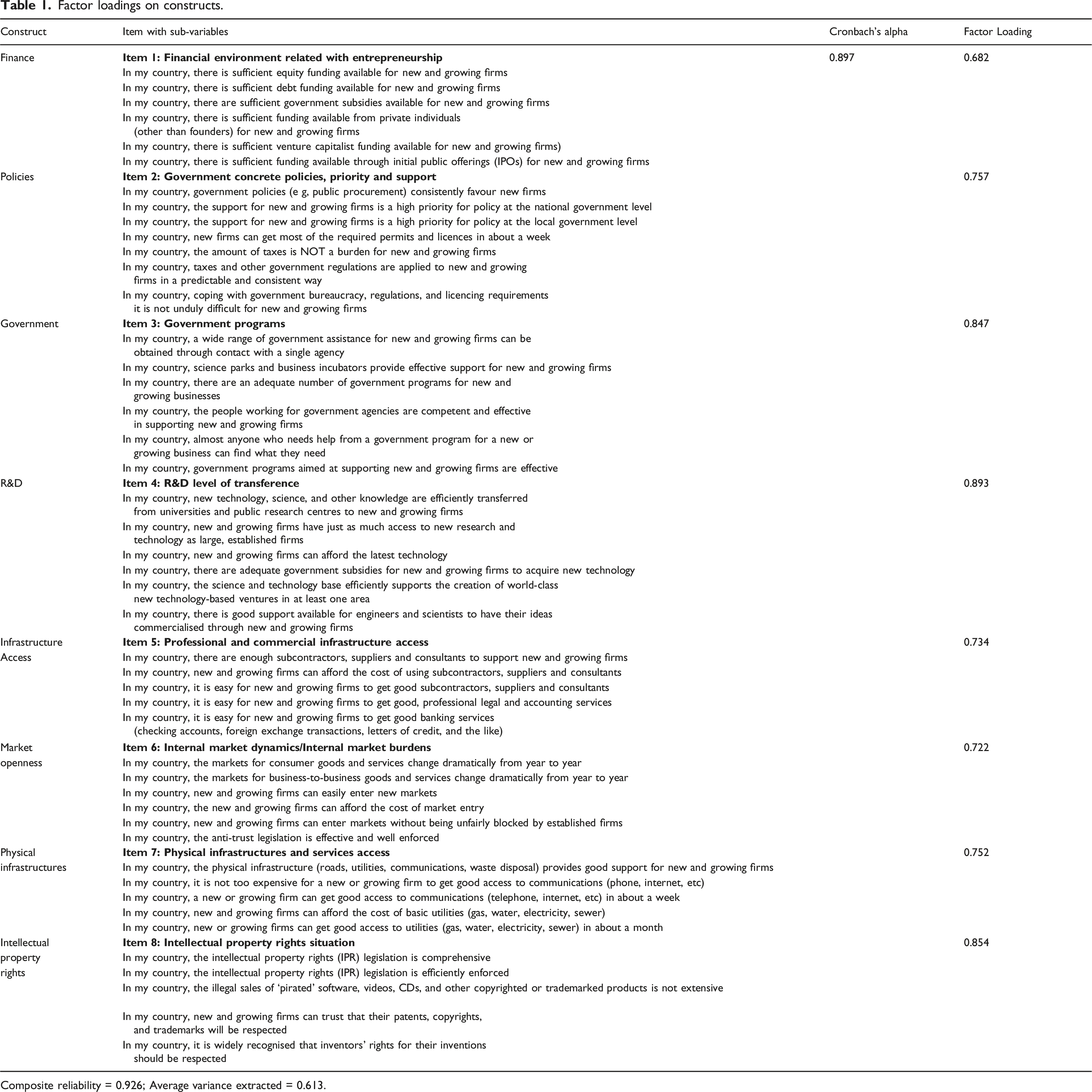
Composite reliability = 0.926; Average variance extracted = 0.613.
Institutional instability. In line with the conceptualisation of institutional instability suggested by Wu and Chen (2014), institutional instability was reflected by taking the standard deviation of the institutional development index over the period 2013–2015. According to Bittlingmayer (1998), the standard deviation is used as a common measure of the extent of changes. The level of institutional instability was computed using the formula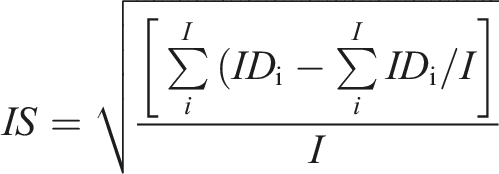
Perceived opportunity. Following Stuetzer, Obschonka, Brixy, Sternberg and Cantner’s (2014) approach, we measured individuals’ perception of opportunity using a GEM questionnaire designed to assess whether the respondents can perceive good opportunities for starting a business in the area where they live in the next 6 months. A binary variable was generated, with a value of ‘1’ representing individuals who perceive entrepreneurial opportunities in the marketplace and a value of ‘0’ otherwise.
Control variables. Extant research suggests that age affects psychological attachment to business creations, and so this research controlled for the age of the entrepreneur (Lim et al., 2016). Empirical evidence implies that there might be an inverted U-shaped relationship between age and entrepreneurial activity (Urbano and Alvarez, 2014). This paper therefore included age and age-squared variables in order to verify this non-linear relationship. As it has been found that males have greater propensity towards entrepreneurial start-ups than females (De Clercq et al., 2013), this research controlled for gender (0 = female, 1 = male). Given that household income has been associated with entrepreneurial activity (Muralidharan and Pathak, 2016), this research controlled for socioeconomic status, represented by three household income tiers, namely the upper, middle and lower third of the income distribution. Since resource heterogeneity could also arise from individuals’ social networks (Davidsson and Honig, 2013), this research therefore controlled for the networks that individuals may have with other entrepreneurs. Following Urbano and Alvarez’s (2014) approach, participants were asked to indicate if they know someone personally who started a business in the past 2 years.
Sample and design
As the dependent variable is binary, the effect of covariates on the TEA was analysed using binomial logistic models. By merging individual-level variables with country-level characteristics, the hypotheses were tested using multi-level approaches. Multi-level models have several advantages over pooling models. First, ignoring interdependency between individual- and national-level characteristics can cause bias in the coefficients and standard errors (Autio and Acs, 2010; Lim et al., 2016), because observations within groups (i.e. countries) are correlated. Multi-level models provide a framework that takes the hierarchical nature of the data into account, correcting for biases in the parameters resulting from clustering (Schillo et al., 2016). Second, multi-level approaches can generate a systematic analysis of the effects of variables across multiple levels, and their cross-level interaction effects (Echambadi et al., 2006; Lim et al., 2016). In multi-level modelling approaches, fixed effects are able to capture the impact of individual factors. In order to estimate the impacts of national-level characteristics on entrepreneurial start-ups, this research performed random effects involving unobserved country-specific intercepts, which enables the intercepts to vary across countries in order to model unobserved heterogeneity at country level.
Multi-level models are appropriate if significant variance between groups is observed (Hofmann, 1997). This paper determines that it is the case by performing a Chi-square test, using entrepreneurial start-ups as the dependent variable and country group as the predictor. This test suggests that there is significant between-country variance within the data, with New businesses’ creation: country level effects in rank with 95% confidence intervals.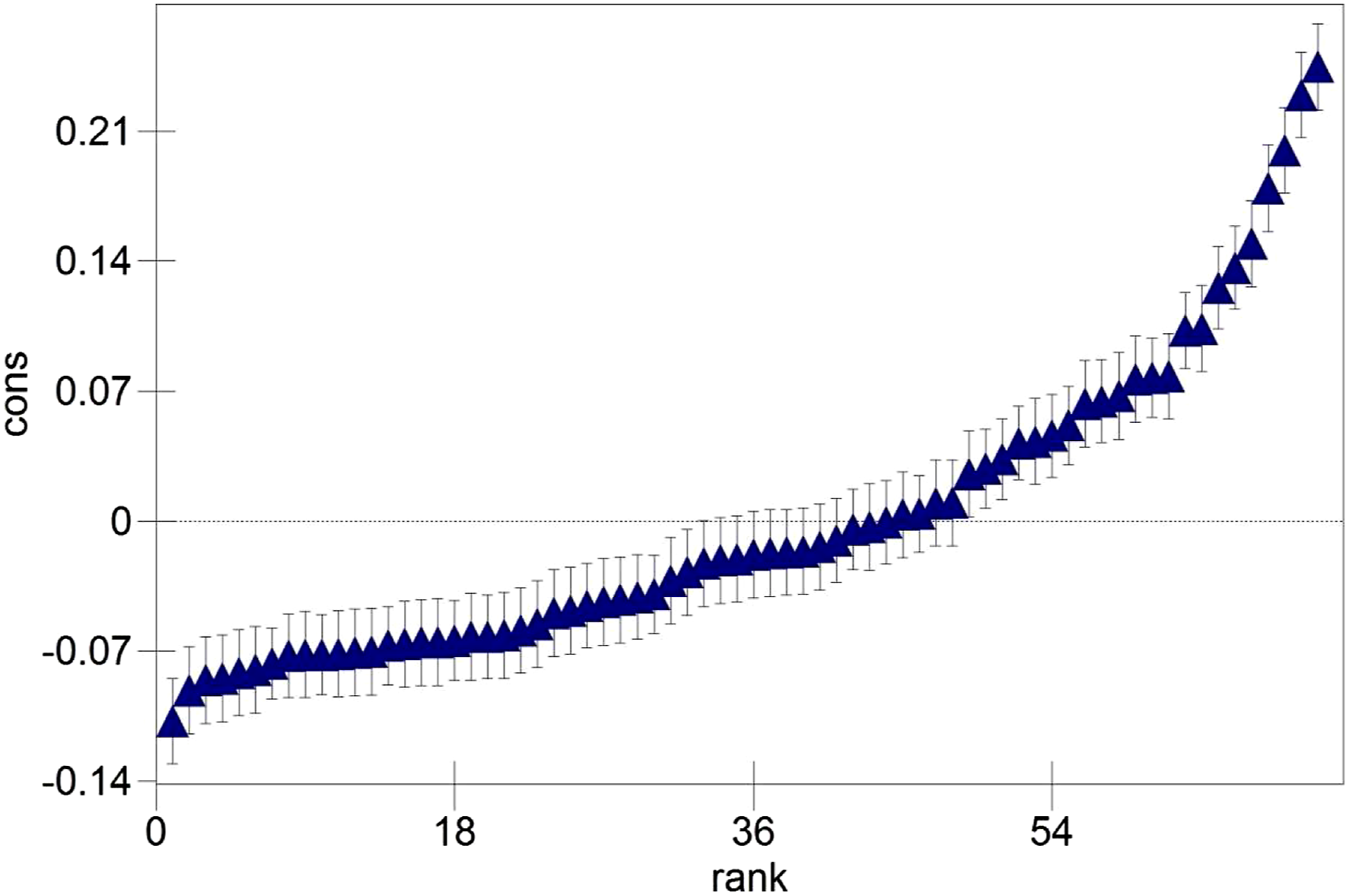
Since this paper focused on nascent and young entrepreneurs who took part in the GEM survey, it may be affected by the same factors that affect the self-selection of individuals into entrepreneurial activity. Therefore, this paper carried out the analysis in two stages to deal with the self-selection bias (Heckman, 1979). In the first step, a probit equation was performed in order to estimate the selection of individuals into entrepreneurship. Using the residuals from the selection equation, the inverse Mill’s ratio was computed and included as a control in all the models as the next step.
Analysis and results
Correlation matrix.
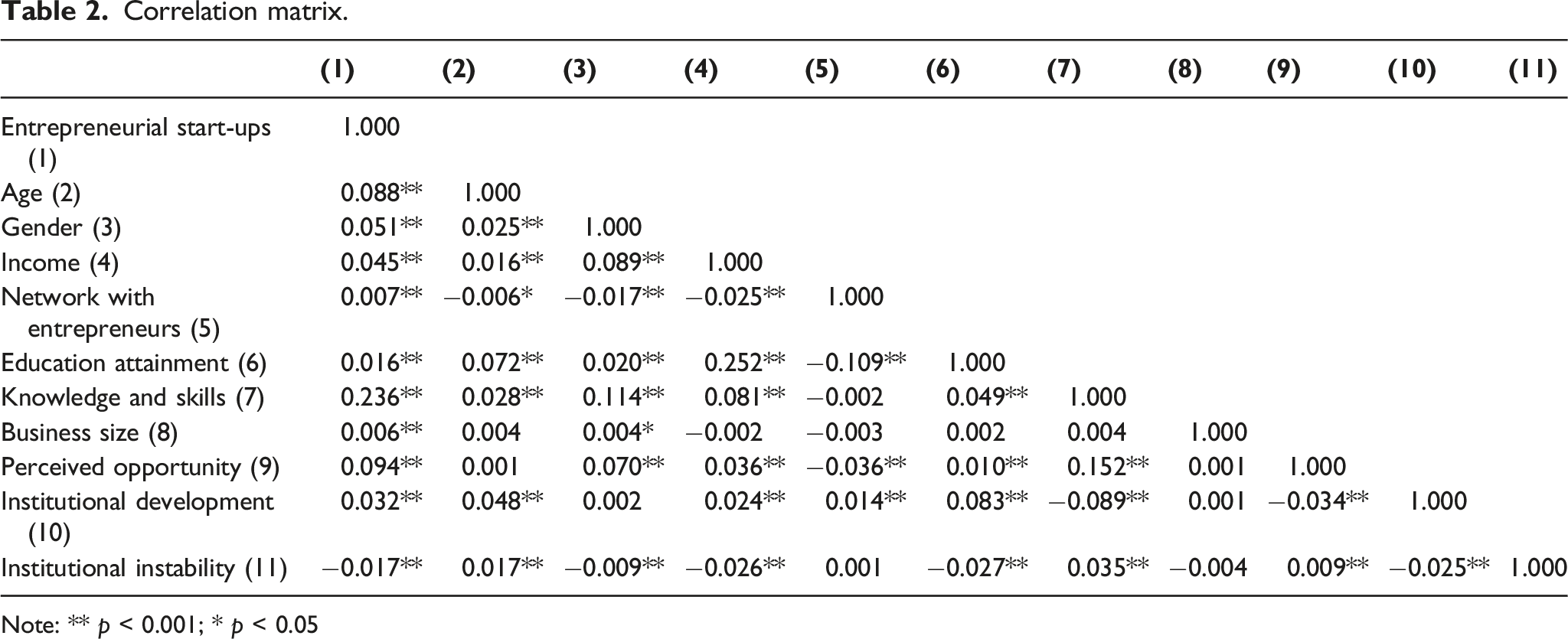
Note: ** p < 0.001; * p < 0.05
Multi-level logistic regression models.
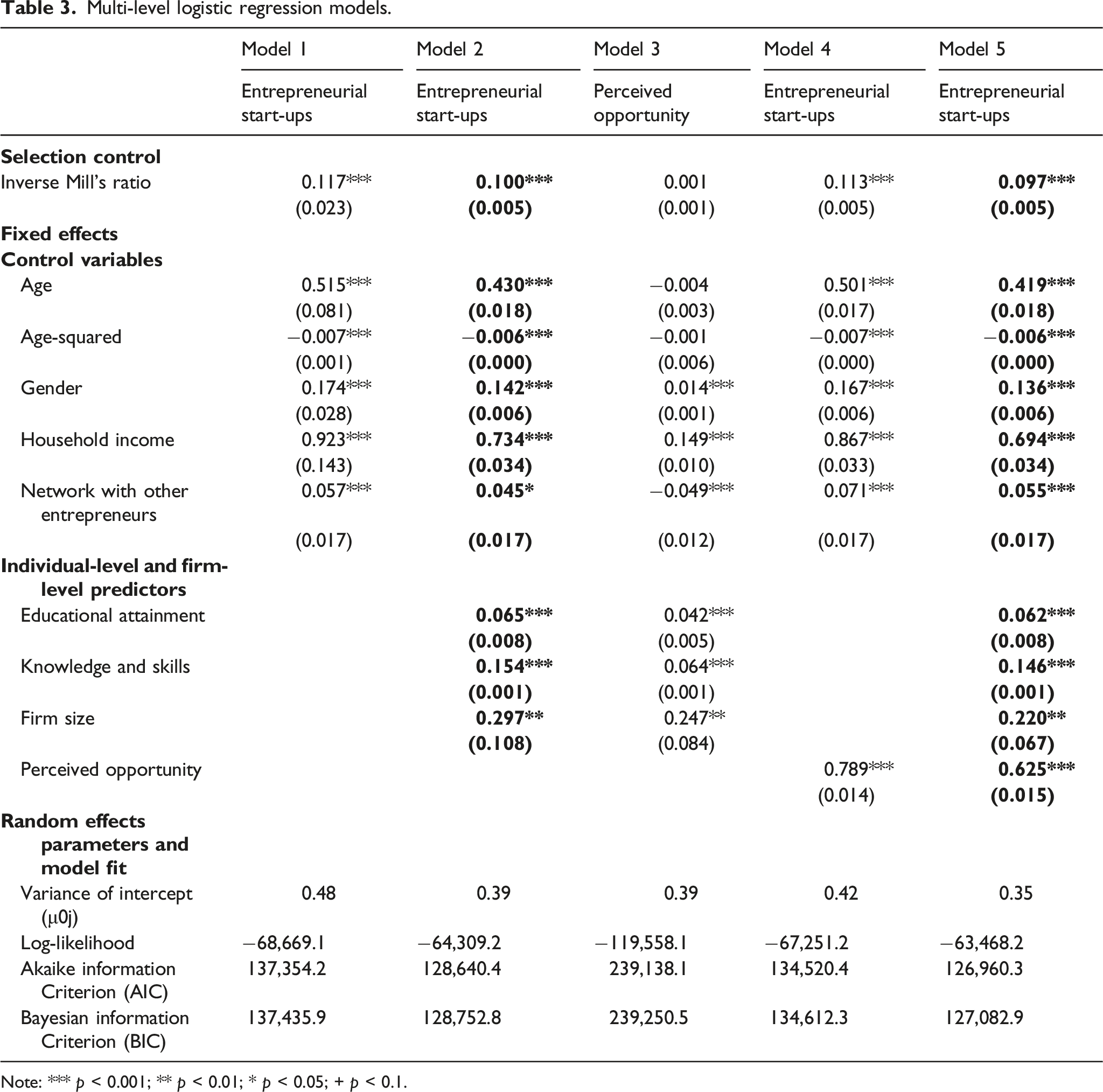
Note: *** p < 0.001; ** p < 0.01; * p < 0.05; + p < 0.1.
Multi-level logistic regression models.
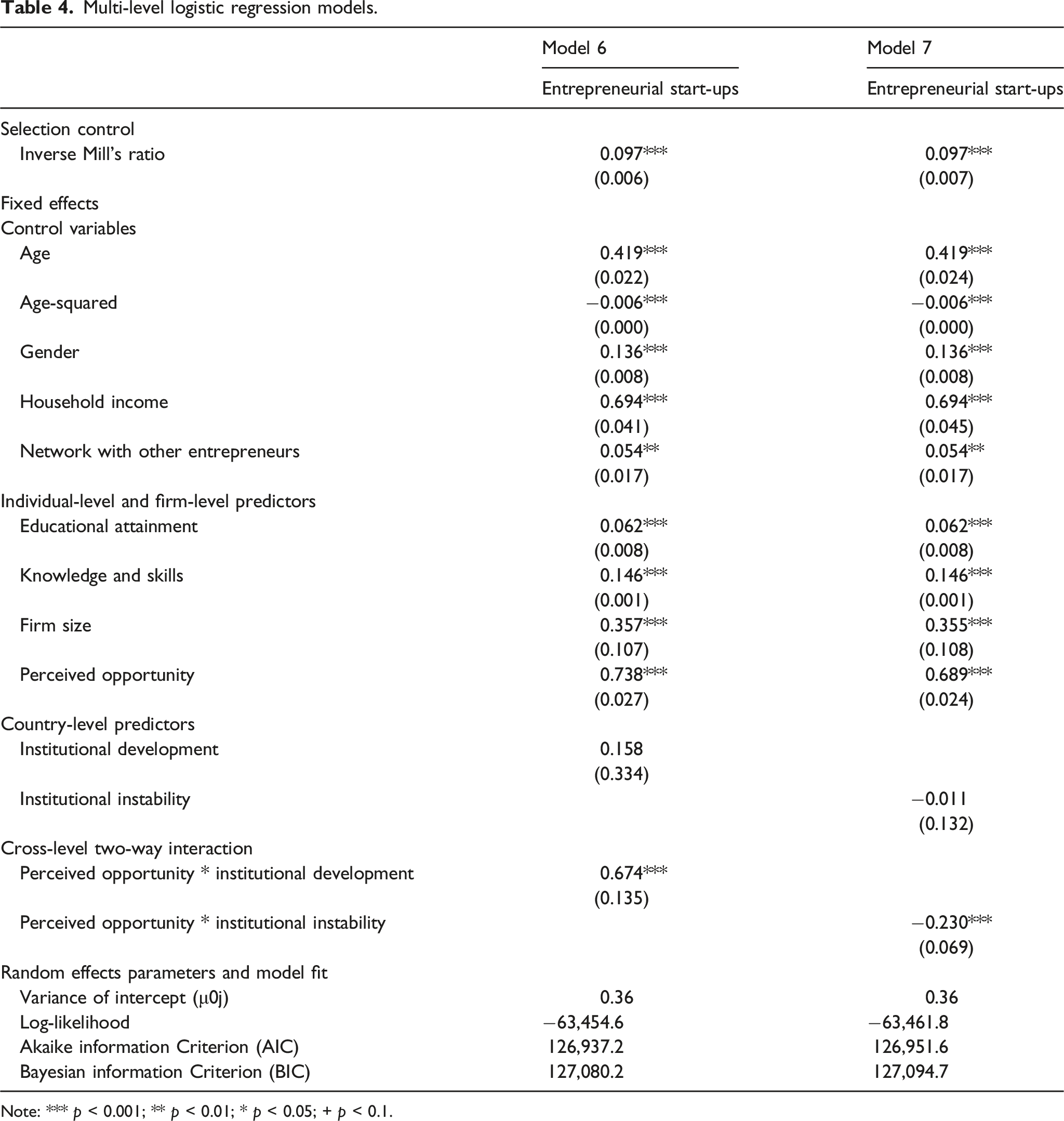
Note: *** p < 0.001; ** p < 0.01; * p < 0.05; + p < 0.1.
In Model 2, it is observed that the variance of the intercept decreases from 0.48 (Model 1) to 0.39 (Model 2), suggesting that the individual-level major predictor explains 18.75% ((0.48–0.39)/0.48) of the remaining country-level variance in the intercept. Moreover, the results demonstrate that resource-based variables positively affect an individuals’ decision to start their own businesses. Both educational attainment and knowledge and skills are positively related to business start-ups (β = 0.065, p < 0.001; β = 0.154, p < 0.001). When there is a unit increase in the business size, the odds ratio of starting a new business increases by 34.58% (β = 0.297, p < 0.01). Model 3 shows that individuals' human capital and organisational resources are positively related to their perception of opportunities (β = 0.042, p < 0.001; β = 0.064, p < 0.001; β = 0.247, p < 0.01). Therefore, Hypotheses 1 and 2 are supported.
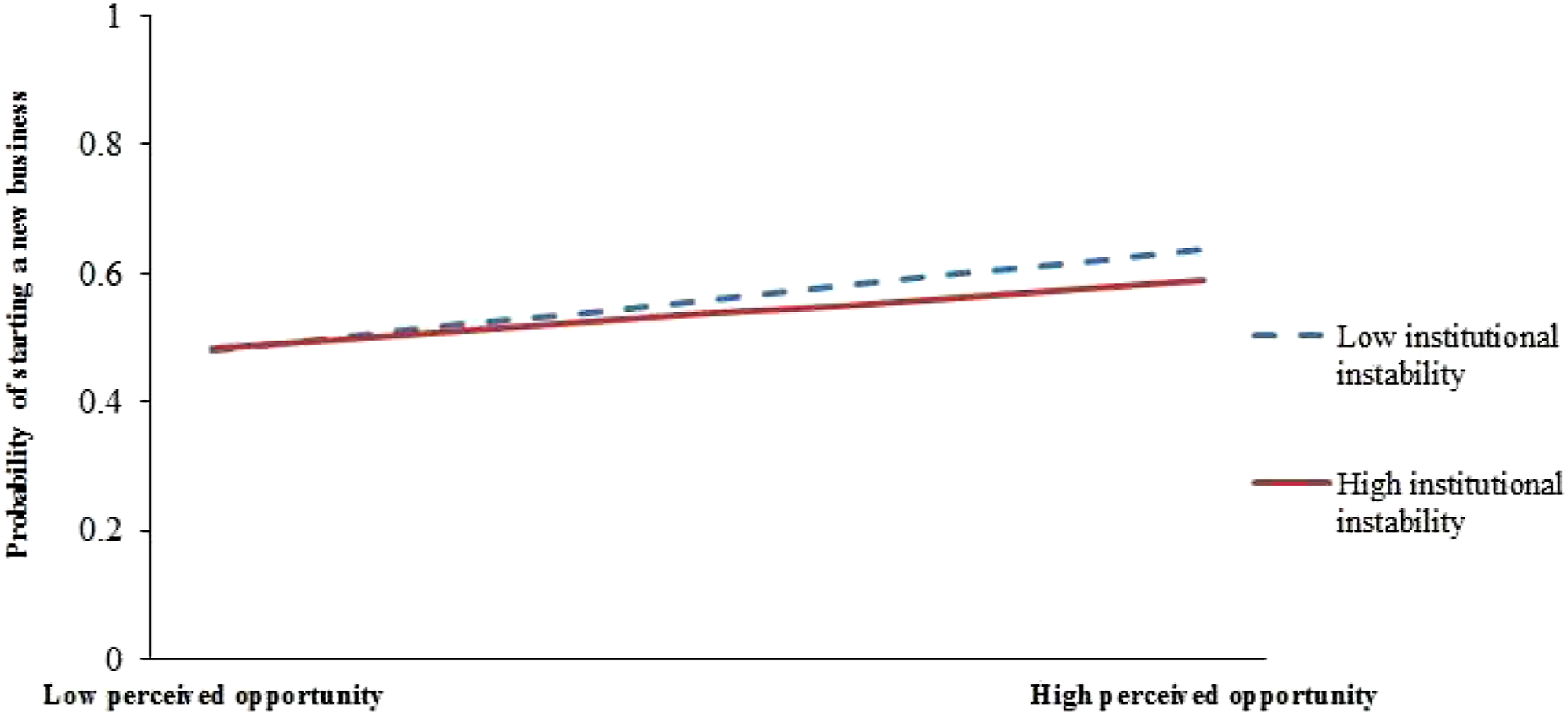
Model 4 shows that perceived opportunity is significantly and positively related to entrepreneurial start-ups. More specifically, in the case of individuals who perceive opportunities in the marketplace, their probability of starting new businesses increases by a factor of 2.201 in odds (β = 0.789, p < 0.001). Therefore, Hypothesis 3 is supported. The positive impacts of resource-based antecedents are smaller in Model 5 with the inclusion of perceived opportunity than in Model 2 (β = 0.062, p < 0.001; β = 0.146, p < 0.001; β = 0.220, p < 0.01), thus confirming that individuals' perception of opportunities partially mediates the main effect of resources on entrepreneurial start-ups, thereby supporting Hypothesis 4. The results in Models 6 and 7 support the proposed moderated-mediation effect, showing that the impact of individuals' perception of opportunities on entrepreneurial start-ups is contingent on a country’s institutional development (interaction term: β = 0.674, p < 0.001). Moreover, when a country has a more uncertain institutional environment and rapidly changing institutions, perceived opportunity becomes a weaker mediator of resource-venture creation (interaction term: β = −0.230, p < 0.001). Therefore, the results support Hypotheses 5a and 5b. In order to facilitate the interpretation of the results, the significant moderating effects of institutional development and institutional instability on entrepreneurial start-ups are plotted in Figures 3 and 4. It is evident that the impact of individuals' opportunity perception on their probability of starting new businesses increases when countries have more well-developed and stable institutional environments. Interaction between perceived opportunity and institutional development. Interaction between perceived opportunity and institutional instability.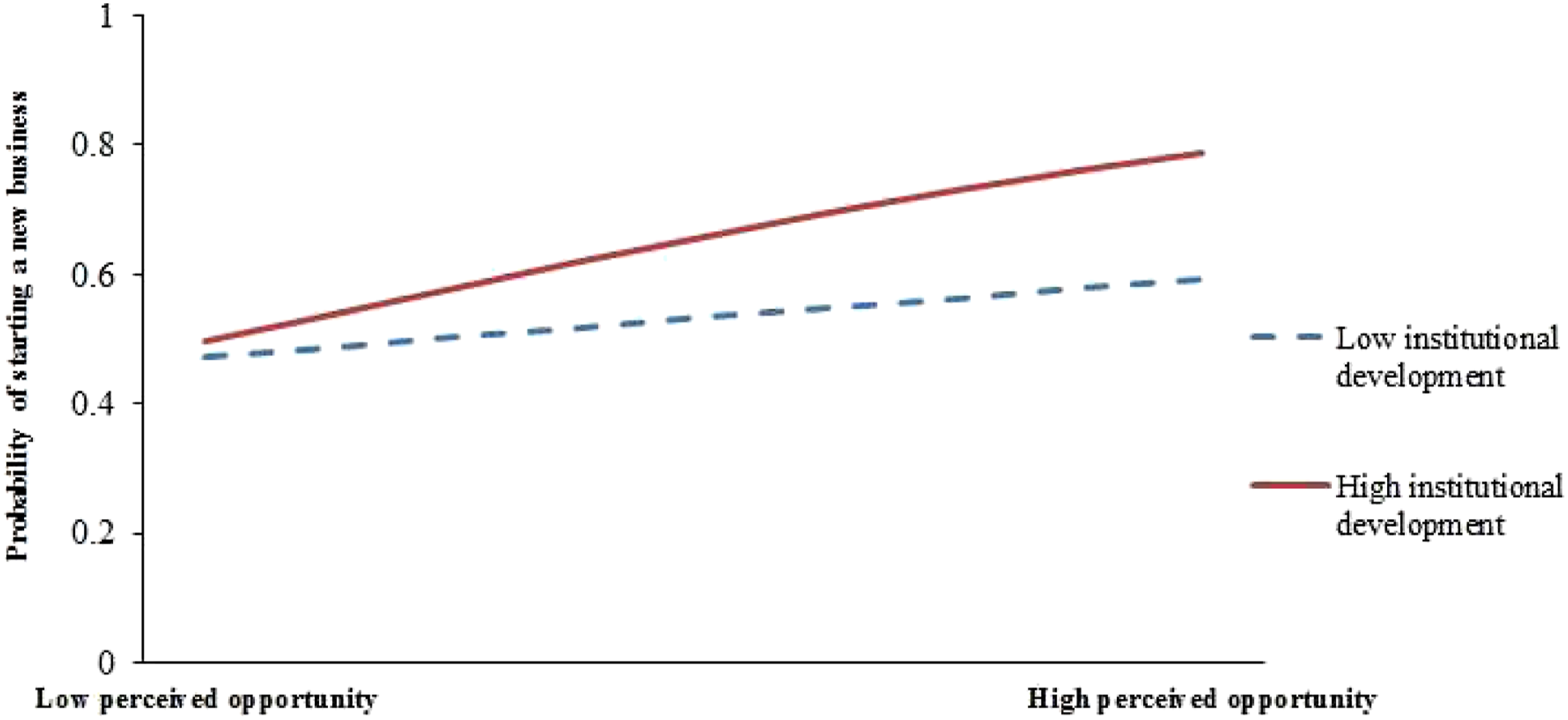
Discussion
Drawing upon the RBV and institutional theory, this research built a theoretical framework with which to examine the joint impacts of resource-based antecedents, opportunity perception and institutional factors on venture creation. More specifically, it addressed the following questions: 1) how do resource-based characteristics and the perception of opportunities relate to entrepreneurial start-ups?; 2) how do country-level institutional environments moderate the effects of individuals' opportunity perception on their probability of starting new businesses?
Addressing these three objectives led to important research findings. First, the results revealed that RBV factors play a major role in driving entrepreneurial start-ups. The positive effects of human capital resources and organisational resources on an individual’s probability of starting a new firm were identified. Second, the results confirm that individuals’ opportunity perception plays a significant role in mediating the relationship between RBV-related factors and entrepreneurial start-ups. The potential impacts of human capital and organisational resources on entrepreneurial start-ups can be realised if individuals are sufficiently opportunity-motivated. This research therefore offers a more comprehensive understanding of the effects of resource and opportunity perception on venture creation. Third, the findings support the claim that institutional conditions provide the boundary conditions for the identified mediation effect. Country-level institutional development and institutional instability differently moderate the relationship between perceived opportunity and entrepreneurial start-ups.
This research has a number of implications for theories. First, while scholars have recently started to recognise the importance of RBV on entrepreneurial venture, this link is not well established (Kellermanns et al., 2016). This research takes an important step in this direction by leveraging theoretical perspectives from a resource-based angle and by advancing the current trend for a stronger theoretical delineation of venture creation. It represents the first attempt to use the RBV to examine entrepreneurial activity and studies how the resource-based antecedents, perceived opportunity, and institutions affect entrepreneurial start-ups. Second, departing from a focus on the direct impact of resources on individuals' probability of starting new businesses, this research explores the mechanism linking resource-based antecedents to the pursuit of entrepreneurial opportunity. The mediating role played by individuals' opportunity perception in venture creation has received limited attention in management studies to date (Jafari-Sadeghi, 2020). This research therefore adds empirical complexity to the existing literature by moving the conversation within the management literature on from whether resource-based factors matter, to their relationship with the pursuit of entrepreneurial opportunities and whether they are more likely to facilitate or inhibit the establishment of new ventures. Third, complementing previous research on the role of institutions in entrepreneurial activity, this research provides new findings about how institutions at varying levels of development and instability shape entrepreneurial start-ups through boundary conditions. It advances the extant literature by taking the view that the macro-level environment is tightly intertwined with individuals’ perception of opportunities, which constitutes a key ingredient of management studies. It addresses the call for more attention to be paid to the role of national institutions in management studies (Lim et al., 2016; Mandrinos and Nik Mahdi, 2016).
Managerial implications
This research has significant practical implications for general managers. First, it offers a better understanding of the interplay between resources and venture creation. Its focus on multiple variables related to human capital resources and organisational resources enabled to assess how heterogeneous resource serves as a fundamental condition of venture creation rather than assuming homogeneity in this process. Second, the existence and exploration of business opportunities has been singled out as an important driver of entrepreneurial start-ups. This suggests that, while available resources are important in terms of inspiring business creation, the process of managing resources needs to be aligned with managers' capabilities to identify and pursue business opportunities. This is consistent with Jafari–Sadeghi’s research (2020), which suggests a need to recognise that managers might differ in relation to the managerial capabilities required for opportunity identification in the entrepreneurial process. Third, this research advances the understanding of context boundary of country-specific institutions, a field which is currently embryonic in the management literature (Mandrinos and Nik Mahdi, 2016). A pertinent implication of the boundary effects of national institutions on individuals’ pursuit of entrepreneurial opportunities is that managers should acknowledge that in order to successfully establish a new business, the possession of resources and the perception of entrepreneurial opportunities provide a necessary but insufficient condition. Focussing solely on resource-based factors does not allow accurate inferences to be made about the dependence of business start-up decisions on the macro context in which those decisions take place (De Clercq et al., 2013). Such omissions could result in an incomplete picture of the venture creation because the levels of uncertainty experienced by resourceful business managers can be influenced by the nature of institutional environments, which present very different sets of opportunities and constraints for entrepreneurial activity.
Conclusions
Drawing upon data from GEM-APS and GEM-NES, the research findings reveal that human capital and organisational resources significantly affect entrepreneurial start-ups, while individuals' perception of opportunities serves as a mediator between resource-based antecedents and their probability of starting new businesses. Moreover, the results show that institutional development and institutional stability provide different boundary effects on venture creation.
This research has some limitations. The complexities of institutional dimensions might vary widely across different stages of country-level development. Such fundamentally important aspects could not be fully investigated in this paper but are worthy of further research in the future. Second, the measure of resource-based factors in this paper captures human capital resources and organisational resources. Future research could expand this paper’s theoretical logic to assess how other types of resources, such as physical resources (Barney, 1991), financial resources (Amit and Schoemaker, 1993) and intangible resources (Alvarez and Busenitz, 2001) interact with institutions in explaining venture creation. Third, this research investigates the boundary conditions of institutional development and instability on entrepreneurial start-ups. Past research reveals that venture creation is a local phenomenon and that the quality of regional institutions matters (Stam, 2015). Future research could investigate the proposed conceptual framework at the regional level in specific national contexts to enrich the understanding of this phenomenon.
Footnotes
Declaration of conflicting interests
The author(s) declared no potential conflicts of interest with respect to the research, authorship, and/or publication of this article.
Funding
The author(s) received no financial support for the research, authorship, and/or publication of this article.