




Abstract
People working in the music industry report significantly higher levels of anxiety and depression than the general population, but to date, studies have not explored the differences between professional musicians and those who perform music primarily for recreation. In this study, 254 musicians from 13 countries completed measures of anxiety, depression, and wellbeing as well as answering questions about their professional status, level of success, and income. Across the whole sample, we found that over half had high levels of anxiety, and a third were experiencing depression. We showed that musicians who viewed music as their main career were more likely to have poor mental wellbeing and had significantly higher levels of clinical depression. Status as a solo or lead artist and perceived level of success also significantly predicted higher levels of anxiety and depression, and lower levels of positive wellbeing. We conclude that low mental wellbeing in musicians is the result of working as a professional musician, as opposed to being an inherent trait. Future work should explore underlying beliefs and perceptions of career musicians alongside other key factors, such as health behaviors and social support, with the aim of making specific recommendations to the music industries and educators.
From Robert Schumann and Pyotr Tchaikovsky to Amy Winehouse and Kanye West, musical careers have often appeared to go hand-in-hand with a vulnerability to mental health difficulties and psychological distress. This anecdotal observation is supported by empirical evidence dating back to the 1980s (Raeburn, 1987; Wills & Cooper, 1987) with higher levels of mental health distress seen across different genres: classical musicians (Kegelaers et al., 2020; van Fenema & van Geel, 2014), jazz musicians (Wills, 2003), and popular musicians (Détári et al., 2020; Kegelaers et al., 2021). For example, in 2016, a Norwegian study found higher symptoms of both anxiety and depression in 1,607 members of the Norwegian Musicians’ Union when compared to the general workforce (Vaag et al., 2016). In the same year, Gross and Musgrave (2016) published a larger survey of 2,211 self-identifying professional musicians and music industry professionals in the United Kingdom, revealing that 71.1% of them experienced self-reported anxiety and/or panic attacks and 66% self-reported depression. These statistics are a real cause for concern, especially alongside evidence for increased mortality in this population (Bellis et al., 2007, 2012). The current study asks whether poor mental health and low wellbeing are a common feature for all musicians, or whether this may be specific to those who choose music as their career, and if so why.
Music has often been seen as a powerful healer for psychological distress, so it might seem paradoxical to see such consistently high levels of mental health difficulties in musicians. A simple explanation might be that people with these predispositions are inherently drawn to music as a way of managing their difficult emotions or experiences. There is some support for trait differences in musicians with one study showing higher levels of neuroticism and low levels of conscientiousness in rock and pop musicians (Gillespie & Myors, 2000). Aalberg et al. (2019) separately found that these characteristics predicted levels of psychological distress in musicians. Another long-standing proposal is that higher levels of psychopathology are intrinsically linked to creativity (Kyaga et al., 2013), which might suggest that as “creative types,” musicians are inherently more prone to higher levels of anxiety and depression. However, direct evidence for this is limited and the relationship has often been hotly debated (see Kyaga, 2018, for a full review).
While there may be some evidence for a higher likelihood of underlying vulnerabilities in people who choose to become musicians, there are many other external forces at play when someone decides to make music their career. Indeed, all the studies reported above have focused on musicians who work professionally or have chosen a musical career. To complement their large survey, Gross and Musgrave (2017, 2020) carried out a series of detailed qualitative interviews which showed that musicians’ mental health is undermined by a variety of industry-related psychosocial factors, including uncertainties regarding income and employment, tensions around authenticity versus commercial success, and the impact of their working lives on loved ones. They came to the conclusion that “music-making is therapeutic, but making a career out of music is destructive,” and as one of their earlier survey respondents stated: “The only thing that causes depression for musicians is the music industry itself” (Gross & Musgrave, 2016, p. 12). While the link between mental wellbeing and musicianship is complex, there is no shortage of evidence that working in a commercial musical setting presents significant and specific challenges. Financial precarity, for example, is a well-understood feature of creative careers and a source of anxiety for many musicians (King et al., 2019; Parker, 2015). Dobson (2011) used semistructured interviews to explore the difficulties faced by 18 young jazz musicians and classical players and, like Gross and Musgrave (2016, 2017, 2020), found both that lack of job and financial security created particular stress, and that professional socializing was necessary for personal progress but often led to unhealthy behaviors, such as alcohol use. Excessive alcohol and substance use as a normative expectation and performance-related incentive amongst musicians (either due to anxiety or as a “reward”) has also been seen in the work of Forsyth et al. (2016). Others have found that high job demands and lack of social support predict psychological distress (e.g. Aalberg et al., 2019), and a range of studies have supported the view that musicians experience a particularly stressful work environment (Holst et al., 2012; Vaag et al., 2014). It is also not surprising to learn that musical careers can have negative and disruptive impacts on family life (see Vaag et al., 2014).
If there is something fundamentally damaging about working in the music industries, then an important question is whether some individuals are more vulnerable than others. Kenny et al. (2014) conducted a survey of classical musicians in Australia and showed that females were more susceptible to anxiety and depression, with younger musicians being the most vulnerable. In their Norwegian sample, Vaag et al. (2016) found that psychological distress was highest in musicians who played traditional music, were vocalists or keyboard players, or those who considered themselves to be solo or lead artists. The susceptibility of solo artists was also seen in Gross and Musgrave (2020, pp. 34–35) who showed statistically higher rates of self-reported anxiety and depression in solo performers or songwriters (around 76%−77%) compared with band members and live crew (around 55%−65%).
While existing studies provide strong evidence for high levels of mental health difficulties in professional musicians, there are important unanswered questions. Gross and Musgrave (2016) report a large sample but used a very simple “yes/no” subjective report to establish whether participants had experienced anxiety, depression, or other mental health problems. In contrast, Vaag et al. (2016) employed valid clinical measures but recruited a narrow sample that is arguably less representative of the broader industry climate or indeed the wider world. There has also been a particular emphasis on negative wellbeing with less emphasis on the dynamics of positive wellbeing in professional musicians. This is important because these are not diametrically opposed constructs and studies have shown that low positive wellbeing is more predictive of mortality than the presence of high negative wellbeing (Huppert & Whittington, 2003). A recent study revealed moderate levels of wellbeing in a group of electronic music artists, despite higher than average levels of anxiety and depression (Kegelaers et al., 2021).
Most fundamentally though, these studies have not explored the differences and similarities between those who use music solely or primarily for recreation, and those who choose to make it their career. This is a crucial question since it allows for a distinction between underlying traits that might attract someone toward musical activities, and challenges that specifically arise as a result of being part of a commercial musical world. While both explanations may be valid, progress relies on understanding this critical interaction. Another of Gross and Musgrave’s (2016, p. 12) respondents said I find, on the whole, music to be a great release which helps when I’m feeling anxious or depressed. . .[However], the stresses of being in the music industry, for me, are a big cause of uncertainty which to leads to stress, anxiety and depression.
This tension between musical practice providing joy and a musical career encompassing occupational stress has long been understood (Musgrave, 2022; Rogers, 1926).
This study addresses these questions by using well-recognized and validated measures to assess state depression, anxiety, and wellbeing in a varied sample of musicians, covering a range of genres, ethnicities, and countries. By administering our questionnaire to all musicians and anyone who works in the music industries, we are also able to explore whether depression and anxiety are psychological features of all musicians or specific to those for whom music is their income and their career. Finally, we build on previous findings by specifically addressing the hypothesis that musicians who generally have a lead or solo role are more susceptible to anxiety and depression, as well as exploring gender, age, and feelings of success. The study was granted full ethical approval by the University of Westminster Research Ethics Board.
Method
Participants
This study was aimed specifically at musicians or people working in the music industries. Participants were recruited via social media and through targeted emails to amateur and professional music groups/organizations. A total of 418 people accessed the questionnaire over a period of 13 months between January 2019 and February 2020. One hundred sixty-four were excluded due to incomplete responses on all of the core measures and/or not meeting the criteria of being a musician or working in the music industries. The remaining 254 participants were aged between 19 and 66 (M = 38.1), 124 were female, 128 male, and 2 preferred not to say. Eighty-five percent of participants were currently residing in the UK, and others came from across the world, including Australia, Benelux, China, Costa Rica, Denmark, France, Germany, Greece, India, Poland, Sweden, and the United States. Sixty-six percent of participants were White British and there was a range of other ethnicities (see Appendix).
Materials and procedure
Participants were invited to retrieve a link to an online questionnaire in English via the Qualtrics platform, which is compatible with all devices including smartphones, computers/laptops, and tablets. All participants were given information about the study and were required to give informed consent before answering any questions. Basic demographic information was collected: age, gender, geographical location, and ethnicity. Participants were then asked a series of questions relating to their status as a musician, including whether they considered themselves a professional, what kind of musical work they did, whether they were a lead/solo performer, whether music is their main career, and whether it is their main source of income. They were also asked to report on their perceived level of success as a musician.
State levels of anxiety and depression were measured using the Hospital Anxiety and Depression Scale (HADS; Zigmond & Snaith, 1983). The HADS is a 14-item self-report scale consisting of seven items measuring anxiety and seven items measuring depressive symptoms. The items presented were rated on a 4-point Likert scale from “0” (not at all) to “3” (most of the time), which indicated the severity of the symptoms. Participants were asked to rate statements such as “I feel tense or wound up” (anxiety scale) and “I still enjoy the things I used to enjoy” (depression scale). Both anxiety and depression were scored between 0 and 21 with higher scores indicating higher levels of anxiety and depression. These are classified into normal (0–7), mild (8–10), and moderate/severe (11–21). The HADS is widely used across several populations and is available in multiple languages. It has been shown to exhibit good sensitivity, sufficient diagnostic accuracy, and validity (Bjelland et al., 2002; Norton et al., 2013). In addition, and to compare our results with Gross and Musgrave (2016), participants were asked two simple yes/no questions about whether they had ever experienced (1) anxiety and (2) depression.
Wellbeing was measured using World Health Organization Wellbeing Index (WHO-5), a 5-item self-report scale measured on a 6-point Likert scale from “0” (at no time) to “5” (all of the time) with higher scores indicating better wellbeing. Participants were asked to rate statements such as “I have felt cheerful and in good spirits” according to how they have been feeling over the past 2 weeks. Wellbeing scores were calculated by adding raw scores and multiplying them by four. Final scores ranged from 0 to 100 with higher scores indicating better wellbeing. The WHO-5 has shown adequate validity and reliability across several studies on various populations (see Topp et al. (2015) for a systematic review of the literature).
Statistical analysis
Three dependent variables were used: anxiety, depression (both HADS), and wellbeing (WHO-5). Preliminary assumption testing was conducted to check for normality, linearity, univariate and multivariate outliers, homogeneity of variance-covariance matrices, and multicollinearity, with one multivariate outlier removed using Mahalanobis distance (16.27). The depression variable violated the equality of variance assumption, but other serious violations were noted. These variables were explored in relation to professional status and solo/lead status using analysis of variance. A regression analysis was used to estimate how positive and negative wellbeing was related to both of these factors together, as well as gender, perceived level of success, and whether music was a primary source of income.
Results
Participants represented a wide range of musicians and music industry workers, with 46.9% describing themselves as professional musicians and 65.7% saying that music was their main career (see Table 1).
Levels of Professional Status in the Whole Sample.
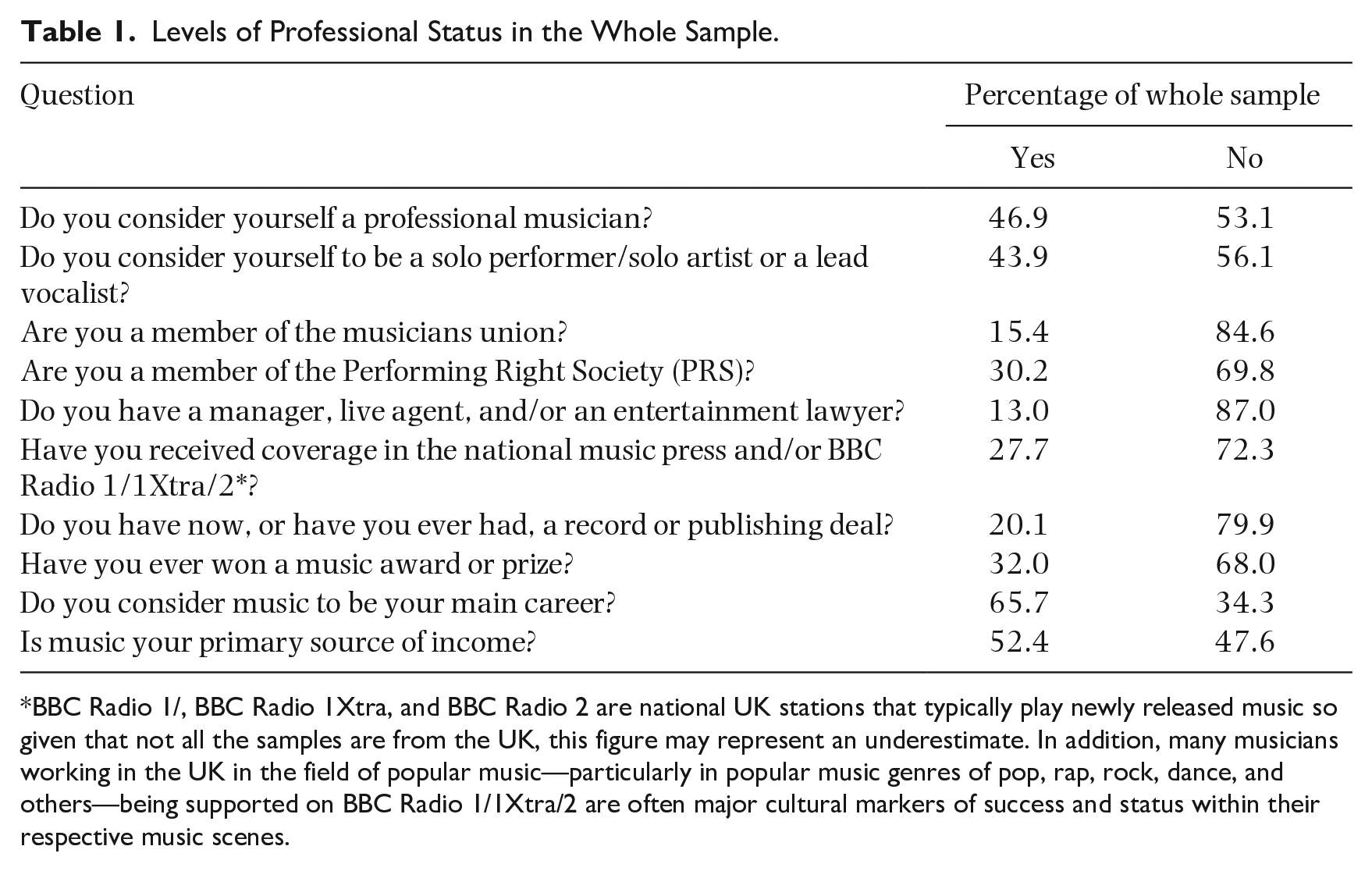
BBC Radio 1/, BBC Radio 1Xtra, and BBC Radio 2 are national UK stations that typically play newly released music so given that not all the samples are from the UK, this figure may represent an underestimate. In addition, many musicians working in the UK in the field of popular music—particularly in popular music genres of pop, rap, rock, dance, and others—being supported on BBC Radio 1/1Xtra/2 are often major cultural markers of success and status within their respective music scenes.
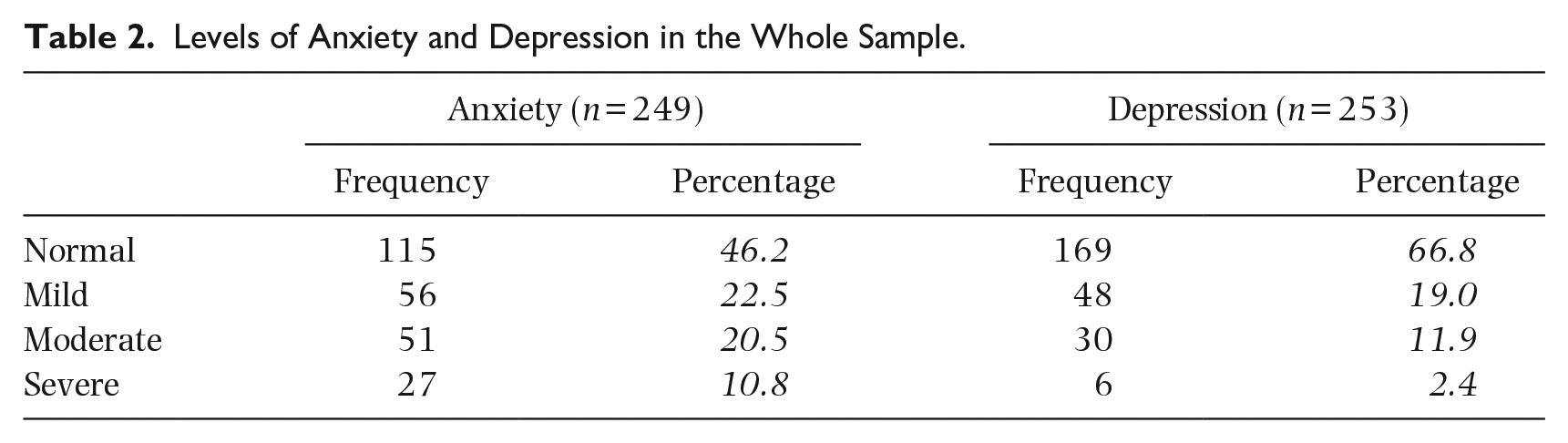
Table 2 and Figure 1 shows the levels of anxiety and depression in the whole sample according to the published clinical cutoffs. Almost 54% of participants scored abnormal levels of anxiety, with over 10% falling into the severe range. Levels of depression were lower, but there were still a third of participants who scored outside of the normal range.
Levels of Anxiety and Depression in the Whole Sample.
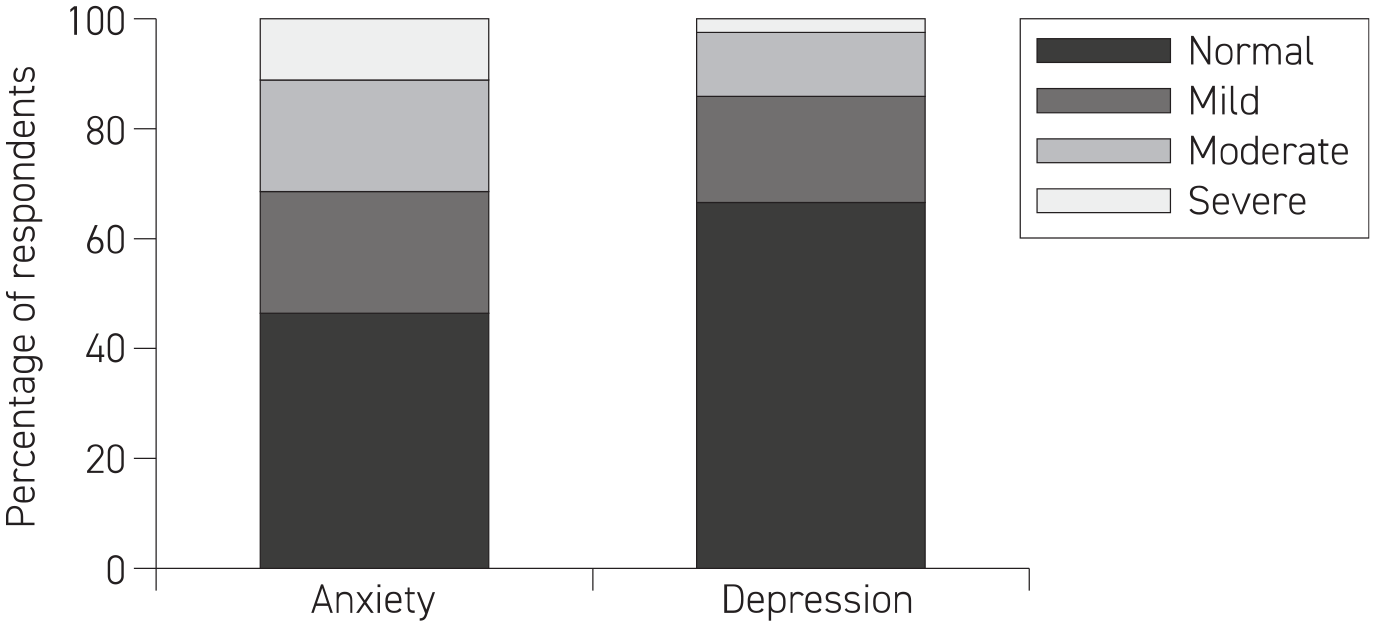
Percentage of All Respondents Showing Symptoms of Anxiety and Depression.
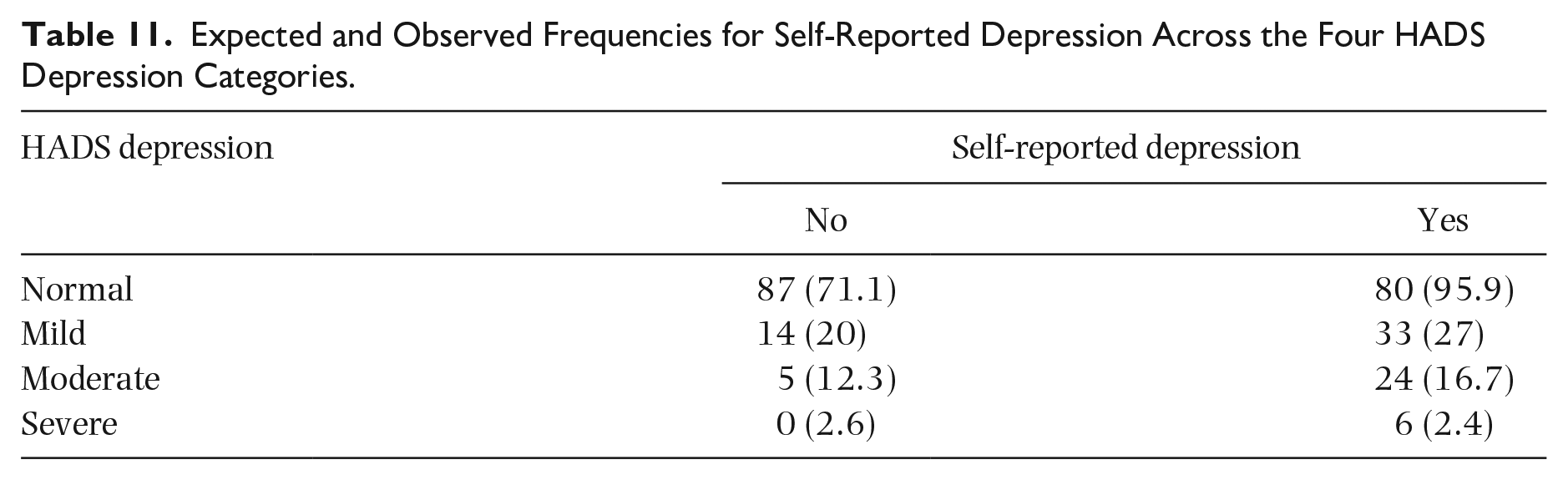
In line with the Gross and Musgrave report (2016), we also asked respondents to give a simple yes/no answer to whether they had ever suffered from anxiety or depression. To see how these simple responses related to scores on the more detailed HADS questionnaire, a chi-square test of independence was used to investigate the relationship between self-reported anxiety and clinical anxiety categories. The relation between these variables was significant, χ2(3, n = 244) = 36.55, p < .001. Participants self-reporting anxiety were more likely to have clinical anxiety scores outside of the “normal” category (see Appendix). Similarly, a chi-square test of independence was performed to investigate the relationship between self-reported depression and clinical depression. Once again, participants self-reporting depression were more likely to have clinical depression scores outside of the “normal” category, χ2(3, n = 249) = 21.40, p < .001 (see Appendix).
Levels of anxiety and depression in relation to professional status
A key question in this study was the extent to which positive and negative wellbeing in musicians may relate to participants’ status as a professional musician, as opposed to being an inherent characteristic of choosing to be a musician. Defining professional status is not straightforward, as can be seen in Table 1, and we approached this in two ways. First, we compared those who described themselves as professional musicians with those that did not, disregarding the nonmusicians who work in the music industries (e.g. agents). Second, we looked at the effect of viewing music as a main career, this time including those in the industry who do not consider themselves musicians.
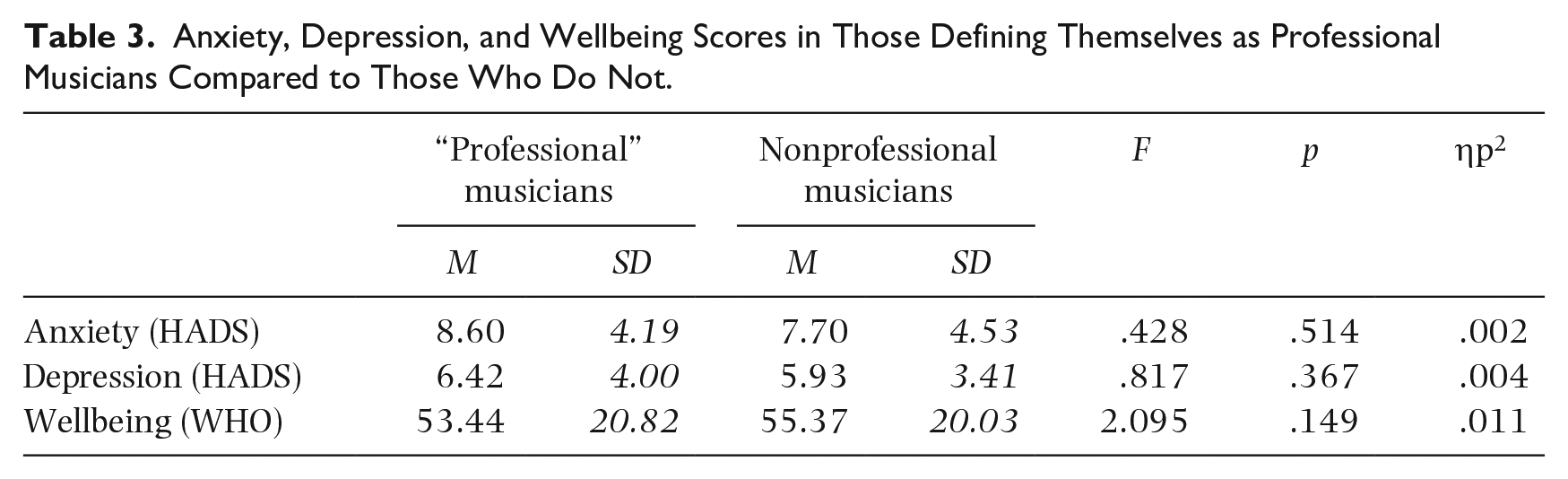
Table 3 shows the mean anxiety, depression, and wellbeing scores for musicians who considered themselves professional versus those who did not. A one-way between-groups multivariate analysis of variance (MANOVA) was performed to investigate differences in psychological wellbeing amongst those that define themselves as a professional musician versus those that do not. There was no statistically significant difference between professionals and nonprofessionals on the combined dependent variables, F(3, 238) = .55, p = .848, ηp2 = .011. Note that repeating the analysis but including nonmusicians who worked in the music industry did not change the outcome.
Anxiety, Depression, and Wellbeing Scores in Those Defining Themselves as Professional Musicians Compared to Those Who Do Not.
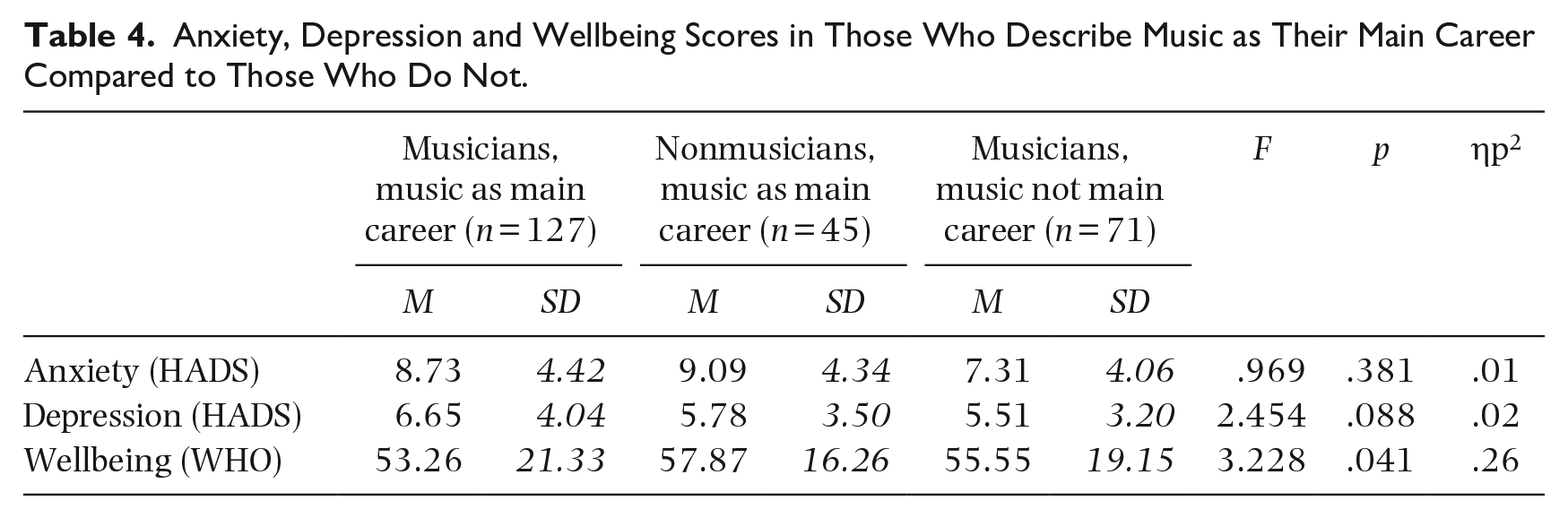
While 46.9% described themselves as professional musicians, 65.7% saw music as their main career so we repeated the above analysis comparing anxiety, depression, and wellbeing in (1) musicians who see music as their main career, (2) nonmusicians who see music as their main career, and (3) musicians who do not see music as their main career. A MANOVA indicated that there was a statistically significant effect of group on the combined dependent variables with a medium effect size, F(3, 238) = 2.337, p = .031, Wilks’ Lambda = .944, ηp2 = .029. Table 4 shows the mean scores for each group, along with the statistics (see also Figure 2 and Figure 3). This suggests that the primary driver for the main effect was levels of wellbeing which were lowest in the musicians who saw music as their main career; however, after applying a Bonferroni adjusted alpha level of .017, none of the individual effects were significant.
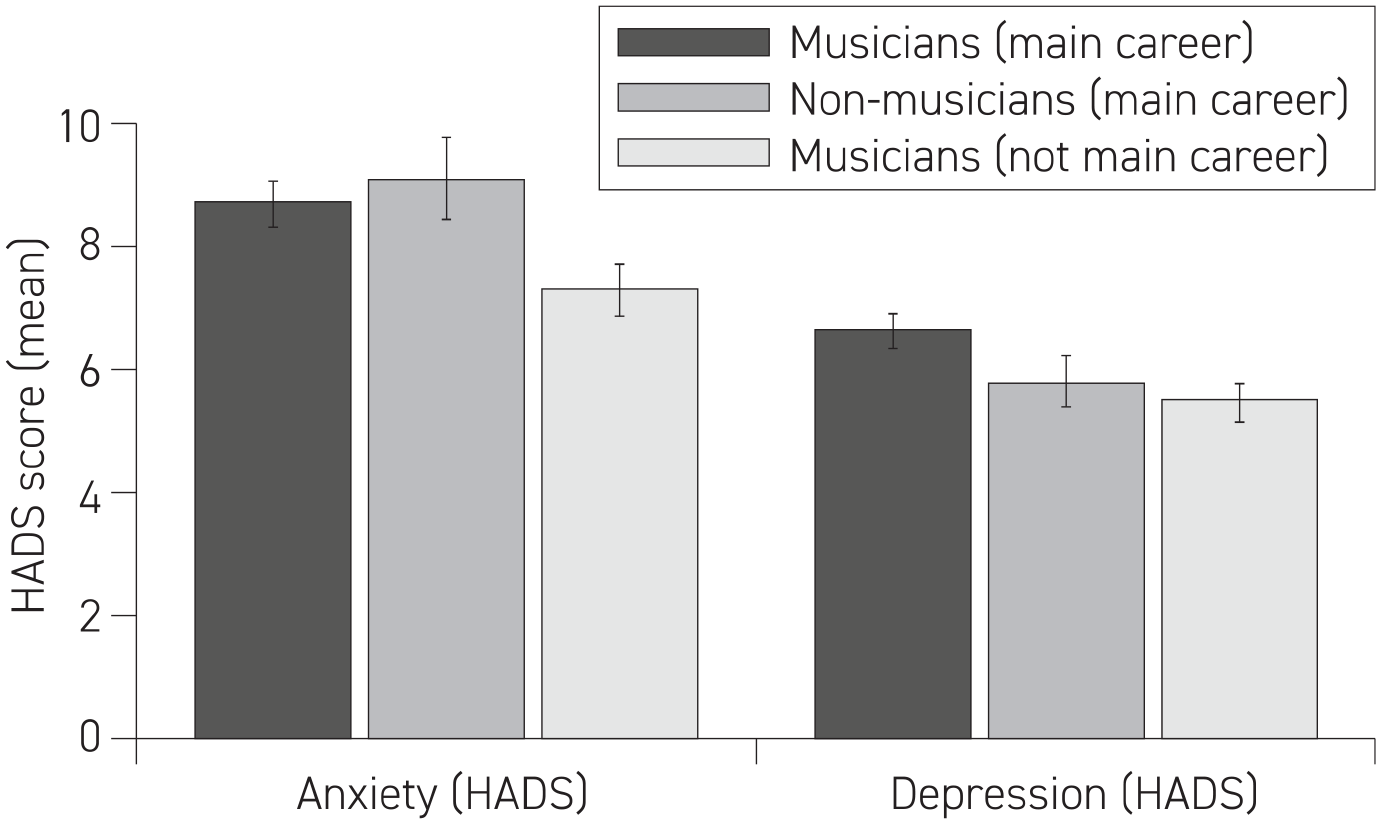
Anxiety and Depression Scores in Relation to Career Status.
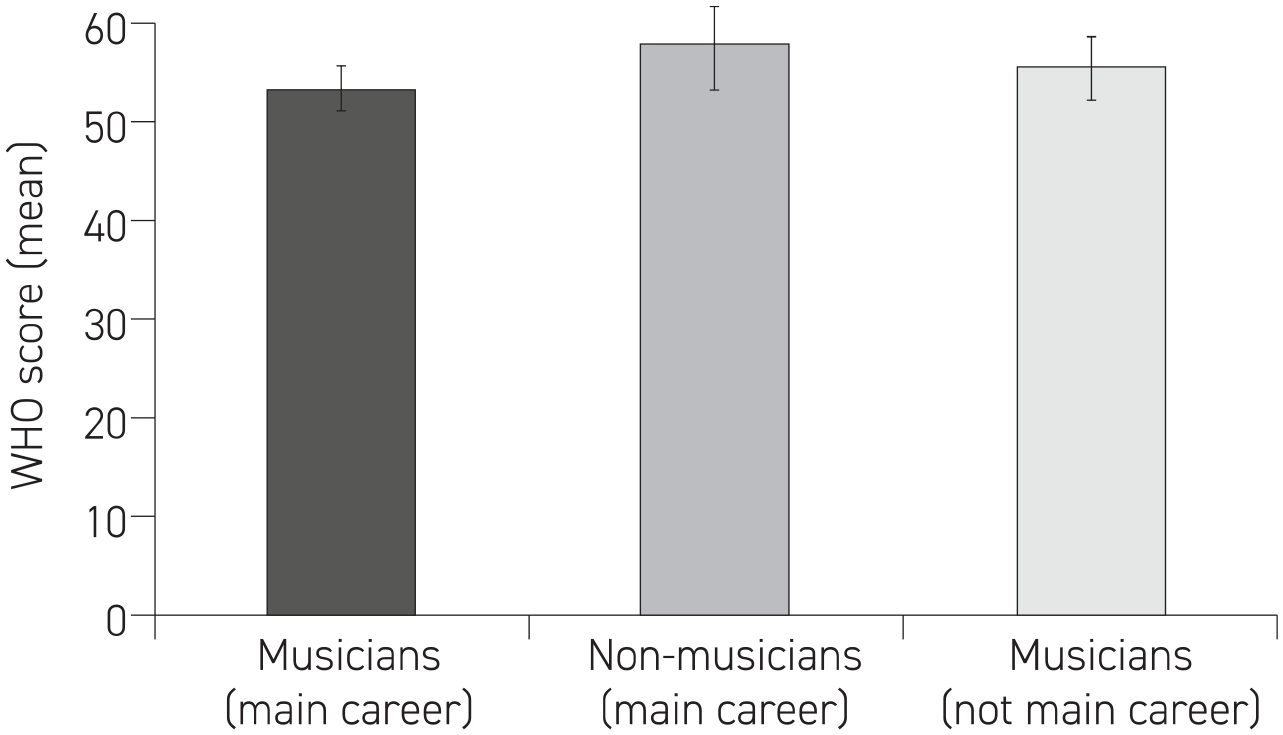
Wellbeing Scores in Relation to Career Status.
Anxiety, Depression and Wellbeing Scores in Those Who Describe Music as Their Main Career Compared to Those Who Do Not.
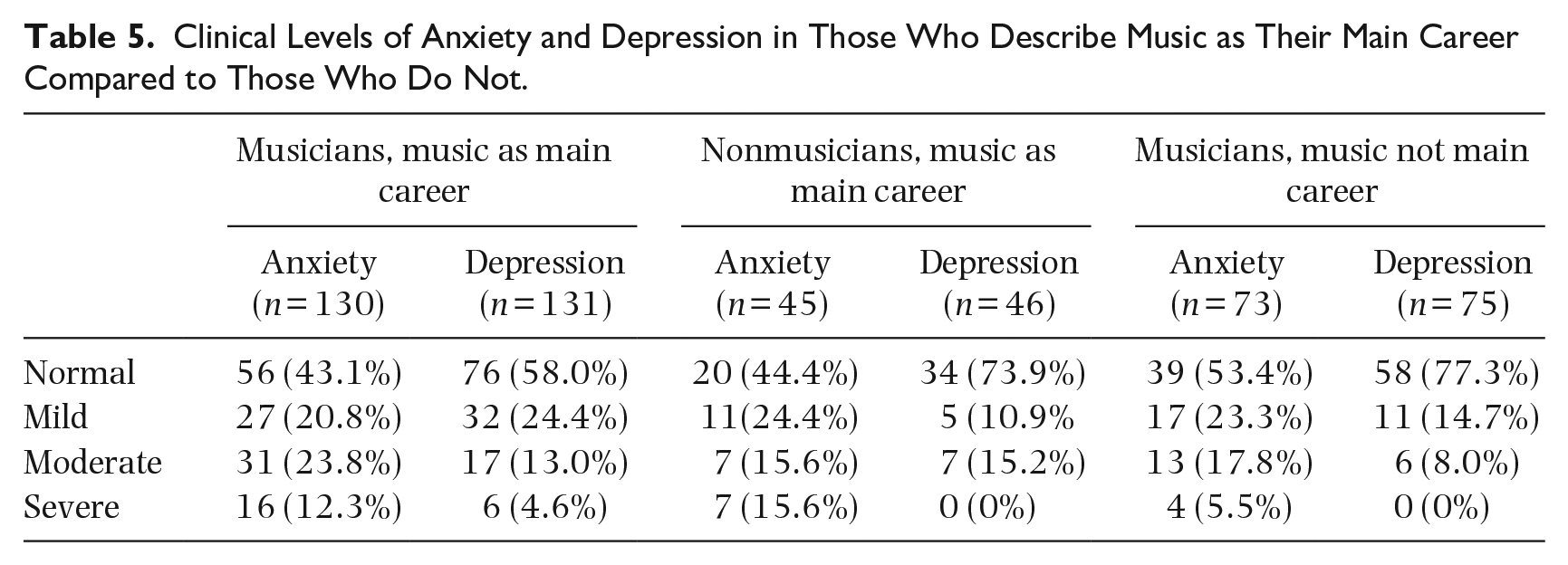
To establish how these findings translate to clinical levels of depression in these three groups, we calculated the frequency and percentage of these groups falling into the different clinical classifications (see Table 5). Chi-squared analysis showed that anxiety status was not significantly different across groups, χ2(6, n = 248) = 5.987, p = .425; however, levels of depression were significantly associated with the group, with 42% of main career musicians showing some level of clinical depression compared to only 26.1% and 22.7% in the other two groups, χ2(6, n = 252) = 14.528, p = .024.
Clinical Levels of Anxiety and Depression in Those Who Describe Music as Their Main Career Compared to Those Who Do Not.
Levels of anxiety and depression in solo/lead performers
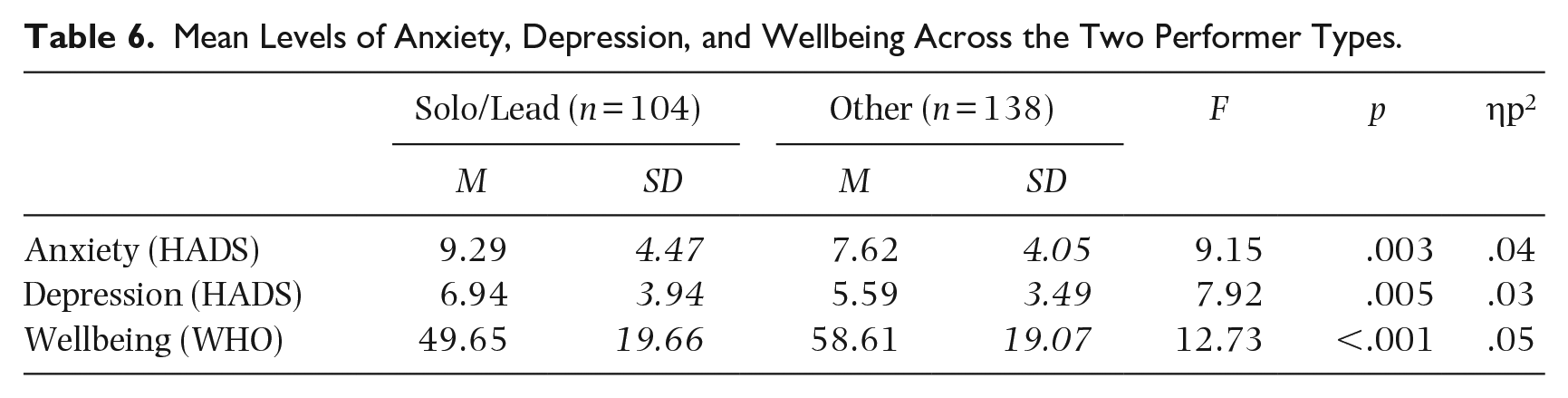
This study also sought to establish whether solo or lead performers are more susceptible to anxiety and depression. A one-way between-groups MANOVA revealed a statistically significant difference between solo performers/lead vocalists and nonsolo performers/lead vocalists on the combined dependent variables, F(3, 238) = 4.76, p = .003, Wilks’ Lambda = .94, ηp2 = .06. When the results for the dependent variables were considered separately, all differences reached statistical significance, using a Bonferroni adjusted alpha level of .017 (Table 6). An inspection of the mean scores indicated that solo performers/lead vocalists had significantly higher depression and anxiety scores (see Figure 4), and significantly lower wellbeing scores than nonsolo performers/lead vocalists.
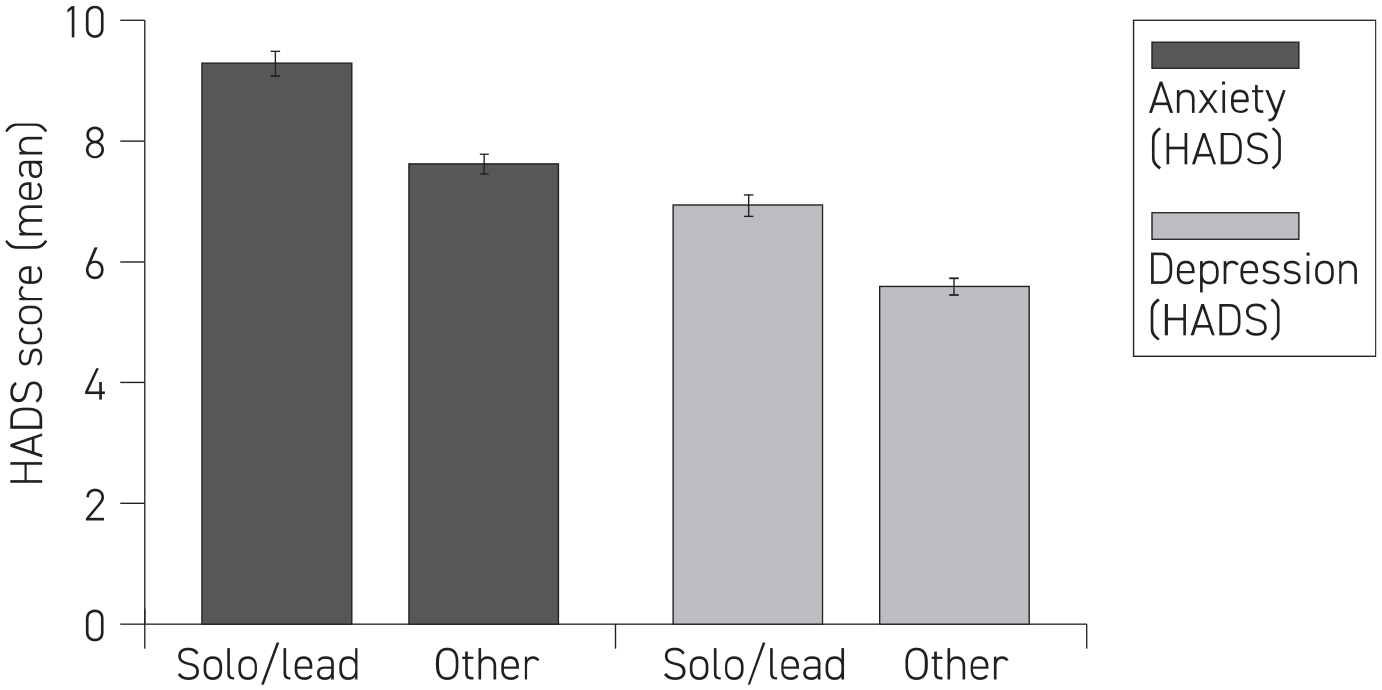
Anxiety and Depression Scores for Lead/Solo Artists Compared to Others.
Mean Levels of Anxiety, Depression, and Wellbeing Across the Two Performer Types.
Regression to explore overall predictors of anxiety and depression
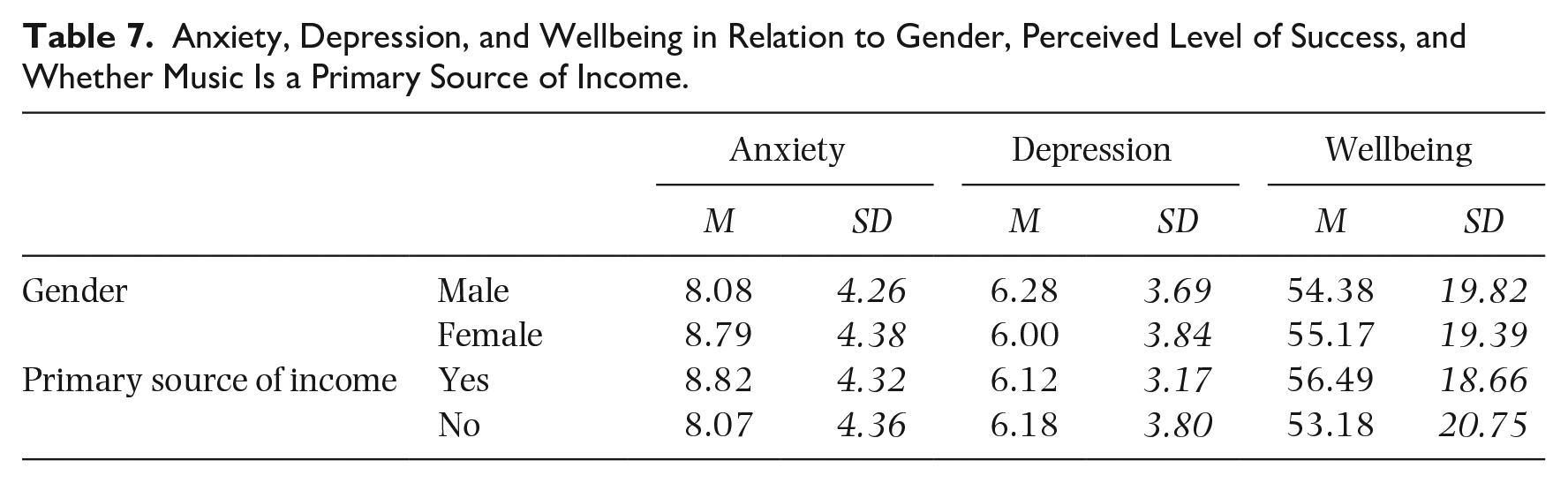
Finally, we wanted to establish how working status and performer type might interact with other key factors in predicting positive and negative wellbeing. Specifically, we were interested in the additional potential impact of gender, perceived level of success, and whether music was a primary source of income (see Tables 7 and 8). For working status, we used the “music as main career” groupings, as described in Tables 4 and 5.
Anxiety, Depression, and Wellbeing in Relation to Gender, Perceived Level of Success, and Whether Music Is a Primary Source of Income.
Frequency of Responses to the Question: “Do You Consider Yourself to Be Successful in Your Work as a Musician/in the Music Industry?.”
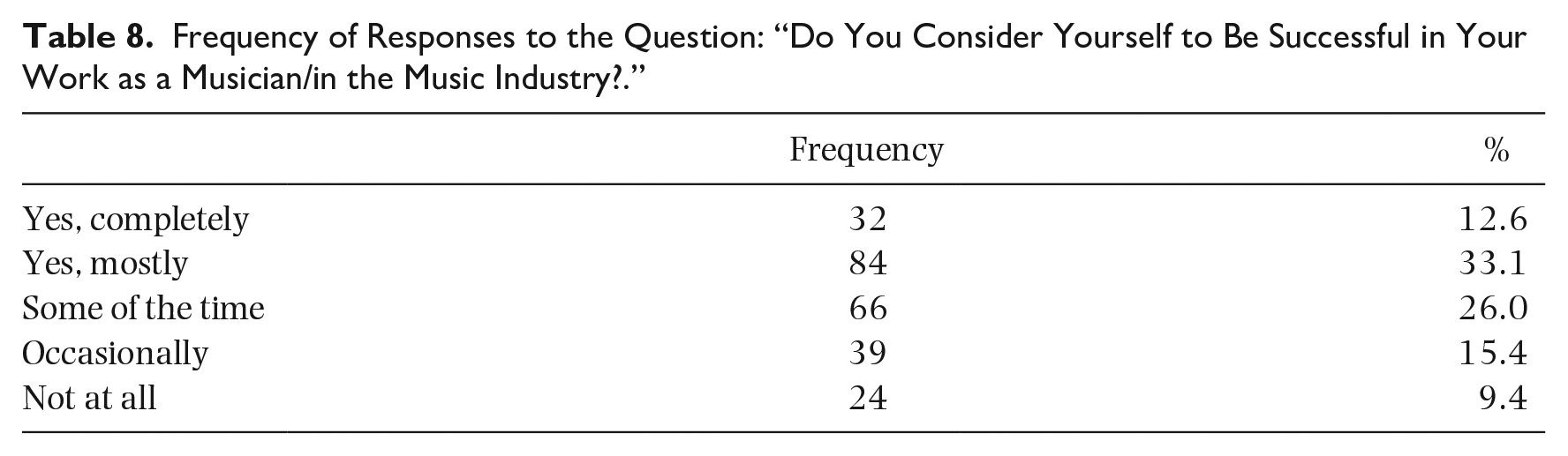
Multiple regression shows that the wellbeing score was significantly predicted by this set of variables, F(5, 237) = 6.536, p < .001, R2 = .123, with the perceived level of success (β = .312, p < .001) and identifying as a solo/lead performer (β = –.142, p = .033) contributing significantly to the model. Similarly, we found a significant model for depression, F(5, 240) = 7.215, p < .001, R2 = .133, with the perceived level of success as the biggest predictor (β = −.350, p < .001) and working status as the other significant predictor (β = −.202, p = .009). Finally, we found that these variables also significantly predicted anxiety, F(5, 236) = 5.451, p < .001, R2 = .106, and while this model explained the smallest amount of variance, there were four independent predictors: perceived level of success (β = −.233, p = .002), gender (β = −.131, p = .038), solo/lead status (β = .157, p = .020), and whether music was a primary income (β = .182, p = .031).
Discussion
This study assessed levels of wellbeing, anxiety, and depression in a mixed sample of musicians and people working in the music industry. Crucially, we included participants for whom music was a purely recreational activity, as well as those for whom it was a career. Across the whole sample, we found that over half had anxiety that was higher than normal, and a third were experiencing some level of depression. The scores on these clinical measures were highly related to a simple yes/no question about whether they had ever experienced depression or anxiety, offering support for the findings from Gross and Musgrave’s large survey (2016). We also found that mental wellbeing was poorer in musicians who viewed music as their main career, and that it was influenced by the perceived level of success and whether they worked primarily as a solo or lead artist.
A key question was whether raised levels of anxiety and depression could be attributed to the predisposition of those drawn to music, or whether they might be at least partly driven by the stresses associated with having music as a professional career. Our questionnaire therefore invited people to identify whether they considered themselves a professional musician, alongside more searching questions about their affiliations which might indicate professionalism, such as membership of the Musicians’ Union and Performing Right Society and other notable achievements, such as airplay on national BBC radio. Alongside this, we also asked them whether music was their main career or main source of income. This revealed a distinct issue with how participants define and perceive professionalism, with fewer than 47% claiming to be professional musicians, around 52% saying music provided their main source of income, but nearly 66% saying that music was their main career.
Our findings point to the importance of these discrepancies since professional status did not predict wellbeing, anxiety, or depression, whereas describing music as a main career did. In this respect, musicians might consider themselves professional but not consider music their main career, or vice versa. This illustrates two things. First, that seeking objective identificatory characteristics of professionalism or professional status amongst musicians (as we attempted) is likely to be imperfect and imprecise. Our findings lend early empirical support to the notion that musicians may interpret these terms subjectively, and this represents an area for further research. Second, given that our findings highlight wellbeing, anxiety, and depression in musicians as being determined by them seeing music-making as their main career, we need to qualitatively interrogate musicians’ beliefs about the status of music as their career. That is, how do musicians understand the terms career, professional, professionalism? By better understanding what leads some musicians to see music-making as their career as others as not, we might better help the former to understand and manage the challenges for wellbeing this presents.
Looking at these results in relation to established clinical cutoffs, we see that anxiety rates are high across the whole sample, but depression rates are almost double in those who view music as their career, and wellbeing is also significantly lower. Given that anxiety is a natural precursor to depression (Rice et al., 2004) one possibility is that, in line with Gillespie and Myers’ findings of high neuroticism in musicians (2000), anxiety is inherently higher in people drawn to music but that when used purely recreationally, musical performance provides an effective buffer. Indeed, a study by Williamson and Bonshor (2019) demonstrated very clear positive impacts of music-making on wellbeing in a large sample of brass band members, and work in the field of community music amongst amateurs with no ambitions for a musical career has long demonstrated this connection (Clift et al., 2017; Clift & Morrison, 2011; Coulton et al., 2015; Williams et al., 2018). This supports the idea from Gross and Musgrave (2020, p. 114) that musicians “say they love music, but it is the music industry that is hurting them.”
This study was also able to support earlier findings that being a solo or lead musician is linked with higher levels of depression and anxiety and lower levels of wellbeing (Gross & Musgrave, 2020, pp. 34–35; Vaag et al., 2016). It is important to consider the particular vulnerability of solo performers. Writing or performing music is arguably one of the most fundamental ways of sharing innermost feelings, particularly since rhythm, pitch, and timbre are the earliest modes for communicating emotions (Panksepp & Bernatzky, 2002). To have this expression scrutinized in a public and commercial setting is to face the risk of very personal rejection and failure, so it is perhaps no surprise that these musicians are more susceptible to anxiety and depression. In addition, solo musicians may feel the burden of individual responsibility for career “success,” which those in groups might be better able to share.
Related to this, our final analysis showed that while relying on music for income was associated with anxiety, the most reliable independent predictor of all three measures of psychological health was the perceived level of success. This ties into some extent with findings from Aalberg et al. (2019), which showed that a sense of mastery was associated with lower levels of psychological distress. As per musicians’ subjective understandings of terms such as “professional” and “career,” so too is success measured, understood, and interpreted in various and often ambiguous ways by musicians (Gross & Musgrave, 2020; Hughes et al., 2013; Smith, 2014, p. 196). Success might be economic, artistic, or cultural, but it is always personal.
In conclusion, the data from this study support earlier findings that career musicians experience significant levels of anxiety and depression (Gross & Musgrave, 2016; Vaag et al., 2016). We demonstrate here that this extends to reduced positive wellbeing and that these problems are specific to musicians who see musical work as their main career. The perceived level of success also plays a crucial role in both negative and positive wellbeing and relying on music as a sole source of income is a source of anxiety. While the sample size was smaller than some studies, we extended previous research by recruiting a group that included some musicians outside of the UK, as well as musicians working in different genres and at varying levels of professionalism and expertise. We also reduced potential volunteer bias by describing the questionnaire as one that looked at wellbeing.
Finally, we show that it matters how professional status is defined and understood by musicians. Therefore, future studies should explore more fully the ways in which musicians identify themselves professionally. In particular, future work should explore the belief structures and perceptions that underlie self-identifying as a professional or career musician, since these seem to shape wellbeing. This study supports earlier work that it is the music industry making musicians sick, which points to an urgent need for change in both the industry and Higher Education. It is also important to better understand why solo and lead musicians are so vulnerable and to look at how expectations and perceptions of success can be meaningfully managed. Most importantly, it is crucial that the disproportionate levels of anxiety and depression shown here and in earlier studies are taken seriously. To properly understand the underlying factors, it is important that psychologists work with neuroscientists to understand the biological mechanisms, sociologists to shed light on the social factors, and of course those who work within and research the music industries themselves. We propose that a truly interdisciplinary approach is required if we are to understand how the complex interplay between beliefs, expectations, precarity, health behaviors, and lifestyle affects the brain and mind.
Footnotes
Appendix
Expected and Observed Frequencies for Self-Reported Depression Across the Four HADS Depression Categories.
| HADS depression | Self-reported depression | |
|---|---|---|
| No | Yes | |
| Normal | 87 (71.1) | 80 (95.9) |
| Mild | 14 (20) | 33 (27) |
| Moderate | 5 (12.3) | 24 (16.7) |
| Severe | 0 (2.6) | 6 (2.4) |
Funding
The author(s) received no financial support for the research, authorship, and/or publication of this article.
