



Abstract
Abstract
Objectives: The aim was to assess the mechanical properties of the three types of thermoplastic aligner materials before and after in vitro aging with carbonated drinks.
Materials and methods: Twelve samples of thermoplastic aligner materials produced by three different manufacturers
(Leone S.P.A, Florence, Italy; Duran, SCHEU-dental GmbH, Iserlohn, Germany; Essix ACE, Dentsply Raintree Essix, United States) were selected. Samples were thermoformed and later aged in vitro at a constant temperature in artificial saliva along with carbonated drinks (10 min each day) for 2 weeks. The mechanical properties were characterized using universal testing machine such as instron (MultiTest 10-i) and the results were compared with the control groups (before exposure to carbonated drinks).
Results: All the above-mentioned thermoplastic materials tested showed an insignificant (p > 0.05) decrease in stiffness, yield strength, and elastic modulus after aging. The stiffness of the thermoplastic materials increased with an increase in thickness. The flexure modulus was higher for the thinner materials, whereas it was lower for the thicker materials.
Conclusion: Experimental results indicate that the aligner material will remain stable during and following exposure to carbonated drinks, which suggests that the orthodontic force from thermoplastic appliances does not decrease with clinical usage of carbonated drinks.
Introduction
The increasing demand for the esthetic orthodontic appliance has elicited a revolution in the orthodontic treatment modalities.1, 2 Among the various appliances available, clear aligners are often preferred over brackets, which may be metal or ceramic, by adults, despite the limitations with certain types of orthodontic tooth movements.3, 4
Aligners are made of a polymer material with different properties such as transparency, reduced hardness, better elasticity, resilience, and resistance to aging.5, 6
As a rule, aligners are to be replaced every 10–14 days during treatment period. During this period, the aligner is continually exposed to salivary enzymes, liquids introduced into the oral cavity, inhaled and exhaled air, trauma caused by swallowing, speech and bruxism, etc. Aligners do not maintain their original shape or composition in the mouth, despite the high level of precision. Over time, they slowly degrade and loosen as teeth are moved into position and the aligner changes shape. 7 As a general rule, it is better to remove aligners before eating and drinking. The exposure of the aligner to various agents in the oral cavity is inevitable, especially when the users do not follow the instructions and drink without removing the aligners due to time constraints during work. 3 This leads to color changes in the aligner material due to the pigments in staining agents and become aesthetically less appealing even during 2 week treatments.
The question arises whether the manufacturer’s recommendation for removal of aligners during usage of carbonated drinks is due to esthetic concern or due to change in inherent proper-ties of aligner material. The hypothesis tested was based on the assumption that exposing the thermoplastic aligner to the carbonated drinks does adversely affect mechanical properties and leads to subsequent changes in viscoelastic properties.
Materials and Methods
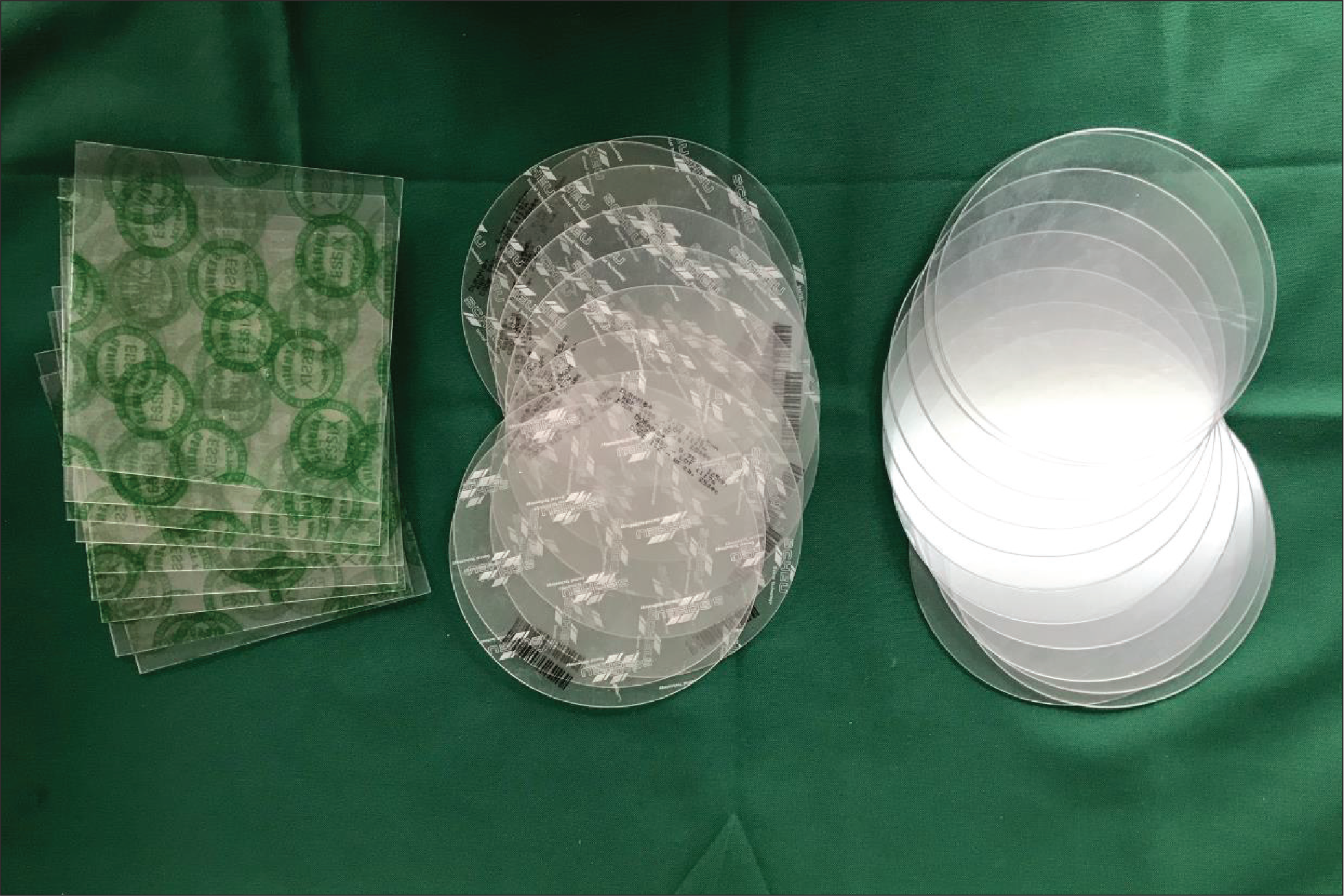
Three thermoplastic products used for orthodontic appliances were evaluated, as listed in Table 1.
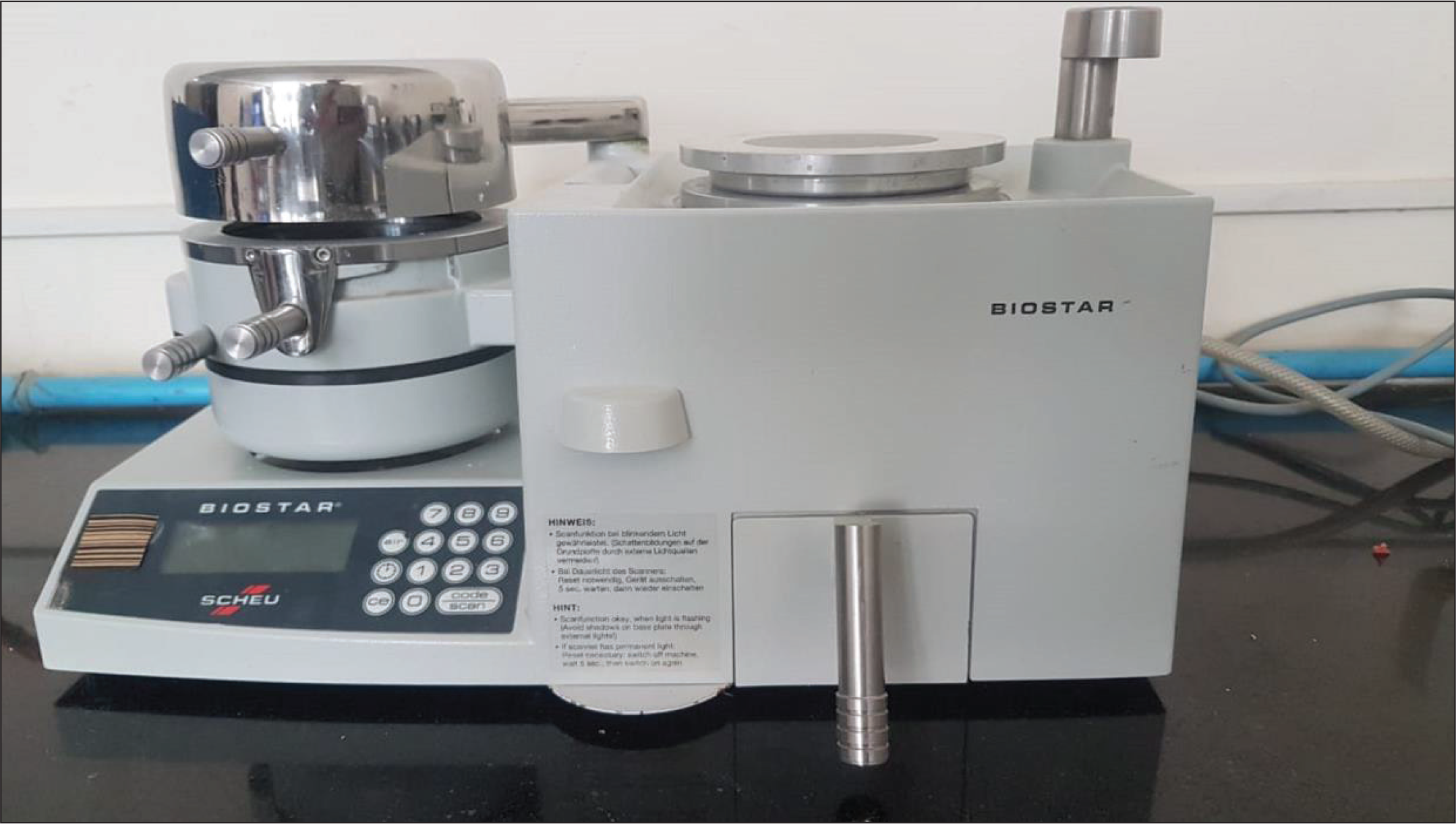
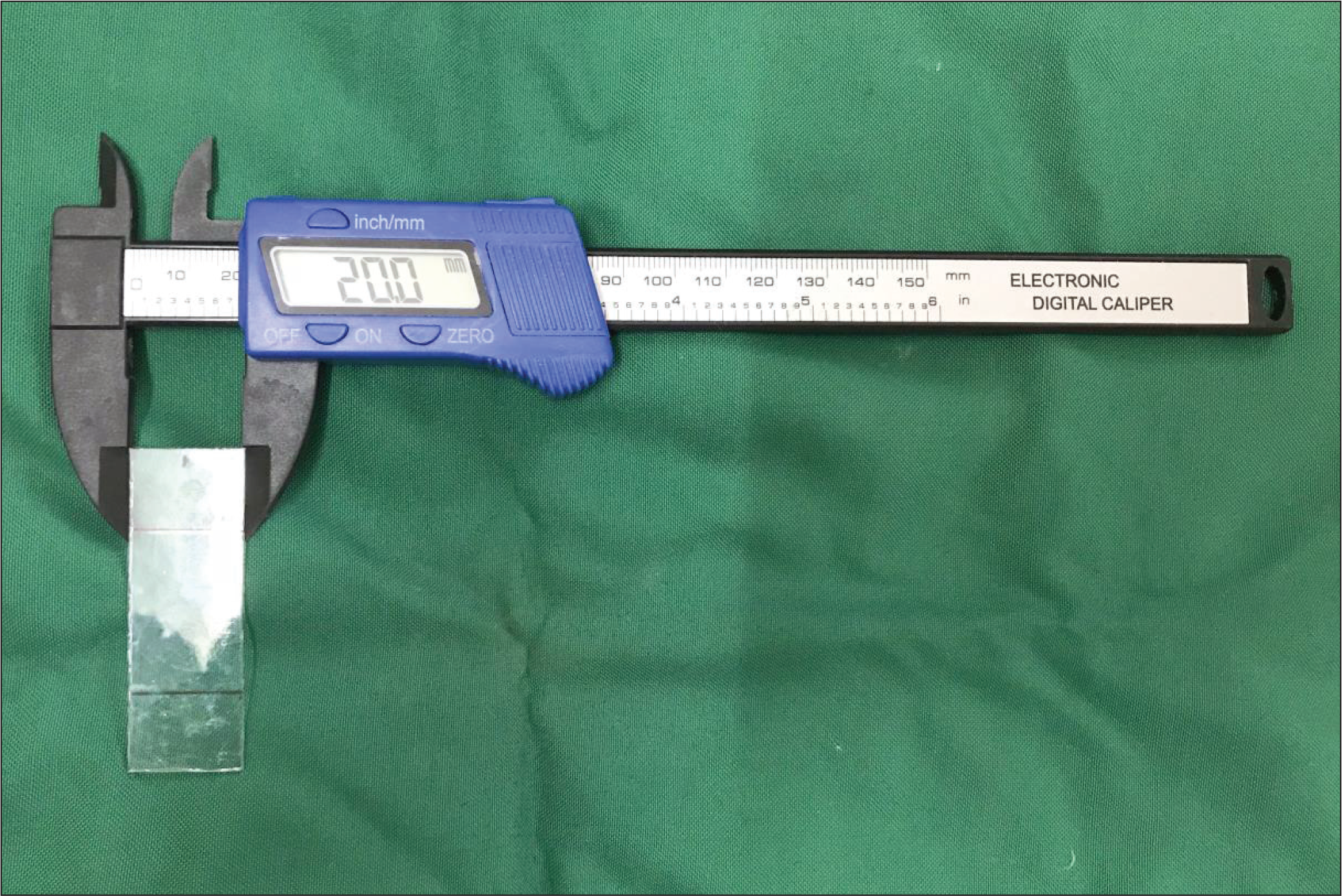
The thermoplastic aligner sheets were thermoformed on a flat dental stone block (10 mm thickness) (Figure 1) with a positive pressure thermal forming machine (Biostar scan) (Figure 2) according to the temperature and compression time recommended by manufacturer (Bar 6.0/psi 87). Rectangular samples (20 × 60 mm) were cut from each sheet after thermoforming (Figure 3). All the samples were aged in vitro at a constant temperature in artificial saliva along with carbonated drinks (10 min each day) for 2 weeks. The samples were then removed and washed in distilled water and left to dry at room temperature before the measurements.
For the study, following categories of thermoplastic aligner materials were procured:

Three different manufacturers thermoplastic aligner materials
Thermoforming with Biostar
Rectangular samples (20 x 60 mm) prepared for testing
Comparison of yield strength, stiffness and elastic modulus before and after exposure to carbonated drinks in Essix ACE thermoplastic material:

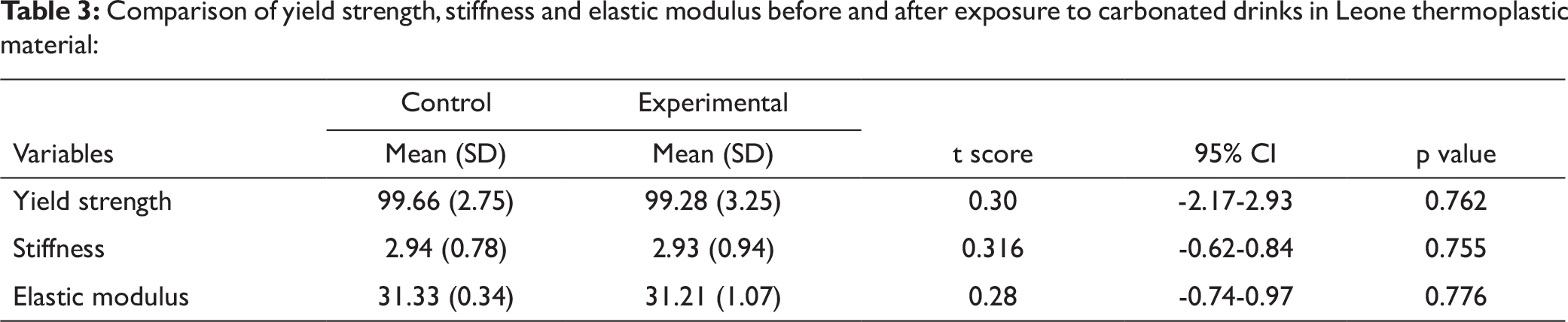
Comparison of yield strength, stiffness and elastic modulus before and after exposure to carbonated drinks in Leone thermoplastic material:
Three point bend test in universal testing machine:
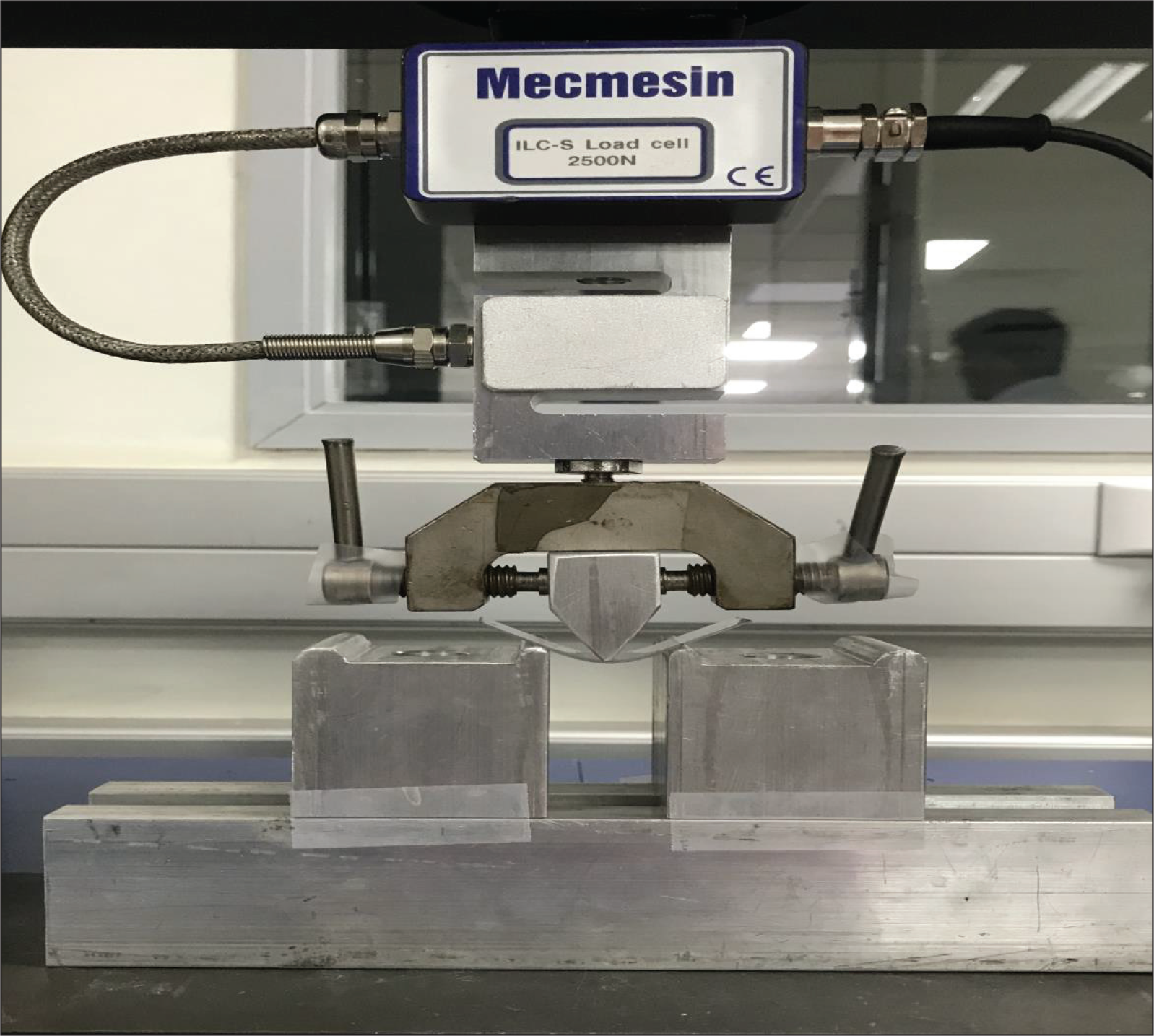
A metal blade, with a curvature range of 1 mm, at its extremity was fixed to the load cell in order to deflect the materials. Each sample was positioned on a stainless steel stand featuring a rectangular base and two equidistant vertical supports, 30 mm apart (the span). After preloading to 1 N, a load–deflection test was performed on each sample with the specimen being deformed at a speed of 5 mm per minute up to a maximum deflection of 7 mm. Data were gathered by means of a computer connected to the measuring device and was processed using Emperor™ software.
The following formulae were then used to calculate the yield strength, deformation, and stiffness of each sample:



where ε = strain (adimensional), h = sample thickness (mm), S = sample width (mm), L = span (mm), F = load (N), δ = deflection (mm), k = stiffness (N/mm) and σ = stress (MPa).
The mean value and standard deviation of each sample were also determined. Comparisons among materials under each test condition were performed using student t test and one-way ANOVA test (p < 0.05).
Results
The overall mean yield strength, elastic modulus, and stiffness of each material and statistical findings are reported in Tables 2–4, respectively. Exposure of aligner material to carbonated drinks led to a decrease in yield strength at 7 mm deflection, but there was no significant difference in these effects. Similar to the yield strength, elastic modulus and stiffness of each material revealed no significant difference before and after exposure to carbonated drinks (p > 0.01).
Comparison of yield strength, stiffness and elastic modulus before and after exposure to carbonated drinks in Duran thermoplastic material:

Effectiveness of 3 different thermoplastic materials after exposure to carbonated drinks based on yield strength, stiffness and elastic modulus.

Discussion
Various thermoplastic materials are currently being used for fabrication, including polyvinyl chloride, polyurethane (PU), polyethylene terephthalate (PET), and polyethylene terephthalate glycol (PETG).10–12 A wide variety of thermoplastic sheets are currently available in the market with newer brands and materials emerging every day. It is difficult to directly apply the physical characteristics of thermoplastic VFRs provided by manufacturers to clinical situations.15, 16
Ideally, a thermoplastic aligner should have high yield strength to ensure that the force is applied within the elastic range. Yield stress property of the thermoplastic materials tested did not show any variation after treating it with carbonated drinks. In contrast, Ryokawa et al. 6 reported water absorption rate increased with time, and thickness changes observed in a simulated intraoral environment and found that the tensile yield stress of thermoplastic materials used for thermoplastic aligner decreased in a simulated intraoral environment after a 2-week exposure. This is in agreement with the study done by Liu et al. 8 It was reported that the tensile yield strength and elongation at break of three kinds of thermoplastic materials are all reduced after stored in 37°C artificial saliva for 2 weeks.
The elasticity is inversely proportional to the elastic modulus of the material. For the appliance to recover after deformation, the material needs excellent elasticity, that is to say the material needs small elastic modulus. By the experimental findings, we found that there is no statistically significant difference in the elastic modulus between the groups before and after exposure to carbonated drinks, which suggests force produced by the thermoplastic material remains the same without any degradation. Ryokawa et al. 6 reported that the elastic moduli of Imprelon ‘S’, Duran, and Essix A+ in the simulated intraoral environment showed significant increase in original sheets. In contrast to this finding, the elastic moduli in Hardcast, Essix C+, Copyplast, and Bioplast were significantly reduced. However, no significant changes were observed in Invisalign. It was concluded that behavior change is influenced by molecular structure and orientation.13, 14
The present study shows that the stiffness value of the thermoplastic materials did not show any significant rise in stiffness after treating with carbonated drinks; thus, no change in mechanical properties is observed. In contrast, Schuster et al. 10 discovered that there was an aging phenomenon associated with the Invisalign appliances; over a period of time, the masticatory load changes the crystalline state of the high polymer and as a result the Vickers hardness of the retrieved aligners increases.
In addition, we compared the effectiveness of three different thermoplastic materials based on the yield strength, stiffness, and elastic modulus. In the present study, stiffness of the thermoplastic materials increased with an increase in thickness. The elastic modulus was directly proportional to the force of the thermoplastic materials and inversely proportional to their thickness. Thus, flexure modulus was higher for thinner materials and lower for thicker materials, which are in agreement with the previous study. 9
The present study has some limitations. There are various other factors that should be considered during the treatment period such as physical, chemical, and masticatory stress in the oral cavity. Further studies will be required to measure the mechanical properties changes after a cycle of wear in vivo, as in vitro testing conditions are unable to accurately reproduce the conditions in oral environment. Other factors that influence the mechanical properties of the thermoplastic materials should be tested.
Conclusion
The mechanical properties of the aligner materials used in the present study remained stable during and after exposure to carbonated drinks, which suggests that the orthodontic force from thermoplastic appliances does not decrease with usage of carbonated drinks while wearing aligners. The stiffness of thermoplastic materials increased with an increase in the thickness, and the flexure modulus was higher for thinner materials and lower for thicker materials.
Footnotes
Declaration of Conflicting Interests
The authors declared no potential conflicts of interest with respect to the research, authorship and/or publication of this article.
Funding
The authors received no financial support for the research, authorship and/or publication of this article.
