



Abstract

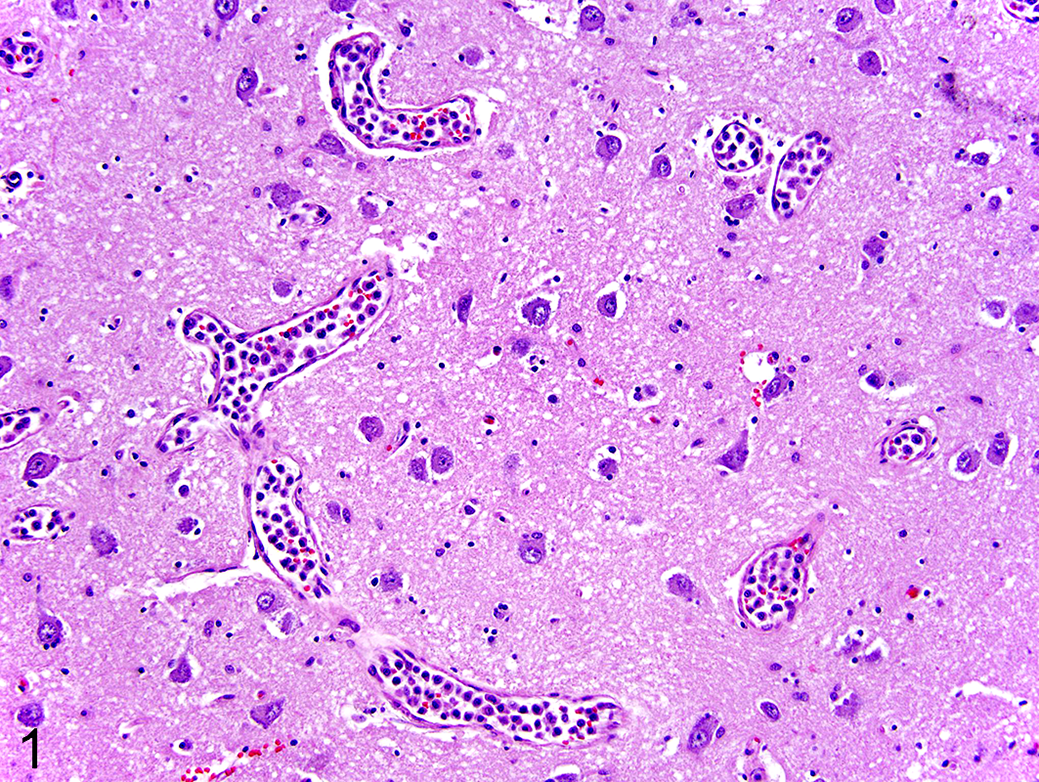
B. Brain
D. P53 suppression
Lymphoma in adult cattle is often associated with infection by the deltaretrovirus bovine leukemia virus (BLV). Thirty percent of infected cattle develop lymphocytosis, but less than 5% develop lymphoma. Viral-induced bovine lymphoma is most often diffuse large B-cell type that affects the heart, abomasum, uterus, lymph nodes, and spinal cord. The viral genome encodes the protein Tax, which induces immortalization of infected CD5-positive IgM-positive B cells. Suppression of p53 is an important step in neoplastic transformation of the lymphocytes.
Reference: Valli VE, Kiupel M, Bienzle D. Hematopoietic system. In: Maxie MG, ed. Jubb, Kennedy and Palmer’s Pathology of Domestic Animals. Vol 3. 6th ed. St Louis, MO: Elsevier; 2016:235.
Contributor: Linden Craig, University of Tennessee
B. Granzyme B
In cats, large granular lymphocyte (LGL) lymphoma occurs most commonly in the jejunum. The cytoplasmic granules are typically more difficult to see by histology than cytology. The small cell–type LGL has inconspicuous granules while the large cell type has larger distinct granules. Both types have aggressive clinical behavior. Most LGL lymphomas are derived from cytotoxic T cells (CD3+, CD8+) that normally reside between intestinal epithelial cells; their malignant transformation may be preceded by inflammatory bowel disease. The eosinophilic cytoplasmic granules consistently contain granzyme B and perforin.
Reference: Valli VE, Bienzle D, Meuten DJ. Tumors of the hemolymphatic system. In: Meuten DJ, ed. Tumors in Domestic Animals. 5th ed. Ames, IA: Wiley Blackwell; 2017:261–266.
Contributor: Joseph Haynes, Iowa State University

D. Dander