




Abstract
Online platforms can help public information campaigns reach target audiences who are unlikely to engage with content distributed via traditional media. This paper adds to this emergent literature, as the first study of the Ending the Harm campaign, which is designed to change public discourse about paramilitary-style attacks in Northern Ireland. Campaign effects were explored through interviews (N = 7) conducted with key stakeholders, as well as the results of a quantitative survey of residents (N = 805) in areas most affected by these attacks. Results indicate that exposure to the ETH advertisements correlated with a belief that PSAs were unjustified. Platforms like Snapchat helped the campaign reach younger demographics (16–34 years old). Nevertheless, it was unclear whether self-reported changes in attitude toward PSAs would lead to sustained behavioral changes.
Introduction
Social media plays increasingly important roles in public information campaigns (PICs), government-sponsored efforts to “communicate to the mass public or a segment of the public in order to achieve a policy result” (Weiss and Tschirhart, 1994:82). Platforms like Twitter can help communication specialists influence the behavior of young people, who are unlikely to engage with content distributed via traditional media (Snyder and LaCroix, 2013). While social media have clear potential to alter the “design and implementation” of such campaigns, research is needed into “what works and why” (Shi et al., 2018:58).
This paper adds to this emergent literature by exploring the contemporary campaign against paramilitary-style attacks (PSAs) in Northern Ireland. 1 Two decades from the 1998 Belfast Agreement (the Agreement), PSAs remain endemic within working-class loyalist and republican communities. This is a paramilitary tactic to “deal” with perceived “anti-social behavior” in these areas, where due to the legacy of 30 years of conflict, the Police Service of Northern Ireland (PSNI) remain distrusted. In response, the Department of Justice NI (DOJ) and the Cross-Executive Tackling Paramilitarism Programme launched the Ending the Harm (ETH) campaign in October 2018 to promote a new public discourse regarding PSAs. Advertisements posted on digital and traditional media captured the perspectives of those involved, including the victim and the paramilitary. Citizens were encouraged to access the campaign website to find out more information about the impact of PSAs.
This paper explores the extent to which ETH challenged the views of citizens who condone these attacks. It does so by first reviewing the literature on PICs, examining the long-term impacts of PSAs, and providing an overview of the ETH campaign. A particular focus was the extent to which online platforms raised awareness of PSAs among young people, who are often the victims of these attacks. These issues were explored through a qualitative thematic analysis of interviews (N = 7) conducted with key campaign stakeholders, as well as the results of a quantitative survey of residents (N = 805) in the 10 areas most affected by these attacks.
PSAs as a legacy of conflict
PSAs are “tactics developed by both Republican and Loyalist paramilitary groups to ‘deal’ with what they saw as antisocial behavior in their communities” (Smyth, 2017:6). The police classify these as paramilitary-style shootings, where victims are “shot in the knees, elbows, feet, ankles, or thighs,” or paramilitary-style assaults, where they are attacked using weapons such as “iron bars or baseball bats” (PSNI, 2018). They have continued unabated following the Agreement, with 4336 paramilitary-style assaults reported between January 1990 and October 2014, an average of one per week (Torney, 2015). These attacks inflict long-term trauma on the victims, who are predominantly young men living in urban working-class districts with high levels of socioeconomic deprivation (Independent Reporting Commission, 2019). There has also been increasing evidence that young people are both the victims and perpetrators of PSAs. In May 2019, the United Nations Committee on the Convention Against Torture expressed concern about paramilitary assaults on eight children under the age of 18 between February 2017 and February 2019 (UNCAT, 2019).
These attacks are implicitly accepted by many citizens in the deeply divided society as suitable “punishment” for perceived anti-social behavior within communities. Research conducted in 2017 found that 35% of respondents believed that PSAs could be justified in certain cases (Independent Reporting Commission, 2019). Such attitudes are a manifestation of the political contention about policing that persists 20 years after the Agreement. During the conflict, many nationalist and republican communities distrusted the Royal Ulster Constabulary (RUC), the predominantly Protestant police force which was perceived as an extension of the unionist-controlled Stormont government during the conflict (Hearty, 2017). “Paramilitary vigilantism” was thus embedded within the social structures of many Catholic working-class neighborhoods in Belfast; it addressed the “policing needs” of these communities while also allowing paramilitaries to consolidate their control of these districts (Brewer et al., 1998). While there was undoubtedly some resistance toward this vigilantism, an “unpalatable but indisputable fact” was that PSAs were often popular within communities that felt the RUC was not doing enough to address anti-social behavior (McEvoy and Mika, 2002:535).
Institutional responses to PSAs have often been accused of downplaying the issue. In the run up to the Agreement there was much political wrangling over whether paramilitary attacks violated the Mitchell principles of non-violence, which would have resulted in parties associated with paramilitaries being excluded from the talks (Silke, 2000). The decision not to sanction these parties was held up as evidence that the British and Irish governments saw these attacks as a “price worth paying” to maintain the fragile peace process, with the police accused of complicity through their low clearance rates for PSAs (Knox, 2002).
Despite Sinn Fein's historic decision to publicly support the newly constituted PSNI in 2007, paramilitaries have continued to fill the “policing vacuum” which has remained in many urban working-class districts. Many republican communities believe policing has “gotten worse” since the Agreement, with residents supporting “paramilitary justice” due to their reluctance to engage directly with the PSNI (Topping and Byrne, 2012: 46). Meanwhile, loyalist communities accuse the police of being complicit in Sinn Fein's war against unionist and loyalist culture (Reilly, 2020). An alternative but not a mutually exclusive interpretation is that this is a manifestation of the embedded hostility toward the police within these communities. Public confidence in policing is inextricably linked to perceptions of the legitimacy of the state. Research demonstrates that citizens are more likely to respect police authority if they feel they have been treated fairly by officers in the past, with childhood experiences unlikely to shift significantly in adulthood (Worden and McLean, 2017). Therefore, it is highly unlikely that the PSNI could quickly build positive relationships within loyalist and republican communities who perceived they had been treated poorly in the past.
There has been an observable decrease in public support for the “swift justice” delivered by PSAs. Between 2017 and 2018, the percentage of participants believing these attacks could be justified in certain circumstances declined from 35% to 19% (Independent Reporting Commission, 2019). Nevertheless, activists have expressed concern at the “societal shrug” toward PSAs, where people implicitly justify these attacks and do not challenge their occurrence (Smyth, 2017). Campaigns such as #StopAttacks, launched in 2009 by social enterprise Public Achievement, sought to hold the PSNI accountable for low clearance rates. It evolved into the Stop Attacks Forum, a coalition of youth workers, activists, and academics who lobby the media and the police to highlight the life-changing injuries endured by victims (Gordon and Reilly, 2018). Stop Attacks has challenged these stakeholders to communicate the consequences of PSAs “more accurately and in ways that diminish support for this practice” (Smyth, 2017: 12).
Public discourse about PSAs is arguably a manifestation of how institutions perceive this type of violence within Northern Ireland. Crime news has long been considered a mirror of the perspectives of “institutional primary definers,” who are often the only source of information for journalists (Hall et al., 1978:68) Media framing of “punishment attacks” reflects the attitudes of the British and Irish governments to these incidents (Gordon and Reilly, 2018). The guarantors of the Agreement were clearly willing to tolerate this level of violence in order to sustain the peace process. Whether changing the language around “punishment attacks” reduces support for them remains to be seen; however, the current discourse appears to contribute to the tacit acceptance of their legitimacy within certain communities.
Defining effective PICs
In order to evaluate the impact of ETH, one must first define the characteristics of effective PICs. These campaigns aim to produce “non-commercial benefits” for society in areas such as public health and energy conservation, through persuasive messaging emphasizing the reason why the audience should adopt the advocated action, attitude, or behavior (Rogers and Storey, 1987). Effective PICs capture the attention of the right audience, use clear and understandable messages, deliver content that influences citizens understand the issue, and create a social context conducive toward the desired outcome (Weiss and Tschirhart, 1994). They create targeted messages based on formative research and deploy these using multiple channels to engage primary and secondary target audiences (Kite et al., 2016). However, as far back as 1947, Hyman and Sheatsley warned that these campaigns were limited in terms of their potential to change attitudes. Mendelsohn (1973) went further in suggesting that practitioners should assume most of the audience are only mildly interested in the issue or not at all. This has been borne out by studies showing PICs have modest, short-term and often undetectable impacts on behavior (Finseraas et al., 2017; Henry and Gordon, 2003). A meta-analysis of 48 mediated health campaigns in the United States found that the average change in the percentage of the target population performing desired behaviors was highest for commencement campaigns (12%), followed by cessation (5%) and prevention (4%) ones (Snyder et al., 2004:86). This was corroborated by other studies showing a weighted mean effect size as low as 0.05 for health campaigns (Anker et al., 2016). A similar trend has been observed in relation to the efficacy of health PICs on social media, for which there has been insufficient evidence showing they have the desired effect on citizen behavior (Kite et al., 2016; Shi et al., 2018).
High levels of campaign exposure, “the degree to which audience members have access to, recall, or recognize the intervention,” are viewed as a key indicator of a successful PIC (Valente and Kwan, 2013:91). Campaign effects are usually illustrated by comparing participant data before and after they have been exposed to the campaign message (LaCroix et al., 2014). Yet, there are a number of limitations that should be acknowledged when assessing such claims. First, and perhaps most significantly, effect sizes tend to be larger if such research is conducted shortly after the end of the respective campaign; intuitively, audiences are less likely to recall campaign messages without prompting by evaluators if significant time has elapsed since its completion (Anker et al., 2016). Second, evaluations are frequently criticized for using sample sizes which are too small to detect campaign effects (Snyder et al., 2004). Finally, they often fail to account for individual-level characteristics or sociopolitical factors which contribute to the changes in attitudes or behaviors attributed to campaign exposure (LaCroix et al., 2014).
Campaigns might still be considered effective if they have little to no impact on individual-level attitudes and behaviors. Salmon and Murray-Johnson (2013:99) identify six different conceptualizations of effectiveness for evaluating health PICs; these include their cost-effectiveness, and their use by governments to define certain conditions as “socially problematic” while simultaneously showing they care about those affected. Governments prefer to “fix human actions at the individual level” as part of their efforts to frame PICs as ideologically neutral, despite such campaigns seeking to affect the attitudes and behaviors of citizens at scale (Salmon and Murray-Johnson, 2013:99). Overall, the literature suggests that health PICs have modest and often undetectable impacts on citizen behaviors, with campaigns urging citizens to commence new activities more effective than prevention or cessation ones. Despite flawed evaluations based solely on campaign exposure and small sample sizes, they remain an important public policy instrument for governments seeking to place the responsibility for these problems upon citizens rather than themselves.
Advertising for peace? PICs in Northern Ireland
ETH was not the first PIC designed to change attitudes toward paramilitary activity in Northern Ireland. During the “Troubles” (a colloquialism for the conflict), citizens were encouraged to use the Confidential Telephone number to share information on paramilitary activity with the authorities. Between 1988 and 1998, the Northern Ireland Office (NIO) commissioned 25 television advertisements from McCann Erickson to publicize this number, with a view to gather intelligence on loyalist and republican terrorist organizations. The adverts moved toward a “qualified humanization” of paramilitaries in the mid-nineties, laying the groundwork for political fronts such as Sinn Fein to participate in the peace negotiations (Finlayson and Hughes, 2000). I Wanna Be Like You, probably the most well-known one, depicted the son of a paramilitary prisoner getting involved in terrorist activity and ended with the father standing at the graveside of his son. 2 This was followed by a series of adverts after the 1994 paramilitary ceasefires “selling” the benefits of the peace process. Northern Irish Life featured two young boys playing on a beach, before they exchange badges containing symbols associated with the two traditions; the implication being that sectarian differences were consigned to history. 3
In the absence of any publicly available evaluation data, it is hard to conclude what impact the Confidential Telephone advertisements had on citizen behavior. Like other PICs before it, viewers were likely to interpret these advertisements with reference to their existing views on policing and paramilitary vigilantism. While those behind the campaign claimed it increased the number of “useful calls” received by the RUC, critics questioned whether it engaged those who were not already inclined to cooperate with the police. 4 Moreover, the campaign was interpreted by some as an attempt by the British state to assert the legitimacy of Northern Ireland as a political entity and present it as more culturally unified than previously thought (Finlayson and Hughes, 2000:409).
The origins of the ending the harm campaign
ETH emerged from the Northern Ireland Executive's Action Plan to Tackle Paramilitary Activity, Criminality and Organized Crime, published in July 2016. It aimed to “increase public awareness of what people can do about criminality in Northern Ireland” and “promote active citizenship in building a culture of lawfulness” (Northern Ireland Executive, 2016). ETH was launched in October 2018, with a specific remit to tackle the “societal shrug” toward PSAs. Anthony Harbinson from the Tackling Paramilitarism Programme (TPP) stated that its aim was to highlight the impact of PSAs and cultivate a public discourse rejecting their legitimacy (Vardy, 2018). The advertisements used graphic imagery to show the injuries inflicted upon victims, accompanied by the slogan: “Paramilitaries don’t protect you, they control you.” A narrative approach was adopted in the films, which showed a “shooting by appointment” from the point-of-view (POV) of the victim, their mother, the paramilitary and the witness. These advertisements aired in cinemas and during prime-time television slots in order to maximize the number of citizens exposed to its messaging. 5 While radio and television advertisements were used during the PICs of the conflict, the use of a bespoke website (endingtheharm.com) and online platforms to share these films differentiated ETH from its predecessors.
Methods
Specifically, three research questions emerged from the preceding literature review:
RQ1: How did citizens recall social media advertisements compared to those on other platforms? RQ2: What effects did ETH have on citizens living in areas most affected by PSAs? RQ3: Was there any evidence of specific campaign effects on young people?
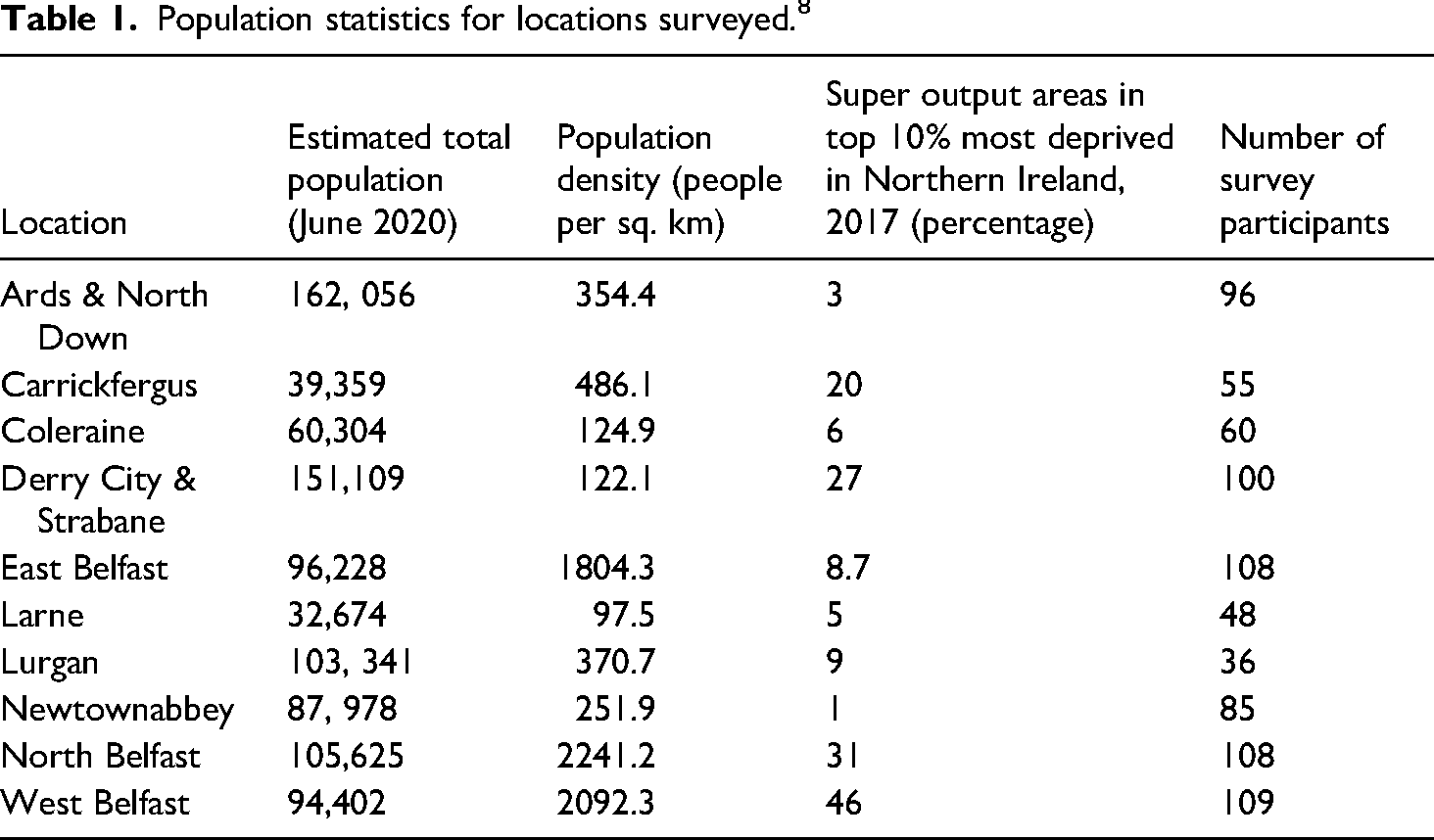
A mixed-methods approach was adopted, combining both qualitative and quantitative insights into the effects of the campaign. First, the researchers were granted access to the results of a survey (N = 805), commissioned by the DOJ and administered by a market research company through face-to-face interviews 6 . Carried out between 25 April and 31 May 2019, it deployed a random sampling technique to capture the views of residents in 10 locations across Northern Ireland with the highest recorded incidents of PSAs. Population density statistics, and the profile of super output areas (SOAs) in these locations, showed how PSAs were being recorded in both rural and urban areas and were not limited to areas experiencing high levels of socioeconomic deprivation (see Table 1).
Population statistics for locations surveyed. 8
The majority (60%) had lived in these areas for at least 10 years, with 37% having done so for at least 25 years. Likert scale, open-ended and multiple choice questions were used to investigate respondents’ perceptions of PSAs, their spontaneous and prompted recall of the campaign's advertising (both online and via traditional platforms), and whether ETH had challenged their views on the legitimacy of these attacks. Congruent with the report, these results are presented quantitatively below. It should be noted that campaign effects were likely to be strong given that the research was conducted within a month of the end of the campaign's first phase.
These data were augmented through semi-structured interviews (N = 7) conducted with key stakeholders in the campaign between June and October 2019. As Guest et al. (2016:78) note, a sample of six interviews may be sufficient to “enable development of meaningful themes and useful interpretations.” With this in mind, a purposive sampling strategy was deployed to capture the perspectives of those who created the campaign, like the Creative Director of Ardmore Advertising. The TPP was represented by its Communications and Engagement Manager and operational lead. Other interviewees had either played a key role in the ETH steering group or could comment on its impact within working-class loyalist and republican communities. These included representatives from the Northern Ireland Office (NIO), Stop Attacks Forum (SAF), restorative justice programme Northern Ireland Alternatives (NIA), and Children and Young People's Services (CYPS).
Interviews were conducted face-to-face in venues across Belfast city centre and via Skype. In accordance with the ethics approval received from the host institution, all participants were informed of their right to withdraw and asked to sign consent forms before the interviews began. They are identified below according to their role in order to protect their anonymity.
The interview schedule consisted of questions about ETH, the role of both digital and traditional media in its promotion, and its perceived impact on attitudes to PSAs. Supplementary questions were added as appropriate to discuss each interviewee's engagement with the campaign. The schedule was subjected to an internal reliability check prior to the issue in order to ensure it was comprehensible and fully addressed the research objectives. All interviews were recorded and transcribed in full prior to analysis. The qualitative thematic framework devised by Braun and Clarke (2013) was utilized, beginning with the initial reading of the transcripts and ending with the definition of key themes from the entire dataset. The researchers did this individually and then compared their fieldnotes in order to collectively agree upon these. Quotations are provided below to illustrate key themes.
Results
Prompted recall of traditional advertising is higher than the online equivalent
While only 37% of the survey participants spontaneously remembered the ETH advertisements, the vast majority (82%) recalled them when presented with an example of the advertising material. Echoing the Confidential Telephone campaign a few decades earlier, most participants recalled the television advertisements (71%), followed by billboards (43%) and radio commercials (29%) (see Figure 1). In contrast, only 32% of the participants remembered the advertisements shared online through platforms like Snapchat.
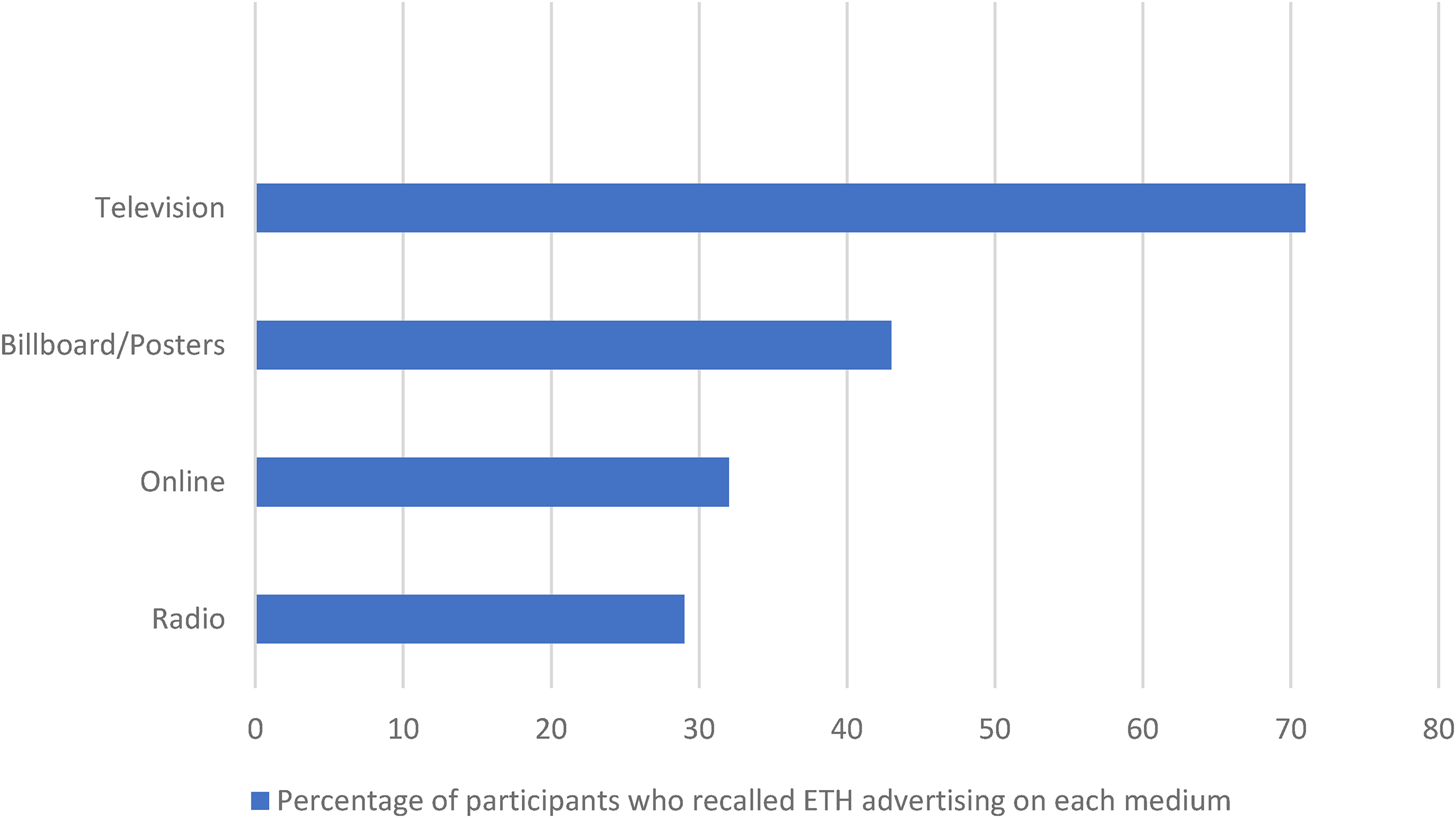
Participants’ recall of ETH adverts on each medium.
There was some evidence that the campaign was reaching those areas where PSAs remain endemic. When prompted, recall of the ETH television advertisements was as high as 86% among participants based in areas like Derry (see Figure 2).
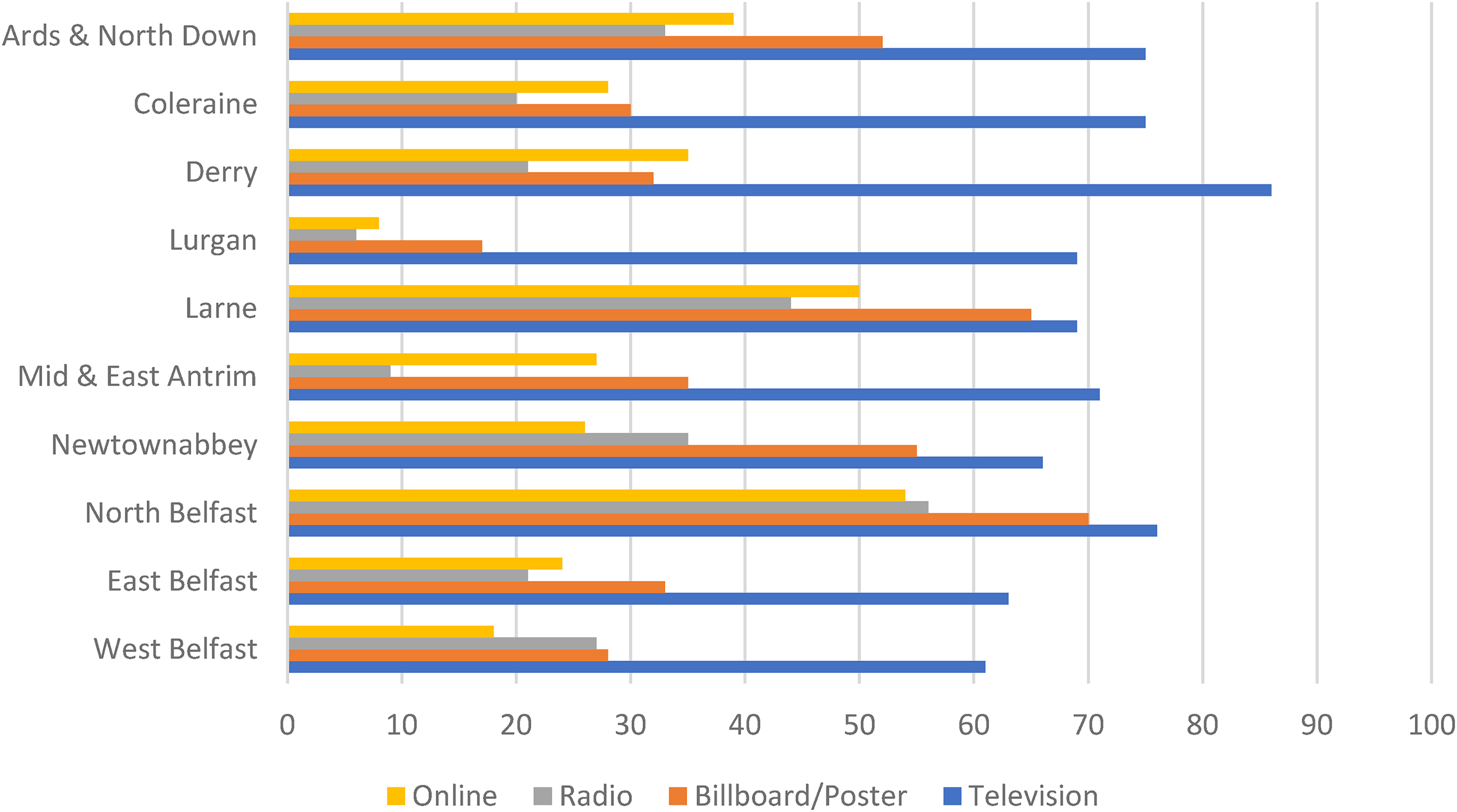
Participants' recall of ETH advertising—responses by location.
While participants were most likely to remember the ETH television advertisements and billboards, there was some evidence that digital advertising was having an impact on these communities. In North Belfast, for instance, 54% of participants recalled the content shared via online platforms. Over one-third (35%) of those aged 16–34 years old remembered the digital campaign, although this was only slightly higher than those aged 35 years and over (31%) (see Figure 3). Crucially, this younger demographic was still more likely to have seen the billboards (48%) or the television commercials (63%) than the PoV films distributed via online platforms. Those self-identifying as Protestant were more likely than their Catholic counterparts to have seen the campaign content on these mediums. In terms of gender, more male than female participants recalled the ETH advertisements on traditional and digital platforms.
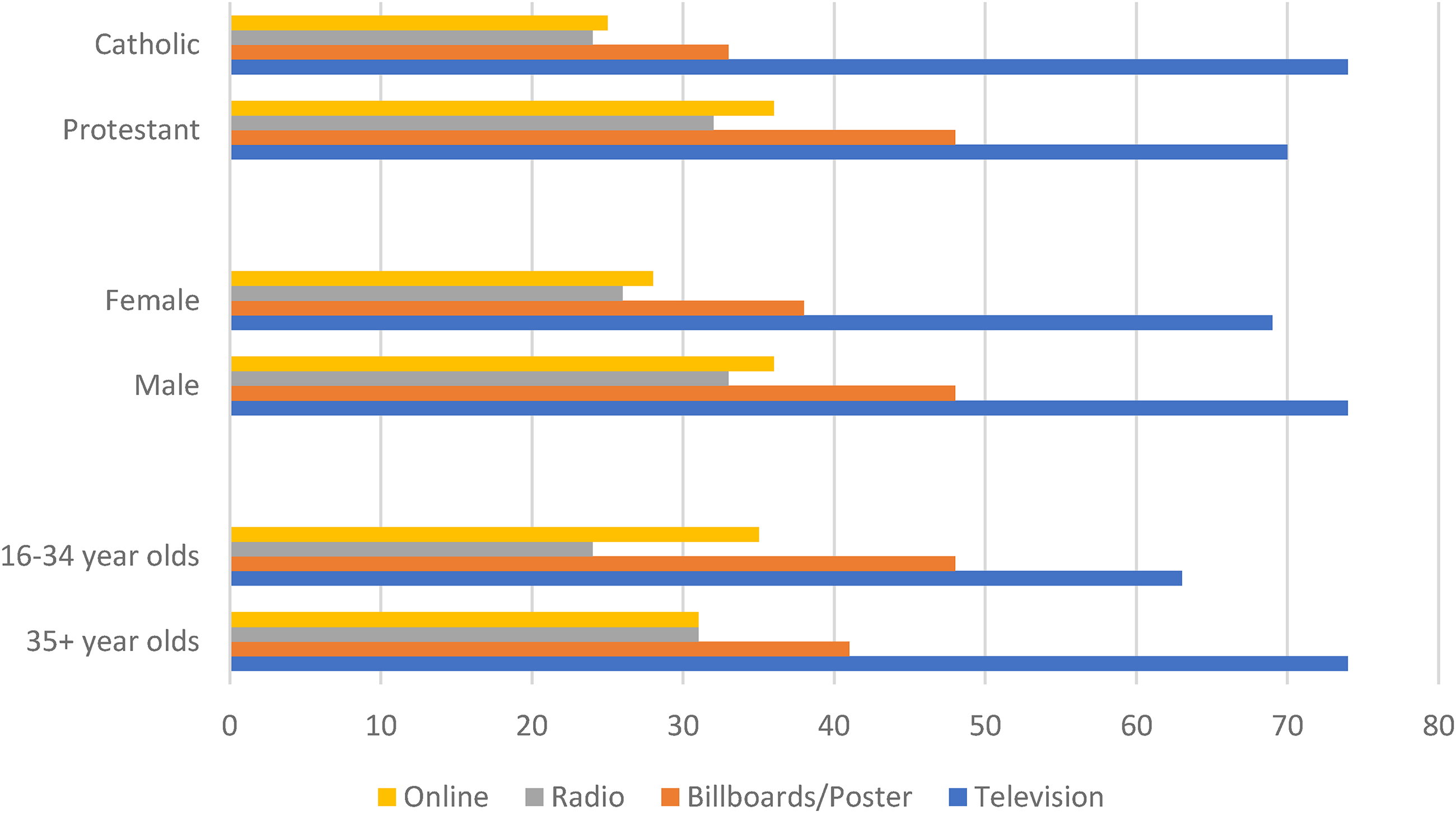
Participants' recall of ETH advertisements—by age, gender, and community background.
Overall, the survey showed that ETH had an impressive “reach” among those communities most affected by PSAs. Yet, like the Confidential Telephone campaign, television appeared to be the most effective channel for raising awareness of the impact of paramilitarism. Even younger participants, aged between 16 and 34 years old, were more likely to recall television adverts than those carried via online platforms such as Twitter.
ETH challenges citizen perceptions of PSAs
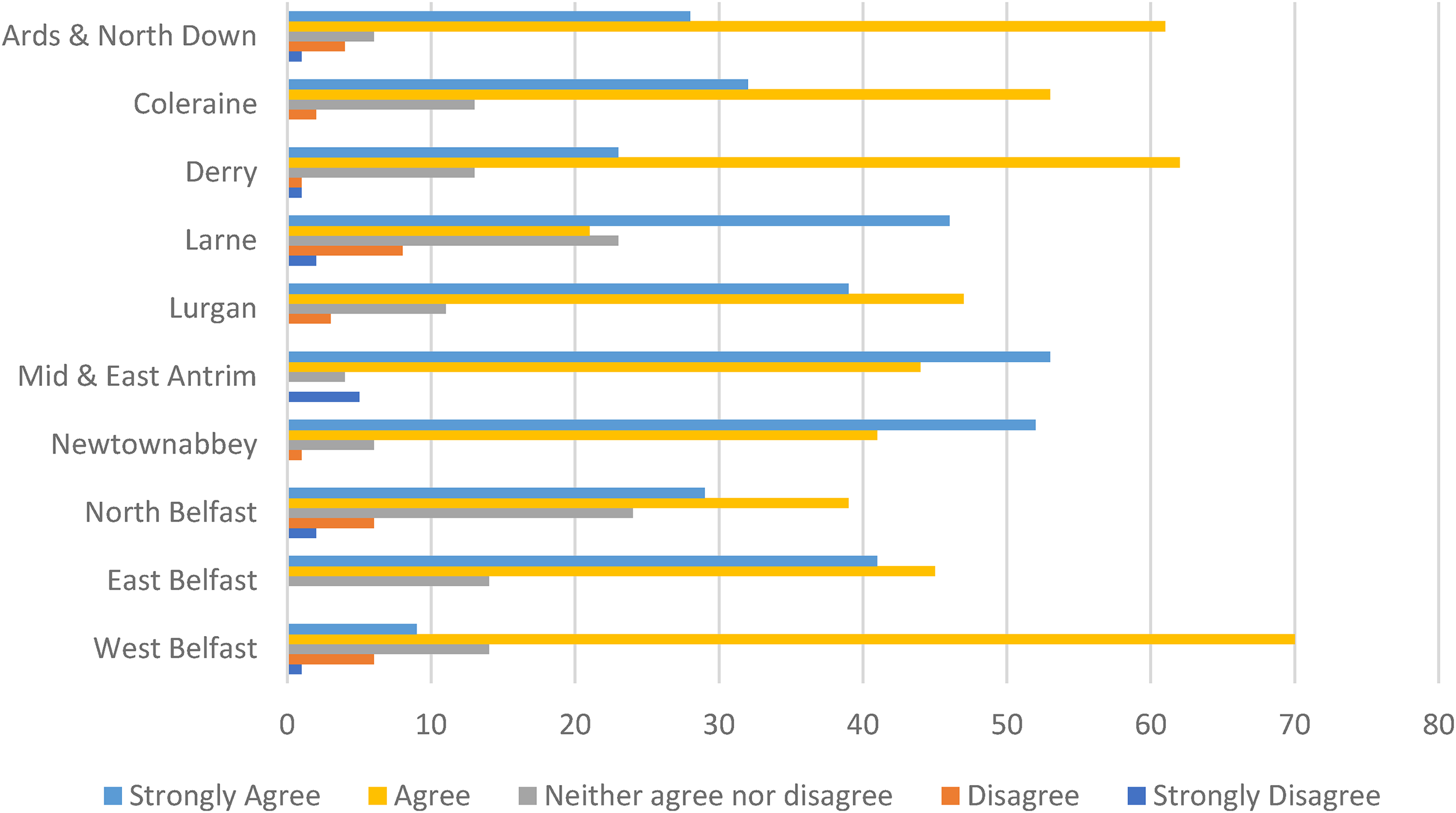
The survey provided some encouraging results for policymakers seeking to challenge the “societal shrug” toward these attacks. Only 19% of participants believed that PSAs could be justified in certain circumstances, such as when victims had sold drugs to children. This marked a significant decline from the 35% recorded in 2017. The vast majority (83%) believed that the campaign was impactful, including 82% of those aged 16–34 years old and 83% of those over 35. Furthermore, just under half (46%) of the participants either strongly agreed or agreed that the campaign had challenged their views about PSAs. For example, 62% of respondents in West Belfast either agreed or strongly agreed with this statement (Figure 4). It should be noted however that most of the respondents in Larne (46%) and North Belfast (43%) disagreed that the campaign had challenged their views on PSAs.
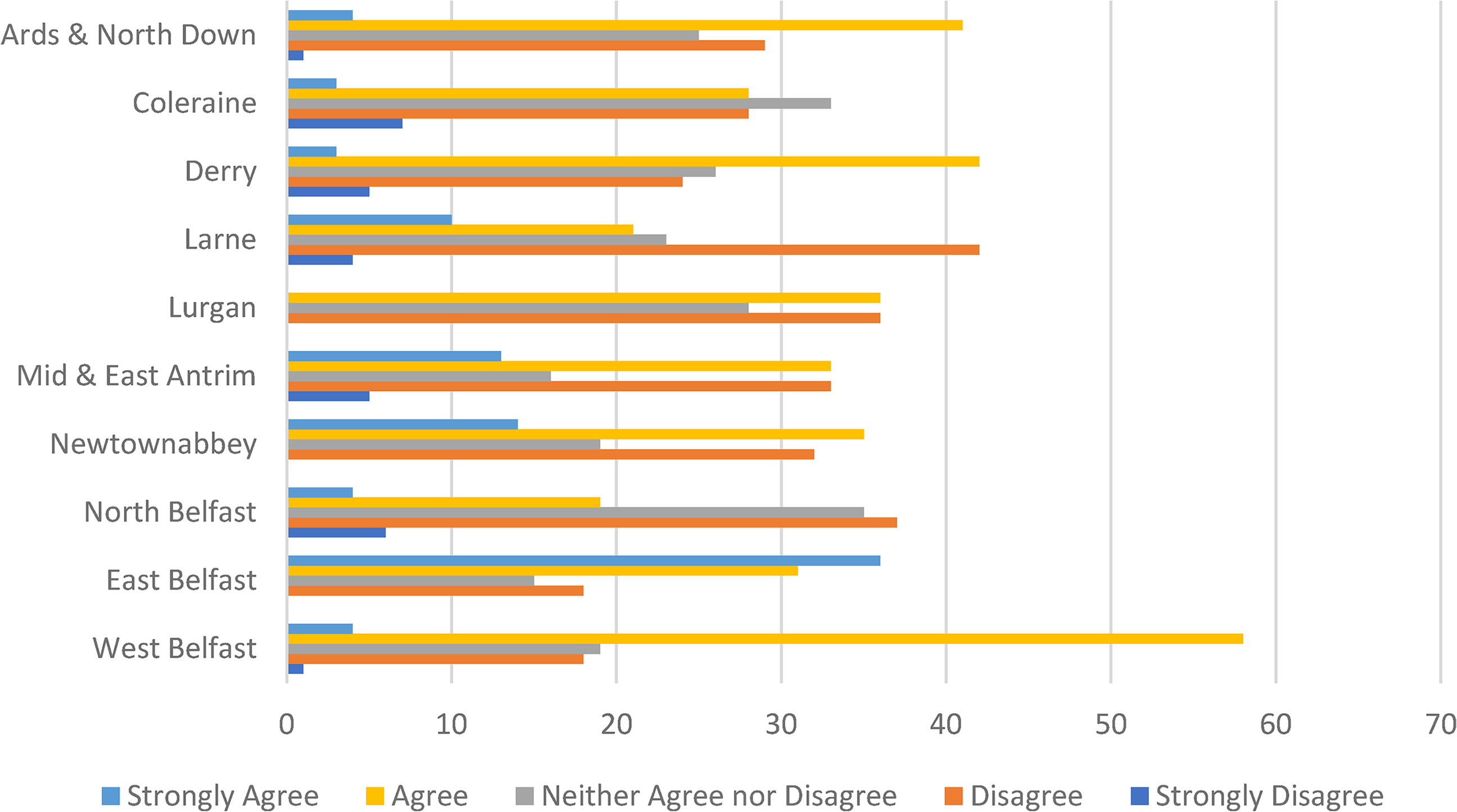
The ETH advertising challenged my views about PSAs—responses by location.
Most Catholic and Protestant participants believed the campaign had made them think differently about these attacks (48% in the former category either strongly agreed or agreed with this statement) (see Figure 5). A majority of the female participants (11% strongly agreed, 41% agreed) also responded affirmatively; this was slightly higher than the proportion of those identifying as male (29% agreed, 9% strongly agreed).
Only 30% of those participants who believed PSAs could be justified in circumstances felt that the campaign had challenged their views, with 36% rejecting this premise. This finding was broadly comparable with the responses given by those who felt PSAs were not justified; while 49% agreed or strongly agreed their views had been challenged, there were still 29% in this category who did not disclose an attitudinal change attributed to the campaign.
The campaign appeared to have a stronger impact on those aged 35 years and older. While 40% of those aged between 16 and 34 years either strongly agreed or agreed the ETH ads challenged their views on PSAs, 31% strongly disagreed or disagreed with this statement. In contrast, only 7% of those in the older demographic believed the campaign had made no impact on their views on these attacks. Nevertheless, it should be acknowledged that a quarter of participants in each of the above categories were unsure whether they had changed their opinion on these attacks after watching the advertisements.
Campaign increases public awareness of the impact of PSAs
There was clear evidence that the advertisements had increased public awareness of the impact of PSAs on victims, families, and communities (Figure 5). Participants confirmed this in locations such as Mid and East Antrim (51% agreed, 40% strongly agreed). Larne was the only area in which a sizeable minority of participants (21%) did not think the advertisements had made them more aware of the societal impacts of these attacks.
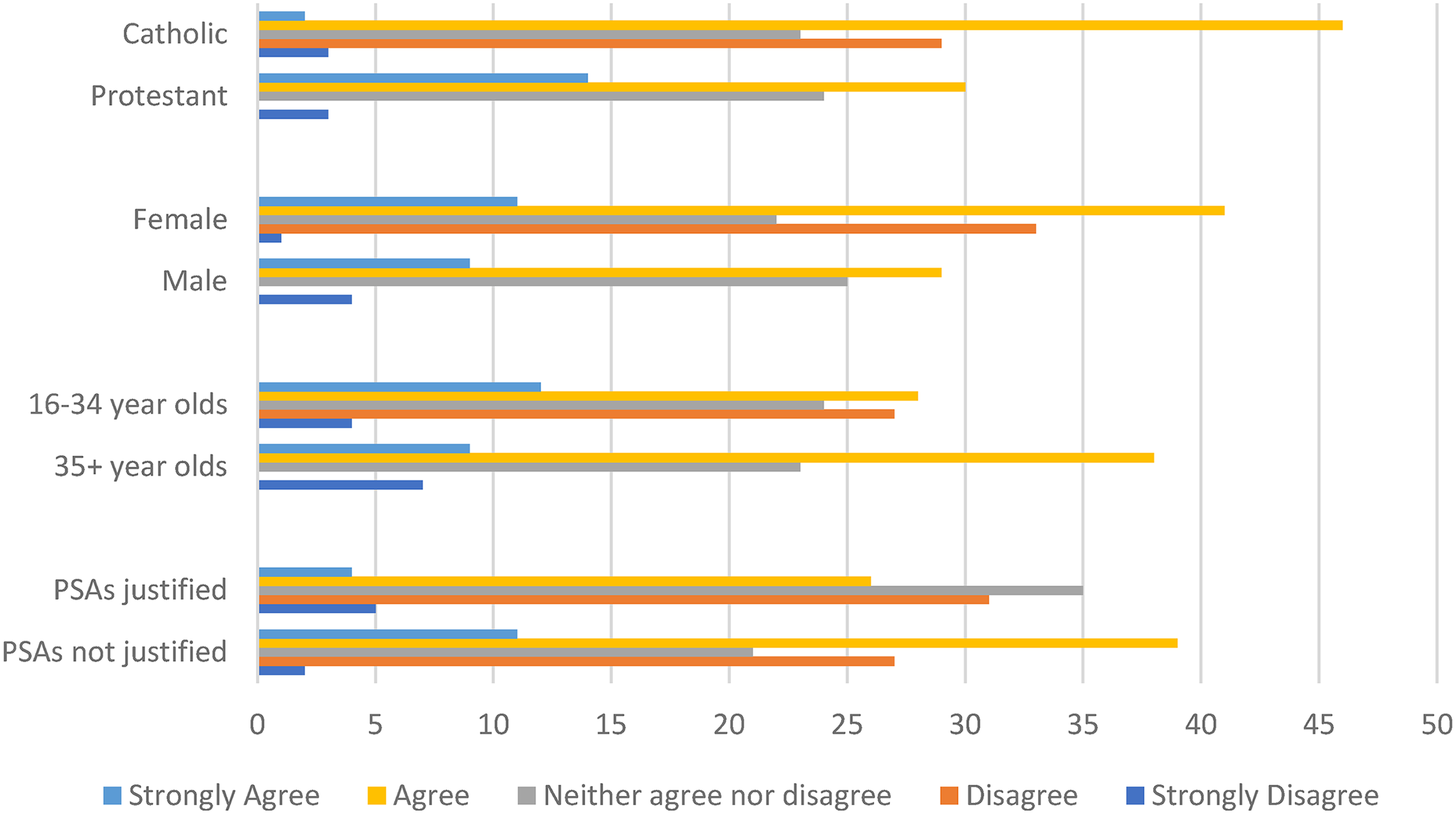
The ETH advertising challenged my views about PSAs (responses by age, gender, and community background).
A similar trend was observed in the responses of Catholics and Protestants (Figure 6). There were also few differences between the responses of females (81% either strongly agreeing or agreeing) and males (78% either strongly agreeing or agreeing), or those aged 16–34 years old (76% either strongly agreeing or agreeing) and those aged 35 and over (80% either strongly agreeing or agreeing).
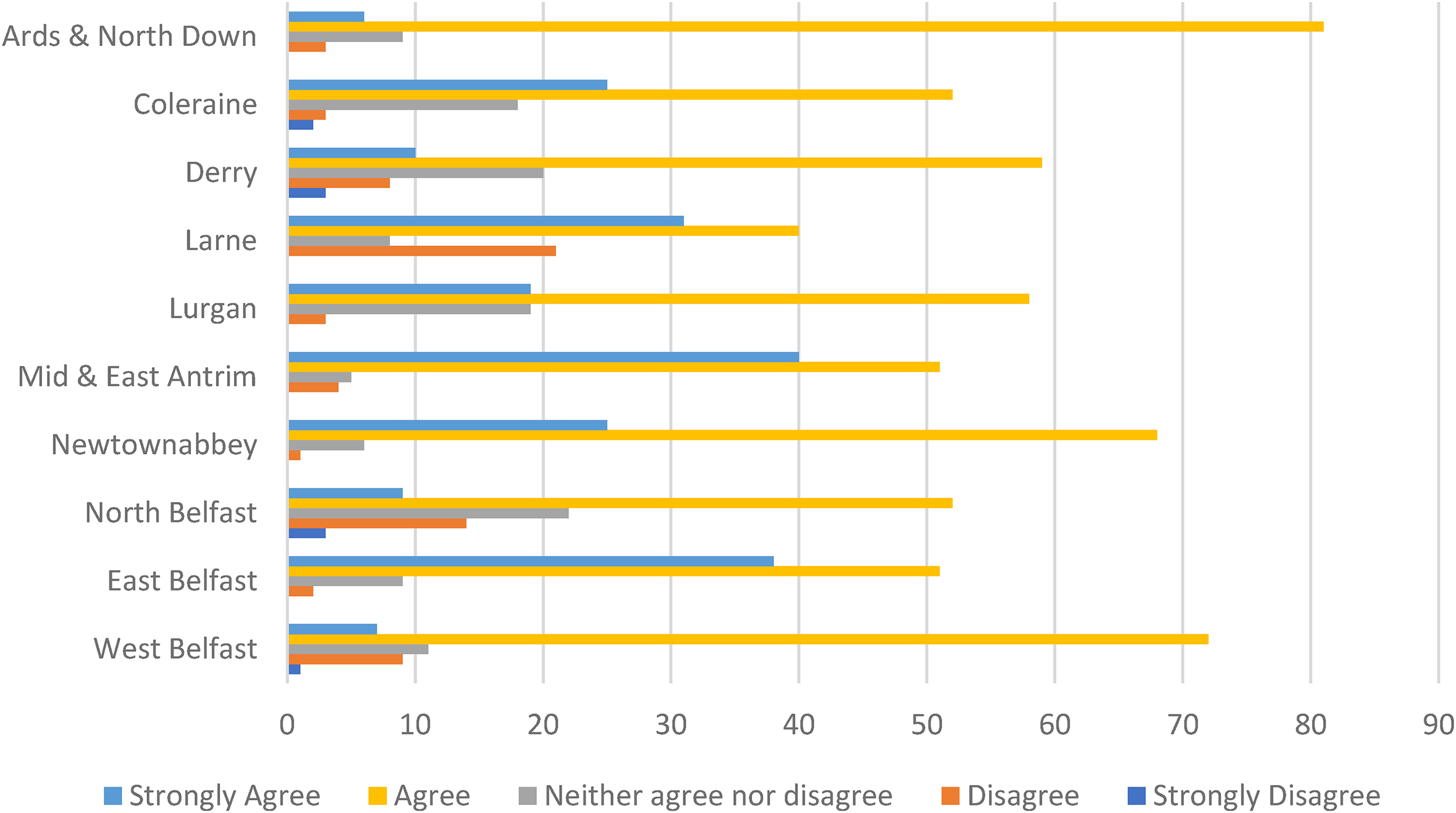
“The advertising helped me realize the impact PSA's can have on victims, their families, and communities”—responses by age, gender, and community identity.
Majority want PSAs to stop but still some resistance to the campaign's key message
A clear majority of respondents in each of the 10 locations believed that the PSAs should stop after having viewed these advertisements (Figure 7). Most notably, 97% of those in Mid and East Antrim and 93% in Newtownabbey either strongly agreed or agreed with this statement. It should be acknowledged that in areas like North Belfast as many as 24% of the participants neither agreed nor disagreed, suggesting that the advertisements didn’t motivate every viewer to the same degree.
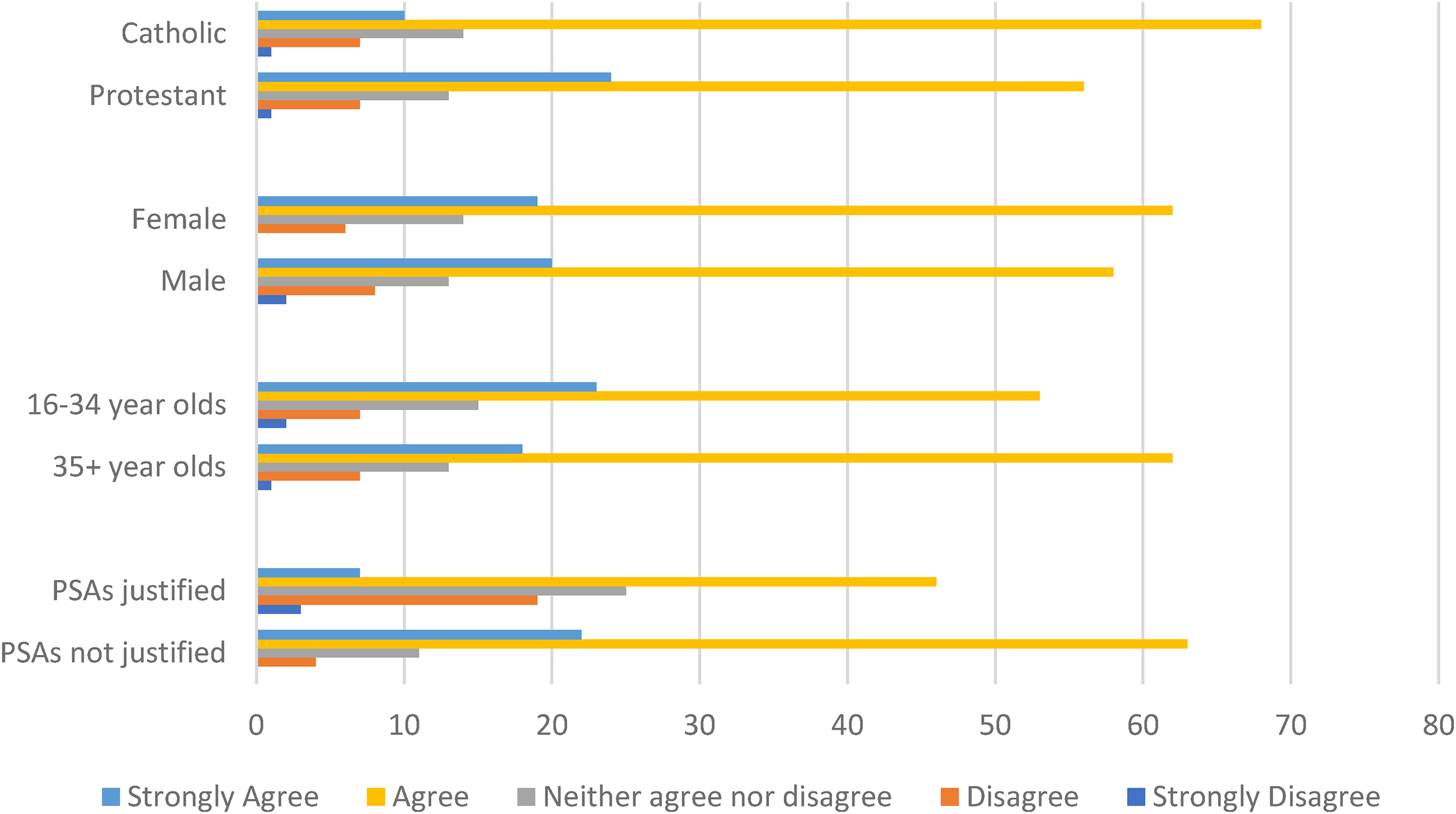
Having seen the campaign I believe PSAs should stop—responses by location.
There was little difference in terms of how Catholics and Protestants perceived PSAs after watching these advertisements. In both categories, 83% of respondents believed these attacks should stop (see Figure 8). A similar finding emerged in relation to gender, with 84% of female and 82% of male participants responding affirmatively. While 16–34 year olds were more likely to strongly agree than those aged 35 years and older (39% compared to 31%), a clear majority of both confirmed that they wanted PSAs to stop after watching these advertisements. Across all categories, between 12% and 14% of participants neither agreed nor disagreed that these attacks were unjustified after watching these advertisements.
Having seen the campaign I believe PSAs should stop—responses by age, gender, and community identity.
The vast majority of those who believed PSAs were illegitimate responded affirmatively to this statement (53% agreed, 38% strongly agreed). Most of those who believed PSAs could be justified also believed that they should be stopped after watching these advertisements (49% strongly agreed or agreed). However, a very high percentage of participants who believed PSAs could be justified responded neither agree nor disagree (39%). While ETH clearly had some impact on the “19%,” there was still some resistance to its core message about the illegitimacy of paramilitary “justice.”
ETH as a template for future DOJ campaigns
The interviewees unanimously praised the impact and reach of ETH. The TPP Communications and Engagement Manager went as far as to suggest that it should be a template for future DOJ PICs, especially in terms of using Snapchat to micro-target “social media savvy” young people. Its social media “engagements” demonstrated the reach of the campaign: “In terms of reach it was millions of engagements. I think 81% of the people saw at least three of them, which is really good.”
While acknowledging the limitations of using social media analytics to measure impact, the NIA representative provided anecdotal evidence of how ETH had been well-received within working-class loyalist communities: “I have heard more discussion about this and more positive affirmation of this social media campaign, or advertising campaign, than I’ve heard of any other [..] Our young people are all across it. They’re on Facebook and Twitter, all of that, and they talk about the campaign constantly.”
Key stakeholders acknowledge campaign might not affect citizen behavior
While the majority of the interviewees were enthused about ETH's impact on attitudes toward PSAs, they also recognized its limitations in terms of shaping citizen behaviors. The Ardmore Creative Director acknowledged that this was only the first phase of the campaign; phase 2, a collection of interviews with surgeons, youth workers, and victims, would have a specific call for citizens to contact the PSNI to report these attacks: “We're not asking them to pick up the phone. We're not asking them to tell us exactly. We're not asking anything like that. All we're doing is revealing to them in their community these things are happening and we know people are willing to change their acceptance levels [..]and then phase two is moving them from the rejection to actually doing something about it.”
The CYPS Director argued that such attitudinal changes were only possible if those sanctioning these attacks were arrested, removing the “fear factor” among those who were afraid to speak out on the issue. Others framed PSAs as a societal problem, which could only be addressed through the implementation of the recommendations of the TPP. The NIA representative highlighted the failure to build capacity within loyalist and republican working-class communities as one of the central reasons why people in these areas relied on “informal justice mechanisms” such as PSAs. She also argued that restorative justice initiatives had the potential to change the behavior of those who condoned and participated in these attacks. Overall, the consensus was that ETH had been effective at raising awareness of PSAs; however, the behavioral change required a broader, long-term multi-stakeholder approach.
Discussion
ETH demonstrated how social media can increase the reach of PICs. Our interviewees were enthusiastic about the “virality” of the POV films, with impressive analytics showing how many people had viewed and commented on this content online. Snapchat was considered a particularly effective vehicle for delivering this content to young people in working-class loyalist and republican communities. Such was its perceived success, the DOJ suggested it was an exemplar for future public communication campaigns. However, this was not a purely digital campaign. Indeed, the survey showed that nearly twice as many participants recalled the television advertisements compared to the videos shared online. Even among participants aged between 16 and 34 years old, television and billboards were the most memorable media for ETH. Hence, the study provided further evidence that PICs should continue to use both digital and traditional advertising to reach target audiences, including younger people. It also dispels the perception that young people do not engage with traditional forms of media.
Many of the characteristics of effective PICs were present in ETH, including the use of multiple media channels, the delivery of a clear and understandable message, and the creation of a social context conducive toward the desired outcome. While the majority of citizens in Northern Ireland already considered paramilitary “swift justice” socially problematic, the DOJ attributed the decline in the proportion of citizens condoning PSAs to the campaign. While it was perhaps no surprise that those who designed the campaign were enthused about its efficacy, this was corroborated to an extent by the survey data. A clear majority of respondents in the 10 locations believed that the PSAs should stop after having viewed these advertisements. Most of the “19%,” who believed that PSAs could be justified in certain circumstances, felt these attacks should be stopped after being exposed to campaign content. There were other quantitative indicators of the “surprising” campaign efficacy noted by our interviewees. Nearly half of the participants agreed that the campaign had challenged their views on PSAs, and a clear majority felt that it had helped them realize the full impact of these attacks on victims, families, and communities. However, it would be misleading to suggest there were uniform campaign effects. In areas such as North Belfast nearly half of the participants disagreed that ETH advertising had shifted their views on the legitimacy of these attacks. Perhaps most significantly, 30% of those who believed PSAs could be justified, reported no change in their views either. Given that the survey was conducted so shortly after the campaign had been launched, it would be reasonable to presume that its effects would start to wane, particularly among those who condoned these attacks.
The PIC literature suggests that campaign effects are often modest and undetectable, with exposure more likely to raise public awareness about an issue than generate widespread behavioral change (Rogers and Storey, 1987; Snyder and LaCroix, 2013). It was therefore highly unlikely that exposure to these adverts in and of itself would alter the behavior of those who distrusted the PSNI. Like the Confidential Telephone campaign, ETH could not address the causes of the perceived illegitimacy of the PSNI in those neighborhoods most affected by PSAs. Our interviewees confirmed that transforming attitudes toward paramilitaries depended as much on the promotion of alternatives, such as restorative justice, as it did on showing the consequences of these attacks. Yet, congruent with previous work on PICs (Mendelsohn, 1973), raising awareness of PSAs was only a middle-range goal for ETH. It was anticipated that the next phase would build on this by moving target audiences toward rejecting these attacks and addressing their “policing needs” through the PSNI rather than through the paramilitaries.
This paper contributes to the literature in two main ways. First, it suggests that public communication campaigns on social media focusing on politically contentious issues are unlikely to reverse long-held partisan attitudes and beliefs, unless they are accompanied by other policy interventions over a lengthy period. It is no coincidence that many of the most effective PICs relate to public health concerns, which do not polarize audiences to the same degree as policing does in this divided society. Advertising campaigns are an insufficient response to the historic injustices experienced by certain communities, which undermine their trust in policing and make them more likely to look to paramilitaries for “swift” justice. Second, measuring the “effectiveness” of PICs on social media requires the use of focus groups, interviews, and questionnaires to explore perspectives before and after exposure to campaign content. The triangulation of the market research survey obtained by the researchers and the interviews with key stakeholders provided unprecedented insight into the efficacy of ETH. However, the descriptive nature of the one-off survey meant that there was no basis on which to measure campaign effect sizes. The decision by market researchers not to identify respondents according to their political affiliations meant it was difficult to draw any conclusions about the impact on loyalist and republican perceptions of PSAs. It was also not clear what impact the loyalist paramilitary murder of community worker Ian Ogle on 27 January and the New Irish Republican Army slaying of journalist Lyra McKee on 18 April, had on attitudes toward paramilitaries within these communities. 7 The public outrage caused by these atrocities might have explained why PSAs were considered “illegitimate,” including within loyalist and republican districts in areas such as West Belfast
Longitudinal mixed-methods studies are essential in order to accurately capture public knowledge of salient issues before, during, and after exposure to PICs. They also provide stronger evidence of campaign effects than asking people to reflect on whether exposure to advertisements had prompted a change in their attitude or behavior. Nevertheless, this study suggests that public communication campaigns appear best suited toward raising public awareness rather than directly changing behaviors in key policy areas.
Footnotes
Declaration of conflicting interests
The authors declared no potential conflicts of interest with respect to the research, authorship, and/or publication of this article.
Funding
The authors received no financial support for the research, authorship, and/or publication of this article.
