Abstract
Immigration can create a variety of experiences for individuals and impact their intimate relationships. We conducted two studies to explore how immigration influences people and their intimate relationships. The first study was a qualitative systematic review conducted following the PRISMA statement to explore the perceptions of Iranian immigrants on their intimate relationships. Eighteen studies were included in this review, uncovering four main themes: Women’s Empowerment, Sexual Self-Perception, Marital Conflicts, and Persistence of Patriarchy. The second study involved semi-structured interviews with 12 married Iranian immigrants living in Canada. The analysis revealed five themes related to how immigration influenced marital relationships: Reflection on Gender Norms, Survival to Thriving, Significant Role of the Immediate Family, Differential Experiences of Adaptation Processes, and Paradox of Increased Couple Time. The systematic review provided insights into the experiences of Iranian immigrants abroad and how their intimate relationships can be influenced by the differences between their home and host country. The findings of the empirical study underscored the influence of cultural, social, and structural differences between home and host countries on intimate relationships, aligning with previous findings. Notably, despite facing challenges, participants in Study 2 reported higher relationship satisfaction, in contrast to many studies in the review, highlighting significant difficulties for Iranians in their intimate relationships due to immigration. Findings are contextualized in the discussion.
Keywords
Introduction
In recent years, the number of Iranian immigrants in Canada has steadily increased. According to the 2021 census, there were 182,940 Iranian immigrants in Canada, with 70,395 arriving since 2011 and 2,320 before 1980 (Statistics Canada, 2023a, 2024). In 2024, Iranian immigrants ranked sixth in acquiring Canadian citizenship and eighth in being admitted as permanent residents (Bains, 2024; Risdon, 2024). This rise can be attributed to a significant turning point marked by the establishment of an Islamic Republic after the 1978 Revolution, which led to economic stagnation, political repression, restricted civil liberties, and human rights violations (Azadi et al., 2022; Garousi, 2005). The growing Iranian population in Canada and the cultural and structural disparities between the two countries underscores the necessity of investigating the impact of immigration on Iranians.
A literature review identified several social and cultural challenges faced by Iranian immigrants in Western countries, including language barriers, unemployment, sense of discrimination, cultural shock, lack of social support, and intimate partner violence (Shishehgar et al., 2015). These barriers adversely affected their mental health and impeded integration. The review also noted how negative pre-migration experiences such as the Islamic revolution, the Iran-Iraq War (1980–1988), and economic sanctions contribute to poorer mental health. Another review examined immigrant women’s experiences in Canada, highlighting issues such as cultural transitioning, employment, housing, intimate partner violence, healthcare care, and mental health (Rezazadeh & Hoover, 2018). However, it also emphasized effective coping strategies and support networks that facilitated their transition to Canadian society.
In recent decades, rising family immigration has prompted interest in studying immigrant-family integration in multicultural societies (Kofman et al., 2022). The 2021 Canadian census (Statistics Canada, 2024) reported that about 60% of Iranians in Canada were married or in common-law relationships, while around 10% were separated or divorced. Immigration challenges can pose new strains on intimate relationships, influenced by differing cultural values between Western and non-Western cultures (Dobrowolska et al., 2020). Research indicates varying associations of communication, intimacy, and dyadic coping with relationship satisfaction across different cultures (Hilpert et al., 2016; Marshall, 2008; Rehman & Holtzworth-Munroe, 2007). Studying intimate relationships 1 in the immigration context requires consideration of the cultural disparities between home and host countries. Therefore, we start with an overview of cultural conceptualization.
Matsumoto (2007) describes culture as a meaning and information system, shared collectively, which enables a group to meet the basic needs of survival. To achieve this, culture establishes social systems, institutionalizes cultural practices, shapes worldviews, and transmits the meaning system to others and future generations. One key dimension of culture often highlighted in cross-cultural studies is collectivism-individualism (Hofstede, 2011). In collectivist cultures, prevalent in Eastern countries, interdependence and group needs take precedence and societal expectations often lead to strong adherence to norms and values. In contrast, individualism, commonly exemplified in Western countries, is characterized by a focus on an independent self, prioritizing personal autonomy and individuality (Darwish & Huber, 2003; Hofstede, 2011). Another dimension of culture is masculinity-femininity, which explores gender roles (Hofstede, 2011). Masculine cultures emphasize assertiveness and competitiveness, while feminine cultures exhibit less gender differentiation. Iran leans towards masculinity, with distinct gender roles rooted in a patriarchal structure and legal system that see men as family leaders responsible for protection and financial support, while women are expected to manage household tasks and caregiving (Mortazavi & Poelker, 2017).
Hofstede’s cultural dimensions theory may overlook the intricacies of cultures, including internal diversity. Many countries exhibit diverse cultural practices and values influenced by the environment, ethnic group, generation, and socioeconomic class, which must be recognized to understand variations in cultures (Taras et al., 2016). Cultures are dynamic and evolving due to globalization and technology. Thus, the growing awareness and advocacy for gender equality, exemplified by movements like Woman, Life, Freedom (Tohidi, 2016, 2023), must be acknowledged when studying Iranians. In recent decades, substantial strides in education for Iranian women (Povey & Rostami-Povey, 2016) have empowered them and increased awareness, thereby driving gender equality movements.
In addition to cultural disparities, legal differences between Iran and Canada are crucial considerations. A notable distinction is the enforced gender segregation in Iran since the Islamic Revolution, which begins as early as six or seven years old in schools and extends to various public places (Haghighat, 2021; Tohidi, 2016). Furthermore, Iranian Islamic law prohibits same-sex relationships, imposing severe legal penalties for any sexual relationship other than heterosexual marriage (Karimi & Bayatrizi, 2018).
To explore how differences between the two countries affect Iranian immigrants’ intimate relationships, two studies were conducted. The first study involved a systematic review of existing qualitative research to gain insights into Iranian immigrants' perceptions of intimate relationships abroad. The second study was a qualitative investigation into the lived experiences of married Iranians living in Canada. These studies aimed to provide a deeper understanding of the challenges and dynamics within Iranian immigrant couples.
Our team was comprised of three authors, with diverse backgrounds, described below:
FR’s positionality has been influenced by her background as a Middle Eastern woman. She is an Iranian immigrant of Azerbaijani Turk ethnicity and identifies as heterosexual. Growing up in a multicultural and multilingual environment, she witnessed how different cultural and societal norms and values could shape individuals' perceptions of intimacy and satisfaction in relationships. Her personal experiences allowed her to approach this research with an understanding of cultural nuances and their impact on relationship dynamics.
RF was born in the U.S. to a Canadian mother and an Iranian father and has experience living in and migrating from Iran to North America as a child. In this way, RF has insights into Iranian culture as well as some of the impacts of culture/political/historical context and migration on individuals in familial relational dynamics. As an adult, she also experienced cross-border migration twice and the impacts of the migrations on the dyad. In early discussions on developing a study of dyadic relationships with FR, RF recommended studying Iranians and exploring the context of migration because of her recognition of gaps in the literature and how a series of qualitative studies on the topic could be informative. These lived experiences played a role in the formulation of this study and are shared in transparency and in recognition that these experiences cannot help but shape the communication in this paper.
SF identifies as a white heterosexual, settler woman born in Syilx territory (Kelowna) in the interior of British Columbia, Canada. A first-generation university graduate, SF only started to understand her own privilege when she left home to complete her BA. SF’s non-traditional path to academe provided the opportunity to spend many years working in the criminal justice system, as well as 15 years validating claims of Indigenous residential school survivors. This research helped SF better understand the ongoing colonial project of the Canadian government that continues to shape her identity, relationships and interactions with others, including her approach to qualitative research. Qualitative studies focus on the lived experiences of individuals and commit to honouring the voices of those who participate. These experiences helped guide FR’s study presented in this paper which began when she was a student in SF’s advanced qualitative methods for graduate students.
Study 1
This systematic review aimed to synthesize prior qualitative research on Iranian immigrants to understand how immigration impacts their perceptions of intimate relationships. This review sought to highlight the key points of what has been found thus far and identify areas requiring further exploration.
Method
The review followed the Preferred Reporting Items for Systematic Reviews and Meta-Analyses (PRISMA) statement, which is an evidence-based guideline with 27 checklist items for transparent and comprehensive reporting of systematic reviews (Page et al., 2021).
Eligibility criteria and search strategy
The selection criteria of the systematic review included: (1) heterosexual first-generation Iranians in at least one intimate relationship outside Iran with another Iranian (findings specific to first-generation immigrants were examined when studies included both first- and second-generation immigrants), (2) published between 2000 and 2022, (3) original qualitative or mixed-method studies, and (4) published in English or Persian.
To identify relevant studies, we thoroughly searched databases, including PsycINFO, Web of Science, Scopus, and ProQuest from January 1, 2000, to December 31, 2022. We used the advanced search option with the terms “Iran*” AND “(migrat* OR immigrat*)”, which allowed us to encompass studies with pertinent themes, even if not exclusively focused on Iranians’ intimate relationships abroad. Additionally, the snowball method was used to track down references of relevant studies.
To reduce bias, two researchers independently identified and screened the studies. The results were cross-checked at each step for comprehensive inclusion and consistency.
Data analysis
To analyze the qualitative studies we utilize the thematic synthesis approach described by Thomas and Harden (2008), which allowed us to integrate the findings from multiple qualitative studies. This approach consists of three stages: 1) identifying key concepts through a free line-by-line coding process, 2) organizing the codes into descriptive themes to capture main concepts and patterns, and 3) exploring the themes to reveal underlying meanings and relationships, leading to overarching themes.
Results
Study selection
Initially, 3,384 studies were identified. After excluding 1,269 studies due to duplications and reviewing the title and abstracts, 319 studies remained. A full-text review resulted in the exclusion of an additional 287 studies. Twelve more studies were removed because their full texts were unavailable, and two others due to mixed results which made it impossible to differentiate qualitative findings. Ultimately, 18 studies met all inclusion criteria and passed the quality assessment using the Critical Appraisal Skills Program (CASP) checklist (CASP, nd) (See Figure 1).
Study characteristics
The review included studies from six countries: Canada (n = 6), the U.S. (n = 4), Australia (n = 3), Sweden (n = 3), Malaysia (n = 1), and the U.K. (n = 1). Sample sizes ranged from 6 to 44 participants, with a total of 335 participants (217 women, 74 men, and one study without a gender breakdown). Participants' ages varied from 21 to 70 years old. Seventeen studies focused on individual participants and one conducted individual and dyadic interviews. Data was collected through interviews in sixteen studies, with one study using interviews and focus groups, and another utilizing interviews and observation. Sixteen studies were single-time-point, and two included follow-up phases (at six and 12 months). Seventeen studies were published in English and one in Persian (See Table 1).
Results of individual studies
Table 2 presents a summary of the studies included, featuring their purpose, key findings, and identified themes.
Results of thematic synthesis
Thematic analysis of the studies revealed four themes: (1) Women’s Empowerment, (2) Sexual Self-Perception, (3) Marital Conflicts, and (4) Persistence of Patriarchy.
Women’s empowerment
This theme emerged in multiple studies, revealing how immigration empowers Iranian women and enhances their independent identity. Studies within this theme emphasize the empowerment of women through legal rights, shifts in power dynamics and traditional gender roles, education, employment, and changes in societal norms. (Akhavan et al., 2007; Darvishpour, 2002; Jamarani, 2012; Karamali, 2021; Molana, 2020; Naghavi, 2015; Nasrullah, 2020; Nourallahi, 2009; Pajouhandeh, 2004; Parsafar, 2020; Rashidian et al., 2013; Shirpak et al., 2007, 2011; Yektafar-Hooshvar, 2016).
Sexual self-perception
This theme highlights changes in Iranian immigrants' attitudes towards sexuality and their intimate experiences. Studies within this theme indicate that women tend to become more conscious of their sexual needs and are more willing to express and assert them (Ahmadi, 2003a, 2003b; Naghavi, 2015; Pajouhandeh, 2004; Rashidian et al., 2013).
Marital conflicts
This theme focuses on the challenges faced by Iranian couples in host countries. Subthemes include conflicts stemming from shifting power dynamics, men’s unemployment, cultural differences, difficulty accepting women’s rights and freedoms, and loss of support from extended family (Darvishpour, 2002; Jafari et al., 2010; Madanian et al., 2013; Naghavi, 2015; Nasrullah, 2020; Pajouhandeh, 2004; Parsafar, 2020; Shirpak et al., 2007, 2011).
Persistence of patriarchy
This theme reveals that traditional gender roles and power dynamics within Iranian couples tend to persist even after immigration. Women may still be expected to fulfill traditional gender roles, including taking on household responsibilities, despite being employed and contributing to the family’s finances (Akhavan et al., 2007; Jamarani, 2012; Naghavi, 2015; Nourallahi, 2009; Pajouhandeh, 2004; Parsafar, 2020; Sadeghi, 2008).
Discussion
In this qualitative systematic review, we extensively searched to identify relevant studies on the impact of immigration on Iranians' intimate relationships.
The findings suggest that the transition from a collectivist and masculine culture to a more individualistic and less masculine one is associated with transformations in attitudes, beliefs, and values surrounding intimate relationships among Iranian immigrants. This change notably empowers immigrant women in less patriarchal host countries, as reflected in themes of Women’s Empowerment and Sexual Self-Perception (e.g., Darvishpour, 2002; Karamali, 2021; Molana, 2020; Naghavi, 2015; Shirpak et al., 2011; Yektafar-Hooshvar, 2016).
The results showed that immigration and adaptation to a new society impacted the gender socialization process (Kretchmar, 2011), with Iranian women encountering shifts in societal attitudes towards gender roles, which influenced their perceptions of their roles in intimate relationships. Meanwhile, men faced challenges related to changing power dynamics in more egalitarian host countries, including securing employment or positions similar to their pre-immigration status. This shift led to tensions within couples' relationships as men were no longer solely responsible for providing for the family (Darvishpour, 2002; Nasrullah, 2020).
The review revealed that exposure to new cultural norms influenced Iranian women’s perceptions of sexuality, fostering increased awareness and assertiveness in expressing their sexual needs within intimate relationships (Ahmadi, 2003a, 2003b; Naghavi, 2015; Pajouhandeh, 2004; Rashidian et al., 2013). This assertiveness is intertwined with a broader shift in women’s self-perception, as they come to value their independent identity and individuality, by challenging traditional gender norms that may have restricted them in their home country (e.g., Karamali, 2021; Nourallahi, 2009; Yektafar-Hooshvar, 2016). Some studies also highlighted instances where women chose to leave violent relationships post-immigration (Akhavan et al., 2007; Darvishpour, 2002; Karamali, 2021). That said, we recognize that some of the women may have left their relationships even if they had stayed in Iran. However, these choices reflect not only the protective legal measures in the host country but also their evolving self-perception as independent individuals deserving freedom.
Immigration provides opportunities to redefine gender roles, yet ingrained social norms and cultural values can still influence intimate relationships. Our findings indicate that despite women’s empowerment, traces of patriarchal norms continue to affect intimate relationships and lead to conflicts (e.g., Darvishpour, 2002; Naghavi, 2015; Parsafar, 2020; Sadeghi, 2008). These conflicts underscore the complexities that arise as couples navigate their relationships, stemming from cultural clashes, changing power dynamics, economic challenges, and the loss of social support networks (e.g., Jafari et al., 2010; Madanian et al., 2013; Nasrullah, 2020). The presence of conflicts and patriarchal structures underscores that adapting to a new cultural context is a complex and ongoing process.
The findings highlight the different effects of immigration on women and men. In a patriarchal society, men tend to benefit from power and authority, while women face gender discrimination in their Iranian Islamic marriages, where their rights (e.g., employment, travel, child custody, and divorce) are contingent upon their husband’s permission (Hanna, 2023). Hence, no wonder that some studies indicated a more favourable situation with greater freedom for women in the host country (e.g., Darvishpour, 2002; Jamarani, 2012; Karamali, 2021; Shirpak et al., 2007), aligning with other studies showing better integration of women than men (Alavi, 2014; Lewin, 2001; Naghdi, 2010).
This review is subject to some limitations that need to be considered. First, focusing on post-2000 studies aimed to capture recent immigration and couple relationship dynamics but may have missed earlier relevant research. Second, excluding studies without full-text access could introduce selection bias. Third, findings were not categorized by participants’ specific cities and ethnic backgrounds, potentially overlooking the cultural diversity within Iran and the varied contexts in host countries. Fourth, since the majority of the total sample and ten studies exclusively comprised women, the themes were more centred on women’s perspectives. Lastly, reviewer subjectivity could influence thematic analysis and interpretation due to varying backgrounds like gender and culture.
This review illuminates the challenges and transformations experienced by Iranian immigrants in their intimate relationships. It enhances our comprehension of the intricate dynamics that unfold as Iranian immigrant couples navigate unfamiliar societies, which can offer more support and resources customized to this population’s specific needs.
Study 2
This qualitative study sought to investigate the experiences of Iranians in Canada, building upon the existing knowledge. The systematic review revealed that cultural norms and legal disparities were pivotal in shaping challenges and opportunities faced by Iranian immigrant couples in their intimate relationships.
According to our review, the most recent study on Iranians in Canada dates to 2020, and this study did not primarily focus on the impact of immigration on Iranians’ marital relationships (Nasrullah, 2020). Furthermore, the review found that the last study exploring the experiences of Iranian couples after immigration to Canada was conducted approximately a decade ago (Shirpak et al., 2011). Therefore, to update our understanding of Iranian couples’ experiences in Canada, a new empirical study with a specific focus on this population was necessary. This study also included participants who were married to the same person before and after immigration, allowing for a comparison of their marital relationships during both periods.
As Canada is culturally diverse (Government of Canada, 2022), this study can contribute to a broader understanding of the challenges and needs of immigrants, particularly, Iranians in intimate relationships. The findings can foster more culturally sensitive and inclusive support for this population, enhancing their integration process and well-being. Therefore, given the diverse backgrounds of authors, addressing research gaps, and recognizing the importance of understanding this population, this study aimed to explore the lived experiences of married Iranians in Canada to understand how immigration and adapting to a new society influence marital relationships.
Method
To analyze the data, we employed qualitative methods, using inductive thematic analysis (Braun & Clarke, 2006). This approach enriches understanding by identifying, analyzing, and interpreting patterns, allowing exploration of participants’ experiences, perspectives, and behaviours within the context of immigration and marital relationships.
Participants
The sampling strategy was purposive, with participants recruited from Telegram App groups. Inclusion criteria were individuals who were Iranian, married, cohabiting, or in a living-apart-together arrangement in Iran, currently residing in Canada with the same partner, without children and had immigrated to Canada within the past six months to six years. We focused exclusively on couples without children and those living together to closely examine intimate relationship dynamics. Excluding these couples aimed to eliminate confounding variables related to parenting, long-distance relationships, or separate living arrangements. This study did not specifically target sexual orientations or relationship types; however, all recruited participants happened to be in mixed-sex relationships.
Data collection and data analysis
Data were collected through semi-structured interviews (see Appendix C) in Persian, the official language of Iran. All participants were informed about the research objective and the interview procedures, and all provided their informed consent to participate in the study. The interviews took place over Zoom from June 30 to August 25, 2021, lasting between 60 and 90 minutes. All interviews were audio-recorded with participants' consent to ensure accurate capture of the conversations.
The interviews were transcribed and translated from Persian to English. They were then analyzed using NVivo 12 software with an inductive approach. Transcriptions underwent reviews for writing memos and generating codes, which were then grouped based on similarities and differences across the transcripts. Subsequently, themes were developed from the codes by combining and interpreting them, which led to drawing conclusions contextualized within broader literature.
Given that subjectivity is inherent in qualitative research, we sought to use it as a strength to enhance the depth of this study. To mitigate potential biases, we engaged in self-reflection to remain aware of our positionalities as women with specific roles and the privileges we hold. Throughout the analysis and interpretation process, FR practiced reflexivity by consistently writing memos after each interview and during data analysis. This reflective practice involved critically examining her own thoughts, beliefs, and values while acknowledging their potential influence. This approach allowed us to recognize and manage the influence of these factors, ensuring that the findings were reported transparently and accurately.
Results
The results of this study are presented in two sections. The first section describes participants' characteristics and the second explores the themes emerging from the interview data.
Characteristics of the participants
The study included 12 participants (eight women and four men), aged 24 to 36 (M = 30.5, Mdn = 30, SD = 3.43, and range = 12). Eight had immigrated to Vancouver, three had first immigrated to Victoria, Calgary, and Montreal but were residing in Vancouver, and one had immigrated to Winnipeg and was living there. Moreover, 58.33% of participants were graduate students (See Table 3 for further information).
Findings of the interview data
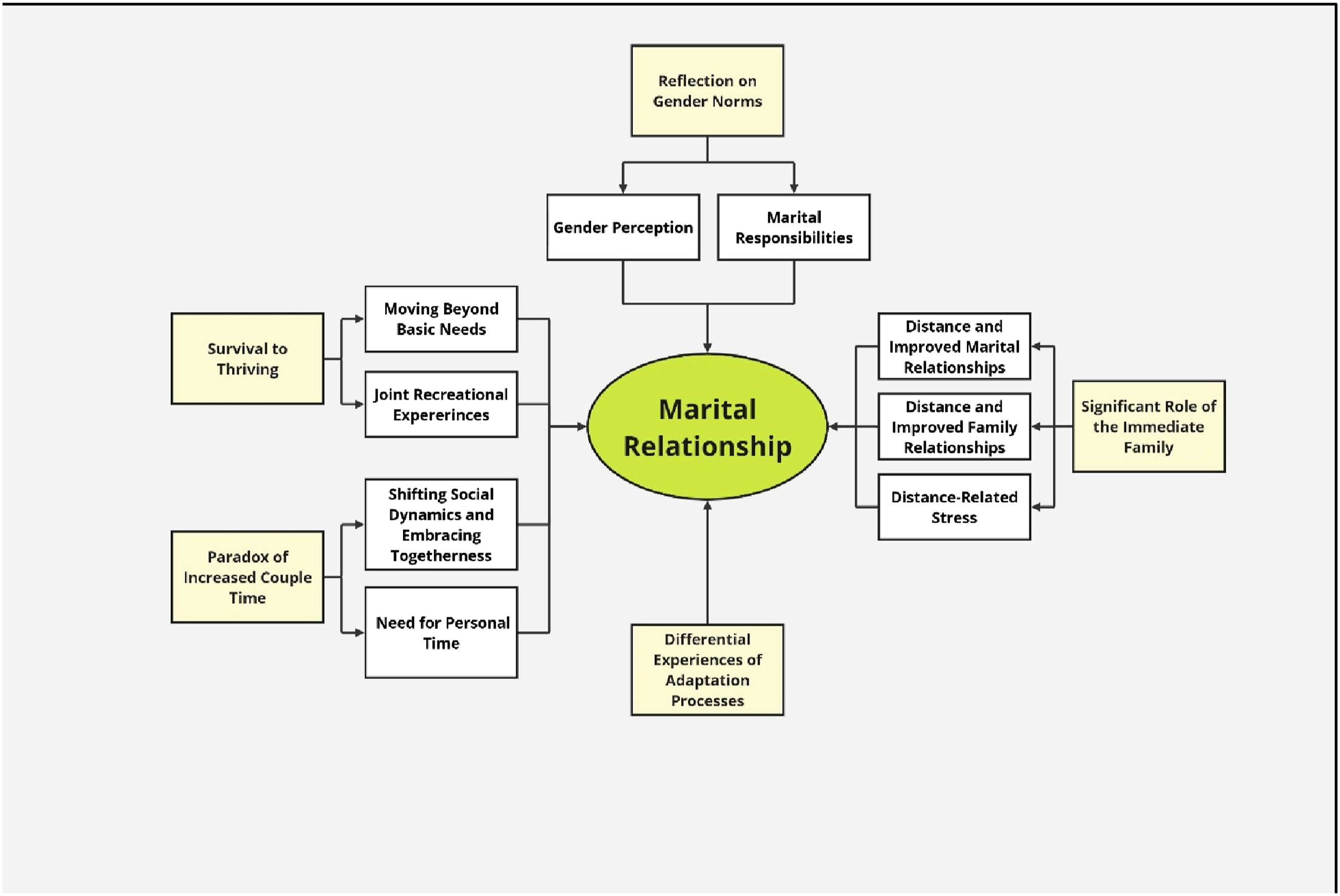
This section presents the themes, subthemes, and pertinent interview quotes. The interview analysis yielded five themes: Reflection on Gender Norms, Survival to Thriving, Significant Role of the Immediate Family, Paradox of Increased Couple Time, and Differential Experiences of Adaptation Processes (see Figure 2 for the findings illustration and Table 4 for the frequency breakdown across themes and subthemes).
Reflection on gender norms
This theme centers on reconsidering traditional gender norms in marriage after immigration, which comprises two subthemes: Gender Perception and Marital Responsibilities.
Gender perception
Half of the women experienced a shift in their self-perception due to immigration. They became aware of women’s rights in Canada, which impacted their self-perception in marital relationships. One woman noted how this awareness empowered her to see herself as an independent individual, stating, One factor that improved our relationship is that here, you matter as an individual. Now I see myself as a woman with an independent identity, possessing thoughts and the ability to make an impact. When I recognized myself as a person whose rights are important, it greatly influenced me to recognize and respect my husband’s rights and opinions as well. P6-30yrs.
The interview also showed how women viewed their sexual identity differently after immigration. One woman said, Since moving here, our sexual relationship has improved, I even feel like I can initiate it. Since doing this, I feel more empowered, and it is more enjoyable for both of us. I believe women's rights issues have changed my perspective on everything. P4-30yrs.
Women’s responses illustrated personal growth by embracing gender equality and individuality. Moreover, their awareness of sexual autonomy and rights influenced their views of sexual relationships.
Marital responsibilities
This subtheme showed the changes in household responsibilities and financial contributions in marital relationships. Immigration could challenge traditional gender roles and affect how household tasks are shared, with seven participants shifting towards a more equal sharing of responsibilities. Four had already divided household tasks before immigrating and continued to do so, while one participant’s expectations for household tasks remained unchanged.
Women discussed changes in their perspectives on household tasks, noting that they previously viewed them as feminine duties. One woman elaborated, “I used to believe that my husband was merely assisting me with household tasks, as they were the wife’s duties. But now we both believe that we share life and both should contribute” P6-30yrs.
Men also experienced a shift in their beliefs about household tasks. One man noted, “I used to expect her to handle all household tasks. But I no longer have those expectations, and now we share household responsibilities” P1-28yrs.
Participants also had a shift in their perspective on financial responsibilities, which were traditionally seen as masculine roles. One man expressed, “In Iran, I was the sole breadwinner and it was quite challenging. But since immigrating, we both share all responsibilities” P5-29yrs.
Participants' responses indicated that societal norms initially influenced adherence to traditional gender roles, but immigration prompted the redefinition of gender roles.
Survival to thriving
This theme describes post-immigration opportunities for growth in marital relationships through two subthemes: Beyond Basic Needs and Shared Recreational Experiences.
Moving beyond basic needs
The findings indicated the positive impact of meeting basic needs on marital relationships. For instance, one man, in a 10-year relationship, explained, Financial challenges consumed our attention in Iran. Now, there’s room for other aspects of other aspects of our life. I don’t recall having deep conversations in Iran but now, we engage in more meaningful conversations about our worldviews, beliefs, and opinions on various topics, which allows us to truly get to know each other on a deeper level. P5-29yrs.
Moreover, another woman participant stated, In Iran, I expressed concerns to my husband about feeling unsafe (due to unstable circumstances) and not wanting to have a child. But now I feel calm and relaxed; just a few months ago, I found myself wondering why we shouldn’t have children. P4-30yrs.
When couples struggled to meet basic needs, it diverted their focus and energy away from nurturing their relationships. That is, the political and economic situation in Iran influenced their relationship’s quality and choices.
Joint recreational experiences
Interviews highlighted the value of engaging in joint activities that were restricted or unavailable in Iran. One woman expressed, There were many restrictions on what women were allowed to do in Iran. But here, we have the freedom to do whatever we want, like going to the pool and engaging in many activities. This opportunity has brought us closer and enhanced our quality time together. P7-33yrs.
Half of the participants noted that gender segregation in Iran limited their ability to engage in joint activities but found freedom in Canada and enjoyed new experiences as a couple.
Significant role of the immediate family
Physical distance from the immediate families had varied effects on participants. Half reported improved marital relationships while a few mentioned the downsides of being away from their families. This theme includes three subthemes, Distance and Improved Marital relationships, Distance and Improved Family Relationships, and Distance-Related Stress.
Distance and improved marital relationships
Participants recognized that pre-migration tensions with their families negatively impacted their marital relationships, as one man explained, “The main source of our discomfort was my family. Whenever the topic of my family arose, it led to tensions, which caused arguments between us and affected our marital relationships. Since immigrating, we haven't had any issues” P10-30yrs.
The findings showed that being away from families positively affected participants' marital relationships, liberating them from family involvement.
Distance and improved family relationships
Participants who had family conflicts in Iran experienced an improvement in family relationships after immigration, as one woman shared her experience, In Iran, my family’s problems burdened me, and I was expected to react to every issue they faced. Its impact on me and my marital relationship was tremendous so, I was reluctant to call and talk to them. But now, I feel like my relationship with my family has improved; I even talk to them more often than before. P6-30yrs.
Findings revealed that participants' family dynamics improved with increased physical distance.
Distance-related stress
While many participants found their marital lives improved with increased distance from their families, a few faced challenges due to this separation. One man shared his experience, Being away from my family, witnessing their hardships in Iran, and feeling helpless is my biggest challenge. It affects my mental well-being, and though I try to minimize its impact on my marriage, there are still moments of sadness. P12-33yrs.
Two response patterns regarding the role of family in marital relationships were observed. Most experienced improved relationships and a few faced emotional burdens due to family struggles in Iran, affecting their mental health.
Paradox of increased couple time
This theme indicates the contrasting effects of increased time spent together in marital relationships, dividing into two subthemes: Shifting Social Dynamics and Embracing Togetherness and Need for Personal Time.
Shifting social dynamics and embracing togetherness
After immigration, the absence of families and friends in Canada affected participants’ marital relationships, fostering greater closeness, as one woman, in a 12-year relationship, stated, “In Iran, we always had family or friends around. But now we spend more time together, so we’ve discovered more about each other. Our emotional support has grown because we have no one here but ourselves” P2-31yrs.
Another woman also said, “Now, we spend more time together, which has allowed us to get to know each other better. Our ideologies and beliefs are becoming closer” P4-30yrs.
As observed, participants’ partners became their primary source of closeness and support in Canada, leading to increased time together and a positive impact on their marital relationships.
Need for personal time
While participants were generally satisfied with their marital relationships, most struggled to find personal time amid increased togetherness. One woman who immigrated two years ago described, “Here, we do almost everything together, our attachment has intensified, and sometimes, I feel a sense of weakness. I long moments to work alone without my husband’s constant presence” P4-30yrs.
Another woman who immigrated six years ago emphasized the lack of individual activities during the initial immigration phase, stating, In the first years, our personal time was poorly affected, the lack of separate activities negatively impacted our relationship and we used to argue a lot. But around three years later, we started building our friends circles and personal spaces. P8-35yrs.
Findings stressed the significance of personal time. Those who initially had limited separate time found that setting time aside for themselves had a positive impact on their relationships and well-being.
Differential experiences of adaptation processes
Interviews revealed the situations when one partner came to Canada for education or work, while the accompanying partner lacked a secure job. A woman who was working as a graduate research assistant said, “At times, my husband felt isolated and became reserved because of the difficulty in finding a job. I could sense his occasional bad temper and boredom. Though we never argued, I felt some emotional distance between us” P2-30yrs.
As observed, unemployment and social isolation after immigration negatively impacted the well-being of some participants and/or their partners, influencing their relationships.
Discussion
This study aimed to understand the experiences of married Iranian immigrants in Canada. This discussion proceeds with an overview of the findings, followed by a review of the broader literature.
Our research indicates that adapting to a new society brings both challenges and opportunities for individuals. Differences between collectivist versus individualistic and masculine versus feminine cultures can influence gender perception. Many women in this study experienced a shift towards individuality and redefined their gender perception upon facing women’s rights in Canada. Societal pressures in patriarchal and religious like Iran can discourage assertiveness and individual agency, particularly in matters of sexuality, where women may exhibit passivity due to shame, societal expectations, and taboos (Amini & McCormack, 2020; Heinemann et al., 2016; Janghorban et al., 2015, Merghati Khoei, Whelan, & Cohen, 2008). However, living in a secular country empowered women to embrace their sexual agency as observed in previous studies on Iranian immigrant women asserting their sexual rights within marital relationships (Naghavi, 2015; Shahidian, 1999).
Living in Canada altered participants’ perceptions of marital responsibilities. They began to see household tasks and financial contributions as shared duties for both women and men, consistent with research showing increased men’s involvement in household tasks (Shirpak et al., 2011). However, these findings contradict studies suggesting that women were still expected to fulfill traditional wife duties despite pursuing education or employment (e.g., Akhavan et al., 2007; Nourallahi, 2009; Pajouhandeh, 2004). This complexity in gender roles stresses the variability of outcomes among individuals.
This study highlights participants' journey from survival to thriving after immigrating to Canada. This agrees with Maslow’s Hierarchy of Needs (Maslow, 1954), where higher-level needs build upon lower-level needs fulfillment. Economic, social, and political factors have driven Iranian immigration in recent decades (Azadi et al., 2022). Thus, it is surprising that many participants initially struggled with basic needs like financial stability and safety but reported improved well-being and marital relationships after immigration, underscoring the significance of addressing basic needs as a foundation for subsequent growth and well-being. This finding is similar to Parsafar’s (2020) study, indicating that freedom, safety, and societal peace positively impacted marriages.
Eliminating gender segregation also played a role in enhancing shared experiences and marital satisfaction, as supported by research linking shared leisure activities to relationship quality (Dobson & Ogolsky, 2021; Johnson et al., 2006). Another study found that shared experiences improve communication and problem-solving skills; and foster a couple’s identity (Hickman-Evans et al., 2017). These findings emphasize the importance of quality shared activities in boosting marital satisfaction.
Some participants in the study benefited from reduced family involvement in their marital relationships and family dynamics. Two theories help explain this finding: The first theory, Minuchin’s family structural therapy (Minuchin, 1974), emphasizes clear boundaries in families to maintain individuality and connection, while enmeshed boundaries sacrifice autonomy for family belonging, and disengaged boundaries indicate a lack of communication and disconnection. Some participants who had shown enmeshed boundaries in Iran transitioned to clear boundaries post-immigration, allowing for asserting individuality within their family dynamic. The second theory, the family change theory (Kagitcibasi, 1996; 2007, as cited in Mayer, 2013), demonstrates how modernization and globalization influence family structures by identifying three models: total interdependence, independence, and emotional interdependence. Our findings correspond to this theory, showing that participants initially exhibited high interdependence but then gained autonomy while maintaining emotional ties. This supports prior research (Shirpak et al., 2011) indicating that physical distance from families led to increased closeness between couples and independent decision-making.
It is critical to note that a few participants or their partners faced emotional challenges related to distance from their families and witnessing their hardships in Iran without immediate means to help. Validating these experiences is fundamental as they emphasize the interconnection between adapting to a new society and socioeconomic conditions in the home country. Recognizing this link underscores the need to address both individual immigration challenges, and broader structural and systemic issues contributing to these challenges.
Another important finding was the mixed impact of increased time spent as a couple. Immigrants, separated from their family and friends, relied more on each other for support and companionship. While spending more time together brought couples closer, it also led to a need for balancing between together and apart. This finding is congruent with Bowen’s Family Systems Theory (Kerr & Bowen, 1988), suggesting that a higher level of Differentiation of Self in romantic relationships fosters autonomy while maintaining intimacy. Previous research also supports our findings, indicating a positive relationship between Differentiation of Self and higher relationship quality (Kaleta, 2014; Rodríguez-González et al., 2023).
Last but not least, differences in social positions within couples can lead to varied experiences. Those who accompanied their partners without secure roles in Canada faced psychological challenges that had negative effects on their relationships. This aligns with previous research, showing that mental health issues within a relationship can cause emotional upheaval and interpersonal distance (Mokoena et al., 2019).
Limitations and future research directions
This study has some limitations and potential avenues for future research. First, data were collected during the COVID-19 pandemic but participants did not report the pandemic as a major issue in their relationships. Second, the sample comprised young individuals pursuing their education and careers in Canada, which may limit the generalizability of the findings. Future studies can benefit from a more diverse group of Iranian immigrant couples. Third, all participants were in mixed-sex relationships. Given that same-sex relationships are prohibited in Iran, studying Iranian couples in countries where same-sex marriage is legal can create valuable insights. Fourth, we excluded couples with children and those living separately. Examining the experiences of these couples can reveal unique immigration-related challenges. Fifth, studying Iranians who have divorced post-immigration can provide a broader perspective on various post-immigration experiences. Sixth, we did not collect data on participants’ gender identities and expressions 2 , sexual orientation, race, ethnicity, and disability status, which may impact the findings. Future research should explore these factors to better understand intimate relationship dynamics. Lastly, although we strove for objectivity, we acknowledge that due to the nature of qualitative research, our backgrounds and worldviews might have influenced the way we approached and analyzed the data, potentially introducing sources of biases. That said, our backgrounds may also have enabled an understanding that would have been otherwise lost in translation.
This study contributes valuable knowledge about the marital relationships of Iranian immigrants before and after their immigration, enriching our understanding of their adaptation and integration. The participants, including recent and long-term immigrants, represent a broad spectrum of experiences within the Iranian immigrant community. Furthermore, conducting the study in the participants' native language created a comfortable environment, enabling them to freely share detailed accounts of their experiences.
General discussion
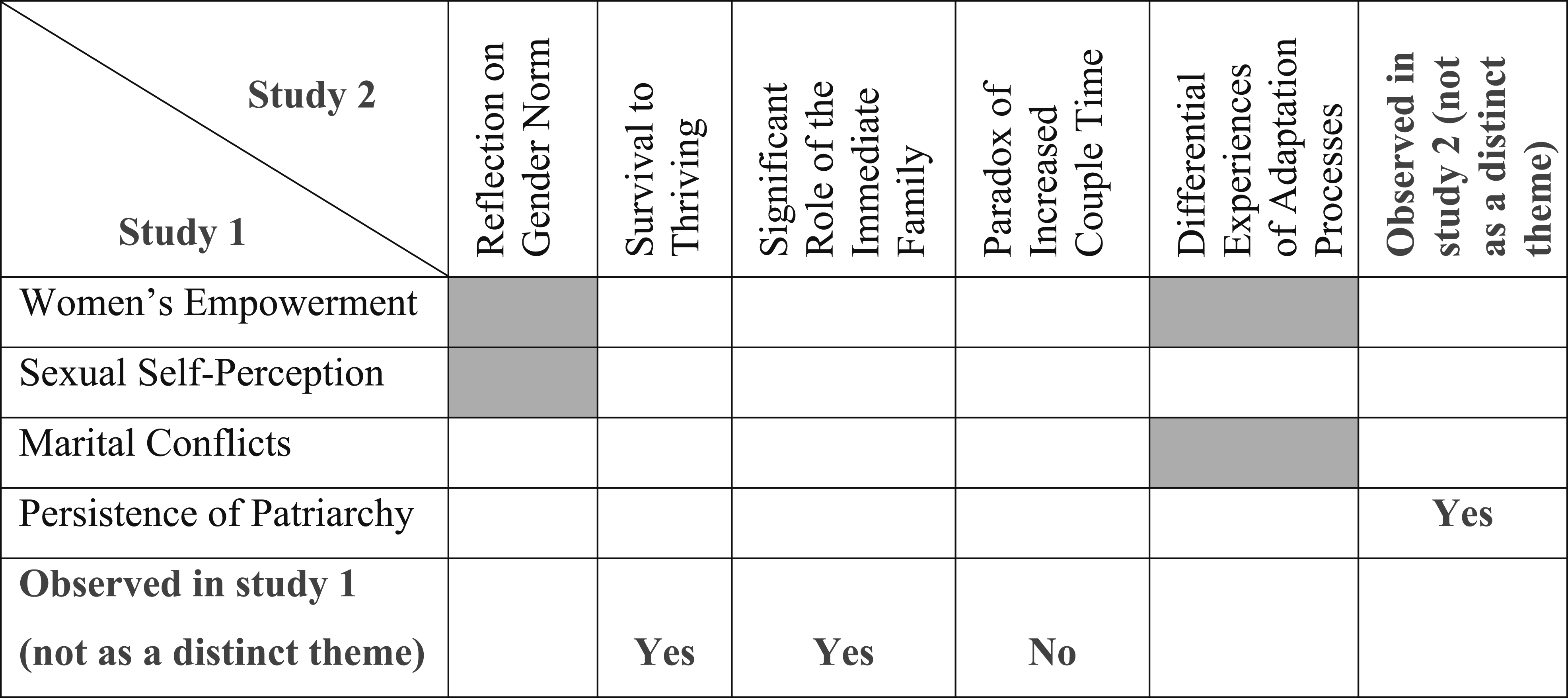
Immigration marks a significant milestone for couples, especially when moving from a traditional and religious country to a secular one. Our empirical study’s findings echo some themes of the systematic review (see Table 5), emphasizing immigration’s transformative impact on relationships. The results are consistent with studies (e.g., Molana, 2020; Rashidian et al., 2013; Yektafar-Hooshvar, 2016) that demonstrate women challenging traditional gender roles. Our findings also support other research highlighting women’s awareness and expression of sexual needs post-immigration (e.g., Ahmadi, 2003a, 2003b; Naghavi, 2015; Pajouhandeh, 2004). These consistent findings suggest that immigration can shift gender dynamics and promote egalitarian relationships.
Although some participants noted unemployment’s negative impact on marital relationships, it did not dominate their overall relationship satisfaction. Our finding aligns with previous research indicating that unemployment can lead to conflicts in couples (e.g., Jafari et al., 2010; Madanian et al., 2013; Nasrullah, 2020); however, the conflict observed in the empirical study was not due to the shifts in power dynamics. Our findings emphasize the link between unemployment and mental health, suggesting that while unemployment poses marital challenges, it is not the sole determinant of relationship satisfaction.
According to the 2021 Canadian census (2024), about 60% of Iranians in Canada hold a bachelor’s degree or higher, indicating high education attainment in this community. Moreover, Iranian international students in Canada surged by 205.1%, rising from 3,948 in 2014 to 12,045 in 2022 (Statistics Canada, 2023b). Given this data, it is not surprising that our participants were predominantly young, educated individuals who immigrated to Canada for academic or career purposes, alongside partners with similar motivations. These factors partially distinguish our study from previous research on the impact of increased freedom for women in Canada on marital dynamics. Unlike earlier studies reporting challenges for men adapting to changing gender roles and women’s increased freedom (e.g., Naghavi, 2015; Shirpak et al., 2011), our findings align with more recent research (Parsafar, 2020), indicating positive responses to wives’ independence and better marital adaptation. Our research suggests that younger, educated individuals are more likely to challenge traditional norms and promote equality in their relationships. Additionally, some participants already valued equality in their relationships, reflecting internal diversity within Iran and the evolving nature of culture influenced by technology and globalization.
Conclusions
Our studies provide valuable insights into Iranians’ intimate relationships, highlighting the impact of cultural, social, and structural differences between home and host countries. The empirical study further explored the factors impacting the experiences that underscore the complexities of the adaptation process for this population. The findings stress the importance of continued research given evolving sociopolitical contexts. Mental health experts working with Iranian immigrants should be aware of how various factors interact to affect relationship dynamics in multicultural contexts and offer culturally responsive support.
Footnotes
Acknowledgements
We would like to express our gratitude to all participants who generously dedicated their time and shared their experiences. The success of this study is indebted to the invaluable contributions made by each participant. We would also like to thank and acknowledge Jennifer Carlson, the research assistant, for her assistance with the identification and screening steps in Study 1.
Declaration of conflicting interests
The author(s) declared no potential conflicts of interest with respect to the research, authorship, and/or publication of this article.
Funding
The author(s) received no financial support for the research, authorship, and/or publication of this article.
Open research statement
As part of IARR’s encouragement of open research practices, the authors have provided the following information: This research was not pre-registered. The data used in Study 1 is accessible and can be obtained by emailing:
Ethical statement

Notes
Tables
Summary of characteristics of studies included in the systematic review. Note. Some studies did not specify the exact age range and one study with no gender breakdown.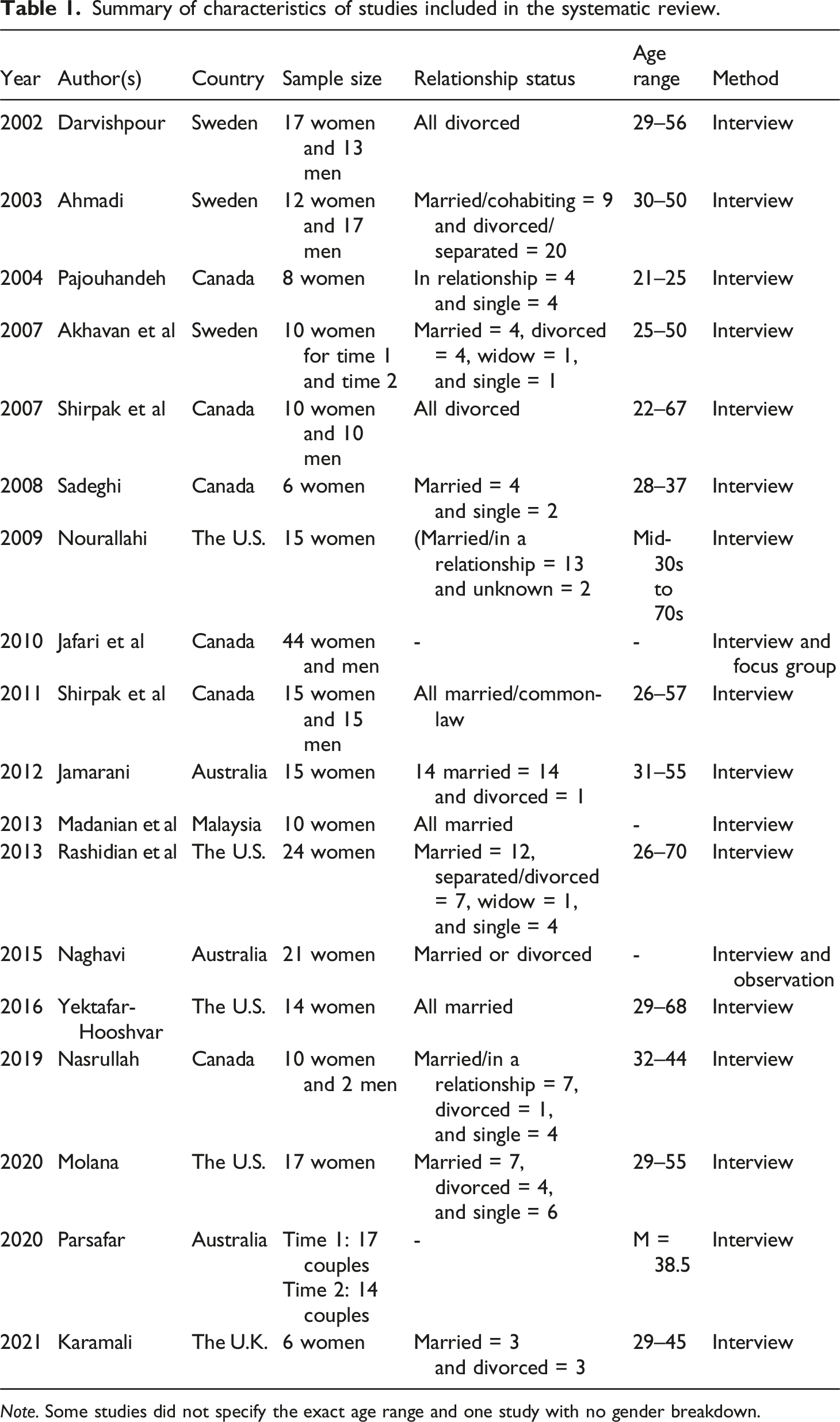
Year
Author(s)
Country
Sample size
Relationship status
Age range
Method
2002
Darvishpour
Sweden
17 women and 13 men
All divorced
29–56
Interview
2003
Ahmadi
Sweden
12 women and 17 men
Married/cohabiting = 9 and divorced/separated = 20
30–50
Interview
2004
Pajouhandeh
Canada
8 women
In relationship = 4 and single = 4
21–25
Interview
2007
Akhavan et al
Sweden
10 women for time 1 and time 2
Married = 4, divorced = 4, widow = 1, and single = 1
25–50
Interview
2007
Shirpak et al
Canada
10 women and 10 men
All divorced
22–67
Interview
2008
Sadeghi
Canada
6 women
Married = 4 and single = 2
28–37
Interview
2009
Nourallahi
The U.S.
15 women
(Married/in a relationship = 13 and unknown = 2
Mid-30s to 70s
Interview
2010
Jafari et al
Canada
44 women and men
-
-
Interview and focus group
2011
Shirpak et al
Canada
15 women and 15 men
All married/common-law
26–57
Interview
2012
Jamarani
Australia
15 women
14 married = 14 and divorced = 1
31–55
Interview
2013
Madanian et al
Malaysia
10 women
All married
-
Interview
2013
Rashidian et al
The U.S.
24 women
Married = 12, separated/divorced = 7, widow = 1, and single = 4
26–70
Interview
2015
Naghavi
Australia
21 women
Married or divorced
-
Interview and observation
2016
Yektafar-Hooshvar
The U.S.
14 women
All married
29–68
Interview
2019
Nasrullah
Canada
10 women and 2 men
Married/in a relationship = 7, divorced = 1, and single = 4
32–44
Interview
2020
Molana
The U.S.
17 women
Married = 7, divorced = 4, and single = 6
29–55
Interview
2020
Parsafar
Australia
Time 1: 17 couples
-
M = 38.5
Interview
Time 2: 14 couples
2021
Karamali
The U.K.
6 women
Married = 3 and divorced = 3
29–45
Interview
Overview of studies included in the systematic review. Note. Themes include (1) Women’s Empowerment, (2) Sexual Self-Perception, (3) Marital Conflicts, and (4) Persistence of Patriarchy.
Reference
To understand …
Key findings
Themes
Darvishpour (2002)
The impact of immigration on the distribution of power within Iranian couples in Sweden
• Improved status for women relative to men. Women’s empowerment through work, education, and shifting norms
1, 3
• Strengthened legal protections for women’s rights, including divorce rights
• Men’s growing reliance on marriage and employment difficulties
• Conflicts stemming from changes in power distribution
Ahmadi (2003a,
2003b)
The changes in views on sexuality after immigrating to Sweden
• Women asserted their individuality and sexual needs
2
• Men became more aware of and respectful of their partners’ sexuality
Pajouhandeh (2004)
The acculturation experiences of Iranian women in Canada
• Transitioned from sexual silence in Iran to decision-making about their sexuality in Canada
1, 2, 3, 4
• Adapted their sense of self and relationship roles
• Struggled with traditional gender role expectations while seeking more egalitarian relationships
Akhavan et al., (2007)
The factors affecting the health of immigrant Iranian women in Sweden
• Encountered familial patriarchy
1, 4
• Divorce due to changes in the values and views of life, as well as the lack of support for men under Sweden’s domestic violence laws
• Limited sexual awareness affects their health post-immigration
Shirpak et al., (2007)
How Iranian immigrants experience and interpret sexuality in Canada
• Concerns among women about their husbands being attracted to the way women dress in Canada, with men acknowledging the allure of such attire
1, 3
• The growth of women’s rights and freedoms creates difficulties for men
• Challenges with non-marital interactions and friendships in Canadian society
Sadeghi (2008)
How Iranian women view the role of learning and literacy in their lives in Canada
• Marriage as a hindrance to women’s educational aspirations
4
• Conflict between caregiving roles and career aspirations
• The centrality of husbands' education and careers in family planning and decisions
Nourallahi (2009)
The causes of immigration for Iranian women in the U.S.
• Some still faced patriarchy, juggling household work with employment. Others reported greater freedom and individuality in their marriages
1, 4
Jafari et al., (2010)
The factors affecting the mental health of Iranians in Canada
• Joblessness led to husbands' increased aggression and instability, as reported by women
3
Shirpak et al., (2011)
How the impact of the post-immigration experiences on marital roles and relationships in Canada
• Men struggled with accepting wives' freedom
1, 3
• Men faced challenges in integrating into the Canadian workforce, losing traditional breadwinner roles
• Couples experienced a loss of emotional and functional family support but less family interference and increased closeness
Jamarani (2012)
The differences that Iranian women encountered after immigrating to Australia
• More freedom and power beyond traditional gender roles
1, 4
• Could file for divorce due to financial independence, legal rights, and reduced divorce stigma
• Sociocultural change didn’t completely transform traditional gender identity or secure women’s rights
Madanian et al., (2013)
The factors contributing to the marital satisfaction of Iranian women students in Malaysia
• Financial issues strained relationships and affected husbands' sexual desires
3
• Increased need for communication when distant from family
• Anxiety about husbands' interactions with women and lack of religious commitment
Rashidian et al., (2013)
Iranian women’s perspectives on sexual self and gender roles after immigrating to the U.S.
• Felt mixed feelings due to ascribed gender roles, cultural norms, and assimilation
1, 2
• Long-term acculturation and gradual changes in the perception of the sexual self, liberate them from shame, guilt, and family dishonour
Naghavi (2015)
The post-migration family dynamics and challenges among Iranian women in Australia
• Conflicts over women’s rights and social freedoms in marriage
1, 2, 3, 4
• Increased household responsibilities from job loss and a lack of support
• Awareness of sexual needs and rights, challenging traditional gender roles
• Challenges in seeking assistance due to limited social support and language barriers
Yektafar-Hooshvar (2016)
The influence of acculturation on the meaning of Iranian marriage in women in the U.S.
• Cross-cultural adaptation and awareness shaped new meanings and values for women in relationships
1, 3
• Marriage was seen as an egalitarian partnership, where women’s roles were equally valued alongside their husbands'
• Decreased family influence on couples' relationships
• The development of a “third-culture identity,” merging traditional Iranian values with Western ones in their relational identity
Nasrullah (2020)
The Iranians’ interactions with the Iranian community and their integration into the new society in Canada
• Disagreements about returning to Iran because of the husband’s job situation
1, 3
• The influence of the Iranian community and their opinions on the relationship when the husband is unemployed or has a general job
• Women’s limited interaction with the Iranian community due to their partners’ reluctance
Molana (2020)
How Iranian women see themselves in the new society, as a minority in the U.S.
• Struggling with English fluency affected their mental health and created isolation from their husband during the initial years of immigration
1
• Challenging traditional gender roles, including defying submission to their husband’s will
Parsafar (2020)
The impact of forced immigration on Iranian couples in Australia
• Emotional and instrumental support from husbands positively influenced relationship satisfaction
1, 3, 4
• The influence of living in a gender-equal society on marital conflicts and males' resistance towards new marital culture
• Shifting power dynamics contributed to communication issues, decreasing marital satisfaction and well-being
• Strong emotional bonds and effective communication reduced the impact of cultural and legal differences, and husbands’ positive responses to their spouses' independence contributed to improved marital adaptation
• Freedom, safety, and societal peace had a positive effect on marriages
• Overcoming traumatic events together led to relationship growth and increased marital appreciation
• Some showed personal growth, improved communication, and marital satisfaction; however, some still faced challenges with gender roles and laws, resulting in divorce for two pairs
Karamali (2021)
The Iranian women’s experiences of domestic violence within the UK.
• Cultural and legal pressures on women in Iran to endure abusive relationships for family unity
1
• Empowered women with a sense of independence and equal rights leaving abusive spouses with legal support and a non-patriarchal culture
Demographic characteristics of participants in study 2. Note. All participants had at least a bachelor’s degree, with most holding master’s or Ph.D. degrees. Some were continuing their education, while others were employed or unemployed.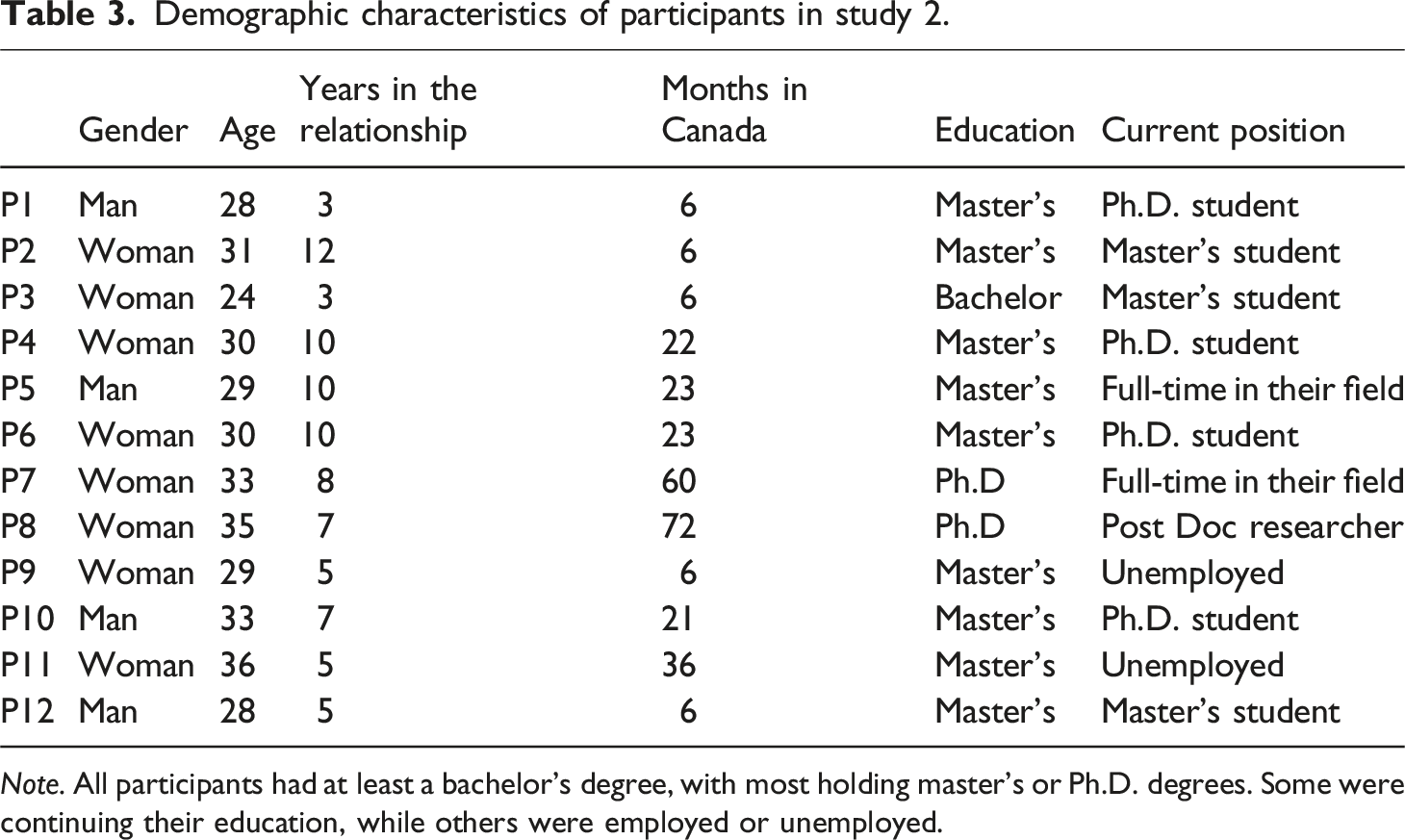
Gender
Age
Years in the relationship
Months in Canada
Education
Current position
P1
Man
28
3
6
Master’s
Ph.D. student
P2
Woman
31
12
6
Master’s
Master’s student
P3
Woman
24
3
6
Bachelor
Master’s student
P4
Woman
30
10
22
Master’s
Ph.D. student
P5
Man
29
10
23
Master’s
Full-time in their field
P6
Woman
30
10
23
Master’s
Ph.D. student
P7
Woman
33
8
60
Ph.D
Full-time in their field
P8
Woman
35
7
72
Ph.D
Post Doc researcher
P9
Woman
29
5
6
Master’s
Unemployed
P10
Man
33
7
21
Master’s
Ph.D. student
P11
Woman
36
5
36
Master’s
Unemployed
P12
Man
28
5
6
Master’s
Master’s student
Distribution of responses across themes and subthemes in study 2. Note. The only subtheme observed across all participants was “Shifting Social Dynamics and Embracing Togetherness”.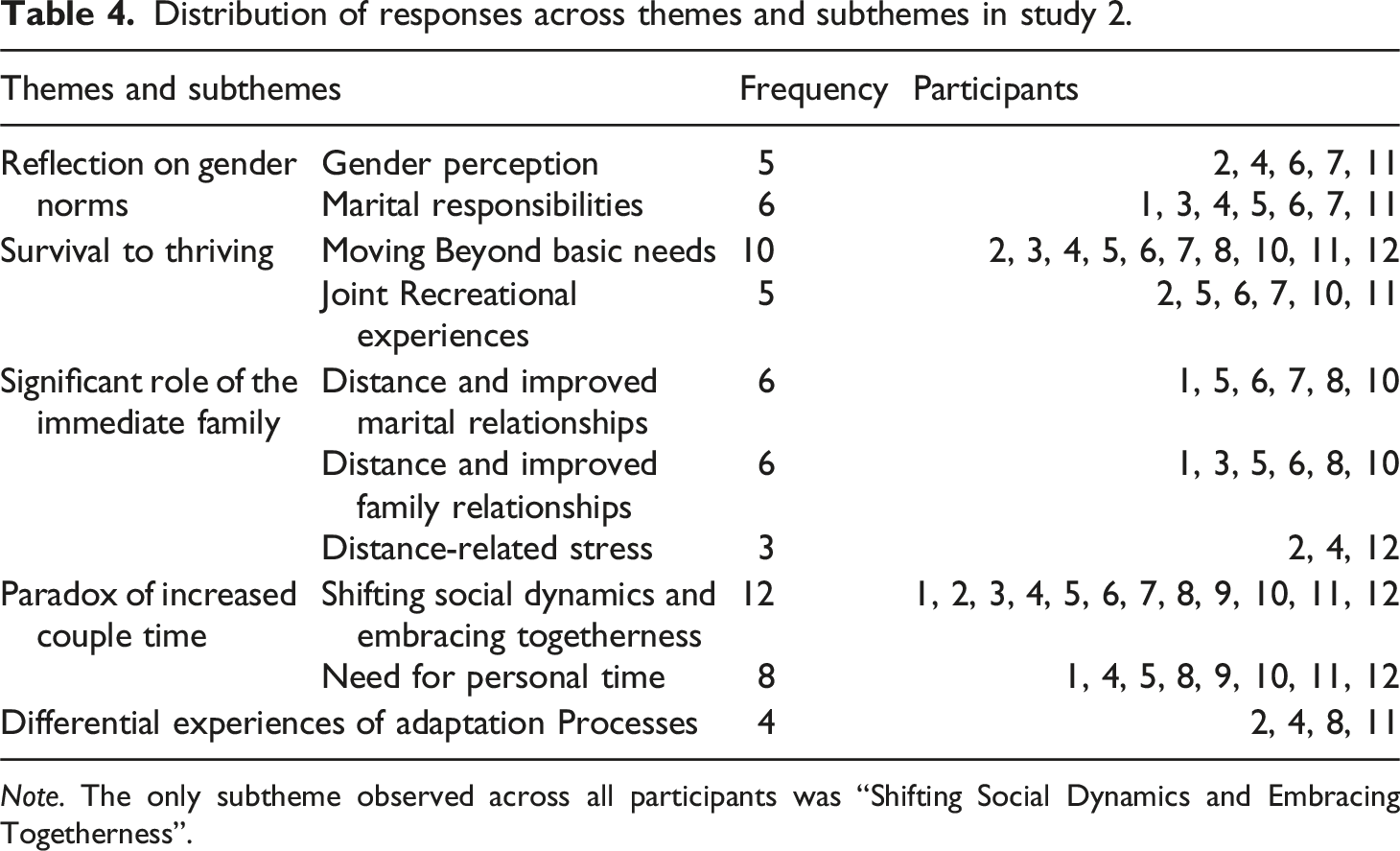
Themes and subthemes
Frequency
Participants
Reflection on gender norms
Gender perception
5
2, 4, 6, 7, 11
Marital responsibilities
6
1, 3, 4, 5, 6, 7, 11
Survival to thriving
Moving Beyond basic needs
10
2, 3, 4, 5, 6, 7, 8, 10, 11, 12
Joint Recreational experiences
5
2, 5, 6, 7, 10, 11
Significant role of the immediate family
Distance and improved marital relationships
6
1, 5, 6, 7, 8, 10
Distance and improved family relationships
6
1, 3, 5, 6, 8, 10
Distance-related stress
3
2, 4, 12
Paradox of increased couple time
Shifting social dynamics and embracing togetherness
12
1, 2, 3, 4, 5, 6, 7, 8, 9, 10, 11, 12
Need for personal time
8
1, 4, 5, 8, 9, 10, 11, 12
Differential experiences of adaptation Processes
4
2, 4, 8, 11
A Comparative overview of themes between study 1 and study 2. Note. Gray cells indicate overlapping areas.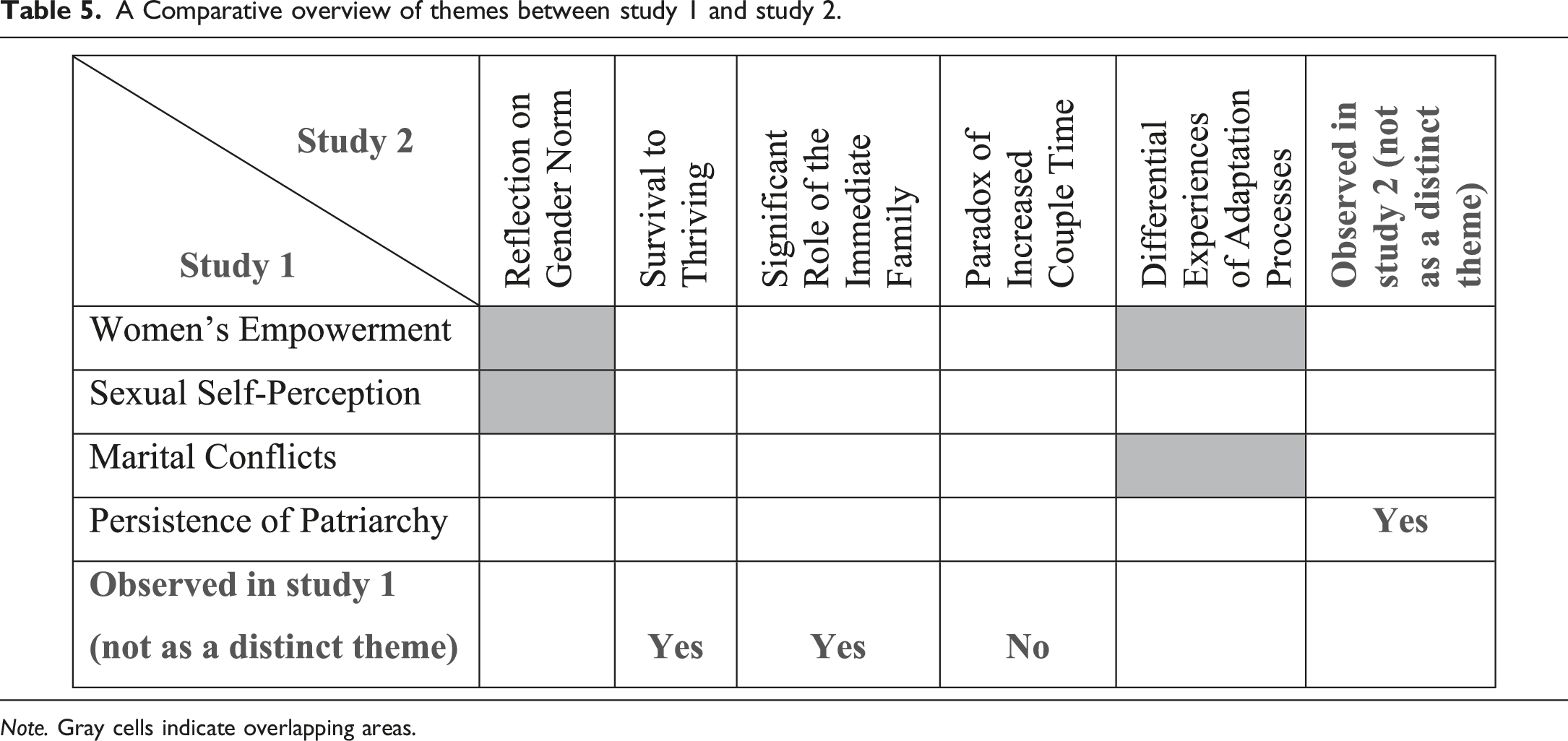
Figures
Prisma flow diagram of the study selection process in the systematic review. Note. This flow diagram illustrates the stages of the systematic review process.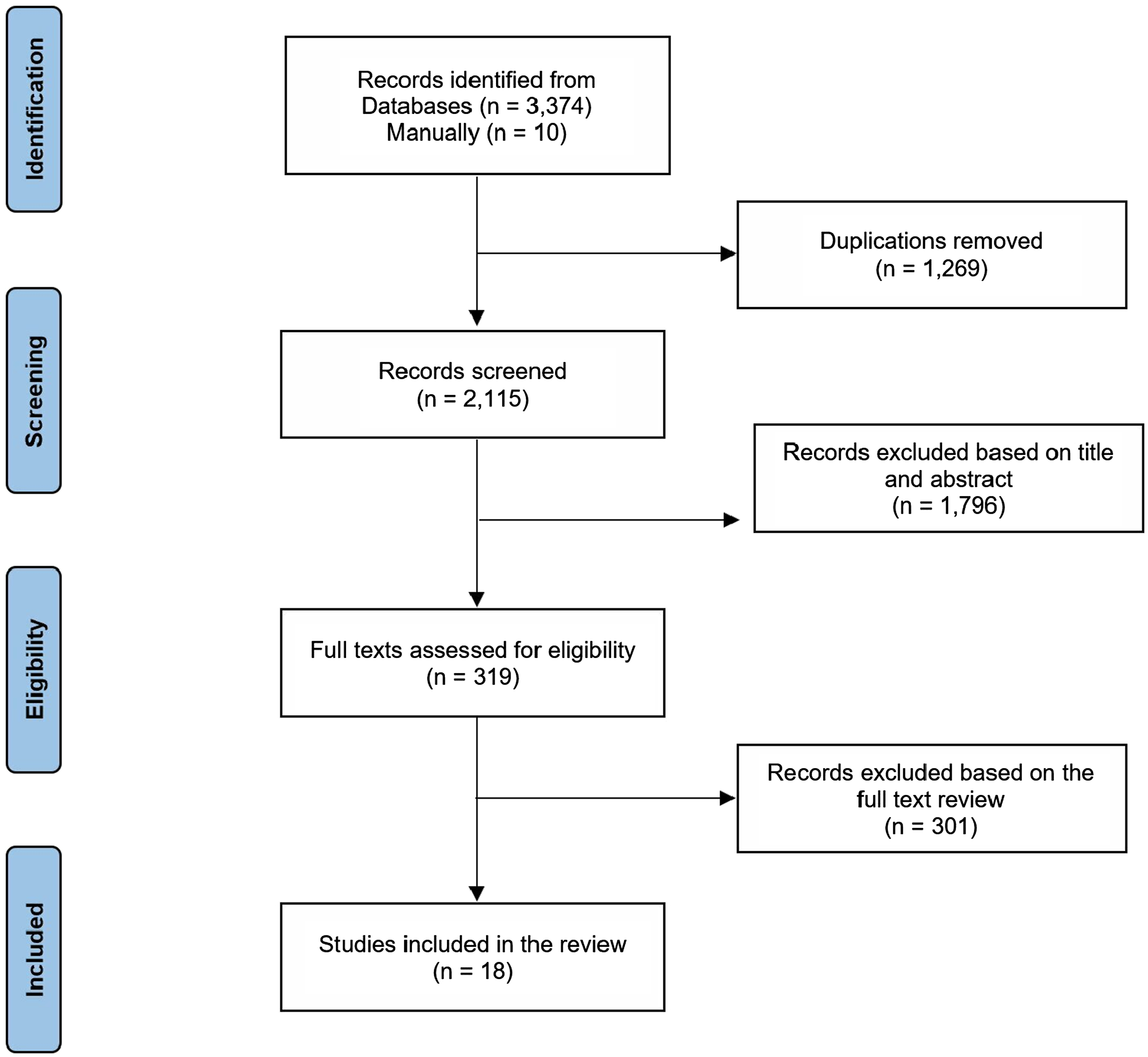
Visualization of themes and subthemes identified in study 2. Note: This visualization illustrates factors influencing marital relationships among married Iranians post-immigration.