




Abstract
The COVID-19 pandemic has seriously impacted the management and trajectory of same-sex relationships. This study considered the mediational role of same-sex partners’ conflict avoidance and the moderating roles of individual and contextual vulnerability factors in the face of the pandemic. Results showed that greater adverse daily life impacts and higher perceived threat of COVID-19 predicted more complaint avoidance, which in turn predicted lower relationship satisfaction and higher anxiety, depression, and substance use. Being a person of color and having higher internalized homophobia exacerbated the pandemic’s negative effects on relationship satisfaction. While moving in with partners during the pandemic was related to more complaint avoidance, lower relational satisfaction, higher relationship termination intentions, and greater mental health risks, it also buffered the negative effects of the pandemic on relational well-being. Same-sex couples are encouraged to constructively solve relational issues and actively discuss moving in decisions. More efforts should be devoted to understanding multiple pandemic-related stressors facing same-sex couples.
Same-sex couples coping with coronavirus disease 2019 (COVID-19) face various relational changes and difficulties. While the precise impact of the pandemic on same-sex relationships remains unclear, lesbian, gay, bisexual, transgender, and queer (LGBTQ) individuals are experiencing compounded minority stress due to persistent systematic inequality and new obstacles raised by the COVID-19 pandemic. Conspiracy theories, like, “God sent coronavirus to destroy LGBTQ people,” (Li et al., 2020) and a lack of tailored public assistance for this population (Gruberg, 2020) have magnified the enduring stigma and discrimination against the LGBTQ community.
The COVID-19 pandemic also further threatens LGBTQ people’s economic security. LGBTQ persons are more likely to work in highly affected industries, have a lower income, rely on government assistance, and lack health care access compared to their heterosexual, cisgender counterparts (Whittington et al., 2020). Moreover, LGBTQ people face higher odds of poor health and behavioral risks (Gonzales & Henning-Smith, 2017). Nearly 65% of LGBTQ adults have pre-existing conditions, like diabetes, heart disease, asthma, or HIV (Huelskoetter & Gee, 2017). About 37% of LGBTQ adults smoke daily, compared to 27% of non-LGBTQ people (Whittington et al., 2020). Such conditions put LGBTQ individuals at increased risk for severe illness from COVID-19 (CDC, 2020a). These individual risks and stressors can also spill over into couples’ relationship functioning (Pietromonaco & Overall, 2020).
In times of large-scale community crises, social support and community ties are crucial coping mechanisms (Boyle et al., 2017; Saltzman et al., 2020). However, many LGBTQ individuals lost their social support systems due to lockdown and stay-at-home orders. School closures reduce LGBTQ young people’s access to campus resources and peer support (Burns, 2020; Salerno et al., 2020). Older LGBTQ people also encounter social isolation and loneliness without necessary family assistance (Salerno et al., 2020; Seegert, 2020). The cancellation of many social and pride events limited opportunities to socialize with supportive others. For same-sex couples, decreased outside interactions and social support affect their relational experiences (Blair & Holmberg, 2008, 2019) and adds additional responsibility on romantic partners to cope with multiple stressors in such difficult times.
Crises are also relational turning points, characterized by crucial decision-making and heightened relational conflicts (Baxter & Erbert, 1999). The social and economic disruptions from the COVID-19 pandemic have accelerated relational decisions to move in, physically separate, or even break up with a partner (Fetters, 2020; Singer, 2020). Different opinions on these issues may cause severe relational problems. For couples who quarantine together, the prolonged face-to-face interactions have challenged individual boundaries and made existing relational issues more salient (Günther-Bel et al., 2020). For those physically separate, not being able to see each other in-person may also trigger relational issues. Thus, managing those relational problems becomes vital for couples’ relationship functioning and individuals’ coping with the pandemic.
Pietromonaco and Overall (2020) proposed a conceptual model to illustrate the potential impacts of the COVID-19 pandemic on romantic relationships. Adapted from the vulnerability-stress-adaptation model (Karney & Bradbury, 1995), the model stipulates that stressors arising from the COVID-19 pandemic, pre-existing contextual vulnerabilities (e.g., social class, minority status), and enduring individual vulnerabilities (e.g., attachment insecurity, history of trauma) are likely to increase harmful dyadic relationship processes (e.g., withdrawal, hostility), which in turn undermine couples’ relationship quality and stability. Moreover, individual and contextual vulnerability factors likely exacerbate the harmful effects of the pandemic on couples’ communication and relationships (Pietromonaco & Overall, 2020).
Guided by this theoretical model, this study investigates the main effect of the COVID-19 pandemic on same-sex couples’ relational outcomes (relationship satisfaction during the pandemic and intentions to terminate the relationships after the pandemic) and personal well-being (anxiety, depression, and substance use). We also nominate complaint avoidance as a dyadic relationship process mediating the impacts of the pandemic on relational and individual outcomes. Finally, we investigate how individual and contextual vulnerability factors moderate the effects of the pandemic on same-sex couples (see Figure 1).
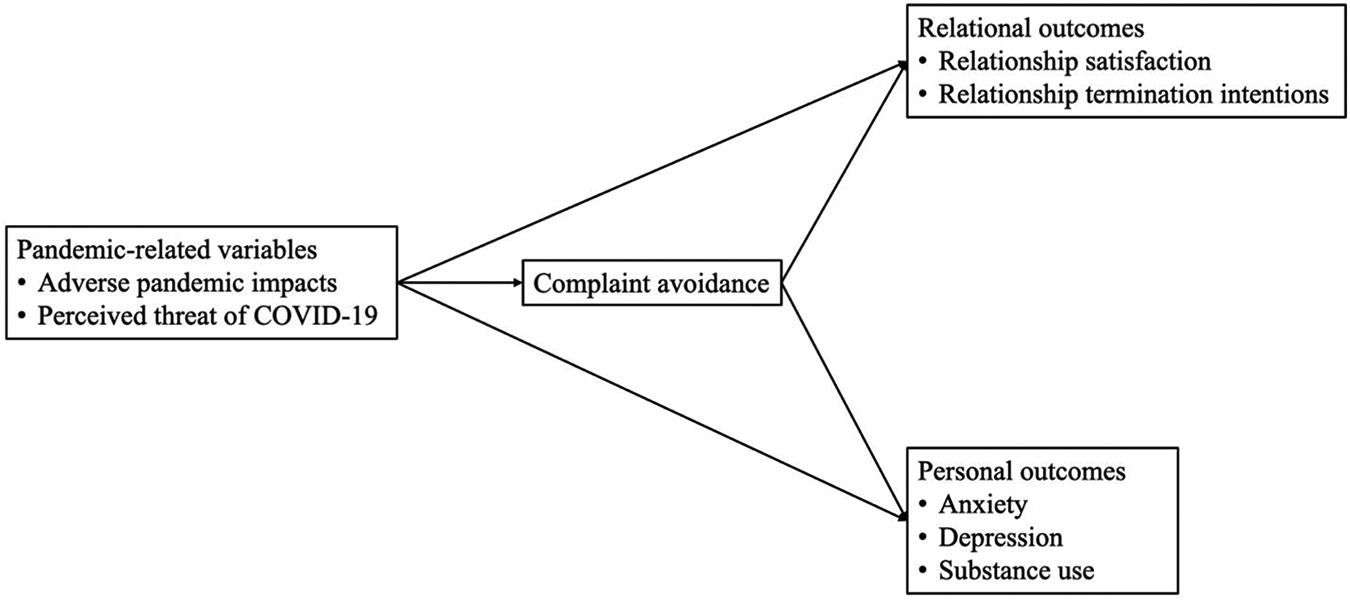
Conceptual model.
COVID-19 pandemic and same-sex relationships
Studies of traumatic or life-threatening events offer insight into how the COVID-19 pandemic may affect same-sex relationships. In the year following Hurricane Hugo, heterosexual couples’ divorce rate increased in the most affected areas (Cohan & Cole, 2002). This may be because rebuilding communities required substantial time and financial costs, facilitating chronic stress and increasing relational conflicts, which contributes to relationship deterioration (Pietromonaco & Overall, 2020). In contrast, divorce rates declined immediately following the September 11 attacks (Cohan et al., 2009) and the 1995 Oklahoma City bombing (Nakonezny et al., 2004). Compared to Hurricane Hugo, the terrorist attacks had higher mortality, increasing people’s uncertainty about the future and anxiety about their life. When individuals experience threats to their existence, they usually seek comfort and security from their closest others, which may explain why couples turned to each other and stayed together after the terrorist attacks (Pietromonaco & Overall, 2020).
Similar to the situations accompanying many natural disasters, the duration of the COVID-19 pandemic remains unknown and has necessitated unprecedented efforts to “flatten the curve” and to work toward changing and restricting behavior to promote recovery. In turn, the current pandemic may challenge typical relational functioning. Like the terrorist attacks, the large number of uncontrolled COVID-19 pandemic-related deaths has generated a culture of fear and uncertainty (Pietromonaco & Overall, 2020), which implies a stronger desire for intimate relationships. Yet, others may be resistant to pursue close interactions due to pandemic-related concerns. Thus, the extent to which the COVID-19 pandemic may harm or strengthen relationship quality and stability remains unclear.
Available data from heterosexual couples are also inconsistent. Prasso (2020) indicated that after couples emerged from the nationwide lockdown, several major cities in China had reported record-high numbers of divorce filings, primarily due to the lack of personal space during quarantine and increased relational problems. However, 60% of participants in Spain reported that their relationships have improved during the lockdown, mainly because of increased connections with partners (Günther-Bel et al., 2020). For same-sex couples, the COVID-19 pandemic has resulted in reduced social support and heightened minority stress, financial difficulties, and health disparities, which may spill over into their relationships, leading to relationship dissatisfaction and resolution. Nevertheless, same-sex couples have established relationship-constructive behaviors that buffer them from everyday stressors and crises, such as equal division of household labor, positive emotions and interactions, and effective communication and negotiation (Rostosky & Riggle, 2017). Those positive qualities may be preserved during the current crisis and help mitigate the pandemic’s adverse impacts. Due to the lack of clear evidence, we ask:
COVID-19 pandemic, psychological health, and substance use
The COVID-19 pandemic also affects individual well-being. A systematic review of 43 studies found that the general public reported higher levels of anxiety and depression during than before the pandemic (Vindegaard & Benros, 2020). A meta-analysis examined 62 studies with 162,639 participants from 17 countries and found that the prevalence of anxiety and depression was 33% (95% confidence interval [CI]: 28%–38%) and 28% (95% CI: 23%–32%), respectively (Luo et al., 2020). In the United States, symptoms of anxiety and depressive disorders increased considerably during April–June 2020, compared to the same period in 2019 (National Center for Health Statistics, 2020). The heightened levels of anxiety and depression have been linked to increased adverse impacts of the pandemic on daily life (Zhu et al., 2020) and higher perceived threat of COVID-19 (Fitzpatrick et al., 2020).
Empirical evidence also suggests increases in substance use during the pandemic, as people seek to cope with distress and negative emotions (Rogers et al., 2020). About 13% of U.S. adults stated that they have started or increased substance use to cope with pandemic-related stress or emotions (Czeisler et al., 2020). In China, about one in five former smokers and one in four former alcohol users had relapsed since the pandemic (Sun et al., 2020). During lockdown in Canada, nearly a quarter and one-tenth of adults reported increased alcohol consumption and cannabis use, respectively (Price, 2020). In other words, when people are more adversely affected by the pandemic and worry about the disease, they may be more likely to use substances to cope with their distress (Enns et al., 2020). While no studies to date have explicitly examined the psychological impacts of the COVID-19 pandemic on LGBTQ people, we anticipate that this vulnerable group also suffers from the mental health challenges arising from COVID-19 and are likely to use substances to cope with their distress. We predict:
Complaint avoidance as an underlying mechanism
Pietromonaco and Overall (2020) theorized that adverse relationship processes serve as underlying mechanisms accounting for the impacts of the COVID-19 pandemic on romantic relationships. We focus on same-sex couples’ conflict management given the heightened relational conflicts in the wake of the COVID-19 pandemic. Specifically, some couples have had to negotiate and rearrange their living conditions, such as swiftly moving in together despite a lack of readiness for cohabiting (Fetters, 2020; Singer, 2020), which may subject couples to potential relational problems. As cohabiting couples spend greater time together and adjust to new responsibilities and routines, they are more vulnerable to new disagreements and resurfacing of old issues (Günther-Bel et al., 2020; Luetke et al., 2020). Reduced social support and economic hardship may also spill over to increase conflicts between romantic partners (Archuleta et al., 2011; Keneski et al., 2018). Indeed, one in five respondents in Spain and one in three participants in the U.S. indicated that they had experienced relational conflicts due to the pandemic (Günther-Bel et al., 2020; Luetke et al., 2020). Given that relational problems are likely to escalate the adverse effects of the pandemic on couples’ well-being, how people manage conflicts is essential as they navigate the current crisis (Pietromonaco & Overall, 2020).
Among many conflict management strategies, withholding confrontations about problematic issues, or complaint avoidance, is prevalent (Roloff & Cloven, 1990). Avoidance may be easier, less risky than direct confrontations (Afifi & Olson, 2005) and can sometimes preserve relational harmony (Roloff & Ifert, 2000). However, avoiding complaints increases negative rumination about relational problems and reduces opportunities for positive relational change (Cloven & Roloff, 1991). Consequently, complaint avoidance is related to emotional distress (Liu & Roloff, 2016), depression, anxiety, and substance use (Flanagan et al., 2014), and relationship dissatisfaction (Li & Samp, 2019a; Worley & Samp, 2016). In same-sex relationships, avoiding conflicts about relationship revelation or same-sex marriage is associated with poorer mental health and less relationship satisfaction (Li & Samp, 2020; Lannutti, 2014). Therefore, complaint avoidance is generally considered destructive in romantic relationships that adversely affects people’s relational and personal well-being.
In the current crisis, coping with external stressors, such as amplified minority stress, financial difficulties, health threats, and reduced physical activities, may tax peoples’ energy and communicative abilities, making it harder for relational partners to constructively solve relational problems (Pietromonaco & Overall, 2020). Moreover, as the pandemic threatens people’s lives and futures, individuals may focus on those “more serious” issues and downplay the severity of relational problems, engaging in more complaint avoidance (Li & Samp, 2019a; Worley & Samp, 2016). The COVID-19 pandemic has also evoked heightened uncertainty over close relationships and people’s own health (Satici et al., 2020). Greater relational uncertainty and illness uncertainty have been linked to higher perceived threat of sensitive conversations and more topic avoidance (Leustek & Theiss, 2018). Likewise, the increased COVID-19 related uncertainty may encourage complaint avoidance as people worry about the negative outcomes of confrontations. Therefore, greater adverse impacts of the pandemic and higher perceived threat of COVID-19 may predict more complaint avoidance, which in turn predicts negative relational and personal outcomes.
Individual and contextual vulnerabilities
Pre-existing contextual vulnerabilities and enduring individual vulnerabilities not only contribute to destructive behaviors and lower relationship quality, but also aggravate the adverse effects of the pandemic on same-sex couples (Pietromonaco & Overall, 2020). Prior to the pandemic, same-sex couples who were younger, with lower income, people of color, or not legally married reported lower relationship stability (Khaddouma et al., 2015). Those in male same-sex relationships also reported lower relationship satisfaction than their female counterparts (Kurdek, 2003). Moreover, same-sex partners experience unique personal vulnerabilities, one of which is internalized homophobia. Li and Samp (2021) found that internalized homophobia is negatively related to mental health outcomes and relationship satisfaction among same-sex couples. Compared to lesbian or gay people, bisexual individuals are also at elevated risk for mental health disorders because they violate the social norms of monosexism and face discrimination within the LGBTQ community (Horwitz et al., 2020).
In the current crisis, the precise impacts of those individual and contextual factors on same-sex couples remain unclear. However, meta-analyses showed that people of color, females, having lower socioeconomic status, and living alone are risk factors for heightened anxiety and depression during the pandemic (Luo et al., 2020; Vindegaard & Benros, 2020). Underrepresented groups are also more vulnerable to contact and die from COVID-19 (CDC, 2020b). Moreover, the stress of being separated or confined together may exhaust couples’ resources and constraint opportunities for constructive conflict management, potentially underlining relationship quality (Pietromonaco & Overall, 2020). Those factors, coupled with the stressors arising from the COVID-19 pandemic, erode same-sex couples’ relationship quality and personal well-being. Thus, we explore the main effects and moderating roles of various individual and contextual factors. We ask:
Method
Participants
Participants (N = 411) were gay (40.15%), bisexual (32.60%), and lesbian (27.25%) adults residing in the U.S. who were in a same-sex relationship. About 68.86% were men and 31.14% women. No other sexual or gender identities were reported. The average age was 30.89 years (SD = 11.25, range: 18–62). Respondents self-identified as White (82.73%), African American/Black (12.41%), Asian (3.65%), and other (1.22%); 35.00% were Hispanic. Participants were from all 50 states and Washington, D.C., with the top 3 states being California (21.90%), Florida (15.09%), and New York (5.11%). On average, participants had been in a same-sex relationship for 52.56 months (SD = 67.58, range: 3–371). About 5.84% of them were legally married. Nearly 76.89% had cohabited with their same-sex partners before the pandemic and continuously lived together, 20.19% moved in with their partners during the pandemic, and 2.92% moved out.
Recruitment and procedures
Data were collected between April 1st and May 1st, 2020. Participants were recruited through Amazon Mechanical Turk (MTurk, www.Mturk.com), a web-based platform for recruiting and compensating subjects to perform intellectual tasks, such as survey research. MTurk is a valid and efficient platform to recruit hard-to-reach populations, including LGBTQ people (Smith et al., 2015). Given the time-sensitivity of this project, it was also appropriate to recruit LGBTQ participants via MTurk. A recruitment post on MTurk defined eligibility for this study if they (a) were 18 years or older, (b) had been in a same-sex romantic relationship for at least 3 months, and (c) currently resided in the U.S. Participants followed a link on MTurk to access an online screening survey that further verified their eligibility. Eligible respondents were then automatically directed to the main survey, which took on average 15 minutes to complete. Participants were compensated with $2.00. The Institutional Review Board at the authors’ affiliated institution approved the research protocol.
Measures
Likert-type scales were administrated on a 5-point scale (1 = strongly disagree, 5 = strongly agree). Except for substance use, all the following variables ranged from 1 to 5.
Negative impacts of the pandemic on daily life (negative pandemic impact)
The Coronavirus Impacts Questionnaire (Conway et al., 2020) was modified to measure the adverse impacts of the pandemic on people’s daily life. Participants responded to 8 items that indexed the negative impacts of the pandemic on finance (e.g., “The COVID-19 pandemic has impacted me negatively from a financial point of view.”), needed resources (e.g., “I have had a hard time getting needed resources (food, toilet paper) due to the COVID-19 pandemic.”), health care access (e.g., “I have difficulties in accessing medical health care due to the COVID-19 pandemic.”), and social activities (e.g., “The COVID-19 has made it harder for me to socialize with others.”). Items were averaged, with higher scores indicating greater negative impacts of the pandemic on people’s daily life (α = .86, M = 3.43, SD = 0.88).
Perceived threat of COVID-19
The 6-item Perceived Coronavirus Threat Questionnaire (Conway et al., 2020) was adapted to assess participants’ perceived threat of COVID-19. Sample items included, “I am afraid of contracting the coronavirus/COVID-19,” and “I am worried that I or people I love will get sick from the coronavirus/COVID-19.” Items were averaged, with larger numbers indicating greater perceived threat of COVID-19 (α = .73, M = 3.54, SD = 1.04).
Complaint avoidance
A measure developed by Worley and Samp (2016) assessed complaint avoidance. Participants read the following prompt (Worley & Aloia, 2018, p. 561): From time to time in every romantic relationship, one partner has a complaint about the other partner. These complaints may arise from something the partner did, or from something the partner should have done but failed to do. These may range from very minor complaints, all the way to very serious complaints, or anywhere in between.
Relationship satisfaction
The Relationship Assessment Scale (Hendrick, 1988) measured participants’ relationship satisfaction during the pandemic. Respondents were instructed to “reflect on your relationship experiences since March 15th, 2020,” and answered 7 items (e.g., “How much do you love your partner?”) on a 5-point scale (1 = low, 5 = high). Items were averaged, with higher values indicating higher levels of relationship satisfaction during the pandemic (α = .94, M = 4.11, SD = 0.85).
Relationship termination intentions
A single-item assessed participants’ intentions to terminate their current relationship after the COVID-19 pandemic. On a 5-point scale (1 = very unlikely, 5 = very likely), respondents answered the question, “How likely will you end your current relationship when the COVID-19 pandemic is over?” Higher scores indicated more intentions to terminate the relationships after the pandemic (M = 3.01, SD = 1.43).
Anxiety
The anxiety subscale of the Hospital Anxiety and Depression Scale (HADS; Zigmond & Snaith, 1983) measured participants’ anxiety. On a 5-point (1 = not at all, 5 = a great deal), 7-item (e.g., “I feel tense or ‘wound up’”) scale, participants indicated how they had been feeling in the past 7 days. Items were averaged, with higher scores indicating higher levels of anxiety (α = .88, M = 3.05, SD = 1.06).
Depression
Depressive symptoms were assessed by the depression subscale of HADS (Zigmond & Snaith, 1983). Participants responded to 7 items (e.g., “I had lost interest in my appearance”) on a 5-point scale (1 = not at all, 5 = a great deal). Items were averaged, with higher numbers indicating higher levels of depression (α = .90, M = 3.03, SD = 1.29).
Substance use
Participants reported how many days they had used alcohol, tobacco products, cannabis products, and recreational drugs other than cannabis products within the last 7 days. Answers were averaged and divided by 7, with higher scores indicating more frequent substance use (α = .96, M = 0.44, SD = 0.32, range: 0–1).
Internalized homophobia
The Internalized Homophobia Scale (Herek et al., 1998) assessed the degree to which participants were uneasy about their sexual orientation and sought to avoid feelings toward persons of the same sex. The 9 items (e.g., “I had tried to stop being attracted to persons of the same sex in general”) were averaged, with larger numbers indexing higher levels of internalized homophobia (α = .94, M = 2.31, SD = 1.17).
Results
Preliminary analyses
Independent samples t-tests and one-way analysis of variance examined whether variable means were significantly different as a function of participants’ gender, marital status, sexual orientation, living condition changes (moved out, continuously cohabited, moved in), and race/ethnicity. Results (see Table 1) showed that men were more likely to withhold complaints, reported higher anxiety, depression, and substance use, and indicated lower relationship satisfaction than women. No mean differences were found between married and non-married participants.
Results of independent samples t-tests examining study variable means between genders.
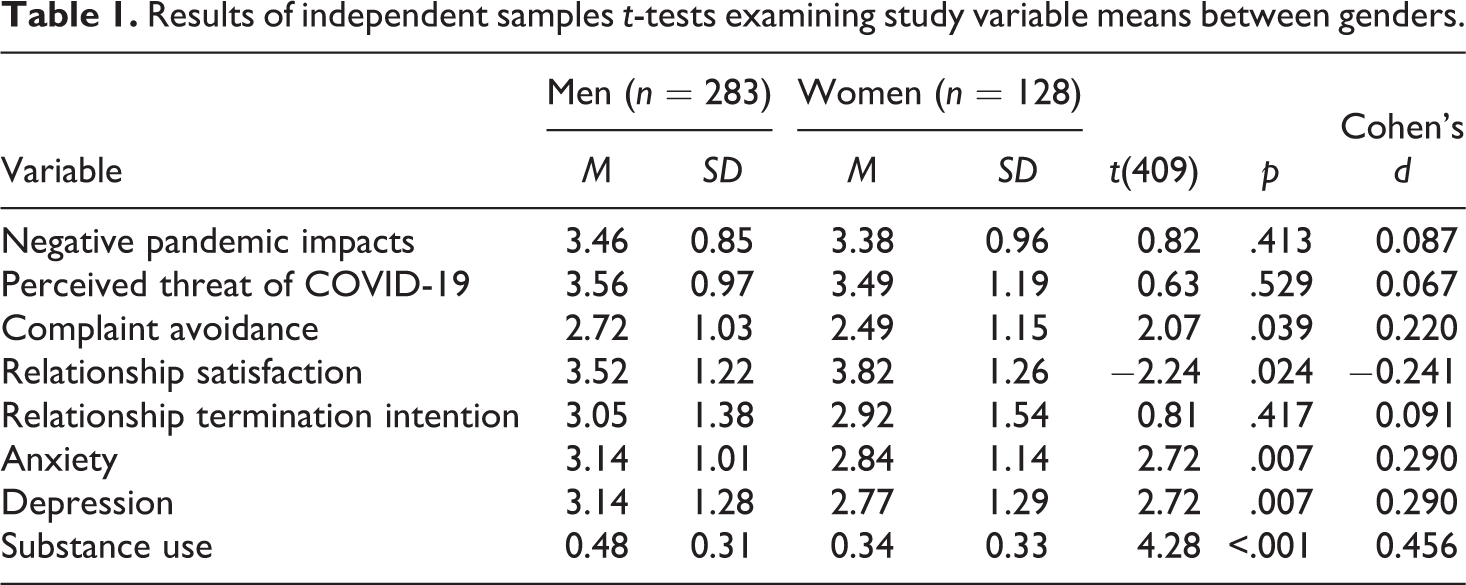
Bisexual individuals reported greater levels of negative pandemic impacts, perceived threat of COVID-19, intentions to terminate the relationships, anxiety, depression, and substance use than lesbian and gay participants. Gay respondents indicated greater complaint avoidance than lesbian and bisexual people. Lesbian participants reported higher relationship satisfaction than other groups (see Table 2). Individuals who moved in with their partners reported higher complaint avoidance, lower relationship satisfaction, greater relationship termination intentions, and higher anxiety, depression, and substance use than those who moved out and continuously cohabited with their partners (see Table 3).
Results of one-way analysis of variance in variable means by sexual orientation.
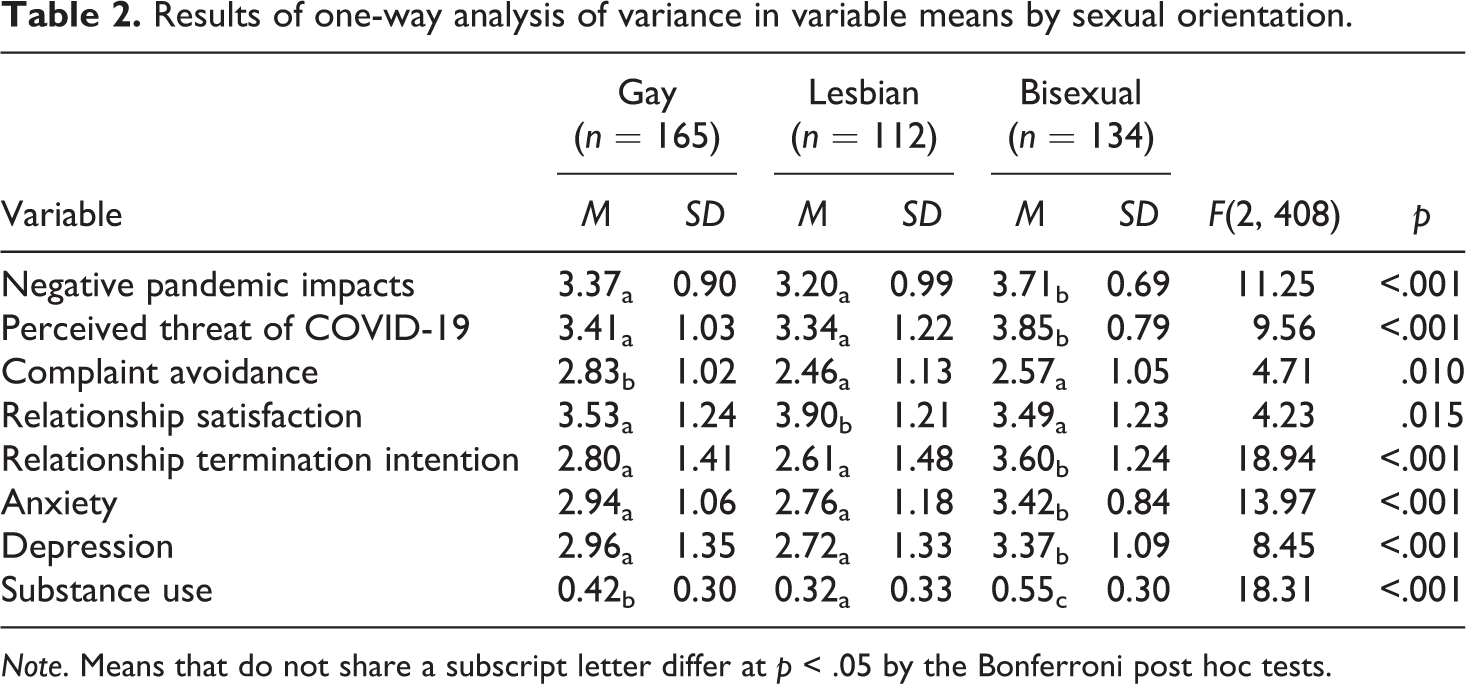
Note. Means that do not share a subscript letter differ at p < .05 by the Bonferroni post hoc tests.
Results of one-way analysis of variance in variable means by changes in living conditions.
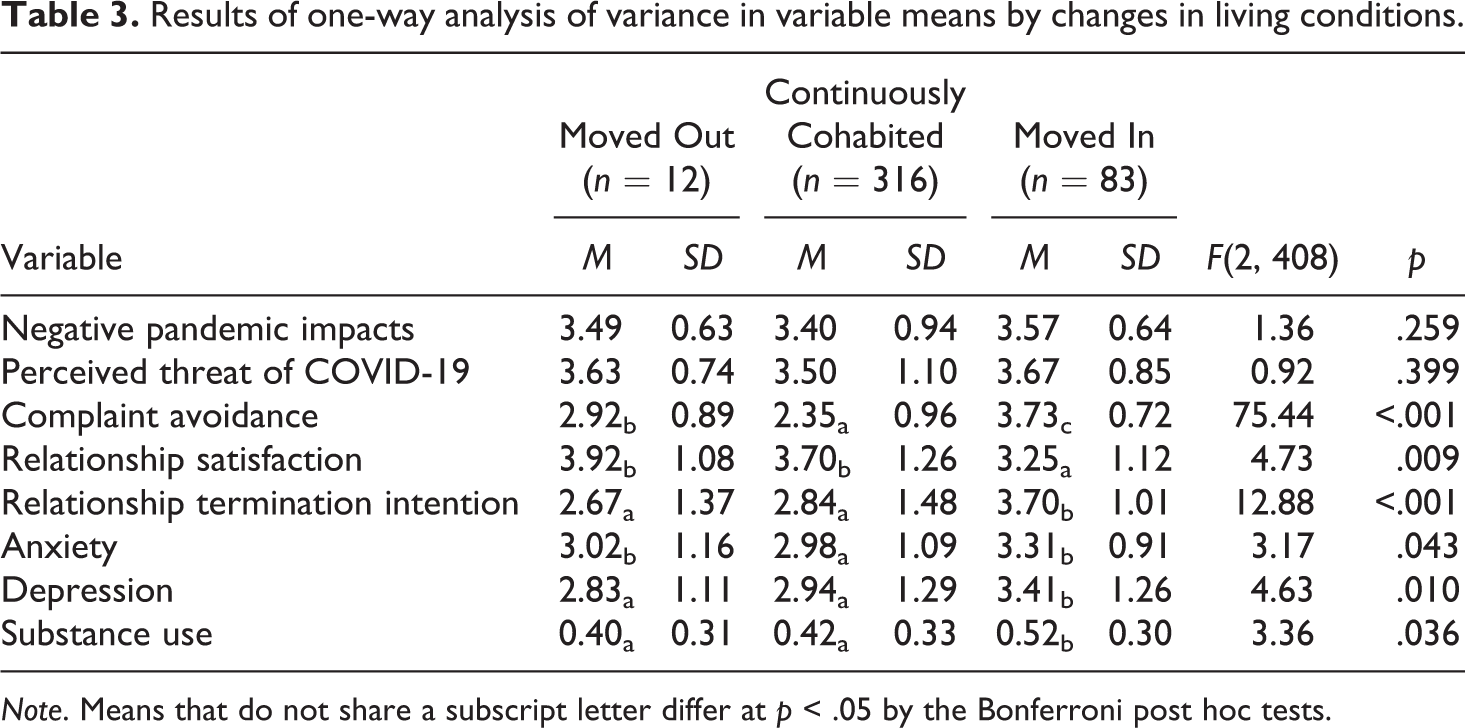
Note. Means that do not share a subscript letter differ at p < .05 by the Bonferroni post hoc tests.
Thus, we controlled for gender and two dummy-coded variables, “bisexual” (1 = bisexual, 0 = gay or lesbian) and “moved in” (1 = moved in with partners, 0 = moved out or continuously cohabited) in subsequent analyses. Although variable means did not significantly differ by participants’ race/ethnicity, given the well-documented COVID-19 related disparities among people of color (CDC, 2020b), we still controlled for race/ethnicity (1 = people of color, 0 = non-Hispanic, White) in analyses.
Correlation analyses examined the associations between participants’ age, income, education level, relationship length, internalized homophobia, and study variables. Results (see Table 4) showed that age was not related to any study variables. Income was negatively related to the pandemic’s adverse impacts, intentions to end the relationships, anxiety, depression, and substance use. Education level was positively correlated with complaint avoidance. Relationship length was negatively correlated with complaint avoidance. Internalized homophobia was positively related to negative pandemic impacts, perceived threat of COVID-19, relationship termination intentions, anxiety, depression, and substance use. Thus, participant’s income and internalized homophobia were controlled in subsequent analyses.
Results of correlation analyses (N = 411).
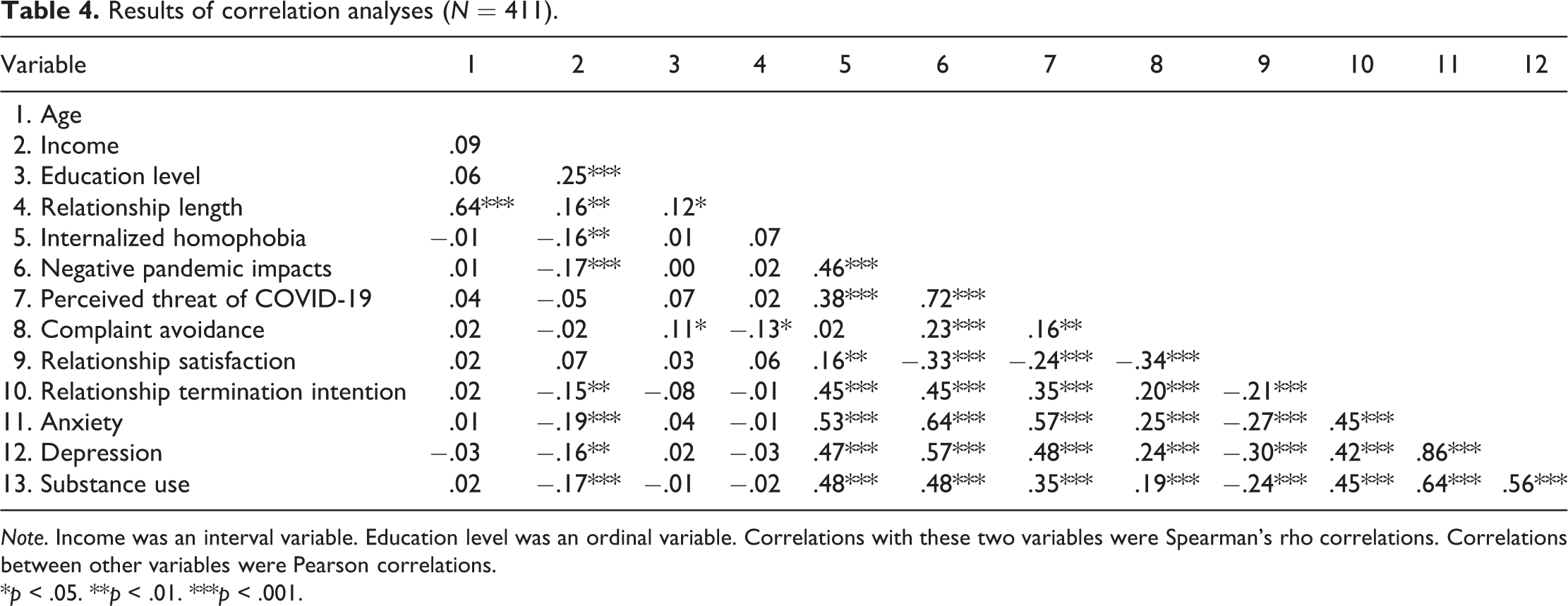
Note. Income was an interval variable. Education level was an ordinal variable. Correlations with these two variables were Spearman’s rho correlations. Correlations between other variables were Pearson correlations.
*p < .05. **p < .01. ***p < .001.
Path analyses
Path analyses via Mplus explored research questions and tested hypotheses (see Figure 1). Given that negative pandemic impacts and perceived threat of COVID-19 were highly correlated (r = .72, p < .001), multicollinearity is a potential issue (Kock & Lynn, 2012). Thus, we analyzed the two independent variables separately. Control variables were participants’ gender, sexual orientation, race/ethnicity, moving in status, income, and internalized homophobia in both models. To examine the mediational role of complaint avoidance, we conducted indirect effect analyses using bootstrapping estimation with 5,000 samples. Confidence intervals excluding zero indicate significant indirect paths.
In Model 1 (see Table 5), negative pandemic impacts positively predicted complaint avoidance, relationship termination intentions, anxiety, depression, and substance use, and negatively predicted relationship satisfaction. Complaint avoidance was negatively related to relationship satisfaction, and positively associated with anxiety, depression, and substance use. Results of indirect effect analyses (see Table 6) showed that higher adverse pandemic impacts negatively predicted relationship satisfaction via complaint avoidance. Complaint avoidance also mediated the positive relationships between adverse pandemic impacts and anxiety, and depression.
Path analyses of direct effects.
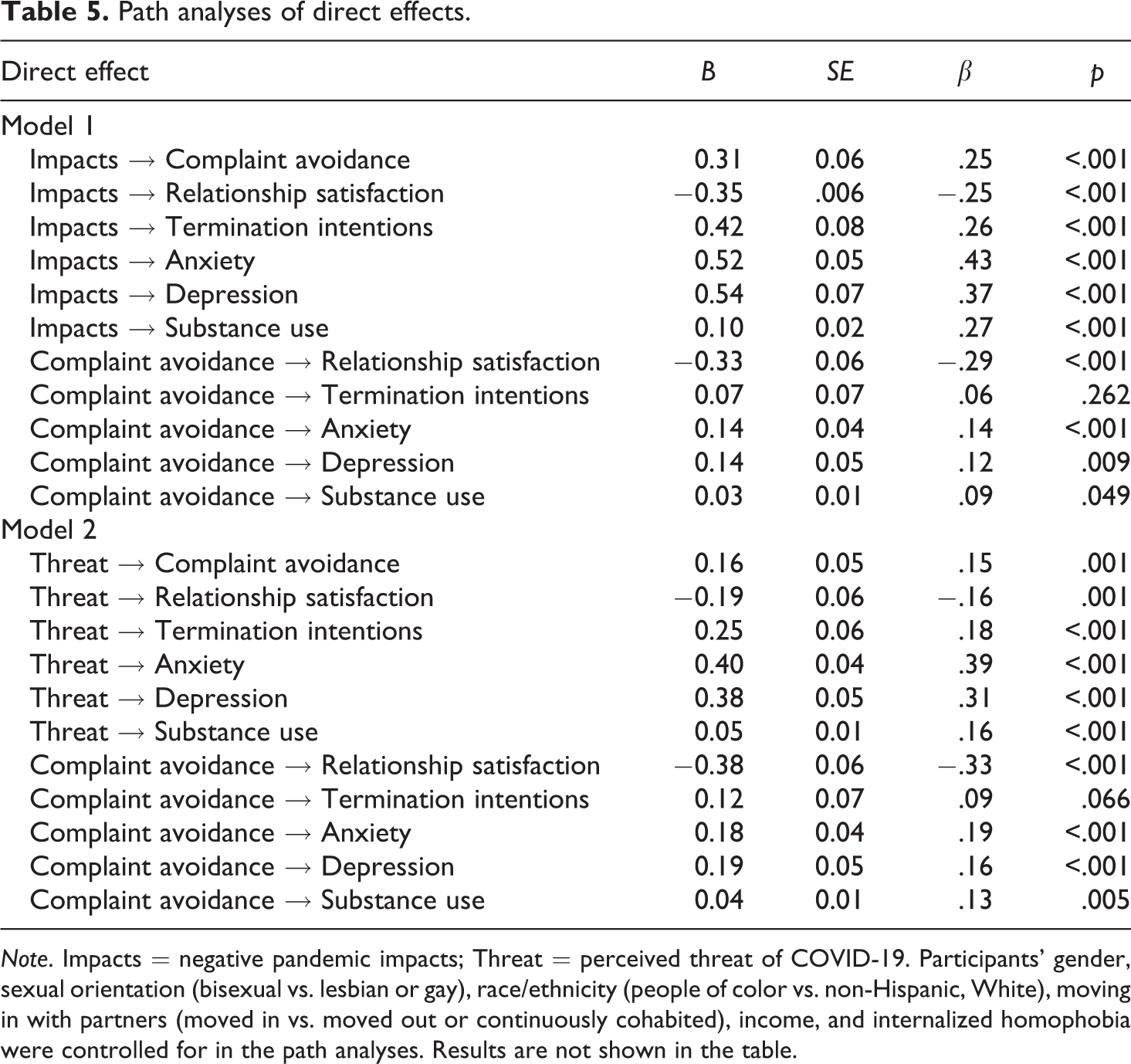
Note. Impacts = negative pandemic impacts; Threat = perceived threat of COVID-19. Participants’ gender, sexual orientation (bisexual vs. lesbian or gay), race/ethnicity (people of color vs. non-Hispanic, White), moving in with partners (moved in vs. moved out or continuously cohabited), income, and internalized homophobia were controlled for in the path analyses. Results are not shown in the table.
Bootstrap analyses of indirect effects.
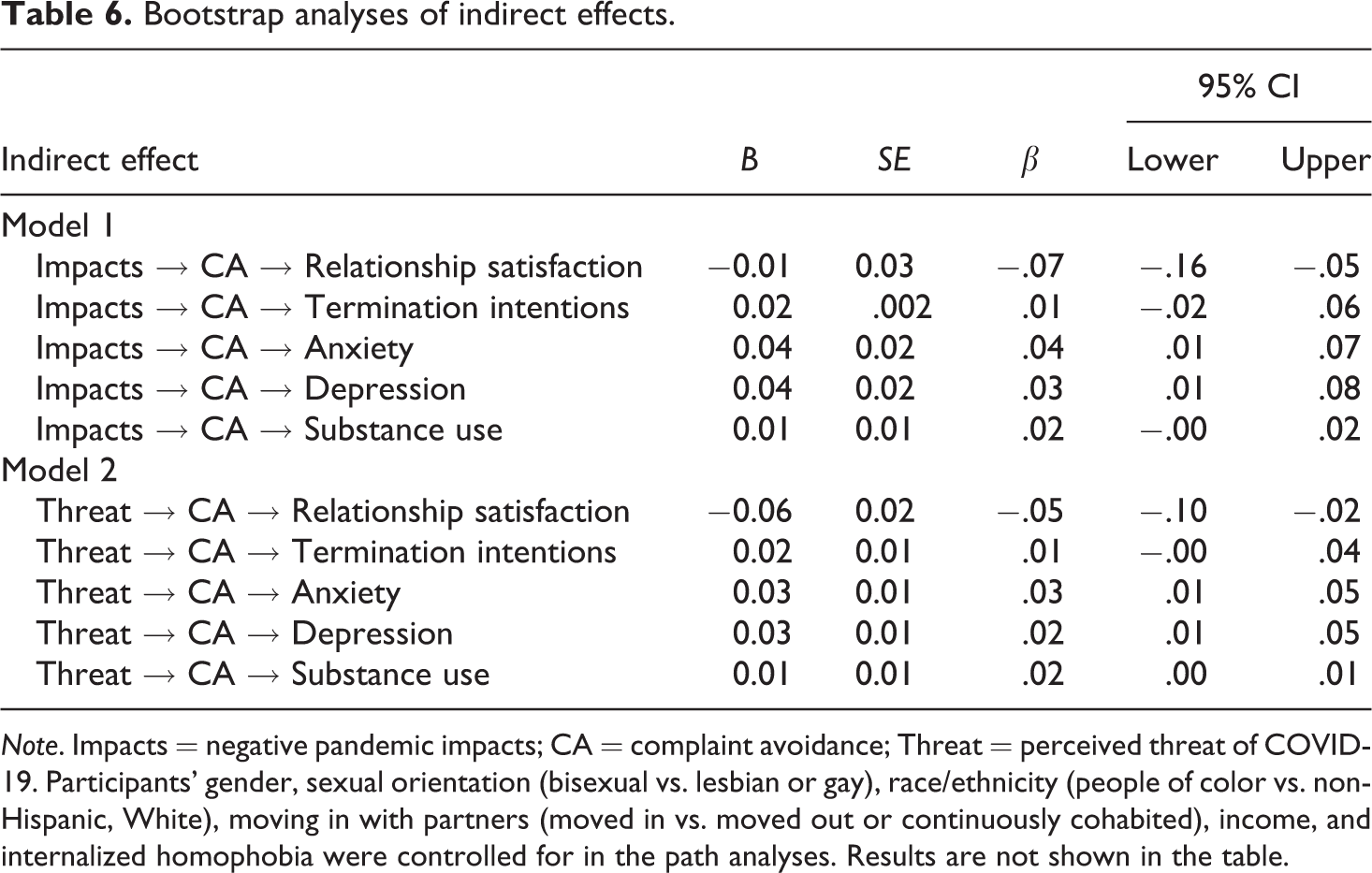
Note. Impacts = negative pandemic impacts; CA = complaint avoidance; Threat = perceived threat of COVID-19. Participants’ gender, sexual orientation (bisexual vs. lesbian or gay), race/ethnicity (people of color vs. non-Hispanic, White), moving in with partners (moved in vs. moved out or continuously cohabited), income, and internalized homophobia were controlled for in the path analyses. Results are not shown in the table.
In Model 2 (see Table 5), perceived threat of COVID-19 was positively associated with higher complaint avoidance, greater relationship termination intentions, and higher anxiety, depression, and substance use. Perceived COVID-19 threat negatively predicted relationship satisfaction. There was a negative association between complaint avoidance and relationship satisfaction. Complaint avoidance positively predicted anxiety, depression, and substance use. Indirect effect results (see Table 6) indicated that perceived threat of COVID-19 negatively predicted relationship satisfaction via complaint avoidance. The indirect effects of perceived threat on adverse mental health outcomes via complaint avoidance were also significant.
To compare the relative importance of negative pandemic impacts and perceived threat of COVID-19, we performed a third model with both variables as predictors. The results associated with negative pandemic impacts were consistent with those in Model 1. However, perceived threat of COVID-19 did not predict complaint avoidance, relational outcomes, and substance use in this model. Perceived threat was only positively related to anxiety (B = 0.23, SE = 0.05,
Moderation analyses
Moderation analyses via IBM SPSS examined whether individual and contextual vulnerability factors moderated the effects of pandemic-related variables on complaint avoidance, relational outcomes, and personal outcomes. Race/ethnicity, moving in status, and internalized homophobia moderated the relationships between pandemic-related variables and relational outcomes (see Table 7). Individual and contextual vulnerability factors did not moderate how pandemic-related variables predicted complaint avoidance and personal outcomes.
Results of moderation analyses.
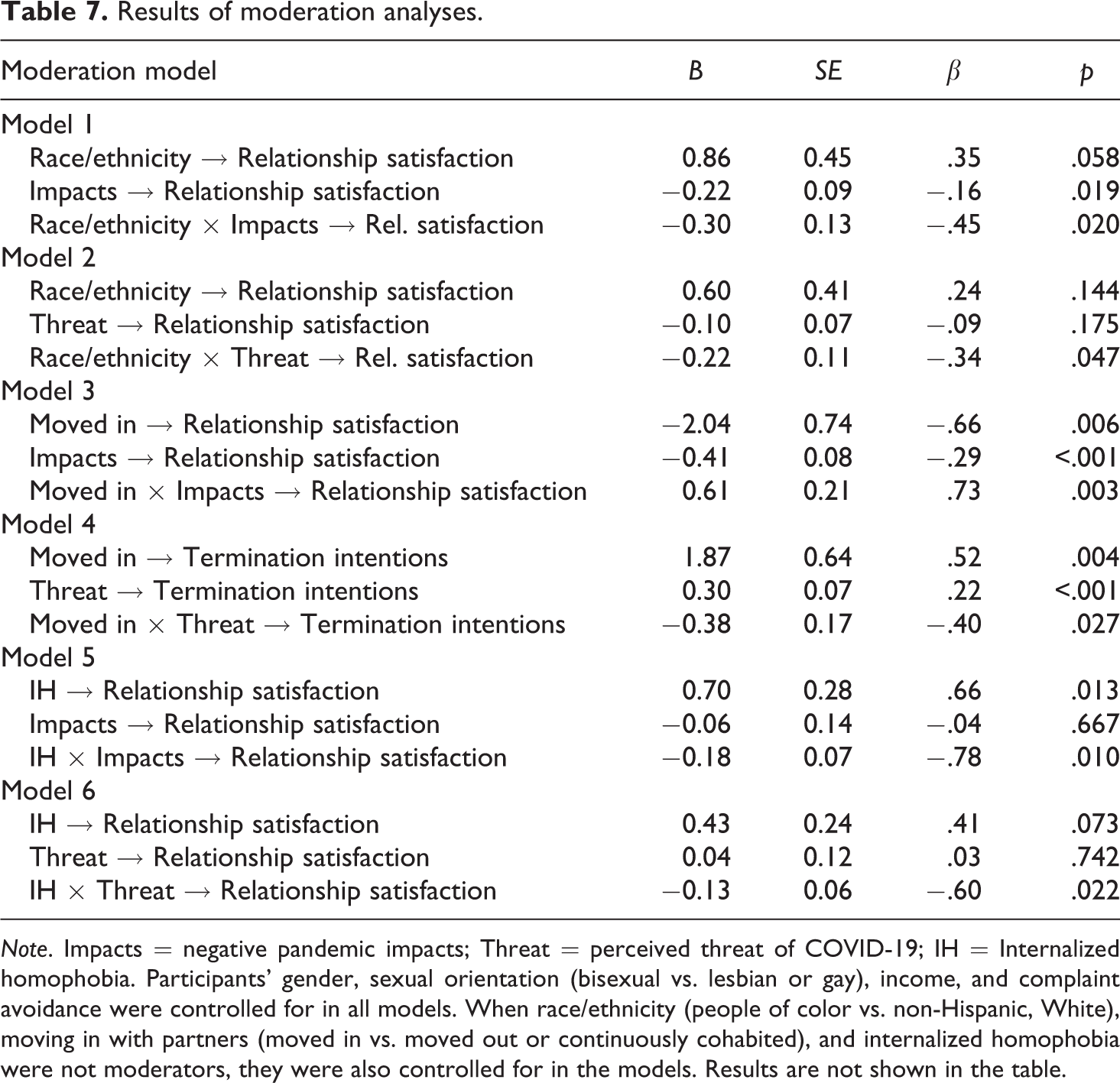
Note. Impacts = negative pandemic impacts; Threat = perceived threat of COVID-19; IH = Internalized homophobia. Participants’ gender, sexual orientation (bisexual vs. lesbian or gay), income, and complaint avoidance were controlled for in all models. When race/ethnicity (people of color vs. non-Hispanic, White), moving in with partners (moved in vs. moved out or continuously cohabited), and internalized homophobia were not moderators, they were also controlled for in the models. Results are not shown in the table.
Being a person of color amplified the negative association between adverse pandemic impacts and relationship satisfaction. Perceived threat of COVID-19 negatively predicted relationship satisfaction only among participants of color (Table 7, Models 1 and 2; Figure 2). When participants continuously cohabited or moved out, but not moved in, higher adverse pandemic impacts were related to lower relationship satisfaction. Similarly, higher perceived threat of COVID-19 predicted greater intentions to terminate the relationships only when participants did not move in together (Table 7, Models 3 and 4; Figure 3). Internalized homophobia intensified the negative effects of adverse pandemic impacts and perceived COVID-19 threat on relationship satisfaction (Table 7, Models 5 and 6; Figure 4).
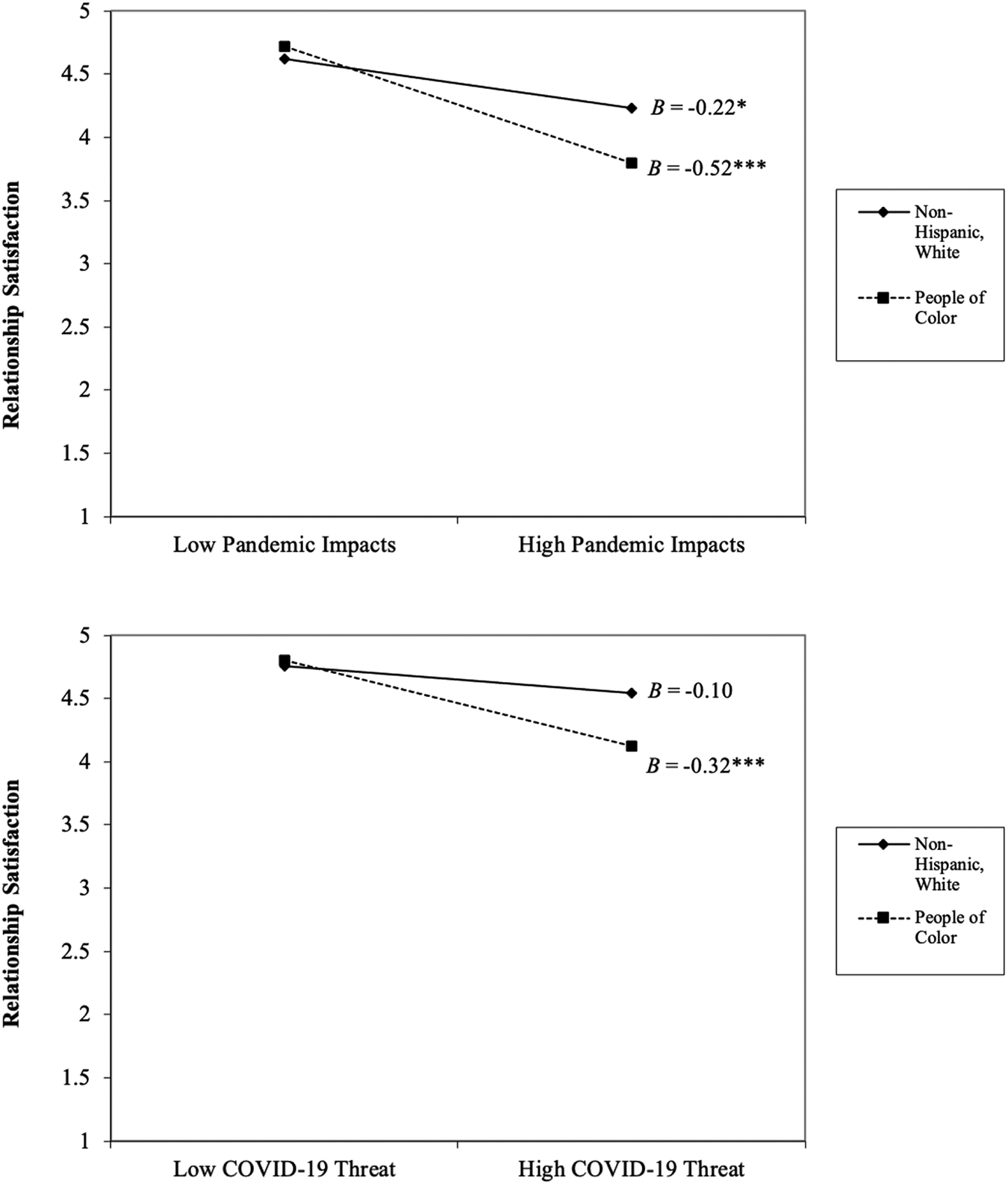
Race/ethnicity moderating the effects of pandemic-related factors. Note. The low levels of independent variables were one standard deviation below means. The higher levels were one standard deviation above means.
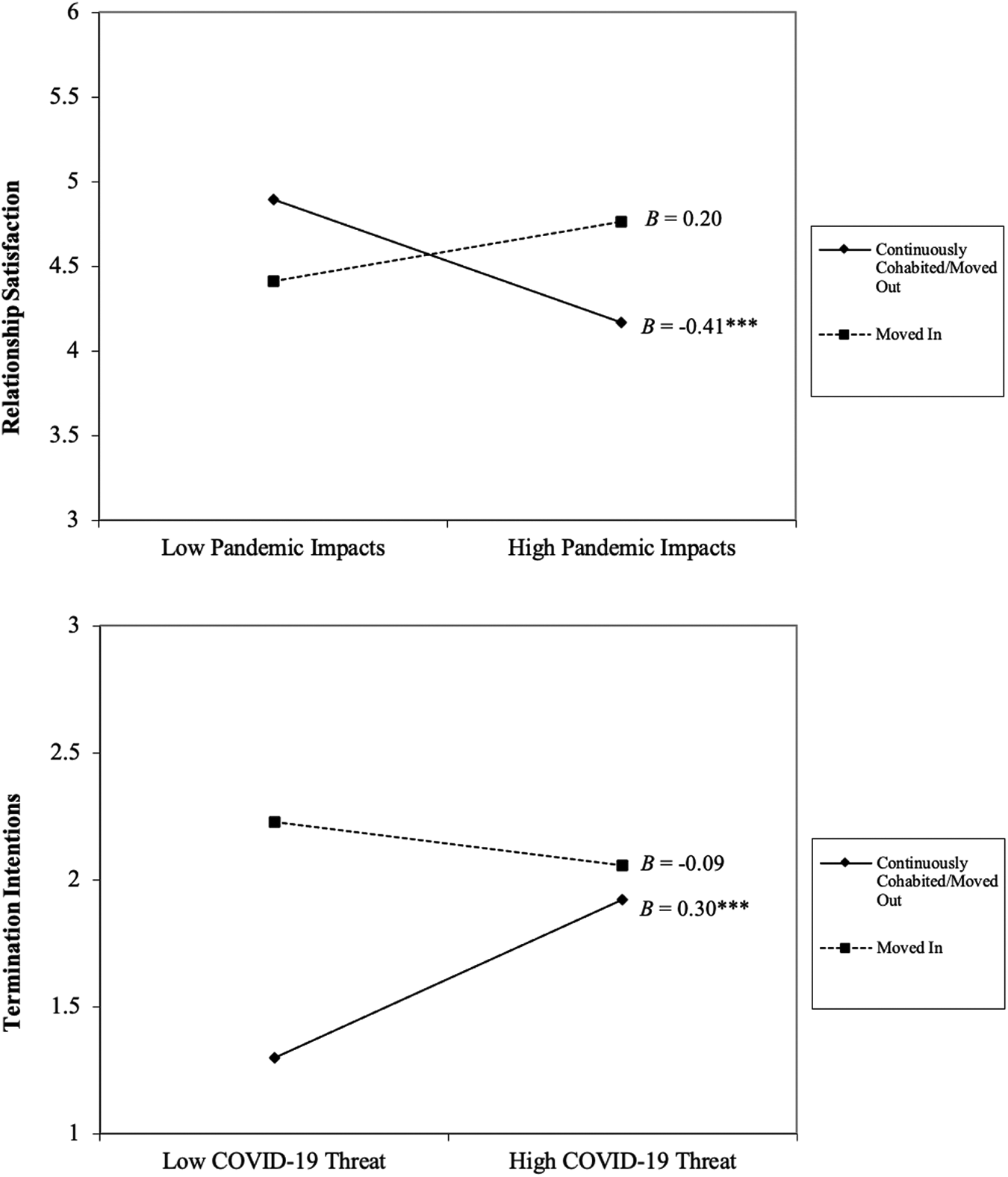
Moving in with partners moderating the effects of pandemic-related factors. Note. The low levels of independent variables were one standard deviation below means. The higher levels were one standard deviation above means.
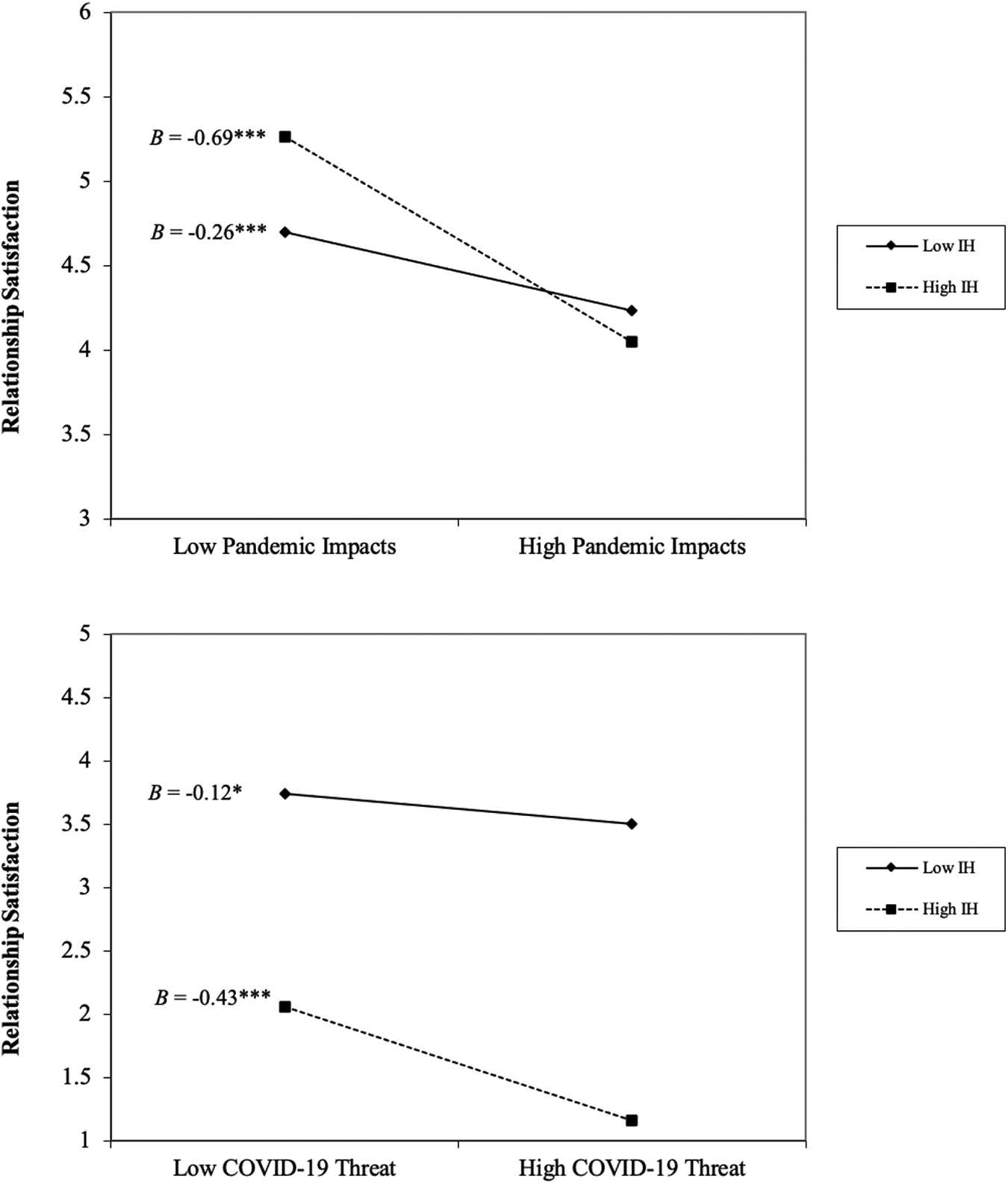
Internalized homophobia (IH) moderating the effects of pandemic-related factors. Note. The low levels of independent and moderator variables were one standard deviation below means. The higher levels were one standard deviation above means.
Discussion
Crises either bring people together or drive them apart. The impact of the COVID-19 pandemic on relationships is still unclear (Günther-Bel et al., 2020; Prasso, 2020). Pietromonaco and Overall (2020) theorized that the extent to which relationships thrive or are damaged in the wake of the COVID-19 pandemic will depend largely on the nature of couples’ relationships and their relational communication during the crisis. Guided by their model, we examined how pandemic-related factors predicted same-sex couples’ relational and personal well-being directly and indirectly via complaint avoidance. The results provided initial insights into the effects of the COVID-19 pandemic on same-sex relationships.
According to Pietromonaco and Overall (2020), couples’ dyadic relationship processes are the primary mechanisms accounting for the effects of the COVID-19 pandemic on relationships. Consistently, we found that complaint avoidance mediated the relationships between pandemic-related factors (adverse pandemic impacts on people’s daily life and perceived threat of COVID-19) and relationship satisfaction. Complaint avoidance, however, did not predict intentions to terminate the relationships. One explanation is that relationship stability depends on relationship quality (Pietromonaco & Overall, 2020). That is, higher complaint avoidance may predict greater termination intentions only through lower relationship satisfaction. Another possibility is that relational perceptions like alternative availability and other dyadic processes, such as negativity and withdrawal, may play a more crucial role when people considering relationship termination.
Pandemic-related factors also predicted individuals’ anxiety, depression, and substance use via complaint avoidance. The results complement Pietromonaco and Overall’s (2020) model by showing that interpersonal processes not only mediate the impacts of the COVID-19 pandemic on relational outcomes, but also account for the relationships between external stressors and personal well-being. Indeed, the Constitutive Model of Coming Out (Manning, 2016) theorizes that interpersonal processes connect intrapersonal perceptions of self and relationships with external societal norms and cultural contexts, which highlights the crucial role of interpersonal processes in minority stress and crisis management. Future research should explore the mediational role of communication experiences unique and crucial to same-sex couples, such as coming out talk (Li & Samp, 2020).
We identified adverse pandemic impacts on daily life and perceived threat of COVID-19 as two pandemic-related factors because they both result in heightened stressors. Indeed, each factor separately predicted complaint avoidance, relational outcomes, and personal well-being. However, when both factors were considered, perceived threat of COVID-19 did not predict complaint avoidance, relational outcomes, and substance use. This suggested that compared to worries about COVID-19 itself, the daily life interruptions associated with the pandemic seem to have stronger influences on same-sex couples. As the pandemic continues to develop, future studies should compare various pandemic-related factors and identify the most appropriate and effective antecedents to relational communication and outcomes.
The impact of the pandemic on relationships can be exacerbated by individual and contextual vulnerabilities (Pietromonaco & Overall, 2020). This study identified race/ethnicity and internalized homophobia as two moderators that amplified the adverse effects of the pandemic on same-sex relationships. The CDC (2020b) reported that people of color are disproportionately affected by the COVID-19 pandemic. Research on intersectionality (LeBlanc et al., 2015; Parent et al., 2013) also indicates that partnered LGBTQ people of color experience heightened minority stress at both individual (e.g., racism) and couple levels (e.g., heteronormativity), making it harder to engage in constructive relational behaviors and receive social support that are associated with well-functioning romantic relationships (Pietromonaco & Overall, 2020). Moreover, higher internalized homophobia has been related to lower relationship quality (LeBlanc et al., 2015; Li & Samp, 2021). People with higher internalized homophobia often feel less confident about their relationships and are less likely to engage in honest and open conversations with same-sex partners (Li & Samp, 2019b). Thus, they may attribute external stressors associated with the pandemic to their relationships and blame their same-sex partners.
Our results also highlighted a paradox of moving in with partners during the pandemic. On the one hand, people who moved in reported more complaint avoidance, lower relationship satisfaction, higher intentions to end the relationships, and higher levels of anxiety, depression, and substance use than those who continuously cohabited or moved out. Thus, living separately seems to be relationally and personally beneficial. However, only among those who did not move in, adverse pandemic impacts negatively predicted relationship satisfaction, and perceived threat of COVID-19 positively predicted relationship termination intentions. Thus, moving in seemed to buffer the negative impacts of the pandemic on same-sex relationships. The contradicting results may stem from the different reasons or conditions in which couples moved in. For instance, partners who moved in to avoid physical separation versus for financial reasons, and those who explicitly discussed decisions versus moved in without clear conversations may have different expectations, conflict strategies, and relationship experiences. Future studies should investigate the variations in dynamics related to moving in together.
Practical implications
While public health agencies have recognized the COVID-19 related disparities among people of color, little attention and resources have been devoted to the concerns and needs of the LGBTQ community (Gruberg, 2020). Compared to their heterosexual, cisgender counterparts, LGBTQ people are more vulnerable to maladaptive coping behaviors, such as substance use (Boyle et al., 2017). Our results suggested the COVID-19 pandemic has discouraged constructive dyadic coping among same-sex couples and increased people’s anxiety, depression, and substance use. Thus, public health agencies should be aware of the unique stressors facing same-sex couples and develop tailored health messages and resources to help same-sex couples, especially people of color, to navigate the current crisis and to engage in adaptive coping and constructive relational behaviors.
Moreover, same-sex couples and professionals who help them adapt to “the new normal” should realize the importance of effective conflict management during the pandemic. Our results showed that withholding conflicts damages relationships and has negative mental health consequences for relational partners. Thus, same-sex couples are encouraged to openly and constructively discuss their relational issues. In addition, given the paradox of moving in, we recommend same-sex couples to actively discuss their moving in decisions, rather than rushing to cohabit without adequate considerations. Bisexual individuals in same-sex relationships also reported higher intentions to terminate their relationships and higher anxiety, depression, and substance use than their lesbian and gay counterparts. Their same-sex partners and professionals should be aware of the unique challenges and discrimination bisexual people face and attend to their unique needs and concerns.
Limitations and conclusion
Understanding the impacts of the COVID-19 pandemic on relationships is a moving target. Therefore, this study has several limitations. First, we only examined adverse pandemic impacts and perceived threat of COVID-19 and left other pandemic-related factors, such as a diagnosis of COVID-19 and experiences of COVID-19 like symptoms, to future research. While we controlled for various individual and contextual vulnerabilities, other factors, such as couples’ outness levels, being essential workers, residing in areas with more COVID-19 cases, living in rural vs. urban areas, and living with family members, may also affect how the pandemic affects same-sex relationships. The COVID-19 pandemic is an ongoing crisis. This study only captures a small window at the beginning of the pandemic and thus, reflects people’s experiences from that time period only.
We only compared White and participants of color. Future research should further explore the differences among various racial and ethnic groups. In addition, data were collected from one relational partner and may be subject to bias or memory failure. Our sample only included LGB participants. Future studies should recruit more diverse participants from the LGBTQ community. Finally, only adults residing in the United States were recruited, limiting the generalizability of the results.
Overall, this study showed that the COVID-19 pandemic adversely affects same-sex couples’ relational and personal well-being directly and indirectly through complaint avoidance. Bisexual individuals are also more vulnerable to negative relational and personal outcomes. In addition, race/ethnicity, moving in status, and internalized homophobia moderated the effects of the pandemic on same-sex relationships. As public health agencies, counseling professionals, and the general public seek to manage the multiple unexpected impacts of the pandemic, we hope that our results highlight the importance of understanding the unique constraints facing same-sex couples as they navigate the health of themselves and their relationships during the COIVD-19 pandemic and beyond.
Footnotes
Authors’ note
An earlier version of this article was presented at the 2021 International Communication Association annual conference.
Funding
The author(s) received no financial support for the research, authorship, and/or publication of this article.

Open research statement
As part of IARR’s encouragement of open research practices, the authors have provided the following information: This research was not pre-registered. The data used in the research are not available. The materials used in the research are available. The materials can be obtained by emailing