




Abstract
This article reflects on ‘Safe Together’, an 8-week therapeutic art programme for children impacted by parental imprisonment. Eleven children participated (7–13 years). There were multiple aims; (1) upskilling the children as artists and providing them with tools to create art at home; (2) inviting them to use art to self-sooth; (3) providing a safe-space to discuss experiences of parental imprisonment; (4) inviting them to share their work in an exhibition, (5) creating legacy resources illustrated with their artwork. Resources were created to increase awareness about parental imprisonment, and support other children with lived experience in the form of an illustrated booklet. A thematic evaluation was embedded throughout the programme to gather qualitative feedback about the children's experiences of parental imprisonment and creating art-work. Maslow's Hierarchy of Needs Pyramid Model was the central theoretical framework used to consider likely enablers of success in this programme. Children also completed a pre- and post-strengths and difficulties questionnaire (SDQ), and parent/caregiver comments were collected to further an understanding of the wider impact of the sessions. Notably, the art exhibition planned to celebrate the cumulation of this programme was cancelled as it coincided with the first UK National Lockdown due to COVID 19. This article reflects on the adjustments made in light of this. In sum, ‘Safe Together’ was considered a useful means for these children to express themselves; unintentionally, the programme also provided a source of support as they entered into lockdown. This article offers recommendations to those considering offering therapeutic art programmes for children with adverse childhood experiences.
Introduction
Its Sunday morning, 10am. The community room begins to fill with children, taking their places, the same seats they always sit in through habit, around the long collection of tables that have been pushed together. At the side of the room there is a selection of drinks and snacks to choose from (fruit, croissants, yoghurts, orange and apple juice). Some go and help themselves, declaring ‘great breakfast; I’m starving’. Coats are dumped on a corner desk. In the centre of the long assembly of tables, a selection of art materials is scattered around. Paint, brushes, tissue paper, pencils, pastels. One child habitually hands out the journals; hard-backed books will blank pages, many pages now filled with each child's own sketches, and words and short-sentences that reflect their feelings and ideas noted down from previous weeks. Another is flicking through one of the art history books that have also been purposely scattered around, now messily adorned with splashes of paint. She giggles pointing to a classic painting in the book of a woman with her breasts exposed. Its Botticelli's Birth of Venus. ‘Stop messing!’ says another child, smiling and friendly. ‘It's just art!’, and then to the facilitator: ‘What are we doing this week?’
Its week 4 now and the children have become used to the space, and have a good idea of the purpose of the programme. Some are growing in confidence as artists, less scared to make what they would have once called ‘mistakes’; more able to ‘try’ and enjoy the process and worry less about the outcome. Others are still unsure. One girl looks at her painting from the week before. ‘It's crap’ she says despondently. ‘It's not!’ says another child, ‘It's really good’. The first child is not convinced but the kindness from her peer seems to have soothed her a little.
Another child comes in late, accompanied by a stream of apologies from her mother. ‘We’ve had a bad morning, mum says’. This child looks tired and pale. Reassurances and support are quickly offered to child and mother. Facilitators and children try to persuade the tired looking child to get a drink and something to eat. She declines but mumbles she might ‘get something in a bit’. Instead she takes her hardbacked art journal and immediately begins to write in it; coat still on, hood up, hiding her face.
There are approximately 312,000 children with a parent in prison, in the United Kingdom (Kincaid et al., 2019). Parental imprisonment is one of 10 defined adverse childhood experiences (ACEs), although children impacted by parental imprisonment are commonly found to experience multiple ACE's (Turney, 2018). Children may have been exposed to a range of adversities prior to the imprisonment of a parent which is associated with particular trauma's such as enforced parent–child separation (Poehlmann, 2005), stigma and community backlash (Bocknek et al., 2009) and decreased safety for the child in their own home, a situation that is often worsened when a parent's crime is reported in the local press (Families Outside, 2019).
Children of prisoners are thus vulnerable to suboptimal health outcomes (Dawson et al., 2013; Condry and Scharff Smith, 2018). Unsupported trauma could result in undesirable internalising or externalising behaviours from self-harm to eating disorders (Cunningham, 2001; Davis and Shlafer, 2017), to aggressive/externalising behaviours (Wakefield and Wildeman, 2011) or struggles with education (Brookes and Frankham, 2021; Morgan and Leeson, 2019). The United Nations identifies children of prisoners as one of the world's most vulnerable groups of children (Jones and Hirschfield, 2015).
The ‘Safe Together’ Programme was conceived in response to initiations to apply for funding from the Merseyside Violence Prevention Partnership (MVRP). The MVRP uses a multi-agency public health approach to preventing and tacking serious violence; the relevant element of the funding associated with ‘Safe Together’ is to provide effective early intervention programmes to prevent young people from being vulnerable to poorer life chances.
Therapeutic art workshops are arguably an extremely valuable source of support for children with a parent in prison. Art therapists including Malchiodi (2020) and McNiff (2004) emphasise the transformative and healing power of art-making in trauma informed practice for children and adolescents, and firmly advocate for this non-threating way for children to tell their stories. Art too, may also serve as a healthy form of distraction and relaxation to escape from wider worries and stress.
Taking into account the considerable loss and trauma experienced by many children impacted by parental imprisonment, the ‘Hierarchy of Needs Model’, as proposed by American Psychologist Abraham Maslow (1954), is a useful framework by which to consider how to support children who have experienced significant adversities due to the imprisonment of a parent. In simple terms, Maslow (1954) stressed that a human being is unlikely to reach their potential if their most basic of needs of physiological, safety, love and belonging are unmet.
Thus, as the hope for Safe Together, was to contribute to the development of esteem, resilience and new skills for this vulnerable cohort, it was imperative to first foster a safe, supportive, and non-judgemental environment; only then would it be possible for these children to feel valued, heard and discover positive ways to express and manage their emotions.
Aims of the programme
The Safe Together Programme was set up with five key aims.
To enable a targeted group of children (i.e. children impacted by parental imprisonment) to learn a range of ‘fine art’ skills and techniques so they would have an increased capacity to create artwork as a leisure activity, should they wish to. To invite this targeted group of young people to consider using art as a ‘therapeutic tool’; that is the option to use the medium of art as a potential means to express their experiences and feelings. To provide this targeted group of young people with a safe space where they could discuss their experiences of parental imprisonment, through the medium of art. The programme was funded as an early intervention programme; to help children with adverse childhood experiences (specifically parental imprisonment, but multiple ACEs were often present) with therapeutic support to help build their resilience in the face of adversity. To invite the children to share their artwork through a final art exhibition to raise awareness about the challenges faced by children impacted by parental imprisonment. To invite the children to share their artwork, and their proffered coping strategies, in a ‘support booklet’ with the intention of distributing this booklet to other children who are impacted by parental imprisonment.
This article considers the practical challenges of delivering this kind of programme, the usefulness of art for children of imprisoned parents as a method of expression and as a self-sooth technique, and the sensitivities and support needs of delivering this kind of intervention.
Methods
Programme facilitators
The programme was facilitated by the leader of Time-Matters UK (TMUK) and a Clinical Child Psychologist, and some sessions were supported by an artist from Liverpool John Moores University.
Research participants
A targeted recruitment strategy was employed as all the children invited were already part of an established support group called TMUK, based in Merseyside, England, UK. Parents and caregivers were contacted directly from the founder of TMUK, via email, and sent a Safe Together Programme Information Sheet and a Parent/Caregiver Consent form. The parents/caregivers, who already knew the founder of TMUK well, were able to make contact by telephone to ask any additional questions they may have. Children from 7 years upwards were invited to take part and 12 spaces were offered in total. This reflects the availability of space and resources, and the lower age range was decided based on what the lead artist felt the children would be able to manage in terms of skills acquisition.
Safeguarding and safety
In the parent/guardian consent forms, and the children's assent forms, it was highlighted that should any concerns arise during the sessions where the facilitators were concerned that a child was at serious risk of harm, or at risk of harming someone else, that they would escalate these to the TMUK Child Protection Officer and to local statutory services for further support.
To enable all children to feel at ease during the sessions the children were reminded of the TMUK Children's Code of Conduct. As this was a targeted intervention and the children were already members of TMUK this was a set of principles they were already familiar with, covering respect, kindness, inclusion and not sharing personal information and stories outside of the group setting. However, all the children were reminded of the code at the beginning of the ‘Safe-Together’ Programme in order to re-promote the groups values and re-assure all the children that they were in a safe supportive space.
Child-choice remained central to the programme throughout. Although participation was encouraged, the children were consistently reminded that they did not have to do anything they were uncomfortable with, and this was especially important in terms of sharing lived experiences that might be traumatic and triggering.
Ethical approval was gained from Liverpool John Moores University.
Research setting
For the purposes of the programme a community building was hired for seven consecutive Sundays. NB: This was an 8-day programme but 1 day was a planned community outing to The Liverpool Tate Art Gallery, followed by a meal in a restaurant. The location of the community building was chosen as a central location for the participating families, that could be easily accessed by public transport.
Programme overview and session structure
This 8-session programme ran once a week for 4 hours (10am–2pm) during weekends. Every session took place in a hired community building with the exception of the art gallery trip. Each session followed a similar structure but allowed for a degree of fluidity to reflect the needs of the children each day.
- Welcome. Children were welcomed and settled into the art room. Children would be invited to eat breakfast and get a drink should they wish to, and a relaxed conversation would take place to see how everyone was feeling, or if anyone wanted to share how their week had been, etc. Some anxious children needed extra attention and patience at the start of sessions to help them feel at ease in the space. - Co-creation of the plan. Once all children were settled, the facilitators shared the plan for the programme as a whole as well as for the individual session. The facilitators would then invite the children to comment on and contribute to the plan. Ideas were considered as a group and weekly plans were adjusted where possible to reflect the children's wishes; however, the facilitators ensured that these remained within the parameters of the original aims of the project. The children understood from the onset that these sessions were to enable them to enjoy making art and learning new art techniques, but also to explore their feelings around parental imprisonment in a safe space. They also understood that they might consider expressing some of their lived experiences through the medium of art which at the end of the programme could be shared, with their consent, in an art exhibition. - Discovery. In each session the children were introduced to a new art technique. Varying artistic tools and devises were introduced, with a focus on one method per week that included working with pencils, pastels, watercolours, acrylic paint and clay. The children were invited to consider a range of artistic devises by exploring art books in the sessions and through their visit to the Tate Art Gallery. Children were encouraged to consider, from the onset, how different emotions might be expressed with the use of colour, shape and tone. - In-Session Focus Groups. During each session the children were invited to discuss what it was like to have a parent in prison, and what they would like wider society to know and understand through the intended art exhibition of their work. Various topics were explored across the weeks from prison visits to friendships, from societal judgement to hopes for their parents’ release. As the children were already part of the TMUK support group, the TMUK facilitator was able to manage these discussions with care. For example, the TMUK facilitator already knew which children had contact with their parent in prison, and which did not, or whether the children needed extra support from child protection services, for instance. This pre-existing knowledge was imperative for the discussions to be managed safely and sensitivity. - Journaling. Each child was given their own art-journal on the first week. This was a book full of blank pages that the children could use to write down their thoughts and feelings and consider what they wanted to express or sketch out ideas for art they might want to create. The journals were collected in at the end of every week and re-distributed at the start of the following week to prevent them from being left at home between sessions. - Lunch and Relaxation. Approximately half-way into each session the children were invited to eat lunch, relax and enjoy time with one another for approximately 30 minutes. - Creation and Expression. The latter half of each session provided the children with the space and support to express a particular aspect of their lived experience of parental imprisonment, prompted through the focus group discussion, using the art technique that had been introduced earlier on in the session. The children were, however, reassured that they could make ‘anything at all’ and it did not have to be directly linked to their experience of parental imprisonment if they did not want it to be. It is important to note that discussions and art creation also occurred in a circular symbiotic manner. Sometimes discussions were born from the art the children produced; sometimes the children were inspired to create a piece of artwork from the discussions that took place. - Closing. At the end of every session the children were invited to share their work with one another as well and any descriptions, meanings, or thought processes that might be behind their piece. However, the children were again reassured that they did not have to share if they were not comfortable. Due to the sensitive nature of the programme, each session cumulated with the facilitators checking how everyone was feeling and offering guidance for self-care and wider support where necessary. The children were also encouraged to praise one another's work and note particular aspects they found interesting. The culture of praising and supporting one another was embedded throughout the whole programme.
Data collection and analysis
This study employed a mixed-methods methodological approach.
- Quantitative data. All children completed a strengths and difficulties questionnaire (SDQ) during session 1, and repeated this at the end of the programme. NB: The SDQ is a widely used screening tool to assess the emotional and behavioural well-being of children 4 to 17years. Commonly used in research settings the SDQ can be completed by parents, key adults such as teachers or support workers, of the children themselves, depending on the context and age/capability of the child. In this study, all the children completed the SDQ themselves but a number of them (the younger members) completed this with the assistance of a parent/caregiver. - Qualitative data. The in-session focus groups were recorded as flip chart records, notated by the facilitators. Words, phrases and longer sentences were noted down during the discussions. Some children also wrote down their own thoughts in their art-journals which they agreed could be used as data for the evaluation. Parents and caregivers were also invited to share their thoughts when they collected their children at the end of the sessions which were noted down in the form of handwritten notes and anonymised, with permission. - Art-work and legacy resources. Naturally the artwork itself was key data and an essential tool for discussion with the young people who were invited to consider what they had produced; what they wanted to share with others, and based on their own feelings, memories and experiences that had emerged during the sessions, what advice they would like to give to other children to help them cope when a parent is sent to prison. - Analysis. The creation of artwork was instrumental in exploring children's experiences of parental imprisonment. An ‘open dialogue’ method was employed using ideas from Hervey's analytic framework (Hervey, 2006); for example, children could comment on colour, chosen materials, words they had decided to include in their pieces, and so on. Children were reassured that all their feedback was valid and there are no ‘wrong answers’ or ‘mistakes’. A thematic analysis (Braun and Clarke, 2006) was then used to develop themes pertaining to parental imprisonment (common emotions, self-help strategies, what a prison visit might be like and so on). These directly emerged from discussions that took place each week both during the creative process and when sharing final pieces with one another at the end of sessions. The thematic analysis was carried out by the lead practitioner for TMUK (also the author of this article) who attended every session. Maslow's Hierarchy of Needs Model (1954), commonly used as a psychological theory that considers how humans are motivated and grow in relation to their needs being met is commonly used as an assessment tool in social care work. The model suggests that the most basic level of needs must be met before an individual is able or motivated to achieve betterment. This model was thus used as a framework to consider what the children might need to achieve the programmes, and indeed their own, goals and objectives.
Findings
The Safe Together Programme was considered to be highly successful programme with all initial aims and objectives being met. Retention rates were high. All children who started the Safe Together Programme, completed the programme. Nine out of the 11 children attended every week and the other 2 children only missed one session. One child had a prison visit one weekend; another child was unwell on another weekend. Attendance rate was therefore 100% for 9 out of 11 children and 90% for 2 out of 11 children.
Resources as intended emerged from the project. A legacy support booklet available from the Time-Matters website under resources, entitled Safe Together (https://www.timemattersuk.com/resources/) illustrated with the children's artwork was made, and despite the onset of Lockdown due to the COVID pandemic and the in-person art exhibition being cancelled, a virtual art exhibition was subsequently created and thus the children were able to share their work in an exhibition in spite of lockdown restrictions.
The children decided on a range of important messages that they wanted other children to know that emerged from the creative process. The two key messages agreed on by the group were:
Children impacted by parental imprisonment are not alone in their experience and Children impacted by parental imprisonment should not blame themselves for what has happened.
In terms of key message 1: ‘
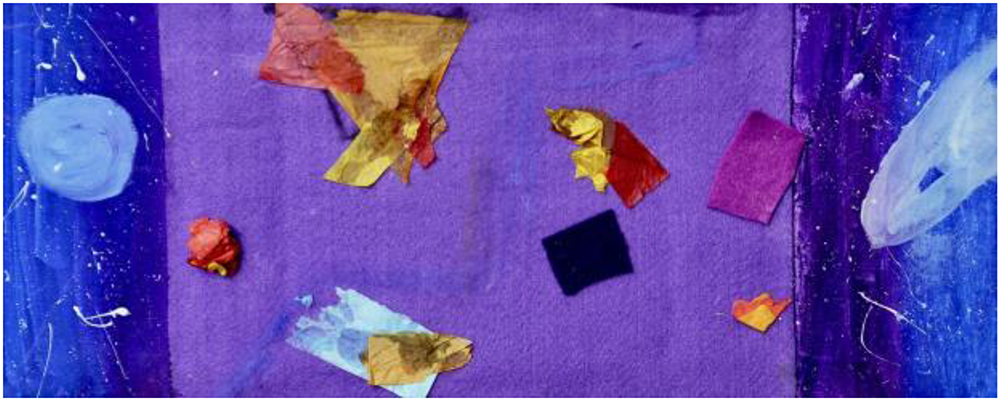
(Girl, 12years).
In terms of key message 2: ‘
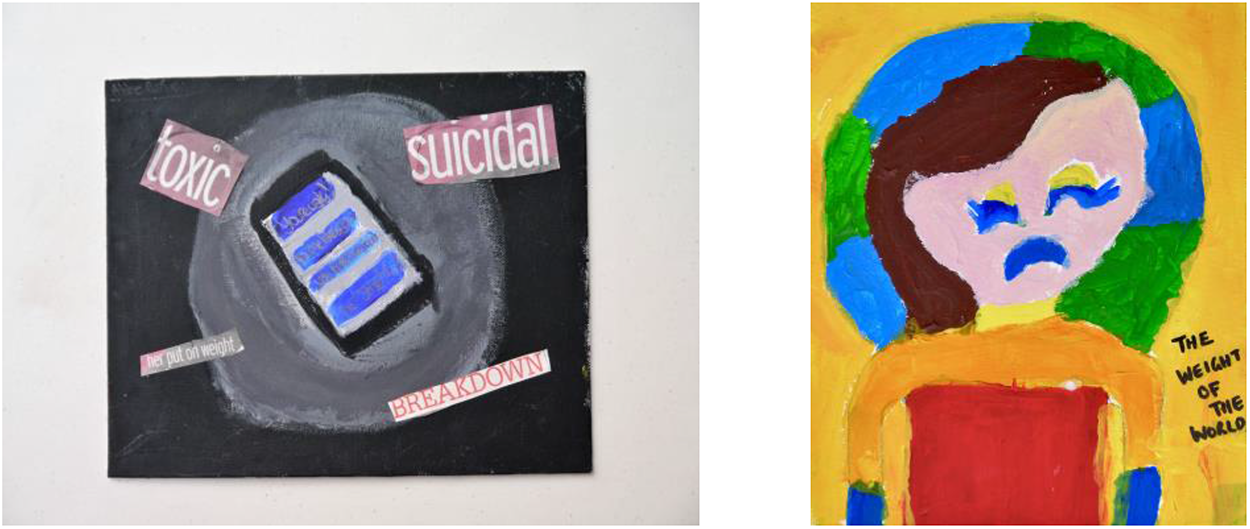
(Girl, 13 years). (Girl, 12 years).
As well as the two key messages that the group decided they wanted front and centre in their support booklet, other discussions that arose informed more key messages the children wanted to see in the support book they were creating. For instance, one girl said she wanted other children to know that ‘even though you have a parent in prison the world keeps on turning’ (Girl, 10 years) and painted a picture of a world spinning. This provoked a group discussion around having to carry on with everyday life even though the parent is in prison. One child said, ‘it's hard because you might feel guilty if you're having a nice time and they're stuck in there’ (Girl, 11 years), whilst another commented ‘it's like if you are supposed to go on a prison visit, and you do want to see them, but you’ve been invited to your friends party or something’ (Girl, 9 years). This was echoed with, ‘well you might have football on a Saturday, but you have a visit, and you might get kicked off the team’ (Boy 11 years). The group agreed that children in their position should be reminded that it was important to carry on as best as you can and ‘to never feel guilty if you're having fun’ (Girl, 9 years).
In addition to the potential for bullying on social media, some children also explained that their parents’ crime had been in the local newspaper which had really upset them. Two children made the collage below together, the week after that particular discussion had taken place. At the end of the project the group decided that children should be reminded to try and stay away from reading news articles and avoid social media if possible, especially around the time of arrest. One girl said, ‘we should tell them (the intended child readers) they (the journalists) don't know your parent member like you do…so ignore it’ (Girl, 12 years). Another child frustratedly declared, ‘everyone makes mistakes’ and ‘they (journalists) shouldn’t be so mean because no one is perfect are they!’ (Child, 12 years). After this discussion she painted the picture also shown below.
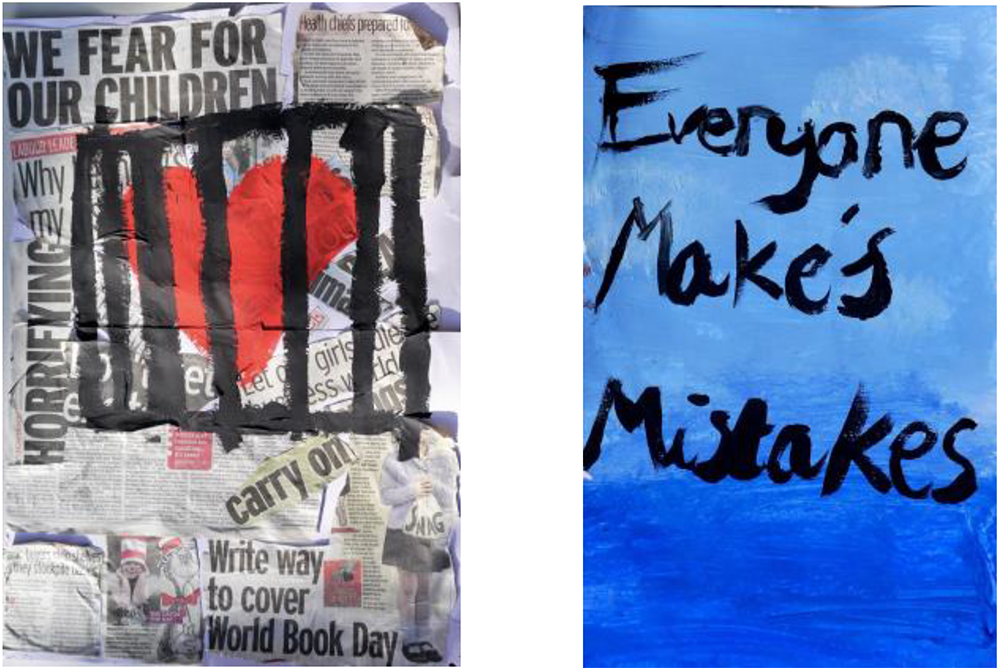
(Girl, 10 years & Girl, 12 years). (Girl, 12 years).
Reminding themselves and others to ‘stay positive’ also emerged strongly in the group discussions. One child (Girl, 10 years) made a collage on which she wrote ‘in life you should always look up high and not low’. Other comments in the group discussion when this child proudly presented her picture included ‘we can cope’ (Girl, 9 years) and ‘we're actually quite strong…this has made us strong in a way’ (Girl, 12 years). It was therefore decided that an important message to share was to remind others that even though this (parental imprisonment) has happened, you will get through it and can be happy. As one child said, ‘you should always reach for the stars…that's what I think anyway. My mum tells me that!’ (Girl, 9 years).
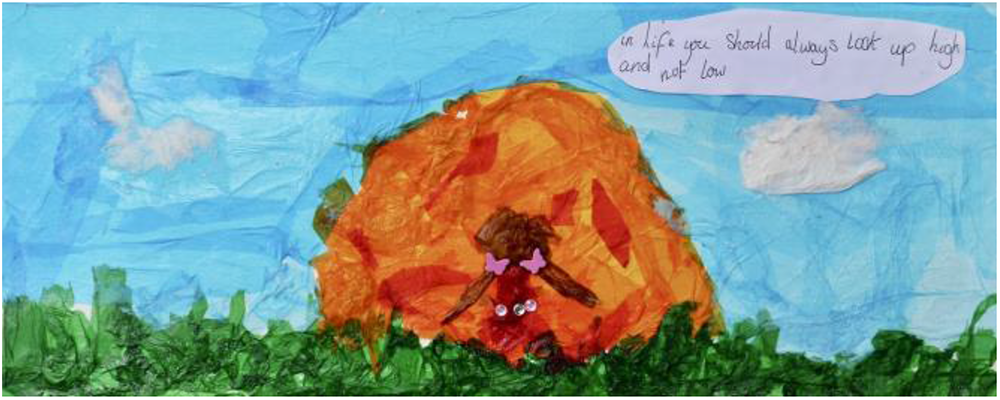
(Girl, 10 years).
Numerous other paintings, collages, masks and sculptures were created during the 8-week programme; too many to share here, but a wider number were used to illustrate the resulting legacy resource. Discussions were wide ranging and included recognising ‘mixed emotions’; ‘You can love them but feel hurt as well’ (boy, 11 years), and children also proffered coping strategies such as ‘play with your pet if you've got one…I've got a cat’ (Girl, 11 years), and ‘listen to music or just watch telly…take your mind off it’ (Girl, 13 years).
All the children and their parents and caregivers provided positive feedback about the programme. Comments included ‘I feel more confident about doing art now’ (Girl, 10 years); ‘I loved going to the TATE (art gallery) ‘cause I’ve never been before, and it wasn’t boring like I thought it might be’ (Girl, 9 years); ‘It was fun and nice’ (Boy, 7 years); and ‘It was lovely the kids having the box of art things to do at home. It gave them something to do being stuck in the house and I know mine have used their box’ (parent/caregiver).
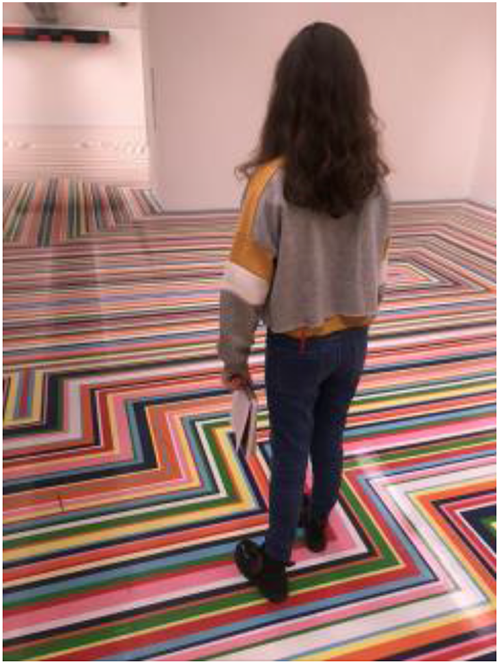
Picture of a child participant visiting the Tate Art Gallery, Liverpool (Feb 2020 – just before the first national Covid19 Lockdown in the UK which commenced March 2020). Shared with permission.
‘Safe together’ SDQ scores
The scores were ‘self-reported’ scores; however, younger children (8–11 years) completed their survey with the help of a parent/caregiver. All the children's scores on the SDQ improved from the start to the end of the programme indicating that Safe Together provided a therapeutic value. Examples of key fields that the children reported improvement in including an increase in pro-social behaviour (kindness and helpfulness); enhanced emotional wellbeing (feeling less distressed); and improved social relationships (making and maintaining friendships). The group mean scores are noted in the table below. NB: A score of 0 is the best outcome concerning the emotional, conduct, hyperactivity, and peer relationship fields. This scoring reverses for pro-social/score for kind and helpful behaviour, where a score of 10 shows the least amount of difficulty. A ‘four-fold’ classification system was used that includes score categories of ‘close to average’; slightly raised’; ‘high’ and ‘very high’.
Group mean SDQ scores for ‘Safe Together':-
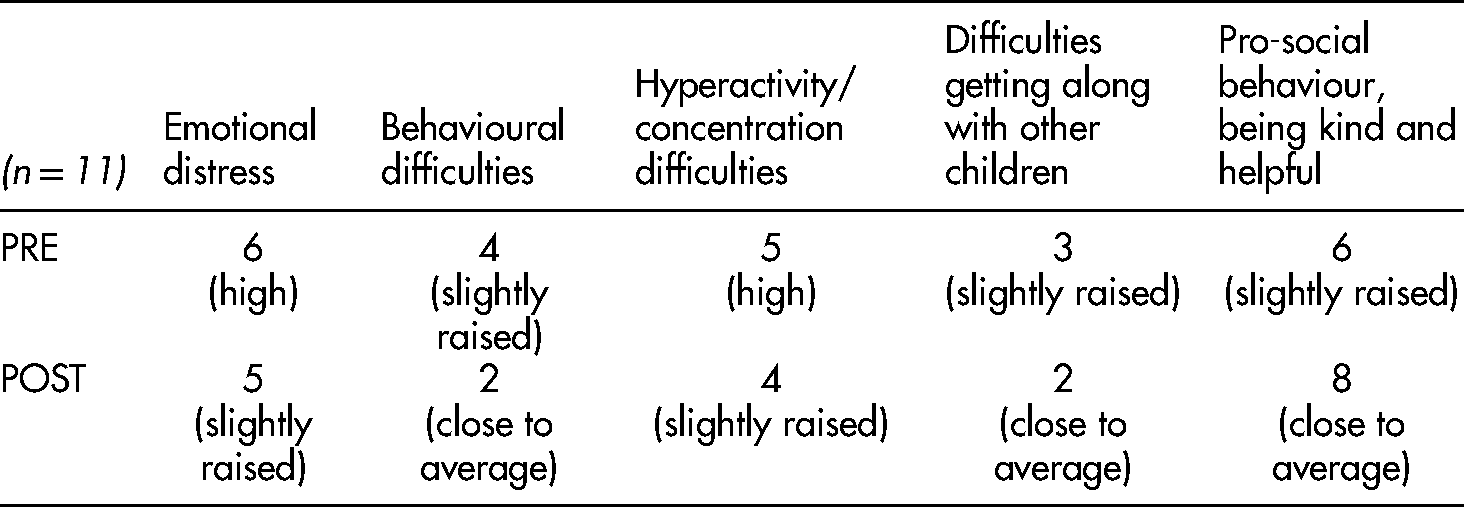
Conversations that were captured during open discussions around the art table which add further weight to this data included: ‘I like coming here…you guys make me laugh’ (Girl, 10 years) and ‘drawing…it relaxes me’ (Girl, 13 years). Others reported an increase in confidence as artists ‘my art isn’t that bad I guess’ (Boy, 11 years), and ‘I can’t wait to see my art in an exhibition now’ (Girl, 10 years). In addition, all the children agreed they would attend an art programme again in the future should they have the opportunity. Whilst not discounting wider contributing factors and each child's individual circumstances, this study does therefore strongly indicate that the programme was an effective intervention for children impacted by parental imprisonment, reasons for which are now considered in the following discussion.
Discussion
The success of ‘Safe Together’ can be attributed to key components that enabled the children to feel safe, supported and in turn enjoy their time together as well as the process of exploring and learning new art techniques. This discussion now considers the factors which might be attributed to the success of the programme.
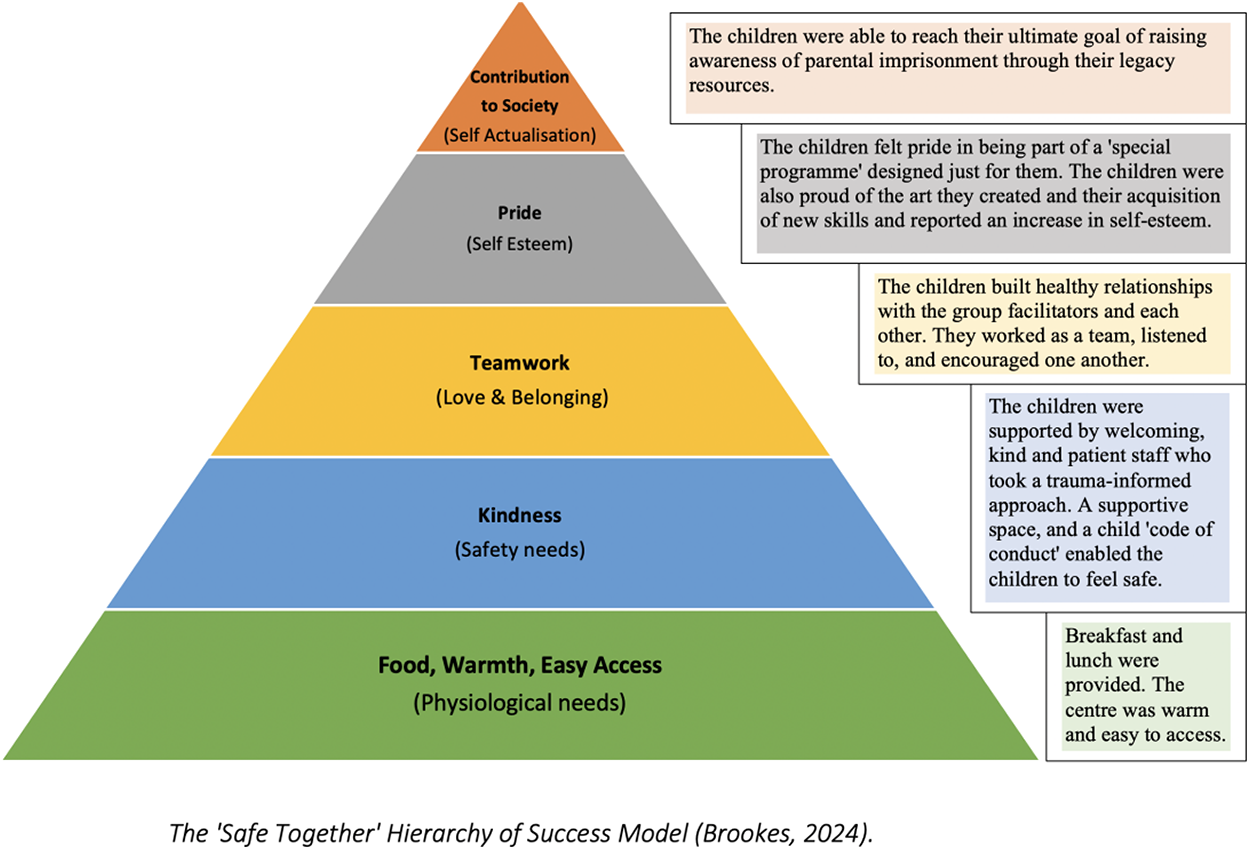
Key conditions of the programme's success as aligned with Maslow's Hierarchy of Needs Pyramid Model: Maslow's hierarchy of needs is a psychological theory that proffers there are essential elements necessary to support human motivation and increase overall wellbeing. The theory is presented as a diagrammatic pyramid which suggests that each layer must be satisfied before the layer above it can be met. Despite the model being initially proposed by Maslow in 1943, Poston (2019) explains that the model remains useful to many educational programmes in health and social care simply because it helps practitioners to evaluate and address the needs of their ‘patients’ or participants. Critiques suggest that for many the process is not necessarily linear and hierarchical; Glasser's Choice Theory (1998) for instance, finds that the drivers for human behaviour (survival, freedom, love and belonging, fun and power) can be achieved without adhering to a particular order. However, for the purposes of this article, Maslow's model is posited as a useful framework from which to reflect on the key building blocks of success for the Safe Together Programme, which are reflected below as follows:
Layer 1. In Maslow's Hierarchy of Needs pyramid model, the base line layer, which relates to physiological needs can be aligned with the warm and welcoming space and food provided for the children. Living in an age of austerity, the importance of providing warmth and food for these children, most of whom were living in poverty, cannot be underestimated. Before these children could learn and grow they needed their physiological needs to be met. Many children arrived at the programme tired and hungry and without meeting the most basic of needs (something to eat and drink, and a warm space to take part in), there would be little chance of meeting any of the aims and objectives of the programme.
Layer 2. Maslow's second layer of the pyramid, the ‘safety layer’ is easily aligned with the safe base that was provided through the community centre where ‘Safe Together’ took place. Kensington Community centre provided a welcoming environment; on the front desk friendly staff cheerily welcomed the children every week into the building, and the centre was also booked out solely for the art programme, meaning no other members of the community would be entering the building. Some particularly anxious children did at first struggle to enter the space. Coerced to attend by well-meaning mothers a few of the children would sit ‘frozen’ in the reception area in the initial weeks for a period of time before ‘daring’ to enter the art room. However, as the weeks passed their fears appeared to have subsided, and less and less encouragement was needed to persuade the children to join the group. Furthermore, children were also asked to adhere to a child code of conduct by the programme facilitators, where the importance of kindness, inclusiveness and respect for one another was stressed, as was helping the children to understand the importance of ‘not gossiping’ about anyone else's personal stories to friends outside of the project. This enabled the children to feel safe to discuss their traumas of parental and familial imprisonment without fear of judgement or concern about the safety of their personal information.
Layer 3. Maslow's third layer of the pyramid is attributed to ‘Love’ and ‘Belonging’. With warmth, food, a secure environment and a group agreement in place, the children were then able to build healthy relationships with one another and the group facilitators. Poehlmann (2005) and Shillingford and Edwards (2008) are amongst numerous researchers in the field of parental incarceration who highlight that the parent–child separation resulting from the imprisonment of a parent, which often comes as an untimely shock can cause children of prisoners to develop a mistrust of others. The resulting shame may also cause a reduction in social networks; many children and their families find themselves more isolated and may also self-isolate as a way to protect themselves from negative comments, behaviours and unwanted questioning from the wider community. An environment centred on acceptance for one another, kindness and love was therefore imperative. The language of ‘we’ was at the core of each session. What do we, as a group, want to achieve? What do we, as a group, want to feel? How can we, as a group, help one another?
Layer 4. In Maslow's pyramid, the fourth layer refers to ‘Esteem’; that is, confidence, achievement, respect of others and respect by others. As the weeks went by the children were grew in confidence; not only were they able to physically enter the space with less anxiety but were more able to ‘create art’ with less concerns about making ‘perfect pictures’ and found greater joy in the experimental and messy process. Following the lead of the practitioners, praising and uplifting one another's work became common practice amongst the children.
Layer 5. The top layer in Maslow's model is entitled ‘Self Actualisation’ and refers to a person who is mentally healthy and a feeling of fulfilment. This incorporates an increased acceptance of others; being more creative and more open to new experiences. Maslow's use of the term ‘self-actualisation’ is often attributed to individuals who are able to achieve some level of personal potential. The goal is to ‘better’ the self (Greene and Burke, 2007). The children who attended Safe Together all felt able to contribute their work to the art exhibition and support booklet. They felt confident that their work was not only ‘audience ready’ but would be of value to children with a parent in prison, like them.
The unexpected impact of COVID 19 on the programme and its outcomes
COVID taught the nation what it felt to experience loss and separation; a commonplace experience for children with a parent in prison, but arguably one that many people pre-COVID had not understood first-hand. During times of trauma, empathy plays a crucial role. Crenshaw and Hardy (2007), find empathy to be a vital component in enabling traumatised children to voice difficult experiences they might have otherwise been too afraid to share. Unfortunately, however, public empathy for a child with a parent in prison is often scarce. Instead of being afforded the compassion they so desperately need, children of prisoners commonly experience ‘disenfranchised grief’; a grief where they feel compelled to downplay or hid their grief for fear of societal judgement (Bocknek et al., 2009; Soto, 2013). During the group discussions that took place in the community centre, at a time when COVID was ‘en-route’ but where ‘we’ (the children and practitioners) were largely unaware that a lockdown and nationwide isolation was waiting for us around the corner, the children shared some of their feelings of grief and loss. One girl (12 years) whose grandfather had been in prison shared her sadness of ‘never knowing my grandad because of what happened’. For others the loss was far more present. A little boy (8 years), whose father was currently in prison, told the group ‘I miss him’, whilst his brother (11 years) called the prison his father was in ‘HMP Stressed’, feelings which materialised starkly in their resulting artwork as seen below:
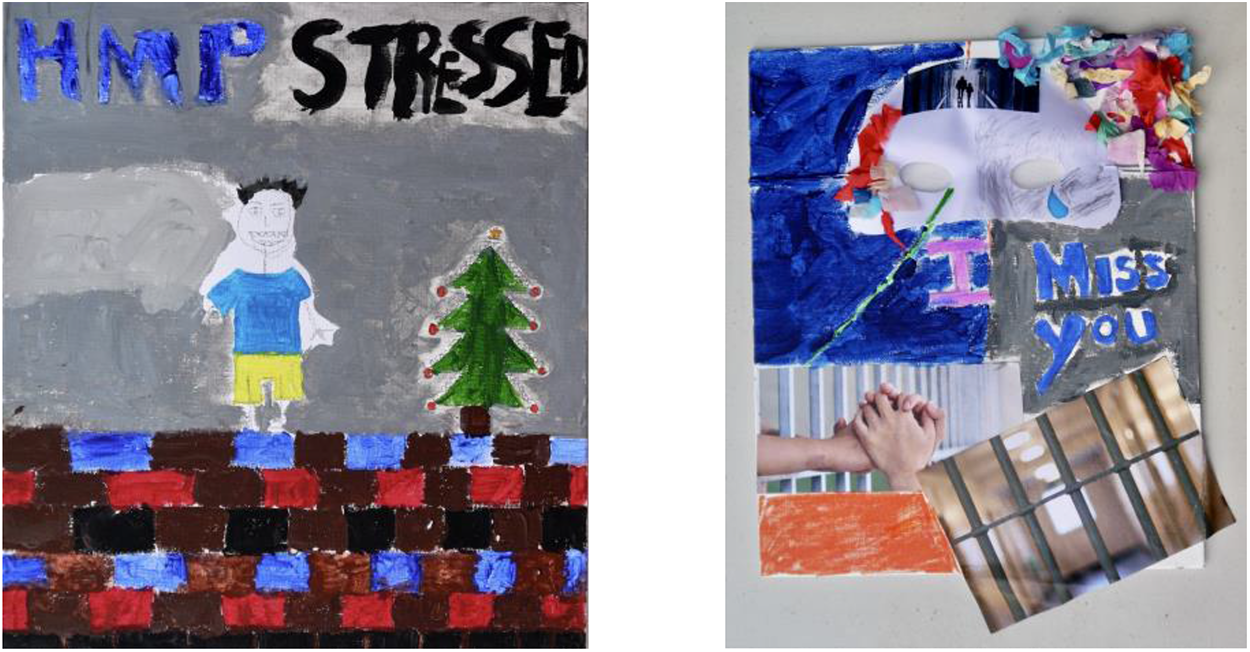
(Boy, 11 years) (Boy, 8 years)
Although it was not possible to measure how COVID might have increased public sympathy for the experiences of children of prisoners in this project, or indeed children of prisoners per se, a new hope has arisen that as everyone in society can now relate personally to the experiences of enforced separation from loved ones, that this might increase understanding and empathy for children impacted by parental imprisonment.
A final unexpected consequence of COVID 19 in this project was the merit of children learning new skills in journaling and art, as tools not only keep oneself occupied, but also as a means to self-soothe. The plan was always to bring the programme to an end by gifting each child with a box of art materials and a journal that they could continue to use at home when they wished. However, this project ended just as lockdown began. Thus, when each child was given their box of supplies at the end of the programme to take home, it was an unintended blessing that children now had these extra protective factors in their newly acquired emotional and physical tool kit. Indeed, a study by Donida (2018) that considered the usefulness of art therapy for children with adverse childhood experiences found that diverse and informed art interventions can ‘better the lives of children ACEs and aid in breaking the deleterious cycle of ACEs’ (Donida, 2018: vii). Similarly, the therapeutic use of journaling has been well documented and is arguable a useful tool for promoting resiliency in the face of difficult times (Gibson, 2018; Utley and Garza, 2011).
The original goal was to showcase the children's artwork in a celebratory event in the John Lennon art school at Liverpool John Moores University. The room was booked, guests were invited, food was ordered. The children were even happily planning what they might wear in to their first art exhibition where their work would be showcased. Lockdown, however, meant the event had to be cancelled, and a new solution was needed. The new solution, a virtual art exhibition, was instead curated. The monies that had been assigned to the face-to-face art exhibition, were now re-directed into online technical expertise and hosting. Children now pre-recorded voice overs (sent via phones due to not being able to meet in person) to articulate the meaning behind their pieces. Despite the initial disappointment of the face-to-face exhibition being cancelled, a number of positives arose from making a digital piece. Firstly, it has been shared to a much wider audience and therefore is assumed to have a much larger impact in terms of raising awareness of the struggles faced by this cohort of children. Secondly, the children were afforded an additional layer of anonymity. They themselves were not seen in their exhibition; however, their voices were heard, and first names shared (all with permission). Naturally, ethical considerations play a crucial role in protecting the anonymity of children and practitioners should be mindful to prioritise their safety, privacy and emotional wellbeing in any research or dissemination. Thirdly, working on the virtual exhibition was a project extension that took several weeks. During this isolating time, these children now had a reason to stay in touch with practitioners and work together, online, towards a shared goal. This virtual exhibition is shown over and over years later which can also be re-visited by the children whenever they want reminding them of what they achieved.
Support considerations
For those readers who might be considering their own art programme for children who endure adverse childhood experiences, the following considerations may be useful.
An enabling environment is key. Reflecting on the ‘Safe Together’ Hierarchy of Needs pyramid proffered earlier in this article, not only does it help to have an easily accessible location, a warm and friendly environment and a set of rules or boundaries that enable both children and practitioners to feel safe, but recruiting the ‘right staff’ who are personable as well as professional is vital. Furnivall (2011) examination of attachment-informed practice finds that is the characteristics of the caregivers that affect the child's sense of security. Whist Furnivall's work centres on children in the care system in Scotland, easy parallels can be drawn to value of work with children of prisoners who too suffer familial loss. Furnivall stresses that caregivers (the staff) should be assessed on their capacity to tolerate difficult behaviour and remain sensitive and responsive to the needs of the children. Furthermore, she advises that vulnerable children are more likely to engage successfully when their ‘carer’ is able to respond to their emotional age rather than their chronological one. For children who have suffered trauma, stability, routine and sameness play a crucial role in promoting healing. Practitioners are advised to consider building the child's trust by creating a predictable environment. Stability also aids emotional regulation (Malatras, 2012). Children who have endured trauma might struggle to regulate their emotions and impulses. Knowing what to expect can alleviate anxiety and fear and allow the child to feel more at ease in their environment. Future practitioners are therefore encouraged to remind the children of the code of conduct and the plan for the day, whilst of course, inviting them to contribute to and inform the plan which will increase their sense of agency. A similar structure to each day will also help. Stability and sameness are essential components of trauma informed care; this enables children to learn to trust the practitioners who are keen to help them. Cairns (2002), a social worker and foster parent, who writes ‘traumatic stress in children is a serious matter’ (Cairns, 2002: 12), but also that ‘even terrified children can learn to attune to a calm presence’ (Cairns, 2002: 11) explains that processing trauma often requires a social setting. By expressing what has happened to trusted witnesses, the thinking brain can process difficult experiences, and children can learn to have feelings and memories that do not overwhelm them. Supporting the parents and caregivers where possible is also useful. In the Safe Together programme children were dropped off and collected by their caregivers. Although there were only short amounts of time to talk about the day with the children and parents/caregivers together, these brief moments were considered a really helpful factor in the overall success of the programme. Talking to a child about feelings pertaining to parental imprisonment at home might be challenging in some households, and many parents/caregivers might be afraid that raising the subject could cause further distress. However, the supportive environment created through this kind of arts-based programme might well be a valuable opportunity for the parents/caregivers to understand a little more about the emotions their child might be harbouring. Practitioners might, therefore, gently encourage conversations for families at the end of each day, asking the children, if comfortable, to share with whomever is collecting them to say a little about the meaning behind their art work; why they picked certain colours or created certain images, etc. and what emotions this brought up for them, whilst remembering that simply showing the art work (rather than discussing it) can be just as powerful for those children who are reluctant to ‘explain’. This approach mirrors key concepts in therapeutic family work which centres on improving communication between family members through mechanism that feel safe and supportive for all parties (Varghese et al., 2020). Finally, it can be really powerful to give children the opportunity to be the ‘helper’ as well as the ‘helped’. Trauma often leaves individuals feeling powerless, but by helping others, it is possible to gain a sense of agency through having a positive impact on someone else’ wellbeing (Baures, 1996). Having a sense of purpose can not only help children who suffer ACEs realise they have much to contribute to society, and engaging in acts of kindness is likely to boost self-esteem. Further still, not only can helping others redirect the focus from one's own pain to the needs of others, the shift in focus can serve as a healthy coping mechanism. Helping others is part of the post-traumatic growth process, and this positive experience releases the child from the role of victim.
Conclusion
This article presented the findings of the ‘Safe Together’ therapeutic art programme in order to highlight the benefits, challenges and legacies of this valuable work with children impacted by parental imprisonment. Children who attended the programme expressed much enjoyment (evidenced by the high retention rate, and positive comments from both children and their caregivers) and increase in wellbeing was demonstrable through the feedback and improved SDQ surveys. This positive childhood experience, a creative art programme in which experiences of around the trauma of parental imprisonment were safely explored, were concluded to be a supportive measure for children with this lived experience.
Footnotes
Acknowledgements
Thank you to Dr Juliet Carroll for her support and contributions, and to Dr Lisa Marsland, visiting Child Psychologist, who was instrumental in the project delivery and success.
Declaration of Conflicting Interests
The author declared no potential conflicts of interest with respect to the research, authorship, and/or publication of this article.
Funding
The author disclosed receipt of the following financial support for the research, authorship, and/or publication of this article: This work was supported by the Merseyside Violence Reduction Partnership (MVRP).
