



Abstract
This study aims to discover the best appropriate model to explain reading success of academically gifted students through the ecological model. Three models (i.e., Model 1, Model 2, and Model 3) were created by using three layers of the ecological model to investigate the ecological background of reading success. In line with the literature, seven explanatory factors were examined among the items in the student questionnaire of PISA 2018. Exploratory factor analysis to detect factors and confirmatory factor analysis to validate them were used respectively. Cronbach’s Alpha values of each factor (internal consistency) were also calculated. Structural equation modeling was performed to create a model explaining reading success. Afterward, indices of goodness-fit-criteria were examined. The findings indicated that there is a complex background for reading. All factors (i.e., perception of difficulties, perception of competence in reading, enjoyment of reading, teacher support, teacher feedback, value of school and disciplinary climate in the classroom) have a significant effect on reading. According to the results, Model 3 has the best model fit indices among other models. This model, having more complexity and interaction among latent variables, was found as the most comprehensive and appropriate model due to being coherent with the ecological model.
Keywords
Introduction
Considering worldwide mandated education, students in many nations are required to get proficient math and reading scores in order to be considered as successful (Duncan, 2011; Paige et al., 2012). To boost academic achievement, leaders and policymakers have suggested that formal education institutions like schools should focus on improving not only math skills but also reading skills (Coleman et al., 2018). There have been ongoing studies to enhance reading skills in each nation’s education system; yet, the case of gifted and talented students was stressed with a lessened focus on (Haymon & Wilson, 2020). As a heterogenous subgroup, gifted students usually have the potential to give different results among other student populations (Mendaglio, 2013; Worrell et al., 2019). This unique population is the key element of national progress in the education system (Merrosity, 2003). Therefore, examining gifted students in a specific framework offers two opportunities: (1) discovering their possible differences as well as revealing their similarities with other students; and (2) enhancing their potential to boost national progress by improving educational success. On the other hand, reading skills are crucial for gifted students and also a significant component of improving the learning process in gifted education (Shastina et al., 2018; Trilling & Fadel, 2009). Given that reading has a complex structure as a result of its complex background patterns (Arıcı, 2017; Karatay, 2014), more research is necessary to completely comprehend the background pattern and structure of gifted students’ reading achievement.
Reading is both an effective part for improving academic achievement and a comprehensive talent that is affected by an enormous number of factors, as evidenced by its complex structure, as well as cognitive and psychomotor skills (Arıcı, 2017) and its multilayered ecological backdrop (Göktentürk, 2021). In order to research a complex structure, the ecological system theory by Bronfenbrenner (1979) may help better understand possible explanatory factors of reading scores of exceptional students. According to the ecological systems theory of Bronfenbrenner (Tudge & Rosa, 2020), every achievement and development is part of a complex system of relationships that are impacted at multiple levels by the environment. Therefore, in order to comprehend any development and achievement of children, his approach seeks to describe in depth each ecological context and the ways in which changes in those contexts. The model of Zumbo et al. (2015), a model using Bronfenbrenner’s ecological system theory’s framework, provides the theoretical foundation for a better understanding of the independent variables by offering five layers to discover the ecological background (i.e., independent variables in this study are the factors that were found by Exploratory Factor Analysis (EFA)). More information about this model by Zumbo et al. (2015) is covered in the theoretical background section.
All in all, additional research is a requirement in the field of gifted education to better understand reading and build better learning environments that match gifted students’ needs regarding their reading achievement. Therefore, the goals of this research are to (1) investigate the factors that may explain the reading achievement of academically gifted students, and (2) choose the best model that includes the combination of those factors for that accomplishment. Building a model that can describe the reading success of academically gifted students will contribute further help to enhancing the learning environment for gifted students.
Theoretical Background
Reading is a multifaceted skill with cognitive, psychomotor, and emotional components (Duffy, 2009; Karatay, 2014). Teachers and instructors should be aware of the aspects that affect students and their learning environment to improve reading skills (Kung, 2019). Therefore, future reading skills research cannot be conducted without taking into account the ecological context, which assumes that children are influenced by their environment (Bronfenbrenner, 1979). Furthermore, in order to improve students’ reading comprehension, a teacher must consider the ecological background of each student, including gifted and talented students.
The ecological system theory was proposed as an explanation for children’s development (Bronfenbrenner, 1979). However, the following-decades have enlarged the theory’s place and made it a helpful argument for qualitative, quantitative and mixed research (Onwuegbuzie et al., 2013). Afterward, it became the essential argument of the ecological model of item responding (Zumbo et al., 2015). Zumbo et al. (2015)’s model proposes five layers to discover the ecological background: (1) the test format, item content, psychometric dimensionality; (2) personal characteristics, individual differences; (3) teacher, classroom, school content; (4) family and ecology outside of school; (5) characteristics of the community, neighborhood, state, nation.
Although the ecological model was proposed for the clarification of latent classes that can explain the ecological background of an item’s differential item function (DIF) results, the proposed layers have also the potential to explain the complex ecological background of any dependent variable (i.e., reading score in this study). Therefore, for in-vivo studies of reading, the model could be a helpful tool to classify and discover latent variables. An important opportunity for the model is that any research could be made with a layer or a group of layers. To create a holistic frame and put a limitation with a meaningful factor group in this study, only specific layers of the model were included in the structural equation modeling (SEM). All in all, three layers (Test format-psychometric dimensionality, Person Characteristics-Individual Differences, and School context) were adopted to drive the theoretical background of the study. The theoretical model for this study was presented in Figure 1. The layers of the ecological model in the study.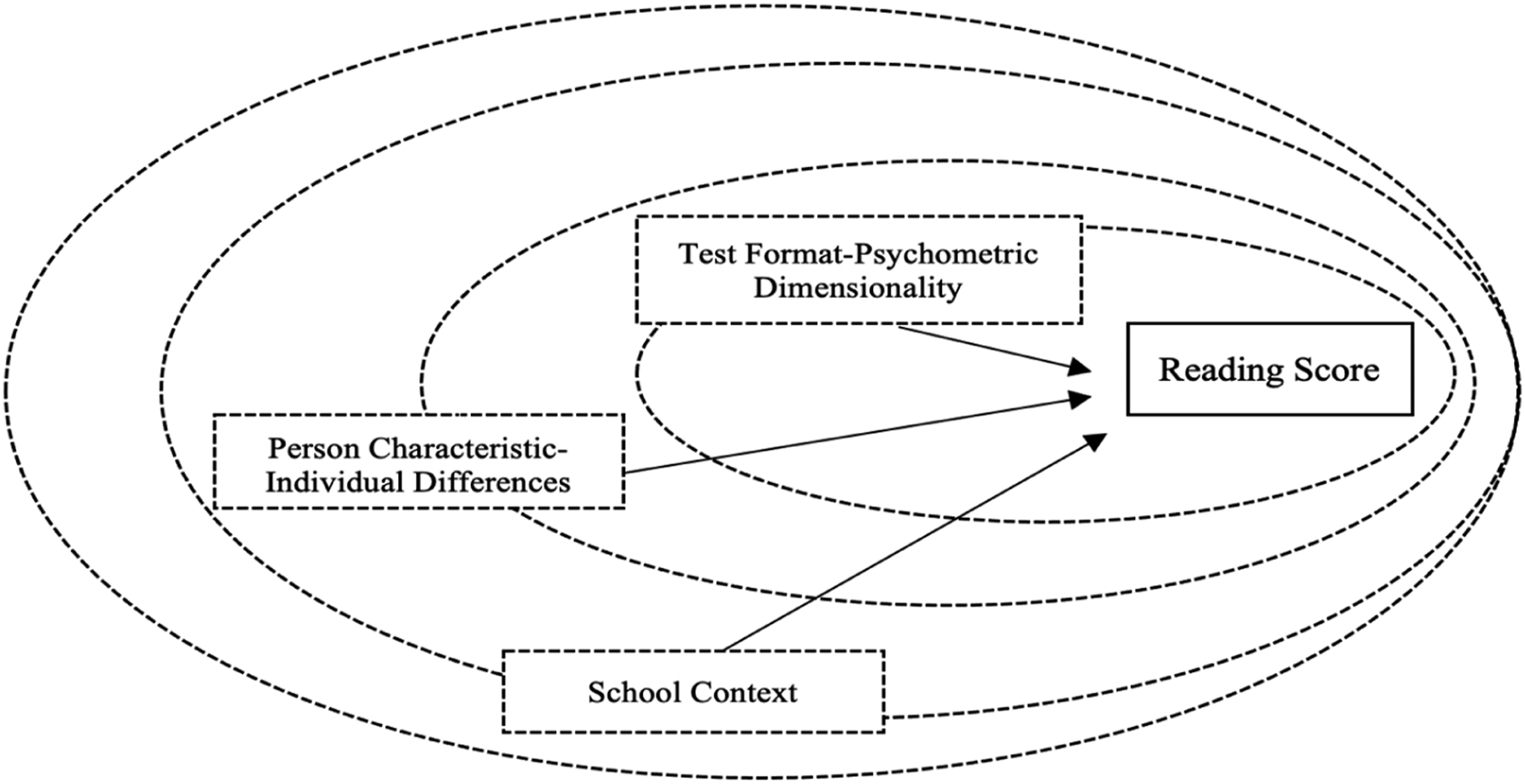
The current perspective on giftedness is to make the system of giftedness process-based (Lo et al., 2019, 2021). Accordingly, enriched environments are becoming more important for the education process in terms of high-ability studies (Reis & Peters, 2021). Reading has a great place in the education process, and it is essential to develop reading abilities in early childhood as the foundation for a lifetime of learning (Job & Coleman, 2016). Gifted students mostly have the potential to achieve a higher level of reading (Chan, 1996). Those gifted readers have a unique capacity for understanding relationships, problem-solving, exercising observational abilities, and quick assimilation of abstract concepts. Hence, schools have an essential responsibility for most of the reading instruction to address that kind of student’s needs (Kung, 2019). As a result, to make the gifted education process enriched for every student (Lo et al., 2021), it is necessary to investigate and discover the complex background of reading by using three layers of the ecological model, which are (1) Test Format-Psychometric Dimensionality, (2) Personal Characteristics-individual differences, and (3) School Context.
Test Format-Psychometric Dimensionality (Layer 1)
A test item is constructed to infer an examinee’s performance from its answer in some psychological constructs such as knowledge and ability (Osterlind, 2002). When a study is conducted on reading with question items utilizing such a measurement, there are multiple representations of reading comprehension that are revealed through the characteristics of test items (Rupp et al., 2006). Because of that, not only the item itself but also possible perceptions about the reading items might be used to explain reading success. Successful and failed students’ perceptions of item difficulty are influenced by question’s kinds and forms, as well as the type of paragraphs (Oruç Ertürk & Mumford, 2017). As appropriate to the literature, according to Zumbo et al. (2015), the perception of the difficulty of items (PD) can be considered an explanatory factor of reading success in the layer of test format-psychometric dimensionality.
Personal Characteristics - Individual Differences (Layer 2)
Individual differences among students have a wide range of effects on academic achievements (Van Bragt et al., 2011), even within different subsets of a population, such as refugees (Reinhardt et al., 2021). Additionally, gifted individuals’ unique characteristics could be a possible explanatory reason for their learning environment (Abu-Hamour & Al-Hmouz, 2013). Several studies reveal links between gifted and talented children’s differences and reading success (Adelson et al., 2012; Hannah & Shore, 1995; McGuire & Yewchuk, 1996; Tibken et al., 2021). Hence, the perception of competence (PC) and enjoyment of reading (EoR) variables were adopted as factors of the personal characteristics layer in the study, which is in accordance with the goal of this research.
Reading is influenced by a variety of factors, not only test format based points such as summarizing the text or organizing the structure of the text (Souvignier & Mokhlesgerami, 2006) but also personality based things, including students’ perceptions (i.e., PC component mentioned above). According to Meşe Soytürk’s study (2020) by using the Turkey sample of Programme for International Student Assessment (PISA) 2018, students’ perception of competence was found as an important explanatory variable for reading.
Reading enjoyment was also evaluated as related with reading achievement for several populations such as primary school students (Goux et al., 2017; Smith et al., 2012) and adolescents (Cheema, 2018; Rogiers et al., 2020). As a special subgroup among readers, gifted students spend more time reading with joy and the importance of creating a better environment is also emphasized (Garces-Bacsal & Yeo, 2017). This factor is associated with many important variables that can affect reading (i.e., gender, perceived teaching quality) (Hochweber & Vieluf, 2018). In order to enhance reading skills in many text types, enjoyment of reading was evaluated as a crucial element to boost the reading process (Knobloch et al., 2004). Therefore, there is plenty of research to meet the needs of readers’ leisure from reading activities (Butterfield, 2009; Karemaker et al., 2010).
School Context (Layer 3)
The school environment is full of variables that can influence the reading skills of gifted students from their teacher to their friends in school (Kung, 2019). As one part of the school context, a better disciplinary climate (DC) correlates with improved reading achievement (Meşe Soytürk, 2020; Ning et al., 2015). According to Cheema and Kitsantas (2014), disciplinary climate refers to students’ opinions of the regularity of classroom rules and how teachers handle behavioral issues in class. The disciplinary atmosphere in the classroom has a good impact on academic accomplishments of students (Cheema & Kitsantas, 2014). Students may focus on their work more readily in an organized classroom setting with fewer interruptions, giving teachers more time to cover the curriculum and employ a variety of instructional techniques (Mostafa et al., 2018). The academic achievement of students and their opinions of the classroom’s disciplinary atmosphere are positively correlated, according to previous PISA results (OECD, 2016). Additionally, Soyturk’s (2020) research shows that the disciplinary classroom environment is a significant predictor of Turkish students’ reading abilities. Consequently, DC has the potential to have a relation to the reading success of academically gifted students and was, therefore, included in the study.
Teacher support (TS), another possible predictor of reading achievement, is important not only for reading but also for identifying gifted students (Mulhern, 2003). In parallel, teacher bias or any possible problem in TS can affect the educational life of talented students (Siegle & Powell, 2004). On the other hand, a continuum of supportive behavior by teachers has a significant effect on reading success (Stein et al., 2008). So, TS should be considered as a part of the ecological background of gifted pupils. As another factor that may explain the reading success of gifted students, teacher feedback (TF), is the response (written or verbal) that a teacher gives a student regarding their academic development, behavior, and/or overall performance in a particular subject (Konold et al., 2004). Each school day includes a large amount of feedback (Bangel et al., 2010). While TF is essential to the teaching and learning process, it also shapes students' future behaviors (Hudson et al., 2010; Konold et al., 2004). Giving feedback to students as well as types of feedback have different influences on reading success (Fuchs et al., 1989). Although TF has an impact on reading success, further details are needed regarding its relations with other components of the educational environment (Gentrup et al., 2020). So, finding which factors are related to TF may be beneficial to better understand the structure of TF as well.
The value of school (VoS) can be defined as the school’s contribution to students’ competencies above and over contextual circumstances (Anderman, 2002; Bratti & Checchi, 2013); and as giving value to school by students at the same time (OECD, 2022). Schools serve as places for learning, and it is the responsibility of teachers in school to give students the knowledge and skills they will need to succeed in the future (Mishra & Close, 2020). Mishra and Close (2020) stated that schools are places that keep children safe, create environments for social growth, bring communities together, and address the needs of all learners when describing the value of education. As a result, value of school (VoS) could be related to academically talented students’ performance in reading, which is why it was included in the study.
In light of the illustrative data from the literature, the seven factors – perception of difficulties [PD], perception of competence in reading [PC], enjoyment of reading [EoR], teacher support [TS], teacher feedback [TF], value of school [VoS] and disciplinary climate [DC]– can collectively create a correlational group and become potential factors to explain reading success more clearly. Therefore, our third hypothesis is the following.
The Aim of the Study
The current research aims to shed light on the factors that can explain the reading success of gifted students in 79 PISA countries by using the framework of Zumbo et al. (2015)’s ecological model. The dataset of PISA 2018 was utilized. Including gifted students, most country has a purpose to make every student well-developed in reading (OECD, 2019). Therefore, a comprehensive examination of gifted children’s skills (e.g., reading skills) might help to a better understanding of their accomplishments. Specifically, the study will examine the relation of seven factors contained in PISA with academically gifted students’ achievement in reading. The seven factors are the following: perception of difficulties [PD], perception of competence [PC], enjoyment of reading [EoR], teacher support [TS], teacher feedback [TF], value of school [VoS] and disciplinary climate [DC].
The main research question for this study is: Which hypothesis mentioned above has the best appropriate model (i.e., model 1, model 2, and model 3) to explain the reading success of academically gifted students?
Method
Participants
The data of the current study was obtained in PISA 2018, the Programme for International Student Assessment organized by the Organization for Economic Cooperation and Development (OECD). PISA is an internationally comprehensive standardized assessment measuring the ability of 15-year-olds in reading, mathematics, and science (OECD, 2019). PISA 2018’s data was gathered from 79 different nations in total.
IQ in PISA
According to Weiss (2009) and Rindermann (2007), there is a significant high correlation (r = .82) between national IQ scores and success in math, reading, and science in PISA. Based on this result, academically gifted students in the study were determined by using reading scores due to reason that all three facets of PISA focus on cognitive ability (Godor & Szymanski, 2017; Rindermann, 2007; Weiss, 2009). In PISA 2018, there are ten plausible reading score values for each student. These ten plausible values were ranked per student for the 95 percentile within the dataset for all 79 countries (n = 606,627). This resulted in 1.08% of the sample population in 79 countries (n = 6596) accepted as academically gifted readers- female = 3915 (59.4%) and male = 2681 (40.6%). The descriptive statistics of all 79 countries are provided in Appendix 1.
Factor Structures of Independent Variables
Correlation Coefficients and Descriptive Statistics of Perception of Difficulties (PD) Factor.
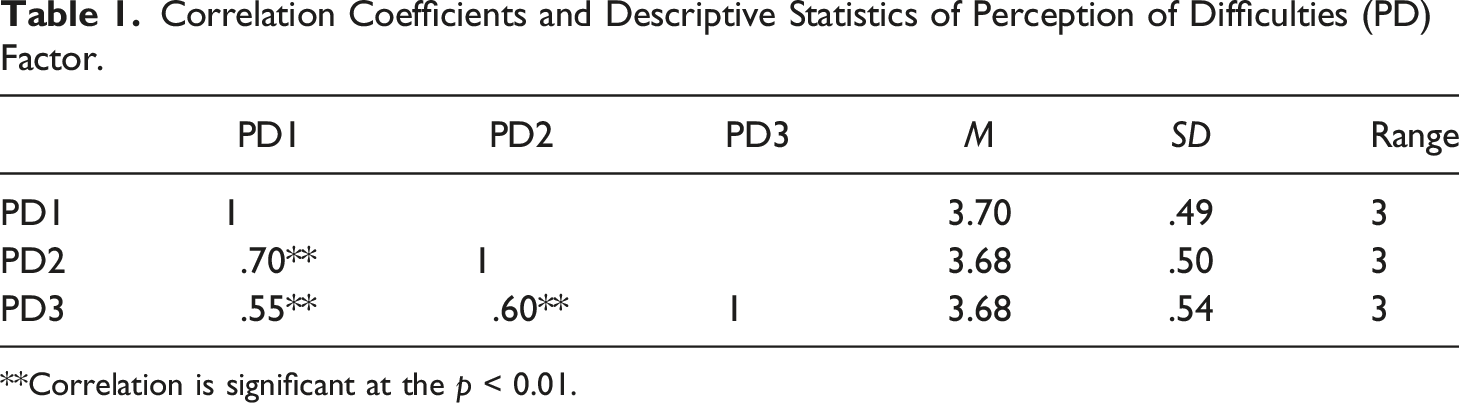
**Correlation is significant at the p < 0.01.
Correlation Coefficients and Descriptive Statistics of Perception of Competence (PC) Factor.
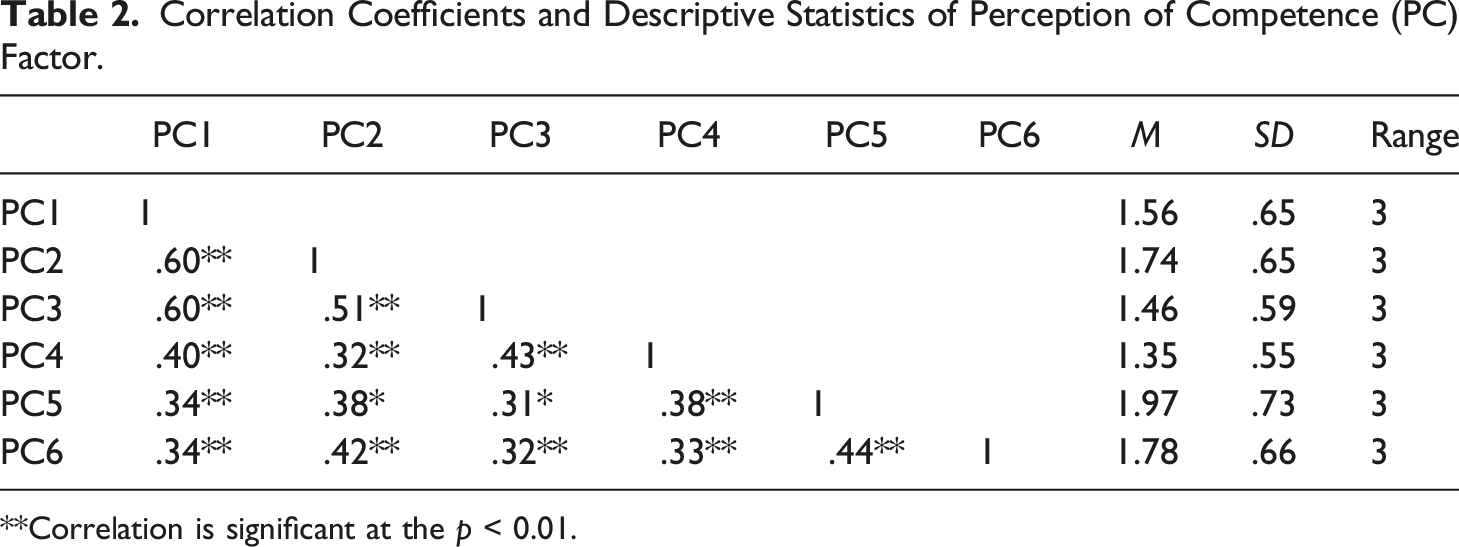
**Correlation is significant at the p < 0.01.
Correlation Coefficients and Descriptive Statistics of Enjoyment of Reading (EoR) Factor.
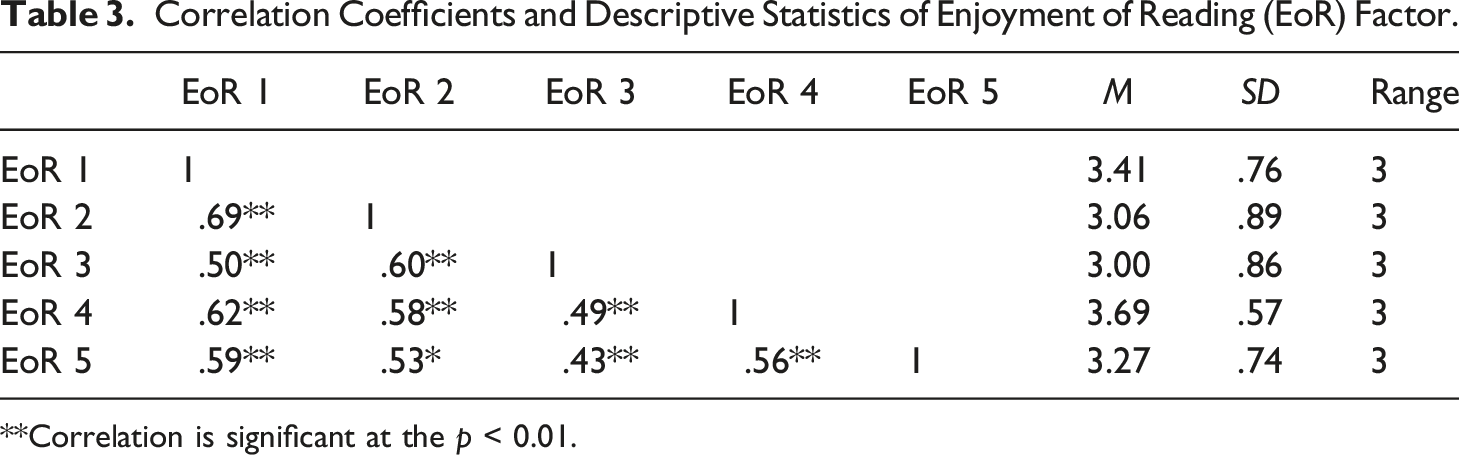
**Correlation is significant at the p < 0.01.
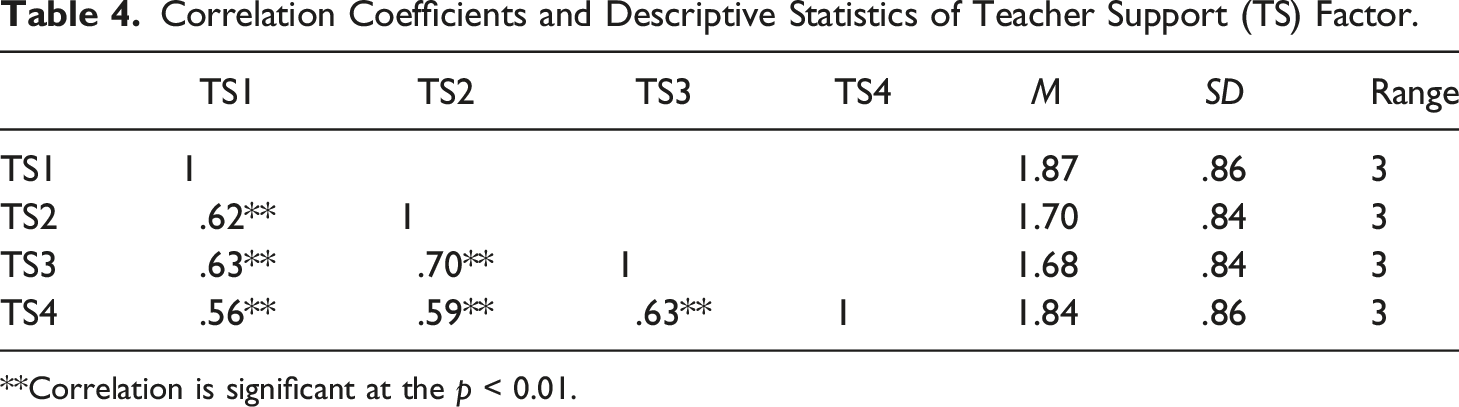
Correlation Coefficients and Descriptive Statistics of Teacher Support (TS) Factor.
**Correlation is significant at the p < 0.01.
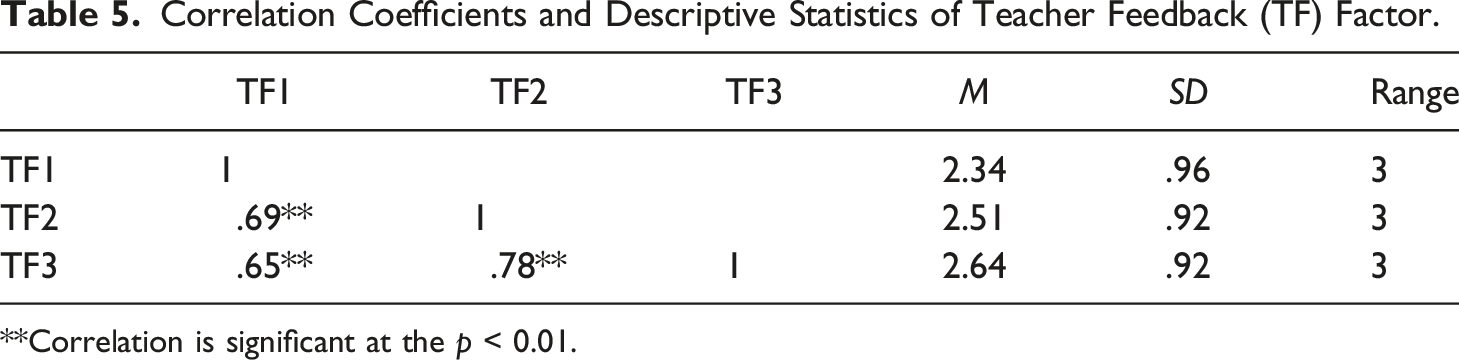
Correlation Coefficients and Descriptive Statistics of Teacher Feedback (TF) Factor.
**Correlation is significant at the p < 0.01.
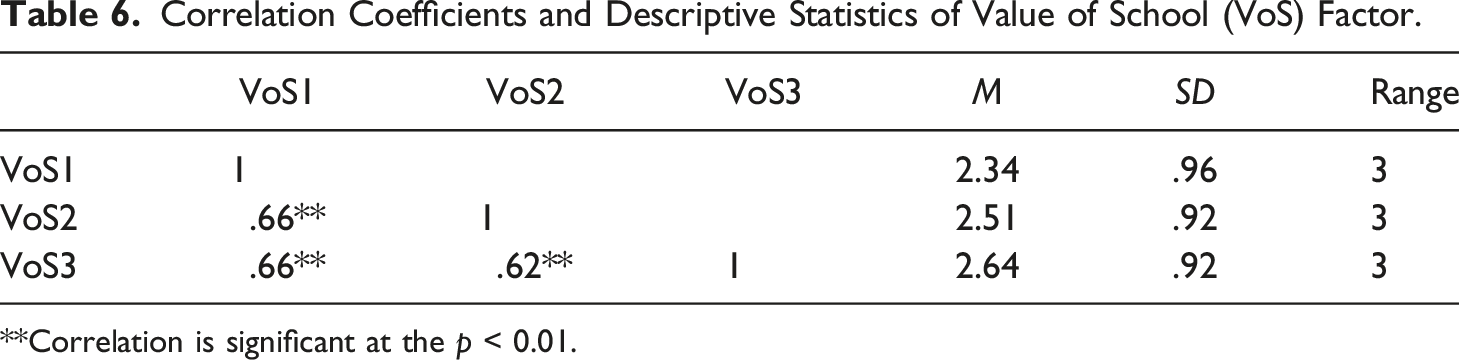
Correlation Coefficients and Descriptive Statistics of Value of School (VoS) Factor.
**Correlation is significant at the p < 0.01.
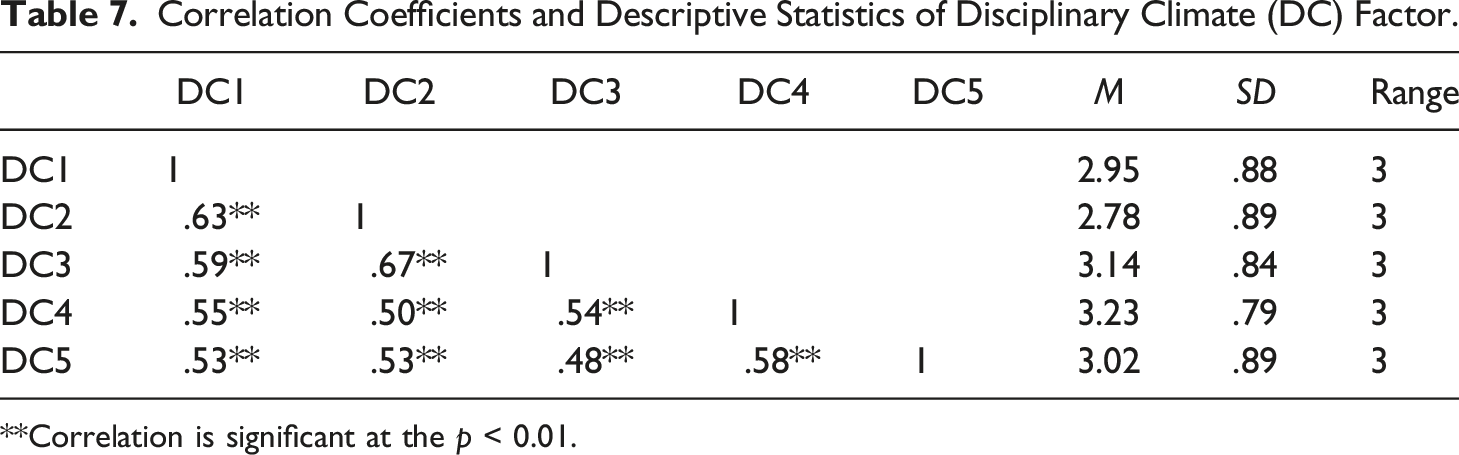
Correlation Coefficients and Descriptive Statistics of Disciplinary Climate (DC) Factor.
**Correlation is significant at the p < 0.01.
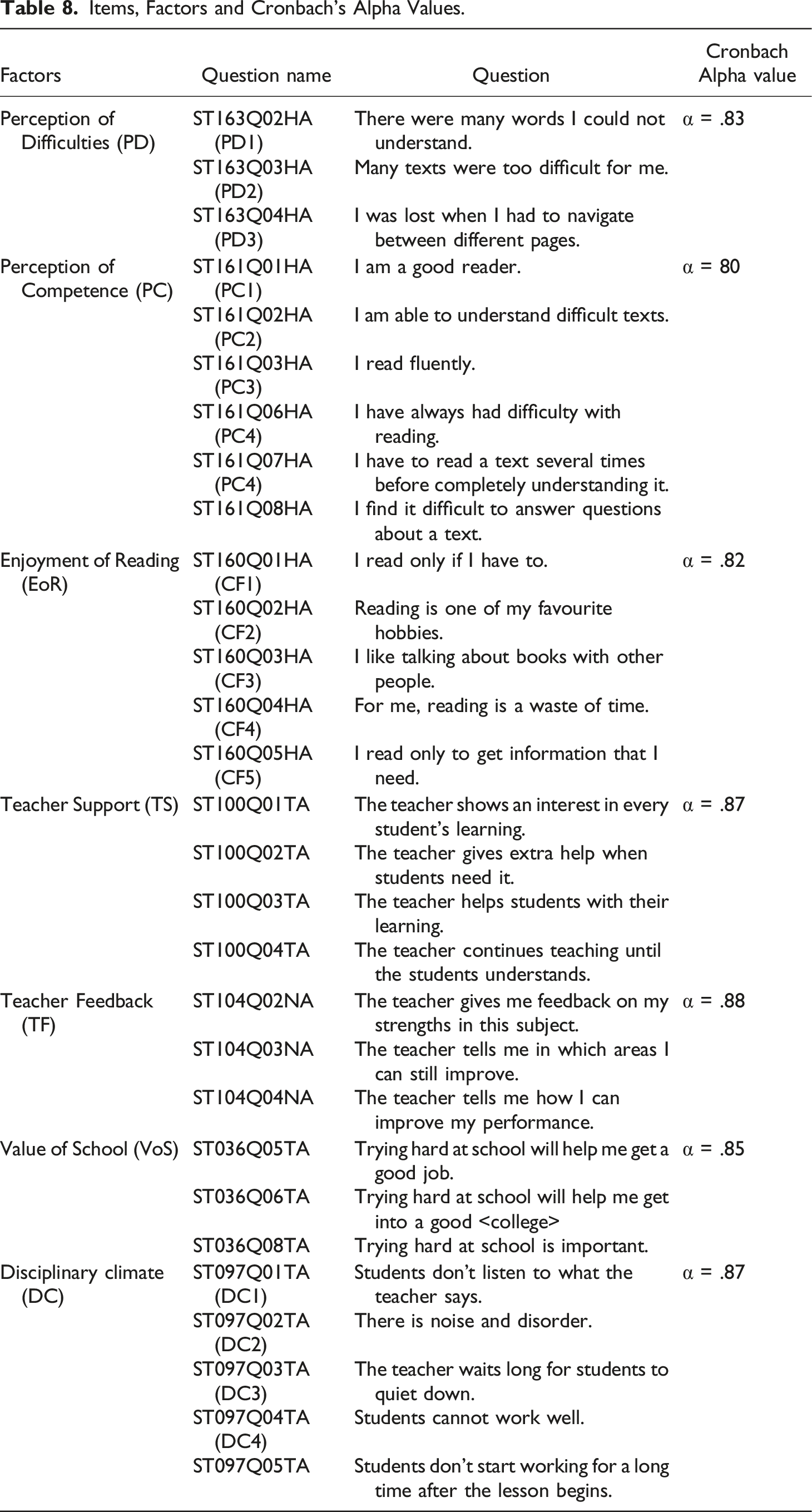
Items, Factors and Cronbach’s Alpha Values.
Data Analysis
This study employed SEM to investigate the relationship between reading success and possible factors through the lens of the ecological model (Zumbo et al., 2015), by using AMOS 22 software (Arbuckle, 2013). This method allows for a combination of EFA, CFA, and path analysis (Fan et al., 2016; Keith, 2019). For estimating the parameters, AMOS 22 uses the maximum likelihood (ML) method. According to Wolf et al.’s (2013) study, maximum likelihood (ML) has sufficient coverage rates for all contemplated circumstances. Furthermore, ML estimation can be used for continuous and ordinal variables (Hoogland & Boomsma, 1998), and variables having more than four categories (Beauducel & Herzberg, 2006). ML is appropriate for large sample sizes; in this study (n = 6596), it is considered the most efficient estimation method when the data are normally distributed (Kline, 2005; Schumacker & Lomax, 2010). Thereby, ML was chosen as final method in this study.
To prepare the data, the missing values were calculated. Missing data is an omnipresent problem in the field of social science (Bulut et al., 2012), which makes running analysis difficult (Finch, 2010). The database from PISA might have plenty of missing observations. Therefore, the missing value for the sample in the study was calculated for each question item in the SPSS 22 software. Maximum missing data was computed as 9.2% while the minimum was .3% of the data. The literature has suggested deletion (Garson, 2015) and imputation (Shrive et al., 2006) approaches as potential solutions for the missing data issue. However, both methods have their own problems. For example, the deletion method may skew the sample size; and the imputation method, on the other hand, might not represent the true responses (Saglam et al., 2023). Furthermore, research has demonstrated that ignoring missing data in the analysis is more robust than scoring missing items as wrong responses in many situations (Finch, 2008; Rose et al., 2010). Hence, the study continued with the same sample, which is 6596 students.
In the study, three phases (i.e., phase 1, phase 2, and phase 3) were completed by using three steps (i.e., step 1, step 2, and step 3). The entire process was shown in Figure 1. In each phase, exploratory factor analysis (EFA) was firstly conducted to reveal the embedded structures that constitute the ecological background of reading success by using Promax rotation (Step 1). Items that did not take any load from any factor and had a value below .30 were removed from the scale as appropriate to the literature (Demir, 2020; Field, 2009). Afterward, EFA was reperformed. In this last phase (Phase 3), 7 explanatory factors were determined and explained 57.76% of the reading success of gifted students cumulatively. Analysis regarding EFA was conducted with the SPSS 22 software. Later, confirmatory factor analysis (CFA) was performed for the validation of the factors (Step 2). Finally, SEM analysis was used to test the related model built using each layer of the ecological model’s framework (Step 3).
In terms of the evaluation of model fit, the literature contains various suggestions to report the type, number, and cut-off values for good model fit (Bulut et al., 2012). In order to check the goodness-of-fit criteria of the models (i.e., Model 1, Model 2, and Model 3). The last model, the model 3, is consisting of 7 factors and 29 items. CMIN/df (Chi-square/degree of freedom), RMSEA (Root Mean Square Error of Approximation), CFI (Comparative Fit Index), NFI (Normed Fit Index), and TLI (Tucker-Lewis Index) were examined using the AMOS 20 software. CMIN/df is an index minimizing the impact of sample size. The acceptable ratio for this statistic is lower than 5 (Hooper et al., 2008). RMSEA is a fit index evaluating how a hypothesized model is far from an ideal model (Xia & Yang, 2019). An RMSEA smaller than .11 indicates a reasonable fit and a value of <.05 or less means a good fit in relation to the degrees of freedom (Hu & Bentler, 1999; Kline, 2005; Shek & Yu, 2014). Contrarily, CFI, NFI, and TLI are incremental fit indices, which compare the hypothesized model with a baseline one (Xia & Yang, 2019). The CFI, NFI, and TLI equal to or above .90 indicate a satisfactory model fit (Shek & Yu, 2014). When CFI, NFI, and TLI values are larger than .95, it is considered a very good model-data fit in general (Hu & Bentler, 1999; Kline, 2005; Xia & Yang, 2019).
Results
In Model 1, which was obtained at the end of phase 1, one latent variable (i.e., perception of difficulties [PD]) in the test-format layer (Layer 1) and reading success were used to examine their relation. The latent variable (PD) was examined to verify if the observed variables were measuring the appropriate latent variable prior to SEM analysis. The confirmatory factor analysis proved that the observable variables were accurately measuring the latent variable (PD). The study’s CFA results were included in the Appendix. The Chi-square/degree of freedom was found as 115.09, which indicates an unacceptable fit between hypothesized model and the sample data (Cole, 1987; Hooper et al., 2008). CFI (.72), TLI (.61), NFI (.72) and RMSEA (.13) were unacceptable fit in terms of model fit indices as well. According to the theoretical framework, this result was not anticipated, considering that perception of difficulty (PD) is a key factor in explaining reading performance (Göktentürk, 2021; Zumbo et al., 2015).
In Model 2, as appropriate to the hypothesis 2, two more latent variables (Perception of Competence (PC) and Enjoyment of Reading (EoR)) in the layer of personal characteristics (Layer 2) were added. Afterwards, the Model 2 was created to see its relationship with the reading score. The Chi-square/degree of freedom was 27.56, which indicates a failure to reject null hypothesis-hypothesis 2. This traditional index is sensitive to sample size, which almost always rejects the model when large samples are used (Hooper et al., 2008). While CFI (.88), TLI (.86), NFI (.88) demonstrate unacceptable fit index, and RMSEA (.06) were in an acceptable fit regarding model fit indices. Considering the results, the model can be evaluated as unacceptable. Thus, it was decided to develop the model with new factors from Layer 3.
In Model 3, four more latent variables (teacher support (TS), teacher feedback (TF), value of school (VoS), and disciplinary climate (DC)) in the layer of school context (Layer 3) of the ecological model were included. The Chi-square/degree of freedom was 13.04, which does not indicate a good fit. However, this index can produce an unsatisfactory fit result due to its sensitivity to large sample sizes as mentioned above (Barrett, 2007). On the other hand, CFI (.92), TLI (.91), NFI (.92) and RMSEA (.04) were in satisfactory fit in terms of model fit indices as well. Path analysis for Model 3 was given in Figure 2, which shows parameter estimates and standardized factor loadings for the final structural model. Not only fit indices but also the theoretical structure in the background of the study is critical to evaluate the model (Fan et al., 2016). Therefore, the result shows that Model 3 is acceptable to explain the ecological background of academically gifted students' reading success. All phases and steps of the analysis in the study.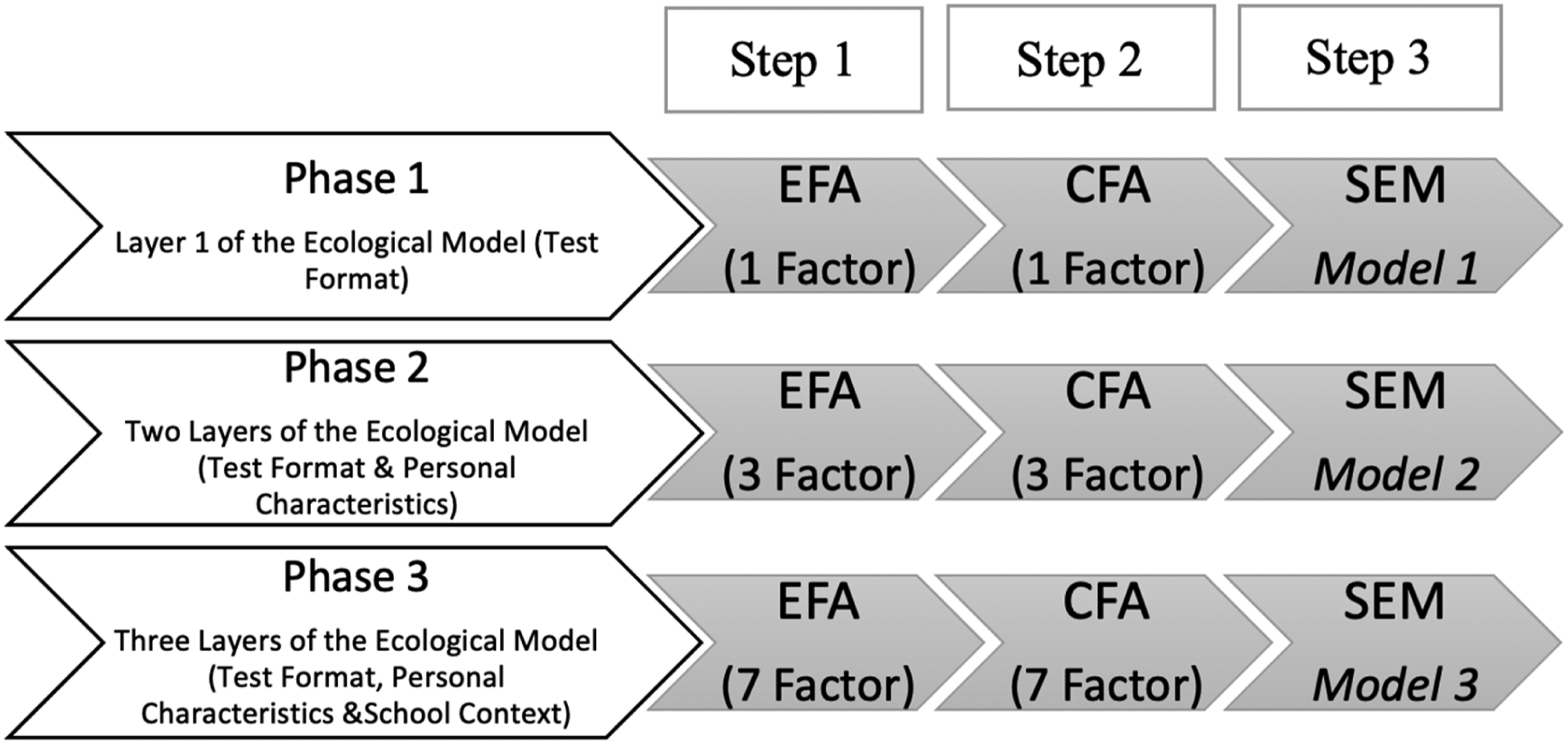
Regarding the final SEM, all paths of the model were significant. In other words, latent variables (perception of difficulties [PD], perception of competence [PC], enjoyment of reading [EoR], teacher support [TS], teacher feedback [TF], value of school [VoS] and disciplinary climate [DC]) explained reading scores of academically gifted readers significantly. Path diagram of model 3.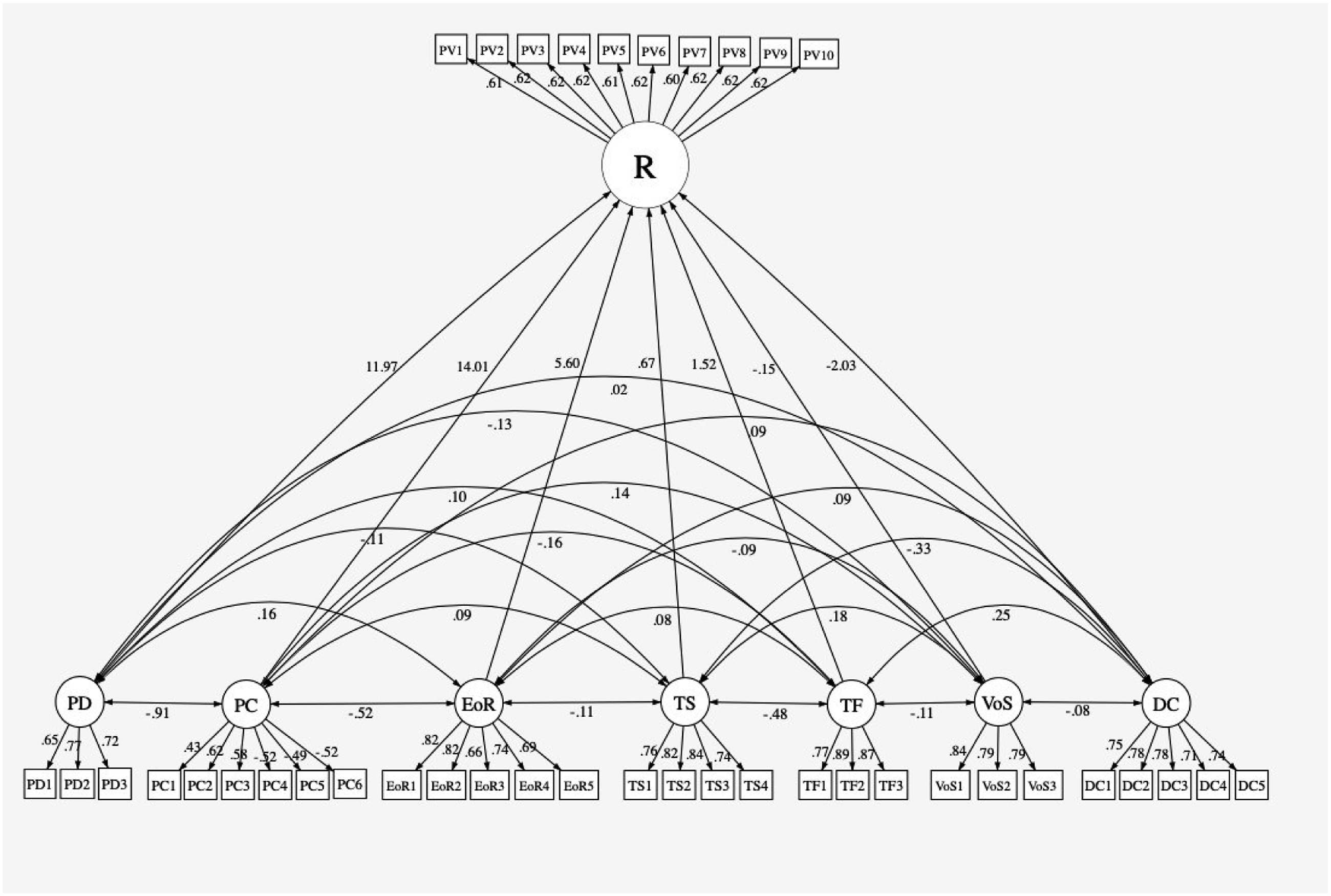
Summary of goodness-of-fit statistics from three SEM models in the study.
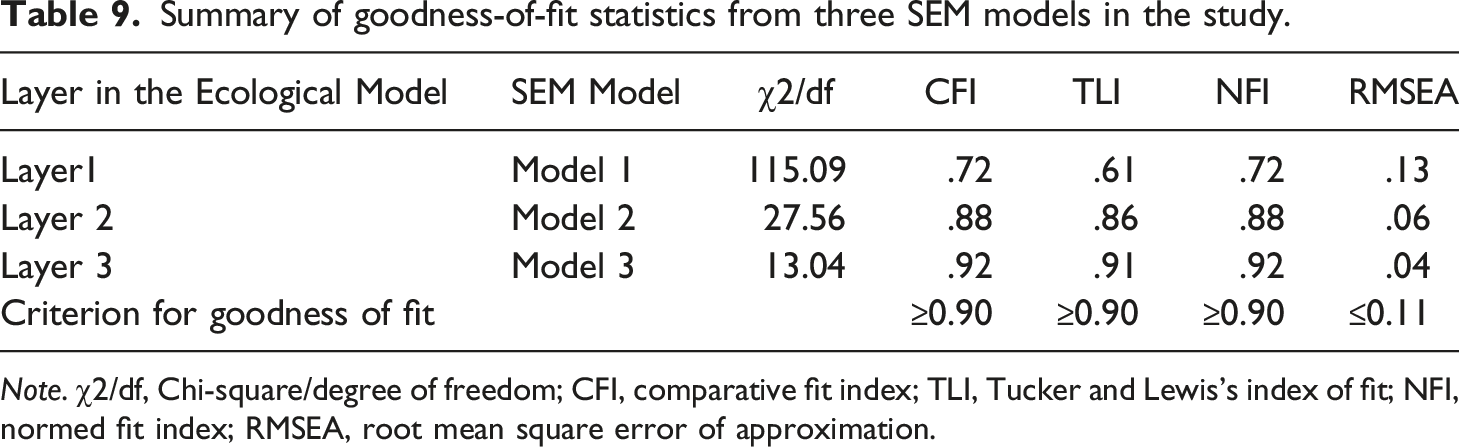
Note. χ2/df, Chi-square/degree of freedom; CFI, comparative fit index; TLI, Tucker and Lewis’s index of fit; NFI, normed fit index; RMSEA, root mean square error of approximation.
While selecting the best model that can explain the dependent variable (i.e., reading success), the theory behind of the hypothesis must always be considered (Fan et al., 2016). Considering the results of SEM analyses in Table 9, the Model 3 has the best model fit indices among other models. Therefore, Model 3, having more complexity and interaction among latent variables, is the most comprehensive and appropriate model due to being coherent with the ecological model. Finally, the Model 3 explains the ecological background more comprehensively than the other 2 models.
Discussion and Conclusion
The main goal of this study is to create a model that can explain the reading achievement of gifted students by using the three phases as appropriate to the ecological model. Structural equation modeling was used to discover the relationship between observed variables and the reading success of academically gifted students in all 79 countries. After EFA, seven explanatory factors were found (perception of difficulties [PD], perception of competence [PC], enjoyment of reading [EoR], teacher support [TS], teacher feedback [TF], value of school [VoS], and disciplinary climate [DC]) in the final phase.
This study contributes to the academic literature on academically gifted readers by investigating explanatory factors of reading success through PISA 2018 dataset. Unfortunately, the current literature has been less focused on gifted readers (Haymon & Wilson, 2020). To the authors' knowledge, this is the first comprehensive investigation that aims to explore the ecological background of gifted readers' reading success. Moreover, the presented model allows for a more in-depth understanding of how academically gifted students are successful in the reading section of PISA. In the following paragraphs, each selected layer of the ecological model –[1] Test Format-Psychometric Dimensionality, [2] Personal Characteristics-individual differences, and [3] School Context– will be presented separately.
Test Format-Psychometric Dimensionality (Layer 1)
PD is the only factor inside of the test format-psychometric layer in the ecological model. The results of this study confirmed the level of difficulty perception is a significant factor of gifted students' reading achievement. In light of the literature on the impact of test difficulty on reading achievement, the influence of test difficulty was emphasized in several studies for reading achievement (Davey, 1988; Göktentürk, 2021; Zumbo et al., 2015) and other test scores of different areas (Bean, 2021; Dillon, 1983; Hong, 1999). According to test development theories, the appropriate level of difficulty differs for each test’s application purposes (Thorndike & Thornike-Christ, 2014). Thus, as a task, the perceived difficulty of a test may have an impact on task performance (Nuutila et al., 2021). Therefore, the present findings add empirical evidence of the relationship between perceived difficulty and reading success. On the other hand, this research contributes to the findings of an association between test items and the success of gifted students.
Personal Characteristics-Individual Differences (Layer 2)
The components of personal characteristics-individual differences layer in the ecological model are the PC and EoR. This study also validated the influence of PC and EoR on the reading performance of gifted students. The covariance estimate of PC is higher than EoR in the Layer 2. Similarly, multiple research has found a strong relationship between reading performance and PC (Cequeña, 2020; Gunardi, 2022; Meşe Soytürk, 2020; Souvignier and Mokhlesgerami, 2006). Therefore, the current study may be seen as a continuation of previous work as well as a fresh contribution to ecological background research (Bronfenbrenner, 1979; Zumbo et al., 2015).
The covariance coefficient is parallel in line with the EoR’s results for improving reading skills (Cheema & Kitsantas, 2014; Goux et al., 2017; Rogiers et al., 2020; Smith et al., 2012). Numerous studies also confirm the factor’s influence as versatile such as perceived teaching quality and reading speed (Hochweber & Vieluf, 2018; Retelsdorf et al., 2011). Therefore, students who enjoy reading perform better in reading. Furthermore, Garces-Bacsal and Yeo (2017) found that gifted students experience a greater sense of joy from reading than others.
School Context (Layer 3)
The results of the study also validated that TS, TF, VoS, and DC are significant factors of reading success in the school context layer. This means that a better teacher support, teacher feedback, school value, and disciplinary climate leads to higher reading outcomes, as evidenced by various studies in the literature (Guo et al., 2018; Lau & Ho, 2016; Maslowski et al., 2007; Ning et al., 2015; Stein et al., 2008). Therefore, these four factors should be assessed as critical for gifted students’ reading success. For example, TF was found as a crucial component in explaining the reading success of gifted readers as important as in the learning process appropriate to the literature (Hudson et al., 2010; Konold et al., 2004). Additionally, the multicultural structure of the classes (Ball, 2009) enhances the significance of the disciplinary climate and makes it a potential moderator variable (Benda & Wright, 2002). Taken as a whole, TS, TF, VoS, and DC can be considered puzzle pieces of the ecological background that explains the reading success of gifted readers. Therefore, the factor of school context displays a complex ecological background as well.
These findings also revealed that, in order to increase gifted children’s reading success, instructors and policymakers should take into account these variables. We may deduce from the last model’s (Model 3) factor structure that reading is not only a basic and simple activity that can be comprehended only by the reader but also a complex structure that is influenced by a complex ecological context for academically bright children.
Limitations and Future Implications
There are some limitations to be addressed in the study. First, this research was limited to 15-year-olds students. Second, some specific contextual factors such as teacher quality and classroom types were not taken into account. Third, the students were asked to complete a self-report scale in PISA. The reliability of self-reported data is contingent on the individuals’ honesty (DeVellis & Thorpe, 2021). Fourth, reading-related variables were included in the study. Other observed variables, on the other hand, have the potential to explain students’ reading scores. Fifth, one of the limitations of the research is the structure of the plausible values provided for the reading. The plausible values are estimations for the student’s ability (i.e., reading success in this study), but they are not the exact equivalent of reading success (Saarela & Kärkkäinen, 2017). Finally, the population of gifted people worldwide is not precisely known, so no sampling weight could not be applied to the study.
In light of the aforementioned constraints, future research should examine reading performance qualitatively in order to gain a better understanding of the relationships between observed variables. Additionally, as relevant to the ecological model assumptions, all five layers should be studied for their impact on children’s reading performance by adding other two layers (1- family and ecology outside of school; 2- Characteristics of community, neighborhood, state, nation) (Zumbo et al., 2015). Finally, explanatory factors of other areas in PISA (i.e., math and science) also should be investigated to better understand the sources of advanced students’ academic achievement.
Footnotes
Declaration of Conflicting Interests
The author(s) declared no potential conflicts of interest with respect to the research, authorship, and/or publication of this article.
Funding
The author(s) received no financial support for the research, authorship, and/or publication of this article.

Appendix
Descriptive statistics, explanatory factor analysis (EFA), confirmatory factor analysis (CFA), and analysis of random halves’ findings can be reached by using the following link: https://drive.google.com/drive/folders/1pd-yQma0Dydqlwt5sJyxPcDozChcgkea?usp=sharing