




Abstract
Publication is essential to share new ideas, knowledge, or recent findings with those who have an interest in a particular area. Selecting the most appropriate format and timing for dissemination is critical to ensuring the long-term impact of research. However, many researchers, particularly those in the early stages of their career, are unaware of how the publication process works and the different options available for promoting research to maximum effect. Understanding how to maximise impact is particularly important for research using animal models or alternative methods, to make the best use of any animal data generated and reduce animal testing in future. Herein, different publishing models are explained, including anonymised peer review, open review and data sharing initiatives. An overview is given of key resources available to assist authors, reviewers and editors in the process of writing, presenting, reviewing and publishing research. New challenges and opportunities in publishing are discussed, including the potential influence of Artificial Intelligence. A list of ‘ten top tips’ in publishing for early career researchers is presented, providing advice and recommendations for ensuring a successful and impactful publication record.
Introduction
Publishing is the cornerstone of scientific advancement. It establishes a platform for presenting new methods, findings and ideas, as well as providing a forum for knowledge exchange and debate. Henry Oldenburg was the founder and first editor of Philosophical Transactions of the Royal Society in 1665. In his words, the purpose of a scientific journal is to “clearly and truly” communicate discoveries, encouraging researchers to “impart…knowledge to one another and contribute what they can to the Grand design of improving Natural knowledge” (see: Hall, 1965). 1 From these early beginnings, expansion in the number of journals published has been prolific. It is estimated that there are over 30,000 journal titles now available, with this number increasing by 5–7% per year. 2 Fuelled by the need for academics to demonstrate a strong publication record and the increasing number of candidates for PhD by publication, there has been a corresponding rise in the number of articles published. This was estimated to be over 2 million articles yearly, rising by 2–4% each year. 2
Hence, for more than 350 years, scientific journals have played a pivotal and ever-expanding role in communicating new concepts. It is imperative that journals do their best to ensure that the scientific record is accurately maintained, despite the challenges that such rapid expansion brings. Those involved in the publishing process have a key societal responsibility to ensure that the highest standards, both ethically and scientifically, are upheld.
There have been several recent initiatives to improve the publishing process, for example, through the development of ethical codes of conduct and reporting guidelines. There are also multiple resources available to support authors, editors and reviewers in this process. All major publishing organisations now provide guidance for authors on writing high-quality manuscripts that are relevant to the scope of the journal (for example Springer (https://www.springer.com/it/authors-editors/journal-author/journal-author-helpdesk), Taylor and Francis (https://authorservices.taylorandfrancis.com/publishing-your-research/), Sage (https://us.sagepub.com/en-us/nam/resources-journal-authors-and-editors), Elsevier (https://www.elsevier.com/en-gb/connect/7-steps-to-publishing-in-a-scientific-journal) and Wiley https://authorservices.wiley.com/author-resources/Journal-Authors/Prepare/index.html; all accessed April 2024). Much of the information is also of relevance to reviewers and editors, although many publishers issue separate guidance for these groups.
By publicising research appropriately, authors can maximise the impact of their work. Impact is generally defined as: bringing about demonstrable, real-world change in behaviours, beliefs, policy or practice that has societal benefits, in terms of health, welfare, economy, etc. In the UK, there is often a distinction between academic and socio-economic impact. However, in assessing the impact in other countries, these are often considered together as an indicator of “value and change” resulting from research. 3
Presenting research and promoting new concepts is important in all areas of science. Within the area of animal experimentation and replacement, there is arguably an additional level of responsibility and need to maximise impact. If the research used animals, it is essential that the results are communicated to maximum effect to avoid any duplication of experiments and to make the best use of the resulting data. Where alternatives to animal testing are being developed, evaluated, or promoted, these need to gain maximum exposure to ensure the most significant possible contribution to the Three Rs (i.e. Reduction, Refinement or Replacement of animal testing). The need to move away from animal testing towards more human-relevant alternatives has been well-established.4,5 Failure to publish research that involves alternative non-animal methods, effectively wastes research efforts, financial resources and animals. It also slows innovation and development (such as in drug discovery) which can have significant adverse effects on society. 6 However, there can be additional difficulties in publishing research using non-animal alternatives. Recent studies have suggested a bias in publishing against alternative methods, with reviewers potentially favouring animal testing. Specific guidance for authors in dealing with animal methods bias in publishing has been published elsewhere. 7 Other detrimental effects induced by the failure to publish, such as delays in publishing, or publishing in a lower impact environment have also been discussed by Krebs et al. 8 Whilst peer review and publication are essential components of research, early career researchers (ECRs), particularly those just beginning their studies, may not appreciate how the entire process functions. Therefore, this article will begin by explaining the pathway to publication (i.e. the different stages of the process and the roles and responsibilities of the various people who are involved) for those who have little or no experience of publishing. This article further provides a collation of pertinent resources, encompassing all aspects of publishing, in a single, definitive resource for use by ECRs, authors, editors and reviewers. The focus here is on scientific journal publications, using a traditional peer review process, with an emphasis on the area of animal use or replacement methods. However, many of the principles are equally applicable to other disciplines. Alternative publishing models, such as open peer review are also described. This article explains the publishing process, the influence of journals in creating societal impact and how this can be maximised. New challenges and opportunities in publishing, for example, the role of Artificial Intelligence, are also discussed. Useful resources, including advice on writing and reporting guidelines are also signposted.
The publishing process
Reasons for publishing
High quality scientific publications serve many purposes. They provide a reliable and accurate record of research undertaken, as well as providing information on new technical developments, findings or ideas within a field. This ensures that others can learn about new achievements, enabling novel methods to be reproduced, tested, validated, adapted for other purposes, and/or used to create real-world impact. This helps to increase our understanding of the world around us, at all levels, from the nanoscopic to the universal scale. Through debate and discussion, providing evidence towards the confirmation or refutation of theories, we advance in knowledge and capability. There are many drivers for publishing research, a few of the common reasons are indicated below.
The traditional process of publishing a journal article
The majority of established scientific journals follow a similar process from submission to final publication, although there can be some differences between journals. For example, in some cases the role of editor-in-chief is shared by a group of people and members of the group may select reviewers directly. In other cases, editorial board members or senior editors may have more involvement with reviewer selection. Despite these subtle differences in roles, the journey of the submitted manuscript is largely similar. Figure 1 is a general representation of the different stages of this process, highlighting the people involved at each stage. An outline of a typical publication process, highlighting the different roles involved. There can be some variation in these roles and responsibilities between different journals; however, the details outlined here are specific to ATLA.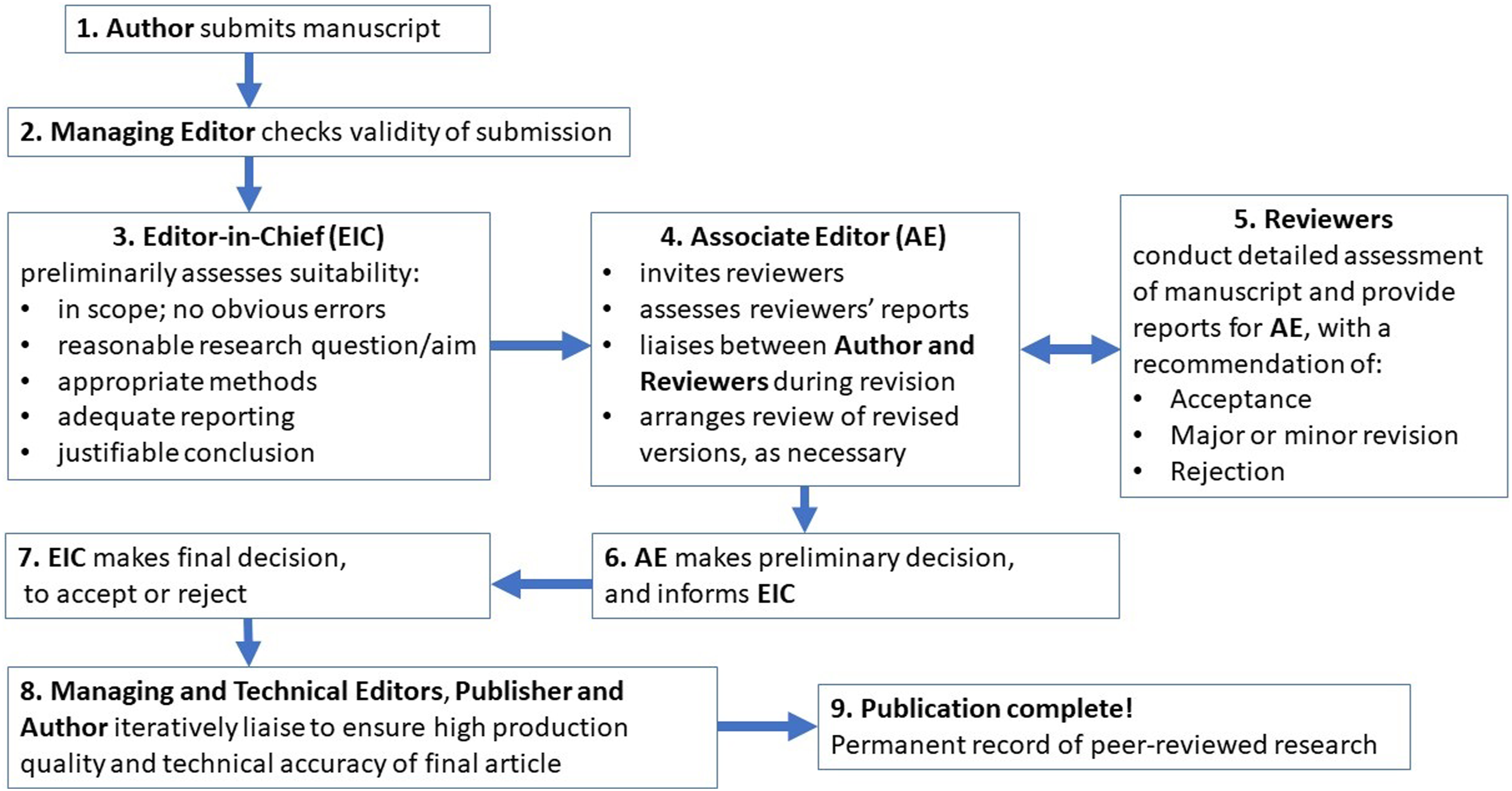
Once authors have agreed on the key message(s) and the target audience for their work, they should use information on the aims and scope of a journal (usually published on the journal’s website), familiarity with a journal from prior experience, or guidance from peers, to select the most appropriate journal for their manuscript. Many major publishing houses offer a webtool to assist selection of the most appropriate journal from within their own collections (e.g. https://journal-recommender.sagepub.com/; https://journalfinder.wiley.com/search?type=match; https://journalsuggester.springer.com/; https://journalfinder.elsevier.com/; all accessed April 2024). Other webtools offer journal suggestions across different publishers (e.g. https://www.journalguide.com/; https://endnote.com/manuscript-matcher/; https://jane.biosemantics.org/suggestions.php; all accessed April 2024). Often, the manuscript would need to be formatted according to the journal’s standard requirements; guidelines are usually provided for this on the journal’s website. However, many journals now permit initial submission in a format of the authors’ choice. Where multiple authors have contributed to a manuscript, a single ‘corresponding author’ is selected who acts as the liaison between the journal and the other authors. The corresponding author usually has the option to submit a cover letter, to briefly summarise the work and explain why it is of relevance to the journal. Previously, it was relatively common practice for authors to provide the names of reviewers who should, or should not, be contacted during peer review. Due to an increasing number of cases of academic misconduct, relating to authors’ recommendations for reviewers, this option is becoming less favoured. There are reports that this practice “threatens the integrity of peer review [and leaves the process] susceptible to exploitation”. 14 The Committee on Publication Ethics (COPE), has also reported misconduct involving peer review manipulation where authors have suggested reviewers (https://publicationethics.org/case/possible-peer-review-manipulation; accessed April 2024). Once submitted, usually via a dedicated online submission portal, it is important to initially assess whether the paper falls within the general remit of the journal and that the text, tables, figures, references and supplementary material have all been submitted correctly. For ATLA submissions, this initial step is undertaken by the Managing Editor. (All of the following described steps and the key people involved are specific to the ATLA journal; however, there can be some variation in these roles and responsibilities between different journals.) The manuscript is then forwarded to the editor-in-chief (EIC) who further assesses the suitability of the manuscript for the journal and ensures that the underlying principles, methodology and conclusion appear robust. The EIC will then usually forward the manuscript to an experienced associate editor (AE), who will then search for appropriate reviewers. A maximum of one reviewer may be selected from the author’s own suggestions. Other experts in the field may be identified, by using Web of Science, Scopus, search facilities linked to the manuscript submission system, professional networks or recommendations. Invitations to review the manuscript are sent out, with these reviewers playing a pivotal role in the peer review process. It is increasingly common for manuscripts to be submitted to automated plagiarism detection software, during the submission or review stages.
Typically, reviews are obtained from two or three experts — however, it is often the case that many potential reviewers are invited before an agreement to review is secured. This has become a seriously challenging issue for most journal editors and can result in severe delays in the publication process. Reviews at ATLA and many other journals are single-anonymised, i.e. where the identity of the author(s) is known to the reviewer but the reviewer is not known to the author(s). Reviews can also be double-anonymised, where neither author nor reviewer names are revealed to each other. To foster openness in science, there is increasing interest in the use of non-anonymised reviews (where author and reviewer names are both revealed) or open review where a manuscript is made available for anyone to provide comment. 15 Each of these models for review has advantages and disadvantages. Whilst ‘open' or ‘non-anonymised' reviews have been promoted as encouraging more open debate amongst scholars, opponents of these models cite concerns that reviewers are likely to be less critical of work if their identity is revealed. This problem could cause bias in reviewing of ‘weaker' manuscripts, resulting in a more favourable review than is warranted.
In an anonymised reviewing process, each reviewer provides an independent report on the manuscript to the editor, with their overall recommendation. Typically, this is either to accept the manuscript with no modifications, to accept with minor or major modifications, or to reject the manuscript. The AE will then make a judgement based on all reviews received. At this stage, there may be a number of opportunities for the authors to respond to queries made by the reviewers and to re-submit an improved version of the manuscript. During this process, the AE liaises between authors and reviewers as necessary. Once the AE has sufficient information to make a final recommendation, this is forwarded to the EIC for approval. If approved for publication, the manuscript will enter the publication process, where the journal’s editorial team will liaise with the author to ensure that the article is technically correct and complete. In particular, adequate description of the methodology used and adherence to international standards for nomenclature are confirmed. Effective communication between the editorial team and author at this stage ensures that the article content is accurate and presented in the most appropriate, effective, and appealing format for the reader. Once the author has addressed any remaining queries relating to the technical content, a final proof is prepared and sent to the author for approval. Checking and correcting of proofs is key to ensuring that the information is presented to the highest standard – a meticulous and time-consuming task for both authors and publishers. The finished article is then ready to be published.
The roles, responsibilities, and values of those involved in the publishing process
The eventual publication of a journal article is the result of the concerted and extensive efforts of a wide range of individuals, each with defined roles and responsibilities within the publishing process. Each individual plays their part in the process, according to a set of underlying, and often implicit, core values.
Authors
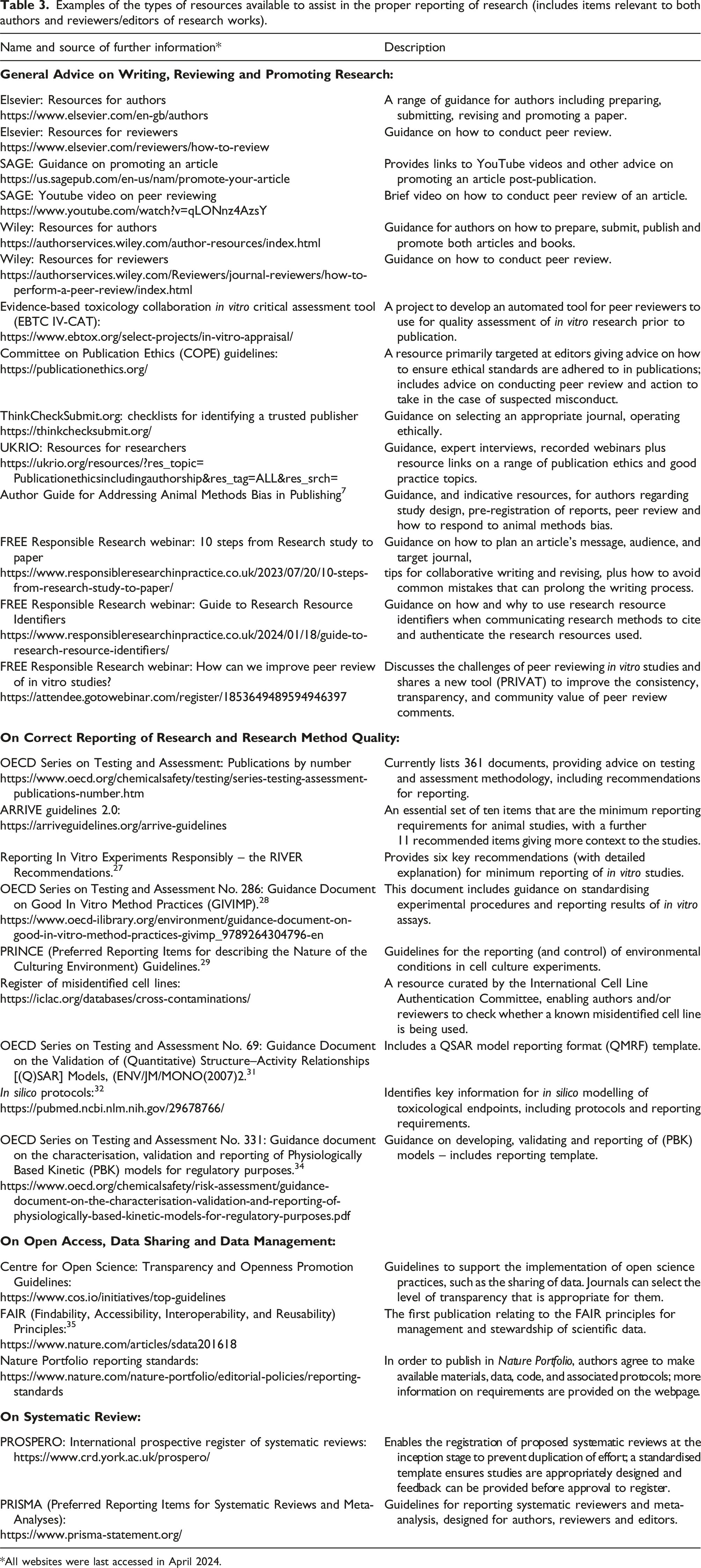
The authors of an article are responsible for determining how to disseminate their work most effectively to maximise the impact and benefits. This includes decisions regarding which aspects of the research should be shared and at which stage. Authors also have a responsibility to ensure that manuscripts submitted are within the scope of the journal, are well-written, clearly explain methodology (or concepts for more philosophical works) and provide robust analysis and interpretation of results. Authors also need to be aware of publication ethics, such as ensuring their work does not infringe copyright, that all contributors are appropriately recognised, and work is conducted ethically. They should also be aware of the negative effects on the scientific record of, not only plagiarism, but also self-plagiarism — whereby previously used text, or even data, are recycled within another paper. 16 Table 3 lists examples of resources for authors; these include reporting guidelines, ethical guidelines, templates or checklists that can assist in producing a high-quality manuscript that reports all necessary details. There are numerous tools, resources and opportunities for dissemination and promotion of research (which may be influenced by collaborators in consortia, stakeholders, grant-funders or employers). However, the ultimate decision rests with the authors.
As journals rely on a steady stream of submissions, authors can influence journal practices to a certain extent by applying ‘pressure’ in terms of being selective in their publishing choices. Authors can choose to submit single articles or multiple linked articles to a journal that best represents their research area, and is likely to give maximum exposure for their work. Similarly, authors who belong to large research consortia, may choose collectively to publish a significant number of papers in a particular journal or online repository. Journals therefore, need to stay relevant to the research community and demonstrate best practice in research publishing and ethics in order to attract publications.
Recently, there has been increasing concern regarding the issue of bias in publishing. One important example of this being a tendency of certain journals (or reviewers), particularly those within biomedical sciences, to be more accepting of in vivo methods than NAMs (https://frame.org.uk/latest/animal-bias-scientific-publishing-workshop/; accessed April 2024). 8 A recent workshop was organised by the Physicians Committee for Responsible Medicine (PCRM), Fund for Replacement of Animals in Medical Experiments (FRAME), Animal-Free Research UK, Humane Society International, People for the Ethical Treatment of Animals (PETA) and the European Commission Joint Research Centre. This workshop highlighted anecdotal reports of publication bias, identifying cases where authors had been requested to confirm results from NAMs by use of in vivo assays. 17 This would clearly be a regressive step, given the considerable drivers to move away from animal testing, and authors do have the option to select journals more open to NAMs. The workshop resulted in the formation of the Coalition to Illuminate and Address Animal Methods Bias (COLAAB) and Krebs et al. have published a guide for authors on how to address the issue of animal methods bias in publishing. 7 This includes advice (and useful reference sources) on a wide range of topics, from optimising and publishing the initial research design, to roles and responsibilities of authors, and how to deal with a biased review. The distinction between traditional approaches and NAMs may not be at the forefront of researchers’ minds. Methods are primarily devised to answer a research question and consideration of whether or not this would constitute a ‘NAM’ may only be a secondary consideration. There is certainly scope and opportunity to publish and promote NAMs through a range of subject-specific journals (a list of journals particularly receptive to NAMs has been published 7 ) but it is important that the applicability of methods as a NAM is recognised in itself. This may be achieved by promoting the methods through secondary resources, for example the European Union Reference Laboratory for Alternatives to Animal Testing (EURL ECVAM) data catalogue (https://data.jrc.ec.europa.eu/collection/id-0088; accessed April 2024).
To be successful in publishing, authors need to carefully consider the most appropriate journal for their work, be aware of the requirements for submitting to that journal and ensure that the research fits within the journal’s scope. Judicious selection of keywords can assist with discoverability and uptake of the work. Inclusion of journals in databases (such as PubMed, Scopus or Web of Science) is important for discoverability, dissemination and raising awareness or increasing the visibility of authors and their work. A disadvantage of only using journals that are already listed is that it reinforces the problems faced by newer publications in gaining recognition. Open access journals, which charge a fee for publication to cover the processes involved, make research more accessible to a wider audience — however, the charges may be prohibitive for some authors. Some journals (such as ATLA) are ‘hybrid’ journals with respect to their charging system. Authors can choose to publish in these journals either as open access, on payment of a standard fee, or at no cost — albeit with restricted use of the published version of the manuscript. It is worthwhile also highlighting here that some universities and institutions have what is often termed a ‘Read and Publish Agreement’ with publishers. This means that a paper by a lead author affiliated with a participating institution could be eligible for open access publishing. 18 Forming a relationship with journals in the area can be beneficial, and it can be useful to make contact with the editors to ask for advice prior to submission — for example, to confirm that the work is within the journal’s scope and is of current interest. This can help to ensure more timely publication of the work, which also increases its impact.
A worrying trend is the increase in predatory or deceptive journals. Following a workshop in 2019 a consensus definition was agreed, i.e.: “Predatory journals and publishers are entities that prioritize self-interest at the expense of scholarship and are characterized by false or misleading information, deviation from best editorial and publication practices, a lack of transparency, and/or the use of aggressive and indiscriminate solicitation practices.” 19 In their article, Grudniewicz et al. expose some of the inappropriate practices of these journals as well as efforts to combat the problem. 19 Authors, especially ECRs, should be aware of dubious practices in attracting submissions to these publishers. The organisation ‘Think. Check. Submit.’ offers valuable guidance, and checklists, for selecting appropriate journals that operate with integrity (https://thinkchecksubmit.org/; accessed April 2024).
The editorial team
ATLA Associate Editors and the EIC are responsible for managing the peer review process as described above. As such, they are critically involved in assuring the quality and relevance of the science published. However, beyond the quality of the science, there is also a necessity to present the information as elegantly as possible and with the utmost clarity — it should not be ‘hard work’ for the reader to fully engage with a scientific paper. This is particularly important as many journals have an international readership, where the language of the journal may not be the first language of the readership. Indeed, for journals such as ATLA, whose audience is global, it is essential that new methods or ideas are communicated clearly to increase their wider acceptance and uptake.
Here at ATLA, the Technical Editor and Managing Editor are responsible for ensuring the technical completeness and accuracy of the final document. A published article serves as the ultimate, permanent, scientific record for a piece of research. It needs to be understandable by a diverse audience, presented in the most appropriate manner and clearly identifiable as a trustworthy source of evidence. Modern practices, such as publishing preliminary versions of articles (e.g. on pre-print servers) or uncorrected proofs online, as soon as they become available, can create complications. It is possible that multiple versions of the same article can persist on the internet. Ensuring the highest quality of this permanent record requires vision, attention to detail and the ability to negotiate between all parties.
When focusing on a particular subject area, one way to delve deeper is through the organisation of Special Issues or Virtual Special Collections. For these, a guest editor takes full responsibility for the development of a complete issue or collection of papers on a given theme. These themes may be tangential to the usual scope of the journal, helping to educate and broaden the horizons of the usual readership. This also helps to diversify the readership and author base. This approach encourages the cross-fertilisation of ideas and can be particularly beneficial for ECRs. Virtual Special Collections or thematic issues help to bring a range of research together, as well as develop greater collaboration between researchers in related fields. Guest writers for editorials are also able to explore specific topics, such as controversial, contemporary concerns in more detail, so providing a different perspective to the usual editorial team. All members of the editorial team can also help to raise awareness of the journal and increase its visibility, for example by promotion at meetings, congresses, or seminar series.
Together, the editorial team also has responsibility for ensuring the highest standards in publishing, supporting and promoting best practice. By adopting policies aimed at increasing rigour and reproducibility in science (for example by encouraging authors to adhere to established reporting guidelines or to pre-register proposed studies) journals can help to reduce bias in reporting, poor quality experimental design and duplication of effort. Where animal experiments are undertaken it is essential to ensure rigorous planning and reporting of experiments. A range of resources available to support authors, editors and reviewers is captured in Table 3. Journals have a responsibility to publicise such resources as relevant to the remit of the journal and ensure guidelines are adhered to. It is disappointing that whilst a range of guidance is available for reporting in vitro, in silico and in vivo research there is often poor awareness and compliance. Journals need to support authors to use the guidance to improve the quality of scholarly reporting. By being proactive, rather than reactive to the changing landscape around publishing, and advising authors and reviewers accordingly, journals can demonstrate their commitment to staying up-to-date and supporting authors to implement change.
Editorial Board members
In addition to the roles for editors outlined above, a journal will typically have an editorial board comprising a group of experts in the field. Each member has detailed knowledge of their own subject area, and in combination, their expertise should cover the full scope of the journal. Whilst it is common to have 10–15 members on an editorial board, the number can vary significantly. The board has a significant influence on the nature of the journal, determining its current scope and guiding future direction in terms of both scientific content and publishing standards. The scope and ethos of the journal need to be clearly communicated to authors, reviewers and the readership in order to manage expectations and convey the intended character of the journal. Nuances in scope need to evolve continually to keep up with the latest developments in science. The board needs to ensure that the material is current and relevant to the readership to attract both article submissions and to maintain a relationship with readers. Beyond this, editors and board members have a duty to support and promote best practices in publishing all research outputs. This can be achieved by promoting initiatives that seek to improve rigour and reproducibility of experiments, for example, by encouraging the use of appropriate reporting guidelines. It is important to ensure that such expectations are clearly articulated to authors. As the publishing landscape changes, journals need to be demonstrably proactive in providing advice to authors and encouraging the implementation of change. ECRs are generally more receptive to changing practices, so it is important to foster ongoing relationships as these researchers establish their careers. Enhancing the rigour and reproducibility of research increases the potential benefits and impact that published research can have — a win for journals and authors alike. All journals have associated with them a research community — traditionally, these communities attract members due to the journal scope and citation index, but increasingly researchers are also looking for accessible sources of help and support to fulfil funder expectations and to maximise research impact. As experts in a given area, editorial board members are well-placed to provide such assistance.
Reviewers
Quality assurance of scientific publications is founded on the paradigm of peer review. As indicated above, this is usually a single or double-anonymised process with editors liaising between authors and reviewers. However, non-anonymised or open reviews are increasingly used as alternative models. Reviewers provide an opinion on a submitted manuscript, based on their own experience and knowledge. They may recommend rejection, minor or major modifications, or acceptance without change. Editors are responsible for collating the opinions provided by reviewers and formulating a judgement. There may be numerous iterations of submission and revision of the manuscript, responding to reviewers’ queries, prior to acceptance.
Reviewers are therefore highly influential in determining which papers are ultimately published or rejected by a journal. Thus editors must be confident that invited reviewers are up-to-date with current knowledge in their field and are aware of the publishing policies of the journal. The role of a reviewer is to provide an unbiased opinion on a manuscript. Reviewers must avoid personal prejudices or prejudgements on methods, consider the work solely on its merit and maintain confidentiality at all times. Reviewers can advise on where improvements could be made in experimental design or analysis of results, but should be fair and constructive critics, rather than adversarial or dictatorial. Reviewers should not create obstacles to publication and should only request further work to be conducted where this is essential to justify conclusions from the research. Training, support, and guidance are available for reviewers, upon request or within the journal’s ‘guidance for reviewers’. Examples of valuable resources for authors and reviewers have been collated in Table 3.
Reviewers have a key responsibility in maintaining academic standards, not only with regard to the publication, but also in providing a degree of quality assurance of the work undertaken. For example, ensuring the methodology is rigorous and the conclusions justified. Neither authors nor journals wish for the ignominy of a flawed article. With the increase in manuscript submissions, there is an ever-increasing burden on reviewers. In the typical review process, reviewers give their time freely in a quid pro quo arrangement, recognising that the manuscripts they submit will also require peer review. Formally recognising the contribution of reviewers establishes their worth, ensures they feel valued by journals and encourages future participation in the process. Several ‘reward’ mechanisms are currently used. It is common for journals to offer free access to journals from their collections for a limited time-period for those who have undertaken reviews for the journal. There are also public or private ‘thank you’ notes from journals, or certificates that confirm the number of peer-reviews conducted for a specific journal or publisher. These may confer bronze, silver or gold reviewer status (or particular metrics) that can be used in applications to professional bodies or within staff appraisal schemes to demonstrate good citizenship in science and acknowledge the time spent on this essential activity. More formally, Publons was established to help track professional activity, and can be used to record and recognise peer reviews undertaken in addition to other scholarly activities. This is now part of the Web of Science platform (https://www.webofscience.com/wos/woscc/basic-search; accessed April 2024). Similarly, ORCID (https://orcid.org/; accessed April 2024) also provides a mechanism for recording peer review activity. Certain journals, such as the Frontiers collection, include the names of reviewers and the handling editor on the final publication. However, many reviewers are reticent to waive their anonymity. One way that has been suggested to combat the shortage of reviewers is to provide financial reward to those conducting reviews. Whilst the advantages of this are clear, there are a number of disadvantages — for example, reviewers may be tempted to take on more reviews than they reasonably have time for. There is also the question of who would pay — would it be those submitting the manuscript or the publishers? In their article, A billion-dollar donation: Estimating the cost of researchers’ time spent on peer review, Aczel et al. estimate that globally, reviewers spend over 100 million hours annually on peer review. The monetary value of this effort was estimated to be US$1.5 billion for US-based reviews, US$600 million for China-based reviewers and over US$400 million for UK-based reviews. 20
Unsurprisingly, there is reluctance to financially reward reviewers, so alternative means to increase the reviewer pool need to be considered. Many PhD-awarding universities or organisations, enrol their students on formal post-graduate training programmes. One possibility is to incorporate e-learning, or in-person modules into these training programmes on how to conduct peer review and the importance of being a peer reviewer. This formalised training would be an improvement on the ad hoc and highly variable training in reviewing that ECRs often experience. Guidance from senior colleagues still plays an important role in developing ECRs into constructive critics. For example, inexperienced reviewers may initially struggle to distinguish acceptable differences in inter-laboratory practice from errors in methodology. Senior colleagues can help ECRs in decision-making regarding what changes do and do not need to be made by authors. ECRs should be encouraged to take part in the reviewing process as soon as they are able. Early exposure may engender a long-term commitment to supporting the scientific process in this essential role throughout their careers. Once ECRs have evolved into established researchers, they will be more able, and hopefully more willing, to assist in the reviewing process. Ensuring that ECRs are aware of the guidance available could also help to improve the quality of peer reviews that are received by journals. Currently the quality of reviews received can be highly variable. There are many reasons why this may be so — a lack of clarity regarding expectations, time constraints or personal reasons. However, some of these issues may be alleviated by a better understanding of the publishing process.
Publishing options and maximising impact
A major determining factor in the publishing options available is the nature of the research itself — is it answering a specific question or testing a specific hypothesis, or is it seeking to form a research question or generate a hypothesis for further testing? With this knowledge, research can be broadly placed into one of two categories. In the first case, authors set out to answer a very specific question and the entire research process is amenable to advanced planning. The authors can plan the research activity, identify all outputs likely to result from the work, and plan which journal or platform will be most suitable for their work. The next section, Alternative platforms for publishing: The pros and cons, outlines initiatives that can be implemented during the planning stages, such as Registered Reports or Octopus (see below), where researchers can publish protocols prior to conducting studies. These pre-commitment approaches can reduce the impact of cognitive bias when undertaking research. This approach is particularly relevant to systematic reviews, where avoidance of bias is a key criterion, and where good practice dictates that the full protocol is published in advance.
The converse of this is more ‘Blue Sky’, curiosity-driven or high-risk research where the final outcome may be less predictable. In this situation the author would not know a priori where the research may lead, and hence whether the research question will suit a particular journal. In this case, decisions on publishing are made much later in the research journey with time taken to investigate potential journals as the research develops. Whilst Impact Factor (a measure of how often, on average, articles in a publication are cited within other articles) often influences author choice, this is not the only criterion. For example, journals with significant global reach may be more appropriate if the purpose of the article is educational, such as proposing a new methodology where informing a wider audience takes precedence. Authors now have the option to decide when and how to publicly share individual steps of their research journey and can use this to maximise its impact. ORCiD (Open Researcher and Contributor ID) provides a unique identifier that enables all research by one individual to be stored in one place (https://info.orcid.org/researchers/; accessed April 2024). Collating related works together in one place is beneficial for those interested in a particular area.
Of course, research outputs are not limited to journal publications. They may include new data sets, methodologies, protocols, devices, code, software, webtools, images, videos, technologies, novel reagents, new or modified cell lines, guidelines, patents or many other applications derived from the knowledge acquired. These diverse outputs require appropriate options for sharing and dissemination, including unambiguous identification (with versioning if appropriate), facilities for long-term storage, mechanisms for retrieval, maintenance or update and attribution of credit. For new or adapted cell lines, biobanking may be appropriate, 21 or for new datasets, on-line repositories such as Figshare (https://figshare.com; accessed April 2024) may be useful. Where information is digitally maintained, persistent links or identifiers provide a long-lasting reference. Common examples include Digital Object Identifiers (DOIs), Uniform Resource Locators (URLs), Archival Resource Keys (ARKs) and Research Resource Identifiers (RRIDs; https://scicrunch.org/resources; accessed April 2024). Increasingly, there is a requirement for projects to formalise their data management plans (DMPs) from the outset, to describe the type of data that will be generated and stored throughout a project and the plans for future access. DMP IDs can now be generated to locate this information.
Alternative platforms for publishing: The pros and cons
Pre-print servers
Examples of pre-print services available on the internet.
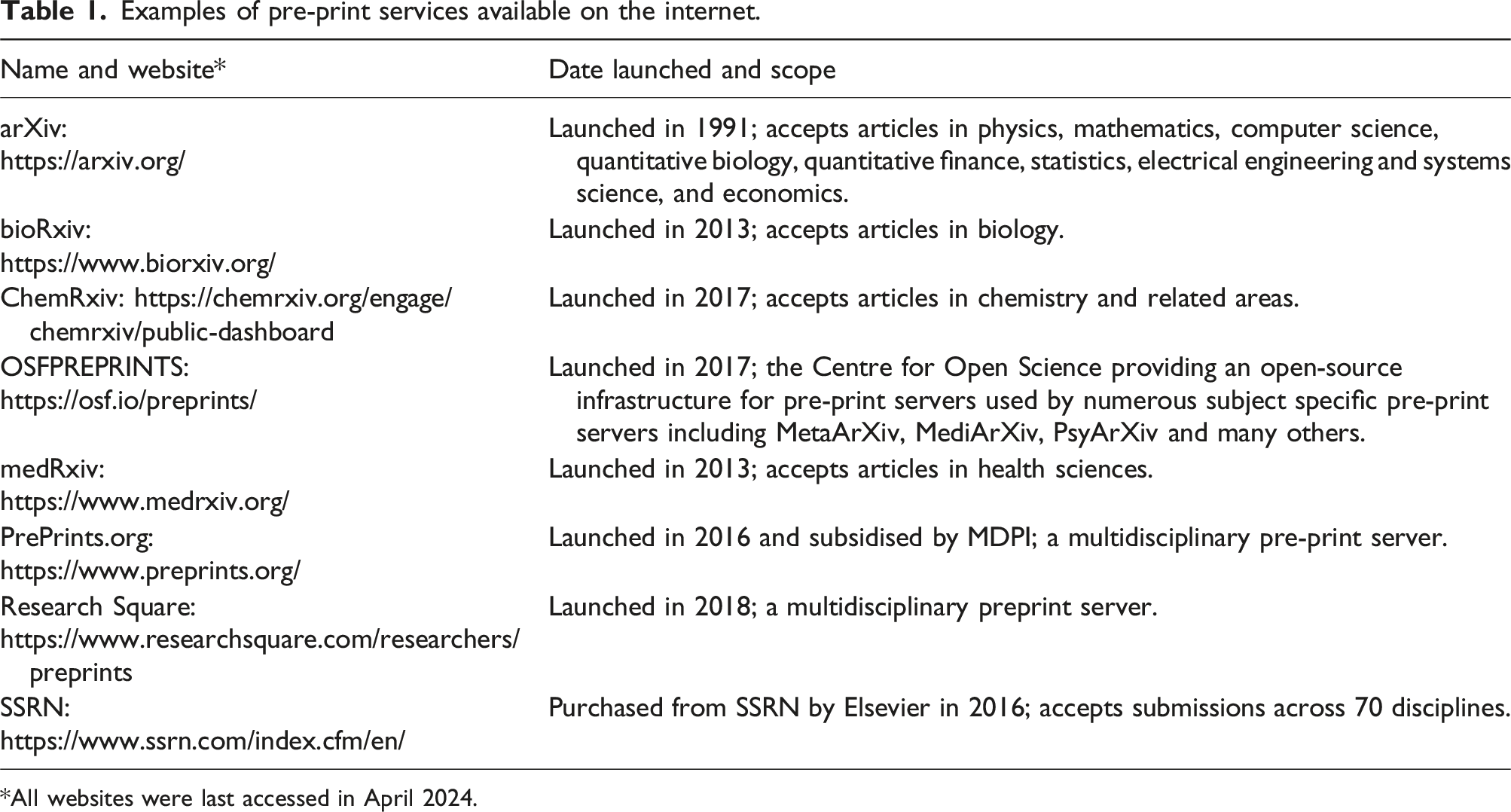
All websites were last accessed in April 2024.
Other platforms for sharing data
Other, more flexible publishing platforms are now available that enable researchers to upload articles, datasets and supporting material in a wide range of formats — for example, Zenodo (https://zenodo.org/; accessed April 2024) and Research Gate (https://www.researchgate.net/; accessed April 2024). Octopus (https://www.octopus.ac/; accessed April 2024) is a newer development which aims to record the complete scientific process, from initial problem formulation to application of findings and peer review. Registered reports, from the Centre for Open Science (https://www.cos.io/initiatives/registered-reports; accessed April 2024) is another publishing format currently used by over 300 journals. This platform aims to redress the bias against reporting of negative results by introducing two stages of peer review. Once the initial research hypothesis has been generated and the study designed, this is subject to peer review. If approved, and the researchers conduct their research in accordance with their planned protocol, the full manuscript is provisionally accepted for publication, even where the findings are negative. The emphasis with registered reports is therefore on the aim of the research and ensuring high-quality study design. Within the context of publishing research using non-animal methods, specifically, pre-registration can increase support for such studies and may help to reduce incidences of animal-bias in subsequent peer review. 7 Similarly, PROSPERO (the international prospective register for systematic reviews) enables scientists to gain feedback on proposed study methodology and analysis prior to undertaking a systematic review. This supports best practice in study design, helps to avoid duplication of effort and minimises the potential for bias in analysis of results (https://www.crd.york.ac.uk/prospero/; accessed April 2024). These initiatives are aimed at enhancing scientific rigour of approach, making ideas and results more accessible and encouraging open debate. There is growing interest in open research practice and some relevant resources are highlighted in Table 3. For example, the UK Reproducibility network (UKRN) has produced a collection of primers on different aspects of open research and a series of webinars on this topic are freely available from Responsible Research in Practice. As the number of open publishing platforms increases there is growing concern that some online platforms may not be sustainable. In time, this could mean that a significant amount of research could be permanently lost if these resources are not maintained and therefore become obsolete.
Promoting published work
Some specific strategies and approaches that can be used for promotion of published work.
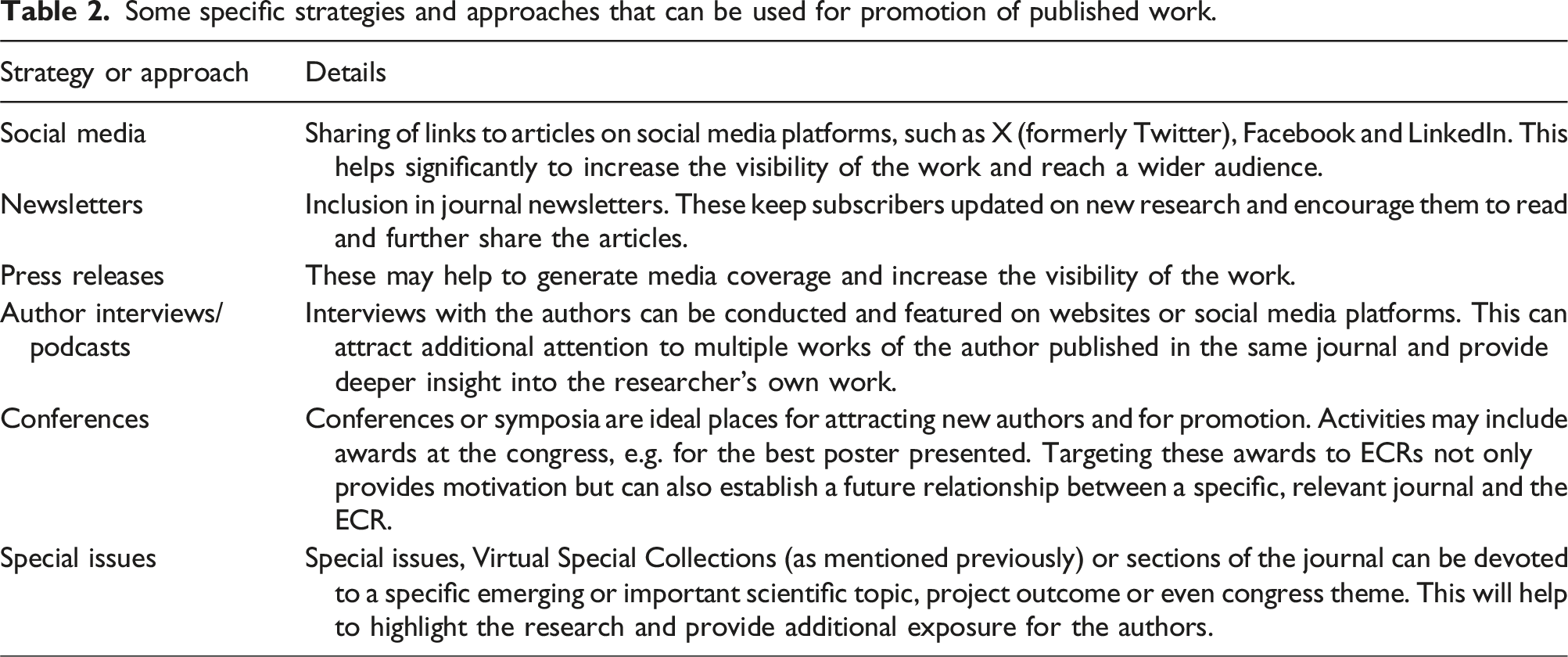
By implementing these strategies, published work from the journal can be effectively promoted increasing the visibility of the journal and generating greater interest in its publications. ECRs can use these strategies to boost visibility of their work, generate interest in their ideas, methodology or approach, and inform the development of their professional reputation.
Resources and guidelines for the proper reporting of research by authors
Examples of the types of resources available to assist in the proper reporting of research (includes items relevant to both authors and reviewers/editors of research works).
All websites were last accessed in April 2024.
Reporting of in vivo experiments
Evidence has shown that the introduction of reporting guidelines does improve the standard of reporting in biomedical research. 23 Where animals are used in studies, it is imperative that maximum use is made of the information obtained. To facilitate this, researchers are recommended to adopt the PREPARE guidelines (Planning Research and Experimental Procedures on Animals: Recommendations for Excellence) in advance of conducting animal experiments. 24 These guidelines were developed in collaboration with Norecopa and are available at: https://norecopa.no/prepare (accessed April 2024). In addition, in 2010 Kilkenny et al. published the first version of the ARRIVE guidelines for reporting animal research. 25 These guidelines aimed to maximise the impact of results from in vivo experiments — however, adherence to these guidelines has remained highly variable. Therefore, in 2020 updated guidance was published — ARRIVE 2.0. 26 Following extensive consultation, the revised guidelines have been categorised into the ‘ARRIVE Essential 10', which gives minimum reporting standards and a ‘Recommended Set' of 11 standards which promote best practice. These help authors and reviewers to ensure that minimum standards are observed, whilst encouraging progress towards adherence to all 21 standards. For example, point 19 requires a statement indicating whether a protocol was prepared and registered before the study began. The animal study registry (https://www.animalstudyregistry.org/asr_web/index.action; accessed April 2024) and preclinical trials (https://preclinicaltrials.eu/; accessed April 2024) both facilitate the pre-registration of animal studies with the aim of reducing the selective reporting of results.
Reporting of in vitro experiments
In June 2023, the RIVER working group published six key recommendations for transparent reporting of in vitro experiments. 27 These were divided into three sections: experimental design; experimental procedures and materials; and data handling, accessibility and visualisation. These were devised to address the lack of reproducibility of in vitro experiments. As the authors assert: “Studies that cannot be relied upon or replicated represent a waste of time, financial and material resources, and — in cases where samples derive from in vivo sources — animals”. The recommendations represent a brief list of minimum requirements to enable readers to assess rigour and reproducibility of methods. Detailed explanations of the requirements, and how authors can ensure they adhere to these guidelines, accompany the recommendations. Additionally, the OECD series on testing and assessment No 286, entitled Guidance Document on Good In Vitro Method Practices (GIVIMP), provides detailed guidance on conducting and reporting — in a harmonised way — in vitro test methods. 28 The aim is to increase confidence in, and uptake of, these alternative methods. The OECD guidance covers ten key aspects, relating to “(1) Roles and responsibilities, (2) Quality considerations, (3) Facilities (4) Apparatus, material and reagents, (5) Test systems, (6) Test and reference/control items, (7) Standard operating procedures (SOPs), (8) Performance of the method, (9) Reporting of results, (10) Storage and retention of records and materials.” 28 Klein et al. discuss the problem of underreporting of parameters used in cell culture systems. 29 This can lead to a lack of reproducibility of methods and poor translatability. These authors provide guidance on experimental procedures and promote the use of the PRINCE reporting guidelines for mammalian cell culture (Preferred Reporting Items for describing the Nature of Culturing Environments). Authors and reviewers are also encouraged to consult the register of misidentified cell lines (refer to Table 2) to establish whether a known misidentified cell line is being used.
Reporting of in silico models
In silico models include (quantitative) structure–activity relationships ((Q)SARs), read-across, machine learning methods, physiologically-based kinetic (PBK) models, and others. 30 Guidelines for best practices in reporting these models have been developed by several organisations. Such documents have been published to promote better understanding of model development, validation, interpretation and use. They can also help to ensure consistency in terminology in reporting, which assists those involved in peer-review as well as those seeking to re-use or validate models.
The OECD guidance document on the validation of QSARs includes a template for a QSAR model reporting format (QMRF). This can be used to structure relevant information relating to the source, type, definition, development and validation of a QSAR model, as well as its possible applications. 31 More recently, in silico toxicology protocols have been proposed by Myatt et al. 32 These protocols include recommendations on reporting formats for information for in silico models, including QSAR, read-across and others. The document provides references to other relevant publications on reporting guidelines for different types of in silico models. Tan et al. produced a detailed template for the reporting of PBK models in accordance with good modelling practice. 33 A version of this is incorporated in the OECD guidance on the characterisation, validation and reporting of PBK models. 34
Examples of reporting guidelines and other valuable resources (i.e. facilities for open access publishing, data sharing initiatives and information on conducting systematic reviews) are summarised in Table 3.
Despite the ready availability of reporting templates for different types of experiments, frequently these are not adhered to by authors when submitting an article. This presents a problem, not just for peer review, but also in subsequent application of the work reported. One potential solution could be the development of a template that harmonises the way in which the minimum metadata required for publication is presented. This template could be made available to both authors, to ensure a complete submission, and as a checklist for the reviewers. This tool would provide several benefits. It would ensure consistency in terminology used and assist in reproducibility of the work. It could help to clearly identify data sources, highlight issues relating to data quality and help to assess the validity and applicability of a model or experimental procedure. Overall, this detail will help reviewers to conduct a complete and thorough evaluation of the submitted manuscript. From the existing guidance documents for in silico modelling some general components of best practice could be used to inform the development of such a template, for example: — definition of the model's purpose; — characterisation and evaluation of the model; and — transparency of the model and its outputs.
A similar approach (analogous to the RIVER recommendations) could be applied to the reporting of laboratory-based experimental work. This could provide a simple, but more formalised framework, that could be used by authors and reviewers to ensure completeness and transparency in the publication of such work.
The opportunities and challenges of Artificial Intelligence in publishing
Artificial Intelligence (AI) has existed in various forms for many decades. As the technology has become more sophisticated, so has its capacity for performing increasingly complex tasks. Applications of the technology may replace or assist a human by mimicking human thought processes to solve problems. These systems can use large amounts of input data to determine patterns within that data and then use this knowledge to make predictions. Whilst many disciplines advance quickly, no area of science has the capacity to evolve more rapidly than AI at the present time. When ChatGPT was launched in November 2022, it caused intense excitement and consternation — in equal measure — particularly in the academic sector. ChatGPT is one example of a natural language processor (NLP), i.e. a system that enables computers to process language, enabling it to interact realistically with humans. Many other NLP systems are available, such as Bard by Google, Chatsonic by Writesonic, Bing AI and many others. These have the ability to process vast amounts of input data (i.e. any digitised repository of information available to it) with remarkable speed. This gives the system the ability to provide answers to any question it is presented with (even on highly complex topics) in written and/or verbal formats. As a world of information is available to these systems, simple input requests can be used (with iterative refinements if required) to produce documents, essays or research articles on any topic imaginable. Text can incorporate knowledge from more data sources than a human would be able to summarise. In one example, two scientists are reported to have produced a research paper discussing The Impact of Fruit and Vegetable Consumption and Physical Activity on Diabetes Risk among Adults, in less than one hour, by using ChatGPT (https://doi.org/10.1038/d41586-023-02218-z; accessed April 2024).
This presents fantastic opportunities in expanding the knowledge and capabilities of a savvy AI user, and therefore such technology should be embraced. However, there are also (currently) downsides to this technology. It is possible to use AI (or image-generating software) to create, entirely false but convincing, text, data, images or references for inclusion in documents, or even to generate complete articles. The ability to write compelling text that may be factually incorrect, or unsubstantiated, presents a challenge to publishers in terms of identifying fraud. It also adds to the problem of detecting output from paper-mills that can rapidly generate fake papers to order. 36 Authors may legitimately use AI technology to assist in writing, but ultimately authors are responsible for content. Many publishers now include guidance on the use of AI in article production. Generally, it is recommended that the use of AI tools is acknowledged (for example, in the methods section) but that AI should not be listed as an author. AI cannot take responsibility for content as an author must, and neither can AI determine conflict of interests or copyright issues. 37 In June 2023, the European Parliament adopted a proposal for a regulation on harmonised rules on AI. Other regions will undoubtedly propose their own frameworks to address the use of AI. Hopefully, this could lead to a global consensus as to how to safely harness the power of AI — however, establishing a consensus of use for such a rapidly evolving and diverging field may prove to be wishful thinking.
Summary and recommendations
Herein, we have summarised the journey of a manuscript through a journal, from its initial submission to its final publication, and highlighted the key people and processes that are involved. Although this article aims to inform ECRs, for researchers at every stage of their career there is a need to publicise their work for maximum impact. Increasing the profile of a researcher, or group, or fulfilling project commitments, are some of the more mundane reasons for maximising impact. Where research may have significant consequences for the Three Rs, effective communication, to a wider audience, is of even greater importance. As discussed, modern science has moved far beyond the traditional paradigm of conducting research and publishing a paper as the summary output. Now there are opportunities to be fully transparent in research, publishing protocols in advance and making publicly available a wide range of research outputs in multiple formats. However, journals still play a key role as a conduit between authors and their audience. In addition, journals crucially ensure that a permanent, reliable and accurate scientific record is maintained with regard to the research conducted.
Whichever format for publication is chosen, there are some key considerations in publishing for maximum impact. These are summarised in Figure 2 as a list of ‘ten top tips’ in publishing for ECRs, and they are explained in further detail below. 1. Plan the research steps: Where possible, plan the research journey from inception to publication, and consider the routes for dissemination at various stages of the project. For ‘Blue Sky' research consider the potential broader applications of the results and where these would be best placed to be most accessible to others. 2. Decide what/when to publish: Consider the stage at which the work should be made accessible to others. Should this be during the planning stages — to invite feedback on protocols? Or should this be as a completed article with full analysis of results? 3. Decide where/how to publish, and for whom: Consider the ‘take-home message’ that needs to be communicated and be clear about the target audience. Determine the most appropriate publication channels to reach this target audience –– for example, online, in print, or through a mix of publishing formats and other routes. 4. Research potential journals, as well as other publishing routes and formats: If publishing in a journal, ensure that the scope and ethos of the journal are well-aligned with the research. Take advice from those in your network and use resources such as those identified on ThinkCheckSubmit.org to ensure it is a legitimate publisher. 5. Select an approach that best fits your goals: Consider the audience and global reach, particularly for research relating to the Three Rs — which forum would be most appropriate for effecting change in practice or policy? 6. Use guidelines and other resources to improve your writing: Identify tools and references developed to improve the quality and relevance of an article. For example, instructions for authors and reporting guidelines for your subject area, if these are available. 7. Make your work FAIR (Findable, Accessible, Interoperable, Re-useable): Use persistent identifiers and publish Open Access whenever possible. Select keywords that are used in searches and advertise publications in relevant networks. Judiciously use (professional) social media, podcasts or video summaries, which can make your research accessible to wider audiences through public outreach. 8. Build an open and transparent relationship with your research community: Create a dialogue between yourself as an author and your audience, in order to develop or manage your professional reputation. Use online tools, such as Web of Science, Research Gate or ORCiD to collate links to all your research outputs in one place. A virtual ‘presence’ can be maintained by engaging with relevant (professional) online forums and social media, such as LinkedIn or X (formerly Twitter). Where possible, take the opportunity to present your research at conferences, meetings or webinars. 9. Stay up-to-date and don’t be afraid to challenge the status quo: Maintain your knowledge of best practice in all aspects of research to ensure that research is not duplicated, is topical and uses the latest innovations available. 10. Embrace the opportunities of AI — cautiously!: Currently, this is a rapidly expanding and incredibly powerful tool. It offers a wealth of information and can potentially provide a very useful aid to writing. Treat output from AI natural language processors with healthy scepticism. Carefully check all ‘facts’, information and references produced and do not be seduced by eloquent, but meaningless, or incorrect verbiage.
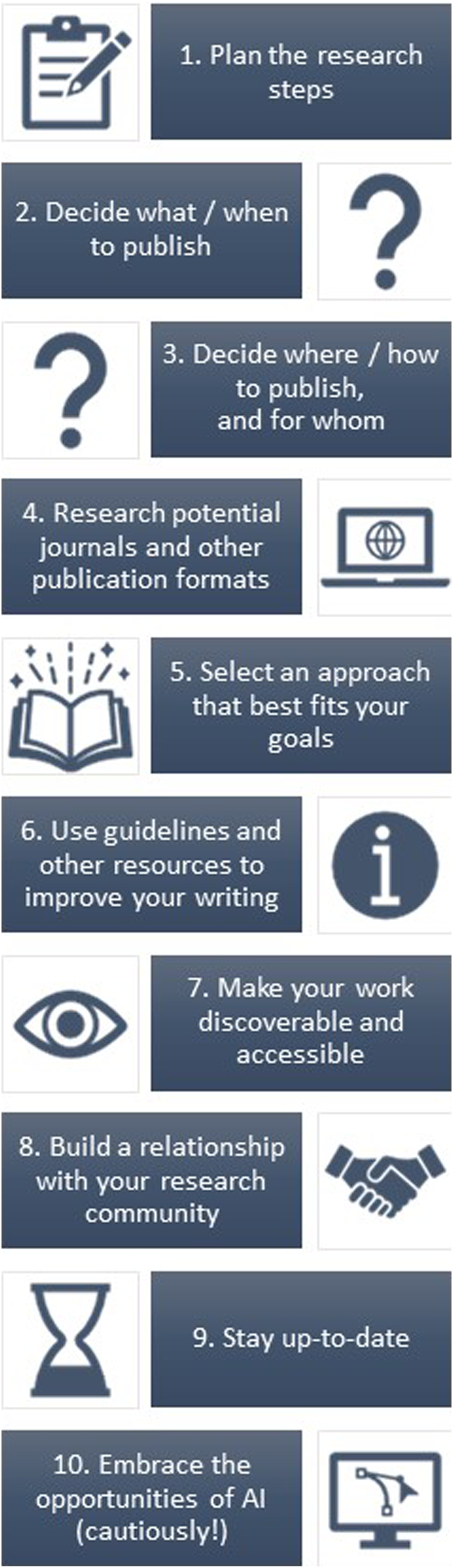
‘Ten top tips’ in publishing, for early career researchers.
Reviewers and editors also have tools available to them to assist researchers in publishing and promoting their work. Reviewers should be clear on the expectations of the journal(s) for which they review, as many use different assessment criteria. It is important to be considerate of others in the process — providing timely, constructive reviews that are free from bias and do not place unnecessary obstacles in the way of publication. Whilst peer-review remains fundamental to the way in which articles are currently assessed, it is important for everyone to play their part in delivering this. The shortcomings of the process are well known, notably the difficulty in securing reviews and ensuring that reviewers are recognised for their invaluable contribution. There are no quick fixes to these issues — but if authors have submitted, or intend to submit, work for peer review, then they could think twice before rejecting an invitation to review. Reviewers are invited because an editor has recognised their expertise and would value their input.
As the publishing paradigm evolves, journals can lead the way in the implementation of best practices, encouraging authors and reviewers to use all tools at their disposal to ensure high-quality publications that adhere to relevant guidelines. As the research landscape evolves, those involved in publishing research can help to implement change for the better and make a real difference to the future of research.
Footnotes
Acknowledgements
The authors gratefully acknowledge the assistance of Dr Michelle Hudson-Shore in securing anonymous peer-review of this article.
Declaration of conflicting interests
The author(s) declared no potential conflicts of interest with respect to the research, authorship, and/or publication of this article.
Funding
The author(s) received no financial support for the research, authorship, and/or publication of this article.
