




Abstract
Suicide is a major public health problem throughout the world. The worldwide age-standardized suicide rate in 2016 was 13.5 deaths per 100,000 in males and 7.5 deaths per 100,000 in females. With variation in suicidal rate, the factors influencing suicidal thoughts and suicidal behavior do not remain the same everywhere. 1 A combination of individual, relationship, community, and societal factors contribute to the risk of suicide. 2 Durkheim gave a normative theory of suicide and proposed four different types of suicides depending upon social integration: egoistic, altruistic, anomic, and fatalistic. On the other hand, George Engels reported the biopsychosocial, environmental, and sociocultural risk factors for suicide.
Differentiating clearly between the terms suicide ideation and suicide attempt is necessary when it comes to suicide prevention. It is important to recognize suicidal ideations as a heterogeneous phenomenon. It is not appropriate to place ideation and attempt under one heading. Also, there is no clear association between one’s endorsement of suicidal ideations and suicidal attempts. 3 Most people would never attempt suicide even after endorsing or expressing suicidal ideations, suggesting control over their ideations. Thus, even if suicidal ideations may be necessary for predicting future suicide attempts, they are not sufficient predictors of the suicidal act.
Mental illnesses are the primary risk processes that underlie the majority of suicide mortality and morbidity. Apart from mental illnesses, other life events (e.g., death of a loved one) and sociocultural factors, such as being isolated or feeling unacceptable to others or unable to adjust to others, also play a role. 1 Depression, psychiatric disorders, and hopelessness are strongly associated with suicide ideation; however, they have less to do with predicting suicide attempts. 4 On the other hand, only the mental illnesses with poor impulse-control and anxiety predict the progression from intent to attempt. 5 However, there is still a significant gap in knowledge and assessment of the actual factors involved. Studies suggest that the maximum chance of progression from ideation to suicide attempt is in the first year of ideation. Also, a minority of suicide attempters die by suicide, and most deaths related to suicide occur during the first suicide attempt. 6 The definition of suicidal ideations also varies across studies (e.g., some include suicide planning deliberations in the definition of suicide ideation while others do not), leading to further difficulty. Thus, dealing with this issue scientifically carries many limitations, resulting in many resources being targeted towards a population who might not be at risk of attempting suicide.
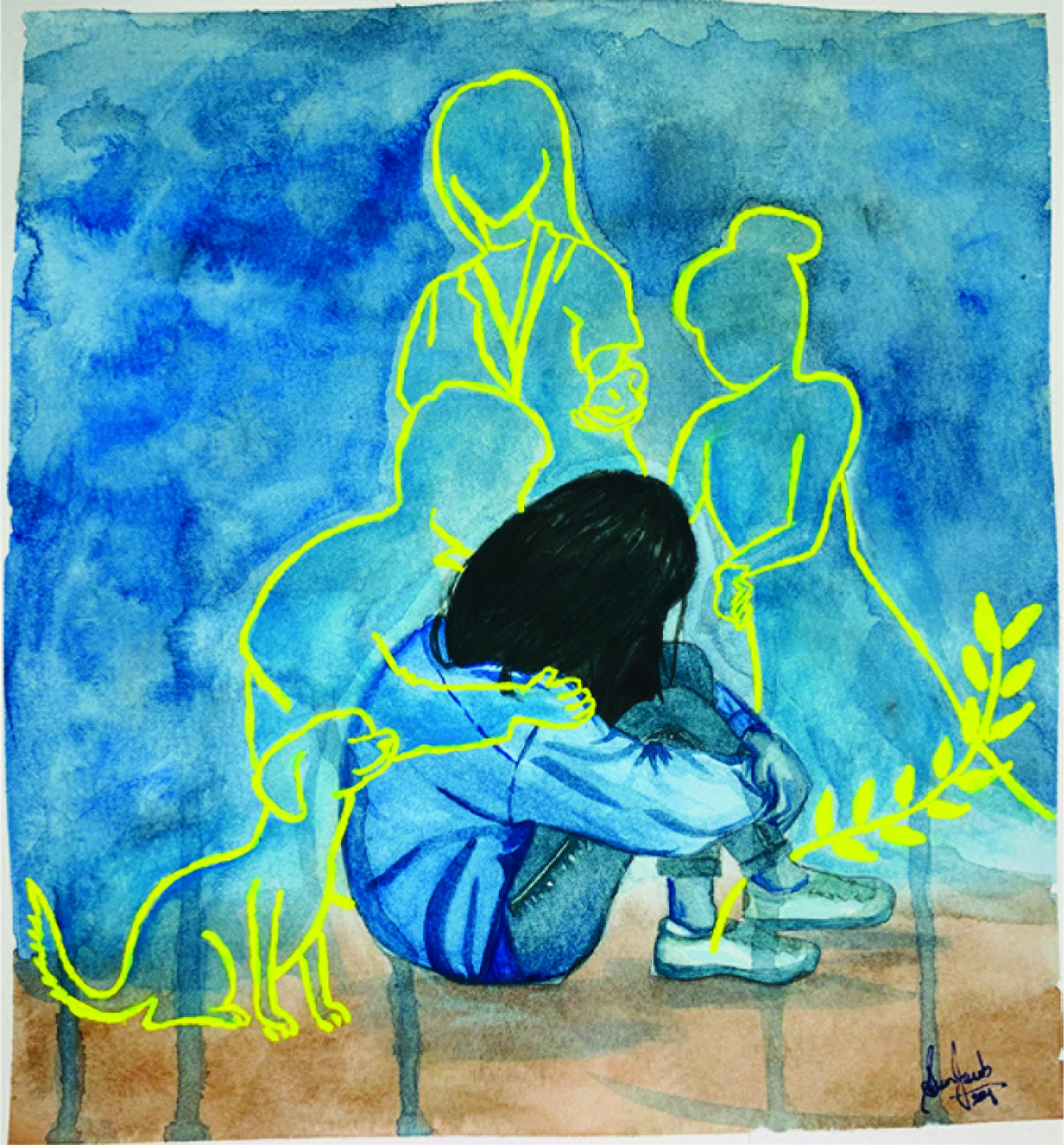
There are multiple issues and challenges when it comes to suicide prediction and prevention at an individual level.
No clear-cut best clinical tool exists that can reliably gauge the risk of suicidal behavior in the near future in a given individual. Although the suicide assessment scales may be used in clinical settings to develop a comprehensive line of questions, none of them have provided a clinically helpful predictive value. 7 Studies have failed to show the effectiveness of these scales in predicting suicide in an individual.8,9 Death/Suicide Implicit Association Test (IAT) is an example of a test that judges an individual’s behavior in response to suicidal stimuli and has shown promising results in predicting the behavior. 10
Considering that suicidal ideation presents in a waxing and waning manner, clinical assessment documenting suicidal ideation in a binary fashion (present or absent) also poses a challenge. Studies using ecological momentary assessments suggest significant fluctuations in suicidal ideations over hours. 11 Thus, how frequently the suicide assessments should be made is also a taxing research and clinical question.
Some of the characteristics strongly associated with suicidal intent and attempts include unemployment, poverty, material deprivation, social isolation, emotional imbalance, emotional frustration, history of drug abuse, previous attempts of suicide, and positive criminal history. 4 However, speaking narrowly, they better predict habitual suicidal intents and behavior than predicting the first suicide attempt. 12
Suicidal ideations are considered better predictors/markers of lifetime risk for suicide than imminent danger, making the assessment of lifetime suicide ideations equally clinically crucial as assessing current ones. 4
Though it is reported that 50% of people who die of suicide meet the diagnostic threshold of one or more psychiatric disorders, numerous other chronic medical diseases are also associated.
Finally, for an individual, there is no evidence to suggest that assessment of these established risk factors could predict suicide attempts.7,8,13 Thus, the prevention of suicidal ideation and attempts is not so promising when it comes to the treatment of cases by targeting the risk factors to prevent suicide ideation.14,15 The overall suicide risk of an individual is assessed based upon the clinician’s judgment synthesizing data from the patient’s history, giving adequate weightage to various suicide-related risk factors.
In light of the current literature, it is more appropriate to say that a single tool cannot predict outcomes in people belonging to different situations. The widely known risk factors cannot help differentiate those who have attempted suicide from those who had suicidal ideations without making an actual suicide attempt. Studies are required to better understand the why, when, and how of progression of suicidal ideation to a suicide attempt or completed suicide. Research to understand the differences in clinical presentation and other characteristics between fatal and nonfatal suicide attempters is the need of the hour.
Footnotes
Declaration of Conflicting Interests
The authors declared no potential conflicts of interest with respect to the research, authorship, and/or publication of this article.
Funding
The authors received no financial support for the research, authorship, and/or publication of this article.