




Abstract
Dear Sir,
Presenting research work at a reputed conference shines the life of medical students during their training. It encourages young trainees to carry forward scientific research into their life. In many countries, it has become mandatory to present scientific research at a conference during postgraduation training. 1 Nowadays, hundreds of scientific conferences are being organized by anonymous scholarly societies throughout the world. Often, merit-based scholarships from the parent institutions facilitate the attendance to various conferences. 2
The COVID-19 pandemic has shown us newer ways of attending conferences. We can now easily present our articles or listen to great researchers from another part of the world. We can save enormous money and time while having a similar academic experience. 3
However, technology can come with greater possibilities of being manipulated. A study revealed shows that faculty or fellows are receiving 1,500 unsolicited emails per year. 4 Some emails also mention conferences that are not even related to their subject specialties. The conferences are covering multiple disciplines together, such as veterinary sciences and psychiatry. Some offer you a certificate even without a proper review by the panel. Till now, this did not need significant attention as we were focused on face-to-face conferences; however, COVID-19 has brought more attention to virtual platforms, hence more traps for budding psychiatrists or students. There is no clear data about the number of conferences being organized throughout the world. There are no central or global authorities looking after the data related to these conferences.
Here we raise some important aspects and tips to tackle the epidemic of predatory conferences in the wake of COVID-19. Predatory conferences are like other conferences that provide platform to a scholar to present their research work but these are organized mainly for profit and these are poorly organized.
Easy Tips for Identifying Predatory Conferences
Fast track acceptance of conference paper, no proper panel review, guarantee for acceptance.
No proper aim or scope of the conference, often mix of different unrelated specialties. 5
The admission is often low-priced, and may even be subsidized; however, it would be impossible to get a refund.
Organizers are not well known.
Presenters are often not from that particular field or often not seen in other research portals.
Often target junior medical or scientific researchers; they may even receive an invitation as a guest speaker despite lack of experience.
Getting an invitation from totally different fields and asking for collaboration. 5
Unusual promises such as publications without peer review.
Why Predatory Conferences Are the Problem?
It is a danger to scientific progress as it undermines the quality of the scientific meeting. For example—you can present a paper of physics at a psychiatric conference.
Junior researchers are prey to them, leading to wastage of time, resources, and money. 6
Losing credibility of genuine research when published in such a conference. Well-known research groups ignore such research while reviewing the literature for practice guidelines, systematic reviews, or meta-analysis.
How to Avoid It?
Avoid conferences linked with open access predatory journals identified by Beall’s list. 7
Carefully check the speakers and organizers and their credentials.
Discuss with peers or seniors.
Do not hurry to achieve success; rather, take it slow before publishing or attending a conference.
Choose a conference for learning something new, not just adding an extra name in biodata.
Conclusion
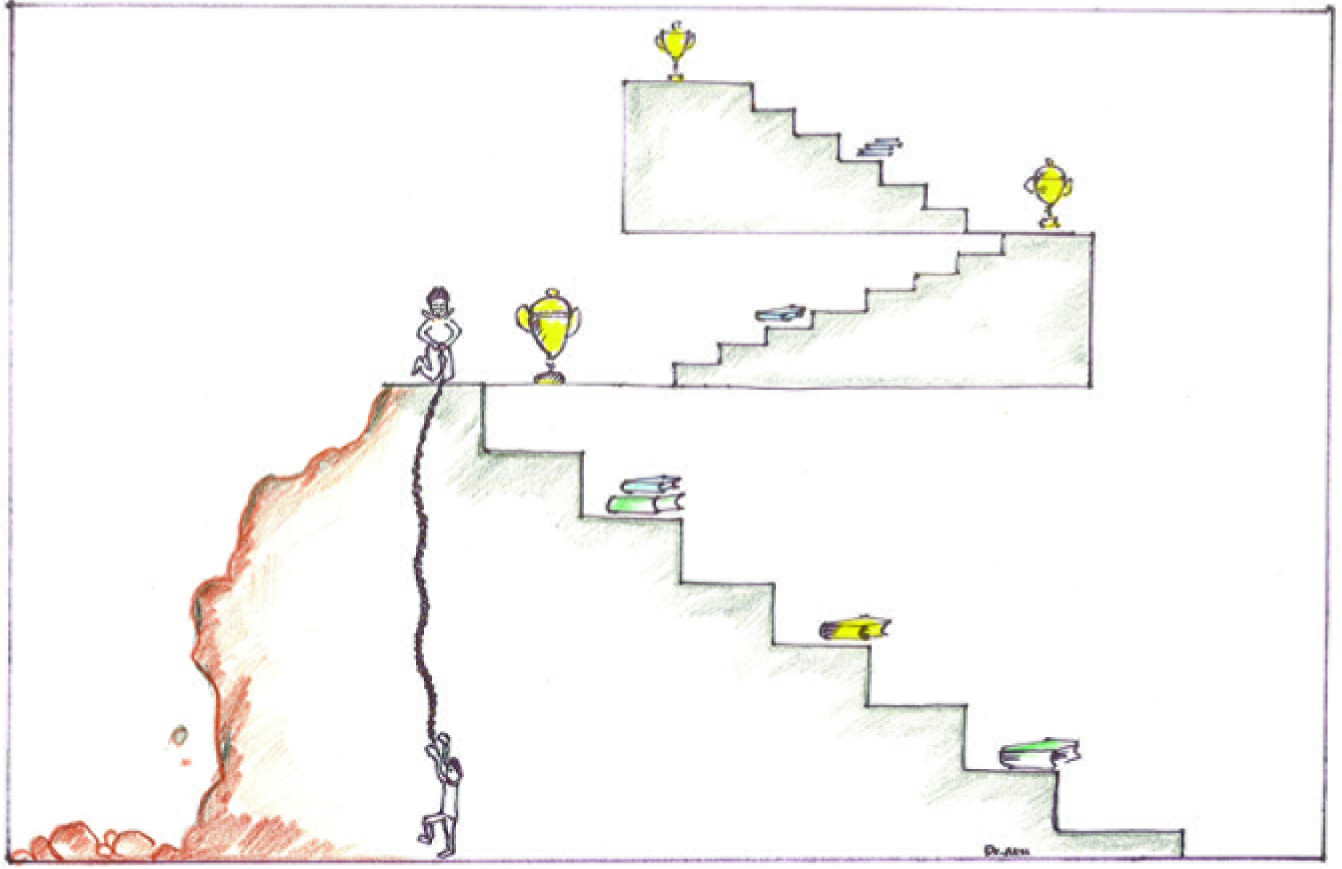
Science is in danger from evils like predatory conferences. Junior researchers are getting targeted every day. There are evil forces working only on the aim of money-making. Fake academic organizations can earn billions just by selling their agendas, and young researchers may not be cognizant of this aspect, due to lack of adequate knowledge about the predatory conferences. It is time to organize ourselves against such evil by educating our future generations. Researchers should not focus on shortcuts and they should always be cognizant about research ethics. There is a need for regulatory bodies who can oversee and warn the academic fraternity from falling prey to various money-making predatory organizations.
Footnotes
Declaration of Conflicting Interests
The authors declared no potential conflicts of interest with respect to the research, authorship, and/or publication of this article.
Funding
The authors received no financial support for the research, authorship, and/or publication of this article.