



Abstract
This study examines the relationship between occupational factors and marital satisfaction within the clergy profession, utilizing longitudinal data across fourteen years. Using the Quality of Relationship Index, we examined occupational distress and hostile church environment to gauge a potential negative effect, and ministry satisfaction and congregational support to gauge a potential positive effect on clergy marital relationships. Results reveal significant associations between all four occupational factors and clergy marital satisfaction. Specifically, compared to clergy in “very happy” marriages, clergy were significantly more likely to report being “somewhat happy” or “not happy” when they experienced higher occupational distress, higher hostility in church environment, lower ministry satisfaction, and lower congregational support. This research highlights the significance of both positive and negative aspects of work extending beyond the wellbeing of clergy themselves to their marital wellbeing—underscoring the importance of supportive interventions for clergy families to enhance both their occupational and relational health.
Keywords
Introduction
Occupational stress is a recognized risk factor that contributes significantly to one’s personal and relational wellbeing (Quick & Henderson, 2016). Occupational stress is not only a significant factor to consider within the workplace as it leads to high employee turnover (Avey et al., 2009) and organizational inefficiency (Nowrouzi et al., 2017), but daily job stressors can also influence employees’ relationships with their family members—whether through their impact on the employed person’s mood, emotional health, or coping behaviors (Repetti & Wang, 2017). In married relationships, occupational stress, such as negative workplace interactions and heavy workload, is associated with more withdrawal and increased conflict among working couples (Schulz et al., 2004; Story & Repetti, 2006). High levels of occupational stress can also spillover negatively into parent–child relationships, as has been found among working parents with young children (Gassman-Pines, 2011).
Wider literature highlights that the impact of occupational stress on families may vary across different types of occupations. Studies have reported occupational stress as a particularly high risk to the mental health and wellbeing of family members of healthcare workers (Tekin et al., 2024). A systematic review of families of emergency first responders (i.e., police, fire, and paramedic) identified work-stress spillover negatively impacting the wellbeing of spouses and married couples’ relationships (Sharp et al., 2022). Spouses of first responders reported feeling overwhelmed by extra domestic responsibilities due to their partners’ demanding work hours, as well as difficulties in spousal relationships and family functioning (May et al., 2023).
Clergy and Clergy Spouses
One high-stress occupational group, whose members often serve as first responders to the everyday crises of their communities, is clergy (Ganiel, 2023). Clergy members are on the frontlines of addressing the mental health of their congregants, who in many cases may be more likely to approach their pastor before seeing a therapist or psychiatrist. Clergy are consulted for mental health challenges by a larger number of individuals than both psychiatrists or general medical doctors (Wang, Berglund, & Kessler, 2003). Clergy members perform multiple roles and can face a great deal of occupational stress and engage in minimal self-care, which can lead to role overload, burnout, and psychological distress (Adams et al., 2017; Miles & Proeschold-Bell, 2013; Vaccarino, 2013). Additionally, because clergy work often extends into the home through counseling calls, community visits, and sermon preparation, the family environment is frequently shaped by the demands and dynamics of ministry (Wells et al., 2012).
The broader pattern of occupational stress impacting family members of first responders may indeed apply to clergy spouses, and be accentuated among clergy wives, whose experiences have historically been understudied and not well understood (Luedtke & Sneed, 2018). Even more so than other high-stress professions, clergy spouses are often intricately intertwined with the demands of their partner’s work (Potts, 2021). Clergy spouses face multiple challenges, such as managing congregation members’ expectations, providing critical support to their church and families, dealing with financial strain, and having limited external support (Guzman & Teh, 2016). Their close involvement in their partner’s work can stem from both spoken and unspoken expectations of congregants and the unique nature of clergy work, where boundaries between professional and personal life frequently blur (Hill et al., 2003; Randall, 2011).
The role of a church minister is marked by highly permeable boundaries between work and family life. Ministers are essentially “always on duty” and are expected to work through any personal or health issues, leading to a high risk of work-family conflict (Innstrand, Langballe, & Falkum, 2010; Luedtke & Sneed, 2018). Meeting such high ministry demands is then made possible by clergy spouses, who most commonly take on either a “living sacrifice model” which prioritizes serving the congregation over personal and family needs, a “faithful spouse model” which centers on supporting the clergy member personally, or a “peacemaker model” which juggles between congregational and family needs, seeking to satisfy both sets of demands as much as possible (Cattich, 2012). Congregants may view the spouse as an extension of the clergy member’s role, expecting them—and their children—to participate in church activities and community events, and to embody certain religious ideals (Drumm et al., 2017). This can place distinctive emotional and psychological pressures on clergy spouses, impacting their own wellbeing as they navigate roles that are both professional and personal (Luedtke & Sneed, 2018).
Congregational Context
In many ways unique from other occupational settings, clergy occupy an intricate and complex positionality in relation to the people they work with and for—their congregants. On one hand, clergy are spiritual leaders who are expected to provide vision and guidance for their congregants, but on the other hand, they may feel obligated to answer to the individual demands of church members and lay leaders, whose support is essential to fulfill ministry needs; through this work, congregants are encouraged to feel close to their pastors, but clergy are not necessarily encouraged to do the same (Parent, 2005). Given how challenging the relationships between clergy and congregants can be, unsurprisingly, these relationships are likely to have a significant impact on the wellbeing of clergy and their families—especially given the blurred boundaries between clergy’s public and private lives (Johnson, 2018). Research suggests the types of expectations held by congregants and the amount of support congregants provide are indeed influential to the stability of clergy families (Johnson, 2010), further highlighting the importance of considering congregational context for the wellbeing of clergy and their family relationships.
This Study
This study draws upon the theoretical lenses of ecological systems and the spillover model to help us examine the significance of occupational and contextual factors to the quality of clergy marital relationships.
According to Cameron Lee’s framework of ecological systems (Lee, 1988), the minister’s family can be conceptualized as a social system embedded in a larger network of interconnected socioemotional systems. Building upon Bronfenbrenner’s work (Bronfenbrenner, 1979), Lee suggests that clergy families must be considered a distinctive unit, with a focus on its ongoing pattern of roles and relationships. While individual members of the family, including the clergy member themselves, their spouse, and children, may individually adapt in different ways, it is important to recognize how the clergy family functions as a dynamic whole. Beyond the microsystem of clergy families lies the mesosystem, which encompasses the interconnections between multiple microsystems. For ministers, the mesosystem includes both the clergy family and the church context, highlighting the interplay between their professional and familial roles. Given this framework, how congregants and clergy members relate to one another necessarily impacts the system of the clergy family as a whole, as well as the marital relationship therein (see Appendix A for reference).
While ecological systems establish the interconnected nature of relationships within clergy families and between clergy and congregants, spillover theory argues that positive experiences at work are linked to positive experiences in the family, and negative experiences at work are similarly connected to negative experiences in the family (Staines, 1980). In addition to the negative impacts of occupational stress on clergy family wellbeing, the spillover model suggests that positive occupational factors are likely linked to positive experiences in clergy families as well. Although research is limited on the extent to which positive occupational factors impact the health of clergy marriages specifically, we do know of research on the positive impact of congregational support and ministry satisfaction for overall wellbeing (Biru et al., 2023). Clergy members refer to social support systems, including congregational support and ministry support groups, as being vital for maintaining their personal wellbeing and ministry satisfaction (Bledsoe & Setterlund, 2015; Eagle et al., 2019). In the current study, we examine both negative and positive occupational factors, including congregational support and ministry satisfaction, and explore whether these experiences may also be linked to clergy marital relationships.
At different stages of their life, clergy are likely to experience situational changes and evolving challenges in their career and within their families (Aulthouse, 2013; Potts, 2021). Ministry life has changing dynamics within congregations, and shifts can also be experienced when clergy move or change appointments. More research is needed to examine clergy’s marital satisfaction longitudinally. In this study, we examine longitudinal data across 14 years to further understand the extent to which overall patterns of both positive and negative occupational factors may be related to clergy marital satisfaction over the life course.
Methods
Drawing on the Clergy Health Initiative Longitudinal Survey, a longitudinal study of United Methodist Church (UMC) clergy in North Carolina, we used seven waves of data (from 2010, 2012, 2014, 2016, 2019, 2021, and 2023) to explore the extent to which various positive and negative occupational factors relate to the wellbeing of clergy marital relationships. For data collection, all clergy in North Carolina with current UMC appointments, as well as recently retired clergy, were invited to participate in an hour-long, online survey. All participants provided informed consent. The research protocol was approved by the [Duke University Campus Institutional Review Board] Institutional Review Board. Response rates ranged from 70 to 87%. We chose to use data from all waves in which our variables of interest were available between 2010 and 2023, so as to include more data in our longitudinal models, as we explored how changes in occupational factors may relate to marital satisfaction among clergy. In our final models, we had an analytical sample of 4343, with repeated observations grouped by individual.
Measures
To examine the quality of clergy’s marital relationships, we used a measure that was derived from the Quality of Relationship Index (QRI), which has been shown to have overall good psychometric properties (Norton, 1983). Specifically, we used the single item, “Everything considered, how happy are you in your relationship?” pertaining to the clergy’s spouse or significant other. Previous research suggests that a single item for relationship satisfaction can be a valid and reliable tool to assess overall satisfaction in the relationship (Fulop et al., 2022), is often easier to interpret (Dolan et al., 2015), and may have more face validity than full-length measures (Nagy, 2002), with additional items possibly adding noise to the main construct of overall happiness. We also examined findings by mean scores of the QRI, but the scores on a scale of 7–35 were less intuitive to interpret in relation to our independent variables. Given these considerations, for these analyses, we trichotomized our measure of marital satisfaction, with categories of “very happy,” “somewhat happy,” and “not happy” (which groups together the remaining three responses of “very unhappy,” “somewhat unhappy,” and “neither happy nor unhappy”).
For occupational factors, we used two measures of occupational stress, that is, clergy occupational distress and hostile church environment; and two positive occupational measures, that is, ministry satisfaction and congregational support. (For specific items within these occupational measures, see Appendix B.)
Specifically, as our measure of occupational distress, we used the Clergy Occupational Distress Index (CODI, Frenk et al., 2013), which consists of five items related to the frequency that clergy experience work-related stress (e.g., how often clergy members felt burdened by too many demands on their time, and how often clergy members experienced stress or felt lonely or isolated in their work). The mean score for this measure ranged from 0 to 3.
For hostile church environment, we used three items from the Ministry Demands Inventory (Lee, 1999), which focus on personal criticism and presumptive expectations; while psychometric properties have been evaluated for the entire scale, our measure consisted of the three items specific to hostility, resulting in a mean score from 0 to 6.
Our ministry satisfaction measure, which was adapted from Carroll’s work on pastoral leadership (Carroll, 2006), is an index of items related to clergy members’ level of overall work satisfaction in terms of their effectiveness as a pastor, relationships with colleagues, and quality of their ministry. We excluded 2 items from the index which pertained directly to family, and calculated the average of 10 items, resulting in a mean score between 0 and 3.
Our measure of congregational support is an index of four items that were taken from the short form of Religious Support by Krause (1999). The mean score for this measure ranged from 0 to 3.
Additionally, our analyses accounted for a range of sociodemographic variables, which adjusted for various individual-level characteristics that may influence the quality of clergy’s marital relationships over time. These variables include gender (female, not female), race (white, Black, other), age, age-squared (for non-linear effects of age), whether the respondent is a second-career pastor (yes, no), whether the respondent is serving in a rural context (yes, no), the number of relocations due to work, whether the respondent has been divorced 1 (yes, no), whether the respondent has children living at home (yes, no), how stressed the respondent feels about their financial situation (extremely, very, moderately, slightly, not at all), and a self-evaluation of overall health (excellent, very good, good, fair, poor).
Analytic Approach
Given our interest in whether occupational factors matter to clergy marital relationships, we first explored the extent to which clergy marital satisfaction varied at all by age across each wave of data in our analysis. After broadly examining the relationship between age and marital satisfaction, we conducted a series of multinomial logistic regressions with mixed effects using data from 2010 to 2023, examining the associations of time variant and invariant characteristics. We aimed to investigate the extent to which positive and negative occupational factors—occupational distress, hostile church environment, ministry satisfaction, and congregational support—are related to marital satisfaction, accounting for various sociodemographic variables. Our baseline model consisted of marital satisfaction and only sociodemographic controls; then in subsequent models, we introduced each occupational factor separately to examine the relationships between each occupational measure and the weighted average of marital satisfaction by people across time.
Results
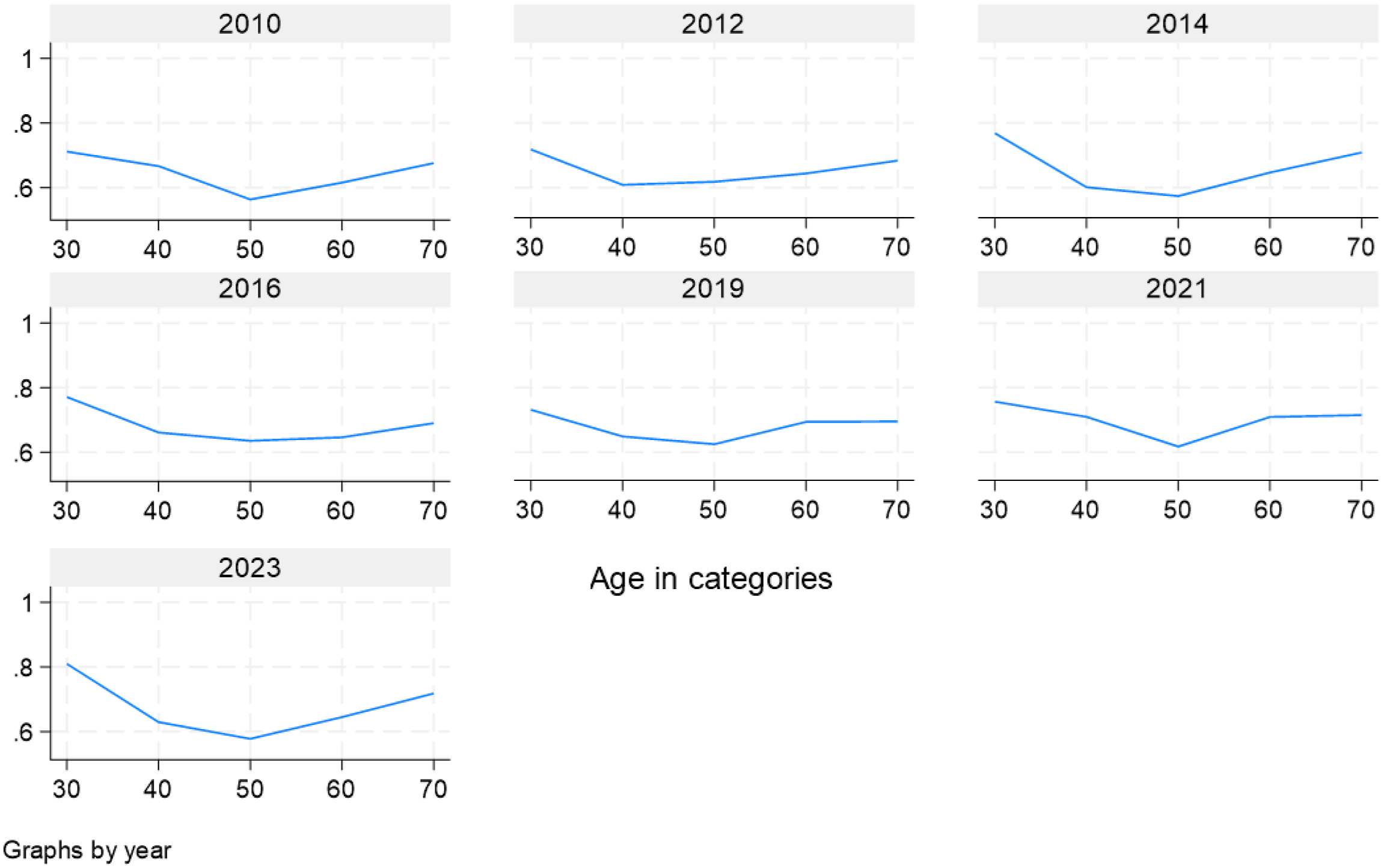
Examining the patterns of marital satisfaction descriptively, we found that 61–68% of clergy report being “very happy” in their marital relationship, 17–21% report being “somewhat happy,” and 11–17% report being “not happy.” In relation to age, we found a curvilinear pattern of marital satisfaction, with the proportion of those who are “very happy” in their marriages initially decreasing when clergy are in their 40s and 50s, then gradually increasing again when clergy are in their 60s. Figure 1 provides a summary of the relationship between age and marital satisfaction for each of the waves, illustrating a higher risk of decreased marital satisfaction during midlife and mid-career. Proportion of clergy who are “very happy” in their marital relationship across age, by survey year 2010–2023, excluding those who got divorced.
2
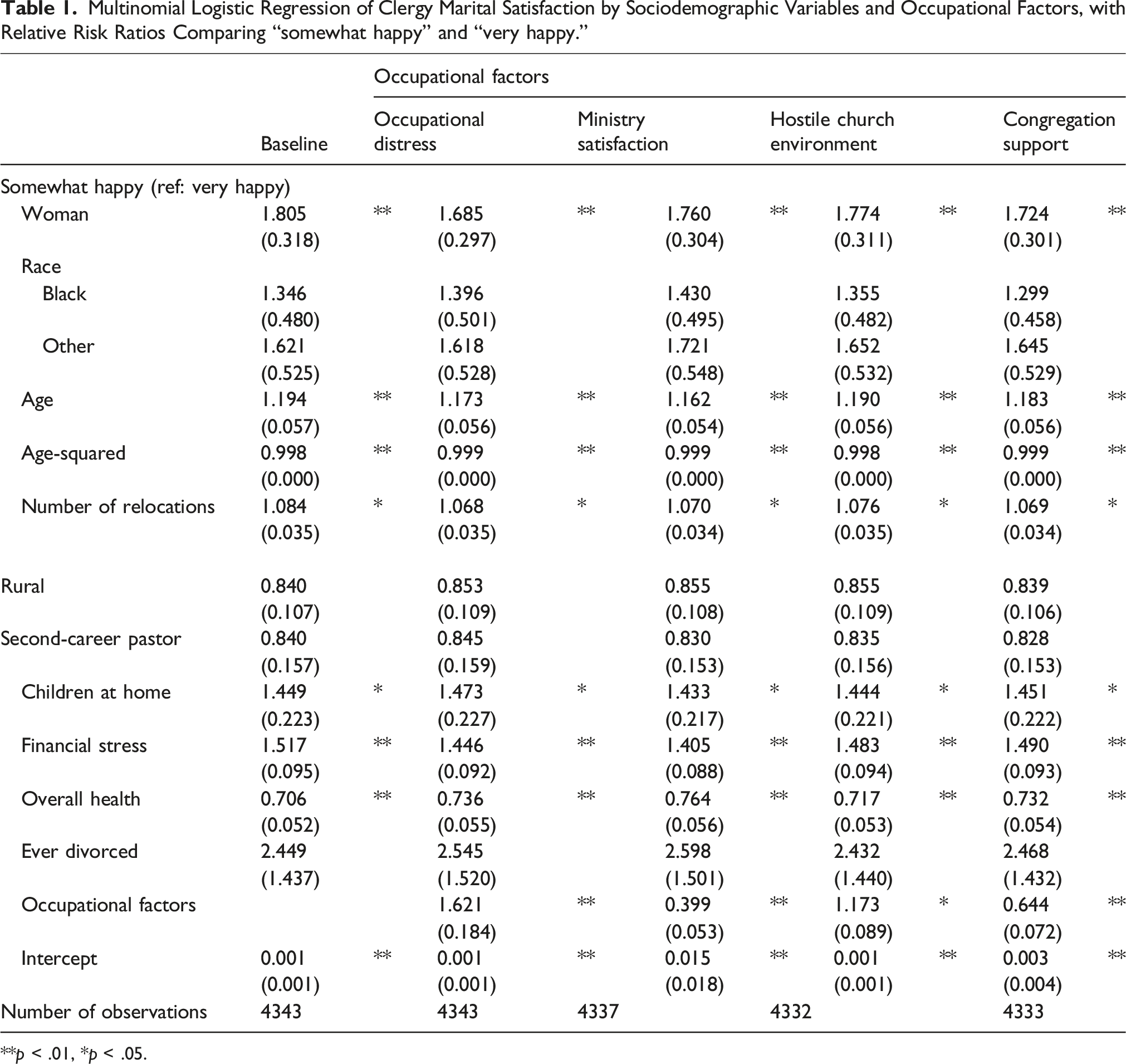
Multinomial Logistic Regression of Clergy Marital Satisfaction by Sociodemographic Variables and Occupational Factors, with Relative Risk Ratios Comparing “somewhat happy” and “very happy.”
**p < .01, *p < .05.
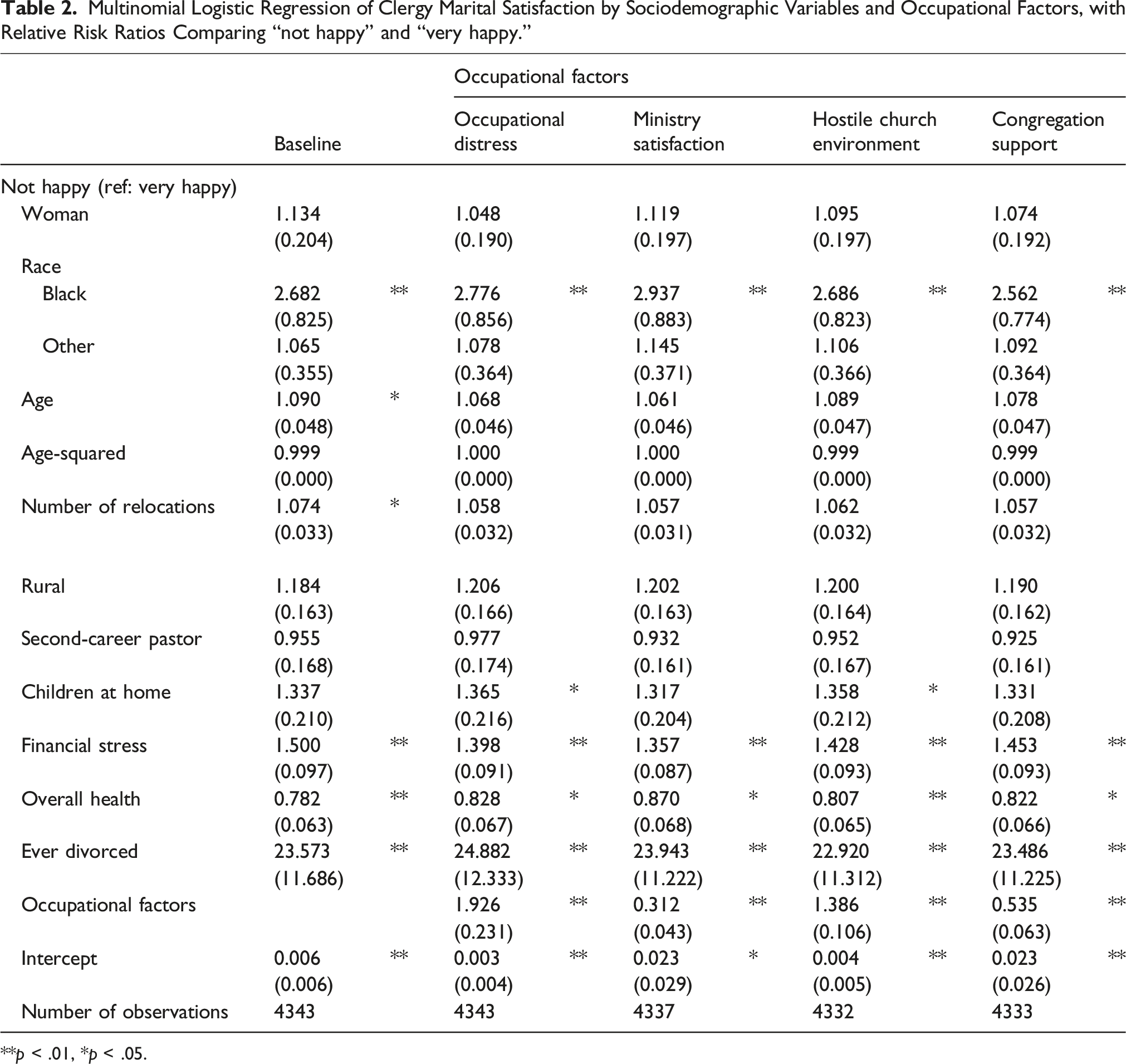
Multinomial Logistic Regression of Clergy Marital Satisfaction by Sociodemographic Variables and Occupational Factors, with Relative Risk Ratios Comparing “not happy” and “very happy.”
**p < .01, *p < .05.
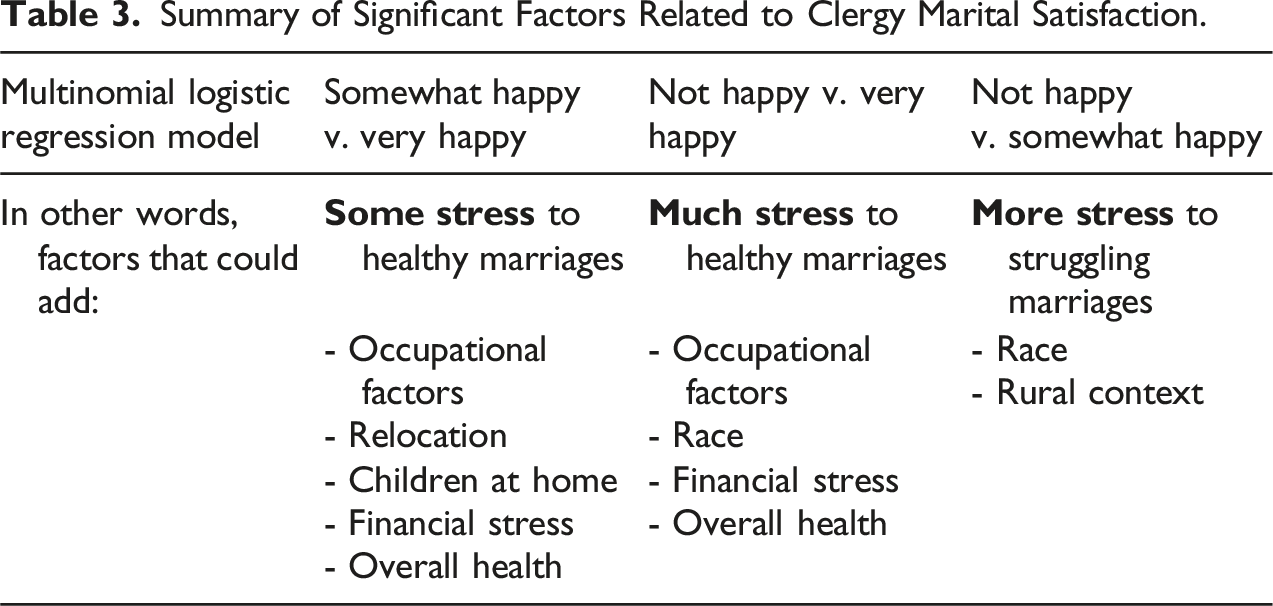
Adjusting for sociodemographic factors, we found that all four occupational factors (i.e., CODI, ministry satisfaction, hostile church environment, and congregational support) were significantly related to clergy’s marital satisfaction, when comparing “somewhat happy” or “not happy” marriages, to “very happy” marriages. Specifically, the relative risk of being “somewhat happy” compared to “very happy” was expected to increase by a factor of 1.621 with one unit increase in the mean score of CODI, and decrease by a factor of 0.399 with one unit increase in the mean score of ministry satisfaction. When considering congregational context, the relative risk of being “somewhat happy” compared to “very happy” was expected to increase by a factor of 1.173 with one unit increase in the mean score of hostile church environment, and decrease by a factor of 0.644 with one unit increase in the mean score of congregational support. However, these occupational factors were not significant in the model comparing “not happy” to “somewhat happy” marriages.
Summary of Significant Factors Related to Clergy Marital Satisfaction.
Notably, our results revealed that clergywomen were significantly more likely to be “somewhat happy” compared to “very happy” in their marriages, controlling for other sociodemographic variables and occupational factors. However, clergywomen were significantly less likely to be “not happy” compared to “somewhat happy,” suggesting a non-linear pattern of marital satisfaction by gender. Additionally, we found that both age and age-squared were significant in the multinomial logistic regression results comparing “somewhat happy” to “very happy” marriages—repeating the curvilinear pattern initially detected in the descriptive analyses of marital satisfaction in relation to age.
Discussion
Clergy face unique challenges due to the demanding nature of their professional roles, which can significantly impact their personal and family lives. Clergy often rely heavily and sometimes exclusively on support from their spouses, making it particularly important to bolster clergy marriages for the wellbeing of clergy and congregations. This study examined four occupational factors in relation to clergy’s marital satisfaction; we considered both positive and negative occupational factors, as well as measures of individual work and congregational context. Our analyses suggest that the two negative occupational factors (i.e., occupational distress and hostility in church environment) are significantly related to worse marital satisfaction over time, and the two positive occupational factors (i.e., ministry satisfaction and congregational support) are significantly related to better marital satisfaction over time. These findings, combined, have important implications for supporting clergy, and further highlight how intricately intertwined clergy’s work wellbeing is to their family wellbeing. Interestingly, our models indicated that these occupational factors are not significantly related to the difference between “somewhat happy” and “not happy” marriages, possibly leaving room for the role of other occupational or non-occupational factors for some marital relationships that may already be struggling.
One crucial factor influencing the quality of clergy’s marital relationships was the level of support they receive from their congregants. Our findings suggest that both congregational support and hostility are significantly related to marital satisfaction, accounting for other sociodemographic factors. Studies focusing on the relationship between congregational support and the quality of clergy marital relationships are limited; more research is needed on this topic. Considering the literature more broadly, one possible mechanism connecting congregational support to marital satisfaction is emotional wellbeing. Clergy who feel valued and respected by their congregation do report higher levels of emotional wellbeing (Cafferata, 2017), which may positively impact their marital relationships; in contrast, low levels of congregational support, hostility from congregants, and intrusiveness in clergy life negatively impact the wellbeing of clergy (Lee, 1999), which may then extend to their relationships with spouses and children as well.
As for sociodemographic factors that were significant to clergy marital satisfaction, we note the interesting finding that clergywomen were less likely to be “very happy,” but also less likely to be “not happy,” compared to their male counterparts. This pattern among clergywomen to not endorse the not happy response options could be due to social desirability bias, and feeling compelled not to report unhappiness (Dalton & Ortegren, 2011). Some studies suggest that women may also differ from men in their approach to defining and enhancing happiness, even when men and women in other samples report similar levels of happiness overall (Tkach & Lyubomirsky, 2006). This pattern among clergywomen to be less likely to endorse the “very happy” response option is concerning and may indicate that the conditions women face in the clergy require greater coping effort (Holleman, 2023), which may take a toll on marriages.
Consistent with broader patterns of inequality, our analyses revealed that Black pastors are likely to experience lower levels of marital satisfaction, compared to their white counterparts (Broman, 2005; Dillaway & Broman, 2001). The framework and analytical tool of intersectionality may be valuable to understand this finding—shedding light on how marginalized or disadvantaged social identities intersect at the individual level to reveal interconnected systems of privilege and discrimination (Bowleg, 2021; Homan, Brown, & King, 2021). For example, Black clergy members may experience unique pressures within their congregations, finding themselves at the intersection of religious leadership and racial justice, often while serving congregants who do not share in the same racial identity or experiences (Edwards & Kim, 2024; Joiner & Berkel, 2020; Priest & Edwards, 2019; Rogers, 2022). Further research is needed to examine how the social and racial identities of clergy can influence the dynamics of power and support within their congregations, as well as the extent to which these unique relationships may impact the families of clergy, who may already occupy marginalized or disadvantaged social identities as well (Hileman, 2008).
In terms of the patterns of age explored in this study, our findings highlight the significance of midlife as a challenging period for marital relationships—with individuals often juggling multiple roles, such as being parents to dependent children, caregivers to aging parents, and advancing professionals. Life stressors, such as financial strain and career demands, can negatively impact marital satisfaction. These overlapping demands can lead to role overload, diminishing the energy and time available to invest into one another in the marital relationship (Roxburgh, 2002; Umberson et al., 2005). Additionally, mid-career often entails greater pressures to fulfill professional responsibilities, such as leadership roles and heavier workload; these demands can spillover into the family domain, creating more work-family conflict (Voydanoff, 2005). However mild or intense, transitions at midlife are likely to be manifested across one’s identity, family, interpersonal relationships, and career (O’Connor & Wolfe, 1987). This intersection of midlife and mid-career may be an especially important period for clergy to find support to manage the heightened stressors that impact their personal and relational wellbeing.
This study has several limitations that must be acknowledged. First, our study was limited to United Methodist Church (UMC) clergy in North Carolina, and thus, the findings may not be generalizable to clergy from other denominations and religious traditions. More research is needed to understand how these dynamics play out across different religious and cultural contexts. Second, our current study does not parse out the possibility of a bidirectional relationship between occupational factors and marital satisfaction. While our analyses have established the significance of specific occupational factors to clergy marital satisfaction, we recognize that this potentially reciprocal relationship warrants further exploration. However, using longitudinal data with high response rates of 70–87%, the current study provides robust results that highlight the significant relationships between marital satisfaction, occupational factors, and various sociodemographic characteristics of clergy across time.
Future research should aim to build on the findings of this study by incorporating qualitative methods and an intersectional approach to gain a deeper understanding of the impacts of ministry on marital wellbeing—especially across various social categories such as race, gender, age, or rural context. Conducting interviews with clergy and their spouses could provide valuable insights into why and how the reaches of ministry extend into clergy marriages and families. These qualitative studies could draw on the perspectives of both clergy and their spouses to explore the range of personal experiences, coping mechanisms, and the specific challenges and supports encountered in their marital lives. Moreover, expanding this research to include clergy from various denominations and geographic regions would enhance the generalizability of the findings. Comparative studies across different religious traditions could identify unique stressors and supports related to marital satisfaction, offering a more holistic view of how ministry impacts marital wellbeing.
Implications for Intervention
This study highlights several important implications for developing effective interventions to improve the marital satisfaction of clergy. Tailored interventions should address the unique occupational challenges faced by clergy, including structured conversations that help to align the expectations within clergy families, and between clergy and congregation members (personal communication with Julie Anderman of Artos). Mid-career, Black pastors, clergywomen, and those in rural contexts may also benefit from targeted support (Francis et al., 2015; Stuart-White et al., 2018). Establishing peer support networks and facilitating group retreats where clergy can share experiences and coping strategies may help reduce feelings of isolation and stress (Staley et al., 2013); the same may also be true for clergy spouses. Providing access to professional counseling services for clergy and their spouses may address both occupational and marital issues.
This study’s findings point to the important role that congregants play, even if indirectly. Clergy in churches without hostile environments and with strong support for their pastor were more likely to endorse being “very happy” in their marriage, suggesting possible spillover effects between clergy’s work and family lives. Congregants can work to proactively communicate with their pastor and can ask to participate in programs that facilitate communication and trust across lay leaders and clergy. They can also show their care and support for their pastors. Denominational leaders may further play a role, for example, by learning to recognize the signs of occupational stress and marital strain in clergy as an initial step to help establish a proactive and supportive model of leadership that is embedded in community. Additional steps would be to identify changes at the mesosystem-level to take pressure off of the relationship between clergy and their spouses, with possibilities including the ability to take uninterrupted family vacations and congregants expanding their ideas on acceptable engagement in the congregation by clergy spouses (Warren, 2017).
This study’s findings demonstrate the spillover effects of occupational distress—and also congregant support—not just on clergy but extending to their marital relationship. More attention to improving ministry conditions and reducing clergy occupational distress is needed.
Footnotes
Acknowledgments
The authors wish to thank Logan Tice, Andrew Weinhold, David Eagle, Jia Yao, the Clergy Writing Group, the Duke Clergy Health data collection team, and the Westat data collection team for their helpful support for this paper.

Ethical Considerations
The research protocol for this study was approved by the Duke Institutional Review Board.
Consent to Participate
Informed consent was obtained from all individual human participants included in the study.
Author Contributions
Conceptualization: Sohail and all co-authors
Formal analysis: Lee
Funding acquisition: Proeschold-Bell
Writing, original draft: Sohail and Lee
Writing, review and editing: Sohail and all co-authors
Funding
The authors disclosed receipt of the following financial support for the research, authorship, and/or publication of this article: This study was funded by the Rural Church Area of The Duke Endowment (grant number ORC-2242-SP).
Declaration of Conflicting Interests
The authors declared the following potential conflicts of interest with respect to the research, authorship, and/or publication of this article: Malik Muhammad Sohail, Bo-Hyeong Jane Lee, and Rae Jean Proeschold-Bell declare that they have no conflicts of interest. The authors do not have any financial or non-financial interests that are directly or indirectly related to the present work.
Data Availability Statement
De-identified data from this study are not available in a public archive. De-identified data from this study will be made available (as allowable according to institutional IRB standards) by emailing the corresponding author.
Notes
Appendix
Bronfenbrenner’s Ecological Systems (1979).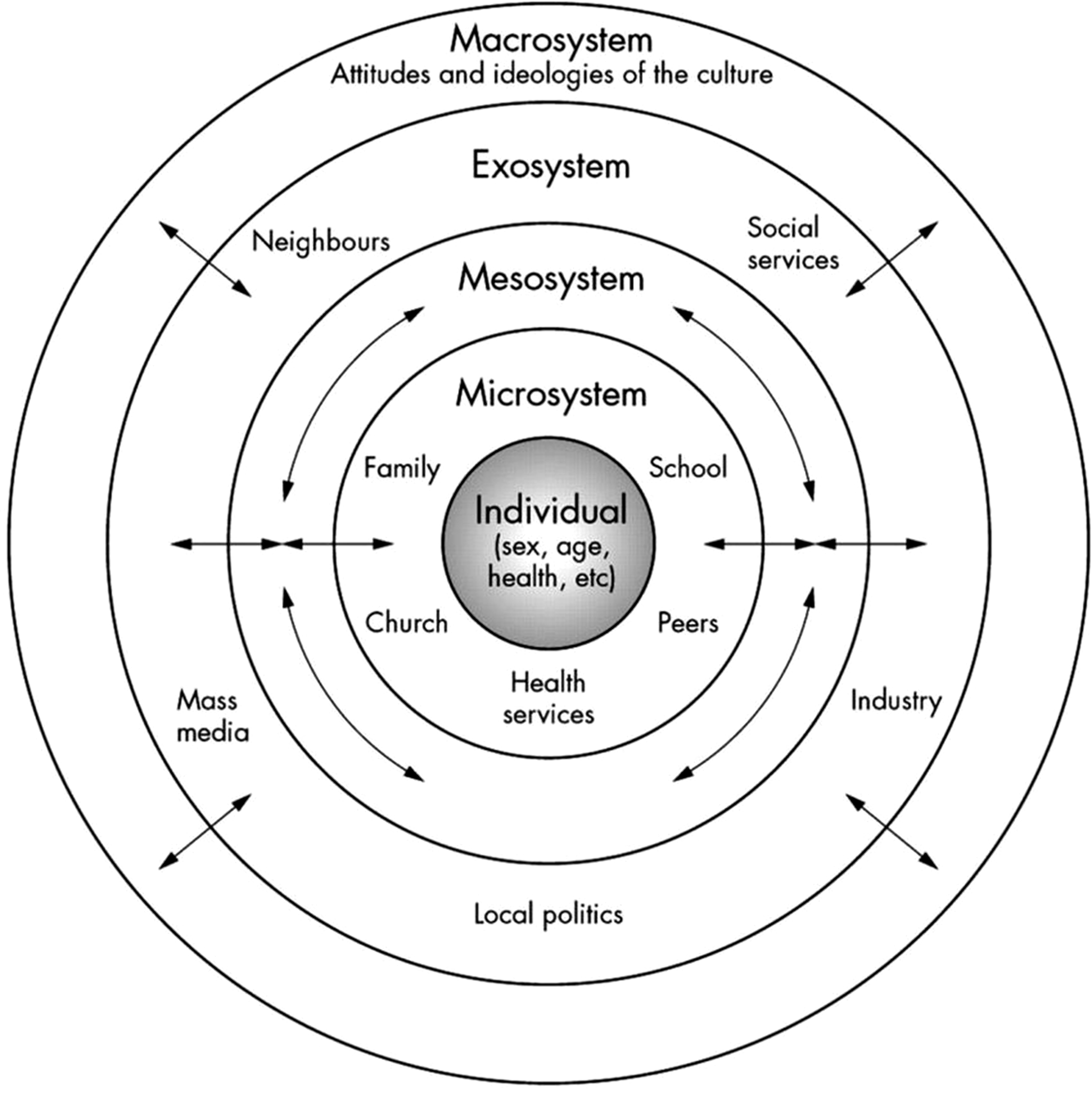
Survey Items for Occupational Measures, including Clergy Occupational Distress, Hostile Church Environment, Ministry Satisfaction, and Congregational Support.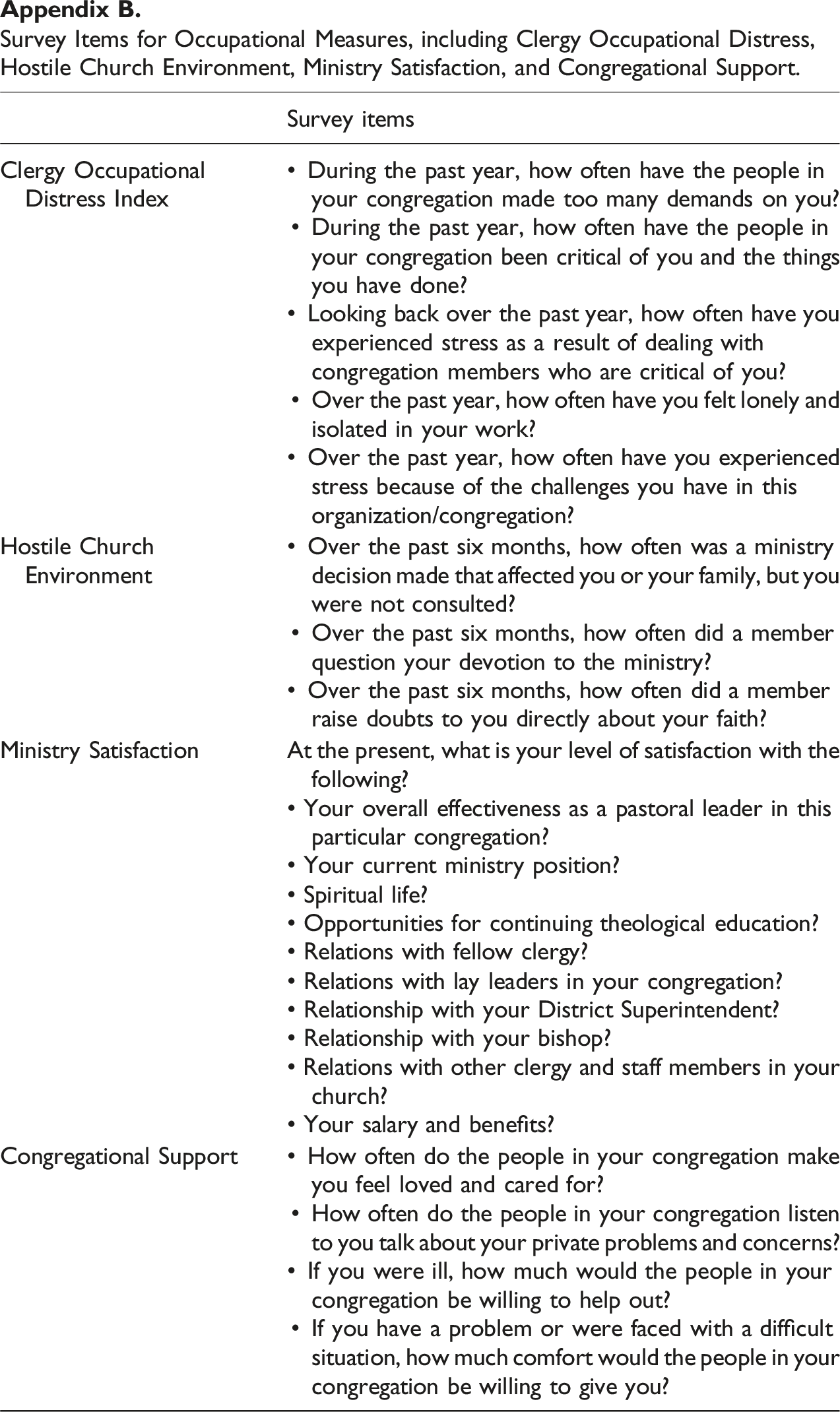
Survey items
Clergy Occupational Distress Index
• During the past year, how often have the people in your congregation made too many demands on you?
• During the past year, how often have the people in your congregation been critical of you and the things you have done?
• Looking back over the past year, how often have you experienced stress as a result of dealing with congregation members who are critical of you?
• Over the past year, how often have you felt lonely and isolated in your work?
• Over the past year, how often have you experienced stress because of the challenges you have in this organization/congregation?
Hostile Church Environment
• Over the past six months, how often was a ministry decision made that affected you or your family, but you were not consulted?
• Over the past six months, how often did a member question your devotion to the ministry?
• Over the past six months, how often did a member raise doubts to you directly about your faith?
Ministry Satisfaction
At the present, what is your level of satisfaction with the following?
• Your overall effectiveness as a pastoral leader in this particular congregation?
• Your current ministry position?
• Spiritual life?
• Opportunities for continuing theological education?
• Relations with fellow clergy?
• Relations with lay leaders in your congregation?
• Relationship with your District Superintendent?
• Relationship with your bishop?
• Relations with other clergy and staff members in your church?
• Your salary and benefits?
Congregational Support
• How often do the people in your congregation make you feel loved and cared for?
• How often do the people in your congregation listen to you talk about your private problems and concerns?
• If you were ill, how much would the people in your congregation be willing to help out?
• If you have a problem or were faced with a difficult situation, how much comfort would the people in your congregation be willing to give you?
Multinomial Logistic Regression of Clergy Marital Satisfaction by Sociodemographic Variables and Occupational Factors, with Relative Risk Ratios Comparing “not happy” and “somewhat happy.” **p < .01, *p < .05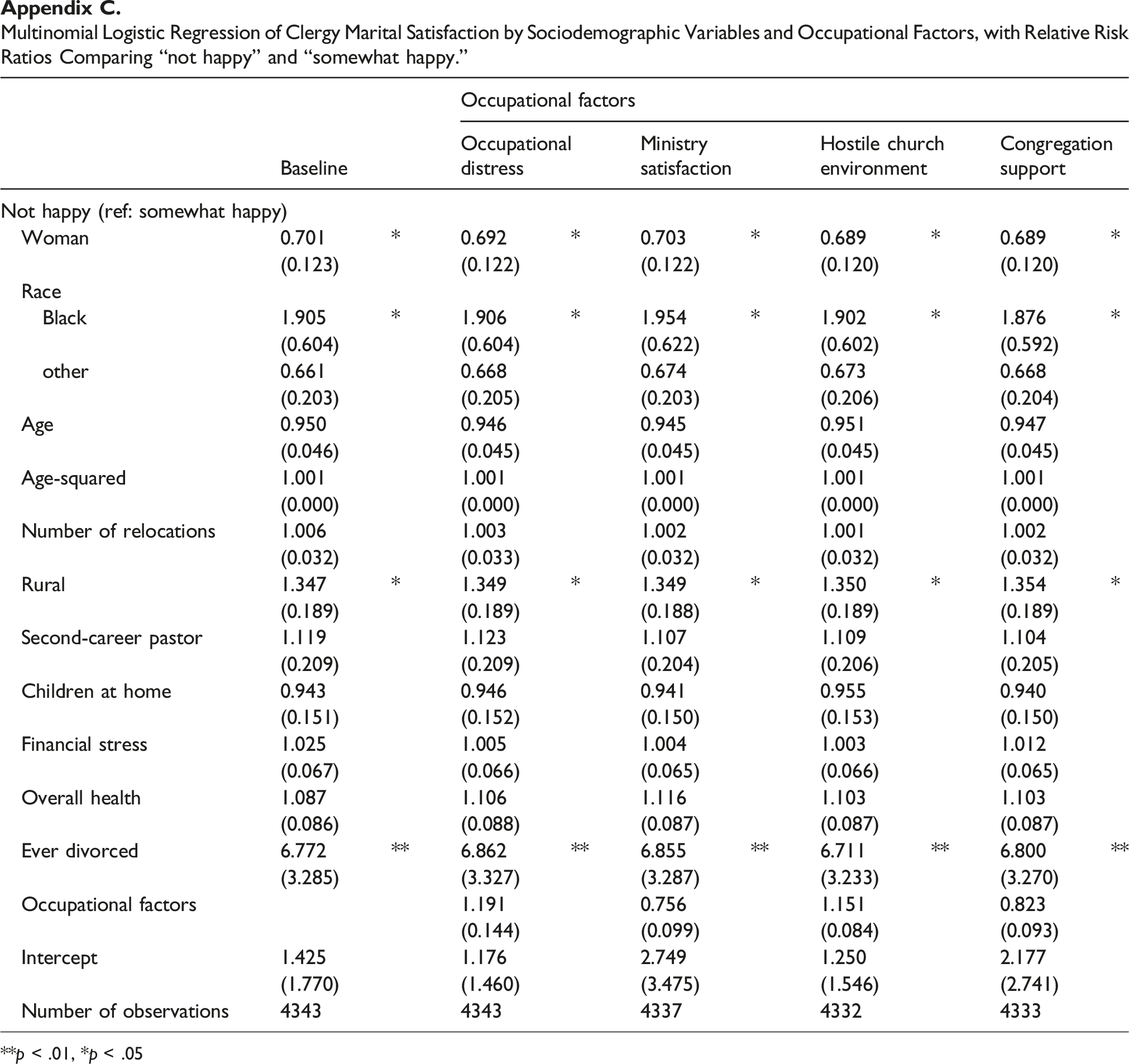
Occupational factors
Baseline
Occupational distress
Ministry satisfaction
Hostile church environment
Congregation support
Not happy (ref: somewhat happy)
Woman
0.701
*
0.692
*
0.703
*
0.689
*
0.689
*
(0.123)
(0.122)
(0.122)
(0.120)
(0.120)
Race
Black
1.905
*
1.906
*
1.954
*
1.902
*
1.876
*
(0.604)
(0.604)
(0.622)
(0.602)
(0.592)
other
0.661
0.668
0.674
0.673
0.668
(0.203)
(0.205)
(0.203)
(0.206)
(0.204)
Age
0.950
0.946
0.945
0.951
0.947
(0.046)
(0.045)
(0.045)
(0.045)
(0.045)
Age-squared
1.001
1.001
1.001
1.001
1.001
(0.000)
(0.000)
(0.000)
(0.000)
(0.000)
Number of relocations
1.006
1.003
1.002
1.001
1.002
(0.032)
(0.033)
(0.032)
(0.032)
(0.032)
Rural
1.347
*
1.349
*
1.349
*
1.350
*
1.354
*
(0.189)
(0.189)
(0.188)
(0.189)
(0.189)
Second-career pastor
1.119
1.123
1.107
1.109
1.104
(0.209)
(0.209)
(0.204)
(0.206)
(0.205)
Children at home
0.943
0.946
0.941
0.955
0.940
(0.151)
(0.152)
(0.150)
(0.153)
(0.150)
Financial stress
1.025
1.005
1.004
1.003
1.012
(0.067)
(0.066)
(0.065)
(0.066)
(0.065)
Overall health
1.087
1.106
1.116
1.103
1.103
(0.086)
(0.088)
(0.087)
(0.087)
(0.087)
Ever divorced
6.772
**
6.862
**
6.855
**
6.711
**
6.800
**
(3.285)
(3.327)
(3.287)
(3.233)
(3.270)
Occupational factors
1.191
0.756
1.151
0.823
(0.144)
(0.099)
(0.084)
(0.093)
Intercept
1.425
1.176
2.749
1.250
2.177
(1.770)
(1.460)
(3.475)
(1.546)
(2.741)
Number of observations
4343
4343
4337
4332
4333