




Abstract
Covid-19 was declared a pandemic in March 2020, and the world has witnessed significant changes since then. Spain has been forced to go into extreme lockdown, cancelling all school classes and outdoor activities for children, which may have significant consequences on young people. This paper explores how young children have experienced lockdown as a consequence of the ongoing Covid-19 pandemic and what they think about their future lives after Covid-19. Data were collected from 73 students aged from 7 to 9 years old, using participant-produced drawings and short questions with children’s and parents’ descriptive comments. We used a children’s rights perspective and the Freirean approach of a pedagogy of love and hope to analyse the data. Results suggest that participants have been through significant changes in their routines, and that what they miss most from their lives before Covid-19 is playing outdoors with their friends and visiting their grandparents. To our knowledge, this paper is the first of its kind in investigating how the Covid-19 pandemic has influenced the ways that children lived during pandemic and its possible implications for their futures.
Introduction
In December 2019, a pneumonia of unknown cause was detected in Wuhan, China (WHO, 2020). The outbreak was declared a public health emergency of international concern on 30 January 2020, and on 11 February 2020, WHO announced a name for the new coronavirus disease: COVID-19 (COronaVIrus + Disease + 2019). Given the quick spread of the virus and the number of deaths caused, WHO declared it a pandemic in March 2020. During the same month, Spain declared a state of emergency in the country and went into lockdown, initially for 15 days (Spanish Government, 2020). The lockdown was then extended multiple times. This decision involved the cessation of all face-to-face educational activities at all educational levels, including primary schools, and 13 March 2020 was the last day of school. After a month of lockdown and considering that the pandemic was not improving, the Ministry of Education and Professional Development of Spain, together with some educational advisers from the different municipalities, established that some students from some communities could return to classrooms with the introduction of precautionary measures.
We are now seeing some of the first results of investigations regarding the consequences of the aforementioned lockdown. For example, Brooks, Webster, & Smith (2020) studied the psychological impact of lockdown for Covid-19, including different countries and comparing it with the impact on people in quarantine for different diseases, such as Ebola, influenza, Middle East respiratory syndrome and SARS-Cov-1 (a previous version of the current Covid-19). They highlighted some negative psychological effects, such as post-traumatic stress, confusion and irritability. These consequences have been proven to be more severe among youth, women and people who are caring for others (Jiang, Nan, Lv, & Yang, 2020). In Italy, one of the countries most affected by Covid-19, Chiara et al. (2020) conducted a study with 786 participants aged between 8 and 18; they concluded that 30% of the participants were at high risk of suffering post-traumatic stress. In Spain, it was found that lockdown had a significant emotional impact, particularly among women, children, people undergoing psychological treatment and people with negative personal relations with relatives who live at the same property (Odriozola, Planchuelo, Irurtia, & de Luis, 2020).
Lockdown has brought anxiety, stress and depression among the population (Wang, Zhang, Zhao, Zhang, & Jiang, 2020) and children are not exempt from this. According to Ghosh, Dubye, Chatterjee, & Dubey (2020), children are more vulnerable to the psychosocial impact of the pandemic. While children are perceived as vulnerable and as in need for adults to make decisions about their lives (Morrow & Richards, 1996), children also have agency and power. Thus, in this paper, we include children’s voices in order to explore not only their vulnerabilities, but also their agency, strength, resilience and coping strategies (Ricard-Guay & Denov, 2016) during Covid-19 lockdown.
Given the closure of schools and lack of outdoor physical activity, children were disturbed in their routines and this may provoke boredom, anguish, impatience, perturbances and different neuropsychiatric symptoms (Ghosh et al., 2020). The most common feelings and emotions among children during this time of lockdown have been anguish, preoccupation, impotence and fear (Saurabh & Ranjan, 2020). The youngest children (3 to 6 years old) express their emotions more, but all age groups have shown evidence of clinging, inattention and irritability (Jiao et al., 2020). One of the possible causes of this tension could be the anguish from parents who need to balance their personal life, work and children’s upbringing (Spinelli, Lionetti, Pastore, & Fasolo, 2020).
This paper is part of a larger study which investigates the experiences and consequences of Covid-19 in Spain. This specific paper aims to explore how young children have experienced lockdown as a consequence of the ongoing Covid-19 pandemic. This paper is the first of its kind in investigating how the Covid-19 pandemic has influenced the ways that children lived during pandemic and how they think about their future lives after Covid-19.
On Being a Child During Pandemic Times
Children’s lives in Spain prior to the pandemic differed significantly from their lives under lockdown. Children used to have plenty of extracurricular activities and socializing time with their friends. Even though outdoor parks have been emptier in the last few years, possibly as a consequence of children having so many extracurricular activities, they were not completely empty as they were during the pandemic. Other children did not represent a threat for them. They were not ‘people to avoid’ for being afraid of contracting the virus. Children were used to demonstrate their affection with close proximity and involving gestures such as kisses and hugs. Schools, families and extracurricular activities were places in which children could trust others and feel safe.
Since the outbreak of the pandemic, children have been at the forefront in some of the early debates about Covid-19. It was unknown from the beginning if children were more or less at risk of contracting the virus than adults, or if their immune system was developed enough to recover from Covid-19. In Spain, children were one of the first population groups who had to discontinue their routines, as schools closed quite early during the pandemic. There are some concerns about the long-term effects of lockdown on children, particularly regarding their mental and physical health (Brooks et al., 2020; Wang et al., 2020). This is mainly because of the lack of outdoor physical activity and interaction with their peers (Brooks et al., 2020).
Lockdown in Spain has resulted in many children not being able to do much physical activity during the day. Some previous studies have already identified a relationship between sedentary behaviours and psychological distress in teenagers (Kleppang, Thurston, Hartz, & Hagquist, 2019; Pengpid & Peltzer, 2019), or between depressive symptomatology and psychological distress, and time spent using screens for leisure (Hoare, Milton, Foster, & Allender, 2016; Hrafnkelsdottir et al., 2018). Studies focussing on school-aged children have shown that sedentary behaviour is associated with reduced physical and psychosocial health (e.g. Rodriguez-Ayllon et al., 2019; Tremblay et al., 2011).
In regard to children’s interaction with peers, play situations provide an excellent opportunity for socialization. Interaction among children through play is of utmost importance in the social development of children (Göncü & Gaskings, 2006; Pellegrini, 1996). Play is the basis of children’s socialization and allows the establishment of affective bonds with others. In so doing, it also promotes imagination and the understanding of some social rules (Bruner, 1983; Pellegrini, 2009). In this sense, collective play allows children to develop social skills crucial to the success of their future social interactions (Rubin, Bukowski, & Laursen, 2009). According to this definition, sustained, moderate-to-severe play deprivation during the first 10 years of life can lead to depression, difficulty adapting to change, poorer self-control, less tolerance of criticism, and ambiguity towards human relationships, as well as fragile and shallower interpersonal relationships (Brown & Vaughan, 2010).
Not only is play itself important, but also the context in which it takes place (Vickerius & Sandberg, 2006). For example, several studies have highlighted the positive psychological and physical outcomes of playing outdoors (e.g. Korpela, KyttÄ, & Hartig, 2002; Moore & Cooper, 2008; Tillmann, Clark, & Gilliland, 2018; Zhang, Zhou, Kwan, Chen, & Lin, 2018).
In one way or another, the new situation that humans experienced because of the Covid-19 pandemic brings significant changes in our lifestyles. These changes are evident with the return to school for some children, where in some countries there are now circles painted on the floor to define and limit personal spaces for each student. Denial of affective gestures such as hugs and kisses is also common now, as well as other restrictions such as not being able to share toys and wearing surgical masks.
The changes that children will need to face in the near future are uncertain. There are already signals of a low trust environment context in which more personal space and less physical contact is a ‘must’. As demonstrated elsewhere (see Varea, Gonzalez-Calvo, & Martinez- Alvarez, 2018), Spain is a country which traditionally has had a more touch-oriented culture with less personal space than Anglo-Saxon or Asian countries. Schools in Spain have implemented precautionary measures when they reopened after the summer. Some of these measures included the use of gymnasiums and libraries at schools as classrooms, so that the personal space between students is larger during classes. This leads us to wonder who are going to be those most affected during and after the pandemic. Children, who have less agency and less power for claiming their rights, seem to be in a vulnerable position.
A Children’s Rights Perspective and the Paradox of a Pedagogy of Love and Hope During Covid-19
The development of human rights includes simultaneous processes of universalization and contextualization (Bobbio, 1996). This last process of contextualization is particularly relevant in the pandemic times of Covid-19. Following Bobbio (1996), human rights are universal as the same basic rights apply to all humans regardless of the context, but in the interpretation of the basic rights for specific groups, context has to be considered. Children are humans, and therefore, they also have human rights (Öhman & Quennerstedt, 2017). However, children in general have no or very limited social position for claiming their right to have rights (Fichtner & Trần, 2020).
The United Nations Convention on the Rights of the Child is increasingly used to frame policies for childhood as an instrument for the improvement of children’s well-being, seeking to combine children’s right to protection with the right to autonomy and development (Casas & Frønes, 2020). According to the Convention on the Rights of the Child (United Nations, 1989), children have the right to play (Article 31) and the right to a standard of living adequate for their social development (Article 27). However, children also have the very basic and most fundamental rights of life (Article 6), protection and care (Article 3). Parents have a special duty of care to protect them. This interplay regarding how carers negotiate and balance children’s rights of play, social development, life, protection and care is of utmost significance during lockdown in pandemic times of Covid-19. The question that arises, therefore, is how to maximize children’s safety in times of Covid-19 without denying their rights of play and social development.
Closely related to a children’s rights perspective are pedagogies of love and hope from a Freirean viewpoint. According to Freire (1996b), there is a love based on pedagogical dialogue, solidarity, hope and imagination. This kind of love requires a continuing reflection and action regarding how people exist in (and with) the world and with each other (Schoder, 2010). During Covid-19, this is significant as people experienced different (and unknown) ways of being in the world and with others (where there were restrictions regarding proximity and physical contact); as a consequence, their hope and imagination can be changed, particularly among children. But hope, according to Freire (1996a), is an ontological need.
Following Freire (1996b), love is an act of bravery, courage, faith, hope, humility, patience, respect and trust. Pedagogies of love are linked to personal commitments from teachers to care for their students (Darder, 2017). From a pedagogy of love perspective, teachers and carers should stimulate creativity and imagination in their students, and their capacity to critique their surroundings and challenge inequity and injustice. Pedagogies of love create, therefore, levels of agency and freedom (Luguetti, Kirk, & Oliver, 2019). However, when children are locked down in their homes as a consequence of the Covid-19 pandemic, it is difficult to create environments to promote their agency and freedom. Even though it has been demonstrated that children are not as much at risk of contracting the Covid-19 virus as adults and experience milder cases (Ludvigsson, 2020), the public and widespread panic and fear about the virus cause children’s parents to prioritize the children’s rights of life, protection and care, rather than their rights to play and social development.
Methods
Participants in this study were a group of 73 students aged between 7 and 9 years old (37 girls and 36 boys). They were undertaking their second year of primary school in a public school in Spain, located in the community of Castilla y León. The town is close to the city of Valladolid, and has a growing population that is approaching 25,000 inhabitants. The community is characterized by being a municipality in constant growth, with a development of its infrastructure that is in line with its growing number of inhabitants. The town has a wide range of unexpensive attractions (e.g. museums, theatres, factories, leisure and cultural theme parks, political institutions). It is also in close distance to rural areas, where several wineries and dairy farms are located. The sociocultural and economic status of the families of participants was considered middle class, and the occupations of the parents ranged from being employees in the building sector to being employed in different services. Most of the families lived in small houses with small gardens, which might be better during lockdown than living in a small apartment with no outdoor space (as how many people in Spain live). Following the Spanish government’s decision to impose lockdown measures in March 2020’ including the closure of all schools, these participants continued their classes online from their homes. In this way, students had to follow the classes from home using computer resources (availability of a computer and internet access), following the normal school timetable – from 9 a.m. to 2 p.m. Those students who did not have access to computer resources could request them from the school.
In terms of assessment, Castilla y León established a ‘non-written’ special assessment protocol, detailing that primary school students could not repeat a year as a consequence of the exceptional health situation, while teachers were asked to be flexible in the forms of assessment and to favour students in the grading process.
The haste in adapting teaching from a face-to-face to a virtual model, as well as the uncertainty and lack of knowledge about the new situation, meant that educational decisions were adjusted and modified over the almost 100 days that the lockdown lasted (lockdown was announced to last only for 15 days, originally).
Participant-produced drawings were used for data collection. We used participant-produced drawings in this study because they are a way to tap quickly into the emotional lives of participants (Vince, 1995; Vince & Broussine, 1996), inviting children to visualize their ideas (Nyberg, 2019; Robb, Jindal-Snape, & Levy, 2020). Graphical representations such as drawings have the capacity to surface unspoken thoughts and feelings. Drawings offer a different kind of glimpse into human sense-making than written or spoken texts, because they can express what is not easily put into words: the ineffable, the elusive, the not-yet-thought-through, the subconscious (Weber & Mitchell, 1995). A pre-text (such as a drawing) is a stimulus that can be used to motivate, set a scene and build emotion (O’Neill, 1995).
The school in which this study took place is a collaborating institution for a teaching innovation project coordinated by the three authors. The general aim of this broader project is to explore the bodily experiences, the relationships with one’s own body and the personal experiences of schoolchildren with regard to PE in primary school. As part of this collaboration, the authors of the study asked the children’s tutors to collect data on children’s experiences during the pandemic. In so doing, during the school year 2019/2020, the tutors collected data on how children were experiencing the lockdown at their homes. After talking with the tutors and the families of the students, it was decided to jointly collect data with the head teacher Social Sciences, as one of the topics in the subject was titled ‘As time goes by’. Tutors sent weekly homework via e-mail to the students’ families during the pandemic. The homework was completed by the students at home, under the supervision of the families, and returned to (Gustavo) within a week. Throughout this weekly communication, which took place over 13 weeks, several children’s relatives told Gustavo that as lockdown went on, their children felt worse, that they missed their normal life, their friends, school and being able to go out of the house. This was the sentiment that inspired this paper. Therefore, Gustavo then contacted the families of the 73 schoolchildren by e-mail, and they understood that it was necessary to give the children the opportunity to express themselves, to talk to their families and to find out how they were experiencing the lockdown. As a final task, the tutors asked the children, on a voluntary basis, to draw a picture of what their life was like before the pandemic, what their life is like was during lockdown, and what they imagine their lives would be like when the pandemic is over. That is, three drawings: life before Covid-19, life now and life after Covid-19. In addition, they were asked to answer three very simple questions: (1) what do you miss most about life before the virus? (2) what do you think is the best and worst things about life since the virus appeared and you have had to be at home? and (3) what do you imagine life will be like in the future, when the virus is gone or a vaccine has been created? The drawings and the answers to the questions were voluntary, although all 73 children completed the task, which corroborates the children’s and families’ need to share their experiences and fears about the lockdown situation. All data were analysed by the three authors, and the results were also shared with children’s teachers and their families. In addition, parents were asked to detail the circumstances their children have been through since the lockdown started. For the purposes of this study, only the children’s drawings and comments have been included.
As a possible limitation of the study, we believe that the socio-economic background of the students may have influenced the results of this study. Most of the children lived in a house with a small garden, which allowed them to be outdoors. We are aware that this is something that not all children in Spain have access to. Furthermore, all participants had access to internet and digital resources, which allowed them to continue their school year by means of technology and virtual resources.
The data were organized around the four questions asked (before, during – the worst and the best – and after lockdown). In vivo coding of the answers was done through Atlas.ti. (8.4. version) organizing the participants’ comments.
Results
Results have been organized into three categories, according to the three drawing tasks asked of the children. These categories are (1) life before Covid-19; (2) life during Covid-19 and (3) possible life after Covid-19.
Life Before Covid-19
Children represented themselves playing mainly outdoors, and in some cases with other kids, in their drawings about their lives before the pandemic. In their statements, they commented on how much they miss their games (see Figures 1 and 2).
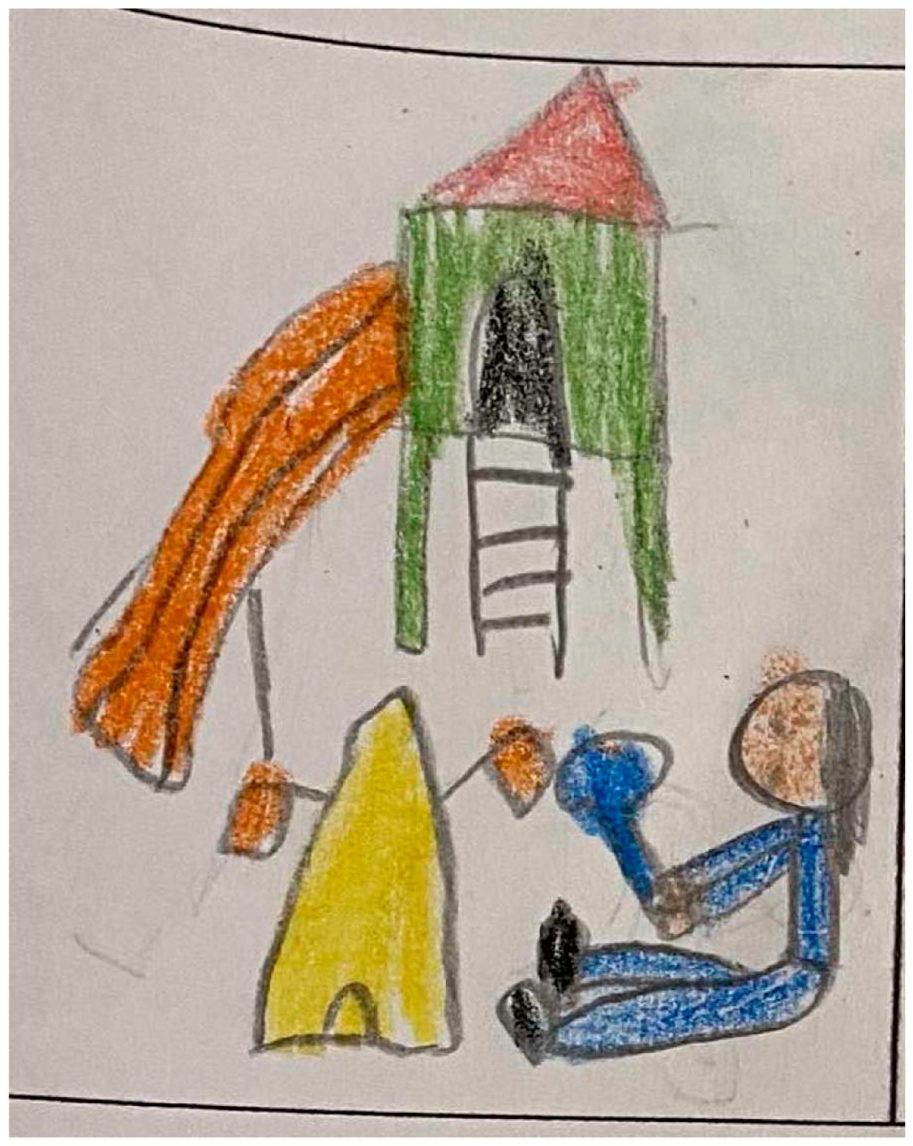
Auri: I really miss going to the park and seeing my friends.
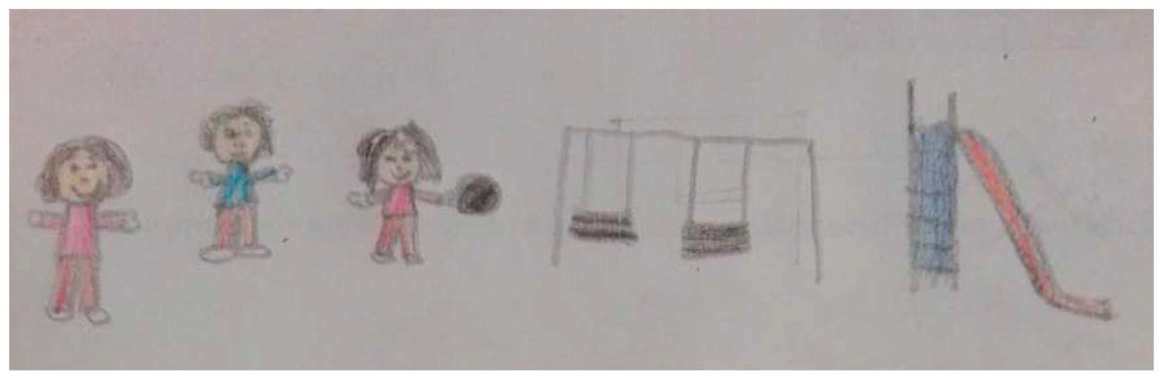
Brisa: I miss going to the movies, my family, the school, the park and my friends.
The children demonstrated how public play spaces (i.e. the park) were their favourite places where they could play with their friends. In so doing, the freedom of going often outdoors to play was taken for granted and was something they could do together with other children. This highlights the importance for these participants of Articles 31 and 27 of the Convention on the Rights of the Child (United Nations, 1989), being the rights to play and to social development.
Children also mentioned their (and their family and friends’) homes as spaces for play. However, before Covid-19, they knew that they could also play outdoors and at parks as expressed above. Homes were a good place for socialization with friends and extended family, and unsurprisingly, ‘homes’ was the most referenced word in the data analysis run with Atlas.ti.
Marely: What I really liked was to go to my friends’ places and play with other kids. Fabio: What I miss most is to play, go to my grandparents’ place and being with my friends.
One of the few ‘dislikes’ about life before Covid-19 was the presence of too many cars and environmental pollution (see Figure 3).
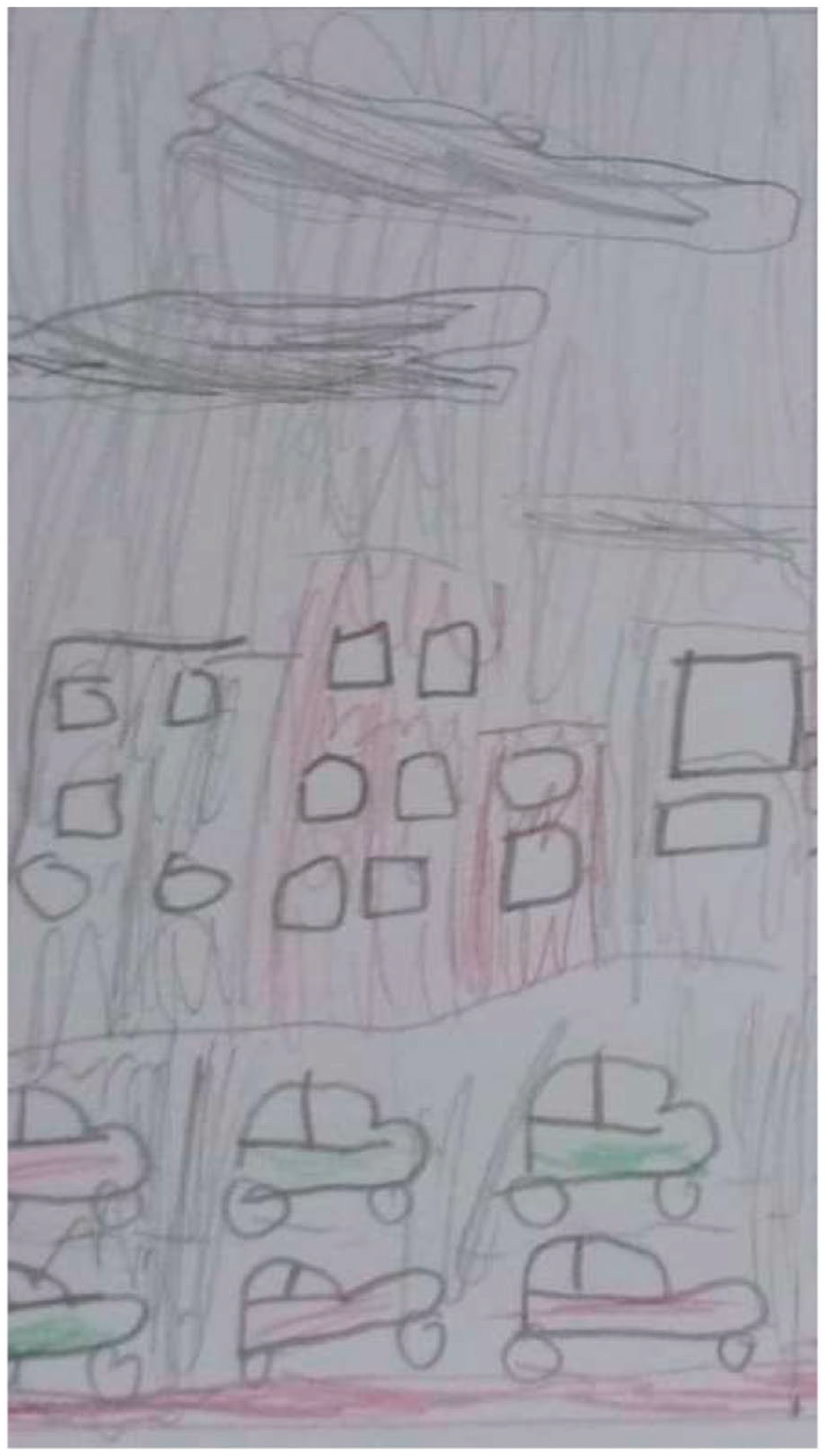
Flavia: I miss my friends a lot, but I don’t miss all the cars that were out there before.
The above comment also relates to Article 24 of the Convention on the Rights of the Child (United Nations, 1989), which states that children should enjoy ‘the highest attainable standard of health’ (Article 24, para. 1), and therefore, ‘States Parties . . . shall take . . . into consideration the dangers and risks of environmental pollution’ (Article 24, para. 2c). Cities in Spain (and particularly where this study was conducted) are characterized by a high number of vehicles and lack of ‘green’ spaces, and unsurprisingly, motor vehicles are not missed by these children.
The ‘normal’ way of being in (and with) the world (Schoder, 2010), for the participating children before Covid-19 times, was mainly playing at parks with their friends and visiting others in their homes. Their rights of social development and play were taken for granted and were something they exercised on a daily basis. We will now turn to how this ‘normality’ has changed during Covid-19 pandemic times.
Life During Covid-19
During lockdown, children missed most the opportunities to socialize and play with their friends. They expressed dislike of being the whole time at their homes without having the opportunity to see their friends and grandparents (see Figures 4 and 5).
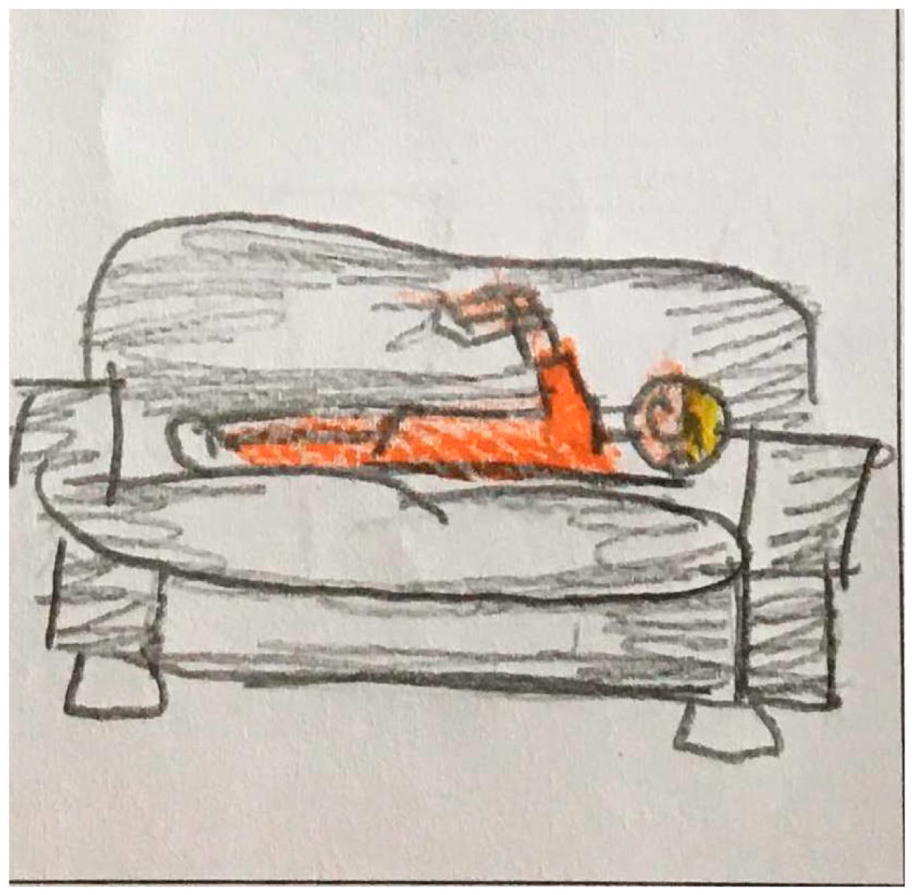
Tomas: I’m at home during lockdown. I don’t like to be like this the whole day.
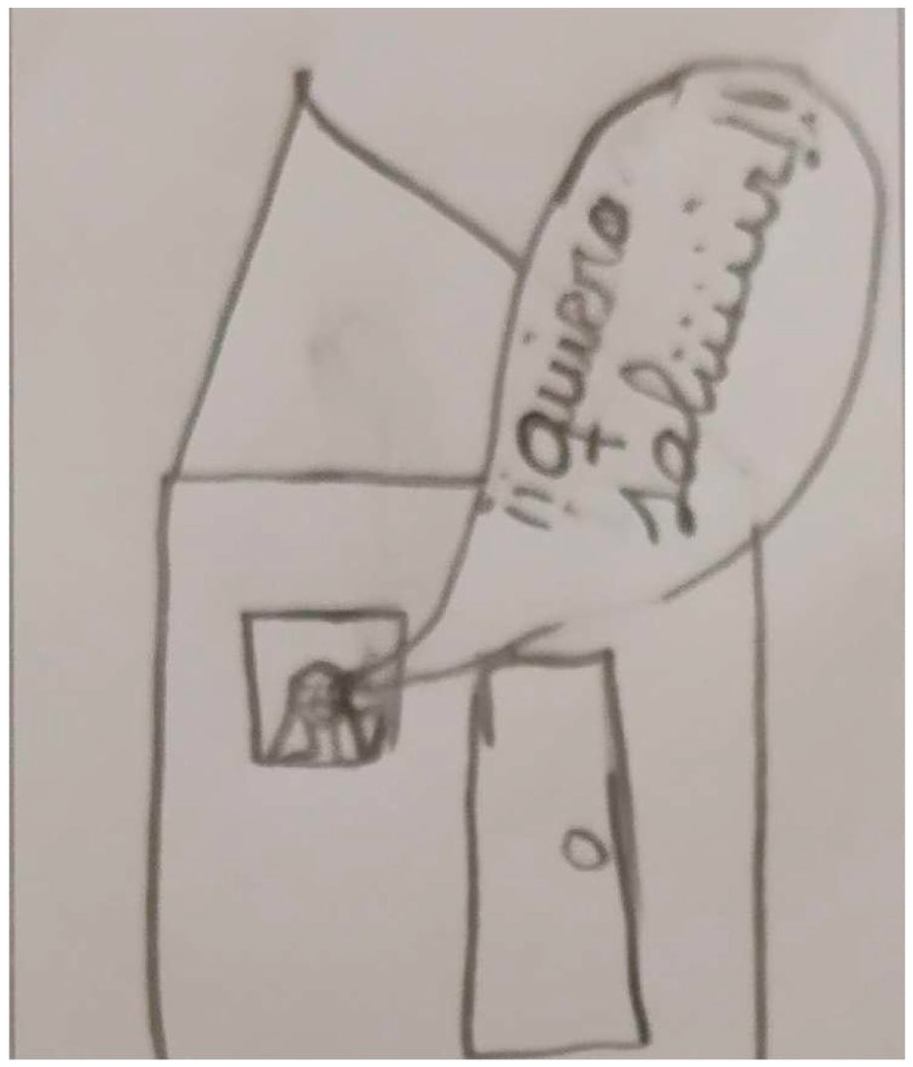
Frida [‘I want to go out’]: There is nothing good about this virus. I want to go out and see my friends.
Children expressed above their desire to go out and how much they dislike staying at home during lockdown. From the very beginning of the Convention on the Rights of the Child (United Nations, 1989), it is stated that freedom is one of the principal touchstones of all human rights. Furthermore, the Preamble of the convention claims ‘that the peoples of the United Nations have, in the Charter, reaffirmed their faith in fundamental human rights . . . and have determined to promote . . . better standards of life in larger freedom’ (Preamble, para. 3). The document continues to emphasize how children should be brought up in the spirit of freedom. During lockdown, children have been denied their basic right of freedom by their parents and by their country’s government, to prioritize their right of life and minimize their risks.
Parents have also reported changes in attitudes and behaviours of their children. Manifestations of sadness, bad mood and sleep problems were the most common ones.
Genaro hasn’t been sleeping well the last few weeks. He has nightmares. He is quite sensitive now and cries without any clear reasons. I think he is already tired of the lockdown and not being able to see his friends. (Genaro’s mother) His anger has been increasing gradually with time. He gets angry and annoyed with himself quite easily now. (Bruce’s mother) During the night she wakes up about three or four in the morning, goes to my bed and hugs me tightly. Foba doesn’t express her feelings too often, but I made her talk to me, and she said she was afraid, and that she was overwhelmed, nervous, sad and bored. (Foba’s mother)
One of the most common feelings among children was to be scared. Their comments about sick people, death and the use of surgical masks demonstrate this. In many of their drawings, they represented people or themselves wearing surgical masks (see Figure 6), and their parents also commented on how this scared them.
Now he is scared to go out. He sees many people wearing surgical masks and that frightens him. (Fabio’s mother) Dafne constantly asked me if she was going to die. I told her that this virus almost doesn’t affect children, and if it does, it is almost like a flu. (Dafne’s father)
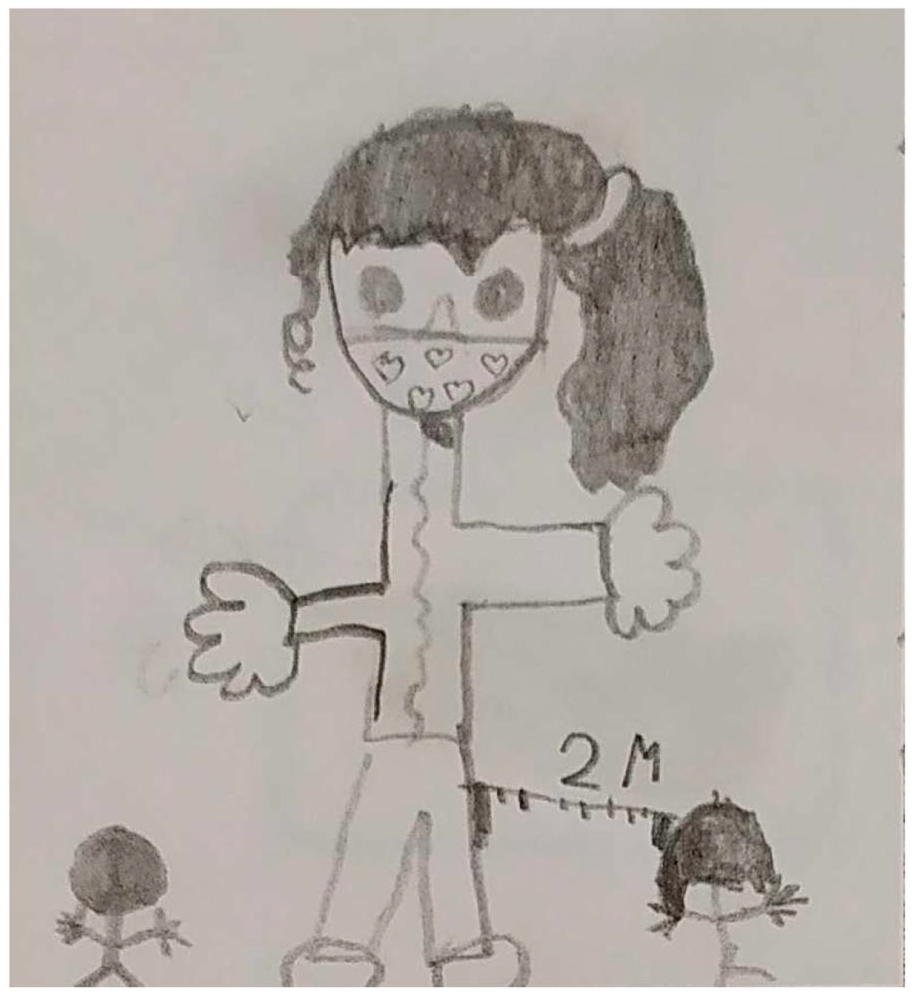
Foba: We need to wear masks when we go out and we can’t get together with other kids.
As demonstrated in one of our previous studies (see Varea et al., 2018), Spain is a country with a high-proximity and ‘touchy’ culture. Prior to Covid-19, it was normal for children (and adults) to be in close proximity and have physical contact with others. Kisses and hugs were a normal way to say ‘hello’. Therefore, it is unsurprising that children missed hugging their friends and grandparents.
TV news have also contributed to spreading the fears that many children and parents expressed above. As many parents commented, news about the Covid-19 situation was on all TV channels at any moment during the day.
We had quite a lot about coronavirus on the news. If you turned on the TV at any time, everything was about Covid-19. Even if you don’t notice it, she [her daughter] realizes about everything and she notices us nervous and preoccupied. (Foba’s mother)
In this sense, TV news and social media have helped spread a discourse of fear, risk and panic about Covid-19. Giddens (1991) has claimed that concerns associated with risk are not necessarily related to life-threatening events but are rather more concerned with the use of surveillance and monitoring systems to measure risk. However, we have witnessed how the current concern related to risk in times of Covid-19 has shifted to a life-threatening fear. Covid-19 creates a fear of others being contagious and, therefore, limits freedom in people’s everyday life, provoking panic and often being classified as ‘the creation of an epidemic’ (Agamben, 2020). The unknown, such is this virus, triggers fear and panic (Berardi, 2020). A pandemic context brings uncertainty, as it disrupts people’s routines and the future is unknown and frightening.
While Article 17 of the Convention on the Rights of the Child ‘recognize[s] the important function performed by the mass media’ and states that children should have ‘access to information . . . from a diversity of national and international sources’ (United Nations, 1989: Article 17, para. 1), particularly ones aimed at the promotion of their health and well-being, parents seemed to have a difficult time balancing this right with the need to avoid children becoming preoccupied with the virus. However, Article 17 (paras 2–3, 7) also states that ‘States Parties shall: (a) Encourage the mass media to disseminate information and material of social and cultural benefit to the child’ and ‘(b) Encourage the development of appropriate guidelines for the protection of the child from information and material injurious to . . . [their] well-being’.
Despite this scenario, children pointed out the positive aspects of the lockdown, such as the possibility to spend more time with their families, having more time to play, having the possibility to play with their parents, and not having to get up early in the morning. Several parents were amazed regarding their children’s understanding about the complex situation, and their mature actions. Some parents also commented on their strategies to explain the current situation to children, such as avoiding panic and TV news. Some families also tried new activities to entertain their children, such as art, cooking and spending more time playing with them.
Possible Life After Covid-19
Children illustrated a possible scenario after Covid-19 where everything was back to ‘normal’, or back to the way it was before. Their comments and drawings highlighted their desire to go back to playing with their friends, hugging them and seeing their grandparents (see Figure 7).
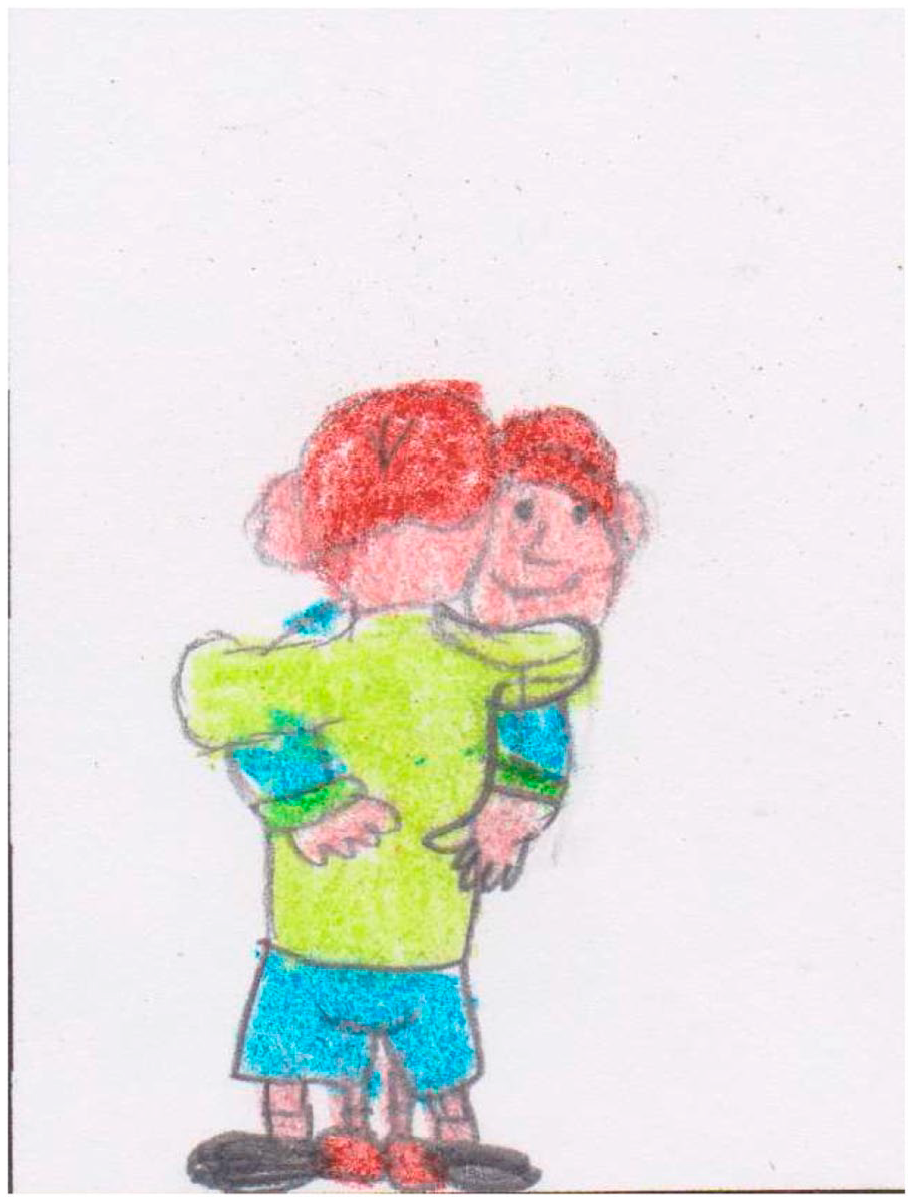
Philio: Life will be like before. I really feel like hugging my friends.
As demonstrated once again, having physical contact and proximity with their peers was significant for the children. Physical contact has been normalized in the Spanish school context, so when children lack the opportunity to execute this ‘normal act’ (i.e. touching other children when playing), they express the sentiment of nostalgia regarding how much they miss touching their friends. They had the hope that after the Covid-19 pandemic everything will be the same as it was before. The notion of hope is an integral part of what it is to be human (Webb, 2013) and should encompass the dreams and wishes of ordinary people (Weingarten, 2010), including children around the world. Hope should focus on what is attainable, probable and able to become real (Le Grange, 2011), such as going back to ‘normalcy’ and being able to be outdoors and having physical contact with friends. However, what is ‘normal’ is constantly changing, and particularly during the pandemic. Even though normalcy is a fluid continuum in constant change and the future is uncertain, ‘it is imperative that we maintain hope even when the harshness of reality may suggest the opposite’ (Freire, 1996b, p. 106).
Children also demonstrated the hope that a vaccine will be developed and it will help for everything to go back to normal, including their socialization with other kids (see Figures 8 and 9).
Philio says that if Einstein were alive, we’d have had a vaccine by now – he’s very funny – and that when we have it, everything will be the same as before. (Philio’s mother)
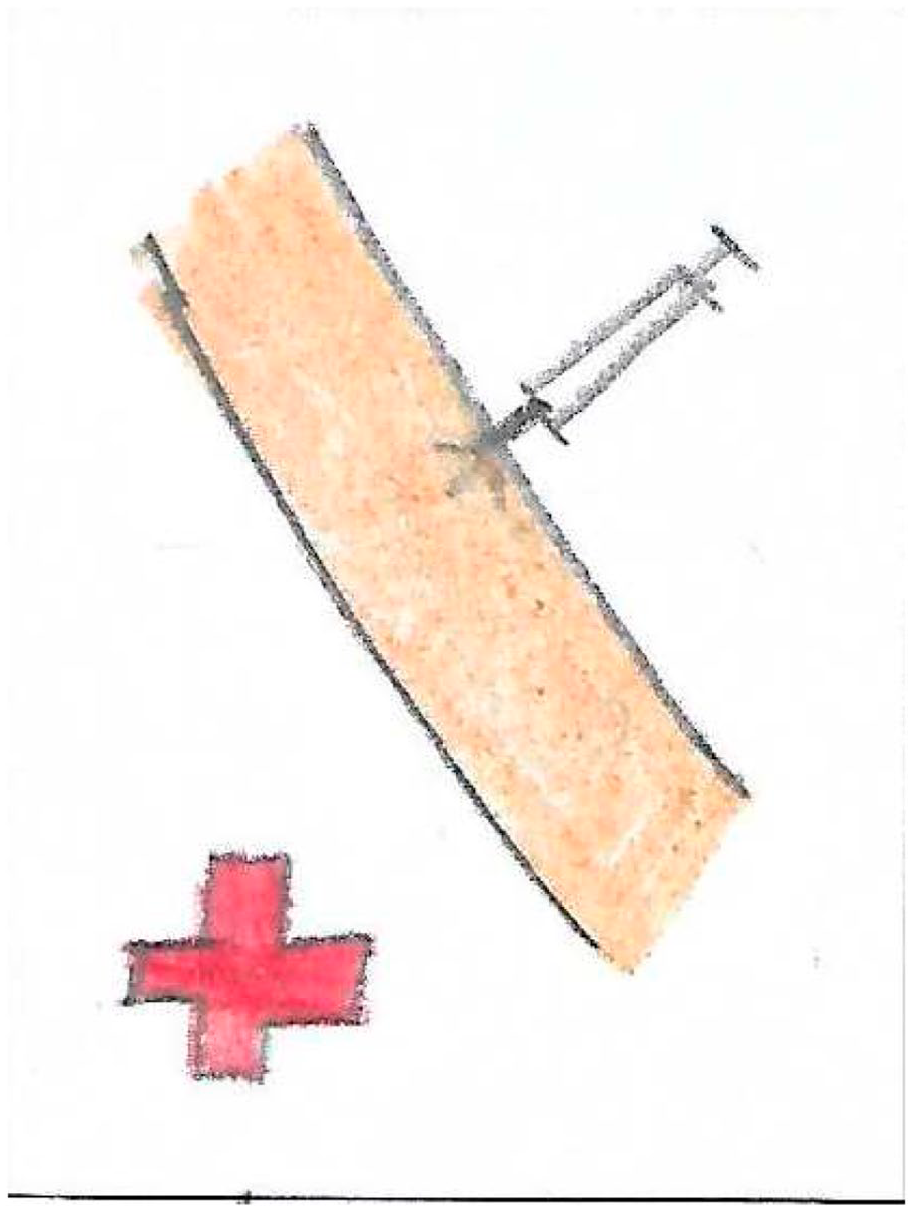
Elpidia: Maybe with the vaccine we can be with our friends again. The worst part is that there will be less grandparents.
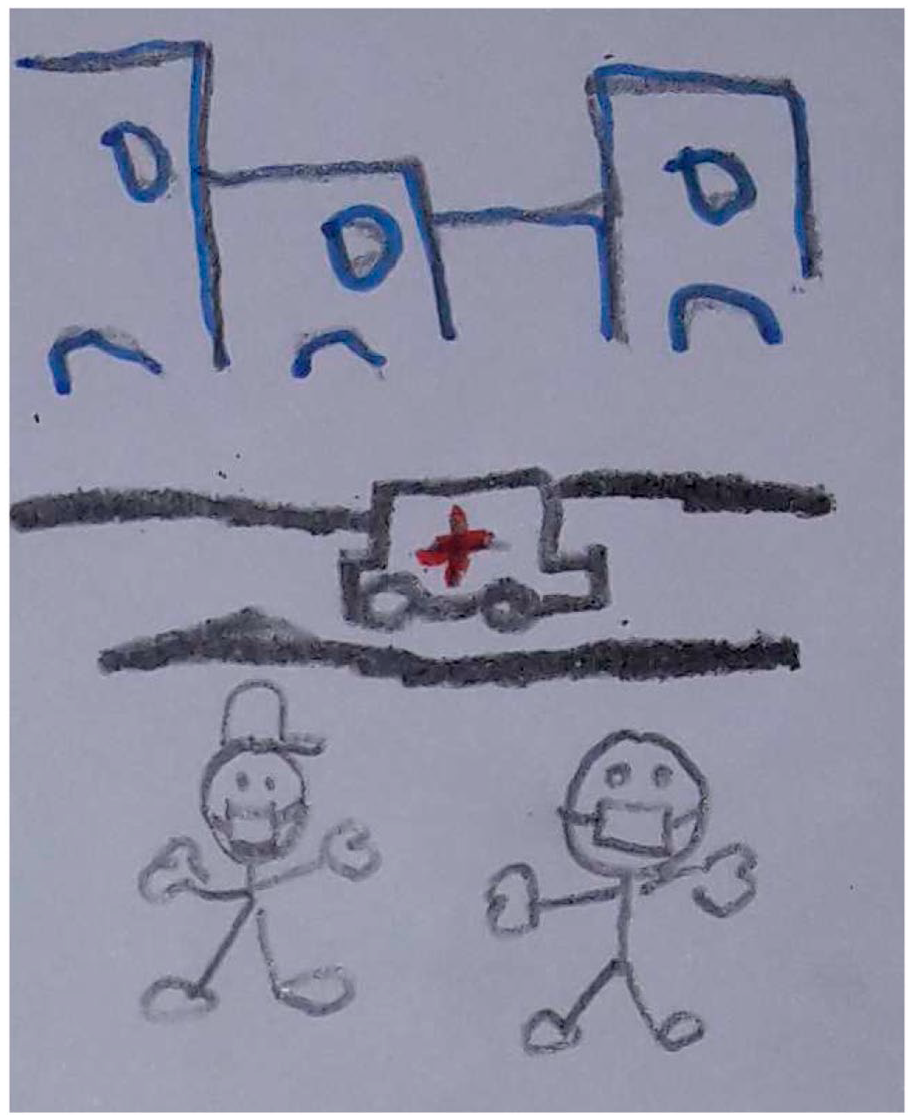
Prometeo: With surgical masks and lots of security measures, everything will be better again.
Even though we are still living through a time of uncertainty and panic, pedagogies of love and hope may assist in creating levels of agency and, later on, freedom (Luguetti et al., 2019). The children’s hopes were often balanced by expressions of loss. Pedagogies of love and hope can make us truly listen to what children have to say about Covid-19 lockdown, their needs and desires. By creating loving dialogues with the younger ones, we will be able to foster education and attend their needs.
Discussion
Throughout this paper, we aimed to give voice to the ones who are usually voiceless and have less agency and power to make their rights be listened to, that is, young children. We need to learn to listen more carefully to their voices, particularly during these complex pandemic times. They are the ones who might be affected most because of the Covid-19 situation and the ones who experience the most significant changes. We need to pay close attention to their needs, desires, fears and expectations, and assist them to overcome any difficulties they may have because of the pandemic. Their voices may be key in the rethinking for a reconstruction of society and education post Covid-19. Pedagogical love for Freire is a basic requirement for dialogue, and therefore, we have aimed throughout this paper to open a dialogue about the Covid-19 situation and the possible effects in the lives of young children.
This paper has demonstrated how children’s rights have been circumscribed under Covid-19 in favour of protecting their safety (and that of others). While children’s right to play and social development have momentarily been put ‘in pause’ because the pandemic, children also reported having positive experiences during lockdown, such as an increased time spent with their parents.
Conclusions
The purpose of this paper was to explore how young children have experienced lockdown as a consequence of the Covid-19 pandemic in Spain and how they imagine their future lives after Covid-19. Results from this paper suggest that participants have been through significant changes in their routines and that what they miss most from their lives before Covid-19 is playing outdoors with their friends and visiting their grandparents.
Children self-represented in their drawings wearing surgical masks and keeping more distance with others (two-metre distance). However, most of the participants could imagine a future in which everything was ‘back to normal’, and they looked forward to meeting with and hugging their friends again. Comments from their parents also confirmed how social media, TV news and newspapers assisted in spreading a risk and panic discourse among people, and children were not exempt from its influences. Participants manifested different emotional changes given the pandemic situation, such as problems sleeping at night, changes in their mood, more irritability and fear. Participant-produced drawings have been proved to be a useful tool for data collection among young children and a friendly way to start a conversation with them. Parents’ comments were also shown to be useful in describing the context of participants’ lives and providing another perspective of what children have been through. In so doing, and in Freirean’s terms, we created a loving dialogue with children and carers in the hope that education will continue to be transformative and humanizing.
The guidelines regarding how to teach during the pandemic were unclear and the protocol, uncertain. The Government and the Autonomous Communities had chosen to delegate this responsibility to each school, creating more confusion. In general, the Government and the Autonomous Communities agreed that education must have a face-to-face nature, and they established some basic preventive measurements: the limitation of contact between schoolchildren; hand hygiene (it is obligatory for schoolchildren to wash their hands at least five times during their time at school); the disinfection and ventilation of schools; the compulsory use of masks and the intensified cleaning, especially in the bathrooms and places of greatest use. Finally, we cannot avoid wondering about the possible implications of this pandemic in Spain. There are some indications already that the Spanish culture is changing as a consequence of Covid-19. As previous research has shown (Varea et al., 2018), Spain used to have a more tactile approach and less personal space among people than other countries, and we are now seeing the first signs of how this is changing. We will need to wait and see whether the changes will remain after the Covid-19 pandemic. It has already been suggested that there will be some drastic changes in our lifestyles, particularly in the way that we interact with others, school routines and recreational activities (Lichfield, 2020).
Footnotes
Declaration of Conflicting Interests
The author(s) declared no potential conflicts of interest with respect to the research, authorship, and/or publication of this article.
Funding
The author(s) received no financial support for the research, authorship, and/or publication of this article.
