




Abstract
In recent years, high profile examples of police misconduct have heightened public awareness of systematic problems in American law enforcement. One concern raised is that police officers are not consistently held accountable for their actions. As a result, the police discipline and arbitration processes have come under scrutiny by both academic researchers and journalists. Many of the reports and articles published have painted police discipline and arbitration processes as flawed and ineffective and lay the blame for this on the labor arbitrators who serve as the final decision-makers in these processes. Arbitrators are experts in contractual discipline processes, and as the final decision-makers in many police discipline procedures, they are in a unique position to assess the state of police discipline and arbitration. This article provides police arbitrators’ assessments of these discipline processes, as well as recommendations to make current processes more effective.
Introduction
Over the last several years, high profile examples of police misconduct in the United States (U.S.) have heightened public awareness of systematic problems in American law enforcement. The deaths of George Floyd and Breonna Taylor at the hands of Minneapolis and Louisville police in 2020 were met by widespread protests in the United States and around the world and for calls for police reform. One of the concerns raised is that police officers involved in racial profiling, the use of excessive force, and other misconduct are not consistently held accountable for their actions. As a result, police discipline and arbitration processes in the United States have come under scrutiny.
Because police officers are empowered with the authority of government and armed with lethal weapons, the standards, rules, and expectations that accompany their work are more substantial than for most employees. Violations of these standards, rules, and expectations can have serious repercussions for individual citizens and society at large. To ensure that officers meet their responsibilities in this regard, police departments 1 have discipline processes. These processes are supposed to hold officers accountable when they fall short of expectations. In most of these processes, arbitrators are engaged to make final and binding decisions about police misconduct. 2
Both the news media and academic researchers have raised doubts about the effectiveness of these discipline processes in holding police officers accountable for misconduct. Reports and articles they have produced have drawn attention to arbitrators’ decisions to overturn disciplinary action taken by police departments against officers involved in high profile shootings, excessive violence, and racism, sexism, and sexual harassment (Barker, Keller and Eder 2020; Bjorhus 2020).
For example, a 2017 Washington Post story reported that police departments in 37 major American cities fired a total of 1,881 officers between 2006 and 2017. Arbitrators forced the departments to reinstate 451 (or 24%) of those officers. However, some cities had much higher rates of reinstatement during that period. Washington D.C. had a rehire rate of 45 percent, Philadelphia had to bring back 62 percent of officers it had let go, and San Antonio was forced to rehire 70 percent of the officers it had fired (Kelly, Lowery and Rich 2017).
Editorials also cast doubt on the effectiveness of police discipline and arbitration processes. In 2020, the Editorial Board of The New York Times clearly blamed arbitrators for failing to hold bad cops accountable in an editorial titled “To Hold Police Accountable, Ax the Arbitrators.” The editorial stated that arbitrators hearing police discipline cases “routinely reinstate abusive officers who have been fired for misconduct” (The New York Times 2020). The Philadelphia Inquirer published a similar editorial in 2019.
Academic research has also focused on arbitrators overturning discipline imposed on officers and forcing departments to rehire officers they have fired or reduce the penalties they have imposed for misconduct (Rushin 2021b).
Arbitrators generally do not respond to the charges made in news stories, articles, or academic articles (although there are exceptions (Symonette 2022)). This is in part because they operate under a Professional Code of Conduct that prohibits them from speaking publicly about individual cases. They also are careful about commenting in general about the process in ways that might cause union or management representatives to question their neutrality.
While the media and academic researchers have raised questions about the ability of police discipline and arbitration processes to hold officers accountable for acts of misconduct, there is limited insight into how arbitrators view these processes. As experts in contractual discipline processes, and as the final decision-makers in many police discipline procedures, they are in a unique position to assess the state of police discipline and arbitration.
The objective of this study was to ascertain how experienced police arbitrators assess the effectiveness of the police discipline and arbitration processes and how they view several potentially problematic issues about the processes that have been the subject of media reports and academic research. This article presents the results of structured interviews with 32 experienced police arbitrators. And it presents recommendations, based on these insights, to make the police discipline and arbitration process more effective at holding officers accountable for misconduct.
Previous Research
Police discipline and arbitration processes have been the subject of scholarly and policy research. In one of the earliest studies, Iris conducted an empirical evaluation of the impact of arbitrators’ decisions on disciplinary actions in the Chicago Police Department between 1990 and 1993. The findings of the study indicated that “the discipline imposed upon Chicago police officers [were] routinely cut in half by arbitrators” (Iris 1998, 216). A 2015 report by Swanson shed further light on the role that arbitration plays in police discipline processes. The study was ordered by a federal judge after an arbitrators’ ruling forced the city of Oakland to rehire a police officer fired because of the shooting death of an unarmed civilian. The report determined that in previous years the city had only won 25 percent of the discipline cases it took to arbitration. The author of the report placed the blame for Oakland's poor arbitration record on the city's inadequate investigation, preparation, and presentation of its cases. Notably, arbitrator error was not found to be a concern. The report offered numerous recommendations about how the police department and the city could improve the disciplinary process for officers (Swanson 2015).
By far, the most extensive work in this area has been done by the legal scholar Stephen Rushin. Between 2017 and 2021, Rushin published four articles on police disciplinary processes and arbitration that provide a substantial, up to date, body of knowledge of this subject. These articles and their findings are briefly summarized below. The first article in this series appeared in the Duke Law Review and is titled “Police Union Contracts.” This article analyzed 178 collective bargaining agreements negotiated between police unions and many of the largest police departments in the country, identifying contract language that Rushin argued reduced the effectiveness of disciplinary processes in holding officers accountable for misconduct. These include provisions that “limit officer interrogations after alleged misconduct, mandate the destruction of disciplinary records, ban civilian oversight, prevent anonymous civilian complaints, indemnify officers in the event of civil suits, and limit the length of internal investigations” (Rushin 2017, 1192).
Rushin noted that many of these provisions were put in place through collective bargaining at the insistence of police unions. His study found that 88 percent of police contracts he examined included at least one clause that sought to restrict disciplinary action. Ultimately, he lays responsibility for this at the feet of state labor laws that provide police unions with the right to bargain over the terms of their employment, including disciplinary procedures (2017). Perhaps the most notable article published by Rushin (2021b) appeared in 2021. In this article, he found that of 624 police arbitration awards issued between 2006 and 2020, arbitrators reduced or overturned discipline issued against officers in 52 percent of the cases, reducing the length of suspensions by 49 percent, and ordering police departments to rehire 46 percent of the officers previously terminated. The study concluded that the police grievance and arbitration processes were not effective in holding officers accountable for misconduct.
Methodology
Preliminary Interviews
The first part of the study involved preliminary interviews with five very experienced arbitrators who regularly hear police discipline cases. These arbitrators were chosen from a list of twenty very experienced police arbitrators provided by the National Academy of Arbitrators’ (NAA) Research and Education Foundation (REF) Board. Two arbitrators from this list were chosen for interviews because of their high profiles in the area of police arbitration. Three others were picked randomly for interviews from the list. The preliminary interviews focused on the range of issues that the news media and academic research cited as making police discipline and arbitration processes less than effective in addressing officer misconduct. The arbitrators were also asked if there were additional issues concerning the police discipline and arbitration process that were problematic from their perspective. In addition, these arbitrators were asked to provide the names of additional police arbitrators they believed had sufficient experience to participate in the study's final in-depth survey. The insights gained from these interviews, as well as the issues raised by the news media and academic research about police arbitration, were used to construct a draft of the final in-depth questionnaire to be used in the interviews with arbitrators. The five arbitrators involved in the preliminary interviews reviewed the proposed questions and suggested revisions.
Final Interview Pool
On the basis of insights gained in the preliminary interviews, two criteria were established for selection to participate in the in-depth survey for this study. The first criteria was that arbitrators had to be a member of the NAA. NAA membership consists of the most experienced and respected arbitrators in the United States (National Academy of Arbitrators (NAA) 2023). To be admitted to the Academy, arbitrators must meet “the highest standards of integrity, competence, honor, and character … and excellence in service to the parties” (St. Antoine 2022). This criterion ensured that the subject pool would include only accomplished arbitrators.
The second requirement for the subject pool was that an arbitrator must have heard at least five police discipline cases. The consensus among the experienced arbitrators involved in the preliminary interviews was that for an arbitrator to have sufficient familiarity with police discipline to provide insight through an in-depth interview they had to have heard at least five police cases. The pool of experienced police arbitrators for in-depth interviews included the twenty arbitrators initially provided for preliminary interviews by the NAA REF Board, as well as 19 arbitrators suggested by those individuals involved in the preliminary interviews. The Board was subsequently asked to provide the names of additional arbitrators who met the established criteria. The 23 additional arbitrators provided were added to the list. As a result, the final pool of police arbitrators to be considered for in-depth interviews totaled 62 arbitrators. Arbitrators in the pool were selected for final interviews in two ways. Because of their significant experience in police arbitration, the five arbitrators who participated in the preliminary interviews were chosen for in-depth interviews. In addition, five additional arbitrators identified in the preliminary interviews as among the most accomplished police arbitrators in the United States were also chosen for final interviews.
Once those interviews were conducted, arbitrators from the remaining list of 52 were chosen at random for interviews. 3 The number of interviews conducted was determined, in part, by the availability of the arbitrators chosen for interviews, and, in part, by the study's timetable. The author initially decided that a minimum of thirty interviews would be sufficient to get a reasonable sense of the views of active police arbitrators. The first in-depth interview was conducted in February 2023. The NAA-REF required a final report to be submitted by the end of 2023. The author determined that two months would be required to complete the final report. For that reason, interviews would be conducted through October 31. Thirty-one interviews were conducted by that date. An additional interview postponed from early October was conducted on November 3 for a total of 32.
Characteristics of Arbitrators Interviewed
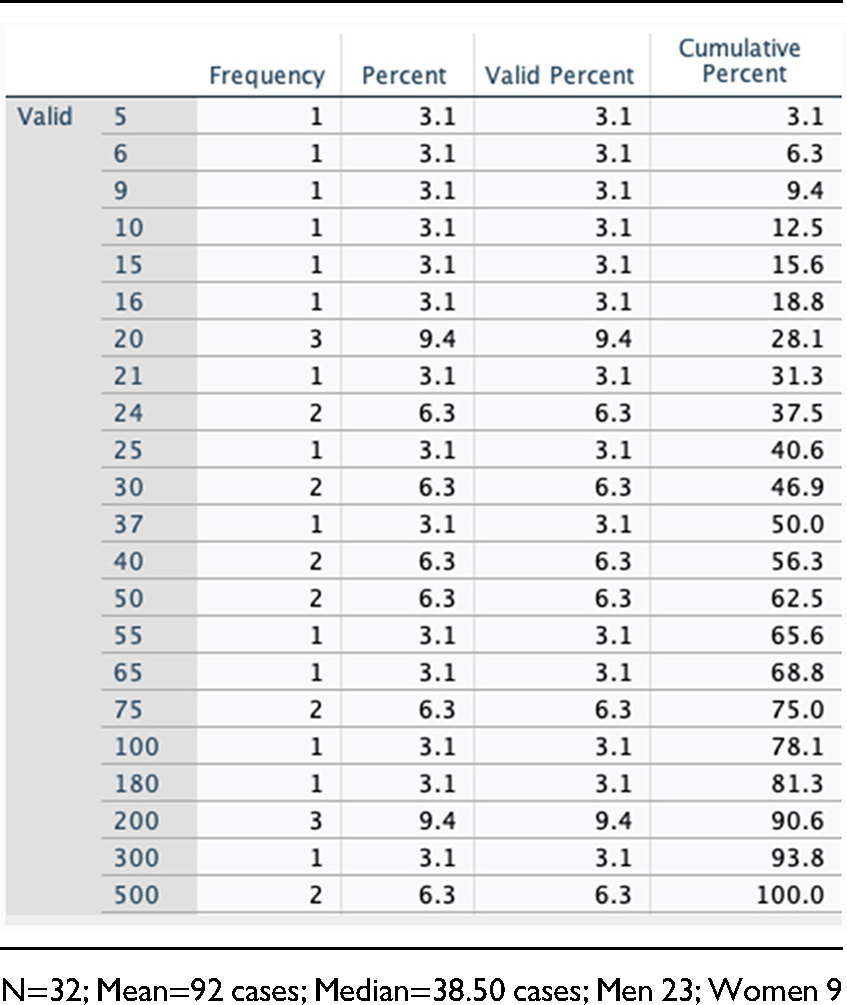
The number of cases heard by the arbitrators interviewed ranged from five to 500; the mean number of cases heard was 92. The gender breakdown of the group was twenty-three men and nine women. Geographically, sixteen arbitrators resided in the northeast U.S., nine in the mid-west, five were from the west coast, and two resided in the south (Table 1).
How many arbitration cases involving police discipline have you heard?
Representativeness of the Sample
Discussions with NAA leaders suggested that the number of active NAA members who had heard five or more police cases was in the range of 70. Therefore, the 32 arbitrators interviewed for this study represents roughly 46 percent of active police arbitrators.
A comparison of the gender breakdown of the sample and the larger population suggests that the sample is generally representative of NAA arbitrators with police arbitration experience with respect to gender. The percentage of women listed among the NAA active membership is 22.0 percent; the percentage of women in the sample was 28.1 percent. 4
Interview Protocol
When participants agreed to be interviewed, they were sent a Penn State Human Subjects Consent Form which they were asked to sign and return. Participants were also sent the questions to be covered prior to the interview.
Participants were asked to answer questions about the police discipline and arbitration process and were encouraged to provide their rationale for the answers they provided. This often led to follow-up questions and discussion of the issues raised by the question.
In addition to overall assessments of police discipline and arbitration processes, arbitrators were asked a series of questions related to factors that might interfere with their ability to hold officers accountable for misconduct. They were also asked whether there were specific ways in which police unions, police management, or statutes limited the effectiveness of these processes and whether there were specific changes that would make police disciplinary processes more effective.
The interviews were semi-structured. Each arbitrator was asked the same set of pre-determined questions. However, the interview process was flexible enough to pursue relevant issues raised during the discussion. Interviews lasted between 45 and 75 min and were conducted remotely using Zoom. The arbitrators interviewed were assured of anonymity.
Potential Bias
The objective of this study was to add the perspective of arbitrators to the previously reported assessments of police discipline and arbitration processes made by the news media and academic researchers. While experts in contractual discipline systems and due process generally, police arbitrators are particularly knowledgeable about police discipline and arbitration processes and are in a unique position to assess their effectiveness. However, because they play a key role in these processes, they are not disinterested observers.
Like police union leaders and police department officials, they have a vested interest in these processes. Police unions and police departments tend to judge the processes by the outcomes. Police unions’ assessments are heavily impacted by whether the processes protect their members from unfair and unreasonable discipline. And police departments judge the processes in part by the degree to which they uphold the disciplinary decisions made by police leadership. To a lesser extent, both parties may judge the processes by whether they perceive the process as fair procedurally.
Police arbitrators, of course, are also very concerned about the outcomes of arbitration, but they are arguably more concerned about the processes themselves, and the degree to which those processes are seen as leading to a fair and equitable award. That is the thing that, perhaps more than anything else, keeps their services in demand. So, it is prudent for anyone reading the assessment of the arbitrators who participated in this study to recognize this potential bias toward the process being seen as fair, equitable, and effective in holding police officers accountable for misconduct.
Survey Results
Overall Assessment
The first two substantive survey questions asked arbitrators about their overall assessment of the effectiveness of police discipline and arbitration processes, based on the following definition: For the purposes of this survey, an effective police discipline process is one that holds officers accountable for violations of department rules, policies, and procedures, and assigns appropriate penalties, while providing adequate due process protections.
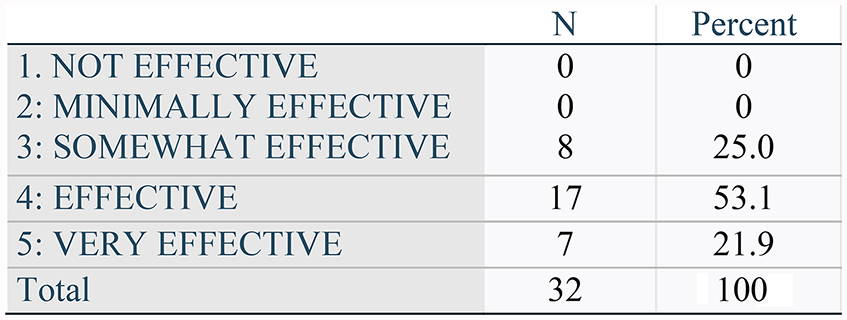
Mean: 3.97; Median: 4.00.
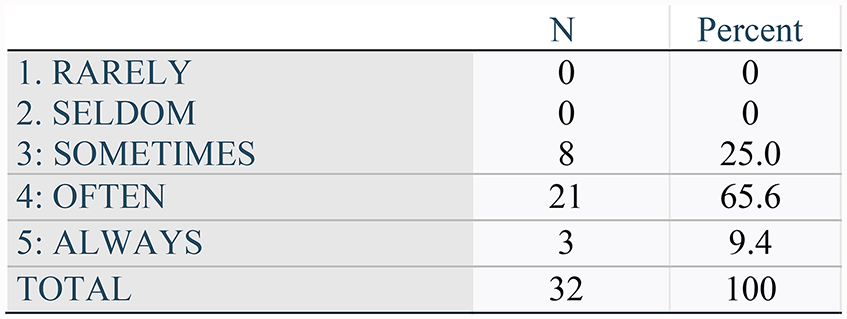
Mean: 3.84; Median: 4.00.
The results for Question 1 indicate that all of the arbitrators interviewed believe that police discipline and arbitration processes are either somewhat effective, effective, or very effective in holding officers accountable for misconduct. As the ultimate decision-makers, arbitrators play a critical role in the discipline process. It is not surprising that they would be confident that these processes are generally effective. But it is important to acknowledge that only 21.9 percent of the arbitrators judged the processes to be very effective and 75 percent assessed them as effective or somewhat effective. This suggests that these processes are operating at a less-than-optimal level.
The results for Question 2 indicate that 9.4 percent of respondents believe that police discipline and arbitration processes always hold officers accountable for misconduct, 65.6 percent judge that the processes often hold officers accountable, and 25 percent believe that it only sometimes holds officers accountable. These views suggest a process that works well much of the time, but one that is not holding 100 percent of officers who have engaged in misconduct accountable for their actions. The fact that a quarter of the arbitrators interviewed view these processes as only sometimes holding officers accountable is significant.
Potentially Problematic Aspects of Police Discipline and Arbitration Processes
Research by Rushin (2017, 2019, 2021a, 2021b) and others, the popular press, as well as the preliminary interviews conducted for this study, all identify potentially problematic aspects of police discipline and arbitration processes. To gain insight into the degree to which police arbitrators view these issues as problematic, arbitrators interviewed for this study were asked to share their views on these issues. The issues fall into two categories—contractual discipline clauses and the effectiveness of police investigations of officer misconduct.
The survey asked arbitrators whether four specific contract provisions restrict them, in their role as an arbitrator, in holding police accountable for misconduct?
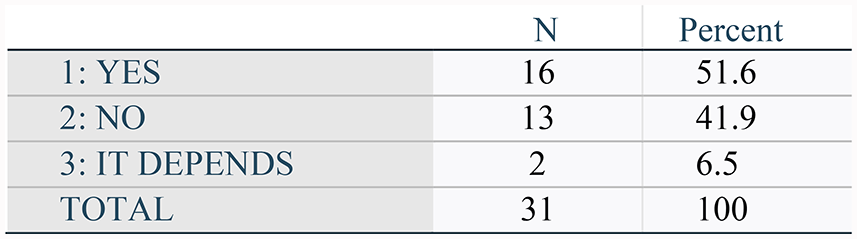
Rushin found that “a substantial number” of police contracts include statute of limitation clauses that prohibit “the interrogation, investigation, or punishment of officers on the basis of alleged wrongdoing if too much time has elapsed since its alleged occurrence, or since the initiation of the investigation” (Rushin 2017, 1220). A Reuters study found that in 2020 at least 35 large cities had such provisions in their police contracts. Rushin (2017) contends that these clauses make it more difficult to hold officers accountable for misconduct. The arbitrators interviewed for this study were asked if they believe such clauses restrict them in holding police accountable for misconduct.
A little over half of the arbitrator/respondents (51.6%) indicated that such clauses make it more difficult to hold officers accountable, with 41.9 percent saying it did not.
The arbitrators provided numerous reasons for delays, including issues related to the investigation process (very complex cases, inattention or incompetence on the part of management, the unavailability of witnesses, etc.) and delays that were partly strategic in nature (unions dragging out the process to gain an advantage, management slowing progress because of political considerations). However, they were split on the impact of such provisions.
In addition to the concern that a case might be dismissed based on the statute of limitation grounds, some arbitrators argued that delays could be problematic because they reduced the availability and the reliability of witnesses. Others, however, cited the fact that some cases are exceptionally complex and were more concerned that such language can “cause the parties to rush their investigation and not do an effective job.” One arbitrator expressed the sentiment that they would rather see the parties “take a little more time and get things right, than worry about time limits.”
▪ Some cases are complex and include criminal proceedings, so delays are common, but I don’t want to see cases dismissed because one party is taking too long. ▪ The longer the process, the less available and reliable are the witnesses. ▪ It is a problem. I have seen investigations take forever. ▪ Technically yes, but that is something the parties have agreed to, so we are bound by those time limits. They restrict us in the sense that if we reach the merits of the case, we might rule against the police officer, but instead we are enforcing procedural provisions that the parties agreed to. I do run into this fairly often.
▪ If the parties agree to this language, that is their business, and I am OK with it. ▪ My role is to enforce whatever the parties negotiate.
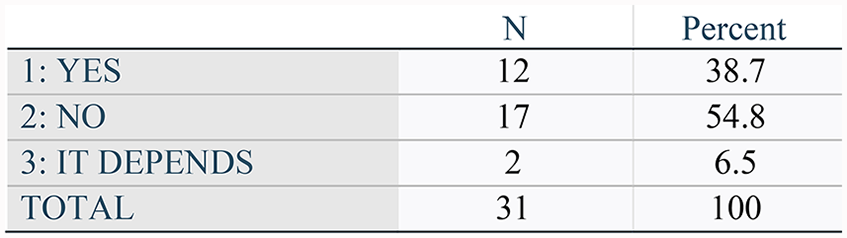
A 2017 study of police contracts by Rushin identified provisions that place requirements or restrictions on management's interrogation of police officers accused of misconduct. They include language that requires the employer “to provide officers and their attorneys with advance notice—anywhere from twenty-four hours to ten days in length before conducting interrogations” (1224).
Rushin argues that while some limitations are reasonable (affording officers the right to legal counsel, for example), this provision appears to be “designed to insulate [officers] from accountability rather than to protect their basic rights” (1225). A 2005 article by Keenan and Walker examined such waiting periods in some depth and concluded that “delays in investigations allow officers to collude to create a consistent, exculpatory story” (212).
Almost 55 percent of the sample indicated that such a requirement does not restrict them in holding officers accountable, while 39 percent said it does (6.5% answered “It depends”). One arbitrator expressed little concern about such delays, indicating that while “Grievants and witnesses may conspire to spin a story one way or another, a good arbitrator can usually see through this.” However, another arbitrator was concerned that such restrictions make “it harder to assess credibility if they [officers accused of misconduct] have the time to get their stories straight.”
▪ This is a big problem as the delay restricts the ability of the department to find out what happened. And these are protections that no other worker, public or private sector, gets. ▪ I see this provision as problematic as the job of arbitrators is to get to the truth and this requirement allows for the creation of narratives that cloud and shade the truth. ▪ The short answer is yes, this restricts me in my role. From the standpoint of assessing credibility, you are not quite sure if what you are getting is a story that has been created or if it is, in fact, the absolute truth. ▪ Arbitrators pride themselves on getting to bottom of the truth when the grievant and witnesses are on the witness stand, under the arbitrator's oath. Any collusion that occurred at the time of the incident can often be unwound when they testify. ▪ Officers are sometimes traumatized by dangerous and violent confrontations and require downtime to process their emotions before being interrogated. I don’t see it as a concern. ▪ I am a creature of the contract, so I am not concerned about this kind of language.
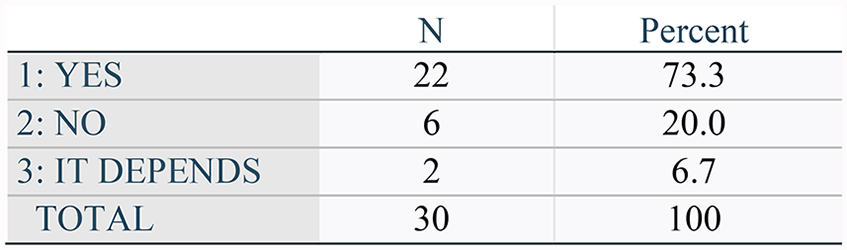
In recent years the media has drawn the public's attention to police discipline and arbitration processes through greater coverage of officer misconduct. In an article on police arbitration, Kraftchick writes that it is common to regularly see stories about public “employees who engaged in serious misconduct, were fired as a result, challenged their discharges, and were reinstated [by arbitrators]” (2021, 492). Often the back story of these reports is that the arbitrators either were not aware of the previous discipline or could not consider that discipline in their decision because of “purge clauses” in police collective bargaining agreements. Purge clauses require employers to remove disciplinary information from a police officer's personnel records at some point in the future. Some of these provisions even restrict police chiefs from seeing or considering police officers’ discipline that has been removed from their personnel file (Rushin 2017).
These clauses are now relatively commonplace. Of the 178 police contracts Rushin examined for his 2017 paper, 87 (or 49 percent) had such provisions. Also in 2017, the Reuters found that a majority of the 82 big city police contracts it assessed had such provisions (Levinson and Girion 2020). These clauses can cause discipline to be removed as soon as six months after the discipline was issued, although one to two years is more common.
Police unions argue that such clauses are justified because workplace discipline is meant to be corrective, not punitive. In their view, if an officer engages in misconduct, the consequences should include an opportunity to learn from that mistake. And if the officer does learn from the situation and corrects their behavior, that mistake should not influence future promotions, assignments, and career advancement. So, if officers who engaged in misconduct have a clean record for a period, records of past discipline should be removed from their personnel file.
Many employers, including police departments, see it differently. They believe that patterns of bad behavior are strong predictors of future problematic behavior. And the earlier they can spot those patterns of behavior, the more effective they can be in heading off future problems. And if the behavior is egregious enough, or is continually repeated, the employer should be able to discharge that employee. This is why progressive discipline is almost universally supported by arbitrators. But progressive discipline is short-circuited if arbitrators don’t know about past discipline.
Almost three quarters (73.3%) of the arbitrators surveyed indicated that this practice restricts them in their efforts to hold officers accountable for misconduct, while only 20 percent said it did not. This issue was seen as a much bigger problem by the sample than any other contract provision.
While the arbitrators who commented on the issue of contract clauses that prevent the consideration of past discipline did not specifically use the term “progressive discipline,” many of their comments suggest that they believe such language interferes with this principle. For example, in the following comment the arbitrator mentions the importance of past discipline in determining the appropriate level of discipline: “Such language does restrict us. Arbitrators rely heavily on past discipline when judging the appropriateness of the level of discipline in the instant case.”
In another comment, an arbitrator seems to resent not having access to this information: “I am perfectly capable of weighing the relevance of past discipline and putting past infractions into proper perspective.” Another arbitrator raised particular concerns about prior discipline that involved the use of excessive force—“I do not agree with these provisions, especially where excessive force is involved. The consequence of excessive force is so significant, these infractions should stay in an officer's record for at least five years.”
▪ These clauses are bad for the parties and for the public, and awful for the arbitrator. ▪ I see this a lot, particularly in attendance cases. I would very much prefer to see any past discipline relative to the case I am hearing. ▪ Removing relatively serious infractions from an officer's file after one or two years is too soon. I do not oppose removing such information if an officer does not repeat the misconduct, but that should only occur over a period of four or five years. ▪ These kinds of clauses are a problem because they can prevent arbitrators from seeing patterns of behavior which could be a critical factor in their decision. ▪ This contract language is rare in New York. We generally get to see past discipline. ▪ If the parties have agreed to this, then I am ok with it.
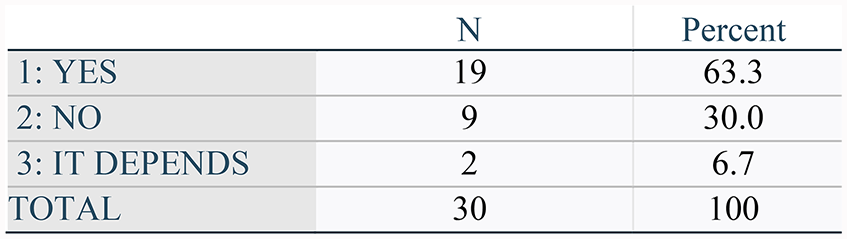
While not as common as other collectively bargained provisions, some contracts contain language that the arbitrator must impose a specified penalty or punishment or, in some cases, choose a penalty from a few options provided if the discipline is for just cause. The contract may specify these penalties, or they may be articulated in a mutually agreed discipline matrix or table of penalties that are part of the agreement. If they have been approved by both sides, most arbitrators see them as part of the contract and will assign the designated penalties. However, if the matrices are developed unilaterally by the employer, arbitrators are unlikely to feel bound by these provisions and consider them advisory only.
Most of the arbitrators (63%) who participated in this survey view these kinds of contract clauses as restrictive, with only 30 percent indicating that they do see them as restrictive (and seven percent indicating that “It depends”). One arbitrator expressed frustration with such provisions—“Sometimes this means the discipline might not be severe enough or it might be overly punitive. In any case, the arbitrator has no input into that decision. My hands are tied.”
▪ I have run into CBAs where the arbitrator's role is restricted to finding whether there was or was not misconduct and once that is decided the arbitrator is not allowed to touch the discipline imposed. I don’t like these kinds of clauses. ▪ Yes, it does. If I’m restricted to a specifically defined consequence, even if I think some other course of action is appropriate, my hands are tied by the CBA language. ▪ I strongly believe that arbitrators should have the ability to fashion the penalty in a case where they find just cause for discipline. ▪ No, we are not deciding the ultimate penalty, we are just saying whether the party's penalty is within the range of acceptable penalties. ▪ If this is what the parties want, I am fine with it.
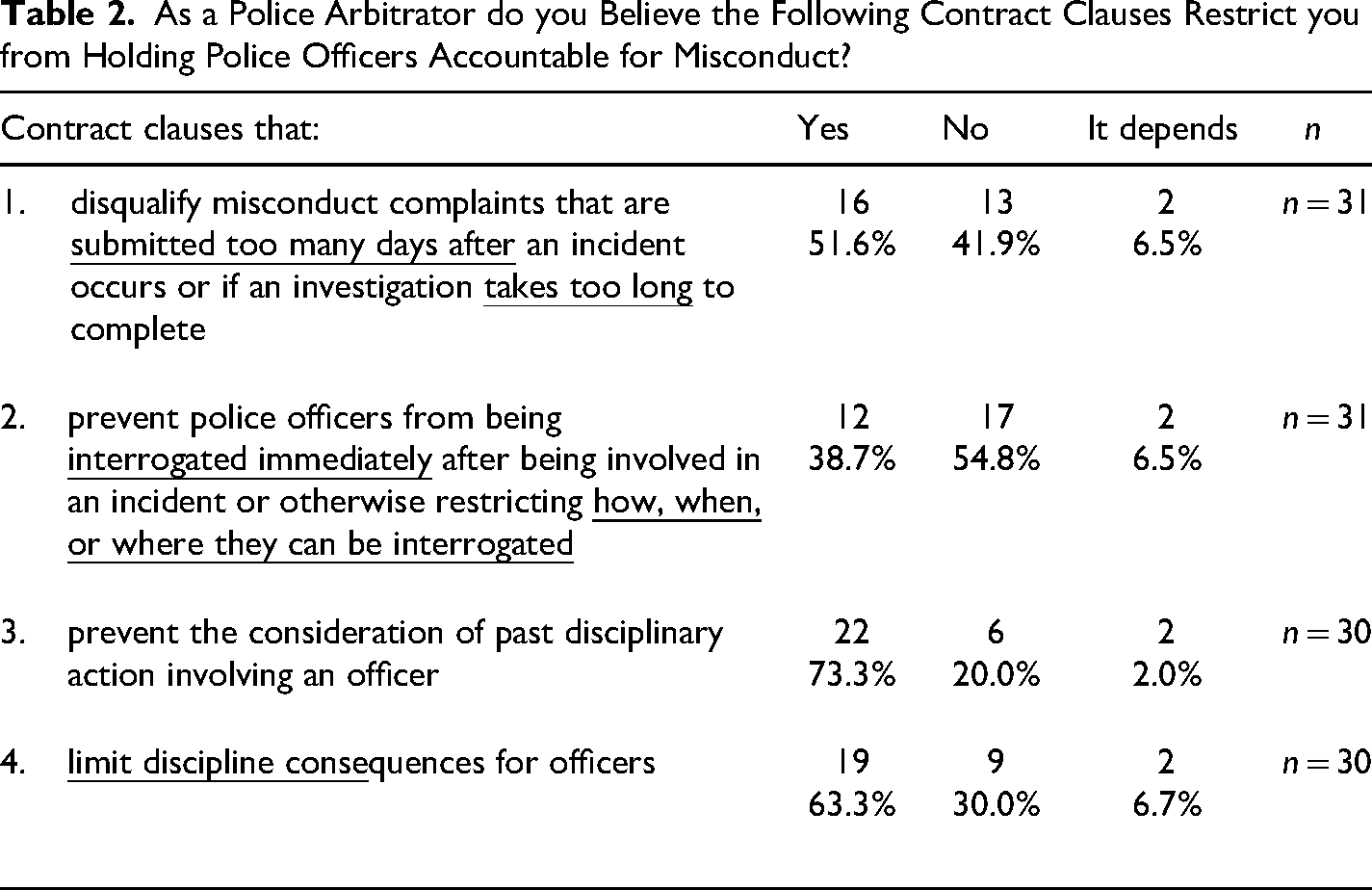
Table 2 summarizes the results for the four questions on potentially problematic discipline-related contract clauses. Most of the arbitrators interviewed for this study stated that three of the four examples of contract language restricted them in their role. The clause that caused the most concern among police arbitrators was addressed in question 3, that is, the clause that prevents the consideration of past disciplinary action.
As a Police Arbitrator do you Believe the Following Contract Clauses Restrict you from Holding Police Officers Accountable for Misconduct?
Mean: 3.125; Median: 3.00.
As indicated earlier, much of the attention drawn to the police discipline and arbitration processes by researchers often paints the process as flawed and ineffective because arbitrators are too lenient, thus restricting the department's ability to discharge, or even discipline, an officer (Kelly, Lowery and Rich 2017). However, employers (in this case police departments) administer the discipline process and have the responsibility to prove just cause when they engage in workplace discipline. Their actions can greatly impact the effectiveness of the process in holding officers accountable for misconduct. Some of the highest profile, most egregious, acts of police misconduct have occurred in departments where police leaders have failed to establish functional discipline processes. The George Floyd case is just one example of such a situation (US Justice 2023).
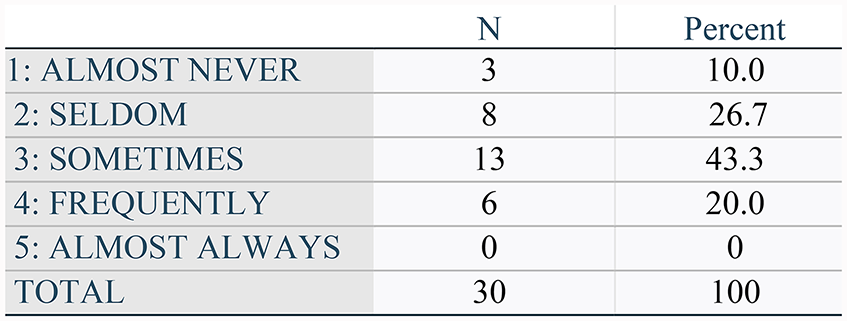
Question 4 asked the arbitrator/respondents about the performance of police department investigators and administrators in investigating and processing police discipline cases that have come before them. In response, 43.3 percent of the arbitrators indicated that departments sometimes do not do a thorough investigation and 20 percent indicated this was frequently the case. This means that in the experience of almost two-thirds of the arbitrators in the sample, police departments sometimes or frequently do not do a thorough investigation of the cases they bring to arbitration.
If, as the arbitrators interviewed for this study suggests, police management often fails to do a thorough investigation to support charges it brings against officers, it is not surprising that arbitrators regularly overturn discipline charges. This is a significant finding that could help explain the relatively high rates of arbitrators putting police officers back to work reported in both the academic research and the popular press (Kelly, Lowery and Rich 2017; Rushin 2021b).
▪ I find that bigger cities do [investigations] a little better because they are much more experienced at it. In smaller departments it might just be the police chief or the lieutenant doing it, and they don’t do them often enough to be good at it. Bigger cities have their own internal affairs people. Smaller cities just turn it over to a sergeant who may or may not know what he or she is doing. ▪ Sometimes, investigating grievance cases is simply not a priority for police managers. Criminal investigations come first. ▪ I don’t think that internal affairs attract the best people on the force because investigating other cops is not what most people get into law enforcement to do. ▪ Unfortunately, police departments are frequently horrible at investigating misconduct. ▪ I have often been very disappointed at the quality of internal affairs investigations.
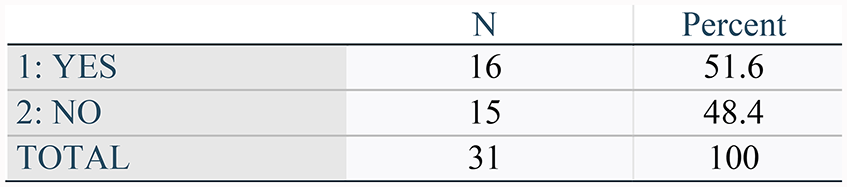
A little over half the arbitrators who participated in the survey said they have encountered restrictions or other problems related to the discipline and arbitration system that are caused by police/and or police unions. Among the problems the arbitrators pointed out is the reluctance of officers to report or corroborate officer misconduct, what one arbitrator termed “the blue wall of silence.” Other arbitrators were critical of “police unions that very aggressively defend members even when the member is clearly guilty of misconduct.” And “police unions that whip up public sentiment for their members” were also criticized. However, the most mentioned concern were the kind of contract provisions about discipline discussed earlier that arbitrators see as making it harder to hold officers accountable for misconduct.
▪ Some police unions do not weed out the bad cases; the better police unions do, which is responsible for them winning a higher percentage of cases. ▪ It is not helpful when police union leaders try to win their discipline cases in the “court of public opinion”. ▪ Many police unions are extremely effective politically. This has resulted in them winning language that protects their “bad actors.”
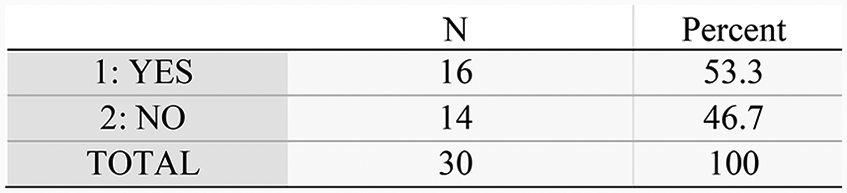
Just over 53 percent of the arbitrators in the sample indicated they have encountered other restrictions/problems caused by police departments regarding discipline and arbitration processes. Among the concerns mentioned were departments causing unnecessary delays, overcharging officers, and not properly investigating disciplinary charges. The restrictions/problems mentioned are listed below.
What restrictions or problems have you encountered with police discipline processes that are caused by police departments?
▪ In some cases, police departments cause unnecessary delays. ▪ Departments inconsistently applying discipline is a real problem. ▪ Lack of professionalism in handling discipline. ▪ Too often police departments make no effort to engage in progressive discipline. ▪ Overcharging officers makes it difficult for the department to prove all the charges.
Improving the Effectiveness of Police Discipline and Arbitration Processes
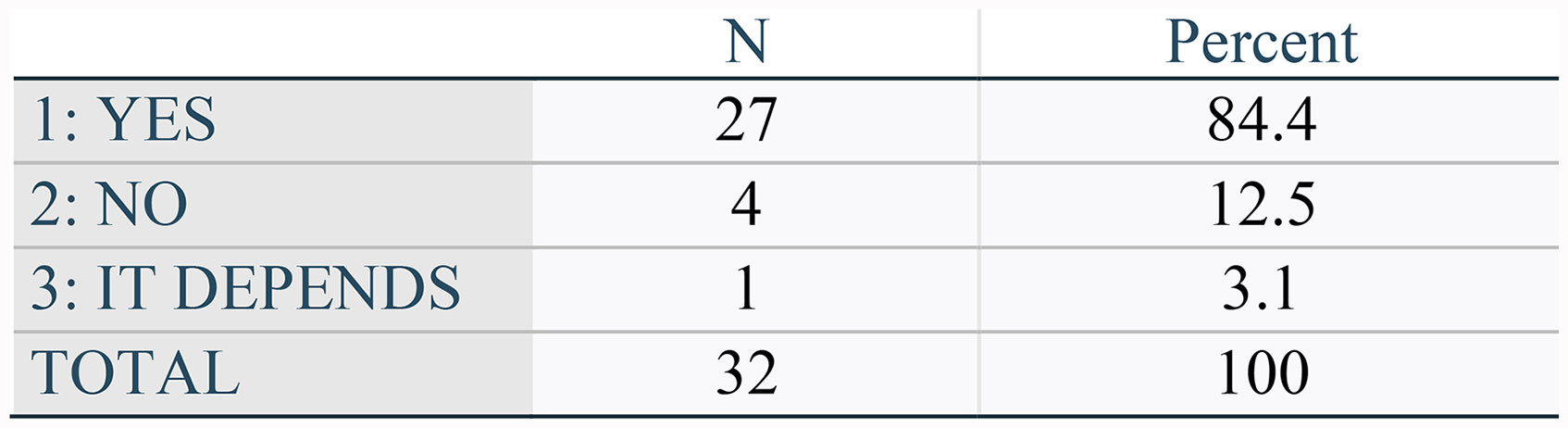
The arbitrators interviewed were largely in agreement that just cause in police cases should include the public's interest. Over 84 percent of respondents agreed with this position; only 12.5 percent disagreed. There was, in fact, greater agreement on this question than any in the survey.
Several arbitrators made the point that the public's interest is so integrated into the work that police do, that it is inherently a part of just cause. As one arbitrator puts it “There is no question that the police departments and police officers are ultimately responsible to the public, so just cause should be interpreted in the public's interest.”
Another respondent pointed out that arbitrators regularly include the public's interest in just cause cases involving other employees whose job duties potentially impact the health and safety of the public, such as airline pilots, bus drivers and firefighters. And some of the more experienced police arbitrators in the sample expressed confidence that their experience equipped them to discern what the public's interest is in cases involving police misconduct.
▪ Absolutely, because acting in the public's interest is part and parcel of the mission of every police department. ▪ There is no question that the police departments and police officers are ultimately responsible to the public, so just cause should be interpreted in the public's interest. ▪ Harm to the public is a consideration which is integrated with the grievants role as a police officer. The standard that the officer is accountable to the public trust is part of the job description of the officer. ▪ I do not think it should. We are not the guardians of the public.
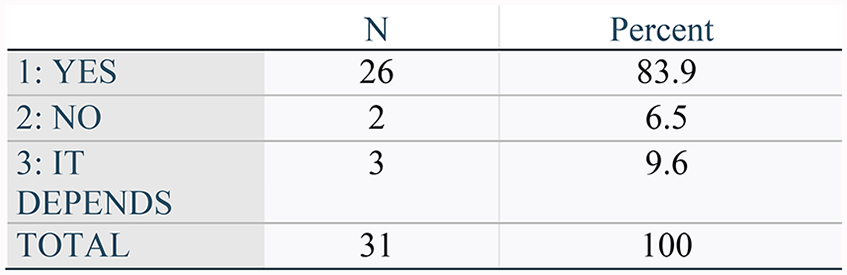
Again, the survey respondents were overwhelmingly in agreement in their responses to this question, with 83.9 percent answering yes and only 6.5 percent answering no.
One arbitrator explained that she would approach a police excess force case differently from other types of non-police discharge cases. She used the example of a factory worker fired for stealing hand tools from his employer. Given the right circumstances, she might give that worker a second (and last) chance and reinstate him because the benefit of the employee learning from the incident and being a productive long-term employee would be greater than the cost of him repeating the behavior (if he stole tools again). However, in the case of a police officer who was proven to have used excess force, the cost to the public if the officer was reinstated and again used excess force (the personal injury or even death of a suspect) could be unacceptably high.
▪ Yes, arbitrators should do this on a case-by-case basis. ▪ Special types of misconduct warrant consideration of the public's interest given the role of police officers in dealing with different members of society. Monetary damages going forward (front pay) provide sufficient compensation for a ban on reinstatement in the public interest.
A disciplinary matrix is a formal rubric or schedule that specifies the action to be taken for a specific act of misconduct given an officer's previous disciplinary record (Shane 2012). Exhibit 1 is a matrix used by the Vancouver, Washington Police Department. 6 . Matrices are generally unilaterally adopted by police departments. Management consults the matrix in assigning disciplinary penalties. In presenting their case in arbitration, the department can introduce the matrix to explain their reasoning for the penalty imposed. While arbitrators can consider a matrix in deciding a penalty in a case, matrices are not binding on arbitrators.
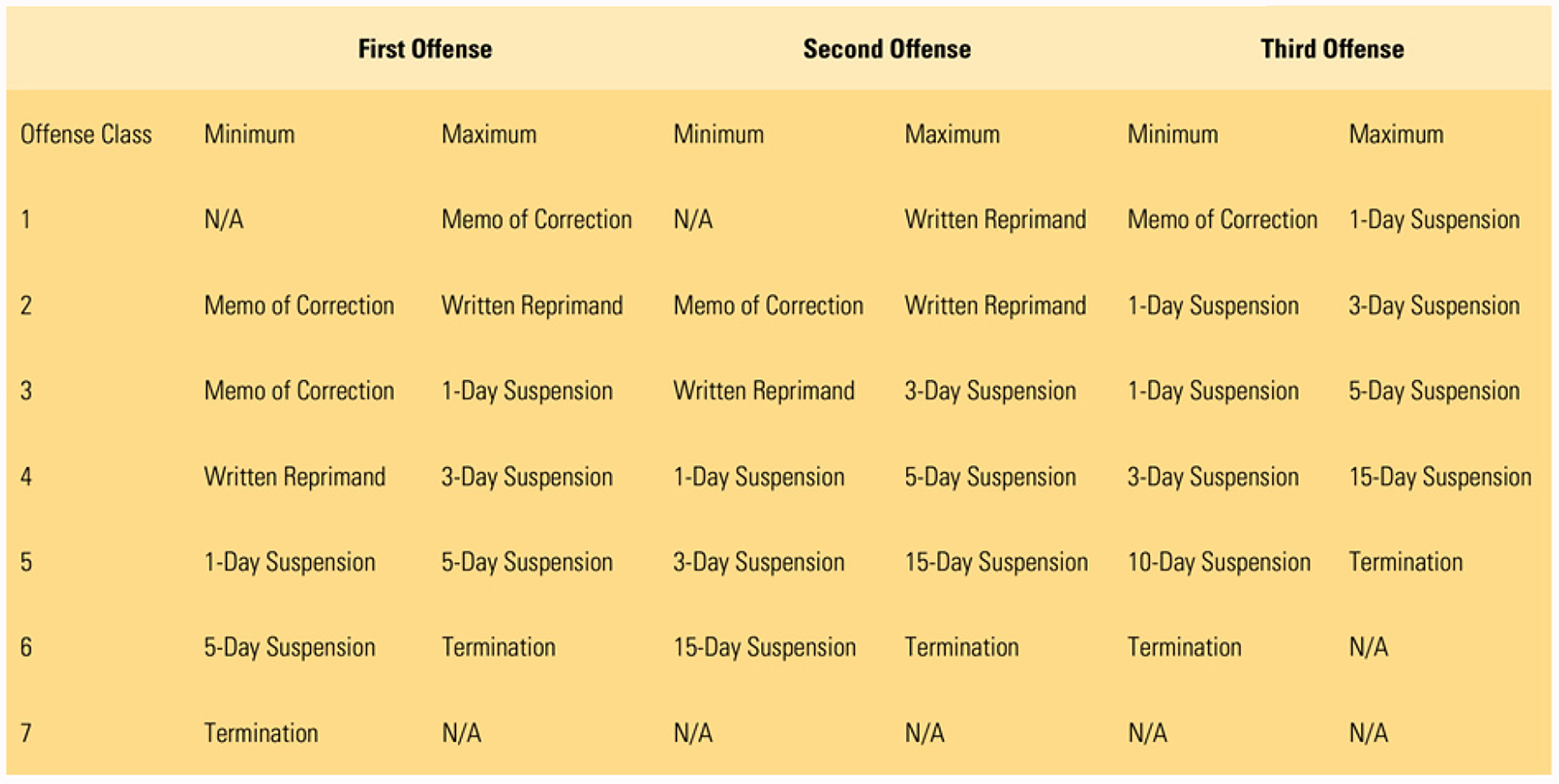
*The “Offense Class” represents the seriousness of the offense.
Another way to ensure consistency in assigning penalties for misconduct is for the police departments and police unions to establish and agree on standards of discipline. These standards would be very similar to disciplinary matrices in that they will predetermine the penalties that will be issued for specific acts of misconduct, taking into consideration previous misconduct and possible mitigating factors. However, because these standards are mutually agreed to, the parties in most instances will expect arbitrators to assign disciplinary penalties based on the standards provided.
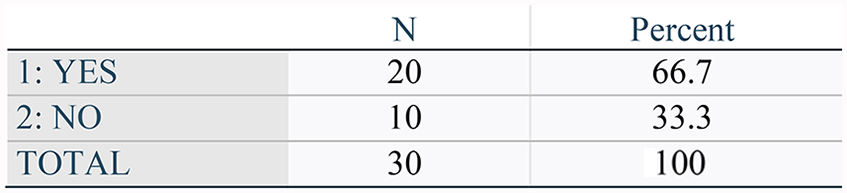
When this question was posed to respondents, it was made clear that the matrices in question were unilaterally developed by management.
Two-thirds of the respondents in the study indicated that they would view such discipline matrices as helpful if offered. One-third said they would not see them that way. The most common sentiment offered was that given the unilateral nature of the matrices, arbitrators would view them as management recommendations; but they would not be bound by them.
I think these can be helpful if they are reasonable and specific. But I don’t see them as binding on me at all. I don’t like matrices because, in my experience, they never fit the facts of the case. I find matrices very helpful. They are helpful if they provide enough flexibility to fit the case. It would be helpful, but I do not see them in many cases.
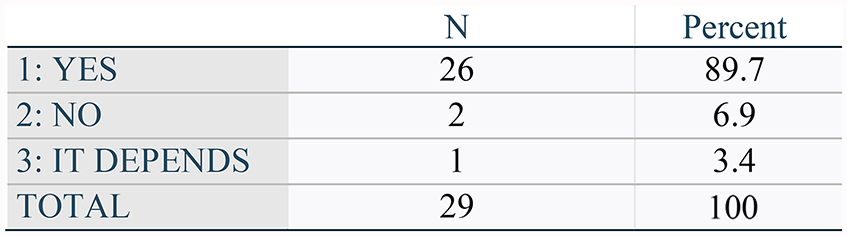
Unlike the previous question, where there was a concern about “standards” being unilaterally developed and applied by management, there was a consensus among respondents that “mutually agreed standards or guidelines” can be helpful to arbitrators hearing police cases. Many respondents emphasized that if the parties agree to these standards, they are comfortable applying them. One arbitrator said, “Since they are mutually agreed to, I have no problem using them.”
Because the parties have agreed on these standards, I find them helpful. I find that tables of standards never capture the nuances of each disciplinary action as a unique occurrence. I find this to be the best scenario as I have basically no discretion on the penalty as the arbitrator. With the penalty already specified, I have no discretion in that area. The penalty is what the parties have agreed to. So, my role becomes hearing the case and deciding whether there is just cause.
However, such complaints are in part addressed by the degree to which arbitrators follow the “harmless error rule.” In the U.S. judicial system, the harmless error rule is a legal principle that is meant to ensure that “technicalities,” or unsubstantial errors that have no real impact on a case, should not be the basis for overturning otherwise sound verdicts (Laughter 2024). In arbitration cases that involve missed deadlines or paperwork issues, arbitrators have the leeway to apply this principle in arbitration cases. To gain insight into the role the harmless error rule might play in police arbitration, respondents were asked whether they agreed with this principle.
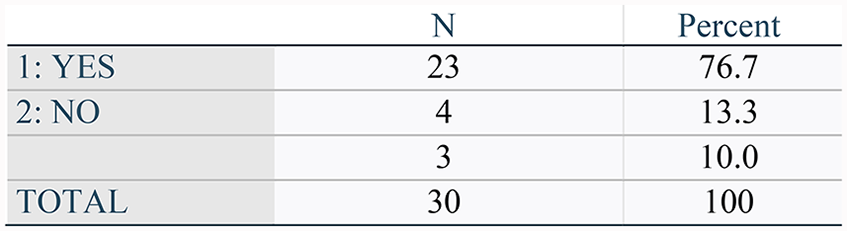
Virtually all the arbitrators interviewed were familiar with the harmless error rule. A high percentage, almost 77 percent, said they agreed with the rule, while only 10 percent disagreed.
▪ I agree with the principle and apply it when necessary. ▪ The harmless error rule is really just about using common sense in our cases. ▪ The cases we hear should be decided on their substance. They are too important to be decided on non-substantial grounds. ▪ In one of my cases, this issue was explicitly stated, but in my view not proven.
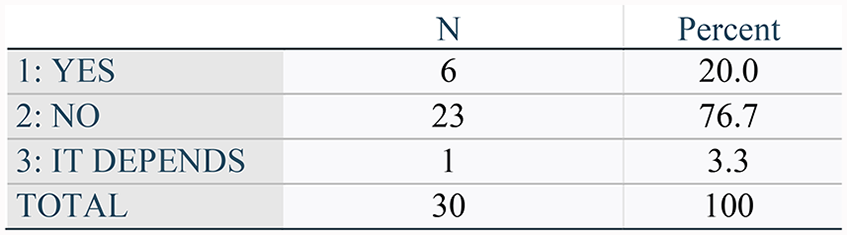
A significant majority of the arbitrators interviewed do not support the idea that hearings involving police misconduct should be open to the public. The 76.7 percent who felt this way raised concerns about hearings for controversial cases being disrupted. Other respondents worried about maintaining order in hearings where tensions were running high and community members might attend and disrupt the proceedings. One arbitrator expressed the fear that hearings “could turn into a zoo!” Another worried that public access could change the dynamics of the hearing—“Hearings already often have a performative aspect. With an audience watching, I am concerned that the performative aspect of the hearings would be more pronounced.”
No. I understand that this would provide benefits in transparency, but I think the benefits of increased candor and efficiency that come with a private process outweigh those benefits. No, arbitration is a private process. I think there is a danger when hearings are open to the public that the parties and their advocates will play to the public and put on a show for the grievant. I hear cases in Florida where police arbitrations are required by law to be open to the public. I would prefer to hear cases behind closed doors, but overall, I haven’t had any problems.
In the preliminary interviews for this study, it was suggested that a question about police arbitrator training specifically for cases involving use of force be included in the final interviews to gauge how practicing police arbitrators felt about the issue.
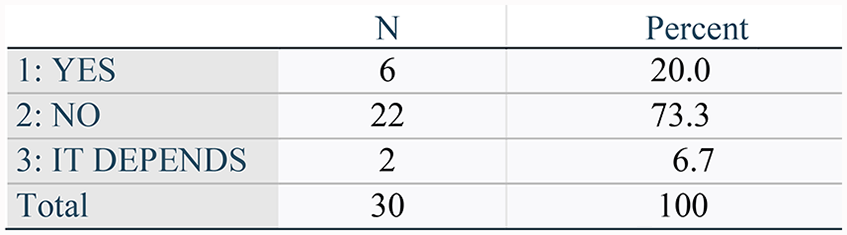
Only 20 percent of arbitrator/respondents supported the idea that arbitrators should be required to complete a training program before hearing police arbitration cases involving the use of force. One arbitrator argued that “There are circumstances and environments that are unique to policing. This is a unique industry, and training would only help the arbitrator to understand the environment and expectations.” A clear majority (73.3%), however, did not support the idea of mandatory training. One of the arbitrators who was not supportive of the idea argued “I don’t think that an arbitrator is inherently unable to hear an excessive force case because they have never had any experience with the issue. That is like telling a judge you cannot hear a case on a certain issue because you have no prior experience or training on that issue. That makes no sense.”
While most arbitrators opposed mandatory training, several arbitrators indicated that, in their view, police discipline cases involving use of force are unique and complex, and some background knowledge would be helpful before hearing a case. A few respondents suggested that a mentoring program for new police arbitrators could be beneficial.
A training program would be helpful and appropriate to enhance arbitrator decision-making, although I do not believe it is an essential precondition. Who would do the training? It would have to be done by a neutral party such as the American Arbitration Association or jointly by the parties, although I am not certain how that would work. A better way to prepare arbitrators to hear police cases would be to have that person be mentored by an arbitrator with significant experience in police cases, perhaps sitting in on two or three before hearing cases on their own. I think Washington and Minnesota requires new arbitrators to be trained to do police cases. And I believe one or both requires that arbitrators who do police cases only handle police cases and not other cases. This latter piece is a completely counterproductive provision as it guarantees that police arbitrators will be less experienced than a typical NAA arbitrator.
Summary
This article provides the first direct insights into how police arbitrators view the effectiveness of U.S. police discipline and arbitration processes in holding officers accountable for misconduct. These arbitrators, the final decision-makers in these processes, are experts in contractual discipline processes and because they have significant experience hearing police discipline cases, they are in a unique position to assess police discipline and arbitration processes.
The discipline and arbitration process in any police force plays a very significant role in establishing and communicating the values and standards of that force and in identifying actions and behavior that are inconsistent with those values and standards. For example, when police officers see a fellow officer suspended or discharged for using racist or sexist language in dealing with a suspect, other officers learn that specific language is not acceptable. Over time, if disciplinary actions taken by a police force are consistent, those actions provide a road map for police officers regarding what behavior is acceptable and what is not.
The discipline and arbitration process is also important in winning and maintaining the trust and confidence of the public and the community. If the public believes that officers who engage in misconduct will be punished, and even fired if their behavior continues, by an effective discipline process, they are more likely to support that police force. If officers are not punished for actions and behaviors that violate the values and standards of a police force, those actions and behaviors become normalized.
The empirical record regarding police arbitration is clear; arbitrators often overrule discipline handed down by police departments and require them to reinstate officers fired for misconduct. Police departments, elected officials, and many in the media jump to the conclusion that they do so because they are too lenient regarding workplace discipline and/or they feel a need to “split the baby” and give both sides some of what they want (i.e., reinstate a fired officer, but make them serve a suspension) so they remain in the good graces of both the union and the employer and continue to be chosen to hear cases (Oates 2020; Grube 2021; Rushin 2021b; Green 2023).
Arbitrators are usually asked to decide the most difficult discipline cases (cases where the decision is obvious, one way or the other, are usually settled by the parties prior to arbitration). One party, or both, may question an arbitrator's decision. And arbitrators can occasionally err in their decisions. However, this study suggests some alternate explanations for decisions to reinstate police officers accused of misconduct.
In the police discipline and arbitration process, as in the American criminal justice system, the party bringing the charge (police management) has the burden to prove the accused is guilty. Collectively, the arbitrators interviewed for this study suggest that in many cases, police managers do not meet their responsibility in this regard. In fact, 63 percent of arbitrators interviewed indicated that “sometimes” or “frequently” police management does not do a thorough investigation that enables them to build and present a strong and credible case against an officer. And if the employer does not prove just cause, an arbitrator has little choice but to overturn the discipline.
Arbitrators suggest that unions also make it difficult for arbitrators to hold police officers accountable for their actions by negotiating disciplinary language in the contract that makes it harder for police managers to win discipline cases that go before arbitrators. These contract clauses include language that disqualifies misconduct complaints that are not investigated or submitted in a timely manner by the employer, that place limits on when officers accused of misconduct can be interrogated by management, and that prevent the consideration of past misconduct.
The critique of the police discipline and arbitration process suggests that the power to improve accountability lies with both police department and police union leadership. The arbitrators contend that police departments employ many individuals with significant investigatory skill and experience and that they need to use this skill and experience to more effectively investigate officers accused of misconduct and present their case before an arbitrator.
On the other hand, police union leaders need to recognize that a discipline process that is skewed in favor of their members is not in the best interests of the community, and in the long run, not in the best interests of their profession (Levin 2020). Their members deserve a process that allows a full and timely investigation and hearing before a neutral third party where all the evidence needed to make a final decision on the merits of the case, including past discipline, is presented. But police unions should reconsider negotiated discipline provisions, such as those that hinder discipline investigations or that disallow consideration of past discipline that advantage their members.
If police unions do not take such steps, they are likely to find an increasing number of legislators like Texas Representative Joaquin Castro who take the position that “…police unions have taken advantage of collective bargaining agreements to create less accountability and transparency around police work” (Jones 2023). Such legislators will likely look to implement reforms that increase transparency and limit restrictions in the discipline process like those proposed in a 2020 article by Fisk et al. and a 2023 report by Community Change and the Center for Labor and a Just Economy at Harvard Law School (Jones 2023). These proposals include:
− After a collective bargaining agreement or memorandum of understanding with the law enforcement union is negotiated, the public entity must conduct a public hearing, with sufficient notice and opportunity for public comment, before the agreement is ratified. − Arbitrators should be required to consider past complaints and disciplinary actions against officers disciplined for use-of-force infractions, even when such consideration violates a collective bargaining agreement. − The parties to police collective bargaining should agree to remove provisions related to discipline procedures regarding use-of-force violations. − If the parties do not agree to remove such provisions, state lawmakers should assert direct control over use-of-force policies and discipline related to use-of-force violations (i.e., instead of having them be part of the collective bargaining process, the policies and discipline process should be determined through legislation). − In cases where officers utilize contractual provisions to avoid being interviewed until they review evidence related to an investigation, arbitrators should be required to apply an inference adverse to the officer.
8
The current police discipline and arbitration process in the United States does not consistently hold officers who engage in misconduct accountable. Despite efforts to blame arbitrators for this, police department and police union leadership need to do whatever is necessary to ensure that officers accused of misconduct have a full and fair hearing and if they are found to have done so, they need to be held accountable.
Footnotes
Acknowledgments
The author wishes to acknowledge the National Academy of Arbitrators Research and Education Fund (NAA REF) for providing funding for this project. Other than funding, the study was conducted without any influence or involvement of the NAA REF. The conclusions and analysis represent the opinions of the author and not of the NAA REF. And any errors are those of the author alone.
Declaration of Conflicting Interests
The author declared no potential conflicts of interest with respect to the research, authorship, and/or publication of this article.
Funding
The author disclosed receipt of the following financial support for the research, authorship, and/or publication of this article: This work was supported by the National Academy of Arbitrators.
