




Abstract
In Thailand, an increase in urbanization, economic downturn, and greater demands of the populace have made it difficult to maintain the work engagement of local public officials. By studying 635 employees working in municipal governments in all four major regions of Thailand, this study indicates that decentralized decision-making structure and ethical climates, particularly team interest, social responsibility, and rules and standard operating procedures, tend to have a significant positive impact on work engagement. On the other hand, low formalization of organizational structures was not seen to have significant impacts. Policy and managerial implications of these findings are discussed.
Introduction
Improving work engagement 1 in Thai local administrations is a difficult challenge. Local public service agencies in Thailand have long been criticized for its over-centralization of decision-making, ineffective accountability, and poor performance among the local officials (Nikomborirak 2007, 5–6; Sudhipongpracha and Wongpredee 2016, 438). Additionally, Thailand, like other countries throughout the world, has been influenced by the impact of globalization and technological development, and social and economic conditions have become more complex in most local governments. The increase in urbanization, economic downturn, the COVID-19 pandemic, and greater expectations of the populace have increased the pressure for more effective local government performance (Perlman 2016, 114–5; Jacobson and Sowa 2016, 122; Thai Civil Service Commission 2022, 9–12; OECD 2022, 48–50). Despite this increase in demand for effective government, poor work engagement and performance of local public officials are frequently cited as the main obstacles to the country’s development (Haque 2010, 675; Rohitarachoon and Hossain 2012, 554). Given these problems, scholars have identified a strong need for systematic research to examine workplace behavior and the performance-related issues of public sector employees in Thailand (Nikomborirak 2007; Thai Civil Service Commission 2022).
The long-standing dominance of a highly centralized and ineffective local bureaucracy in Thailand has increasingly led scholars and policymakers to consider the decentralization of organizational decision-making and the creation of a climate of social responsibility, where public organizations are attentive to the needs of the people, as important measures to improve local public sector performance (OECD 2022, 48; Thai Civil Service Commission 2022, 8–9; Haque 2010, 680). The decentralization of decision-making and the creation of a social responsibility climate are expected to reduce red tape, improve incentive to work as well as accountability of the employees working in these governments. During the COVID-19 pandemic, for instance, local governments 2 have been at the frontlines of responding. The pandemic has revealed centralized tendencies and exposed weakness in the administrative processes of many local governments, as they struggle to operate within a context of uncertainty, with frequent health and economic shocks, financial strain, and intensified social and economic inequalities (National Health Commission of Thailand and World Health Organization South-East Asia 2021, 9). The COVID-19 and the increase in the complexity of social and economic conditions of local communities have reaffirmed the need for a resilient, innovative, and responsive local government in responding to increasing new challenges (Jacobson and Sowa 2016, 125–8; National Health Commission of Thailand and World Health Organization South-East Asia 2021, 12–3; Perlman 2016, 114–5; Rauhaus 2022, 84–6; Thai Civil Service Commission 2022, 12; Shringare and Fernandes 2021). According to National Health Commission of Thailand and World Health Organization South-East Asia (2021, 62–6), the pandemic has underlined the need for decentralized systems in decision-making process and a climate of social responsibility in local public organizations that could reduce red tape, increase incentive to work, and facilitate innovation and joint working with stakeholders and communities. Given this increasing complexity of the socio-economic conditions in local communities, the decentralization of decision-making and the creation of social responsibility climate are expected to improve public employee engagement as well as the performance of the employees working in these governments (National Health Commission of Thailand and World Health Organization South-East Asia 2021, 62–7; Thai Civil Service Commission 2022, 21).
The objective of this study is to investigate the impact of organizational structure and ethical climate on the work engagement of municipal employees since this is an under-researched dimension of staff performance in Thailand. Work engagement is conceptualized as comprising the effects of the organizational structure and ethical climate prevailing in an organization. An organization consists of the structural (internal characteristics such as formalization and the centralization of decision making) and cognitive (shared perception of the organizational ethical climate) dimensions of the relationships among the members of an organization (Nahapiet and Ghoshal 1998, 251). Both are seen as powerful forces in determining work engagement. This study, therefore, examines the effects of the decentralization and formalization of organizational decision making and ethical climate types (particularly social responsibility, team-interest, and rules and standard operating procedures climate types) on the work engagement of the employees in Thai municipal governments. This study concludes by considering policy and managerial implications directed at the improvement of the employee’s work engagement, and by identifying areas of future research.
In Thailand, municipalities are classified into three levels according to the size of the population and level of income. They include Nakorn (or city) municipalities, Mueang (or town) municipalities, and Tambon (subdistrict) municipalities. This study examined work engagement of public employees in 25 Nakorn municipalities and 127 Mueang municipalities spread across all four major regions of Thailand.
Literature Review
Work Engagement
The study of work engagement has been a popular topic among management scholars (e.g., Bakker 2011; Rich, Lepine, and Crawford 2010; Saks 2006; Schaufeli et al. 2002). According to Kahn (1990, 694), work engagement is defined as “the harnessing of organization members’ selves to their work roles.” Work engagement is, therefore, “a positive attitude of employees towards their work.” Schaufeli et al. (2002, 74) state that work engagement is not a temporary state. Rather, it is “a more persistent and pervasive affective-cognitive state that is not focused on any particular object, event, individual, or behavior.” Work engagement is defined according to three dimensions. “Vigor is feeling energetic and willing to work even in the face of difficulties. Dedication is feeling a sense of significance, inspiration, and pride in one’s work. Absorption refers to being fully concentrated and deeply engrossed in one’s work” (Schaufeli et al. 2002, 74). 3
Although the maintenance of work engagement is of particular importance in both public and private organizations (Jin and McDonald 2017, 882; Martin, Levey, and Cawley 2012, 201), most studies on this topic concern the corporate sector, as Shuck (2011) has pointed out. There have been fewer studies on work engagement in public organizations. Notable studies on the public sector include the work engagement of fire fighters in the U.S. byRich, Lepine, and Crawford (2010); Jin and Park’s (2016) study on the influence of sexual minority status (LGBT) on work engagement among government employees; a study on work outcomes of Norwegian police officers by Richardsen, Burke, and Martinussen (2006); and a study of the factors affecting employee engagement in state and local government agencies in the U.S. by Jin and McDonald (2017). However, the factors impacting on work engagement examined in these studies tend to be limited to the role of supervisors, perceived organizational support, learning opportunities, and job demands and job resources.
Organizational Structure
Employees learn appropriate behavior through their interactions within their organization. In this way, organizational structure can impact the organization’s capability to attract, engage, and retain employees. The effective implementation of organization structure can enable employees to work well together (Eriksson 2005).
Organizational structure comprises a broad physical structure, such as the size of an organization, and the structuring activities, such as the centralization or decentralization of decision-making. These latter activities contribute to shaping the performance of the members of an organization (O’Toole and Meier 1999, 512). Mintzberg’s organizational configuration model (Mintzberg 1989; Mintzberg 2009) suggests that organizations can be differentiated along three basic dimensions: the key part of the organization, the prime coordinating mechanism, and the type of decentralization. From these three dimensions, Mintzberg (1989, 110) classifies an organization into five structural configurations: a simple structure, a machine bureaucracy, a professional bureaucracy, a divisional form, and adhocracy. Each type of organizational structure has its own benefits and challenges. In machine bureaucracy, for instance, work is formalized, and decision-making is centralized. Although this formal structure can lead to specialization of departments and a clear chain of command which can be efficient in performing routine tasks, the disadvantage with this structure is its difficulty in adjusting to change and its tendency to stifle innovation and creativity (Child 2015; Miles, Snow, and Meyer 1978; Schminke, Ambrose, and Cropanzano 2000). Decentralized and less formal organizational structures, on the other hand, can enable the leader-member exchange of knowledge and information, which are the key to increased collaboration in carrying out tasks at different levels within an organization.
The decentralization of decision-making can also give employees the motivation to be creative and innovative, enabling them to propose new ideas and improve their performance (Miller 1992, 71). Decentralized decision-making processes bring together relevant stakeholders to participate in the decision-making, which can increase trust and the incentive to work (Hansen 2012, 290). Empirical studies also have found a positive significant relationship between decentralized decision-making and organizational performance (Hansen 2012, 296; Shi, Aydemir, and Wu 2018, 181; Richardson et al. 2002, 217). From these arguments, the following can be hypothesized:
Hypothesis 1:
There is a positive relationship between decentralized organizational structure and work engagement.
Further, organizational scholars have indicated that the costs of coordination and monitoring that exist between organizational leaders and subordinates can be reduced by imposing stable and clear guidelines for carrying out work procedures (Welker and De Vries 2005, 341; Organ and Greene 1981, 237). They have argued that high levels of formalization (e.g., by establishing stable and clear expectations about rules, responsibilities, and relationships) can reduce the damaging effects of role ambiguity among staff members. Highly formalized organizational structures, therefore, enable organizational leaders to increase the commitment of employees. However, on the other hand, the motivation of organizational members to coordinate, exchange valuable knowledge, and look for innovative solutions to organizational problems may decrease in such highly formalized organizational structures (Schmid 2002, 387). A lower degree of formalization is thus assumed to be able to motivate staff to propose and exchange new ideas and, thereby, improve their engagement and performance. Organ and Greene (1981, 237) also found that organizational formalization had a negative effect on the work engagement of employees. Recent empirical studies have found the negative effects of high formalization (and other factors) on employees (Ganesh and Joseph 2007, 218). In accordance with these recent empirical studies, the following is hypothesized:
Hypothesis 2:
There is a positive relationship between low formalization organizational structure and work engagement.
Organizational Ethical Climate
Organizations can be seen not only in terms of their structural dimensions, but also in terms of their cognitive dimensions (shared perception of ethical climate among members). Organizational members learn appropriate behavior through organizational climate perception. Victor and Cullen (1987, 51) define ethical climate as “the shared perception of what is correct behavior, and how work situations should be handled in an organization.” Initially, they had classified ethical climate into the following nine types; “self-interest, company profit, efficiency, friendship, team interest, social responsibility, personal morality, rules and standard operating procedures, and laws and professional codes.” However, after a series of survey studies, Cullen, Victor, and Bronson (1993:72) confirmed the existence of six out of these nine climate types, that is, “self-interest, efficiency, team interest, social responsibility, personal morality, rules and standard operating procedures.” Schneider (1975, 456) also argued that since many types of ethical climates existed in an organization, researchers should focus on the types of climates that particularly relate to the organization under study. According to social identity theory (Tajfel and Turner 1979; Pagliaro et al. 2018), it is stated that, in many situations, people perceive themselves as unique and independent individuals, but in many other contexts, they also think of themselves in terms of group membership. This self-definition as group membership and the connection with one’s group provide individuals with normative guidelines that help them to learn appropriate behavior (Ellemers, Pagliaro, and Barreto 2013, 169; Tantardini 2022, 205). Thus, an ethical climate subsuming a collective and interdependent way to behave within the organization should affect employee behavior and work engagement of organizational members (Borry 2017, 78; Pagliaro et al. 2018, 5).
A small but growing number of empirical studies have begun to examine the relationships between the ethical climate in an organization and the employees’ work motivation. Goldman and Tabak (2010, 241–2); and Fu and Deshpande (2014, 346) reported that a caring climate (including friendship, team interest, and social responsibility) in an organization directly influences employee’s job satisfaction and organizational commitment. The ethical climate of caring represents an organization concerned about its stakeholders. When an organizational entity shows concern for an individual, the individual may reciprocate by working in ways that help the organization. Therefore, there should be a positive relationship between the ethical climate of caring and work engagement. Further, Cullen, Victor, and Bronson (1993, 671–2) have reported that principled climate (e.g., rules and standard operating procedures) was evident in accounting firms. The ethical climate of rules emphasizes a climate in which an organization’s rules and procedures are very important. Rules and standard operating procedures can make it possible for employees to predict what to do in certain situations. This type of ethical climate creates a sense of certainty. Therefore, the ethical climate of rules should also have a positive relationship with work engagement. Wang (2004, 370) found that a self-interest climate reduced knowledge-sharing attitudes among employees because such sharing may be conducive to the performance of others and place the original possessor of the knowledge at a disadvantage. This type of climate is represented by an organizational atmosphere in which people protect their own interests above all else. Since these actions can reduce the cooperative work effort of organizational members, a self-interest climate is expected to be negatively related to work engagement. Additionally, Elci and Alpkan (2009, 306) found that a self-interest climate type appeared negatively to affect work satisfaction, whereas team interest, social responsibility, and rules and standard operating procedures climate types were found to have positive impacts. Since four types of ethical climates (self-interest, team interest, social responsibility, and rules and standard operating procedures) have been widely examined in the academic literature, this study focuses on these four types in order to determine whether they also apply to the context of Thai public organizations. In accordance with the above studies, the following are hypothesized:
Hypothesis 3:
There is a negative relationship between a self-interest climate and work engagement.
Hypothesis 4:
There is a positive relationship between a team interest climate and work engagement.
Hypothesis 5:
There is a positive relationship between a social responsibility climate and work engagement.
Hypothesis 6:
There is a positive relationship between rules and standard operating procedures climate and work engagement.
Control Variables
A number of demographic factors, including age (in years), education (years of schooling), and compensation levels (average monthly salary) of the respondents, were included as control variables in this study.
A theoretical model that specifies the relationship between the independent variables and the dependent variable is provided in Figure 1.
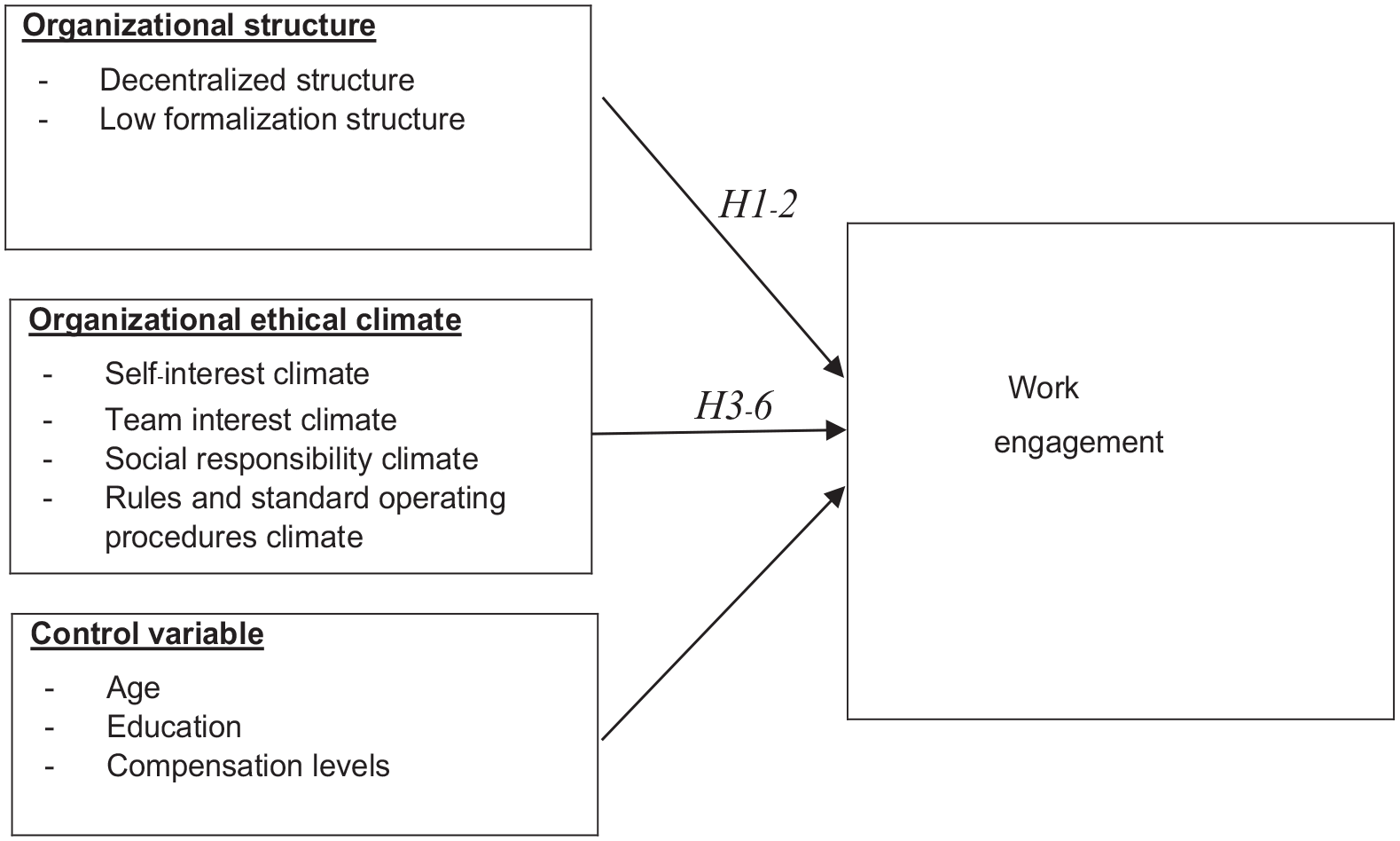
The theoretical model.
Research Method and Measurement
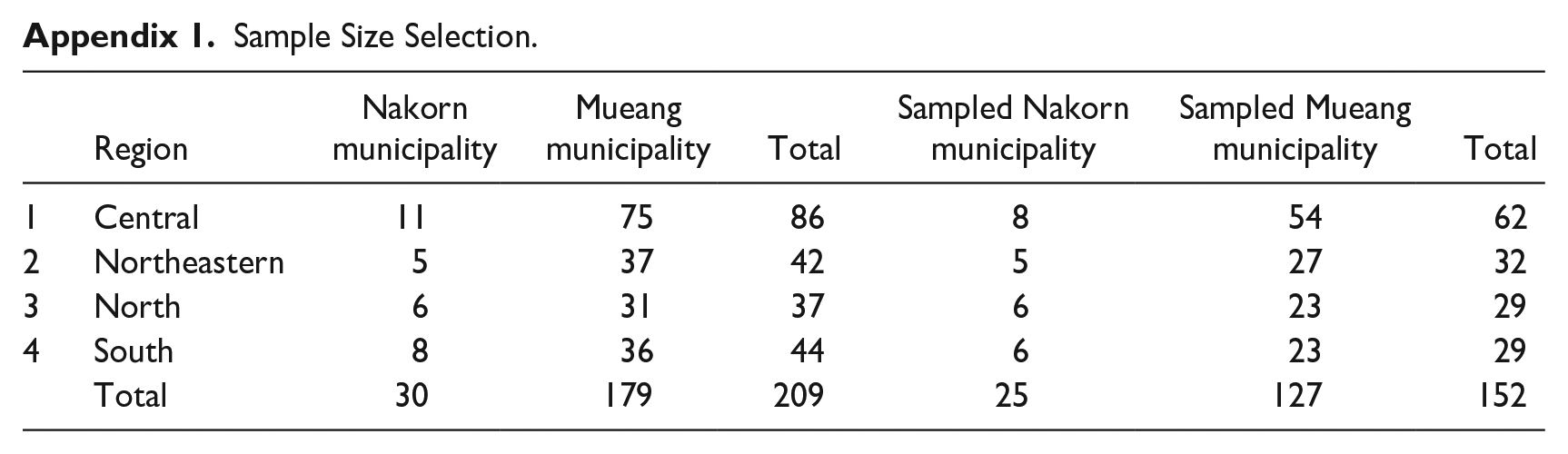
The data in this study were drawn from an employee engagement survey and were collected via a mailed questionnaire. This was a major survey that covered 152 municipalities spread across all four major regions of Thailand (see Appendix 1 for sample size selection). In Thailand, municipalities are classified into three types according to the size of the population and level of income. They include Nakorn (or city) municipalities, Mueang (or town) municipalities, and Tambon (subdistrict) municipalities. 4 This survey covered 25 Nakorn municipalities and 127 Mueang municipalities. As the analysis in this study focuses on the impact of organizational structure and organizational work climate on work engagement, small-size municipalities were excluded from the study. The respondents in this study are mid-level administrators in five major subdivisions in each municipality, including (1) chief of the general administration subdivision, (2) chief of the finance and accounting subdivision, (3) chief of the public works sub-division, (4) chief of the public health and environmental promotion subdivision, and (5) chief of the education promotion subdivision. Since mid-level employees play important roles in implementing organizational policies, and thus their degree of work engagement is of particular significance, they were selected as the respondents in this study. The survey questionnaire was sent to each respondent directly by post; and to ensure the validity of the survey data, the respondents were also assured of confidentiality and that the survey was conducted for academic purposes only with the support of a trusted academic institution. The survey involved a target sample of 760 respondents. Out of the target, 635 respondents completed the survey questionnaires, which represents a return rate of 83.5%. Table 1 provides a demographic overview of the survey respondents.
Characteristics of the Survey Respondents.
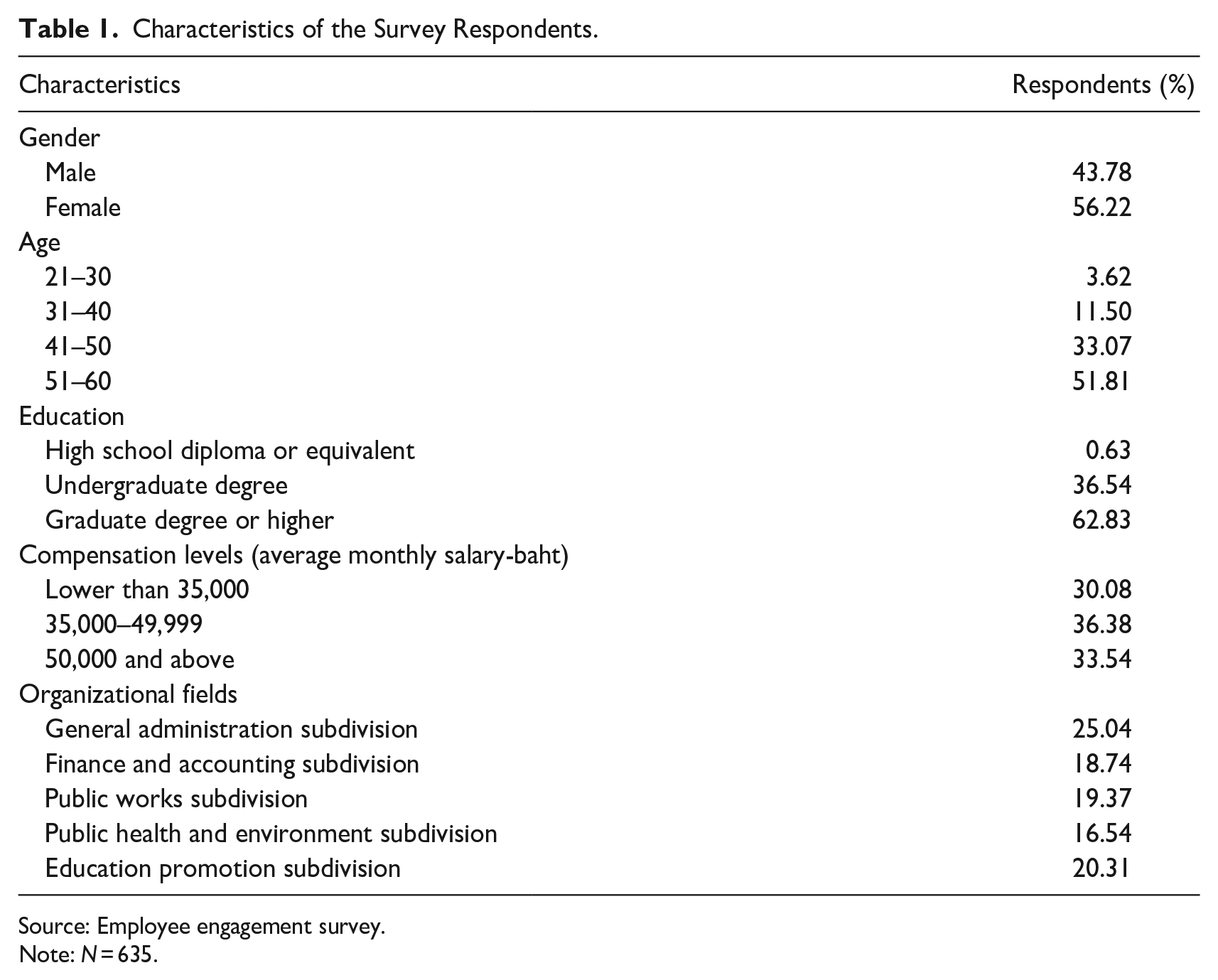
Source: Employee engagement survey.
Note: N = 635.
All of the independent variables and dependent variable were measured by the multiple items derived from the factor analysis. All of these items were measured on a 4-point Likert-type scale, ranging from 1 (strongly disagree) to 4 (strongly agree). Table 2 provides the factor loadings from the exploratory factor analysis and reliability that support the use of these items. The overall validity of all these items is also high (index of item-objective congruence-IOC > 0.6).
Reliability and Factor Analysis of Dependent and Independent Variables.
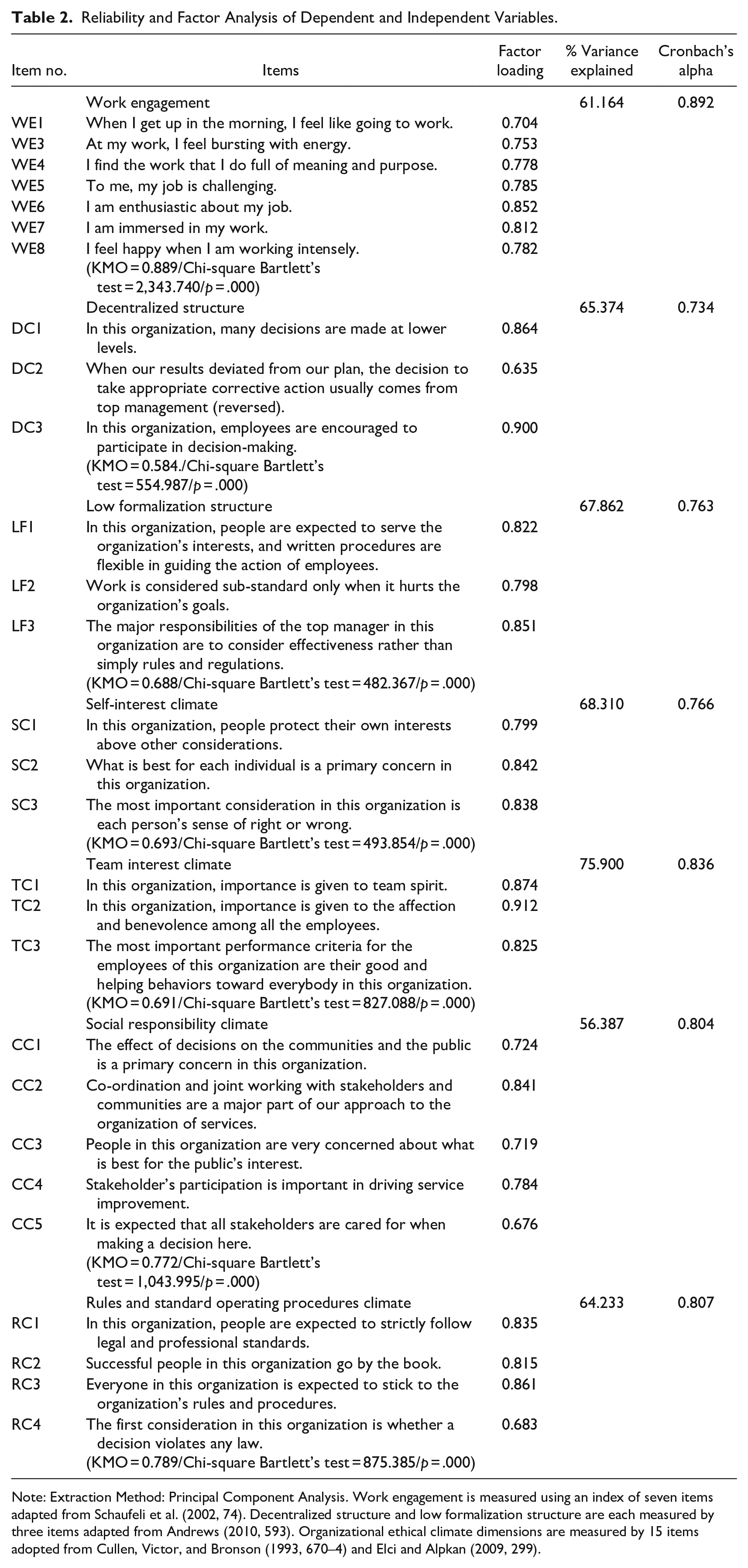
Note: Extraction Method: Principal Component Analysis. Work engagement is measured using an index of seven items adapted from Schaufeli et al. (2002, 74). Decentralized structure and low formalization structure are each measured by three items adapted from Andrews (2010, 593). Organizational ethical climate dimensions are measured by 15 items adopted from Cullen, Victor, and Bronson (1993, 670–4) and Elci and Alpkan (2009, 299).
Dependent Variable
As shown in Table 2, work engagement is measured by an index of seven items that capture the three dimensions (vigor, dedication, and absorption) of work engagement. In accordance with Schaufeli et al. (2002, 74), two items measure the vigor dimension of work engagement: (1) “When I get up in the morning, I feel like going to work” and (2) “At my work, I feel bursting with energy.” Three items tap the dedication dimension of work engagement: (1) “I find the work that I do full of meaning and purpose,” (2) “To me, my job is challenging,” and (3) “I am enthusiastic about my job.” Two items reflect the final dimension of work engagement, absorption: (1) “I am immersed in my work” and (2) “I feel happy when I am working intensely.” The factor loadings for the work engagement items are displayed in Table 2. The reliability of the measure assessed by Cronbach’s alpha was satisfactory (α = 892). Additionally, because this study is interested in studying overall work engagement, a second-order confirmatory factor analysis (CFA) was run in order to confirm whether the three dimensions loaded onto a single factor. The Chi-square test and other goodness of fit statistics from the CFA satisfactorily confirmed the validity of the measurement (χ2 = 73.717, df = 11; comparative fit index [CFI] = 0.973, goodness of fit index [GFI] = 0.966, normed fit index [NFI] = 0.969, standard root mean square residual [SRMR] = 0.011).
Independent Variables
Decentralized organizational structure is measured by three items (adopted from Andrews 2010, 593), as shown in Table 2. The factor loadings for the items and reliability estimates are also displayed in the table (α = 0.734). Low formalization structure is measured by three items (Andrews 2010, 603). The reliability estimate assessed by using Cronbach’s alpha was 0.763. Ethical climate dimensions are measured by fifteen items adopted from Cullen, Victor, and Bronson (1993, 670–4) and Elci and Alpkan (2009, 299). The factor loadings for the ethical climate items are shown in Table 2. The reliability estimates of the four ethical climate factors were satisfactory (α = 0.768, 0.836, 0.804, and 0.807 respectively).
A number of demographic factors from the employee engagement survey were included as control variables in this study.
Data Analysis and Findings
Descriptive Statistics
Table 3 presents the descriptive statistics and a correlation matrix for the study variables. Regarding the organizational structure, most of the respondents expressed the presence of a moderate level of decentralized organizational structure in their organizations (mean = 2.292) and a relatively low level of formalization structure (mean = 2.912). As for the ethical climate, most of the respondents expressed the presence of a relatively higher level of social responsibility climate (mean = 3.222). This was followed by team interest climate (mean = 3.167), and rules and a standard operating procedures climate (mean = 3.023). The lowest ethical climate type is a self-interest climate (mean = 2.662).
Means, Standard Deviations, and Correlations Among the Variables.
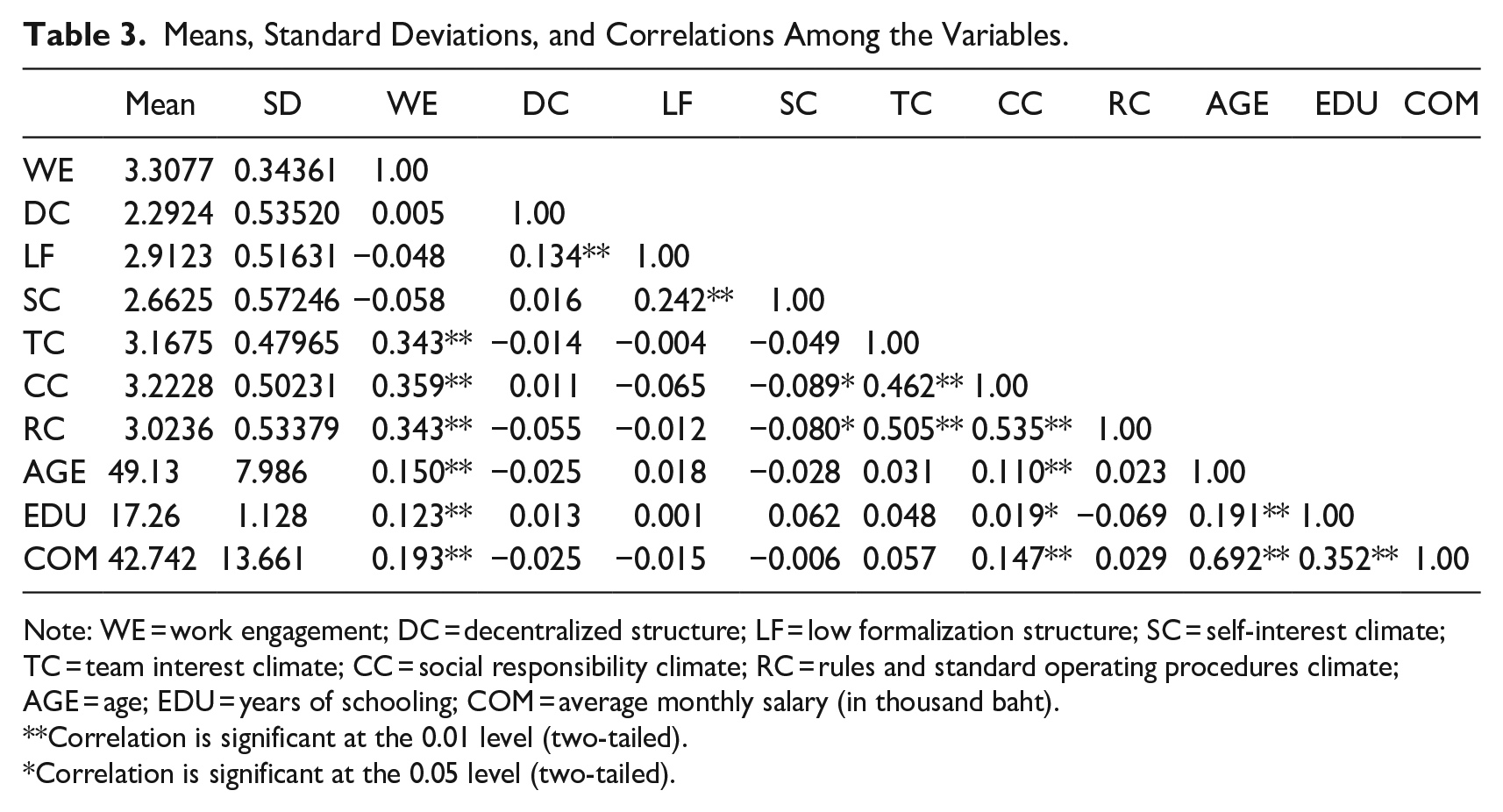
Note: WE = work engagement; DC = decentralized structure; LF = low formalization structure; SC = self-interest climate; TC = team interest climate; CC = social responsibility climate; RC = rules and standard operating procedures climate; AGE = age; EDU = years of schooling; COM = average monthly salary (in thousand baht).
Correlation is significant at the 0.01 level (two-tailed).
Correlation is significant at the 0.05 level (two-tailed).
Tests of Hypotheses
Table 4 presents the results of the multiple regression analysis. The regression analysis indicated that decentralization of decision-making had a positive and significant impact on work engagement. Thus, hypothesis 1, proposing that there is a positive relationship between decentralized organizational structure and work engagement, was supported by this study. Low formalization organizational structure had a negative but not significant effect on work engagement, and therefore, hypothesis 2 was not supported. It should be noted that although a low formalization organizational structure can motivate organizational members to propose and exchange ideas and, thereby, improve their engagement, its lack of stable guidelines about rules, responsibilities, and relationships can increase the negative effects of role ambiguity among staff members. Low formalization, therefore, may have inconsistent or contradictory effects on work engagement. These contradictory effects and their implications are further discussed in the following section.
The Impact of Organizational Structure, Ethical Climate, and Other Control Variables on Work Engagement.
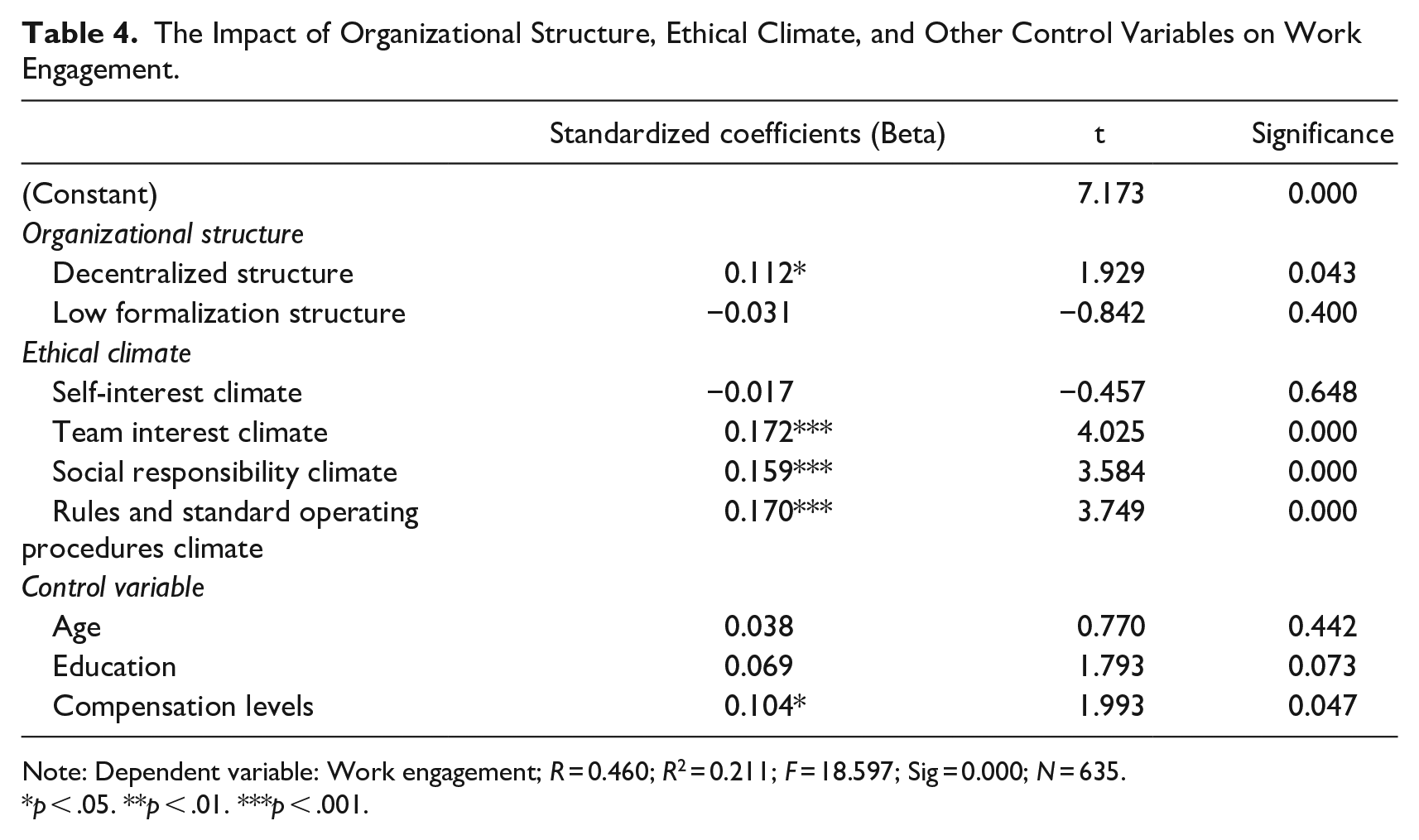
Note: Dependent variable: Work engagement; R = 0.460; R2 = 0.211; F = 18.597; Sig = 0.000; N = 635.
p < .05. **p < .01. ***p < .001.
Regarding the influence of ethical climate, the regression analysis shows that self-in-terest ethical climate had a negative but not significant impact on work engagement. Hence, hypothesis 3 was not supported by the study. On the other hand, the team interest and social responsibility types of ethical climates had significant positive effects on work engagement, thereby confirming hypotheses 4 and 5. These findings are consistent with the findings of Elci and Alpkan (2009), Goldman and Tabak (2010), and Deshpande (1996).
Finally, the rules and the standard operating procedures type of ethical climate also had a significant positive impact on work engagement. Therefore, hypothesis 6 is supported by this study. This finding tends to be in line with the argument of Cullen, Parboteeah, and Victor (2003). In their study on the effects of ethical work climate on organizational commitment, it is argued that rules and standard procedures give organizational members certainty about their work. When organizational members know what they can or cannot do, this gives them the security to make decisions. The rules and standard procedures type of ethical climate is essential for work engagement.
Discussion and Implications
Improving work engagement of local public officials is a difficult challenge. The increase in urbanization, an economic downturn, and greater expectations of the populace have increased the pressures for more effective local government performance. Despite this increase in demand for effective government, poor work engagement and performance of local government employees are frequently cited as the main obstacles to the development of many countries including Thailand (see Haque 2010, 678; Jacobson and Sowa 2016, 125–8; Perlman 2016, 114–5; Rauhaus 2022, 84-86; Shah and Thompson 2004, 22; Shri-ngare and Fernandes 2021). The objective of this study is to investigate the impact of decentralized organizational structure and ethical climate on the work engagement of local public employees. Specifically, it examines the effects of the decentralization and formalization of organizational decision making and ethical climate types (particularly social responsibility, team-interest, and rules and standard operating procedures climate types) on the work engagement. The findings from this study should help to contribute to a better understanding of how to improve the work engagement of local public officials in Thailand and beyond.
The findings from this study reveal that organizational climates, particularly team interest, social responsibility, and rules and standard operating procedures type of climates, tend to have a significant positive impact on work engagement. Therefore, it is important for local administrators to foster these work climates in their organizations. Creating team interest by building trust, open communication, and team processes within the organization can increase coordination, and the exchange of knowledge and workforce engagement. As presented in Tantardini (2022, 215), to foster team processes it is important for organizations to develop activities that create a sense of group identity that help to expand connections among the members of the organization. Additionally, it is also necessary for the organizations to foster collaboration instead of competition among their members. Further, promoting a social responsibility climate is also an effective mechanism for higher levels of work engagement. Thus, in order to create this social responsibility climate, it is importance for local government organizations to develop activities that encourage coordination, co-production, and joint working between their members and stakeholders and communities beyond the organizations (Andrews 2010, 597). Additionally, establishing a stable and clear set of rules and professional standards can also improve workforce engagement. Local governments tend to function better if they can establish a stable and clear set of rules and standard operating procedures (as embedded in a generally supportive environment) that the organizational members can follow. Of course, rules and regulations that are too rigid could negatively affect innovative action; however, clear, and stable rules and standard procedures can reduce the negative effects of role ambiguity among staff members and the abuse of power and thereby improve work engagement (Haque 2010, 682; Rohitarachoon and Hossain 2012, 560).
Besides the above policy implications, the findings from this study also have other important implications. First, the positive relationship between the decentralized organizational structure and work engagement found in this study suggests that the decentralization of decision-making to lower-level actors can improve work engagement. In Thailand, the long-standing dominance of a highly centralized bureaucracy has been identified by many scholars as one of the major factors that reduce public employees’ work enthusiasm and increase alienation by limiting their autonomy and creativity (Haque 2010; Rohitarachoon and Hossain 2012; Sudhipongpracha and Wongpredee 2016, 444). Given the increase in the complexity of the social and economic conditions of local communities, successful workforce management requires local officials to act innovatively in order to overcome these challenges (Jacobson and Sowa 2016, 122; Perlman 2016, 114–5). The decentralization of decision-making can, therefore, give public employees the motivation to be creative and innovative, enabling them to propose new ideas and improve their engagement.
Second, the non-significant negative relationship between low formalization organizational structure and work engagement suggests that the benefits and costs of low formalizing organizational rules and procedures may simply cancel each other out. While a low degree of formalization can motivate staff to propose and exchange ideas that are likely to result in better work engagement, it can also (in the absence of stable guidelines about rules, responsibilities, and relationships) increase role ambiguity and decrease the clarity of purposes. One way to reconcile these contradictory effects of formalization is to focus on the way in which formalization is implemented. Formalization structure can be applied to different levels within the organization, ranging from the organizational level down to the level of job roles. Formalizing rules and procedures at the organizational level helps to delineate the boundaries within which the employee operates and clearly specifies the roles and relationships between the employee and the rest of the organization. Thus, formalization at the organizational level should be beneficial to work engagement (Hempel, Zhang, and Han 2012, 480–2). However, formalization at the level of job roles can act as a constraint on the employee’s freedom of action within the boundaries of directions and procedures specified at the organizational level and thus can hinder the employee’s motivation to propose and exchange ideas that can result in better work engagement. Low formalizing rules and procedures at the level of job roles, therefore, allows employees freedom to exert control over their job duties and enhances their motivation (Tata and Prasad 2004, 252). According to Elsbach and Hargadon (2006, 471), low formalizing rules and procedures at the level of job roles is particularly importance for professional and knowledge employees because these employees must be allowed flexibility in the job; otherwise, their work motivation will be hindered. The findings of this study, therefore, lend support to the autonomy through boundaries approach (Seibert, Silver, and Randolph 2004) which emphasizes the role of autonomy in teams and of employees at the level of job roles, but also highlights the need for boundaries. Organizational formalization represents the boundaries that act to specify directions and responsibilities that employees must follow. Additionally, in accordance with green tape theory, effective formalizing rules and procedures should also have the following attributes: written requirements, valid means-ends relationships, and optimal control; and they should be consistently applied, and have purposes understood by stakeholders (DeHart-Davis 2008, 361–2; Pandey and Scott 2002, 556). These attributes can make formal rules acceptable to all stakeholders.
Limitations and Future Research
While this study helps us to better understand the influence of organizational structure and ethical climate on work engagement, particularly in the context of local administrations, it has some limitations. Since the population of this study is mid-level municipal employees, the results may be different if the focus is on different job levels (such as top administrators and lower-level actors). People higher in the organizational hierarchy tend to perceive organizational climate differently from persons in lower positions. Thus, future studies utilizing a multiple-informant survey should be encouraged. Further, future analysis could be complemented by a small sample of interviews or focus groups. This can help make the conclusions stronger and add confidence to the interpretation of the findings. In addition, this study has limitations related to its content. In this study, the focus is on the influence of organizational decision structures and ethical climate on work engagement. However, the effects of decentralized organizational structure on work engagement may be moderated by other variables (such as different types of ethical climates in the organization). Future research then should be designed to cover additional moderating variables influencing work engagement.
The focus of further research may be expanded to include other types of local government agencies, and future research may be enlarged to focus on the work engagement of top administrators as well as lower-level actors. It is also possible to expand the content of the study by including moderating variables and additional dependent variables (such as employee performance).
Footnotes
Appendix
Sample Size Selection.
| Region | Nakorn municipality | Mueang municipality | Total | Sampled Nakorn municipality | Sampled Mueang municipality | Total | |
|---|---|---|---|---|---|---|---|
| 1 | Central | 11 | 75 | 86 | 8 | 54 | 62 |
| 2 | Northeastern | 5 | 37 | 42 | 5 | 27 | 32 |
| 3 | North | 6 | 31 | 37 | 6 | 23 | 29 |
| 4 | South | 8 | 36 | 44 | 6 | 23 | 29 |
| Total | 30 | 179 | 209 | 25 | 127 | 152 |
Declaration of Conflicting Interests
The author declared no potential conflicts of interest with respect to the research, authorship, and/or publication of this article.
Funding
The author received no financial support for the research, authorship, and/or publication of this article.
