




Abstract
The present system of radiological protection has evolved with the advancement of science; evolution of ethical and societal values; and the lessons of our individual, collective, and historical experience. In communicating with each other and members of the public, words are often not enough to completely relay thoughts, ideas, or experiences. Art is a shared experience, beyond the spoken language, where many can find common ground. This paper provides several examples of utilising the visual arts, cinema, and popular culture for communication in different contexts, with discussion of how each relates to the ethical values of the system of radiological protection. In this way, we find inter-relationships between science, ethics, and experience. Experience improves understanding; empathy, or the awareness and feeling of another’s experience, can lead to similar understanding. Drawing on art and the broader human experience will help us improve our communication, promote transparency, and encourage empathy. Through this, we will be more likely to develop trust with stakeholders, which is an essential, yet challenging, aspect of radiological protection.
1. Introduction
Lauriston S. Taylor (Fig. 1) was one of the founding members of the precursors to both the International Commission on Radiological Protection (ICRP) and the National Council on Radiation Protection and Measurements. One of many memorable speeches, he gave an address in 1956 which, to my knowledge, was the first explicit acknowledgement of the broad scope of radiation protection; he closed his speech with the words, ‘Radiation protection is not only a matter for science. It is a problem of philosophy, and morality, and the utmost wisdom’ (Taylor, 1957). Taylor periodically reiterated this idea, reminding the community that we should avoid setting standards that result in ‘an imbalance in which personal risk is overemphasized at the cost of overall social and economic gain’ (Taylor, 1965), and that radiation protection considerations go ‘well beyond science; into philosophical, sociological, political, economic, and moral areas wherever questions of the uses of radiation arise. It is through its relation to these fields that the problem of controlling radiation uses becomes today so complicated’ (Taylor, 1980). Indeed, today we still find ourselves attempting to solve complex, multi-faceted problems in which science, although foundational and necessary, cannot alone provide adequate answers, and thus must be informed by ethical considerations and practical experience. The system of protection has, in fact, evolved with the advancement of science and technology, the evolution of societal values, and lessons of our experience (ICRP, 2018). This experience is not just our individual, lived experience, but also our historical and collective experience that forms and moulds our value systems. As we practice within a technically minded profession, we, as radiation protectionists, tend to focus on the hard science of our field and have traditionally struggled with how to incorporate and apply the social sciences and humanities. Although certainly not comprehensive, this paper, adapted from the 2018 Bo Lindell Laureate Lecture,
1
reflects on several examples of utilising the visual arts, cinema, and popular culture for communication in different contexts, with discussion of how each relates to the ethical values of the system of protection as a way to help promote and understand the inter-relationships between science, ethics, and experience.
Lauriston S. Taylor (1902–2004), at around age 55 years, was the first Chairman of the National Council on Radiation Protection and Measurements and a member of the International Commission on Radiological Protection by the time he was 26 years old. Courtesy of the Health Physics Society archives.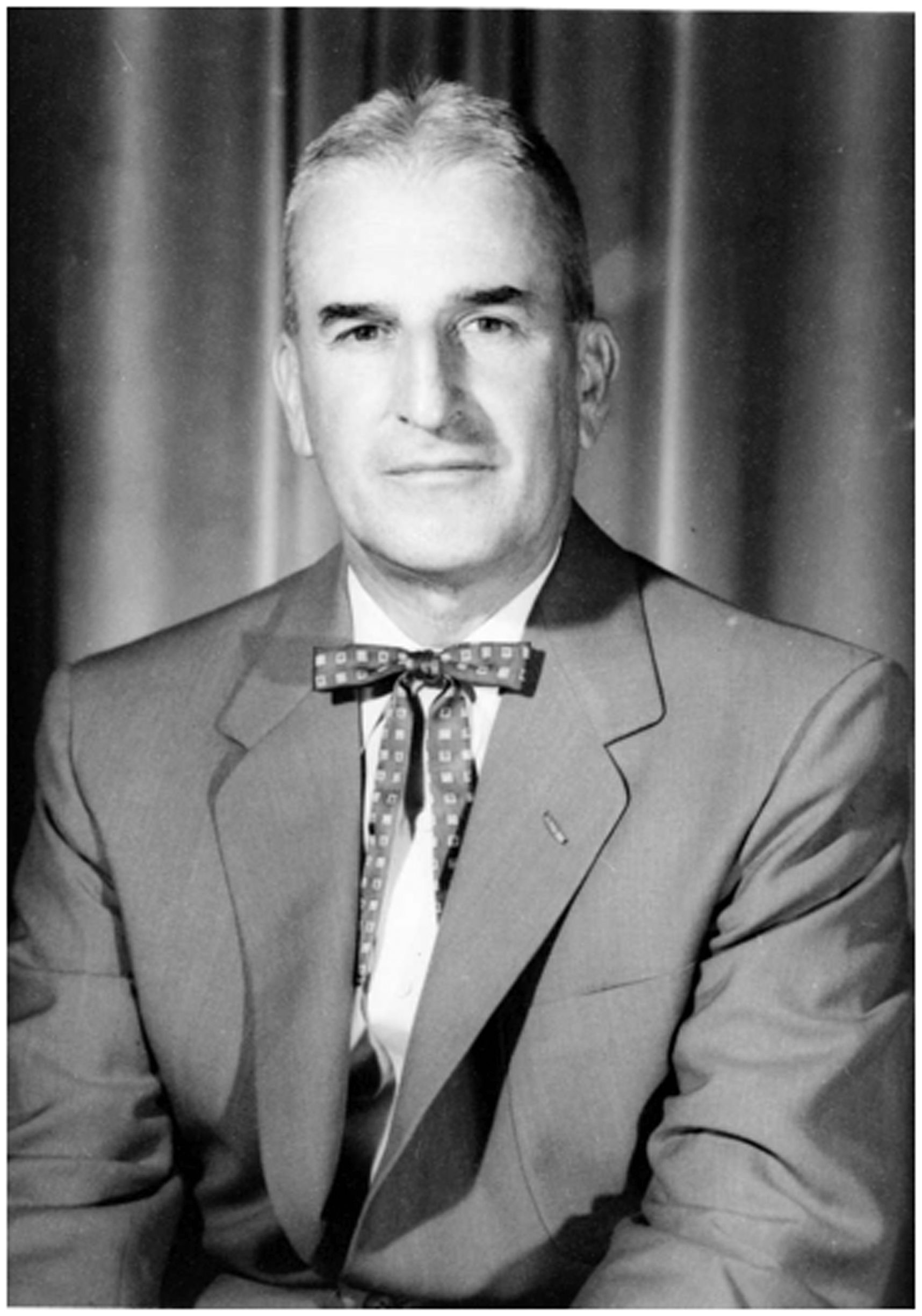
2. Ethics
The central concerns of ethics, or moral philosophy, include identifying and distinguishing between ‘right’ and ‘wrong’. It seeks to rationally and systematically discover valid principles for what ought to be, rather than what is. Ethics focuses on action and practice, and it is vital for understanding not only how we should practice our profession, but how we should live our lives (Pojman, 1995; NASEM, 2009).
2.1. Why ethics?
Science is built on trust, but ‘this trust will endure only if the scientific community devotes itself to exemplifying and transmitting the values associated with ethical scientific conduct’ (NASEM, 2009). Most scientists and engineers are familiar with a professional code of ethics, which may provide a succinct statement of ethical values, but more often focuses on obligations and duties of the profession. Such statements can serve as tools for addressing ethical problems, but often have limited usefulness due to lack of guidance on implementation, little explanation of the theoretical basis, and lack of interpretative statements (Wueste, 2005). Additionally, merely learning a concise list of bullet points is unlikely to provide the depth of understanding necessary for handling ethical dilemmas. Researchers receive responsible conduct of research training, but this training is not usually delivered in conjunction with education in the fundamentals of ethics, strategies for dealing with dilemmas, or how ethical conduct is relevant in our everyday interactions. Moreover, superficially following a formalism for professional practice is not an effective assurance of ethical conduct; incidents of misconduct in science and detrimental research practices continue to be reported worldwide, with issues ranging from irreproducibility to fabrication and plagiarism to sexual harassment (NASEM, 2017, 2018). It is unlikely that the radiation protection community is immune to these issues.
Even in the medical community, where ethics training is a staple (Beauchamp and Childress, 2001), there is a persistent need for both practical implementation strategies and information on how to recognise an ethical dilemma when encountered (Myser et al., 1995; Roberts et al., 2005; NASEM, 2017; Malone et al., 2019). For example, in 2015, the American Association of Physicists in Medicine conducted a member survey related to ethical values and dilemmas. Drawing from 969 respondents, the results indicate that ethical dilemmas are frequently unnoticed and that there is an over-reliance on the individual ‘moral compass’, which is influenced by many factors and thus is inconsistent (Malone et al., 2019). Similar observations were made in a smaller study of US faculty from a variety of disciplines (Giorgini et al., 2015).
Familiarity with, and subsequent incorporation of, ethics in decision-making is important as a truly well-informed value judgement will involve both factual and normative information. Unfortunately, ethical theory is often perceived by non-philosophers (and particularly hard scientists) as irrelevant or impractical, outside of our expertise, and subjective (i.e. ‘anything goes’) (Martinez and Wueste, 2016). Emphasising the parallels between ethical and scientific theory (Fig. 2) may make ethics more approachable and less nebulous.
Commonalities between science and ethics. Modified with permission from Martinez and Wueste (2016).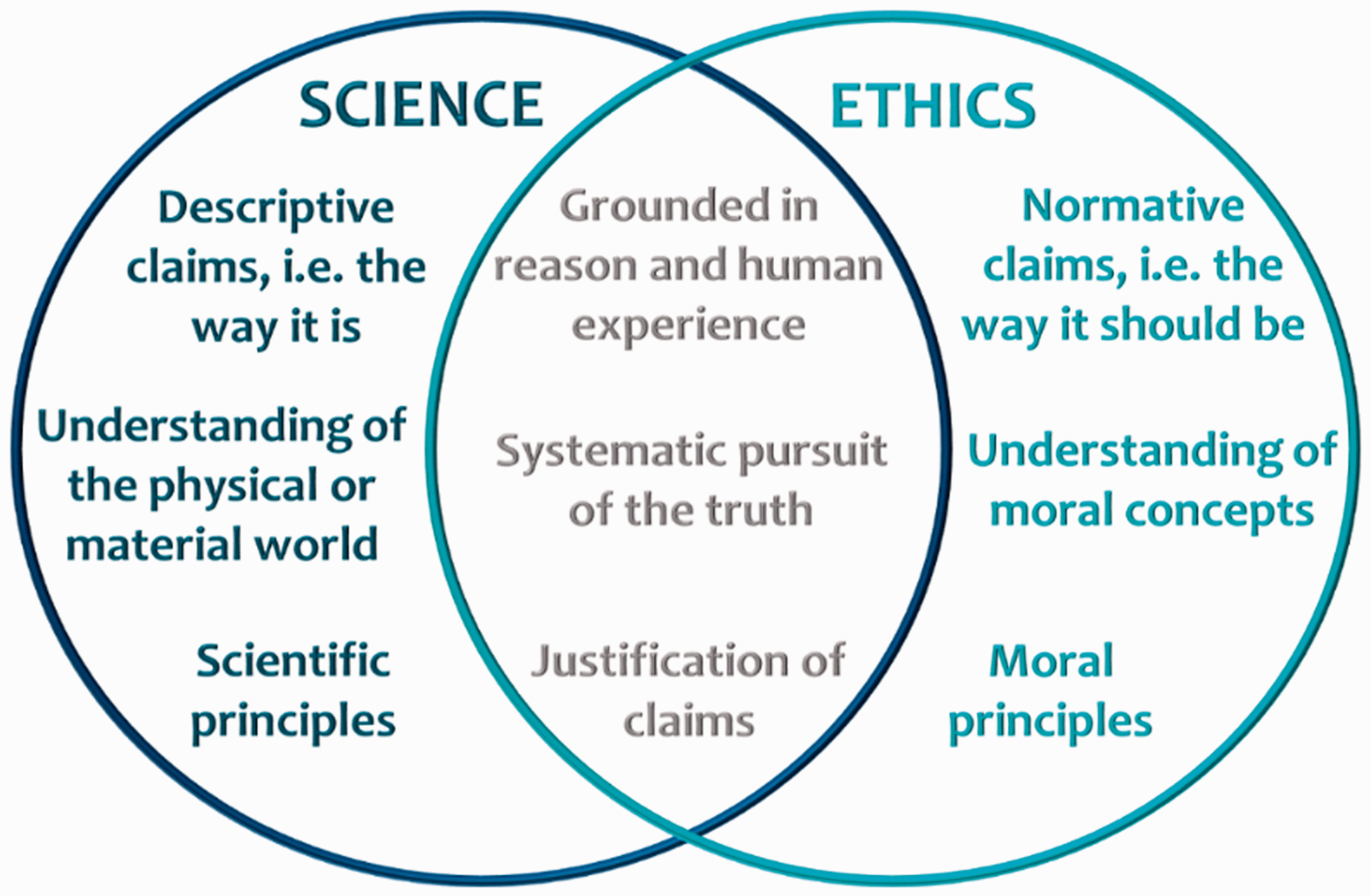
Science and ethics are both based in reason and our individual and collective experience; both seek the truth (i.e. ‘the right answer’) and adapt if previously unknown information is revealed. Both require rational and supported justification of claims (Pojman and Fieser, 2017). In proposing a new scientific theory, a scientist cannot simply say, ‘Trust me! I know in my heart this is the answer!’ without supporting evidence and be taken seriously. Feeling strongly about something is, in itself, insufficient in forming an argument concerning ethicality.
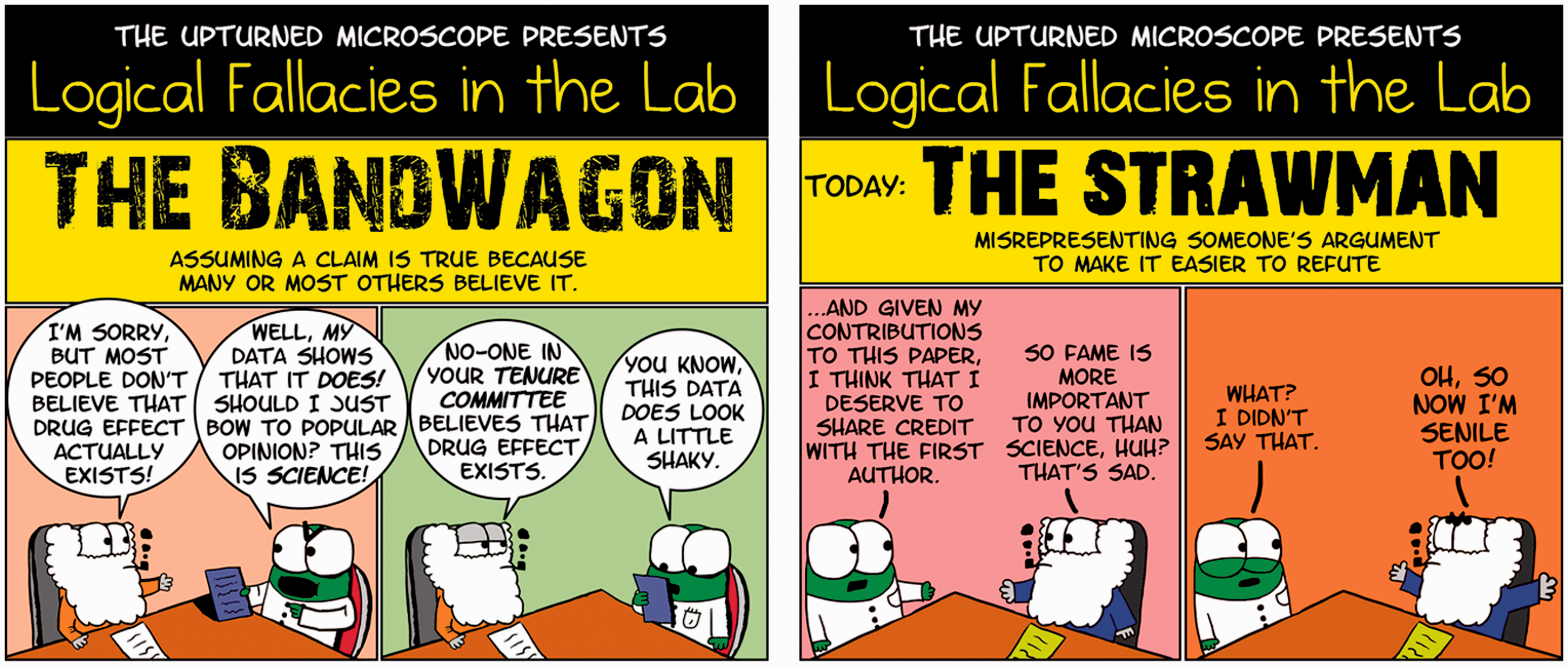
Moreover, without theoretical understanding of fundamental moral philosophy, we open ourselves up to logical fallacies when developing arguments for what is right and wrong. Examples of common flawed arguments include bandwagon, whataboutism, and strawman arguments. A bandwagon argument (‘argumentum ad populum’) assumes that widely held opinions must be true; however, it is direct, factual evidence, not popularity alone, that determines correctness. A strawman argument intentionally misrepresents a viewpoint such that it is easier to refute, but of course this misrepresentation is not the original argument. Whataboutism is particularly common in modern politics (Zimmer, 2017), and typically deflects away from the question at hand by making a reverse, often unconnected accusation. For example, in a case study (Manglass et al., 2020) considering the ethicality of purposeful mismanagement of samples from a site being remediated for radioactivity,
2
one might be tempted to ask ‘well, what about the agency that set such an unrealistic clean-up level?’ The clean-up level, whether unrealistic or not, has no bearing on whether or not the individuals involved exhibited ethical behaviour. Fig. 3 provides humorous examples of two of the above logical fallacies in a scientific context.
Examples of logical fallacies. Copyright © Nik Papageorgiou of ‘The Upturned Microscope’.
3
2.2. Three major ethical theories and ethical decision-making
How, then, do we develop a supported normative argument without going back to school for a philosophy degree? Luckily, there are a variety of different strategies for incorporating ethics into decision-making. One of these involves the consideration of three major approaches in moral philosophy with a ‘convergence begets confidence’ methodology (Wueste, 2005; Martinez and Wueste, 2016). These three approaches are consequentialist ethics, deontological ethics, and virtue ethics, which focus, respectively, on the consequences of our actions, the alignment of actions with our moral duty, and the promotion of good character (Fig. 4).
Three major ethical theories that can be used together as a toolbox in ethical decision-making.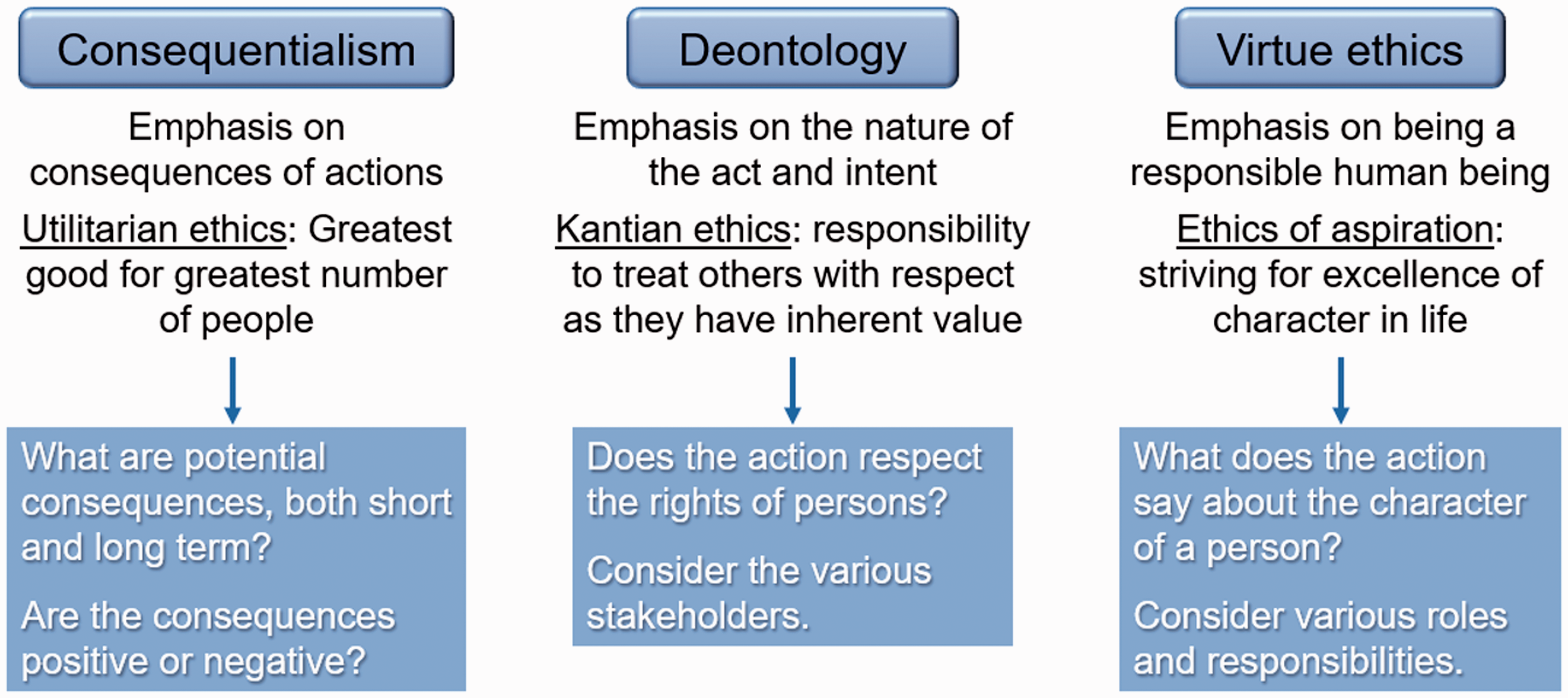
For more specificity in terms of utility for the system of radiological protection, in terms of consequentialism, we can consider utilitarian ethics, which is the furthering of the collective interest, and Kantian ethics, which is the duty to respect others. These theories, along with virtue ethics, have different approaches to assessing ethicality. Thus, if we evaluate a situation in the context of each theory individually and we obtain the same result, we have greater assurance that our decision is the right one. As in science, the more lines of reasoning that support a conclusion, the greater confidence we have in it. If the outcome is inconsistent, we are provided with an opportunity to delve deeper into the situation and perhaps reveal something we missed in the first analysis; in other words, ‘divergence stimulates discovery’ (Barnett, 1990).
2.3. Ethical values of the system of radiological protection
After a series of international workshops, the ICRP released the first publication dedicated to the ethics underlying the system of radiological protection, Publication 138 (ICRP, 2018). The three theories described in Fig. 4 have been found to form the ethical foundation of the system of radiological protection (Oughton, 1996; Shrader-Frechette and Persson, 1997; Hansson, 2007); Publication 138 expands upon this theoretical basis to describe the fundamental ethical values of the system: beneficence/non-maleficence, prudence, justice, and dignity. It also highlights three additional ethical values associated with implementation of the system, namely, accountability, transparency, and inclusiveness.
Beneficence (doing good) and non-maleficence (the avoidance of causing harm) are grouped together in Publication 138 (ICRP, 2018) as they are often applied together. For example, a vaccine can protect against a potentially deadly illness, but is also associated with transient pain at the injection site. A key question, then, is are we doing more good than harm? For an environmental example, in the early 1990s, Par Pond (a reservoir at the Savannah River Site) was drawn down due to concerns about dam integrity. The risk to a hypothetical resident from exposure to radiocaesium in the newly exposed sediments would have necessitated a remediation anticipated to cost more than $4 billion. The US Department of Energy ultimately decided to repair the dam and refill the reservoir instead, which not only cost significantly less (∼$12 million) but also preserved a large wetlands ecosystem (Whicker et al., 2004), wisely doing more good than harm.
Prudence refers to practical wisdom, or the ability to make informed decisions based on reason and rational discernment, even in the face of uncertainty. During the development of Publication 138 (ICRP, 2018), ‘prudence’ proved to be difficult to translate from English, and we often struggled to distinguish it from ‘overly precautious’. One way to make this distinction more clear is to consider allegories of prudence; as one of the four cardinal virtues adopted from Plato’s ‘Republic’ into Christian theology, prudence is quite prevalent in classical Western art (Bejczy, 2011). For example, Fig. 5 (left panel) shows a common late 1500s representation of Prudence as a woman holding a mirror (representing self-reflection and insight), with a snake (representing wisdom) wrapped around her arm, and a face, usually older, on the back of her head (representing experience). From this, we can gather that prudence is a combination of insight, wisdom, and experience.
(Left panel) Prudentia, Jacques de Gheyn II, c.1563. Copyright © The Trustees of the British Museum. (Right panel) Prudential Assurance Building, Nottingham, UK, 1880–1890. Copyright © Louise Jayne Munton.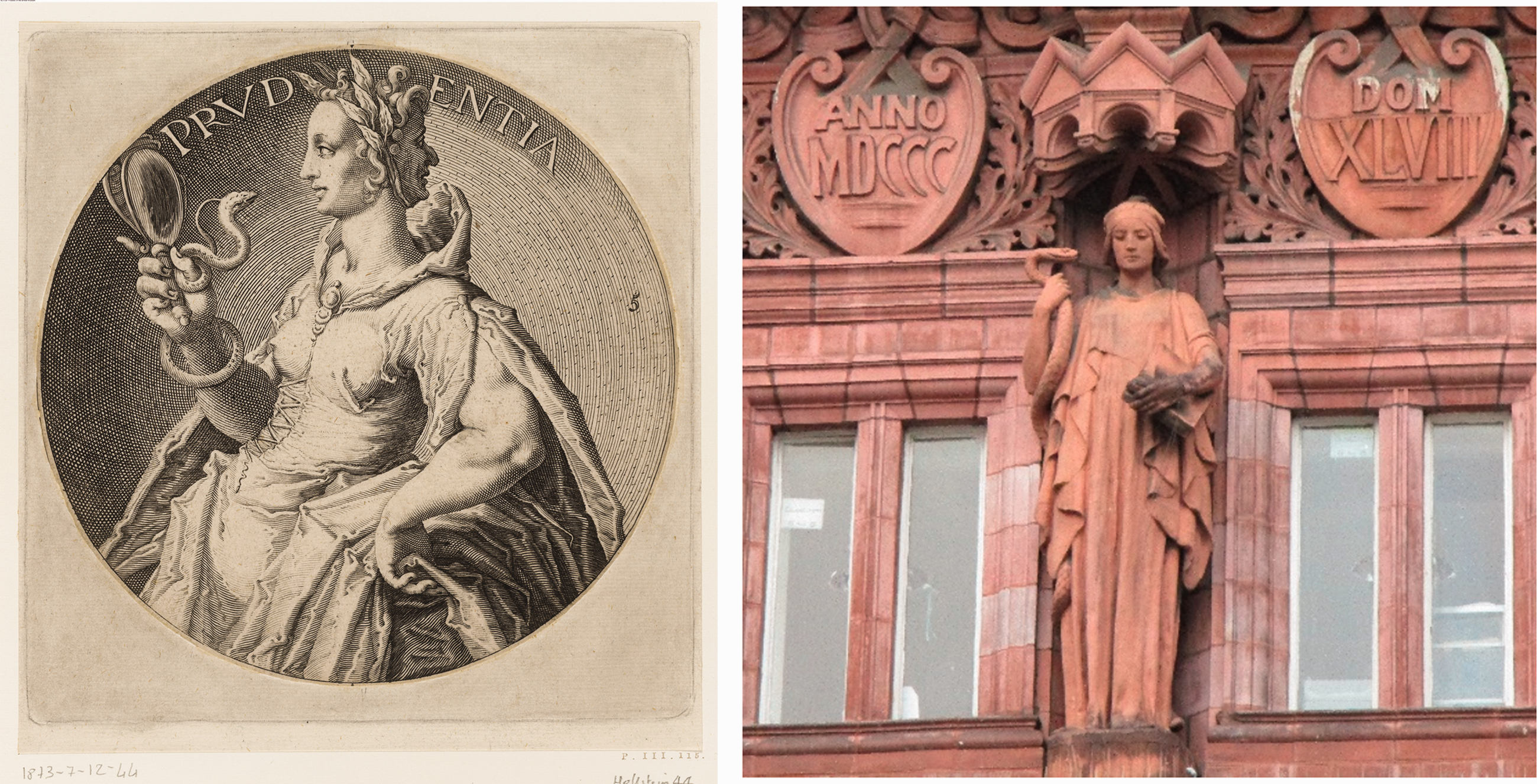
Later allegories of prudence (Fig. 5, right panel) exchanged the mirror for a book, with subtle alteration in the representation of the snake. Notice that the snake is winding around Prudence’s arm in one allegory, whereas in the other, she has a firm hold on the snake. Edmund Burke (1730–1797), philosopher and politician, considered prudence to be the most important of the cardinal virtues, and discussed it in a variety of his writings. Of interest here is his observation that the ‘same ways to safety do not present themselves to all men, nor to the same men in different tempers. There is a courageous wisdom: there is also a false reptile prudence, the result not of caution but of fear’ (Burke et al., 1999). He goes on to say that there are often situations of such dire importance that ‘the eye of the mind is dazzled and vanquished’, and that although courage is necessary in such cases to make difficult decisions, we can become mistaken that difficulty arises from courage and thus choose inaction (Burke et al., 1999). We can then interpret the evolved allegory as maintaining wisdom (the book) with courage in the face of fear.
Another relevant painting from the 1500s is Titian’s An Allegory of Prudence (Fig. 6), which across the top reads ‘ The Allegory is a perfect example of how a number of respected experts can come to quite different, but credible, interpretations of an artwork. As these interpretations cannot all be entirely correct, it may be seen as posing a problem – which do you believe? Perhaps, however, this is not really a problem. ‘Certainty’ is not necessarily a realistic goal in this type of enquiry. Where experts’ interpretations differ (or even if they don’t), the viewer must ultimately come to their own conclusions, tentative as they may be, based on their own critical judgment, degree of knowledge and preferences (McCouat, 2014).
An Allegory of Prudence, Titian, c. 1550–1565. Copyright © The National Gallery.
This is an interesting and insightful observation, and is relevant to radiological protection as well, particularly with respect to interpreting data at low doses and dose rates. For example, McLean et al. (2017) review the current evidence associated with health effects at low-level exposure to radiation and observe that all six dose–response models considered are consistent with available data at sufficiently low doses. Deciding on the most appropriate model is then a value judgement. In the absence of additional data, we should focus on engaging with those affected, being transparent with information and unknowns, so that individuals can decide for themselves how to proceed. In other words, as we continue pursuing better science, there is a real and present need ‘to find ways to help people understand what they are going through, help them find information that they can trust, and help them deal with uncertainty’ (Beyea, 2018).
2.4. Cross-cultural considerations
The three major ethical theories mentioned above are a fundamental and important starting point for creating a dialogue and establishing useful vocabulary with respect to ethical values and decision-making. However, it is equally important to be aware of the cross-cultural applicability of such ethical values (Fig. 7), as cultural awareness and understanding are essential to the development of empathy and solidarity (Zölzer and Meskens, 2017).
Cross-cultural relevance of the core ethical values. See also Zölzer (2013, 2016).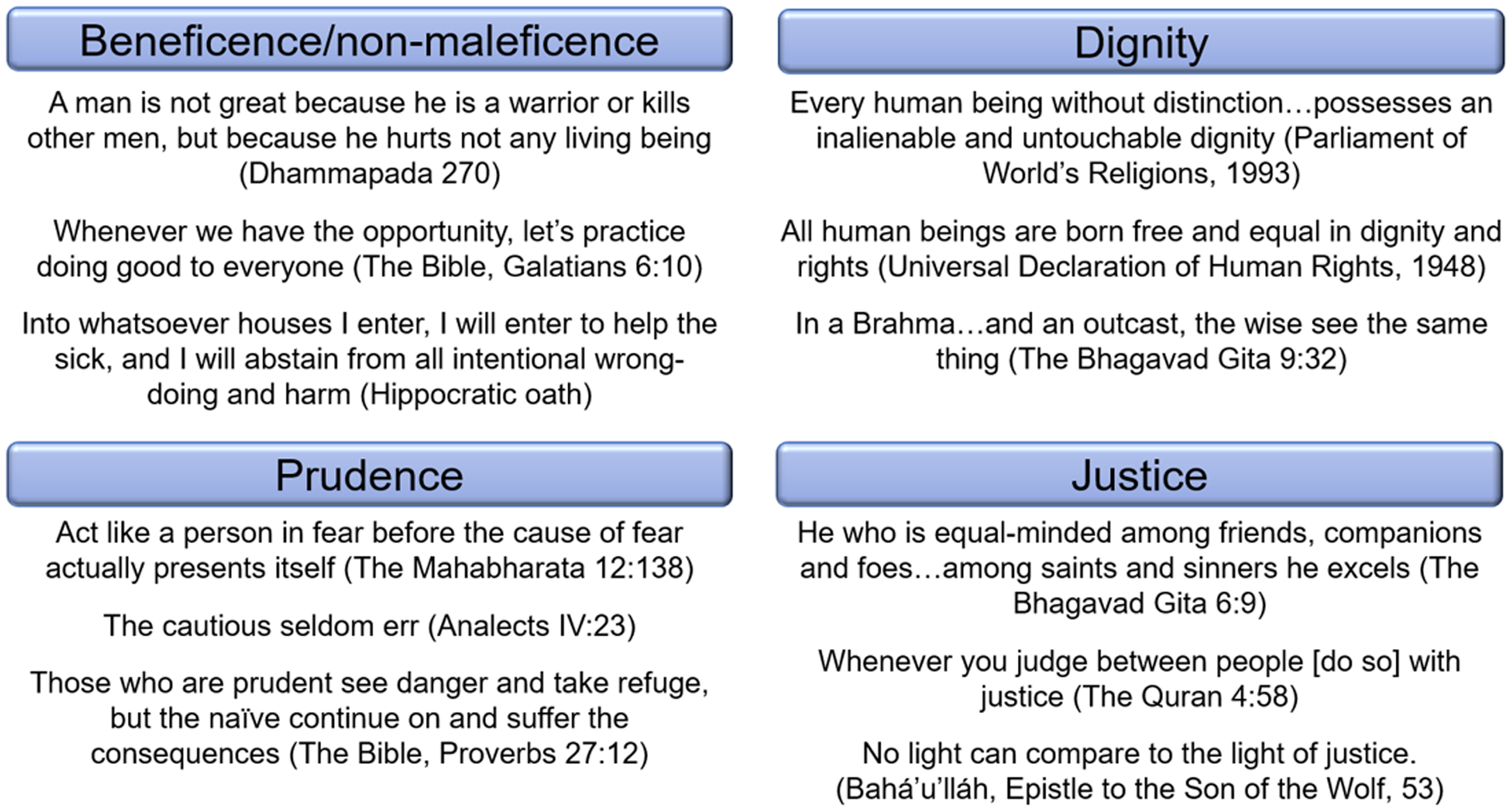
Oral and written traditions reflect the values of a culture and, for many of us, how we were raised; it is part of our individual lived experience. There is frequently a familiarity with religion that can be used to help develop understanding of secular ethical ideas. Of course, in a professional context, it would be inappropriate to focus on a single religion or tradition, but identifying commonalities within a wide selection can help make the discussion of ethical values more accessible. We can also be more confident in our foundational ethical values knowing that they promote the respect of individual rights, the furthering of collective interest, and the development of discernment and wisdom. Various oral and written traditions contain threads of these ideas as well, in a sense finding a common morality. For example, a Humanist, a Christian, and a Buddhist could all agree as to the moral standing of the ethical values highlighted in Fig. 7. In other words, the ethical values of ICRP are compatible with, and supported by, three major theories of ethics and the broader human experience observed in oral and written traditions.
2.5. Value judgements
Scientists are generally results-driven, typically taking a utilitarian-style approach to solving problems. However, this approach often does not capture the whole picture. For example, in evaluating and managing risk from environmental contamination, consideration must be given to psychological, social, and economic factors, in addition to the quantitative estimate of potential harm (Smith and Beresford, 2005; Fjeld et al., 2007; Zölzer and Meskens, 2019). Philosophers are generally more process-driven with a focus on how results are achieved, with varying approaches used to solve ethical dilemmas. However, these approaches are not always realistic. Implicit in the strategies of both the scientist/engineer and philosopher is the balancing of competing values. Real-world application of the ethical foundations, then, requires at the outset a careful balance of theory and practical considerations.
One of my partner’s favourite movies is ‘Monty Python and the Holy Grail’ (1975), and in this film, a local community has gone to the ‘wisest’ among them to discern whether a woman is, in fact, a witch. The logic followed to decide is as follows: a witch is a female who burns. Witches must burn because they are made of wood. Wood floats. What else floats on water? A duck; if something has the same weight as a duck it must float. A duck and ‘scales’ are fetched, and the woman and the duck appear to balance perfectly, as in Fig. 8. The community concludes that they must ‘burn the witch!’
Author’s rendition of the ‘Burn the Witch’ scene, due to copyright restrictions on the original.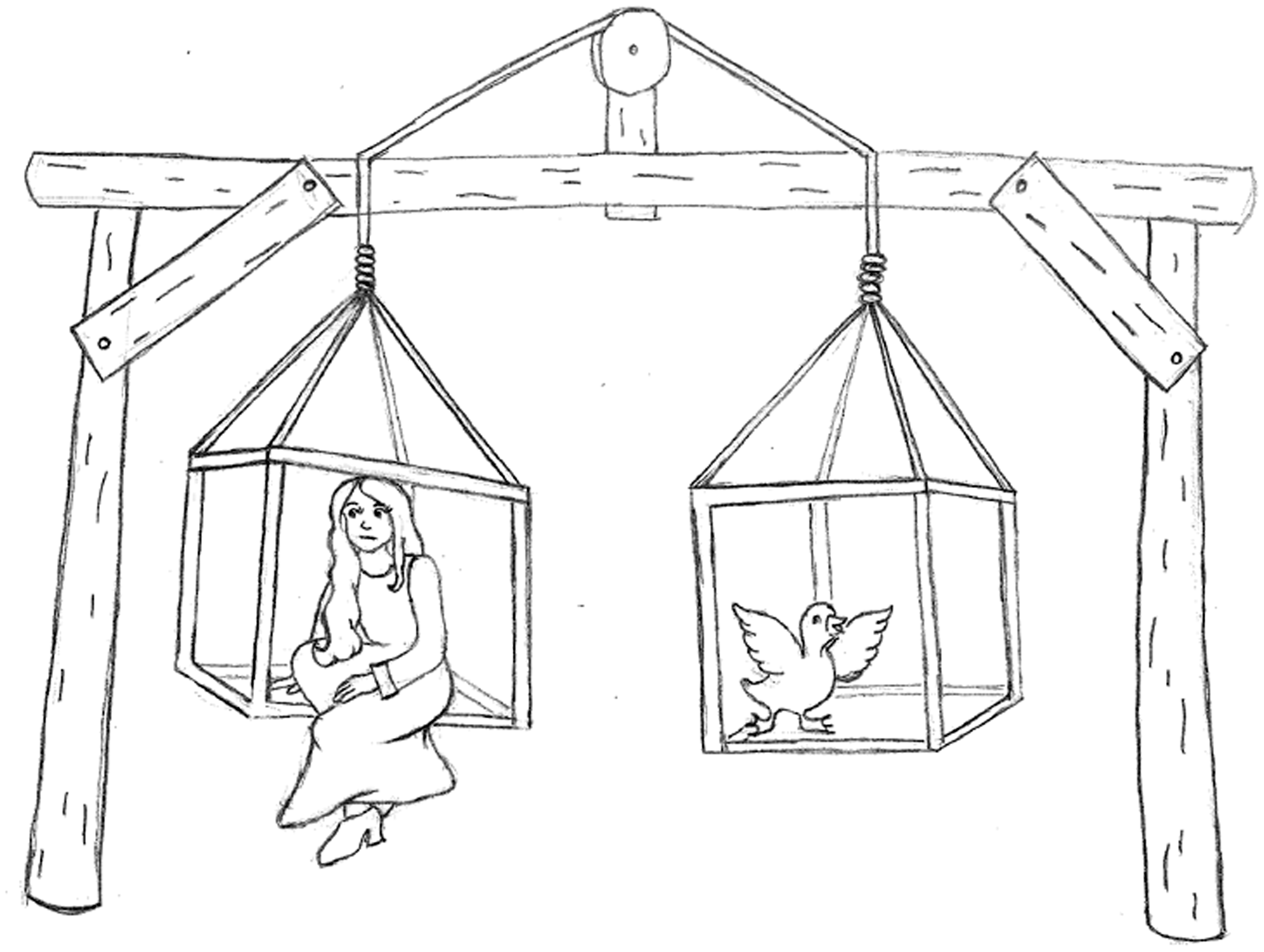
This silly example highlights two points about balancing values when making a judgement. The first is to avoid this type of situation, where there is only the ‘appearance’ of balance rather than a genuine balance. The second is to avoid jumping to the conclusion that something we disagree with has been inappropriately balanced. As scientists, we should be critically reflective, making space for the perspectives of others and challenging our own ideas such that we can, as a community, come to a robust, unbiased conclusion.
It should be noted here that the values highlighted in Publication 138 (ICRP, 2018) are not the only values of importance; depending on the situation, there may be many values to consider. For example, Publication 91 (ICRP, 2003) discusses sustainable development, conservation, preservation, maintenance of biodiversity, environmental justice, and human dignity as ethical principles with respect to environmental protection. There is a need to balance these and other values depending on the circumstance and stakeholders. There may be moral ties and indeterminacy, but this does not lead to relativism; there are still many wrong answers, even if there is not a uniquely right or ‘perfect’ answer.
Relatedly, another decision-making model, one commonly used in general ethics education, is the principles-based (i.e. value-based or value assessment) model (Kiely, 2014). In this model, as shown in Fig. 9, relevant values and stakeholders are selected, and then the values are evaluated for each stakeholder depending on the situation, proposed response, etc. This provides a structured way to begin to make value judgements, although the selection of values to consider is a value judgement in itself! Examples of this approach are presented for case studies related to radiation protection in medicine in Malone et al. (2019).
Principle-based approach to ethical decision-making. NGO, non-governmental organisation.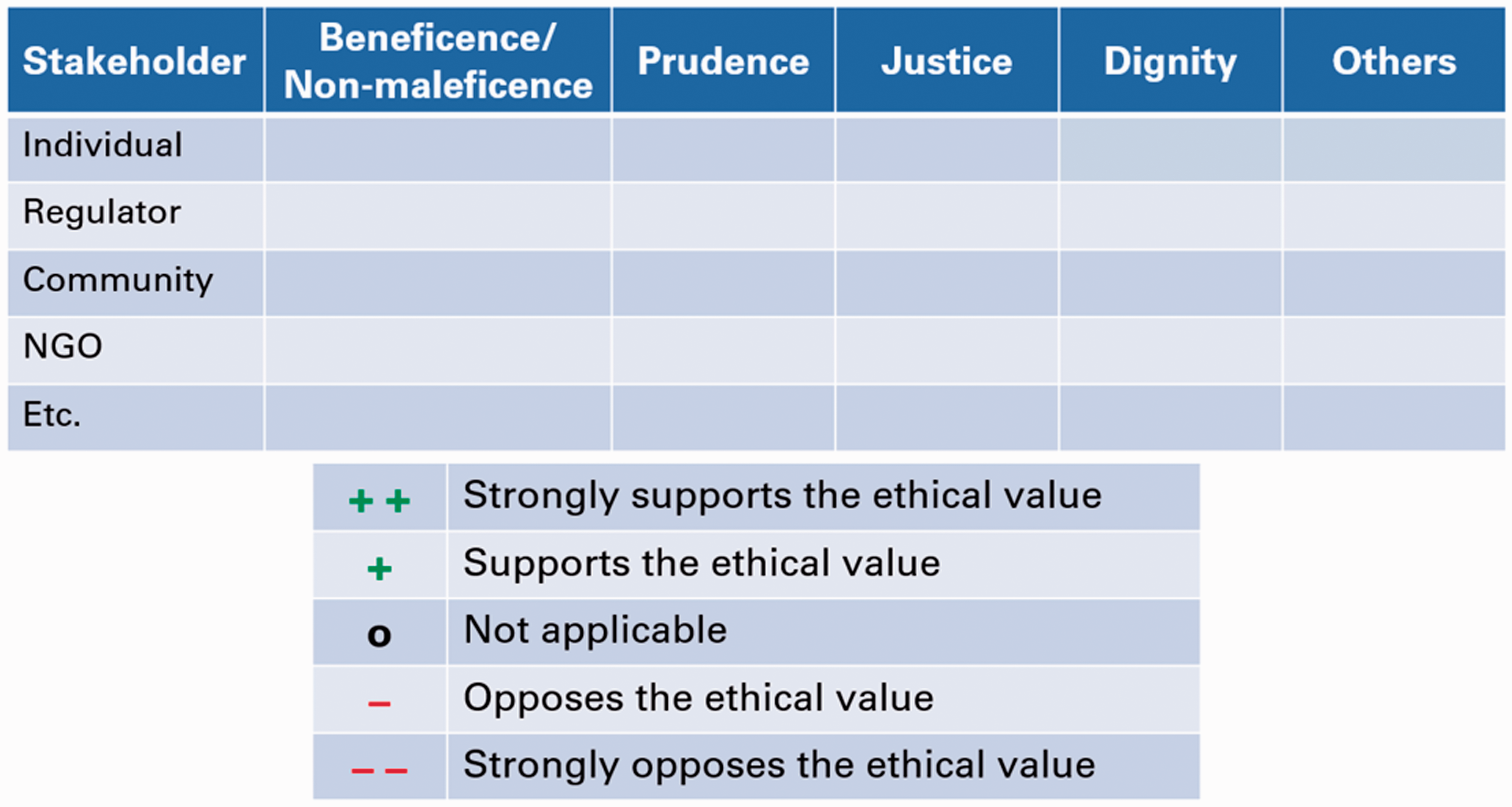
3. Inclusivity, Empathy, And Solidarity
Inclusivity is a broad term, but here it effectively means to include those who might otherwise be excluded. Stakeholder involvement and public engagement in the radiological protection decision-making process are, of course, part of inclusivity, as are professional development, care, and respect for our colleagues.
3.1. Science communication
Experts often struggle with public communication, even though communication is widely recognised as an essential component of risk management (Fjeld et al., 2007; Smith and Martinez, 2017). This struggle is both in conveying technical information as well as in fully understanding and considering public concerns. However, we are used to communicating with each other, albeit in technical language. With every paper we write and presentation we give, there is the opportunity to develop art, as charts and figures, to explain our work more fully. Many journals now recommend, or even require, graphical abstracts to summarise a paper. For example, a pictorial summary of a method currently employed in my laboratory is shown in Fig. 10.
Graphical depiction of the procedure for analysing radioisotope distribution in aqueous bacteria culture.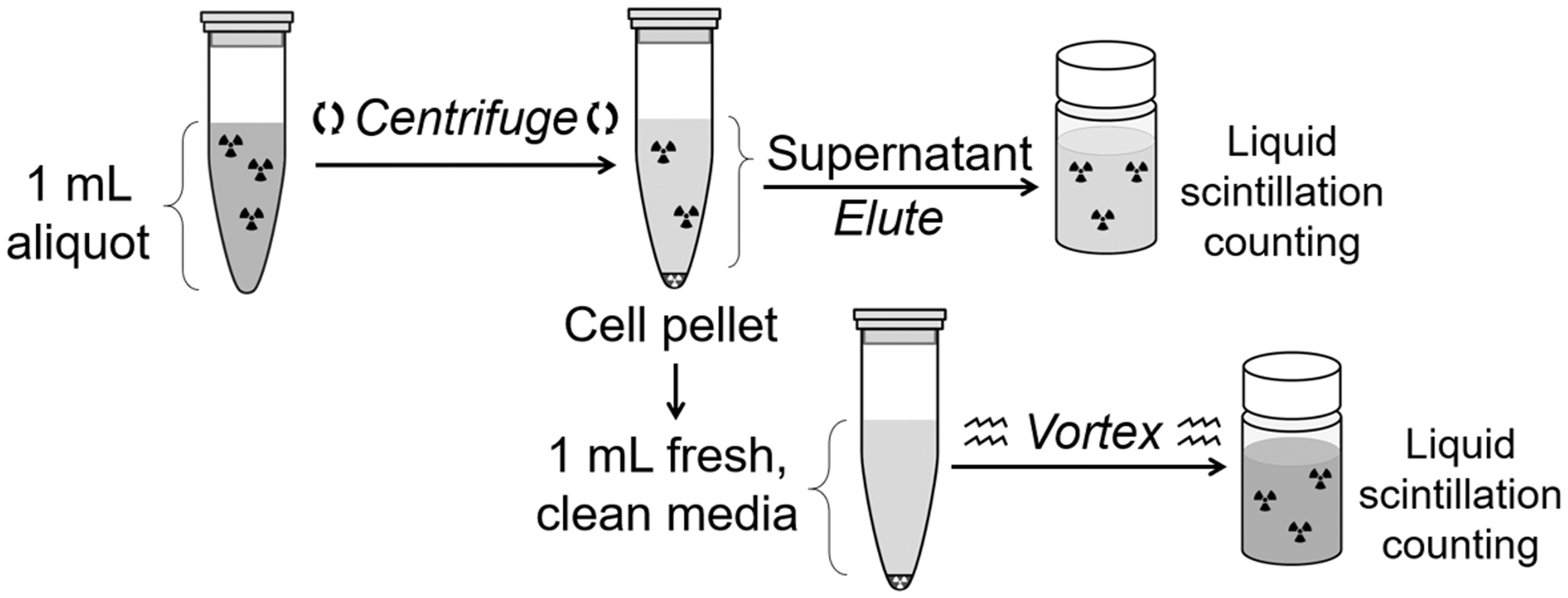
Although perhaps originally intended for our peers, graphical representation of our work can be more easily adapted to be accessible to the public, supporting both transparency and inclusivity. Many full journal articles are behind a pay wall, limiting availability; interested parties may only be able to view the abstract, so although technical language may be unavoidable in the text, a clear and easily understandable abstract is very important if we are interested in including both the general public and our peers in our scientific communication.
Related to communicating with our peers, one of my students developed and posted novel signage in and around open-source university laboratories in an effort to improve the radiation safety climate. These included internet memes, a scientist Barbie® with indication of what was and was not appropriate attire for the laboratory, and a safety newsletter (Root et al., 2020).
I mention this study, along with the results, for two reasons. First, it demonstrates that novel communication strategies can be impactful, as several categories of safety climate improved after the intervention (Fig. 11). Second, if you are viewing this paper in colour, you will notice that Fig. 11 data are shown in purple and green. Although this colour combination is not terribly pleasing from an aesthetic standpoint, it is accessible to most types of colour blindness (Manglass, 2019), something else we should ideally consider when developing graphics.
Safety climate survey average responses with 95% confidence intervals before (top/purple bars) and after (bottom/green bars) intervention in Princeton University open-source laboratories. *Darker bars indicate significant differences. Data from Root et al. (2020).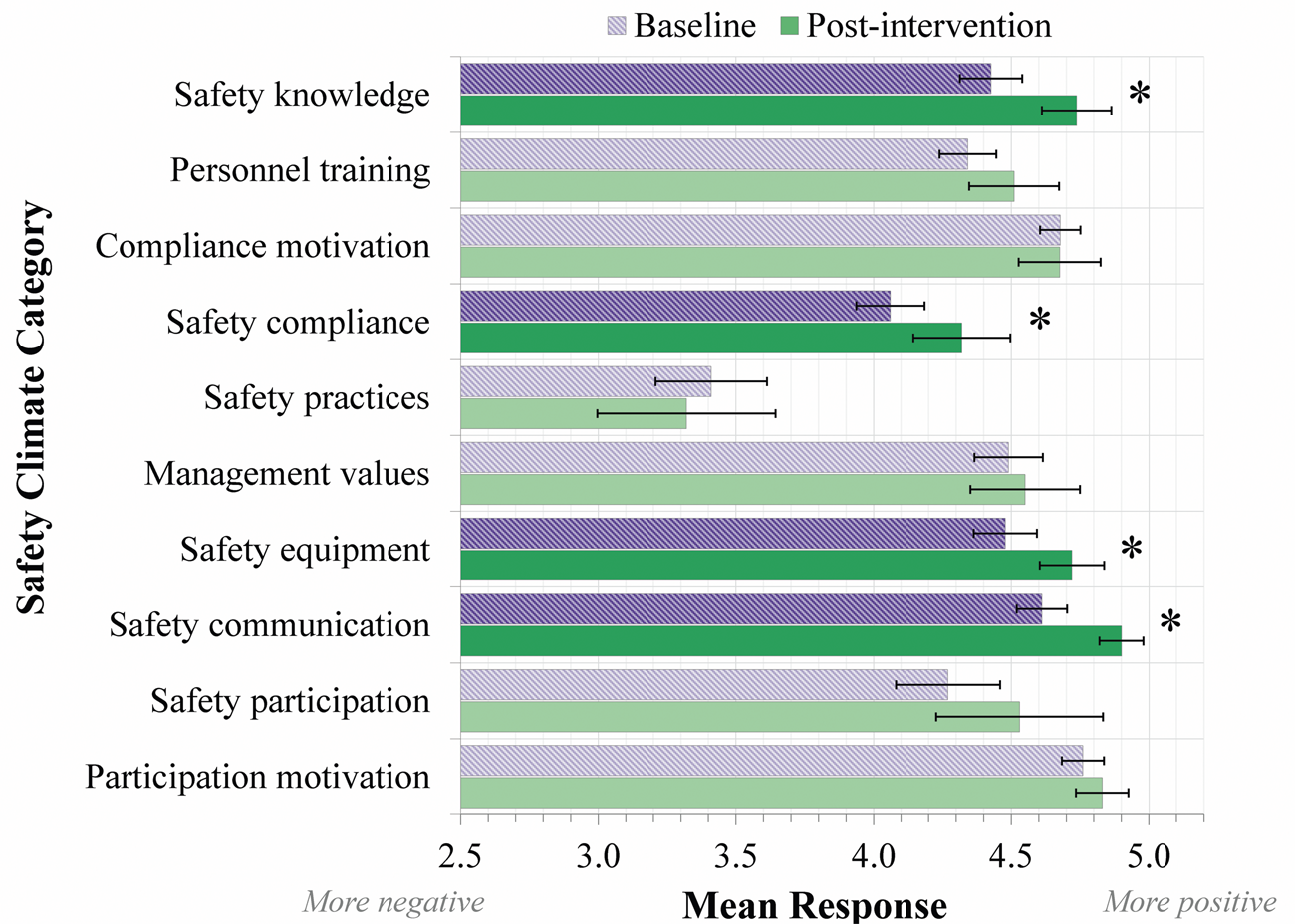
3.2. Why empathy?
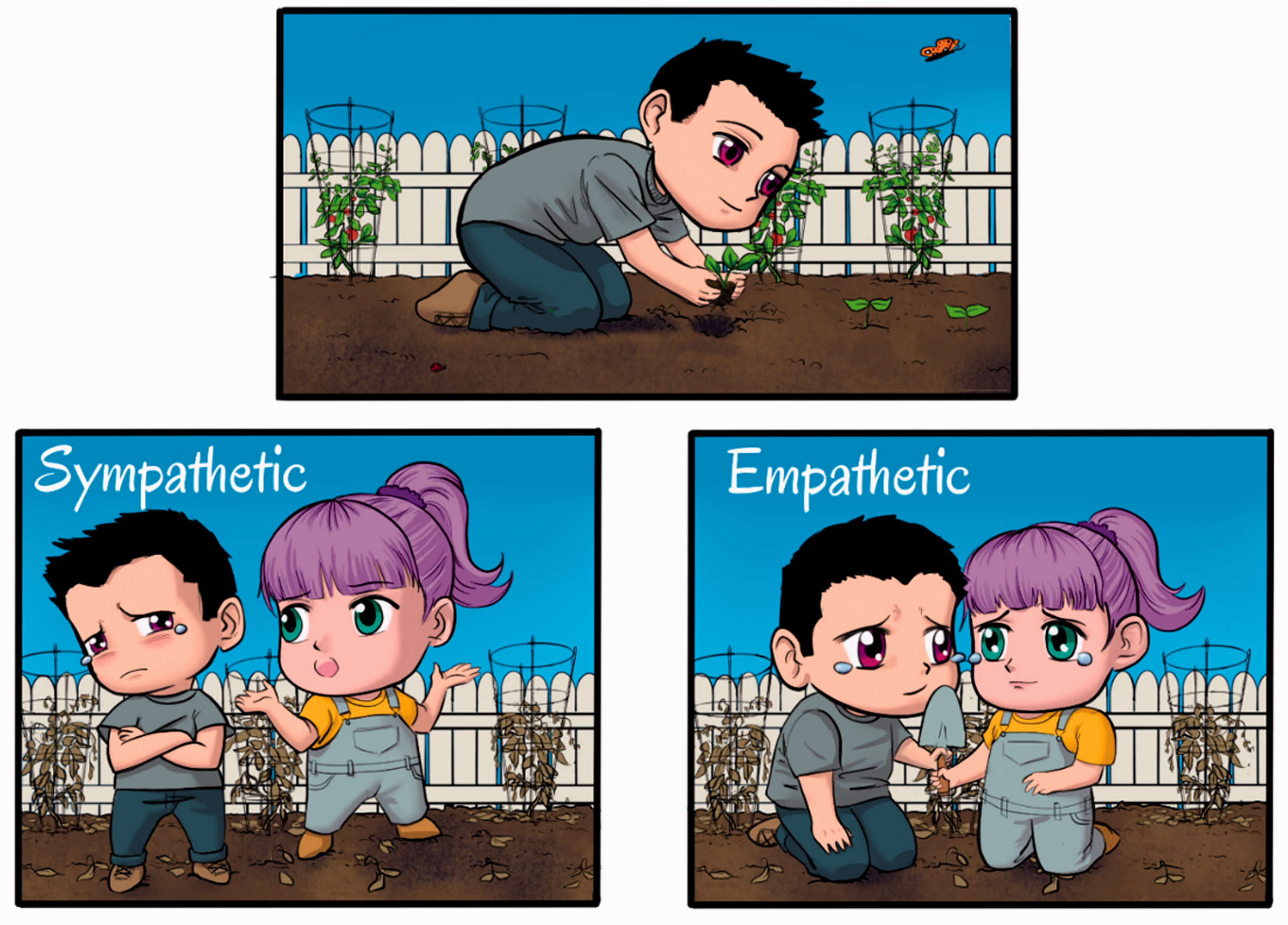
Beyond clarity, effective communication with stakeholders requires mutual trust and understanding (Brandl and Tschurlovits, 2018), and development of this understanding requires empathy; simply sharing information does not build the trust necessary to develop a positive relationship with the public (Engdahl and Lidskog, 2014; Ando, 2018). Empathy is distinct from sympathy in that sympathy is ‘feeling with’ someone whereas empathy is ‘feeling into’ someone. An academic definition of empathy would be ‘the capacity to feel and understand the emotional, affective but also motor, somatosensory, or intentional experience of others and their associated mental state, while adopting the others' visuo-spatial perspective and psychological viewpoint and consciously maintaining self-other distinction’ (Thirioux et al., 2014, 2016). However, this definition may be a bit esoteric for many people. Again, a graphic (Fig. 12) is likely to be more effective in communicating the distinction between sympathy and empathy.
Representation of sympathy vs empathy. Copyright © Angela Fernot.
4
Ethical decision-making often requires an acknowledgement and balancing of multiple, possibly competing, values, as discussed above. In such difficult situations, empathy can be an essential factor in recognising the impact our decisions can have outside our personal sphere. To truly work for the good of individuals and the community, experts must recognise the community’s needs, challenges, and values in addition to possessing technical competency (Lavery et al., 2003; Amadei and Sandekian, 2010). Widening empathy is increasingly recognised as an essential component of successful community-based projects (Zölzer, 2014), and in fact, empathy has been suggested as the most fitting way to apply beneficence and solidarity (Zölzer, 2018).
3.3. Empathy and historical experience
In developing empathy, we also cannot forget the lessons of our past; ‘our scars remind us that the past is real’ (Harris, 1981; Shaddix and Esperance, 2005). For example, the legacy of harnessing radioactivity to develop nuclear energy, intended for the good of humanity, has left scars on the present.
Patrick Nagatani
5
(1945–2017) was an artist and professor with a fascinating body of work in photography and multi-media art (Roberts, 2017). Nagatani’s family originated in Hiroshima, and both of his parents were held in Japanese internment camps during World War II. Nuclear Enchantment (see Nagatani and Parry, 1991) is a series of photocollages with a purposefully ironic name, harkening to New Mexico’s nickname: the Land of Enchantment. Nagatani sought to highlight both the fascination and detriment associated with the Manhattan Project and Cold War legacies in New Mexico, frequently linking to Native American and Japanese culture, as he believed these two populations were those most severely and negatively impacted by these events. Two of my favourite pieces from the series are shown in Fig. 13. In both collages, Nagatani adopts symbology from the classic One Hundred Famous Views of Edo (名所江戸百景) (Fig. 14) by Japanese artist Hiroshige. These depictions of Edo (renamed ‘Tokyo’ in 1868) were originally woodblock prints, embellished with mica (Andō et al., 2010).
(Top panel) Golden Eagle, United Nuclear Corporation Uranium Mill and Tailings, Churchrock, New Mexico, 1990. (Bottom panel) Japanese Children's Day Carp Banners, Paguate Village, Jackpile Mine Uranium Tailings, Laguna Pueblo Reservation, New Mexico, 1990. Copyright © 1989–1991 Patrick Nagatani, courtesy of Andrew Smith Gallery, Tucson, AZ, USA. (Left panel) Fukagawa Susaki and Jumantsubo (Fukagawa Susaki Jumantsubo), 1857. Copyright © Los Angeles County Museum of Art, CA, USA/Bridgeman Images. (Right panel) Suidō Bridge and the Surugadai Quarter (Suidobashi Surugadai), 1857. Copyright © Brooklyn Museum of Art, New York, USA/Gift of Anna Ferris/Bridgeman Images.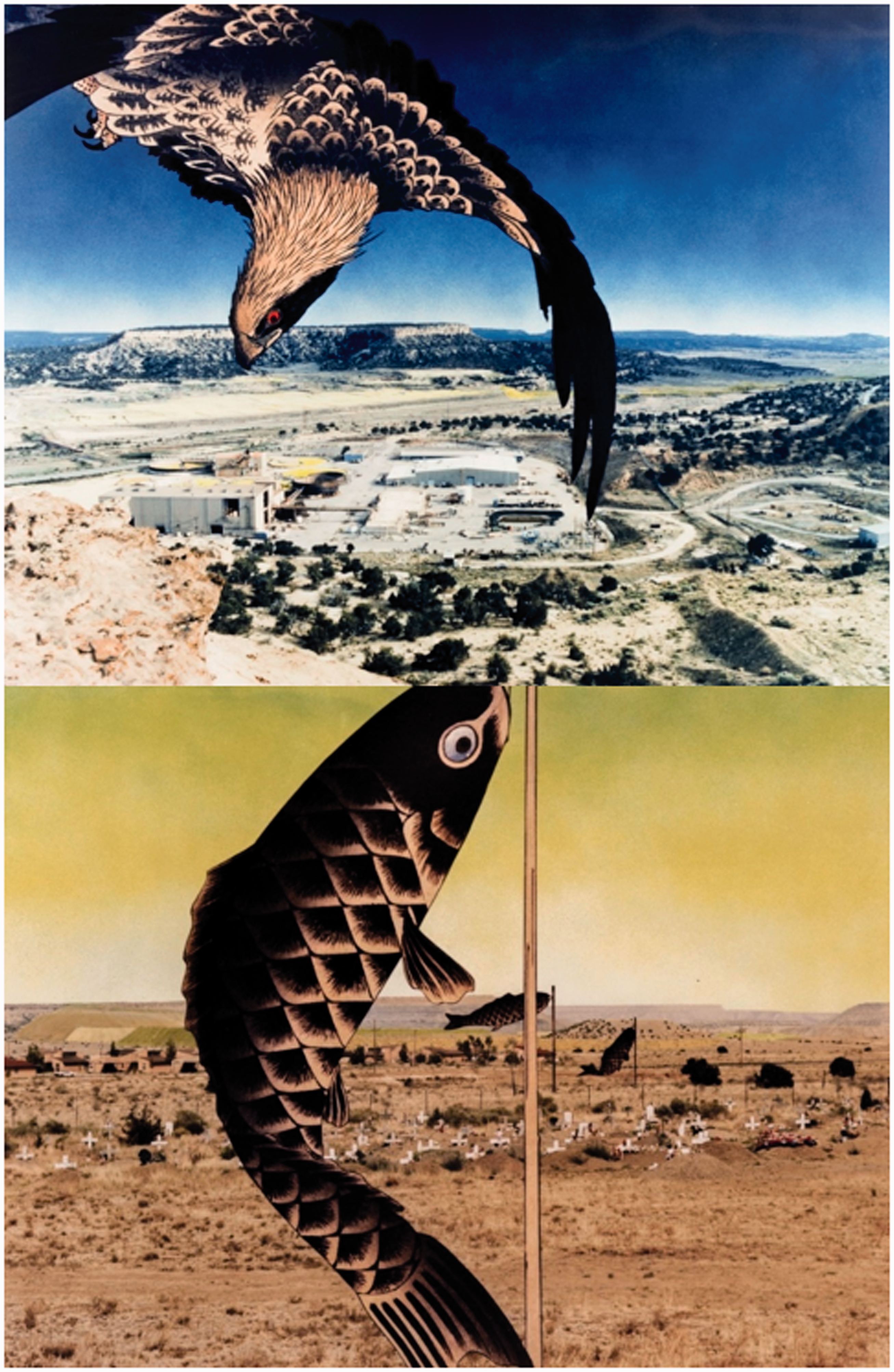
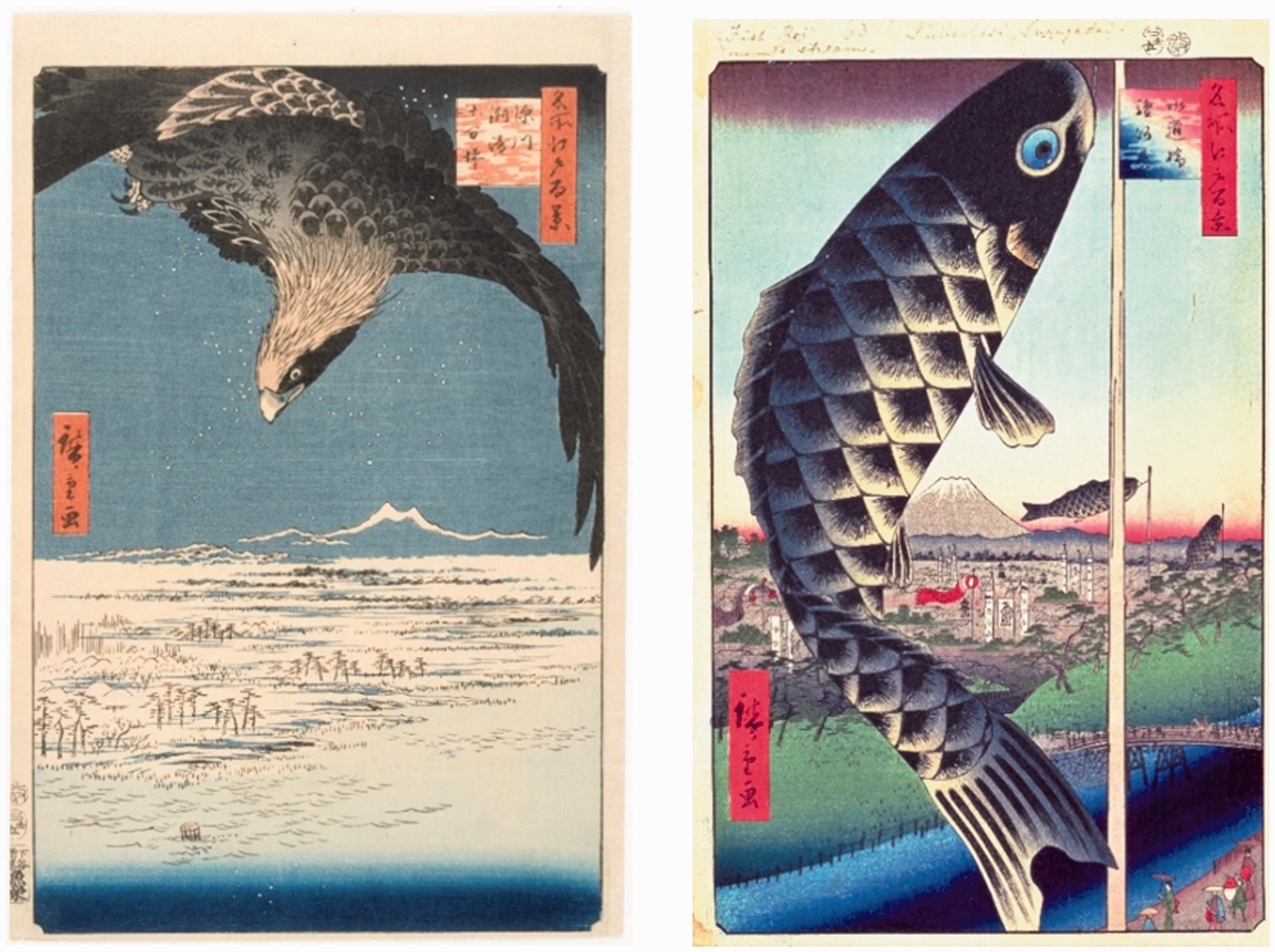
In the top panel of Fig. 13, Hiroshige’s golden eagle soars over the site of the 1979 Church Rock, New Mexico spill, in which an earthen dam failure resulted in the release of mill tailings into the Rio Puerco, which was the largest release of radioactive material on US soil (Brugge et al., 2007). The seemingly small-scale exposure assessments and generally muted response to the spill and mining legacy in general has left the local community concerned for their long-term health and well-being. The eagle represents power but also recovery, and serves as a reminder that recovery is often long term and ongoing. Even something that happened a generation before is still with us, and we cannot forget lest we leave those impacted behind.
In the bottom panel of Fig. 13, carp banners overlay a series of graves with uranium mill tailings in the background. There are three banners, fading into the background to almost merge with telephone poles in the original photograph. Children’s Day (‘Kodomo no Hi,  ’) is a national holiday in Japan celebrated on the fifth day of the fifth month. Carp-shaped windsocks or streamers are raised to celebrate health, happiness, and success for children; carp represent strength, courage, and determination in overcoming life’s difficulties due to their ability to swim against the current. The juxtaposition seems to ask: what is our children’s future? What have we left for them? Here there is also a play on Trinity with the three carp banners, as in the Holy Trinity from the Christian tradition, with crosses on the graves, and the Trinity referring to the first nuclear device detonation, with tailings in the background.
Of course, it is not the only way, but art can help us move from an academic to an emotional understanding of the situation, in this way identifying with stakeholders and more fully grasping their concerns. A more holistic understanding of the circumstances puts us in a better position to work for the public benefit; in other words, the promotion of empathy can, in turn, help us develop solidary with the community.
3.4. Solidarity and building our community
In addition to stakeholder involvement, dignity and inclusiveness also apply to how we interact within our field. Although we may or may not have experienced it personally, harassment, bullying, and discrimination are still prevalent in many workplaces (Nielsen et al., 2010; Gibney, 2016; NASEM, 2018), which not only can have a detrimental impact on someone’s career but also on their overall health and well-being (Verkuil et al., 2015; Nielsen et al., 2016). This, in turn, can affect the health of the overall field or organisation, and even the progress of science.
There is a relatively new Japanese anime on Netflix, ‘Aggretsuko’, featuring a red panda who sings death metal karaoke to relieve her frustration with her job, including the workplace bullying she experiences. The popularity of the show suggests that people relate to the characters’ experiences, with the charm of the show lying in the juxtaposition of the overall realistic theme in a ‘kawaii’ (cute) style (Russon, 2018). It is tempting to assume that our field is the exception, but it is important to be aware of and acknowledge the experience of others. Anecdotally (Gillenwalters and Martinez, 2017) and in an informal survey of members of the Health Physics Society (HPS) (Berry and Root, 2019), it is apparent we can do better as a community in supporting and caring for each other.
What are some things we can do to promote diversity and respect? It is one thing to observe a problem, but another to act. I do not have a unique answer, but we have been working in that direction. For example, at my home institution, we participate in Girl Scout Day and related outreach activities where young students come in to learn about science; encouraging girls and other under-represented populations in science can be impactful. Highlighting the contributions women have made to the field of radiation protection (e.g. Martinez, 2017) can also be encouraging to up-and-coming radiation protection professionals, and there has even been a special issue of Health Physics dedicated to woman-led articles (Martinez, 2018). There has been a Women and Minorities Reception at the annual HPS meetings since 2017. Everyone is welcome at the reception of course, but it provides an opportunity for explicit acknowledgement and appreciation of under-represented voices. There is also a new section in HPS called ‘Women in Radiation Protection’, open to all genders, whose mission is to ‘build and maintain a supportive community that will advocate for the professional development of women and other underrepresented groups in health physics and related disciplines’ (HPS, 2018). The 15th International Congress of the International Radiation Protection Association will have a special panel session on Women in Radiation. Note that although the percentage of health physics and nuclear engineering degrees awarded to women has increased over the past few decades (Fig. 15), there is still a very low percentage of these degrees awarded to racial minorities (Gillenwalters and Martinez, 2017), which we should actively address moving forward.
Trends in health physics and nuclear engineering degrees (all levels) in the USA by sex. Modified with permission from Gillenwalters and Martinez (2017).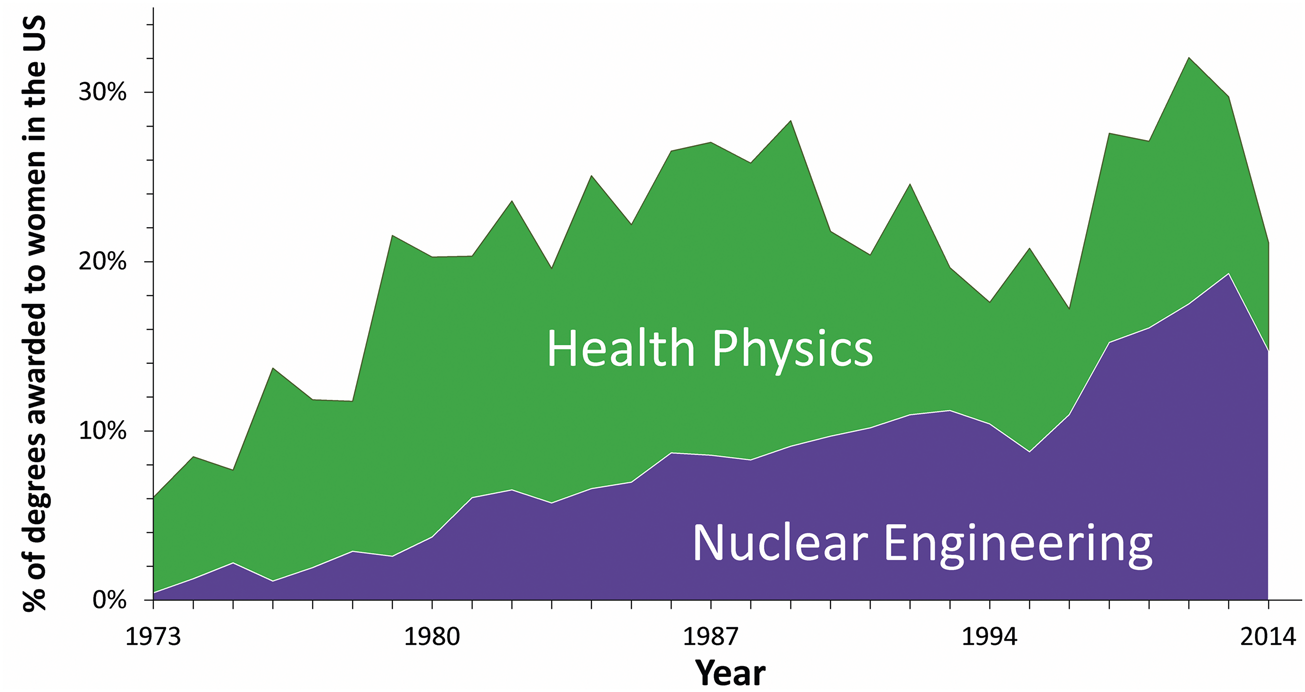
In terms of fostering respect, awareness and accountability go a long way, as will the renewed emphasis of ethical principles in radiation protection. In line with other scientific organisations (Favaro et al., 2016), HPS adopted a respectful behaviour policy (15 December 2017) to ensure, and provide a mechanism for enforcement of, a safe and inclusive environment for its members. Similarly, the Society for Radiological Protection recently updated its code of conduct which includes a more thorough outline of expectations for how members treat each other (SRP, 2019).
4. Conclusion
The common thread of this lecture is solidary; that is, the union arising from common interests and the ties that bind people together in society. Embracing unique, individual contributions enables our community to support its members more effectively, as well as work toward the benefit of society at large (Nh̶t Hạnh, 2012). Ultimately, finding common ground between science, ethics, and experience supports the development of trust both within the community and with other stakeholders to enable us to become more effective practitioners. A contemplative approach to science (e.g. Malone, 2013) incorporating the arts may help us to improve our communication ability as well as our understanding of others’ perspectives while cultivating a greater appreciation for radiation’s impact on the world.
Footnotes
5. Acknowledgements
I would like to acknowledge my students and colleagues at Clemson University; my colleagues at ICRP; my partner, family, and friends; and all those who have helped me along the way (of whom there are many!), particularly my major doctoral advisor John E. Pinder III. John passed away not long before I gave the original lecture. He was both a fantastic scientist and a tremendously supportive and kind person; it is a loss keenly felt.
I did not have the pleasure of meeting Bo Lindell, but hearing and learning more about him and what he accomplished and valued inspired me to choose the topic of this lecture. I am humbled beyond words to receive an honour that bears his name.
Finally, at the time of writing, I have been financially supported by the Defense Threat Reduction Agency, the Nuclear Regulatory Commission, and the Department of Energy. This funding is essential to maintain my research programme.
1
Delivered on 17 October 2018 in Stockholm, Sweden (the home of Bo Lindell) on the occasion of the International Commission on Radiological Protection/International Commission on Radiation Units and Measurements 90th Anniversary Colloquium.
