




Abstract
Introduction
Age-related vestibular vertigo is a major health problem, leading to the increasing frequency of falls as well as cognitive impairment, and thus with significant quality of life implications. The Classification Committee of the Bárány Society in 2019 defined geriatric vestibular disease as a disorder characterized by mild to moderate loss of vestibular function, caused by the physiological degeneration of vestibular anatomy due to aging. The main clinical manifestations of presbyvestibulopathy include rotational vertigo, positional vertigo, recurrent dizziness with nausea, and oscillatory or imbalance symptoms. 1 Falls can be particularly dangerous in the elderly: a study from the United States reported that falls are the sixth leading cause of death in the elderly, with a mortality rate of 20% and an economic burden of $20 billion per year. 2 If not detected and treated early, vestibular disorders in the elderly affect the cognitive function of the brain, accelerate the onset of dementia and depression, and increase the risk of mortality.3-5
Vestibular vertigo can be quite common: according to data from the 2008 United States Public Health Survey, 8.4% of adults suffer from vestibular vertigo. Approximately 80% of people with vestibular vertigo experience difficulty concentrating and memory loss; around 25% have limitations in activities of daily living due to memory loss and disorganized thinking, while 33% experience anxiety, depression, and panic attacks. 6 Furthermore, data from the 2016 survey showed that people with vestibular disorder are 3 times more likely to be involved in traffic accidents than those without vestibular disorder. 7
Epidemiological studies have consistently shown that this vestibular disorder is a major contributing factor to cognitive impairment among the elderly population. 8 Cognition is not a single ability, but rather a complex system of information storage, integration, and analysis consisting of multiple domains, such as spatial cognitive function, memory, attention, and executive functioning. The vestibular system has been reported to play an important role in the development and maintenance of these cognitive domains, and as a result, the link between the vestibular system and cognitive function has become a major focus of research in this field. 9 On one hand, there is a strong correlation between the vestibular system and spatial cognitive functions, which mainly include spatial memory, navigation, and orientation.10-13 On the other hand, the vestibular system has a direct or indirect impact on memory, attention, and executive functioning.14-19 One study found that vestibular disorder accounts for 14.3% of the impacts of aging on cognitive impairments 20 and has a greater effect on cognitive activities than on movement-based activities. 2 Moreover, cognitive impairment is a strong predictor of disability and poor quality of life among individuals with vestibular disorders.21,22
Although several studies have explored the relationship between vestibular disorders, vertigo, and cognitive impairment in the elderly population, a comprehensive understanding of the field is lacking. More specifically, a systematic analysis of current research characteristics, trends, and the validity and reliability of potential treatments is needed.
This study used bibliometrics and content analysis to provide a detailed and comprehensive description of vestibular disorders, vertigo, and cognitive impairment in the elderly population over the past 31 years. This is the first bibliometric study to comprehensively examine publication trends, national and institutional distribution, core journals, prolific authors, and topical research themes in this field.
Methods
Literature Sources and Search Strategy
The PubMed and Embase databases in the field of medicine, the Web of Science core collection in the field of general science, and the Scopus database were selected as literature data sources for this study. Relevant literature was searched from these four databases using a well-developed search formula (Supplemental Annexure 1). The search period for all studies was from 1991 to December 15, 2022.
Literature Screening
A total of 2222 publications were initially retrieved, which were reduced to 2037 after removing duplicates. Based on the inclusion and exclusion criteria, 2 researchers who had professional backgrounds in audiology and medicine screened the literature following the Preferred Reporting Items for Systematic Reviews and Meta-Analyses principles. The kappa values were calculated to determine the concordance between the 2 researchers, which was approximately 0.85, indicating good agreement. Finally, 53 articles were included in the study, and a detailed flowchart illustrating the literature screening process is shown in Figure 1.7,23-73
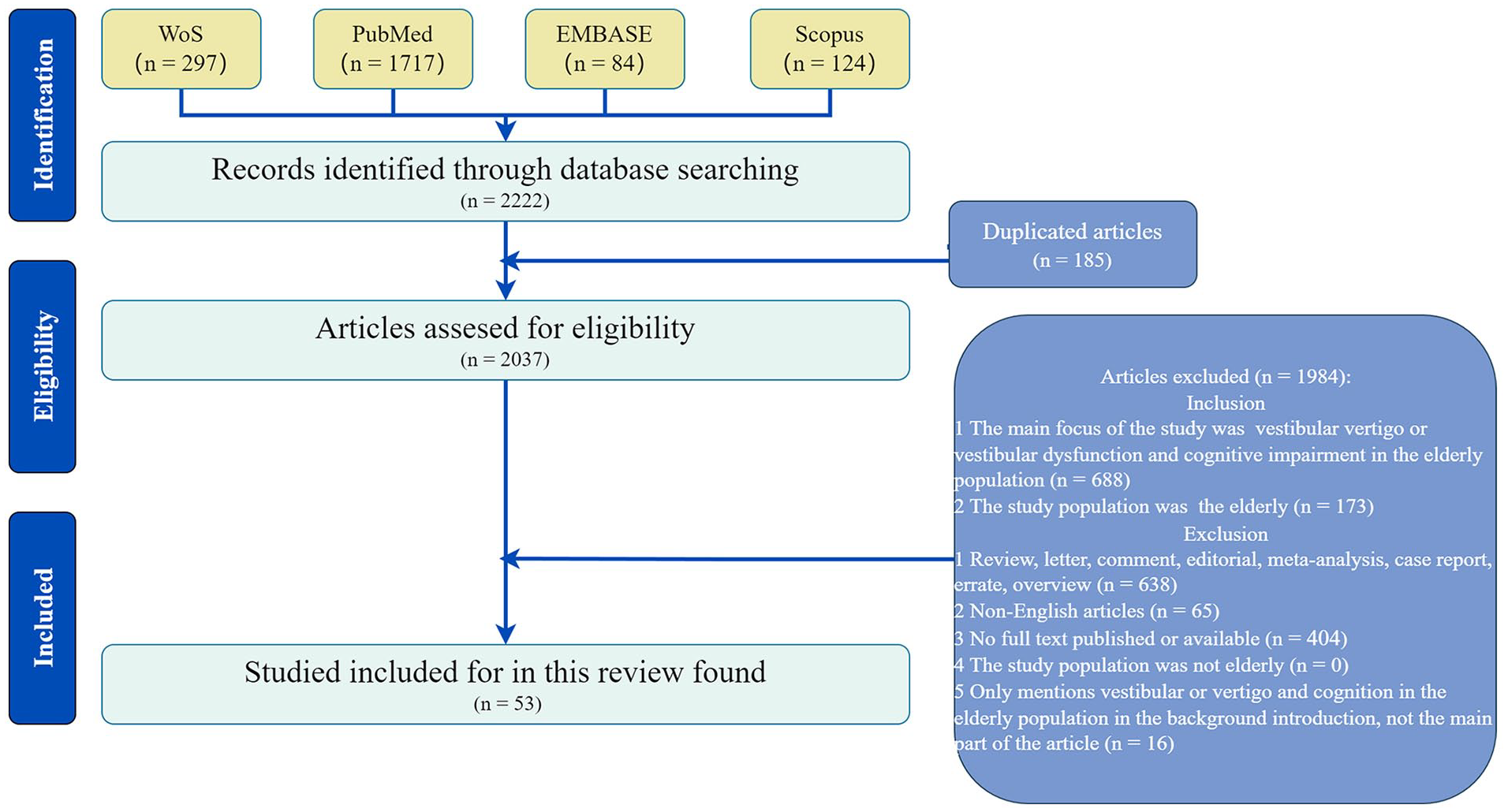
Literature screening flowchart.
The inclusion criteria of the study are as follows:
vertigo, vestibular disorders, and cognitive impairment in the elderly population as the main focus;
elderly people as the study population (≥60 years old).
The current analysis excluded:
reviews, letters, comments, editorials, meta-analyses, case reports, erratum, or overviews;
studies published in non-English languages;
studies without full text published or available;
studies without elderly population;
studies in which, only the introduction mentioned vestibular or vertigo and cognitive impairments in the elderly population and was not the main part of the article.
Data Analysis
This study used bibliometrics and content analysis to systematically analyze and summarize the current status and trends in research on vestibular disorders, vertigo, and cognitive impairment in the elderly population. In addition, the study aimed to identify the current intervention approaches and limitations in this field. Specifically, the bibliometric approach was used to analyze the research progress and trends, while the content analysis of the literature was used to summarize the intervention approaches and limitations. Finally, the study offers suggestions for future research directions in this field.
Bibliometric analysis
Bibliometric quantitative analysis was used to examine the characteristics of the included studies, such as the title, abstract, keywords, first author, author nationality, author affiliation, and journal of publication, to determine the current state of research on vestibular disorders, vertigo, and cognitive impairment in the elderly population. The Bibliometrix package in R was used for econometric analysis of the included studies, the ggplot2 package for statistical mapping, and VOSviewer for network visualization analysis of the included studies to explore author and institutional collaboration networks.
Content analysis of the literature
Based on the extracted literature and approved criteria, a qualitative analysis was conducted to summarize the intervention modalities in studies related to vestibular disorders, vertigo, and cognitive impairment in the elderly population. A framework for literature content analysis was developed, which extracted information about the basic characteristics of the intervention modalities.
Results
Article Output
Bibliometric methods were used to analyze the included studies from 6 perspectives: trends, journal, author, country, institution, keywords, and thematic evolution of publication.
Trend analysis
From January 1, 1991, to December 15, 2022, a total of 261 authors published 53 articles in 38 journals or conferences. The annual trends in the number of relevant publications are shown in Figure 2. The annual number of publications for the 53 titles included in this study showed an overall upward trend, with an average annual growth rate of 6.94%.
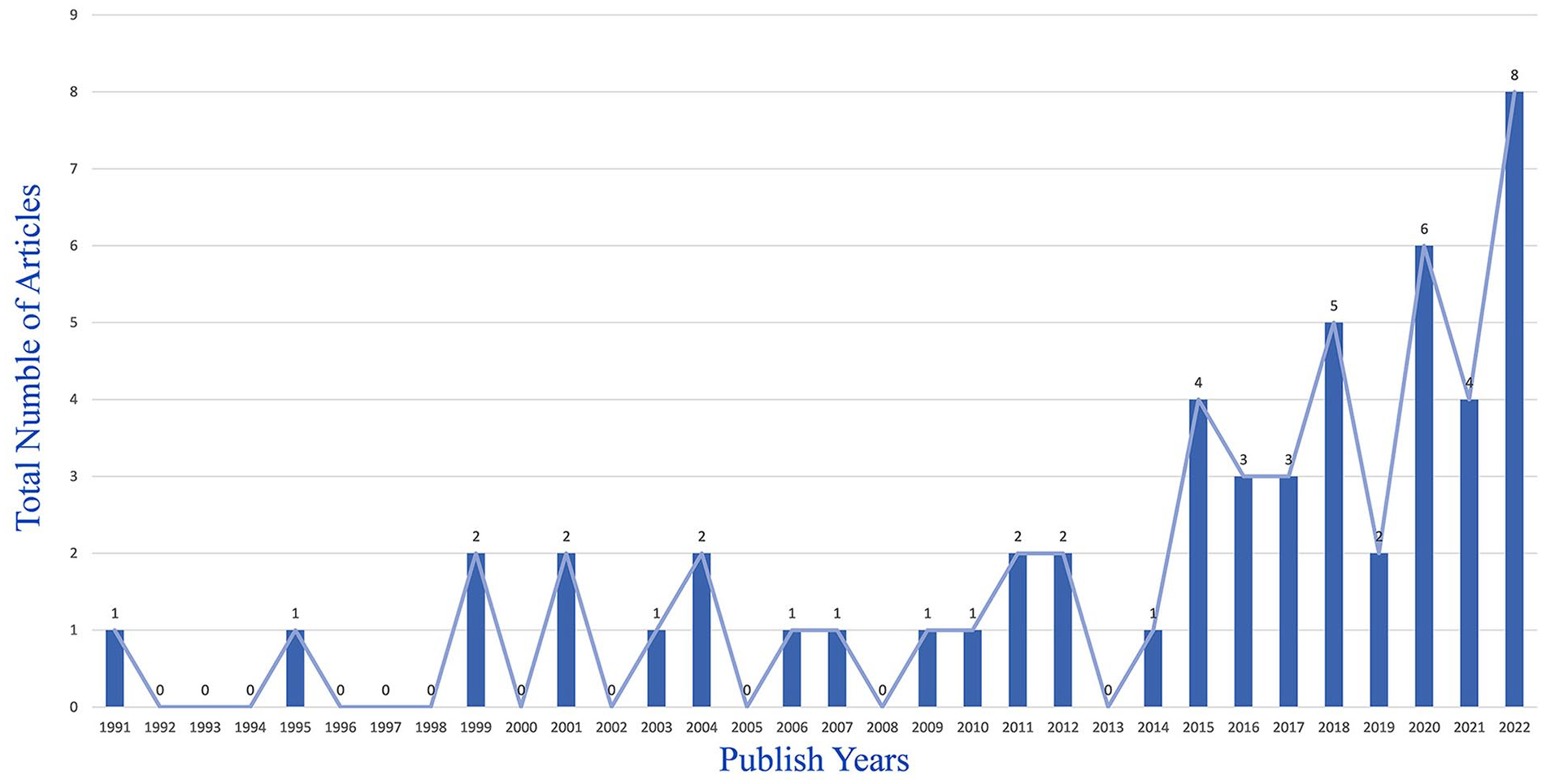
Annual scientific production.
Analysis of published journals
According to Bradford’s law of bibliometrics, journals in a specific field at a certain time can be divided into core, related, and fringe areas based on the number of articles they publish. 74 The ratio of the number of journals in the 3 areas is 1:a:a, 2 with a being approximately equal to 5, so the number of core journals accounts for approximately one-third of the total number of journals published. In the field of vestibular disorders, vertigo, and cognitive impairment in the elderly population, there were 5 core journals, which published 18 articles related to the field, accounting for 33.96% of all articles. The impact factor and partitioning of core journals were analyzed, and the details are shown in Supplemental Annexure 2. Among these journals, the “Frontiers in Neurology” journal had the highest number of publications, with 6 articles, and the other 4 journals had 3 articles each. In addition, this study analyzed the influence of journals in terms of citations. As shown in Figure 3, the articles published in the “Journal of the American Geriatrics Society” has been cited more frequently than other journals, with 96 citations, indicating the importance of journals in this field. The annual publication trends of core journals, as shown in Figure 4, indicate that the “Frontiers in Neurology” journal, despite its late start, is growing at a much faster rate than other journals in terms of the number of articles published.
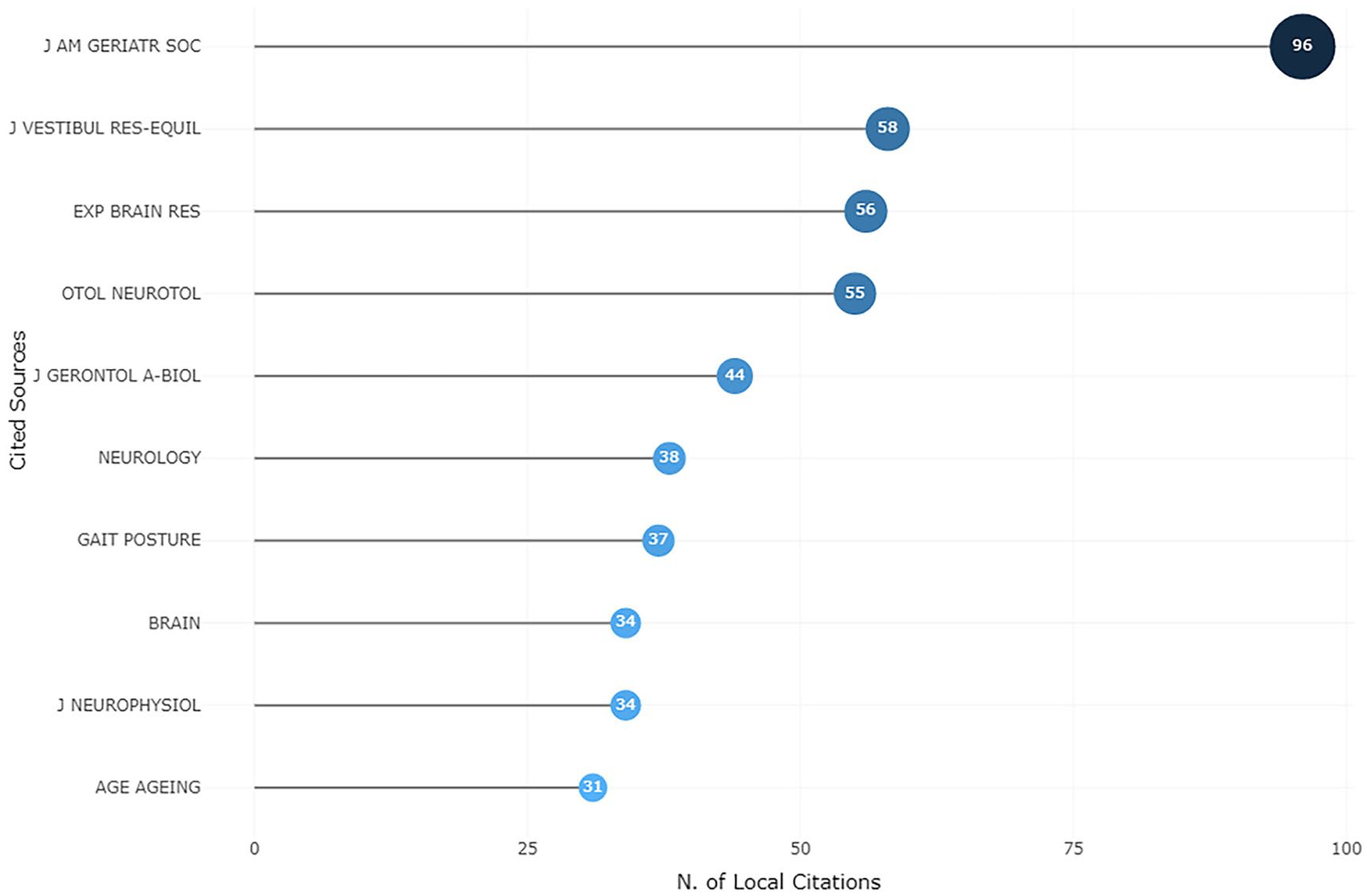
Most sources of times cited.
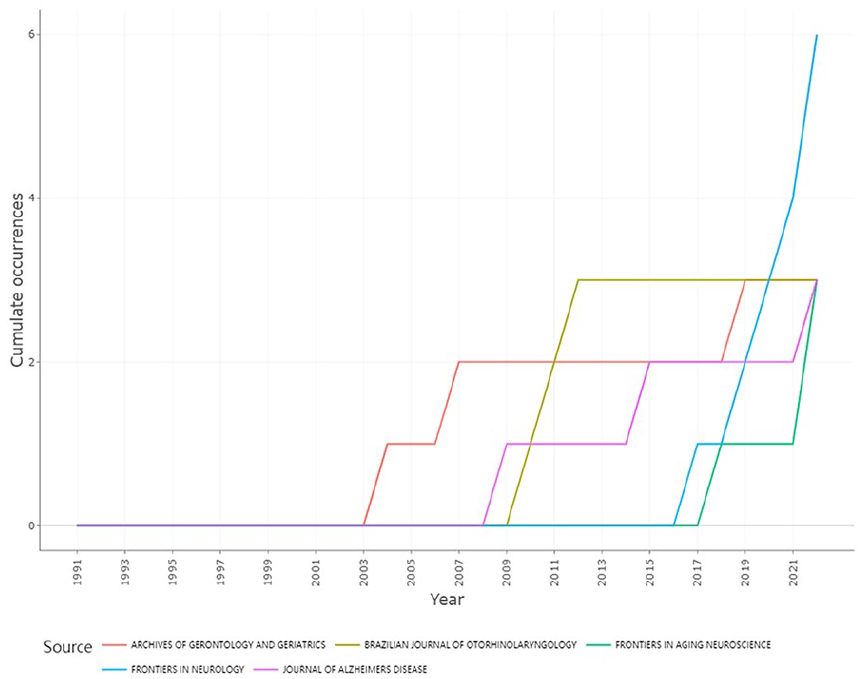
Annual publication trends of core journals.
Analysis of published authors
A total of 261 authors were in the literature included in this study. According to Lotka’s law, authors who publish more than 0.749 times the square root of the number of articles published by the most prolific scientists are high-producing authors, and after calculating the number of publications, there were greater than or equal to 5 authors who are high-producing authors with 5 or more publications in this field. 75 For this study, one high-producing author was selected, and high-producing authors that author accounted for 0.49% of all authors, indicating a number of authors who have continued research in this field. Due to the small number of prolific authors in the field of vestibular disorders, or vertigo, and cognitive impairments in the elderly population, this study presents the authors with more than or equal to 2 or more publications. The details of the authors and their contribution rates are shown in Supplemental Annexure 3, and it was found that “Agrawal Y” published the most articles (n = 7) and had the highest contribution rate of 1.48.
Authors with more than or equal to 2 or more publications were analyzed to determine for the number of articles they published per year. Figure 5 shows that a graph of annual publication trends was drawn based on their annual publication data and annual citation frequency. The size of the circles in the graph represents the number of articles published each year, and the colored shades of the circles indicate the number of citations. It is evident that “Agrawal Y” has the highest number of publications, followed by “Bigelow RT,” with no fewer than 4 publications. The first authors who conducted research in this field were “Andersson G, Fransson PA, and Magnusson M,” all of whom have been working in this field since 2001, 2017, and 2021, respectively. The authors who have 2 or more publications had outputs from 2015 to 2022, and their outputs were not published every year but in alternate years.
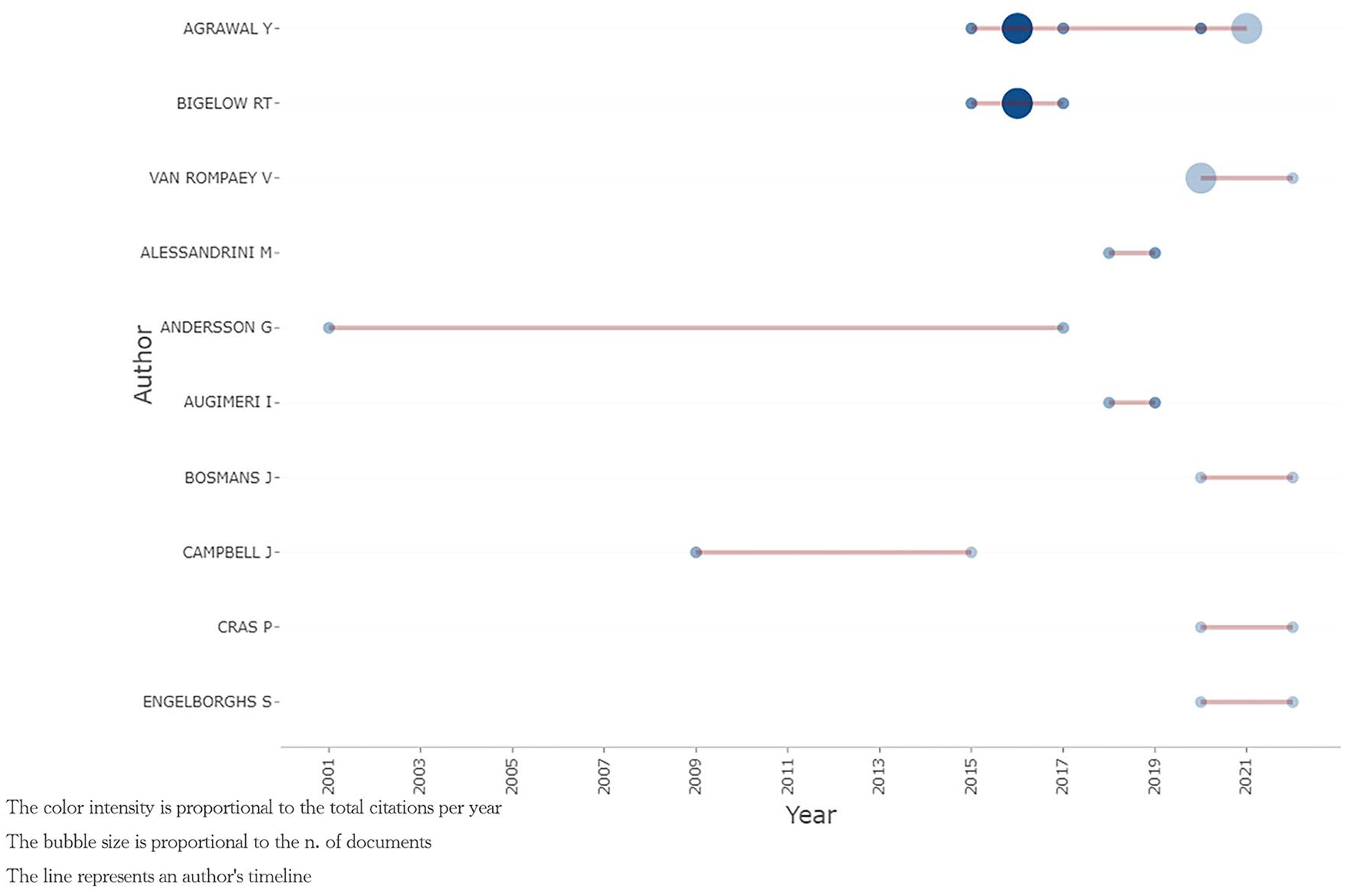
Author posting trends.
Analysis of countries and institutions of publication
The included studies were distributed among 106 institutions across 18 different countries, and the data were statistically analyzed by country and institution.
An analysis of the country of origin of the included studies revealed that 261 scientists were involved from 21 countries and regions. Figure 6 shows the ranking and analysis of countries based on the number of publications, showing that the United States has the highest number of publications (n = 15; 28.30%), followed by Italy (n = 6; 11.32%). The United States ranked first for domestic collaborations, while Italy had the most international collaborations. Furthermore, the articles produced by the United Kingdom, Iceland, and Lithuania were all international collaborations.
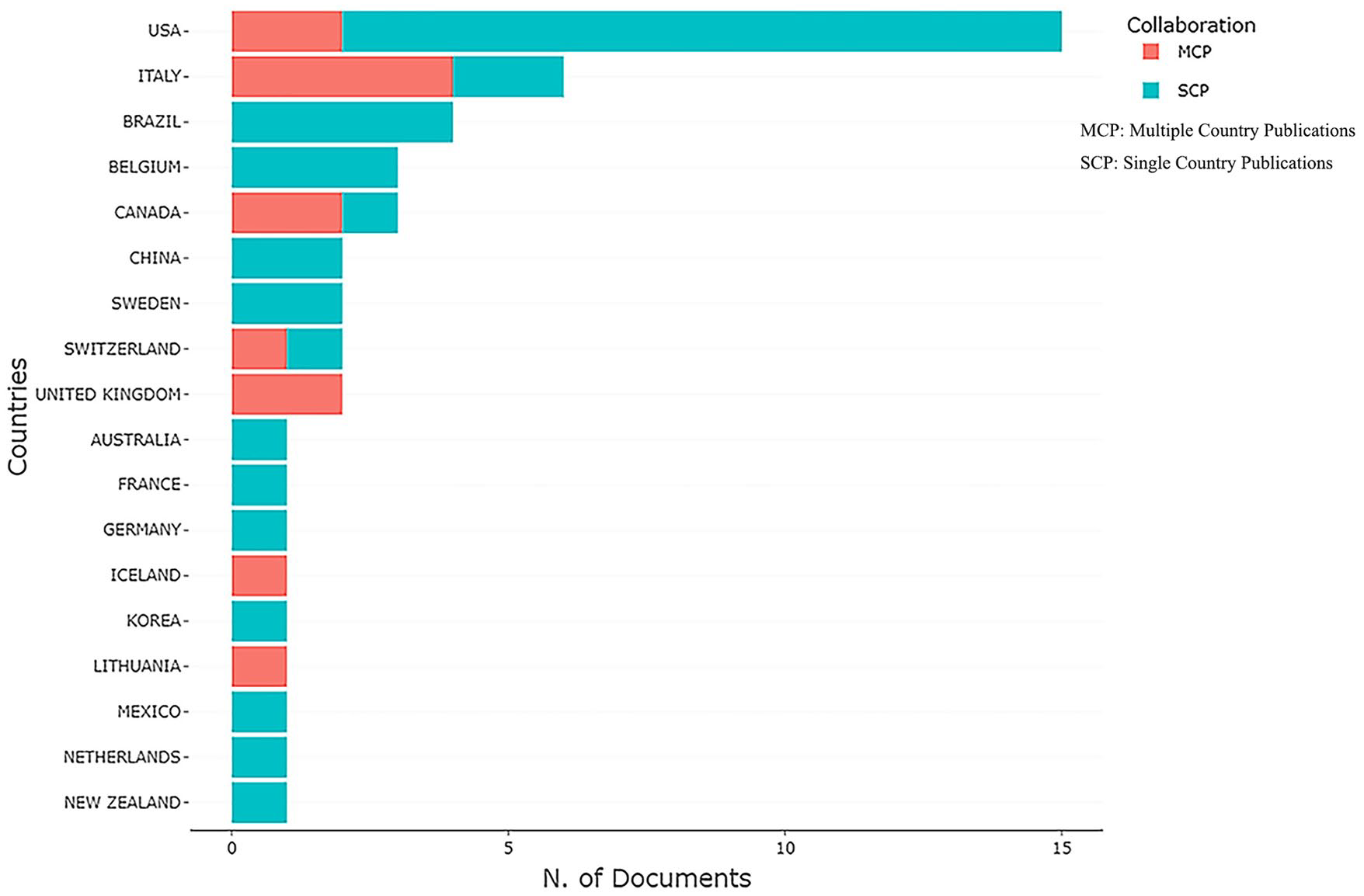
Corresponding author’s country.
Moreover, a network map of country collaborations was generated using VOSviewer based on intercountry collaborations, as shown in Figure 7. The United States was found to occupy the central node of international collaborations, indicating that it plays a central role in research partnerships in this field. The United States has collaborative relationships with many countries, but it is most closely associated with Italy. Some countries do not collaborate internationally and are scattered.
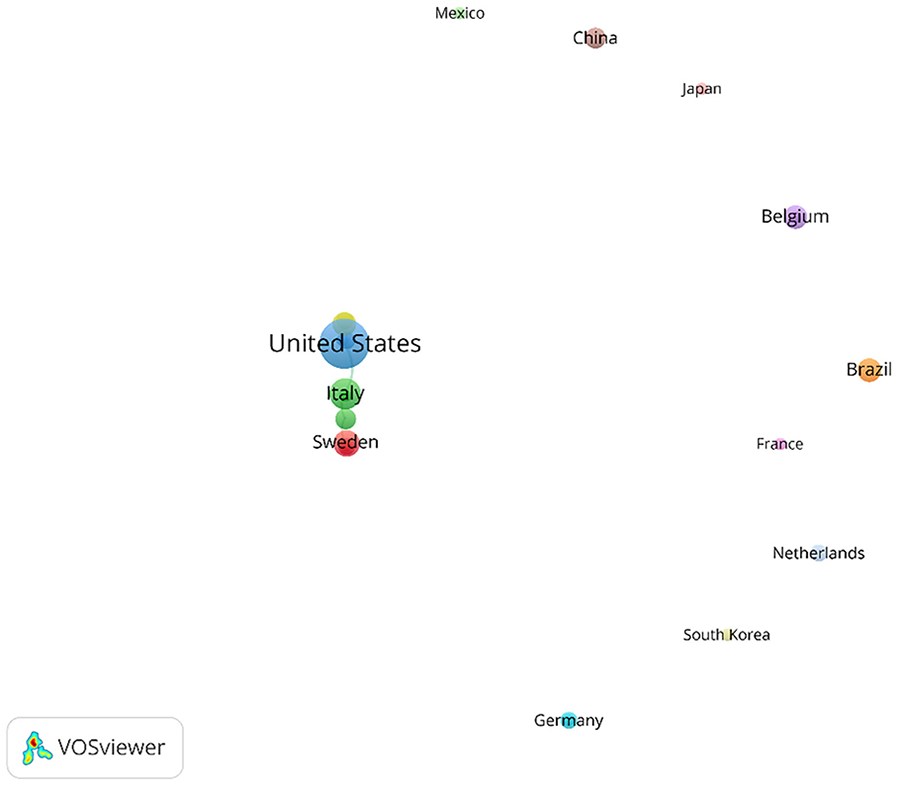
Country partnerships.
Analysis of the issuing institution has shown that 261 authors came from 106 institutions. The top 10 institutions in terms of the number of publications are shown in Figure 8, with Johns Hopkins University ranking first, followed by the University of Antwerp and the University of Genoa, all of which are central to the field of vestibular disorders, vertigo, and cognitive impairments in the elderly population. Some research institutions have direct or indirect collaborations with each other. This analysis plots the network of research institution collaborations on VOSviewer based on author institution data. As can be seen from Figure 9, academic collaborations mostly occur in the form of partnerships between national or domestic institutions in this field.
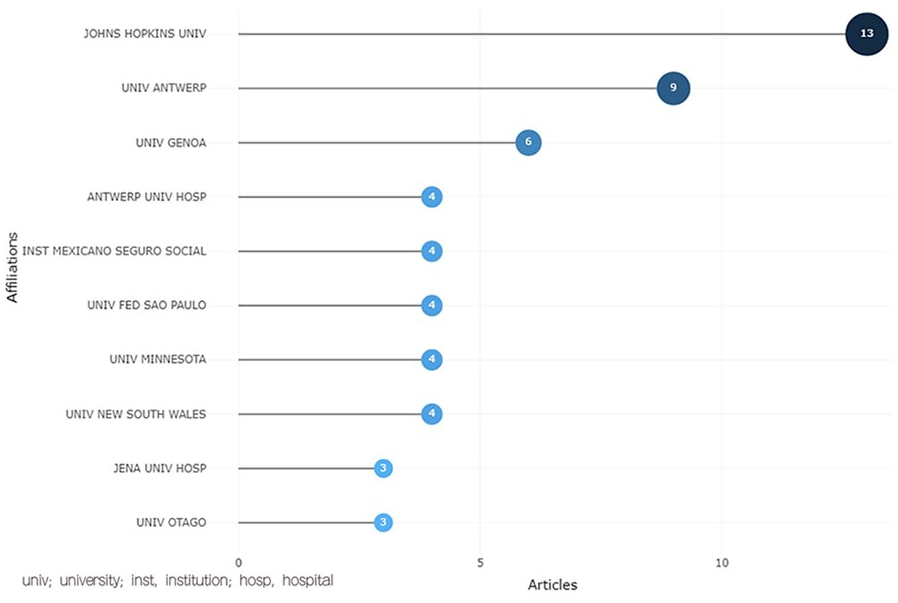
Author’s institutional publication volume.
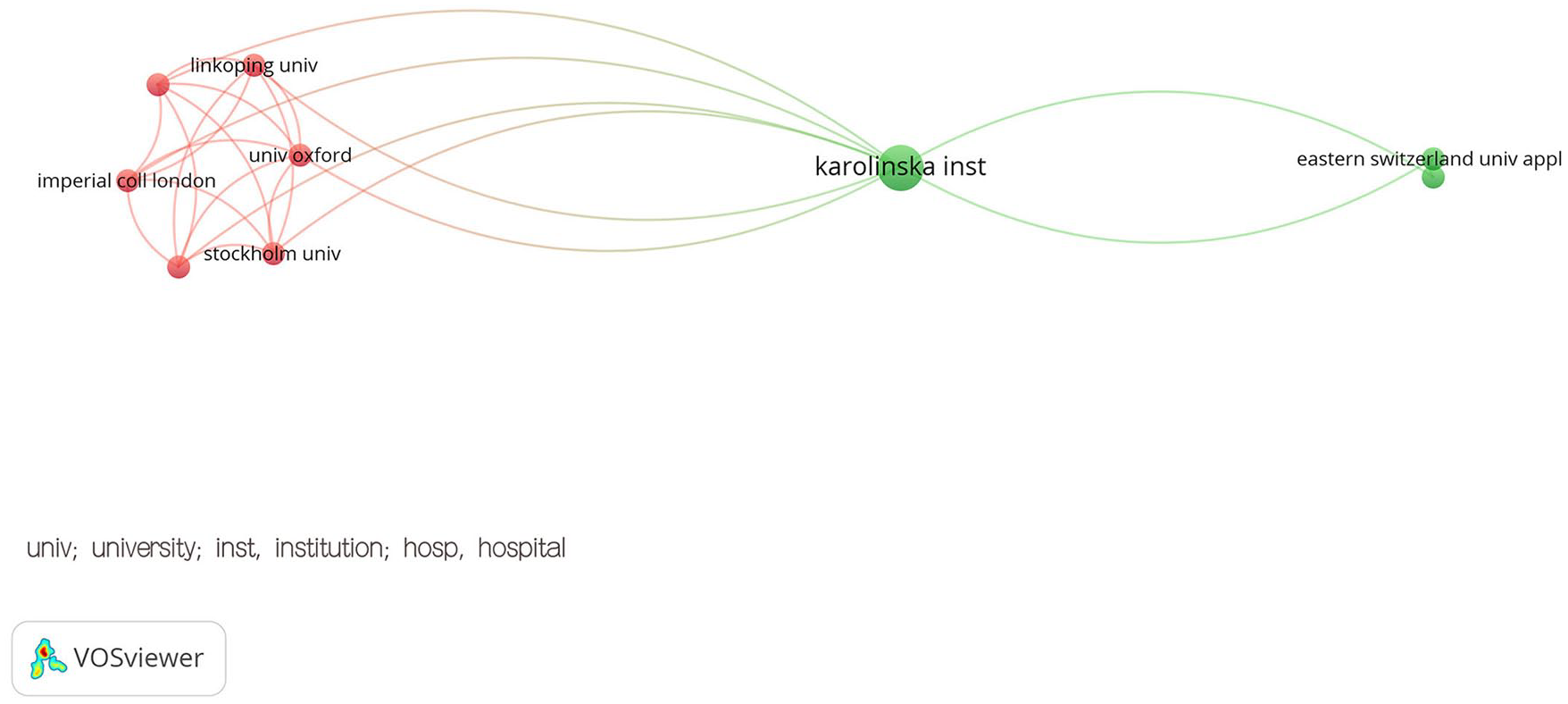
Institutions collaboration network.
Hot Topics Output
This study analyzes the research themes in the field from 3 aspects. First, high-frequency keywords were extracted from the abstracts of the included studies, and the relationships between high-frequency keywords were analyzed through the high-frequency keyword co-occurrence network to identify the main research themes from the clustering results. Second, the thematic map method, proposed by Cobo et al in 2011 was used to cluster and map the themes according to density and centrality to explore the current most frequent focus of research. 76 Last, the trend of theme evolution in the field was analyzed from the time dimension.
Keyword analysis
Visual analysis of high-frequency keyword co-occurrence networks was performed as follows: the abstracts of the included studies were processed using Python to obtain all relevant keywords, which were then lexically normalized and deactivated. Using VOSviewer, a high-frequency keyword co-occurrence network was generated, as shown in Figure 10. The network was divided into 3 categories: orange, green, and blue. The orange category represents the common types of vestibular disorders that affect cognitive functions, with keywords such as “balance,” “falls,” “dementia,” etc. The green category represents the types of cognitive impairments that affect vestibular disorders, with keywords such as “age-related changes,” “attention,” “dual task,” “postural control,” etc. Finally, the blue category represents common types of cognitive impairments and vestibular disorders together, with keywords such as “Alzheimer’s disease,” “memory,” “visuospatial ability,” “diagnostic guidelines,” etc.
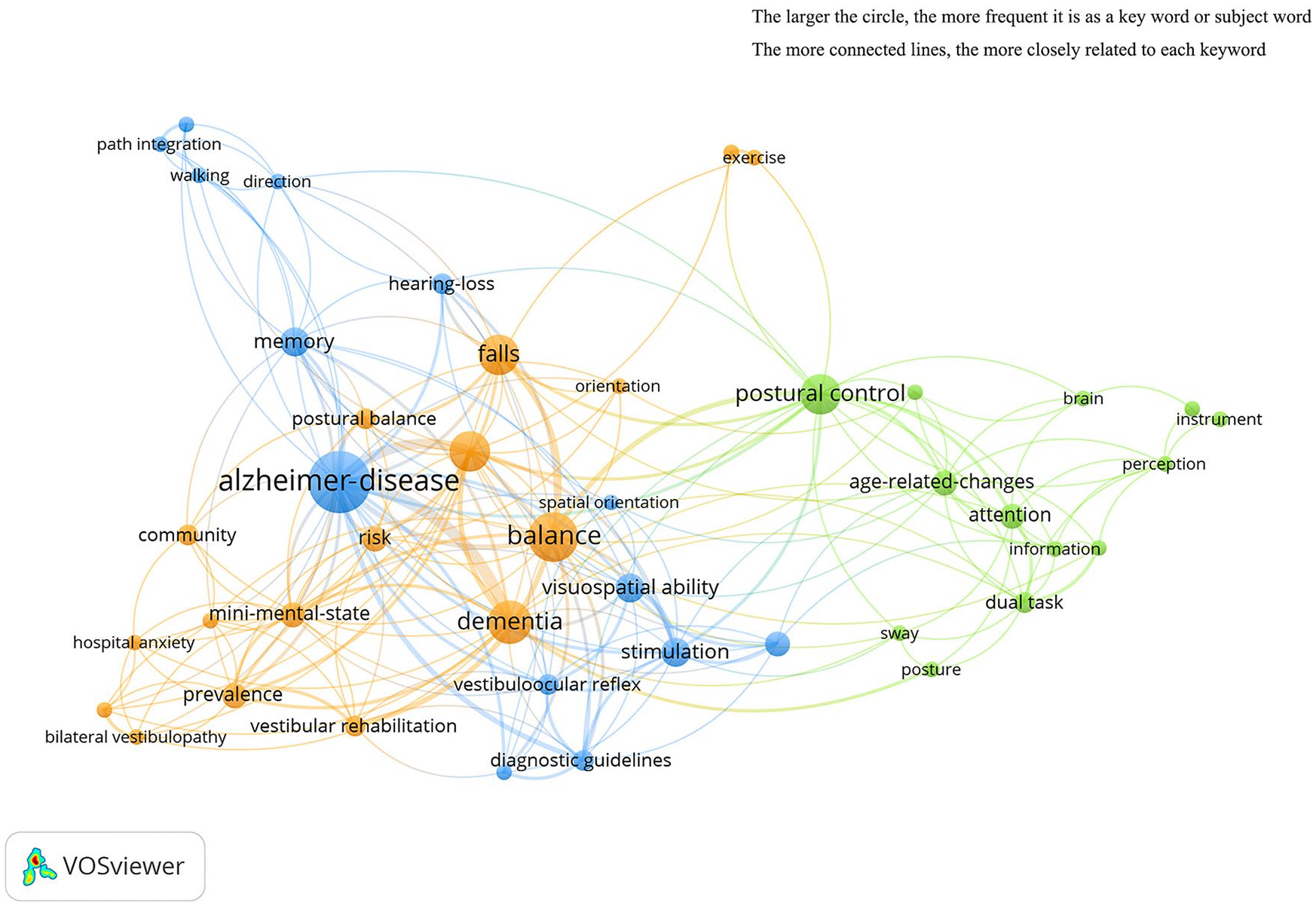
Keyword co-occurrence network.
The most frequent focus analysis
Thematic map analysis: Thematic map analysis, proposed by Cobo et al in 2011, identifies 4 quadrants. 76 The first quadrant represents very specialized and niche themes that are well-developed but less important; the second quadrant represents motor themes that are both well-developed and important; the third quadrant represents merging or disappearing themes that are not well-developed and have a low level of attention; and the fourth quadrant represents basic themes that are not well-developed but are important and refer to foundational concepts.
The density and centrality of the co-word matrices were calculated, and the main categories of aggregation were visualized by placing each within 2-dimensional coordinates, as shown in Figure 11. The first quadrant demonstrates that research into the effects of negative emotions and the link between attention allocation and shaking in elderly populations has been well-developed but is underrepresented. The third quadrant shows that modulation of vestibular perception, stimulation of the brain-related cortex, and stimulus-triggered vestibular snail reflexes in visual space are currently hot topics and of high importance in this field. From the third quadrant, it can be inferred that sensory integration is of low interest and not well-developed; and in the fourth quadrant, information extraction capabilities that indicate fall risk ratings and spatial memory are important but are currently not well-developed.
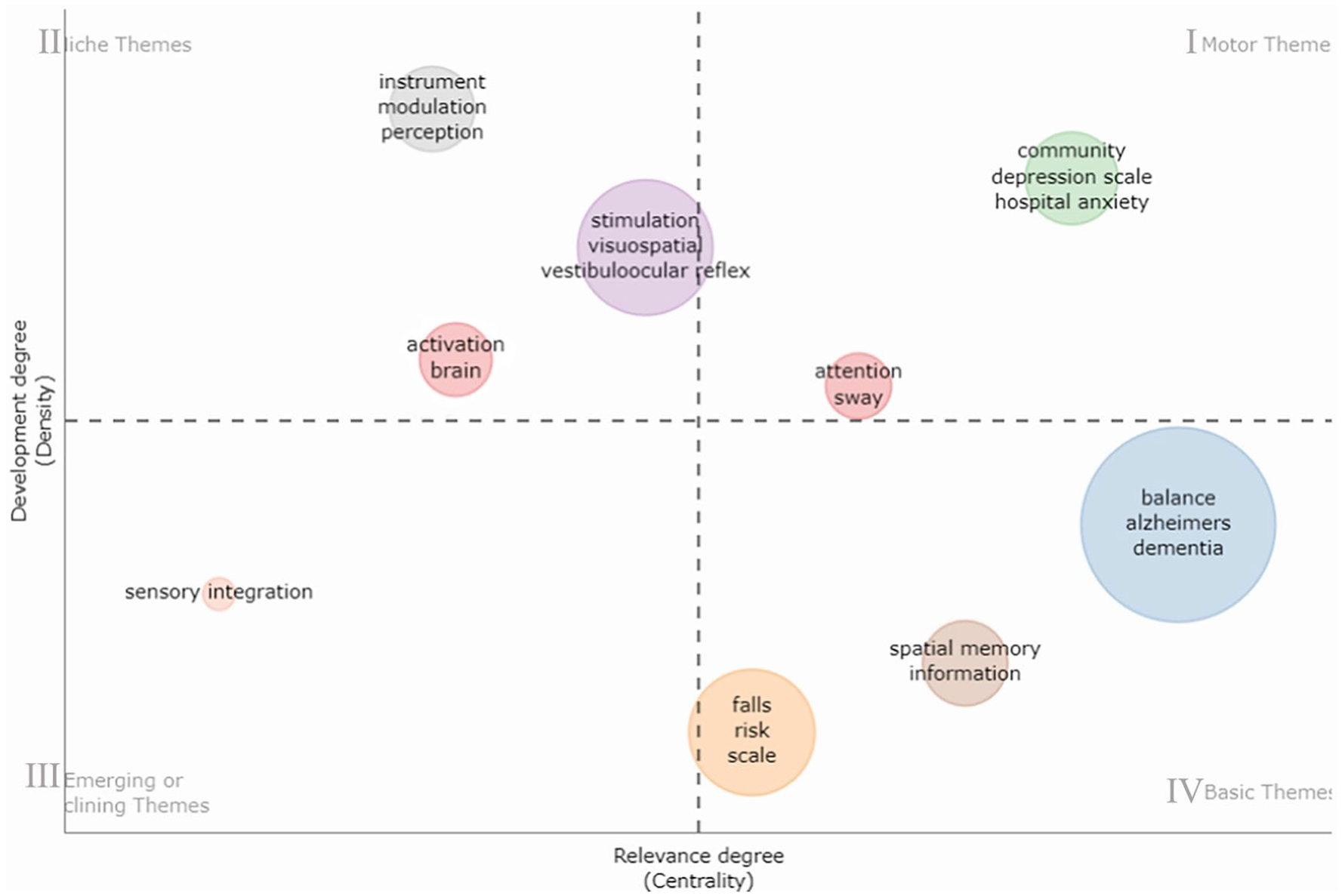
Thematic map.
Thematic evolution trends: Thematic evolution trends were analyzed using co-word network analysis and clustering, incorporating the time dimension, to analyze the evolution of the research themes from 1991 to 2022 and to draw Sankey diagrams, as shown in Figure 12. The results show that research on balance and falls has been a primary focus throughout this time period. Before 2010, research mainly focused on imbalanced falls triggered by vestibular disorders, vertigo, and cognitive impairment in the elderly population. Between 2011 and 2016, the academic community shifted its focus toward investigating the impact of vestibular disorders or vertigo on Alzheimer’s disease and the mechanisms that trigger stimulation in the elderly population. After 2017, research on postural control and visual cognition gained significant attention.
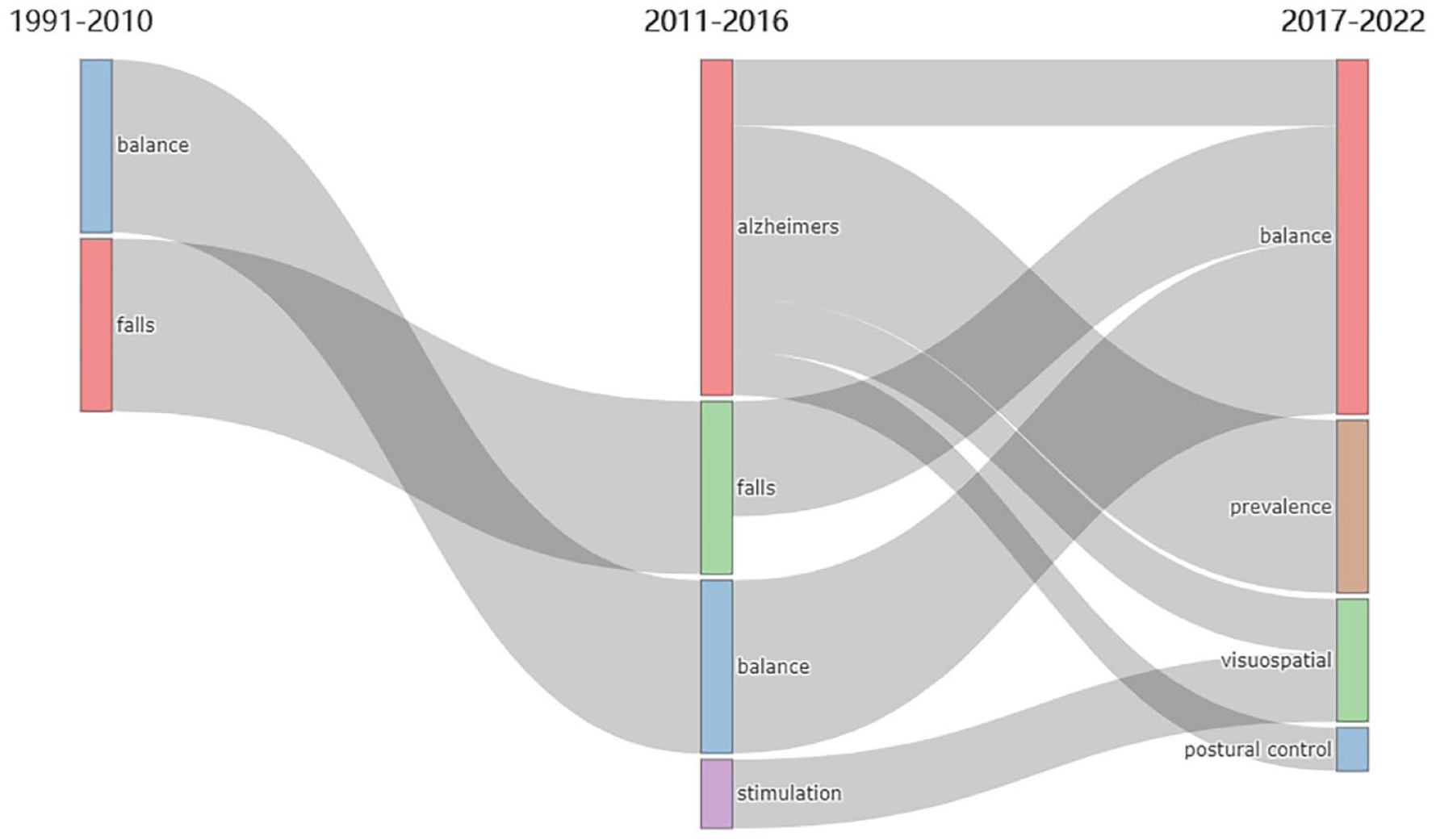
Sankey diagram of trends in the evolution of research themes.
Content Outputs
The association between vestibular disorders and cognitive impairments
In this study, vertigo was classified as a vestibular disorder. The included articles were categorized based on the relationship between vestibular disorders and cognitive impairments, resulting in 3 categories: vestibular disorders affecting cognitive functions, cognitive impairment affecting the vestibular system, and the interactions between cognitive impairments and vestibular disorders. These 3 categories were further clustered and analyzed, as shown in Figure 13, which shows that the largest number of articles (n = 28) examined the role of the vestibular system in cognitive functions, accounting for approximately 62% of the total. Vestibular impairment can enhance cognitive impairment (Supplemental Annexure 4), and vestibular rehabilitation techniques can also improve cognitive impairment.41,44,60,63 Vestibular tests can screen for cognitive impairment. 61 Cognitive impairment can not only strengthen vestibular disorders (Figure 14), but also hinder the rehabilitation of patients with vestibular disorders. 30 Cognitive behavioral therapy can be combined with vestibular rehabilitation for patients with vestibular disorders.35,48,49,59 Patients with both cognitive impairment and vestibular impairment are more likely to have the following symptoms: gait instability, prone to falls, 37 difficulty in activities of daily living, 7 and severe dizziness. 58
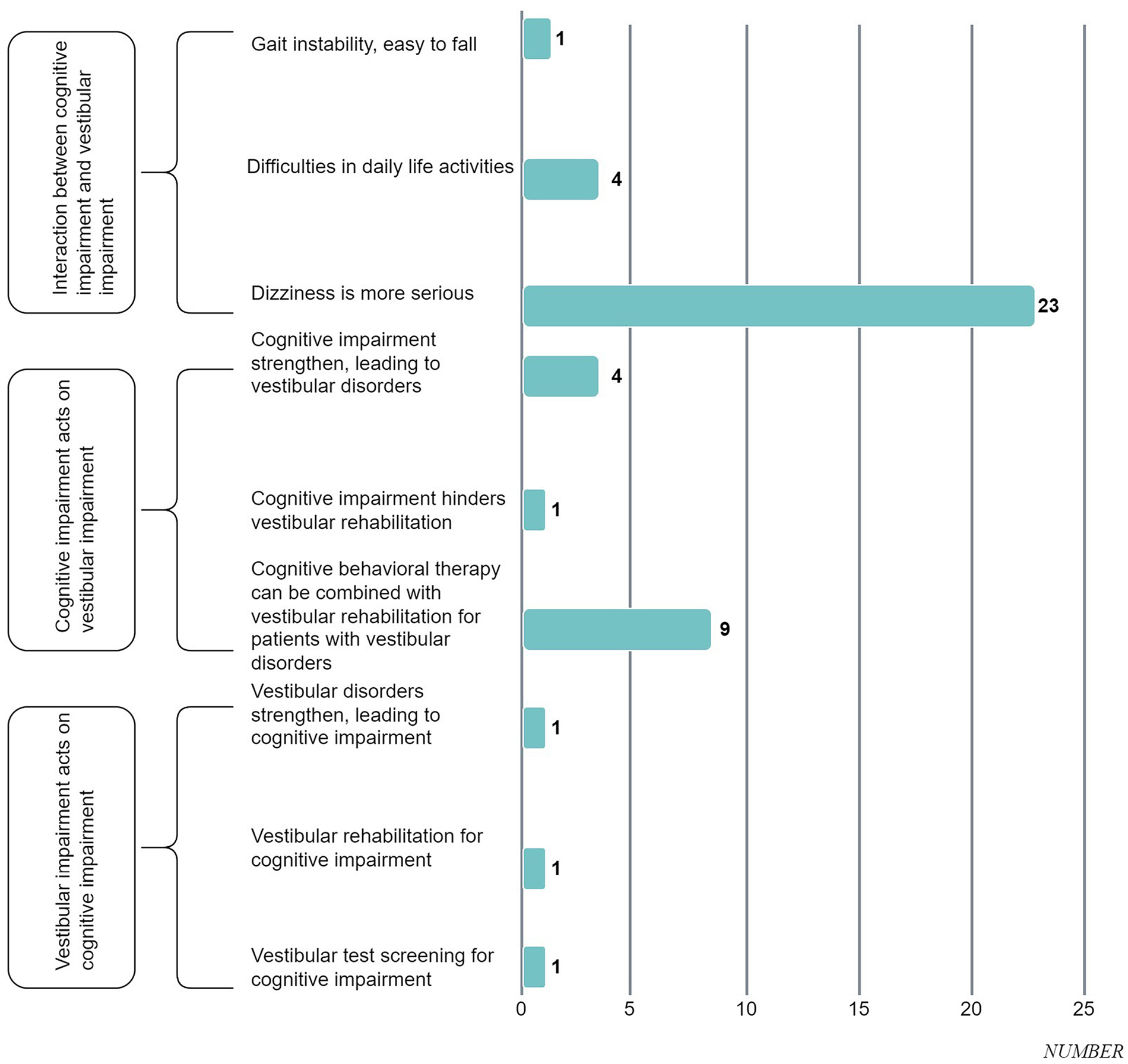
The interaction of vestibule and cognition.
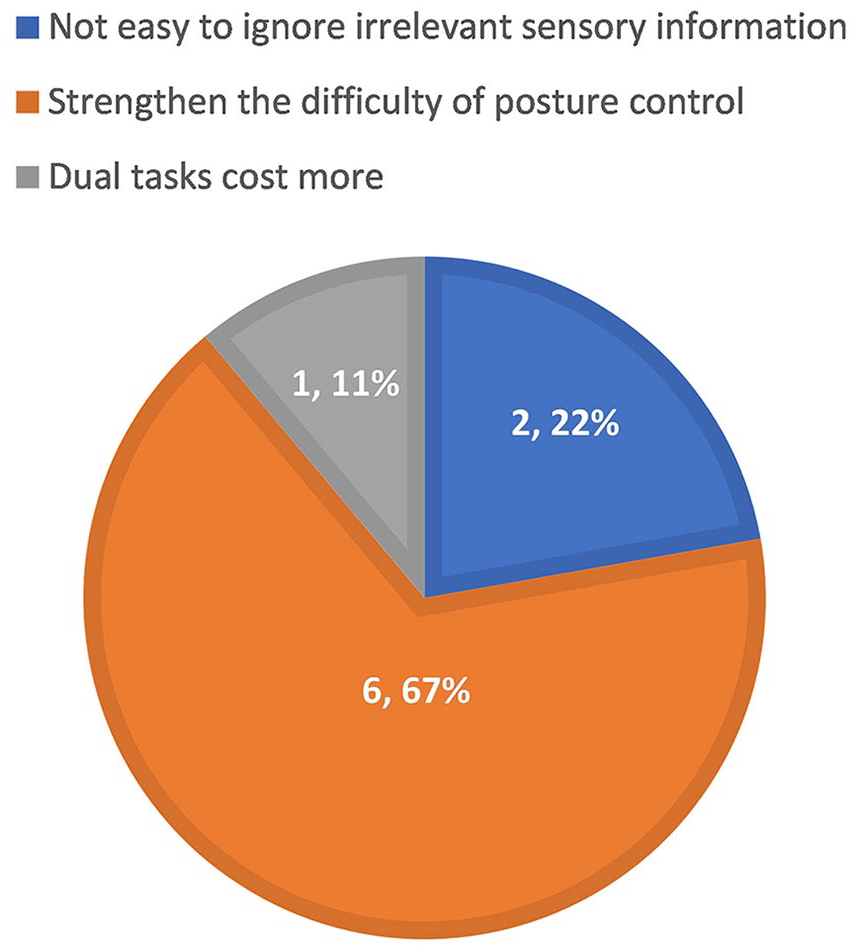
The reinforcing effect of cognitive impairment on vestibular disorders.
Within this category, the enhanced effect of vestibular disorders on cognitive impairment was mainly in terms of the associated cognitive disorders, the manifestations affecting cognitive functions, and the mode of impact (Annexure 4). As can be seen from Supplemental Annexure 4, the cognitive disorders of patients with vestibular impairment mainly include Alzheimer’s disease, dementia, and mild cognitive impairment, and their cognitive impairment is divided into spatial memory and nonspatial memory. Vestibular disorders directly affect the reinforcement or direction of cognitive impairment mainly by physical changes in the body, such as the appearance of early biomarkers of the cerebral cortex, 57 spatial subtypes of Alzheimer’s disease, 37 bilateral semicircular canal disorders, 19 and changes in melatonin rhythm. 28 Indirect effects are mainly accomplished by emotion7,35,59,65 and cognition. 7
The reinforcing effect of cognitive impairment on vestibular disorders was mainly reflected in the difficulties with postural control and balance (Figure 14).
Age in vestibular disorders and cognitive impairment
Attention should be paid to the impact or manifestation of age on the vestibular and cognitive aspects among the elderly population. Among the studies included in our analysis, 21 explicitly mentioned the effects of aging on vestibular disorders or cognitive impairments. A specific analysis of the vestibular and cognitive aspects is shown in Figure 15.
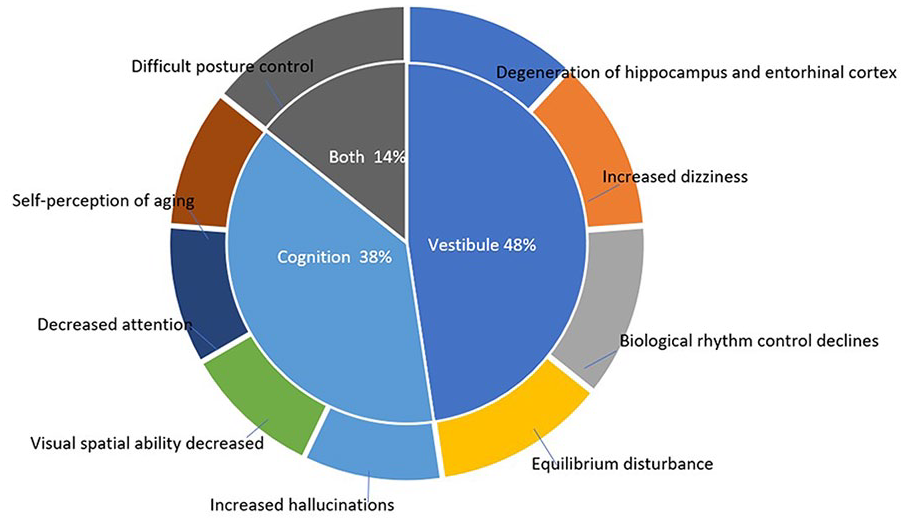
Performance of the effects of age in vestibular disorders and cognitive impairments.
Distribution of study types
There were 27 cross-sectional studies, 9 prospective studies, 4 randomized controlled studies, and 3 modeling studies in the included studies, as shown in Figure 16. Few studies have explored the causal relationship between vestibular disorders and cognitive impairments in the elderly population. Prospective studies have demonstrated that vestibular disorders can lead to spatial cognitive impairment. In contrast, randomized controlled studies have confirmed the effectiveness of combining cognitive-behavioral therapy and vestibular rehabilitation in treating vestibular disorders.
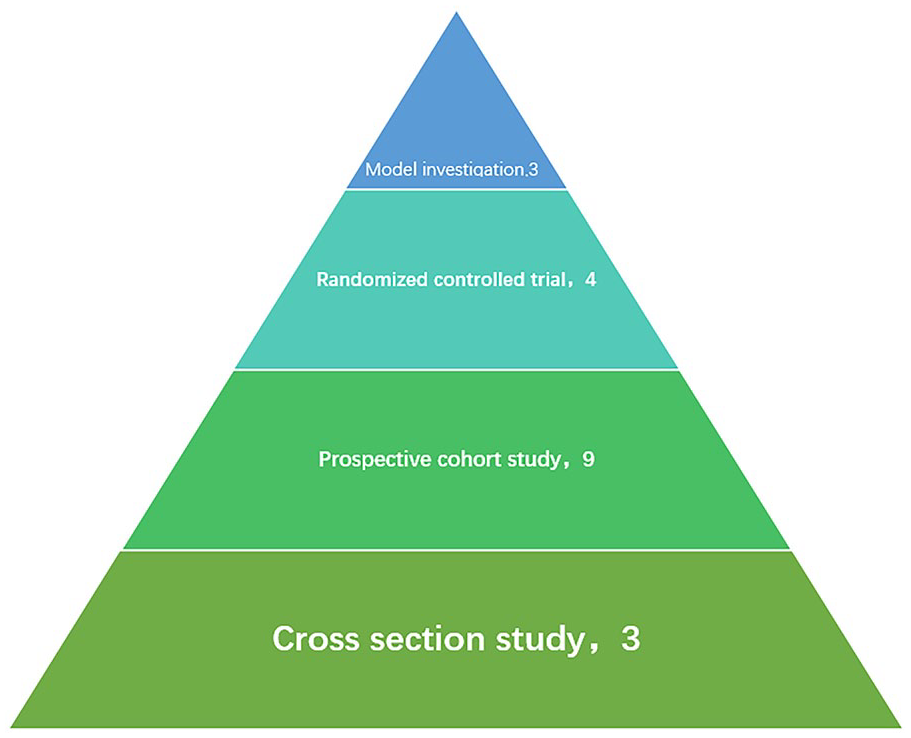
Distribution of study types.
Discussion
Status and Trends of Research
Prior to 2015, the articles in this field of vestibular vertigo and cognition fluctuated, but since then, has shown a steady upward trend. As the population ages and the link between vestibular disorders and cognitive impairments become clearer, research on vestibular disorders, vertigo, and cognitive impairments in the elderly population is becoming increasingly valuable. This likely explain this upward trend in academic work. Therefore, there has been an upward trend in the international academic input and output in the field of vestibular disorders, vertigo, and cognitive impairments in the elderly population in recent years, reaching its peak in 2022 (Figure 2). The maximum annual publication rate of 8 articles will be reached by 2022. A comprehensive analysis of the impact factors and journal citation reports of the articles revealed that the average quality of the journals included in the articles was intermediate; however, the acceptance of articles in the field by the top medical journals was poor (Annexure 2). In this field, 96.22% of the research articles are included in the Web of Science core collection, which covers several fields such as geriatrics and gerontology, otorhinolaryngology, neurosciences, and so on, making it a multidisciplinary intersection.
The authors’ output in this field has been concentrated over the past 5 years. Highly productive authors in this field were identified based on Lotka’s law. Due to the small number of highly productive authors, 23 authors with 2 or more publications were selected, and the concept of Articles Fractionalized was introduced to analyze the contribution of authors’ articles (Annexure 3). Of these 23 authors, 30.43% are still working in the field of vestibular disorders, vertigo, and cognitive impairments in the elderly population, and 78.26% have consistently been produced in the past 5 years (Figure 5). This suggests that this field has potential value and will exhibit an upward trend in the future.
The authors were mainly from the United States and Italy, with several international and national collaborations. Authors from the United States and Italy have published 15 and 6 articles, respectively, accounting for 28.30% and 11.32% of the total number of articles published, in the field of vestibular disorders, vertigo, and cognitive impairments, ahead of Brazil, which has 4 articles and accounts for 7.55% of the total number of articles published (Figure 6). The United States primarily focuses on domestic cooperation, whereas Italy has a stronger emphasis on international cooperation. Our study also analyzed the institutions from which the articles were published, with Johns Hopkins University, the University of Antwerp, and the University of Genoa all having excellent publication performance and occupying the top 3 positions in terms of the number of articles published. The clustering diagram of publishers shows that the collaboration model is predominantly universities, mainly in the United Kingdom, Switzerland, and Sweden. Most studies were performed independently by a single institution, with less collaborative development (Figure 9).
The Most Frequent Focus Analysis and Gaps in Research
In recent decades, research has focused on balance, falls, and Alzheimer’s disease. Currently, the most frequent focal points in the field are the modulation of vestibular perception, activation of the brain’s associated cortex, and effects of stimulus-triggered vestibular snail reflexes on visual space. Thematic map analysis (Figure 11) shows that the second quadrant of the thematic map includes words such as modulation, perception, stimulation, visuospatial, vestibulo-ocular reflex, activation, and brain, indicating that the current research is focused on the modulation of perception on visuospatial cognition through stimulation, the activity of the relevant cortex of the brain, and triggering the vestibular snail reflex, which is well-developed. This is supported by the Mulberry diagram of the evolution of the theme (Figure 12); which indicates that from 2017 onward, researchers began to investigate vestibular influences on vision-related cognition. However, research in this field is still underrepresented, although there has been good development in research addressing negative emotions in the elderly population and the link between attention and shaking.
However, the ability to extract spatial memory information is a potential focus of this field. Analysis of the thematic map (Figure 11) shows that words in the fourth quadrant such as spatial memory and information, indicate that the influence of vestibular disorders on the ability to extract information from spatial memory is significant in this field but has not been sufficiently explored. It is expected that after the completion of the most frequent focus research, the field will shift toward the fourth quadrant and this will gradually develop. The concepts of falls, risk, balance, Alzheimer’s disease, and dementia are the basic concepts, with the balance running through all phases of the Sankey diagram (Figure 12).
Research Content and Limitations
The main content in this field is the impact of vestibular disorders on cognitive impairments in the elderly population, with a particular emphasis on 3 levels: mechanisms of influence, factors of influence, and training and rehabilitation.
However, one limitation of this study is the lack of studies on whether cognitive impairments in the elderly population affect the vestibular system or the interaction between the 2 (Figure 13). Several individual studies have found that cognitive impairments in the elderly population also affect the vestibular system, mainly in the form of postural control and balance problems in the elderly population with cognitive impairments (Figure 14). The main causes of vestibular aging with age may be degeneration of the hippocampus and internal olfactory cortex, 55 and a decline in biorhythmic control, 28 whereas the main causes of cognitive aging with age are aging of self-perception, 33 decline in attention 25 and visuospatial abilities, 42 and increase in hallucinations. 46 The common result of both cognitive and vestibular aging is difficulty in postural control in the elderly population (Figure 15). In addition, cross-sectional studies are the most adopted approach in this type of research, and there has been limited research on causal links (Figure 16). This leads us to speculate that vestibular disorders and cognitive impairments are complementary and causal.
Another limitation concerns the form of bibliometric analysis. Unlike a review, it is a quantitative rather than qualitative analysis. It relies mainly on academic databases and literature citation data. However, not all literatures can be completely included in the database, especially in some specific fields or regions. Therefore, it has some limitations in terms of conclusions. For the inclusion of review articles, the reason why we do not include reviews, letters, and articles such as meta-analysis is that review articles have some special nature and purpose.
First, a review article is a type of article that combs and evaluates existing research. Therefore, review articles often do not contain original research data or experimental results, but summarize and review the existing literature. This makes the review articles lack quantifiable data and indicators in the research of bibliometrics, and it is difficult to conduct accurate quantitative analysis.
Second, the quality and impact of review articles are often influenced by the subjectivity and selectivity of their authors. This subjectivity and selectivity may make it difficult for review articles to be objectively and accurately evaluated and compared in bibliometric studies.
Finally, review articles are usually written on the basis that research in a field or topic has accumulated a certain quantity and quality, so their publication often lags behind the original research articles. This makes review articles may not reflect the research dynamics and trends in a certain field or topic in a timely manner in the research of bibliometrics.
In conclusion, due to the special nature and purpose of review articles, as well as their limitations and problems in bibliometric research, they are usually not included in the scope of bibliometric research. In the research of bibliometrics, more attention is paid to the quality and influence of original research articles to reveal the research status and development trend of a certain discipline or field.
Summary
The research on vestibular disorders, vertigo, and cognitive impairments in the elderly population has experienced steady growth in recent decades, with the number of publications reaching new heights in 2022, and significant advances in the fields of balance and spatial cognition. However, this field lacks national and international collaboration and has low acceptance in prestigious medical journals. To address these challenges, future research should focus on strengthening cooperation between institutions and countries, especially in investigating the interplay between vestibular disorders and cognitive impairments in the elderly population.
Supplemental Material
sj-docx-1-ear-10.1177_01455613241257396 – Supplemental material for The Current Status and Trends of Research Related to Vestibular Disorders, Vertigo, and Cognitive Impairment in the Elderly Population: A Bibliometric Analysis
Supplemental material, sj-docx-1-ear-10.1177_01455613241257396 for The Current Status and Trends of Research Related to Vestibular Disorders, Vertigo, and Cognitive Impairment in the Elderly Population: A Bibliometric Analysis by Sijia Pan, Yuanjia Hu, Huiying Zhang, Yunfan He, Chenghua Tian and Jianbo Lei in Ear, Nose & Throat Journal
Footnotes
Acknowledgements
We are grateful to many students and research assistants at Peking University, Zhejiang University, and Zhejiang Chinese Medicine University, who collaborated with us.
Author Contributions
S.P. and C.T. contributed to conception and design of the study. S.P., H.Z., and Y.H. organized the database. S.P. wrote the first draft of the manuscript. C.T. and J.L. wrote sections of the manuscript. All authors contributed to manuscript revision, read, and approved the submitted version.
Data Availability Statement
This study was conducted using public databases. Users can download relevant data free of research and publish relevant articles.
Declaration of Conflicting Interests
The author(s) declared no potential conflicts of interest with respect to the research, authorship, and/or publication of this article.
Funding
The author(s) disclosed receipt of the following financial support for the research, authorship, and/or publication of this article: This research was supported by the 2023 National College Student Innovation and Entrepreneurship Training Program (Item 202310344001).
Ethical Statement
Because this work was a retrospective bibliometric article of previously published studies, ethics committee approval was not necessary.

Supplemental Material
Supplemental material for this article is available online.
References
Supplementary Material
Please find the following supplemental material available below.
For Open Access articles published under a Creative Commons License, all supplemental material carries the same license as the article it is associated with.
For non-Open Access articles published, all supplemental material carries a non-exclusive license, and permission requests for re-use of supplemental material or any part of supplemental material shall be sent directly to the copyright owner as specified in the copyright notice associated with the article.
