



Abstract


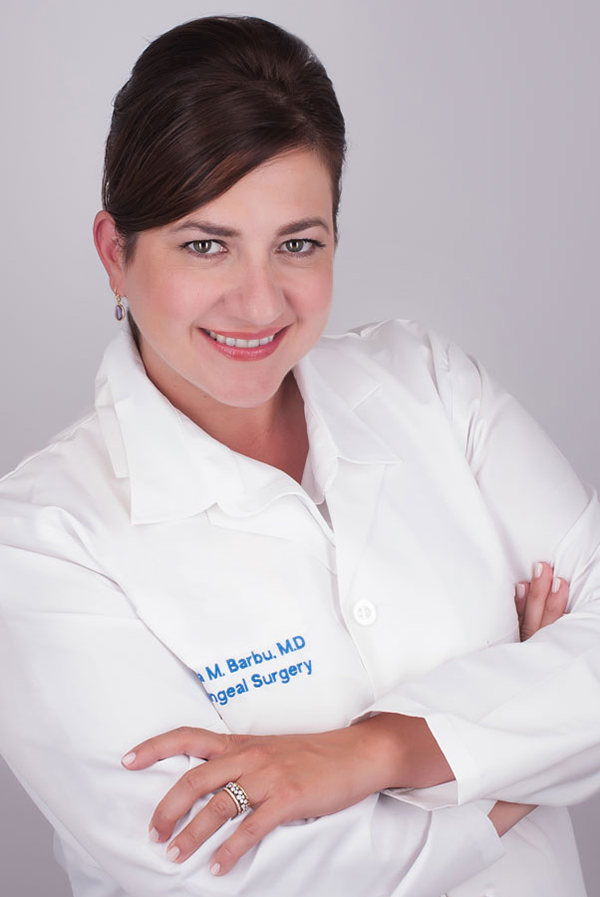
Eerie cases in ENT stems from a desire to bring together the Otolaryngology community by using a case-based approach to discuss content that focuses on unperceived findings, results, adverse events, near misses, and lessons learned from expert faculty in their field. It involves topics everyone can learn from in hindsight, and in an interested, open, accepting forum, helping us to ultimately take better care of our patients. The first Eerie cases in ENT conference was held around the weekend of Halloween in 2018 at Cedars-Sinai in Los Angeles, California. It was organized by us with volunteer local faculty in Southern California and invited guest speaker Dr. Michael Platt, creator of Scary Cases in ENT, from Boston, Massachusetts. Dr Platt created a similar conference with risk management CME started in 2011. Since then, Eerie cases in ENT has grown to an annual online virtual conference with international participation. We are honored to present selected peer-reviewed cases in this supplement. We, along with our colleagues, have learned the valuable lessons to not be afraid to admit that misjudgments, errors, and near misses happen! Together, we can learn from these cases by applying the recommendations and solutions that may avoid future adverse events or offer insight into managing them more effectively should they arise. We hope you will gain as much insight from them as we have, and may we continue to foster a culture of open dialogue around challenging cases.
Supplemental Material
Supplemental Material, sj-pdf-1-ear-10.1177_01455613211034630 - Eerie ENT Cases Course Co-Directors’ Introduction
Supplemental Material, sj-pdf-1-ear-10.1177_01455613211034630 for Eerie ENT Cases Course Co-Directors’ Introduction by Anca M. Barbu and Martin L. Hopp in Ear, Nose & Throat Journal
Footnotes
Supplemental Material
Supplemental material for this article is available online.
Supplementary Material
Please find the following supplemental material available below.
For Open Access articles published under a Creative Commons License, all supplemental material carries the same license as the article it is associated with.
For non-Open Access articles published, all supplemental material carries a non-exclusive license, and permission requests for re-use of supplemental material or any part of supplemental material shall be sent directly to the copyright owner as specified in the copyright notice associated with the article.
