



Abstract
The present study aimed to identify the association between sociodemographic and lifestyle-related factors with the response time from the appearance of symptoms potentially related to head and neck cancer (HNC) and gain an insight regarding the main source of health information about this specific area. Specific perceptions about human papillomavirus (HPV) infection in the head and neck area were also explored. An Internet-based survey was conducted between June 30, 2016, and July 31, 2016, using a structured questionnaire. The study sample comprised 1058 adults. A direct association was found between the response time period from the potential appearance of a mouth ulcer/soreness (P < .001), earache (P = .014), hoarseness (P < .001), or painless lump in the neck (P = .003) and alcohol consumption, as well as between smoking (P = .012) and soft-drink consumption (P < .001) and the appearance of hoarseness. Inverse association was found between age and the appearance of a mouth ulcer/soreness (P = .017) and between a person’s educational level (P < .001) and yearly income (P = .006) and the appearance of an earache. A total of 79.1% of study participants seemed aware that oral sex represents the main mode of HPV transmission; this understanding was directly associated with a person’s educational level (P < .001) and yearly income (P = .001) and inversely associated with alcohol consumption (P = .037). Health policy makers and health professionals need to devise strategies to increase the awareness of HNC risk associated with sexual behavior especially in young adults. The repressing effect of alcohol on timely patient response should be demonstrated in targeted campaigns, and the understanding of the “iceberg phenomenon,” frequently associating even common head and neck symptoms with HNC, acknowledged in undergraduate and postgraduate physician training.
Introduction
Head and neck cancer (HNC) accounts for approximately 3% to 4% of malignancies in the developed world. 1,2 Smoking, alcohol consumption, human papillomavirus (HPV) infection, poor nutrition, environmental or occupational inhalants, and poor oral and dental hygiene have been associated with increased likelihood for cancer development in the head and neck area. 3 The chronic exposure of the upper aerodigestive tract mucosa to these carcinogenic factors can result in dysplastic lesions and ultimately in HNC. Geographic variations exist in HNC and are dependent on the aforementioned risk factors.
On the other hand, disease and disability (including cancer) encompass a variety of physical and mental states and represent dynamic processes which begin before individuals realize they are affected. In this context, disease prevention relies on anticipatory actions that individuals take, which may be closely related to their cultural background, personal perceptions, and available information.
The aim of the present study was to identify the association between sociodemographic and lifestyle-related factors with the response time from the appearance of symptoms potentially related to HNC and gain an insight regarding the main source of health information about this specific area. Specific perceptions about HPV infection in the head and neck area were also explored. The identification of attitudes and parameters which may affect the behavior toward HNC could maximize the potential effect of anticancer campaigns.
Materials and Methods
Study Setting and Participants
An Internet-based survey was conducted between June 30 and July 31, 2016, in people belonging to the survey registry of AKOS, a nonprofit anticancer institute in Greece. The study questionnaire along with a brief explanation of the survey was e-mailed to a random unweighted sample of 3382 adult participants. A total of 1270 people opened the e-mail, of whom 1058 responded, yielding a respective rate of 83.3%.
The study questionnaire consisted of 5 sections (Online Appendix 1): (1) sociodemographic data of the participants (9 items), (2) a section associated with general health and health information issues (8 items), (3) a section focusing on lifestyle-related factors (6 items), (4) a section concerning potential head and neck–related symptoms and the respective patient responses (8 items), and (5) a section pertaining specific perceptions about HPV infection in the head and neck area, along with the ensuing effect on sexual disposition (3 items). The selection of the variables included in each section was based on prior knowledge derived from similar international studies, as well as on our intention to explore further the respective parameters in the Greek setting. The questionnaire included strictly closed questions.
Statistical Analysis
Descriptive statistics were initially estimated for numeric characteristics. Relative frequencies (percentages) were used to present categorical data, and Pearson χ2 test (incorporating the Bonferroni correction) investigated relations between categorical variables. Bivariate linear correlation with Monte Carlo bootstrapping (bootstrap samples = 10000, random sample = 10%) was used to investigate the potential associations pertaining lifestyle-related factors. Multivariate contingency R*C analyses investigated the potential associations between the elapsed time period from the potential appearance of head and neck–related symptoms and the respective patient response. The same method explored specific perceptions about HPV infection in the head and neck area. All analyses were performed using SPSS version 22.0. Statistical significance was accepted at the level of .05.
Results
Basic sociodemographic characteristics are shown in Table 1. The mean age of the study participants was 45.9 years, and the median yearly income ranged between 15 000-20 000 Euros. Ninety-three percent of the study sample represented urban population.
Main Sociodemographic Characteristics of the Study Participants.

The vast majority of study participants (60.3%) were reportedly healthy. The main sources of information about health issues along with the main sources affecting the respective decisions are presented in Table 2. Contingency analysis indicated that the 2 sources represented dependent variables (P < .001); 61.2% of study participants had a family doctor and 84.5% a family dentist. By contrast, only 15.2% had ever consulted with a stomatology specialist. Furthermore, 73.1% of study participants were meticulous or thorough regarding their oral hygiene, and 56.2% visited their family dentist at least once a year.
Main Sources of Information About Health Issues and Main Sources Affecting the Respective Decisions.

Drawing on lifestyle-related factors, 48.2% of study participants were nonsmokers, 17.9% ex-smokers, and 33.9% current smokers. In addition, occasional alcohol consumption was reported by 57.9%, regular consumption by 27.2%, and nonconsumption by 12.9% of the interviewed individuals. Coffee and soft drink consumption is shown in Table 3. Bivariate linear correlation demonstrated a positive association between smoking and yearly income (P = .017), as well as between coffee and alcohol consumption (P = .011).
Frequency of Coffee and Soft Drink Consumption Among Study Participants.
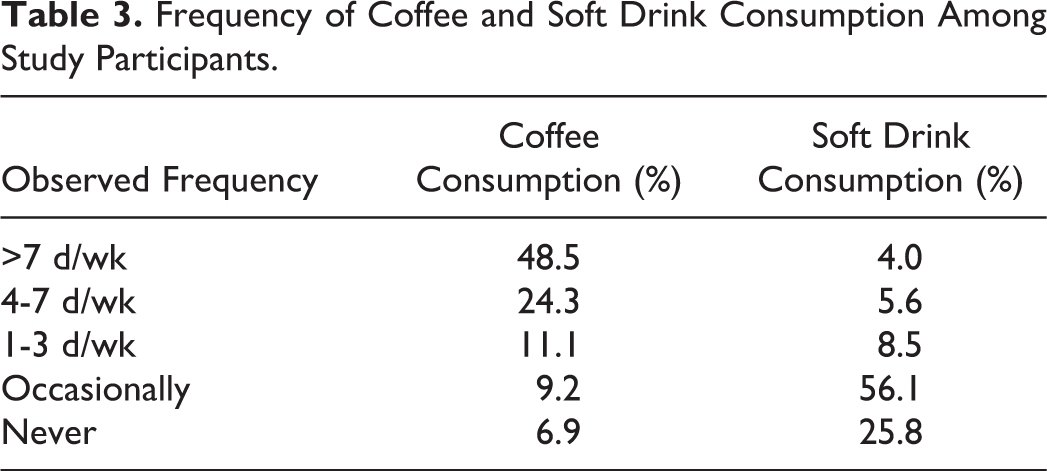
Table 4 shows the elapsed time period between the potential appearance of head and neck–related symptoms and the respondents’ intent to present for medical evaluation. The vast majority of respondents reported a desire for medical attention within 5 days of symptom onset. Multivariate contingency R*C analyses indicated that the response time period from the appearance of a mouth ulcer (or soreness) was inversely associated with age (P = .017) and directly associated with alcohol consumption (P < .001). Furthermore, the response time period from the appearance of an earache was inversely associated with a person’s educational level (P < .001) and yearly income (P = .006) and directly associated with his/her alcohol consumption (P = .014). As far as hoarseness is concerned, the response time period was directly associated with smoking (P = .012), alcohol (P < .001), and soft drink consumption (P < .001). Finally, the response time period from the appearance of a painless lump in the neck was also directly associated with alcohol consumption (P = .003). No gender effect was identified in any of the aforementioned associations.
Elapsed Time Period Between the Potential Appearance of Head and Neck–Related Symptoms and the Respective Patient Response.

Irrespective of the elapsed time period, the responses of the study participants following the potential appearance of a head and neck–related symptom are summarized in Table 5. The family doctor represented the most popular physician to be consulted (52.9%), followed by another specialist seen privately (24.7%), a doctor in the emergency department (13.6%), or a dentist (8.8%). No differences between men and women were identified regarding the respective patient choices.
Patient Reaction Following the Potential Appearance of a Head and Neck–Related Symptom.

Drawing on the specific perceptions about HPV infection in the head and neck area, 79.1% of study participants seemed aware that oral sex represents the main mode of viral transmission. Multivariate contingency R*C analysis indicated that this understanding was directly associated with a person’s educational level (P < .001) and yearly income (P = .001) and inversely associated with alcohol consumption (P = .037).
Despite the increased awareness regarding the mode of HPV transmission, only 45.8% of informed respondents were taking necessary precautions. In contrast, 9.2% of them were not taking any precautions and 45% were not taking precautions in the context of a steady relationship. There seemed to be no gender effect pertaining the latter attitude. Finally, the understanding that oral sex represents the main mode of HPV transmission did not seem to affect the sexual disposition in the majority of informed respondents (63.8%), and this seemed to apply in both genders (P = .133).
Discussion
The present study attempted to identify the association between sociodemographic and lifestyle-related factors with the response time from the appearance of symptoms potentially related to HNC. The main source of health information, along with the specific perceptions about HPV infection in the head and neck area, was also explored.
Drawing on health information seeking, which is closely associated with the decision-making process, the local pharmacist seemed to play a central role in people’s need to find answers to health problems. Indeed, despite the technological advancements and the availability of multiple points of reference in Western countries, the interpersonal influence exerted by pharmacists outperformed not only mass media channels, such as the Internet or the television (Table 2), but also other established sources of medical information, such as the doctor, rendering them the most vital part of people’s word-of-mouth environment. 4
By contrast, a visit to the doctor represented the most likely patient reaction to the appearance of a symptom in the head and neck area (Table 5). This attitude confirmed the superiority of interpersonal as opposed to mass media sources of specific medical information in Western European societies, even after the tectonic shift which occurred in the ways in which patients obtain health and medical information in the past decade. Thus, more trust seems to be laid upon physicians’ arms, compared to any other channel of medical information, as defenders of information quality, should a specific and worrisome symptom arise in the head and neck area.
The reliance on doctors, demonstrated by the participants of the present study, most commonly involved the family doctor. Indeed, more than half of the respondents would consult their family doctor about head and neck–related symptoms, with other specialists or dentists representing less popular choices. The ramifications and associated implications of this finding need to be taken into account by health policy makers, medical and dental schools, and health professionals. Firstly, we need to accept the fact that due to the large number of differential diagnoses of head and neck–related symptoms, and the frequent inability of the family doctor to perform a thorough examination with direct visualization of all the compartments in the head and neck area, an important skill on his/her part would be to identify the patients of concern, who may require urgent referral to the ENT specialist. 5 The understanding of the “iceberg phenomenon,” which frequently accompanies even common symptoms in the head and neck area (ie, earache, mouth ulcer, hoarseness may represent manifestations of a concealed HNC), should become a case in point in undergraduate and postgraduate physician curricula. In addition, it seems reasonable for the dental profession to work more closely with medical associations and improve their understanding about orofacial health and disease. 6 In this context, primary care physicians and dentists should be encouraged to screen high-risk groups on the basis of lifestyle-related factors, age, or the appearance of oral lesions. 7
Drawing on the association between sociodemographic and lifestyle-related factors with the response time from the appearance of symptoms potentially related to HNC, the present study identified alcohol consumption as the main constant of delayed patient reaction. Indeed, a direct association was found between the response time period from the appearance of a mouth ulcer (or soreness) (P < .001), earache (P = .014), hoarseness (P < .001), or painless lump in the neck (P = .003) and alcohol consumption, and this seemed to apply in both genders. This finding is extremely important and should be given appropriate attention as a matter of public health henceforth. Thus, not only is alcohol an independent risk factor for HNC, 8 due to its perceived direct carcinogenic, or indirect synergistic with other carcinogens (ie, tobacco), effect on the upper aerodigestive tract mucosa, 9 –12 but its consumption also seems to be a major risk factor for HNC survival, which is directly associated with the stage of cancer at diagnosis, 3 because of its repressing effect on timely response to early head and neck symptomatology.
Individual associations between sociodemographic and lifestyle-related factors and the patient response time regarding the appearance of a head and neck symptom included an inverse association between age and the appearance of a mouth ulcer (or soreness) (P = .017), an inverse association between a person’s educational level (P < .001) and yearly income (P = .006) and the appearance of an earache, and a direct association between smoking (P = .012) and soft drink consumption (P < .001) and the appearance of hoarseness.
As far as age is concerned, advanced age has been considered an independent predictor of worse overall (hazard ratio= 1.4) and cancer-specific (hazard ratio= 1.2) survival in patients with head and neck cancer, even in the presence of an otherwise fairly equal access to care. 13 The findings of the present study coupled with previous reports that younger people tend to be more active in seeking medical and health information, frequently by using the Internet, 14 suggest that the worse outcomes in older people may partially be explained through their delayed reaction to the appearance of head and neck symptoms.
Furthermore, the results of the present study seem to support the notion that a higher socioeconomic level might lead to more timely perception of symptom importance, earlier access to health and dental services, and thus diagnosis of HNC at an earlier stage. They also underscore the need for individualized efforts toward combating HNC in socioeconomically disadvantaged populations 15 and stress the importance of public health training and provision of easily available health services in people demonstrating lower educational and socioeconomic status. 16
Finally, tobacco smoking is perceived to be the strongest risk factor for HNC, 17 and even its continuation after treatment has been shown to be an independent negative factor for the prognosis of certain patient categories. 18 The results of the present study suggest that in addition to the well described pathophysiological effects of smoking to the upper aerodigestive tract, its practice may be associated with delayed patient response to hoarseness and thus a more advanced stage of first diagnosis for cancer.
Interestingly, the present study also indicated a delayed patient response to hoarseness in people consuming soft drinks. This finding is noteworthy, because a detrimental association between the consumption of soft drinks and the risk of head HNC has not been reported in the literature so far. Hence, there appears to be a misconception regarding a perceived link between soft drink consumption and hoarseness, which seems to necessitate targeted campaigns to increase public awareness of hoarseness as a potential symptom of HNC, and not as a result of nonalcoholic cold beverages.
As far as HPV infection in the head and neck area is concerned, data from the last decade have proclaimed oral HPV infection as the precursor of a growing subset of patients with HNC. Indeed, lifetime exposure to oro-genital, oro-anal, and even vaginal sex, as measured by the number overall sexual partners, oral sex partners, and earlier age at sexual debut, has been shown to increase the odds of HPV-positive HNC in a dose-dependent manner. 19 –22
In this context, the results of the present study indicated that the level of awareness about the mode of viral transmission regarding HPV infection in the head and neck area was high, with 79.1% of study participants being in position to identify oral sex as the respective risk factor. This finding is extremely important, as the percentage of adults in a US study, who could identify HPV as a sexually transmitted disease a decade ago, had not exceeded 2%. 23 Indicators of higher socioeconomic level, such as a person’s educational level (P < .001) and yearly income (P = .001) were found to be positively associated with the awareness about the mode of HPV transmission among participants of the present study, whereas a repressing effect of alcohol consumption as a lifestyle parameter was again identified (P = .037).
However, the increased awareness regarding the mode of HPV transmission did not seem to influence either the sexual disposition or the propensity to take necessary precautions in the majority of study participants. This finding may necessitate devising strategies to increase the awareness of cancer risk associated with sexual behavior in the general population. That is because oro-genital contact in the post-HIV era may be considered less risky than vaginal sex for the transmission of sexual diseases, thereby ignoring the potential contribution of HPV to the appearance of HNC.
The aforementioned strategies may include both educational and vaccine initiatives. Indeed, since HPV-associated risk factors for HNC are largely prevalent among young people, primary prevention strategies should include increasing the awareness of middle school, high school, and university students about the risks associated with various forms of sexual practices, especially in the absence of necessary precautions. 7,24 In addition, vaccination against HPV types 16 and 18 should become universal and available to both genders prior to the age of sexual debut. 24 Such an intervention had been associated with a 93.3% of vaccine effectiveness regarding oral HPV infection in one study 25 and may further decrease the burden of HNC for future generations.
Limitations of the present study include the use of an unweighted sample, based on responses received through the Internet. Nevertheless, this modern approach resulted in a large sample size, manifesting a wide range of sociodemographic characteristics, quite representative of the Greek population at a nationwide level. That being said, the results of the present study should be interpreted with caution in countries with different social and cultural norms, whereas the fact that the vast majority of the respondents were reportedly healthy should also be considered.
Supplemental Material
Supplemental Material, Appendix_1_(Head_and_Neck_ENT_revised_questionnaire) - Attitudes and Parameters Affecting the Behavior Toward Precursor Symptoms of Head and Neck Cancer
Supplemental Material, Appendix_1_(Head_and_Neck_ENT_revised_questionnaire) for Attitudes and Parameters Affecting the Behavior Toward Precursor Symptoms of Head and Neck Cancer by Petros V. Vlastarakos, Angeliki Gkouvali and Despoina Katsochi in Ear, Nose & Throat Journal
Footnotes
Authors’ Note
The present study was conducted under the aegis of AKOS, a non-profit anti-cancer institute, based in Athens, Greece.
Declaration of Conflicting Interests
The author(s) declared no potential conflicts of interest with respect to the research, authorship, and/or publication of this article.
Funding
The author(s) received no financial support for the research, authorship, and/or publication of this article.
Supplemental Material
Supplemental material for this article is available online.
References
Supplementary Material
Please find the following supplemental material available below.
For Open Access articles published under a Creative Commons License, all supplemental material carries the same license as the article it is associated with.
For non-Open Access articles published, all supplemental material carries a non-exclusive license, and permission requests for re-use of supplemental material or any part of supplemental material shall be sent directly to the copyright owner as specified in the copyright notice associated with the article.
