




Abstract
The need to transition to renewable energy sources (RESs) including wind, solar photovoltaic (PV), and hydro is highlighted by the accelerated depletion of fossil fuel reserves and the increasing need for sustainable power generation. In this regard, the present study explores the use of a probabilistic optimal power flow (POPF) framework that addresses the inherent uncertainties related to the power outputs of various RES technologies. The artificial hummingbird algorithm (AHA), inspired by hummingbirds adaptive foraging behavior, is used to solve the ensuing highly nonlinear, multi-modal problem. Several IEEE 57-bus test systems are used to thoroughly validate the efficacy of the suggested AHA-based POPF model. Comparative studies indicate that the AHA consistently provides notable cost and emission reductions, outperforming advanced metaheuristic approaches in all cases. When compared to coral reef optimization and gray wolf optimizer, the AHA reduces emissions by 1.74%–3.08% and costs by 0.27%–0.33% in the traditional IEEE 57-bus system. Additional gains are shown with cost reductions of up to 0.148% and emission reductions of up to 2.40% when RES units are integrated. AHA achieves the greatest results in the most complicated Test System 3, with an ideal generating cost of 4949
Keywords
Introduction
Energy is delivered from generators to loads via power systems, which are networks. Through the electric power transmission network, generated energy is supplied to loads. The current power system network is growing increasingly complicated for planning and operation due to massive power transfers over longer distances, intricate coordination, the challenge of integrating numerous system controllers, and reduced power reserves. A power system is considered secure when it can tolerate unanticipated disruptions with minimal loss in service quality. Following a disruption, the system goes through the following transient phase before stabilizing into a condition where all operational constraints are maintained within the allowed bounds. In an interconnected power system, the generators’ real and reactive powers must be adjustable within realistic constraints to consume the least amount of fuel while still satisfying the load requirements.
However, optimal power flow, or OPF, is used to alleviate these problems arising from the industry’s liberalization. One of the core problems with power system planning and operation is OPF. In the beginning, Dommel and Tinney (1968) presented it. Thereafter it spreads like a wildfire in the researcher community. The OPF method is now a widely used power system analysis technique that has been demonstrated to be sufficiently reliable for practical applications.Therefore, the primary objective of the OPF formulation is to determine a power generation system that reduces fuel costs while meeting all equality-and inequality constraints. The OPF problem is recognized as a multi-objective, highly nonlinear, non-convex optimization problem. To minimize a desired objective function while still satisfying the power balancing equations and specific inequality constraints in the system, a power system’s optimal steady-state operation must be determined.
Technological developments and the expanding global population have led to a dramatic rise in power consumption in modern electrical power networks. This has resulted in environmental degradation and climate change caused by the excessive utilization of fossil fuels. Hydropower (Sulaiman and Mustaffa, 2021), solar (Li et al., 2022b), and wind farms (Rabiee and Soroudi, 2013) are examples of environmentally friendly renewable energy sources (RESs) that have been incorporated into the system. However, the inclusion of RESs have invited a new challenge in the power system (Hassan et al., 2022). RESs introduce uncertainties in the practical power system resulting in hindrances in achieving reliable and economic operation (Shaheen et al., 2022). These uncertainties have led to a renewed interest in the probabilistic approach to solving OPF. In this approach, the worst-case event scenario and the RES uncertainties are considered via the probabilistic optimum power flow technique. These approaches differ from deterministic methods in that they represent uncertainty using probability density functions. The objective is to reduce the system’s expected generation expenditure in probabilistic OPF (POPF), where the expectation is based on the probability distribution of the RER outcome (Sumair et al., 2022). The primary difference between POPF and normal OPF by Li et al. (2022a) is that the former represents the uncertainty of the RES result using a probabilistic strategy, while the latter employs a fundamental deterministic approach. Additionally, POPF can provide a more accurate assessment of the probability of operational limitations being violated. Because of its deep-well structure, closed-loop U-shaped geothermal wells have great promise. To better understand their thermal behavior, this study constructs an analytical model that integrates quasi-steady borehole heat transfer with transient heat conduction in soil. The paper of Xiao et al. (2022 ) provides a theoretical basis for creating effective operating parameters for U-shaped geothermal wells by using exergy-based optimization to determine that optimal flow rates change over the heating period. In order to increase the frequency stability in power systems, work by Khadanga et al. (2025) presents a modified gorilla troops optimizer (mGTO). By providing improved stability, greater solution quality, and shorter calculation times, the algorithm performs better than conventional optimization techniques (Feng et al., 2025; Su et al., 2019; Wang et al., 2024; Xiao et al., 2025; Yu et al., 2023; Zhu et al., 2025). A Phillips-Heffron model featuring an interline power flow controller and an auxiliary damping controller was created, and mGTO was used to adjust the controller’s parameters. The suggested mGTO-based method outperforms traditional controllers in stabilizing a single machine infinite bus power system, according to simulation results.
Numerous methods based on contemporary control theory have been employed to address POPF issues (Singh et al., 2022). These include the cumulant method (Schellenberg et al., 2005), Monte Carlo simulation (Hashish et al., 2023), and heuristic approaches (Nikmehr and Najafi Ravadanegh, 2015). The POPF problem is solved in the paper of Zou and Xiao (2013) using the cumulative distribution function (CDF) of the output variables. For the mean, standard deviation, and CDF to be as precise as possible, this paper’s statistical formulation makes use of the outcomes of the intricate Monte Carlo simulation. The study of Schellenberg et al. (2005) provides two enhancements to the cumulant method (CM) for POPF studies to better address constraints in POPF applications: the first is an improvement to allow for the inclusion of correlated variables.
Researchers’ focus has shifted in recent years towards optimization methods for the POPF problem. Many optimization algorithms namely flow direction algorithm (FDA) (Maheshwari et al., 2023), cuckoo search algorithm (CSA) (Sarda et al., 2023), teaching–learning-based optimization (TLBO) (Sulaiman et al., 2023), particle swarm optimization (PSO) (Papazoglou and Biskas, 2023), quasi-reflection jellyfish optimization algorithm (QRJFO) (Shaheen et al., 2023), modified artificial rabbit optimizer (MARO) by Khan et al. (2024b) is the most effective method for solving nonlinear OPF problems. They have been effectively used to solve a variety of issues where it is preferable to find global solutions rather than local ones or if there are non-differentiable areas in the problem. The authors of Shaheen et al. (2023) has suggested that the potential of QRJFO may be utilized and investigated to lessen the multi-objective function’s impact of petroleum cost, transmission loss, and emissions. The large-scale IEEE 118-bus and the practical West Delta Region system have all been used to validate the stability. In order to avoid stagnation and boost global optimization efficiency, this paper by Khan et al. (2024a) presents an improved liver cancer algorithm (ILCA) with improved exploration and exploitation techniques. ILCA is very effective in reducing power losses and improving voltage stability in an IEEE 57-bus system that is integrated with renewable energy. The authors of Ebeed et al. (2023) proposed a modified RUNge kutta optimizer (MRUN) to handle the uncertainties of wind and solar integration in OPF. By incorporating cauchy mutation and quasi-oppositional learning, MRUN improves accuracy and robustness. Tests on the IEEE 57-bus system show significant reductions in losses and voltage deviations, along with improved stability, outperforming the conventional RUN method. An adaptive lightning attachment procedure optimizer (ALAPO) (Adhikari et al., 2023) to address the uncertainties from RESs in OPF. Tests on the IEEE 57-bus system show that ALAPO achieves better performance and stability than conventional optimization methods. This study of Jamal et al. (2024) introduced a modified gorilla troops optimizer (MGTO) to solve the issues of stagnation and local optima in the traditional GTO. When evaluated on benchmark functions and IEEE test systems, MGTO yields better and more dependable optimum power flow solutions than existing optimization methods. PSO was utilized by the authors of the paper (Mohamed et al., 2025) to solve the OPF issue while keeping to a strict objective function of decreasing the cost of fuel provision for utility and industrial businesses. To show the superiority of the suggested PSO, the calculated results were compared with several well-known optimization techniques, including the backtracking search algorithm (BSA), hybrid SFLA-SA, differential evolution (DE), improved GA (EGA), and monarch butterfly optimization (MBO). The whale optimization algorithm (WOA) was devised by the author Naidu et al. (2023) to solve the OPF in addition to RES. To determine the optimal capacity of RES in conjunction with thermal generators, the total production cost has been taken into account as an objective function. The IEEE-30 system is used to test the proposed method in order to confirm its suitability. The results collected show that WOA is more effective than other methods, including non-dominated sorting genetic algorithm (NSGA-II), gray wolf optimization (GWO), and PSO. The ideal capacity of RES in combination with thermal generators has been determined by taking the whole generating cost into account as an objective function. The IEEE-30 system is used to test the proposed method in order to confirm its suitability. The study’s findings show how effective WOA is when compared to other algorithms like GWO and PSO-GWO (PSOGWO). Three RESs—wind, solar, and a combination of solar and small hydro—have been paired with an additional thermal power plant to deal with the OPF problem (Farhat et al., 2023). Both the IEEE 30-bus and IEEE 57-bus standard systems use the weighted mean of vector (INFO) optimization technique, which was introduced recently. The outcomes so obtained demonstrate that the suggested by INFO performs better than the other algorithms when compared to other well-known published work. Using the IEEE 57-bus as the test system, the authors of the paper (Adhikari et al., 2023) used the ALAPO approach to solve the stochastic OPF problem. The ALAPO reacts better to the processes of exploration and exploitation since it is the most advanced stage of the conventional LAPO. Comparing the corresponding results from other well-known algorithms, such as the sand cat swarm optimizer (SCSO), GOW, WOA, black widow optimization algorithm (BWO), and capuchin search algorithm (CAPSA), has demonstrated the superiority of the proposed ALAPO. For nonlinear environments, many evolutionary algorithms are unable to produce the best results.
The artificial hummingbird algorithm (AHA) was employed to solve the highly nonlinear, multi-dimensional POPF issue in this work, which incorporates many uncertain renewable energy sources (wind, solar, and hydel). In these situations, classical deterministic approaches and certain conventional metaheuristics often either converge slowly or get trapped in local optima. The authors proposed AHA for optimal tuning parameters of POPF problem incorporating with solar, wind, and hydel power. The reason for selecting the AHA has been stated below:
Strong balance between exploration and exploitation. Ability to avoid local optima. Fewer control parameters. Superior convergence characteristics. High robustness under uncertainty.
The greater the number of RESs that are included in the proposed study system, the more difficult it becomes. The AHA is an excellent match for multi-modal scenarios including both thermal and RESs because it better balances exploration and uexploitation. For multi-dimensional optimization problems, its adaptive search method improves convergence and produces superior solutions. Additionally, AHA performs better in terms of parameter adjustment than other population-based techniques and provides an easy-to-use implementation. The resilience of AHA is enhanced by its capacity to manage intricate, high-dimensional situations; it can steer clear of local optima. Due to the POPF problem’s highly nonlinear, multi-dimensional character and the uncertainties surrounding the generation of wind, solar, and hydropower, the optimization method selection is critical to its solution. AHA has been chosen as the optimization tool in this work because to its capacity to successfully prevent premature convergence, balance exploration and exploitation, and have fewer control parameters. The directed, territorial, and migratory flight foraging behaviors depicted in AHA facilitate effective search operations that aid in navigating multi-modal solution domains. Additionally, 30 independent runs along with statistical performance evaluations using box-plot analysis and one-way ANOVA are conducted to confirm the robustness and consistency of AHA. As a result, AHA is a highly efficient and reliable optimization framework for solving the POPF problem with multiple renewable sources.
The growing use of RESs in contemporary power systems adds a great deal of variability and uncertainty to OPF calculations. This makes the POPF problem more complex, as both the operational cost and environmental emissions must be minimized while satisfying system constraints under uncertain wind, solar, and hydropower outputs. Therefore, the core problem addressed in this work is to develop an efficient and robust optimization framework capable of managing these uncertainties and achieving cost-effective, reliable, and environmentally sustainable system. The study formulates the POPF problem considering renewable generation uncertainties and solves it using the AHA, with performance evaluated across multiple test conditions to demonstrate its effectiveness. The following are the key contributions as per work carried out in the past:
Because to renewable uncertainties, OPF changed from deterministic to probabilistic. Used models based on PDFs to depict solar and wind power. Enhanced cost, loss, and emission optimization using a variety of metaheuristic methods. For improved economic and environmental performance, a hybrid mix of renewable sources is taken into consideration in standard IEEE systems.
Based on wide literature survey, it has been found that many gaps need to be explored further, a few has been listed below:
Under POPF, integrated wind, solar, and hydro modeling is required. More accurate probabilistic power output representations are required. Inadequate methods to manage large levels of uncertainty and nonlinearity. Insufficient multi-objective cost-emission analysis. Limited statistical validation and repeatability studies.
The following are the paper’s primary contributions:
The POPF problem is addressed in this work using the AHA. Because of its effectiveness in managing intricate, nonlinear, and uncertain optimization issues, the AHA, a bio-inspired metaheuristic, is utilized. In order to lower generating costs and emissions, it incorporates RESs—wind, solar, and hydro—into conventional power networks. The method is tested under different combinations of thermal and renewable units using three test systems based on the IEEE 57-bus model. For both renewable (wind, sun, and water) and non-renewable-based IEEE 57-systems, the intended study project accounts for dynamic load, which fluctuates throughout the day. This experiment aims to reduce emissions and generating costs concurrently for both single- and multi-objective functions in a range of combinations (also known as varied cases). According to the computed outcomes, AHA outperforms other algorithms in terms of emissions and generating cost. The computed results from 30 independent trials were evaluated using a box plot, one-way ANOVA, and additional statistical measures. This demonstrates the resilience and effectiveness of AHA in addressing the POPF problem in over-tested settings when several instances are generated based on various objectives.
The following sections of the research article are arranged as follows: the “Problem formulation” section outlines the problem formulation procedure for the present project. The uncertainty modeling, along with a general overview of wind and solar has been covered in the “Problem formulation” section. The “AHA optimization” section demonstrates the proposed “AHA.” The “Results and discussion” section presents the simulation results of several test systems using the proposed algorithm. Finally, the conclusions of the study are provided.
Modeling of uncertainties
This study examines the uncertainty related to energy produced by wind farms, solar photovoltaic (PV) arrays, and hydroelectric power sources. Due to its reliance on a variety of variables, including wind speed and solar irradiation, the electricity produced by the aforementioned RESs is subject to considerable unpredictability. This results in the power output from these RES units being uncertain. These uncertainties make it challenging for the system operators to ensure that the connected grid can consistently provide the required demand. The output power generated by wind turbines (WTs) and PV arrays must thus be simulated. This may be done effectively using a probabilistic model, which is discussed in the following sections.
Overview of WP (WP) generation
Wind energy is widely accessible, produces no emissions, and has very low operational costs. Conventional energy sources, on the other hand, have substantial operating costs and environmental challenges. This advantage has prompted researchers to explore alternative methods of using RESs to generate electricity.
WP model
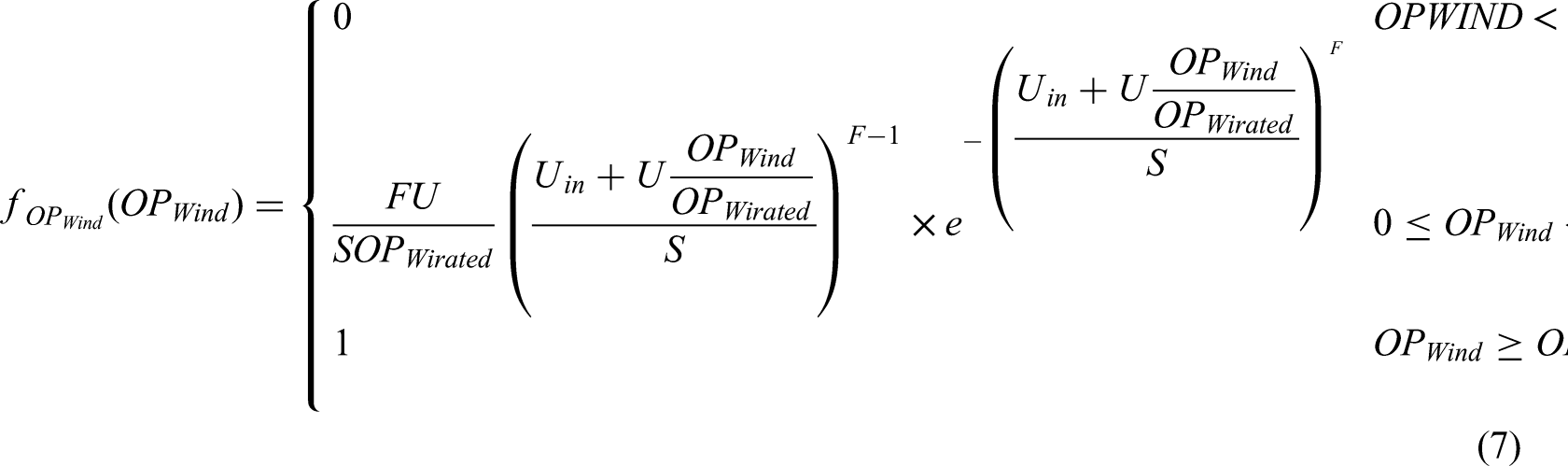
When describing wind speed, the Weibull PDF (Hazra et al., 2025) is commonly used. It is given by the following equation:




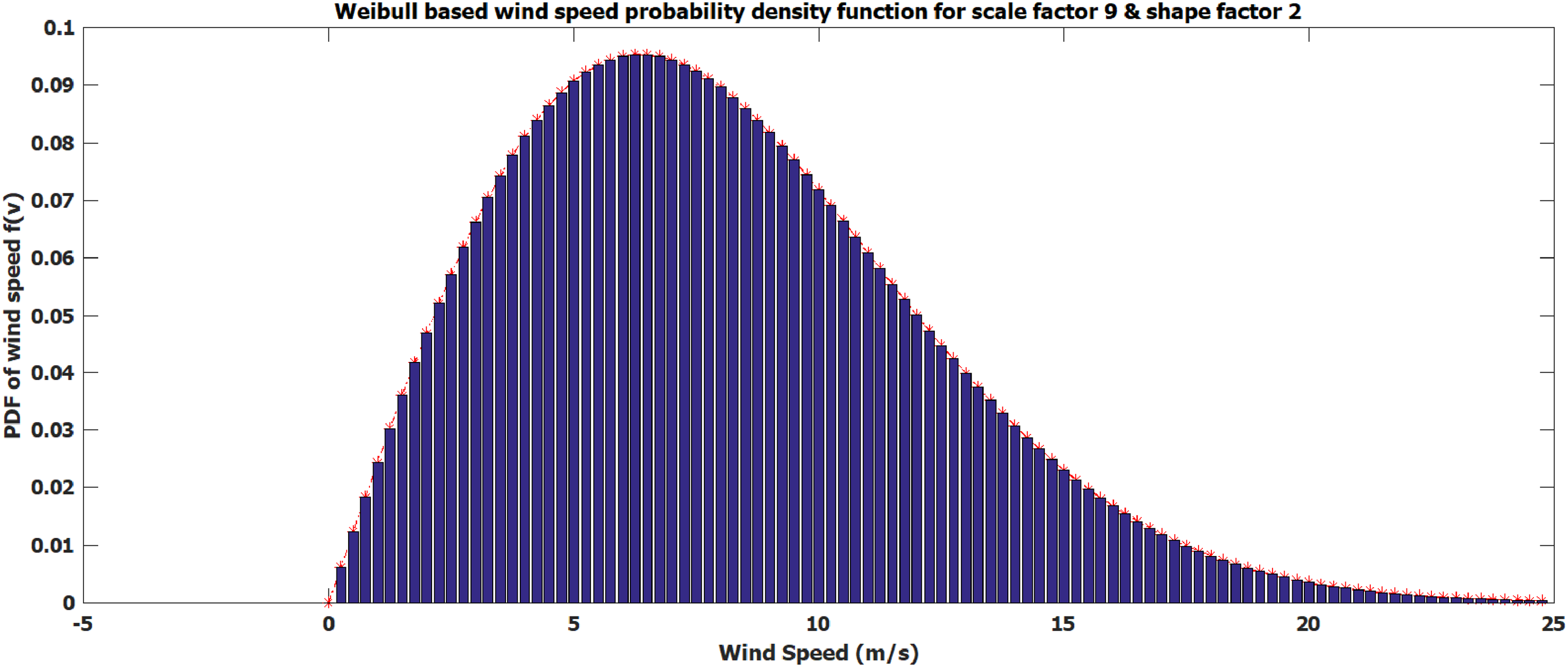
Weibull-based wind velocity probabilistic density function (PDF).
When


WP cost computation
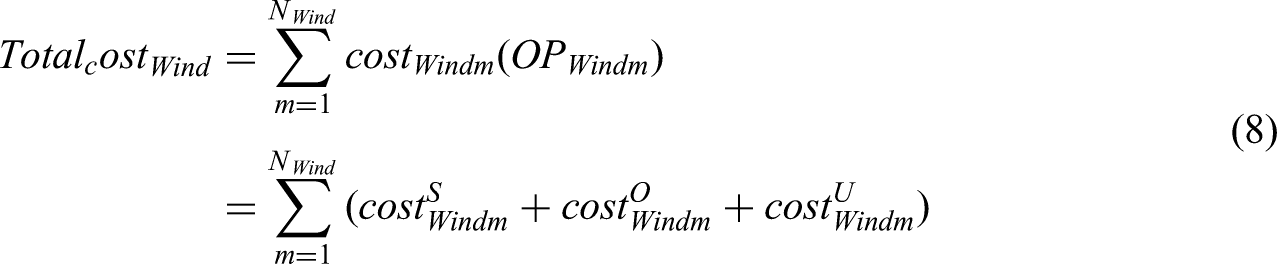
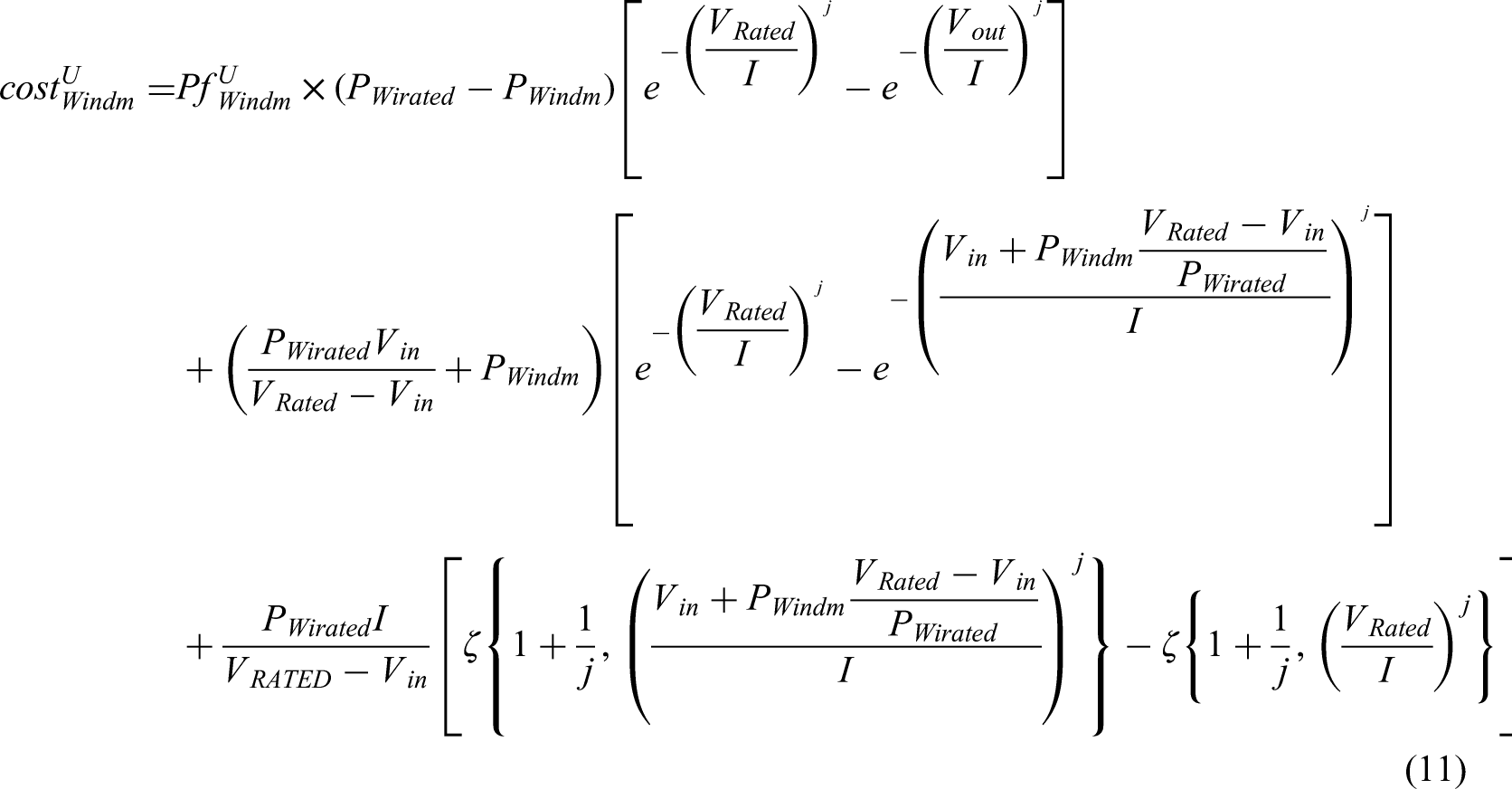
During times of high demand, WP must be integrated into the existing electrical grid. Two cost categories—overestimation and underestimation—are considered when WP is implemented with the current power grid. This is because WP generation is inherently unpredictable. Here, WP generation is predicted using the Weibull distribution. The total cost of producing power from wind is stated as follows:
Direct cost
The direct cost for the

Here,
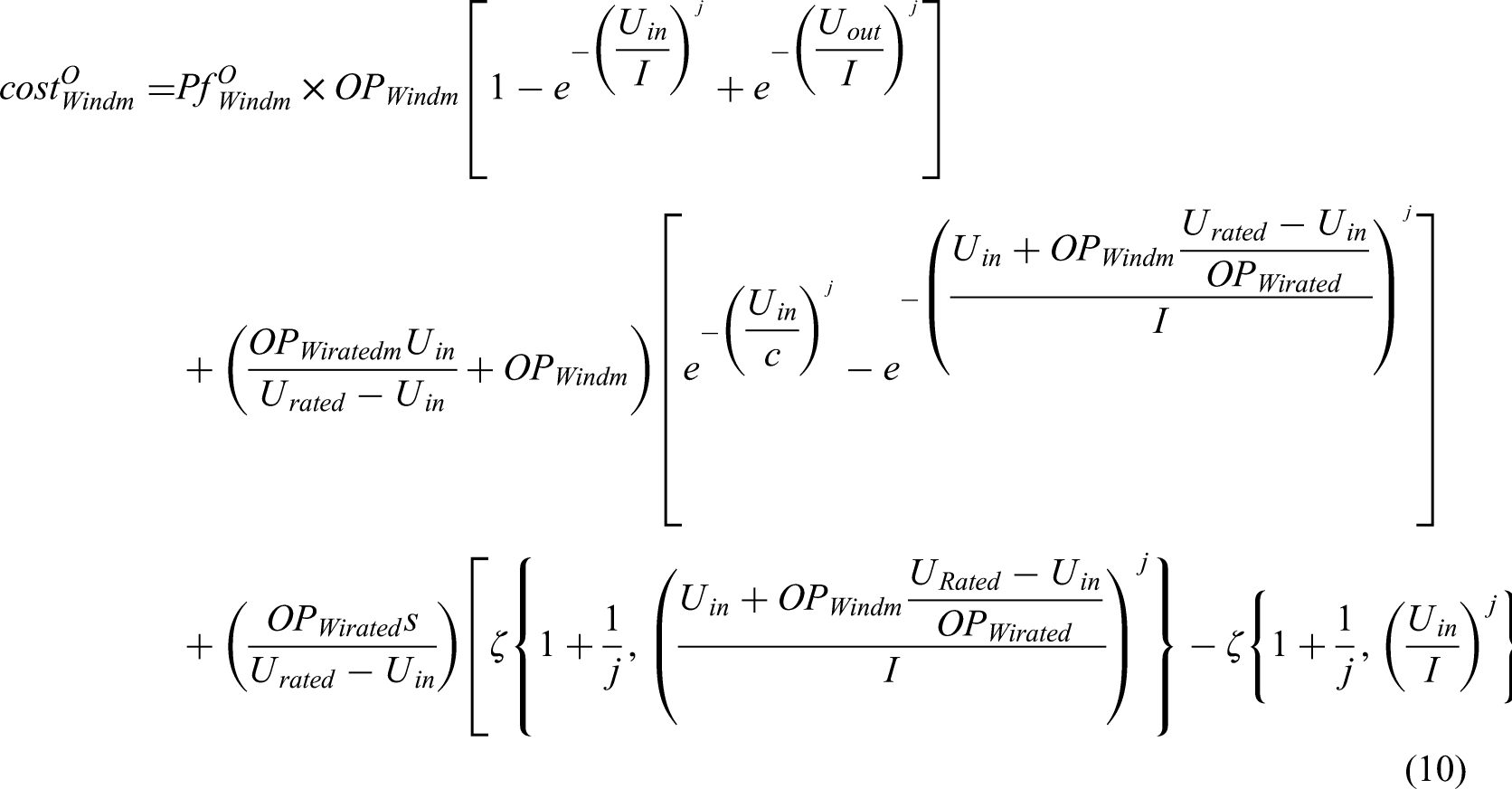
Overestimation cost
When actual WP exceeds expectations, underestimation costs arise. Because they would otherwise lose power, any excess electrical energy generated by WTs will be stored in batteries. The following formula is used to calculate the underestimation cost, as shown by Yin et al. (2020):
Underestimation cost
When the actual WP exceeds expectations, underestimation costs arise. To avoid loss of energy, any excess electrical energy generated by WTs will be stored in batteries. The following formula used to determine the underestimation cost is given by Roy and Hazra (2015):
Overview of solar PV generation
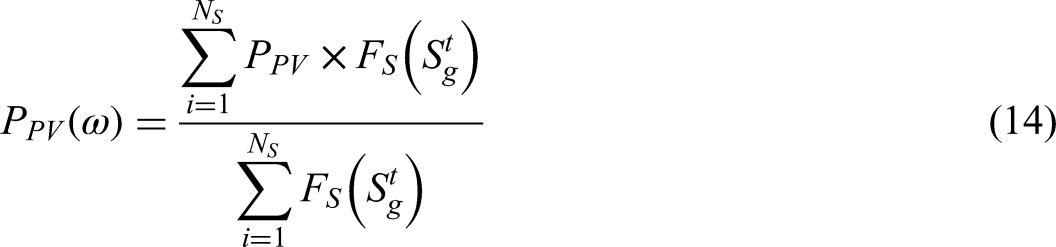
The following is the mathematical formula for the electrical power generated by a solar panel array, which is dependent on its solar irradiance:

Now, the use of beta probabilistic density function (PDF) to calculate solar irradiance has been formulated as follows:

Cost function: Solar energy
The cost of electricity generation for a solar unit is estimated as follows by adding three different cost functions (Paul et al., 2021):

Determination of solar unit’s direct cost
The cost of producing solar energy is known as the ‘‘direct cost.” The following formula determines the direct cost of solar energy:

Calculation of the overestimated cost of the solar unit
If the estimated power exceeds the available solar power, the overestimation cost is calculated using the formula below:

Calculation of underestimation cost of solar unit
If the available solar power exceeds the scheduled power, the underestimating cost of the

Problem formulation
The authors of this study proposed the POPF to reduce the total cost and emission of power generation. In order to address the POPF problem using the marine predator algorithm (MPA), current research has been organized into three approaches, each further divided into three categories: two single objective functions for minimizing generation costs and emissions, and, finally, an appropriate multi-objective function for simultaneously minimizing overall generation costs and emissions. First, POPF has traditionally been studied as three distinct case studies to minimize the given objective functions. The problem is modified to account for the creation of hydropower, wind speed, and solar PV, all of which directly affect output power. Here, the planned number of generators in the typical IEEE 57-bus systems has been replaced with a few number of solar, wind, and hydroelectric power generating units. Finally, in addition to the expected variety of generators (1, 2, 3, 6, 8, 9, and 12) in the IEEE 57-bus systems, the autonomous inclusion of solar PV panels, WTs, and hybrid power generation has further reduced the overall cost and emissions of power generation.
Conventional OPF
The traditional OPF, which was initially presented by Dommel and Tinney (1968), aims to minimize the objective function as it is defined below while adhering to all security and physical restrictions. The traditional OPF issue may be expressed as follows:




Probabilistic OPF
Power systems are open systems rather than closed ones. This implies that any external parameter might affect its operational variables, which makes the system quite unpredictable. The notion of probability theory, or probabilistic techniques, is a commonly used approach to assess the uncertainty of a given system. The main objective of these methods is to determine the state of the system with respect to the uncertainty of the input variables, which are described as follows:

Because the input variables are unclear, the output variables are also uncertain. It suggests that even if there was just one uncertain input variable, all of the output variables would be uncertain.
Objective functions of POPF problem
Two distinct objective functions are taken into account while evaluating the efficacy of the suggested AHA approach in a single-objective POPF situation. The objective functions are as given below:
Minimization of fuel cost
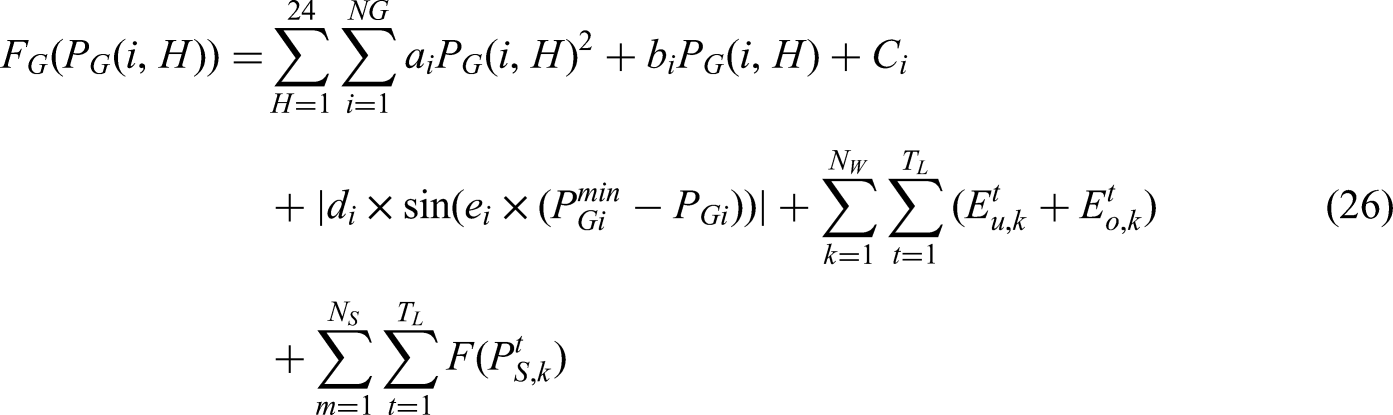
In a further phase of the study, the POPF issue involves an independent re-evaluation of the cost function every hour. The main objective of these methods is to determine the state of the system with respect to the uncertainty of the input variables, which are described as follows:


For flexible operating facilities, multiple valve steam turbines are used to produce a more precise and useful cost function model. The following is the total generation cost for units with valve point discontinuities:
Minimization of emission
The emission problem is modeled mathematically as follows:


Multi-objective function of POPF problem
Previously single-objective functions are lowered on an individual basis. However, in order to evaluate the efficacy of the proposed strategy in a multi-objective context, active generation cost with valve point loading and emission are simultaneously reduced after the first simultaneous decrease of producing cost and emission. The importance of emissions and generation costs has been balanced using the penalty component (

Constraint
The constraints related to the issue are displayed as follows:
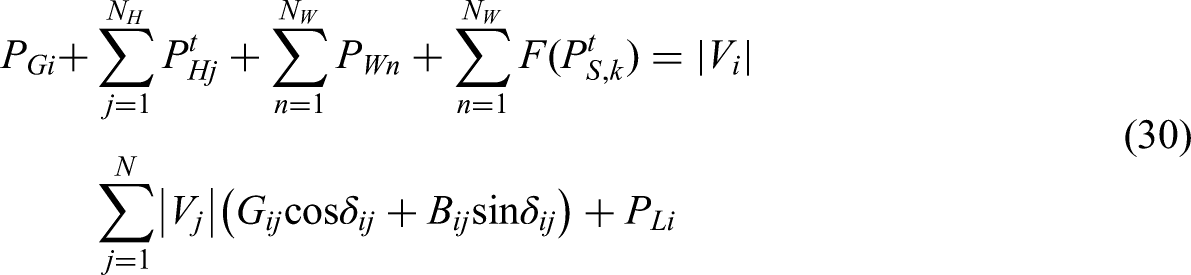
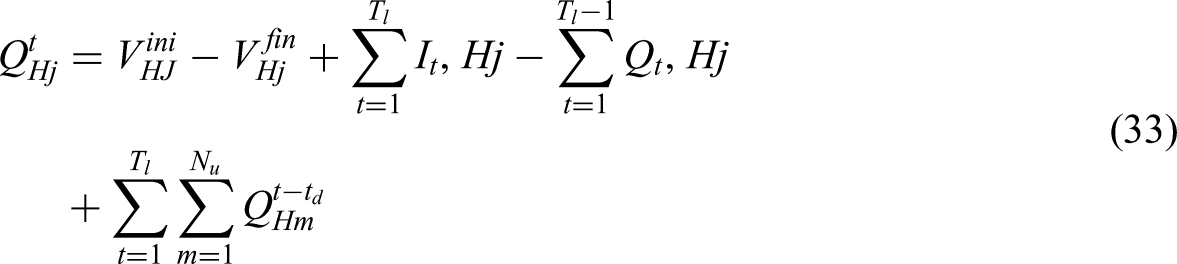
Equality constraints
The power system’s power balance equation, the hydro unit’s water dynamic balance equation, the hydro unit’s water discharge continuity equation, and other equations are among the equality constraints of the issue.


Inequality constraints





AHA optimization
Zhao et al. (2022) created the AHA, a bio-based swarm algorithm that takes inspiration from hummingbird foraging behavior to address single and multi-objective optimization problems. Previous research indicates that it is more competitive than other optimization strategies and has fewer control parameters (Zhao et al., 2022). Additionally, the benefit of this approach in terms of computation load and accuracy of the outcome is seen below. AHA is chosen for this investigation due to its proven effectiveness in resolving challenging, multi-modal optimization issues. Because the POPF scenario under consideration incorporates uncertainty modeling, several dependent variables, and competing objectives (emissions vs. generation cost), various metaheuristics and standard deterministic approaches are vulnerable to local entrapment or slow convergence. Through its biologically inspired flight strategies—directed, territorial, and migratory foraging—AHA naturally strikes a balance between exploration and exploitation, enabling it to search extensively while honing in on favorable areas of the solution space. Additionally, compared to other algorithms like PSO, GA, and so on, AHA has fewer control parameters, which lowers computational tuning effort and increases stability. Three foraging behaviors are simulated by the artificial hummingbird program during the optimization process: migratory, territorial, and directed foraging. These actions also mimic omnidirectional, axial, and diagonal flight patterns. Additionally, the hummingbird memory is replicated using a visit table to choose the required food sources (Wang et al., 2022). Food sources: In reality, a hummingbird selects a suitable food source from a range of possibilities by taking into account the nectar volume and quality of certain flowers, the rate at which nectar replenishes, and the duration since the last visit. The quantity and kind of flowers in each food source are considered to be the same in AHA; a food source is a vector of solutions, and its nectar-refilling rate is represented by a function fitness value.
Hummingbird: Every hummingbird has a specific food source that it may eat from, and the hummingbird and the food source are in the same location. Hummingbirds may share their knowledge of a particular food source’s location and nectar replenishment rate with other members of their community. Additionally, each hummingbird has the ability to remember the duration of time that it has been without visiting each food source on its own.
Visit table: Each hummingbird’s visit level to each food source is recorded by the visit table which is one of the most important components of the AHA. The higher the value in the table, the more nectar volume collected by this source, and hence the higher the visit priority. The visit table is updated after each foraging period.
Initialization
A colony of


By adding a direction switch vector, the AHA adequately models and exploits three flight capabilities while foraging, namely omnidirectional, diagonal, and axial flights. This vector determines whether or not one or more directions in the s-dimension space are available.
Axial flight:Axial flight demonstrates a hummingbird’s capacity to fly along any coordinate axis. To extend these flight patterns to a

Diagonal flight: A hummingbird may go diagonally from one corner of a rectangle to the other using any two of the three coordinate axes. The definition of diagonal flight is as follows:

Omnidirectional flight: The omnidirectional flight illustrates how any flying direction may be projected to any of the three coordinate axes. The text colorblack. In other words, all birds can fly in all directions, but only hummingbirds can fly axially and diagonally. The following is the definition of omnidirectional flying:

Guided foraging
The AHA states that a food supply with a greater fitness rate has a quicker rate of nectar replenishing. During the guided foraging phase, hummingbirds will visit the feeders with the greatest nectar in order of the highest visit level. The following mathematical model is introduced to quantify directed foraging:


Territorial foraging
If a hummingbird has already eaten the nectar from the flowers, it is more likely to look for another food source after visiting its favorite. As a result, a hummingbird could just go to a neighboring location inside its own territory, where it might discover a new food source that is better than the current one. The following mathematical formula depicts a potential food source and the territorial foraging pattern of hummingbirds:


Migration foraging
A hummingbird will often go to a more distant food source when the supply at its regular feeding site becomes scarce. The migration coefficient is defined by the AHA. If the number of iterations exceeds the specified value of the migration coefficient, the hummingbird who lands at the food source with the lowest nectar-refilling rate will migrate to a new food source that is randomly generated within the entire search space. The visit table will be switched at this point, and the hummingbird will stop feeding at the old source and start eating at the new one. The migratory foraging of a hummingbird from the source with the lowest nectar-refilling rate to a new one formed at random is described below:

Solutions update
The hummingbird will switch if the candidate solution developed during the territorial or directed foraging stages performs better than the existing food source. The following model exemplifies this behavior. The

Results and discussion
The IEEE 57-bus transmission system has also included the recommended method, as shown in Figure 2. System information is available by Chary and Rosalina (2023). The authors in the present study have taken into consideration IEEE 57-bus system. Also to show the superiority in more complex system, the authors have aslo extended the work in IEEE 118-bus system.
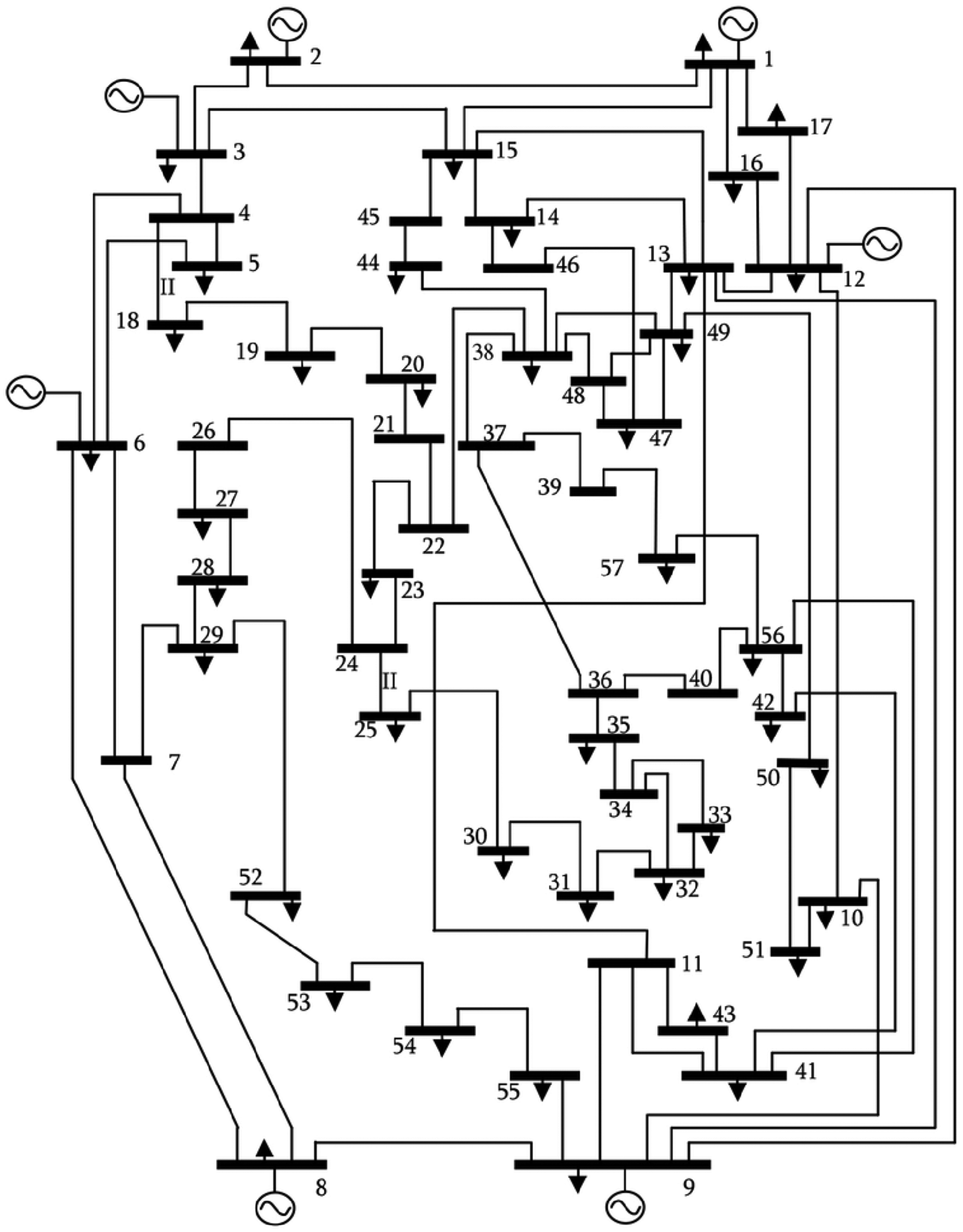
Single line diagram of IEEE 57-bus.
Observation in IEEE 57-bus system
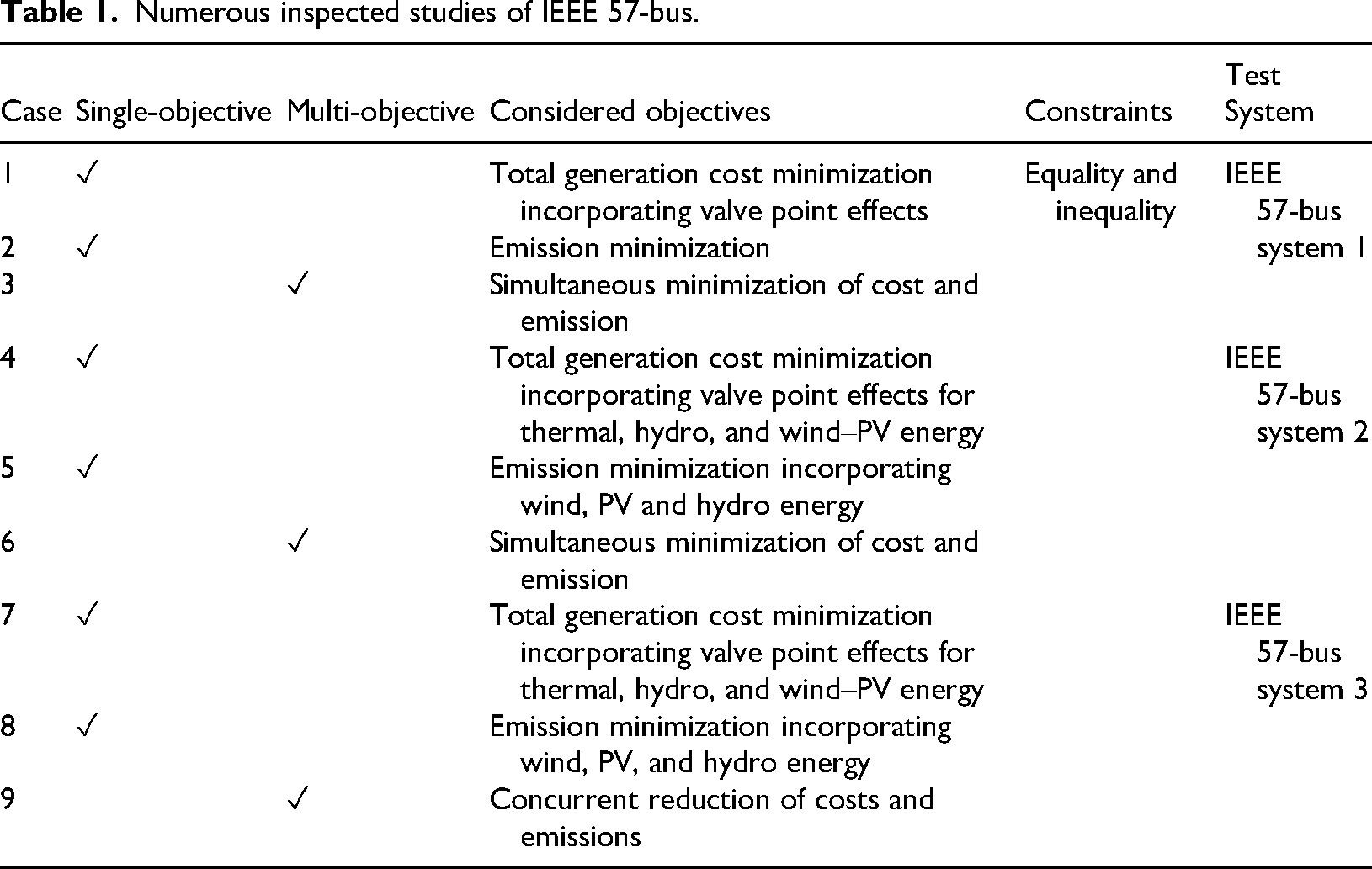
The consequent section by considering IEEE 57-bus delves broadly into three test systems, namely (a) Test System 1 incorporating conventional POPF having bus 1 (swing), 2, 3, 6, 8, 9, and 12 as PV-bus (generator bus) employing AHA; (b) Test System 2, which includes limiting the number of thermal generators at 1 (swing), 3, 8, and 12 and replacing the rest with RES namely wind power at bus-2 and bus-6, SPV at bus-9 and hydro unit at bus-6 and solving the same using the proposed AHA; (c) Test System 3 in which conventional positions of the thermal generators (1 (swing), 2, 3, 6, 8, 9, and 12) have been kept intact in addition to addition to connecting wind power generation at bus-5, solar PV at bus-16 and combined implementation of hydro and wind at bus-49. Finally, the considered problem have been solved by the proposed AHA to yield global optimal solution. A lot of nine cases have been considered in this research work as depicted in Table 1 which includes two different objective function namely single-objective function each minimizing emission cost minimization
Numerous inspected studies of IEEE 57-bus.
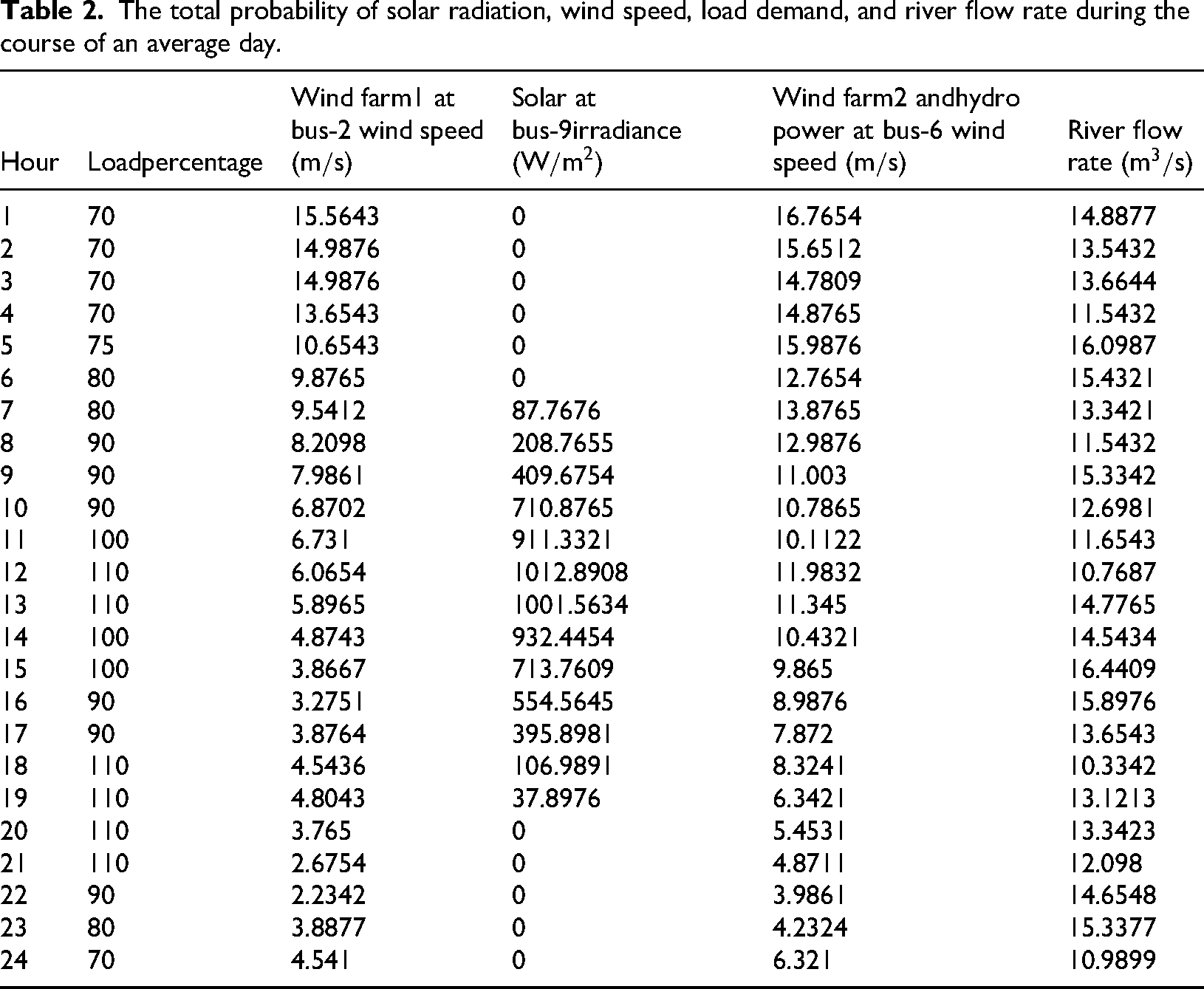
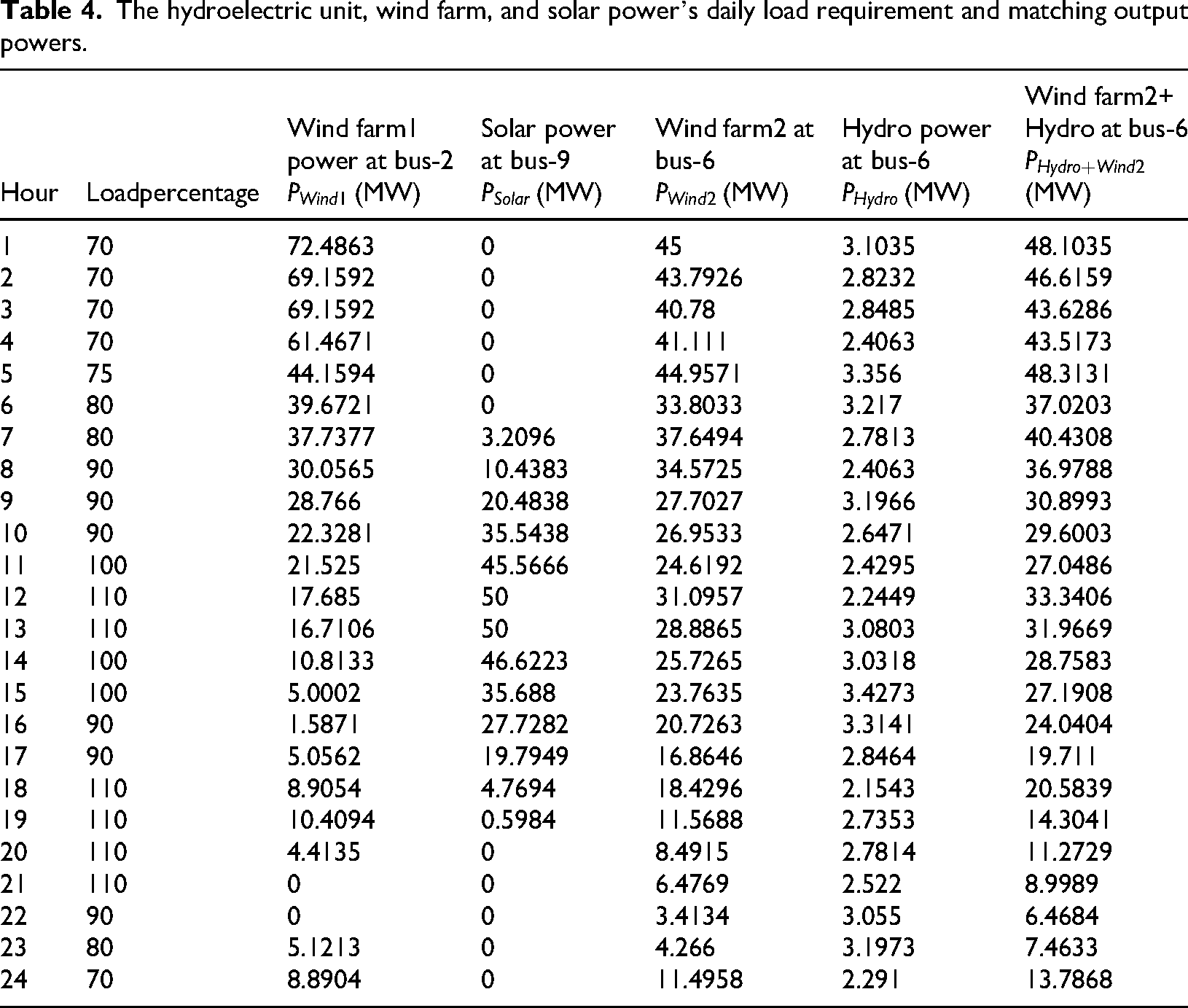
The preceding segment focuses on the analysis of the computations results of the POPF problems. The inquiry takes into account the system’s varying loads concurrently. The inoculation of the RES notably improves the generation cost and emission cost considerably. Table 2 displays the overall probability of load demand, solar radiation, wind speed, and river flow rate on a normal day. The probability density function for RESs is displayed in Table 3. The data has been taken for a complete whole day of 24 h. The graphical representation of the same can be furnished in Figures 3 and 4. The load demand and corresponding output powers of solar, both windfarms, hydropower unit in a day is depicted in Table 4 and the graphical representation of the same has been in Figure 5.
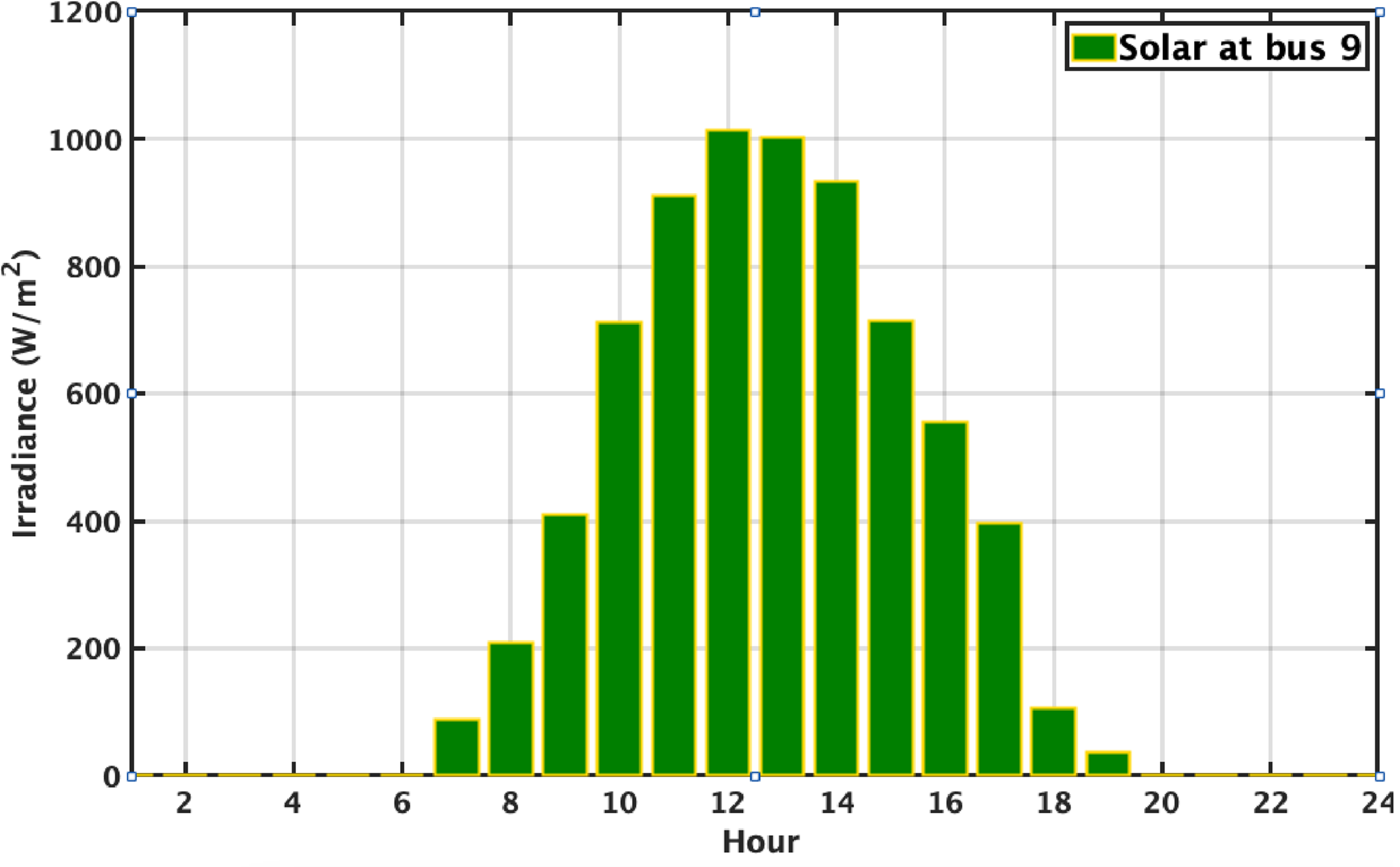
Solar irradiance.
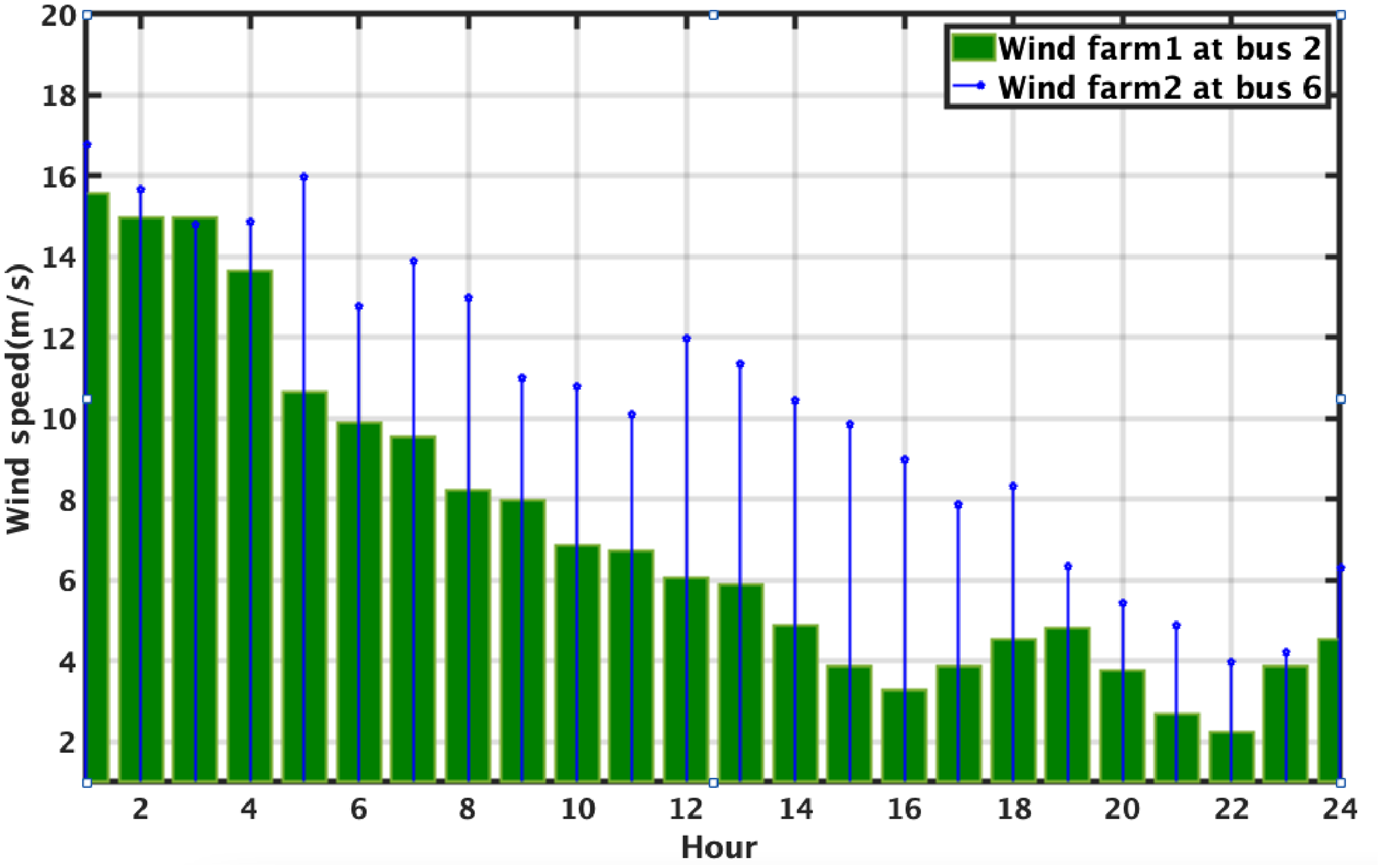
Wind speed.
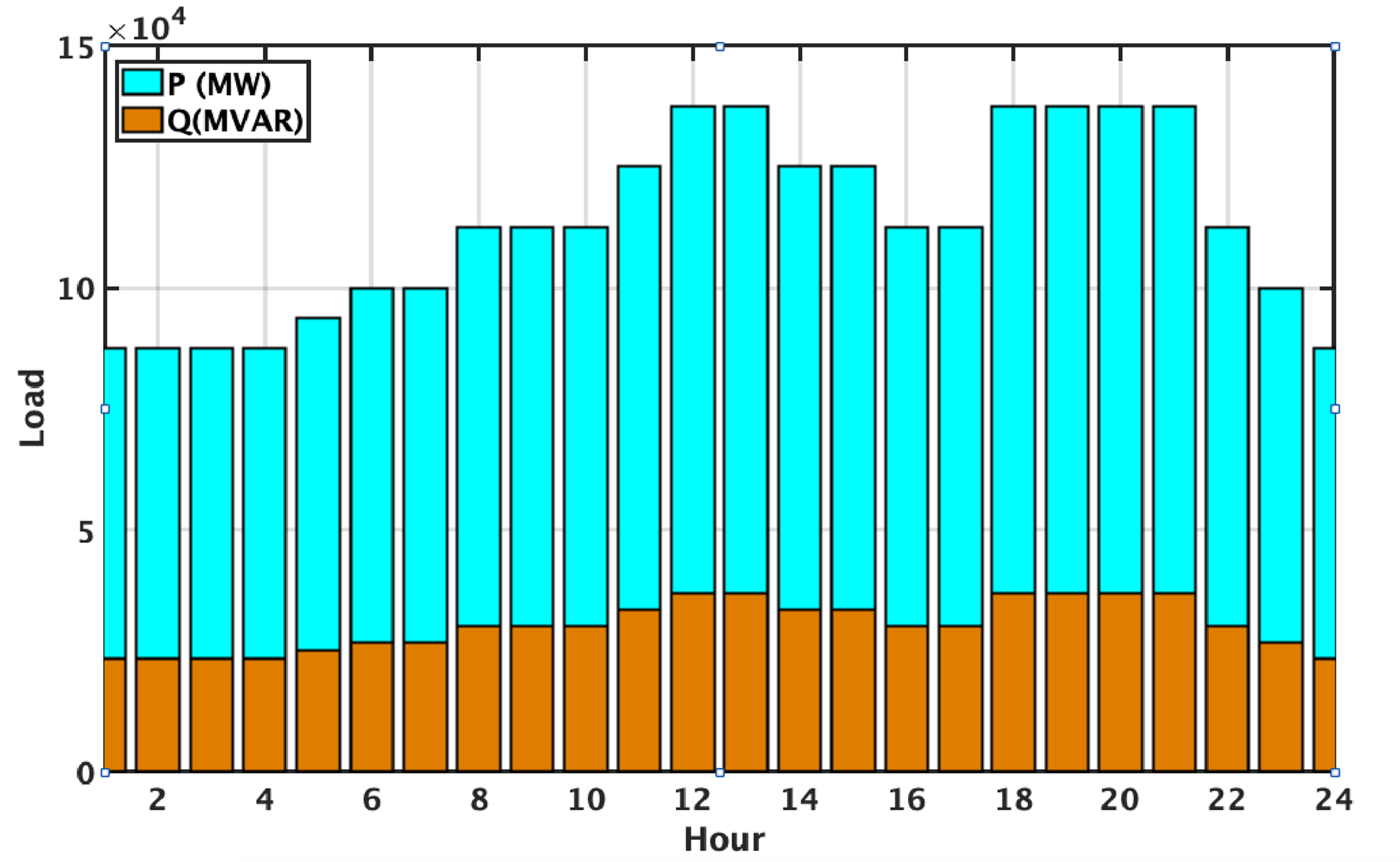
Load curve.
The total probability of solar radiation, wind speed, load demand, and river flow rate during the course of an average day.
Probability density function for renewable energy sources.

The hydroelectric unit, wind farm, and solar power’s daily load requirement and matching output powers.
Observation of test system-I
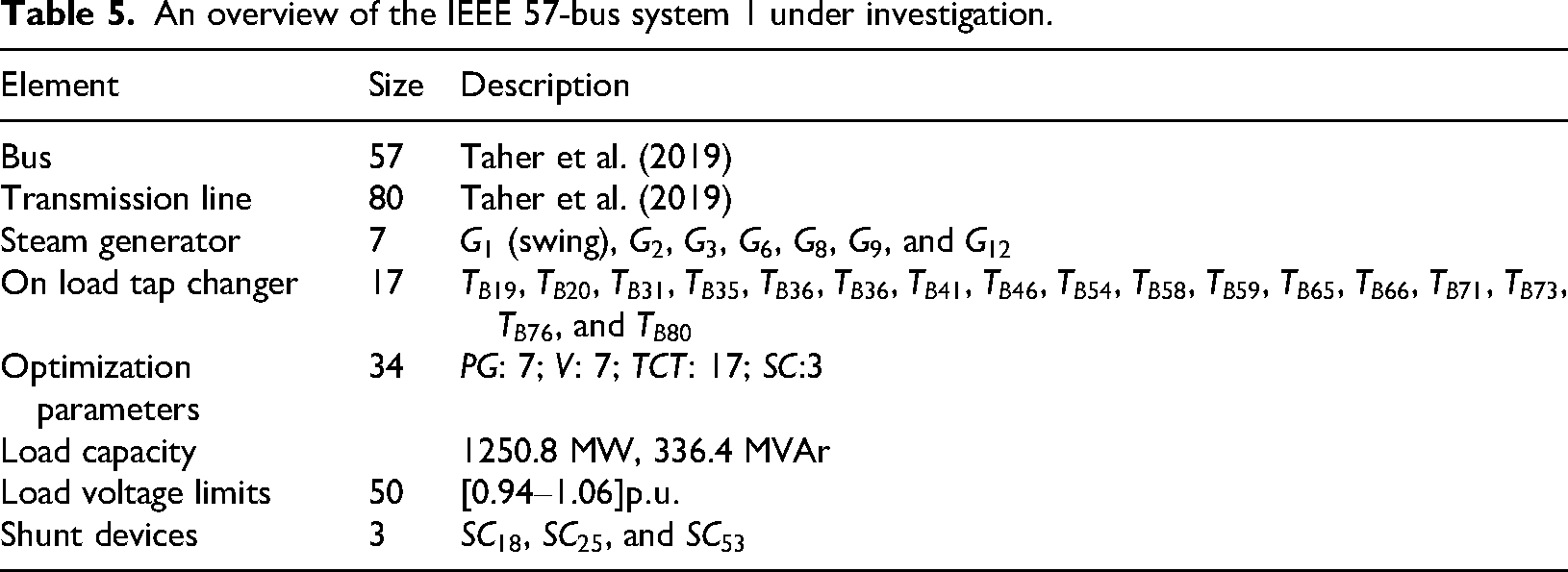
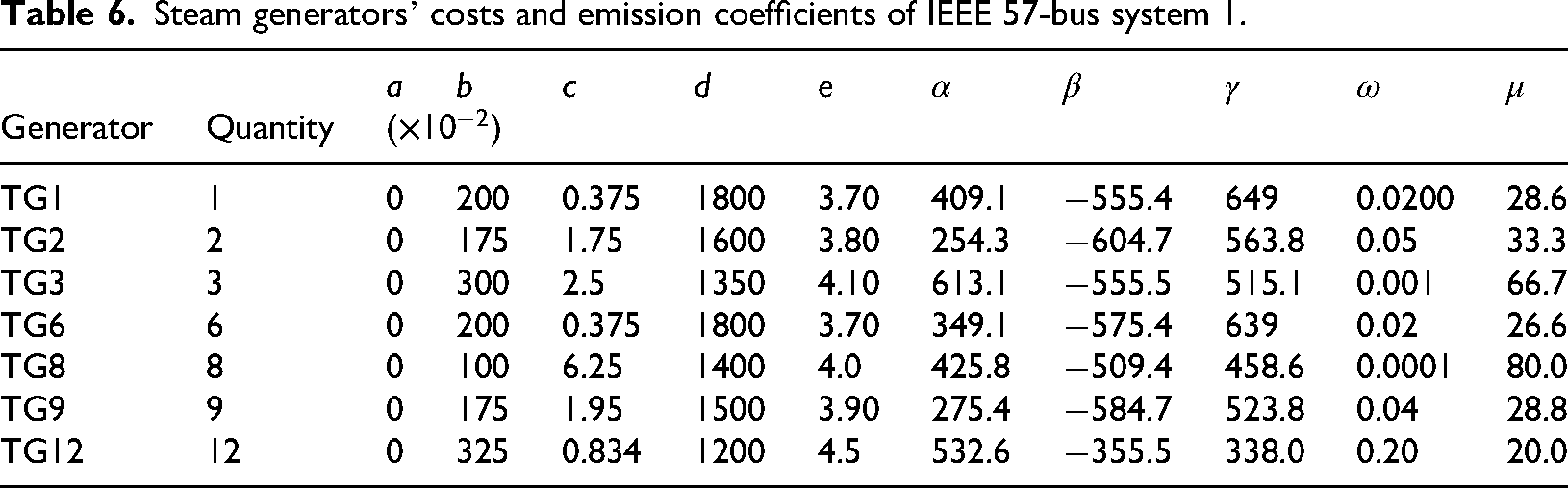
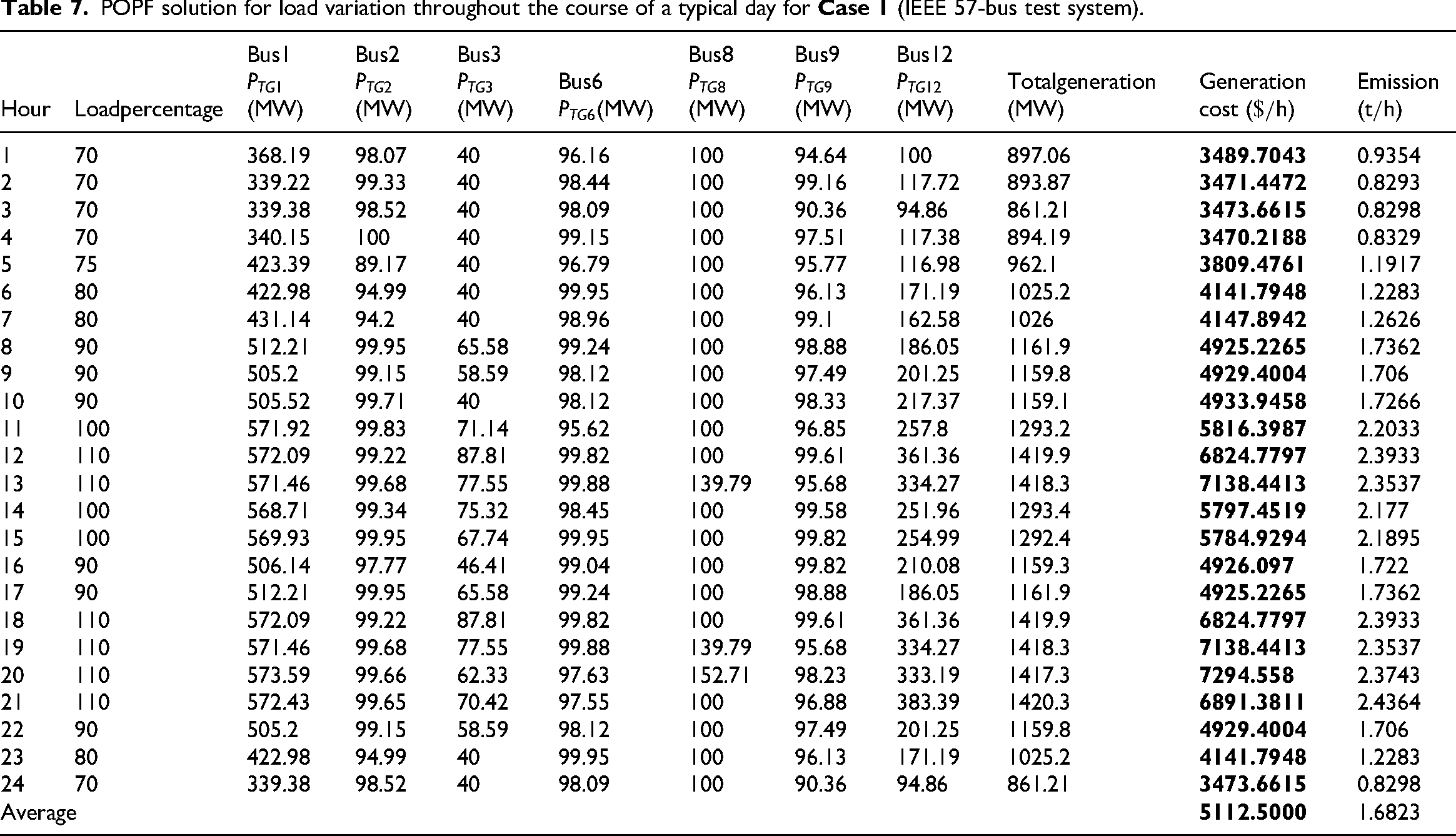
The various IEEE 57-bus system statistics for the POPF issue under investigation are already shown in Table 5. The system consists of 57 buses and 80 branches. In the IEEE 57-bus system under consideration, three compensating devices at buses 18, 25, and 53 have been commissioned, and a total of 17 tap changing transformers located at branches 19, 20, 31, 35, 36, 37, 41, 46, 54, 58, 59, 65, 66, 71, 73, 76, and 80. The fixed load demand is 1250.8 MW and 336.4 MVAr. The cost and emission coefficients of thermal generators for the IEEE 57-bus test system under study are displayed in Table 6. The thermal generators are placed at positions 1, 2, 3, 6, 8, 9, and 12. A standard 500 iterations is the stopping criterion applied to all optimization techniques. Table 7 demonstrates the solution of the POPF for variation in load throughout a standard day for
An overview of the IEEE 57-bus system 1 under investigation.
Steam generators’ costs and emission coefficients of IEEE 57-bus system 1.
POPF solution for load variation throughout the course of a typical day for
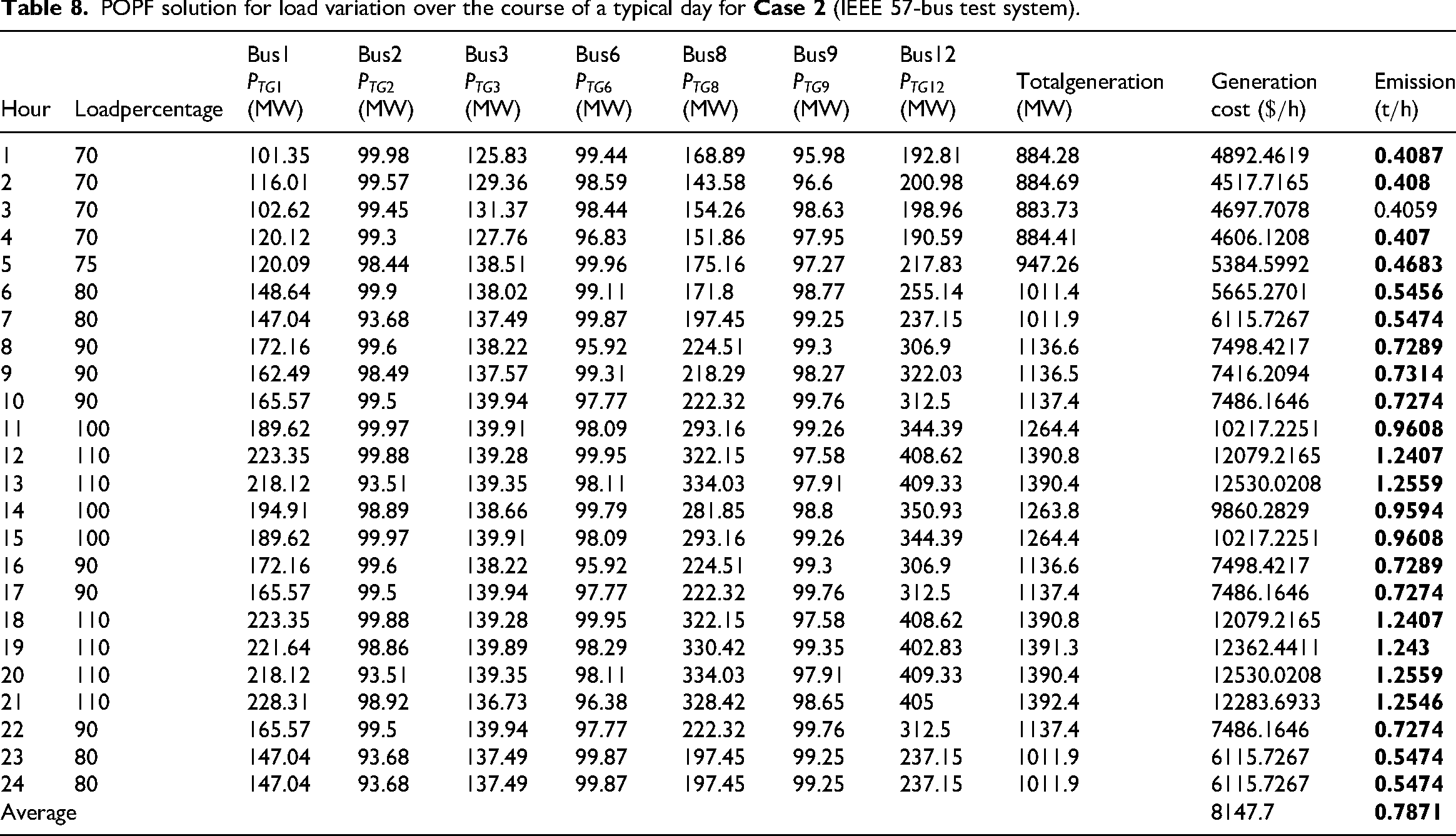
The study is further extended in
POPF solution for load variation over the course of a typical day for
The authors have examined a multi-objective function
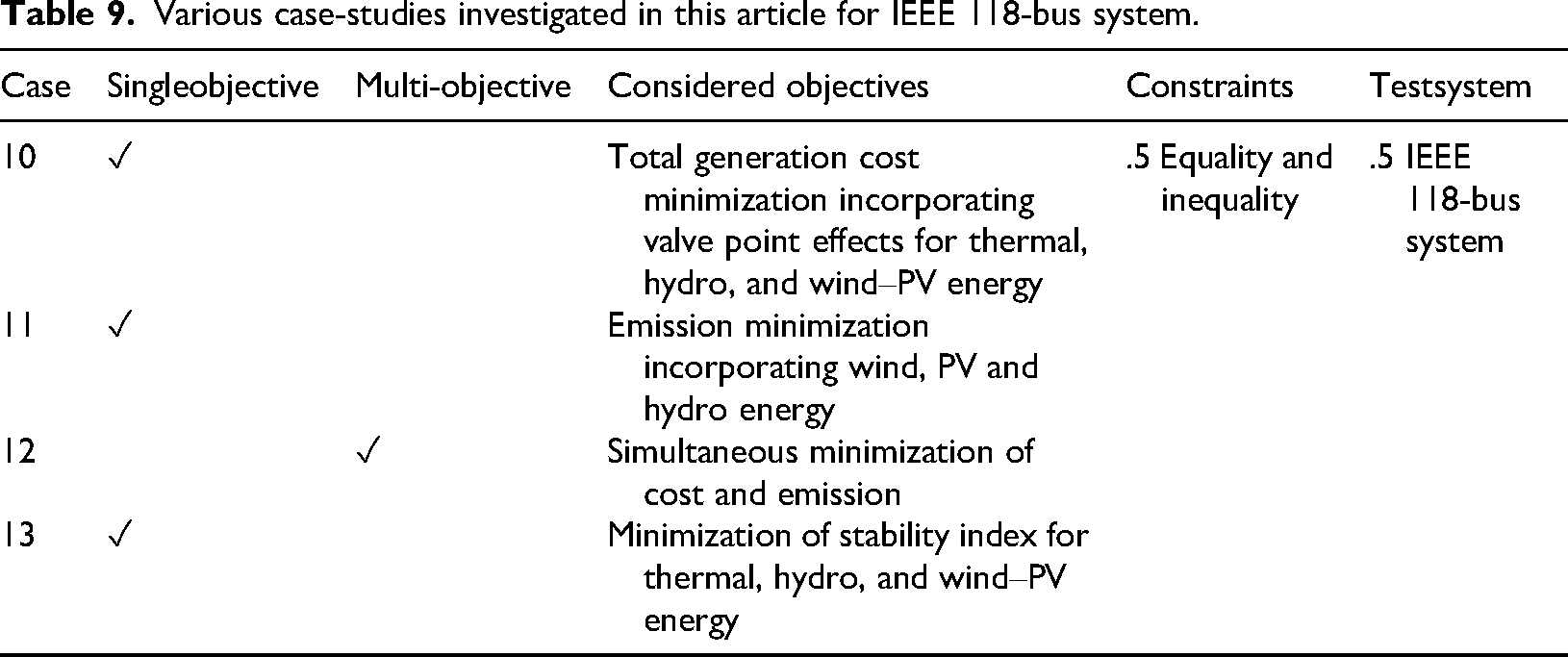
Various case-studies investigated in this article for IEEE 118-bus system.
The statistical representation of the computed results have been depicted in Table 10. Each of the 30 trials used to obtain the statistics results are shown in Table 10. The comparison has been carried out to justify the robustness of the proposed AHA techniques in comparison to other well established heuristic approach. From the referred table (Table 10), in Case 1 is been observed that there is reduction of 0.27% and 0.33% in the generation cost by applying the AHA with respect to CRO and GWO. A similar reduction of 1.74% and 3.078% in the emmision dispatch has been depicted in Table 10. While implementing multi-objective function also, there is considerable reduction of 0.25% and 0.35% in the fitness function while incorporating our proposed AHA technique in comparison to CRO and GWO techniques. Also, since the standard deviation (shown in Table 10) is the lowest for Cases 1 through 3, where AHA is used, it can also be said that AHA has the best degree of accuracy. Additionally, box plots are generated using this statistical data in Figures 6 and 7. The box plot makes it easier to compare vast amounts of data. The lowest, maximum, and average values are significantly extremely closed when AHA is used in place of CRO and GWO, demonstrating the robustness of the suggested AHA approach. Table 11 presents the results of the one-way ANOVA test for
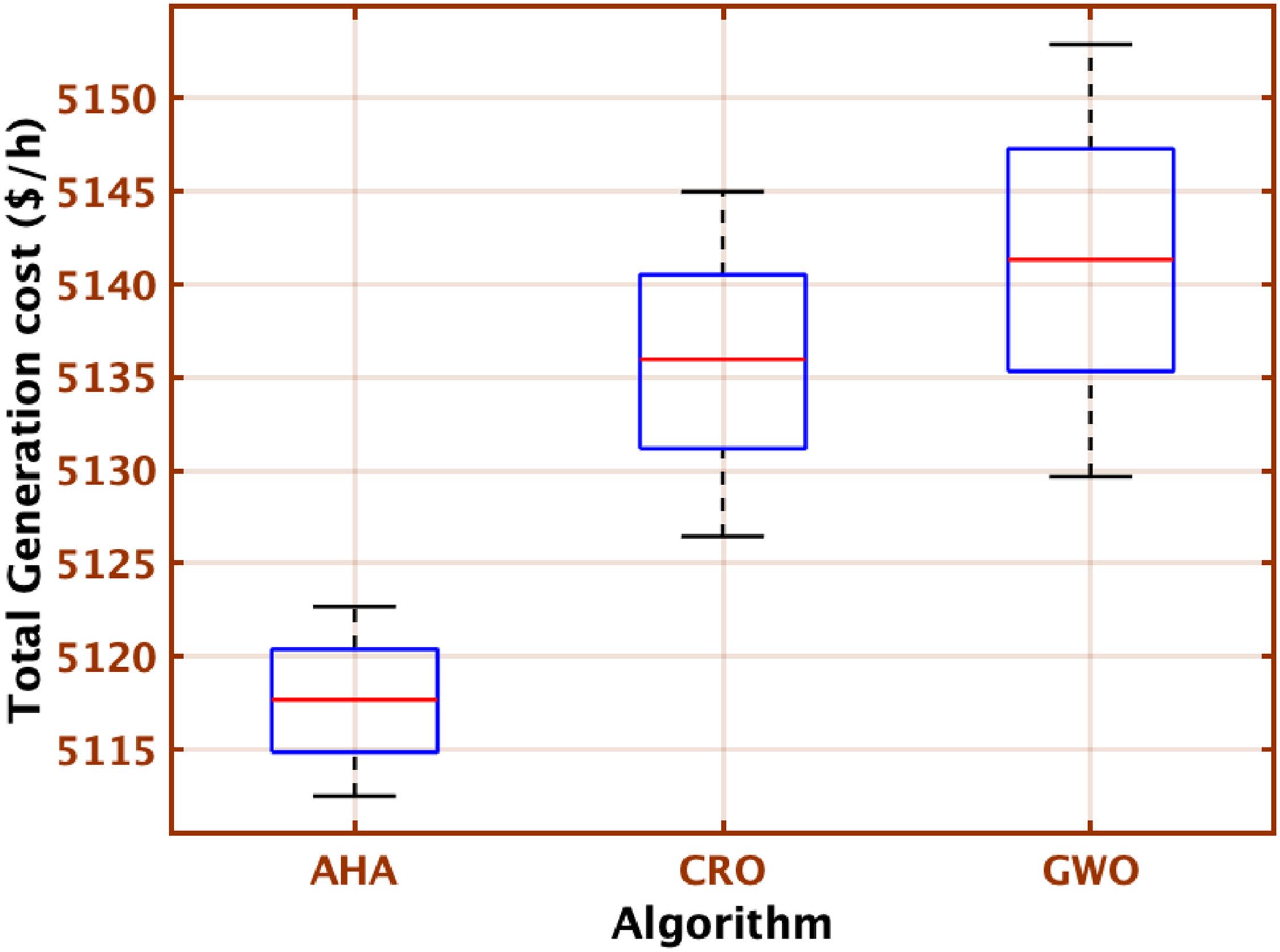
Box plot for Case 1.
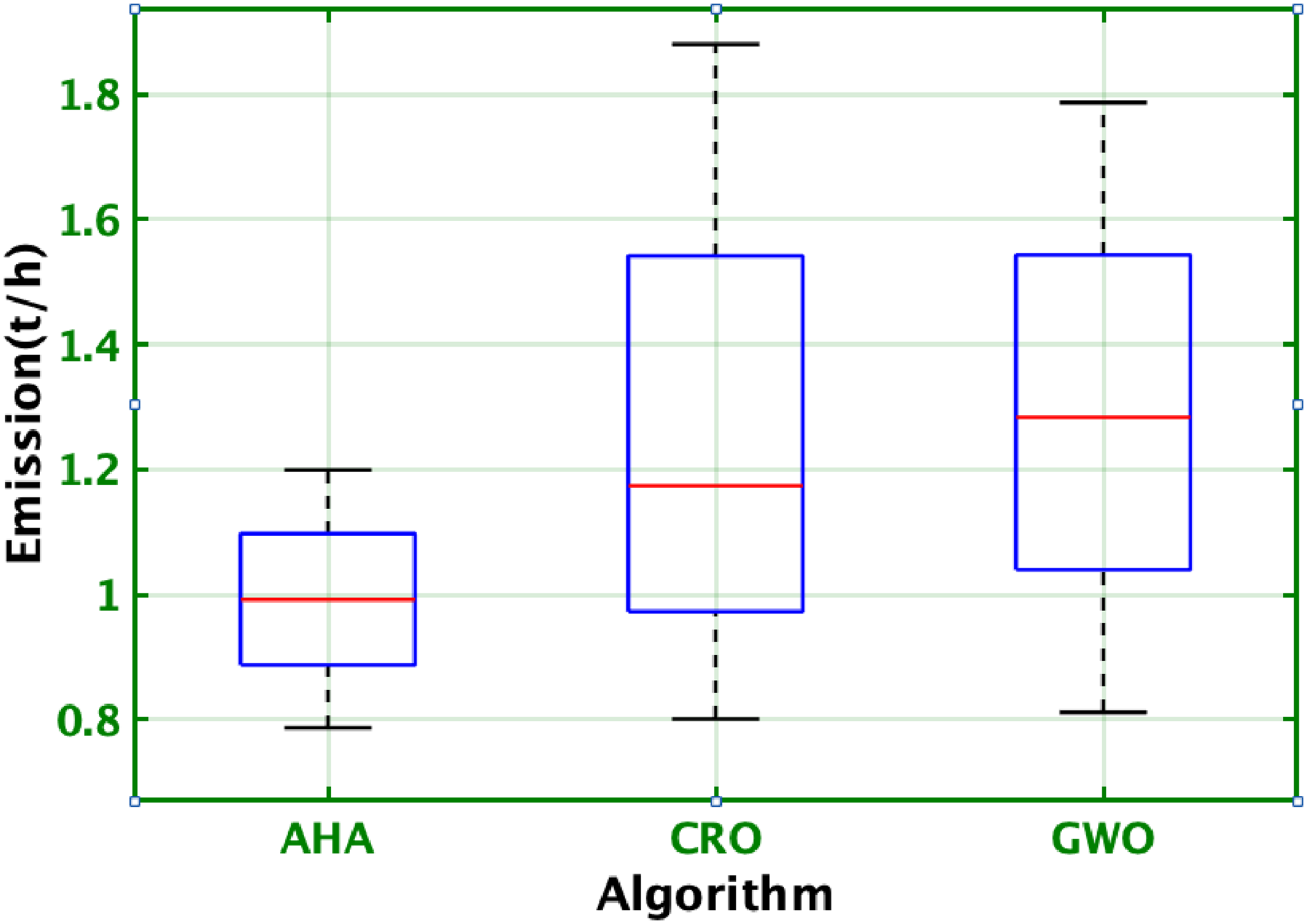
Box plot curve for Case 2.
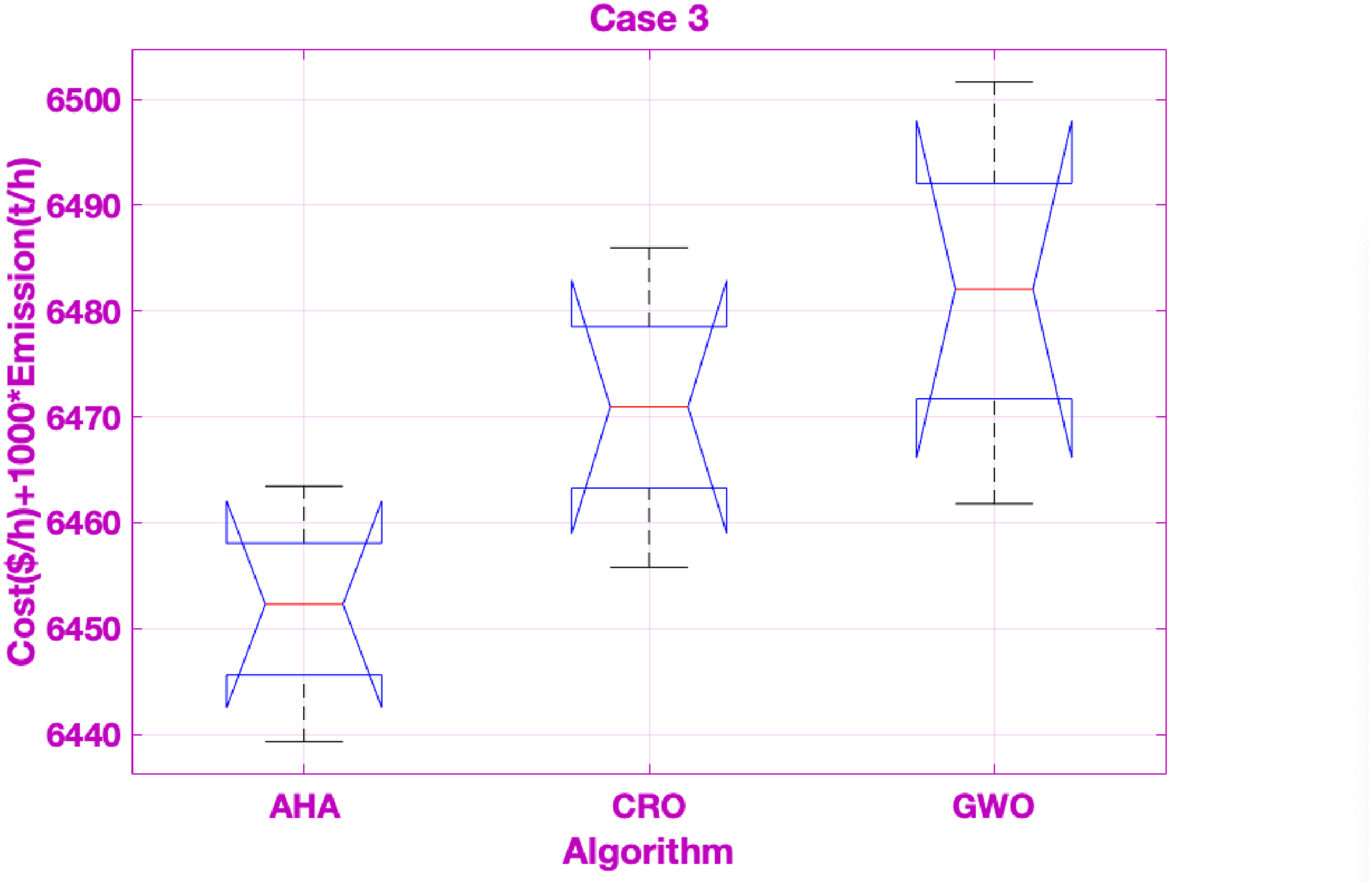
ANOVA plots corresponds to Case 9.
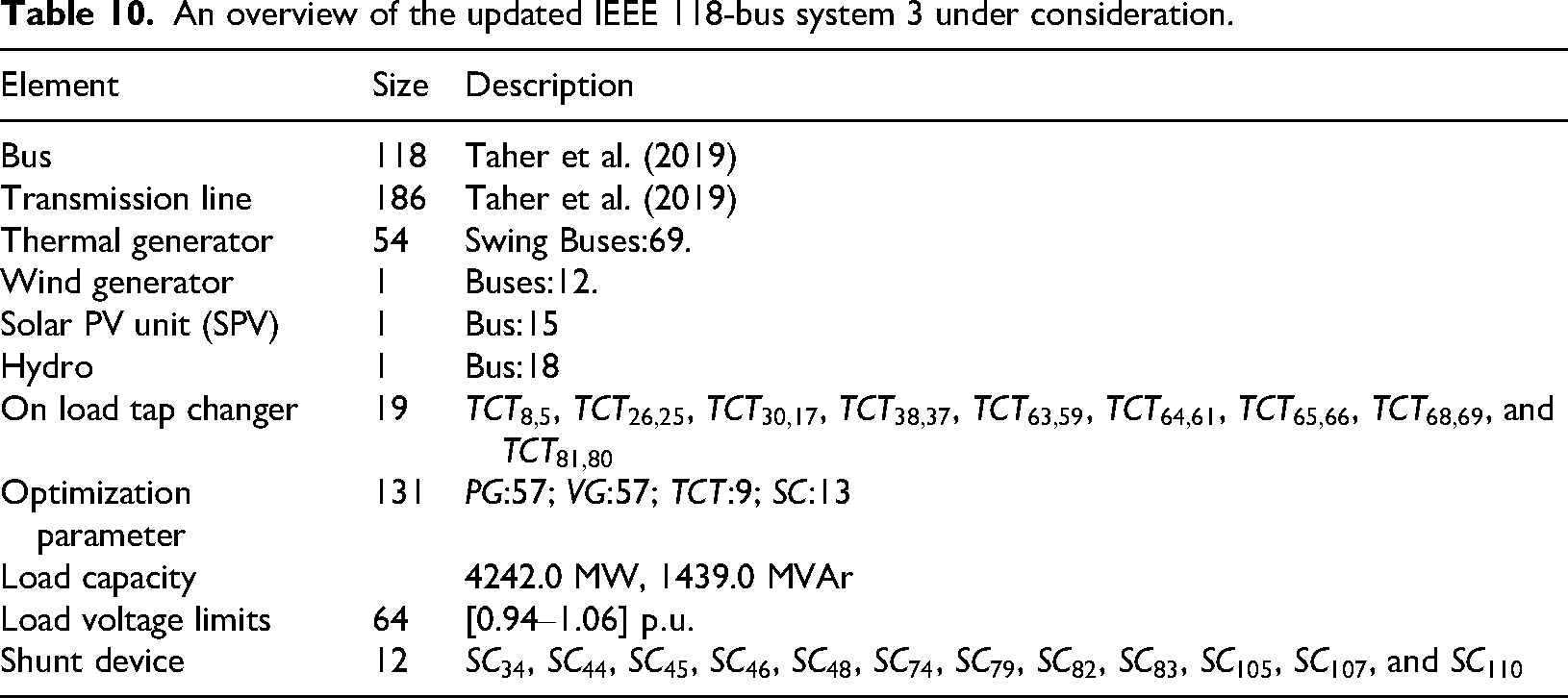
An overview of the updated IEEE 118-bus system 3 under consideration.
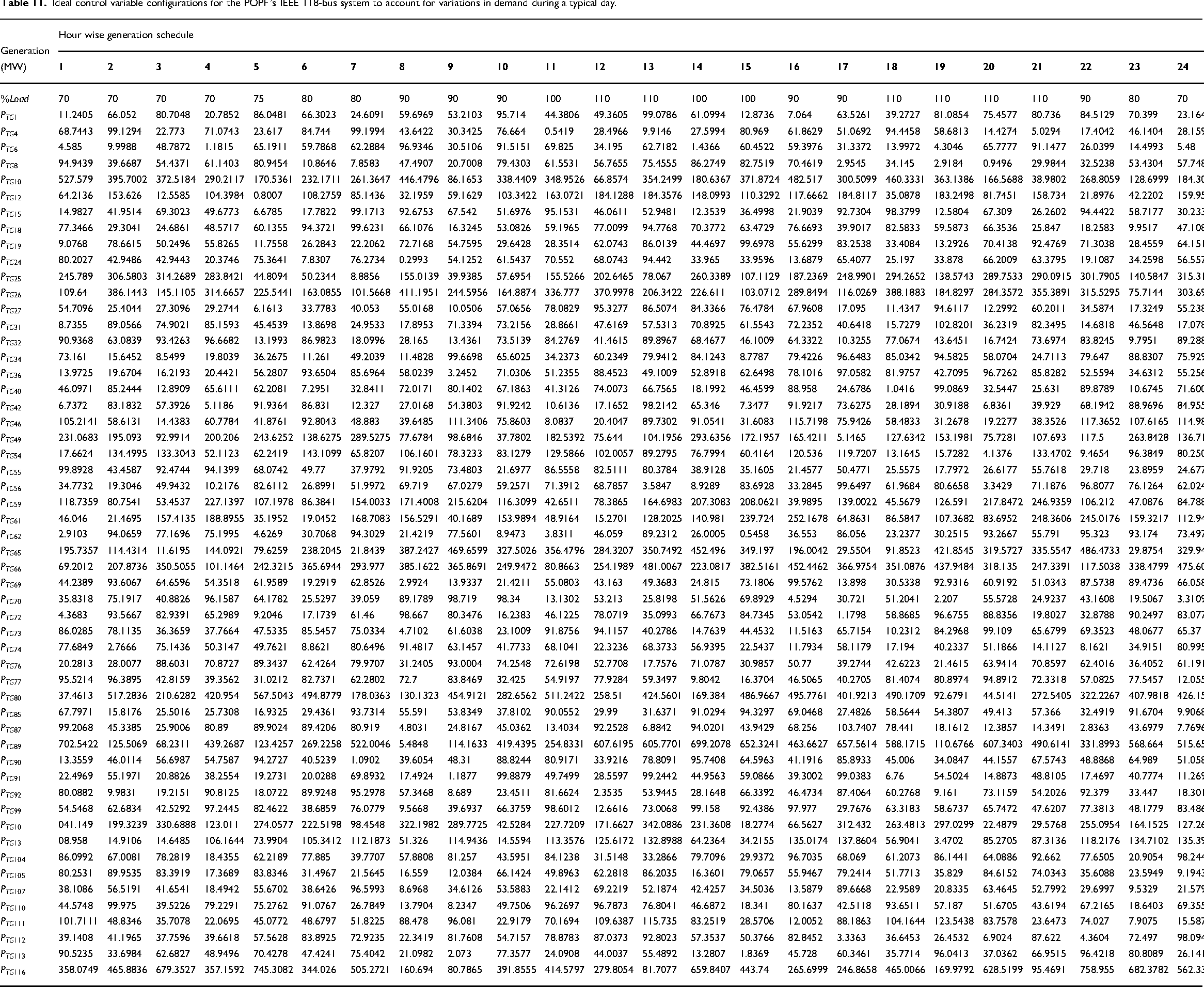
Ideal control variable configurations for the POPF’s IEEE 118-bus system to account for variations in demand during a typical day.
Observation of IEEE 118-bus system
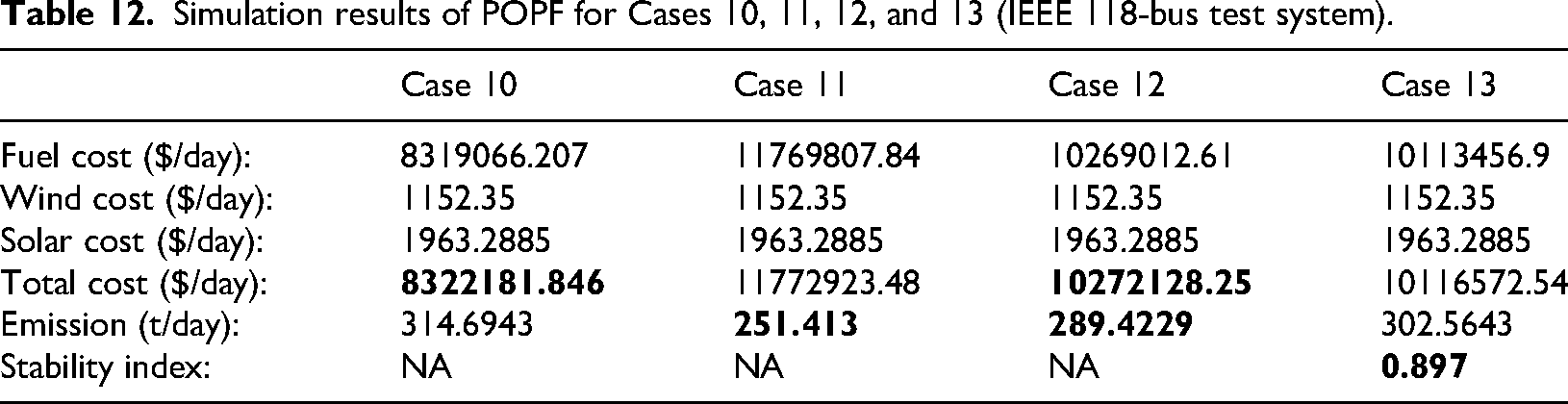
Additionally, the IEEE 118-bus test system has been taken into consideration for validation in order to show the resilience and broader application of the suggested optimization methodology. Four cases have been taken into consideration in this research project, as shown in Table 9. These comprise two different objective functions: emission cost minimization (Case 11) and a single objective function that minimizes overall fuel cost with valve point effects (Case 10). Moreover, a multi-objective function (Case 12) that simultaneously minimizes generation cost and emission, followed by a voltage stability index at Case 13 is considered. The study includes the voltage stability index (VSI) to evaluate the system’s stability margin under various loading and renewable penetration conditions, in addition to the standard goals of generation cost minimization, emission reduction, and the combined multi-objective formulation. The different data for the IEEE 118-bus system for the POPF problem under examination are displayed in Table 10. The system consists of 118 buses and 80 branches. In the IEEE 118-bus system under consideration, 12 compensating devices have been commissioned, and a total of 19 tap changing transformers located at branches 8-5, 26-25, 30-17, 38-37, 63-59, 64-61, 65-66, 68-69, and 81-80 are used. Here 4242.0 MW, 1439.0 MVAr load has been set as the load demand. The efficacy and dependability of the suggested AHA-based strategy in large-scale and intricate power systems are confirmed by this comprehensive investigation. The parameters for the IEEE 118-bus has been illustrated in Table 11 and the computed outcomes for IEEE 118-bus for three different cases has been shown in Table 12. A thorough probabilistic modeling methodology for RESs, particularly solar and WP, has been incorporated into the sensitivity analysis of the IEEE-57 bus system under Case 7 in Table 13. The research assesses how stochastic fluctuations in renewable energy affect stability indices, operational costs, and system performance. The study illustrates how uncertainties in wind speed and solar irradiance affect the overall system behavior by evaluating several probabilistic scenarios. This shows how the suggested optimization approach can maintain dependable and effective operation under varying renewable conditions.
Simulation results of POPF for Cases 10, 11, 12, and 13 (IEEE 118-bus test system).
Sensitivity analysis of the IEEE 57-bus system with probabilistic modeling of renewable energy sources (wind and solar) considering

Conclusion and scope of future work
In order to build a conventional IEEE 57-bus system, the present research aims to address the POPF problem, which entails combining wind farms, solar plants, hydro power generation in different combinations. For any Test System, fuel cost minimization and emission minimization has been considered the main function. Beyond the particular test methods under consideration, the study’s conclusions have wider ramifications. Reliable and effective probabilistic optimization frameworks are becoming more and more important as power systems throughout the world shift toward greater proportions of renewable energy to satisfy carbon reduction targets and lessen reliance on fossil fuels. Large linked grids, microgrids, and hybrid renewable energy parks in various geographic locations can all benefit from the scalable and flexible solution offered by the suggested AHA-based POPF strategy. The approach promotes increased operational dependability, cost effectiveness, and lower environmental emissions by skillfully controlling the risks related to wind, solar, and hydropower generating. This immediately supports global sustainability goals, such as low-carbon electricity markets and cleaner energy transitions. Therefore, system operators, legislators, and energy planners seeking resilient and ecologically conscious power system operation can benefit from the research’s findings. The study’s primary findings are as follows:
For the first time, the POPF problem is solved using a novel meta-heuristic method known as the artificial hummingbird algorithm (AHA). Three distinct test systems are taken into consideration in the study. In the first test scenario, the suggested AHA is used to assess a traditional POPF problem with solely thermal generators in order to optimize overall generating cost and emissions. The suggested AHA optimization strategy works better than the other approaches this study looked at, showing increased dependability and efficiency. RESs, such as wind, solar PV, and hydroelectric power, partially replace the thermal generators in the second test system. The AHA does not produce adequate results in this arrangement. With the third test system—where RESs are introduced alongside the original number of thermal generators—the most advantageous outcomes are attained in terms of both generating cost and emissions. According to the simulation findings, the suggested AHA reduces the computing load while managing the POPF problem’s nonlinearity. When RESs are connected with the IEEE 57-system, the generating cost and emissions are reduced, as shown in Figures 12 and 14. The statistical approach and ANOVA plot clearly justifies the robustness and efficiency of the proposed AHA techniques. Thus, it can be said that the AHA has potential for use in future research applications and is well suited for large-scale power systems.
With comprehensive uncertainty modeling, penalty-based cost treatment, and statistical robustness evaluation, this study is the first to show AHA for a multi-renewable POPF issue, providing better cost and emission results than previous optimization techniques. Nonetheless, the following research might be expanded upon:
The proposed method might be applied in a real-world setting. Future research may also look into integrating biomass, EV, and tidal energy into the system. As the intended system is expanded, further nonlinearities could appear.
Footnotes

Author contributions
Every author whose name appears on the title page has made a substantial contribution to the work. Sourav Paul and Sneha Sultana conduct the literature analysis; Provas Kumar Roy and Susanta Dutta execute the algorithm; data collection is done by Ghanshyam G Tejani and Seyed Jalaleddin Mousavirad; simulation results with analysis are executed by Sourav Paul; Provas Kumar Roy edits the work, which is then reviewed and approved by every author.
Funding
The authors received no financial support for the research, authorship, and/or publication of this article.
Declaration of conflicting interests
The authors declared no potential conflicts of interest with respect to the research, authorship, and/or publication of this article.
Data availability statement
The datasets used and/or analyzed in this study can be obtained upon reasonable request from the corresponding author.