




Abstract
The incorporation of green energy sources into the network, along with the introduction of power electrical devices to regulate loads that are not linear, has significantly influenced power quality (PQ). Nevertheless, PQ is the primary challenge when integrating inconsistent power from renewable sources. Here, the reduced switch converter is selected for the Unified Power Quality Conditioner (UPQC) that is incorporated with the Solar PV Generation System (SPVGS), hydrogen Fuel cell (FC), and Battery Energy Storage Systems (BESS) to handle PQ problems effectively. This paper suggests a hybrid scheme that has the advantageous characteristics of a neural network controller (NNC), Proportional integral derivative controller (PIDC) and Fuzzy logic controller (FLC). NNC with Synchronous reference frame theory (dq) is adopted to generate the reference signals. Additionally, a meta-heuristic-based chimp algorithm (ChOA) is adapted to design the optimized FLC-PIDC hybrid controller for regulating the DC Link voltage (DLV), resistance, inductance, and capacitance variables of filters, proportional integral controller (PIC) gain values of FC and BESS. The primary goal of the suggested approach is to maintain a stable DLV despite fluctuations in both load and SPVGS. The system also seeks to reduce fluctuations in the load voltage and supply current, as well as to reduce sag, interruption, swell, and imbalances caused by variations in the source voltage. Testing the developed mode with four case studies each with a load like nonlinear, balanced, and unbalanced and grid voltage variations with variable irradiation was done to assess its performance. On the other hand, to validate the proposed technique the comparison analysis is conducted using conventional PIC. The proposed approach effectively decreases the total harmonic distortion (THD) to 2.30%, 2.63%, 2.79%, and 2.64%. These values are notably lower than those achieved by other methods in the literature.
Keywords
Introduction
There has been a growing push over the past decade for the association of clean sources such as tidal, wind, geothermal, and SPVGS into the distribution to lower the burden on the converters. The wind power is linked to DC bus of UPQC under several load circumstances and in the presence of faults. This investigation utilized both hysteresis and PWM approaches (DheyaaIed and Goksu, 2022). To reduce system THD, a distinctive modified UPQC has been created. This UPQC was designed to optimize MR variables by adapting the BHO and PSO methods to alter the PIC variables (Khosravi et al., 2023). Furthermore, a scheme was suggested to tie the AC/DC microgrid to the main power grid through the use of power-compensating techniques in order to reduce the harmonic magnitudes (Khosravi et al., 2021).
Next, the distribution network underwent a power flow analysis of the UPQC, taking into account multiple fault scenarios. The implementation of impedance-matching techniques was the primary focus (Xiaojun et al., 2021). Besides, to effectively handle PQ concerns, the solar-fed UPQC was proposed. To further ensure the effective extraction of the maximum power and the balancing of the DLV, a unique fuzzy PIC was created to optimize the MPPT process (Dongsheng et al., 2019). However, in order to simplify the transformations, the ANNC was chosen to generate the reference signal for the UPQC and to address PQ issues (Koganti et al., 2023). A solution utilizing a self-tuning filter was devised to handle PQ difficulties in the context of a UPQC connected with renewable sources (Mansoor et al., 2020). Besides, the extensively investigates was proven algorithms for controlling the functioning of SHAF, approaches for isolating harmonics, regulating DLV, and methods for controlling current (Yap et al., 2017). A sophisticated fuzzy-tuned PIC was created to optimize hybrid SHAF systems, with the primary objective of effectively minimizing THD in the current. An evaluation was carried out to measure its efficiency under various load circumstances, utilizing Clarke's transformation (Tzu-Chiao and Bawoke, 2022). Meanwhile, to suppress harmonics, such as sags and swells, the PV with NNC-based UPQC was introduced. In addition, this suggested technique underwent a comparison examination with the SRF theory, taking into account various load situations (Okech et al., 2022).
To effectively eliminate voltage and current aberrations, a microgrid-connected multilevel DSTATCOM was designed (Krishna et al., 2020). Three control loops were optimized, including the system controller to reduce harmonics extend to a level that is within reasonable bounds (Nima et al., 2022). Additionally, a DLV feed forward NNC has been proposed to control and manage PV systems in conjunction with wind power, which is linked to the UPQC (Kumar et al., 2021). A novel method of compensating THD was developed for a hybrid micro-grid to lessen the harmonics intensity (Nima et al., 2021). In addition, a thorough investigation was conducted on phase synchronization techniques employed to manage the efficiency of SHPF (Yap et al., 2019). The energy industry is particularly interested in the environmentally sustainable attributes of Green Energy sources, as well as their ability to enhance energy security, minimize line losses, and minimize operational expenses. Consequently, multiple ongoing research has considered the incorporation of renewable energy in different sectors, together with electric vehicles and Microgrids (Choudhury, 2020). Conversely, electronic equipment generates a non-sinusoidal current which results in the presence of harmonics in the system. These harmonics can result in significant issues within the power system, such as power and economic losses (Wang and Blaabjerg, 2019). In addition, researchers are currently engaged in efforts to mitigate harmonics and boost PQ (Balasubramanian et al., 2019). A novel series of filters was created to decrease the expenses associated with traditional shunt filters used for low-capacity industrial loads (Labdai et al., 2019). The PIC was employed to ensure the stability of the DLV within the framework of a SHAF, effectively addressing PQ concerns by utilizing hysteresis current regulation for pulse generation. In addition, the system's performance was evaluated while being affected by both linear and nonlinear loads (Amir et al., 2020).
An innovative approach was suggested to reduce the harmonics in the distribution network. This involves designing a hybrid filter that incorporates both passive and active filters, as described in reference (Fabricio et al., 2018). In addition, the Soccer match optimization method was selected to successfully solve PQ difficulties and to determine the NNC optimized bias and weights for renewable sourced UPQC (Koganti et al., 2022). The FLC was created specifically for the SEAF in distribution networks to reduce current and voltage issues related to PQ (Pazhanimuthu and Ramesh, 2018). A grid-connected solar system was designed, consisting of a PV system, DC to DC converters, a battery, a three-phase inverter, power electronics devices, and loads (Bagi et al., 2020).
The hybridization of the meta-heuristic optimization methods was employed to address the PQ concerns by accurately determining the gain values of PIC (Rajesh et al., 2025). For the UPQC, a hybrid control strategy that combines the benefits of NNC and FLC was suggested. This technique aimed to maintain dynamic load balance in the DLV while concurrently minimizing defects and distortions in source current and grid voltage (Srilakshmi et al., 2022). To optimize the PIC's gain setting selection in the UPQC, an optimization technique known as Soccer-league was devised to effectively address PQ issues (Koganti et al., 2022). The 9-level VSC used in the UPQC coupled to solar systems was modified to achieve distortion-free voltage waveforms (Hassan et al., 2022). UPQC used the LMBP-trained NNC controller to successfully address the grid voltage and current concerns, yielding positive outcomes (Zhou et al., 2006). FOADRC was employed for UPQC with Innovative WOA to obtain optimal gain values to solve PQ scenarios (Ali et al. 2025). A TL-UPQC was presented to address PQ issues like dip, flickering in the network and a shunt compensator reduces THD. The PIC gain values are obtained using an EBES optimizer (Abdel et al., 2023). The UPQC was developed with WOA FOPIC tuning to decrease the THD and enhancing the PQ (Mahmoud et al., 2023).
However, the available research indicates that the majority of the works mainly focused only on the selected objectives but neglected consideration of reduced switch converters with the optimal design of hybrid controllers with metaheuritic algorithms. Here, the developed approach for multiobjectives, several load combinations, irradiation from the sun, and balanced as well as unbalanced grid voltage conditions. The primary contributions of the proposed work are:
Design of ChOA optimal selected hybrid FLC-PIDC in order to regulate DLV, gain values of PI controller of FC and BESS, resistance, inductance, and capacitance values of filters. Implementation of reduced 10 switch converter for the UPQC to minimize the converter losses. Development of NNC in association with SRF theory for appropriate reference signal generation. Integration of SPVGS, fuel cell with energy storage to the UPQC to reduce the requirement of large ratings of converters in addition to satisfy the power demand. The prime objectives are to reduce the THD of the source current, load voltage, DLV regulation during load variation, and compensate for voltage interruptions, sags, swells, and disturbances in addition to effective handling of unbalances in current and voltages. Performance analysis of included four different test studies to demonstrate its superiority compared with PIC, NNC as well as other controllers mentioned in the literature survey.
The second section gives a developed configuration, the third section focuses on the FLC and NNC systems in the shunt controller, the fourth section introduces the series controller, and lastly, the fifth section gives an the results with discussions. Lastly, the sixth section concludes the study.
Proposed configuration
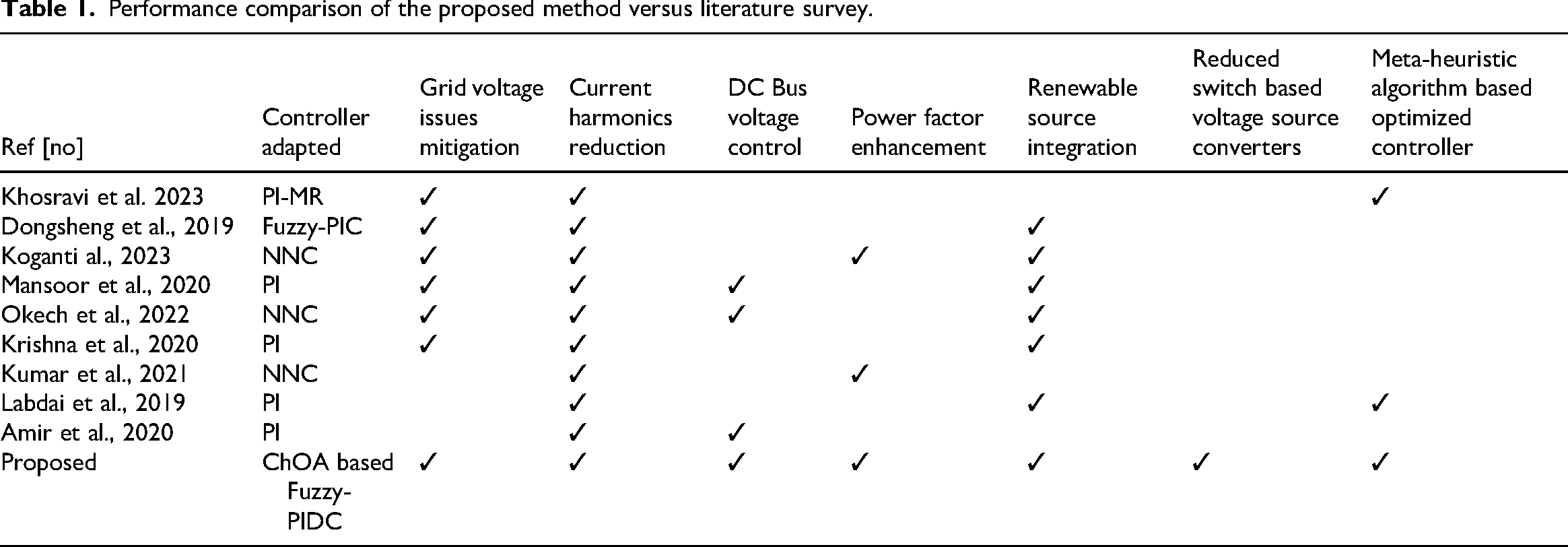
Figure 1 shows the proposed hybrid UPQC framework and Figure 2(a) represents the block diagram of the developed system. While Figure 2(b) shows the structure of the planned UPQC. Boost and Buck-Boost converters are used to create the DC Link, which connects the SPVGS and BESS. Table 1 shows the performance comparison between the proposed method and literature survey. By supplying compensating voltage (CV), SEAF aims to reduce voltage swings. Additionally, an isolating transformer is used to create isolation between the power line and the VSC. The main role of SHAF is to suppress the defects in the current signal by providing the compensatory current (CC) and quickly managing the DLV constant.
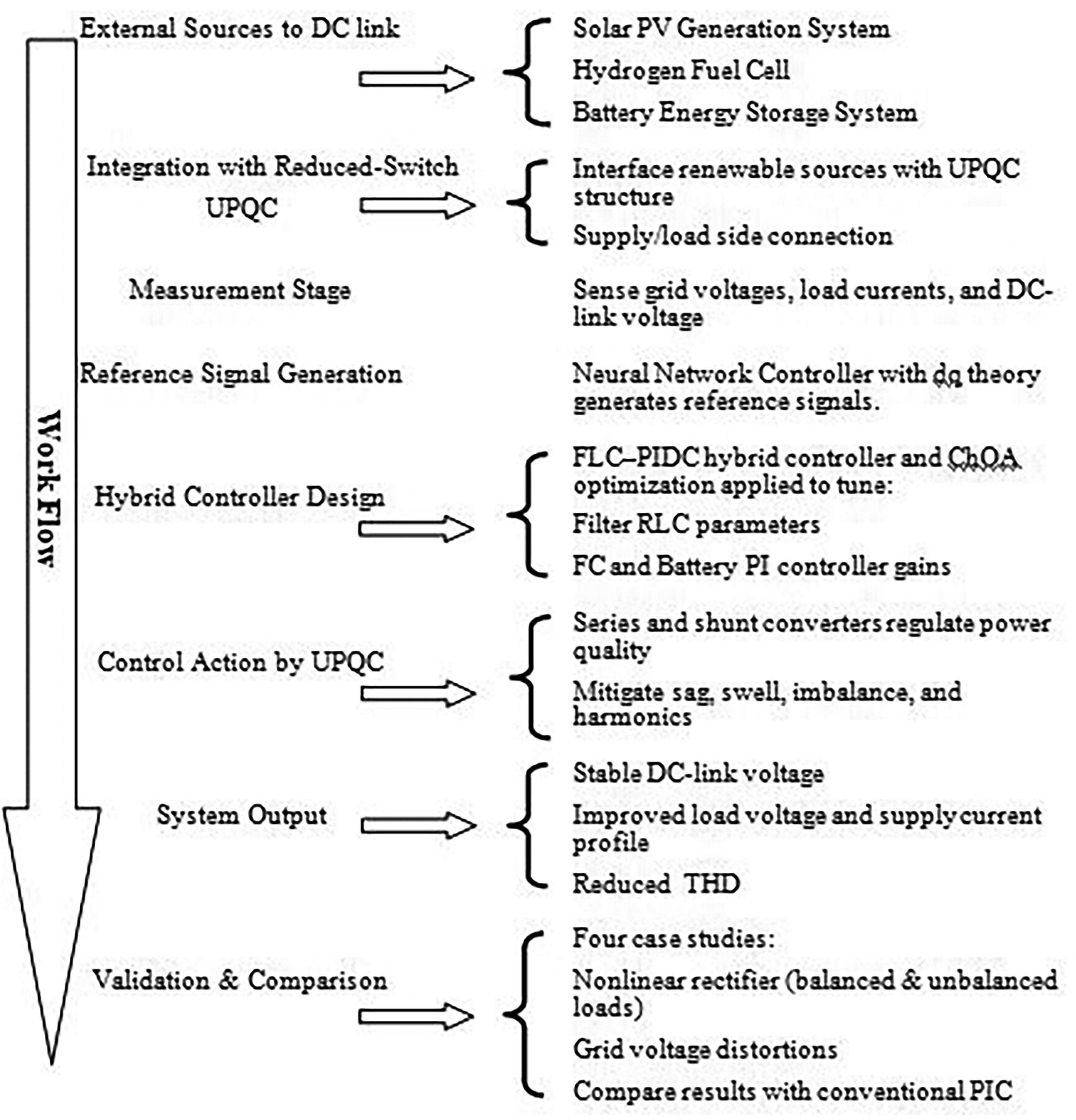
Proposed hybrid UPQC framework.
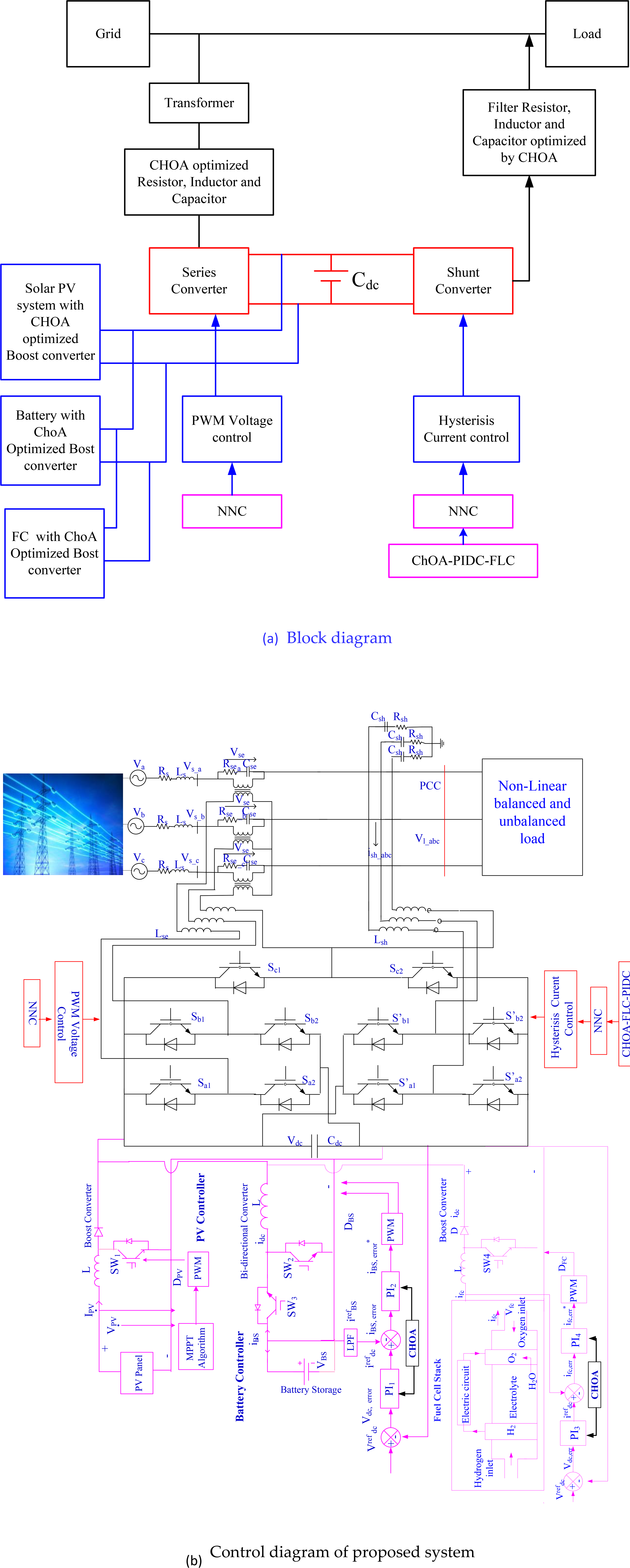
Configuration of reduced switch UPQC with CHOA control circuits.
Performance comparison of the proposed method versus literature survey.
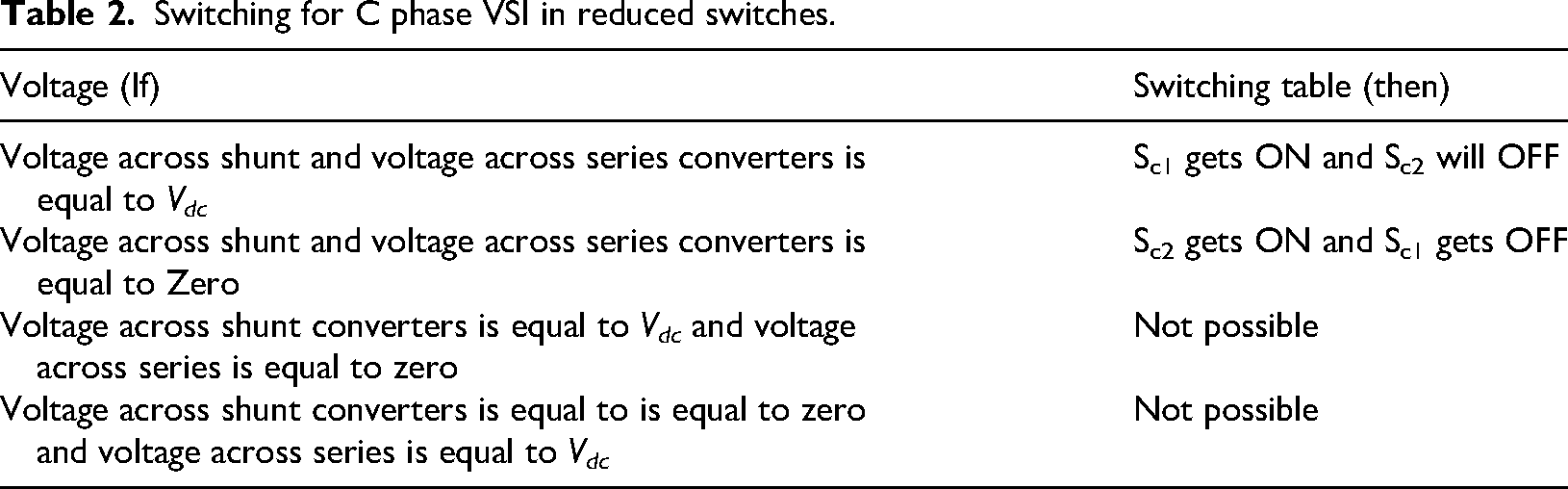
This article proposes a reduced switching configuration for non-linear systems in order to improve performance and, in turn, reduce the overall number of switches. It is recognized for using only ten switches and maintains all of the 12-switch's execution advantages while reducing its underutilization without raising the switch's VA rating. As shown in Table 2, the suggested configuration is accepted by combining the switches of leg C of the filters VSI separately into a single leg that uses a common setup of two switches. To achieve the steady action of the suggested structure in different operational situations, an appropriate control calculation is generated. The lower switches work in tandem with the series compensator section in Figure 2, while the upper portion of the switches is a part of the shunt filter. By combining the phase C switches of the shunt and series VSI [SC1, SC2] and [SC’1 SC’2] into a single leg with a common arrangement of C1 and C2 switches, the recommended Topology is recognized.
Switching for C phase VSI in reduced switches.
External support for DCL
For the UPQC, a solar/battery-powered DC link is recommended. The structure is made up of a hybrid energy source system that adjusts DLV in accordance with variations in power demand by combining solar and battery technologies. By lessening the burden on the utility, external help can be used to lower converter ratings and stress.
SPVGS
PV cells are joined in series to form a string, which is then connected in parallel with other strings to generate the desired power. Here, incremental conductance method is adopted for MPPT to extract maximum output and PV system with control circuit is illustrated in Figure 2(b).
BESS
The BESS assists in stabilizing the DLV network. To achieve the required power, cells in a battery can be connected in parallel or series. The Li-ion type battery was selected because of its benefits, including cheap maintenance costs and a gradual discharge rate. The SOCOB is analyzed by equation (2).
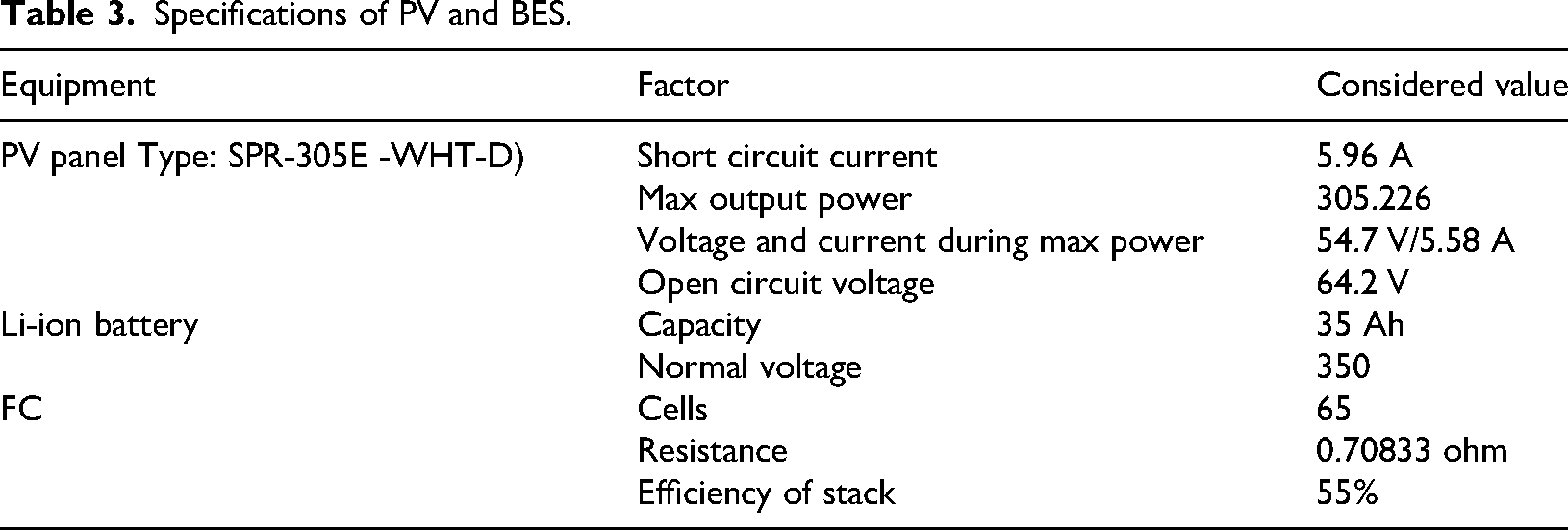
Table 3 displays the ratings for the battery, fuel cell, and solar systems used in this work. In Figure 2(b), the BESS control mechanism is emphasized.
Specifications of PV and BES.
Fuel cell
The energy conversion device that transforms chemical energy into electrical energy is called a fuel cell. Electricity is produced by the electrochemical process of hydrogen and oxygen. To generate high voltage, several FC's are joined to create a FC stack. With the aid of a DC-DC boost converter, the FC's voltage level is raised. The FC controller and boost converter are shown in Figure 2(b).
Shunt active power filter
The main objectives of SHAF are to bring stability to the DLV and reduce imperfections in the current signal by injecting CC. It carries out (i) SRF transformations; (ii) FLC-PIDC is designed to accomplish goals in association with NNC-based pulse generation. Since SRF theory conversions are already available in the research review, this work highlights the control system used for the recommended approaches, such as chimp optimization algorithm, ChOA optimized FLC, PIDC.
Chimp optimization algorithm
In 2020, Khishe and Mosavi presented the ChOA algorithm, one among of the latest nature-inspired algorithms. The mobility of chimps during collective hunting and its sexual motives provide as inspiration for CHOA. Prey hunting is used in the ChOA to solve the optimization problem in the best possible way. Driving, blocking, chasing, and attacking are the four primary stages of hunting, according to ChOA. In the first, a random chimp population is generated to initialize ChOA. After that, chimps are separated into four groups: driver, barrier, attacker, and chaser. Equation (1) has been proposed for demonstrate driving and chasing the prey.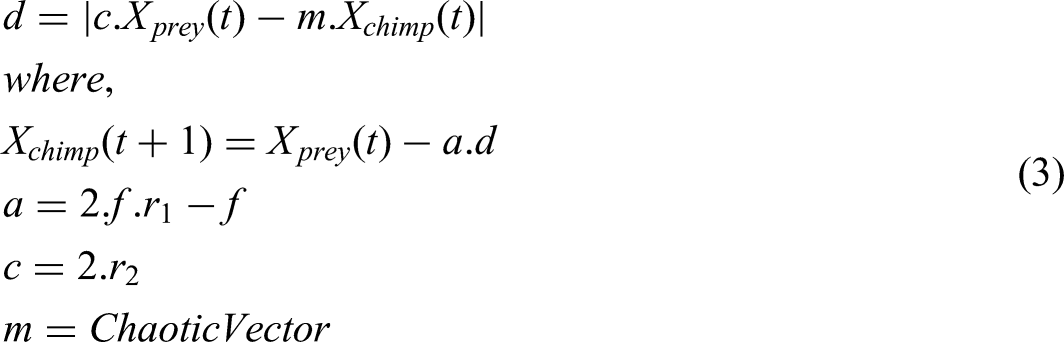






CHOA optimized FLC-PIDC
The FLC produces a duty cycle as output that indicates the necessary change in current after receiving the error (E) and change in error (CE). The created fuzzy parameters are represented by triangular type of membership functions (MESF) represented by µ. A triangular MF is specified by three parameters {a, b, c} as follows: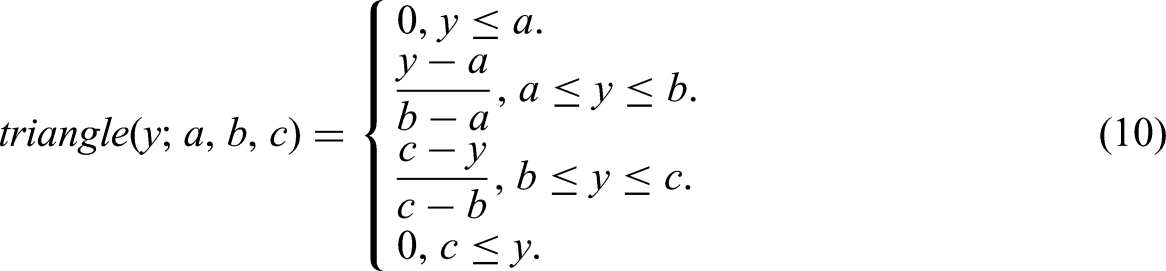
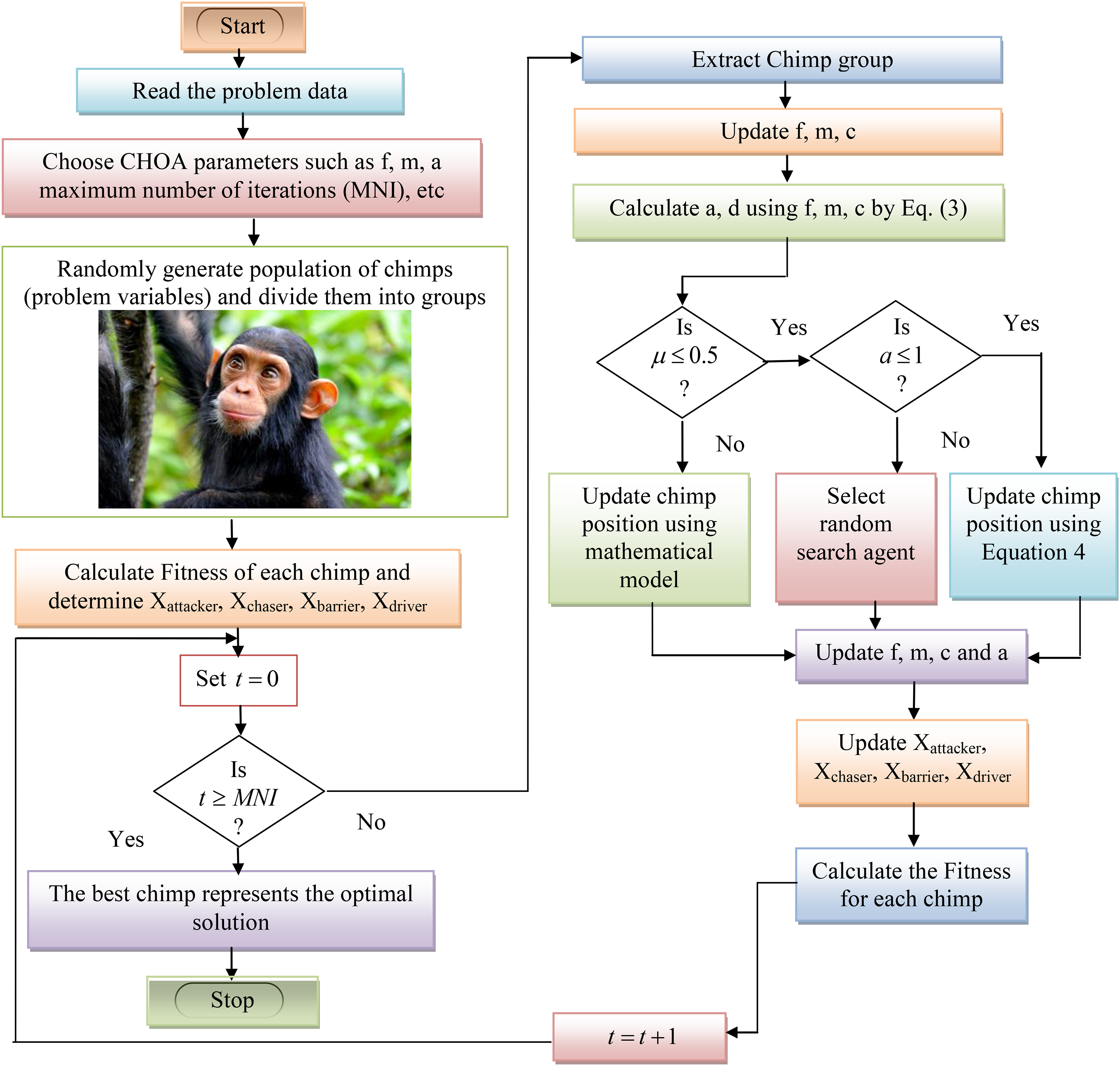
ChOA flow chart.
The variables {a, b, c} (with a < b < c) give the y coordinates of the corners of the triangular MF as given in Figure 4. This involves PB, medium positive (PM), PS, ZE, NB, medium negative (NM), and NS. The MESF are as shown in Figure 5.
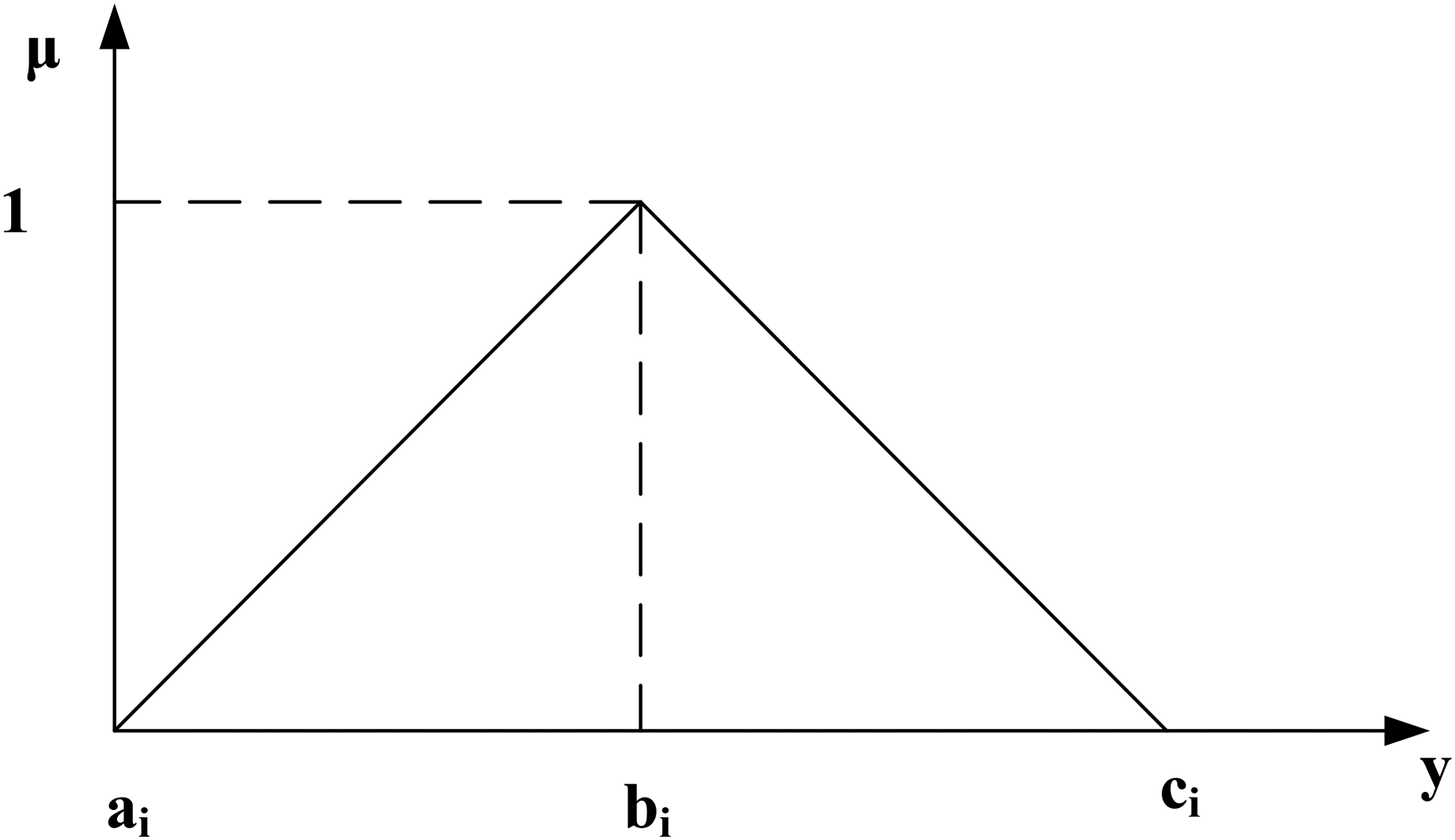
Triangular MSF.
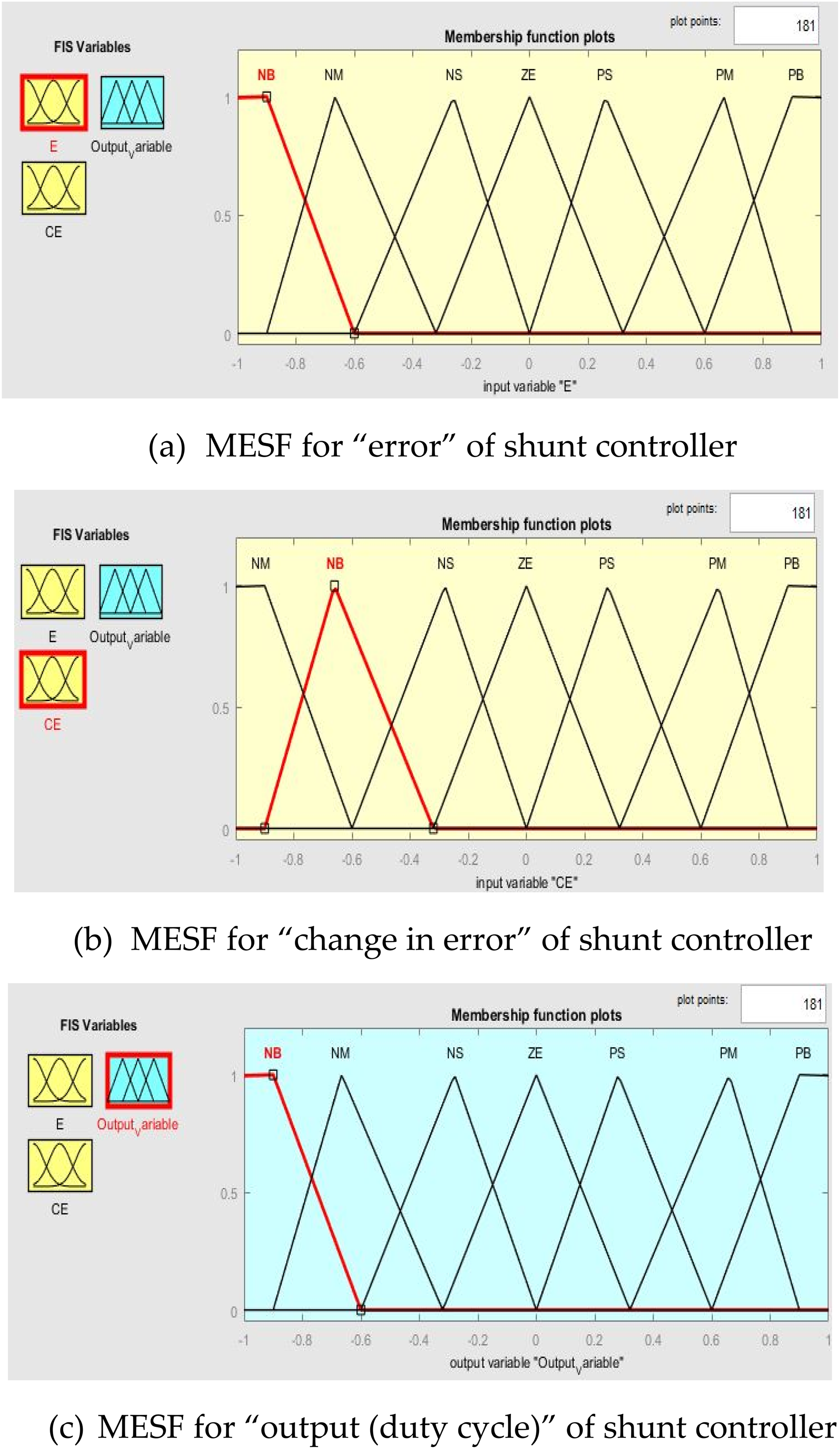
Fuzzy MESF for DLV balancing.
Through the use of pharos, the load current is transformed into a dq0, and a PLL uses the supply voltage to calculate the frequency. The generation of the proper reference signal and DLV control are necessary for SHAF to function. Furthermore, a variation in DLV may arise from an imbalance in power flow brought on by load fluctuations. For the DLV to be stabilized, the power in the SHAF needs to match the loss experienced during switch operations. The ChOA optimized FLC-PIDC introduces a direct current error signal, which is computed based on the discrepancy between the reference and actual DLV as determined by equation (11).
It is constructed for reducing THD of the problem selected with filter parameters, PI controller gain values of BESS and FC, in addition to PIDC gain variables while satisfying the upper and lower bonds.
Here, THD is calculated by equation (13).
The dth component of current at the load terminals is combined with the error acquired from the ChOA optimized FLC and PIDC. The dq0 is transformed into abc and given to as inputs of NNC with the compensating currents as target. Finally, using a hysterics controller is adapted for the pulse generation. The SHAF with suggested controller is illustrated in Figure 6.
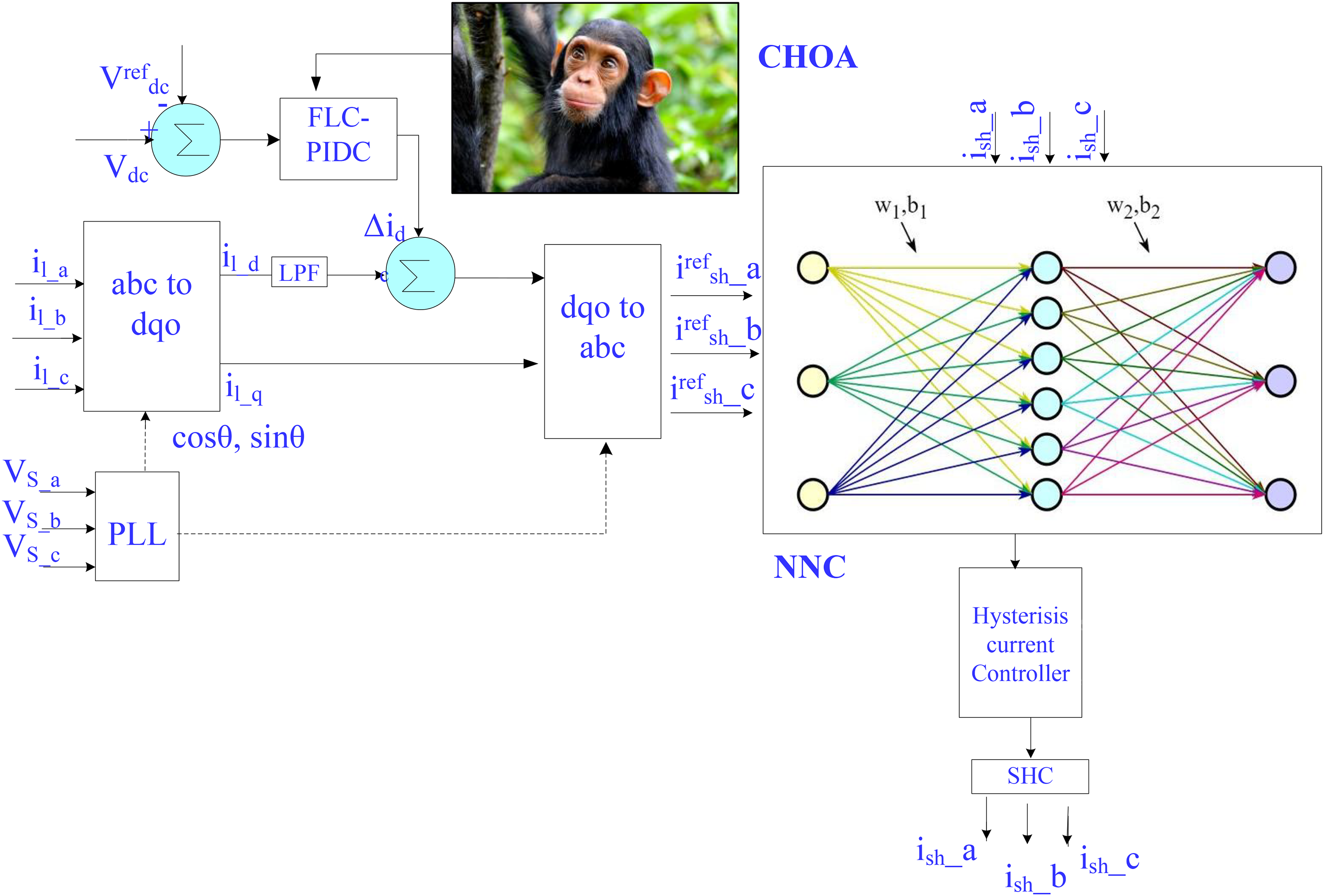
Fuzzy-PIDC and NNC-based control system for SAPF.
NNC with PWM for reference signal generation
In this study, the suggested NNC is adapted to generate signals for the shunt VSC. NNC is built by input, hidden, output layers (IL, HL, and OL) respectively. The IL sends the input data to the HL. The corresponding weights on the links are then multiplied when it is connected between the IL and the HL. In this context, computations are executed with a selected preference towards HL, and the results are collected in OL.
The NNC controller with LMBP training is chosen. During the training phase, the link weights are adjusted by examining the error to obtain the desired outcome. MSE is the performance function that is used in training. The LMBP method changes the weight by using the calculated derivatives, which leads to quick convergence and effective learning. Each neuron in a multilayer perceptron network consists of activation and summation functions. However, the neurons are connected by means of numerical weights. The MSE is computed using equation (14). The received output is denoted as O, while the intended output is denoted as 
Figure 7 depicts the reference abc current signals (irefsh_abc) as the goal data, while the injected abc currents (ish_abc) are regarded as the input. The NNC, in conjunction with the hysteresis controller, is utilized to generate pulses in order to accomplish the desired goals.
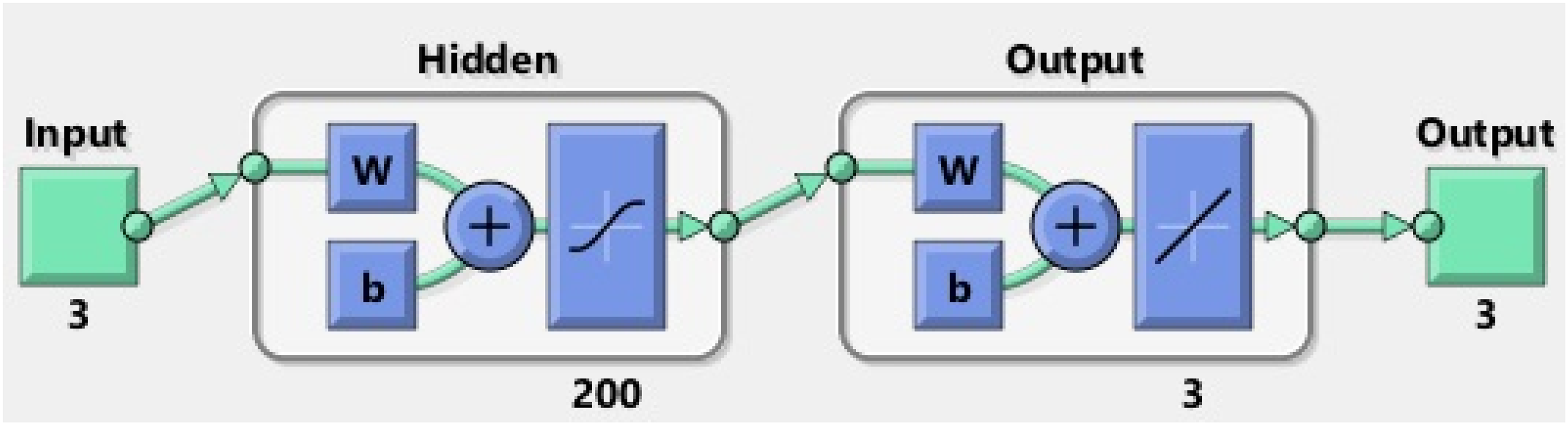
Structure of NNC for reference current and voltage generation.
Series controller
The controller generates signals by comparing the load voltage, which has been transformed into a dq frame. It is later converted to an abc frame, as seen in Figure 8. A Neural Network NNC connected to PWM generates the gating pulses. The main task of SAPF is to mitigate voltage imperfections originating in the grid side by injecting an appropriate CV to ensure a steady load voltage. Figure 8 illustrates the proposed technique for generating the VSC reference signal; it depicts the structure of the NNC with an HL of 200 neurons. The reference voltages are generated using the compensating voltages as input data and target data for the NNC.
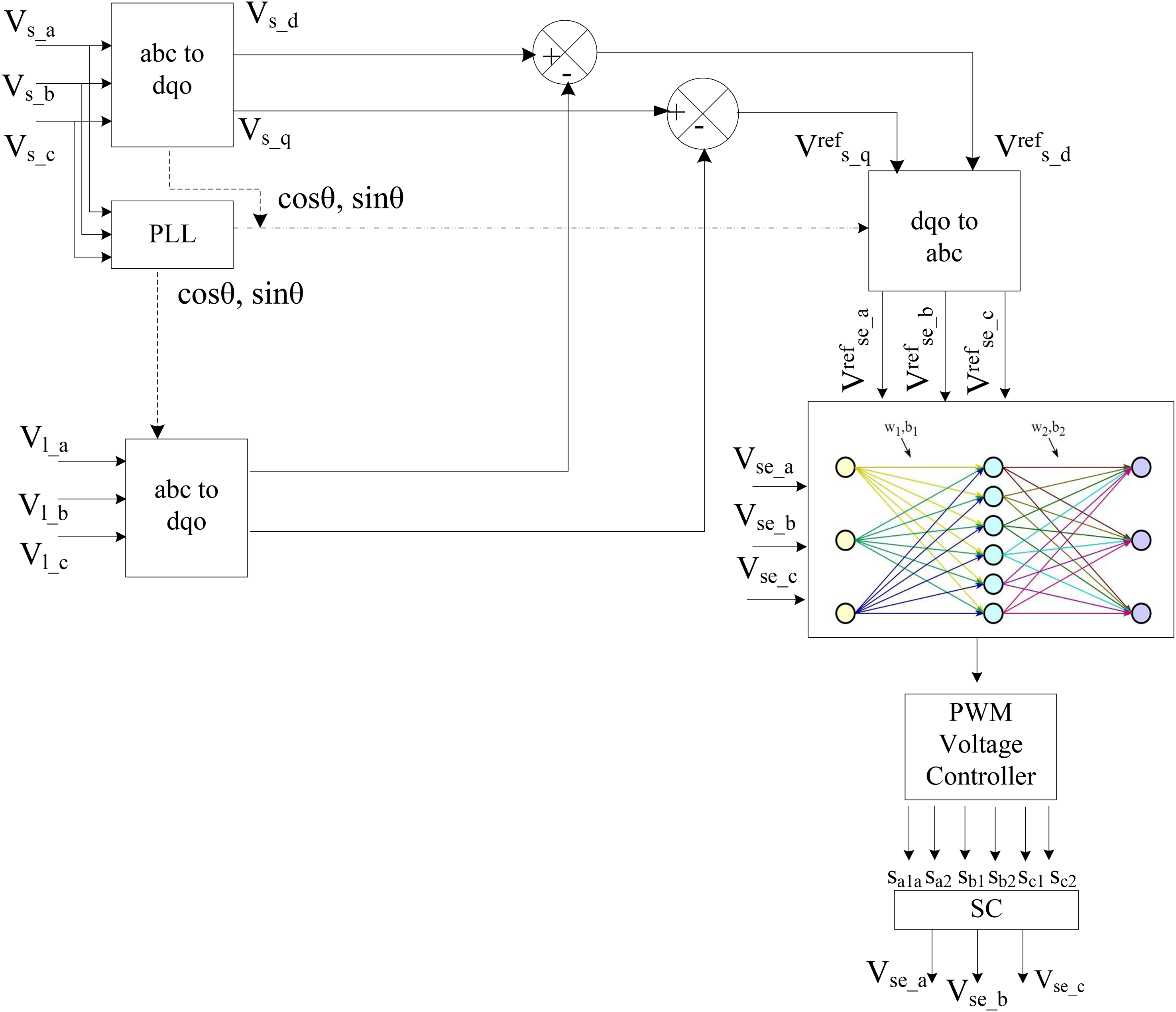
Control system for series filter.
Results analysis with discussions
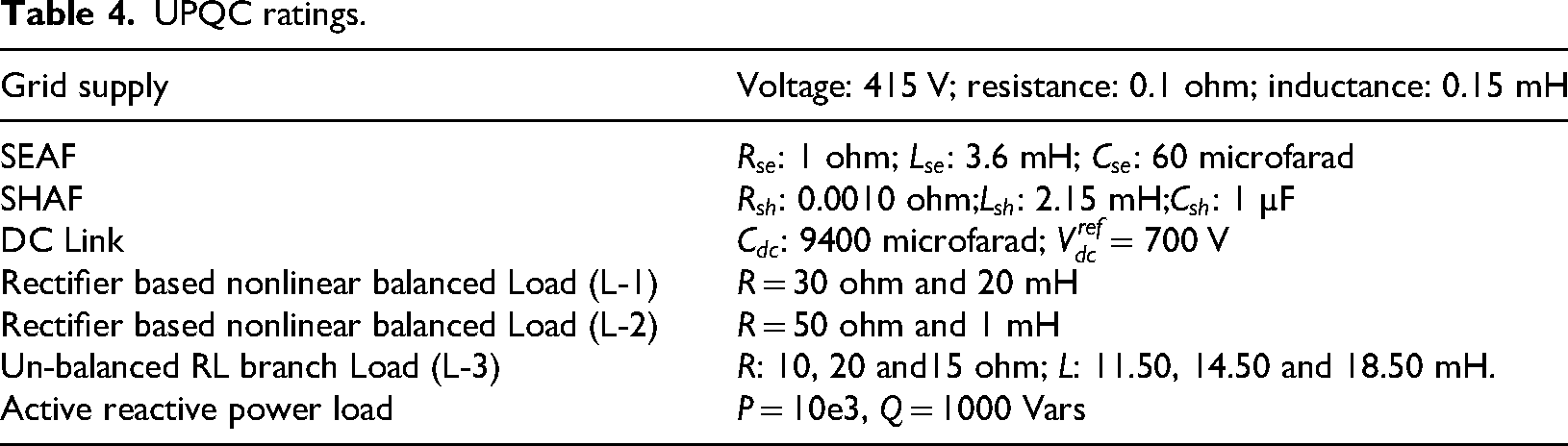
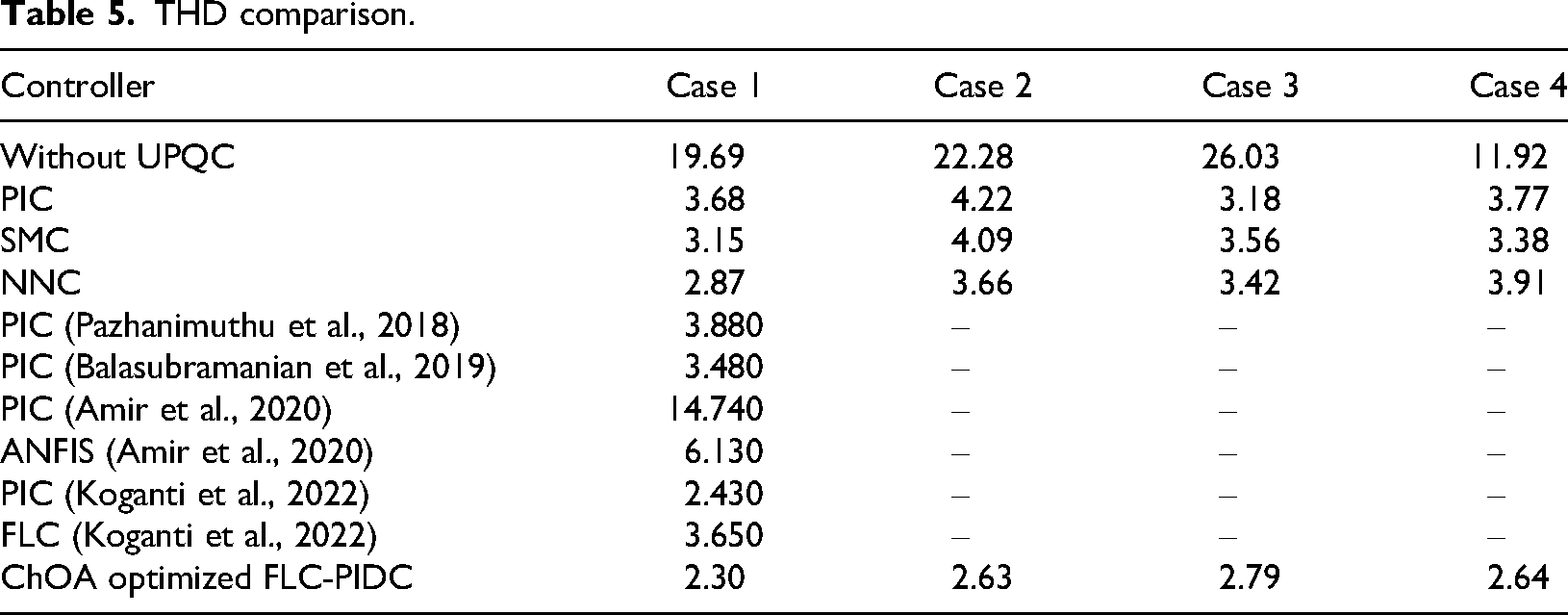
The working of the UPQC with the designed control system was evaluated on a three-phase network. This method was created using Matlab version 2022b. The UPQC and load specifications are presented in Table 4. Four test studies were conducted to evaluate the operation of the proposed control system. These studies involved various combinations of nonloads, grid voltages, and conditions such as harmonics, swell, and sag. The tests were carried out under constant/ variable irradiation. The results of these studies demonstrated the superior performance of the suggested system. The grid voltage is considered to be balanced in cases 1, 2, and 3, but unbalanced for test study 4. On the other hand, the THD was assessed using equation (23) for all the scenarios and compared to the PIC, NNC, and SMC approaches, employing the traditional SRF theory. Additionally, the controllers mentioned in the literature were also included for THD comparison, as presented in Table 5.
UPQC ratings.
THD comparison.
Case 1: Performance during source voltage sag and swell for the balanced supply with L-1 and L-2
In case 1, the balanced grid voltage with 30% of sag, and swell in the time intervals of 0.2–0.3 s, and 0.35–0.45 s was considered as shown in Figure 9(a). The devised approach detects voltage irregularities and applies the necessary corrective measures by using a coupling transformer to keep a stable voltage across load terminals. To assess the efficiency of SHAF, a combined three-phase balanced non-linear loads (L1 + L2) were selected for study with fixed solar irradiation. The load current waveform was determined to be non-sinusoidal yet balanced, as depicted in Figure 9(a). The suggested approach mitigates the disturbances in the waveform, which in turn reduces THD. Nevertheless, the THD of the current was reduced from 19.69% to 2.30%, which is lower than the THD values reported in the literature for other controllers such as PIC (between 3.8% and 14.7%), ANFIS (about 6.30%), and FL-C (about 3.65%). These comparisons are presented in Table 5. In addition, the DLV rapidly achieves a stable voltage of 700 V within a smaller time period of 0.056 s as shown in Figure 9(b).
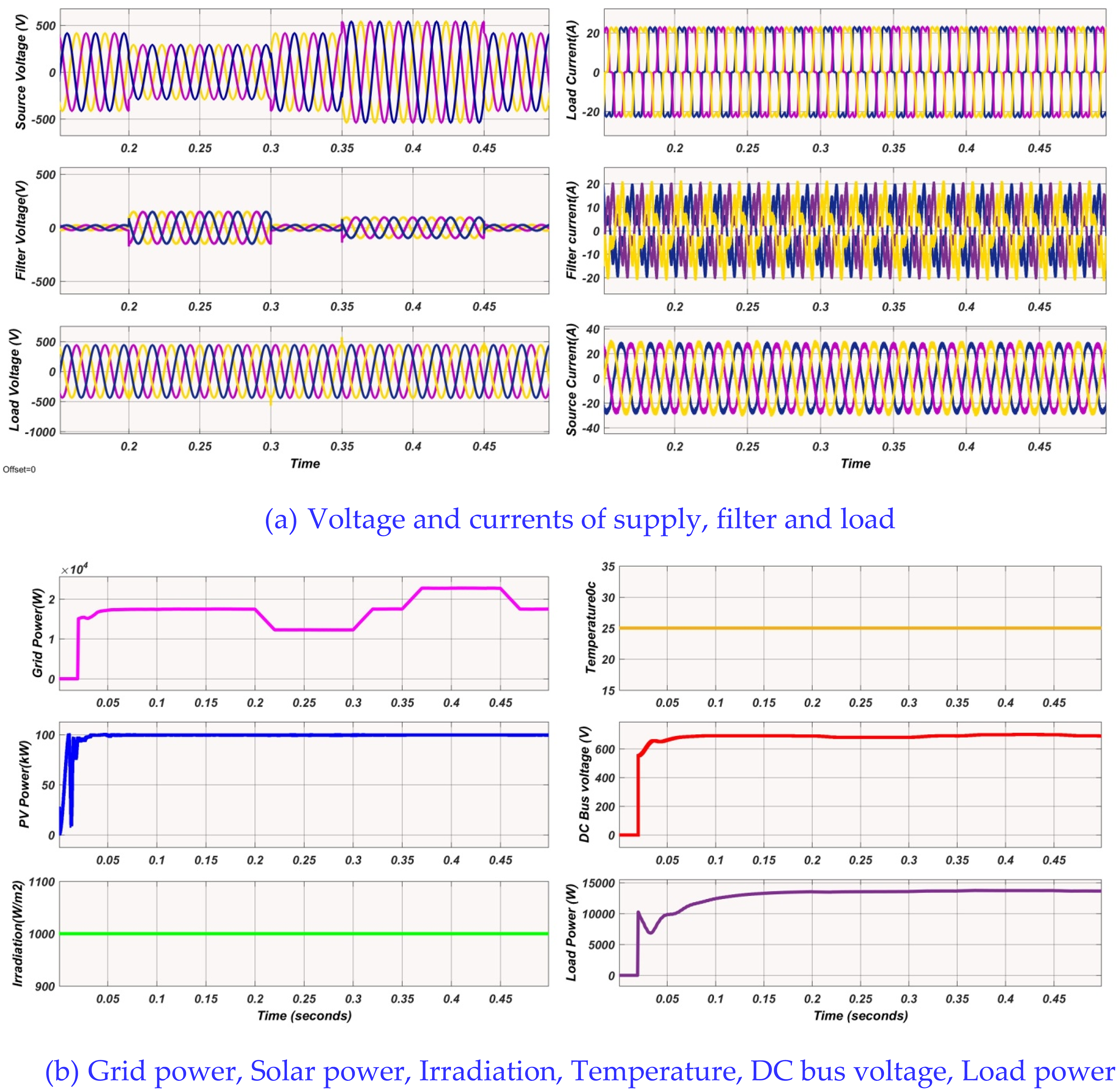
Case 1.
Case 2: Performance during short interruption and harmonic content for balanced supply voltage with sudden addition of load L-2 to L-1
In case 2, short interruption is considered for 0.5 to 0.6 s with voltage distortion from 0.65sec to 0.7sec respectively, as shown in Figure 10(a). Here, the developed control approach ensures a constant Vl. The load current of the non-linear load with balanced phases exhibited a significant increase in amplitude at 0.55 s due to addition of load 2 to load 1, resulting in a non-sinusoidal waveform. However, the load remained balanced, as shown in Figure 10(a). The suggested UPQC minimizes the THD from 22.28% to 2.63%. The effectiveness of the suggested method in addressing both voltage and current-related PQ problems is evident. Figure 10(b) illustrates the effective performance of the recommended controller in swiftly maintaining a constant DLV of 700 V within a short period of time of 0.1 s.
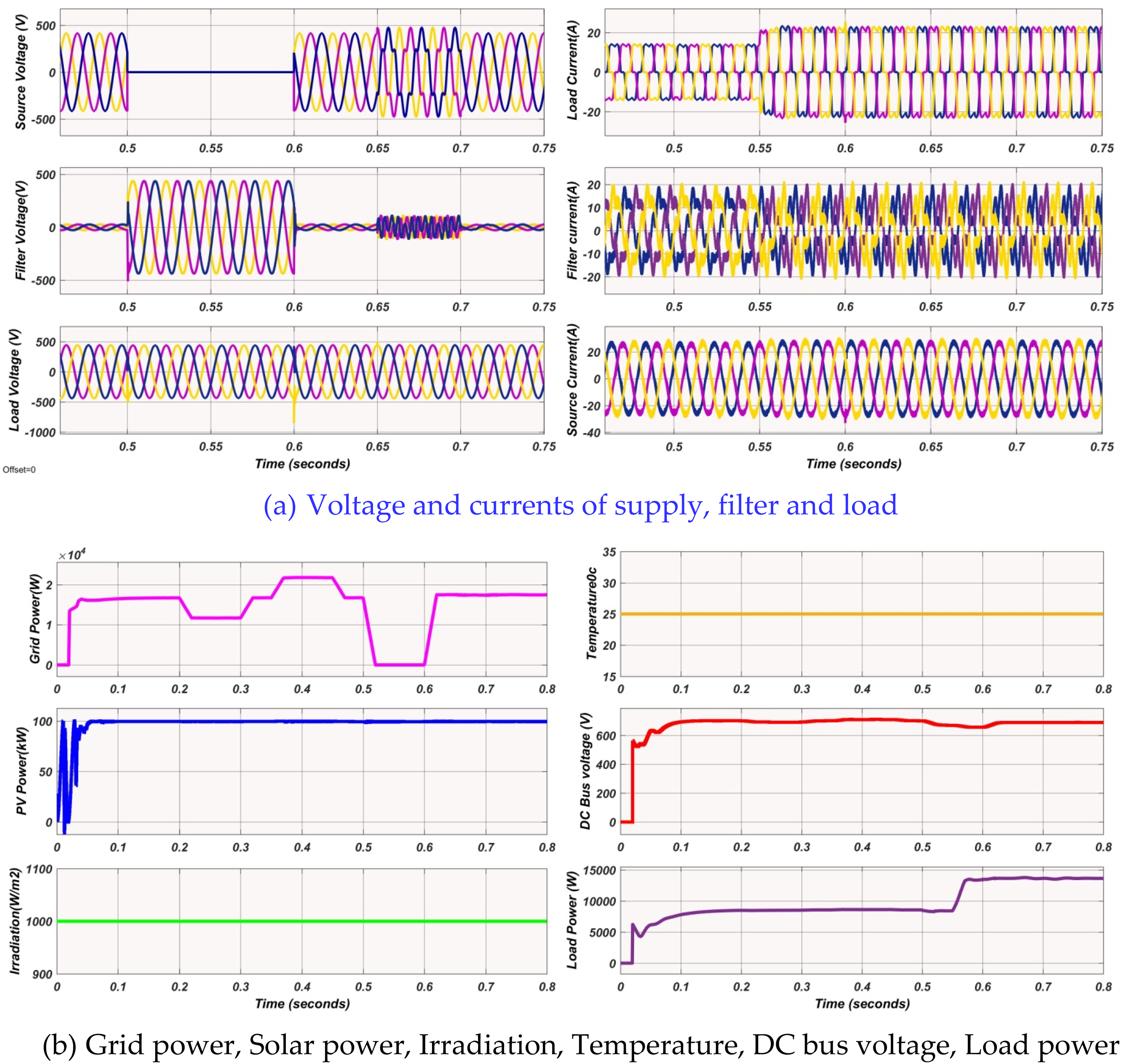
Case 2.
Case 3: Performance during unbalanced sag /swell in supply with dynamic variation of solar irradiation and loads of L-4, L-3, and L-2
In example 3, the VS was assumed to be in balanced till 0.2 due to L-4 and at 0.2 load 3 is added and L-1 is added to existing loads at 0.3 s due to which the measured load current exhibited non-sinusoidal and imbalanced characteristics, with significant levels of harmonic distortions, as depicted in Figure 11(a). The developed optimized hybrid model effectively reduces the THD from 26.03% to 2.79% and successfully maintains a balanced load voltage with steady DLV within short period of time after disturbance, even in the presence of load and irradiation variations as shown in Figure 11(b).
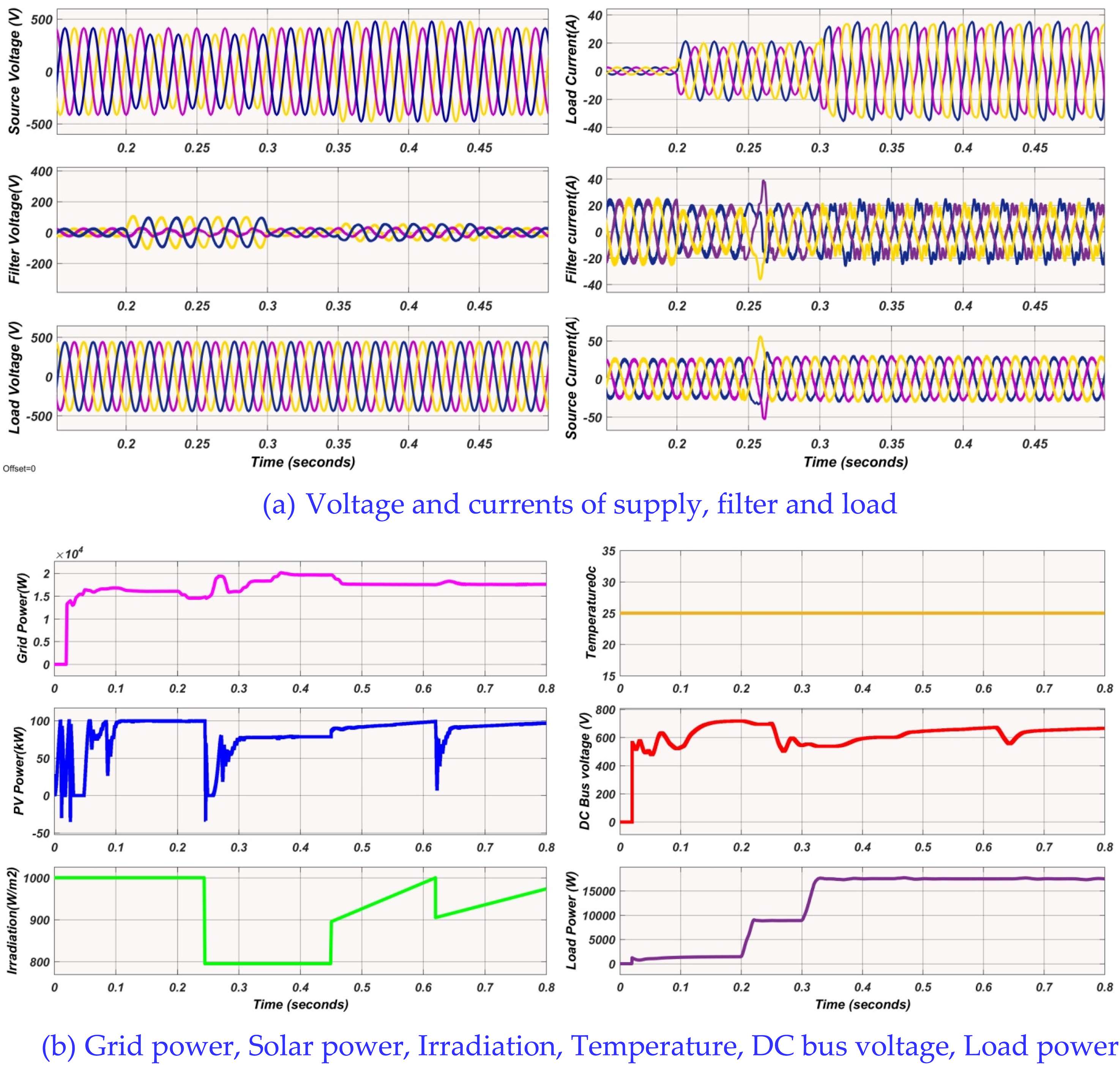
U-SEBES for case 3.
Case 4: Performance during unbalanced supply with unbalanced load under variable irradiation condition
According to Figure 12(a), both the VS and load in case 4 are determined to be unbalanced. The proposed UPQC rectifies voltage imbalances and ensures a consistent load voltage supply. The load current is seen to have a sinusoidal waveform, although it is unbalanced, as highlighted in Figure 12(b). The developed control method effectively reduces the defects in the current waveform and decreases the THD from 8.92% to 3.29%. Figure 12(a) demonstrates its ability to regulate DLV during load variation, achieving a response time of approximately 0.18 s when subjected to simultaneous changes in load, temperature, and irradiation. Figure 13 displays the frequency spectrum of the proposed system for all case studies.
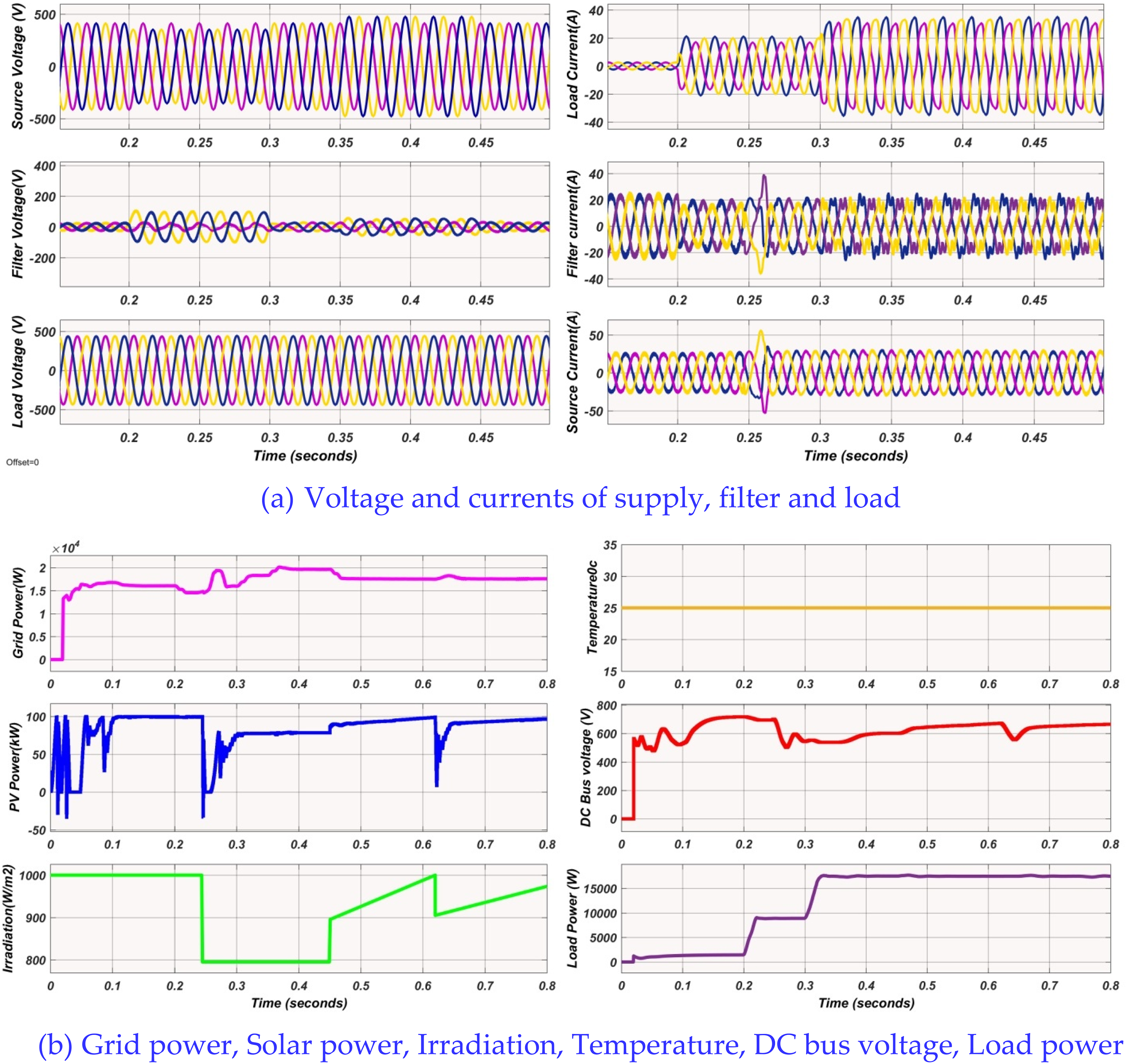
Case-4.
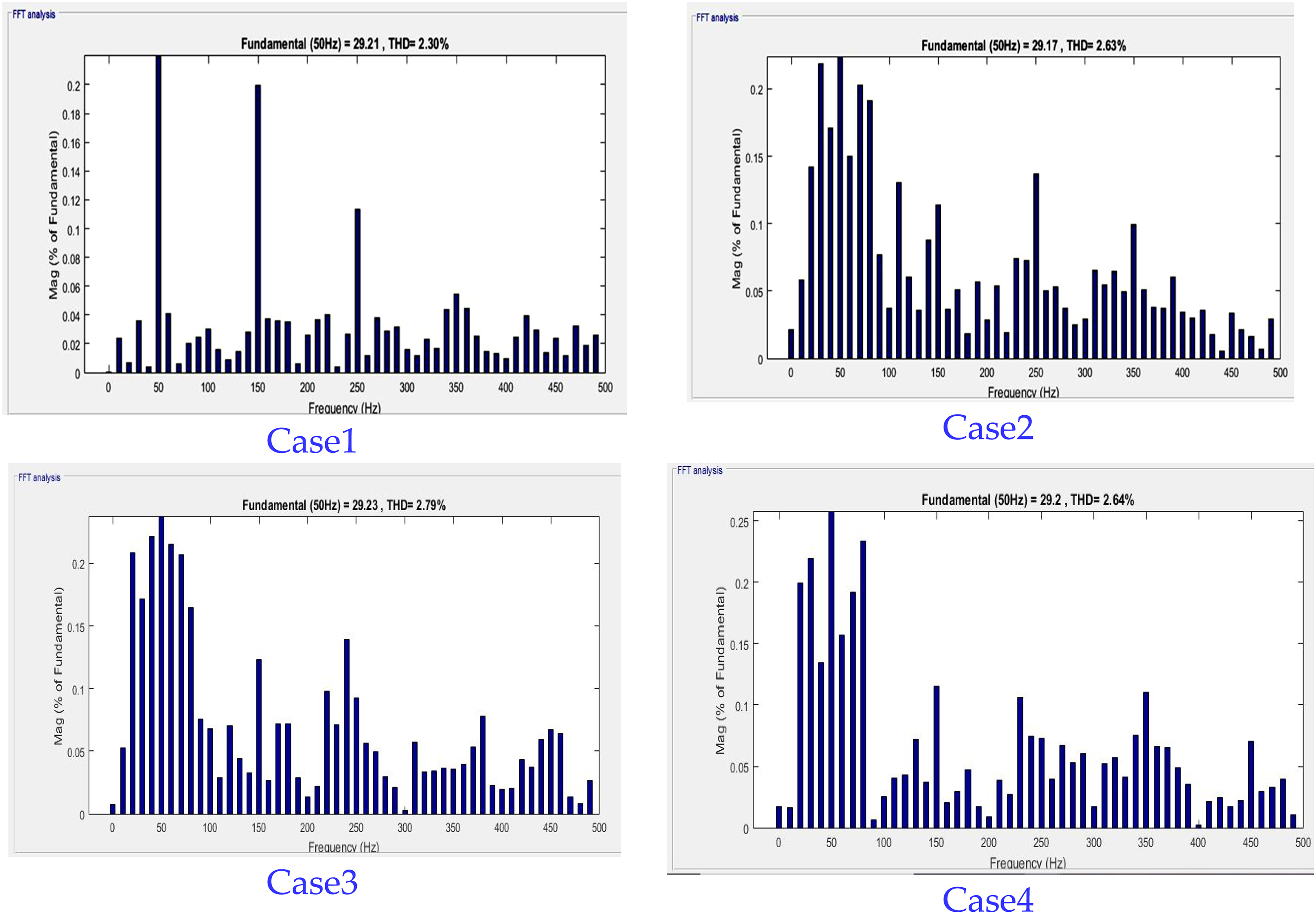
THD spectrum.
Conclusion
The SPVGS and BESS connected UPQC was developed in with the CHOA optimized Fuzzy-PIDC along with PI controller gain values of FC and BESS, filter parameters of NNC hybrid control system for SHAF and SEAF for UPQC. The main goal of this control system is to successfully regulate the DLV during load variations, while also removing harmonics, interruption, swell, and sag in the source voltage. Additionally, the controllers aim to remove imperfections in current waveforms, thereby reducing THD, as well as improving the PF by lowering the THD. A comparative study with conventional PIC, SMC, NNC, and other controllers available in literature shows that the suggested controller performs better than the others. It is clear from the analysis of the performance of the proposed technique on four test cases that the system produced lesser THD values of 2.30% for case 1, 2.63% for case 2, 2.79% for case 3, and 2.64% for case 4. These findings clearly show that the suggested method was successful in bringing the THD down to manageable levels. Future study could perhaps focus on further examining the suggested system for Multi-level UPQC.
Footnotes
Abbreviations

Funding
The authors received no financial support for the research, authorship, and/or publication of this article.
Declaration of conflicting interests
The authors declared no potential conflicts of interest with respect to the research, authorship, and/or publication of this article.