




Abstract
This article reviews recent research on wax deposition, with the aim of understanding the formation mechanisms and influencing factors of wax deposition during the pipeline transportation of wax-bearing crude oil. It provides a summary and analysis of the roles of molecular diffusion and aging mechanisms in wax deposition, offering deeper insights into the formation and development of wax. The article also explores in detail how factors such as oil flow temperature, pipeline pressure, flow velocity, and the chemical composition of crude oil affect the characteristics of wax deposition. These insights provide a scientific foundation for understanding deposition mechanisms, optimizing pipeline parameters, and developing effective prevention and control measures. Regarding wax deposition modeling, a model based on molecular diffusion theory, experimental data, and heat transfer mechanisms is presented. Finally, various techniques for inhibiting wax deposition are discussed, with an analysis of their advantages and disadvantages, as well as an identification of existing challenges and future research directions. Therefore, this study not only contributes significantly to the advancement of wax deposition theory but also plays a crucial role in enhancing pipeline operation safety and efficiency, as well as advancing flow safety technologies in the petroleum industry.
Keywords
Introduction
During oil production, as crude oil is transported from underground to the surface, the associated drop in pressure and temperature causes the oil to exhibit non-Newtonian fluid characteristics (Wang et al., 2024b). This leads to the precipitation of wax crystals, which form a network structure on the inner wall of the pipeline, gradually resulting in wax deposits. Decreased fluid temperature, pressure, and flow rate exacerbate this deposition, further hindering oil transportation efficiency. The accumulation of wax reduces the pipeline's flow area, increases surface roughness, elevates production pressure, and may even lead to leaks or bursts, posing significant safety risks (Boranbayeva et al., 2024), as shown in Figures 1 and 2. Over time, the wax deposits build up into a complex three-dimensional mesh structure, encapsulating a significant volume of crude oil while reducing the effective flow area of the pipeline (Yang et al., 2020). This reduction in flow area heightens the risk of pipeline clogging and can ultimately lead to safety incidents, contributing to an estimated global economic loss of up to $47.62 billion annually.
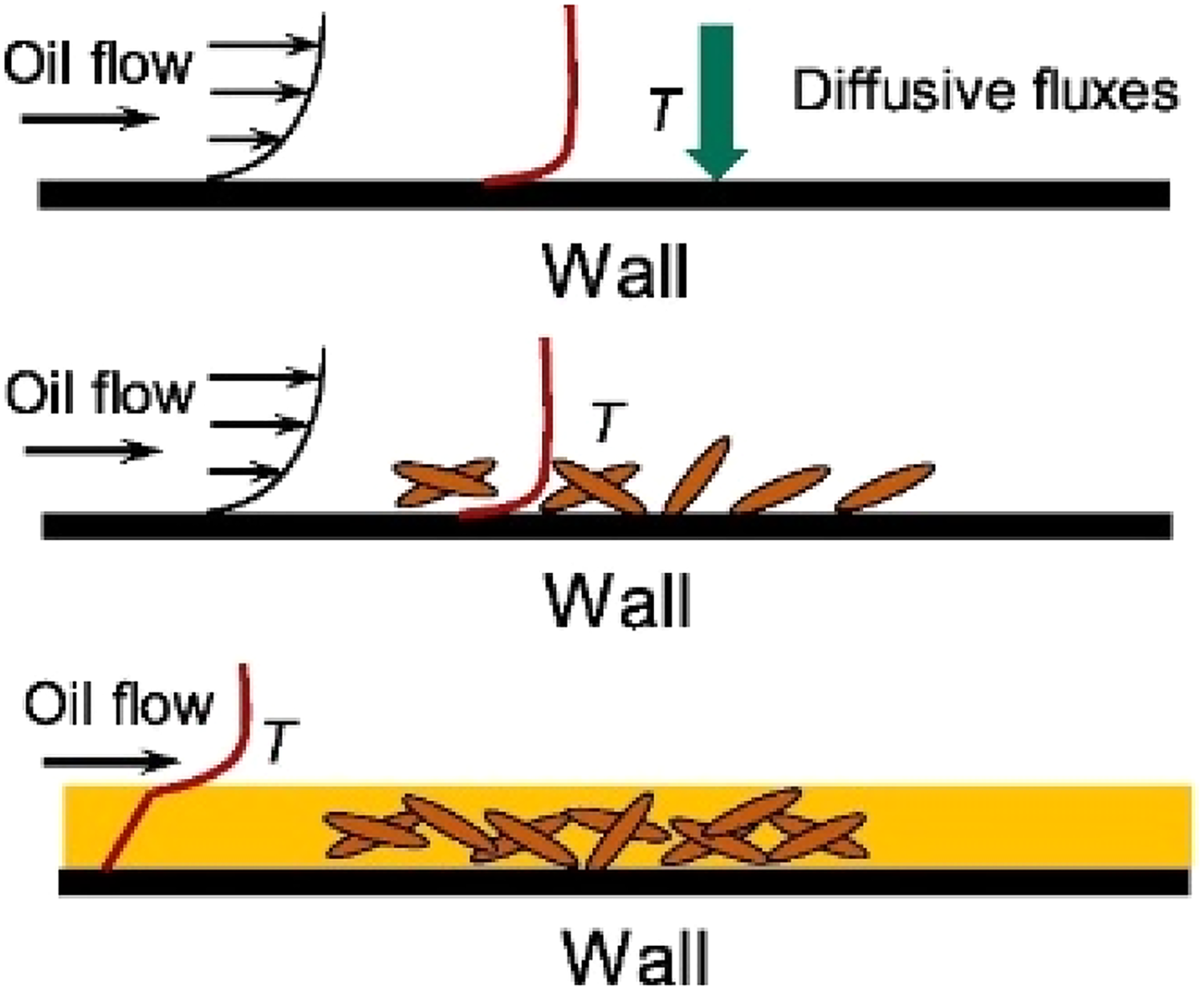
Rheological diagram of sediment formation.
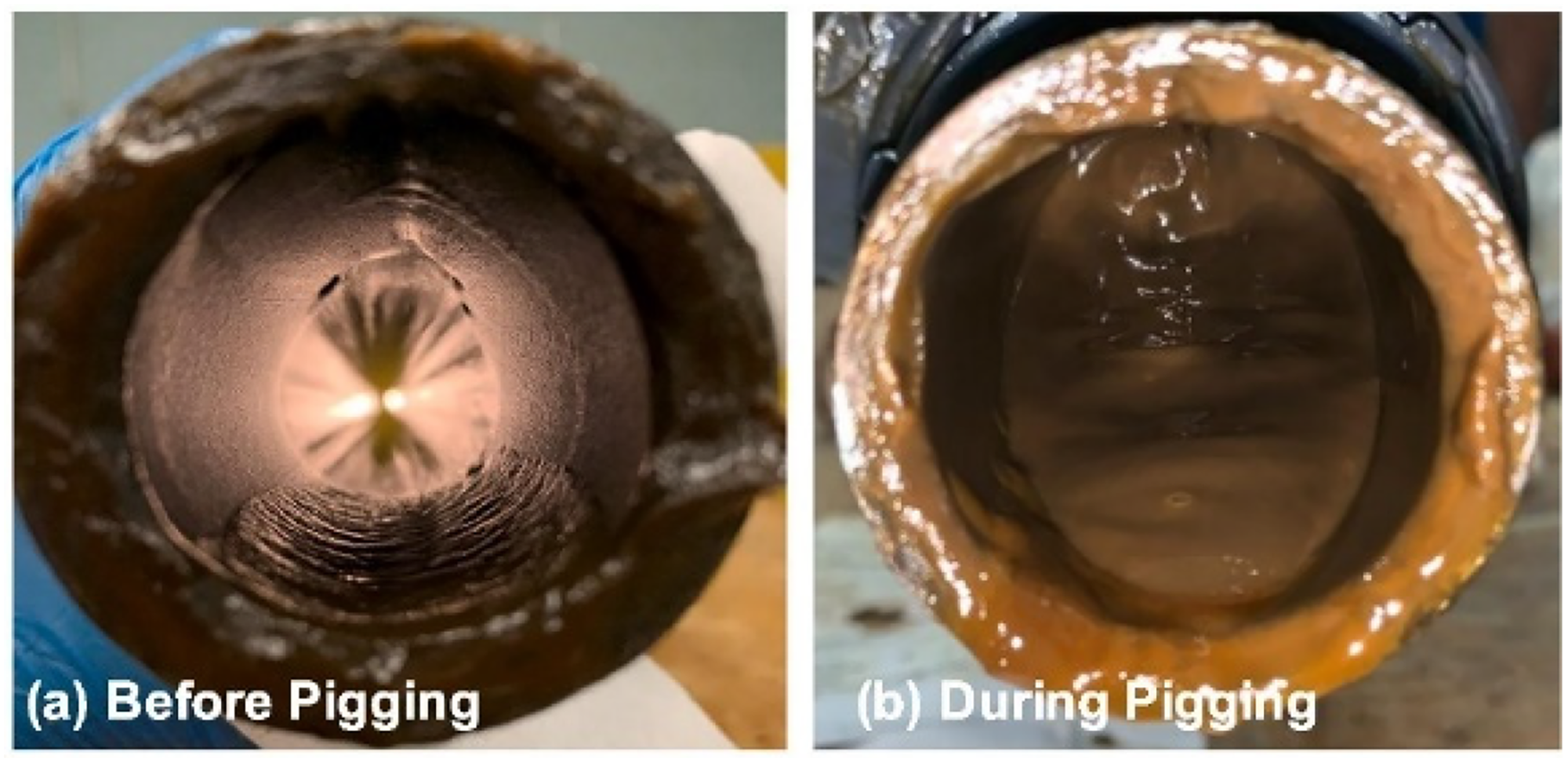
Photos show deposit distribution inside the pipe before and during pigging.
The purpose of this article is to provide an in-depth understanding of the wax accumulation phenomenon during the transportation of waxy crude oil through pipelines, with the goal of ensuring pipeline safety and reducing energy consumption. (1) Scholars agree that molecular diffusion and aging mechanisms are key factors in wax deposition. Analyzing these mechanisms helps clarify wax formation and development, providing a solid foundation for addressing wax deposition issues. (2) The article thoroughly analyzes the effects of oil flow temperature, pipeline pressure, fluid velocity, and crude oil composition on wax deposition, offering insights into optimizing pipeline parameters and developing prevention strategies. (3) Many researchers have developed wax deposition prediction models based on molecular diffusion theory and experimental data, with some focusing on heat transfer as a driving factor for wax deposition. (4) Finally, the article reviews various methods to inhibit wax deposition, discussing their pros and cons, along with existing challenges and future research directions.
This study is scientifically important for advancing wax deposition theory and has practical value in improving pipeline efficiency, enhancing safety, and promoting flow safety technologies in the petroleum industry.
Wax deposition mechanism
Wax deposition mechanism based on wax molecules
Molecular diffusion and aging
Singh et al. (2001) identified four stages of wax deposition based on molecular diffusion and aging mechanisms: (1) When the wall temperature drops below the wax separation point, wax molecules crystallize and precipitate, forming a three-dimensional network structure that traps liquid oil and creates the initial wax deposit. (2) As wax molecules crystallize, their concentration decreases in the deposits, creating a concentration gradient that drives the diffusion of wax molecules from the oil flow to the deposits. (3) Some wax molecules diffuse to the oil-wax deposit interface and precipitate, thickening the deposit. (4) Other molecules diffuse through the wax deposit's pore structure, leading to further precipitation and increasing the wax content inside the deposit.
Thermal diffusion
Thermal diffusion refers to the temperature difference within the waxy crude oil pipeline. Wax molecules in the higher temperature regions, having higher kinetic energy, collide with wax molecules in the lower temperature regions, causing the migration of wax molecules from the hot area to the cooler area. Bird (2002) and Merino Garcia et al. (2007) suggested that the contribution of the thermal diffusion mechanism to wax deposition is small and negligible. However, Ekweribe et al. (2009) argued that considering thermal diffusion can improve the predictive accuracy of wax deposition.
Wax deposition mechanism based on wax crystal particles
Brownian diffusion
Brownian diffusion is the process by which suspended wax crystal particles in crude oil move from high to low concentration due to the thermal motion of liquid oil molecules. Wax crystal particles are trapped in a three-dimensional network within the wax sediment, causing their concentration in the liquid oil to be nearly zero. As a result, these particles migrate toward the wax sediment via Brownian diffusion. Majeed et al. (1990) highlighted that the highest concentration of solid-phase wax crystals occurs in the deposits, driving the particles to move toward the center of the tube flow.
Shear diffusion
Shear diffusion refers to the process by which suspended solid wax crystalline particles in crude oil are deposited on the wall under the influence of shear forces. Based on particle hydrodynamics, Cleaver and Yates (1973) and Saffman (1965) pointed out that particles in the laminar sublayer do not remain there but tend to be carried toward the turbulent core. Jimenez et al. (1988), Urushihara et al. (1993), and Garcia et al. (1995), further demonstrated this theory using ion velocimetry, suggesting that the effect of the shear dispersion mechanism on wax deposition is negligible.
Gravity settlement
Burger et al. (1981) measured the size distribution and sedimentation velocity of wax crystal particles and concluded that the gravitational sedimentation effect was negligible under pipe flow conditions. They also found no significant difference in the amount of wax deposition between horizontal and vertical tubes under the same conditions, suggesting that the gravitational sedimentation effect could be ignored.
Wax deposition mechanism based on mechanical properties
Shear stripping
Shear peeling refers to the reduction of wax deposits on the pipe wall due to shear stress at the wax-oil interface. Li et al. (2020) found that asphaltene addition promotes shear peeling by increasing shear stress, potentially surpassing the shear strength from internal aging of wax. However, the factors affecting the timing, mode, and extent of shear peeling are not well understood, requiring further research. In contrast, Singh et al. (2001) treated wax growth and shear peeling as a dynamic equilibrium process, excluding shear peeling from their model.
Enthalpy-pore method
Banki et al. (2008) proposed a method to calculate wax deposit development in pipelines, noting that at low temperatures, solid wax crystals precipitate, causing flow characteristics similar to porous media that hinder flow. They incorporated physical quantities related to wax precipitation into the momentum equation to model the development of wax deposits over time and reflect the fluid flow in this layer.
Other mechanisms
Brown et al. (1993) used the Wilke-Chang model to predict wax deposition rates, but the results were much lower than actual rates. Azevedo and Teixeir (2003) pointed out that the model underestimates wax diffusion and suggested other mechanisms may drive deposition. Janamatti et al. (2019) observed deposition even when oil and coolant temperatures were the same, while Zheng et al. (2017) emphasized the impact of non-Newtonian properties on deposit composition and thickness. Yang et al. (2020) found deposition even with wall temperatures equal to or higher than oil temperature, indicating molecular diffusion alone is insufficient. Van Der Geest et al. (2018) noted a delay in wax deposition in high-wax crude oils, highlighting the roles of molecular diffusion, Brownian diffusion, shear diffusion, and non-Newtonian behavior. Thus, while molecular diffusion and aging are key mechanisms, other factors like shear exfoliation and non-Newtonian properties still need further research.
Influencing factors
Properties of crude oil
The composition of crude oil is an internal factor that influences wax deposition in oil wells. A higher concentration of light fractions in crude oil increases its ability to dissolve wax, leading to a lower temperature for wax precipitation and a reduced likelihood of wax formation. This is because light oil has a superior dissolving capacity compared to heavy oil; as a result, the amount of wax dissolved in the oil decreases as the temperature drops. Additionally, a higher wax content in crude oil is associated with a greater carbon number of wax molecules, which exacerbates the issue of wax formation.
Colloids and asphaltenes of crude oils
Yang and Kilpatrick (2005) concluded that colloidal asphaltene does not participate in the wax deposition process. However, Tinsley and Prud'homme (2010) experimentally found that the concentration of asphaltene in wax deposits increased significantly, suggesting that asphaltene plays a role in the wax deposition process. Hammami and Raines (1997) proposed that the presence of asphaltenes reduces the energy barrier required for wax crystal nucleation, provides nucleation sites for the crystallization of wax molecules, and can induce wax deposition, thereby promoting an increase in the wax deposition rate.
Fluid flow rate
Kang and Kilpatrick (2019) investigated the thickness of wax deposits under different flow conditions through loop experiments and found, consistent with previous studies, that the thickness of wax deposits decreases as the flow rate increases. Hoffmann and Amundsen (2010) experimentally observed that increasing the flow rate results in a decrease in the wax deposition rate. Li et al. (2019) discovered that the effect of flow rate on the wax deposition rate is not monotonic. At low flow rates, the wax deposition rate increases with the flow rate, but decreases once the flow rate exceeds a certain threshold.
Pipeline temperature parameters
Jennings and Weispfennig (2005) found that reducing the cold finger wall temperature, while keeping the crude oil temperature constant, led to a linear increase in both the mass of wax deposits and the C20 + components per unit area. Janamatti et al. (2019) fixed the wall temperature and varied the oil temperature under cold flow conditions, observing that as the oil-wall temperature difference increased, the wax deposition rate decreased, while the diffusion mass flux of wax molecules increased. Quan et al. (2015) studied wax deposition in crude oil at different temperature ranges using a cold finger test, finding that increasing both oil and wall temperatures accelerated wax deposit aging.
Wax deposition model
Classical kinetic model of wax deposition
As shown in Figure 3, the wax deposition model proposed by Burger et al. (1981) takes into account both molecular diffusion and shear diffusion, as shown in equation (1). Hsu et al. (1994) expanded the model by including g shear erosion alongside molecular and shear diffusion, using the wax deposition tendency coefficient, as shown in equation (2). Huang et al. (2008) excluded shear diffusion, focusing on the impact of tube flow shear and molecular diffusion. They studied the effects of crude oil viscosity, pipe wall temperature gradient, and shear stress on the wax deposition tendency coefficient and developed a model, as shown in equation (3).



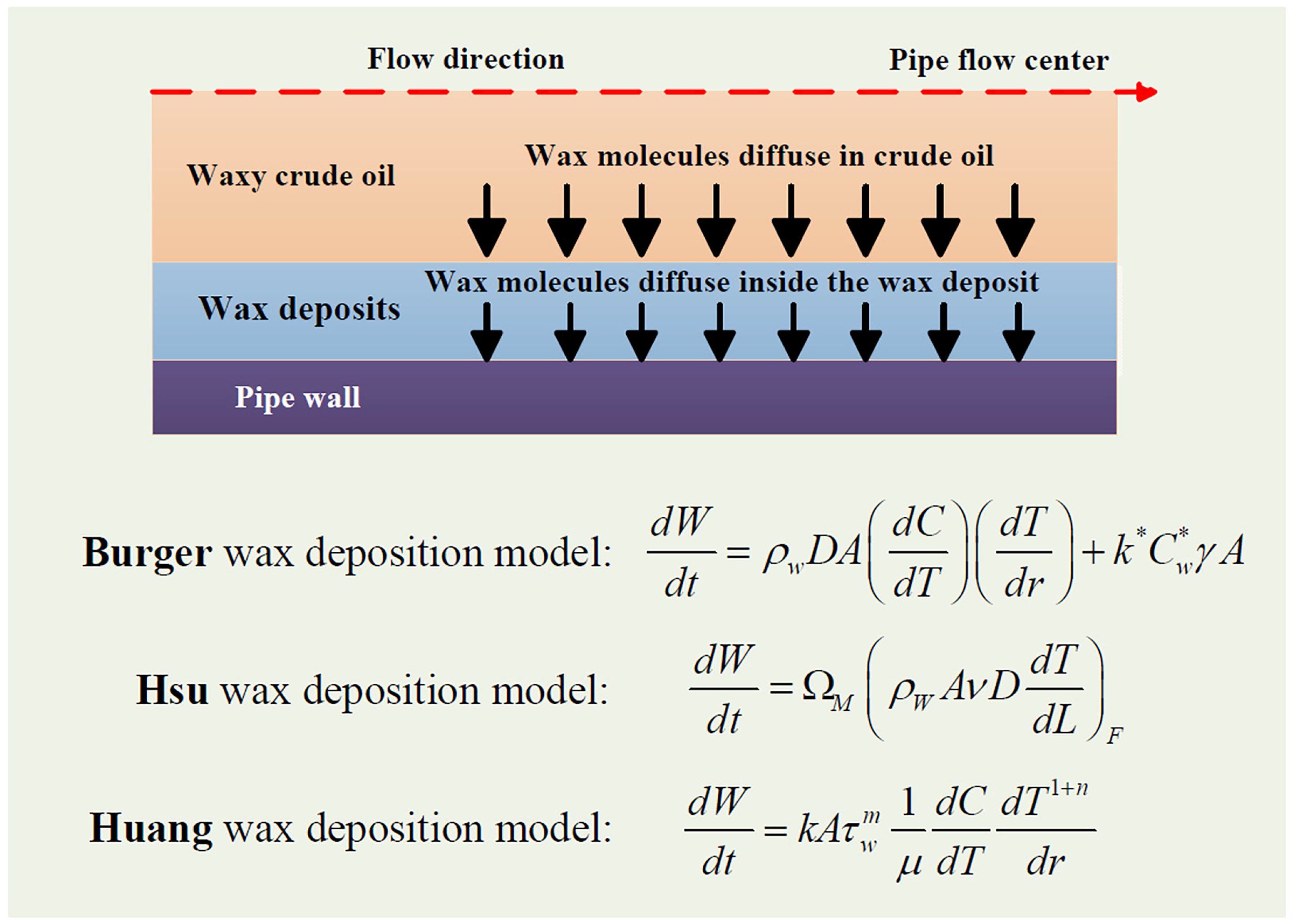
Schematic diagram of wellbore wax formation.
Wax deposition models based on molecular diffusion and aging
Singh et al. (2001) noted that wax molecules diffuse not only in crude oil but also in wax deposits. As shown in Figure 4, based on the law of conservation of mass and energy, the authors established a dynamic model of wax deposition to describe the development of the thin-knot wax layer thickness and the average wax content over time, as shown in equations (4) and (5). This model calculates the wax layer thickness and average wax content over time, addressing the limitation of previous models in predicting wax content. By including wax content as a variable, it offers a more accurate representation of wax deposition and lays a foundation for future models. However, it is only applicable to thin wax layers and uses average wax content, neglecting the heterogeneous structure of the wax layer.
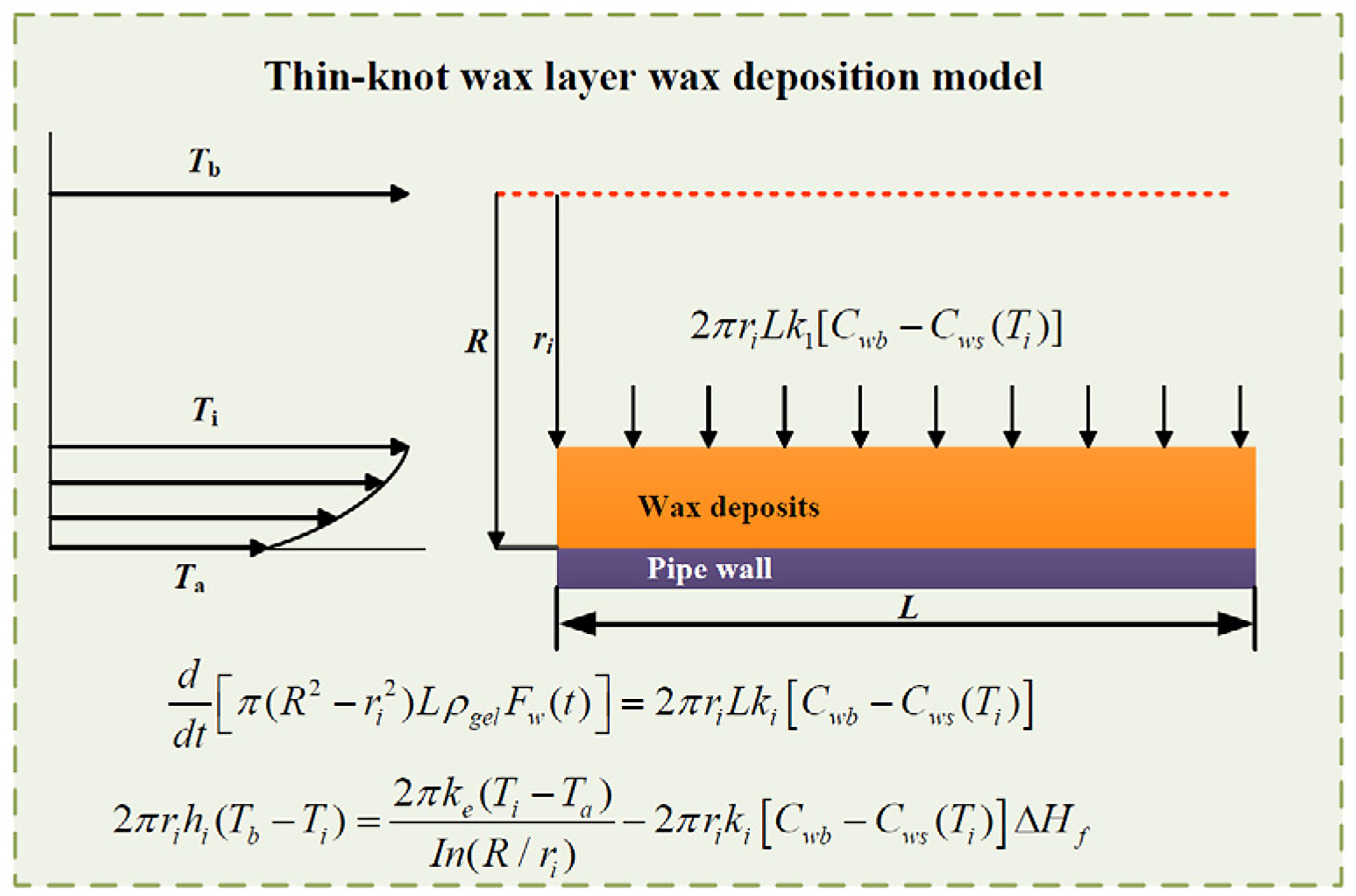
Thin-knot wax layer wax deposition model.
As shown in Figure 5, Singh et al. (2001) divided the wax layer into microelements and established a heterogeneous wax deposition model for thicker wax layers based on the law of conservation of mass and energy, as shown in equations (6) and (7).




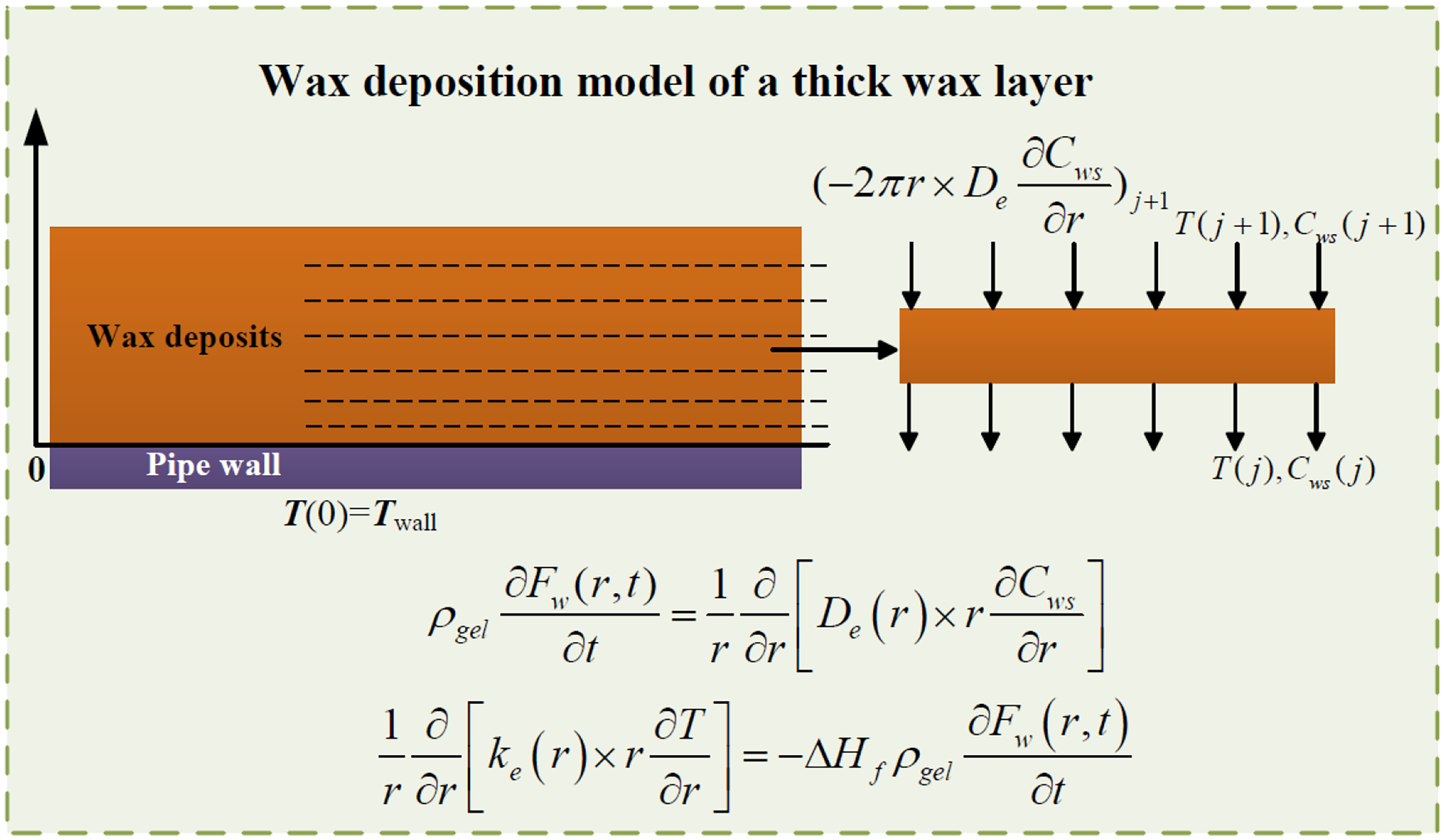
Wax deposition model of a thick wax layer.
Huang et al. (2011) observed that some wax molecules crystallize and precipitate before reaching the tube wall, affecting the deposition rate. If precipitation is slow, all molecules deposit; if fast or diffusion is slow, most molecules precipitate, reducing deposition. These extremes set the upper and lower bounds of wax deposition. To account for diffusion and precipitation, they introduced a precipitation rate constant and proposed an improved math word problem (MWP) model, as shown in Figure 6, represented by equations (8) and (9).


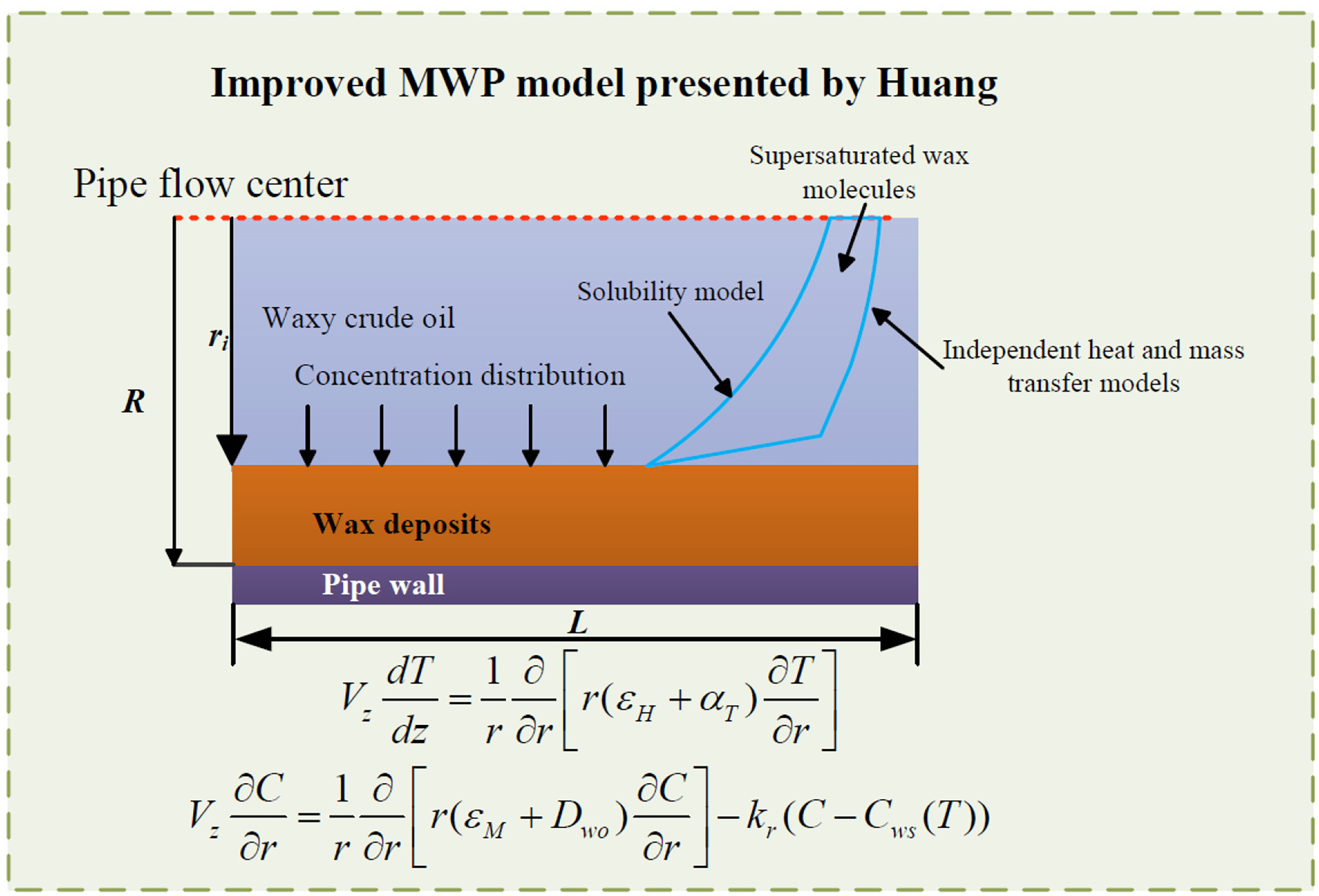
Improved math word problem (MWP) model presented by Huang.
When the temperature of the crude oil near the pipe wall falls below the anomalous point, wax crystalline particles that form due to supersaturation become suspended in the crude oil. This results in the crude oil exhibiting non-Newtonian fluid characteristics, such as shear thinning and yield stress. As shown in equations (10) and (11), Zheng et al. (2017) used non-Newtonian constitutive equations to model the shear-thinning and yield stress behaviors of waxy crude oils, thereby improving the accuracy of the wax deposition model.


Wax deposition model based on molecular diffusion and particle deposition
Hernandez et al. (2003) criticized Fogler et al.'s wax deposition model for only considering molecular diffusion and aging, neglecting the impact of shear stress on deposition. They suggested that shear-induced peeling prevents the wax content at the wax-oil interface from reaching equilibrium. To improve the model, they introduced a wax deposition kinetic rate constant. Eskin et al. (2013) highlighted that current wax deposition models ignore the role of particle diffusion. They developed a model using the Taylor-Couette test device that includes molecular diffusion, Brownian diffusion, shear dispersion, shear peeling, gravity sedimentation, aging, and more. To address the reduction in the effective diffusion coefficient due to decreasing porosity during aging, they proposed a model that accounts for dynamic changes in the wax layer's porosity.
Wax deposition model based on the principle of heat transfer
Cordoba and Schall (2001) proposed a heat transfer method to calculate the thickness of wax deposits based on the heat dissipation characteristics of the fluid in the tube to the external environment, as shown in Figure 7. They highlighted that the heat dissipation of the fluid to the external environment must overcome four layers of thermal resistance: convection heat transfer from crude oil to the pipe wall or wax deposit, heat conduction through the wax deposits and pipe wall, and convection heat transfer from the outer wall of the pipe to the outside. As shown in Figure 8, equations (12) and (13), the thickness of the wax deposits can be calculated using the heat transfer relationship under steady-state conditions.
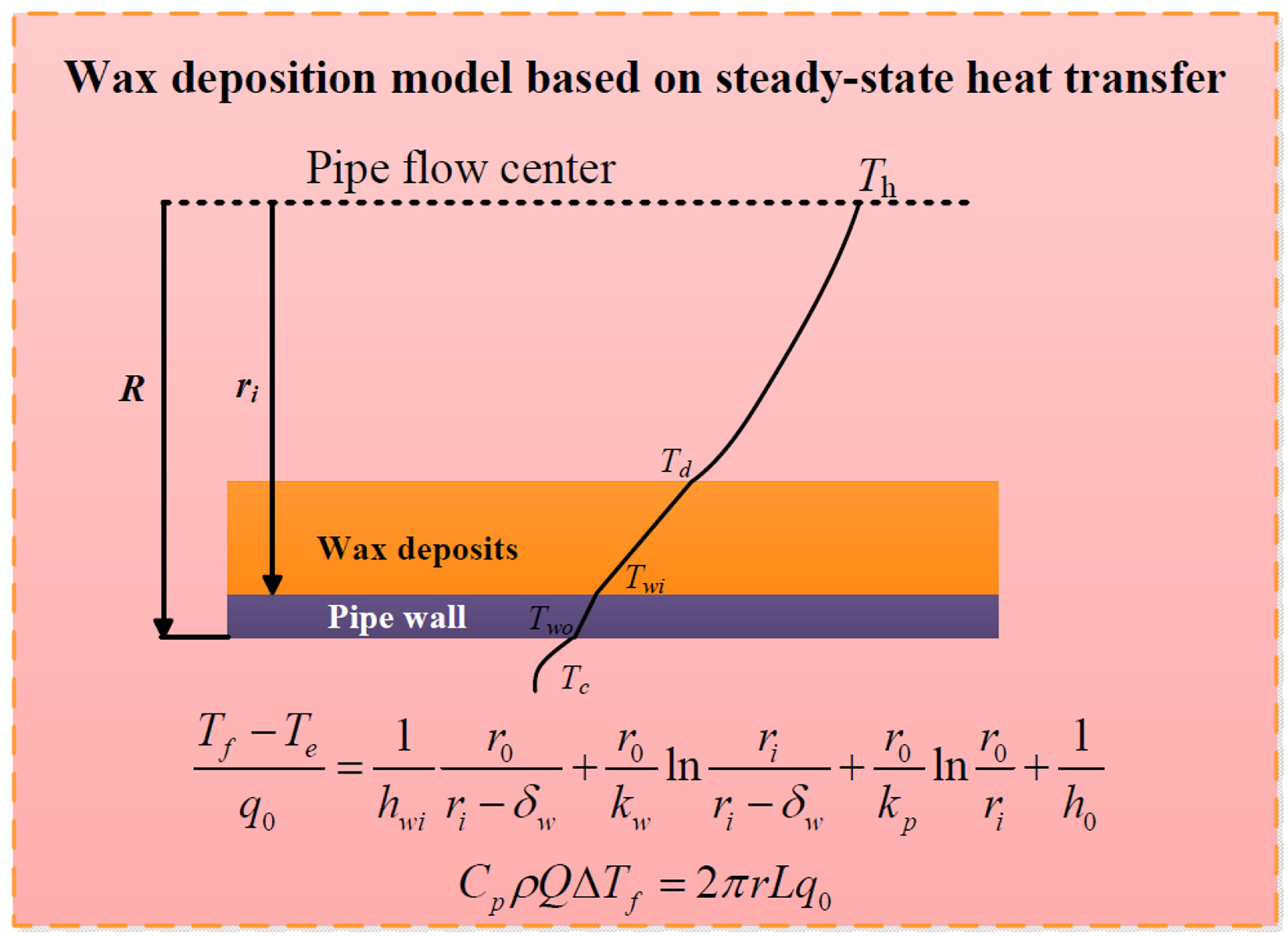
Wax deposition model based on steady-state heat transfer.
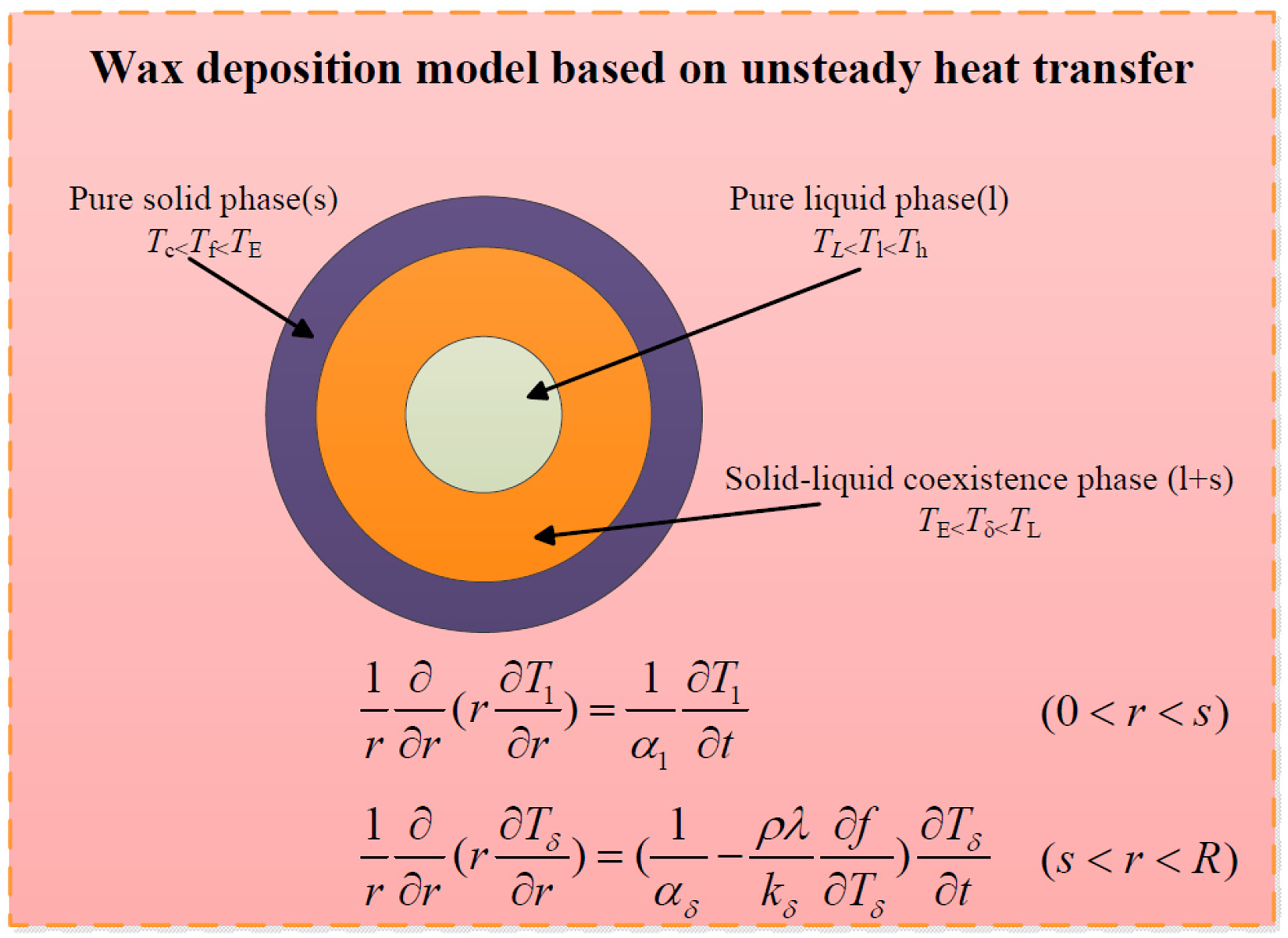
Wax deposition model based on unsteady heat transfer.
Haj-Shafiei et al. (2014) pointed out that as the temperature of crude oil in the pipeline decreases, three distinct regions will form in the pipeline cross-section: liquid waxy crude oil, wax deposits in a solid-liquid coexistence state, and pure solid crude oil, as shown in Figure 8. Bidmus and Mehrotra (2008) defined the wax-oil interface temperature between the wax-bearing crude oil and the wax deposits as the wax separation point. Building on this concept, Ehsani and Mehrotra (2019) developed a kinetic model of wax deposition based on the unsteady heat transfer, as shown in equations (14) and (15).




The temperature of waxy crude oil and wax deposits are T1 and Tδ (°C), respectively; α1 and αδ are the thermal diffusivities of waxy crude oil and wax deposits (m2/s), respectively, s is the position of the wax-oil interface (m), and R is the inner diameter of the pipe (m).
Wax deposition experimental device
Cold plate (finger) method
The research conducted by Charles (1984), Hunt (1962), Jorda (1966), and their colleagues employed the cold plate method to investigate wax deposition in crude oil. This technique is characterized by its simplicity, precise temperature control, and the ability to achieve homogenization through magnetic stirring. Hamouda and Viken (1993), Weispfening (2001), and their research teams introduced the cold finger method, which features a cylindrical deposition surface, to analyze wax deposition patterns. Additionally, Correra et al. utilized this method to explore diffusion and dissolution coefficients within kinetic models. Zhang et al. (2015) applied it to wax-containing oil-water emulsions, addressing experimental challenges, evaluating the influence of emulsion particle size, and elucidating deposition patterns. Alhejaili et al. (2025) engineered a 15 MPa high-pressure cold finger to simulate Brent crude wax deposition at 400 m seabed depths, unveiling pressure-driven crystallization mechanisms. Veiga Helena et al. (2025) utilized 1000 fps microscopy to observe wax nucleation on cold plates, identifying a 1000 × nucleation rate surge at ΔT = 8.7 °C. As shown in Figure 9, the experimental setup is introduced.
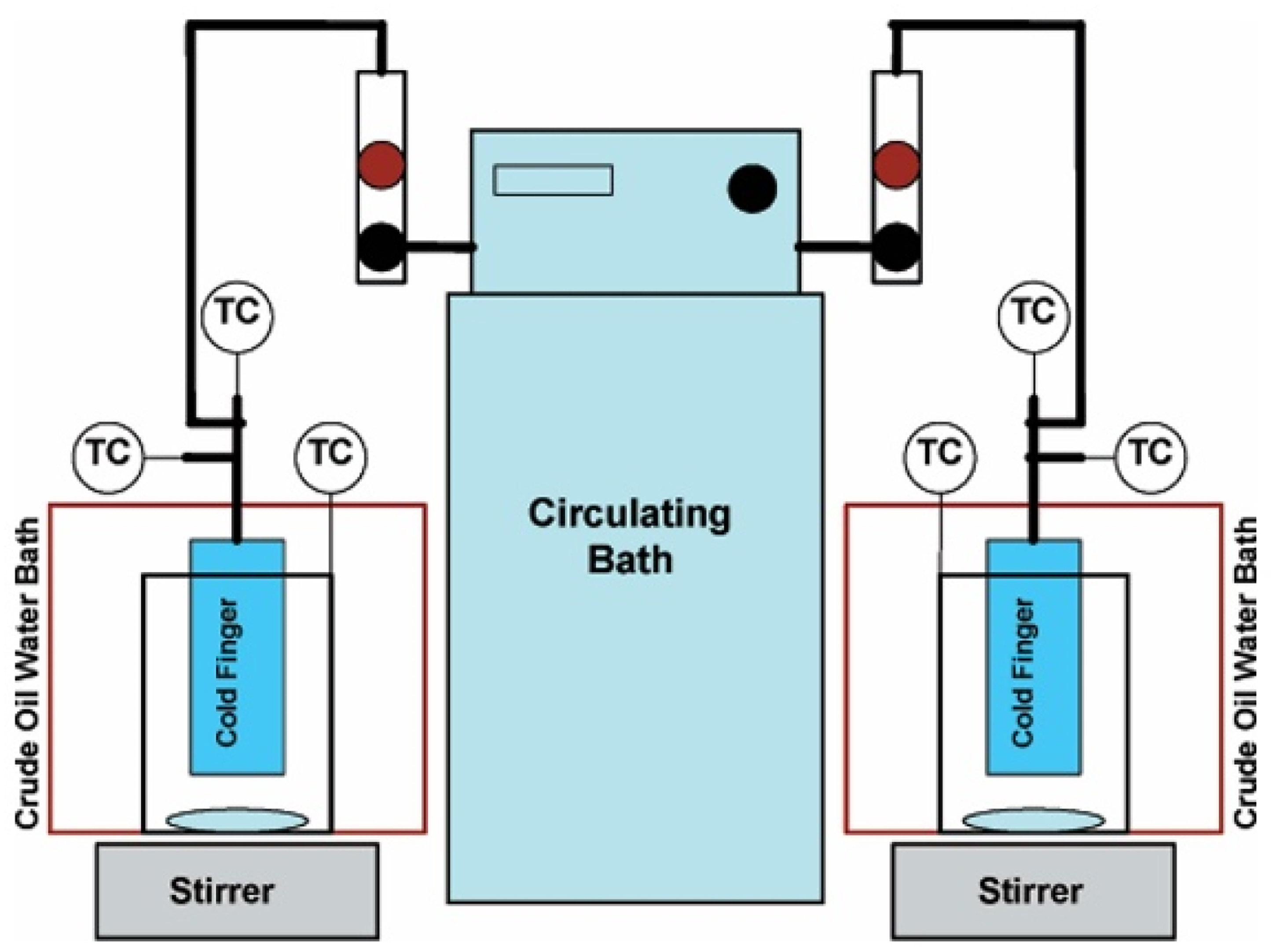
Schematic diagram of the cold finger apparatus (Jennings and Weispfennig, 2005).
Rotating disk method
As shown in Figure 10, the experimental setup is introduced. Matlach and Newberry (1983) employed the rotating disk method, which involved regulating the temperatures of both the crude oil and the rotating disk, as well as adjusting the rotational speed and duration, to assess wax deposition and the influence of shear rate on this phenomenon. This method is relatively straightforward to control and operates on principles similar to those of a plate rheometer; however, it differs from the actual conditions encountered in pipelines. Burmaster's team (2024) found that when the shear rate exceeds 200 s−1, the wax deposition rate decreases by 42%, while the density of the deposition layer increases by 35%. Tinsley and Prud'homme (2010) constructed an oil-water emulsion system on the rotating disk and revealed the nonlinear relationship between shear rate and emulsion stability. Wang et al. (2024c) developed a 50-μm wide microchannel rotating disk and used high-speed microscopic imaging to analyze wax crystal nucleation kinetics. Lihu et al. (2022) established a rotating disk-annular channel digital twin platform, which reduced the prediction error from 18.7% to 5.2%. Ji et al. (2016) reported an experimental study conducted through a newly developed Couette unit that evaluated the effects of important operating factors such as wall oil temperature, temperature difference (ΔT), and flow rate.
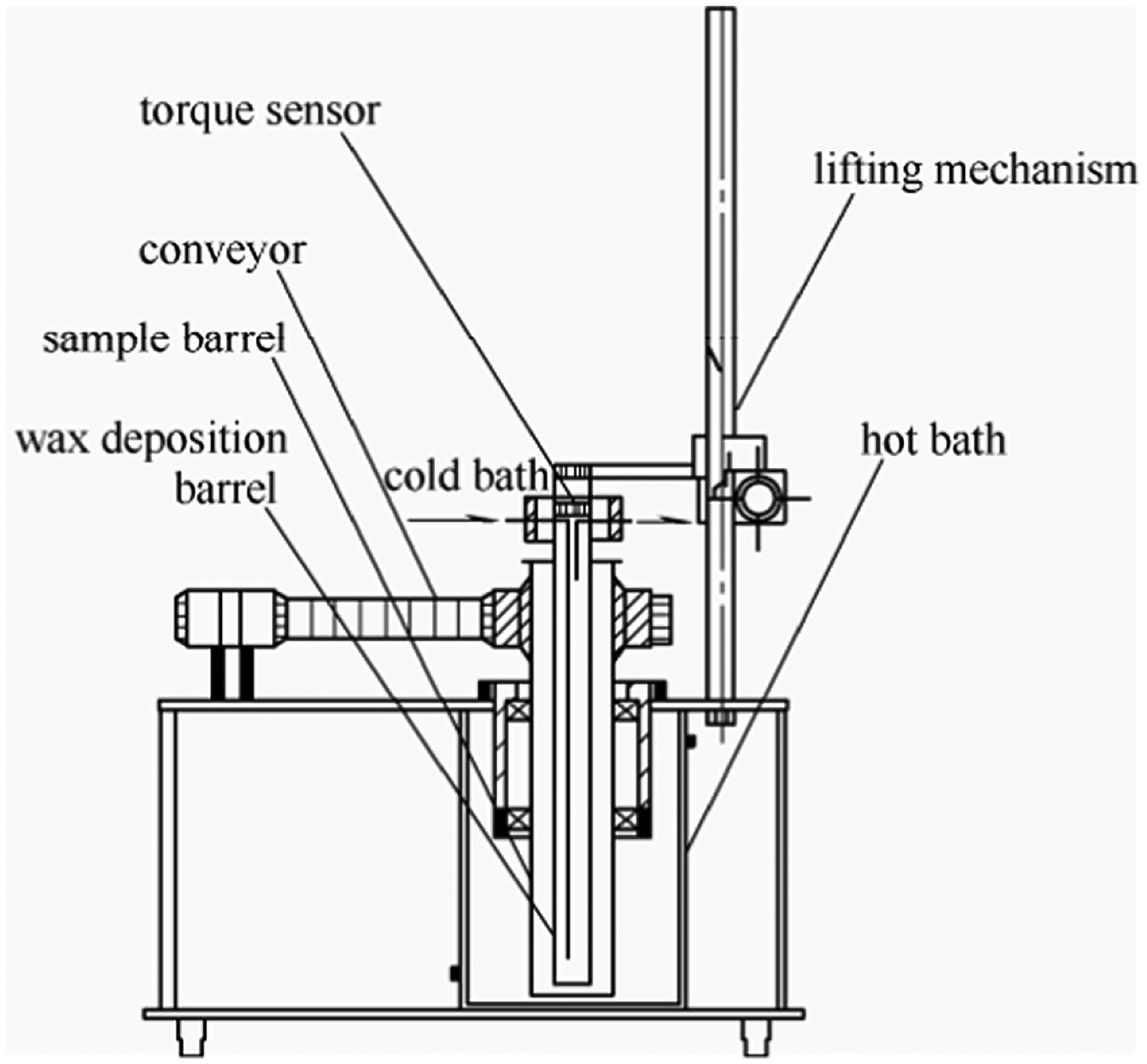
Schematic diagram of rotary dynamic wax deposition device (Chuanxia, 2014).
Loop method
The annulus method simulates pipeline transportation using miniature pipelines, providing a more accurate representation of real-world conditions, as shown in Figure 11, the experimental setup is introduced. Hunt (1962) pioneered the small annulus for wax deposition experiments, later improved by Hsu et al. (1994) and Singh et al. (2001), who added a reference section to compare pressure drops, enhancing result reproducibility. Huang (2000) developed an automated system integrating power supply, temperature control, and data acquisition, allowing precise wax deposition measurements. Wax deposition in the loop channel method is measured using direct, pressure drop, or heat transfer methods. Anosike (2006) and Hunt (1962) used the direct method, while Bruno et al. (2008), Hsu et al. (1994), and Weingarten used pressure drop. Hoffmann and Amundsen (2010) and Ribeiro et al. (1997) applied the heat transfer method. Chen et al. (1997) introduced laser diffraction for in-line measurement. The cold fingering technique is effective for managing wax deposition, while the ring method better simulates real-world conditions. The selection of methods depends on research goals and laboratory conditions. Gao (2024) replicated oil-water stratified flow wax deposition in a 17-meter-long annular channel and found that when the water content exceeds 30%, the deposition rate decreases by 58%. Zhang et al. (2024) developed a multispectral imaging system to achieve real-time visualization of deposition layer thickness distribution, with an error of <6%.
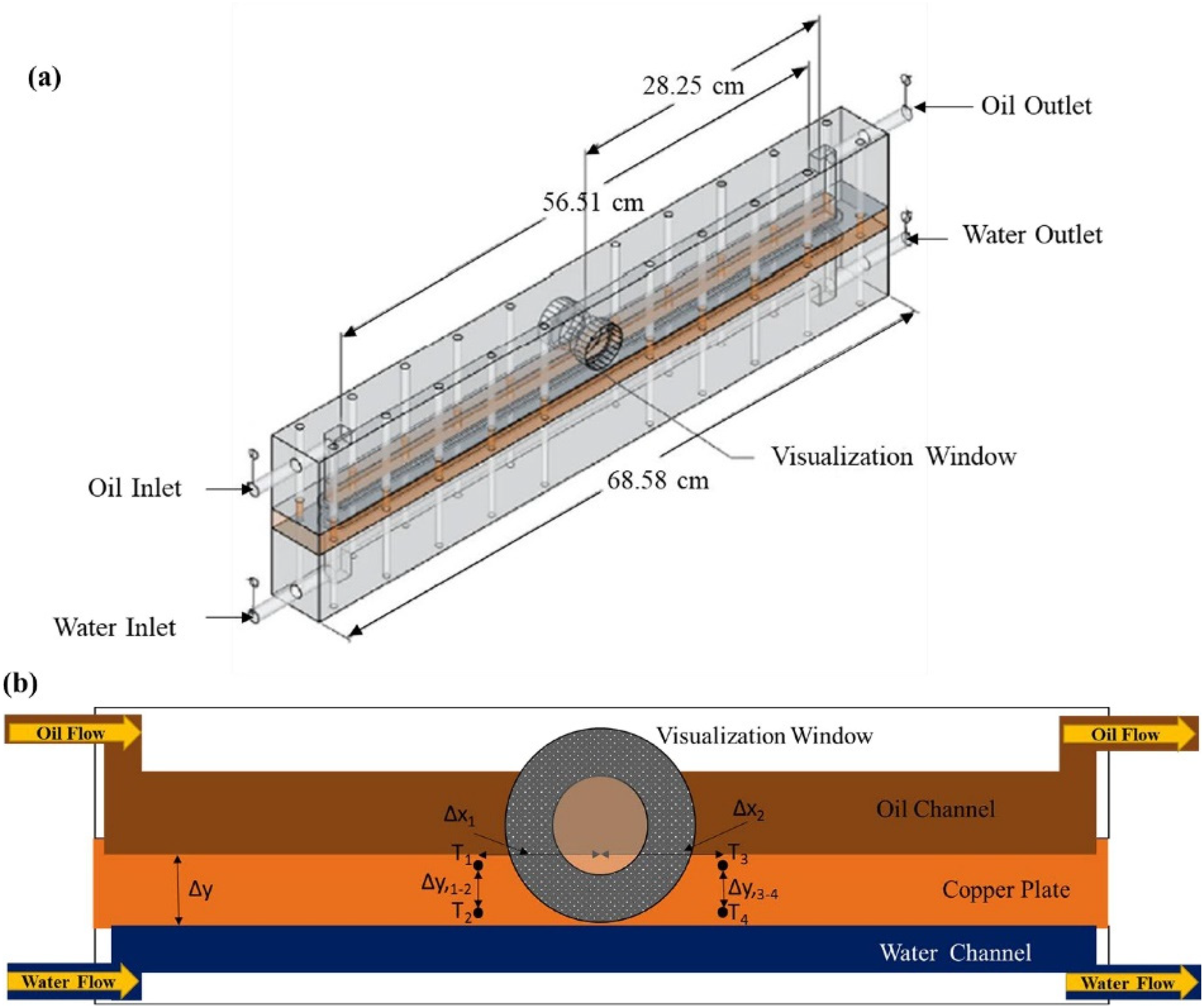
(a) Isometric view of the flowing test cell; (b) thermal probes location, T1, T2, T3, and T4 and their location on the test section Δx1 = Δx2 = 2.54 cm, and Δy1−2 = Δy1−2 = 1.27 cm (Santos et al., 2022).
Wax removal and inhibition
Over the years, engineers and researchers have proposed a diverse array of methods to mitigate wax deposition, primarily categorized into mechanical, physical, chemical, and microbiological approaches.
Mechanical anti-waxing
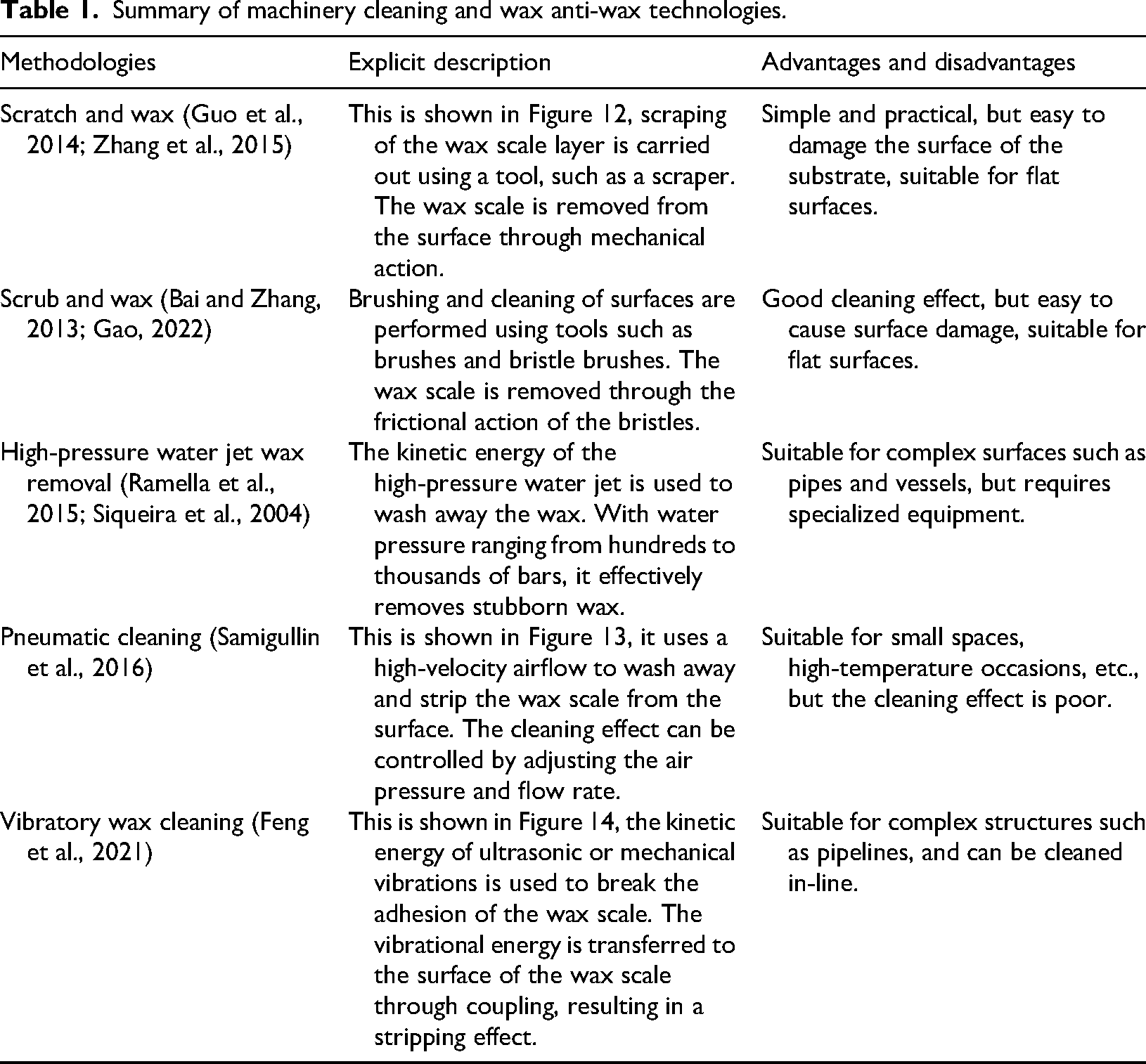
Recent advancements in pipe cleaning technology have focused on improving efficiency and adaptability. Lotwin (2001) developed a honeycomb pipe cleaner for better passability and dredging. Bahari and Derval (2005) introduced a liquid pressure-driven propeller cleaner with speed control. Stoltze (2007) created the HAAP hydraulic cleaner to address clogging. Hestenes (2009) designed a rotating brush cleaner for improved sludge removal. Kapustin and Filippovitch (2011) developed a variable diameter cleaner for slugs. List (2017) proposed a self-heating cleaner using fluid-driven impellers to melt wax. Sankey et al. (2018) introduced the thermal ablation cleaner to prevent jamming. These innovations drive ongoing progress in pipe cleaning technology. Table 1 summarizes the features of various wax cleaning and prevention technologies.
Summary of machinery cleaning and wax anti-wax technologies.
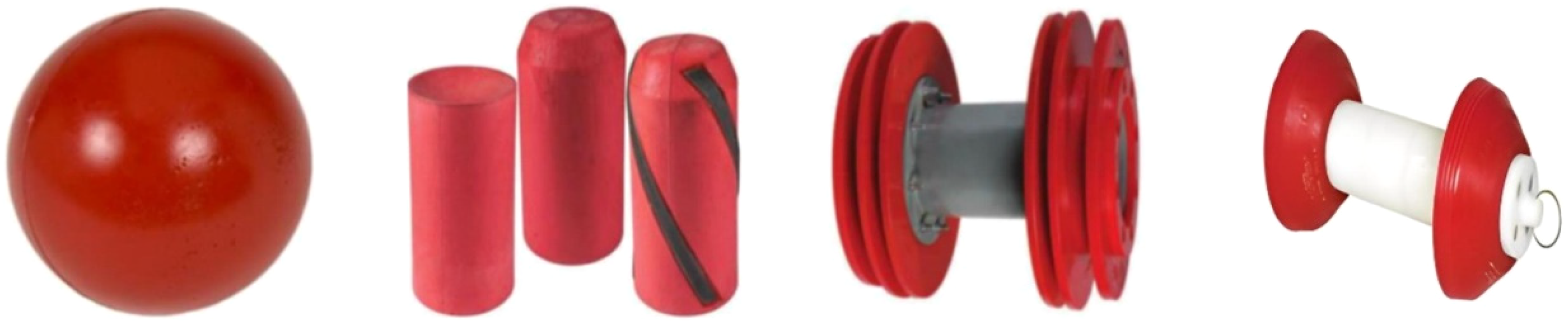
Different types of mechanical wax cleaning (Bahari and Derval, 2005; List, 2017; Lotwin, 2001; Stoltze, 2007).
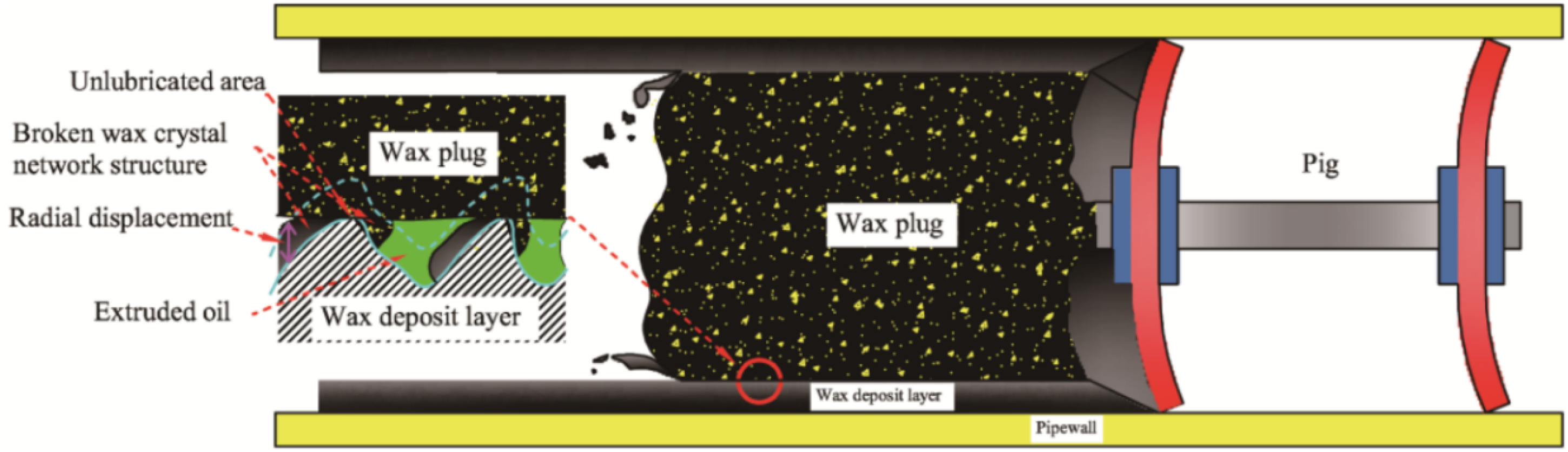
Schematic diagram of wax plug transportation process (Samigullin et al., 2016).
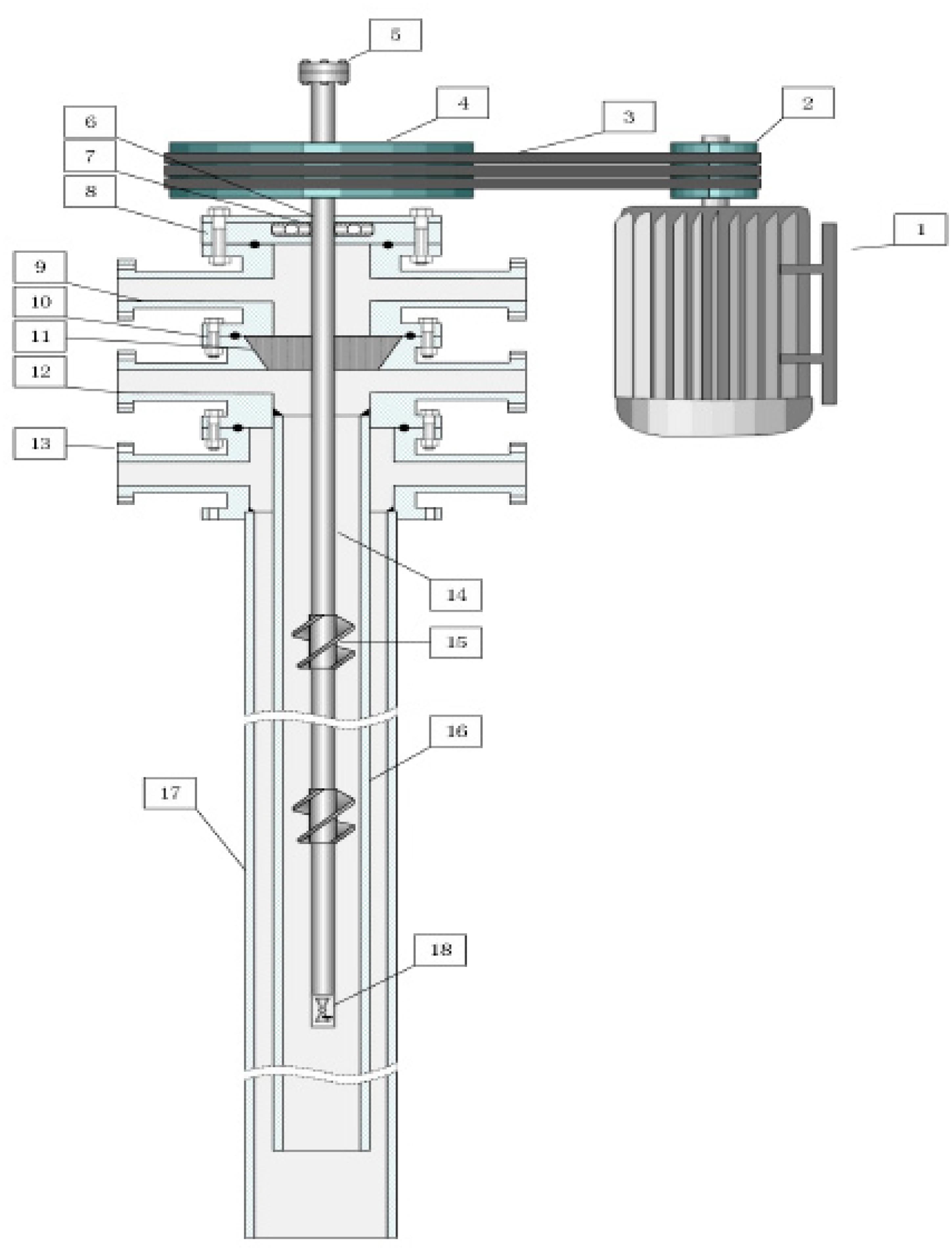
Schematic diagram of impeller-guided anti-waxing device (Feng et al., 2021).
Physical wax prevention
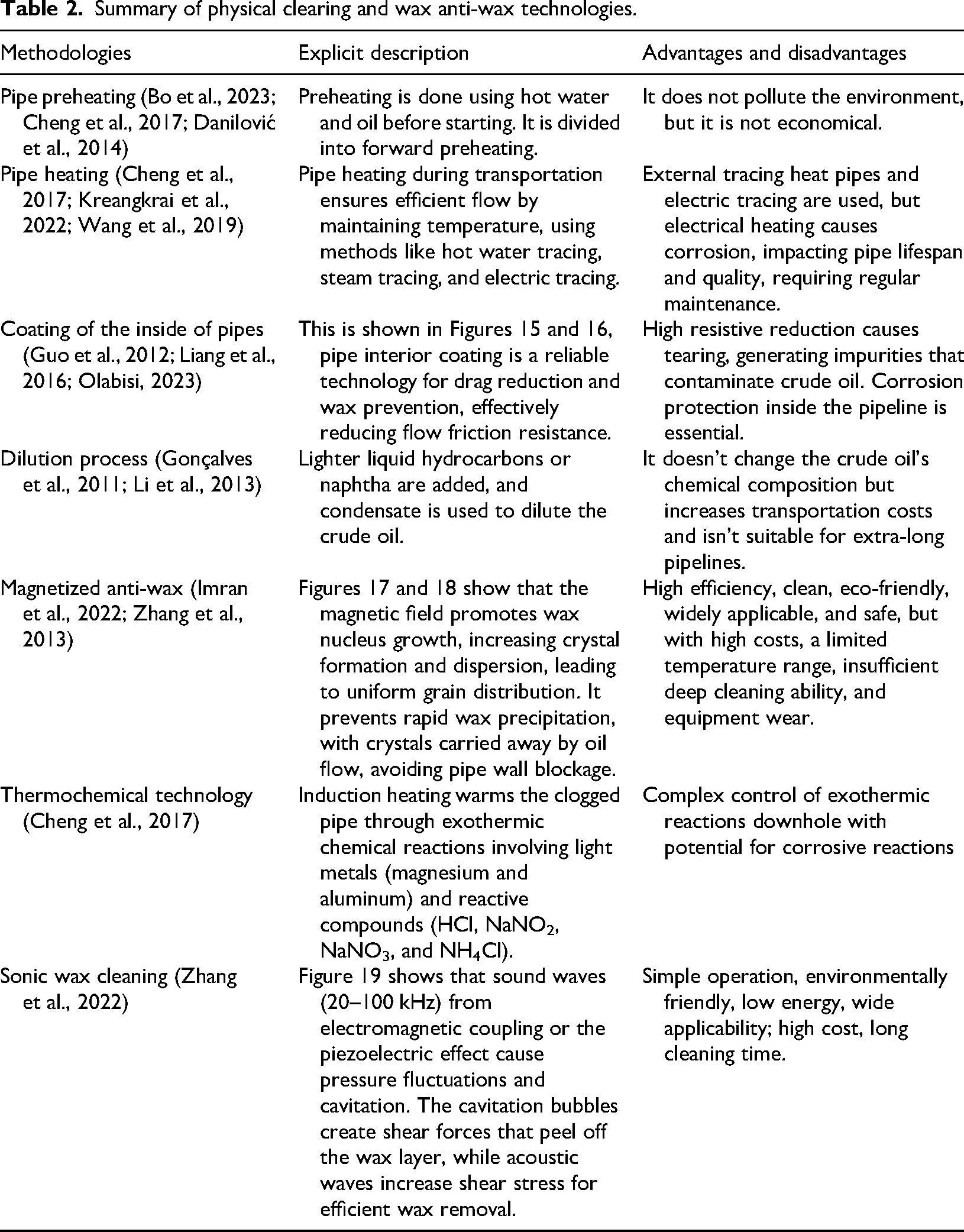
Physical methods have proven effective in reducing the viscosity of crude oil and improving the efficiency of pipeline transportation. The primary physical techniques include preheating the pipeline, applying coatings to the inner walls, using heating during transportation, and implementing dilution treatments. Additionally, the application of electric and magnetic fields represents another category of physical methods. The process of coating the inner walls of the pipeline is also significant. Table 2 summarizes the characteristics of various physical wax removal and anti-waxing technologies.
Summary of physical clearing and wax anti-wax technologies.
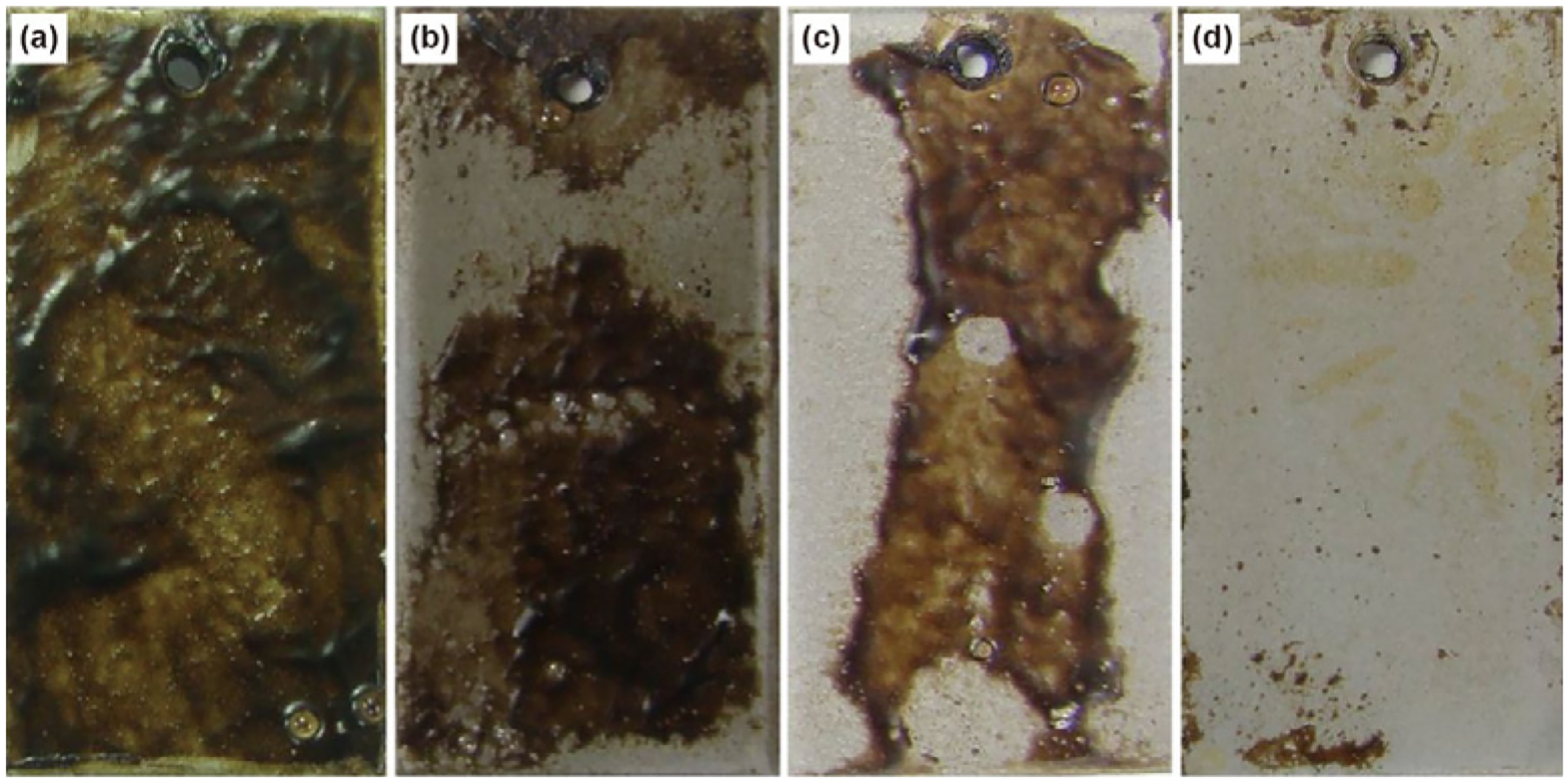
Sample surface after wax deposition test (Guo et al., 2012): (a) carbon steel, (b) H (80 °C–90 °C), (c) M (50 °C–60 °C), and (d) R (room temperature) coating.
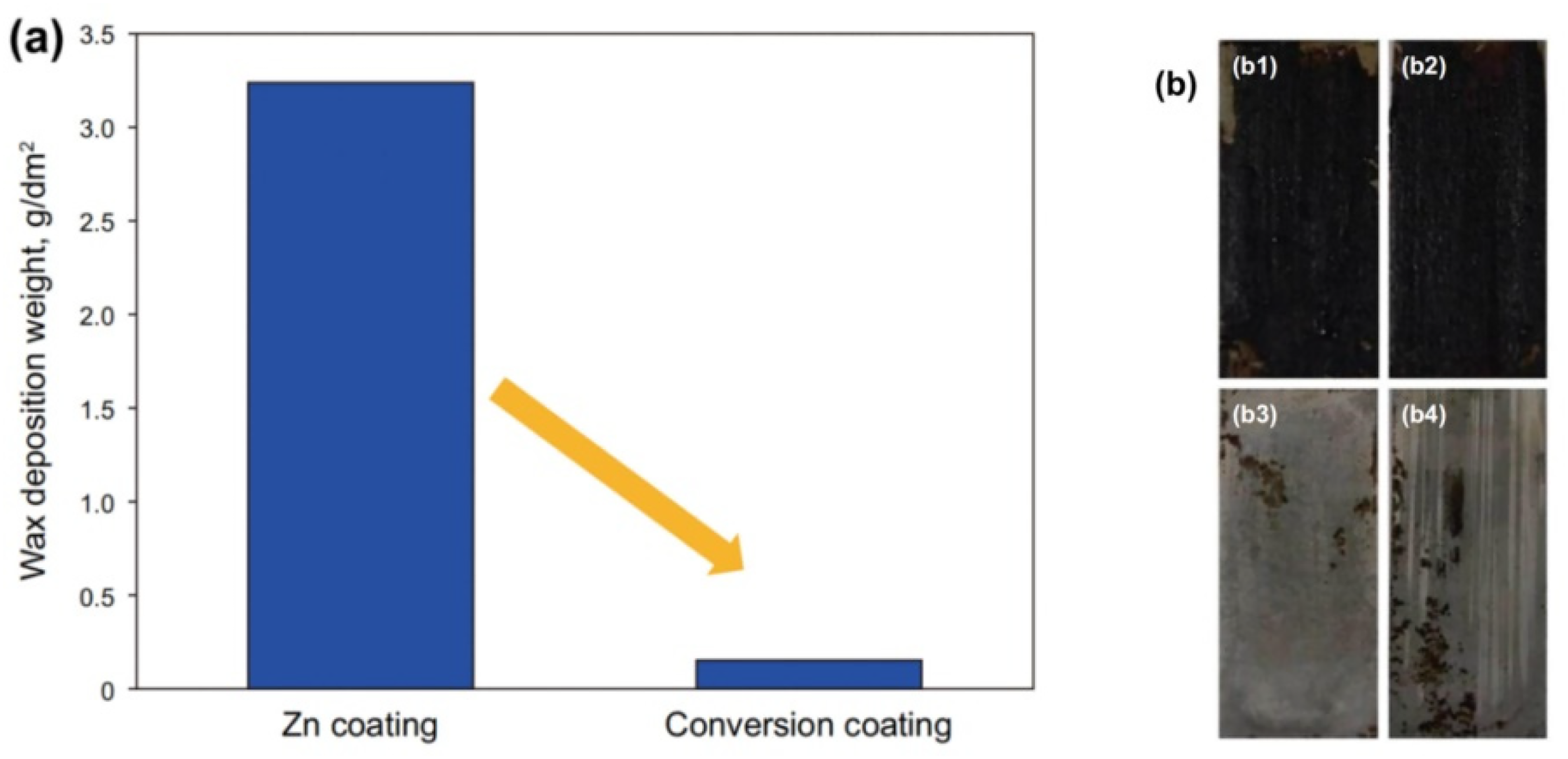
(a) Comparison of wax deposition of Zn and conversion coatings. (b) The digital images of Zn coatings (b1, b2) and conversion coatings (b3, b4) after the wax deposition test (Liang et al., 2016).
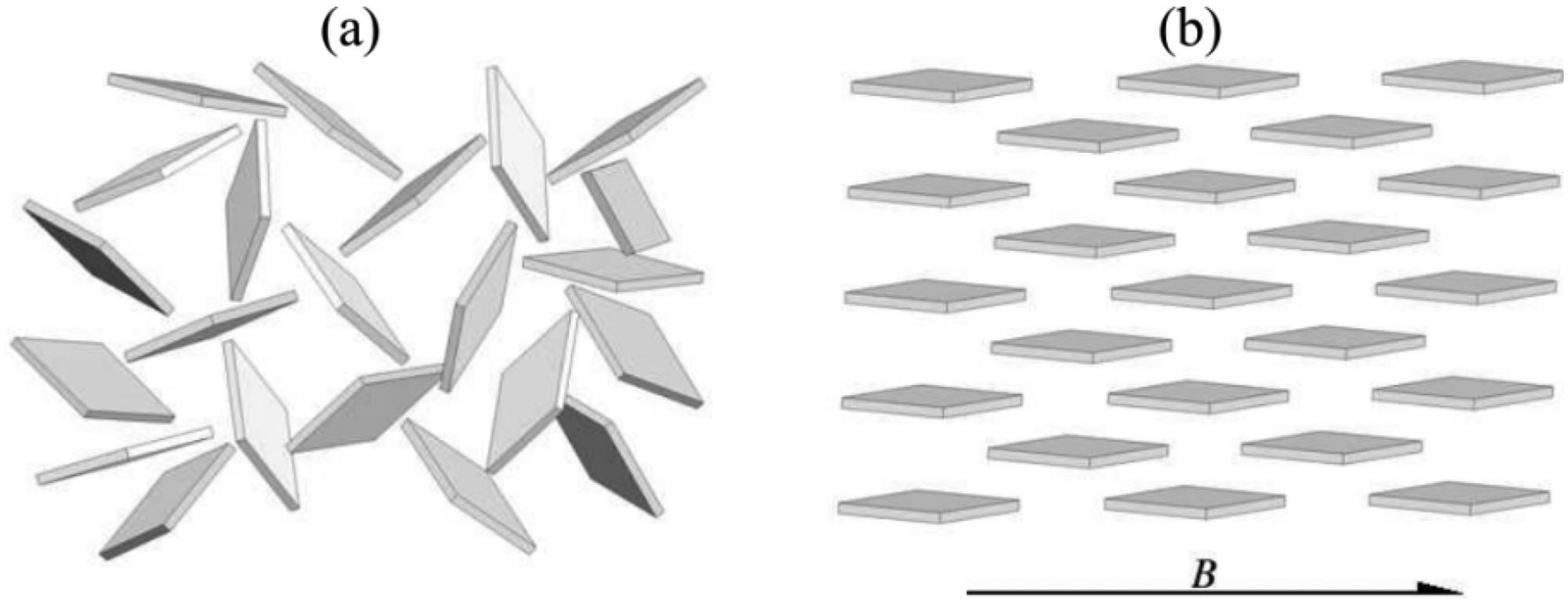
The orientation of paraffin crystals in (a) untreated and (b) treated oil (Imran et al., 2022).
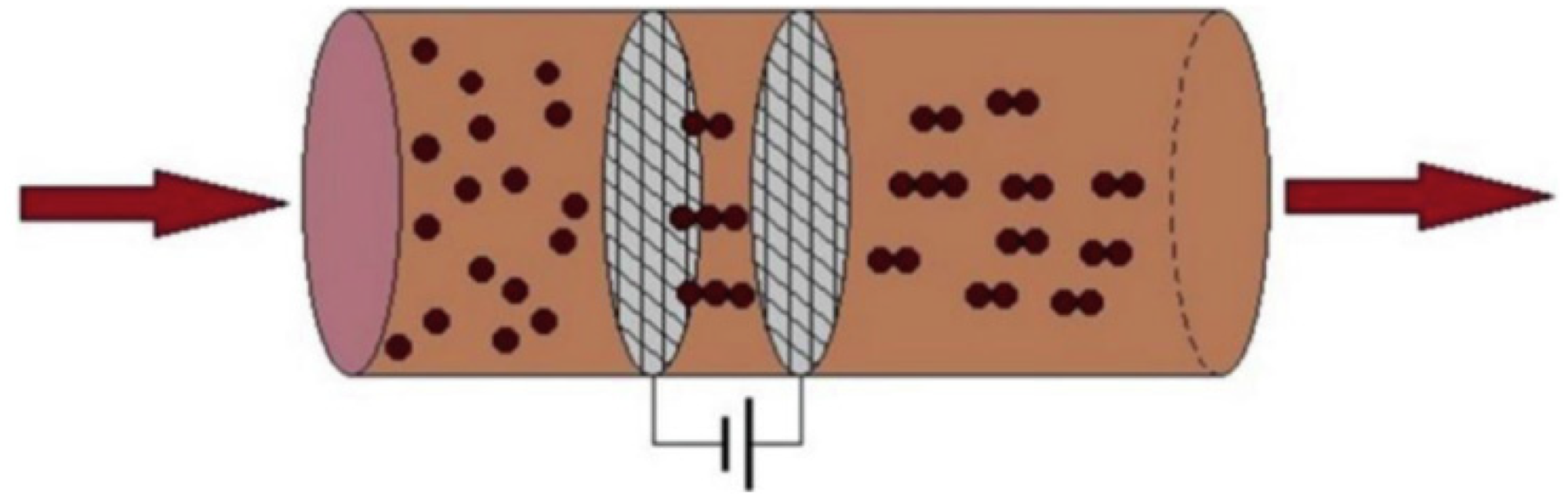
Crude oil in a strong electric field causes suspended particles to aggregate, reducing viscosity along the flow.
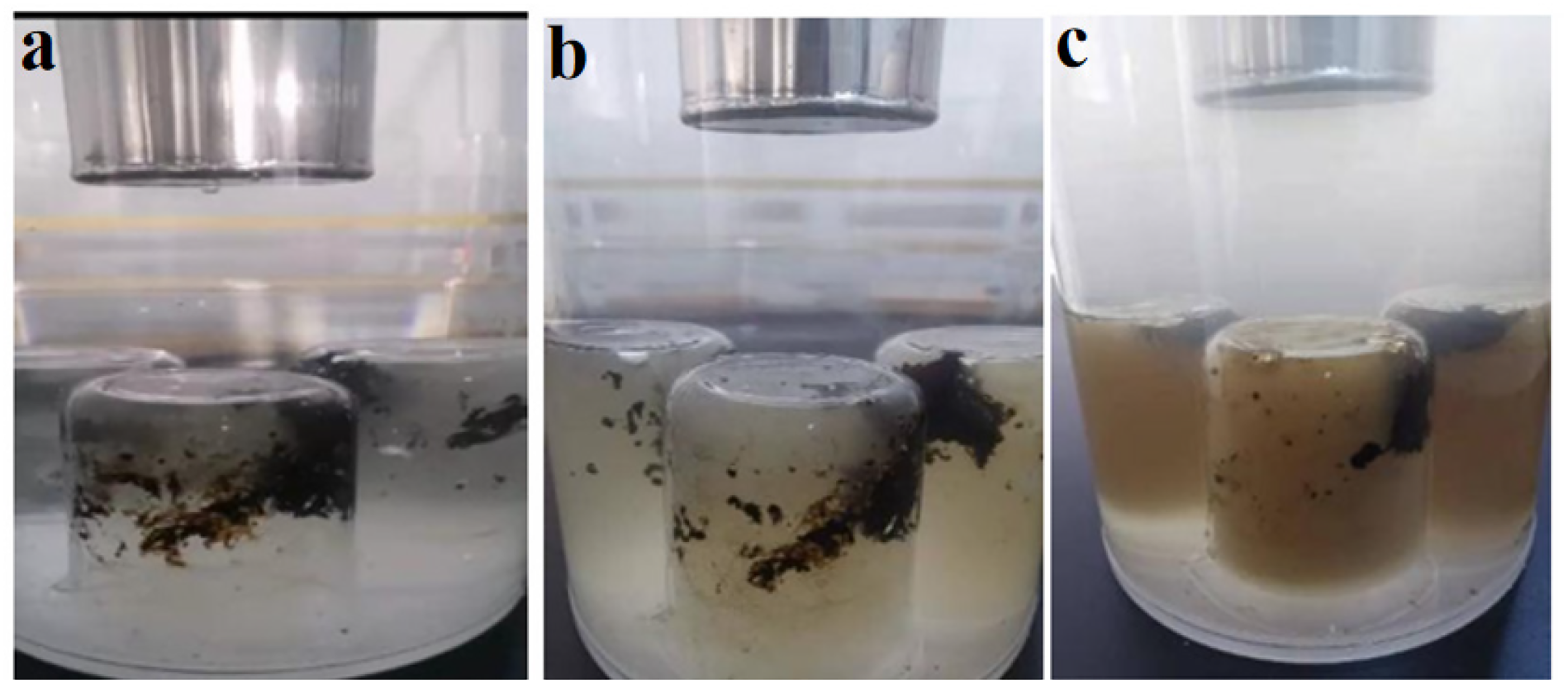
Plot of wax scale cleanup changes in the beaker before, during, and after the experiment. (Zhang et al., 2022): (a) start of the experiment; (b) during the experiment; (c) after the experiment.
Chemical anti-waxing
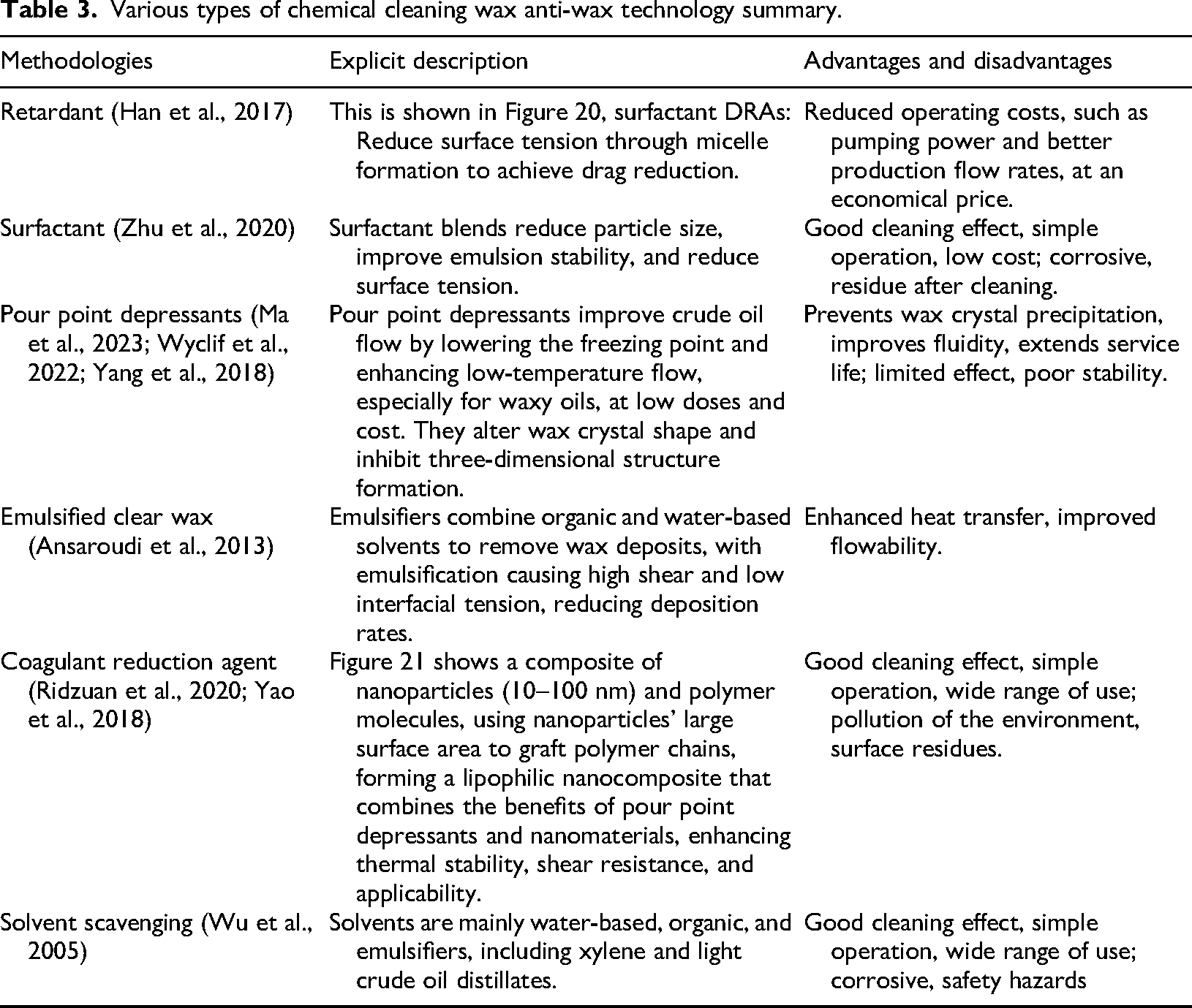
Lim et al. (2018) studied the effects of silane-based nonionic surfactants, biosurfactants, and ionic surfactants on wax deposition in Indian heavy crude oil, finding S3 most effective due to its superior wetting properties. Khidr et al. (2015) found that C16 nonionic ethoxylated surfactants outperformed C12 and C14 due to stronger interactions with wax molecules. Yang et al. (2015) developed hybrid pour point depressants (PPDs) combining poly (octadecyl acrylate) and silica nanoparticles, which increased wax solubility and lowered precipitation temperature. Qin et al. (2019) found that sodium stearate in a high-density anti-waxing agent reduced wax aggregation. Eke et al. (2021) introduced sulfonated cashew nutshell liquid ester amine to reduce wax crystal size and inhibit wax formation. Table 3 summarizes various wax removal and prevention techniques.
Various types of chemical cleaning wax anti-wax technology summary.
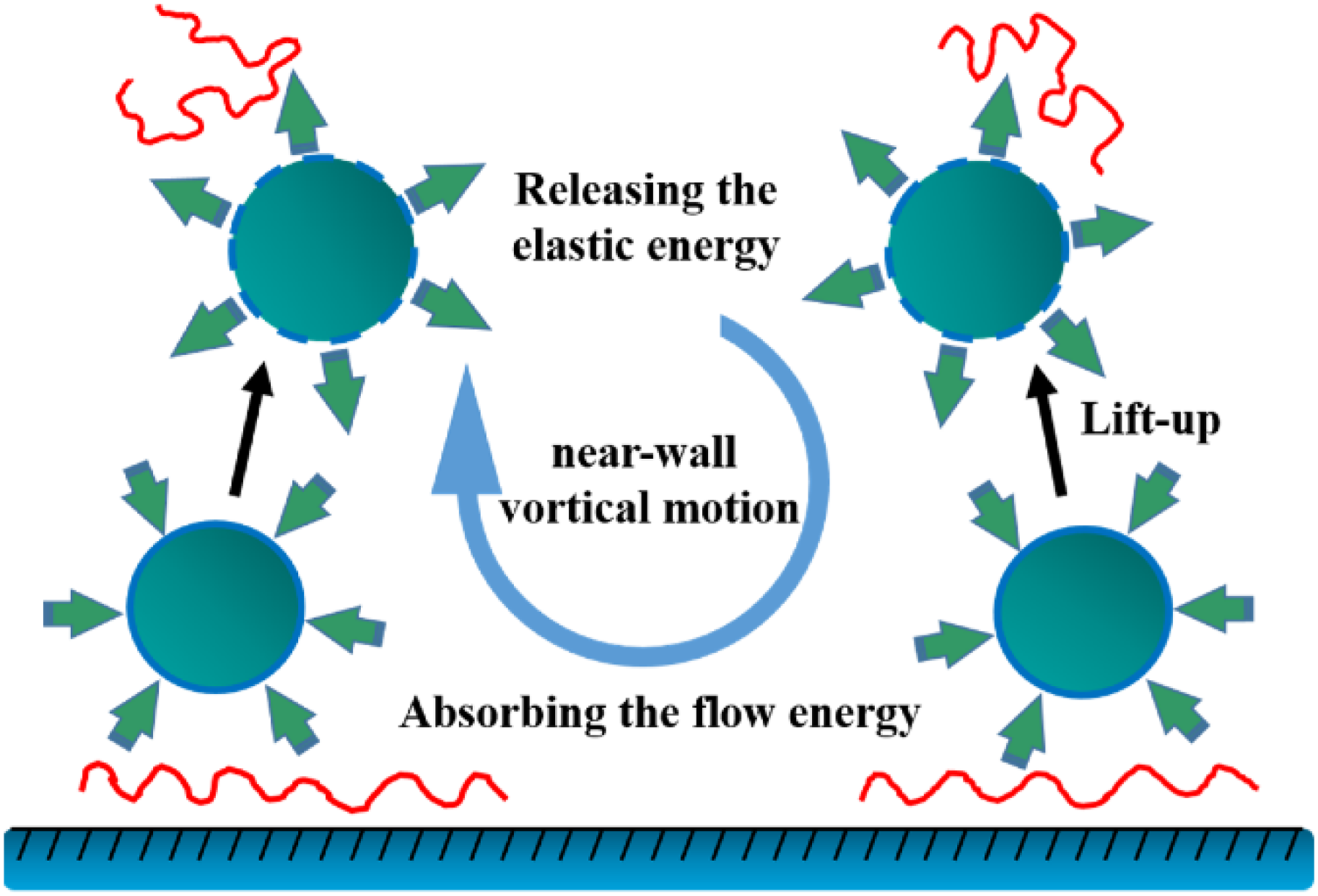
Schematic diagram of polymer-induced drag reduction mechanism (Han et al., 2017).
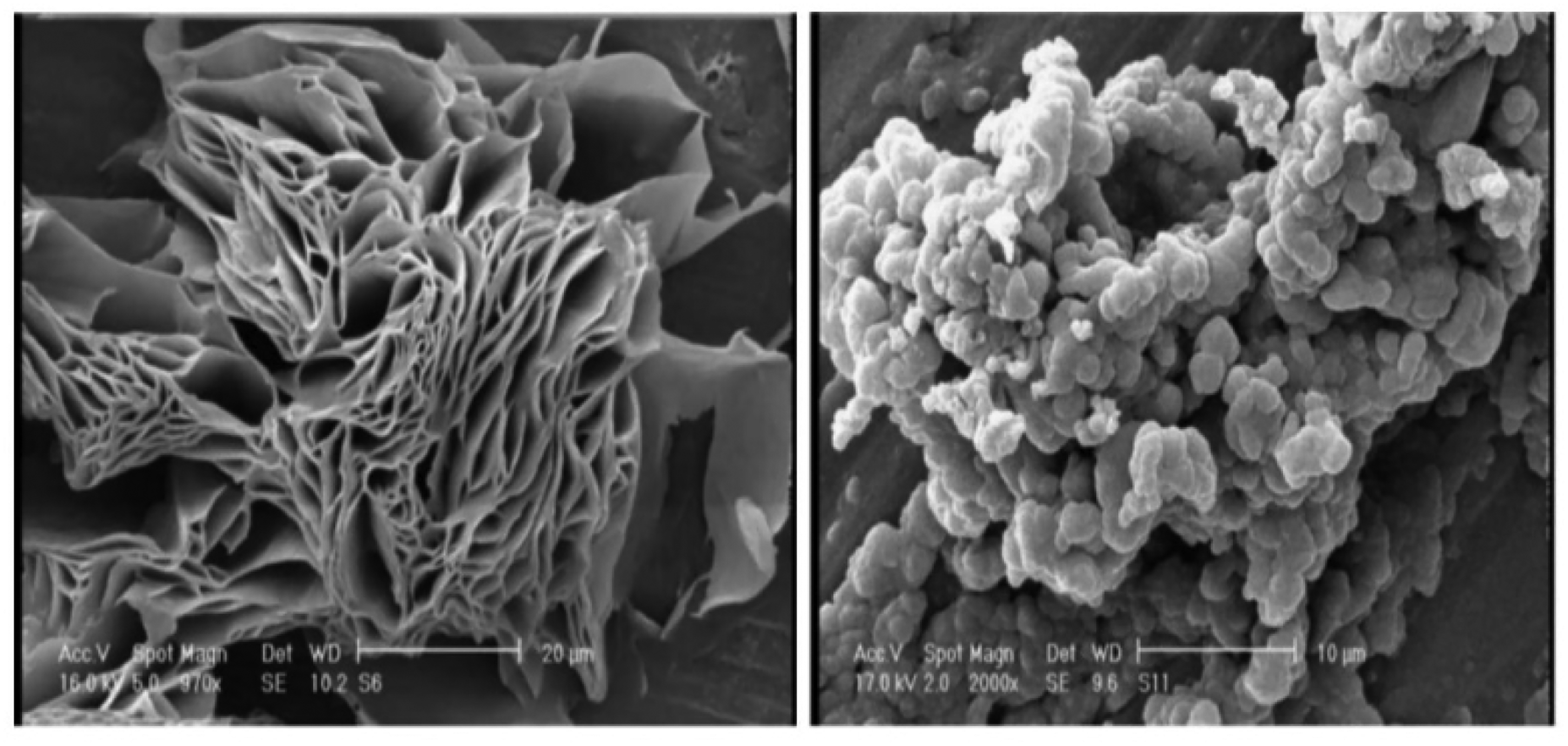
Study of wax morphology with ethylene-vinyl acetate (EVA) copolymer (Ridzuan et al., 2020).
Microbial anti-waxing
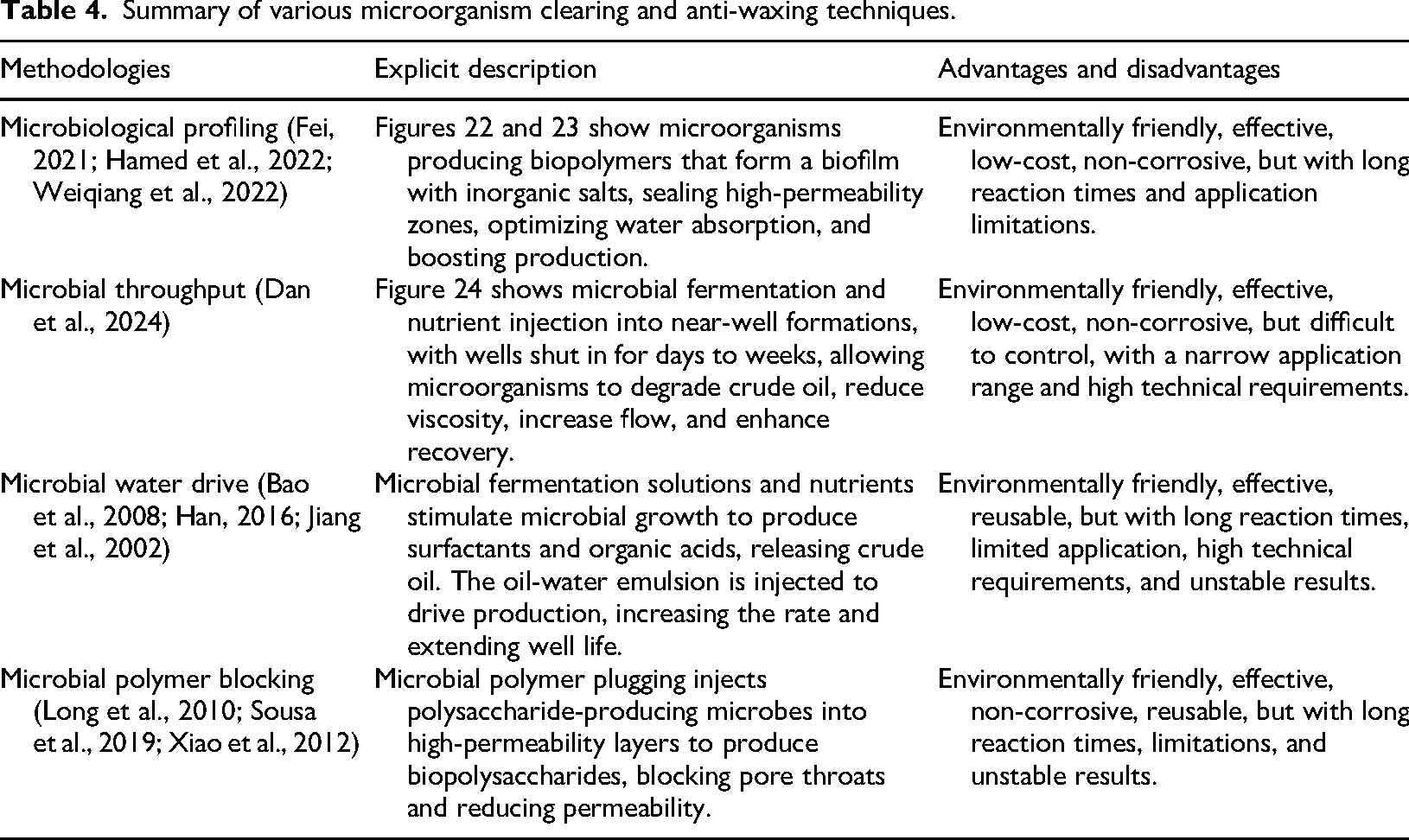
The technology leverages bacteria and their metabolites, which are adsorbed onto the surfaces of pipe walls or pumping rods, leading to the formation of a protective biofilm. This biofilm inhibits the adhesion of wax crystals and facilitates the degradation of long-chain alkanes in crude oil, thereby reducing viscosity and enhancing oil flow. Additionally, the metabolic processes of these bacteria generate surfactants that adsorb onto the pipe walls, potentially inducing a counter-wetting effect that minimizes deposition. Luo et al. (2021) investigated the waxing effect of Monas in crude oil (Figure 25), finding that it exhibits significant emulsifying activity, which reduces the oil-water interfacial tension and improves crude oil fluidity, thus effectively preventing wax formation. Building on this, Wang et al. (2024a) proposed using microbial technology to address the low-temperature wax deposition in high-viscosity paraffin-based crude oil (Figure 26). By optimizing the culture conditions of strain B-1, the lipopeptide surfactant it produces effectively reduces the wax content and viscosity of crude oil, improving its fluidity and offering a promising solution for reservoir development and pipeline transportation. Table 4 summarizes various biowax removal and prevention techniques.
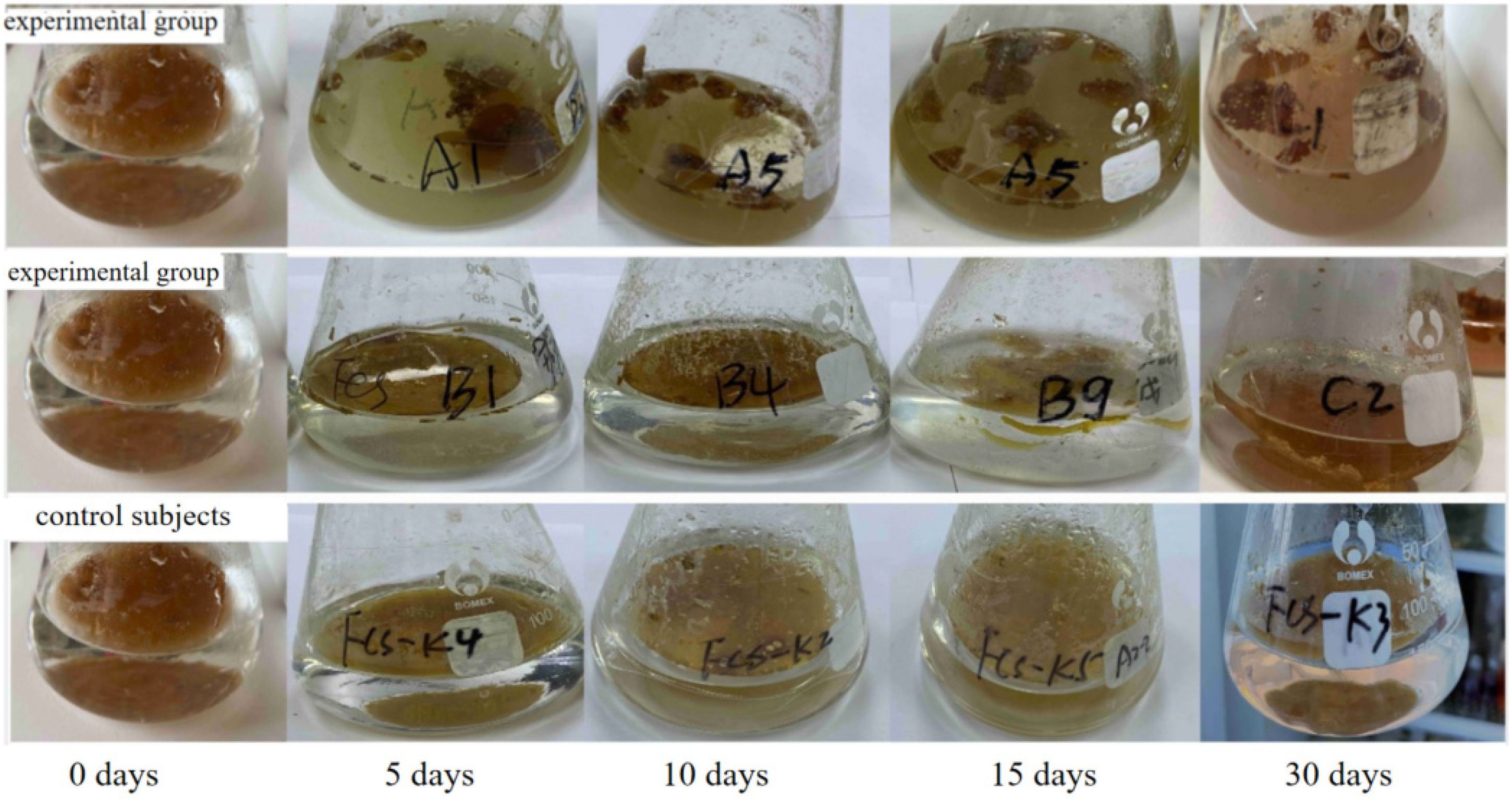
Macroscopic changes in waxy crude oil before/after degradation (Hamed et al., 2022).
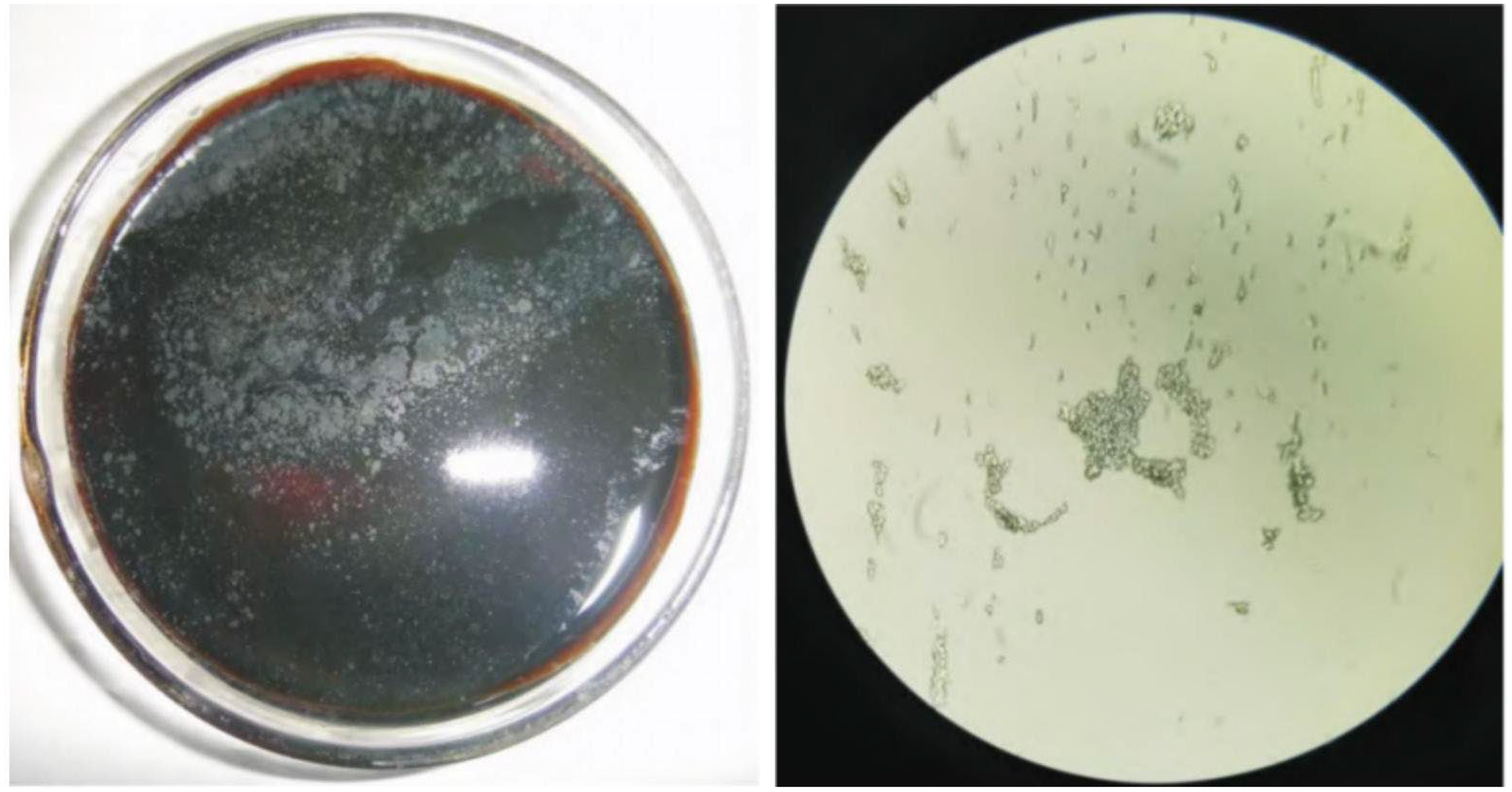
Microbial effects on wax before/after (Fei, 2021).
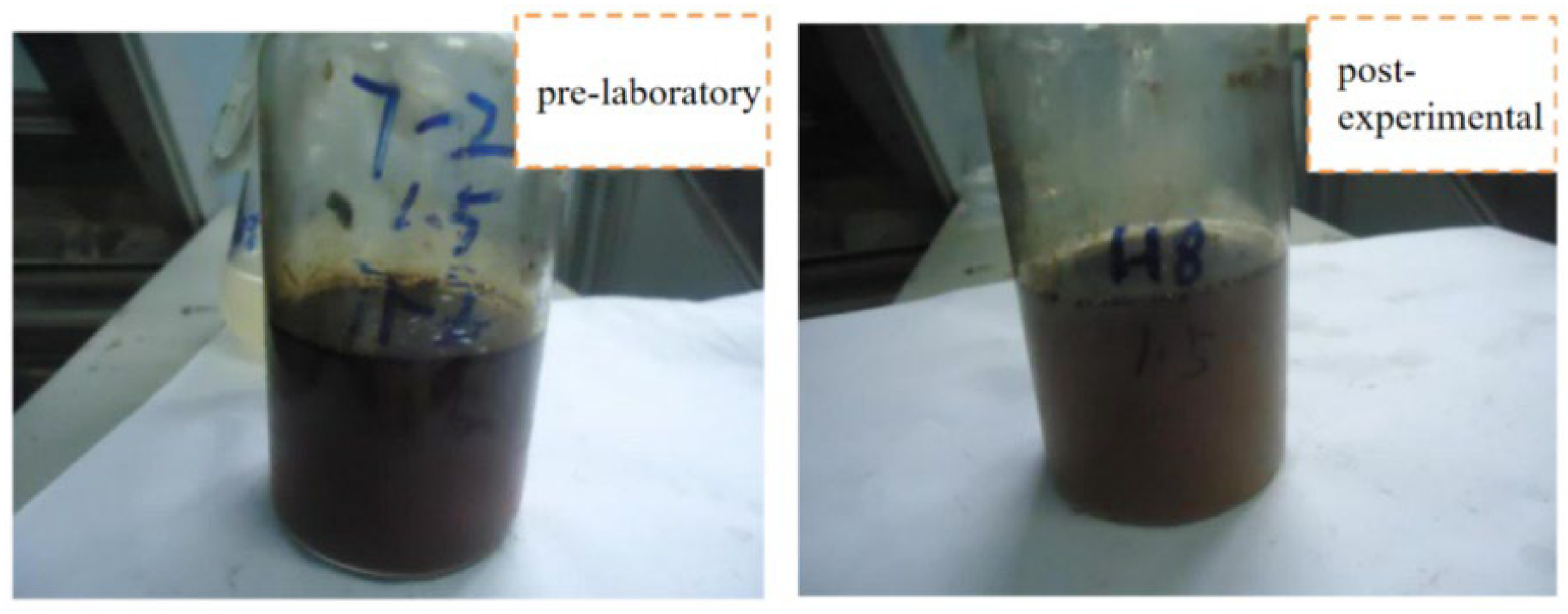
Microbial effects on wax before/after experiment (Dan et al., 2024).
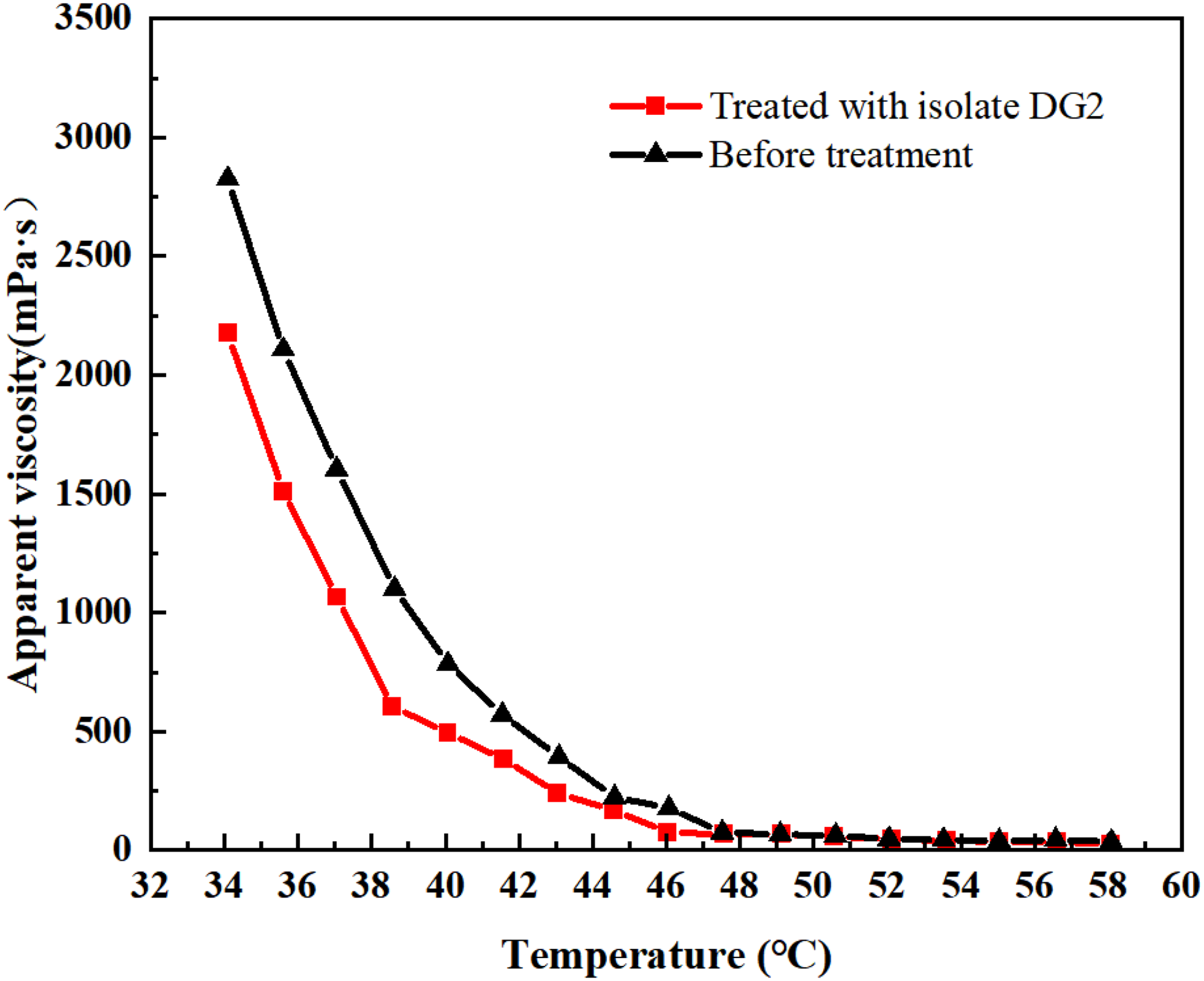
Viscosity temperature profile of crude oil before and after microbial treatment (Luo et al., 2021).
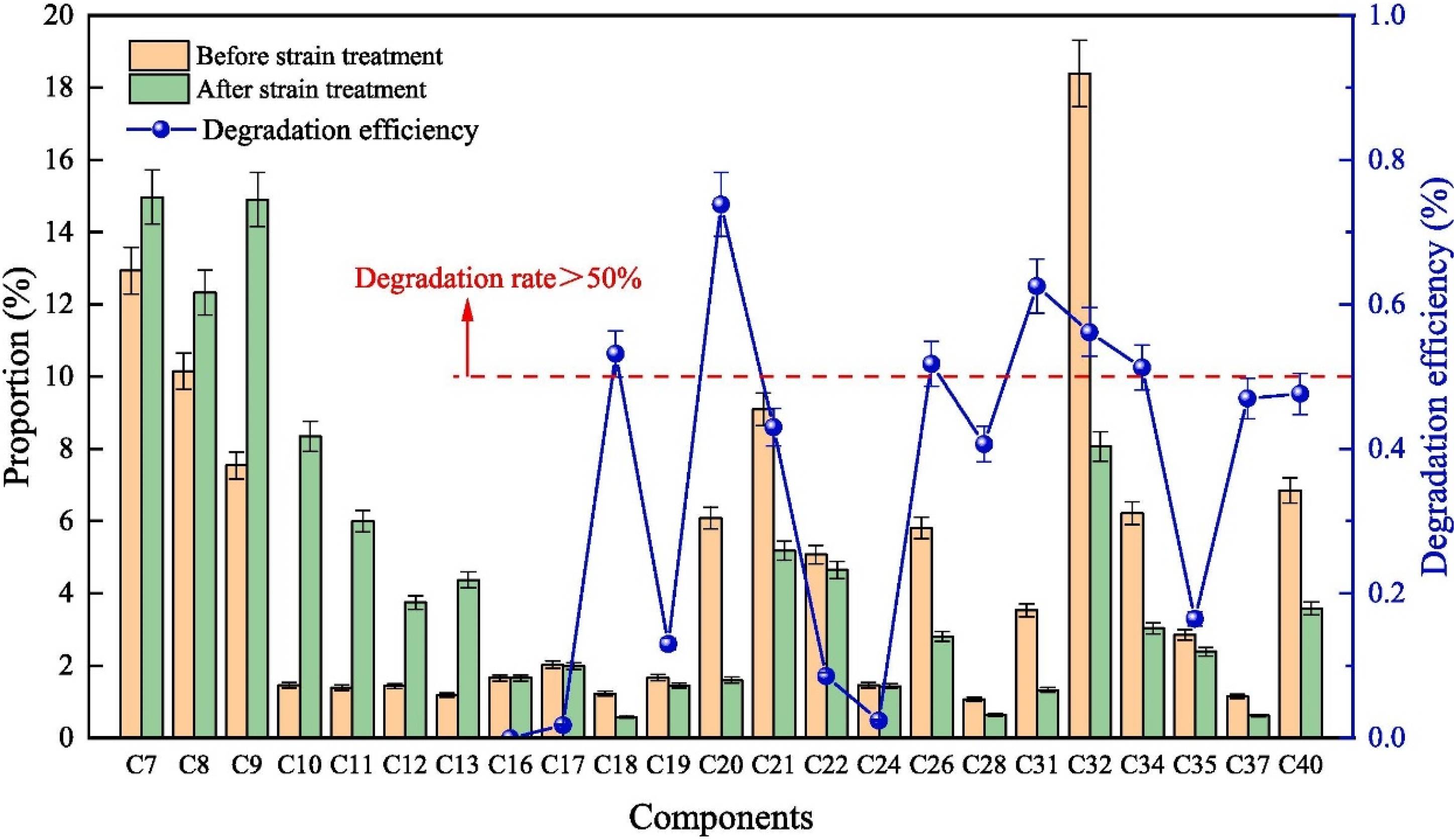
Effect of strain B-1 on the composition of paraffin-based crude oil (Wang et al., 2024a).
Summary of various microorganism clearing and anti-waxing techniques.
Conclusion and outlook
This article summarizes the wax deposition mechanism, factors affecting wax deposition, experimental methods, and methods for clearing wax and preventing wax deposition.
Research shows that wax deposition in crude oil pipelines is driven by multiple transport mechanisms, requiring studies on phase transitions, non-Newtonian rheology, and heat transfer. A systematic experimental approach integrating rheology, thermodynamics, and heat transfer is essential to better understand the mechanisms behind wax deposition. Developing accurate models to predict wax deposition is crucial for determining its timing, location, and extent. Real-time prediction models are essential for monitoring wax buildup and enabling timely interventions. To enhance accuracy, factors like crude oil characteristics, pipeline temperature, pressure, and flow rate must be considered. Intelligent algorithms and artificial intelligence improve prediction speed and precision, refining model reliability. Future wax cleaning technologies will focus on efficiency, sustainability, and intelligence, integrating mechanical, physical, chemical, and microbial methods. Robotics and sensors will enable precise wax removal and real-time monitoring. Physical methods will enhance wax flow using thermodynamics, acoustic waves, ultrasonic waves, and electric fields, reducing chemical reliance. Chemical methods will develop eco-friendly additives, while microbial methods will improve efficiency and reduce contamination using specific microbes or enzymes. These innovations will lead to safer, more sustainable solutions, benefiting the oil transportation industry.
Footnotes

Ethical consideration
Data citation and academic integrity; environmental protection and social responsibility.
Authors contributions
Yunbin Ma: conceptualization and methodology; Kun He: data curation and writing–original draft; Dachao Su: paper revision and data source acquisition; Bo Wan: data source acquisition; Jie Zheng: funding acquisition and writing–reviewing and editing; Yihua Dou: methodology; Li Wang: data curation; Zhihong Ren: formal analysis; Cheng Bi: funding acquisition.
Funding
The author(s) disclosed receipt of the following financial support for the research, authorship, and/or publication of this article: This project was supported by the Xi'an Science and Technology Plan Project (24ZDCYISGG0045) and (24GXFW0038), Gansu Science and Technology Plan Project (24CXGL001), Scientific Research Program Funded by Shaanxi Provincial Education Department (24JC053), State Administration for Market Regulation Science and Technology Plan Project (2024MK0514), Shaanxi Provincial Technology Innovation Guidance Program (2024QCY-KXJ-019), Natural Science Basic Research Program of Shaanxi (2024JC-YBMS-449), Gansu Provincial Technology Innovation Guidance Plan (23CXGL0018), Shaanxi Provincial Market Supervision Science and Technology Plan Project (2023KY14).
Declaration of conflicting interests
The author(s) declared no potential conflicts of interest with respect to the research, authorship, and/or publication of this article.