




Abstract
The thermophysical properties of rocks are identified as basic physical parameters for the exploitation and utilization of hot dry rock (HDR) geothermal resources. Given that reservoirs in a HDR system are subjected to a certain temperature and pressure, investigating the impacts of temperature and pressure on the thermophysical properties of rocks holds great significance. This study investigated the granite samples from the Tengchong area, Yunnan Province, China. Using laboratory tests combined with simulations, this study explored the impacts of temperature, pressure, and the combination of both on the thermal conductivity and diffusivity of granites. The results indicate that in the uniaxial pressure range of 0 to 42.2 MPa, as the uniaxial pressure increases, the thermal conductivity of the granites tends to increase nonlinearly, while their thermal diffusivity has no obvious correlation with the pressure. In the temperature range of 25 to 300°C, as the temperature increases, both the thermal conductivity and diffusivity of the granites tend to linearly decrease, with a linear relationship existing between the thermal conductivity and diffusivity. Using these findings, this study developed a prediction model for the thermal conductivity of granites under the combined effects of temperature and pressure. Additionally, based on the computed tomography (CT) scans, this study established core-scale heat transfer models focusing on minerals using the COMSOL Multiphysics finite element analysis (FEA) software. The model has a certain reliability in the prediction of thermal conductivity at 25∼300°C, and the error is less than 15% at 25∼200°C.
Introduction
HDR geothermal resources are characterized by extensive distributions, considerable reserves, and environmental friendliness (Chen et al. 2023;Wang et al. 2017). Rational exploitation and utilization of these resources are significant for energy transition and the building of a low-carbon, eco-friendly, and safe energy system. The thermophysical properties of rocks serve as fundamental physical parameters for research into heat transfer in the exploitation and utilization of a HDR system (Gao, 2015). Reservoirs in a HDR system are subjected to a certain temperature and pressure, with the thermophysical properties of rocks varying with temperature and pressure. Granites in the Tengchong area emerge as significant reservoirs, and investigating the variations in their thermophysical properties will lay a solid foundation for the exploration and exploitation of HDR resources in the area.
Temperature and pressure are important factors affecting the physical and mechanical properties of rocks,
However, most previous studies investigated the impacts of temperature and pressure on the thermophysical properties of rocks using laboratory tests. Furthermore, these studies largely focused on individual factors. The HDR system in Tengchong area belongs to the modern volcanic type. There are 64 geothermal active areas, more than 80 hot springs,and 3 magma sacs in the volcanic area, which form local abnormal areas of earth heat flow and create unusually rich high temperature geothermal resources (Wang and Lin 2024; Zhong and Liu 2018). The Cretaceous and Triassic granites are important thermal storage surrounding rocks. This study explored granite samples from the Tengchong area. Using laboratory tests combined with simulations, this study investigated the impacts of temperature, pressure, and the combination of both on the thermal conductivity and diffusivity of granites. This study aims to provide scientific and accurate fundamental data for the exploitation and utilization of HDR resources in the Tengchong area.
Overview of regional geology
The Tengchong block is a secondary tectonic unit on the western margin of the Gangdese-Nyainqentanglla fold system. The exposed strata in the area include the Mesoproterozoic and carbonate rocks, Mesozoic granites and Cenozoic volcanic rocks (Mo and Pan 2006; Searle et al. 2007).
Modern volcanic HDR resources are distributed in the Tengchong area. Their heat source characteristics, closely associated with the history and characteristics of magmatic activity at the bottom, are governed by the magma pocket distribution (Li et al. 2021), The maximum temperature of the magma capsule is above 700°C. The main rock mass of HDR system in Tengchong area is acid felsic intrusion rock, which is mainly composed of monzonitic granite, granodiorite, diorite and potassium feldspar granite.
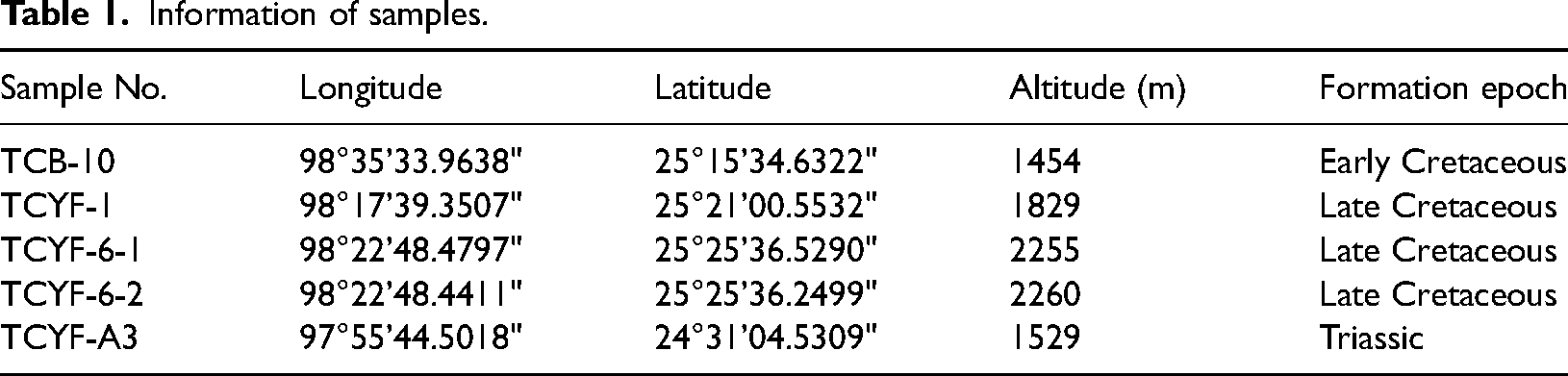
In this study, granite samples TCYF-1, TCYF-6-1,TCYF-6-2, TCYF-A3and TCB-10 were selected from the modern volcanic-type HDR system in the Tengchong area. Their sampling locations and related information are shown in Fig. 1 and Table 1.
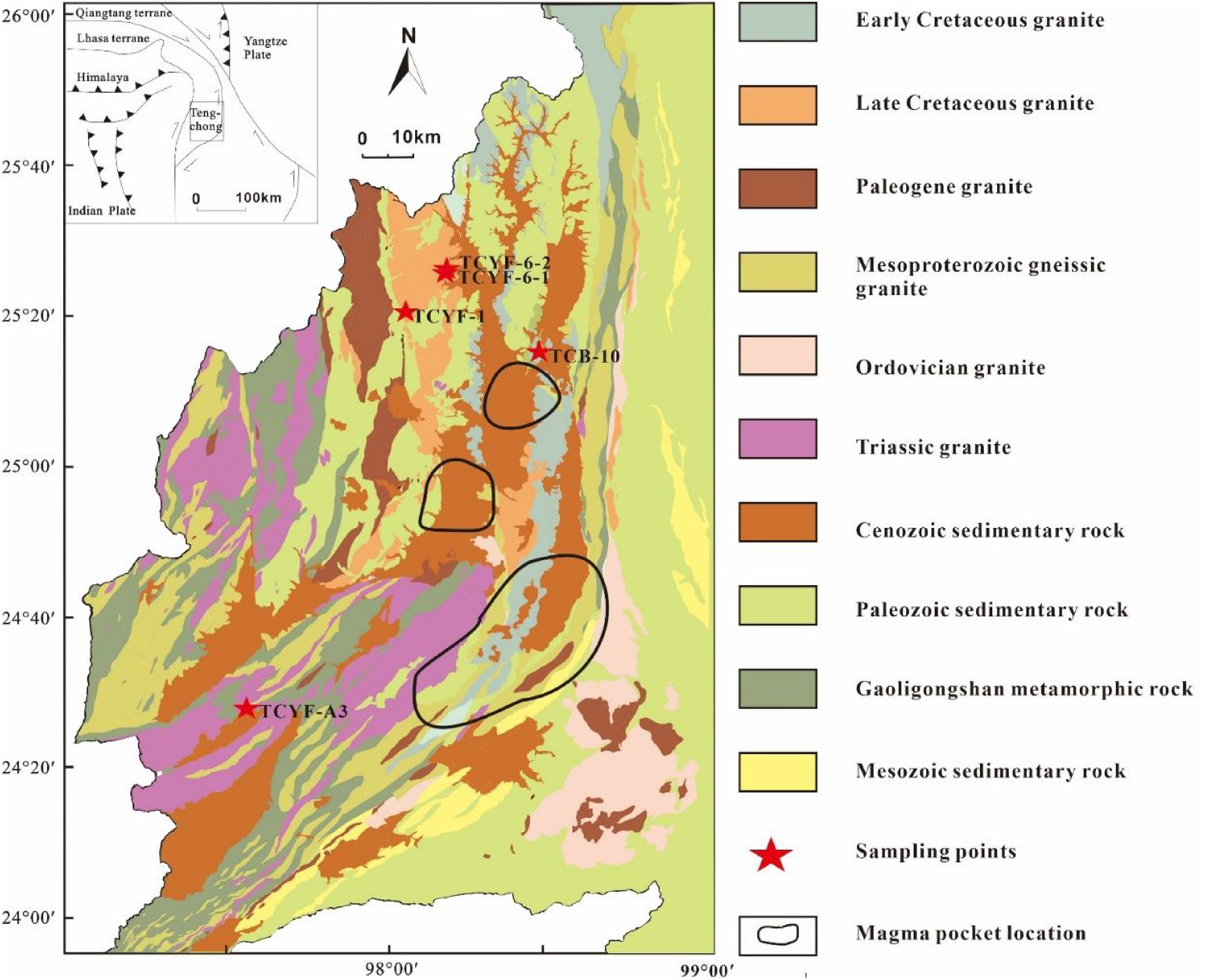
Distribution and sampling positions of granites in the Tengchong area (Chen et al. 2013).
Information of samples.
Test methods
Thin section identification
The thin section identification of the granite samples was performed using an OLYMPUS-BX53 microscope under temperatures ranging from 21 to 25°C and relative humidity from 50% to 70%.
Polycrystalline X-ray diffraction (XRD) analysis CT scans Principles and instruments for tests of thermal conductivity and diffusivity
The polycrystalline XRD analysis of the granite samples was conducted using a Bruker D8 Discover X-ray diffractometer at the MLR Key Laboratory of Metallogeny and Mineral Resource Assessment, Institute of Mineral Resources, Chinese Academy of Geological Sciences (CAGS).
The CT scans of the granite samples were conducted using a NanoVoxel 4000 X-ray 3D microscope under a resolution of 9.35 μm, yielding 2D images of slices and image files in RAW format.
Thermophysical properties of the granite samples under high temperature and pressure were tested at the Institute of Hydrogeology and Environmental Geology, CAGS. The test platform is shown in Fig. 2, consisting primarily of a TPS1500 thermal conductivity meter (errors: ± 5%) and a core clamping system. During the tests, heat was transferred into samples on both sides of the probe after the probe's temperature was increased by 2 to 5 K. Thus, the thermophysical parameters of the samples were obtained. The core clamping system could create a test environment with maximum temperature 300°C and maximum uniaxial pressures 50Mpa.
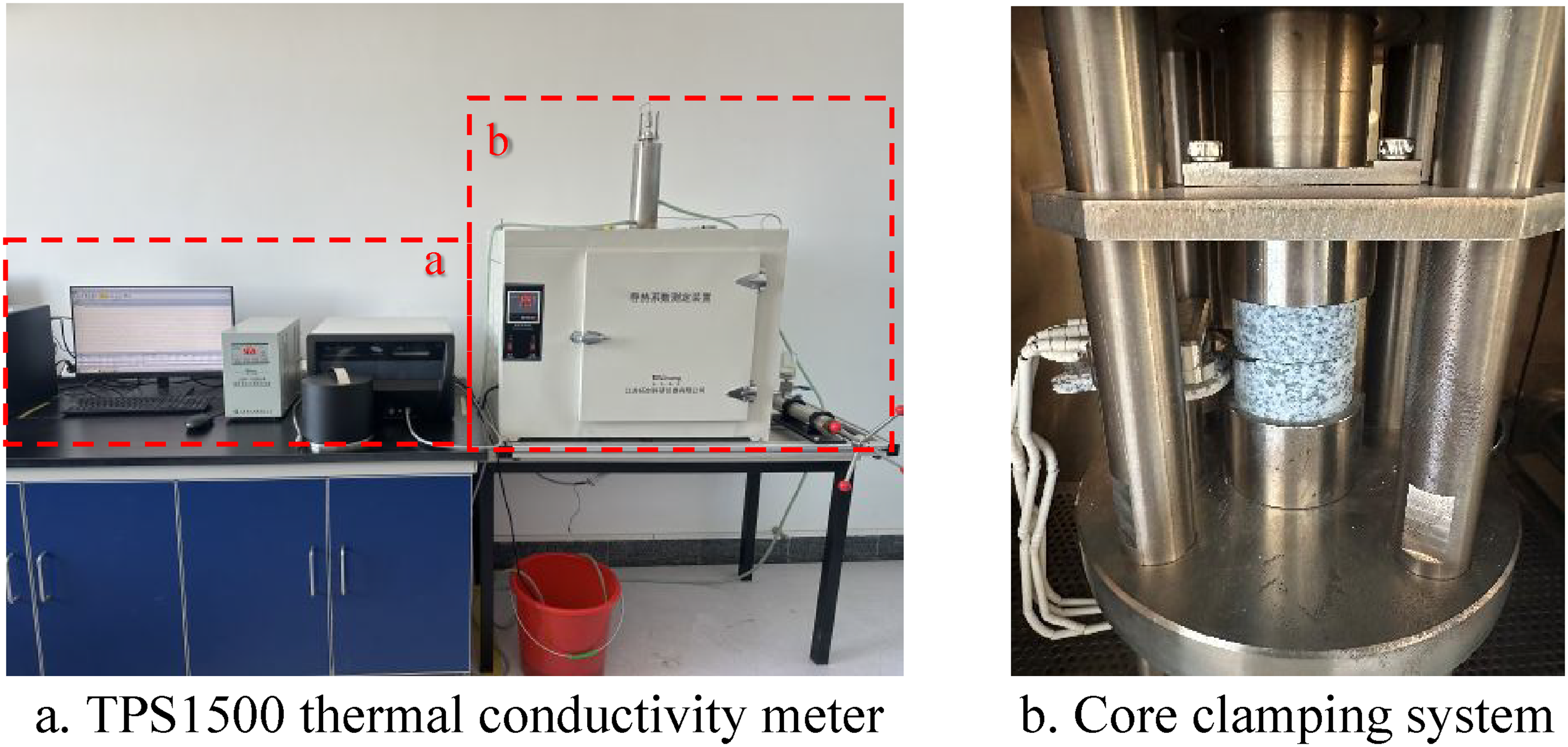
Platform for tests of the thermophysical properties of granite samples under high temperature and pressure.
Petrography of samples
The petrography of the samples was determined using thin section identification and the XRD analysis. The results are as follows:
Granite sample TCYF-1 consisted of medium- to coarse-grained monzogranites (Figs. 3(a) and (b)). Its primary and secondary components included plagioclase, K-feldspar, quartz, and muscovite. Additionally, its accessory minerals comprised opaque minerals, zircons, and apatite, and its secondary minerals encompassed kaolinite, sericite, limonite, chlorite, carbonate, muscovite, and chlorite.
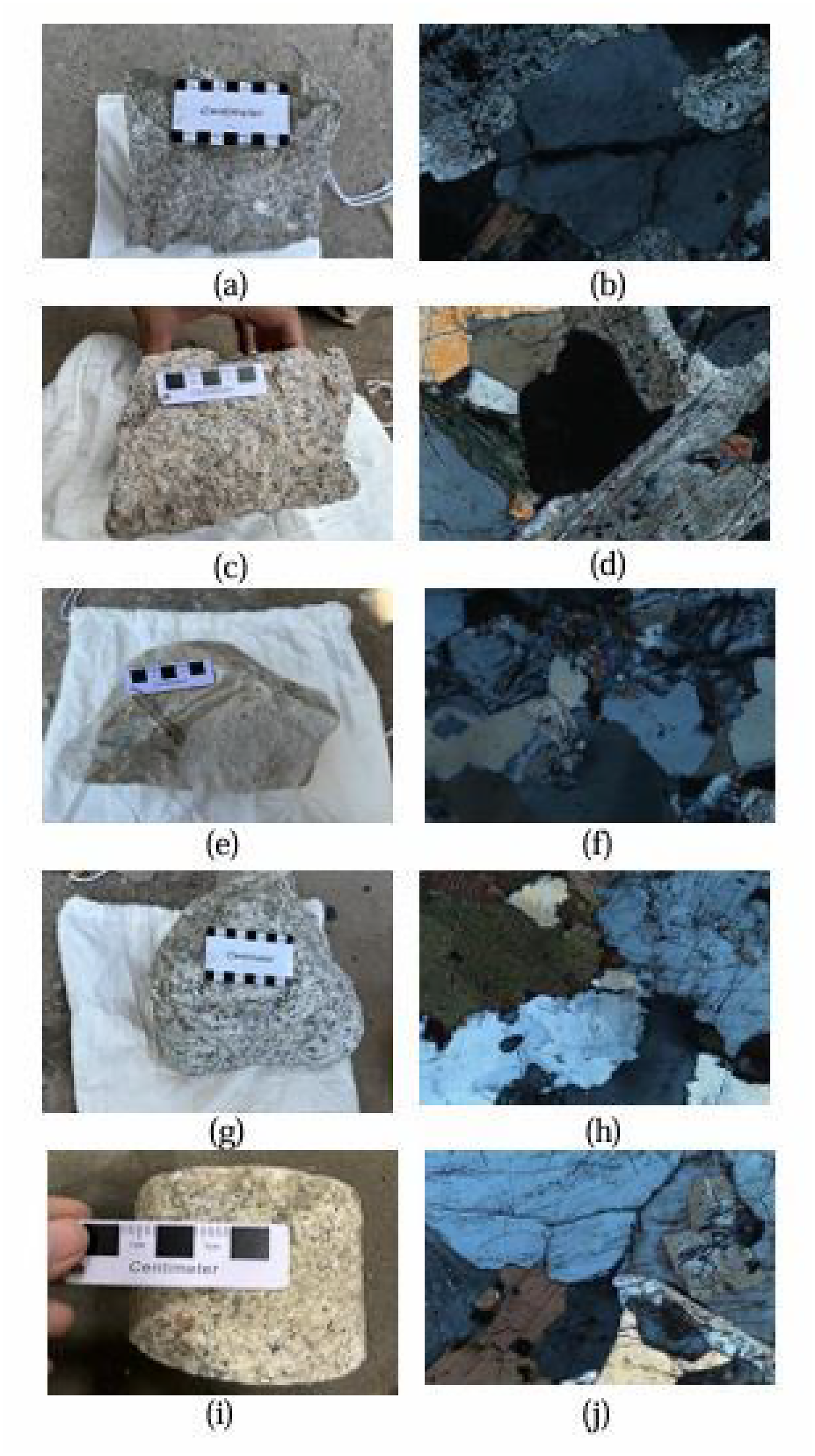
Photos and microscope images of granite samples.
Granite sample TCYF-6-1 consisted of fine- to medium-grained two-mica monzogranites (Figs. 3(c) and (d)). The primary and secondary components of this sample comprised plagioclase, K-feldspar, quartz, biotite, and muscovite. Among them, the biotite exhibited limonitization, chloritization, carbonatization, and muscovitization locally, with partial pseudomorphs, while the muscovite displayed limonitization locally. The accessory minerals of this sample included opaque minerals, zircon, apatite, and fluorite, and its secondary minerals included kaolinite, sericite, limonite, chlorite, carbonate, muscovite, and albite.
Granite sample TCYF-6-2 comprised fine-grained monzogranites(Figs. 3(e) and (f)). The primary and secondary components of this sample included plagioclase, K-feldspar, quartz, biotite, and muscovite. Among them, the biotite exhibited limonitization, chloritization, carbonatization, and muscovitization locally, with partial pseudomorphs, while the muscovite displayed limonitization locally. The accessory minerals of this sample included opaque minerals, fluorite, and zircon.
Granite sample TCYF-A3 consisted of medium-to coarse-grained granites (Figs. 3(g) and (h)). Its primary and secondary components included plagioclase, K-feldspar, quartz, and biotite. Among them, the biotite exhibited limonitization and chloritization locally, with partial pseudomorphs. The accessory minerals of this sample included opaque minerals, zircon, apatite, sphene, and xenotime, and its secondary minerals comprised kaolinite, sericite, limonite, chlorite, and zoisite.
Granite sample TCB-10 comprised fine- to medium-grained monzogranites(Figs. 3(i) and (j)). Its primary and secondary components encompassed plagioclase, K-feldspar, quartz, biotite, and hornblende. Among them, the biotite manifested limonitization, chloritization, and epidotization, with partial pseudomorphs. The accessory minerals of this sample include opaque minerals, zircon, apatite, and sphene.
Temperatures and pressures of geothermal reservoirs
Rocks in actual reservoirs are subjected to certain temperature and pressure. According to Guo (2012), the reservoirs in the Rehai area, Tengchong exhibit a temperature of 250°C. Presently, the reservoir pressure is commonly calculated using two methods: a method based on hydrostatic pressure (Eq. 1) and a method based on lithostatic pressure(Hu et al. 2003) (Eq. 2). The actual pressure of granite geothermal reservoirs in the Rehai area was calculated at 15.6114 MPa and 42.2145 MPa (taken as 42.2 MPa in this study), respectively using the methods based on hydrostatic pressure and lithostatic pressure.

The abovementioned calculation results and earlier research results indicate that the hydrostatic pressure is far below the actual formation pressure(Liao et al. 2015). Therefore, the minimum temperature and lithostatic pressure were set at 250°C and 42.2 MP, respectively in this study.
Test results and analysis
Variations in the thermophysical properties of granites under uniaxial pressure
Pressure can influence the thermal conductivity of rocks by changing the structures and distributions of pores in rocks. This study investigated the variations in the thermophysical properties of the five granite samples under uniaxial pressure.
The thermal conductivity test results of the five granite samples (Fig. 4) indicate the thermal conductivities of the samples tended to increase nonlinearly overall with uniaxial pressure. This finding aligns with the pressure test results derived by Chen et al. (2016) under different conditions. The varying amplitude of thermophysical properties was calculated based on the test results (Tables 2 and 3). Specifically, the thermal conductivities of the granite samples increased sharply under uniaxial pressure ranging from 0 to 10 MPa, with the increase is the largest. In contrast, the thermal conductivities varied slowly and tended to stabilize under uniaxial pressure ranging from 10 to 42.2 MPa, with varying amplitude within ±2%. The differences in the varying amplitude of thermal conductivities under the same pressure might result from the differences in the internal structure and composition of granites.
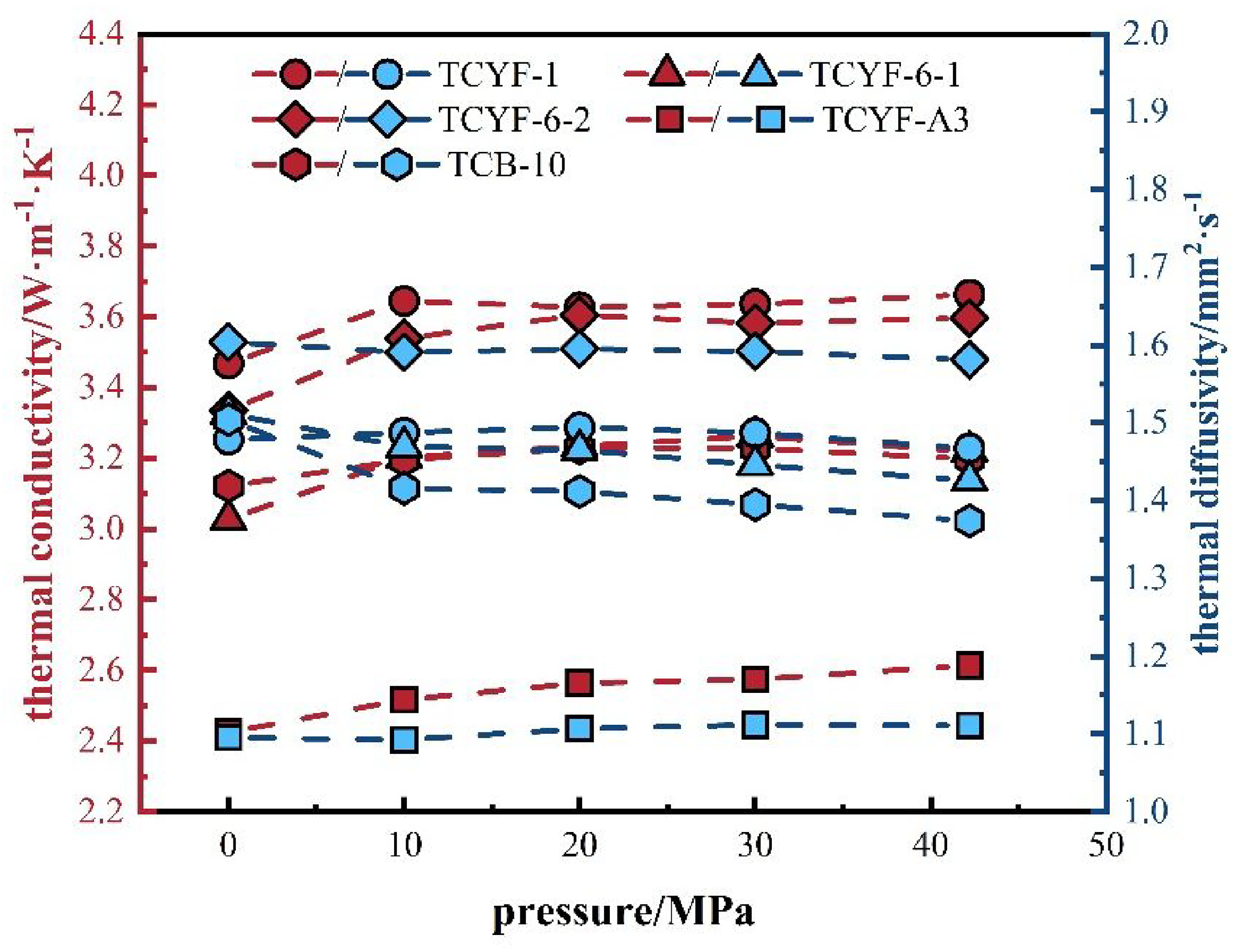
Variations in the thermophysical properties of granite samples under uniaxial pressure.
Varying amplitude of thermal conductivity.
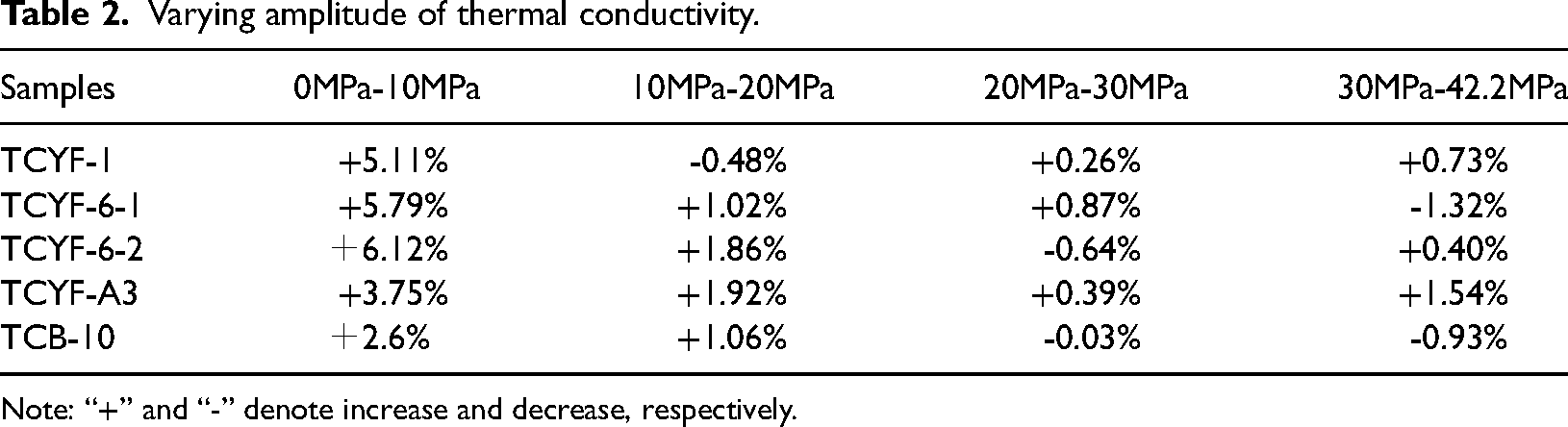
Note: “+” and “-” denote increase and decrease, respectively.
Varying amplitude of thermal diffusivity.
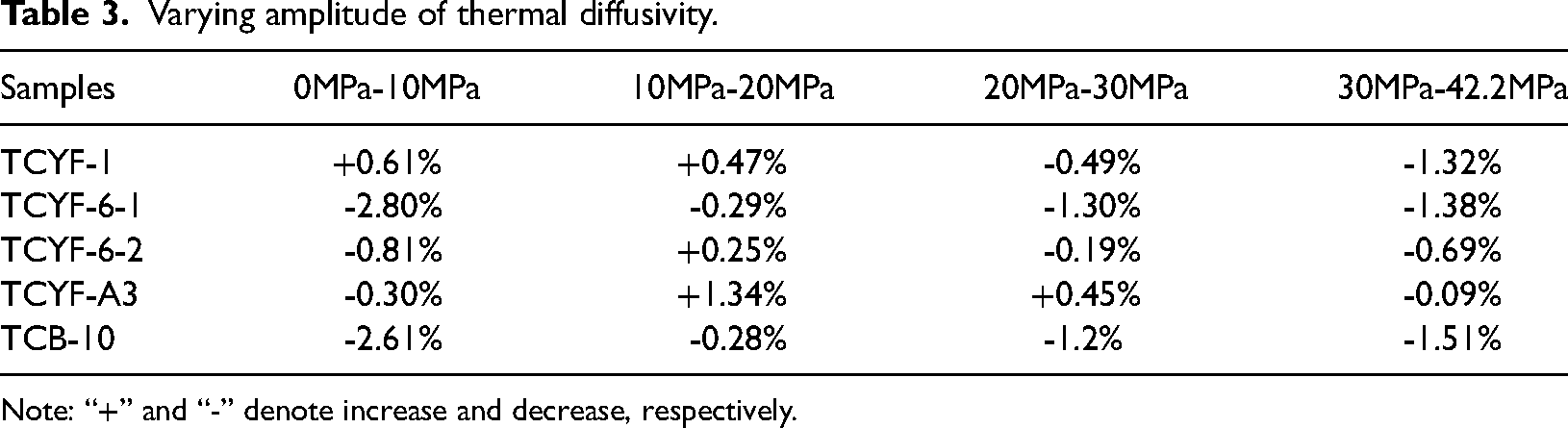
Note: “+” and “-” denote increase and decrease, respectively.
Granites prove tight and exhibit pores and microfractures. At the early stage of compression, the closure of the pores and fractures in granites augmented the contact area of minerals therein while reducing the thermal contact resistance, thereby increasing the thermal conductivity of granites. As the pressure further increased, the pores and fractures inside underwent minor changes, and the thermal conductivity of granites gradually stabilized. However, since the interior structure of granites was not observed after the pressure was applied, the possible reason for the stabilization is that the thermal contact resistance between samples and the probe decreased with an increase in the pressure.
Previous researchers developed a prediction model for the thermal conductivity of rocks under uniaxial pressure(Chen et al. 2016):
In Eq. 3, no values are assigned to a and b. Based on the test results of the granite samples, along with the relational expression between thermal conductivity and pressure derived through data fitting using Matlab, this study calculated a and b at 0.146 and 0.059, 0.148 and 0.102, 0.158and 0.141, 0.031 and 0.476,and 0.082 and 0.069, respectively, for samples TCYF-1, TCYF-6-1,TCYF-6-2, TCYF-A3 anf TCB-10. In Eq. 4–8, λ0 represents the thermal conductivity under a pressure of 0 MPa for the five granite samples. Therefore, the relational expressions between the thermal conductivity and pressure of the five granite samples are as follows:





Impacts of temperature on the thermophysical properties of granites
Temperature has been widely investigated at home and abroad as a significant factor influencing the thermal properties of rocks(Kant et al. 2017;Maqsood et al. 2004). This study investigated the impacts of temperature on the thermophysical properties of five granite samples.
The test results indicate that the thermal conductivities of the granite samples showed a linear decreasing trend overall with an increase in temperature (Fig. 5). The reason is that for the same mineral, increasing temperature resulted in an increase in the average phonon number. This corresponds to a higher probability of mutual collisions between phonons and shortened phonon mean free path. As a result, the thermal conductivity decreased accordingly.
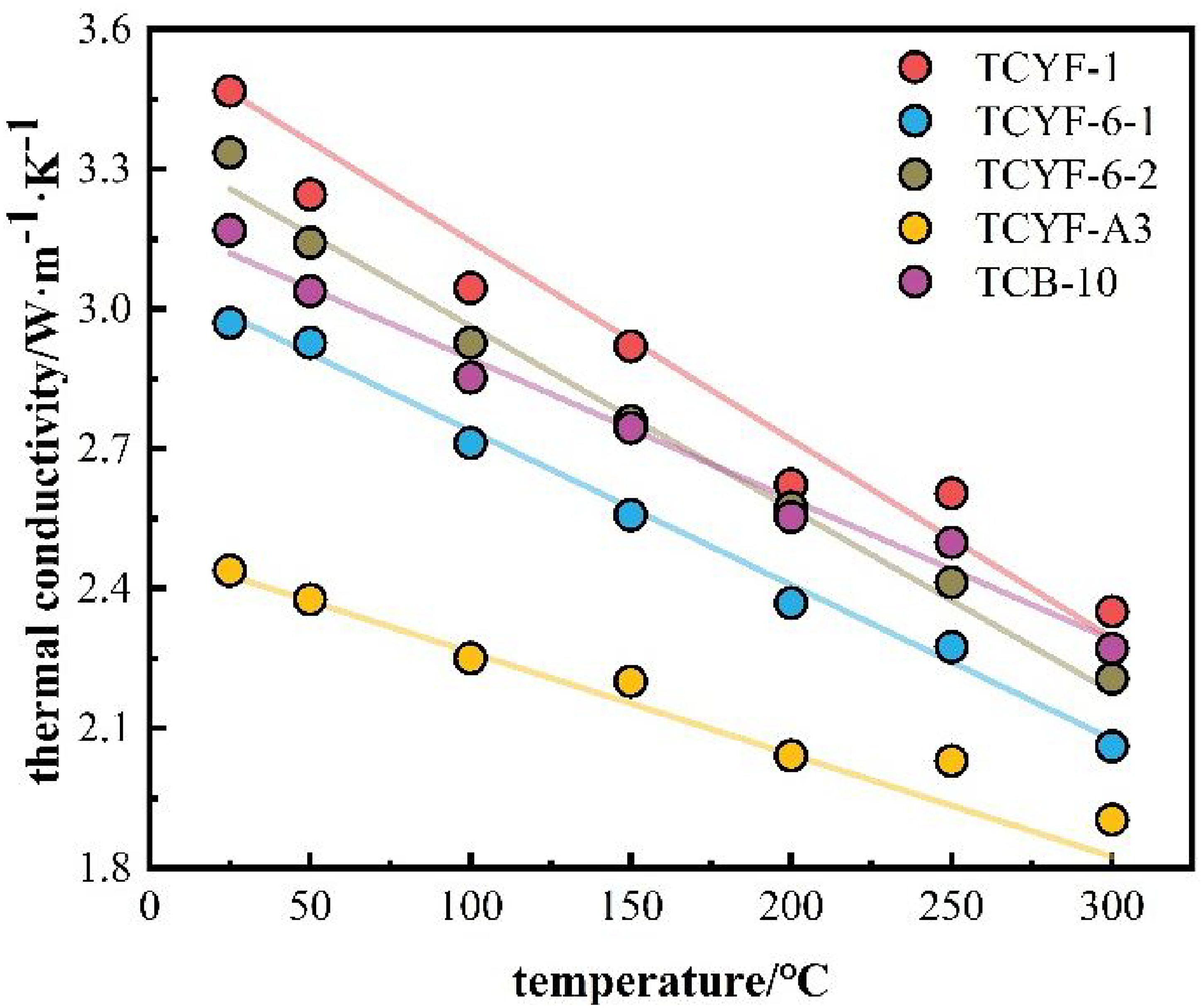
Thermal conductivity of granite samples varying with temperature.
Based on the variation trend of the thermal conductivity, linear fitting was conducted for measured thermal conductivities at various temperatures, yielding a coefficient of determination (R2) of 0.99 for each sample. The derived empirical equations for the thermal conductivities of the five granite samples within a temperature range of 25 to 300°C are as follows:




Linear fitting was also conducted for the measured thermal diffusivities at various temperatures (Fig. 6), all R2 are greater than 0.9, and 0.94, respectively for the five samples. The derived empirical equations for the thermal diffusivities of the five granite samples within a temperature range of 25 to 300°C are as follows:




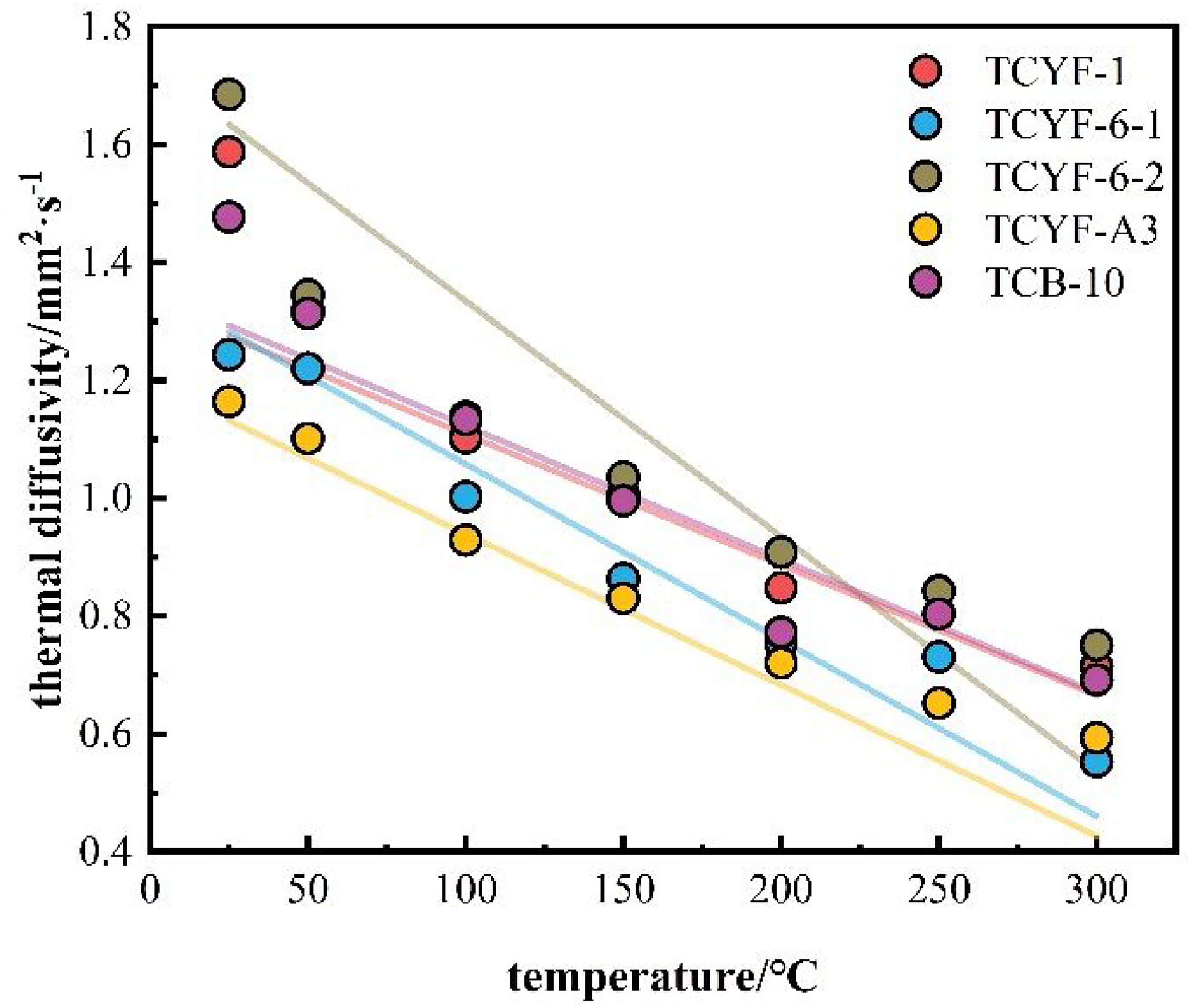
Thermal diffusivity of granite samples varying with temperature.
The abovementioned results (Figs. 5 and 6) indicate that both the thermal conductivity and the thermal diffusivity decreased with rising temperature. To explore the relationship between thermal conductivity and diffusivity, this study conducted a correlation analysis (Fig. 7), revealing a linear correlation between both parameters with an increase in temperature.
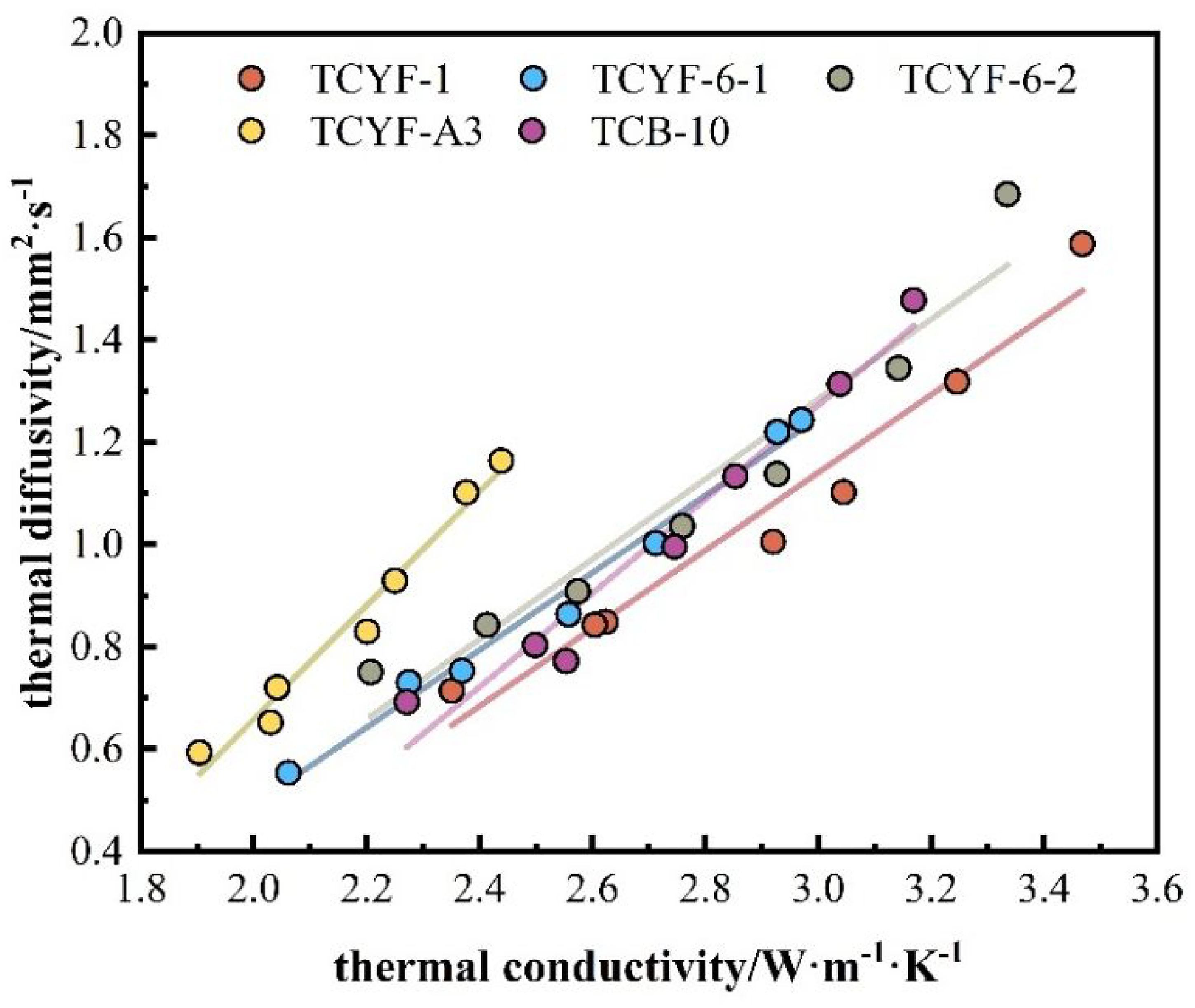
Impact of temperature on the relationship between thermal conductivity and diffusivity.
Variations in the thermophysical properties of granites under the combined effects of temperatures and pressures
The variations in the thermophysical properties of the granite samples under uniaxial pressure indicate that under a uniaxial pressure of 10 MPa, the thermal conductivities of the samples gradually stabilized with low varying amplitude, and their thermal diffusivities remained almost unchanged. Therefore, to determine the combined impacts of temperature and pressure on the thermophysical properties of granites, this study merely investigated the variations in the thermophysical properties at different temperatures under pressures of 0, 10, and 42.2 MPa(Fig. 8 and Fig. 9),
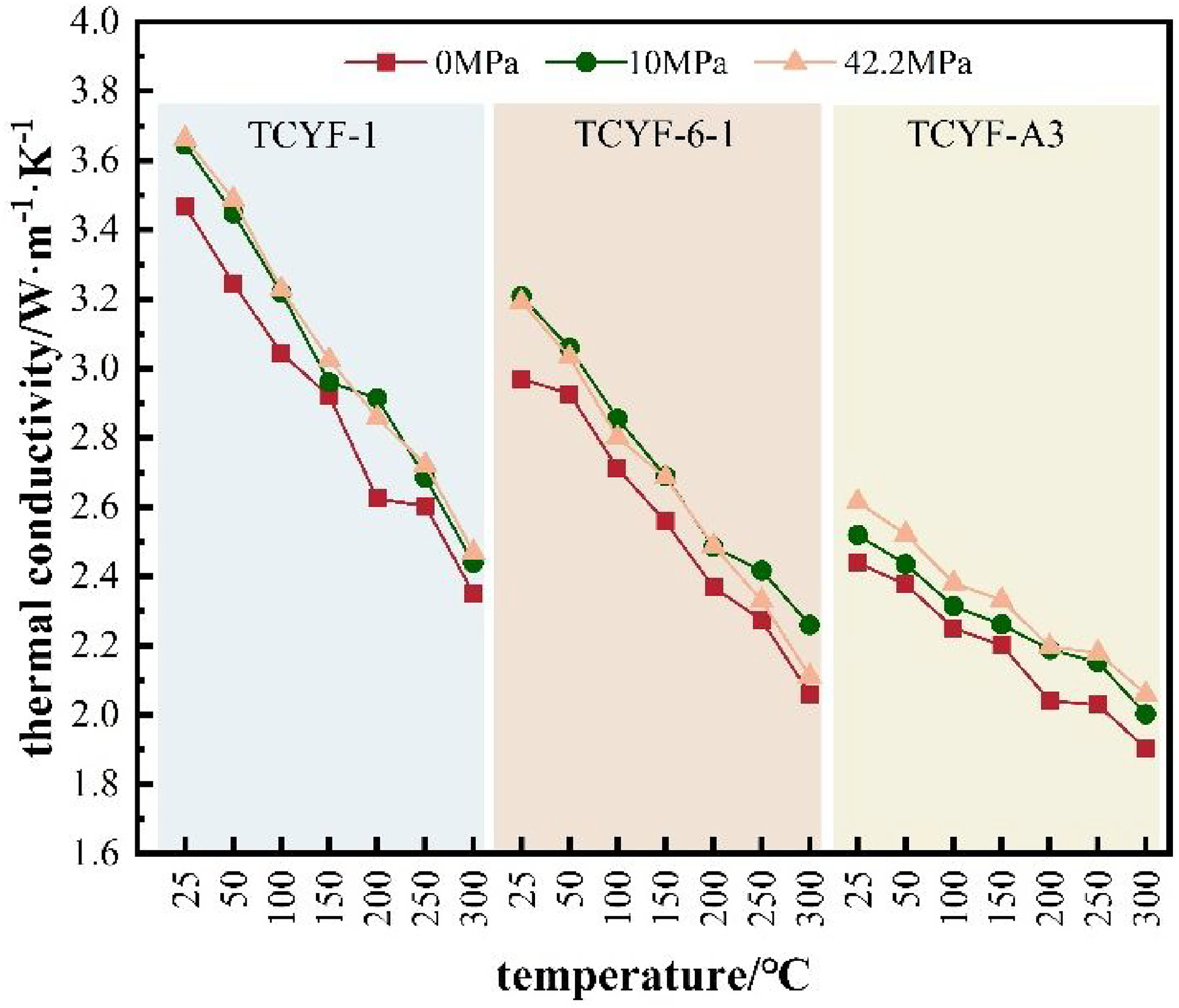
Combined effects of temperature and pressure on the thermal conductivities of the granite samples.
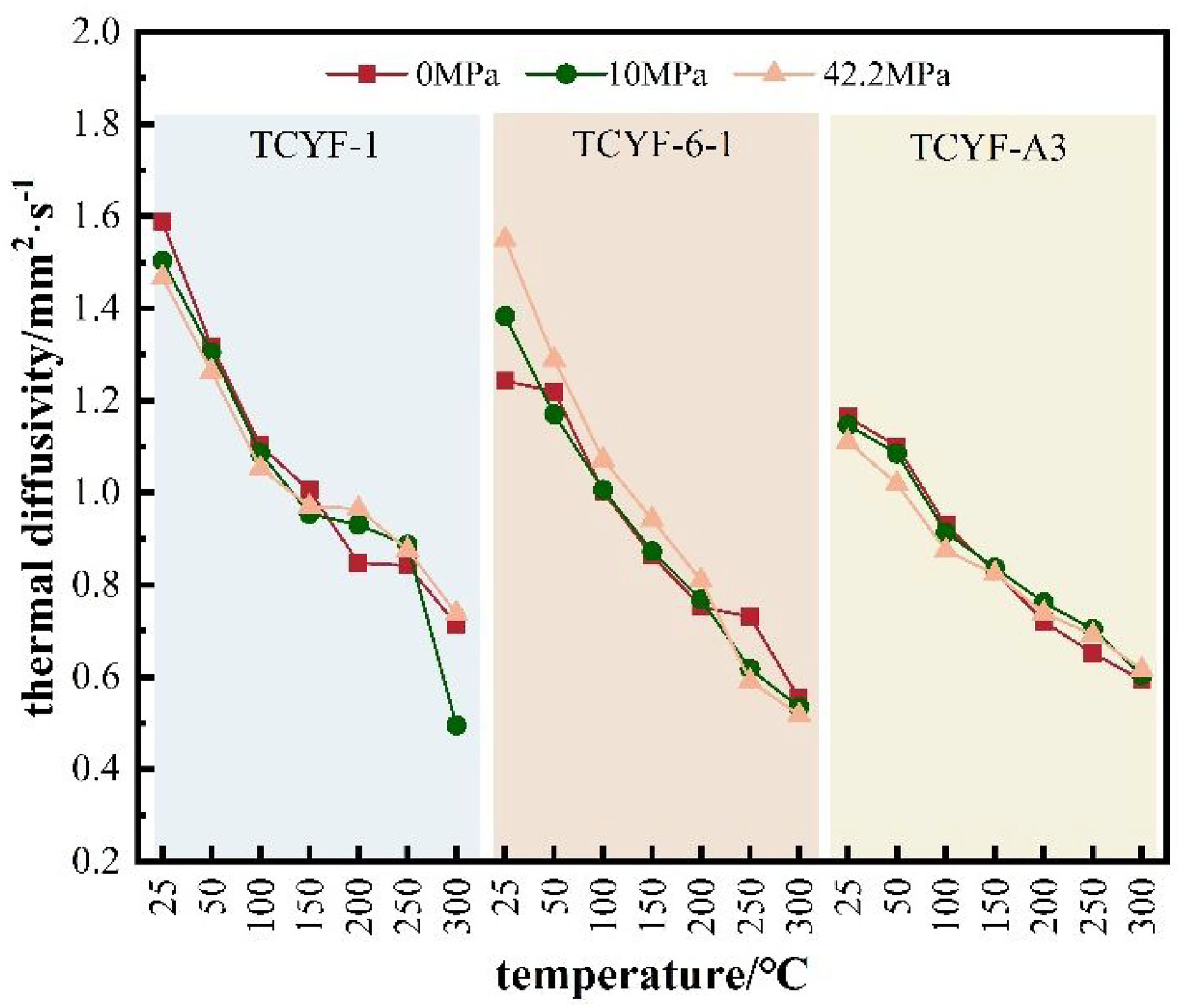
Combined effects of temperature and pressure on the thermal diffusivities of the granite samples.
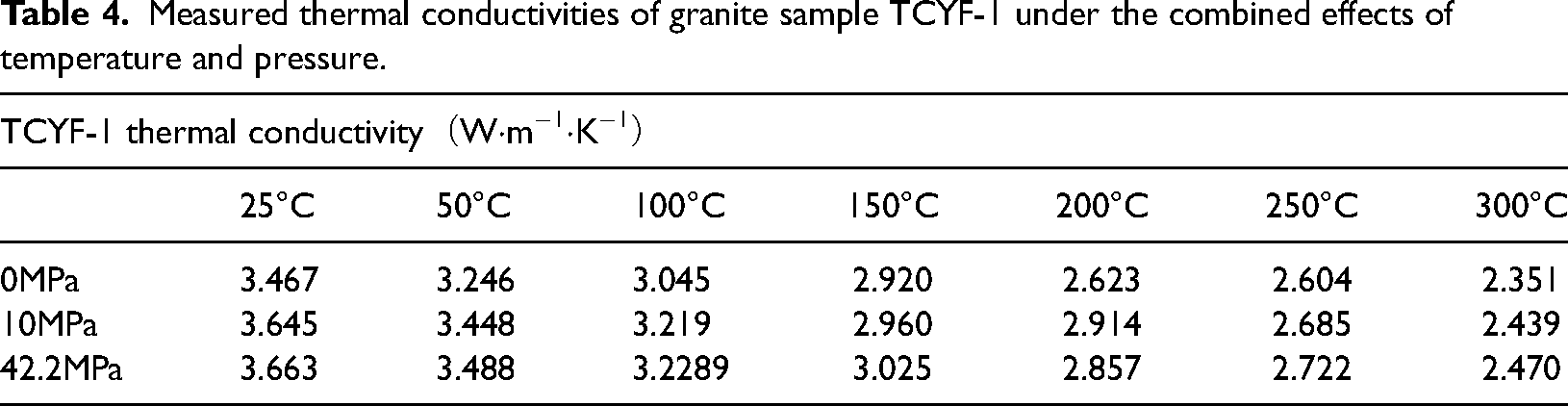
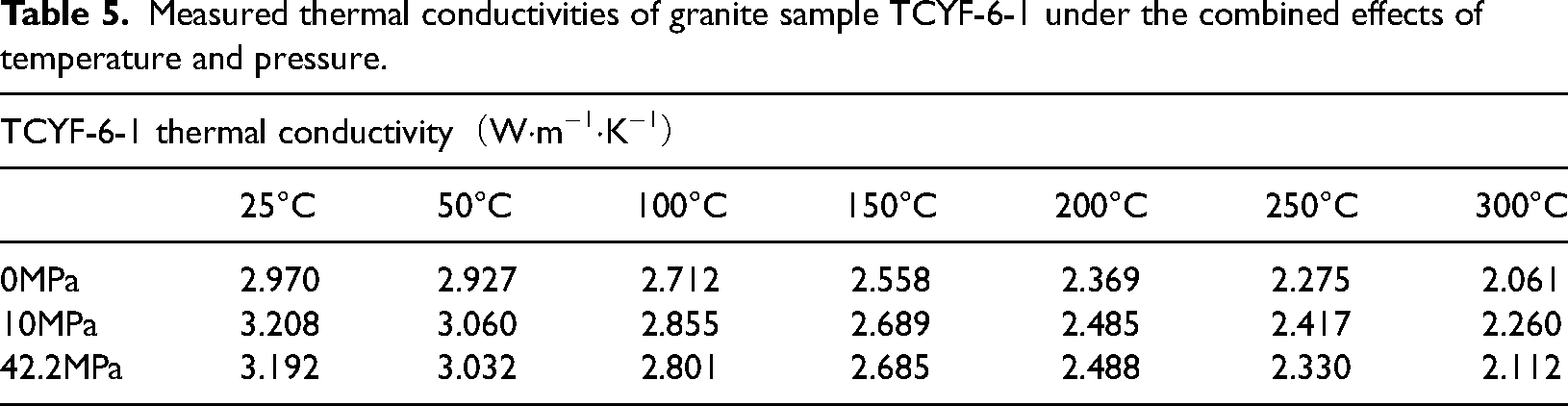
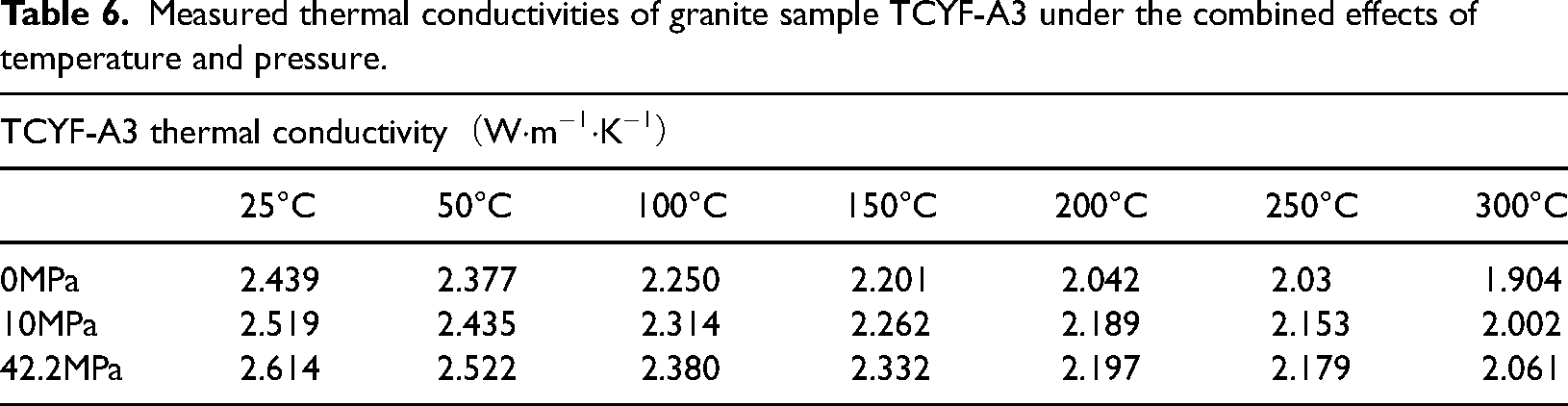
It is evident that under the same temperature, the thermal conductivities under 10 MPa and 42.2 MPa differed slightly but significantly exceeded those under 0 MPa (Tables 4–6). This result is roughly consistent with the impacts of the pressure alone on the thermal conductivities. When the pressure remained unchanged, the thermal conductivities gradually decreased with increasing temperature, roughly aligning with the impacts of the temperature alone on the thermal conductivities.
Measured thermal conductivities of granite sample TCYF-1 under the combined effects of temperature and pressure.
Measured thermal conductivities of granite sample TCYF-6-1 under the combined effects of temperature and pressure.
Measured thermal conductivities of granite sample TCYF-A3 under the combined effects of temperature and pressure.
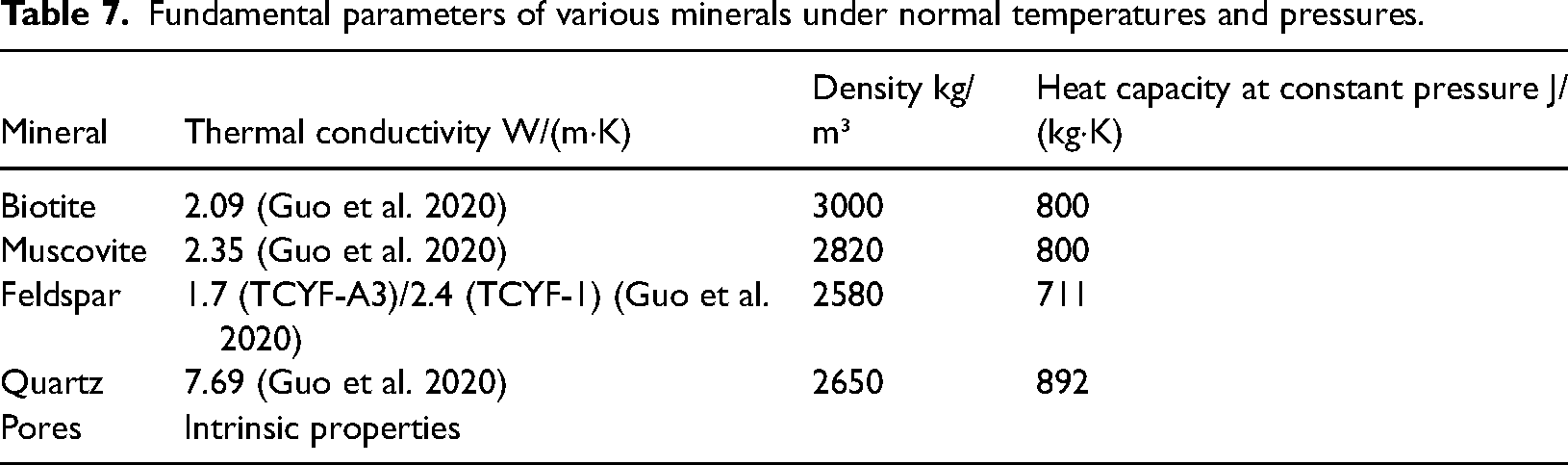
Fundamental parameters of various minerals under normal temperatures and pressures.
In combination with fitting results, this study derived a prediction model for the impacts of temperature and pressure on the thermal conductivities of monzogranites in the Tengchong area.
The abovementioned test results indicate that the thermal diffusivities exhibited subtle variations under different pressures at the same temperature. This finding aligns roughly with the impacts of the pressure alone on the thermal diffusivities. In contrast, when the pressure remained unchanged, the thermal diffusivities tended to gradually decrease overall with rising temperature. This result coincides with the impacts of the temperature alone on the thermal diffusivities.
Ct scan-based numerical simulations of the thermal conductivity of granites
The impacts of temperature on the mineral composition and pore media within rocks emerge as significant causes of the variations in the overall thermal conductivity of rocks. Based on the COMSOL Multiphysics FEA software, this study built a core-scale heat transfer model focusing on minerals.
Processing of CT scans
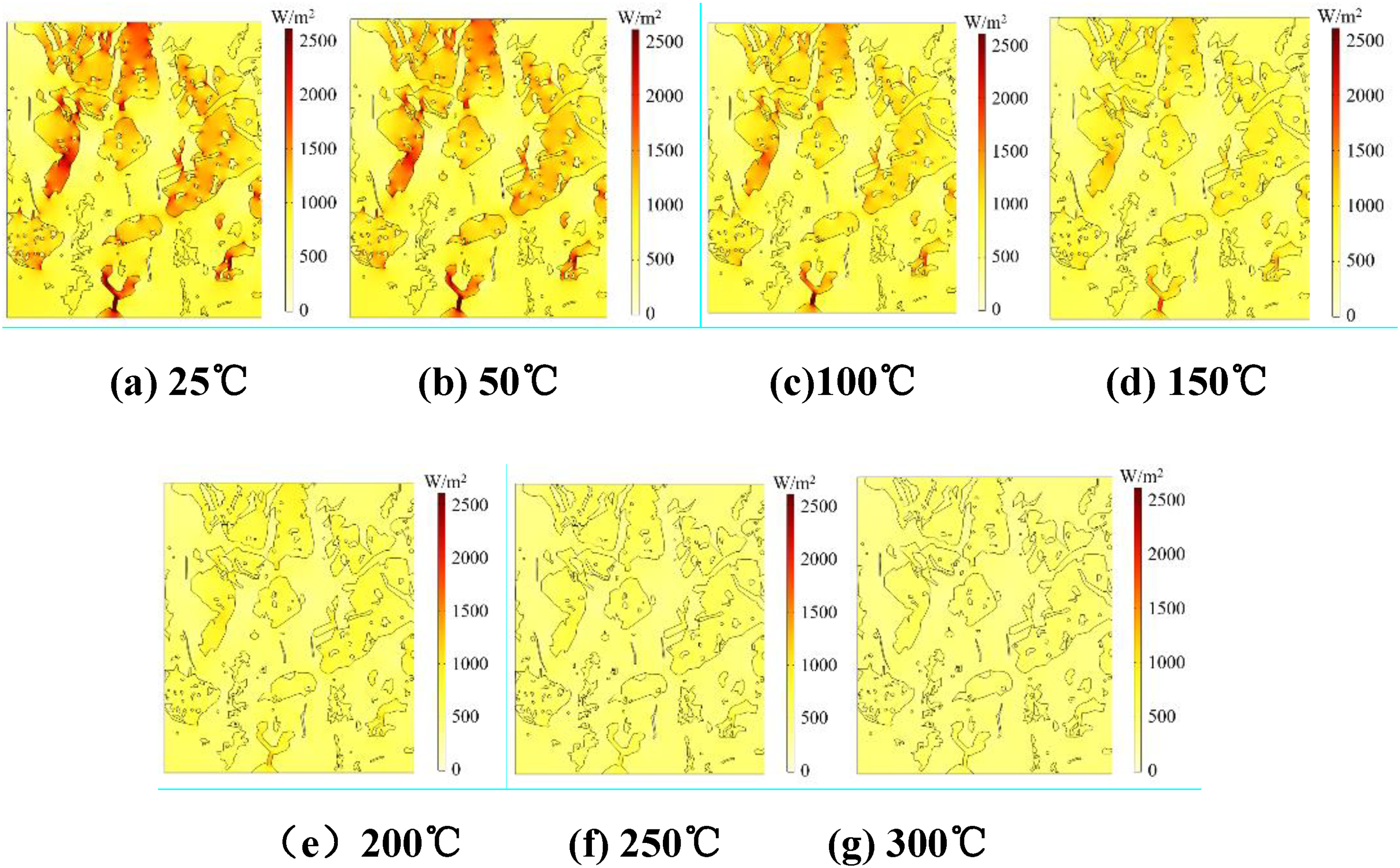
The CT scan images of the X-Z slices of rocks, 2D images of the model, and gridding images for granites are shown in Figs. 10 and 11. Based on the characteristics of the CT scan grayscale images of granites, this study identified minerals in the granites using the grayscale values. Specifically, the brightest, moderately bright, and darkest parts in slices were considered mica, quartz, and feldspar, respectively. Various minerals and pores were delineated using the CAD software and were then imported into the COMSOL Multiphysics FEA software to form 2D models.
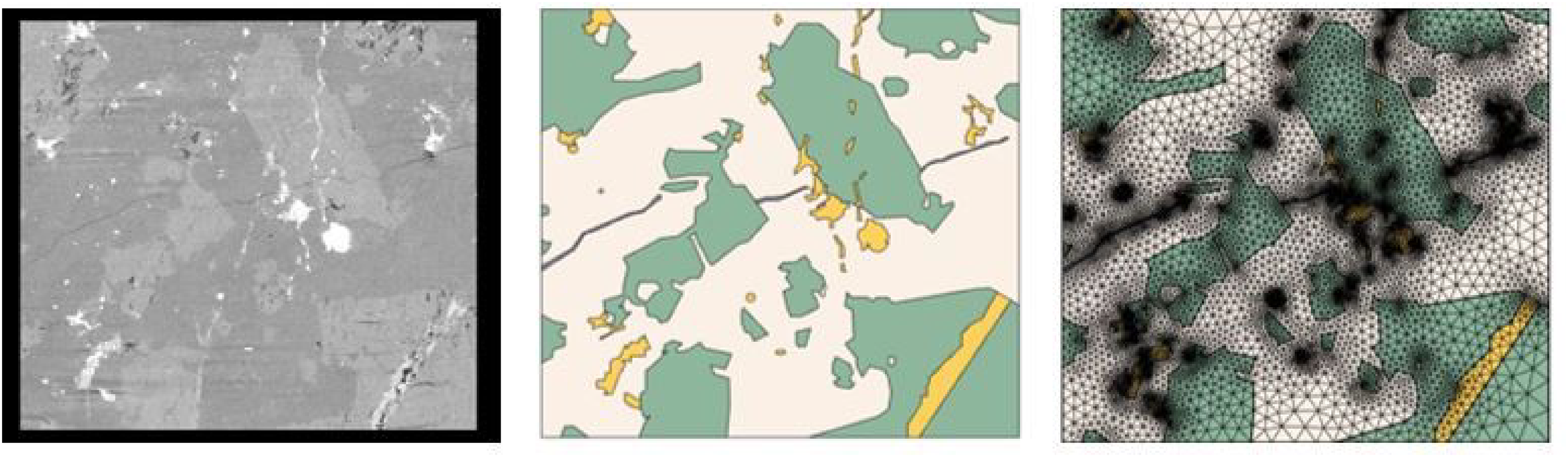
Slice image, numerical model, and gridding image of granite sample TCYF-1.
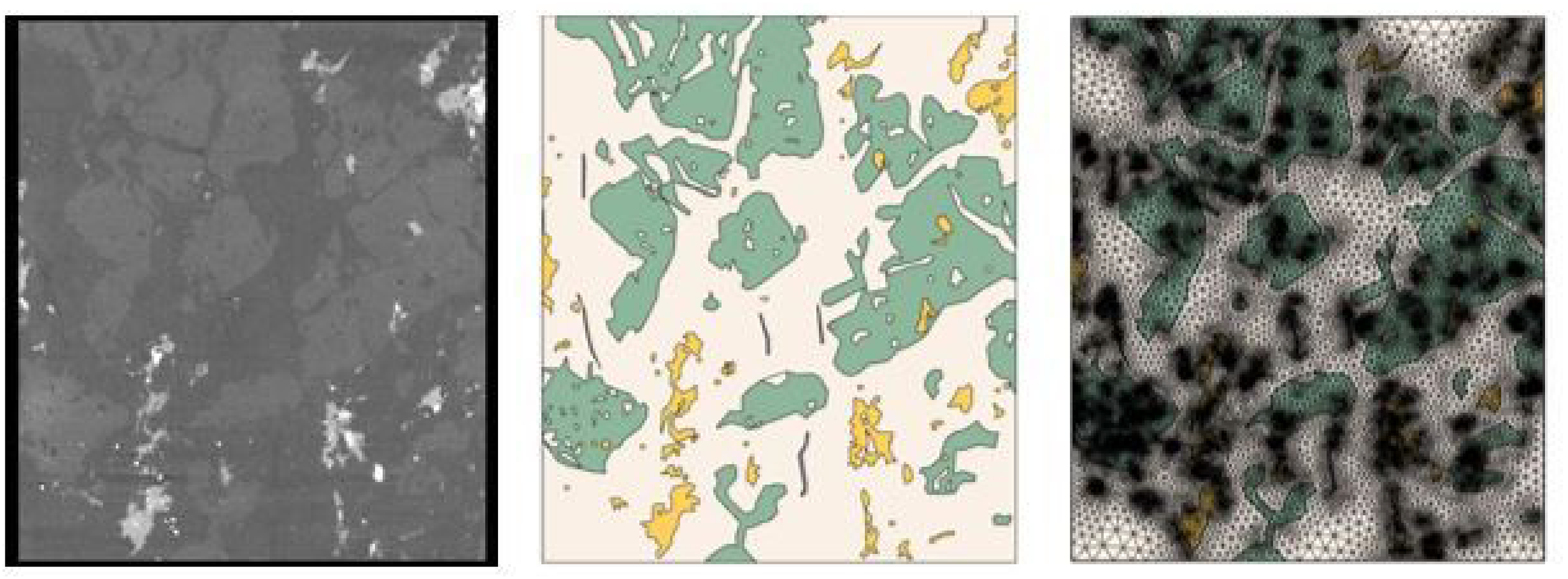
Slice map, numerical model, and gridding image of granite sample TCYF-A3.
The test results reveal that granite sample TCYF-1 comprised 59% feldspar, 36% quartz, 3.9% mica, and 1.1% pores, while the thin section identification and XRD analysis results indicate that this sample consisted of 61.1% felspar, 37% quartz, 1.8% muscovite, and 0.1% others in terms of volume content. The test results indicate that granite sample TCYF-A3 consisted of 65% feldspar, 30.2% quartz, 4.5% mica, and 0.2% pores, while the thin section identification and XRD analysis results reveal that this sample was composed of 60.9% felspar, 32.2% quartz, 4.8% biotite, and 0.1% others in terms of volume content. Errors in the model-derived results are attributed to the possible differences in mineral distribution between the slice parts for CT scans and those for XRD analysis and thin section identification. Given the small errors, the CT scan images of slices can be employed to form 2D heat transfer models.
Settings and analysis of 2D models
Settings of basic parameters
The fundamental parameters of various minerals under normal temperatures and pressures are shown in Table 7. The simulations in this study were conducted based on the test principles of thermal conductivity meters. After the granite samples reached the target temperature or pressure, the probe's temperature was increased by 2 to 5 K to allow heat transfer within samples through heat conduction. During the simulations, various thermophysical properties were tested. Therefore, the upper and lower boundaries for heat transfer in solids were set at the target temperature and the target temperature plus 5 K, respectively.
In this study, the relationships between the thermal conductivity and temperature of quartz, mica, and feldspar were derived by referring to the ReaxFF and BFS variation trends revealed by Molaei et al. (2021), the results of Hofmerster and Carpenter (2015), and the findings of Branlund and Hofmeister (2012), respectively.
Simulation results and analysis
As illustrated by the temperature field of 300°C (Fig. 12), the isotherms in the temperature field bent during heat transfer due to the different thermal conductivities of various minerals.
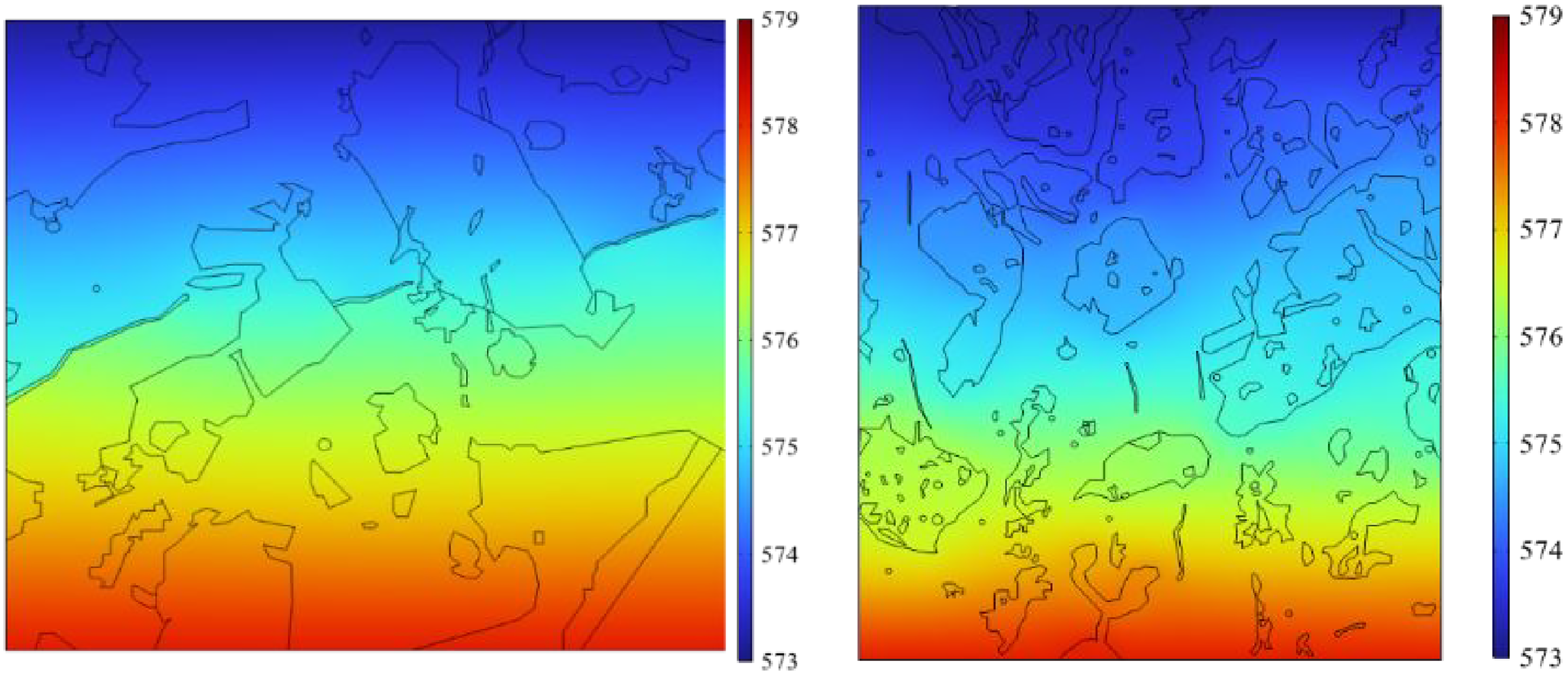
Distribution of the temperature field of 300°C.
The y-direction heat fluxes of the two samples were calculated using finite element software, and it can be seen from Figs. 13 and 14 that the area of the relatively higher heat fluxes gradually decreases with the gradual increase in temperature, and the average heat flux of the section gradually decreases. The main reason is that the thermal conductivity of each mineral decreases gradually with the increase of temperature, and at the same time, the difference of thermal conductivity of each mineral decreases gradually.
TCYF-1 conducted heat flux in the y-direction. TCYF-A3 conducted heat flux in the y-direction.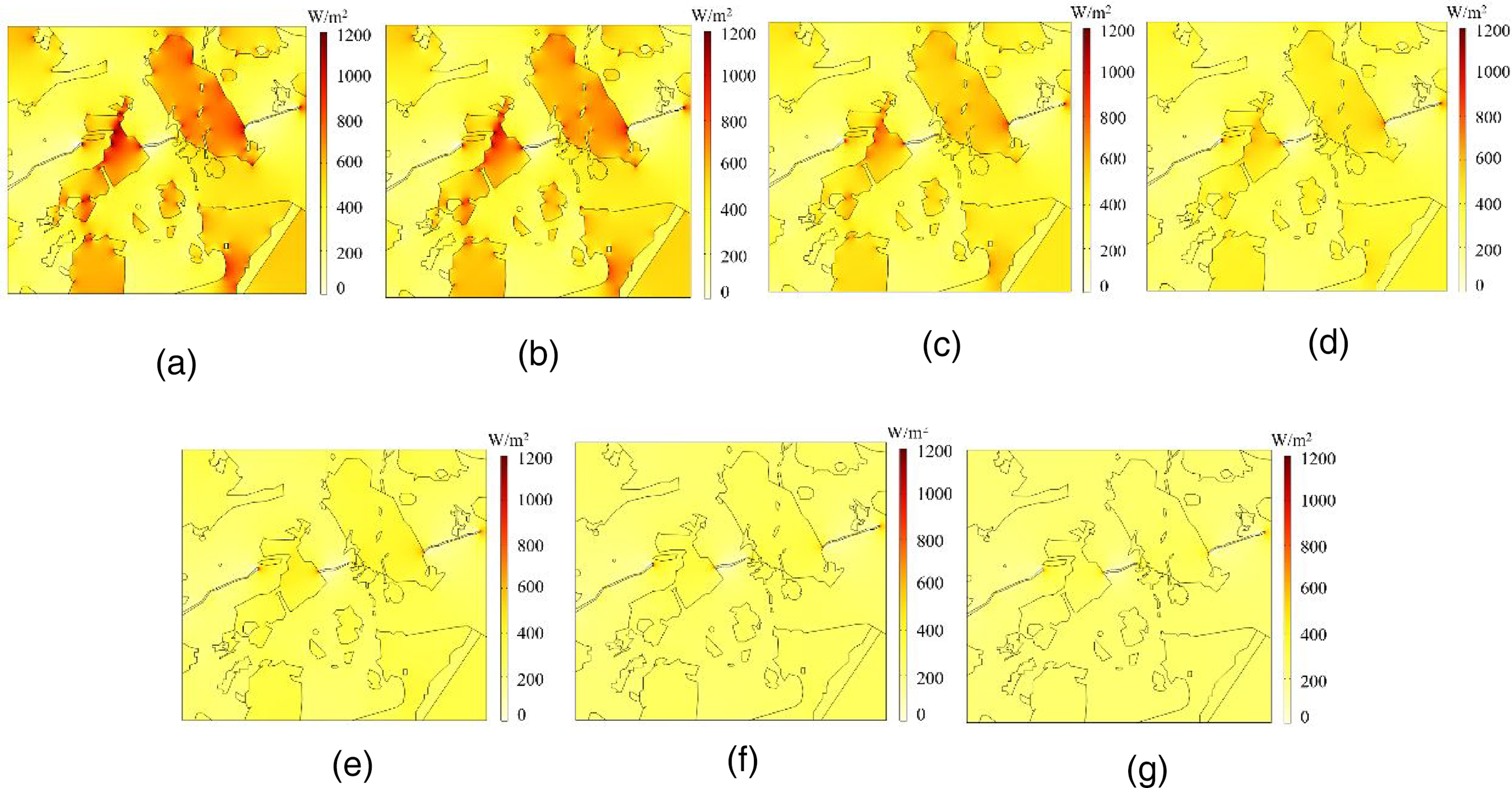
Based on the heat fluxes and temperature gradients derived from the models, the thermal conductivities of the samples can be calculated using Eq. 21.
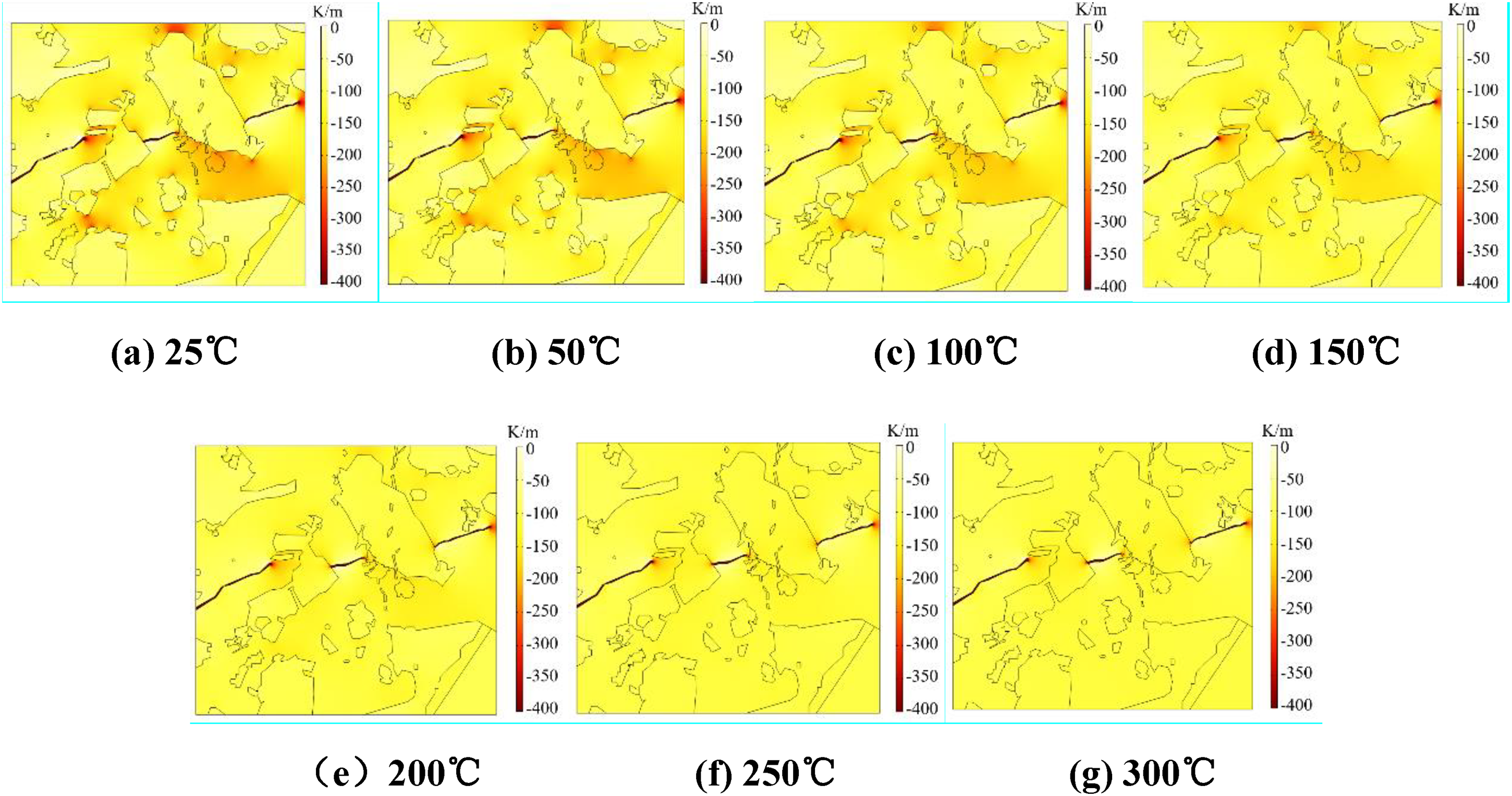
TCYF-1 temperature gradient in the y-direction.
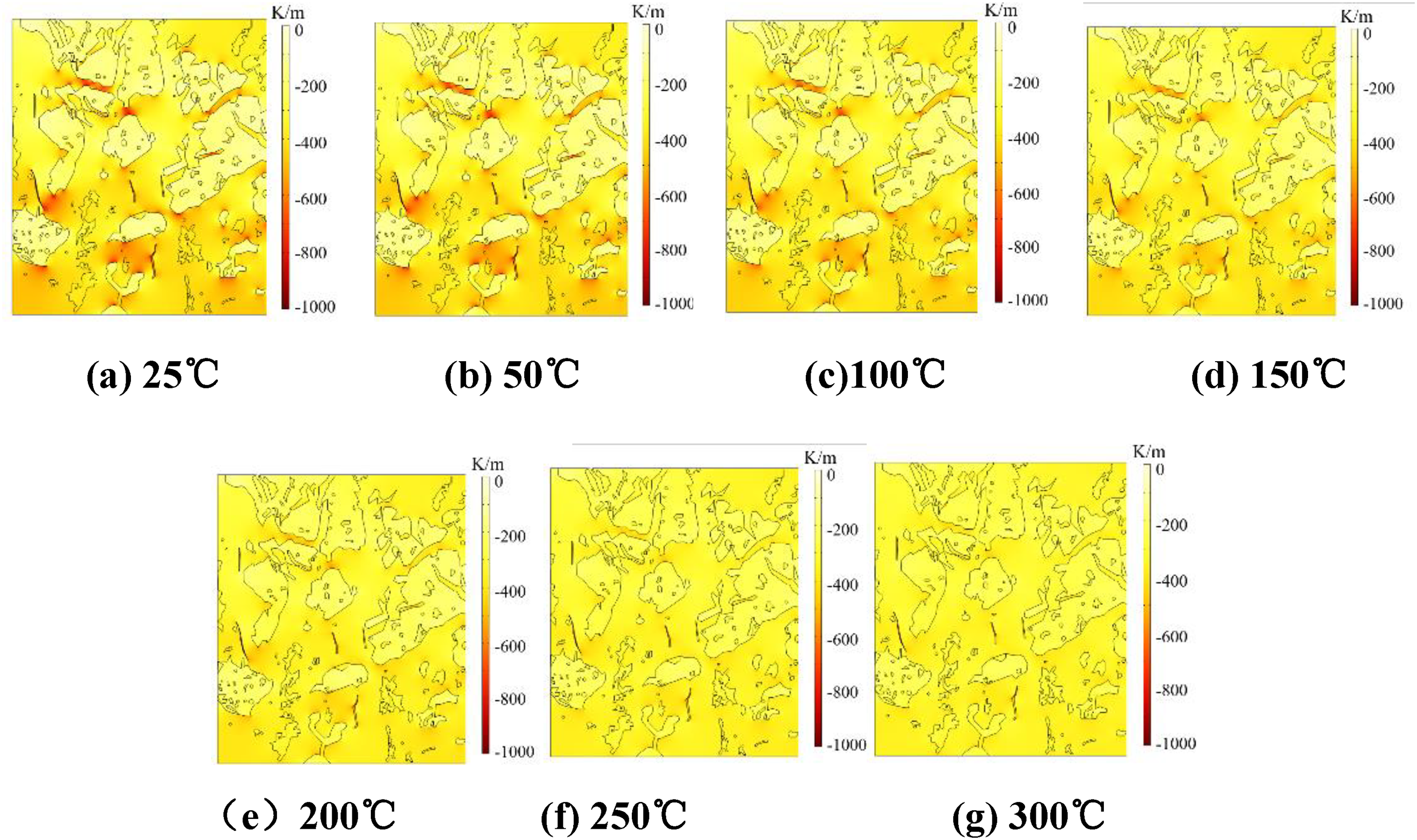
TCYF-A3 temperature gradient in the y-direction.
During the simulations, the thermal conductivities of feldspar in both samples were found to be inconsistent. This occurred probably due to the different formation epochs of the samples, during which feldspar minerals transitioned as the samples evolved in their sedimentary tectonic environments.
The errors between the measured and simulated thermal conductivities of the granite samples ranged from 0.59% to 22.95%. Figure 17 and 18 indicate that errors progressively increased with the temperature. The errors were below 15% in the case of room temperatures of approximately 200°C. Therefore, the 2D models can serve as the core-scale thermal conductivity prediction models focusing on minerals.
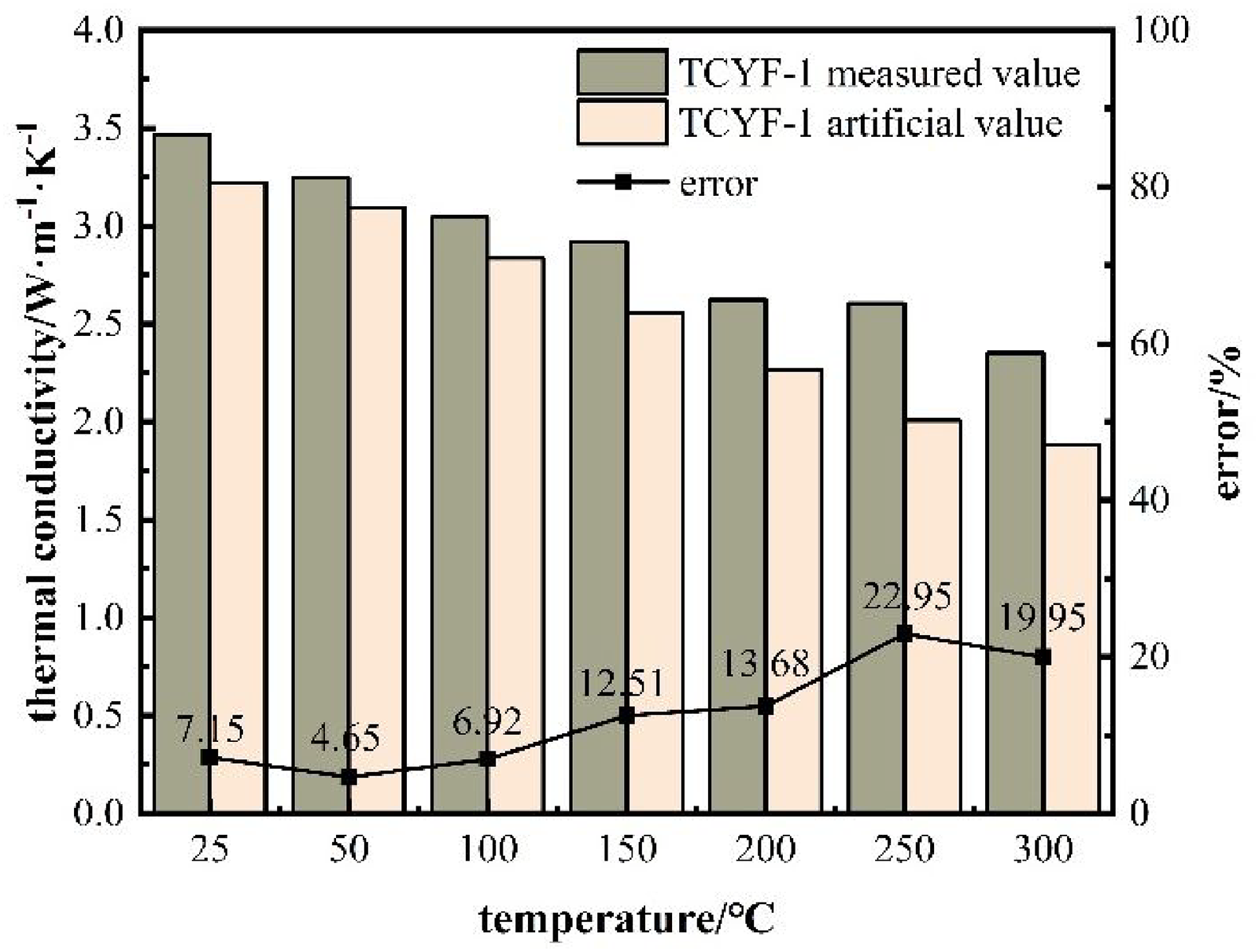
Measured and simulated thermal conductivities and their errors for granite sample TCYF-1.
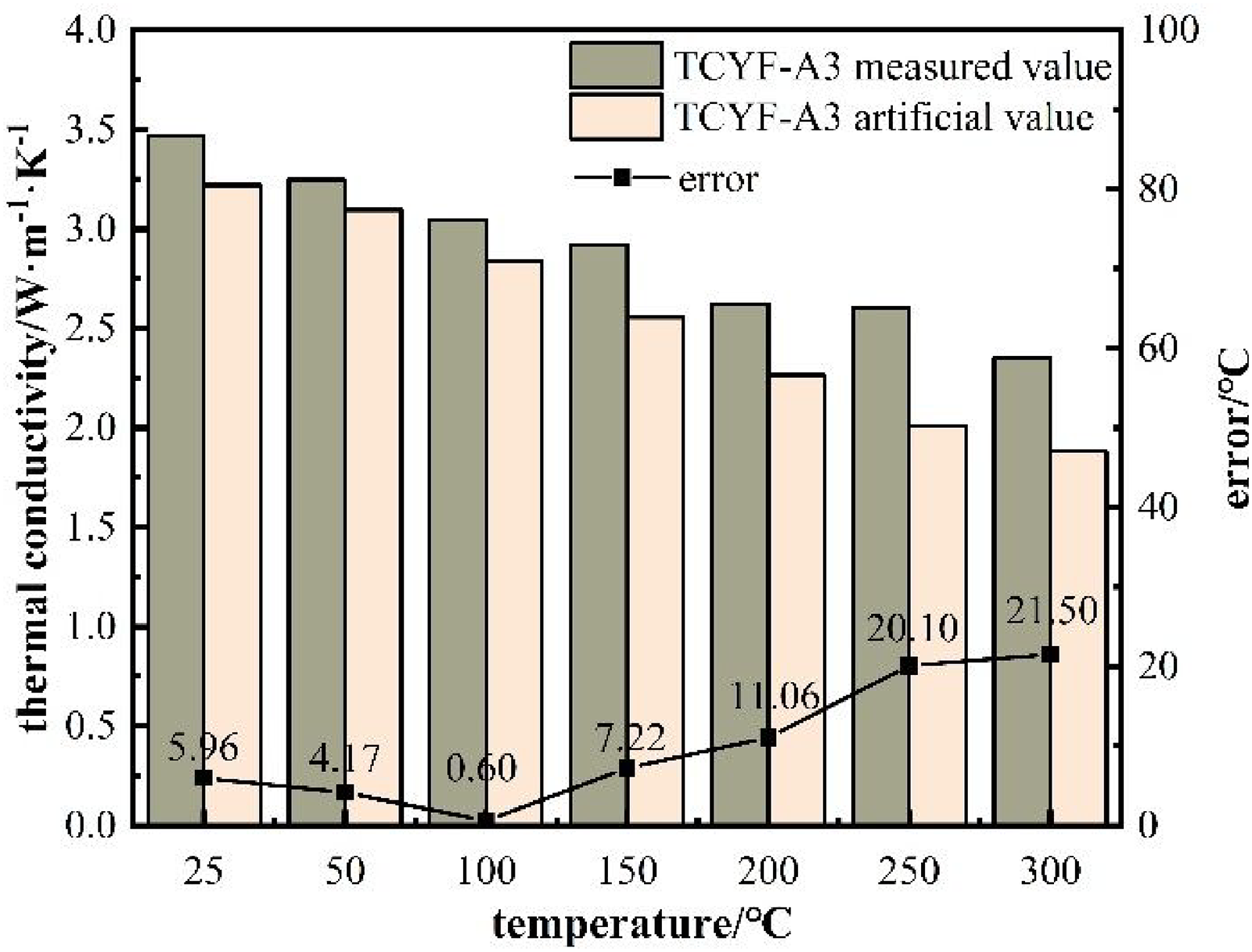
Measured and simulated thermal conductivities and their errors for granite sample TCYF-A3.
Conclusion
Using laboratory tests combined with simulation models, this study investigated the impacts of temperature and pressure on the thermophysical properties of granite samples from the Tengchong area. The findings lead to the following conclusions:
Under uniaxial pressure, the thermal conductivity of the granites tends to vary nonlinearly, increasing sharply from 0 to 10 MPa and increasing slowly and stabilizing from 10 to 42.2 MPa. In contrast, no significant correlation is observed between the thermal diffusivity and pressure. The thermophysical properties of the granites tend to vary linearly with temperature. Both the thermal conductivity and diffusivity tend to decrease linearly from room temperature to 300°C. Meanwhile, there exists a linear correlation between the thermal conductivity and diffusivity. Under the combined effects of temperature and pressure, the thermal conductivity and diffusivity of the granites show variation patterns aligning with those under the influence of temperature or pressure alone. By combination with the fitting equations considering individual factors, this study develops the prediction model for the thermal conductivity of the granites under the combined effects of temperature and pressure. Based on the CT scans of the granite samples, this study develops core-scale heat transfer models focusing on minerals using the COMSOL Multiphysics FEA software. The comparison between the simulated and the measured thermal conductivities reveals that the models can be used as a prediction model for thermal conductivity in the temperature range of 25–300°C, with errors below 15% in the temperature range of 25–200°C.
Footnotes
Declaration of conflicting interests
The authors declared no potential conflicts of interest with respect to the research, authorship, and/or publication of this article.
Funding
The authors disclosed receipt of the following financial support for the research, authorship, and/or publication of this article: This work was supported by the National Key Research and Development Program of China, (grant number 2021YFB1507401).
