




Abstract
The main limitation of Integrated Collector Storage systems lies in their low efficiencies and high loss coefficients. In this paper, experimental and numerical setups are conducted to assess the thermal performances of low cost Cylindrical Parabolic Integrated Collector storage (CP-ICS). The conceived system has two aluminum plates in parabolic form serving as reflectors, each with a surface area of 2 m2. The storage tank has a volume of 160 L covered with a layer of black paint with single and double transparent insulations. Results of the experimental tests using Input-Output method showed that the daily thermal efficiency ηd of the developed systems is equal to 48.21% and 49.46% for single and double insulation cover configurations, respectively. The total store heat capacity Cs, the useful collector surface Ac* and the storage tank heat losses coefficient Us of the system found using Dynamic System Testing procedure are equal to 0.56 MJ/K, 0.74 m2 and 1.59 W/K, respectively. Even if the energy efficiency of the system is slightly lower than that recorded in conventional systems, numerical results of long-term study using TRNSYS software showed that the system provides a reasonable solar fraction for the needs of a family in Tunisian climate. A comparative assessment of the developed solar collector performances in different representative climates showed that the use of the CP-ICS system presents a promising solution for countries with annual ambient temperatures fluctuating from 13°C to 33°C, such as Araxos with a solar coverage of 30.65% for a daily supply volume of 160 L. More importantly, in Faya-Largeau location, presenting Chadian climate data, the solar fraction is found to be the highest and reached an average of 67.25%.
Keywords
Introduction
Exploitation of solar thermal energy entails transforming light from the sun into heat energy for a range of useful purposes, including space heating, producing electricity, and heating water for residential or commercial usage. Many environmental, financial, and social advantages can be obtained from using solar thermal energy, such as lower greenhouse gas emissions, increased energy security, and improved access to clean energy. In the global transition to renewable energy, solar thermal energy is predicted to become more and more significant as costs come down and technology advances. This explains why several solar thermal collector technologies—each with unique benefits, uses, and levels of efficiency—are still developing and in use today. The selection of collector technology is contingent upon various aspects, including the particular use, geographical location, available space, and financial constraints. Every variety of solar thermal collector has pros and cons of its own. The efficiency and cost-effectiveness of solar thermal collectors are continually improved by acting on construction materials, manufacturing processes, and system design, which make them a more and more appealing choice for solar energy harvesting. Flat Plate Collectors (FPCs) are the most common type of solar thermal collector. Such technology is adapted for most climates. Evacuated tube collectors are more efficient than FPCs in colder climates and can reach higher temperatures. Parabolic trough collectors and solar dish collectors are used in concentrated solar power systems for electricity generation. The other technology integrates solar collectors and thermal storage into a single device, also known as Integrated Collector Storage (ICS). When users select a solar thermal energy source, they generally evaluate the costs of several existing technologies. This process entails taking into account a number of variables, such as the cost of initial installation, ongoing maintenance, ongoing operating costs, and the lifetime levelized cost of energy. When considering the cost and maintenance of ICS systems, compared to traditional solar heating systems with separate collectors and storage tanks, ICS systems have lower installation costs due to their simplified design and integration of components (Messaouda et al., 2020a). In terms of maintenance, because there are fewer components to operate, ICS systems often have lower maintenance costs than conventional systems. The system design, climate conditions, and circulation mode all affect operational expenses. If the system is intended for forced convection, circulation may be provided by a small pump powered by electricity, instead of a thermosiphon system. Operational costs for circulation are generally low compared to the energy savings provided by the system. However, high-quality materials can lengthen the system's lifespan and lessen the chance of problems requiring maintenance or early failure. This is essential for ensuring the durability and reliability of the system over time. In general, depending on factors such as system design, component quality, installation quality, and climate conditions, ICS systems constitute a good alternative to other conventional systems in terms of initial cost, maintenance and durability, and this explains initial attempts to use such systems. The concept of conjunction between the capturing component and the storage tank in a solar collector can be traced back to solar pools. Recently, this type of solar collector has attracted the attention of several studies. The reasons for returning to such solar technologies are mostly due to their low manufacturing costs and the advancements in solar water heater building materials. This technology is a box or ‘batch’, reasonably constructed, and can reduce environmental impact (Singh et al., 2016). It also has a high collection efficiency factor and energy-saving capabilities. Despite its numerous benefits, the ICS type collector suffers from large heat losses during the night and on cloudy days, rendering it inefficient in cold areas. Previous studies have focused on the improvement of the reflection properties of the solar radiation receiving component in the collector. After the pioneering work of Smyth et al. (2006) and that of Souliotis et al. (2013), several studies have been conducted on ICS systems. Kessentini and Bouden (2015) studied the thermal behaviour of an ICS system with a Compound Parabolic Concentrator (CPC) through experiments and numerical analysis. Their results showed that the use of low-emissivity absorbers and double glazing has a substantial impact on the thermal performance of the ICS system. A novel ICS in conjunction with latent heat storage and lap-joint-type micro-heat pipe arrays was studied by Wang et al. (2019). They employed a phase-change substance to store solar radiation. They discovered an average efficiency of 61.5% and an average outlet temperature of 42.1°C. Hadjiat et al. (2018) also used a CPC-based ICS system to improve its optical properties in the Algerian climate. They found acceptable water temperature levels and thermal performances. Recently, Rao and Somwanshi (2022) critically reviewed different designs of integrated collector-storage solar water heaters. They observed that the main disadvantage of these compact systems is high heat losses when sunshine is not available. They also discussed some strategies used to solve this issue, such as connecting tanks in series, employing Phase Change Material (PCM) materials, and installing night insulation covers. Smyth et al. (2020) used a liquid-vapour PCM and thermal diode design to develop a novel ICS prototype. They had control over the developed collector's forward and reverse operating modes. Based on technical parameters and a dynamic simulation tool, they obtained numerical results that indicated 36% of stored energy efficiency and 54% of thermal energy collection efficiency. Phase change material was also employed by Bilardo et al. (2019) to improve the integral collector storage’s energy efficiency. The modelling results indicated a 56% average solar fraction and 402.2 kWh/m2 of productivity. However, they mentioned that the proposed system has a slightly lower energy efficiency than that of similar systems. Also, they found in another study that exploiting the latent heat of PCM allows storing 24.57 kWh of monthly thermal energy. The state-of-the-art for integrated and separate collectors employing latent heat storage was assessed by Sharma and Chauhan (2022). They reviewed designs, operation and performances of latent heat storage ICS and separate collector storage systems. They reported a comparison between several designs in terms of thermal performance. Especially, they found that the evacuated tube collectors perform better than the FPCs with latent heat storage. Panahi et al. (2019) analyzed the thermal performances of a compound parabolic ICS for regions in Kerman, Iran. They found a highest mean daily efficiency by mirror of 66.7%. Also, they recommended using a proper concentrator to increase the thermal efficiency of the system. The design parameters, environmental impact, and cost of an asymmetric CPC reflector-based prototype ICS system in the climate of Greece were assessed later by Arnaoutakis et al. (2022) using a multi-criteria optimization algorithm. Specifically, they discovered that, as compared to the original system, employing 670 mbar as the total pressure inside the annulus can yield better performance. In order to suppress convective heat losses and lower radiative losses, Barone et al. (2022) enhanced the design of an ICS system by maintaining an enclosure pressure below 0.01 Pa and by coating the solar absorber surface with a unique selective coating. They applied a unique selective coating to the surface of the solar absorber. The efficacy of the suggested design was examined across three distinct weather zones in Europe, yielding yearly reductions in energy saving and emissions of 0.73 MWh and 149 kgCO2, respectively. Several authors have examined new and improved designs, as well as ways for minimizing thermal losses from ICS system and improving its performances. In general, ICS's performances can be improved by using selective absorption surfaces, improving transparent insulation by using double glazing or creating a vacuum between transparent insulations, using more reflective coated concentrators and utilizing night-time insulation (Messaouda et al., 2020b). The use of PCMs, however, can cause sealing problems, even this issue can be remedied by the encapsulation process (Albdour et al., 2022; Li et al., 2021). In fact, parabolic concentrators are widely used in conventional solar collectors and have proven their effectiveness (Kumar et al., 2020; Xiao et al., 2020). The primary goal of using concentrating systems is to profit from the reflector's capture function by increasing the incident flux on the collector's absorbing surface in a way that minimizes the collector's heat losses at its nominal operating temperature. However, there are few studies that focus on the test of the cylindrical parabolic combined with cylindrical storage according to standardized test methods. Our objective in this study is to study a new type of Cylindrical Parabolic Solar Integrated Collector storage (CP-ICS) intended for the production of Domestic Hot Water (DHW) according to Input-Output (CSTG) and Dynamic System Testing (DST) test procedures, with the view of improving these thermal performances and giving it a competitive price with those of conventional ICS existing on the market. Certainly, the useful energy transmitted by the absorber in an ICS system depends on its optical properties (angle of incidence, size, and position of the absorber in the focal plane) and thermal losses at the receiver level. For this reason, a particular conception is connected in this study to the design of the system and its technical specifications. On the other hand, the last decade has seen several attempts to develop the Tunisian market for renewable energies in general (Rekik and El Alimi, 2024) and in particular solar thermal collectors (Messaouda et al., 2023). However, like other developing countries (Martinot et al., 2002), the Tunisian market still needs the availability of financing for renewable power projects, essentially for private developers, market facilitation and organization. Then, this work constitutes an initiative to satisfy the DHW needs of a typical family at a lower cost. Furthermore, specific focus will be placed on pertinent design aspects that have the potential to impact the thermal performance of ICS systems. This technology of solar collectors isn't all that new, but it still needs to be carefully assessed, especially in light of the changes made to the original designs. Thus, although several studies have developed innovative techniques for improving the performance of ICS systems, few have focused on testing these systems according to standardized procedures. The optimization of the operation of the ICS systems can only be guaranteed by improving their reflectivity and decreasing their losses, which are the main influencing parameters on system productivity. Improving the thermal performance of the ICS system then constitutes the main objective of the present study which is ensured by:
✓ The design of a new ICS system involving a cylindrical reflector and two transparent insulations covering the storage tank. ✓ The test of the conceived system and assessing its performances according to ISO 9459-2 and ISO 9459-5 standards. ✓ The evaluation of the new design in terms of daily thermal efficiency and loss coefficient. ✓ The study of the long-term thermal behaviour of the designed system to determine its ability to meet hot water needs in different climates. Since weather conditions often affect the evaluation result of a solar collector and the final decision on its performance, a variety of climates that are representative of the coldest, hottest, and moderate temperature zones will be used.
Cylindrical reflectors with two transparent insulations in such systems have not yet been found in the scientific literature, despite numerous important experiments utilizing ICS systems. On the other hand, there are many questions that have not yet been answered, essentially concerning the exploitation of the advantages of cylindrical reflectors in ICS systems, allowing more solar radiation to be captured. If we use the cylindrical parabolic reflector instead of the flat collector, will it affect its thermal performance? Or is it still better in comparison to conventional ICS systems? Also, which is better: the use of single or two transparent insulations in such a design? It makes sense that increasing the greenhouse effect and, hence, capturing more solar radiation (for a given energy input) is possible by adding transparent insulation. Nevertheless, vacuum generation is invariably associated with sealing issues and the hefty upfront cost of these kinds of systems. Secondly, what are the capabilities of such systems to meet the need for DHW in terms of solar fraction? Thirdly, is the performance of such systems strongly affected by climate change, and are they more suited to hot or cold climates? Issues on these lines of thought have not yet been addressed and are the subject of the current study. Our primary goal is to design and evaluate the performance of a cylindrical parabolic reflector based ICS system. By doing so, this study aims to advance solar collector technology and expand its uses in different climatic conditions. Within the framework of standardizing solar collector test techniques, we aim in this study to evaluate the use of a cylindrical reflector in the capture equipment and the addition of a second transparent insulation of an ICS system designed in the laboratory. The system design parameters and specifications, as well as the test procedures, will be detailed as well. The collector test results are subsequently numerically extended for collector operation in different climates to determine the suitability of the designed system to meet the DHW needs of users in different countries.
Description of the experimental set-up
System description
An ICS system is mainly made up of an absorber (storage tank) for both absorption and storage. The absorber is a crucial part of the collector because it is integrated into the tank and ensures that as much solar radiation is absorbed as possible and that the heat produced is transmitted to the heat transfer fluid with the least amount of loss. The second component is the parabolic reflector, which guarantees to concentrate and reflect all incident radiation onto the absorber and thus capture sufficient solar energy. The absorber is coated to improve performance. The steps of the system design for the CP-ICS are presented in Figure 1. For these kinds of collectors, stainless steel is recommended over copper, which is the best material but highly costly. The transparent cover serves to shield the absorber and, by lowering heat losses, contributes significantly to the thermal balance. Glass is typically utilized as a translucent covering. We excluded the type of polycarbonate that is utilized in the collector, and silicone holds the translucent cover in place. Since the quality of the collector's insulation holds significant importance, Armaflex, an insulating layer, is placed inside of it to provide insulation. Since the improvement of the present collector compared to the existing collectors is based on the improvement of the reflection coefficient, we adopted as reflectors two aluminum plates, each with a surface area of 2 m2 in parabolic form. The two materials that can be used for reflection are aluminum and stainless steel. We chose aluminum (0.9) because it has a higher reflection coefficient than stainless steel (0.6).
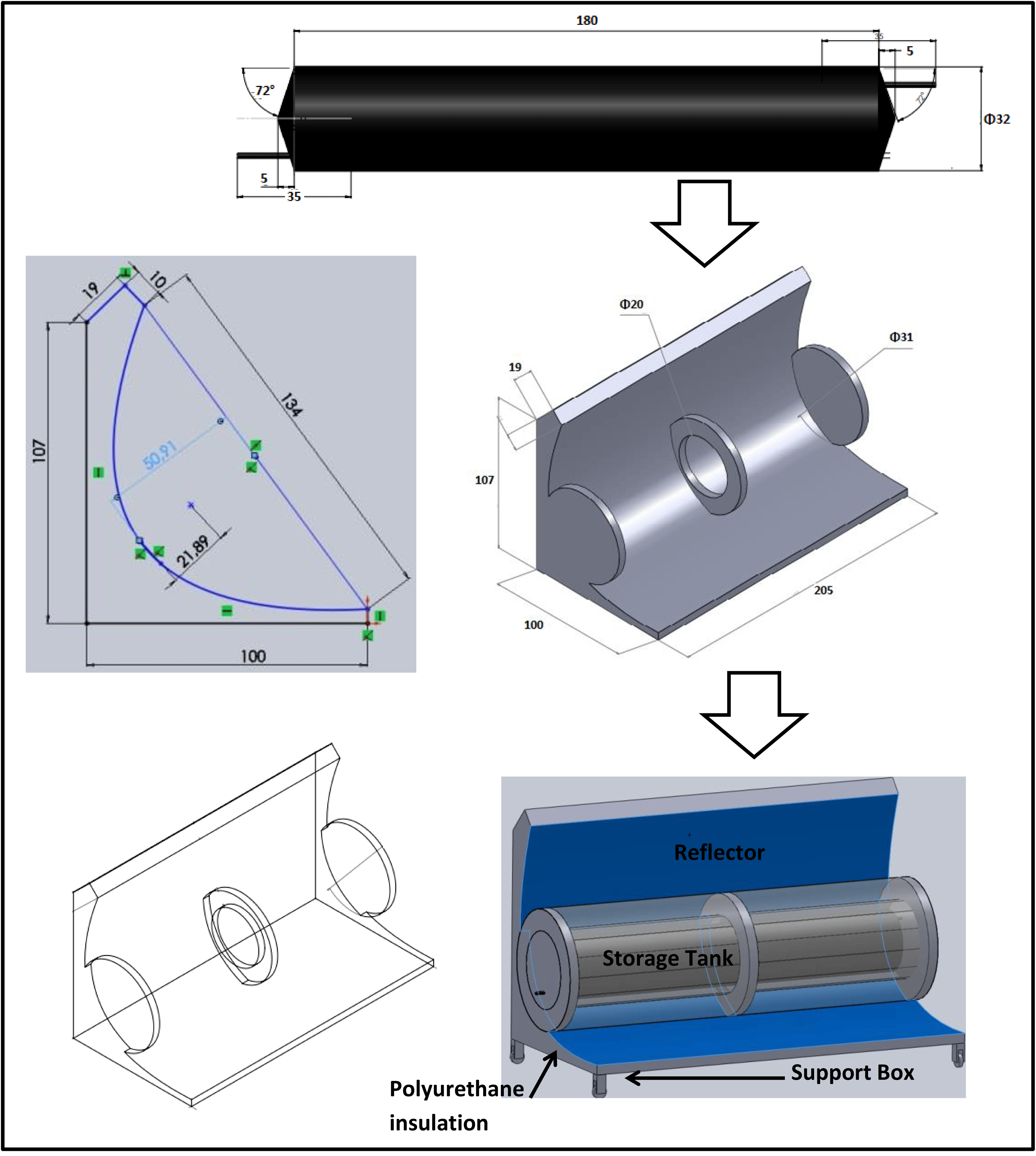
CAD system model design of the Cylindrical Parabolic Integrated Collector Storage (CP-ICS) collector in SolidWorks.
Figure 2 describes the steps followed in the construction of the cylindrical parabolic collector. The raw material used to construct the box is the medium-density fiberboard wood, which is covered by aluminum plates on the rear, bottom, and side surfaces of the collector, iron bars, and aluminum angles for fixing the box. The dimensions of the trunk conceived in step 1 are 2 m × 1 m × 1 m. Two aluminum sheets are used as reflectors to make this box, whose dimensions for a single sheet are as follows: 1.74 m × 1 m and a thickness of 1 mm. This sheet helps protect the polyurethane foam from UV rays. This sheet has a cylindrical-parabolic shape, which ensures the reflection of solar radiation on the focus of the parabola in order to transmit all the rays to the tank. This parabolic shape was optimized using ‘parabola’ software, which gives a diameter of 134 cm, a linear diameter of 174 cm, a depth of 50 cm, and a focal length of 22.45 cm. As shown in the second step in the figure, the reflection is chosen inside the center of the collector and outside to increase the incident flux on the collector surface. Thermal insulation behind the trunk is provided by polyurethane foam (step 3 in Figure 2). Its density is around 40 kg/m3, and its average thickness is approximately 10 cm. The quantity of polyurethane injected into the collector is of the order of 0.5 m3. To increase the thermal performance of the system, an internal cover of the collector was placed. This insulation consists of a layer of Armaflex glued to an aluminum plate with a surface area equal to approximately 0.4 m2. To protect the collector against the rain, we superimposed an aluminum plate, noting that the collector is built from wood painted with varnish. The tank added in step 4 is made of a rolled stainless steel sheet and closed at its ends by two stamped rounded bottoms, is held in position in the insulated box by the hydraulic connection ends that pass through the short sides of the insulated box. Also, we used a rectangular metal plate welded to the end of the balloon crossing the trunk, which serves to prevent the rotation of the tank around its ends. By default, the outer cover is always glass. The case studied in this work requires a flexible cover on the parabolic cylindrical trunk; for this reason, a polycarbonate plate was chosen. The transparent cover (added in step 6) is fixed at small angles and placed around two sides of the plate with a silicone sealant joint between the polycarbonate and the box. Our objective is to increase the efficiency of the system and minimize losses. For this, we found a solution to add a second layer of insulation inside the collector. In fact, we wrapped the balloon with a special tarpaulin placed on flexible aluminum rods all around the balloon. This double glazing is used to accentuate the greenhouse effect phenomenon in the collector and therefore increase its thermal performance.
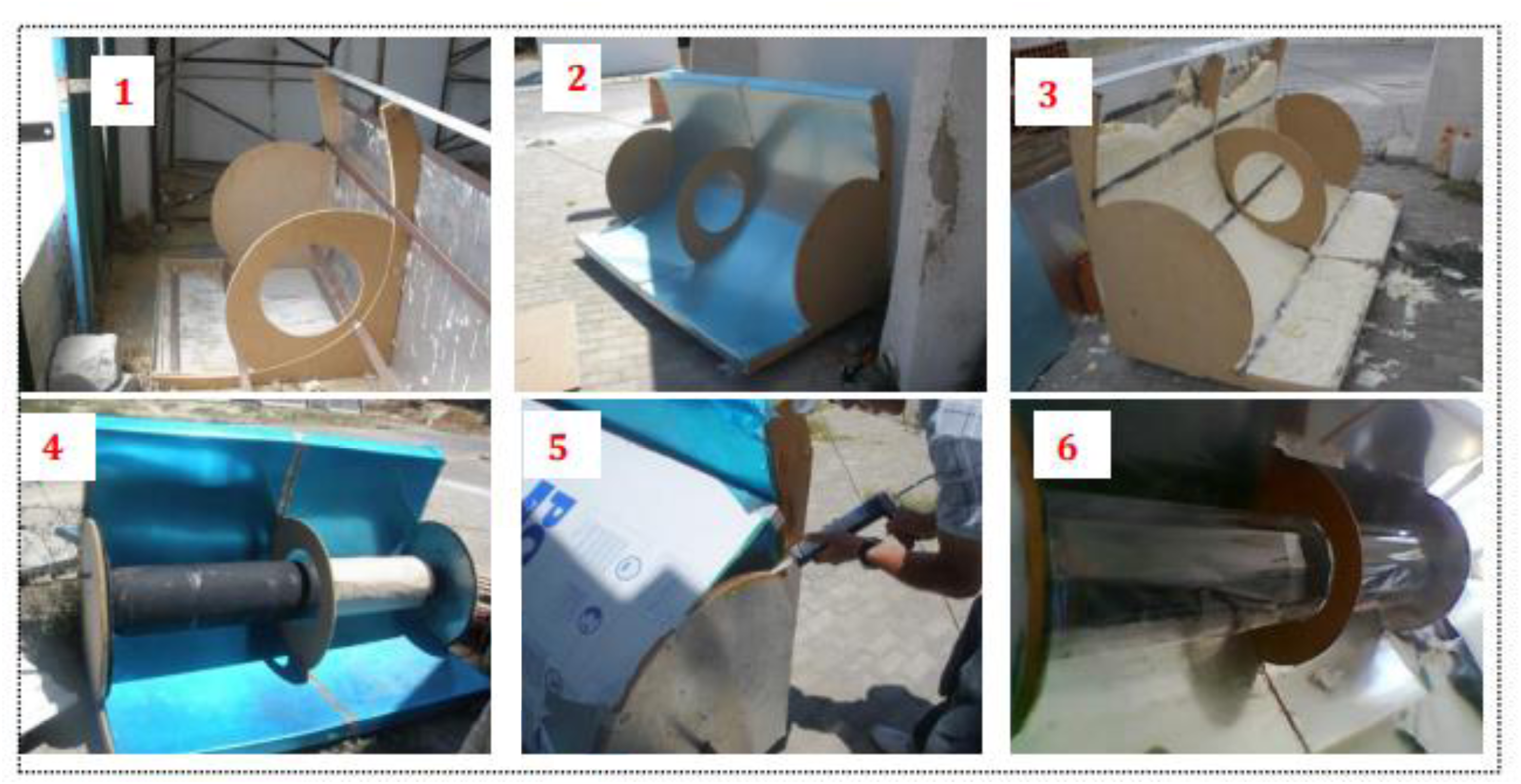
The steps followed to manufacture the Cylindrical Parabolic Integrated Collector storage (CP-ICS) collector at the Research and Technology Centre of Energy, Tunisia: Step
Figure 3 shows the manufactured system with single and double transparent insulation placed on the test bench, ready for thermal performance testing. The system is composed of a cylindrical storage tank covered with a layer of black paint, placed inside an insulated box equipped with a cylindrical-parabolic reflector. The whole system is covered by transparent double insulation (‘Tarpaulin’ in the interior and ‘Polycarbonate’ in the exterior).
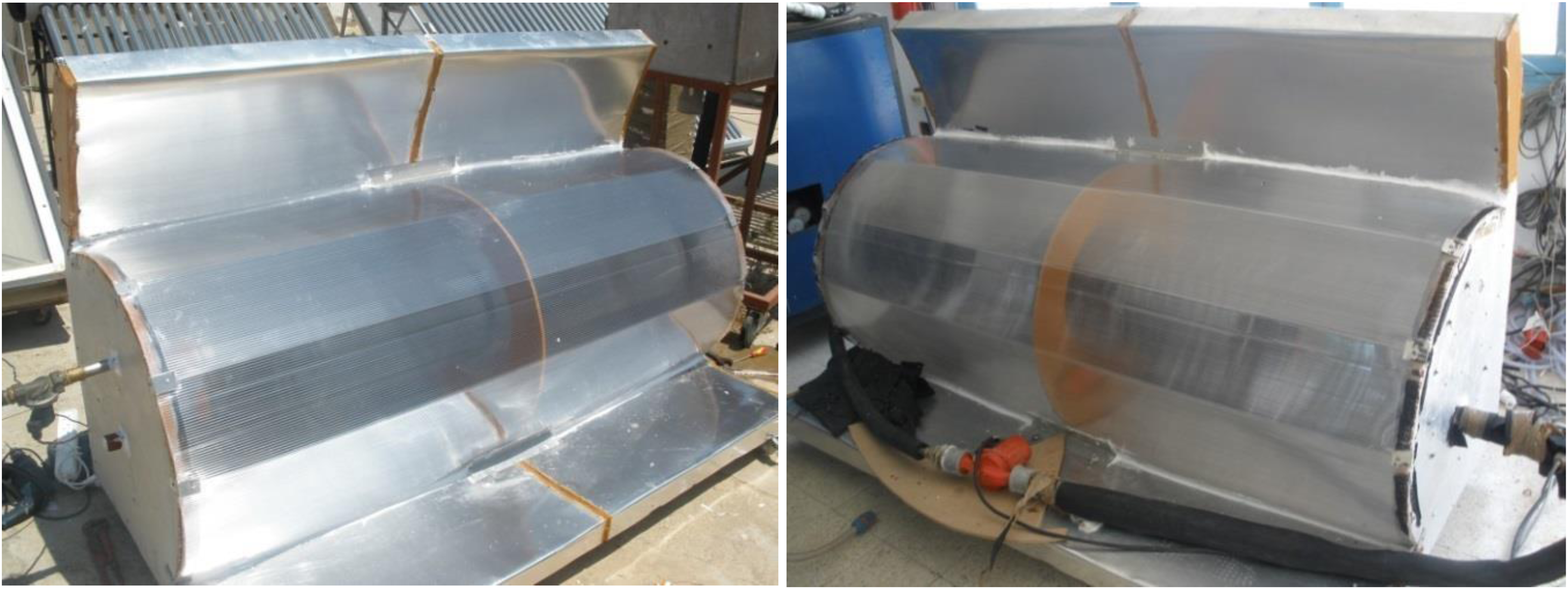
Conceived Cylindrical Parabolic Integrated Collector Storage (CP-ICS) collector with single (left) and double (right) transparent insulation. The purpose of the transparent insulation is to reduce upstreamheat losses.
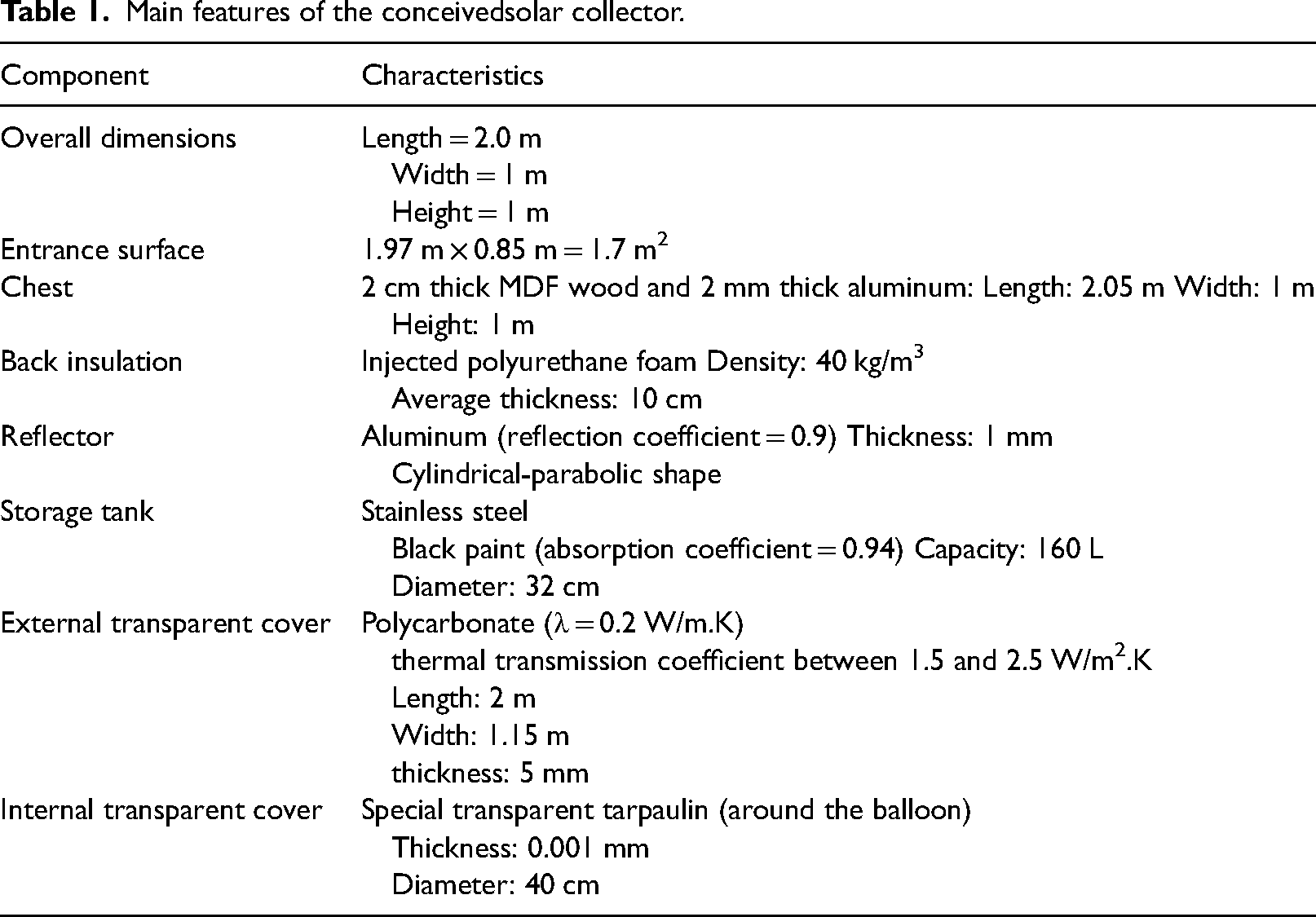
Table 1 summarizes the system's technical characteristics. The surface and linear thermal transmission coefficients describe the surface and linear losses caused by the thermal bridges at the profile-filling interface. The thermal transmission coefficient of polycarbonate is between 1.5 and 2.5 W/m2.K, whereas that of glass is 5.7 W/m2.K. Glass has a higher thermal transfer coefficient than polycarbonate; hence, it is preferred to utilize it as a transparent cover. Aluminum has a larger reflection coefficient than stainless steel, which is less reflective. As a result, it is recommended for designing solar reflectors.
Main features of the conceivedsolar collector.
Experimental set-up
The evaluation of the thermal performance of the system requires the measurement of the incident solar flux, the ambient temperature, the water temperatures at the inlet and outlet of the tank, the wind speed, and the water flow. These parameters are obtained, respectively, using a pyranometer, a temperature-measuring probe, an anemometer, and a flow meter. The pyranometer is of the Kipp & Zonen® CM11 type with a sensitivity coefficient K equal to 200.803 W.m−2.mv−1. The intensity of the radiation is proportional to the temperature difference and depends on the electromotive force of the thermopile. The temperature probes used are of the PT-100 type. A PT-100 probe with resistance R0 = 100 Ω at 0°C. The probe is a 4-wire platinum resistor that varies linearly with temperature. The test laboratory has a cup anemometer for measuring wind speed, consisting of a generator driven by wind energy via cups that are attached to the rotor. The rotation of the latter will give rise to a voltage across the stator terminals, that is proportional to the wind speed. The anemometer output current is I = 4.67 m and V = 35 m.s−1. The float type flow meter, which allows you to measure the flow rate ranging from 0 to 35 L/min, is installed in front of the system at the hot water outlet to measure the effective withdrawal flow rate. Hot water withdrawal control during a test period is ensured using an all-or-nothing type solenoid valve. Instrument calibrations are performed to ensure the accuracy of measuring equipment, such as thermocouples, PT100 sensors, water flow meters, and a pyranometer. Pt100 thermal sensors were calibrated for the operating temperature range by comparison to a reference sensor using a thermostatic bath that includes a thermostatic heater, thermometer, and device to homogenize the heated fluid temperature. The curve for the thermocouple calibration was performed by fitting the gathered data. The calibrated data and reference values agree well, and the standard deviation falls within the 0.19 acceptable range. The flow meter utilized for the water flow rate measurements was calibrated using a constant control volume. The flow meter calibration process was accomplished by measuring the time required to fill the control volume to capacity. On the other hand, the used pyranometer is distinguished by its own sensitivity (calibration factor), which is expressed in µV/(Wm−2) and is indicated on the pyranometer label as well as in the calibration report.
In Figure 4, a schematic view of the experimental set-up of the conceived collector test rig is shown. Data acquisition is carried out through an HP34970A acquisition chain from Agilent Technology. This chain is equipped with the 34901 module, which allows the measurement of voltages and temperatures using Pt100 probes and resistors, and the 34903 module, which allows the control of the solenoid valves. We employed the HP acquisition unit chain, an interfaceable and self-contained measurement device, to collect the data. It measures and converts 11 different input signals. An HP-VEE application was used to regulate and measure the various values required to investigate the system's thermal performance.
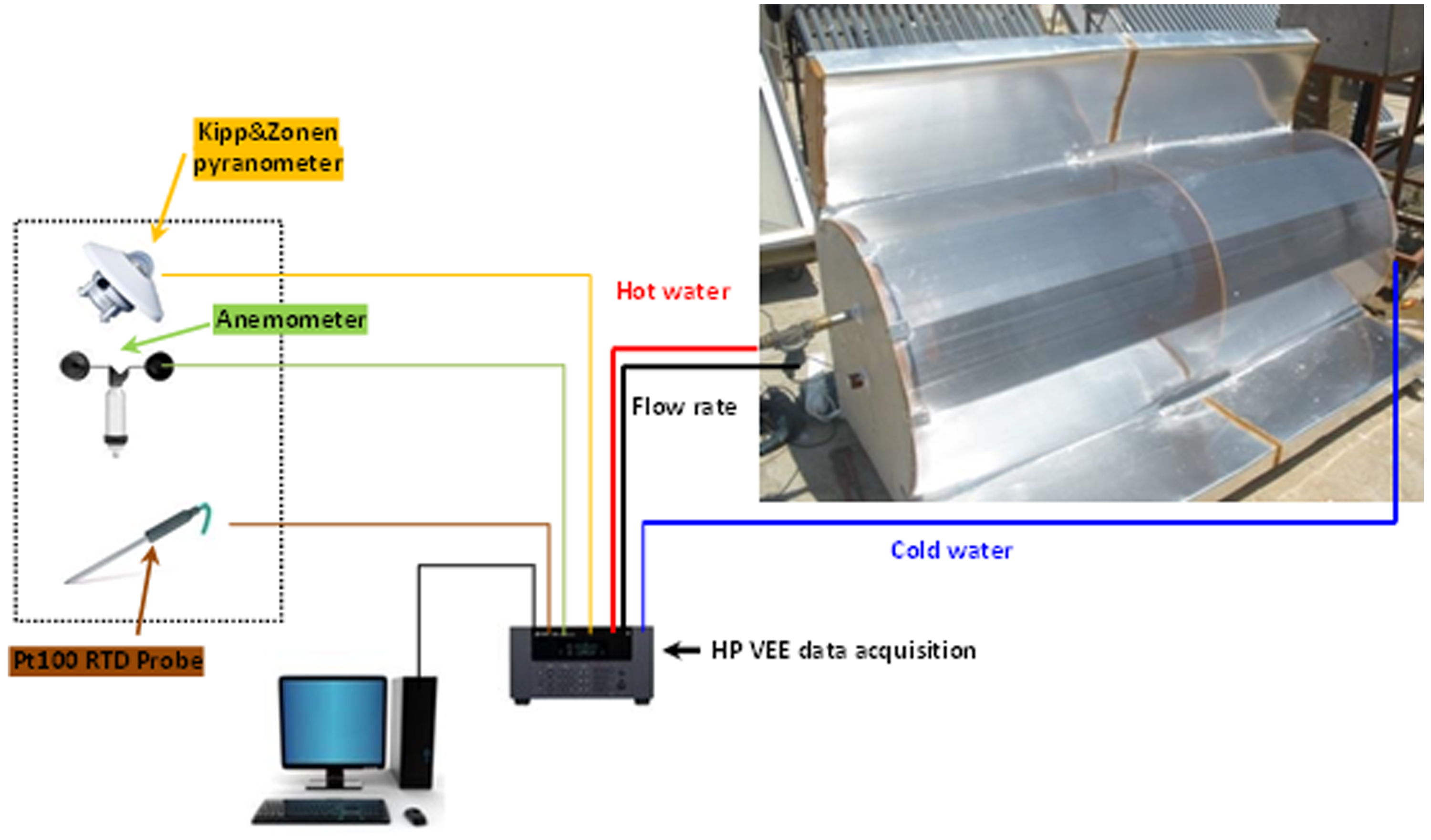
Performance for the Cylindrical Parabolic Integrated Collector storage (CP-ICS) heating system test rig.
The test procedures and long term study
Input-Output method
The thermal performance measurements of the CP-ICS system consist of first evaluating the loss coefficient, denoted U
s
. It consists of filling the storage tank and heating it to a temperature above 60°C, then leaving the whole thing to rest in a room at a known ambient temperature for 24 hours. Measuring the water temperatures at initial and final states allows us to evaluate us by applying the following formula (Hazami et al., 2010):

Dynamic system testing method
The aim of the DST method is to test the system under variable climatic conditions, with a withdrawal profile spread over the test period, and to give a defined number of parameters characterizing the system. This method is used to evaluate the short- and long-term thermal performance of the system. It is based on two operating states called Test A and Test B; each test lasts three days. The test is presented as follows (Kaloudis et al., 2010):
Day 1: Conditioning, then operation under the state of test A. Day 2: Operation under test A conditions. Day 3: Operation under test A conditions. Day 4: Operation under test B conditions. Day 5: Operation under test B conditions. Day 6: Operation under the state of test B, then final conditioning.
This method follows a specific experimental protocol, allowing the characteristic coefficients of the system to be detremined and then typed in the simulation software SOLO developed by the independent specialist in solar energy, TECSOL®. The two types of tests are presented as follows:
Test A: For test days A, six withdrawals are carried out as indicated in the following table. The departure time for the first withdrawal is scheduled for 7:30 a.m. The withdrawal start time can be changed but the withdrawal time intervals must be respected to avoid overheating of the system. The withdrawal time of test A is equal to 270 s. It is relatively high compared to that of test B, the aim of which is to acquire information on the performance of the solar collector at high efficiencies. In each withdrawal, the tank loses 45 L of stored hot water. The indicated withdrawals keep the solar collector cold. Test B: The withdrawal profile of test B is broken down into five distant withdrawals lasting 2 hours throughout the day, starting with t0, as indicated in the table below. As in test A, t0 is the actual departure time for the first withdrawal of the day. The first withdrawal time is set at 9 a.m. The withdrawal time of test B is equal to 42 s, which is very short if we compare it to that of test A. in fact, the aim of this test is to acquire information on heat losses of the balloon and the performance of the solar collector at low yields. In each withdrawal, the system evacuates only 7 liters from the storage tank. The withdrawals are made in order to keep the system hot while avoiding overheating of the tank. It is important to note that the DST method requires that a minimum of three days under Test A conditions and three days under Test B conditions be valid. A test day is said to be valid if and only if the average irradiation on the solar collector during that day exceeds 12 MJ/m2. If the test sequence contains invalid days, the measurement must be extended by repeating the test sequence until this condition is met.
In order to evaluate the performance of the proposed CP-ICS system in different weather conditions, we have used TRNSYS software (Harrabi et al., 2021). Indeed, the mathematical model of the used type 536 linear parabolic concentrator allows for computing the temperature of the water at the collector outlet as follows TRNSYS (2006):




Based on the aforementioned equations uncertainty on the energy efficiency precision, the collector's dual thermal efficiency is dependent upon the operational parameters {G, T
i
, T
o
, G}. The total combined uncertainty in the daily thermal efficiency is related to the measurement result and is as follows (Mathioulakis et al., 2012):

Results and discussions
The system test is conducted at the Borj Cédria site (36.696°N, 10.386°E). Due to its Mediterranean climate, the region experiences hot, dry summers and little rainy winters. We have shown climatic data as well as the variation in water temperature at the solar water heater's outlet during withdrawal for a test day in Figure 5. A withdrawal flow rate of 10 L/s is used throughout the testing. The water's temperature at the solar water heater's outlet decreases exponentially, tending towards the roughly 35°C temperature of the renewal water at the unit's inlet. The amount of water extracted is contingent upon the meteorological conditions on test days, such as temperature fluctuations at the solar water heater's outlet. We note that during the considered test, the quantity of water withdrawn is estimated at a value of 90 L at an average temperature of nearly 35°C.
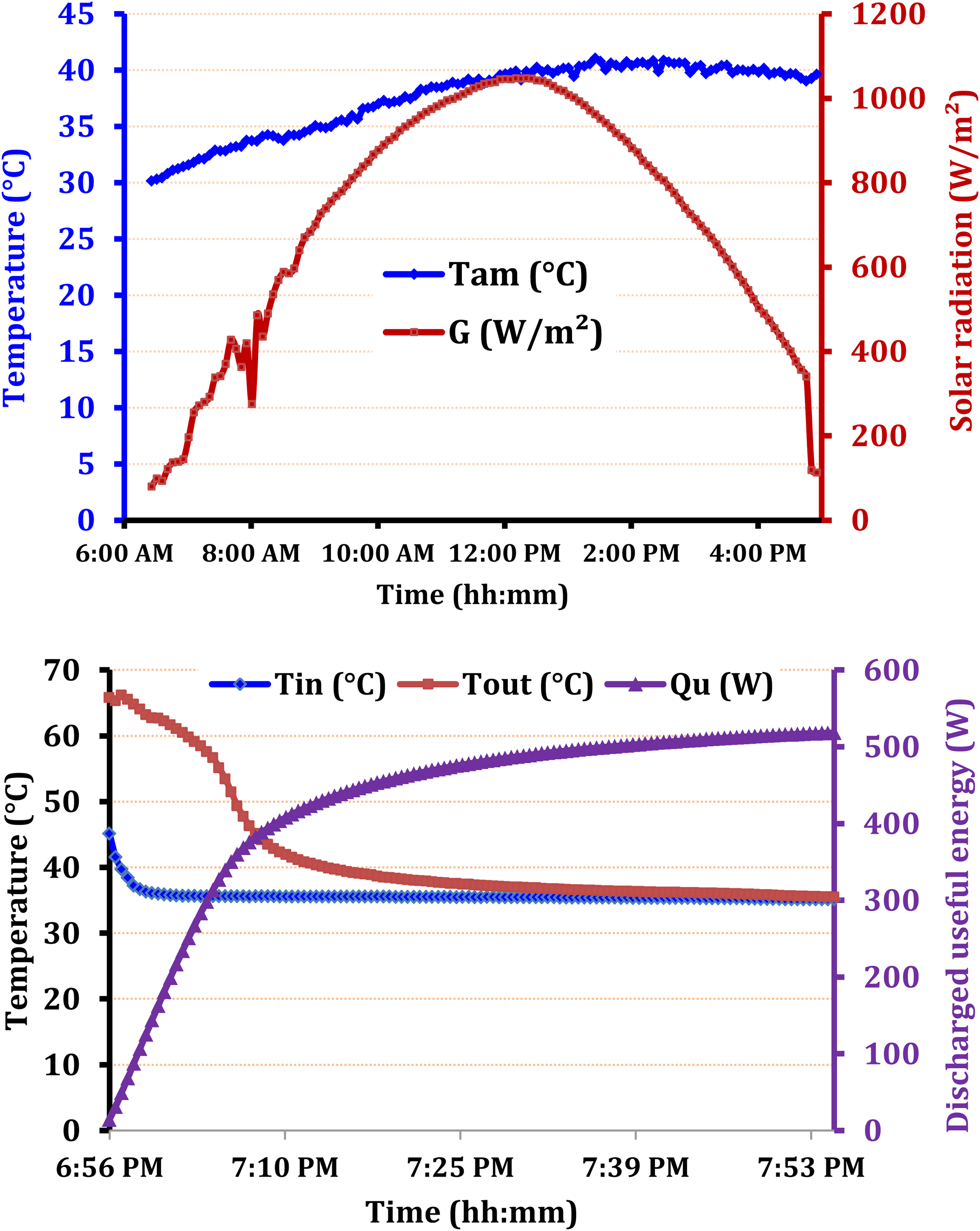
Climatic data (a) and drawing profile and discharged useful energy (b) during a test day.
Annual productivity is the annual energy delivered by the system. Is determined by the DST method, which follows the specific aforementioned experimental protocol. Assessing the system's productivity enables the collector's size to be determined. In general, productivity decreases when the solar water heater's area increases and increases to an asymptotic value when the storage volume increases. Also, it is obvious that the higher the solar coverage rate, the lower the productivity of the collectors. We aim to find out the effectiveness of this system in meeting the needs of a family made up of three people who consume on average 160 liters of DHW at an average temperature of 40°C. Naturally, the amount of energy required for hot water varies throughout the year based on the ambient temperature. The percentage contribution of the designed CP-ICS to the total thermal energy required to meet the DHW demand using SOLO software as post-processing of DST results is presented in Figure 6. The system's annual productivity averages 932 kWh, with a maximum in October and a minimum in February of 91 kWh and 66 kWh, respectively. This observation is intriguing because it shows that it turns out that the operation of the collector is not optimal in the hottest month, which is here in July, but, on the other hand, the collector operates profitably with moderate temperatures. Thus, the solar fraction reaches its maximum in October, when it stands at 91%. This suggests that the collector is ready to supply a significant portion of the hot water needed for household use. Nevertheless, the solar coverage rate is a valuable indicator for estimating the share of needs covered by solar energy, but it is not significant from an energy point of view since it does not take into account thermal losses at the SWH system.
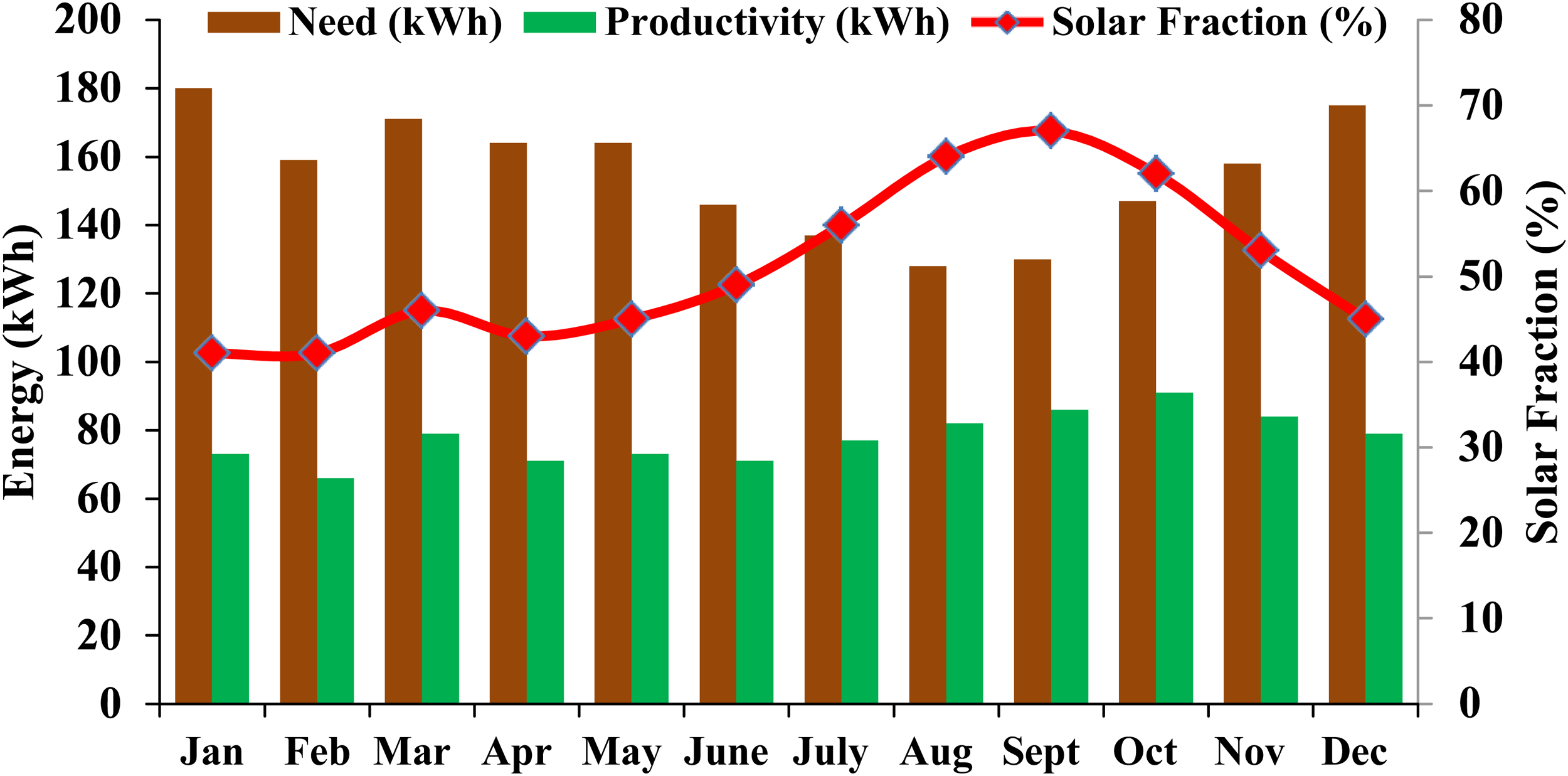
Monthly simulated productivity, total need, and solar fraction for the Cylindrical Parabolic Integrated Collector Storage (CP-ICS) system according to a typical family need in Tunisian weather data conditions.
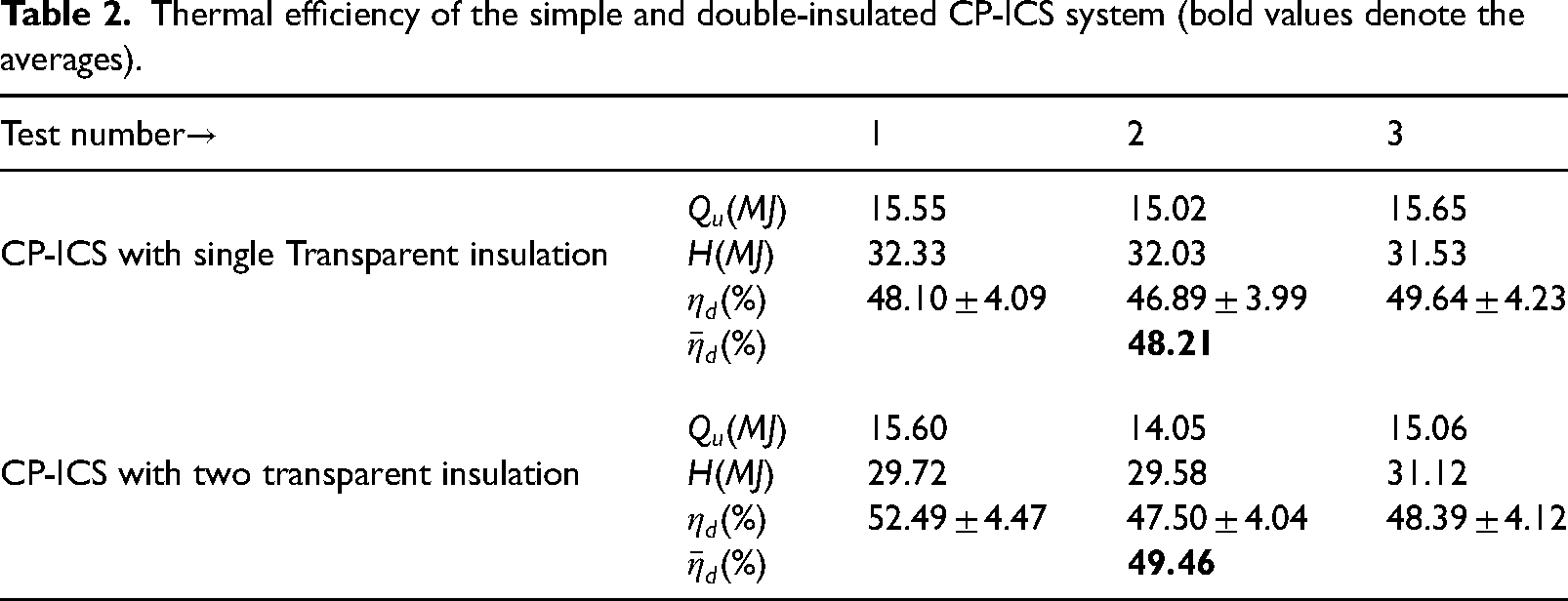
The system losses involve the heat fluxes exchanged by radiation and convection through the front face of the collector. Also, losses can occur by conduction through affected elbows in the storage tank. The loss coefficient of the storage combined with the collector determined using equation (1) is equal to 9.9 W.K−1. From the climatic and withdrawal data, we were able to compute the daily thermal efficiency of the system, η d . Table 2 summarizes the values of the useful energy, the total incident energy, and the thermal efficiency of the single-insulated system (Bold values denote the daily efficiencies averages on considered tests). From the table, the average daily efficiency is equal to 48.21% and 49.46% for single- and double-glazing configurations, respectively. Hence, the two and single insulation systems have approximately the same thermal efficiency, which can be explained by the fact that, the second insulation which reduced the loss coefficient, also increased the solar rays reflected by the system's entrance face, resulting in a significantly lower absorbed flux for the double insulation system than for the single insulation system. This can be improved by completely draining the air between the two transparent insulations.
Thermal efficiency of the simple and double-insulated CP-ICS system (bold values denote the averages).
The efficiency of the present system and its thermal loss coefficient are compared to the previous studies, as illustrated in Table 3. The table reveals that CP-ICS with double transparent insulation has a relatively low loss coefficient (
Comparison of the thermal performances of the developed system with previous studies.
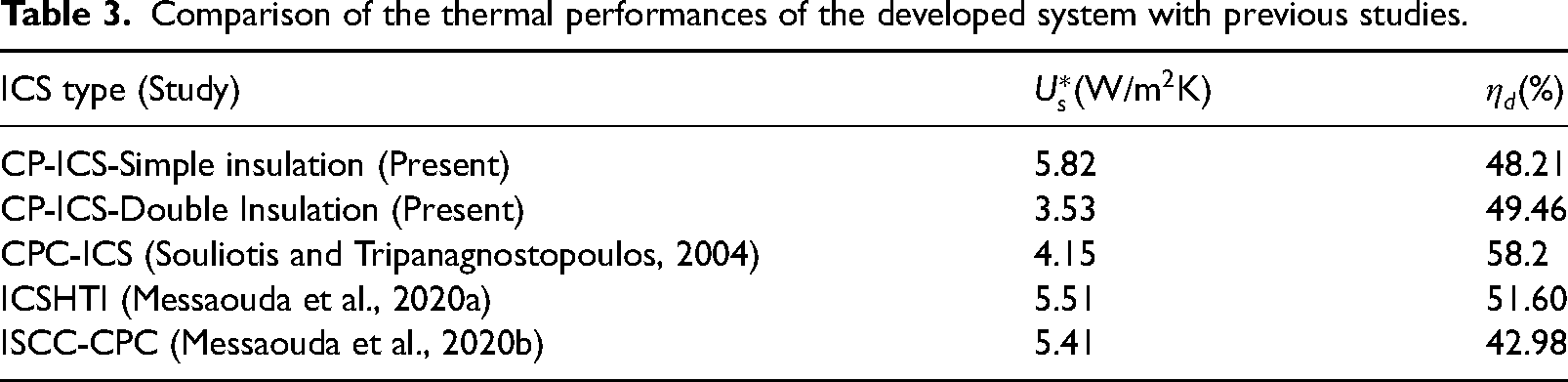
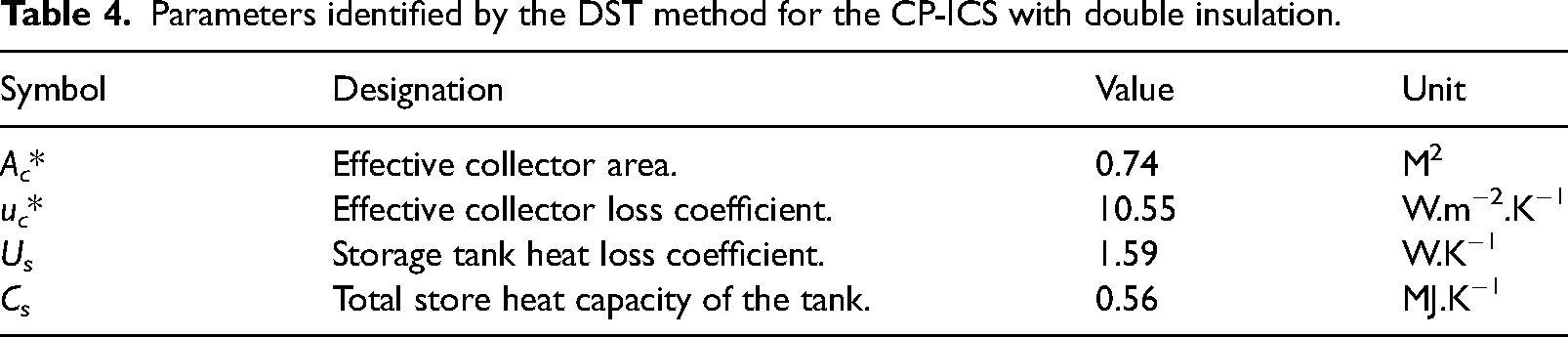
Table 4 reports the identifying parameters for the CP-ICS with double insulation found by using the DST procedure in accordance with ISO 9459-5 standard (Messaouda et al., 2023). The parameters include the collector's effective surface area Ac*, the collector's overall loss coefficient uc*, the loss coefficient of the storage tank as a whole Us and the storage tank’s thermal capacity rate Cs. The useful surface of the collector and the tank's total thermal capacity is 0.74 m2 and 0.56 MJ/K, respectively. The CP-ICS system is characterized by a relatively low storage capacity and useful surface area, and this can be improved considerably by using night insulation as well as improving the vacuum between the two transparent insulations.
Parameters identified by the DST method for the CP-ICS with double insulation.
In order to predict the long-term thermal performances of the PC-ICS system (monthly and annual productivity, useful and auxiliary energy, and solar fraction) in different climates and compare them to those of conventional solar collectors, a numerical simulation is carried out using TRNSYS software. The developed model uses an independent collector connected to a storage tank. The layout of the complete TRNSYS model and the main information diagram of program execution are shown in Figures 7 and 8, respectively. It consists of the connection between Type 536 and Type 158 to integrate the amount of energy with respect to time. Type 24c ensures the recording of the results calculated during the simulation in an external text file. However, let's insist on the fact that the aim of this part is not to validate the experimental study, but rather to evaluate the use of the complete vacuum between the two transparent insulations. The recent climatic data from the Borj-Cédria site have been extracted from Meteonorm software, and a typical family need for a daily consumption of 160 L is considered a daily load. The shape of the collector and its dimensions are adapted to the present system by modifying the parameters of type 536. The opening surface of the collector is set at 1.7 m2. The flow rate of water passing through the collector is controlled so as not to exceed a critical temperature.
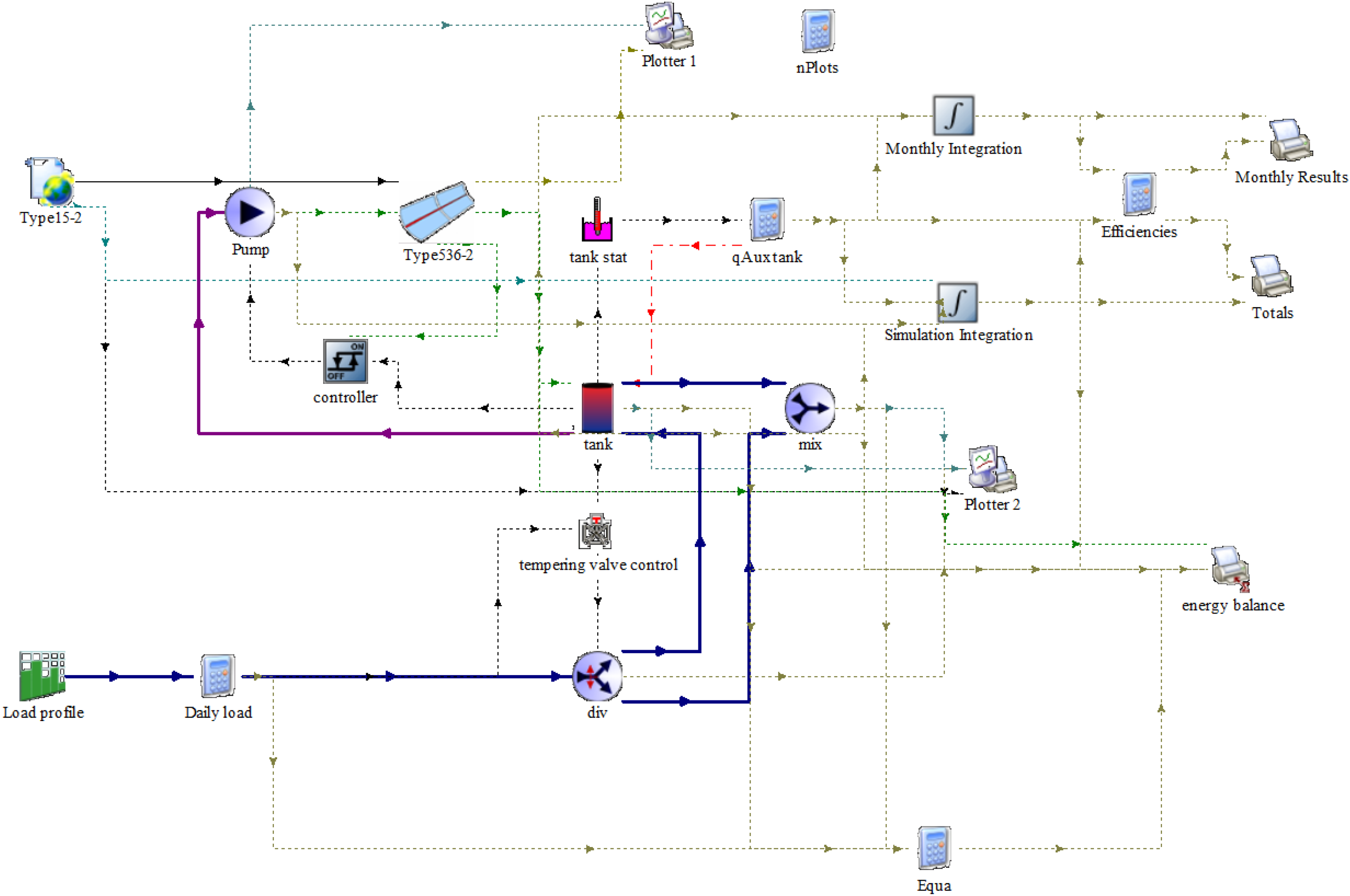
TRNSYS simulation model of the Cylindrical Parabolic Integrated Collector Storage (CP-ICS) system destined for DHW production.
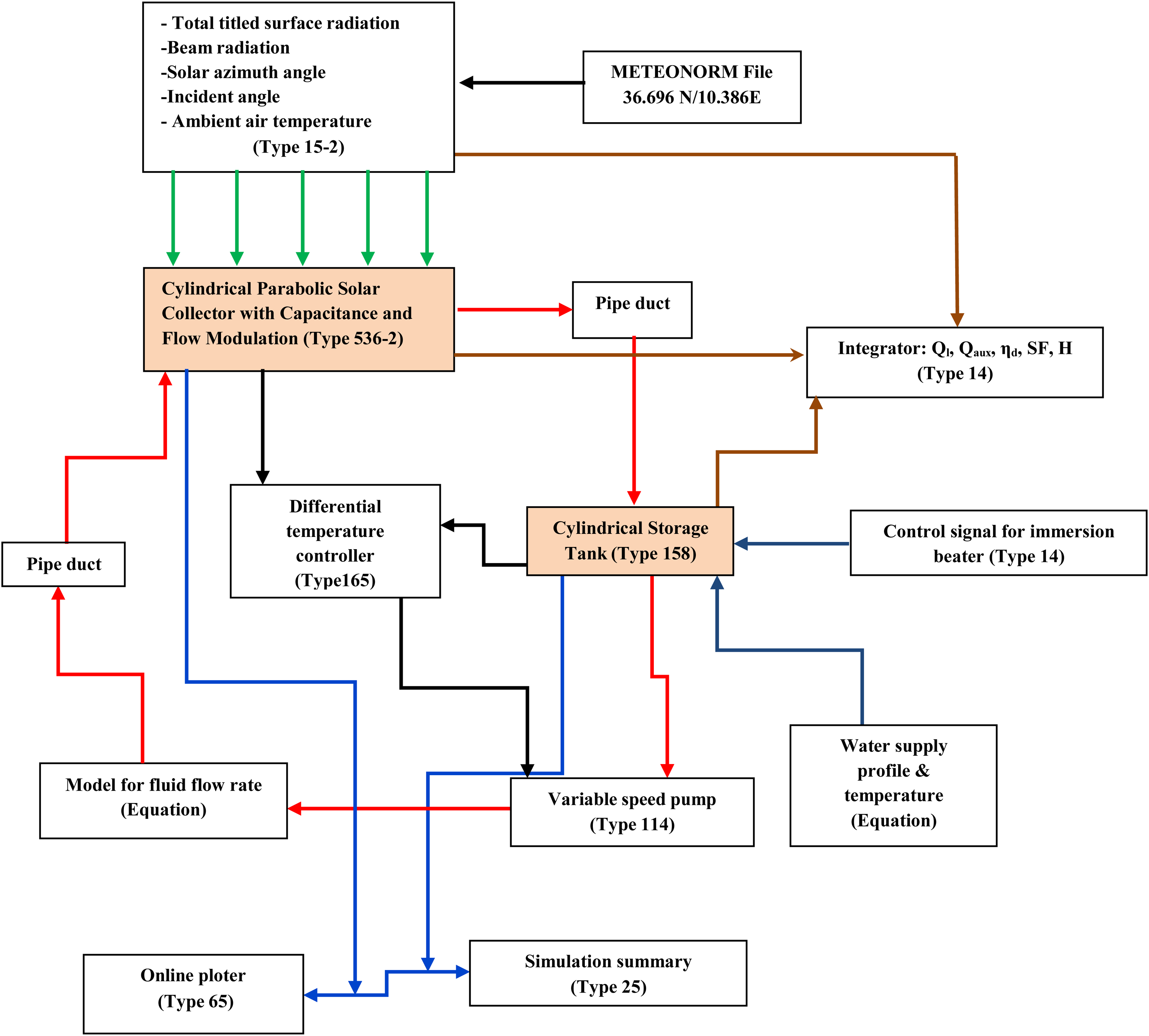
TRNSYS information diagram for the expanded CP collector connected to the storage tank.
To ensure the accuracy of the proposed TRNSYS model, the numerical results are compared with those obtained experimentally using the same withdrawal profile, that is, 10 L/s. Figure 9 depicts the variation in solar radiation, the ambient temperature, and the collector output temperature on a test day in July. The figure shows a good agreement between the experimental and predicted outlet temperature of the collector during the withdrawal. The mean absolute error, the mean relative error, and the root mean square error are found to be, respectively, equal to 1.49°C, 2.56%, and 0.15°C. The findings of the deviation analysis demonstrate the viability of the TRNSYS simulation model.
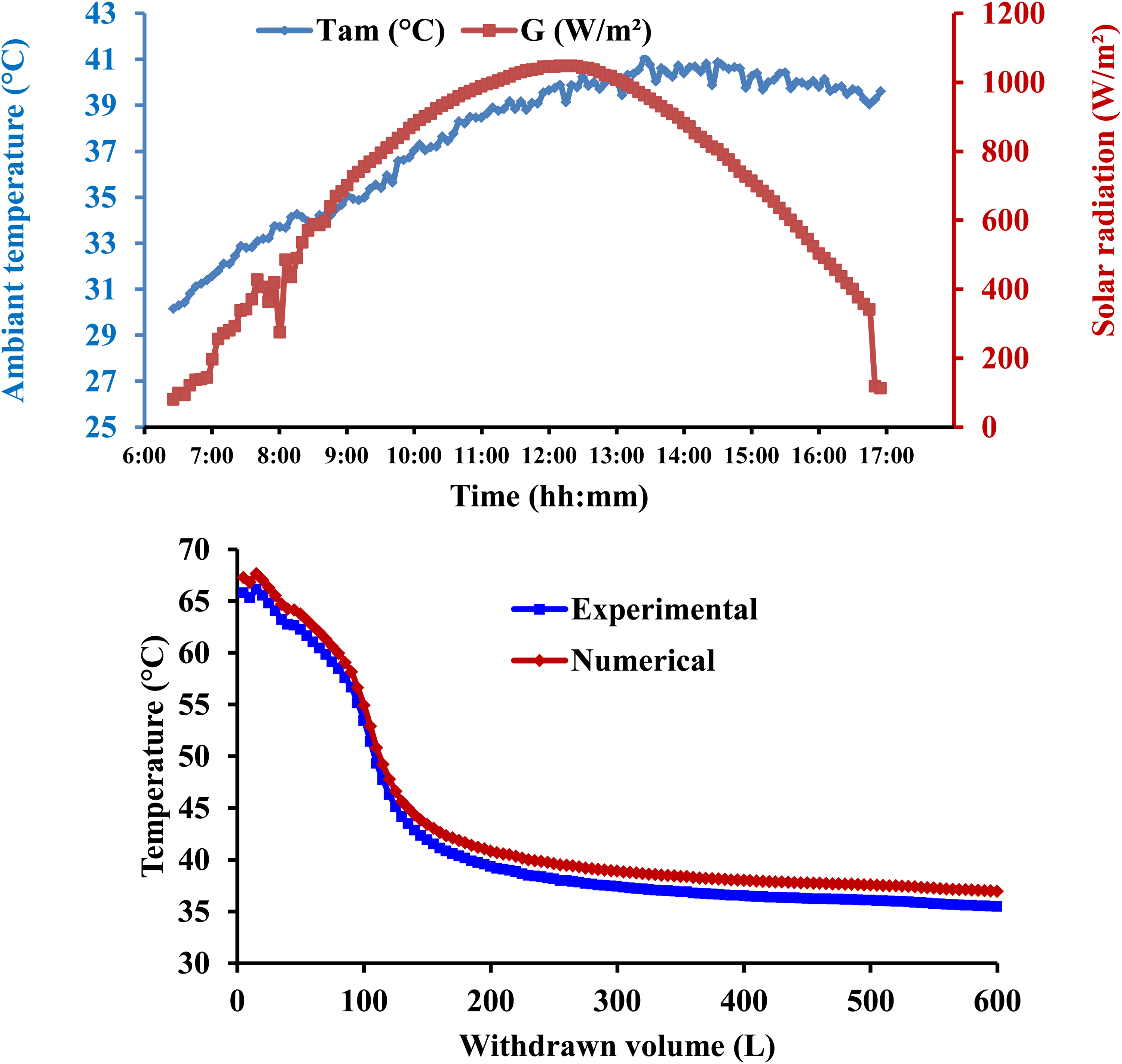
Climatic data (top), numerical and experimental output temperature of the collector (down).
The variations of the useful energy gain from the collector with respect of the ambient temperature and solar irradiation from the collector are depicted in Figure 10 for the first six days of January and July. For cold days, the ambient temperature varies between 7.9°C and 20.8°C and for the maximum amount of solar radiation reached is 540 W/m2. The maximum solar irradiations allow for the collection of a maximum instantaneous useful energy equal to 403 W/m2. A value about 200 W/m2 can be considered as the operating threshold of the complete system and beyond this value, the system meets a fraction of the hot water need. This is evident on the first and sixth days, when there is no productivity. Certainly, sunshine duration, irradiation, and total ambient air temperature affect the collector's output considerably. This is manifested by the value of minimal instantaneous useful energy throughout the 4th day of January (due to the drop in solar sunshine). More importantly, the significant drop in ambient temperature on the 5th day did not significantly affect the useful energy produced. This outcome is significant since it shows that the developed CP-ICS system functions even in overcast conditions. On the other hand, for the days of July, the system contributes considerably to the solar fraction of the needed hot water. Indeed, for significant amounts of sunshine, the useful energy reached a value of 336.84 W/m2 on the second day, leading to an instantaneous efficiency equal to 37%. It is important to note that DST and Input-Output testing give more realistic data concerning the thermal system's behaviour. Compared to the conceived system, TRNSYS 536 Type uses a complete vacuum, allowing effective insulation from the ambient and a greenhouse effect of incident solar rays. Also, Type 158 employs a model of well-insulated storage tank. Hence, the model studied is characterized by a low concentration ratio due to the large surface area of the absorber, assumed to represent the storage of the system, which is actually compacted to the capture component. However, by using TRNSYS model, the water is trapped in the absorber for only one hour. It is important to note that the maximum temperature found by simulation is 53°C, while the maximum temperature recorded during the experimental tests is 52°C. However, this temperature withstands the storage carried out during the tests, during which the water was stored in the absorber and withdrawn around 4 p.m.
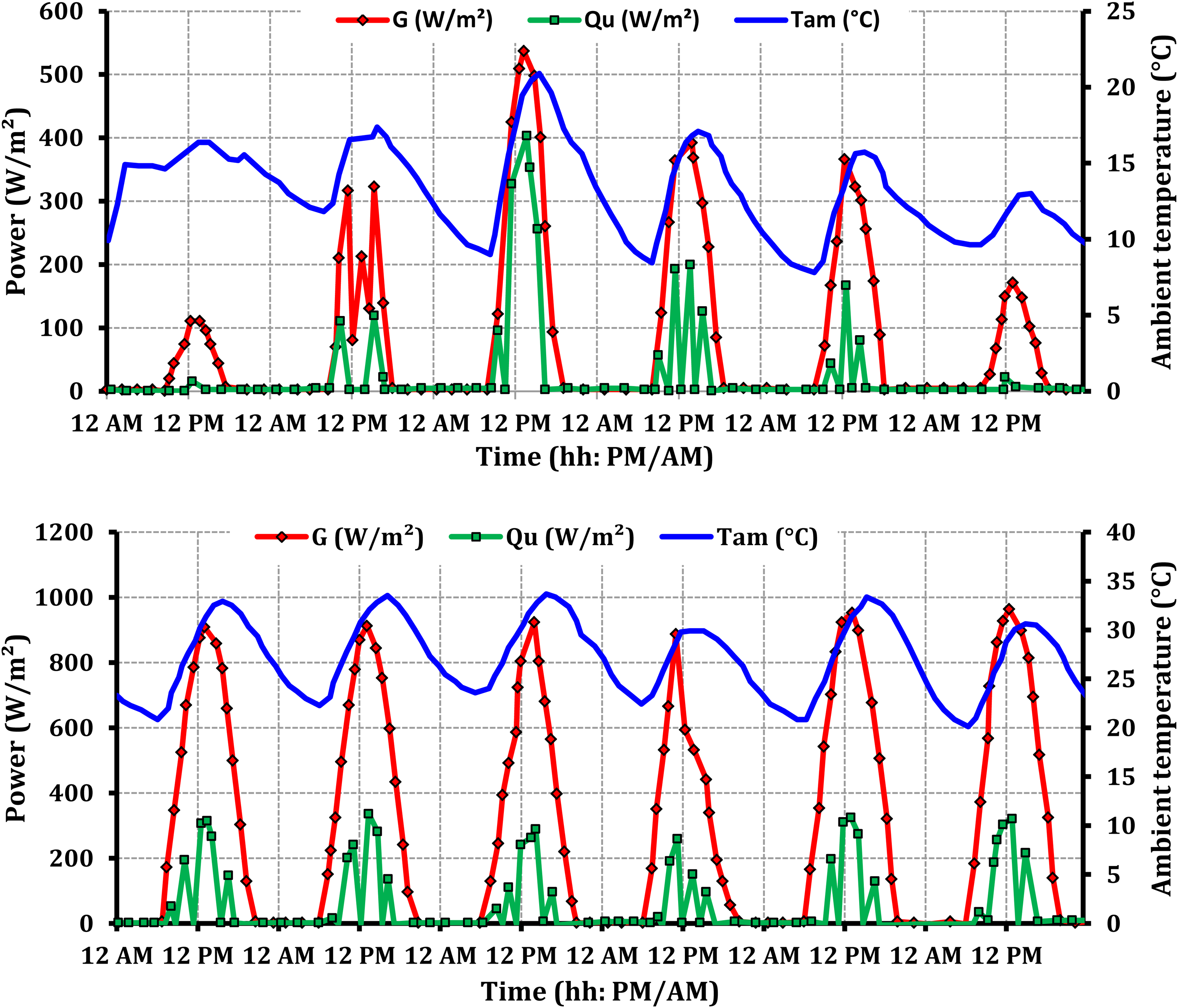
Climatic conditions and TRNSYS simulation of the useful energy gain from the collector for 6 successive days (
Figure 11 shows the numerical prediction of auxiliary, useful, and total titled surface radiation incident to the collector according to seasonal changes. The figure shows significant productivity during hot seasons. The maximum productivity is reached during the months of July and August with a value of 106 kWh, while the minimum of the collected energy is obtained during January and is equal to 49.85 kWh. These values correspond, respectively, to auxiliary energies to overcome the need equal to 95 kWh and 140 kWh. Taking into account the expanded model Type 536 connected to the storage tank used to model the system, the results recommend adjusting the storage collector's structural design by sealing and insulating better and producing a vacuum, as suggested by Mosbahi et al. (2023). In the sphere of household water heating, these systems are the most advertised, highly recommended, and efficient; nevertheless, CP-ICS technology may surpass them, especially if the collectors’ structure is enhanced. The numerical results showed that the useful energy, productivity, and efficiency of the collector with glass completely sealed with a vacuum are significantly greater than those of the designed system with its current structure. Hence, the simulation results are very promising since the storage of hot water in the cylindrical parabolic collector with vacuum absorber will have an important contribution to improving the proposed design. Furthermore, the optimization of the operation of the designed storage collector can be guaranteed by modification of the existing structure by improving the seal and creating a vacuum, which will necessarily lead to a reduction of losses. This is the main factor influencing collector productivity.
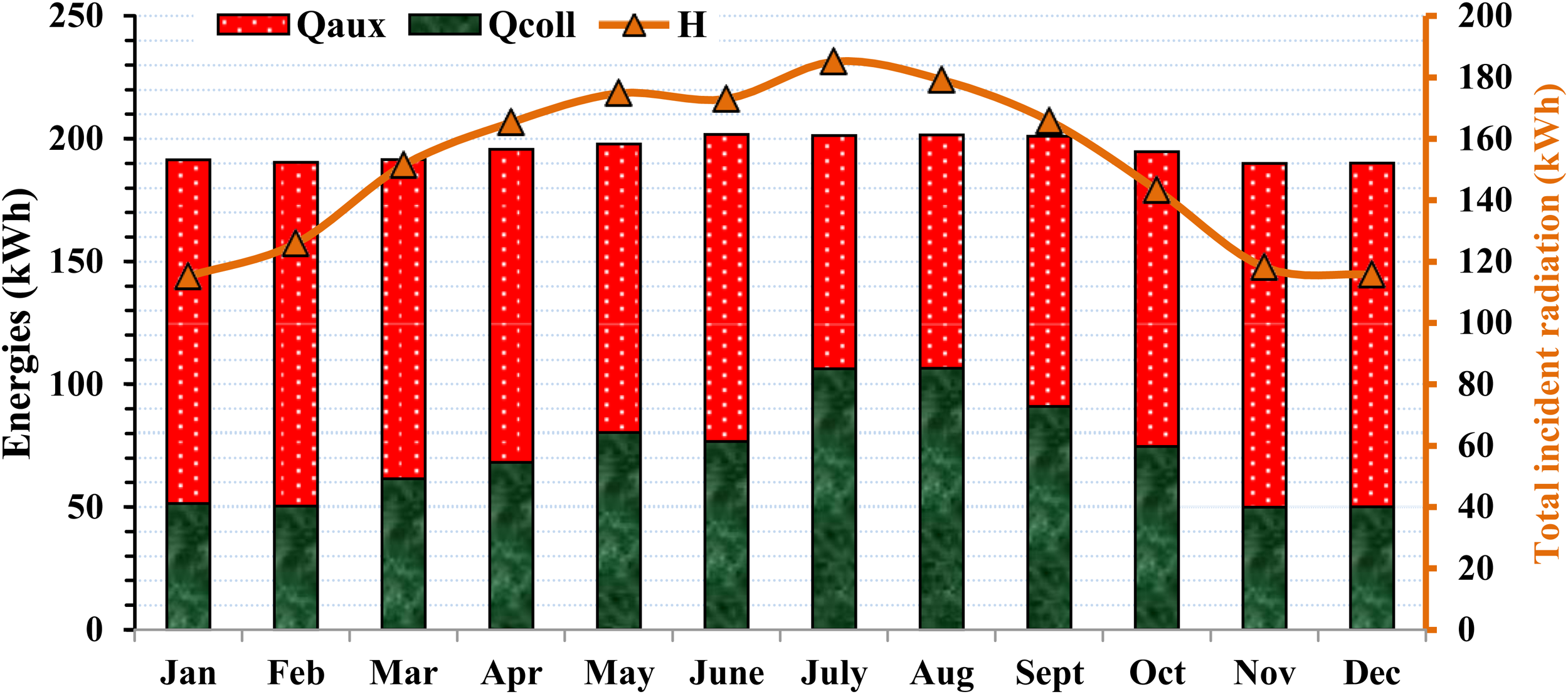
Numerical prediction of auxiliary, useful and total titled surface radiation incident to the collector.
In order to assess the thermal performance of the CP-ICS system in different locations and especially the effect of the weather circumstances on the solar coverage rate as the share of annual energy needs covered by the CP-ICS system, we report in Figure 12 the monthly solar fraction in different locations namely, Faya-Largeau (Chad), Ankara (Turkey), Araxos (Greece), Hambourg (Germany), Jiugou (China) and Bomako (Mali). The choice of locations is based on the difference in their weather conditions, thus making it possible to test the effectiveness of the collector designed in relatively cold climates like Germany and hot climates like that of Chad. With 2750–3250 h of sunshine annually. Chad has an average solar irradiation of 2000–2800 kWh per m², which constitutes a true oasis for the development of solar energy. According to the figure, the solar fractions obtained in the climatic conditions of Hamburg and Jiugou are low compared to those found for other locations, with averages of around 12.8% and 18%, respectively. That of the system using climate data from Faya-Largeau remains the highest and reaches an average of around 67.25%. The use of the CP-ICS system remains a promising solution for countries with ambient temperatures fluctuating from 13° (January) to 33° (July), such as Araxos, with solar coverage of around 30.65%. For a tropical climate like that of Bomako, which is hot all year round with a dry season from November to April, the use of the system still proves to be quite profitable since, in the majority of seasons, the solar coverage reaches values greater than 33%.
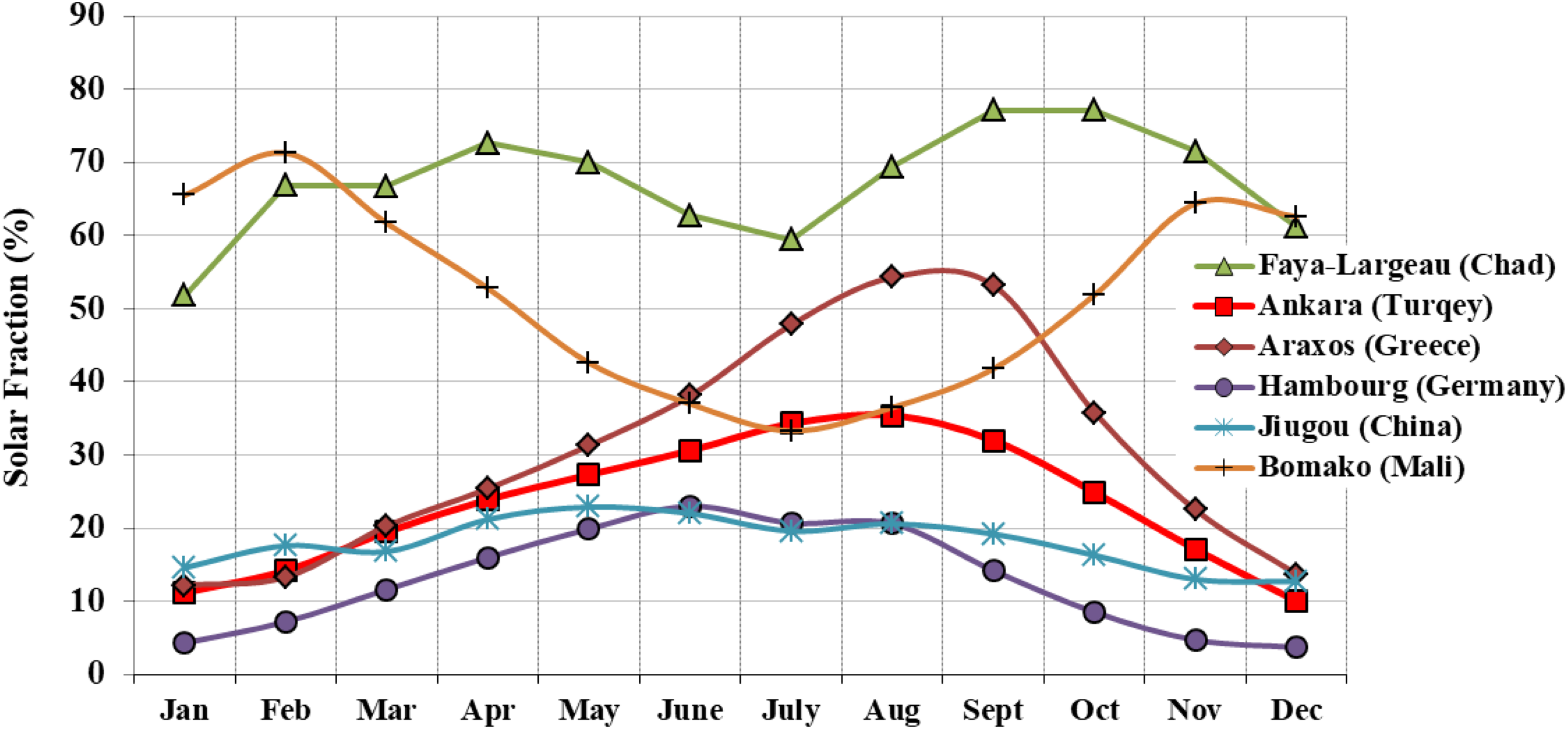
Solar fraction of the Cylindrical Parabolic Integrated Collector storage (CP-ICS) system to meet the domestic hot water needs (40°C) of a family consisting of three people in different locations.
Based on the test results as well as numerical experiments developed in this study, the proposed system presents a good alternative for producing DHW in both hot and cold climates. The proposed ICS collector offers several advantages over traditional solar thermal systems with separate collectors and storage tanks. The system has a more straightforward and compact design since it combines the solar collector and storage tank into a single device. This integration reduces installation complexity and space requirements by eliminating the need for separate storage tanks, pumps, and control systems. When compared to conventional solar thermal systems, the installation costs of ICS systems may be reduced due to their simpler design. ICS systems can be more affordable since they require fewer parts to purchase, install and maintain, particularly for smaller-scale uses like home water heating. By combining the collector and storage tank into a single unit, the system reduces heat losses that occur during heat transfer between the collector and the collector storage. The compact design of ICS collectors makes them suitable for installations with limited space or where aesthetics are a priority. System reliability is increased overall because the integrated design lowers the possibility of leaks, malfunctions and maintenance problems. Overall, the benefits of ICS collectors make them a practical and cost-effective option for solar DHW applications, especially in small-scale commercial and residential settings. The authors hope that data and design offered in this research will lead to more efficient designs of ICS system that can cater to the needs of heating applications.
Conclusion
The cost of solar thermal collectors is their main disadvantage, as their installation requires a substantial financial investment. In spite of the fact that their profitability allows them to save energy after a few years, users pay generally a significant initial cost. Fortunately, even with relatively low efficiency and substantial losses, ICS collectors can solve the cost issue. In this study, we developed and tested an ICS with a new design which consists of a cylindrical storage tank and a cylindrical-parabolic reflector. According to the Input-Output and DST procedures as well as the numerical experiments, we were able to draw the following conclusions:
✓ In Tunisian climate, the total store heat capacity Cs, the useful collector surface Ac*, and the storage tank heat losses coefficient Us of the system are 0.56 MJ/K, 0.74 m2, and 1.59 W/K, respectively. ✓ The system has an average daily thermal efficiency of 49.46% and the use of double transparent insulation decreases considerably the system's loss while the daily efficiency remains almost unchanged. ✓ The long-term study using a predefined need in the Tunisian climate shows that the CP-ICS system had the lowest monthly solar fraction of 41% in February, corresponding to a productivity of 66 kWh. In October, the system's solar fraction reaches 62% and produces 91 kWh. ✓ The numerical investigations using TRNSYS software demonstrated that the conceived system presents a viable option for use in different locations and seasonal changes. Especially in the weather conditions of Ankara Araxos, Faraya-Largeau, Hambourg, and Juigou Bomako, the system allows covering until 23.36, 30.65, 67.25, 12.86, 18.04, and 51.78%, respectively, of a typical family need and a daily consumption of 160 L. ✓ Technical improvements will be considered in our future studies, such as night-time isolation by mobile coverage. Additionally, even though type 536 coupled to type 158 can successfully characterize the system's overall behavior, evaluating the system's thermal performances necessitates the the development of a numerical tool adapted to the technical specifications of the system.
Footnotes
Declaration of conflicting interests
The author(s) declared no potential conflicts of interest with respect to the research, authorship, and/or publication of this article.
Funding
The author(s) received no financial support for the research, authorship, and/or publication of this article.
