




Abstract
The Earth's infrared energy storage is substantial, and its large-scale utilization could effectively ameliorate the greenhouse effect on Earth. Several applications of utilizing Earth's infrared radiation for cooling and power generation are summarized based on existing literature. Building upon this foundation, the use of water as an excellent energy storage medium is proposed, and a long-wave energy storage system is designed. This system can harness the immense energy density of long-wave infrared radiation with fixed bandwidth or wavelength. A comprehensive study on large-scale application is outlined in four aspects, leveraging the energy storage and radiation advantages of the system: (a) Long-wave infrared is efficiently transported using hollow glass infrared fibers for room cooling and heating. This addresses the issues of separate terminals for capillary radiation air conditioning, high costs, and maintenance challenges. (b) Building on existing literature, taking Hainan as an example, the utilization of a temperature difference of approximately 15 °C between the lowest and highest temperatures in a day for power generation is suggested. (c) The composition and structure of planar antennas are derived, and parameter selection for rectifying diodes is proposed based on radiation fluctuation theory and antenna theory. This lays a theoretical and practical foundation for converting long-wave radiation waves using rectifying antennas. (d) The long-wave radiation quantum theory is utilized to propose the concept of manufacturing components that can directly convert energy from long-wave radiation. In each of these four aspects of large-scale utilization, the emphasis is on water's excellent insulation, storage, and radiation properties, presenting new perspectives for the widespread utilization of Earth's infrared and offering a quick pathway for humanity to explore new energy sources and mitigate the greenhouse effect on Earth, facilitating a harmonious coexistence between humans and nature.
Keywords
Introduction
According to the solar constant value of 1368 W/m² published by the World Meteorological Organization in 1981, the total solar radiation power is calculated to be 3.8679 × 1026 W. The solar radiation power reaching the upper boundary of Earth's atmosphere is 1.7603 × 10¹⁷ W, of which 30% is reflected by the Earth while approximately 70% (around 1.23 × 10¹² kW) is absorbed by the atmosphere, clouds, and Earth's surface. This absorbed energy represents the most abundant, continuous, and coeval natural resource on Earth, which is subsequently converted into heat and emitted as long-wave thermal radiation or Earth's infrared radiation.
For objects at Earth's ambient temperature, their wavelengths fall within the range of −80 to 88 μm. According to the theory of blackbody radiation, the wavelength range is determined to be 8–15 μm. This wavelength range is also recognized as a contributor to the Earth's greenhouse effect (Yadong et al., 2019). The Earth's infrared wavelength range varies across different regions. According to the official release of the “China Climate Bulletin 2021” by the China Meteorological Administration, the national average annual temperature is 10.5 °C, with the highest temperature recorded at 49.5 °C and the lowest temperature at −52.5 °C (Hu, 2022)
In Hainan, where the author is located, boasting the largest marine area in China, the average annual temperature is 298K, ranging from 273 to 313K. Correspondingly, the wavelength range is 9.26–10.62 μm, harboring a tremendously abundant source of long-wave infrared energy.
Currently, the utilization of long-wave infrared is mainly focused on infrared sensors and detectors. There are not many research academic papers available, both domestically and internationally, on the large-scale utilization of Earth's infrared radiation. The literature search reveals three main approaches: The first is utilizing its quantum nature to generate electricity through the photovoltaic (PV) effect, the second is utilizing the wave-like nature of its radiation through rectenna for power generation, and the third is utilizing its heating effect for refrigeration. Among these approaches, the second method has been proposed more frequently.
For example, Zhao et al. (2019) have designed an oscillator using resonant tunneling diodes (RTDs) known as RTD oscillators. The RTD oscillator outputs a power of 22 mW at a frequency of 1.9 THz and 20 mW at 6.1 THz. Unfortunately, the literature only mentions the possibility of RTD oscillators oscillating at a frequency of 50 THz when matched with an antenna, and no subsequent research by the authors could be found. Sarehraz et al. (2005) believe that rectennas can achieve power efficiencies exceeding 80% within the solar frequency range. In fact efficiency data reported by Brown exceeds 90% (Brown, 1976). Alexander et al. (2013) have excited distributed antenna-coupled detectors using a 10.6 μm laser with an irradiance of 1 × 10⁸ W/m² as a radiation source, resulting in an output voltage of 15 μV. However, achieving such high excitation power is not feasible under normal Earth ambient conditions. Nonetheless, this literature highlights the significant influence of the radiation source power density on antenna excitation.
In terms of noise equivalent power (NEP) research, Huhn et al. (2013) conducted experiments using uncooled BiSb/Sb thermocouples, achieving an NEP value of 200 pW/Hz−1/2 at 812 GHz . However, the 812 GHz frequency significantly deviates from the long-wave infrared frequency. In 2010, Kotter et al. (2010)created a nano-antenna collector using simulation software, proposing the use of nanotechnology to manufacture large-scale and simple square ring antenna arrays. They presented a structural model capable of collecting radiation in the 8–12 μm range, with a theoretical efficiency of 92% at the resonant peak of 10 μm. This is the first confirmation to date that antenna elements at 10 μm can achieve maximum resonance, and 10 μm corresponds to the region of maximum thermal radiation from the Earth at approximately 16 °C (Figure 1).
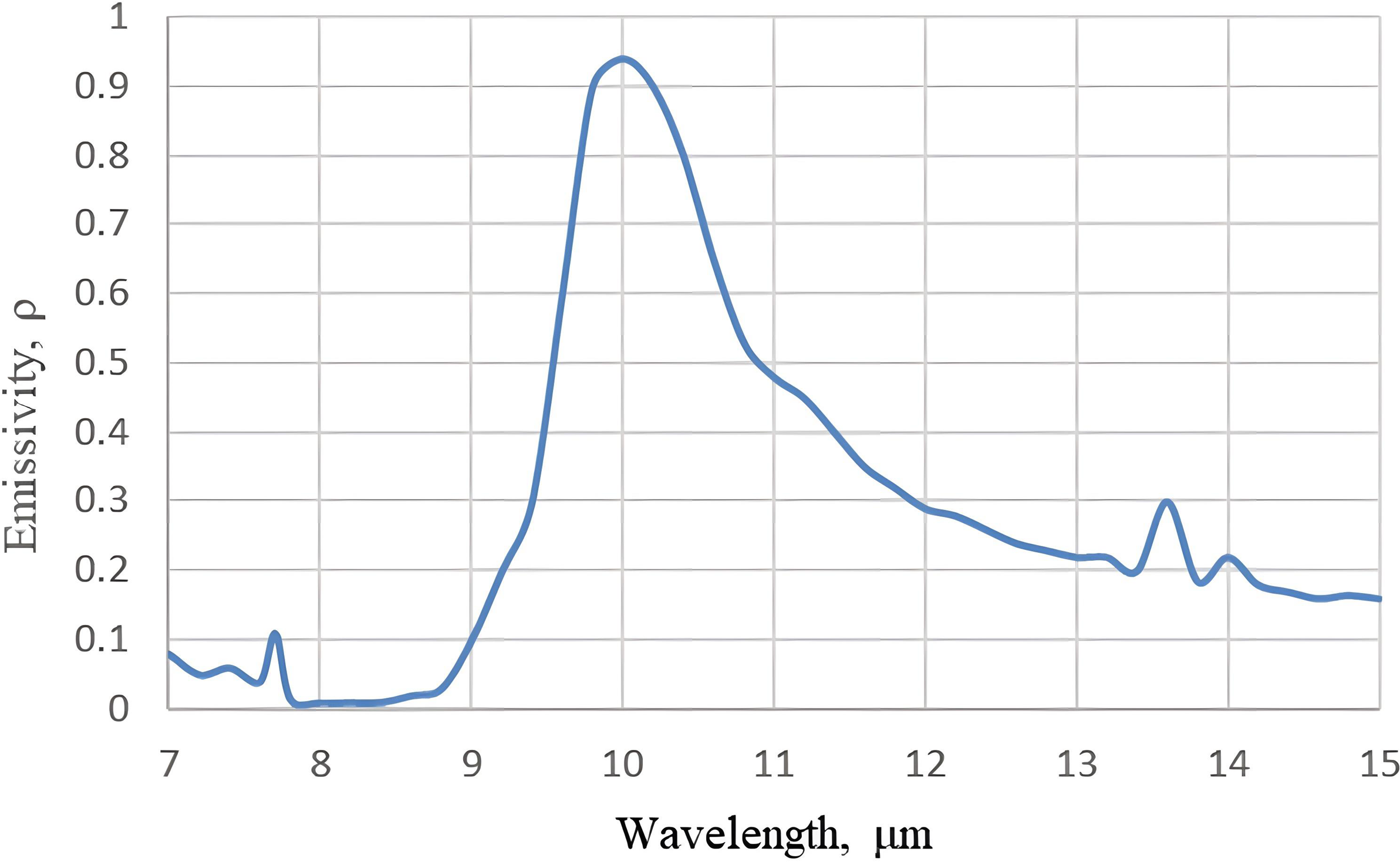
Maximum resonance map of nanoantenna at 10 μm as confirmed by D. K. Kotter et al.
In 2018, Shanawani et al. (2017) summarized a significant amount of literature research and presented several nanolithography techniques for manufacturing rectenna antennas to collect low-quality thermal radiation at a wavelength of 10 μm. They proposed the idea of designing rectifying diodes with the smallest possible resistance to address the Seebeck effect and thermally assisted tunneling effect (Mazen et al., 2017). Steven Byrnes and Romain Blanchard conducted experiments in Oklahoma using emissive energy harvester (EEH) to collect long-wave infrared radiation in the range of 9.2–12 μm. The EEH can be classified into thermal EEH (similar to solar thermal power generation) and optoelectronic EEH (similar to PV power generation). Regarding optoelectronic EEH, the research suggests that the output power depends on matching the antenna impedance with high differential resistance diodes using metal-insulator-metal (MIM) materials. By varying the antenna impedance from 70 to 500 Ω, the noise of the diode at 300 K changes from 1 to 70 mV (Mescia & Massaro, 2014).
Similarly, Steven Byrnes and Romain Blanchard also made progress in thermal power collection. The structure and working principle of their thermal EEH are shown in the accompanying Figure 2 (Byrnes et al., 2014).
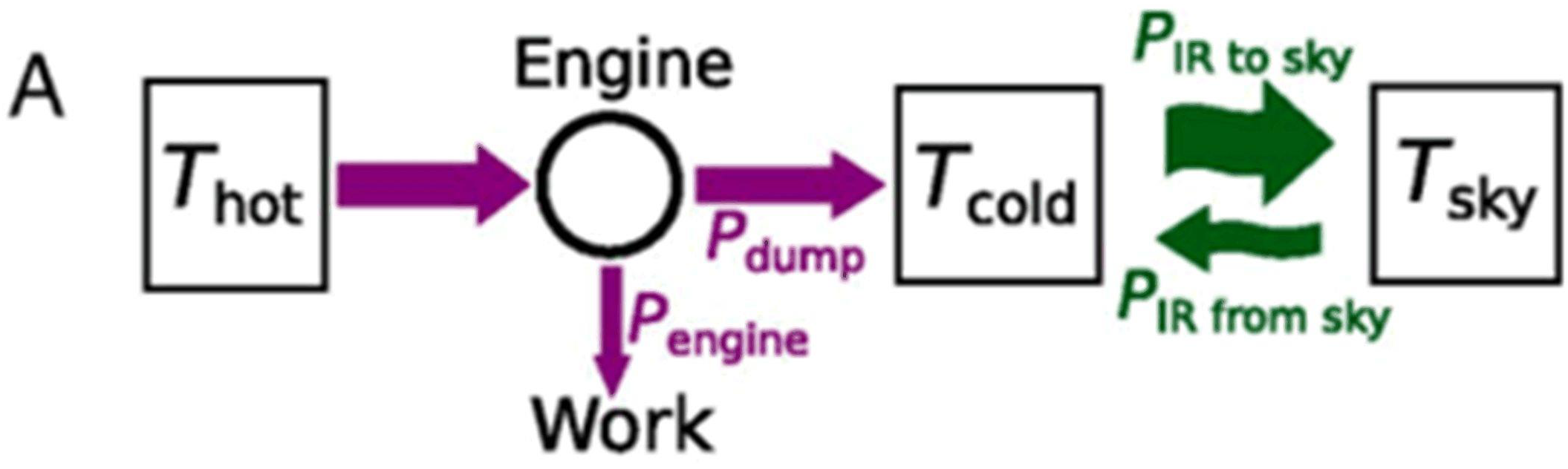
Schematic diagram of the Steven, Byrnes designed thermoelectric harvester.
Through testing, it has been demonstrated that an annual average power of 2.7 W/m2 or 0.06 kWh/m2 per hour can be achieved using long-wave terrestrial radiation (Byrnes et al., 2014). This is currently an effective method for large-scale heat generation using heat collectors according to existing literature. However, one critical issue has been overlooked in their research. Based on the data they provided, the maximum Earth's thermal radiation is only 80 W/m2, a value that is relatively small and subject to daily temperature fluctuations.
After a comprehensive review of various sources, we conclude that the large-scale utilization of Earth's long-wave radiation is feasible. Nanotechnology has matured, and the manufacturing processes for a specific type of antenna technology are already well-established. Nevertheless, there is still room for improvement in the rectifier diode fabrication process.
Due to the relatively low energy distribution density of Earth's ambient temperature energy, the overall conversion efficiency remains limited, and the utilization of this energy source is still in its infancy. In this paper, we propose a long-wave energy storage system (LWESS) in the first section, followed by a discussion in the second section regarding the utilization of the LWESS for radiative energy in cooling systems, as well as its potential in heating and cooling via optical fiber transmission. The third section elaborates on the feasibility of harnessing the advantages of the LWESS, such as high energy density and narrow bandwidth, for temperature difference power generation and rectenna power generation. Finally, in the fourth section, we explore the production of 8–14μm power-generating components and materials using the photoquantum voltaic effect in conjunction with the LWESS.
Water storage radiation system model
Earth's long-wave radiation spans a wide bandwidth, ranging from 8 to 15 μm. It is widely distributed across the Earth's surface, making its energy density relatively low and easily conducible. However, directly converting it into usable electrical potential or induced currents through antennas is challenging. Water is an excellent infrared absorber and radiator, serving as a highly efficient heat transfer medium. It allows for local utilization by capitalizing on ambient temperatures, efficiently converting Earth's infrared radiation into high-quality stored water within the range of 0°C to 38°C (taking Hainan as an example).Subsequently, with the excellent thermal radiation properties of capillaries, this stored water can be used for outward emission of long-wave infrared radiation. This approach achieves remarkable energy savings compared to conventional fan-coil air conditioning systems, with up to 63% for cooling and 74% for heating (Yadong et al., 2015). Demonstrating the effectiveness of using capillary networks as air conditioning terminals. Nevertheless, deploying a capillary network throughout an entire room involves significant engineering work, necessitates stringent ventilation requirements, and requires transitioning between radiation networks in winter and summer, among other considerations.
In this study, experiments were conducted using a new system composed of an energy storage water tank, a radiation chamber, and cooling facilities, as illustrated in Figure 3. The cooling facilities include a cooling tower and auxiliary cooling machines responsible for transforming the water from the energy storage tank to the desired temperature. For cooling applications, the cooling process occurs when temperatures are at their lowest during the day, while for heating purposes, it is carried out when temperatures are at their highest. If the system is used for power generation, consideration is given to the local average temperature to ensure maximum efficiency. The radiation source indoors adopts capillaries as the energy storage water radiation source, and the capillary network is an excellent material for thermal radiation. According to literature records, its radiative heat exchange efficiency is 79.9 (Yadong et al., 2015). The capillary network is installed in a layered or four-sided circular superimposed manner to expand the energy density of the radiation source. The radiation source chamber is equipped with thermal insulation shields on all sides and an infrared electromagnetic radiation reflection layer. The capillary network is made of PPR material, with a pore size of Ф4.3*0.8mm, and a grid spacing of 100mm. The system's output is discussed based on the selection of optical fibers and long-wave infrared rectifying antennas according to the research.
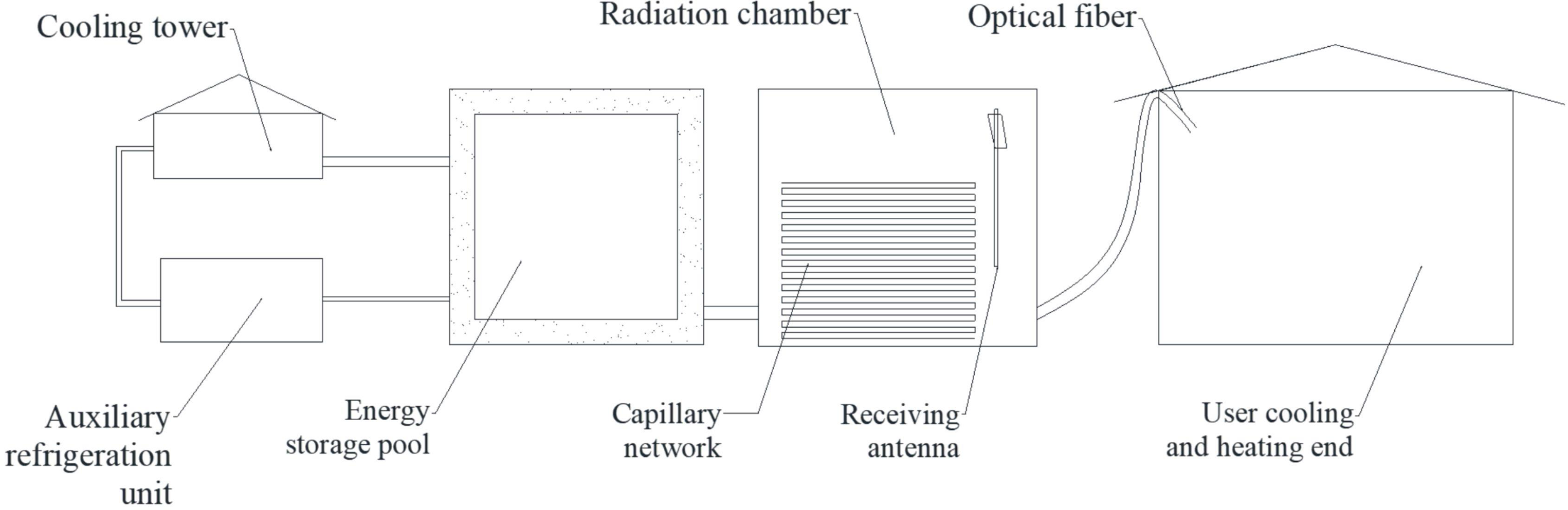
Long-wave energy storage system (LWESS) system consisting of energy storage pool, capillary net network, antenna, and fiber.
Long-wave infrared radiation cooling
Total energy calculation after capillary network for energy storage pool
According to Kirchhoff's theory, water serves as an excellent infrared absorber and radiator. The depth of external radiation for the infrared radiation source is generally less than 0.01 mm, primarily relying on the surface temperature and ripple density to radiate heat to the surroundings (Zhengan, 2012). This aligns well with the selected inner diameter of the capillary network, which is 2.7 mm (here chosen as 2.7 >> 0.01, mainly considering mainstream market products). The water medium maintains a flow rate of 0.05 to 0.2 m/s inside the tubes, with each square meter of the capillary network containing 0.4 liters of water. The temperature difference between the inlet and outlet water is 2°C to 3 °C. As a long-wave infrared radiation source for water, the capillary network possesses unique advantages, enabling the rapid radiation of energy from the energy storage water pool to the interior of the radiation source chamber.
Taking Hainan as an example, the lowest temperature in summer is 295 K, and the highest temperature in winter is 303K. To match the capillary network, the temperature of the thermal storage water tank needs to be cooled to 289K in summer and heated to 303 K in winter. Using the Planck spectral radiation emissivity theory, the radiation emissivity of a blackbody at a specific wavelength at a certain temperature T is examined, based on formulas.

Water can be regarded as a gray body with an emissivity of 0.96. For temperatures around 300 K, the emissivity of long-wave infrared targets remains relatively stable, consistently exceeding 90%. Taking the dimensions of the capillary network as a length of 2.0 m and a width of 1.0 m, outer diameter of capillary network tubes as 4.3 mm, wall thickness as 0.8 mm, and parallel spacing between capillaries as 10 mm, forming a grid, the water-carrying capacity is 0.968 m3/h. Using Formula 1, we can calculate the total emissivity of radiation in two wavelength bands. Combining this with the blackbody spectral radiance emission graph provided in the literature, as shown in Figure 4 (Boyer, 2012), it becomes clear that the maximum spectral emission wavelength of Earth's electromagnetic radiation falls within the range of 9.5–10.5μm. This range precisely aligns with the focus of our study, and if effectively harnessed, has the potential to significantly address human energy challenges.
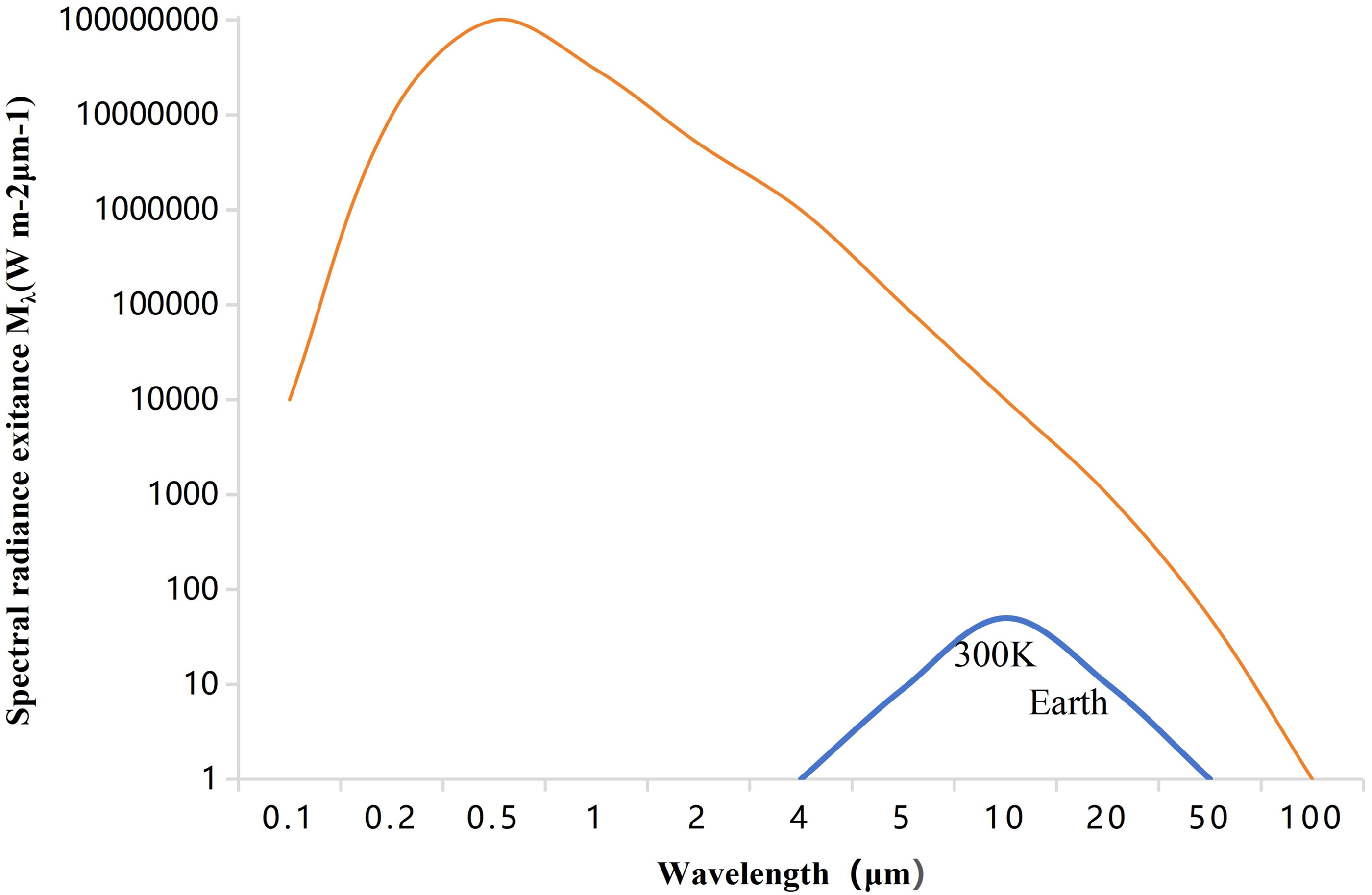
Spectral emission curve of solar and earth emission radiation.
If the cooling option is selected, the energy storage tank requires a water temperature of 16°C. After passing through the capillary network, the inlet and outlet water temperatures are 289K and 292K, respectively. Similarly, when choosing a heating option with a water temperature of 30°C, the inlet and outlet temperatures are 303K and 300K. Calculating based on a total grid area of 358 m² flowing through per hour, with an inlet and outlet temperature of 289–292K, each square meter of the capillary network can radiate much more energy per hour than the sunlight reaching the Earth's surface, exceeding 1 kW. By increasing the number of capillary networks, a significant amount of infrared radiation energy can be obtained. Normally, this can be used for heating or cooling. However, in a room, both capillary radiation and convection occur simultaneously. Placing the capillaries at the top of the room is beneficial for winter heating but has limitations for cooling in the summer. In this study, we first investigate the method of using optical fibers to transport infrared radiation for cooling or heating in such a system.
Fiber optic delivery of infrared radiation for cooling or heating
Fiber optics have the capability of efficiently transmitting signals. In the paper, the discussion is based on the reference wavelengths of 10.02 μm corresponding to 289 K and 9.56 μm corresponding to 303K for infrared radiation. Currently, optical fibers in this wavelength range are mainly used for medical and control signal transmission, and there is limited research on their use for transmitting cold sources. In this study, a hollow glass infrared fiber is chosen, and its physical appearance is shown in Figure 5. The fiber's transmission attenuation is illustrated in Figure 6. The optical power of this fiber is 30–35 W, and other parameters are presented in Table 1.
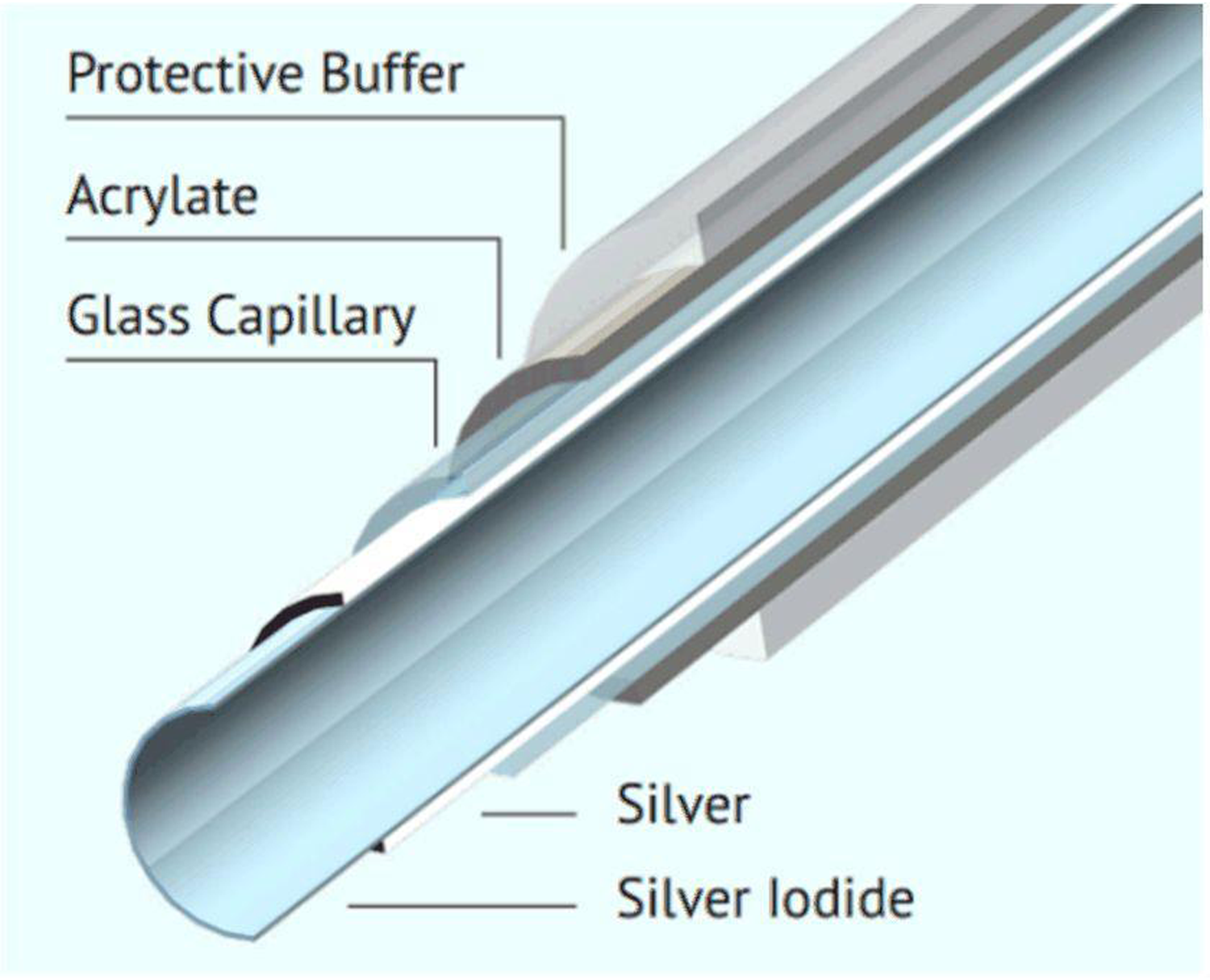
Insulating glass infrared fiber physical.
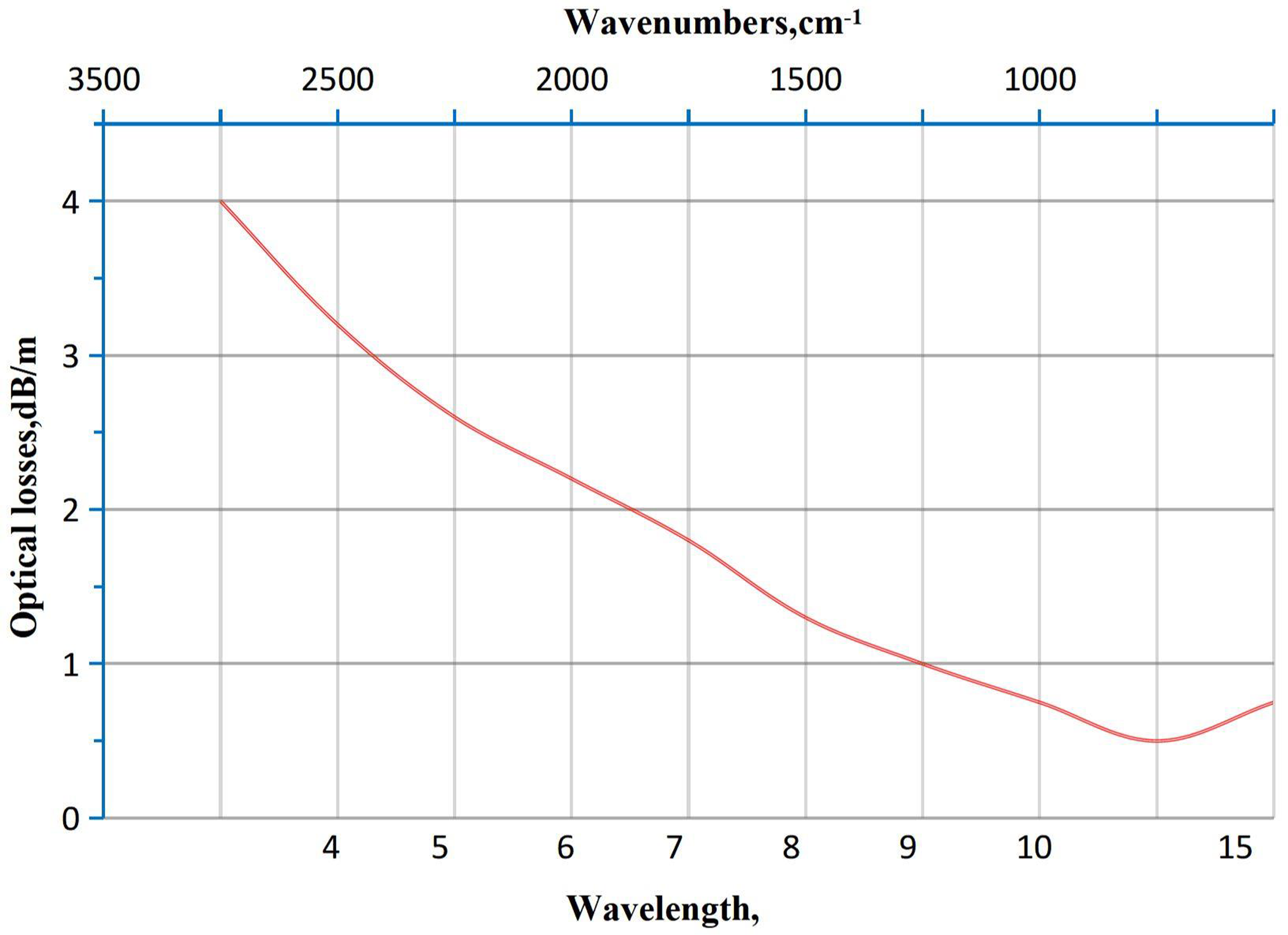
Insulating glass infrared fiber light wavelength and attenuation graph.
Insulating glass infrared fiber parameters table.

To meet the requirements of long-wave infrared collection, the hollow infrared optical fibers are equipped with an 8–12 μm focusing lens, primarily composed of 8–12 μm bandpass filters, as illustrated in Figure 7. The wavelength and transmittance curves were tested, as shown in Figure 8. It can be observed that around 10 μm, the transmittance reaches 98%.
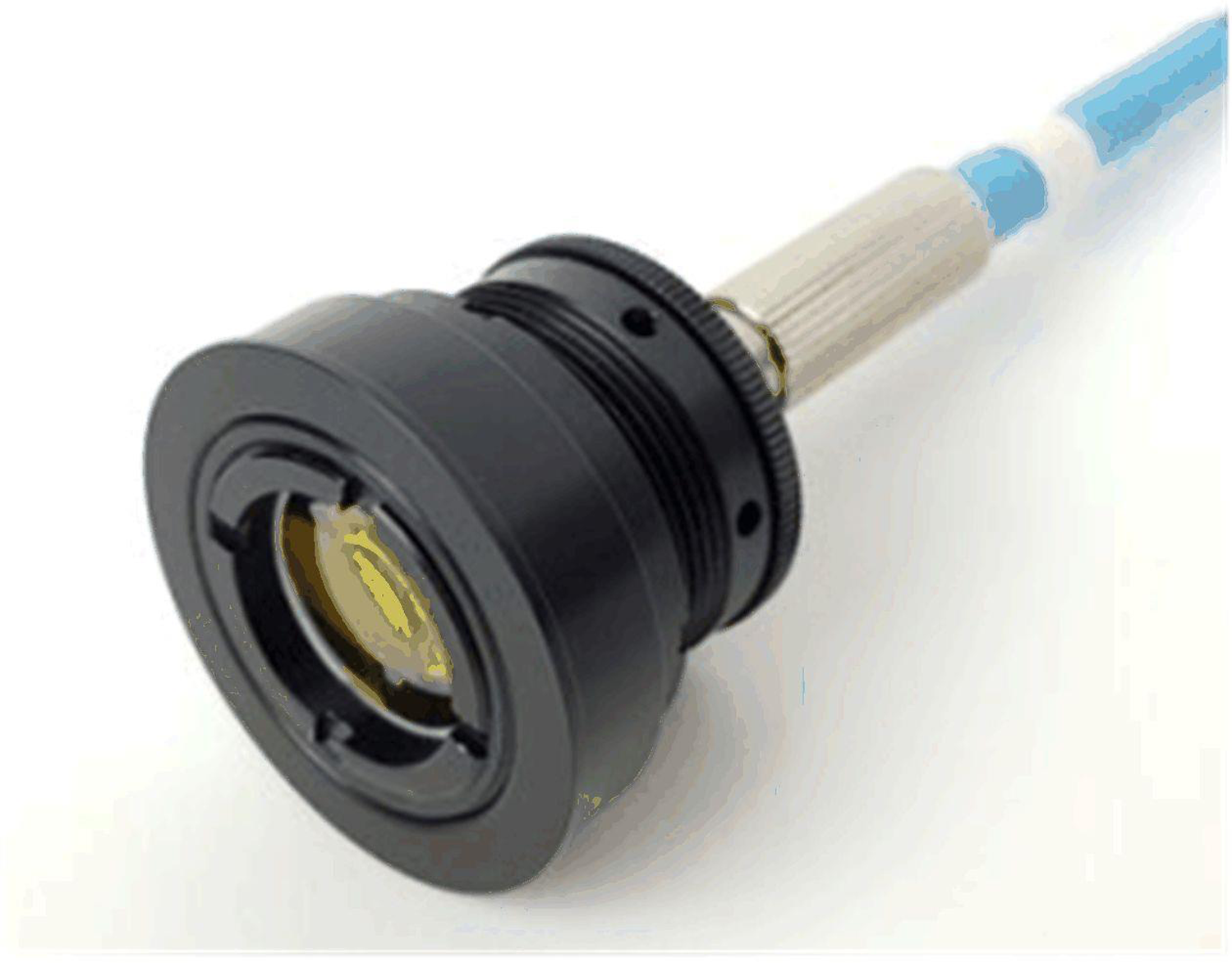
Insulating infrared fiber optic light collection lens physical diagram.
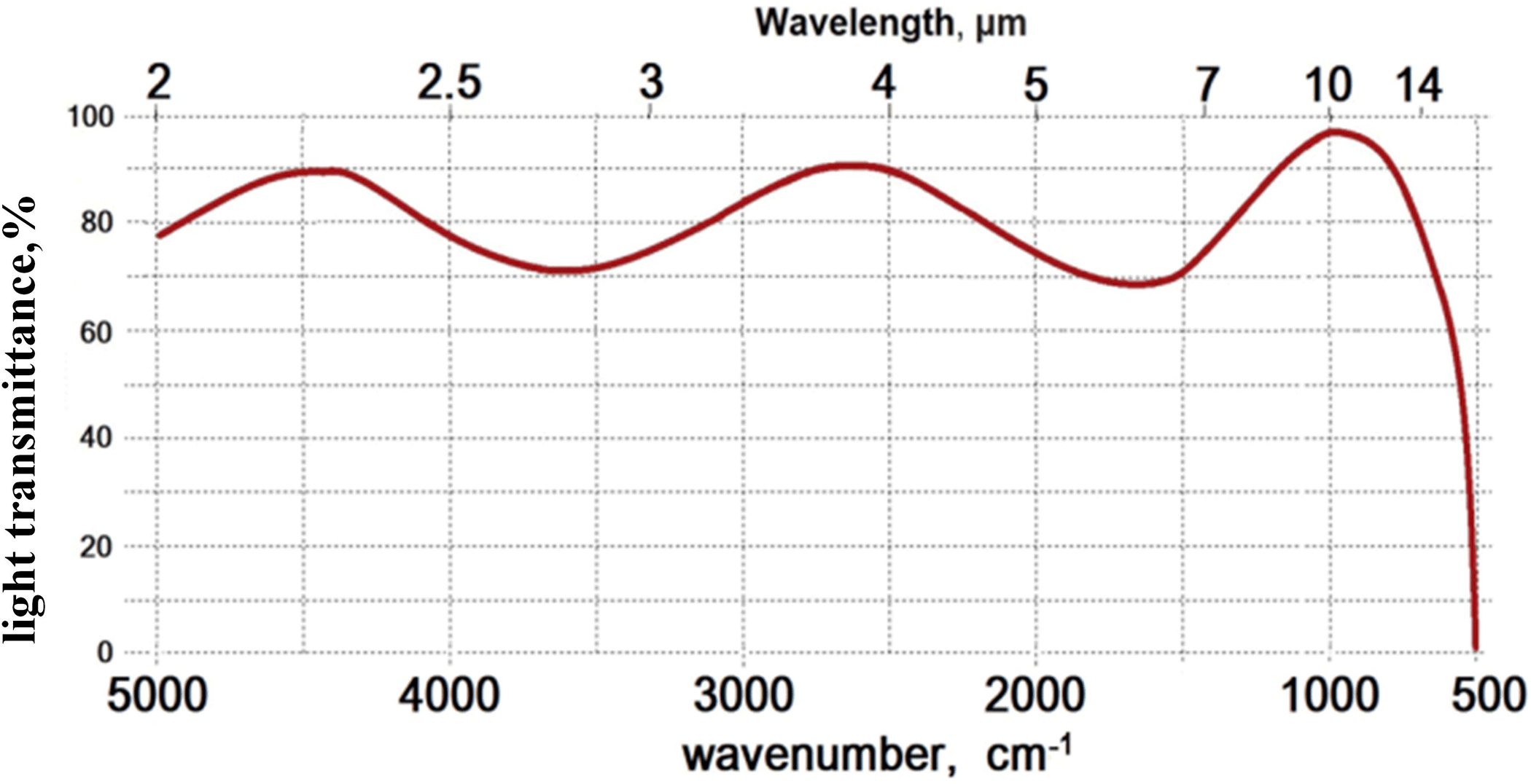
Insulating infrared fiber infrared radiation wavelength and transmittance graph.
For a room of 20 m², based on literature, the calculation indicates that achieving a temperature reduction from 308 K to 299 k within 0.5 h would require approximately 1300W of air conditioning. If we convert this to optical fibers, it would require 37 fibers. Taking into account practical attenuation considerations, choosing 40 fibers would be sufficient to achieve the same cooling effect.
By choosing fiber optics for long-wave radiation cooling, it is only necessary to connect the corresponding fibers from the radiation chamber to the room requiring cooling. Fiber optic transmission for cooling offers advantages such as easy installation, no condensation issues, and targeted usage. However, currently, fiber optics are relatively expensive and have lower optical power. As the market value increases, there should be significant improvements in the development of fiber optic optical power, and price issues can be resolved. Long-wave radiation cooling can directly utilize Earth's long-wave infrared radiation, effectively mitigating the greenhouse effect.
Long-wave infrared radiation cooling and power generation
thermo-generator
Currently, there are two methods discussed in the literature for utilizing long-wave infrared for power generation using Earth's infrared radiation. Steven J. Byrnes et al. described thermal energy harvesting (EEH) and infrared rectenna EEH. However, their concept of thermal EEH, which involves using three Carnot efficiency panels corresponding to the heat source, cold source, and sky radiation brightness temperature, is challenging to implement in practice. Objects cannot be completely isolated from the air, ground, or sunlight.
In this system, excellent conditions are provided by utilizing the coldest temperature of the day for cooling and storage, as well as generating and storing power during the hottest temperature. It creates an independent space.In a typical region, the temperature difference between the lowest and highest temperatures is usually around 288K forming a distinct temperature gap between low and high temperatures. Taking Hainan as an example, with a temperature range of 296 K to 311K during a summer day, the Seebeck thermoelectric effect can be used to calculate its power generation.The formula 2 for calculating power generation using the Seebeck thermoelectric effect is as follows(Di Lecce & Bresme, 2018; Yamamoto & Takai, 2002):
The efficiency of thermoelectric power generation was calculated using formula 3 by Tritt et al. in 2008:(Tritt et al., 2011)
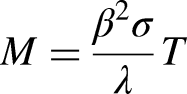
It can be seen that the factors affecting the temperature difference conversion efficiency depend on temperature and material properties. Esam Elsarrag used a PV cell in combination with a heat-driven thermoelectric generator (TEG) to perform thermoelectric conversion using the temperature difference between the PV module and the heat-driven plate. 15 × 15 mm2 TEG with a maximum temperature difference of about 18 K resulted in an output power of 32 mW (Elsarrag et al., 2015). Siheng et al. (2022) prepared n-type Bi2Te3-based thermoelectric substrate and p-type Bi2Te3-based micro thermoelectric devices with an output power of up to 3.43 mW at a temperature difference of 20 K (306 K at the high-temperature end and 286 K at the low-temperature end). This provides the theoretical and practical support for the adoption of thermo-generator in this system on a large scale.
Radiating antenna rectification power generation
The aforementioned thermal EEH power generation becomes more efficient with a larger temperature difference between the hot and cold sources. However, achieving significant temperature differences is challenging in regions where the temperature difference is relatively fixed. One approach is to use long-wave rectifying antennas placed inside the radiative chamber to capture the electromagnetic waves radiated by the capillary network and convert them into direct currents using rectifying diodes. In recent years, several researchers have studied this concept. As early as 2005, Alda et al. (2005) proposed optical antennas for nano-photonics applications (Sarehraz et al., 2005). D.K. Kotter S et al. further suggested the idea of collecting infrared energy using antennas and inducing current, and they developed and verified the theoretical certification of a large-scale, easily manufactured annular antenna array. However, after 10 years, no new achievements have been found from these authors. The literature discussed in this context does not consider the issues related to the wide bandwidth and low energy density of long-wave infrared radiation, as well as the issue of easy conduction. Literature 1 briefly mentioned several parameters of long-wave infrared antennas, but the discussion was too general. Here, based on the literature, we propose reducing the bandwidth and manufacturing large-area infrared antennas at a reasonable cost by increasing antenna impedance, using nonlinear diodes, and choosing a CO2 substrate with the aid of photolithography techniques.
Long wavelength infrared antenna basic theory
In the case of Hainan, energy storage reservoirs concentrate the Earth's ambient thermal radiation energy within the wavelength range of 9.35–10.61 μm. By designing antennas within this specific bandwidth, for instance, with a central frequency wavelength corresponding to a water temperature of 295 K at 9.85 μm, radiation waves within a 0.5 μm bandwidth can be converted into electromotive force and electric current. Subsequently, this energy can be transformed into direct current power through rectifiers. However, the effectiveness of such antennas relies on their ability to efficiently capture incoming radiation, which in turn depends on the antenna's resonant design and impedance matching.
For long-wave infrared antennas, the main requirement is to achieve reception power comparable to the radiation power of the capillary network. It depends on factors such as the length of the antenna's radiator, the cross-sectional radius of the antenna, and the radiation frequency. The input impedance of the antenna is a key parameter that affects reception power. In engineering calculations, approximate methods are commonly used to estimate the input impedance of half-wave dipole antennas. The radiation waves are primarily distributed within the wavelength range of 9.35–10.35 μm. To maximize the reception of indoor radiation in the radiative chamber, the antenna can can adjust the antenna placed in the capillary netradiation tube network radiation field parallel and perpendicular to its radiation direction, that is 





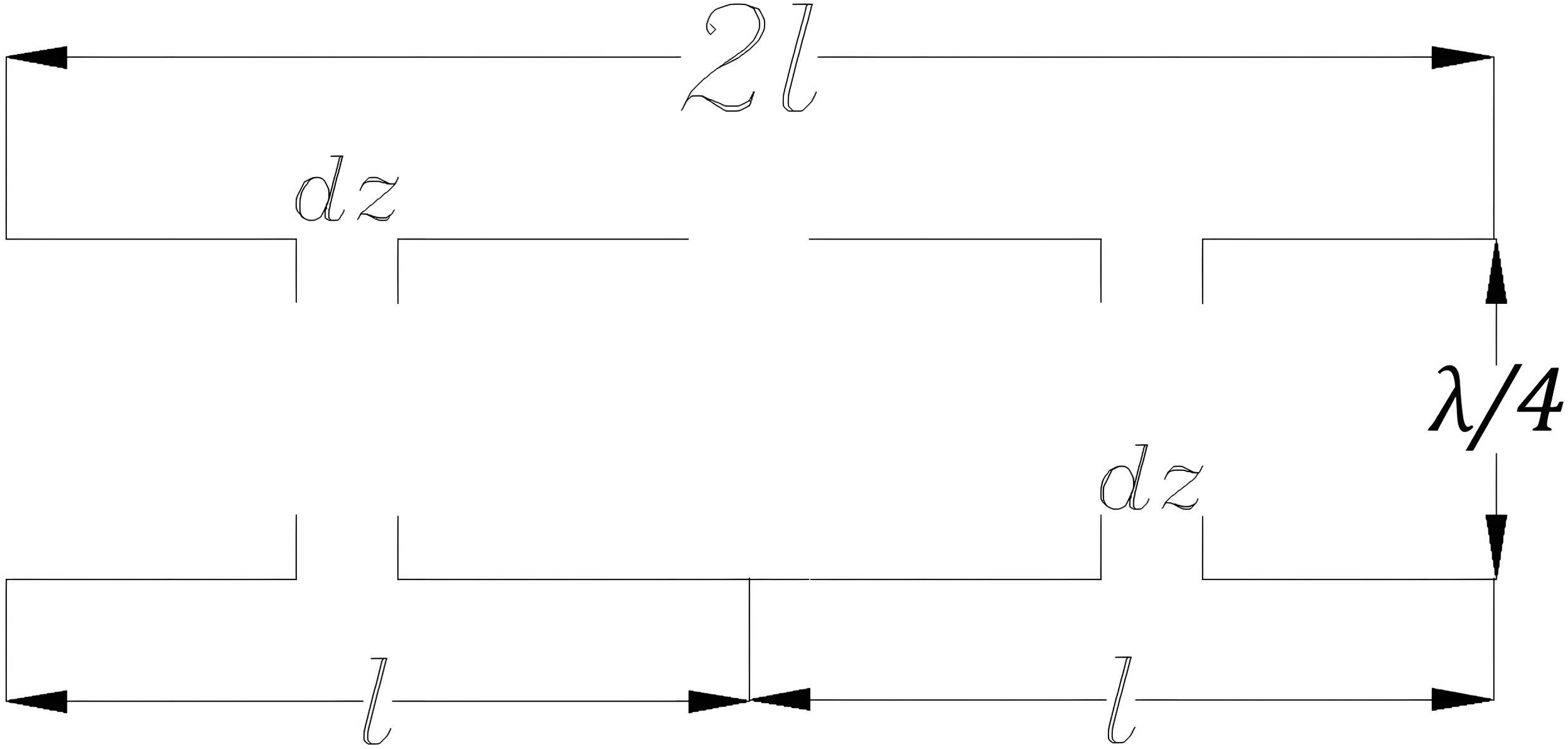
Schematic diagram of infrared long wavelength radiating antenna symmetric oscillator.
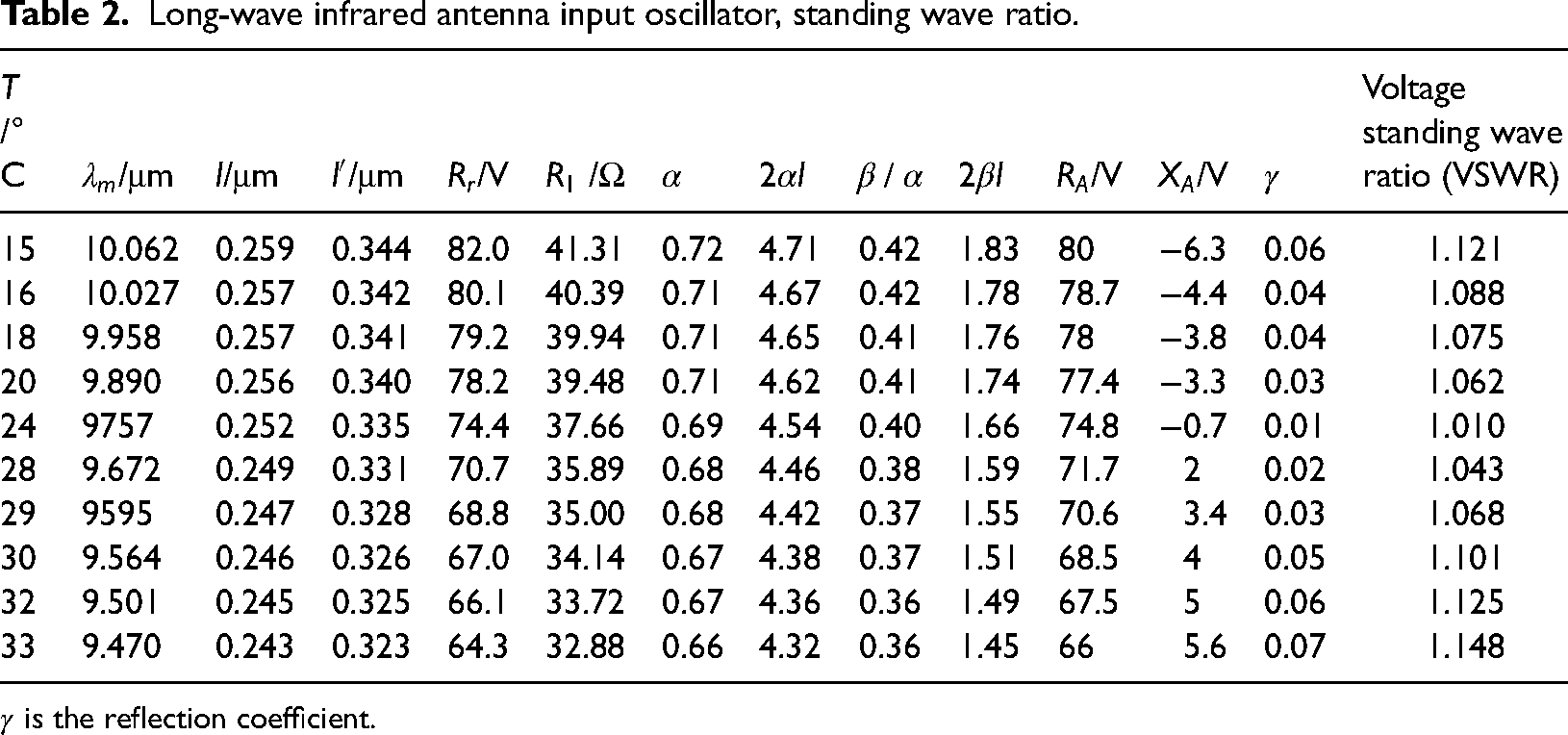
For 0–37 °C hydrothermal radiation energy concentration in the band for 9.470–10.062 μm for the frequency bandwidth, after test was conducted, set an oscillator length, straight ratio
Long-wave infrared antenna input oscillator, standing wave ratio.
Here
The reflection coefficient in the table is the formula below:

From Table 2,
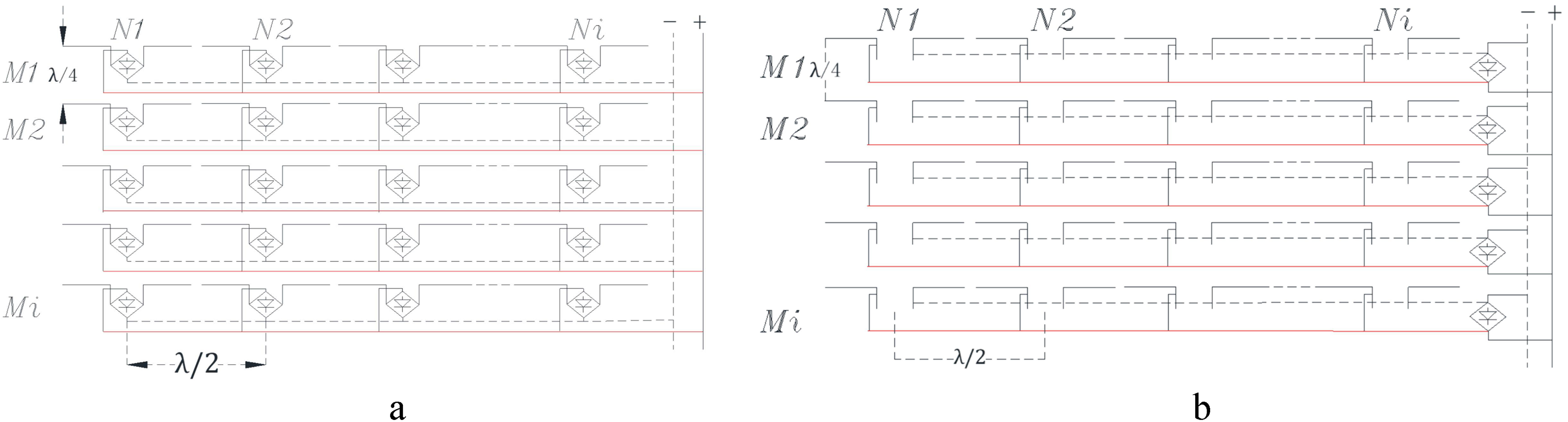
Long wavelength radiating antenna oscillator and rectifier diagram of the arrangement of the rectifier diode.
Figure 10(a) illustrates a schematic diagram where each antenna element is matched with an arrangement of rectifier diodes. Since the upper and lower layers are the same, only one plane is depicted here. Figure 10(b) shows a scenario where each horizontal or vertical element is matched with a rectifier diode.
Rectifier diode
From the above study, it is concluded that a suitable rectifier element is necessary for the combination with a Nano-antenna collector. The thermal effect of the rectifier diode is another challenge that currently limits the large-scale utilization of long-wavelength infrared.
In the paper on terahertz rectenna and its design rules, researchers pointed out that the efficiency of rectifying diodes is influenced by five aspects, including frequency, operational theory, power levels, thermal effects, and manufacturing technology (Shanawani et al., 2017). Joshua et al. (2018)demonstrated the direct generation of power by coupling tunnel diode rectifiers with unbiased large-area nanoscale antennas, achieving a power density of 8 nW/m2 when exposed to radiation from a temperature-stable thermal source. Dragoman & Aldrigo (2016) investigated the power levels of graphene Schottky diode rectifiers at 879 GHz and found them to be relatively ideal. However, there is limited research on the response at higher frequencies. Nevertheless, most existing literature suggests that each oscillator must be matched with a rectifying diode, as shown in Figure 11, which poses new requirements for the matching between the antenna and rectifying diode. In this system, such concerns can be eliminated. It has unique advantages in the case of long-wave radiation with relatively fixed wavelengths or narrow bandwidths. Each oscillator receives the radiation signal, generating nearly identical currents and voltages. The parallel-connected antenna array is then connected to the positive and negative busbars of the bridge rectifier diodes(Yi-cun, 1995), with the positive and negative busbars connected to the positive and negative row busbars and the positive and negative column busbars, respectively, as shown in Figure 10(b). (Heylal and Gordon, 2014) utilized the classical equation 12 of the equal-time mutual coherence function and found that quasi-monochromatic light with a broader bandwidth than solar light has higher power output. Joshi and Moddel (2016 found that monochromatic light can achieve an efficiency of 100%. Shockley & Queisser (1961) discovered that narrow bandwidth can increase the coupling efficiency with the antenna. These findings provide strong theoretical and practical support for the use of this system. However, it is important to address the issue of phase interference in the transmission of signals at the same frequency. The solution to this problem can be inspired by the theory of frequency division multiple access used in communication base stations. Additionally, after the energy-storing water circulates through the capillary network, its temperature may decrease by 2–3 °C, and the emitted waves still have a certain bandwidth. The system also faces challenges related to high frequencies and thermal effects.
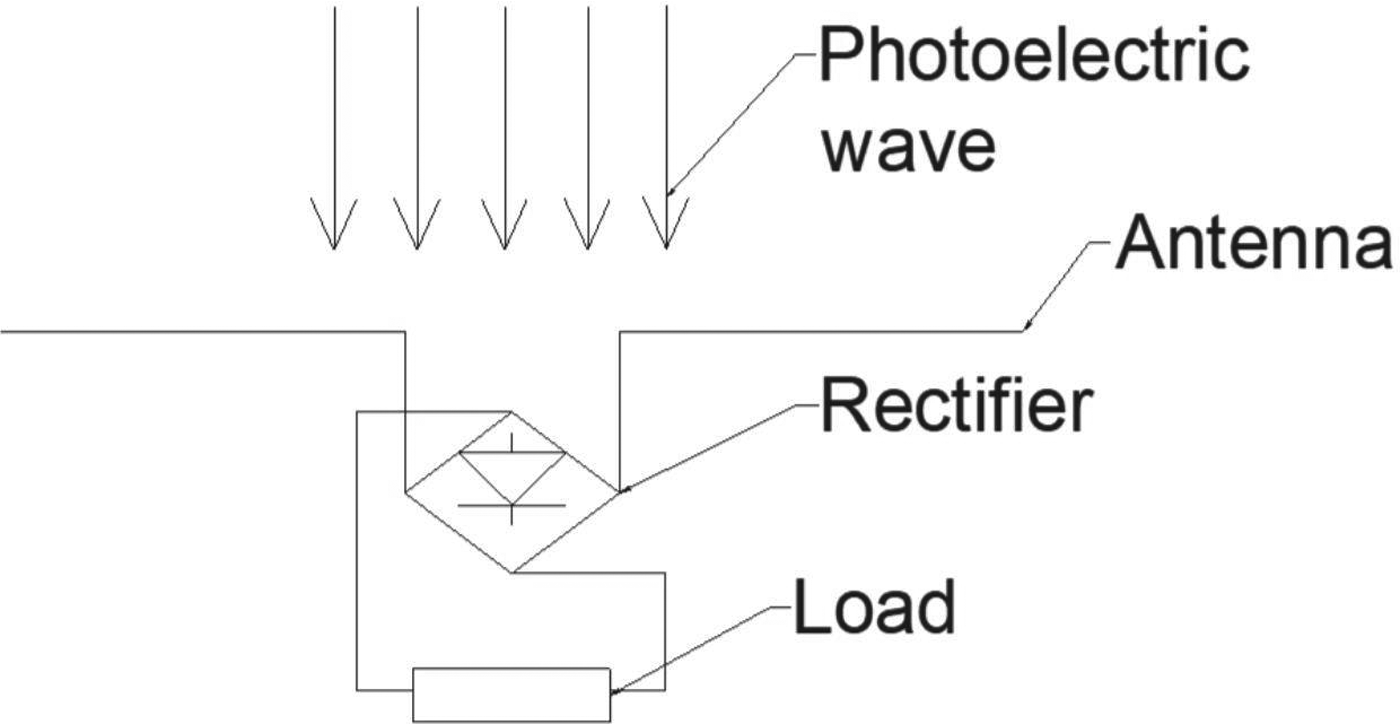
Structure diagram of rectifier diode and antenna.
For frequency reasons, this system solves the problem of diminishing returns due to a wide bandwidth by reducing the 8–14 μm bandwidth to within the range of 9.5–10.5 μm, or even fixing the long-wave radiation at an average temperature of a certain area (297 K in Hainan area), but the potential barrier of radiation exposure when the radiation wave oscillates at a much higher speed than the charge carriers needs further consideration.
Thermal effects are the key issue that must be considered in this system, as the Earth's long waves are above absolute zero temperature, their thermionic activity and thermocouples effects must be considered and their equation should be followed as below:
It can be observed that the thermal effect of the diode is a comprehensive factor. However, in general, for high-frequency operation, the diode selection should be nonlinear. If the rectification voltage is too low, the diode cannot exhibit highly asymmetric conductivity, and the thermal noise voltage generated by the diode oscillation is very weak. The literature provides two approaches to address this issue. One approach is to increase the impedance of the antenna to enhance high-noise oscillation, which requires an electromagnetic resonator and a single frequency to be achieved. This is in line with the requirements of the system, where the incident frequency band is narrow and can be fixed (the system can fix the radiation wave to a relatively narrow band). The other approach, which is mentioned in most literature and supported by research, is to use tunnel diodes as rectifying diodes. Tunnel diodes are low-voltage diodes. In 1998, Elsevier conducted an experiment where a 10.6 μm laser passed through the antenna and tunnel diode, resulting in an intensity of 5Х106 Wm−2. This experiment actually demonstrated that the strength of the output signal, after the matching between the antenna and rectifying diode, depends on the signal from the radiation source. In this system, where the radiation wavelength is single, much higher energy density will be generated compared to the Earth's surface, which has significant implications for antenna rectification power generation research.
Power generation using the extended receiving bandwidth principle of PV solar
In recent years, PV power generation technology has become quite mature. In terms of engineering, the cost has decreased from around 12 yuan/watt in 2010 to about 4 yuan/watt in 2022. PV power generation currently mainly relies on silicon crystals as the primary material, while compound materials such as cadmium telluride (CdTe) and gallium arsenide (GaAs) are used in some high-demand applications. PV power generation primarily utilizes the wavelength range of 400–800 nm in the solar spectrum.
Both Earth's long-wave radiation and solar PVs exhibit wave-like and quantum properties. In the aforementioned antenna, we utilize the wave-like aspect. If the wavelength range for PV power generation can be extended to 8–14 μm, and the quantum properties are utilized, the research outcomes in this field will certainly have greater significance.
Currently, research on the long-wave infrared segment mainly focuses on various types of infrared radiation sensors and detectors. There is limited literature supporting the use of materials for full-spectrum power generation in the infrared range, and there is relatively little research on the large-scale application of infrared based on quantum properties. However, the problem of long-wave radiation can be addressed by discussing the theory of detectors. The detectors currently used can be divided into cooled and uncooled types. Cooled detectors are represented by CdHgTe mercury CdTe. (Liang & Wei, 2019) used CdHgTe mercury CdTe material to measure the quantum efficiency at 20 and 35 °C based on normalized photon spectral data. The results showed an efficiency of 66.15% and a blackbody photon number of 11.525 Me-. From this data, it can be seen that although the quantum energy at 20 and 35 °C is not as significant as in the visible light range, it is still considerable for the much larger long-wave infrared energy.
The literature on mercury cadmium telluride (HgCdTe) materials in the 8–12 μm infrared detector has been well-received, especially for its excellent response in large areas (exceeding 1 cm2) (Jintong et al., 2018). Currently, sapphire substrates are commonly chosen for HgCdTe materials, and zinc sulfide (ZnS) is used as an antireflection coating. In the 8–12 μm wavelength range, the Johnson noise-limited detectivity of these detectors exceeds 5 × 10¹⁰ cmHz1/2W−1. Despite the achievements made in the material and device quality of HgCdTe, this semiconductor is generally used in cryogenic applications, and it still faces challenges such as volume and surface instability, low yield, and high cost.
Khvostikov et al. (2004) utilized chemical vapor deposition to diffuse Zn into GaSb and GaAs/Ge, forming thermoPV converters. These converters achieved efficiencies of 25% (GaSb) and 16% (GaAs/Ge) at a temperature of 1473 K. In 2017, Linjun et al. (2017) reported a high-power, long-wavelength infrared ZnGeP2 (ZGP) optical parametric oscillator. By rotating ZGP crystals at specific angles, the oscillator outputted over 30 mW within the 7.8–9.9 μm range, a wavelength that falls within the ambient temperature range of 16–37 °C in this system.
Uncooled detectors are mainly based on VOx InAs/InAsSb electronic devices, Jun et al. (2009) designed a VOx film-based, designed and fabricated with CMOS Integrated Circuit linear micro radiation radiation thermal array single chip. The experimental test results show that the responsivity of the hot array can be close to 18 kV/W, Xi-qu and Chen (2010) investigated a single-chip radiation thermal array that requires a monochromatic laser, and found that its responsiveness is significantly compromised by the amplification of interference effects due to the widening of the bandwidth. Molecular beam epitaxy process and fractional monolayer alloy process for preparation technology. In As/InAsSb superlattice, it is found that the fractional monolayer alloy process can work at high temperature, which was tested from 130 to 250 K. Its output voltage also increased from 12 to 38 mV (Zhang et al., 2021), and concluded that its input energy The higher the density, the higher the output power is proportional, etc. The results of the study are all consistent with the advantages of the present system design. With the emphasis on the large-scale utilization of long-wave infrared radiation energy, the production of large-area infrared radiation power generation components and then the adoption of this system will definitely improve the conversion efficiency and realize its advantages of generating long-wave radiation power.
Conclusion
Based on the summary of existing literature, this paper discusses a water energy storage radiation system. This system captures the vast, low-energy-density, high-temperature variation, and wide-wavelength range infrared radiation from the Earth's surface and stores it as fixed-temperature water. The stored water is then radiated externally as long-wave infrared waves through a capillary network, offering advantages such as high energy density, fixed wavelength, and narrow bandwidth. Utilizing these advantages, four scalable approaches for utilizing Earth's long-wave radiation are discussed. First, long-wave optical fibers are employed to transmit the long-wave infrared radiation from the system to rooms where cooling and heating are needed, revolutionizing the existing air conditioning structure. Second, the system stores cold and heat during the coldest and hottest times of the day, utilizing the temperature difference to generate electricity. Third, by leveraging the fluctuating nature of radiation waves, electromagnetic waves emitted are converted into direct current electricity through rectifying antennas and rectifying diodes. The average characteristic impedance of the rectifying antenna is theoretically calculated as 74 Ω, with a VSWR of less than 1.3. The structure of the rectifying antenna and the factors influencing antenna electricity generation are also provided. Fourth, a review of the current progress in quantum-based electricity generation utilizing long-wave radiation is presented. The results indicate that the water-energy storage radiation system demonstrates impressive performance in the large-scale utilization of Earth's long-wave radiation. With the growing emphasis on utilizing Earth's infrared radiation, significant breakthroughs are expected in areas such as material research and product pricing. It is believed that with widespread utilization, effective relief from global warming will be achieved, making the Earth bluer, and humanity's future brighter.
Footnotes
Declaration of conflicting interests
The author(s) declared no potential conflicts of interest with respect to the research, authorship, and/or publication of this article.
Funding
The author(s) disclosed receipt of the following financial support for the research, authorship, and/or publication of this article: This work was supported in part by the Hainan Provincial Natural Science Foundation of China (Grant number: 121MS059).
