




Abstract
The present study reports on an investigation of teak sawdust pyrolysis oil blended with commercial diesel in a small four-stroke compression ignited engine. The engine performance and emissions were evaluated. The teak sawdust pyrolysis oil was obtained from a single-stage fixed bed pyrolysis reactor at 600 °C. Its physicochemical properties were characterized and found to be acceptable for the engine. Teak sawdust pyrolysis oil blends with diesel at the ratios of 10%, 25%, and 50% by mass were utilized. The small engine was tested at constant speeds from 800 to 2600 r/min. 25% teak sawdust pyrolysis oil blend at 2000 r/min was found to have better brake thermal efficiency with lower brake-specific fuel consumption compared to the other teak sawdust pyrolysis oil blends. Meanwhile, the highest engine load was obtained at 50% teak sawdust pyrolysis oil blend and 2600 r/min to be 8 kW. Furthermore, the emissions of CO, CO2, and hydrocarbon at 50% teak sawdust pyrolysis oil and 2000 r/min were slightly lower than other teak sawdust pyrolysis oil blends, no NOx detection in tested fuels, moreover, at 2600 speed, the smoke opacities of the fuels show lower than those the others. It was noted that a blend of 25% teak sawdust pyrolysis oil with diesel was suitable for the small engine (at 2000 r/min) in terms of performance and CO, CO2, and NOX emission for sustainability in agriculture and rural areas.
Introduction
British Petroleum (2019) reported an increase in the global primary energy consumption and carbon emissions in the period from 2012 to 2017 and 2018 by 1.5 and 3.0%, respectively. In 2021, the global CO2 emissions were higher than those in 2020 by about 6% (AGENCY, 2021). These will rapidly accelerate climate change and global warming. The use of fossil-based hydrocarbons (HCs) is forecasted to continue as a main non-renewable energy source till 2030. Furthermore, world energy demand in the period from 2010 to 2040 will grow by 56% and carbon emissions may increase by 46% (45 billion metric tons) in 2040 (Bajwa et al., 2018). Moreover, the United Nations climate panel aims to reduce greenhouse gases by 50–80% in 2050. It is appropriate to be independent from fossil fuels (Dhyani and Bhaskar, 2018). Confidently, renewable energy will be combined to the world energy resources in the future because it is infinite, clean, and sustainable (Pradhan et al., 2018).
Lignocellulosic biomass is a potential energy resource which is reusable, eco-friendly, sustainable, and of low cost. It is carbon-neutral, with lower nitrogen and sulfur releasing in comparison with coal or petroleum (Edmunds et al., 2018; Hu and Gholizadeh, 2019; Yu et al., 2021). It also traps CO2 from the atmosphere during its growth (Caillat and Vakkilainen, 2013; Yang et al., 2015). During 2000–2019, biomass was utilized for renewable electricity generation and renewable heat production sectors globally having an annual growth rate around 10% and 97%, respectively (Association, 2021). However, sustainable biomass resources are usable and more abundant in the world to be closely 100 EJ from agricultural residues, biological wastes, and forest which could be utilized for producing liquid biofuel up to 50 EJ (AGENCY, 2022). The energy supply used from biomass in 2050 is forecasted to be between 15 and 25% (130–270 EJ/year) of the primary energy demand (Roy and Dias, 2017). Biomass can be upgraded via thermal, biological, mechanical, or physical processes. Conversion by heating generally provides various and complex products. Moreover, extremely short-lived time reaction with inorganic catalysts usually used to enhance the product quality or spectrum. Enzymes, bacteria, or other microorganisms can decompose lignocellulosic biomass into liquid biofuels which is a biological transformation (Pradhan et al., 2018).
For thermochemical conversion, pyrolysis is interesting as its products provide numerous benefits including storage, carrying, and resilience for using in turbines, ignition devices, boilers, engines, etc. (Zaman et al., 2017). Pyrolysis has been used for many years in order to produce bio-char. The thermal decomposition under temperature around 500 °C at the shortest time reaction (2 s) was established because the process produces high liquid (bio-oil, 75%). Bio-oil can be applied to transportation fuels (Bridgwater, 2012). Pyrolysis bio-oil consisting of several hundreds of organic compounds is a very complicated mixture, and the amount of energy density is greater than the primary feedstock ranging from 5 to 20 times. The liquid properties are highly viscous and corrosive and have lower calorific value than conventional fuels (Lyu et al., 2015; Botella et al., 2018).
Rajamohan et al. (2022) employed bio-oil from cotton seed pyrolysis with diesel in a 4-stroke, single-cylinder diesel engine. The bio-oil was blended in the ratio of 5%, 10%, 20% (by volume) with diesel. It was shown that the best engine performance could be obtained at 5% bio-oil blend, 18:1 compression ratio, and 50% engine load (EL) for maximum brake thermal efficiency (BTE) of about 30%, and 0.3 kg/kWh of minimum brake-specific fuel consumption (BSFC), while the HC and CO emissions were around 81 ppm and 0.25%, at a compression ratio and EL of 16:1 and 100%, respectively. Nagarajan et al. (2021) conducted engine performance and emission analysis in a single cylinder, 4–stroke, direct injection diesel engine (7.5 kW at 1500 r/min) by blending Spirulina platensis bio-oil (SPO) of two different ratios (5% and 10% SPO) with ethanol and diesel. It was reported that 5% SPO blend showed more useful BTE and smaller BSFC than the 10% blend. While, HC, NOx, and smoke emissions were slightly higher in the SPO blends than in diesel. Midhun Prasad and Murugavelh (2020) also investigated tomato peel pyrolysis bio-oil blends (5%–25%) together with diesel in a four-stroke diesel engine. They found that using a minimum share of bio-oil in diesel could be operated in engine. Exhaust gas emissions were varied due to many other relevant exposures including bio-oil properties, engine types, operational conditions, bio-oil blend ratios, and ELs. Pyrolysis oil exhaust is normally less SO2, NOx, and soot emissions than fossil fuels (Dhyani and Bhaskar, 2018; Baskar et al., 2019). A further advantage of biofuels is that they also improve the agrarian sector and profitable farming (Ashok and Nanthagopal, 2019). So far, there are many reported works on pyrolysis oil in engines. Most works utilized rather large-sized engines. However, utilization of pyrolysis oil in small engines remains relatively rare. Consequently, this research investigation used blending pyrolysis oil (ranging from 10% to 50% ratios) with commercial diesel in an unmodified small engine to evaluate the impact of the renewable fuel on both the small engine's performance and the emissions it produces. The physicochemical characterizations of pyrolysis oil and blended fuels were determined. It could be encouraged the use and proper disposal of agro-wastes to pyrolysis oil and its utilization in small engines of their agriculture sectors.
Materials and methods
Fuels characteristics
The liquid fuel blended with diesel in the present study was teak sawdust pyrolysis oil (TSPO). It was synthesized at 600 ° via pyrolysis process in a vacuum single-stage fixed bed reactor, supported by Maejo University, Thailand. Diesel fuel was purchased from a selective local gas station of Petroleum Authority of Thailand in Chiang Mai, Thailand. Table 1 lists the essential data of the TSPO properties. The fuel properties of the TSPO including water content, carbon residues, carbon, hydrogen, nitrogen, sulfur and oxygen (CHNS/O), calorific value, flash point, and pour point were determined following standard methods. The TSPO was blended with diesel at different ratios ranging from 10% to 50% TSPO.
Fuel properties and analytical methods of the TSPO.
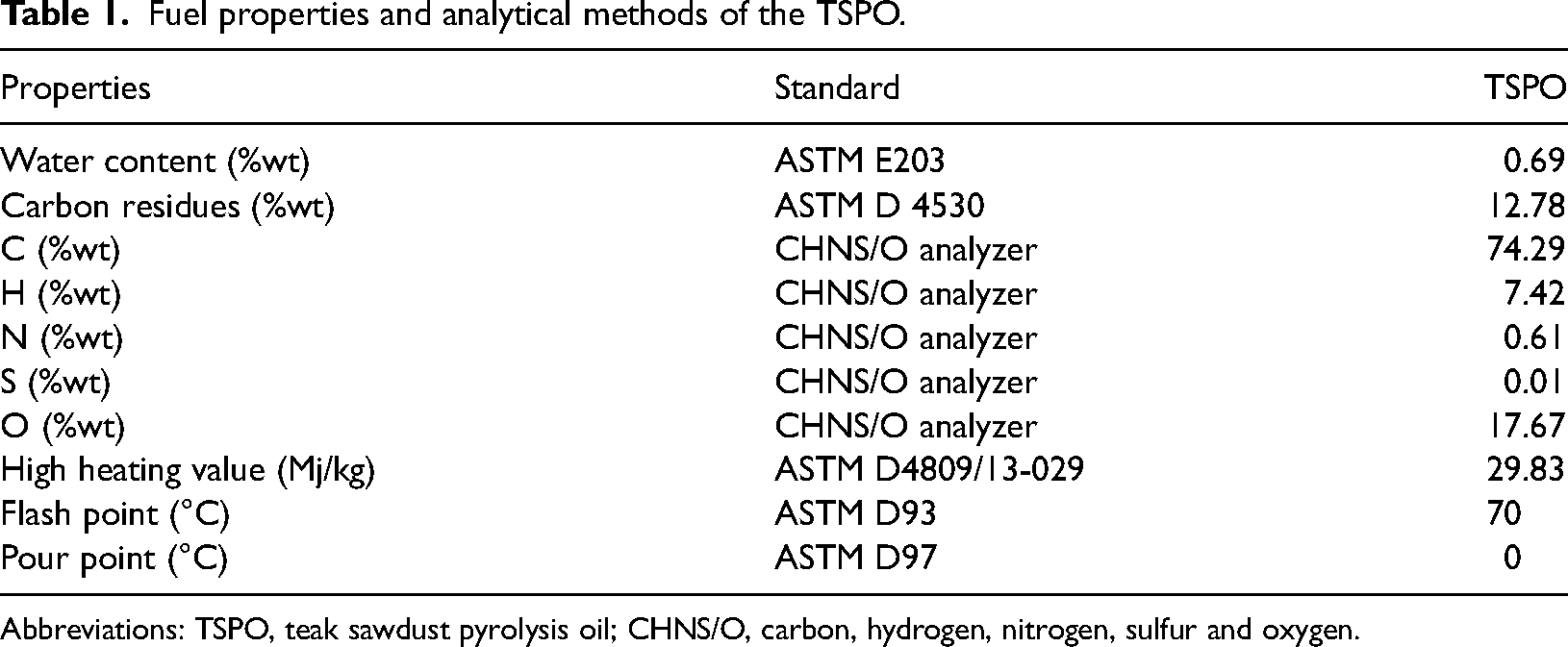
Abbreviations: TSPO, teak sawdust pyrolysis oil; CHNS/O, carbon, hydrogen, nitrogen, sulfur and oxygen.
Preparation of TSPO/diesel blends
The blend fuels were prepared by vigorously stirring rate at 1500 r/min, mixed in the ratio of 10%, 25%, and 50% of TSPO with the conventional diesel fuel. The blending time and temperature were approximately 30 min and 60 °C, respectively. Next, the blends were left static at room temperature for 24 h, after which separation between the upper layer and lower layer liquid was clearly observed. The current study utilized only the light layer to fuel the diesel engine. The experimental procedure for preparing the TSPO/diesel blends is schematized in Figure 1. Finally, the physicochemical properties of selective blended fuels, which are CHNS/O, heating value, water content, carbon residues, flash point, pour point, kinematic viscosity, and density, were analyzed by the standard test methods.
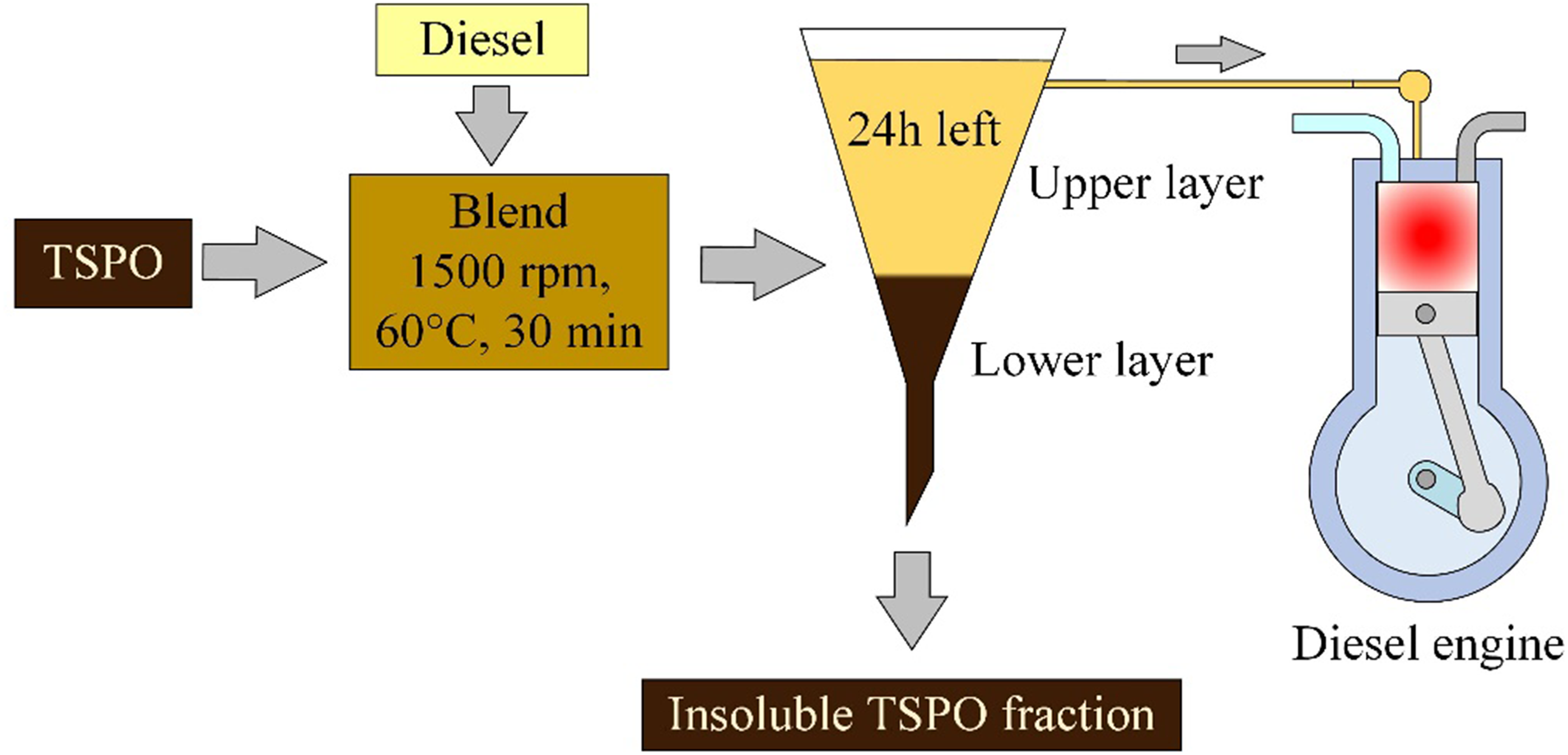
Procedure diagram for obtaining the teak sawdust pyrolysis oil (TSPO) blends.
Engine setup and test conditions
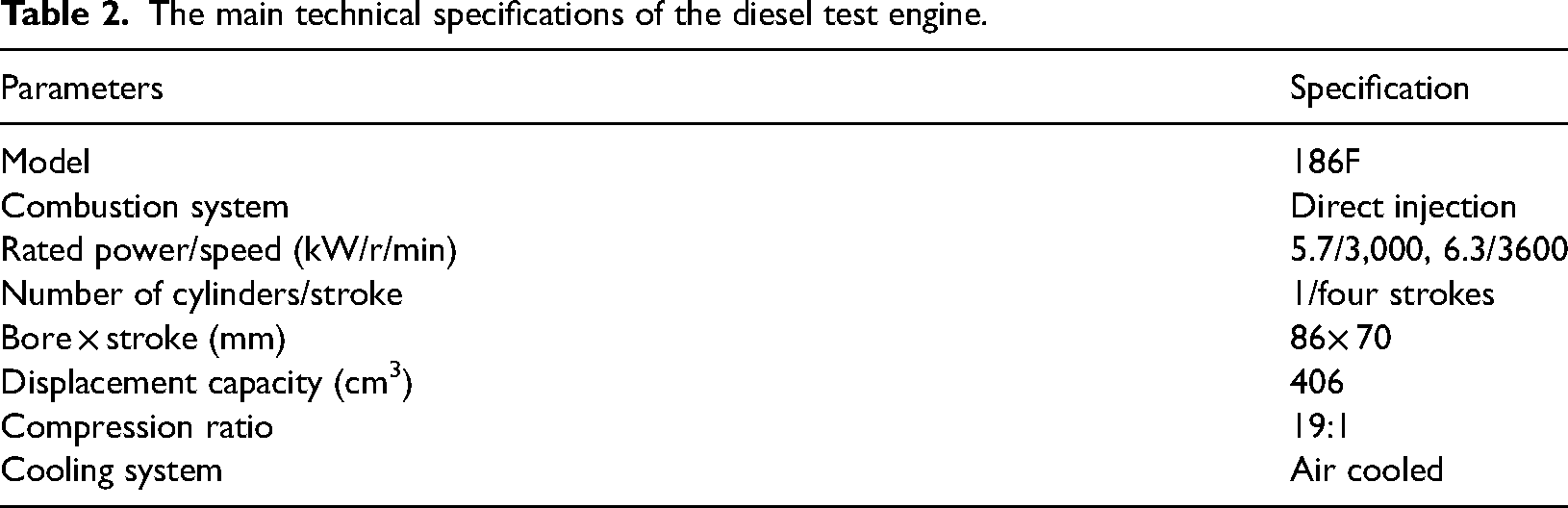
A schematic arrangement setup for investigating engine performance and emission is illustrated in Figure 2, including a small four-stroke compression ignited engine model 186 F, an eddy dynamometer, rotary encoder, dyno-controller, torque sensor, and exhaust gas analyzer. The test engine can be fully obtained by a maximum net power capacity of 6.3 kW at 3600 r/min, which is listed in Table 2.
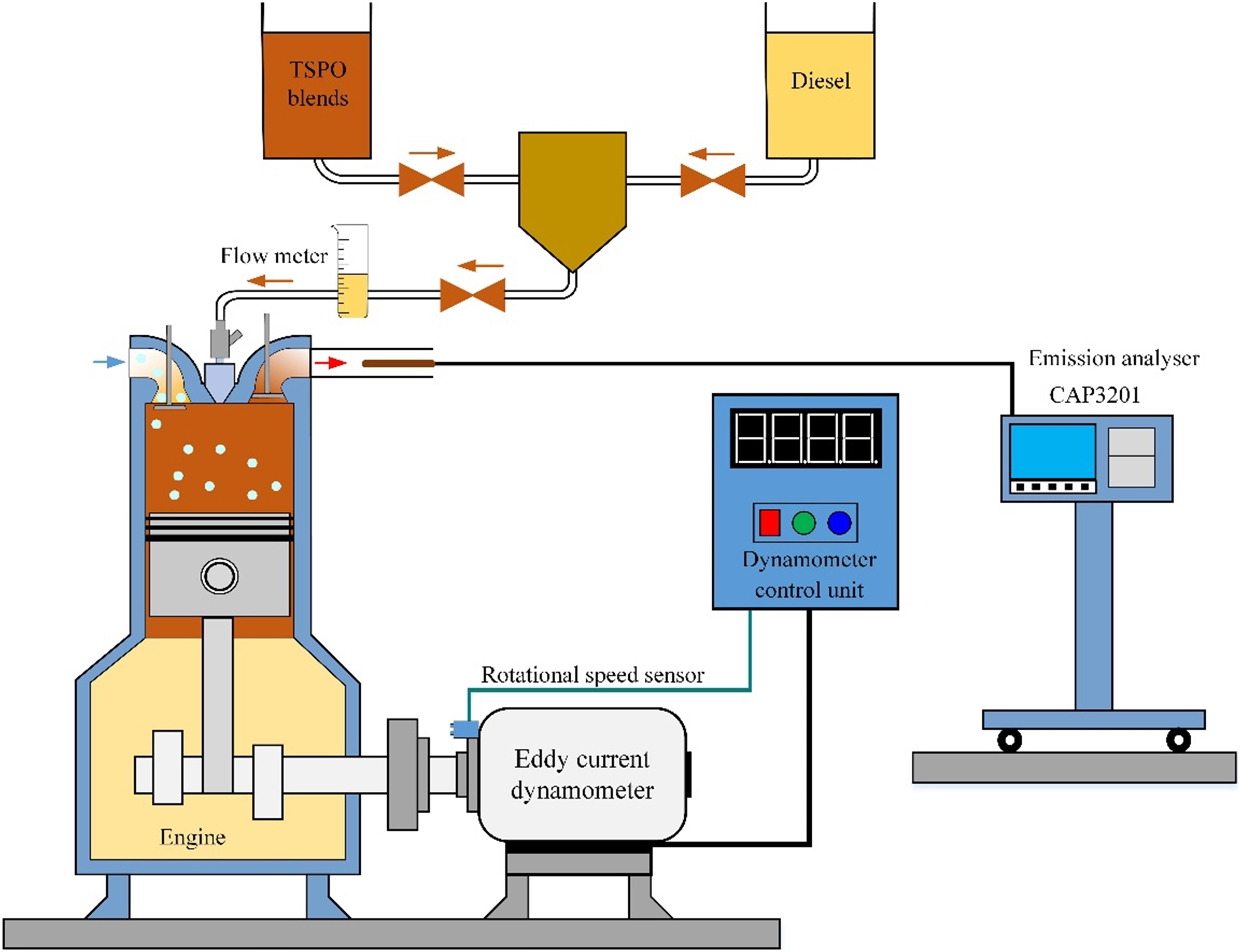
Procedure diagram for testing the engine.
The main technical specifications of the diesel test engine.
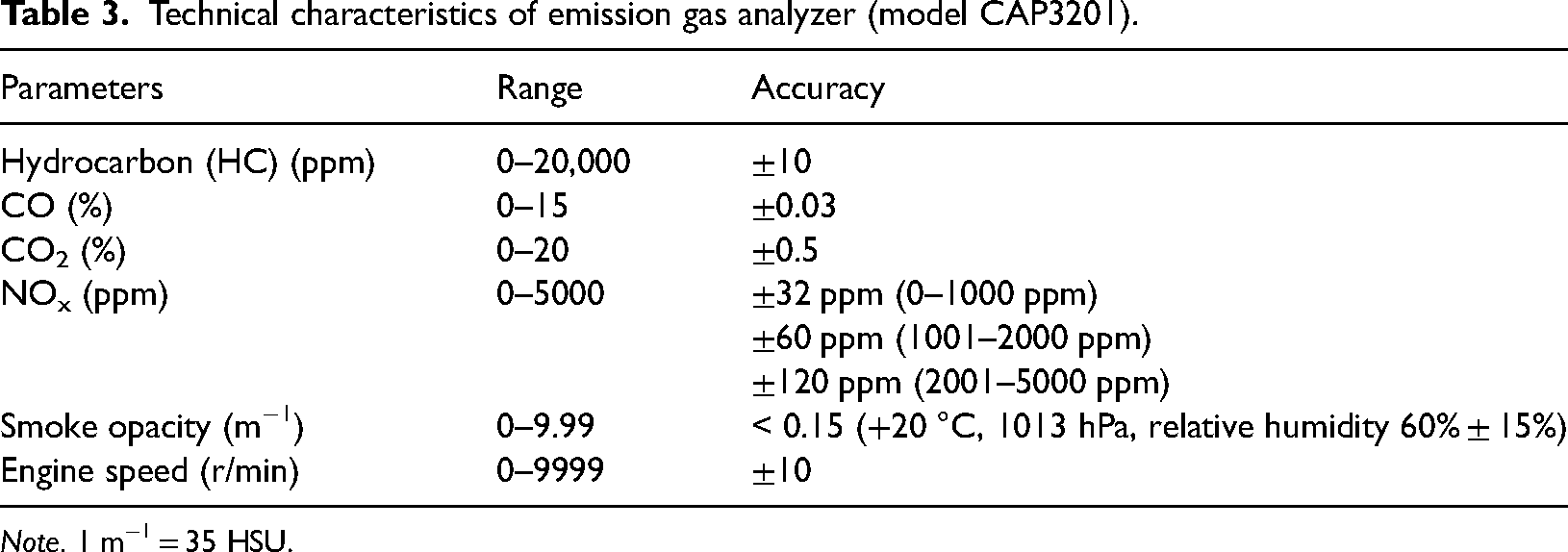
In order to measure fuel flow rates, a digital stopwatch was employed for checking the actual time in each 10 cc of fuel consumption. Furthermore, the exhaust gas analyser (model CAP3201) was utilized for measuring CO, CO2, HC, NOx emissions, and smoke opacity, showing the technical characteristics of exhaust gas analyzer in Table 3. The engine performance and emission characteristics, including the BTE, BSFC, EL, and emissions, were reported at full throttle (WOT) under the steady-state conditions of 800, 1400, 2000, and 2600 r/min for four different TSPO/diesel blends (10% TSPO, 25% TSPO, 50% TSPO, and sole diesel).
Technical characteristics of emission gas analyzer (model CAP3201).
Note. 1 m−1 = 35 HSU.
The BTE is the ratio of power output obtained from the engine to the energy input from fuel conversion and is calculated as follows:

Results and discussion
Main fuel properties
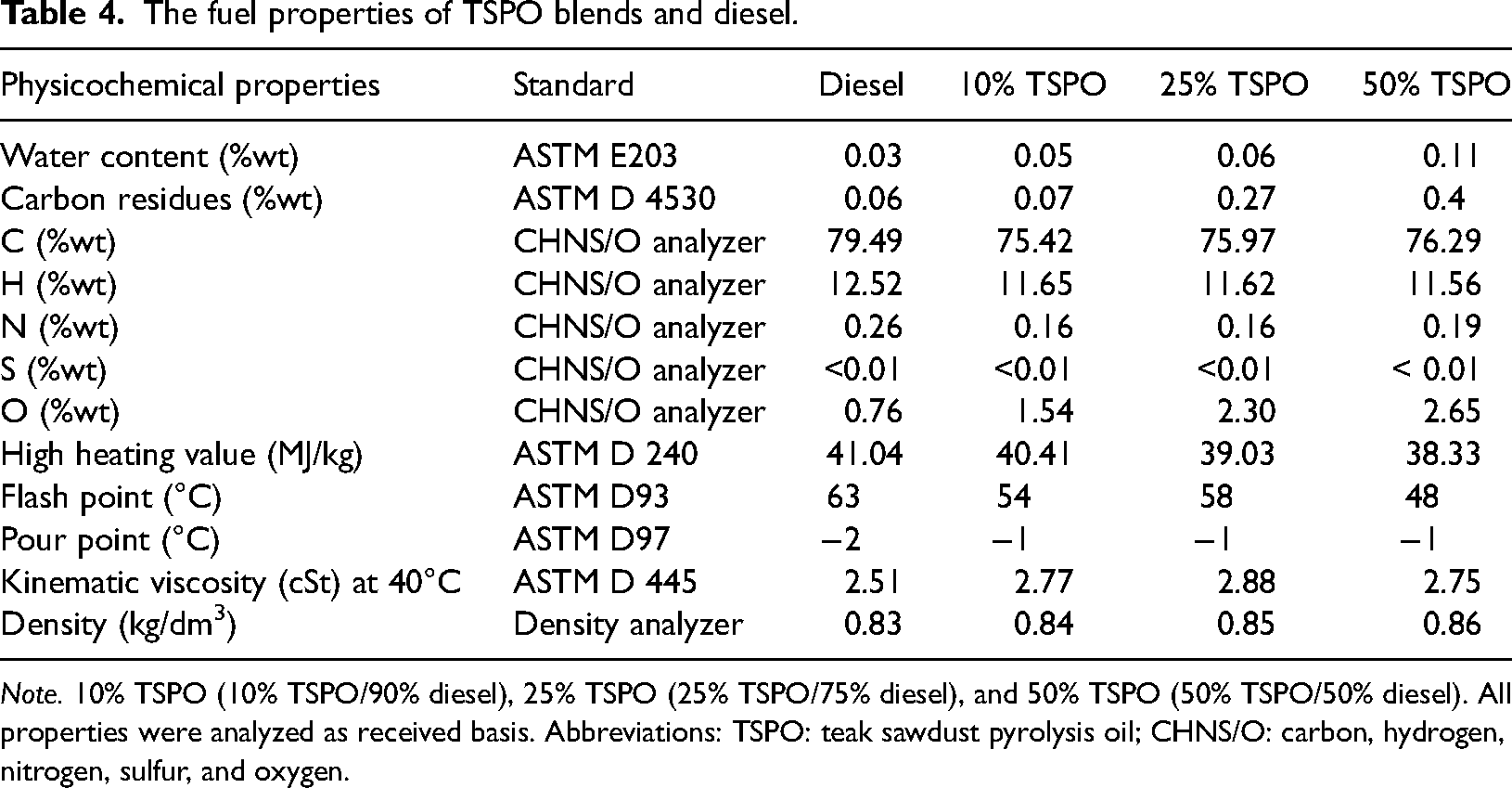
The standard methods and physicochemical characteristics of blended TSPO liquid fuels and diesel are presented in Table 4. Water content and carbon residues of 50% TSPO fuel were found to be 0.11% and 0.4%wt which were more than those of diesel by about 4 and 7 times, respectively, but 10% TSPO blend was similar to diesel. Meanwhile, water content and carbon residue of diesel were estimated to be 0.15–0.35 (%wt) (John Bacha et al., 2007). Elemental analysis of the TSPO oil blends demonstrated that oxygen content in the TSPO oil was between 1.54% and 2.65%wt, in contrast to diesel, which showed lower oxygen content of 0.76%wt.
The fuel properties of TSPO blends and diesel.
Note. 10% TSPO (10% TSPO/90% diesel), 25% TSPO (25% TSPO/75% diesel), and 50% TSPO (50% TSPO/50% diesel). All properties were analyzed as received basis. Abbreviations: TSPO: teak sawdust pyrolysis oil; CHNS/O: carbon, hydrogen, nitrogen, sulfur, and oxygen.
The average calorific value of TSPO blends was around 39.0 MJ/kg, while diesel value was 41.0 MJ/kg. Moreover, the flash point of 50% TSPO was the lowest at about 48 °C, and the typical diesel is generally between 55 and 65 °C. A considerable liquid for combustion was noticed, whose ignition temperature is initially below 60 °C (Hollebone, 2011).
Kinematic viscosities of the TSPO oil blends ranged between 2.77 and 2.88 cSt, which were slightly higher than diesel of around 0.3 cSt. Amin et al. (2016) reported this physical property to be 1.90–4.00 cSt, in accordance with ASTM D445. In diesel engines, density is a significant property of fuels, affecting not only engine power output but also in-cylinder combustion (Dueso et al., 2018). The densities of the four fuel types were between 0.83 and 0.86 kg/dm3. According to EN ISO 3675 and EN ISO 12185, minimum and maximum diesel density should be 0.82 and 0.85 kg/dm3 (John Bacha et al., 2007). It was observed that most properties including carbon content, HHV, and density of the TSPO blends were similar to those of diesel fuel, while viscosities were slightly higher. The results revealed that TSPO blends with diesel may be utilized as a fuel for engines.
Engine performance
Brake thermal efficiency. BTE is associated with the proportion of energy in the brake power as a function of the amount of fuel energy fed to engine cylinder (Midhun Prasad and Murugavelh, 2020; Kumar, 2019; Nagarajan et al., 2021; Rajamohan et al., 2022; Ramalingam and Rajendran, 2019). The variations in BTE of the TSPO oil blends and diesel (±1.25%, maximum) are illustrated in Figure 3. It was observed that BTE of all the blends increased with engine speeds shift from 800 to 2000 r/min and decreased at 2600 r/min. Moreover, the peak of BTE fuel blends was 6.74% of 25% TSPO at 2000 r/min for better combustion characteristics, while diesel at 1400 r/min highly gave about 13.35% of BTE. A drop in the BTE in diesel fuel occurred at a speed greater than 1400 r/min. It was indicated that the rotational speed of engine at 2000 r/min was suitable for this engine operation with the TSPO blends because higher BTE is more efficient for converting fuel into thermal energy to do work (Ashok and Nanthagopal, 2019; Ramalingam and Rajendran, 2019).
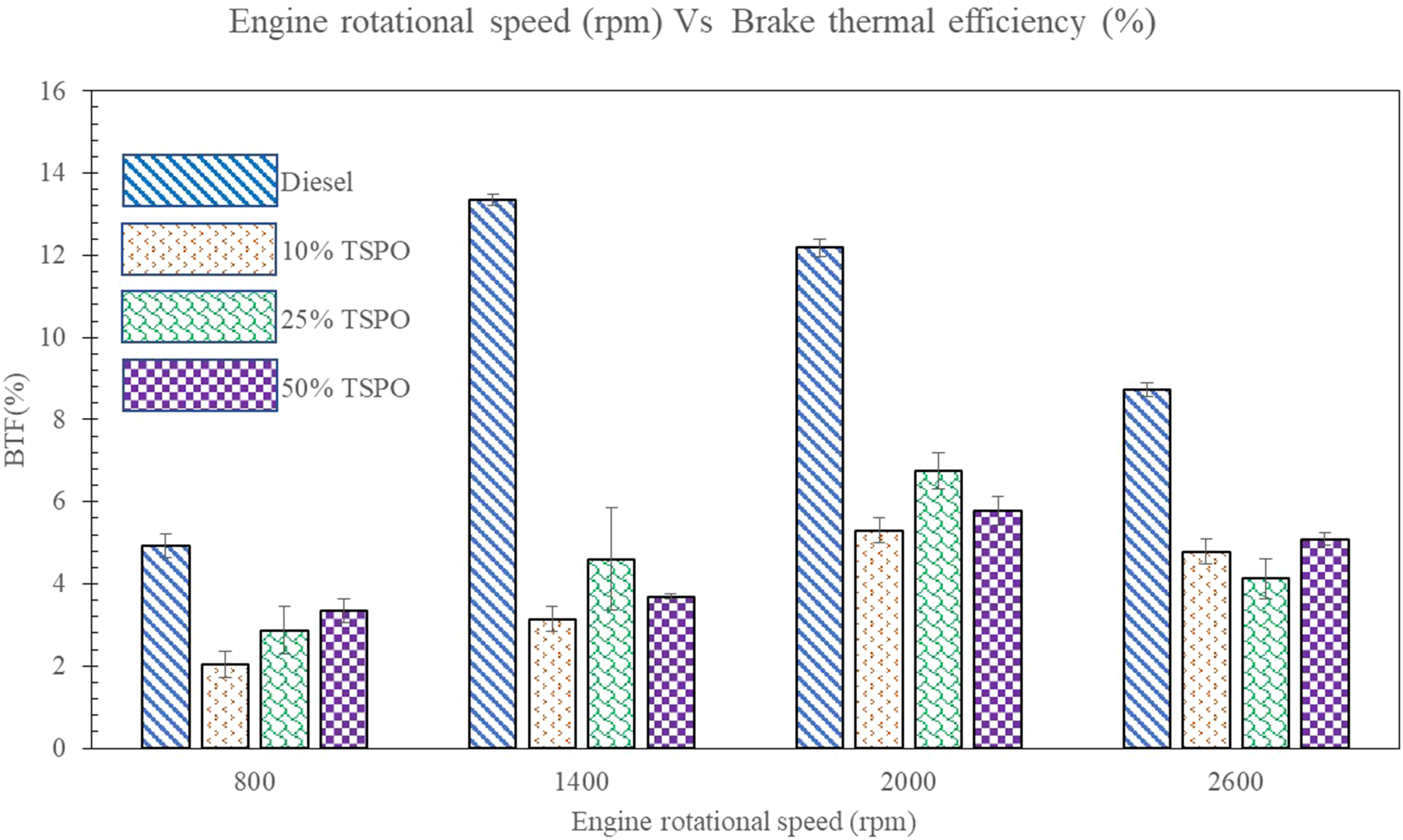
BTE of the TSPO oil blends and diesel under four constant engine speeds. BTE: brake thermal efficiency; TSPO, teak sawdust pyrolysis oil.
Truly, TSPO oil blends have BTE value lower than diesel fuel at all engine speeds due to low energy content, high oxygen content, high viscosity, and improper atomization of fuel (John Bacha et al., 2007). Similarly, Midhun Prasad and Murugavelh (2020) have tested the BTE at different blends of tomato peel oil and diesel in a 7.5 kW engine at varying ELs. They also reported that biomass pyrolysis oil blends had lower thermal efficiency than conventional diesel. However, biomass pyrolysis oil, providing a potentially carbon-neutral fuel, has the advantages of numerous materials, such as sustainability, convenience in storage or transport, and high energy density (Chen, 2015).
Brake-specific fuel consumption. The measuring fuel efficiency of a combustion engine which burns fuel to generate power of rotational movement at the shaft or crankshaft is referred to as BSFC in kg/kWh (Ashok and Nanthagopal, 2019; Dueso et al., 2018; Kumar, 2019; Rajamohan et al., 2022; Ramalingam and Rajendran, 2019; Tarabet et al., 2011).
Figure 4 shows that the various BSFCs of tested fuels decreased as the engine speed increased from 800 to 2000 r/min. Meanwhile, 25% TSPO oil blend expressed a minimum BSFC value of TSPO blends to be 1.37 kg/kWh at 2000 r/min, whereas 10% TSPO clearly established the highest BSFC of 4.40 kg/kWh at 800 r/min. Furthermore, diesel fuel at all rotational speeds distinctly indicated the lowest BSFC in each speed ranging from 0.66 to 1.78 kg/kWh due to the presence of oxygen, a higher calorific value, less density, and viscosity in their properties (Ramalingam and Rajendran, 2019; Tarabet et al., 2011). The largest standard error of BSFC was calculated to be about ± 0.65 kg/kWh.
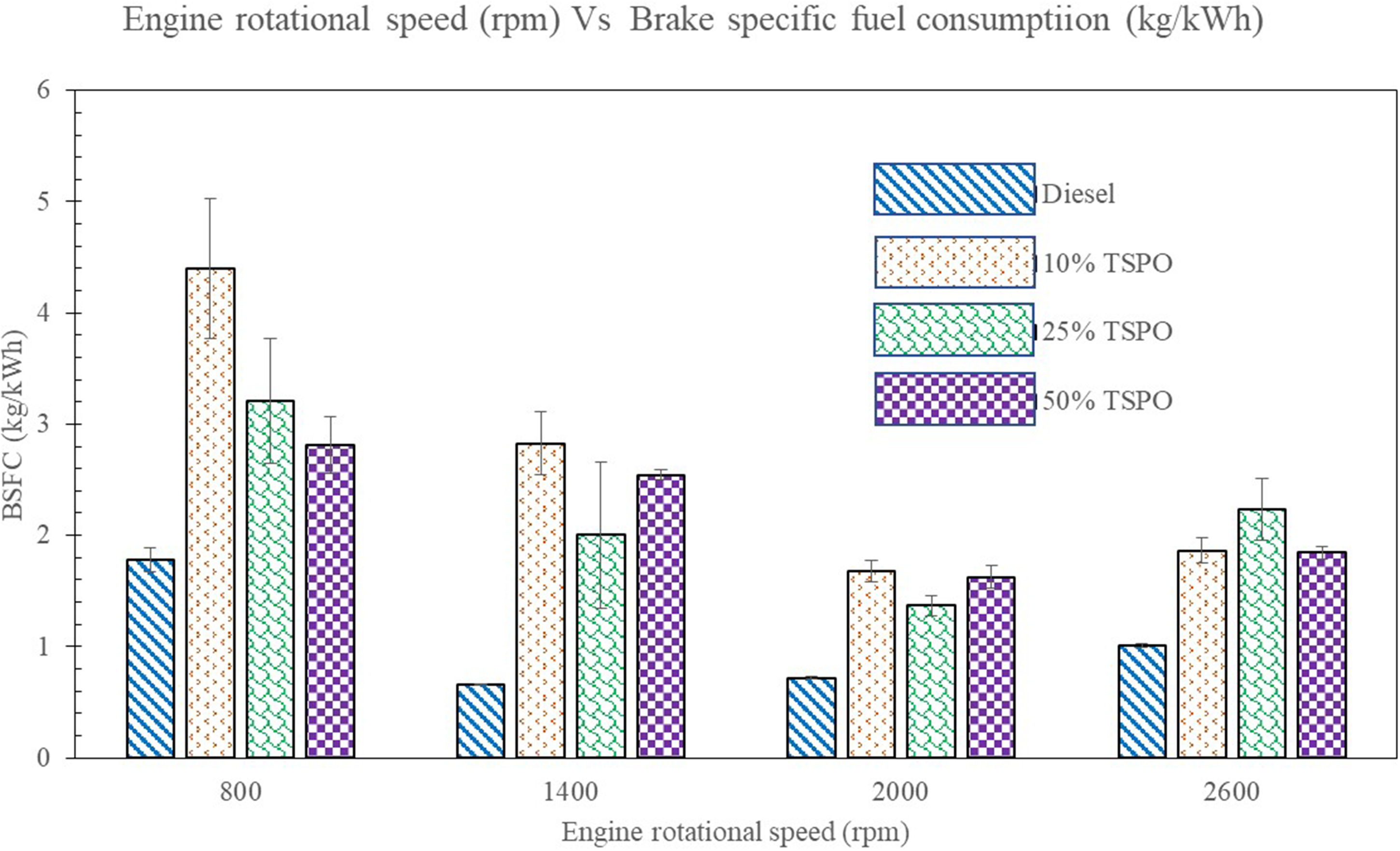
BSFC of the TSPO oil blends and diesel at different engine speeds. BSFC: brake-specific fuel consumption; TSPO, teak sawdust pyrolysis oil.
Engine load
In the current study, the 186F diesel engine was utilized for tested fuels, having a rated power of 5.7 kW at 3000 r/min of engine speed. EL (kW) is the reaction force or torque (output) of the engine designed for different engines. The graph of rotational engine speed and EL is displayed in Figure 5. It is observed that the engine speeds are a function of EL under tested fuels. That is, the ELs of TSPO oil blends and diesel range between 0.79 and 1.43 kW at 800 r/min. After that, most of the ELs sharply increased as the engine speeds increased, getting higher values between 2.78 and 4.80 kW at 2600 r/min of engine speed. It is observed that 25% TSPO oil blend had a lower value of the ELs in each engine speed. Meanwhile, 10% and 50% TSPO oil blend and diesel had the highest ELs of about 4.90 kW.
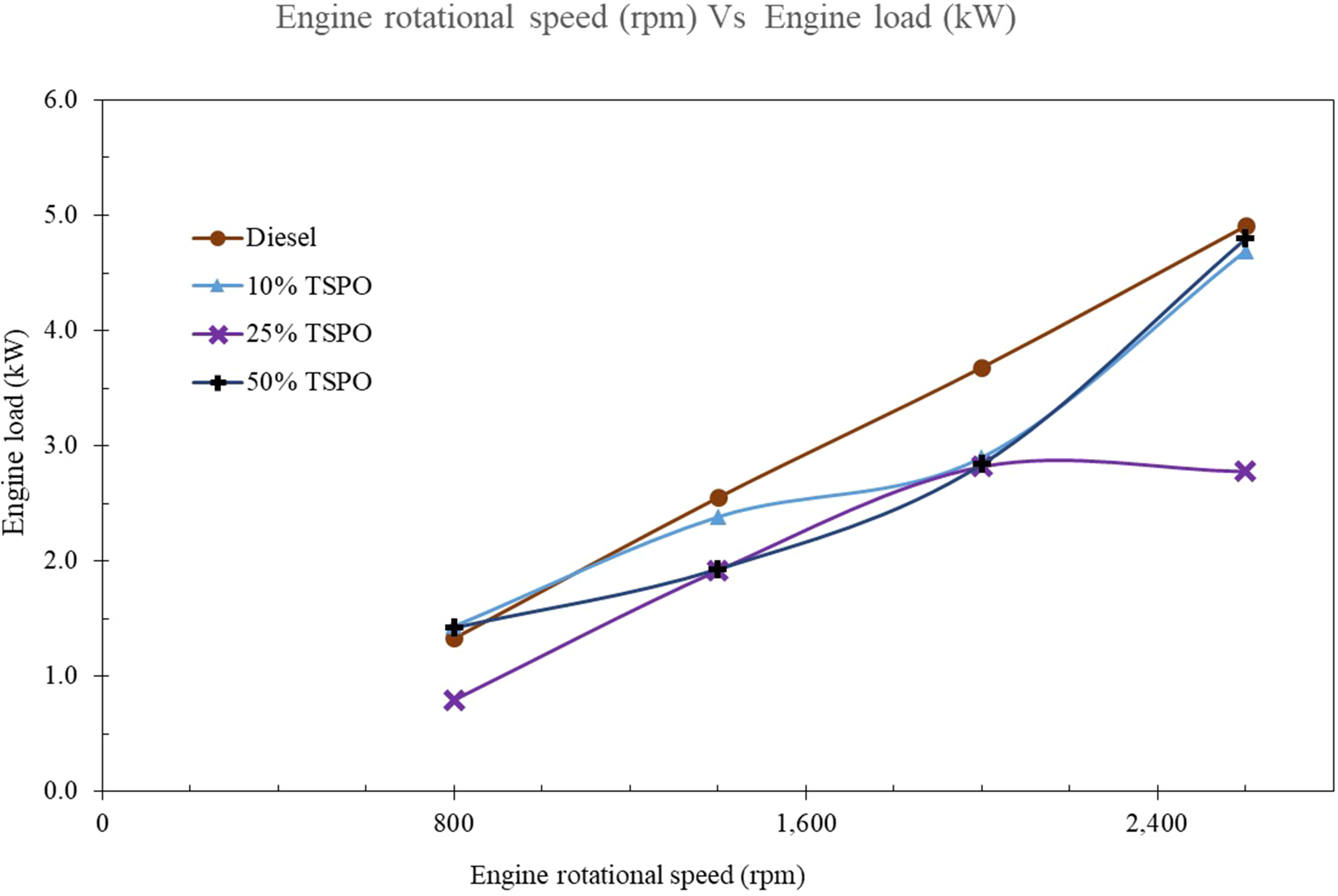
Engine load for testing liquid fuel at different engine speeds.
Emission characteristics
CO and CO2 emissions. The CO emissions are produced from engines whose fuel is burnt without a sufficient supply of oxygen, fuel, time, and temperature (Caillat and Vakkilainen, 2013; John Bacha et al., 2007; Nagarajan et al., 2021; Rajamohan et al., 2022). The CO emissions of TSPO blends and diesel at different rotational engine speeds are illustrated in Figure 6. In total, 50% TSPO blend released the highest CO emission at all engine speeds, while CO emission of 10% TSPO blend at 800 r/min was slightly higher than 25% TSPO by nearly 0.15%. After that, its CO emission sharply increased to 2.87% at 1400 r/min and decreased gradually from 1400 to 2600 r/min by nearly 2.75%. Interestingly, CO emission of 25% TSPO is steady in the range of 800–1400 r/min of around 2.10%. There is a gentle decline from 1.93% to 1.77% at the engine speeds between 2000 and 2600 r/min, respectively. It was observed that CO emission of diesel fuel rapidly dropped from 2.77% to 0.85% as the engine speeds increased (1400–2600 r/min). Usually, high cylinder temperatures provide complete combustion with CO being able to provide more oxidation reaction to produce CO2 (John Bacha et al., 2007), reducing CO emission in diesel. examined the performance and emissions of an Isuzu T4EC1 15DT turbocharged diesel engine filling with sunflower biodiesel from 1500 to 4000 r/min of engine speed. They reported that the different CO emissions were related to the engine speed. Additionally, at full load (or maximum engine speed), fuel is injected with lower air intake to mix in the diesel engine generating a higher CO emission (Nagarajan et al., 2021; Ramalingam and Rajendran, 2019). It is implied that 2000 r/min engine speed, where both 25% TSPO and 50% TSPO blends are given minimum CO emission to be around 1.90, is the optimal speed for TSPO oil blends for tested engine, with a measurement error of about ±0.11% (maximum).
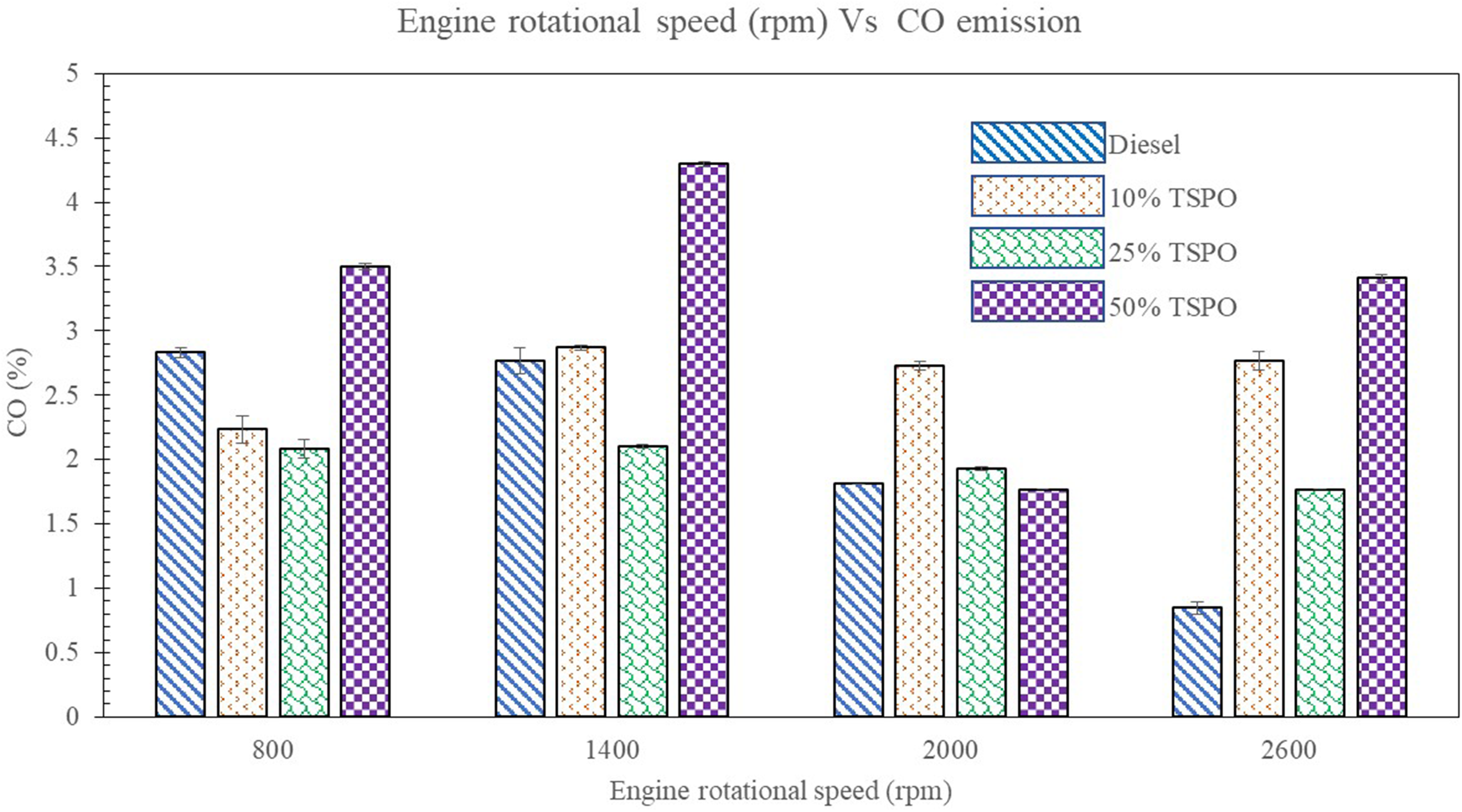
Variations of the CO emission with engine speeds.
Carbon dioxide (CO2), a product of the complete combustion of fuel, is the primary component of greenhouse gases. The generation of CO2 is a result of the chemical reaction between the carbon present in the fuel and the oxygen present in the air (Kumar, 2019; Rajamohan et al., 2022). Figure 7 illustrates the percentage of CO2 release for the evaluated fuels at various speeds. It is revealed that the rise in CO2 emissions is evident in both diesel and 10% TSPO fuels as engine speeds increase from 1.1% to 2.5% and 1.2% to 2%, respectively. In contrast 25% TSPO fuel, CO2 decreases at higher rotational speeds from 1.8% to1.0% (800–2600 r/min.). Furthermore, at 2600 r/min, the diesel and 50% TSPO exhibit elevated CO2 values to be 2.5% and 2.6% due to their higher carbon content, as indicated in Table 3. The combustion process is notably enhanced by the presence of oxygen in the fuel component. Therefore, increasing the blending ratio of bio-oil in the fuel blend has the potential to improve combustion efficiency and subsequently lead to an increase in CO2 emissions (Rajamohan et al., 2022).
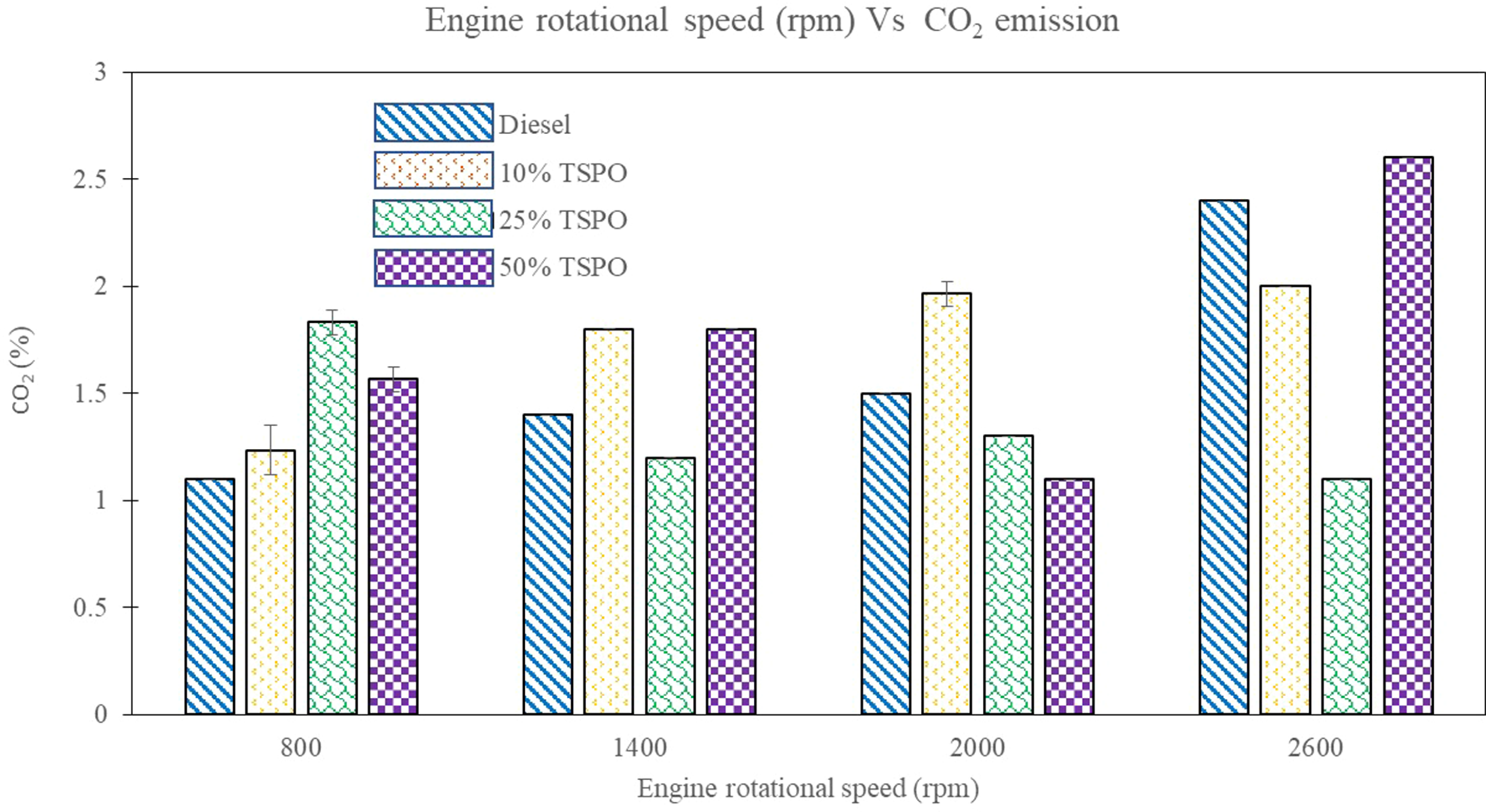
CO2 emission of teak sawdust pyrolysis oil (TSPO) blends and diesel under different speeds.
HC emissions. HC emission is partially formed from the burning or unburning of fuel in the combustion chamber. Mainly, fuel is injected having poor atomization and lower volatile compounds (John Bacha et al., 2007; Midhun Prasad and Murugavelh, 2020; Nagarajan et al., 2021; Rajamohan et al., 2022). Figure 8 illustrates the relation between the four engine speeds and the HC emission of the tested fuels. It can be observed that the 50% TSPO blend has a higher HC value for each of the tested fuels of all tested engine speeds, obtaining the highest value of 1378.33 ppm at 1400 r/min. After that, its value sharply decreased at 2000 r/min (about 810.33 ppm), showing the lowest HC value of TSPO oil blends at 2600 to be 279.00 ppm. The statistical dispersion of HC values were ±108 ppm (maximum). Wood pyrolysis oil normally contained higher oxygen concentration than conventional fuel, promoting great value for oxy-fuel combustion process as more bio-oil blend ratio is estimated to give more decreasing HC emission. Furthermore, higher HC emission is gradually obtained from not only low calorific value but also high viscosity with higher fuel blend ratio (Rajamohan et al., 2022; Ramalingam and Rajendran, 2019). It was observed that a higher engine speed than 1400 r/min clearly revealed a reduction in HC emission in the tested fuels.
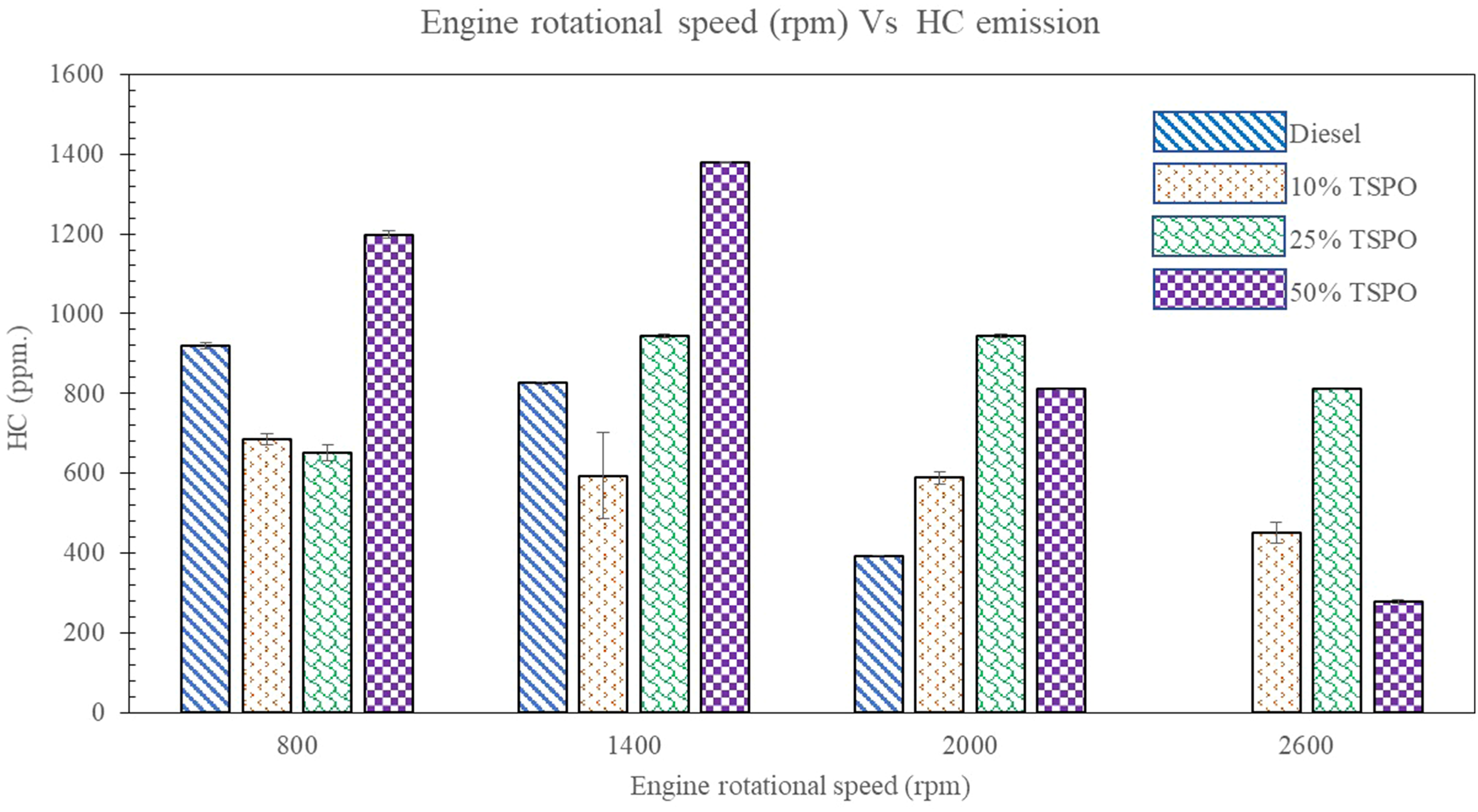
Hc emission at various engine speeds.
For filling with diesel, HC values also declined at 800–1400 r/min to be 919.67 and 827.00 ppm and suddenly decreased at 2000 r/min to be 393.00 ppm. Moreover, the lowest HC emission of all tested fuels obviously occurred at the engine speed 2600 r/min to be zero ppm. It was inferred that HC emissions decreased, increasing the liner wall temperature (Rahmani et al., 2017) as the engine speed increased.
NOx emissions. The emission of NOx presents a danger to human health as it participates in the creation of smog and acid rain, in addition to acting as a catalyst in the formation of ground-level ozone, which can have detrimental effects on both the environment and human respiratory systems (Kumar, 2019; Mohammadi and Neshat, 2020). In this study, nitrogen oxides (NOx) values from the diesel engine emission could not be detected by NOx sensor for all tested fuels. The observed phenomenon can be attributed to the insufficient oxygen concentration in the fuels (Huang et al., 2020) in all tested fuels, as indicated by values of below 3% weight (Table 3). Additionally, the impact of testing conditions does not promote the dissociation of nitrogen molecules into N atoms or facilitate the reaction between oxygen and N atoms to generate NOx emissions. (Rajamohan et al., 2022). Moreover, the emission of NOx is significantly influenced by multiple variables, including the chemical properties of the fuels, the adiabatic flame temperature, the ignition delay time, the injection timing, the combustion chamber geometry (relating to flame propagation velocity), the equivalence ratio, and the pressure (Dueso et al., 2018).
Smoke opacity. Smoke is released from a CI engine as an undesired outcome of combustion, arising from the inadequate burning of HC fuel. The amount of smoke emitted is contingent upon both the fuel's characteristics and the prevailing operating conditions of the engine. The smoke opacity of TSPO blends and diesel under various speeds is presented in Figure 9. Smoke density in 10% TSPO is predominantly lower than other samples across all engine speeds. Notably, as the speeds increase beyond 1400 r/min, the HSU values exhibit a substantial decrease, hitting a bottom value of diesel, TSPO 10, 50% around 10 HSU and 20 HSU (TSPO 25) at 2600 r/min. The observed trend is consistent with the outcomes reported in a prior investigation undertaken by different researchers (Dueso et al., 2018; Effendy et al., 2021). As the engine speed rises, it impacts the turbulence of the incoming airflow, leading to enhanced fuel atomization within the cylinder and resulting in a more uniform mixture. Consequently, this improved combustion process leads to reduced smoke opacity (Effendy et al., 2021).
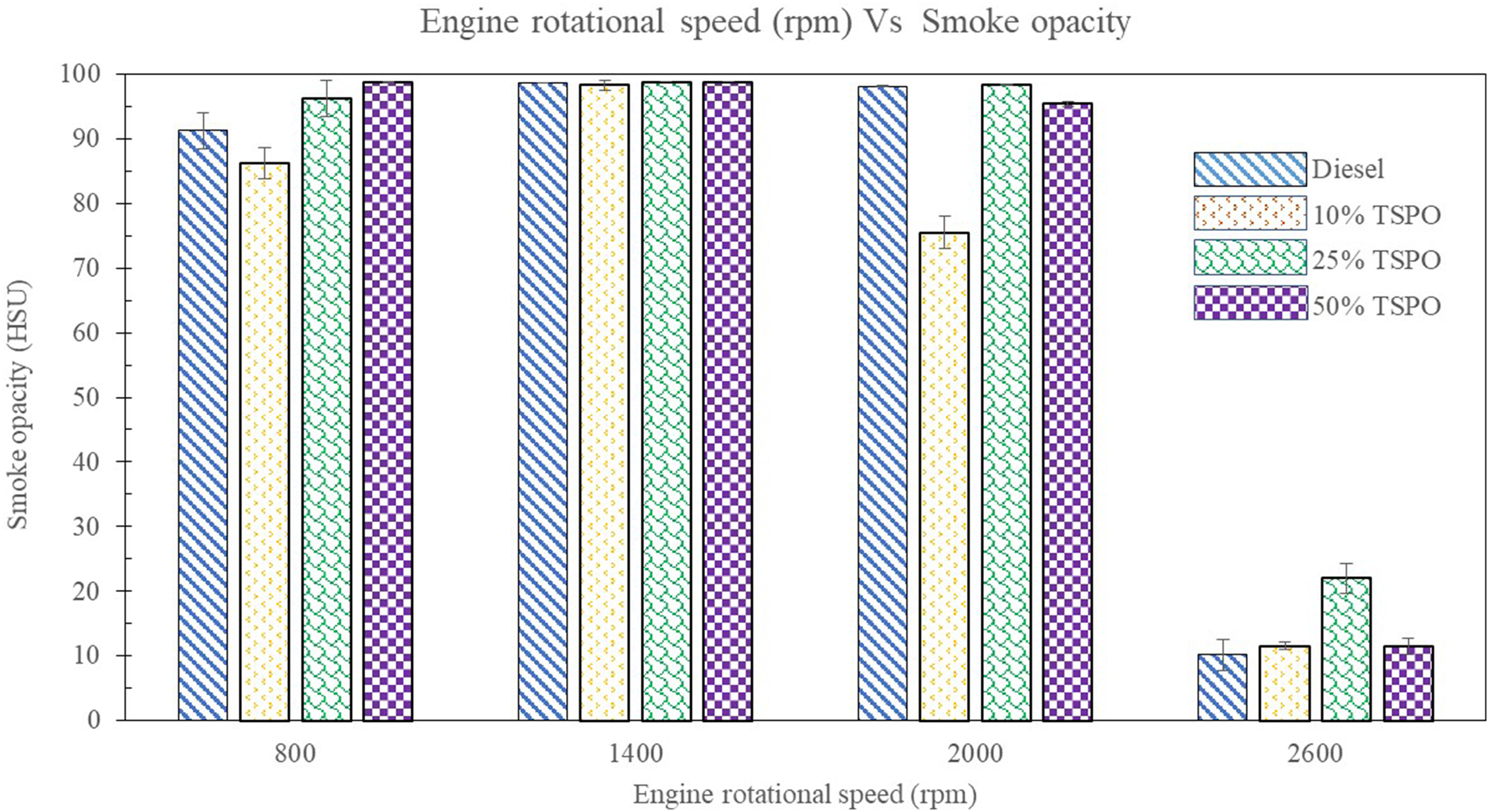
Engine speeds (r/min) vs smoke opacity (HSU).
The most significant result of the previous study revealed that carbon residue, tars, and other sediment types generated by the pyrolysis oil combustion can cause carbon deposits to form in the cylinder head, piston crown, and nozzle tip of engine, and ash content in the lubrication oil was analyzed. Thus, using pyrolysis oil in an internal combustion engine brings about the adsorption of corrosive components to the cylinder, which eventually causes wear and tear of the cylinder-piston ring conjunction (Buffi et al., 2018; Prakash and Murugan, 2017; Xu et al., 2014).
Conclusions
The performance analysis and emission characteristics of a small four-stroke compression-ignited engine fueled with TSPO/diesel blends were investigated. The liquid fuel is TSPO synthesized at 600 °C through a slow pyrolysis process, with a water content less than 1.0%. TSPO was mixed with diesel in different ratios (10%–50%). The analysis of the fuels’ physicochemical properties concluded that the oxygen levels in the blended fuels exceeded those in diesel and showed an increase with a higher proportion of TSPO at the maximum 2.65%wt, 50%TSPO. Meanwhile, the average reported gross calorific value and density of TSPO blends were 39.26 ± 1.06 MJ/kg and 0.85 ± 0.01 kg/dm³, respectively, these values closely resembled the ones observed in diesel (41.04 MJ/kg and 0.83 kg/dm³). It was discovered that TSPO blends exhibited properties similar to those of diesel and could be used as engine fuel. The engine test was conducted at full throttle (WOT) under four constant engine speeds (800–2600 r/min). The results are summarized as follows: 25% TSPO blend, at 2000 r/min, showed better BTE with lower brake specific fuel consumption values compared to those at other TSPO blends. Moreover, the reported measurement uncertainties exhibited diverse values as a result of several factors, including random fluctuations in measured values, instrumental errors, systematic error, and operator error. The addition of TSPO ratios increased the amount of oxygen required for combustion and thereby reduced the HC and CO content in the exhaust gas, therefore, a good reduction in CO and HC level was achieved with the 50% TSPO blend, at 2000 r/min, compared to the neat diesel fuel. Engine speeds affect CO2 emissions in diesel and 10% TSPO, while 25% TSPO shows decreased CO2 at higher speeds. The study found no NOx detection in diesel and blend fuels emissions due to low oxygen concentration compared to other biofuels or it may be the error from NOx measuring equipment. Smoke, the tested fuels show lower density in 10% TSPO because of engine speed rises, turbulence increases, enhancing fuel atomization and reducing smoke opacity. It was observed that a mixture comprising 25% TSPO combined with diesel proved to be an appropriate choice for small engines operating at 2000 r/min, ensuring both performance and sustainable emission levels of CO, CO2, and NOX in agricultural and rural settings.
The results clearly indicated that mixed pyrolysis oil production from agricultural waste with commercial diesel can be utilized as a fuel for small engines, and an additional benefit is that they enhance the agricultural industry and promote profitable farming, which is an innovative renewable energy development for reducing fossil energy consumption. Encouraging the use and appropriate disposal of agro-wastes by converting them into pyrolysis oil and utilizing it in the small engines of the agricultural sectors could be promoted. This research paper was limited by available resources and the primary focus of the study. For future research works, a comprehensive analysis of engine performance, including combustion-related parameters like cylinder pressure and heat release rate, CA0-10, CA10-90, etc., should be conducted to enhance the depth of the study.
Footnotes
Declaration of conflicting interests
The author(s) declared no potential conflicts of interest with respect to the research, authorship, and/or publication of this article.
Funding
The author(s) disclosed receipt of the following financial support for the research, authorship, and/or publication of this article: This research was financially supported by the Ministry of Higher Education, Science, Research and Innovation, National Science and Technology Development Agency, the National Research Council of Thailand, Chiang Mai Rajabhat University, and Fundamental Fund 2023 Chiang Mai University.
