




Abstract
Taking the upper sub-member of Sha 4 in Well Fanye 1 and Well Niuye 1 in Dongying Sag, Jiyang Depression, Bohai Bay Basin as a typical example, this paper adopts the method of combining macro and micro laminar characterization and complementing each other. The characteristics of laminar development are studied by means of fine description of rock thin sections by cores and electron microscopic observation Reconstruction of the Bohai Bay Basin in sand four period of ancient sedimentary environment, it is concluded that the sand on the four period of development of four complete filling sedimentary cycle. Using Milankovitch cycles method, reveals the ancient climate control mechanism of lithofacies, formed by organic laminae under hot and humid climate and a small amount of calcite laminated lithofacies, in hot and humid climate, the lithofacies is mainly composed of organic lamina and a small amount of calcite lamina, while in cold and dry climate, the lithofacies is mainly composed of calcite lamina, and the lithofacies is mainly composed of organic lamina, silty lamina and gypsum lamina. Micro-laminar research is an important scientific issue in unconventional oil and gas eology. It can provide basic data for unconventional oil and gas exploration, such as the types, distribution and extension of laminar, especially the determination of sampling targets. Different laboratory samples can be analyzed according to the laminar types.
Keywords
Introduction
The main idea of this paper is to emphasize the study of fine grained sediments, whether Marine or terrestrial, not only to describe the petrological characteristics of fine grained sediments, it is more important to closely combine the lamellar structure of fine-grained sedimentary structure with petrology and its application in the basic research and exploration and development of unconventional oil and gas resources, so as to realize the theoretical and practical value of this research and reconstruct the fine-grained sedimentary paleoenvironment more scientifically.
Over the past several decades, numerous researchers have studied fine-grained sedimentary rock formations in many parts of the world. For example, by analyzing the mineralogical characteristics of marine fine-grained sedimentary rock in the Williston Basin and Fort Worth Basin (US), lithofacies division schemes were established (Loucks and Ruppel, 2007). These classification schemes were named based on the mineral composition, structure, biological characteristics, mineral particle sizes, and rock color (Jiang et al., 2013).
Studies have shown that the flocculation process contributes to the long-distance transport of large amounts of sediment in the Marine basin environment (Davies et al.,2006; Macquarie et al., 2010). The grain size delamination of Marine fine sediments is closely related to the property condensation of viscous mud and turbidity current. However, lacustrine fine-grained sedimentary rock is different from Marine shale, and the provenance input of the lake is mainly terrigenous clastic material (Jiang et al., 2013); The lake environment changed from dry and cold to wet and hot, the lithofacies of fine-grained sedimentary rocks changed significantly, and the mineral composition changed (Jin, 2017), when the sedimentary hydrodynamic characteristics change, the sedimentary structures (such as laminations) of lacustrine finegrained sedimentary rocks also change (Jin et al., 2017). The characteristics of fine-grained sedimentary rocks in Shahejie Formation, Dongying Sag, Bohai Bay Basin, China are depth studied (Zhang et al., 2014, 2015; Chen et al., 2016; Liu et al., 2017, 2018). Based on the macro and micro structural characteristics of key core Wells of fine-grained sedimentary rocks in the upper sub-member of Shahejie Formation of Paleogene in Dongying sag, southern Bohai Bay Basin, a lithofacies division scheme of fine-grained sedimentary rocks in continental faulted lacustrine basin was proposed (Zhang e al., 2017). According to the characteristics of mineral petrology, organic matter content and sedimentary structure, the lithofacies of finegrained sedimentary rocks were divided (Liu et al., 2017, 2018), it is considered that the fine-grained sediments in the upper sub-member of the fourth member of Shahejie Formation in Dongying Sag are beach bar siltstone turbidite massive siltstone high, medium and low organic matter laminated limestone (clay rock) and laminated gray matter (dolomite) mixed fine-grained rock. However, there is no unified qualitative and quantitative scheme so far.
Fine-grain deposition develops in different sedimentary environments, and the roles played by organic carbon, organic reactivity, mineralogical composition, and element types and content levels have important effects on the characteristics of fine-grain deposition systems (Ali et al.,1996; Isabelle et al., 2010). However, due to series of compaction and diagenetic processes, the most primitive features of fine-grained sedimentary systems have been found to be rarely retained in petrology, sedimentology, and micro-sequence structures (Armitage et al., 2010). This has also led to difficulties in recovering the paleogeographic and paleoenvironmental conditions of fine sediment.
Cyclostratigraphy is statistical analysis of orbital cycles that has been applied to Cenozoic, Mesozoic and Paleozoic strata, tectonics on high-resolution astronomical time scales, and linking continental and Marine sediment records to orbital forcing (Abels et al., 2010). On the continent, lakes are important environments with unique environmental characteristics, and lake sediments contrast with the more frequently studied Marine sediments. Lake formation is controlled by tectonic activity and climate (Bohacs et al., 2000). Thus, lake basins provide complementary regional perspectives of climate change influenced by fluctuations in solar insolation and precipitation balances (Valero et al., 2014). In lacustrine basins, periodic sedimentary rhythms contain signals sensitive to climate change, which can be used to study the effects of orbital forcing on palaeoclimate and sedimentary environment (Wei et al., 2020). Li et al. (1994) studied the high frequency cycles in the Paleogene of Pinghu Oil and gas field in the East China Sea, and combined the Miocene cycles with sequence stratigraphy, so as to improve isochronic stratigraphic interface resolution.
Jiyang Depression is the main oil-producing area of Shengli Oilfield. The shahedian Formation of paleogene in the study area is the most important source rock and the source rock is controlled by sedimentary lithofacies and paleogeography. Therefore, to understand the law of oil and gas generation in this area, the sedimentary environment in this area should be studied first.
Therefore, the detailed analysis of lacustrine fine-grained sedimentary laminae is emphasized in this paper. Taking the type of fine-grained sedimentary laminae as an important basis of fine-grained lithofacies, the methods and steps of fine-grained characterization are proposed and applied to the indexes of fine-grained lithofacies and subtypes. Based on milankovitch cycle analysis, the paleoenvironment and paleoclimate of fine-grained sedimentary rocks are restored.
Sampling and analysis methods
Physical description, macroscopic observation and samples collected mainly in China petroleum and chemical co., LTD., Shengli Oilfield branch core library is completed, the samples are mainly terrestrialfacies in paleogene in Jiyang Depression of fine-grained sedimentary strata shale and siltstone and mudstone section of part of the core, sampling including 216 samples from well Niuye 1, 128 samples from well Fanye 1, 142 samples from well Liye 1, with a total of 486 samples.
In this paper, Niuye 1 well Liye 1 well and Fanye 1 well in Dongying sag of Jiyang Depression are typical wells of lacustrine fine grained rock facies classification and anatomy, and Niuye 1 well is the key well for dissection. The paleogene Shahejie Formation of Niuye 1 well is selected as the main research object, and the 3417.7 m∼3500 m of the lower sub-member of Sha3 ∼ upper sub-member of Sha4 are described in detail. Quantitatively depict through fine fine sedimentary sequence characteristics, namely the in-situ measured directly read data scale, using the measurement scale is a 1/10 mm scale steel rule. Detailed analysis was conducted in the laboratory to describe the sedimentary characteristics of fine grained layers and select the classification basis of fine grained layers. The overall description and characterization of laminae has always been based on the combination of macro and micro lithography and geophysics, qualitative and quantitative field and laboratory studies, and the combination of fine mineral composition images, rock trace elements analysis and sedimentary information processing.
Experimental test and analysis equipment mainly adopts the all-in-one Phenom ProX Microscope developed in the Netherlands, whose backscattering electronic image resolution is 8nm@10kv and magnification is 20-150000x. In addition, Leica DM4P polarizing microscope developed in Germany was used to identify minerals, identify laminar composition morphology and characterization of microcosmic scale under single polarized light and orthogonal polarized light.
Research method
Geological background
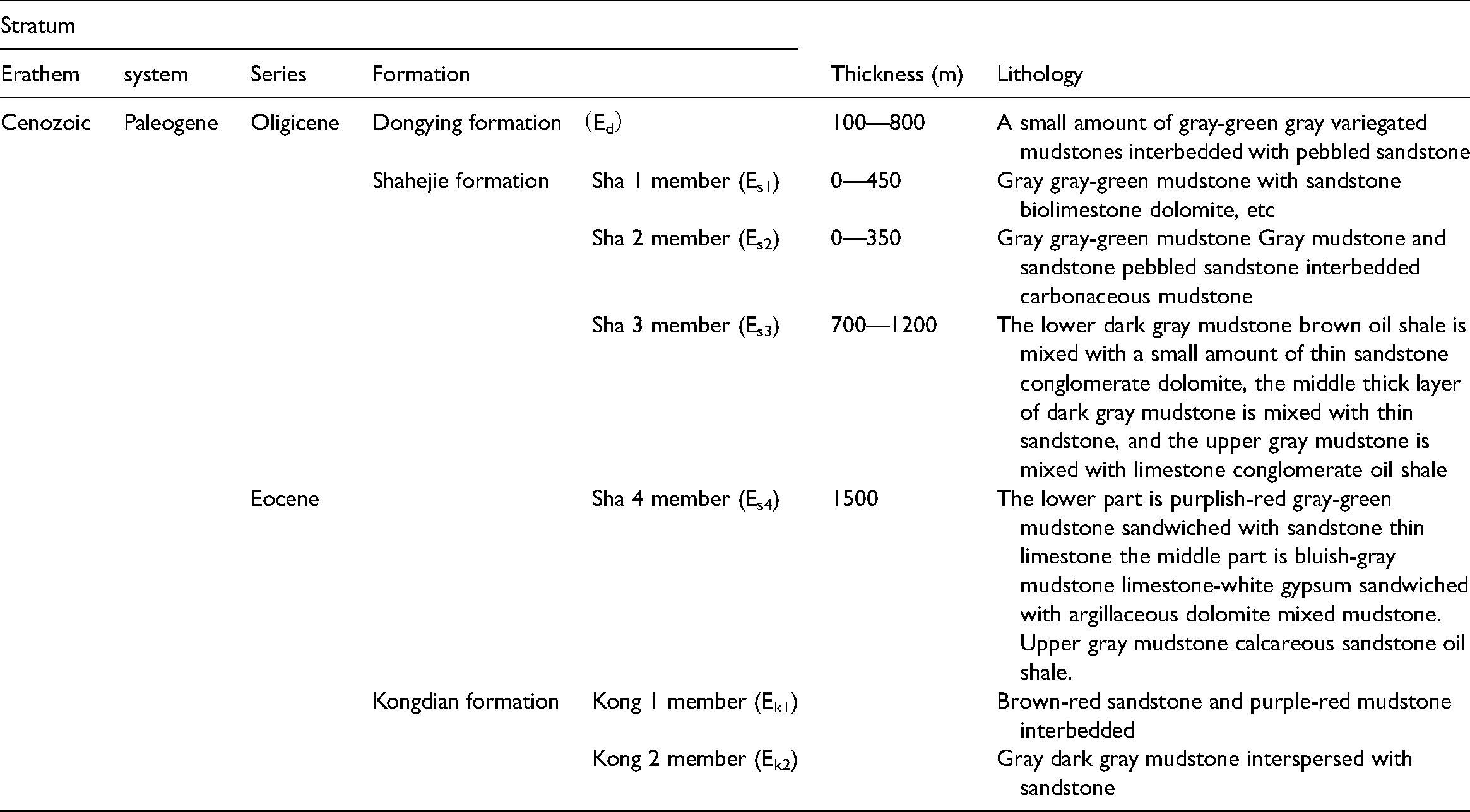
The Jiyang Depression is a Mesozoic-Cenozoic faulted basin located in the southeastern section of the Bohai Bay Basin. It is adjacent to the Tanlu Fault Zone in the east; Luxi Uplift in the south; and the Chengning Arc Uplift in the north and west It is a tertiary negative tectonic unit of a Meso-Cenozoic rift basin in Bohai Bay (Jin, 2017; Sun et al., 1998, 2009). The Dongying Sag is a typical continental lacustrine basin (Figure 1), and the Paleogene consists of the Kongdian Formation, Shahejie Formation and Dongying Formation (Table 1).
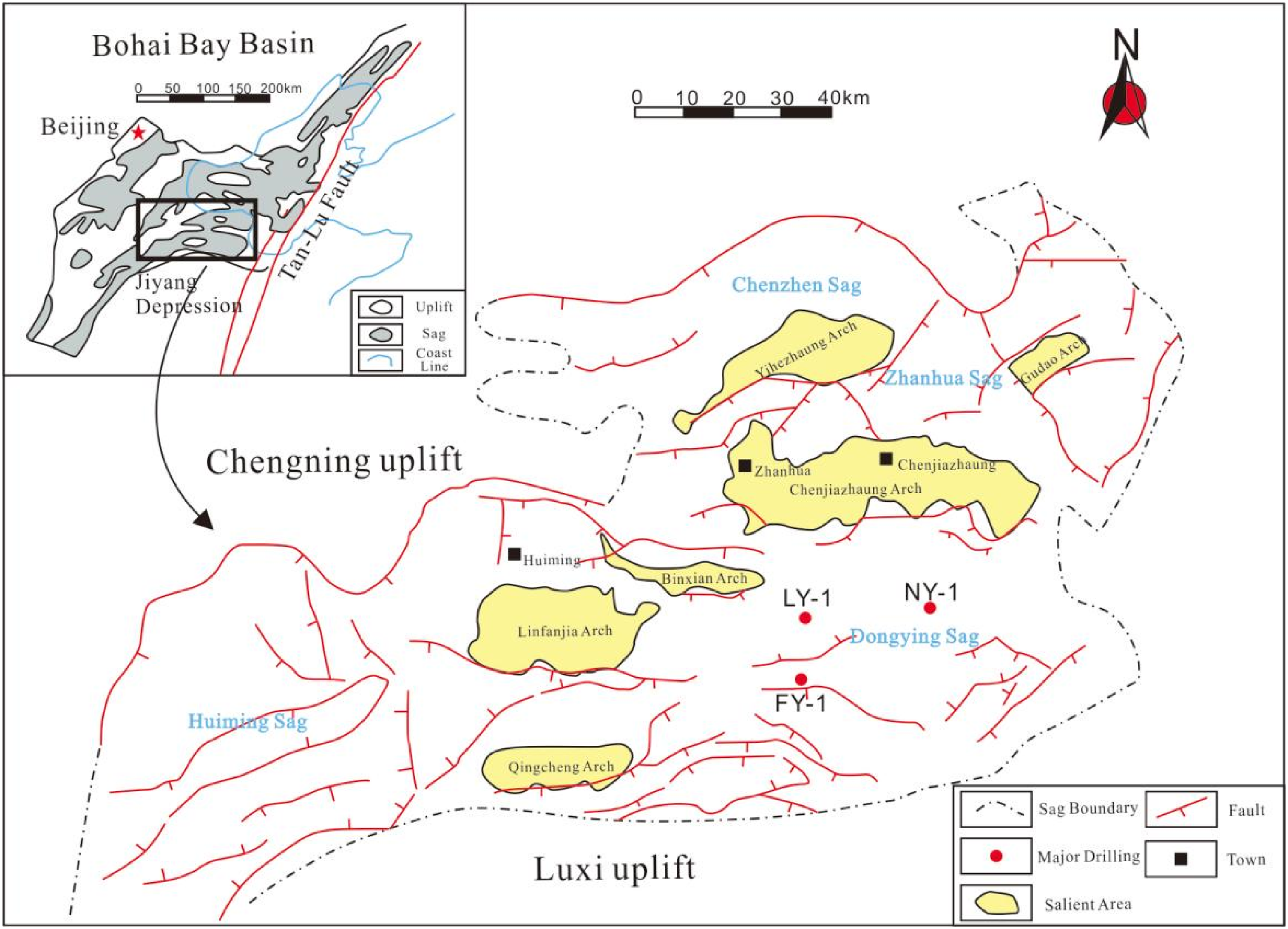
The location map of NY-1 and FY-1 in Dongying Sag.
Stratigraphic development and lithologic characteristics of the Dongying (after Han 2015).
The reconstruction of Paleogene fine-grained sedimentary facies and the paleoenvironment and paleoclimate conditions in the Dongying Sag is considered to be representative and typical, and thereby has universal value.
The Shahejie Formation, and the underlying Kongdian Formation, were determined to be in discordant contact. The Shahejie Formation was characterized by a wide sedimentary range and large thickness. For example, from the bottom to the top, the formation can be divided into four sections: 4th member, 3rd member, 2nd member, 1st member, respectively.
Macroscopic characterization of the lacustrine fine-grain laminae
Macroscopic characterization, description methods, and steps for solving the problem
In this study, macroscopic observations and characterization formed the research base and the following methodology was adopted (Sun et al., 2006). The core samples were cut and polished vertically or nearly vertically in order to ensure that the sedimentary lamination was clear and easily observed and measured. The specific method of carving was measured using an engraved silk meter (dmm).
Many researchers have analyzed the lacustrine sedimentary laminae of the Shahejie Formation in Dongying Sag. For example, the fine-grained sedimentary rock in the western part of the Dongying Sag have been divided into lamellar, leaf, and block types (Zhang et al., 2014). The sedimentary structures of the fine-grained sedimentary rock in the upper Shasi sub-member of the Dongying Sag have been divided into lamellar and block-shaped structures (Ma et al., 2017). In addition, the fine-grained rock of the Shasanxia sub-member of Well Luo69 in the Dongying Sag have been divided into block-shaped lamellar and lamellar according to the interstratified thicknesses (Peng, 2017). The fine-grained strata in the Shasanxia sub-member of the Dongying Sag were divided into the following three types: Flat, non-straight, and interbedded (Liu et al., 2017). The fine-grained rock of the upper sub-member of Well Liye1 in the Dongying Sag were divided into lamellar and block-shaped structures (Liu et al., 2019). Although the previous studies all involved the description and applications of fine-grain striations, they were quite rough and only served as descriptive terms for the lithofacies, and had reduced the actual values of the striations.
The layered structures were found to be the most developed in the fine-grained sediment. However, these were fundamentally different from the laminae and laminae formations in the coarse clastic cross-bedding. The laminae could not be considered as the smallest unit of the bedding. The laminae were divided into several levels and could be quantitatively divided according to different scales. Fine-grained laminae are generally divided and defined according to spatial morphology, lithology, and interrelationships. The thicknesses of the macroscopic recognition laminae tend to be generally less than 1 to several mm. In particular, the thicknesses of laminae less than 1 mm have also been macroscopically measured and described.
The material components of the laminae are calcite, organic matter, carbonaceous, aluminous soil, gray (cloud), argillaceous, silt, and so on. The sedimentary structure types of the laminae are various, which may be related to the hydrodynamic conditions and material supplies in the sedimentary environments. The typical types of laminae structures were identified as horizontal, slow wavy, intermittent, soft sedimentary morphologies, and so on. The laminae development, laminae continuity, laminae thicknesses, and morphological change characteristics have been comprehensively considered. The laminae morphology of the target laminae in the study area was divided into the following types:
The horizontal laminae type was observed to be widely distributed in the study area, and was one of the markers of the low-energy hydrostatic environmental conditions developing in the major of sedimentary environments. The core was found to be characterized by parallel laminae, with the occasional occurrence of inter-laminae of different compositions or particle sizes and organic matter content. The thicknesses generally ranged from tens to hundreds of microns. The majority were developed in argillaceous rock, siltstone, and argillaceous limestone. The fine layers were straight and parallel to the layers, and could be continuous or intermittent with thicknesses of approximately 0.1 m. They are known to appear in low-energy environments, reflecting deep-water anoxic environmental conditions with a complete stagnation of water circulation at the bottom, such as the deep-water areas of lakes, lagoons, and deep-sea environments. The horizontal laminae in the study area were divided into horizontal continuous, horizontal intermittent, and horizontal rhythmic laminae. The discontinuous laminae were characterized by poor horizontal continuity. The discontinuous laminae in the study area were mainly composed of organic matter laminae and calcite laminae, and with lower content levels of carbonaceous laminae. The organic matter laminae often appeared in the form of secondary laminae within the thicker continuous clay laminae. The carbonaceous laminae were black in color. The carbonized organic matter was intermittently dispersed in the argillaceous laminae, which was opened along the bedding surface and showed the distributions of carbon chips (Figure 2). The rhythmic patterns were inter-laminate and changed regularly.
The slow wavy laminae were observed to be irregular and undulating on the core. The waveforms were relatively wide and slow, with the same phases and phase differences. The short distribution intervals, which usually occurred between the horizontal laminae, represented weak hydrodynamic conditions or weak bottom-flow action in a deep lake environment (Figure 3). Development of a variety of synsedimentary tectonic deformation in the study area grain layer, is actually a soft sedimentary deformation structures (e.g., hummocky lapped form) before the product form turbidite Cloudy shape grain layer and so on Lapped form laminated show has significant similar circular fold Hummocky cross-bedding, also known as truncated wave grain layer, progradation shape grain layer is usually on behalf of delta front sand deposition.
Graded bedding is a characteristic of density flow deposition. It can be divided into two types: Positive graded bedding and negative graded bedding (Figure 4). Moreover, many of those were found to be discontinuous, with a large number of mesomorphic debris and muddy bands found to be developed. However, the majority were located in positive graded bedding, reflecting that the laminae deposits in the study area were mainly normal deposits, with relatively few event deposits presented.
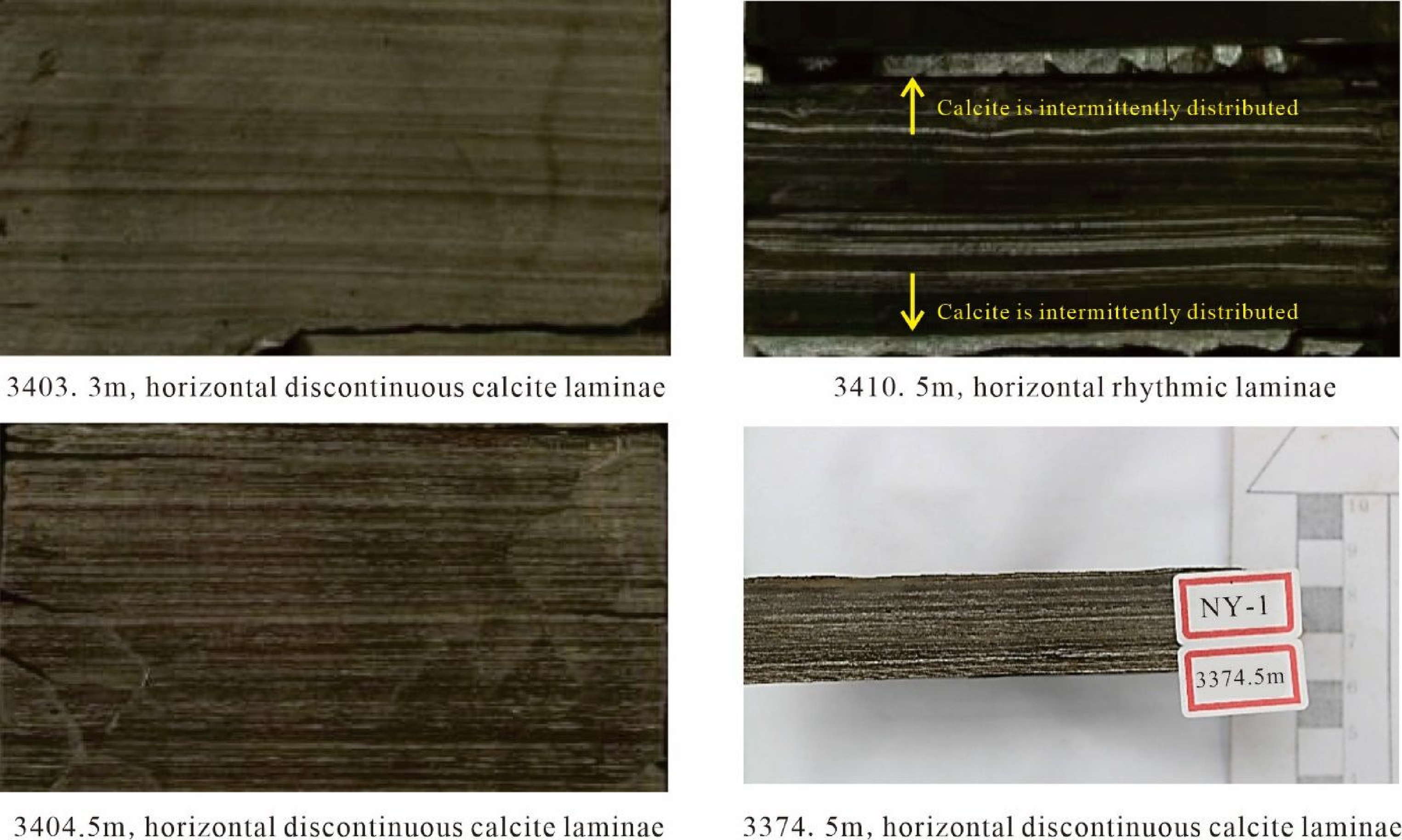
Horizontal lamina in Niuye1 (showing distributions of carbon chips).
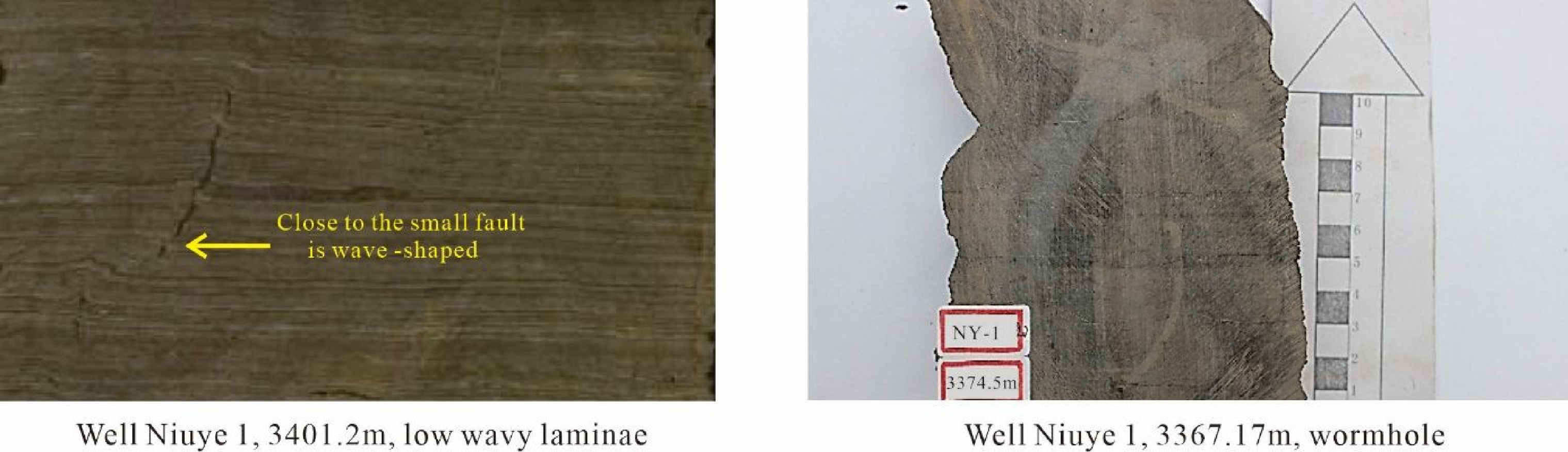
Horizontal lamina in Niuye1 (deep lake environment).
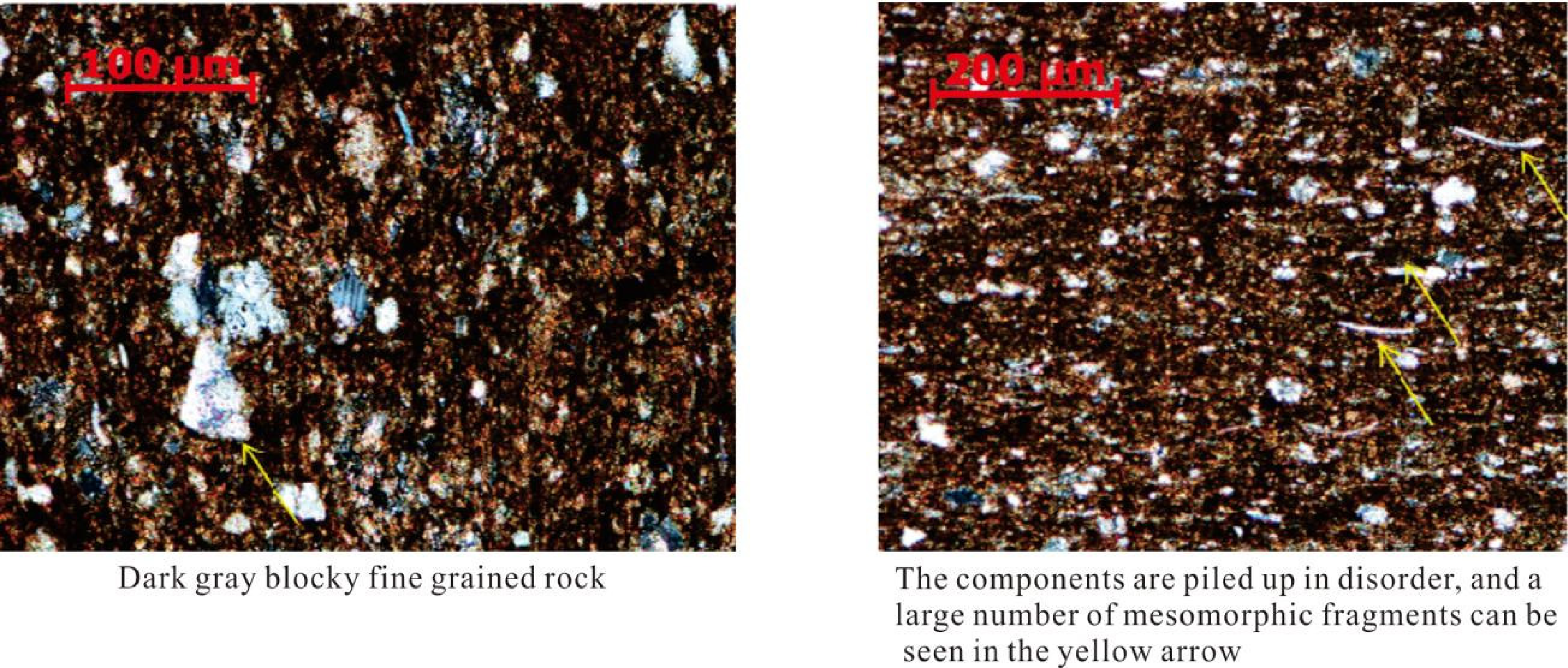
Characteristics of fine-grained sedimentary structures.
Micro characterization and description of the methods and steps used to solve the problem
This study believed that it was far from enough to just analyze the mechanism of the fine-grain laminae formations using the macro descriptions. It was considered that the mechanism must also be described from the microscopic aspect in order to fundamentally solve the mechanism of the fine-grain deposition.
The basis of microscopic laminae observations is sampling. The sampling is generally conducted in one of two ways: Continuous sampling or interval sampling. Continuous sampling is mainly used for the development of macroscopic laminae, and interval sampling is mainly adopted for specific laminae, such as organic matter laminae. In addition, targeted sampling may also be adopted. The arrangements of fine particles can be observed under microscopy, and the characteristics and structure of the micro laminae, which are the main supplements to the classification of the macro laminae, were the focus of this study.
This research investigation particularly emphasized the characterization of the special compositions of the macro laminae, such as the organic matter, carbonate rock, aluminum soil, and the high rock and carbon debris layers, which needed to be described and measured in detail.
Typical types of laminae
Carbonate laminae
This type of laminae were well developed in the study area and were divided into two types, namely micrite calcite/dolomite laminae and sparry calcite laminae. The formation of carbonate lamina is known to be closely related to the climate. It was mainly formed under hot and dry summer conditions in lake water with high salinity. The sedimentation of lacustrine primary carbonate is related to the development of phytoplankton. During diagenesis, micrite calcite will form sparry calcite under the actions of organic acid (Liang, 2015; Wu, 2015; Sun et al., 2017). Dolomite and paste laminae may have also developed in some areas due to drought. The details are presented in Figure 5.
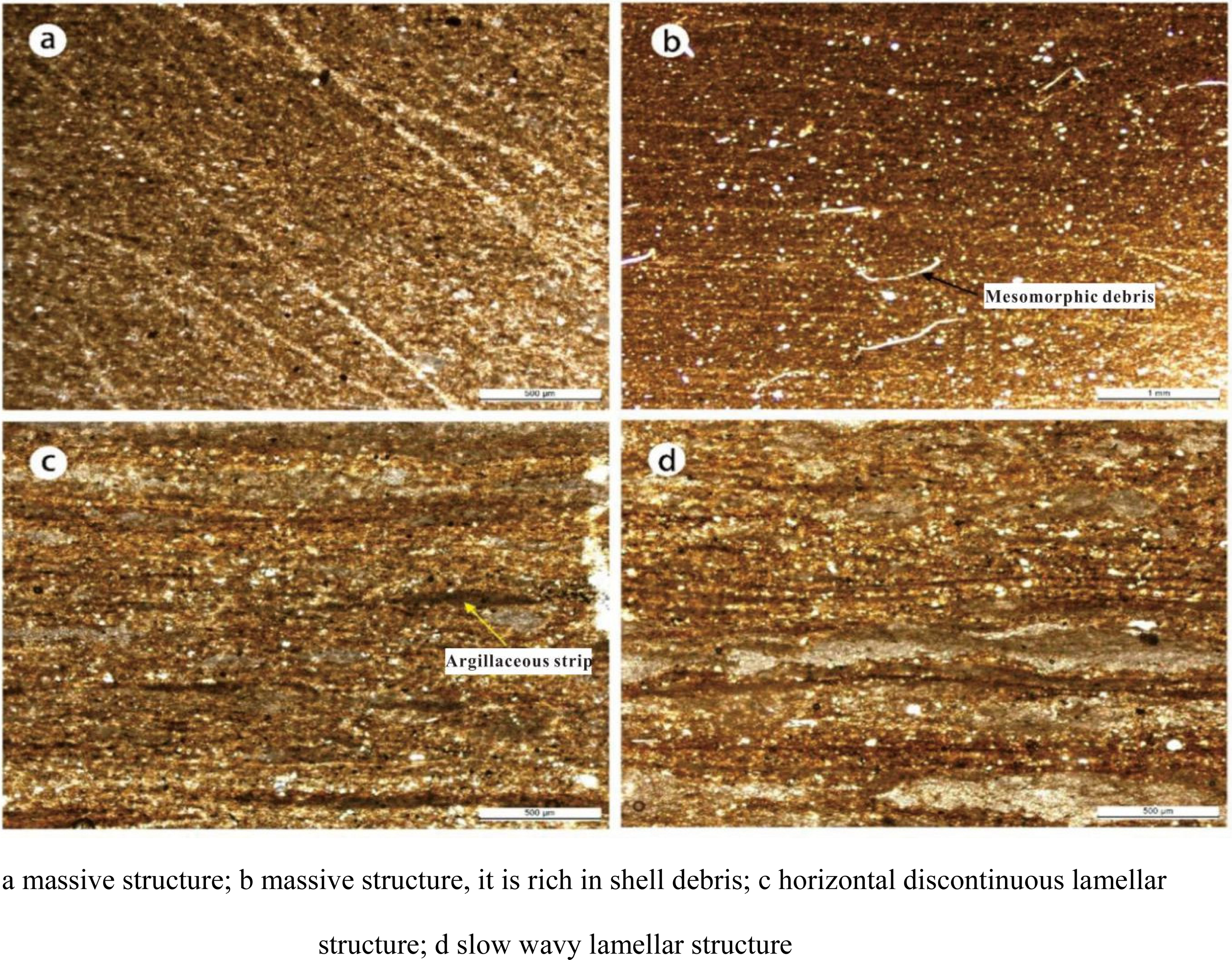
Laminal shape under microscope.
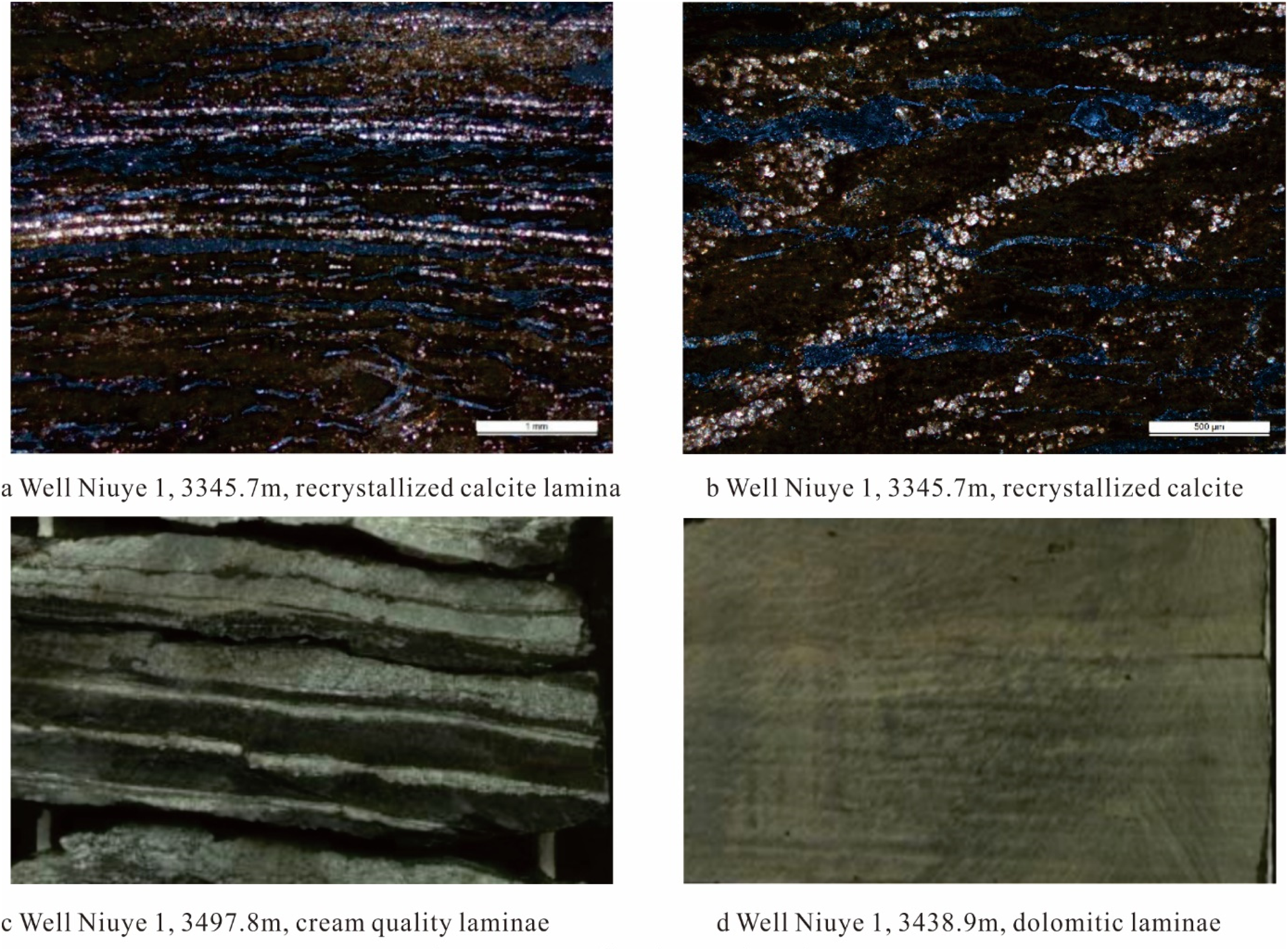
Content of lamina under microscope.
Clay/organic laminae
It has been determined that clay has a certain adsorption effect on organic matter. Therefore, clay and organic matter are often associated. Three subclasses of laminae have been identified: Clay laminae, organic matter/clay laminae mixed with organic matter/clay minerals, and organic matter laminae. Organic laminae are usually associated with clay laminae and generally occur as a secondary type of laminae. It was believed that the terrigenous clay was introduced into the lake by surface flow, interlayer flow, or bottom flow, and slowly deposited in a relatively stable and quiet environment. The thickness of a single muddy lamina is dependent on the season and is a product of climate change. During the rainy seasons in the summer months, there tend to be more terrigenous detrital substances carried by the water bodies, and thick muddy laminae will be formed. The organic and organic-rich clay laminae are generally composed of algae which thrive in the spring and summer, then die and sink to the lake floor in the winter, forming a quiet, anoxic environment.
Heterogeneous laminae
The laminae formed by materials other than the laminae composed mainly of typical elemental matter are classified as “heterogeneous laminae”. This mainly includes silty laminae and dolomitic argillaceous laminae Figure 6(c)); carbonaceous laminae, pyrite laminae, and paste laminae (Figure 6(b)), and so on. This type of laminae was found to be less distributed in the study interval. However, silty laminae often appeared in the form of silty strips in the study interval, which was mainly due to the physical transport and deposition of terrestrial material.
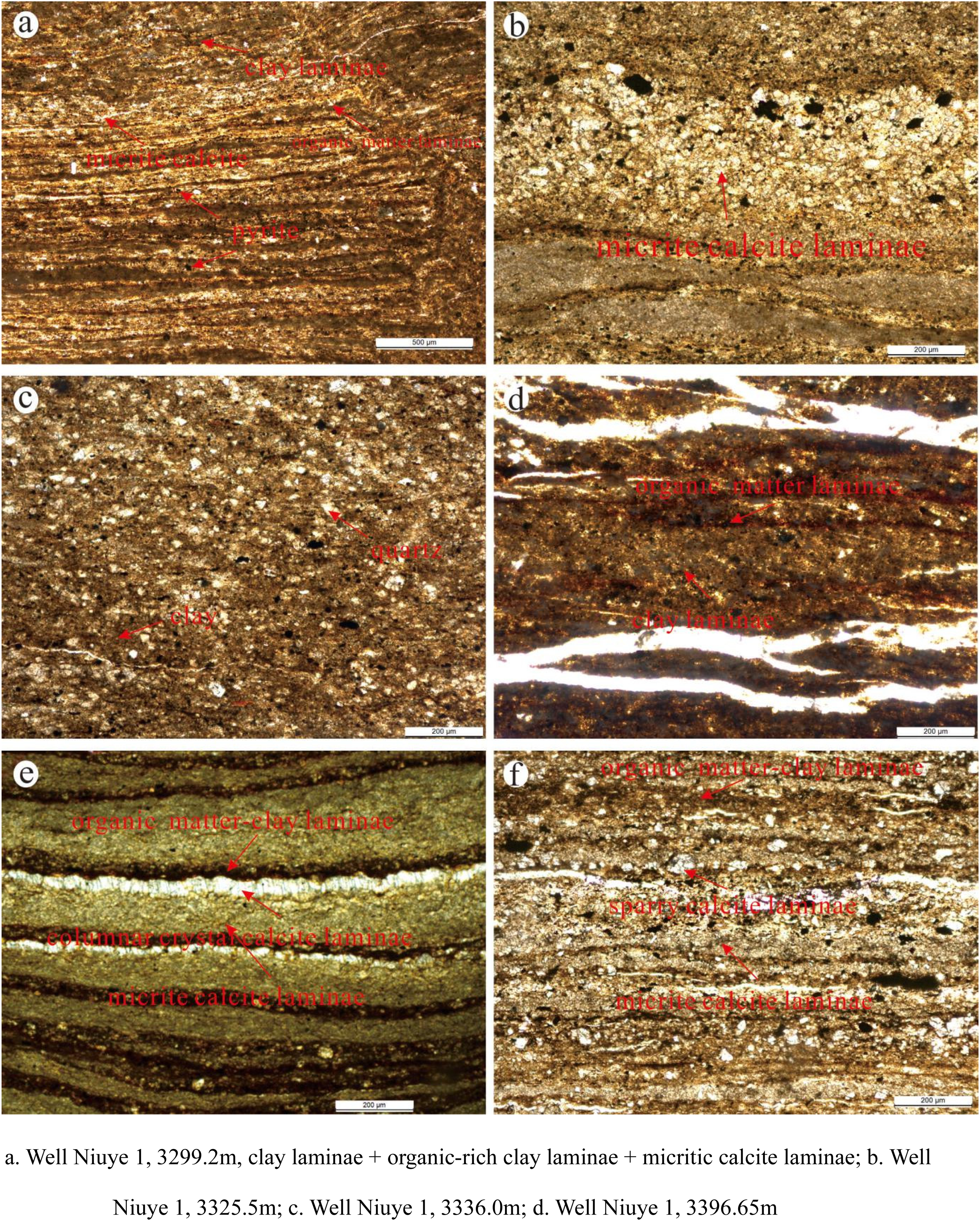
Rock sheet photograph of Well Niuye 1, analysis of combined features of laminae.
Hybrid laminae
That type of laminae were characterized as being without any dominant typical material components. It was determined to have formed via a mixture of clay, quartz, calcite, dolomite, pyrite, and other minerals. Hybrid laminae are generally formed by the rapid deposition of suspended solids without sufficient separation, under the conditions of poor water stratification and an insufficient supply of fine particles.
In the current study, based on the characteristics of one type of laminae and that of one or two other laminae combinations, the types of laminae combinations were divided into groups as follows: Calcite/clay laminae combinations; calcite/organic laminae combinations; clay/organic laminae combinations; and calcite/organic matter/clay laminae combinations (Figure 7).
Typical lamination combinations
Calcite/clay lamination combinations
It lamination combination was found to be mainly developed in the upper part of the Shasi Formation in the Dongying Sag (Figure 7(a)), and was composed of sparry calcite and light-colored clay. The laminae were located parallel to each other and had clear boundaries. In the cathodoluminescence images, the calcite lamina appeared red in color and contained some dark-colored debris. In addition, pyrite was found to be widely distributed between the clay laminates, and the dolomite was characterized by highly idiomorphic crystals.
Calcite/organic laminae combinations
These combinations were marked by light calcite laminae and black organic laminae inter-laminae. Syn-sedimentary fault structures were found to be developed in the laminae, and organic matter was distributed evenly between the calcite laminae.
Clay/organic laminae assemblage combinations
This type of combination was observed to be composed of dark clay and black organic matter. The boundaries between the laminae were blurred, and calcite was found to be distributed sporadically in the clay laminae (Figure 7(d)). Also, it could be seen that the organic matter was uniformly distributed in the form of secondary lamination. A few laminae were observed to be lenticular in distribution under the influences of detrital material.
Calcite/clay/organic lamination combinations
In the study area, there were transition zones observed between the calcite and clay laminae in only a few thin sections of rock (Figure 8(a)). In those transition zones, the content of calcite was found to be decreased and the content of debris increased. The boundaries between the calcite and organic laminae could be clearly identified.
In this paper, it is considered that in addition to the analysis of fine-grained sedimentary structure, the study of micro-laminae is actually an important part of shale oil and gas reservoir space, and its genetic mechanism in the evolution of diagenetic environment during sedimentation is an important scientific issue in the study of unconventional oil and gas geology Fine grained sediment grain layer research important value lies in the characteristics and the cause of fine lines, different from the general sense the division of strata at all levels of hierarchy and sedimentology analysis, the formation process of fine grain layer is also different from the traditional sense of the deposit formation mechanism Fine grain layer even microscopic lines of research, can provide basic data for unconventional oil and gas exploration, such as laminated type distribution Extension, especially the determination of sampling targets, can take different laboratory samples for laminar type analysis.
Climate conditions of the lacustrine fine-grain deposition based on the Milankovitch cycles
Milankovitch cycles of the lacustrine fine-grain deposition
The traditional basic data of Milankovitch cycle research comes from magnetic susceptibility, stratigraphic color, stratigraphic composition content, and so on, since those factors are only the organic matter and muddy content in the stratum and have a certain accuracy. However, the GR curves of logging data for deep-drilling activities can also accurately reflect the content levels of organic matter and mudstone, which is an ideal alternative index of palaeoclimatology for cyclic stratigraphic analysis. Previously, some researchers had successfully utilized GR curves for cyclic stratigraphic analysis procedures. For example, the GR curves of coal measures in an epeiric sea in the Luxi area were analyzed, and the sedimentary interfaces were obtained (Yu and Li, 2003). In addition, based on the GR curves of the Qingshankou Formation (specifically Songke Well 1 of the Songliao Basin), a stratigraphic analysis of the cycles was carried out, the significant Milankovitch sedimentary cycles were identified, and the first continental short eccentricity astronomical chronological scale of the Cretaceous period was established (Wu et al., 2008). The Milankovitch cycle characteristics of the Aptian stage in Italy were also studied. In another related study, a short eccentricity astronomical time scale was established in the Albert Basin of Uganda using the natural gamma logging curves, and the sedimentary rates of the upper Neogene were successfully calculated (Xu et al., 2015).
In the present study, deep lacustrine mud-shale deposits were found to be dominant in the upper sub-member of the Shasi Formation. It has been observed that deep lacustrine mud shale is very sensitive to changes of paleoenvironment and paleoclimate conditions, which is beneficial to the study of cyclic stratigraphy. In this research investigation, the GR data of the upper sub-member of the Shasi Formation in the Dongying Sag were used for the cyclic stratigraphy research, with the aim of obtaining the following results:
Establish a continuous astronomical chronological scale with an accuracy of 0.038 Ma; Determine the duration of the sediment in the upper sub-member of Shasi Formation; Determine the deposition rate and the changing process of the Niushang 1 Well; Discuss the influence of the astronomical period on the sedimentary processes in the research area (Xu, 2011).
The Niuye 1 Well is a scientific drilling site for shale oil exploration in the Shengli Oilfield, which is known to have a good log and core rate. The fourth member of the Shahejie Formation (Shasi Formation) in the Paleogene Oligocene series is characterized by a developed fine-grain deposition. The previous studies have found that a total of 23 fine-grain sedimentary facies are developed in the section. Therefore, in order to explore the relationship between the fine sedimentary facies and the Milankovitch cycles, the GR curves of the upper sub-member of the Shasi Formation in the Niuye 1 Well were used to analyze the Milankovitch cycles. Then, through the relative analyses of the Milankovitch cycles and the fine-grained sedimentary rock obtained from the above-mentioned site, the climatic control factors of the formation of the different fine-grained sediment were obtained, which provided a basis for the shale oil explorations in the area.
In recent years, Milankovitch cycles have been used extensively in marine sediment explorations, and many types of cycles in geological history have been identified. However, the majority of the mud shale was determined to have formed in lacustrine facies. For example, in regard to the Jiyang Depression in China's Shengli Oil Field, a large number of lacustrine shale deposits are developed. After explorations had been completed, it was determined that large quantities of shale oil existed. The uneven distributions of the shale oil appeared to be closely related to fine-grained sedimentary facies. This study found that the well-developed mud shale in the study area may have developed large quantities of oil and gas. Therefore, it was concluded that fine-grained sedimentary rock based on laminae may have played a certain role in controlling the oil and gas deposits. The Milankovitch spin responses were used in this study to examine the control mechanism of the fine-grain deposition. The GR curves of deep well-logging data had reflected the organic matter and mudstone content. This was considered to be an ideal alternative index of the paleoclimate, which could be utilized for the analysis of the cyclic stratigraphy.
This study's analysis process adhered to several principles. For example, the fine sediment environmental conditions were analyzed in detail and the emergent event sediment (turbidite) were removed. In addition, the GR logging data were analyzed using a multi-window spectral analysis method (MTM, multi-taper method). The time limits of the specific Milankovitch cycles during different geohistorical periods were explored, and spectrum analysis was used to reconstruct the different cycle curves. The calculations of the deposition rates were important references for verifying whether or not a formation conformed to the Milankovitch cycles.
In the present study, based on the aforementioned principles, four long eccentricity cycles, 14 short eccentricity cycles, 42 slope cycles, and 69 precession cycles were identified, as illustrated in Figure 8 and Figure 9. Among those, the long eccentricity cycle was approximately 46 m thick; short eccentricity cycle was approximately 13.7 m thick; slope cycle was approximately 4.5 m thick, and the precession cycle measured approximately 2.8 m in thickness. Each long eccentricity cycle included 3 to 4 short eccentricity cycles, 10 to 11 slope cycles, and 15 to 17 precession cycles.
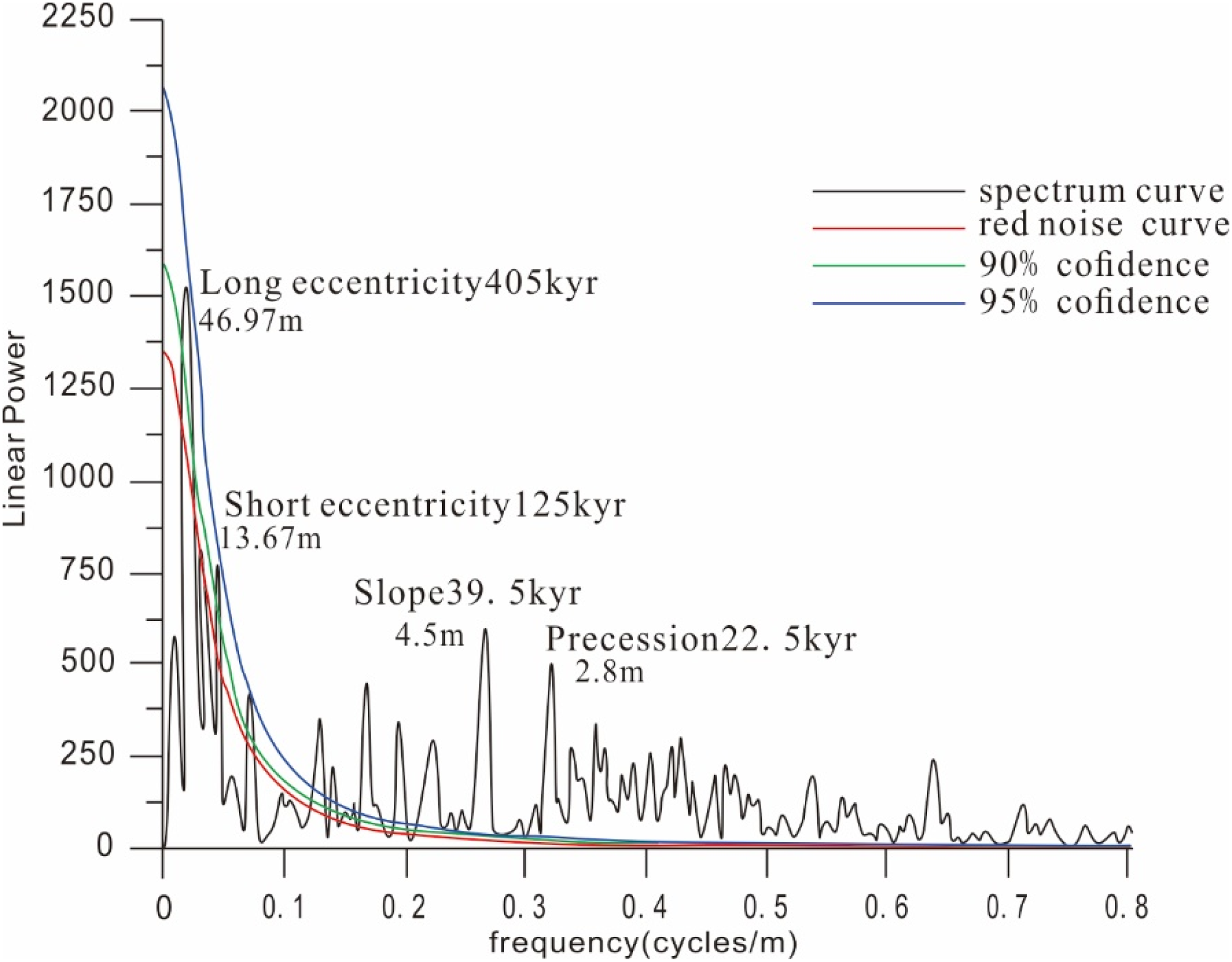
The astronomical period identification of this spectrum analysis.
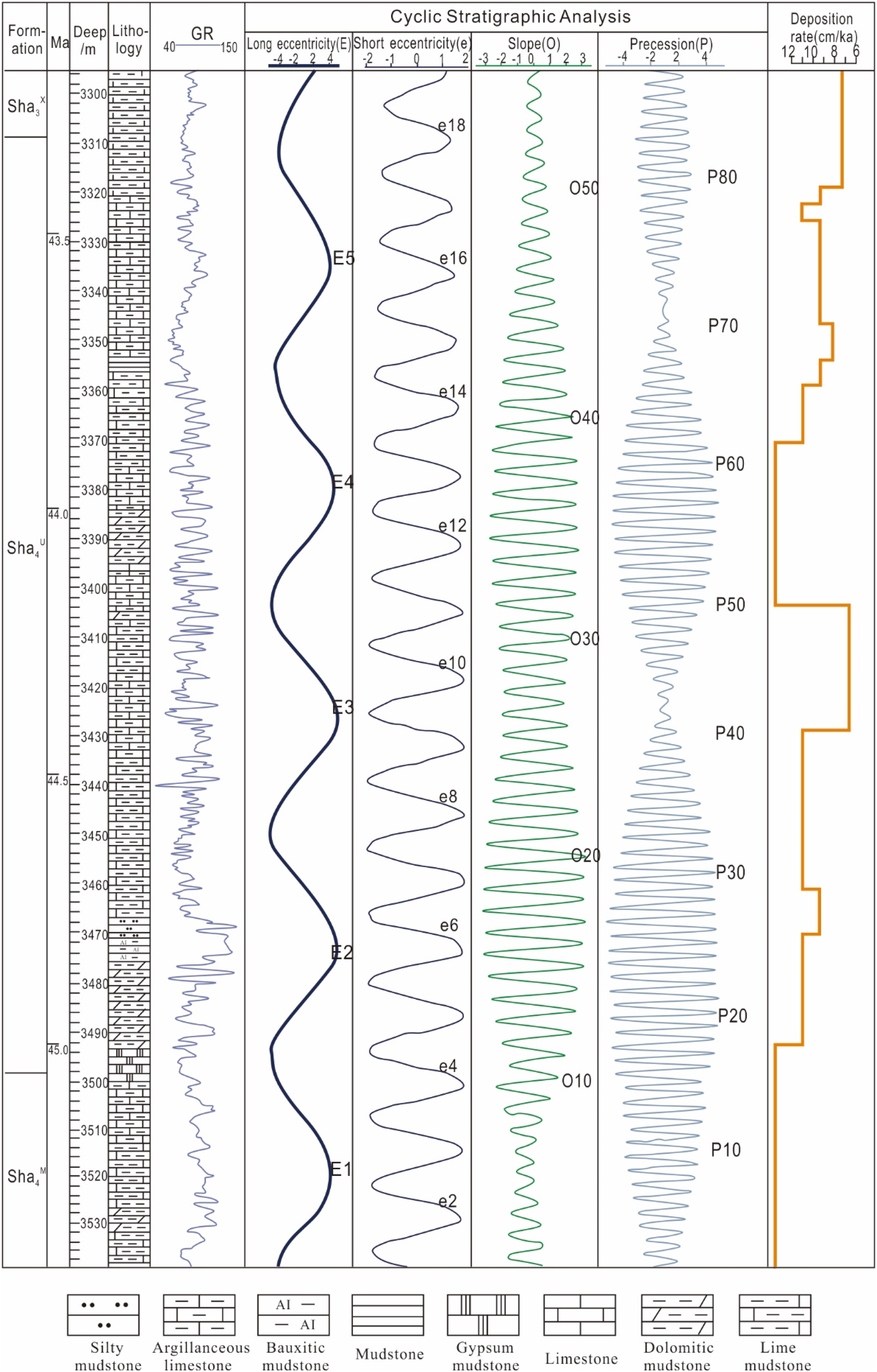
Milankovic cycle results of Sha 4 Upper Member of Niuye1.
This study analyzed the relationships between the lithofacies and the cyclic strata in the Niuye 1 Well. It was found that the lithofacies of the Niuye 1 Well were closely related to the climate controlled by eccentricity. According to the mineral composition, E1 to E5 could be clearly divided into two climatic zones: A dry and cold zone, and warm and wet zone. The content levels of the E2, E4, and E5 minerals were in the best agreement with the long eccentricity cycles. In other words, when the content levels of the detrital minerals and clay minerals were at their highest, the long eccentricity signals were basically at their maximum, which reflected a dry and cold climate. In terms of organic matter content, with the exceptions of E2, E1, E3, E4, and E5, all had indicated high organic matter content in hot and humid climate zones. These findings suggested that the clay mineral and detrital mineral inputs were large and conducive to the accumulation of organic matter (Figure 9).
It was found in this study that there were periodic changes in the content levels of carbonate minerals, clastic minerals, and organic matter in the warm and humid climates during the four long eccentricity cycles (Figure 9). In terms of the petrographic characteristics, organic matter or calcite laminae were observed to be developed. In addition, from E2 to E5, the content of organic matter laminae had decreased gradually, while the content of calcite laminae increased. The lamina content and properties were also different within each eccentricity cycle. In E2 (Figure 9), it can be seen that the content of organic laminae increases from the bottom to the top, indicating that semi-muddy water had been converted into a muddy water deposition. In addition, within E3 (Figure 9), multiple cycles of calcite, organic matter laminae, and calcite laminae can be observed to appear from the bottom to the top of the figure, reflecting the changes from semi-muddy water to clear water. Such changes were believed to be closely related to climate changes caused by the precession cycles. However, it was found that in E4 (Figure 9), the transition from the bottom to the top was mainly from organic matter laminae to calcareous laminae, which reflected the transition from semi-muddy water to clear water. Finally, in E5, the conversions from the bottom to the top of Figure 9 can be seen to be mainly from carbonaceous laminae to calcalite laminae, and from muddy water to clear water, respectively. In summary, the formation of the laminae was found to be consistent with the precession cycles (Figure 9). However, in the dry and cold climate zones, the precession cycles were not obvious.
Eccentricity cycle control of the fine-grained sedimentary facies
Eccentricity refers to the eccentricity of the ellipse in the orbit of the Earth. During the course of the Earth's revolution, this ellipse also constantly changes, and the perihelion and aphelion of the ellipse also changes. That is to say, its eccentricity changes within a range of 0.00021 to 0.067.
Figure 5.10 details this study's analysis results of the relationships between the rock facies and the cyclic strata of the Niuxi 1 Well, along with the statistical data of the mineral composition content in different layers. It was found that the rock facies of the Niupage 1 Well were closely related to the climate conditions controlled by eccentricity ratios. It was determined that, according to the content of mineral compositions, E1 to E5 could be divided into two clear climate zones of dry cold and warm wet. Among those zones, E1 was located at the top of a lower section of sand, which was not covered in this study.
The content levels of the E2, E4, and E5 mineral components were observed to be in the best agreement with the long eccentricity cycles, which basically corresponded to the maximum values of long eccentricity signals when the content of clastic minerals and clay minerals were the highest, reflecting dry and cold climate conditions. In terms of the organic matter content, it was found that with the exception of E2, E1, E3, E4, and E5, all had displayed high organic matter content in a humid and hot climate zone. These findings indicated that the input of clay minerals and detrital minerals had been large, which was conducive to organic matter accumulation. In terms of the carbonate content levels, with the exception of E2 in which the carbonate content was not obvious, the other long eccentricity cycles basically reflected decreases in carbonate mineral content under warm and wet conditions, and increases in carbonate mineral content under dry and cold conditions. Therefore, the climatic zoning of this division was observed to have a certain reliability.
The relationships between the climatic conditions and lithofacies were determined to be controlled by the long eccentricity cycles. As can be seen in Figure 10, the fine-grained sedimentary facies during the different cycles had varied. The types of fine-grained sedimentary microfacies which were controlled by the hot and humid climate mainly included LMY, AMH, LMO, MLC-O, MOH, MLC, LMC, and MLHC. the descriptions of the codes representing the lithofacies are detailed in Figure 10. Generally speaking, these mainly included dolomitic mudstone, aluminous mudstone, and argillaceous limestone. The other types were determined to be controlled by dry and cold climate conditions.
In regard to the eccentricity cycles, these were mainly subjected to shape changes in the orbits of the Earth around the sun. The orbits of the Earth around the sun are mainly the periodic reciprocating changes between a near circle and an ellipse, and the sun is located on the ellipse (or circle) plane as a focal point (Jin, 2017). The long eccentricity period is stable at approximately 405 ka, and the short eccentricity period is approximately 100 ka (Sierro et al., 2000; Huang, 2014; Jin, 2017; Sun et al., 2017). The magnitude of eccentricity affects the amount of sunlight the Earth receives and the distribution of sunlight on the Earth. When the eccentricity ratio increases, the orbit changes towards the ellipse, and the amount of sunshine on the Earth increases, which results in relatively high temperatures on Earth. Therefore, the climate tends to be a warm and humid interglacial period. The elliptical orbit also causes the obvious seasonal changes of the Earth (Wu et al., 2008). When the eccentricity ratio decreases, the orbit develops towards the near circle direction, and the Earth receives less sunlight as a whole. The climate will transition to a dry and cold ice age, and the seasonal changes will not be as obvious (Wu et al., 2008). Therefore, when the land source input is strong, it is indicated that the eccentricity values are high and the climate is hot and humid. However, when the land source input is weak, it is indicated that the eccentricity values are small and the climate is dry and cold. Therefore, land source inputs have become important parameters for judging the relative magnitude of eccentricity.
It was found in this study that the land source input of E3 was the largest under the humid and hot conditions, indicating that E3 had the largest eccentricity under humid and hot conditions. This was followed by E2 and E5. Therefore, it could be speculated that the variation trend of the eccentricity of E1→E5 was “weakly increasing (E1 to E2) → increasing (E2 to E3) → decreasing (E3 to E4) → weakly increasing (E4 to E5)”. In addition, it could be speculated that the mlC-O, LMO, and LMC lithofacies were developed in the study area when the eccentricity of that layer segment was at its maximum (E3 warm and humid zone). In other words, the organic matter striations were the main lithofacies. In the warm and humid zone of E2, where the eccentricity was weak and increasing, the facies showed LMY and AMH, with developed dolomitic laminae. These findings indicated that, although the provenance supply was large, the organic matter content were relatively low. It was also found that this was related to the deposition. For example, from the point of view of the deposition rates, the deposition rates of the aforementioned period was relatively large, resulting in the development of large amounts of rapidly accumulating sediment in the lake basin. The warm and moist conditions with eccentricity resulted in weak increase values of the E5 lithofacies of MLHC, MLC, and LMC, in which the calcite grain layer was mainly given priority. However, for the E2, warm moist conditions with relatively high organic content were evident. The analysis results revealed that reasons for those conditions were the lake basin deposition rate was low and the lake basin was relatively stable. However, the clastic sediment supply was not very large. Although small amounts of organic matter had been injected, the percentages had not increased.
Paleoclimate analysis based on the Milankovitch cycles
The formation time of the upper section of the 4th member of the Shahejie Formation sub-segment was between 42.5 mA and 45.4 mA, which was during the processes of paleooclimate restoration and ecosystem reconstruction following the Paleocene (PETM) extreme heat event. When viewed on a large scale, the paleoclide of that period should have been a slow cooling process, characterized by negative deviations of (18O) isotopes and positive deviations of (13C) isotope (Figure 10). As detailed in Figure 10, the variations of the (18O) and (13C) isotopes in the global oceans were relatively weak. In contrast to the aforementioned large-scale theory, this represented the temporary stability of global climate changes, reflecting the weakening control of the global structure and glacial-sea level changes. Therefore, the climate controlled by the Milankovitch cycles may have been the main factor controlling the deposition, which also provided good conditions for fine-grain deposition in local land areas. In view of the aforementioned findings, based on the Milankovitch cycle analysis conducted in this study and the previous research results, climate curves were constructed which could represent the terrestrial climate changes at that time.
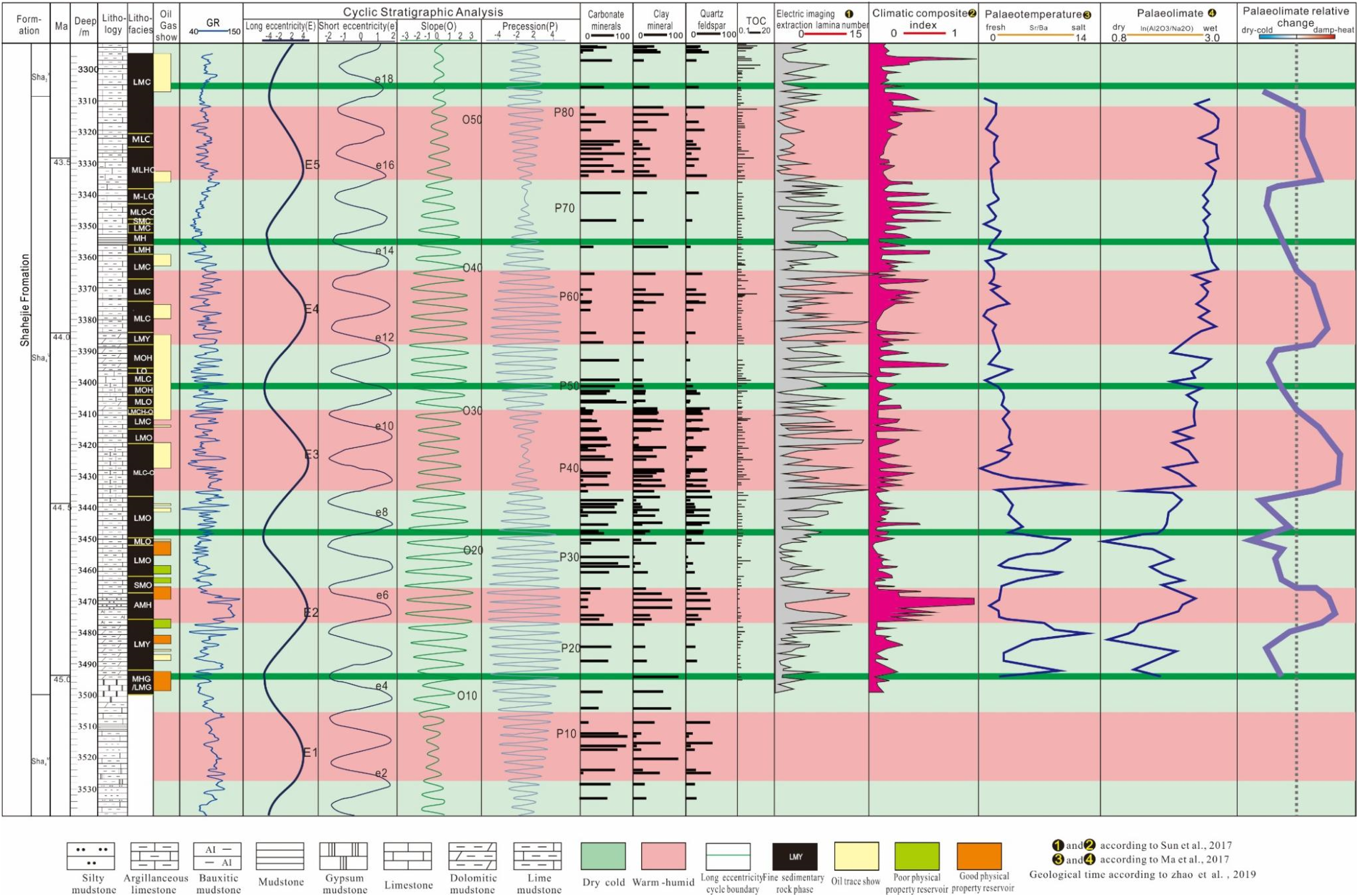
Paleoclimate construction of Sha4 upper secition.
In addition, based on the analysis results of the petrographic facies and subclasses, a new relative climate change curve scheme was constructed by combining the stratigraphic results of the Milankovitch cycles, distributions of the laminae, and the paleo-salinity curves, as shown in Figure 10. The climate changes from the E2 to E5 were reflections of the curves and were found to have an obvious regularity of hot and humid climate conditions and rock phases. The laminated content levels of the clastic mineral content were higher, and the carbonate mineral content levels were reduced. Furthermore, the ancient salinity (evaporation decrease), steering, dry and cold climate lithofacies laminated content levels were decreased and the ancient higher salinity levels were increased (increased evaporation).
Conclusions
In this study, the upper sub-members of the Shasi-4 in Wells Fan-1 and Niu-1 in the Dongying Depression of the Jiyang Depression of the Bohai Bay Basin were taken as typical study cases in order to analyze the facies and subclass characteristics of lacustrine fine-grained sedimentary rock and reconstruct the paleo-environment and paleo-climate conditions. The fine-grained sedimentary striae were taken as the important parameters. The following conclusions were reached in this research investigation:
Due to the fact that research methods involving the combination of macro and micro grain layer depictions complement each other, this study utilized the core fine descriptions thin rock sections and electron microscope analyses. It could be concluded that in the Jiyang Depression of the Bohai Bay Basin, the four types of lacustrine facies on the sections of fine-grained sedimentary rock were mainly argillaceous limestone and calcareous mudstone. They also contained a small amounts of mudstone limestone and dolomite powder sandstone rock. The laminae were found to have various morphological development, such as horizontal slow wavy discontinuous anterior accumulation turbidity and so on. The material compositions of the laminae were mainly organic clay, calcite, and silty sand. The paleo-sedimentary environment of the Sha4 member of the Paleogene in the Bohai Bay Basin was reconstructed. It was found that the upper member of the Sha4 had developed four complete filling sedimentary cycles, which experienced environmental changes from deep lakes and half-deep lakes to shallow lakes and lakesides. These cycles represented the evolution processes of multi-stage basin expansions to atrophy, respectively. The control mechanism of the paleoclimate on the lithofacies was revealed in this study using a Milankovitch cycle method. It was found that the long eccentricity cycles played key roles in climate control. For example, under humid and hot climate conditions, the lithofacies were mainly composed of organic matter and small amounts of calcite. However, the lithofacies formed below the dry and cold climatic strip were mainly calcareous laminae, organic laminae silty laminae, and gypsum laminae. Fine grain layer research is actually an important part of shale oil and gas reservoir space, the environment, such as sedimentation process of diagenetic evolution of the genetic mechanism, is the important scientific problem in unconventional oil and gas geological research. Fine grain lamina or even microlamina , can provide basic data for unconventional oil and gas exploration, such as laminated type, distribution and extension, especially the determination of sampling targets, can take different laboratory samples for laminar type analysis.
Footnotes
Authors' contributions
This paper is jointly written by the authors. ZXL was the organizer of the paper and the author of the first draft, and divided and classified the laminae, MSS provided specimens and data for experimental analysis, and carried out fine grain deposition analysis. YL,GZS,DWL analyzed and studied the fine grained facies, HYL.CHX,DDW,FFK and QYH participated in the research and analysis.
Availability of data and materials
All data generated or analysed during this study are included in this published paper.
Declaration of conflicting interests
The author(s) declared no potential conflicts of interest with respect to the research, authorship, and/or publication of this article.
Funding
The author(s) disclosed receipt of the following financial support for the research, authorship, and/or publication of this article: This research was supported by funds provided by the National Science Foundation of China (42072188, 41872172,41672096).
