




Abstract
This work presents a numerical approach to compute optimal operating conditions that maximize the absorption flux into a heat exchanger designed for absorption refrigeration systems. Experimental data were obtained from a test circuit that operates in bubble absorption mode with an inner vapor distributor into a Plate Heat Exchanger-type (PHE-type) and interacts with ammonia vapor, NH3-H2O refrigerant, and cooling water. An artificial neural network (ANN) was trained to correlate the thermal properties of the solution and absorption flux in function of easily measurable parameters (concentrations, mass flows, and pressures of saturated and diluted solutions, flow and temperature of the ammonium vapor, environment temperature, and solution temperature). According to results, ANN is adequate to correlate the operational parameters and the transport phenomena inside the heat exchanger with a precision > 99%. ANN also quantitatively identified the ammonium vapor flow (43.1%), dilute solution flow (18.1%), and dilute solution concentration (13.1%) as the variables most importantly in influencing absorption flux optimization. Subsequently, a multivariable inverse artificial neural network was applied to improve the mass transfer into the PHE-type.It was identified that simultaneous optimization of the ammonia and dilute concentration flow rates improves the absorption flow performance by up to 96.3% under a worst-case scenario (ammonia flow rate<1.4 kg/min) and even 7.04% when even when operating near the amino vapor flow limit (ammonia flow rate>2.0 kg/min). Finally, it was confirmed that incorporating the diluted solution concentration into the optimization contributes to improving the performance of the absorption process 1%. Results obtained are relevant in the search to produce more competitive absorption cooling systems, demonstrating the feasibility of improving the performance of heat exchangers without structural modifications. The proposed methodology represents an interesting option to be implemented to improve performance in solar cooling systems.
Keywords
Introduction
Currently, refrigeration systems based on mechanical vapor compression driven by electricity represent a fifth of the world's energy consumption. Unfortunately, their use produces a vast volume of greenhouse gases by requiring a large amount of energy to power the compressor and contributes to ozone depletion and global warming by using elements such as hydrochlorofluorocarbons (HCFCs) (Castillo-Téllez et al., 2020; Nikbakhti et al., 2020). One of the main alternatives to mitigate these effects is the substitution by absorption refrigeration systems. Since these employ thermal compressors, they present certain advantages such as reduced electricity consumption, low maintenance costs, as well as using environment-friendly refrigerants (Cézar et al., 2020). In addition, they allow the integration of solar energy as the input source, being a fundamental piece for the development of solar cooling systems (Alayi et al., 2019).
The correct selection of the absorber configuration and the heat exchanger is crucial for making competitive absorption solar cooling systems against those based on vapor compression (Alayi et al., 2021b; Dhindsa, 2021). In this context, several studies have shown that the plate heat exchangers (PHEs) used as the absorber element in bubble absorption mode improve the heat transfer, the contact of the refrigerant with the solution, and allow modular designs (Castro et al., 2009; Chan et al., 2018; Lee et al., 2002; Lima et al., 2021; Tae Kang et al., 2002). However, during the absorption of the ammonium vapor produced inside the PHEs, complex heat and mass transfer phenomena occur where multiple parameters interact, making it challenging to find the appropriate operating conditions.
Modeling for diverse PHE bubble mode designs has been reported to provide a detailed compression of the thermal phenomena in the absorber element. Among the configurations analyzed are corrugate absorber (Wang et al., 2019), L-type absorber (Cerezo et al., 2011), vertical tubular absorber (Jiang et al., 2019), and plate absorber (Altamirano et al., 2020), to mention a few. The results indicate that the estimation of specific characteristics of the fluids used and the thermodynamic properties of the PHEs requires the calculation of the speed and diameter of the steam bubbles as well as the knowledge of the heat and mass transfer coefficients of the mixtures (in its different states). Although this does not represent a problem for the analysis of the absorption process, it is not easy to implement during the online operation of these systems.
In recent years, artificial neural networks (ANN) have been used as a numerical alternative for analyzing thermodynamic systems due to their ability to correlate transport phenomena with operational parameters. In the case of thermal systems based on renewable energies, this computational tool has been successfully implemented for the modeling and optimization of conventional geothermal processes and with the organic Rankine cycle, with relatively high precision (Haghighi et al., 2021). They have also been used to improve the thermal performance of various components such as heat exchangers(Alayi et al., 2021a), absorber tubes (Alayi et al., 2021b), and energy storage systems (Alhuyi Nazari et al., 2021a) in solar thermal installations for process heat and desalination (Alhuyi Nazari et al., 2021b). On the other hand, ANN has also proven to be a helpful alternative for modeling the physical properties of thermo-fluids to improve the energy conversion processes in various thermal systems; being relevant for those cases where they are used for thermal solar systems (Rashidi et al., 2021). Finally, for the case of heat exchangers, ANN has been presented as an option to easily study the properties of fluids without resorting to complex analytical functions (Aasi and Mishra, 2021; Baghban et al., 2019; Bahiraei et al., 2021).
Nevertheless, despite its proven benefits, this approach has been sparsely addressed in the case of absorption refrigeration systems. Şencan (2006) studied the feasibility of using ANN as an alternative for the thermodynamic analysis of ammonia-water absorption refrigeration systems. The work modeled the coefficient of performance (COP) and the circulation rate (f) as a function of the temperatures of the generator, absorber, evaporator, and condenser, as well as the dilute and saturated concentration solution. The results showed a precision in the estimation superior to 98.5% for both parameters, demonstrating the ANN as a quick and simple alternative to the complex conventional equations. Álvarez et al. (2016) developed a multi-output ANN model to compute the heat and mass transfer coefficients, absorption mass flux and the degree of subcooling of the solution leaving the absorber for different aqueous solutions that operate in a horizontal falling film absorber. By using pressure, solution concentration and temperatures as input parameters the model achieved R2>95%. Amaris et al. (2020) compared ANN and a semi-empirical model applied to a bubble plat absorber that operates with NH3/LINO3 to estimate the absorption flux, the convective coefficient of the solution, and the mass transfer coefficient from operational variables. The results showed that the ANN is a more effective method for predicting and controlling the absorption process performance parameters. On the other hand, in the case of Verma et al. (2017), the ANN were used to estimate the thermodynamic properties of the fluids that interact with the heat exchanger from the mass flows, and the inlet and outlet temperatures of both the hot and cold fluid.
Based on the aforementioned, all the studies reported to date focus on improving the information available on the performance of the absorption systems without identifying works committed to the detection of the optimal operating conditions on the absorption element. This can be approached from the computational perspective through a modification in the structure of the ANN known as inverse ANN (ANNi). ANNi is composed of two stages; in the first one, the ANN is applied directly to obtain an objective function with an accuracy greater than 90%, which guarantees optimization reliability. In the second stage, optimization algorithms, mainly heuristics, are applied to perform the inverse process and obtain the operational parameters that guarantee the desired value. This approach has been successfully used to improve the performance of thermal processes such as heat pumps (Conde-Gutiérrez et al., 2018; Solís-Pérez et al., 2019) and industrial solar heat systems (Ajbar et al., 2021; May Tzuc et al., 2017; Moheno-Barrueta et al., 2021); Nevertheless, according to the review, there are no reports of its use to improve the performance of absorption refrigeration systems.
The present work addresses the implementation of direct and inverse ANN to model and optimize the mass transfer of ammonia in a Plate Heat Exchanger-Type Absorber with NH3-H2O. The study has two main objectives:
It seeks to synthesize in an expert model the thermal behavior of the solution used based on easily measurable variables in the absorption system. It demonstrates the feasibility of improving the absorption flux, based exclusively on modifications in operating parameters by ANNi, which would contribute to finding the best-operating conditions when hybridizing these cooling systems with solar technology.
The study's novelty lies in being the first work that proposes an approach to improve energy performance in absorption refrigeration systems by optimizing the operating variables in the absorber element (heat exchanger), prioritizing operational variables over design conditions. The above, through the use of artificial intelligence, which contributes both to the online implementation (operation of absorption refrigeration systems) and the extrapolation of the methodology to improve performance in refrigeration systems with other types of heat exchangers.
The content of the work is divided as follows: Section ‘Description of the experimental system’ describes the experimental absorption system, the heat exchanger used, the instrumentation used, the variables measured, the tests carried out. Sections ‘Artificial neuronal network modeling’ and ‘Direct artificial neural network implementation’ describe ANN as the modeling technique, its direct application, and the analysis of the modeled thermodynamic properties. Finally, Section ‘Multivariate optimization of absorption flux by ANNi’ shows the hybridization of the ANN with a multivariate optimization algorithm to obtain the operating conditions that improve the performance of the absorption flux.
Description of the experimental system
A test loop was designed to study the effect of bubble mode absorption with an inner vapor distributor in a Plate Heat Exchanger-type absorber (PHE-type absorber) with NH3-H2O. A stainless steel PHE model T2-BFG from Alfa Laval was implemented as the absorber to conduct the experimental tests. The PHE consisted of three channels, ammonia vapor and NH3-H2O flowed in the central channel, and cooling water flowed into the side channels. The experimental system also has two stainless-steel vessels to store concentrated and diluted solutions and the rugate ammonia mixture concentration. In addition, the facility was instrumented with high precision sensors to record the temperature, pressure and mass flow of the cold water and the diluted and saturated concentrations that interact into with the heat exchanger. Measurements were conducted by using an Agilent brand model 34970A Data Acquisition System. Table 1 summarizes the main characteristics of the PHE-type absorber and measurement instruments.
Main characteristics of the experimental system designed to study the bubble absorption by using a Plate Heat Exchanger-type absorber.
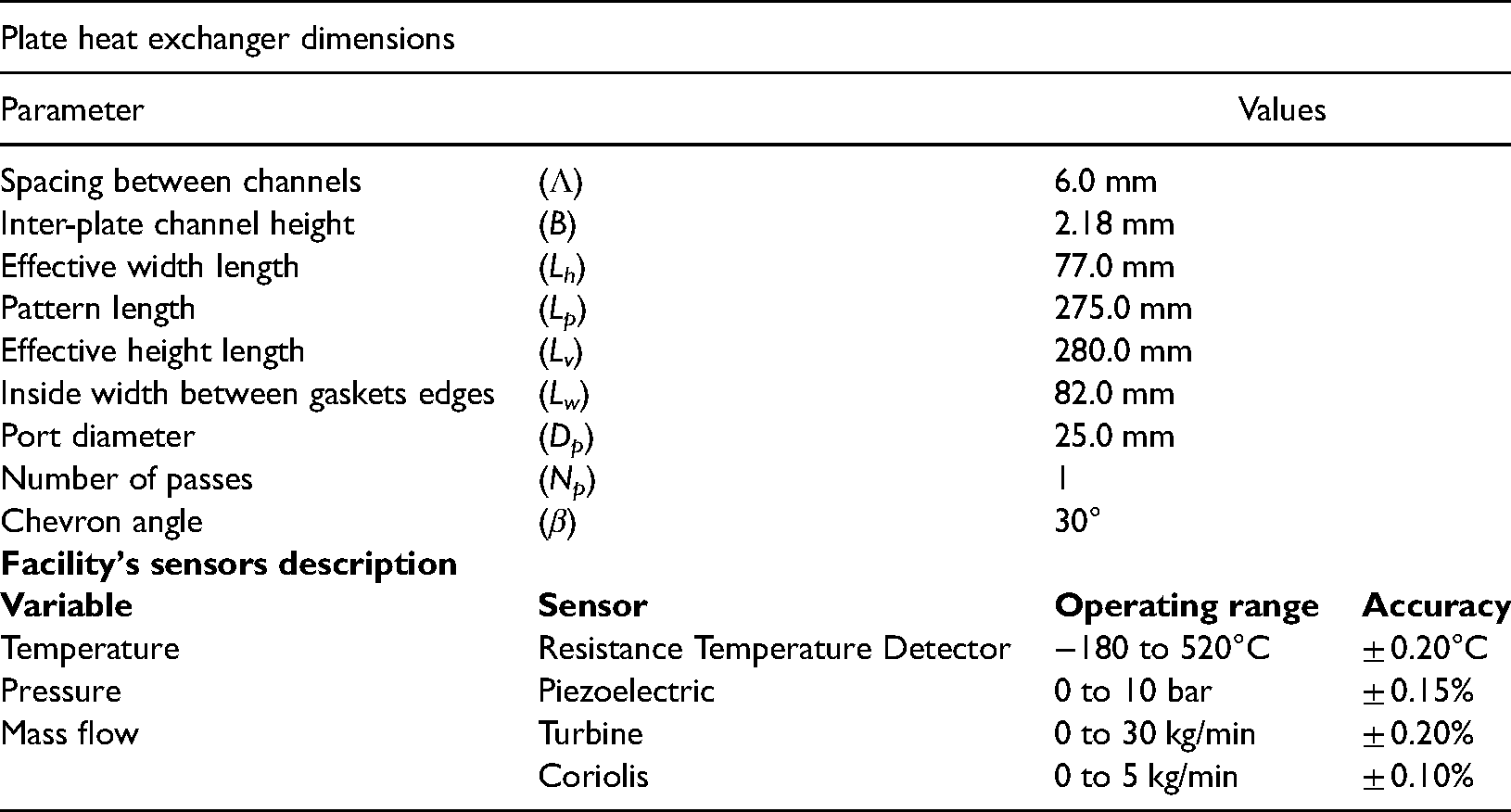
Figure 1 illustrates the experimental system comprised of three principal circuits: (i) the ammonia vapor (yellow pipes), (ii) ammonia-lithium nitrate solution (orange pipes), (iii) and the cooling water. The solution and ammonia vapor circuits were made of stainless steel, while cooling pipes were of PVC. During the experimental test, liquid ammonia (contained in the ammonia vapor circuit) was stored in a vessel and pumped through a micrometric expansion valve. The valve abruptly reduces fluid pressure forces it to change to vapor. Vapor ammonia is subsequently injected into the bottom side of the PHE-type absorber. Then, the absorption process is carried out in the solution circuit. The diluted solution (poor in ammonia solution) is stored in a stainless-steel container. It is pumped to the bottom side of the absorber, where solution and ammonia vapor are mixed. The concentrate solution (strong solution) abandons the PHE-type absorber and is stored in the other stainless-steel container. The heat generated by the absorption process is dissipated by the cooling water, which is pumped from a cistern (approximately 15,000 liters capacity) to the side plates of the PHE-type absorber, restraining the absorption heat. The cooling water mass flow was regulated with a needle valve.
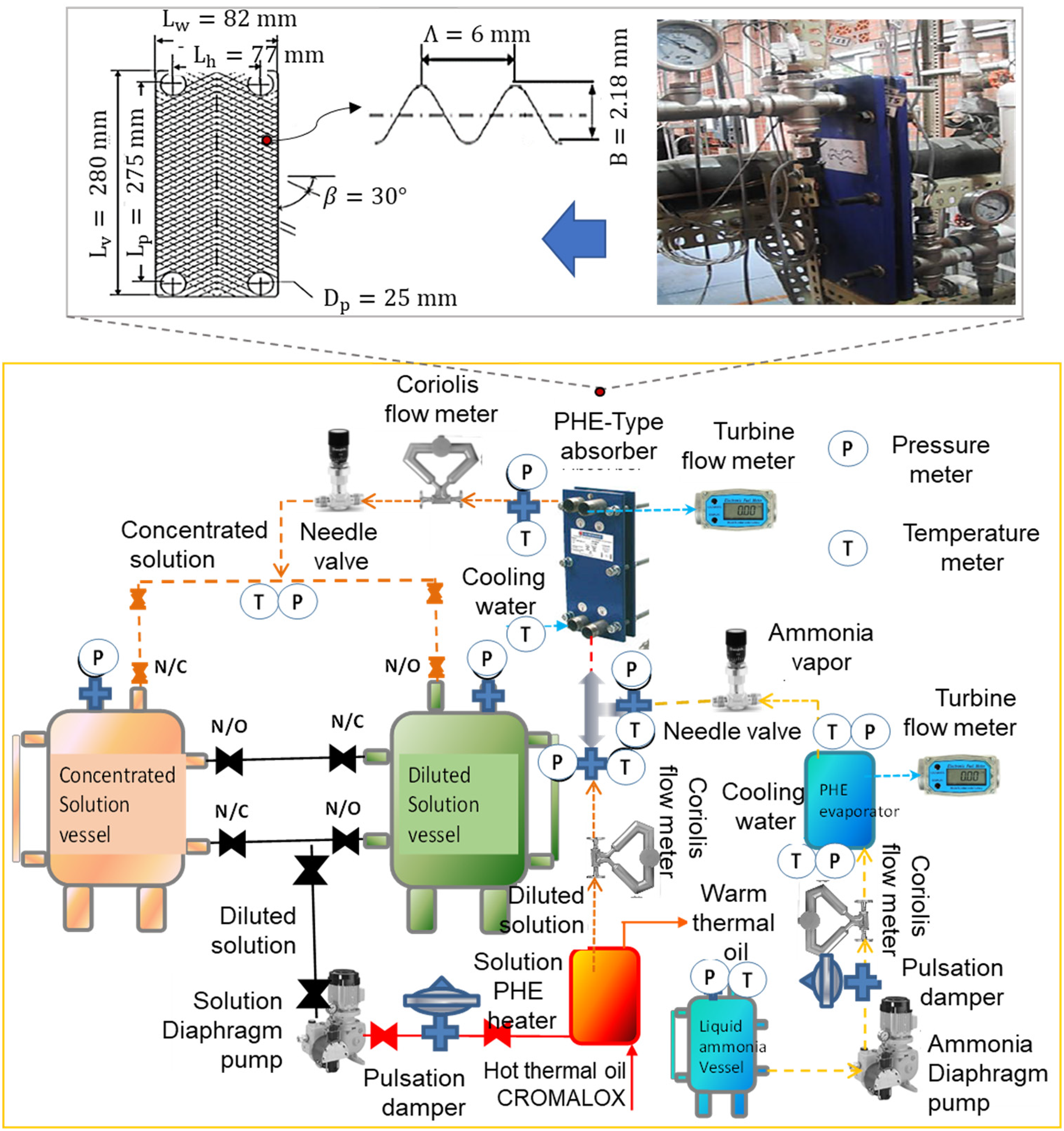
Schematic diagram of the device to study the bubble absorption process in a plate heat exchanger, located in the institute of renewable energies of the national autonomous university of Mexico (Chan et al., 2018).
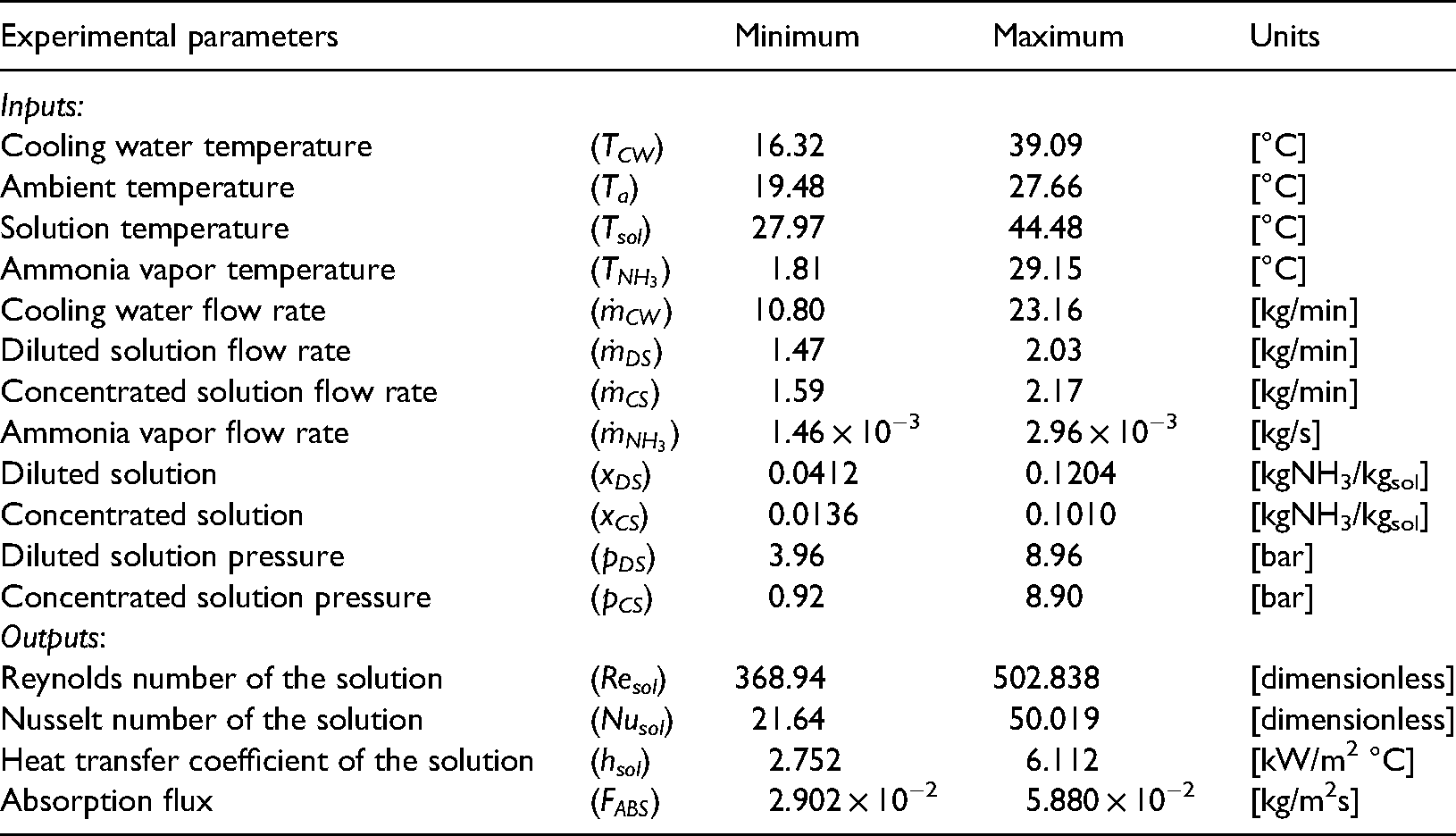
The thermal properties of Reynolds number (Resol), Nusselt number (Nusol), coefficient of convection (hsol), and absorption flux (FABS) of the solution that interact with the studied heat exchanger were calculated during the experimental tests. The interest in Resol, Nusol, and hsol lies in identifying the complex thermodynamic behavior of the solution when interacting with the heat exchanger. At the same time, FABS is a relevant parameter to optimize the absorption process for solar cooling by indicating the capacity of ammonium vapor absorbed by the heat exchanger. For this purpose, the tests were carried out by modifying the operational parameters: concentration of the saturated solution (xCS), the concentration of the dilute solution (xDS), mass flow of saturated concentration
Main parameters monitored during the operation of the ammonia vapor-based experimental system.
Artificial neuronal network modeling
ANN was selected because it is one of the multivariate regression techniques with excellent adaptability in complex thermal processes and can produce mathematical models with multiple outputs (May Tzuc et al., 2021). In this paper, ANN is applied as a dual-purpose tool. On the one hand, it is used to correlate the ammonia vapor absorption process produced into the PHE-type absorber with the thermal properties of the solution (Resol, Nusol, and hsol); providing a numerical expression to compute its thermodynamic properties during the complex heat transfer process. On the other hand, ANN creates the objective function to conduct the inverse optimization process and improve the absorption flux into the heat exchanger.
In summary, an ANN is composed of a set of mathematical subfunctions called neurons, distributed in layers. The basic architecture of an ANN consists of an input layer, at least one hidden layer, and an output layer. The neurons in the input and output layers are defined by the experimental variables, while the hidden layer comprises sigmoid neurons that require an iterative process to determine their quantity. The connection between layers occurs through weights (w) and bias (b) matrix, used by the network to learn from the process it models. The neurons of the hidden and output layer(s) operate according to equation (1) (May Tzuc et al., 2021), considering as input the weighted sum of the signals from the previous neurons (u) and evaluating them in an activation function (


To validate the performance of the ANN models, a statistical process is conducted comparing the predicted data versus experimental samples. The statistical parameter were the Mean Absolute Percentage Error (MAPE); Root Mean Square Error (RMSE); and the Coefficient of Determination (R2), whose mathematical expressions are detailed by Cruz May et al. (2022) and summarized in Table 3. An optimal model is defined as one that presents R2 closest to one, and RMSE and MAPE with the closest approach to zero.
Statistical parameters for the evaluation of the model based on ANN.
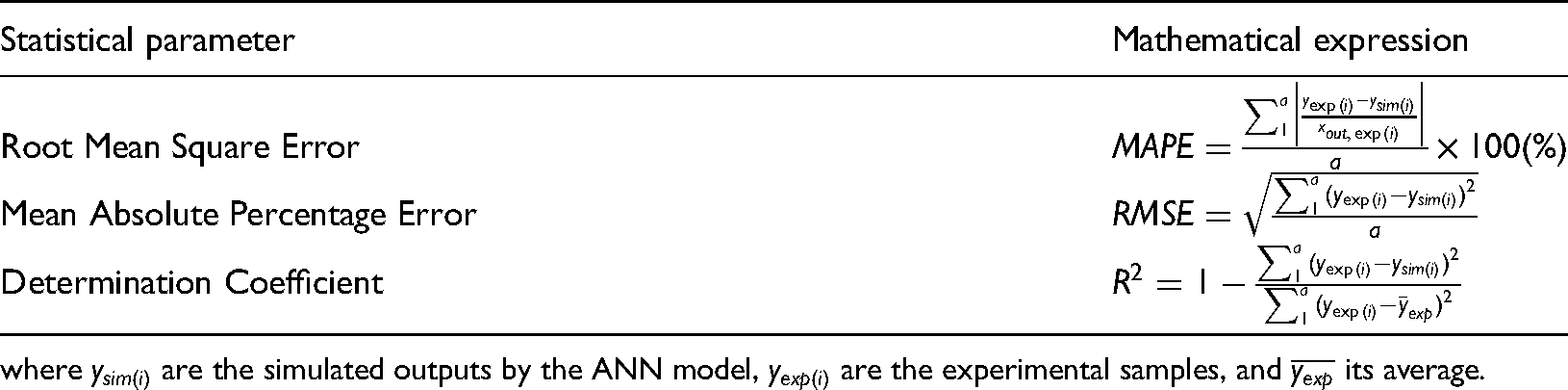
where
Once the ANN model synthesizes the solution's complex behavior into the proposed heat exchanger, a sensitivity analysis is carried out using Garson's equation to determine the relative importance of the input variables on the solution's thermodynamic properties and the absorption flux. For this purpose, Garson's equation takes advantage of the ANN's weights and biases matrix, estimating the impact of each variable from the following mathematical expression (Olden and Jackson, 2002):
Direct artificial neural network implementation
The modeling process to simultaneously estimate Resol, Nusol, hsol and
The numerical process to obtaining the ANN model was carried out based on the computational framework presented in Figure 2. According to this, modeling begins by normalizing and fragmenting the working database. Normalization was carried out in the range between 0.1 and 0.9 to avoid overcompensation due to variables with great values and comply with the operating ranges of hidden neurons (equation (2)). The normalized database was randomly divided into three subsets: training (70%), validation (15%), and testing (15%). During learning, the ANN uses a backpropagation algorithm based on Levenberg-Marquardt (Mathworks, 2017) to adjust the weights and biases matrix value and reduce the error between experimental (
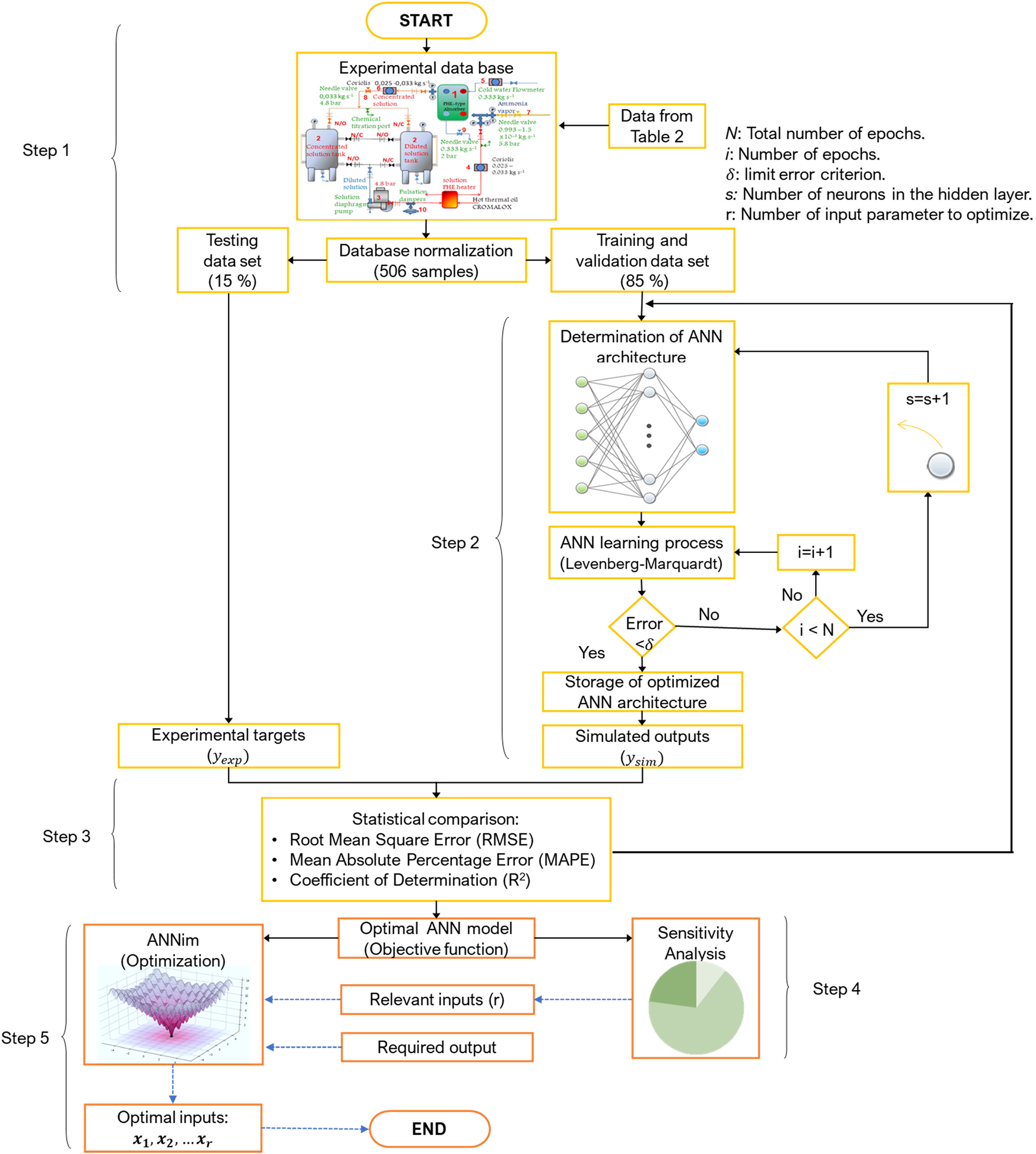
Schematic diagram for the modeling and optimization of the mass transfer of a plate heat exchanger-type absorber with NH3-H2O using ANNim.
Table 4 presents the evaluation of the different network architectures by varying the number of hidden neurons from 2 to 12, with intervals of 2 neurons. As can be seen from the implementation of 10 neurons in the hidden layer, there are no significant improvements in the estimation of the thermodynamic properties of the NH3-H2O mixture, nor in the FABS. In general terms, the 12-10-4 network architecture presented high levels of coefficient of determination (R2> 99.98%) and error rates close to zero (RMSE <0.003 and MAPE <0.2%) for data subsets (training, testing, and validation) of the four modeled outputs. Moreover, the number of neurons in the hidden layer is consistent with the complexity of the transport phenomenon inside the heat exchanger. Therefore, this architecture emerges as the least complex that generates reliable estimates. Furthermore, it is essential to note that its statistical indicators for FABS acclimate the model obtained as a good option for its implementation in ANNi (optimization process) given its high value of R2 and low RMSE and MAPE.
Statistical results of diverse ANN architectures developed to estimate thermal properties of NO3-H2O mixture in interaction with PHE-type exchanger.
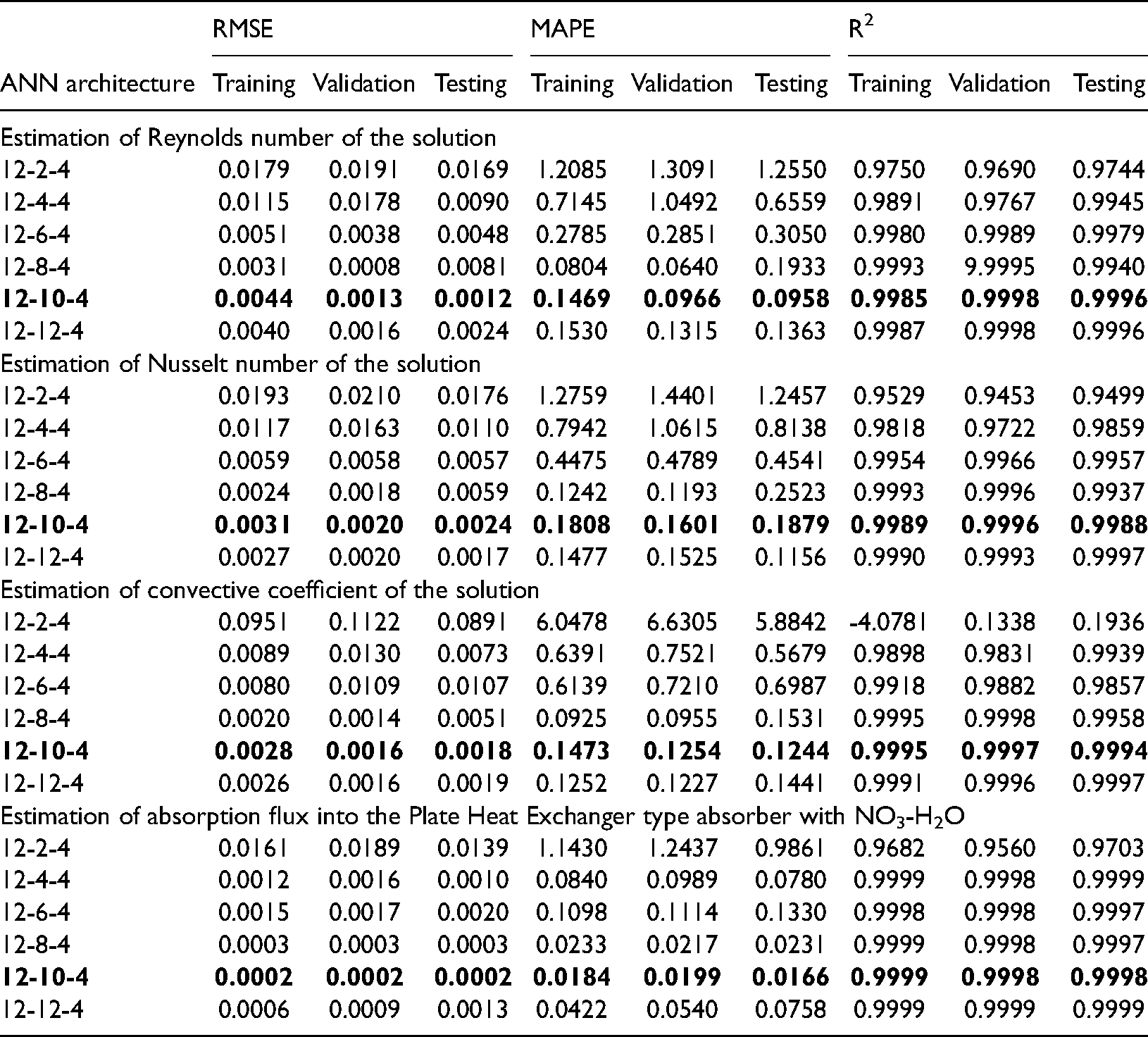
Figure 3 illustrates the linear regression coefficients for the outputs modeled by the ANN. According to the results, each output presents a high index of linear adjustment (with slope ≈ 1 and intercept ≈ 0), concerning their experimental counterparts. In addition, the results between the training, testing, and validation data sets show the good generalizability of the model by presenting estimation errors of less than 0.16%. This means that the developed model estimates with high accuracy the properties of Resol, Nusol, and hsol during the absorption process with the working pair NH3-H2O. The contribution in modeling these properties lies in the few reports based on experimental data and their calculation from measurable properties during the system's operation. On the other hand, the results of the absorption flux guarantee reliable estimates in the search for increase the mass transfer at solar cooling operating conditions.
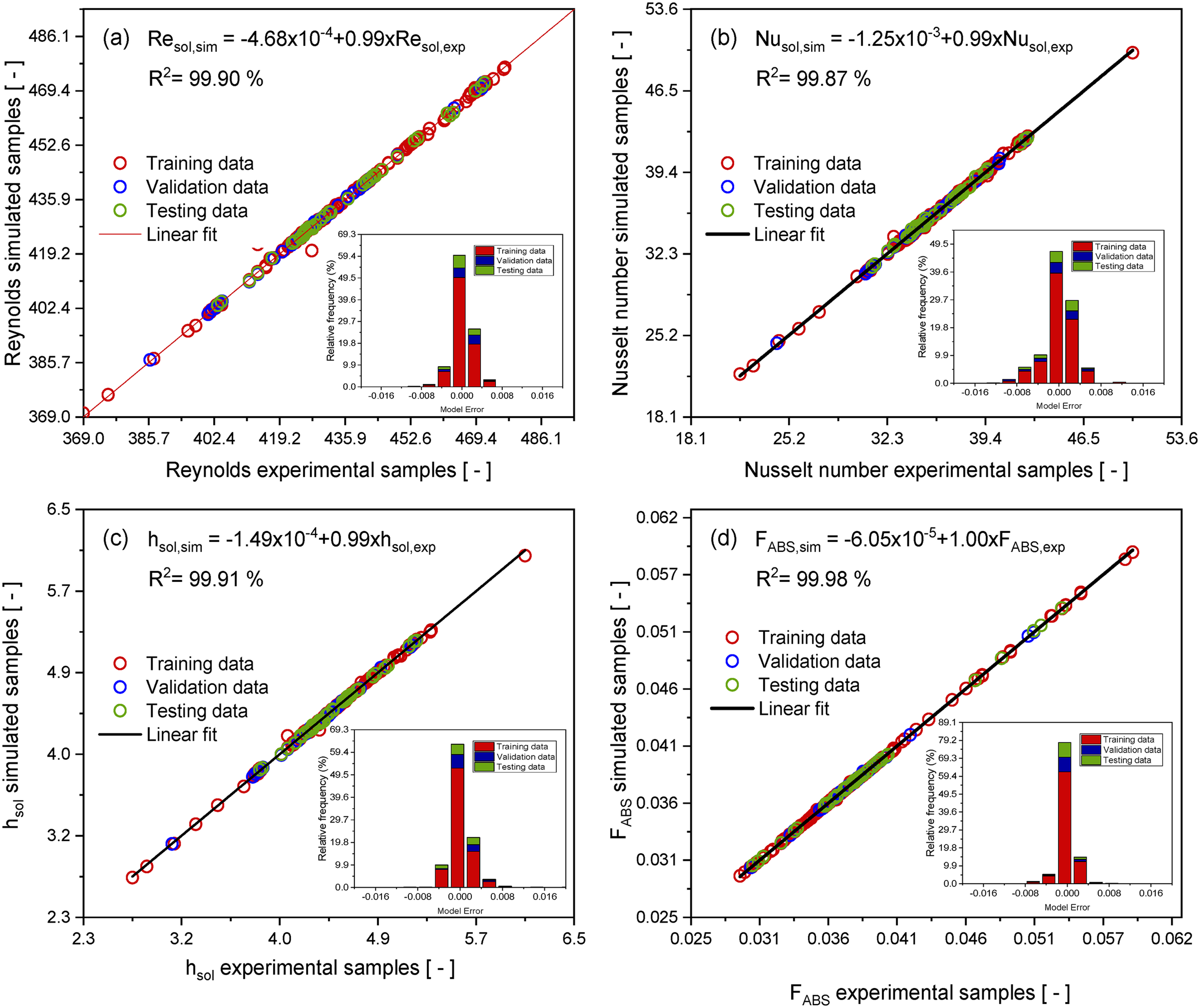
Statistical comparison between experimental data and multi-output ANN simulations: (a) comparison for reynolds number of the solution; (b) comparison for nusselt number of the solution; (c) comparison for convective coefficient of the solution; (d) comparison for absorption flux.
The aforementioned concludes that the ANN model is representative of the thermal phenomena considered and adequately synthesizes the absorption system based on NH3-H2O. Therefore, according to the transfer functions described in Section ‘Artificial neuronal network modeling’, the mathematical expression of the developed ANN is given by:
Matrix of optimal weights and bias of the best ANN model for its application as an objective function.
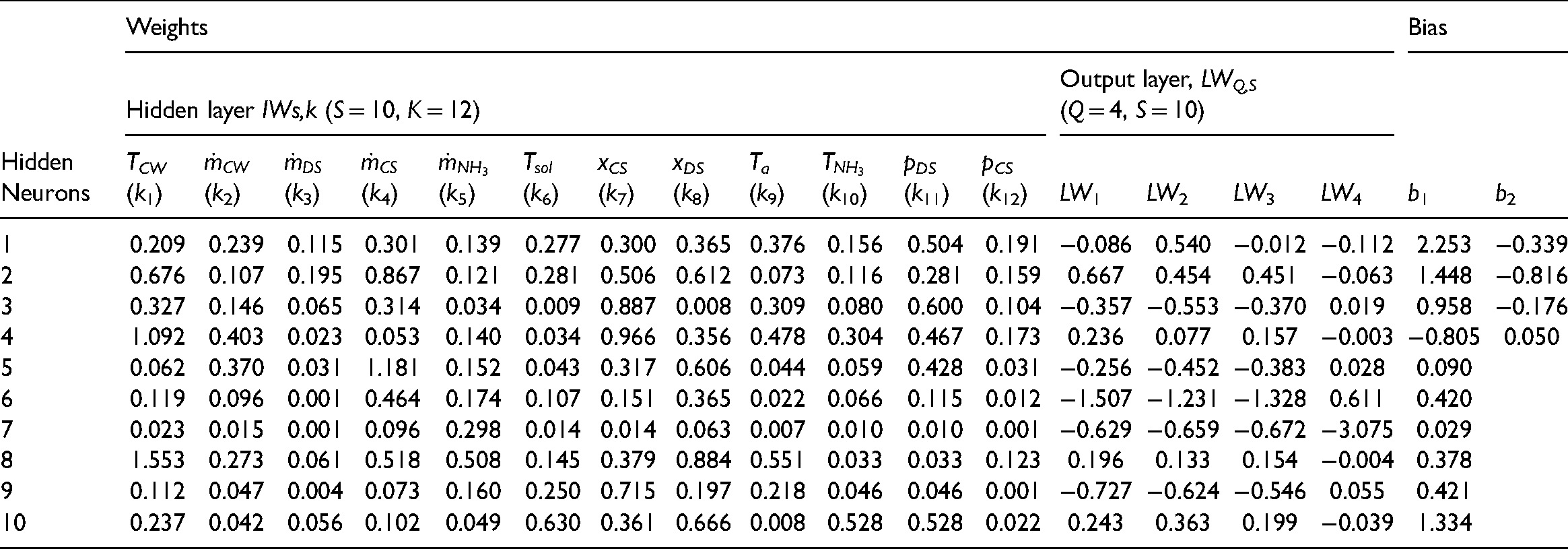
Figure 4 shows in percentage form the relevance of the operational variables on the thermodynamic properties modeled in the absorption process with NH3-H2O. In the case of FABS, the ammonia vapor flow was identified as the most significant element with 43.1% of the influence. This coincides with what has been reported in various studies (Kang et al., 2002; Lee et al., 2002; Tae Kang et al., 2002). Similarly, the diluted solution's flow and concentration were identified as the second (18.4%) and third (13.1%) variables that most influence the absorption flux. This is understandable if we consider that the diluted concentration's flow absorbs the ammonia so that the less dilute ammonia in the solution, there is a more significant potential for absorption of ammonia gas.
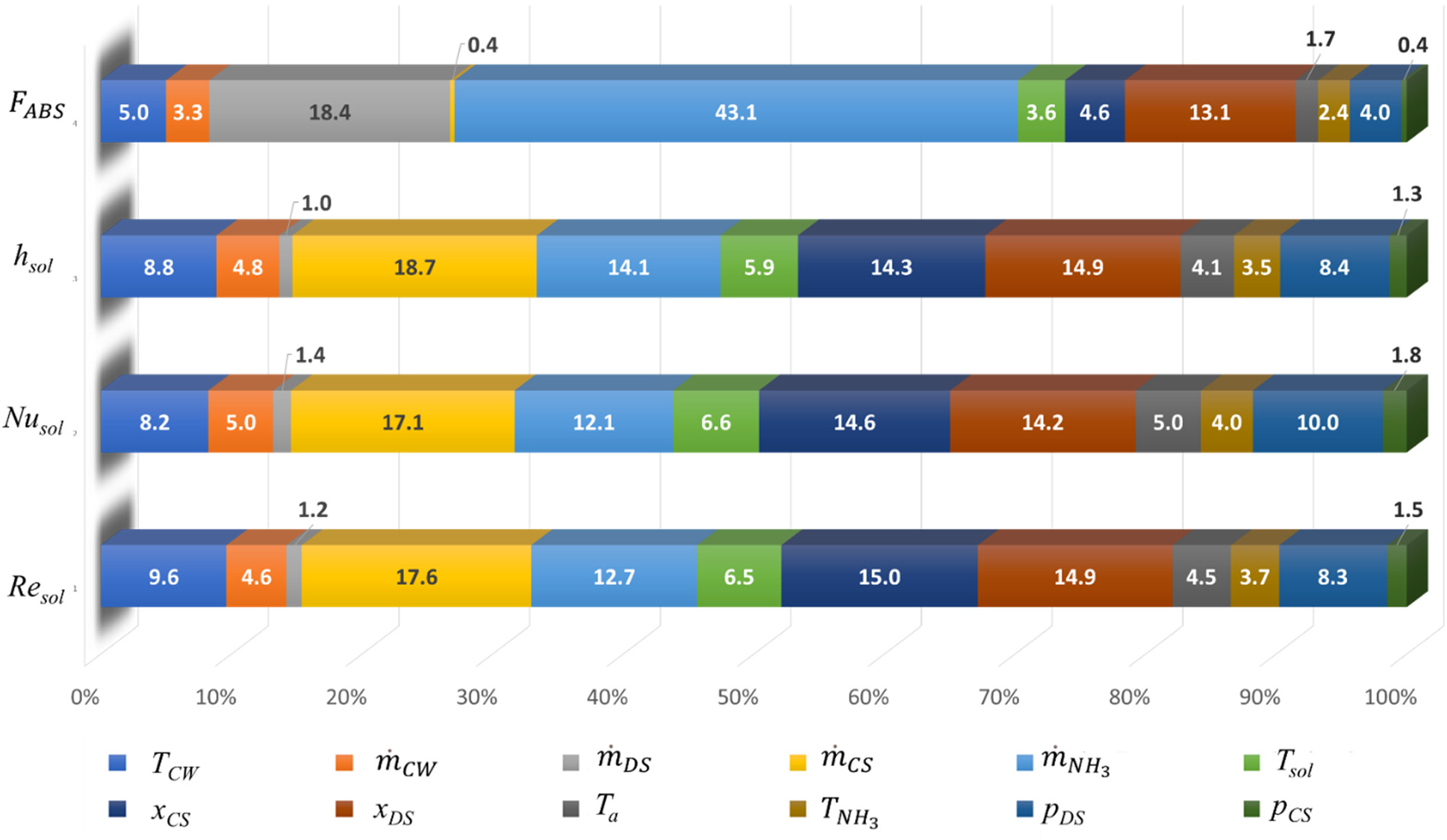
Degree of relevance of each input variable on the thermodynamic properties of interest.
Regarding Resol, Nusol, and hsol present in the solution, the sensitivity analysis detected that they are more than 60% affected by 4 of the 12 input variables. For these three thermodynamic properties, the
The results also quantify the importance of other operating parameters, among which stand out the pressure of the diluted solution, the temperature of the solution, and the conditions of the water supply for cooling. This is understandable considering several factors. Within them, the pressure at which the absorption occurs must be as low as possible. Similarly, it is crucial that the temperature of the diluted solution is as low as possible when it reaches the absorber, and finally, that the cooling water has a good flow and that the temperature is as low as possible. This causes the mass flow of the water to remove the heat generated by the exothermic reaction that occurred during the mixing process between the ammonia and the absorbent. Generally, these temperature and pressure conditions are subject to the evaporator's conditions in an absorption refrigeration system.
As can be seen, the results of this analysis contribute to identifying those parameters on which attention must be focused when operating these refrigeration systems based on PHE-type absorbers. Specifically, in the case of optimization, it allows determining those operating parameters with the more significant relevance for improving the FABS. On the other hand, the sensitivity analysis shows that the model has a good fit concerning the experimental data and adequately interprets the phenomenology that occurs during the absorption process in the heat exchanger; complying with the established by Razabi et al. (Razavi et al., 2021).
Multivariate optimization of absorption flux by ANNi
The inverse multivariate ANN (ANNim) was adopted to find the operating conditions that improve the absorption flux for solar cooling applications. The advantage of implementing the ANNim is its capacity to optimize based on experimental data, unlike other methods that employ mathematical models with assumptions (Moheno-Barrueta et al., 2021). This approach is based on inverting the ANN model, considering the simulated value as the input and a subset of input variables (X1, X2, and X3) as the unknowns. The purpose is to create a multivariate objective function requiring the desired absorption flux (FABS,des). The optimal values of the operational parameters that allow reaching it are determined; this is achieved by coupling the objective function with metaheuristic algorithms (Figure 5).
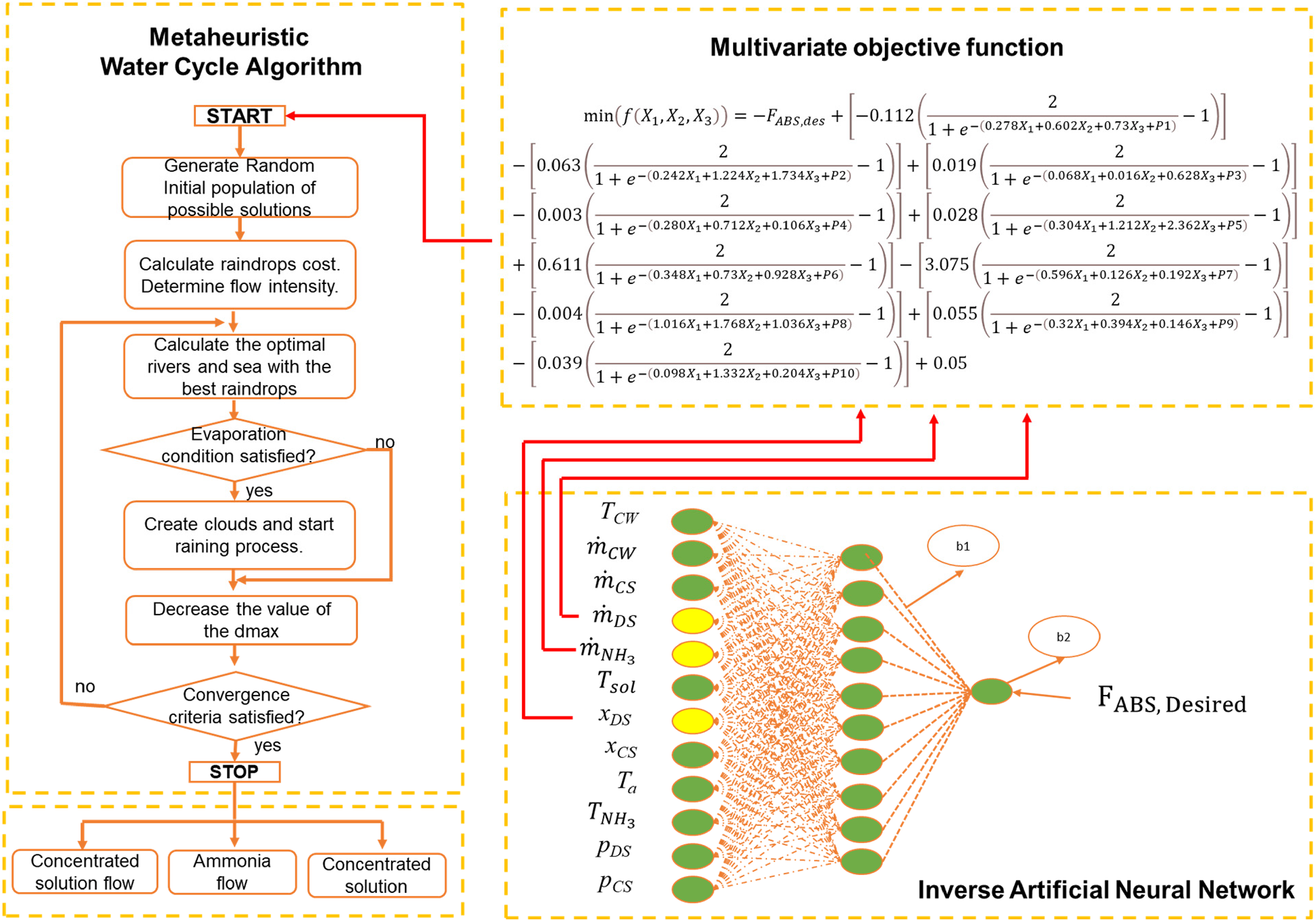
Schematic diagram for multivariate optimization of absorption flux through ANNim.
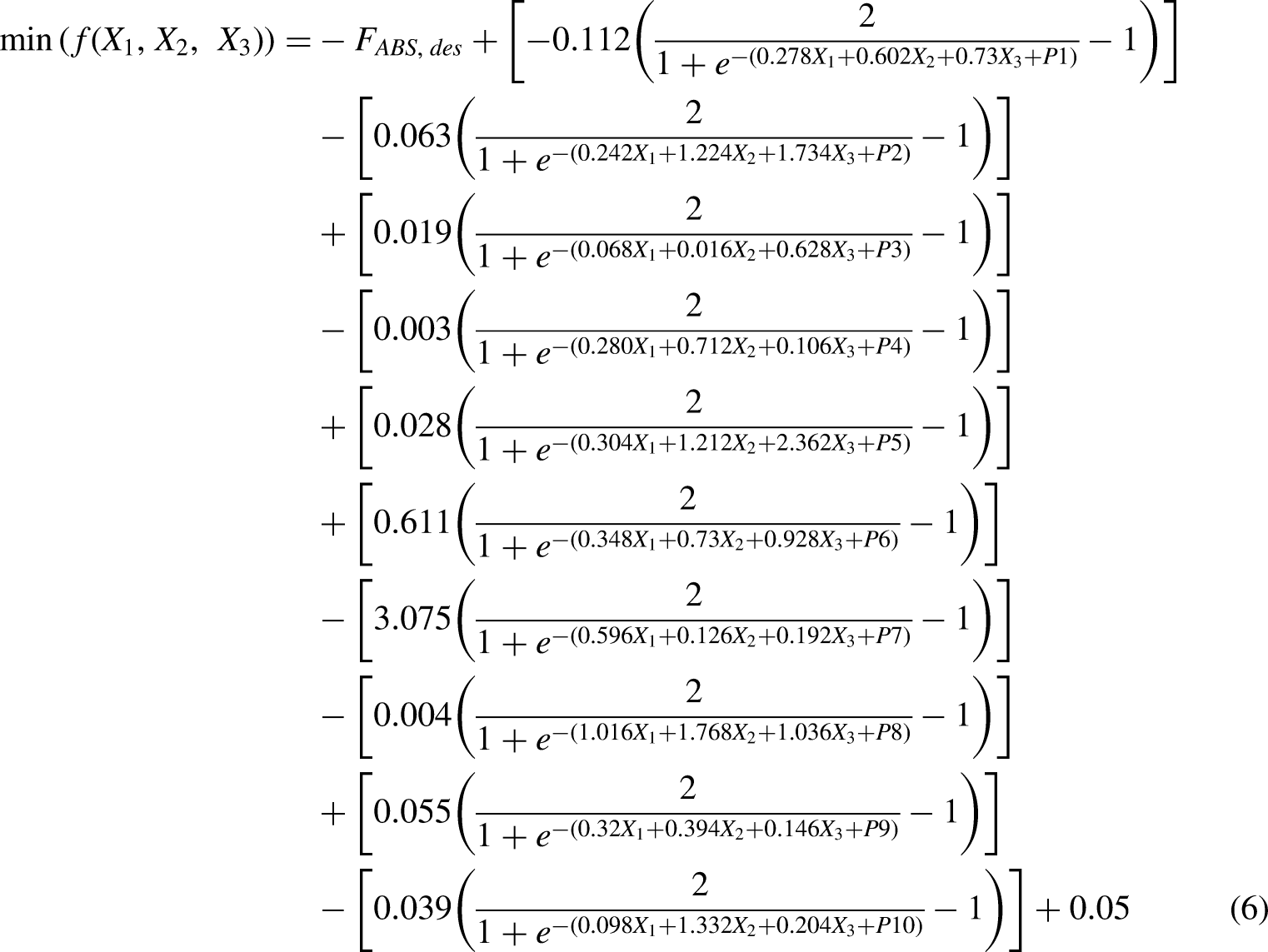
To perform the optimization, the multivariate objective function was constructed (based on the approach proposed by Solís-Pérez et al. (2019)) using the weighting and bias coefficients calculated for FABS, contained in Table 4:













Pseudocode with the parameters used to develop the water cycle algorithm at this study.
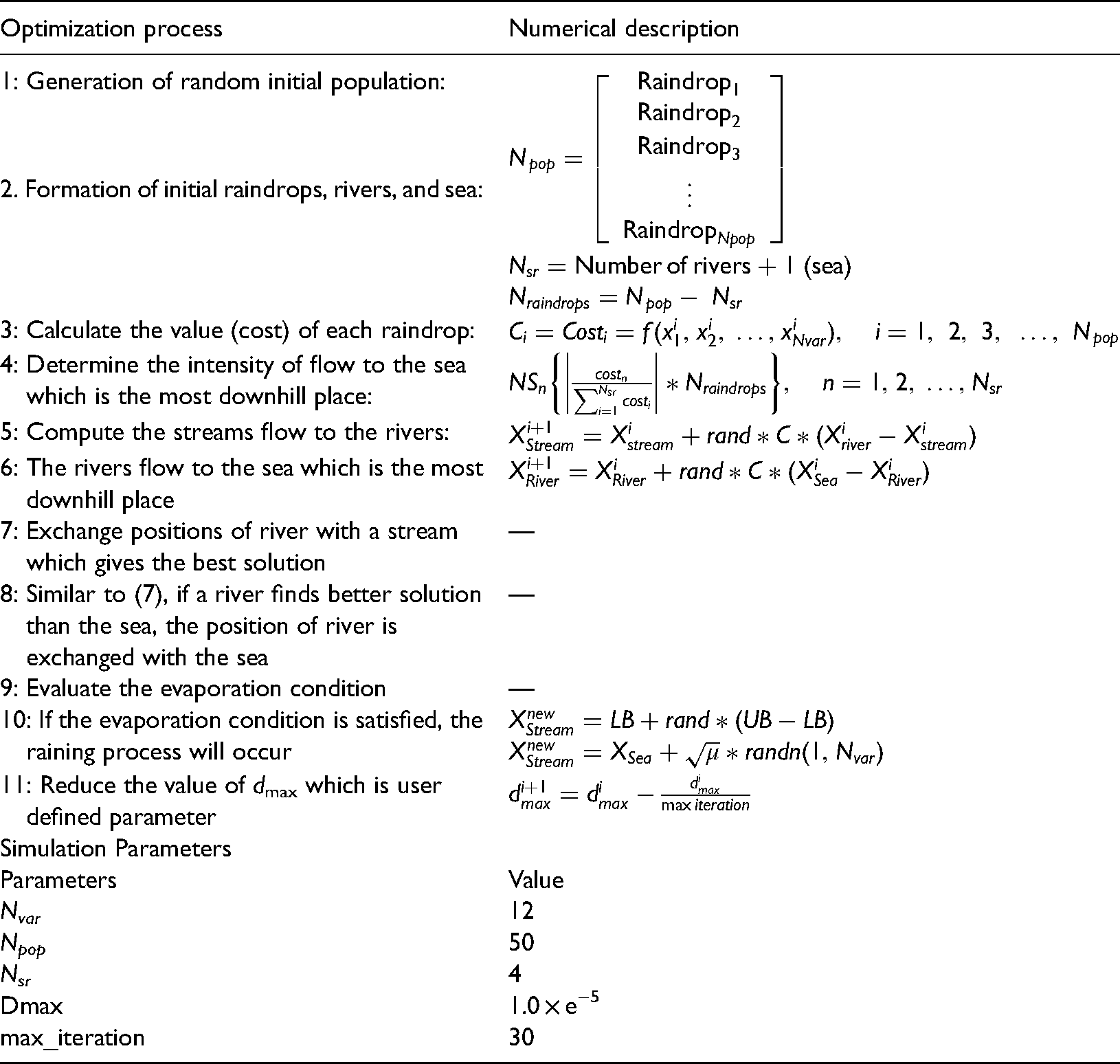
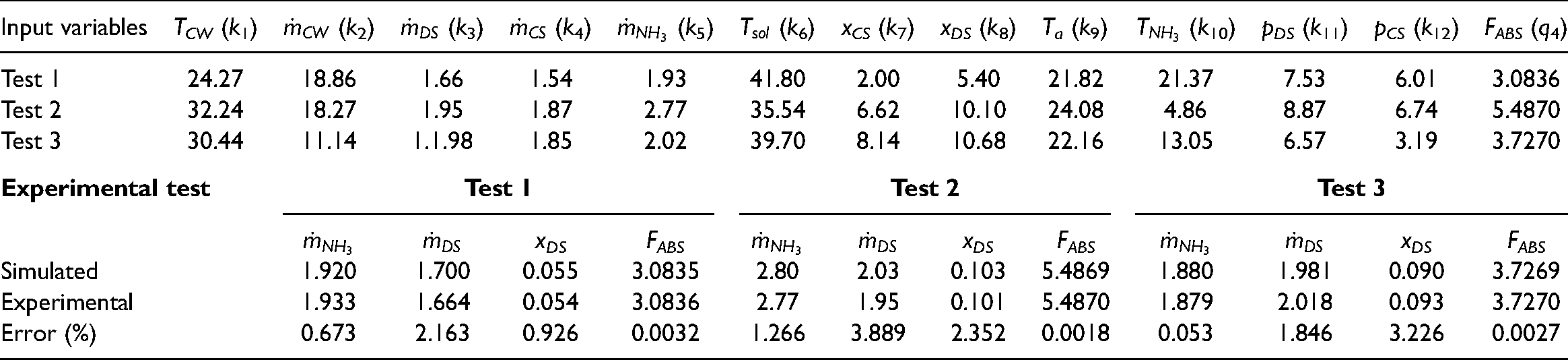
Three experimental tests with different operating conditions were assessed to validate the ANNim-WCA coupling and ensure its optimization capacity. The computes for optimization were carried out through a MATLAB script by using the WCA external-toolbox (Sohani, 2021). Table 7 shows the input variables corresponding to the selected experimental tests, which were not part of the training and validation, and the error obtained when searching for the operating parameters of interest (X1, X2 and X3). As can be seen, in the three cases, the maximum error for optimized input variables does not exceed 3.3%, while the estimates for the FABS,des are on an accuracy scale in the range of 1 × 10⁻³. These results indicate the ANNim-WCA strategy is adequate to identify input values to an adequate absorption flux.
Validation of the ANNim effectiveness to identify the optimal parameters that guarantee the desired output.
Multivariate optimization application
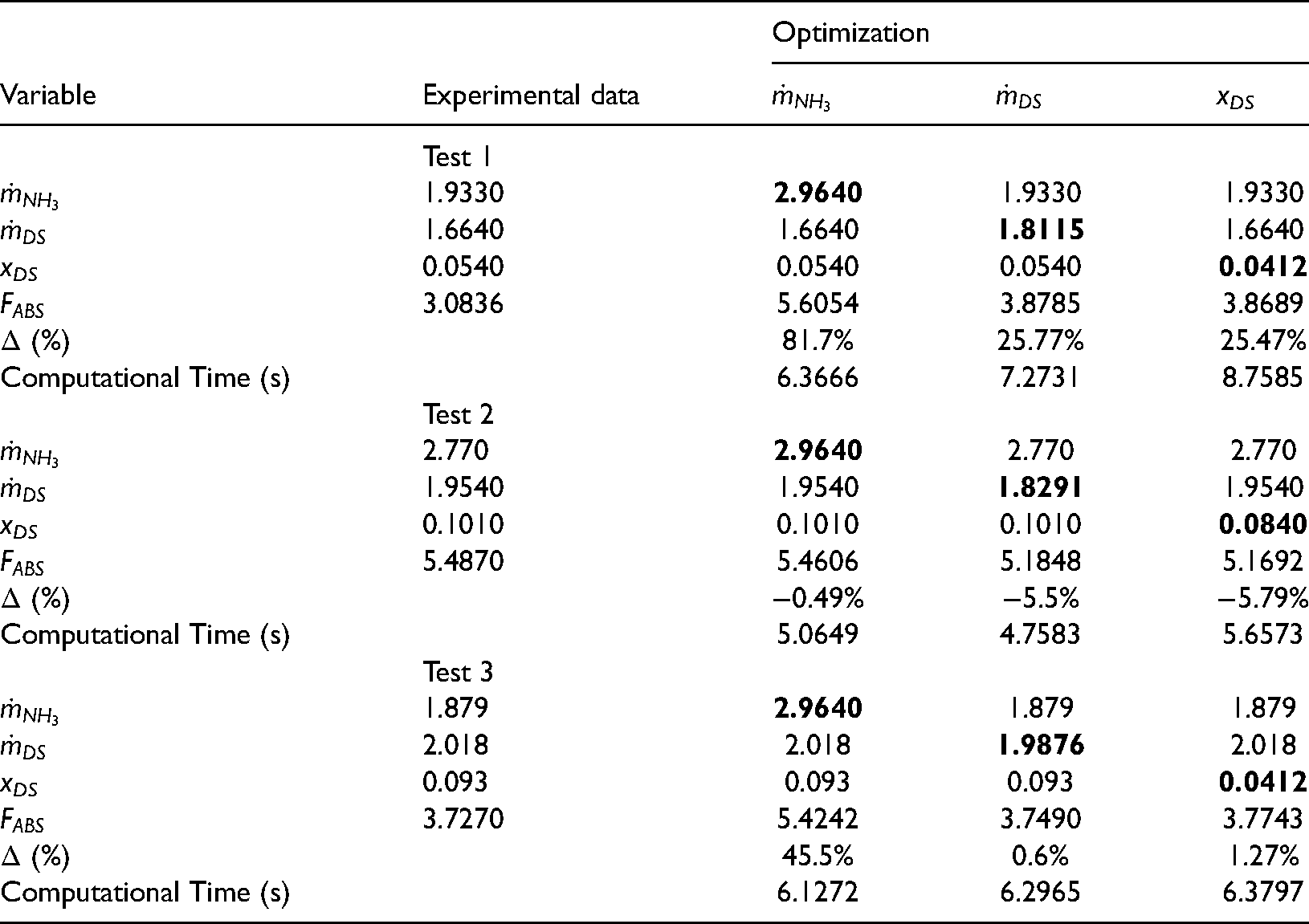
Once the WCA-ANNim approach was validated, it was used to find the values of
Application of the ANN model to improve FABS by optimizing one variable at a time in the three experimental tests.
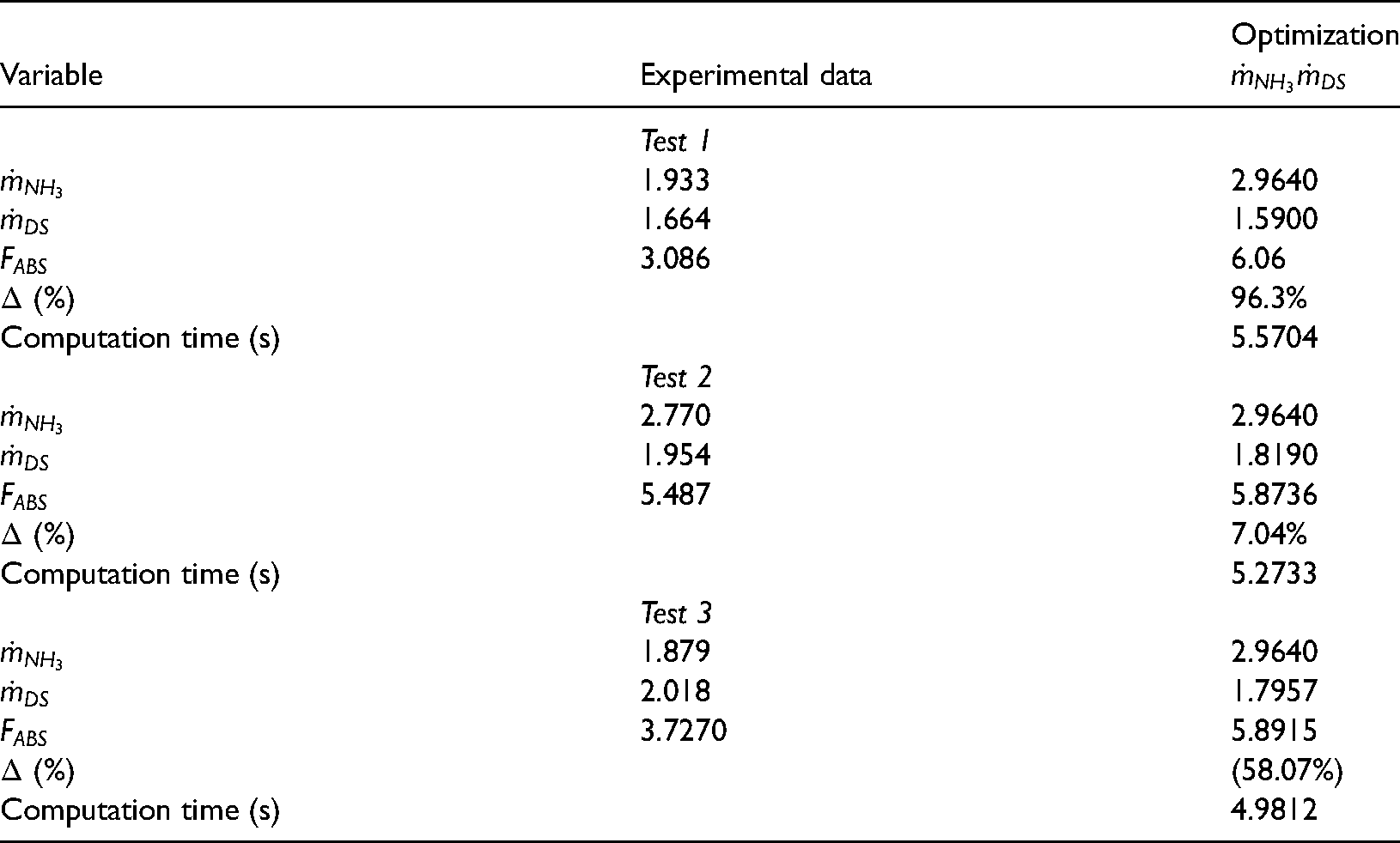
The second scenario shown in Table 9 considers a process optimizing two variables simultaneously. The variables chosen for this scenario were the ammonia vapor flow rate and the flow rate of the diluted solution because they are the two with the greatest impact. As can be seen, from the optimization of more than one variable, it was possible to increase the efficiency of the absorption flow in all test In test 1, the increase in efficiency (96.3%) is obtained by increasing the ammonia vapor flow from 1.933 to 2.964 kg/min and at the same time decreasing the flow of the diluted solution from 1.664 to 1.59 kg/min. In test 2, by increasing the ammonia vapor flow rate from 2.77 to 2.964 kg/min and decreasing the diluted solution flow rate from 1.954 to 1.819 kg/min, the efficiency of the absorption flow improved (7.04%). This result is striking since despite operating near the experimental ammonia flow limit, it was identified that the absorption process in the heat exchanger is still better. It can be inferred that reducing the absorption flow rate gives the ammonia vapor more residence time and a greater opportunity to be absorbed. In the third case, the increase in the absorption flow efficiency (58.07%) was obtained by increasing the ammonia vapor flow from 1.879 to 2.964 kg/min while decreasing the concentrated solution flow from 2.018 1.7957 kg/min.
Application of the ANN model to improve (absorption flux) by optimizing two variables at a time in the three experimental tests.
Finally, the last scenario considers the optimization of the three variables simultaneously (Table 10). In the first case, the efficiency in the absorption flow was improved (97.25%) by increasing the ammonia vapor flow from 1.933 to 2.964 kg/min, decreasing the flow of the concentrated solution from 1.664 to 1.59 kg/min as well as the diluted solution from 0.054 to 0.0412 kgNH3 / kgsol, simultaneously. In test 2, it was observed that by increasing the ammonia vapor flow rate from 2.77 to 2.964 kg/min and decreasing both the concentrated solution and the dilute solution (from 1.954 to 1.8092 kg/min and 0.1010 to 0.0412, respectively) FABS increase in 8.07%. For the third test, an improvement in the efficiency of the absorption flow (59.8%) was obtained by increasing the ammonia vapor flow from 1.879 to 2.964 kg/min, decreasing the concentrated solution flow from 2.018 to 1.7802 kg/min, as well as the diluted solution 0.093 to 0.0412 kgNH3 / kgsol. In all cases, incorporating the xDS into the optimization contributes to improving the performance of the absorption process with little more than 1%, as can be seen in Table 8.
Application of the ANN model to improve absorption flux by optimizing three variables at a time in the three experimental tests.
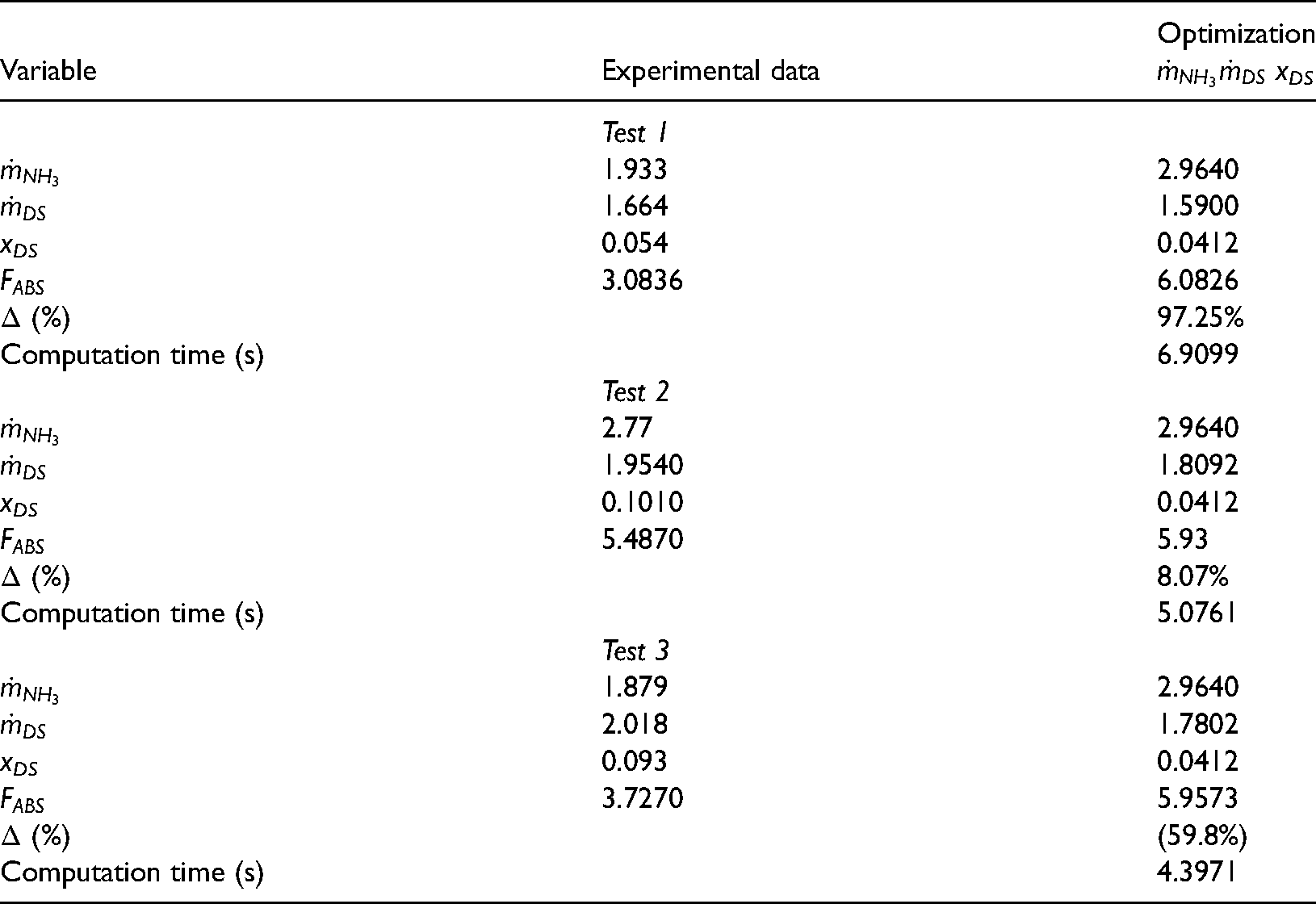
In general, the results of the three scenarios show the possibility of improving the absorption processes in the PHE-Type absorber. In all cases, a fixed value of the ammonia flux was identified. In addition, it was found that multivariate optimization improvement is necessary when the ammonia flow operates near the experimental limit, the most common cases being the reduction of the
Conclusions
This work presented the direct and inverse application of ANN to model heat transfer phenomena into Plate Heat Exchanger-Type Absorber (PHET-type) with NH3-H2O and the subsequent optimization of its absorption flux. A multi-output ANN was trained to predict the solution's Reynold number, Nusselt number, solution convective coefficient, as well as PHE absorption flux. The development model proved to be feasible to estimate the thermal behavior inside the heat exchanger based on operational parameters. The results of the ANN show that the simultaneous calculation of the 4 outputs can be carried out through simple mathematical operations with lower error (> 0.1%) and high correlation (> 99%). Thus, the contribution in modeling these properties lies in the few reports based on experimental data and their calculation from measurable properties during the system's operation. On the other hand, the results of the absorption flux guarantee reliable estimates in the search for increase the mass transfer at solar cooling operating conditions. On the other hand, the sensitivity analysis results showed that the ANN is also an adequate tool to synthesize and assimilate the nature of the mass transfer processes in the PHET-type, when comparing the results of the level of importance with respect to the literature.
Regarding optimization, the hybridization between ANN and the metaheuristic algorithm improved the absorption flux. The scenario evaluation varying the number of operational parameters to optimize showed that simple univariate optimization approaches are not suitable for the evaluated plate heat exchanger, even worsening performance in some cases. On the other hand, when the ammonia vapor flow rate and the flow rate of the diluted solution are simultaneously optimized, the absorption flow improves even when operating near the amino vapor flow limit. Finally, the last scenario made it clear that the correct choice of dilute fluid concentration improves the absorption in the exchanger by 1%.
The results obtained are relevant in the search to make absorption cooling systems more competitive, demonstrating the feasibility of improving the performance of the devices from an efficient operation of the system and without structural or components. It is important to emphasize that the models presented are not intended to replace conventional semi-empirical approaches. However, the main contribution of these models is the ability to link the absorption flow with operational variables, which makes them an excellent option for programming on development boards as smart sensors. In addition, the reduced compute times obtained during optimization prove to be a promising option for improving performance in solar cooling systems.
Footnotes
Declaration of conflicting interests
The author(s) declared no potential conflicts of interest with respect to the research, authorship, and/or publication of this article.
Funding
The author(s) received no financial support for the research, authorship and/or publication of this article.
