




Abstract
A new experimental model is proposed and tested to enhance the ability of receivers of solar thermal dish collectors in absorbing solar energy. An innovative model consisting of a dual layer, staggered arrangement, and multiscale diameter tubes is established. The enhancement augments the capability of the solar receiver of the collector to transform solar energy to thermal energy within the heat transfer fluid. The new design depends on the exploitation of the dead regions of the solar receiver, that is, surfaces with weak solar energy absorption which include the space between the pipes and the terminal sides of the pipes. The surface areas of the circular pipes in these regions are almost parallel to the solar energy radiation, which leads to a reduction in the ability of the tube to absorb solar energy. The design was validated through five receiver (
Keywords
Introduction
Solar energy is a potential energy source in view of substantial issues of the energy field such as global warming and fossil fuel depletion.
Sunshine is the most abundant source of energy on Earth. Annually, the Sun delivers more than 10,000 times the amount of energy utilized by humans (Aldulaimi, 2019).
Concentrating solar systems are exemplary choices to output high quantities of useful thermal energy with favorable efficiency (Abu-Hamdeh and Alnefaie, 2019; Fuqiang et al., 2017).
Solar-tracking dish collectors (SDCs) are considered to be one of the main potential alternatives to fossil fuels because of their high concentration ratios (Pavlovic et al., 2017).
The SDCs have been utilized in many applications, such as for heat generation, electricity generation (Le Roux et al., 2014; Loni et al., 2016a, 2016b; Gavagnin et al., 2017, 2018; Javidmehr et al., 2018), and desalination systems (Bahrami et al., 2019; Omara and Eltawil, 2013; Prado et al., 2016), and most researchers have been inspired to work on SDC technology.
The main target of most studies in this field is the optimal design of the solar receiver.
Kumar and Reddy (2008) numerically investigated the natural convective heat loss of three types of receivers for fuzzy focal SDCs, that is, cavity, semi-cavity, and modified cavity receivers. They also studied the influence of the change in the inclination degree of the cavity aperture facing sideways to that facing down on the natural convection heat loss of each receiver. The results indicated that the modified cavity receiver is the preferred receiver for fuzzy focal SDCs.
Daabo et al. (2016) numerically studied the optical efficiency and flux distribution of three different cavity receiver geometries: cylindrical, conical, and spherical. The highest optical efficiency was obtained with the conical receiver.
Azzouzi et al. (2017) experimentally and analytically studied the influence of the receiver inclination angle, water flow rate within the receiver, solar concentration ratio, and report/ratio between the cavity depth and the aperture diameter L/D on the total heat loss and thermal efficiency of a downward-facing cavity receiver. The experimental and analytical thermal efficiency estimates are in relatively good agreement, with a maximum deviation of ∼12%.
Pavlovic et al. (2017) studied a spiral absorber and lightweight structure and carried out experiments using water as working fluid. The experimental results were utilized to verify a numerical model that was established using the Engineering Equation Solver based on which three working fluids (water, thermal oil, and air) were evaluated under different operating conditions. The authors compared the thermal efficiencies of the working fluids and suggested that water is the best working fluid, followed by thermal oil and air.
Pavlovic et al. (2018a) examined various nanofluids as working fluids in a SDC with smooth and corrugated absorber tubes, used of Al2O3, Cu, CuO and TiO2 dispersed on thermal oil and water as nanofluids. The exergetic efficiency (∼12.29%) of the SDC increased by utilizing a Cu-oil based nanofluid and corrugated absorber.
Pavlovic et al. (2018b) examined spiral and conical cavities by using a thermal model. The thermal model was unified with an optical tool to properly simulate the SDC. Based on the experimental results obtained in a spiral absorber case study, the model performance was proven.
The results showed that the conical model leads to an increase in the optical efficiency of ∼1.38% due to the increase in the intercept factor. At the same time, the thermal and exergy efficiencies at different temperatures were considerably enhanced.
Loni et al. (2018a) numerically investigated three different cavity receivers, that is, hemispherical, cylindrical, and cubical receivers, under the same operating conditions using either water or oil and compared the results with the experimental results obtained for a hemispherical cavity receiver using oil as working fluid. The exergetic and overall efficiencies were utilized to simultaneously evaluate the useful heat production and pumping power. The results indicated a high exergetic efficiency of the hemispherical cavity with thermal oil at high temperatures.
Loni et al. (2018b) studied two models optimized for cubical and cylindrical cavity absorbers and developed a numerical model for the prediction of the cavity receiver performance. The results showed that the thermal efficiency of the cubical cavity receiver is higher than that of the cylindrical cavity receiver in the steady-state period. The average thermal efficiency of the cubical and cylindrical cavity receivers is ∼65.14% and 21 56.44% in the steady-state period, respectively.
Soltani et al. (2019) experimentally and theoretically studied the thermal performance of a helically baffled cylindrical cavity receiver. A combined method was utilized for the optical and thermal modeling of the system. The effects of the geometrical, structural, and operational parameters on the thermal performance were examined. The results showed that the optimal selection of these parameters augments the thermal performance of the system up to 65%.
Reddy and Nataraj (2019) analyzed a cylindrical volumetric receiver for SDCs utilizing a finite element method-based tool of the COMSOL multiphysics software. A nonuniform Gaussian distribution-based heat influx was used. The steady-state operation of the receiver was studied for various porosities and thermal conductivities of the solid phase. Different Gaussian distributions corresponding to different flux profile conditions were studied. A higher thermal conductivity of 200 W/(m K) coupled with a high porosity of 0.7 leads to a better operational efficiency of the receiver.
Different geometries of solar receivers for SDCs were investigated (Bellos and Tzivanidis, 2019; Coventry and Andraka, 2017) to determine the optimal model with the best performance.
To concentrate the solar energy on small-surface absorbers, a point-focusing collector is one of the best options due to lower thermal losses of the absorber. Because the thermal losses of the absorber are proportional to its surface, an innovative design is proposed in this study, which involves the exploitation of the whole surface area of the solar receiver, which is exposed to direct solar radiation by placing pipes in front of areas with weak solar absorption (staggered tube arrangement) on the terminal sides of the pipes that are almost parallel to the direction of the incident solar radiation. In addition to the space between the pipes, this increases the energy transfer to the heat transfer fluid (HTF). However, the second layer creates a shadow on the upper layer. Furthermore, the surface area of the receiver was increased, which leads to increases in the convection and radiation losses. The diameter of the additional tube was changed to identify the optimum diameter, that is, the optimal ratio between the diameter of the front tube and that of the rear tube, using four models of dish collector receivers (
Basic mathematical background
The mathematical background of the study has been discussed in detail in Loni et al. (2018c); Pavlovic et al. (2017); Stefanovic et al. (2018). In this study, only the main equations for the
Definition of the performances and indexes
The available solar irradiation can be estimated as the multiplication of the Direct solar radiation

The useful heat transfer rate (

The ratio of the beneficial heat production to the available solar irradiation represent the thermal efficiency

The exergetic (or second law) evaluation of the solar collector is useful because it reveals the quality of the process. The thermal performance, operating temperatures, and pressure drop in the tube are considered in the exergetic analysis. The useful exergy output rate is equal to the exergy heat transfer rate minus the irreversibility rate of the heating process, which can be estimated as (Bellos et al., 2017)

The exergy rate of the solar irradiation can be estimated as (Petela, 2003)

The
The exergetic performance of the SDC is defined as the ratio of the useful exergy output to the solar exergy input (Bellos et al., 2017)

Efficiency evaluation criterion
The efficiency evaluation criterion (EEC) was estimated to evaluate the ability to absorb solar energy, and was realized related to Aldulaimi (2019), Ma et al. (2014) and Webb (1981). This formula was utlized to compare the new

Experimental system
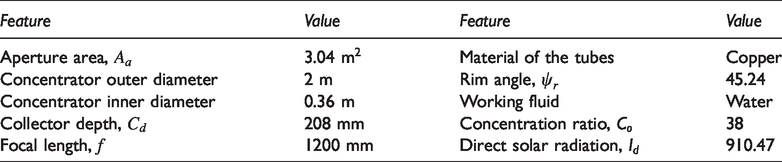
A sketch of the experimental system and a photograph of the SDC are shown in Figures 1 and 2, respectively. The main characteristics and geometrical details of the SDC are presented in Table 1.
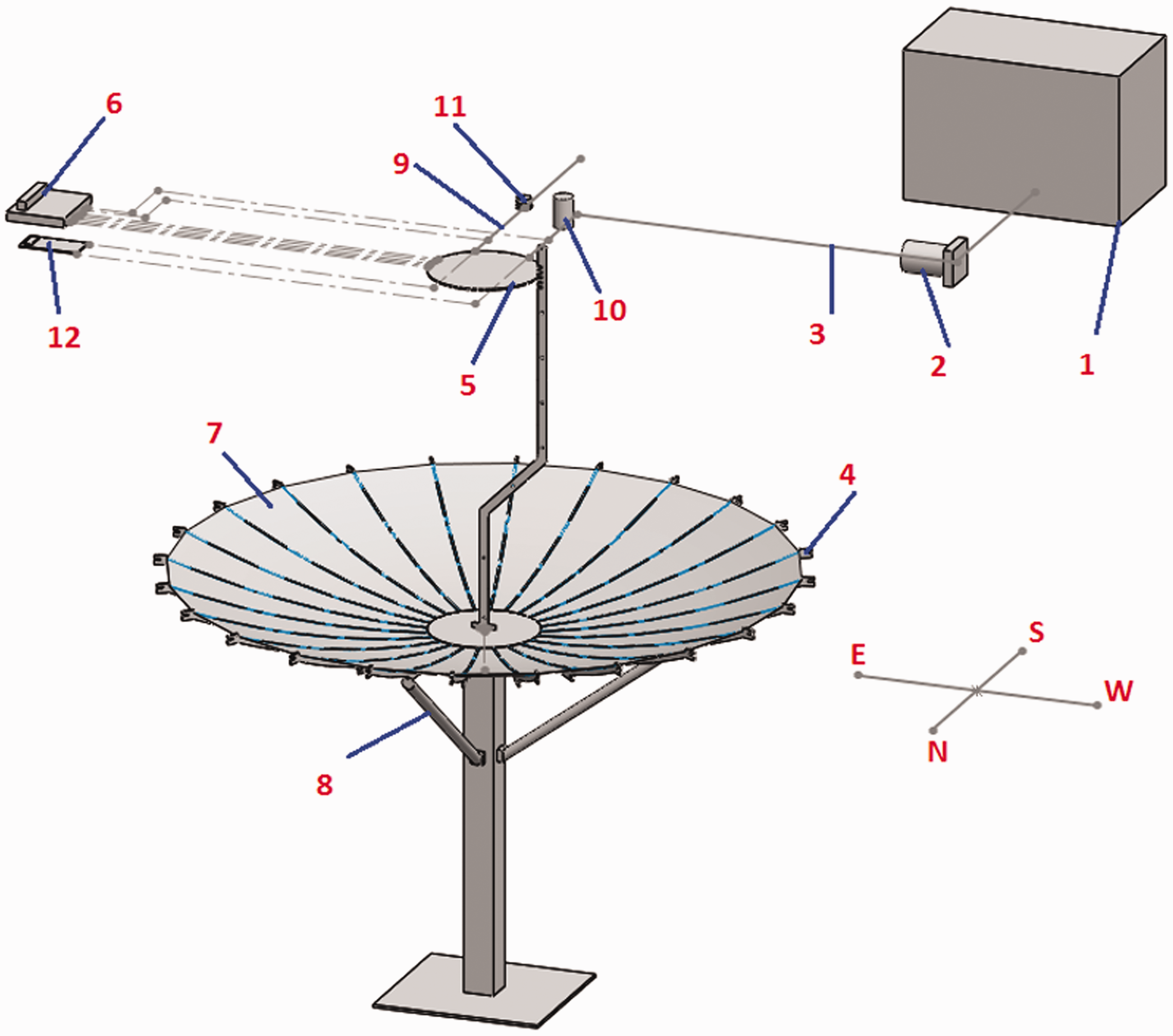
Detailed view of the experimental system: 1. storage tank, 2. pump, 3. pipe for the inlet fluid, 4. rib, 5. receiver (
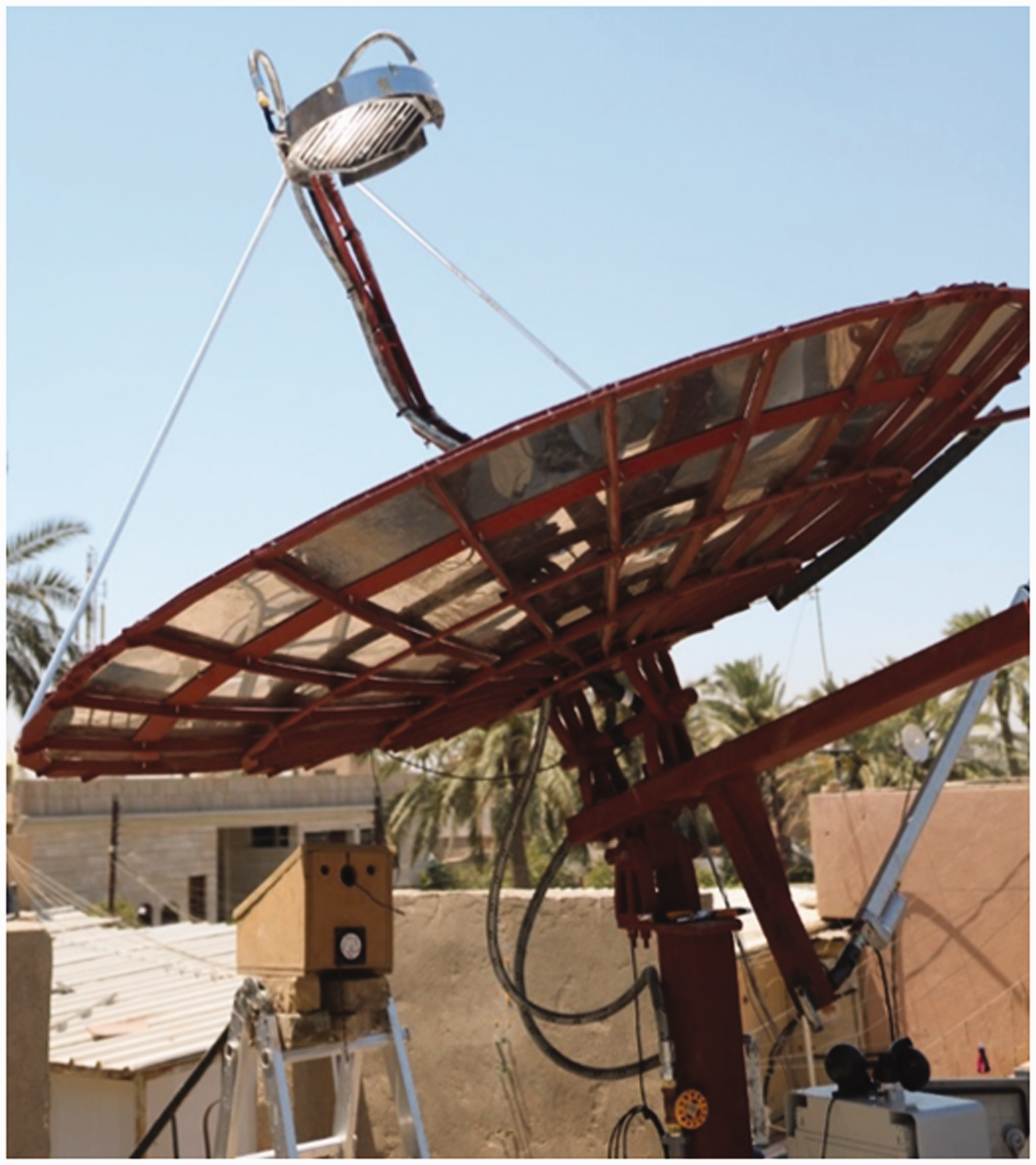
Photograph of the SDC.
Characteristics of the SDC.
The main reflective frame consists of 24 ribs made of 6 mm steel plates that were sever into parabola curves and then enveloped with a highly reflective sheet.
The ribs were connected to five ring strips made of 6 mm steel plates, creating the final shape. The SDC was then based on an iron leg with a height of 110 cm.
The collector has the capability to rotate around two axes through two linear actuators. The first about the north–south axis, second about the west–east axis. This means that the collector aperture can be continuously directed from sunrise to sunset all year round, as shown in Figure 1.
Five
The outer sample surface (
At the same time, 14 K-type thermocouples were used to measure the temperature of the surface tube on the outer surface of the
A differential pressure manometer with an accuracy of 1 mbar was utilized to measure the pressure drop in the
Technical details of the
models
In this research, five
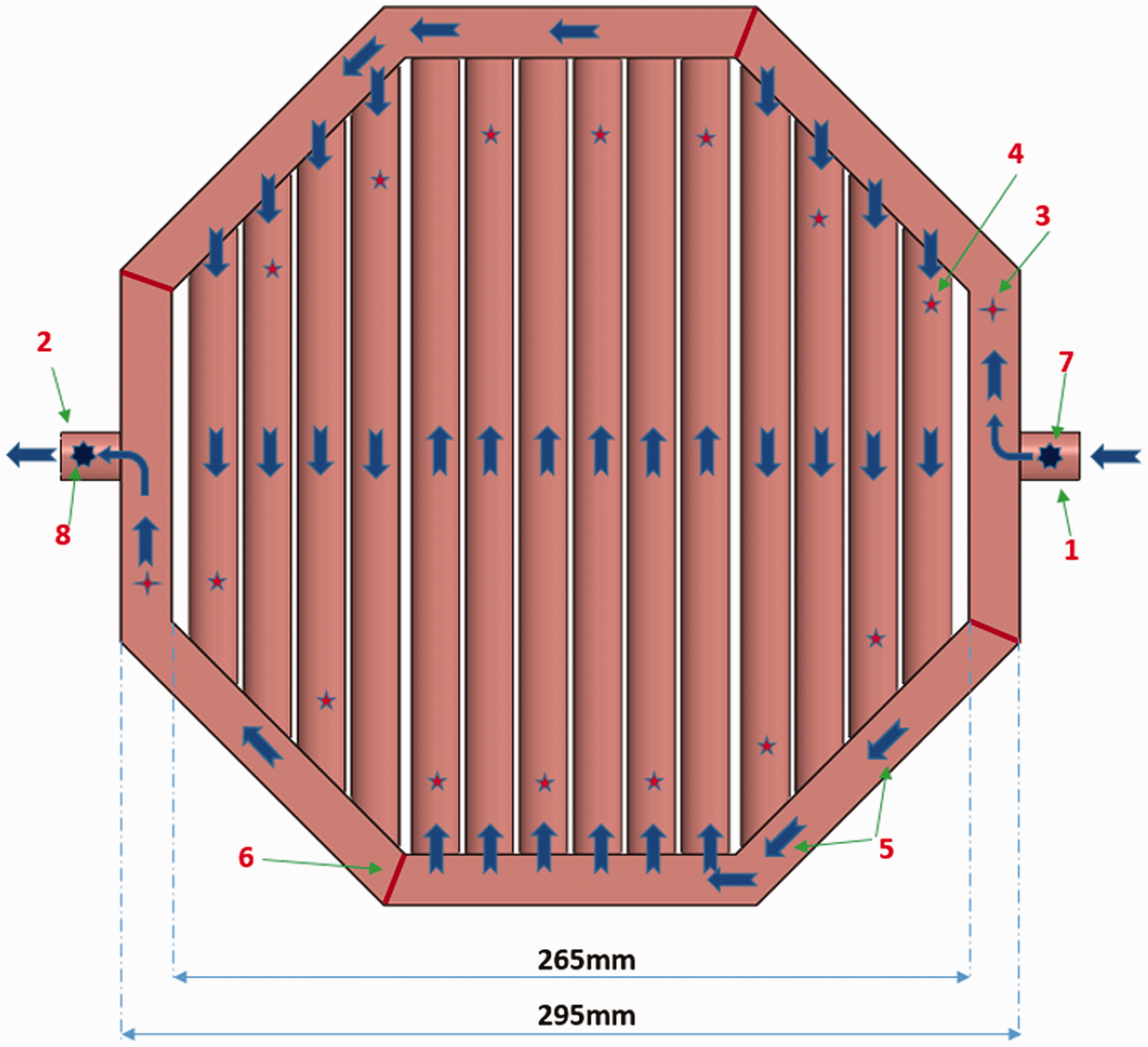
Detailed view of the main
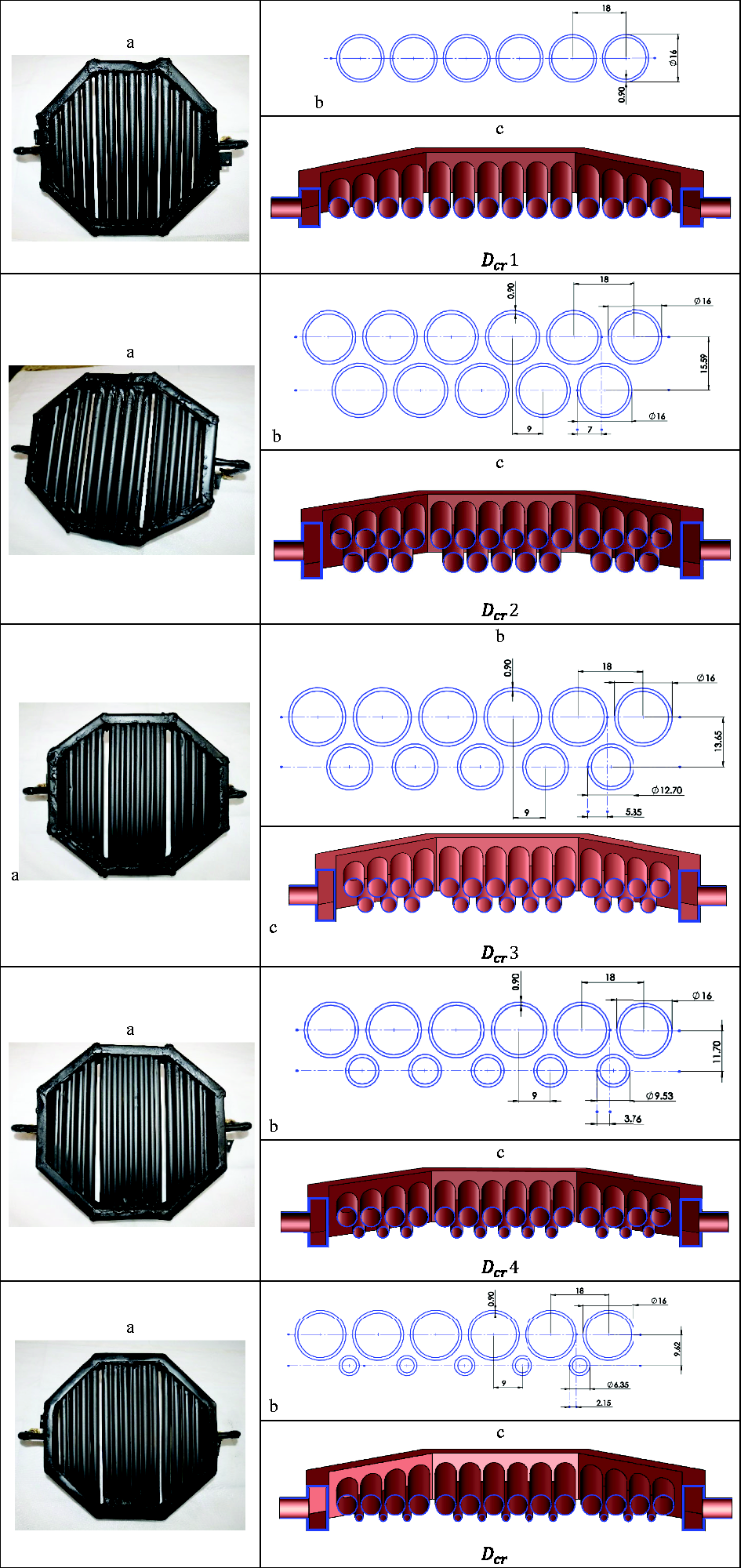
(a) Photograph of the
The space between any two tubes in all models is equal (2 mm). The first main model (
Other models (Dcr2,3,4, and 5) consist of two layers of tubes in staggered tube arrangement, that is, an upper layer with a tube diameter of 16 mm and a lower layer with different tubes diameters (16, 12.7, 9.53, and 6.35 mm) for
Staggered diameter ratio

The staggered diameter ratio
Experimentation and data collection
The practical tests were implemented at the College of Engineering, University of Al Nahrain, Al-Jadriya, Baghdad (latitude: 33°27′N; longitude: 44°38′E).
All tests were carried out from 25 to 31 July 2019. The local weather during the tests was characterized by sunshine, a medium relative humidity of 15.5.4%, medium maximum atmospheric temperature of 44.75°C, and medium wind speed of 2.93 m/s. The temperature was measured every minute using all thermocouples. Data loggers and K-type thermocouples were utilized to measure the temperature of the fluid flow in the inlet and outlet of the HTF flow of the
The mass flow rate, differential pressure, and ambient temperature were constantly measured.
The operation of the experiment was started with a fixed
Results and discussion
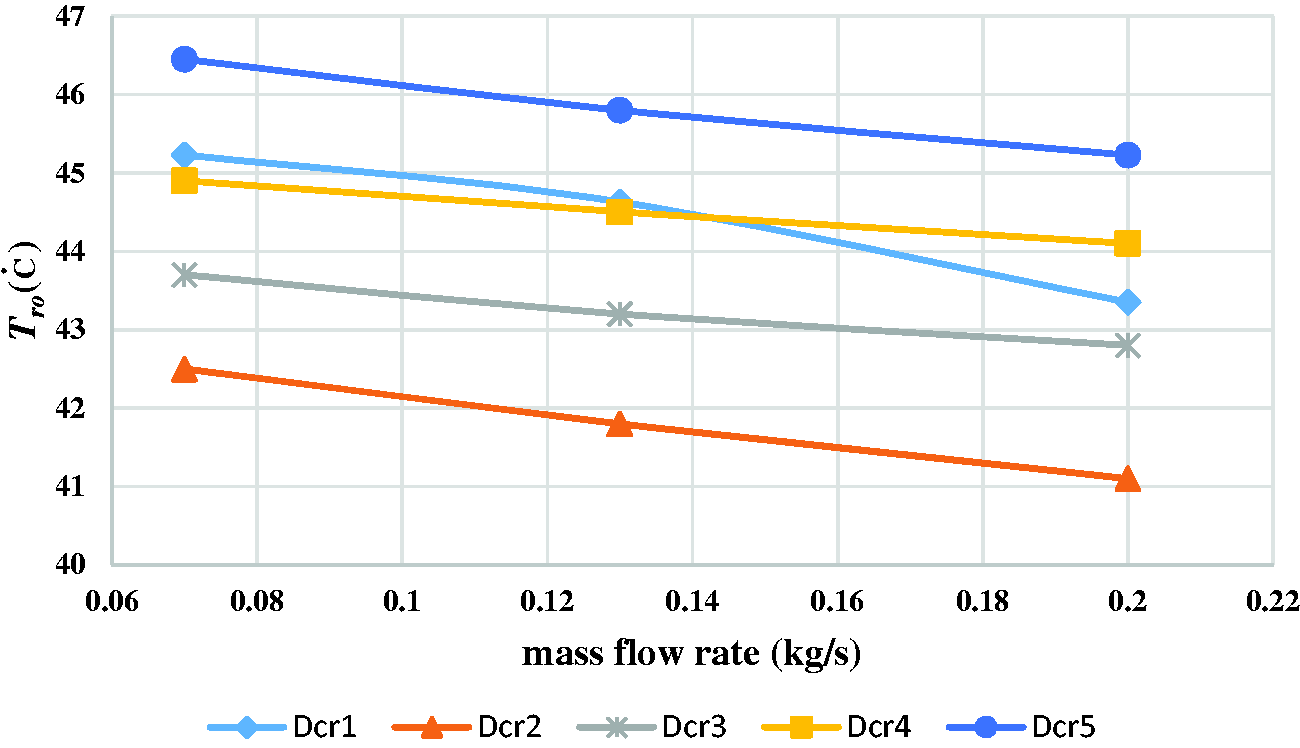
The results of the experimental investigation indicate an enhanced temperature difference
Temperature difference
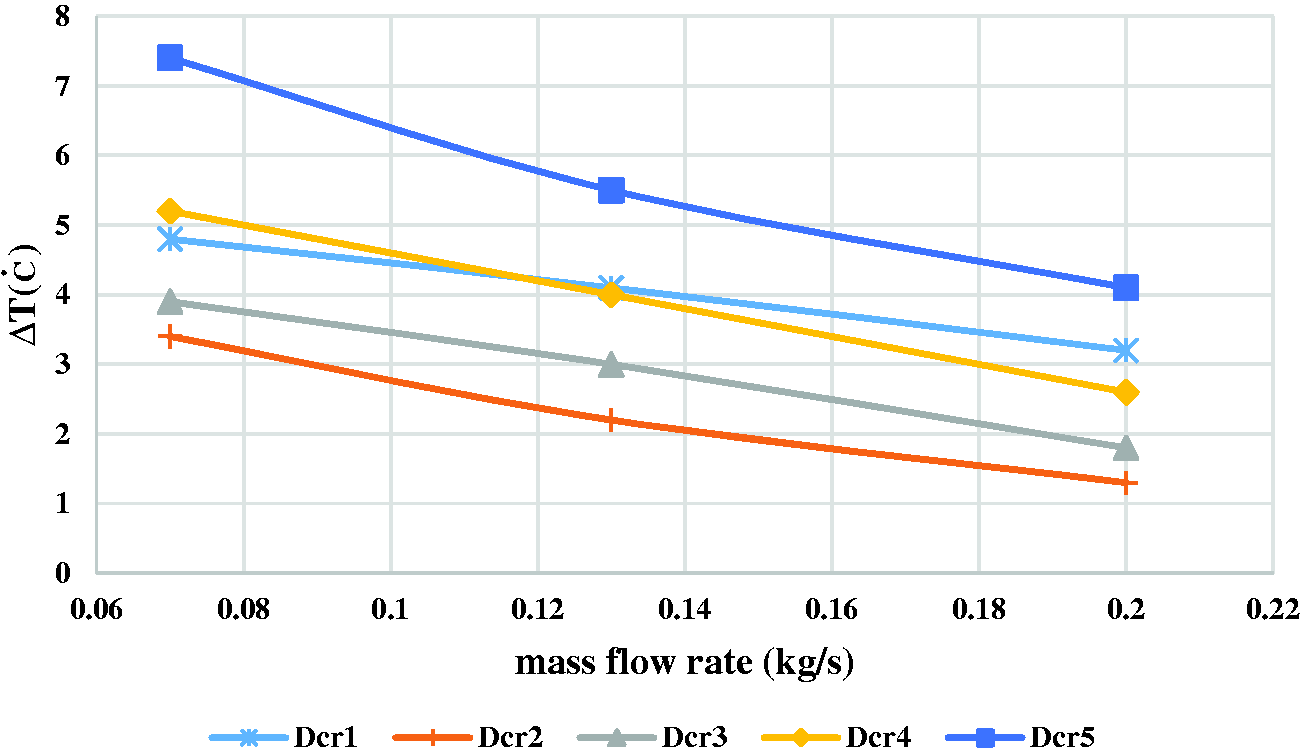
As shown in Figure 5, the temperature difference
Relationship between
Relationship between
Pressure difference
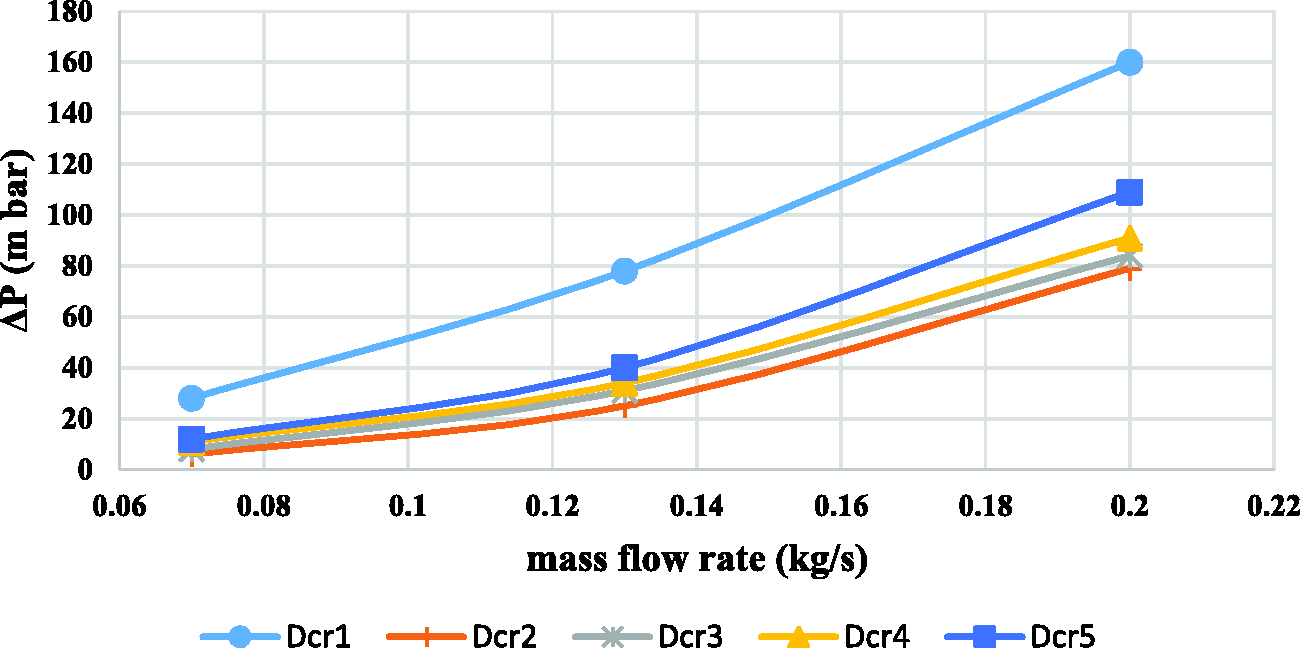
As shown in Figure 7, the pressure difference
Relationship between
Thermal efficiency
As shown in Figure 8,
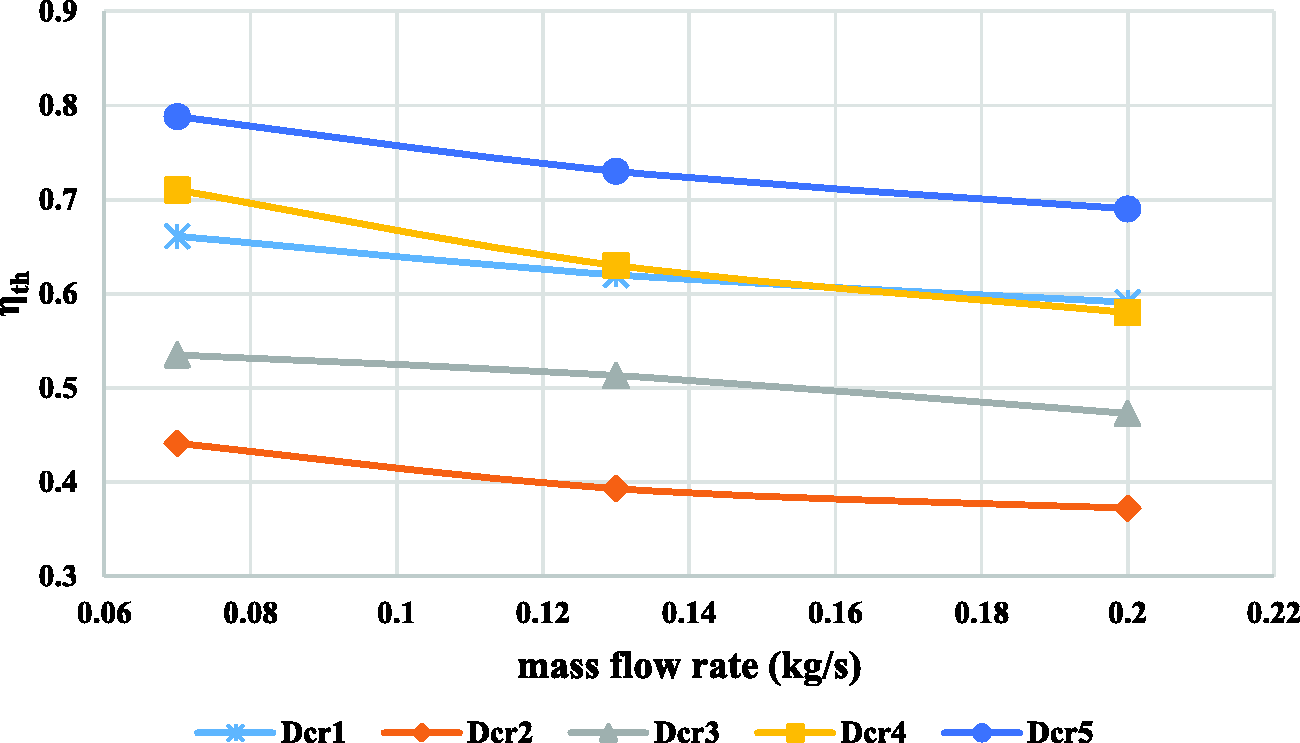
Relationship between
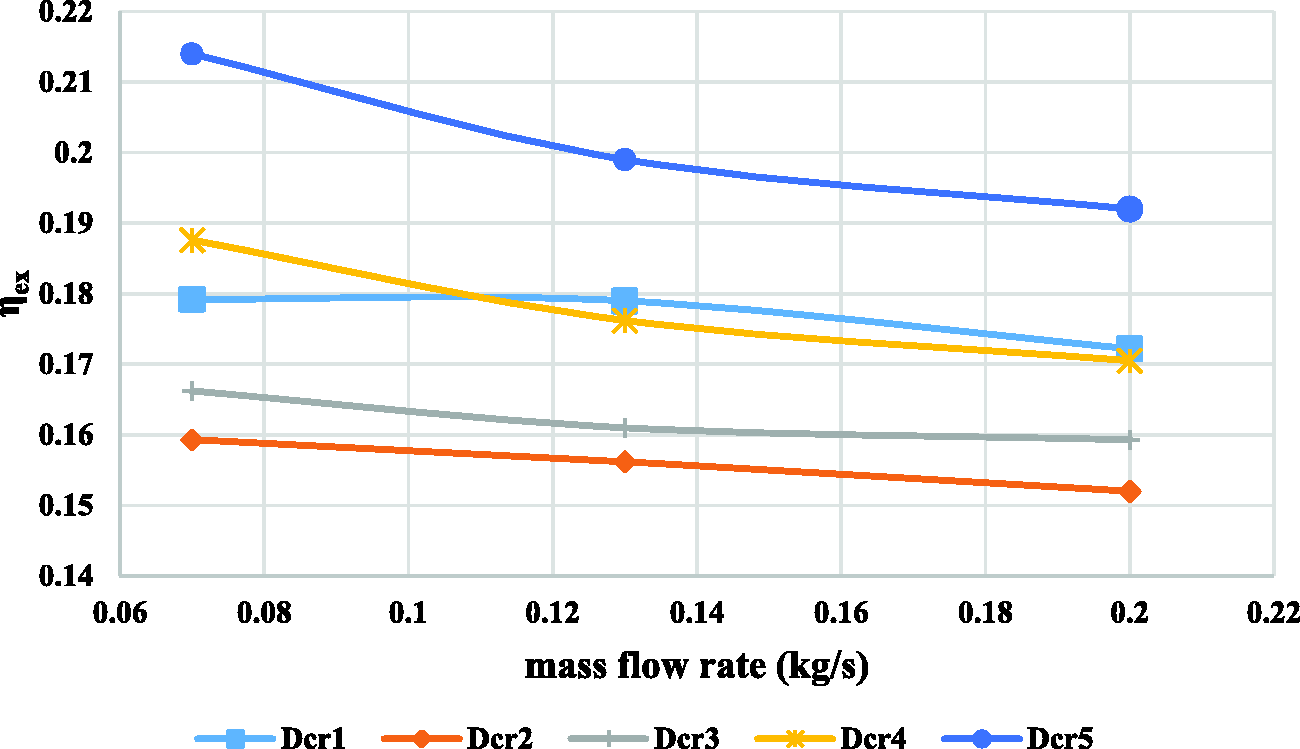
Relationship between
Exergetic performance
The exergy efficiency
Efficiency evaluation criterion
The
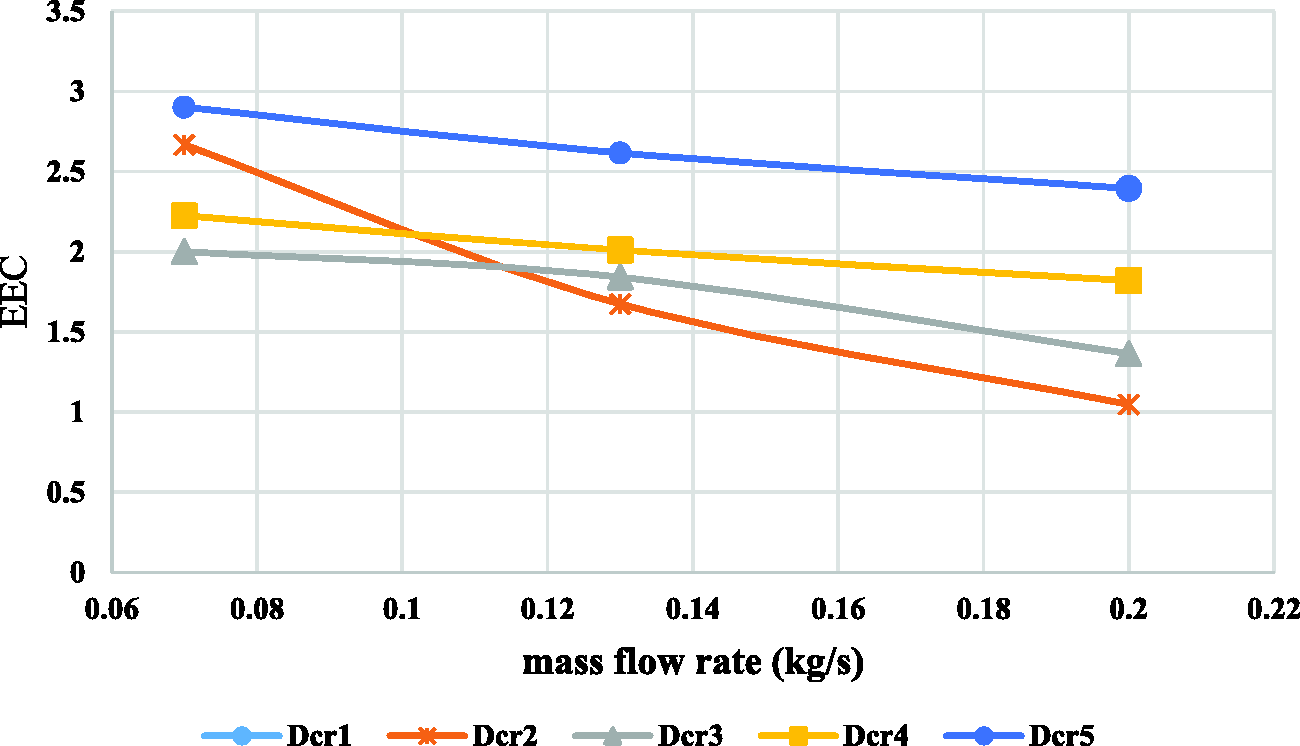
Relationship between
The maximum
Conclusion
An experimental investigation was carried out to estimate the
Footnotes
Declaration of conflicting interests
The author(s) declared no potential conflicts of interest with respect to the research, authorship, and/or publication of this article.
Funding
The author(s) received no financial support for the research, authorship, and/or publication of this article.
