




Abstract
The critical desorption pressure is different from the gas production pressure of coalbed methane. Gas production pressure is affected by many factors, but their relationships are not obvious. Therefore, it is difficult to predict gas production pressure accurately. To address this problem, the effect of physical properties of coal reservoir upon gas production pressure of coalbed methane well was evaluated by grey relational analysis. The parameters of the physical properties of coal reservoir were classified into three types: energy parameters, migration channel parameters and characteristic parameters of adsorption and desorption. According to the results of the grey relational analysis, the major controlling factors were selected, and the principal component regression analysis was carried out. Furthermore, the gas production pressure of coalbed methane well was predicted accurately based on the regression model. The results of grey relational analysis and principal component analysis revealed that the energy of coal reservoir providing the power for coalbed methane migration is the fundamental role. The migration channel that decides the extent of reservoir energy loss is the key factor. Characteristics of adsorption and desorption, which affect the reservoir energy and the development degree of the migration channel, are necessary.
Keywords
Introduction
The development of coalbed methane (CBM) involves many steps, including well drilling, well completion, well cementation, well stimulation and drainage. The output of CBM is influenced by many factors throughout the process (Chen et al., 2013). The drainage has a great influence on the output of CBM, so the construction of an effective drainage system has aroused widespread concern of scholars. In the early stage of drainage, with the discharge of water from the reservoir, the reservoir pressure gradually decreases from the wellbore to the distance, and a pressure drop funnel is formed in the coal reservoir (Sun et al., 2017). After the reservoir pressure is reduced to the critical desorption pressure (CDP), the CBM begins to desorb (Sun et al., 2018a). At this stage, the farther the pressure drop funnel expands, the greater the range of desorption. This stage is generally considered to be a single water phase flow. After the CBM is produced, it gradually transitions to gas-water two phase flow (Sun et al., 2018b). Nanoscale pores in coal matrix play an important role in these two stages, and it affects the migration of fluids (Zhang et al., 2017). The study shows that the single water phase flow in the early stage is very important to the CBM production. It determines the extent of formation damage (Xu et al., 2017). The establishment of a drainage system is especially crucial and mainly involves the CDP of CBM and the gas production pressure (GPP) of a CBM well. CDP is the pressure when methane is desorbed from the coal surface with decreasing pressure. This critical pressure is often determined according to the theoretical value. The GPP of a CBM well is different from the CDP. In this study, the GPP of a CBM well was defined as the bottom hole pressure when CBM is continuously migrated from the coal seam to the wellbore. The theoretical value of CDP is different from the actual pressure of CBM output, so it is difficult to determine the pre-drainage system.
GPP of a CBM well is crucial to the establishment of pre-drainage system. If the prediction of GPP of a CBM well is too low, the excessive drainage will result in serious reservoir damage. If the prediction is too high, the slow drainage will cause unnecessary waste (Xu et al., 2017). Previous research on GPP of CBM wells was scarce, and some scholars predicted it according to the theoretical value of CDP (Ni et al., 2007). There are many factors affecting GPP of CBM wells, and these factors are related with each other, so it is urgent to analyse and evaluate these factors and predict GPP of CBM wells effectively.
At present, most researchers focus on CDP, adsorption and desorption and their influencing factors. The results show that moisture, ash, maceral, pressure, temperature, diffusion coefficient and deposition are all bound up with the adsorption and desorption of CBM (Dong et al., 2017; Hu et al., 2014; Liu and Wu, 2017; Moore, 2012; Pan et al., 2012; Perera et al., 2012; Zhao et al., 2017). CDP is mainly calculated with gas content and Langmuir parameters, and the gas content is affected by many factors, such as vitrinite content, coal rank, Langmuir volume, tectonic condition and burial depth (Hu et al., 2014; Laxminarayana and Crosdale, 1999; Li et al., 2017). The output of CBM is not only influenced by the adsorption and desorption and their influencing factors, but also affected by factors of diffusion and migration (Wang et al., 2014; Wu et al., 2014). In addition, the production of CBM is also affected by geological conditions and engineering conditions, and it is still mainly impacted by reservoir physical properties (Li and Kang, 2016; Shovkun and Espinoza, 2017; Xu et al., 2015). Thus, this paper took Fanzhuang block, Qinshui Basin, China as an object. Based on the study of the influence of coal reservoir physical properties on GPP of CBM wells, the grey relational analysis was used to evaluate and analyse these factors. Finally, according to the evaluation results, the GPP of CBM wells was predicted by using principal component regression analysis.
Materials and methods
Parameters test
The experimental data of this study (Table 1) all came from the same coal seam in Fanzhuang block. The parameters of seven wells were shown in Table 1. Reservoir pressure, temperature and permeability were obtained by injection/fall-off well test. The gas content was obtained by the method of CBM content determination (GB/T 19559–2008). The CDP was calculated based on the Langmuir equation. The fracture growth degree was defined as the product of the microfracture volume and its density, and microfractures were counted by optical microscope. Considering that the content of free gas in the reservoir is relatively small and the adjustment of drainage system needs some time, the bottom hole pressure before the initial casing pressure is regarded as the GPP of a CBM well. Since there was little gas in the wellbore at this stage, the bottom hole pressure could be calculated by the height of liquid column when the data of the bottom hole pressure was absent.
Parameters of coal reservoir.
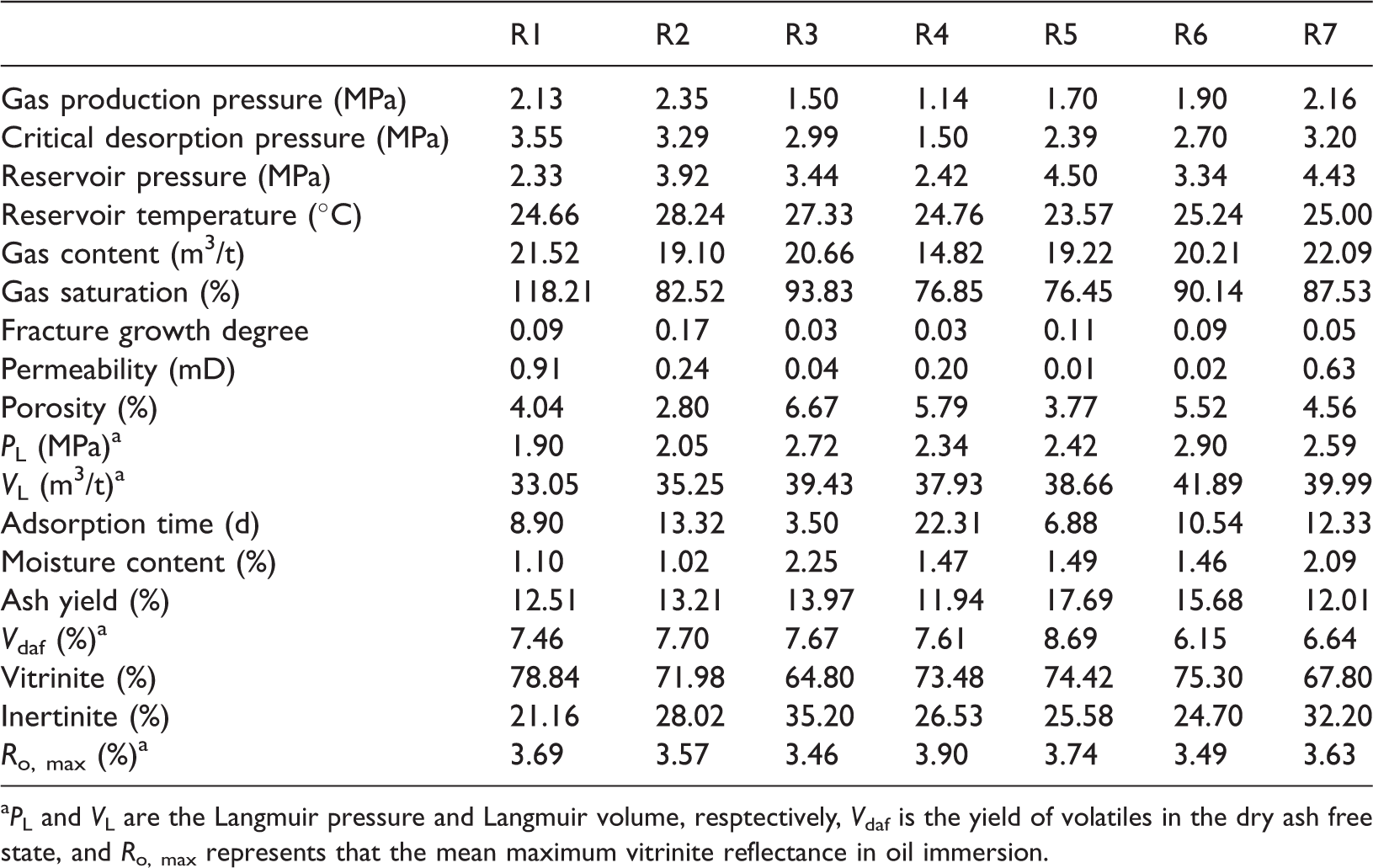
PL and VL are the Langmuir pressure and Langmuir volume, resptectively, Vdaf is the yield of volatiles in the dry ash free state, and Ro, max represents that the mean maximum vitrinite reflectance in oil immersion.
Grey relational analysis
The grey relation refers to the uncertain association between the objects. The basic role is to describe the contribution degree of the factors to the main variable. It has been widely used in the exploration and development of CBM. The procedure of grey relational analysis is as follows (Huang and Wang, 2016).
According to equations (1) and (2), the parent sequence and subsequence were determined to form the original data matrix.


where b. The units and order of magnitudes differ greatly for different factors, so it is necessary to standardize each sequence so that the data are comparable. The normalization process is described by equation (3)

where c. The absolute difference between the subsequence and the parent sequence for the same parameter well was calculated, and the maximum and minimum values were obtained by equation (4).

where d. The relational coefficient between GPP of CBM and various factors could be calculated based on the following equation (5).

where ξ is the distinguishing coefficient, and it usually takes the value of 0.5.
e. The average value of relational coefficients is the relational grade of each factor to the GPP of a CBM well (equation (6)).

where ri,0 is the relational grade.
Principal component analysis
The GPP of a CBM well is often affected by many parameters, and there may be correlations among these parameters and may lead to the overlap of information. Meanwhile, the analysis is more difficult with increasing parameters. Principal component analysis can convert a number of related parameters into unrelated comprehensive parameters, thus reducing the redundant data and dimensionality of multivariate datasets. These comprehensive parameters with most of the information of original parameters (Khanal et al., 2017) are linear combinations of original parameters. The comprehensive parameter with maximum variance was described as the first principal component, followed by the second principal component and so on. The information contained in principal components was in descending order. The information in each principal component did not overlap with others. The cumulative variance contribution rate of principal components was generally higher than 85%. Finally, a regression analysis model was established by using the principal components. The calculation process was completed by SPSS 11.5. The detailed analysis procedure is as follows.
a. For the convenience of calculating the principal component, all parameters need to be standardized. The normalization process can be described by equation (7).

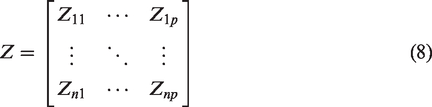
where xij is the value of parameter j in the well n. xj and sj are the mean and standard deviation of the parameter j, respectively. n is the number of parameter wells, and p is the number of parameters. Normalized matrix Z can be obtained according to equation (8).
b. SPSS 11.5 was used to obtain the eigenvalues, eigenvectors and variance contribution rates of each component. A cumulative variance contribution ratio of more than 85% was taken as the principal component. The principal component matrix F was calculated based on the principal component eigenvector and the normalized parameter. The eigenvector matrix of principal component was A, and the principal component matrix is as follows (equation (9)).

where n, m and p, respectively, are the number of parameter wells, the number of principal components and the number of parameters, m ≤ p.
c. The linear regression analysis of target parameter and principal component matrix was carried out by SPSS 11.5, and the regression equation is as shown in equation (10).

where Y is the predicted value of the GPP of a CBM well. β is the fitting coefficient. Α is a constant.
Results and discussion
Evaluation and analysis of influencing factors
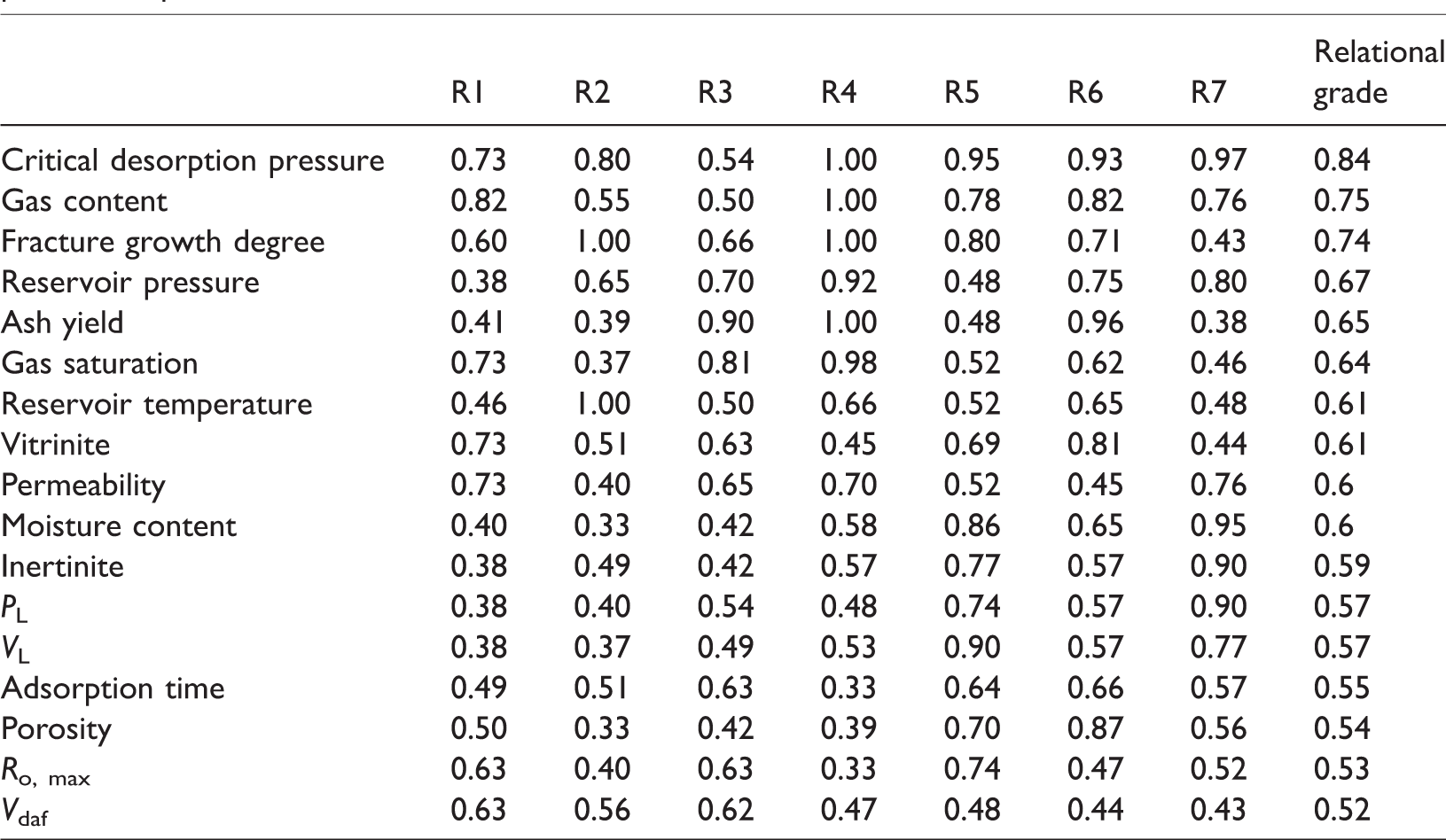
According to the grey relational model, the relational coefficient and relational grade between each parameter and the GPP of a CBM well were obtained (Table 2). As shown in Table 2, the relational grade above 0.6 is approximately 61% and that above 0.7 is approximately 17%. The maximum value of relational grade is 0.84 (CDP). These results indicate that there are many factors affecting the GPP of a CBM well, but the relationships between these factors and the GPP of a CBM well are not obvious, reflecting the complexity of the factors.
Relational coefficient and relational grade between parameters of coal reservoir and gas production pressure of a coalbed methane well.
According to previous research (Wu et al., 2007, 2014), the energy of coal reservoir including the energy of coal matrix, water and gas is the motive force of CBM migration. Compared with the energy of coal matrix and gas, the energy of water could be ignored. The energy of coal matrix is related to stress conditions and mechanical parameters. The energy of gas is closely related to reservoir pressure, gas content and reservoir temperature. Meanwhile, the CDP and gas saturation are related to gas content and reservoir pressure. The reservoir energy is used in this study to replace the energy of gas. This study analysed the energy of gas from a qualitative perspective. Gas content and gas saturation are gas bearing characteristics of coal reservoir. The reservoir temperature and reservoir pressure are the temperature and pressure condition of coal reservoir. Therefore, the energy of coal reservoir is controlled by the gas bearing characteristics of coal reservoir and the temperature and pressure condition. Fracture growth degree, permeability and porosity mainly have impacts on migration ability. Ash yield, moisture content, volatile matter, vitrinite, inertinite, adsorption time and coal rank mainly affect the adsorption and desorption of CBM. In this context, the influencing factors of GPP were divided into three categories of reservoir energy parameters, migration channel parameters and characteristic parameters of adsorption and desorption. The relationships among them were illustrated in Figure 1.
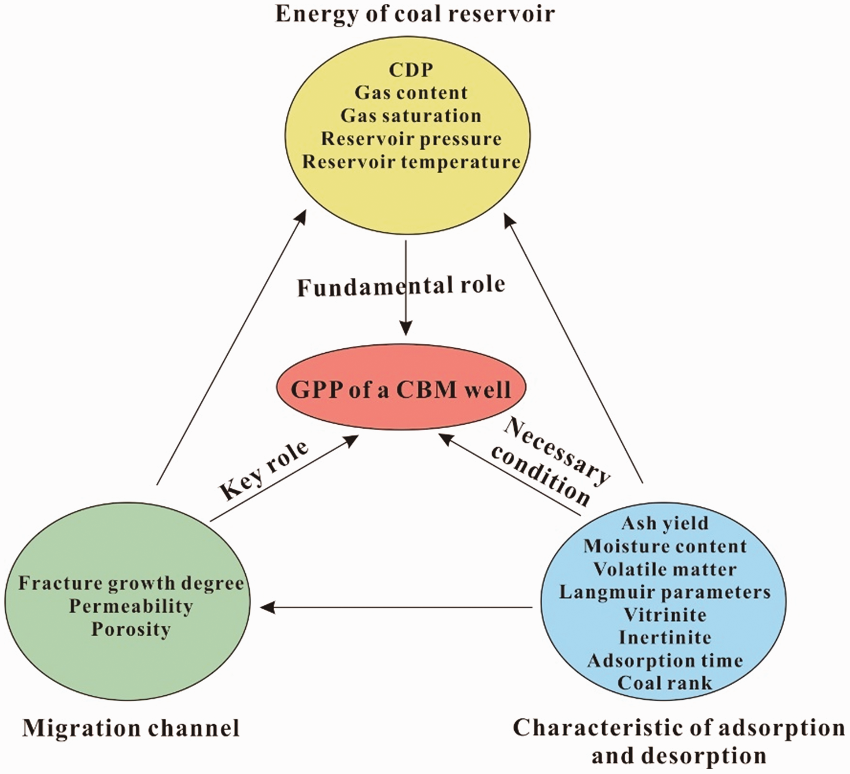
Diagram of influence factors of gas production pressure.
Energy of coal reservoir which provides power for the migration of CBM plays the fundamental role. The migration channel determining the energy loss of coal reservoir is the key role. The characteristics of adsorption and desorption are the necessary conditions for CBM production. It indirectly affects the energy of coal reservoir and migration channel. Considering the large number of parameters, the relational grade of more than 0.6 was emphatically analysed.
Energy of coal reservoir
The energy of coal reservoir plays a tremendous role in the development of CBM (Wu et al., 2007). It provides power for the migration of CBM. The results of grey relational analysis demonstrate that the relational grade between the energy parameters of coal reservoir and the GPP of a CBM well is above 0.6, which indirectly reflects the fundamental role of reservoir energy. With the increasing CDP (Figure 2(a)), gas content (Figure 2(b)), reservoir pressure (Figure 2(c)), reservoir temperature (Figure 2(d)) and gas saturation (Figure 2(e)), the GPP of CBM presents an increasing trend.
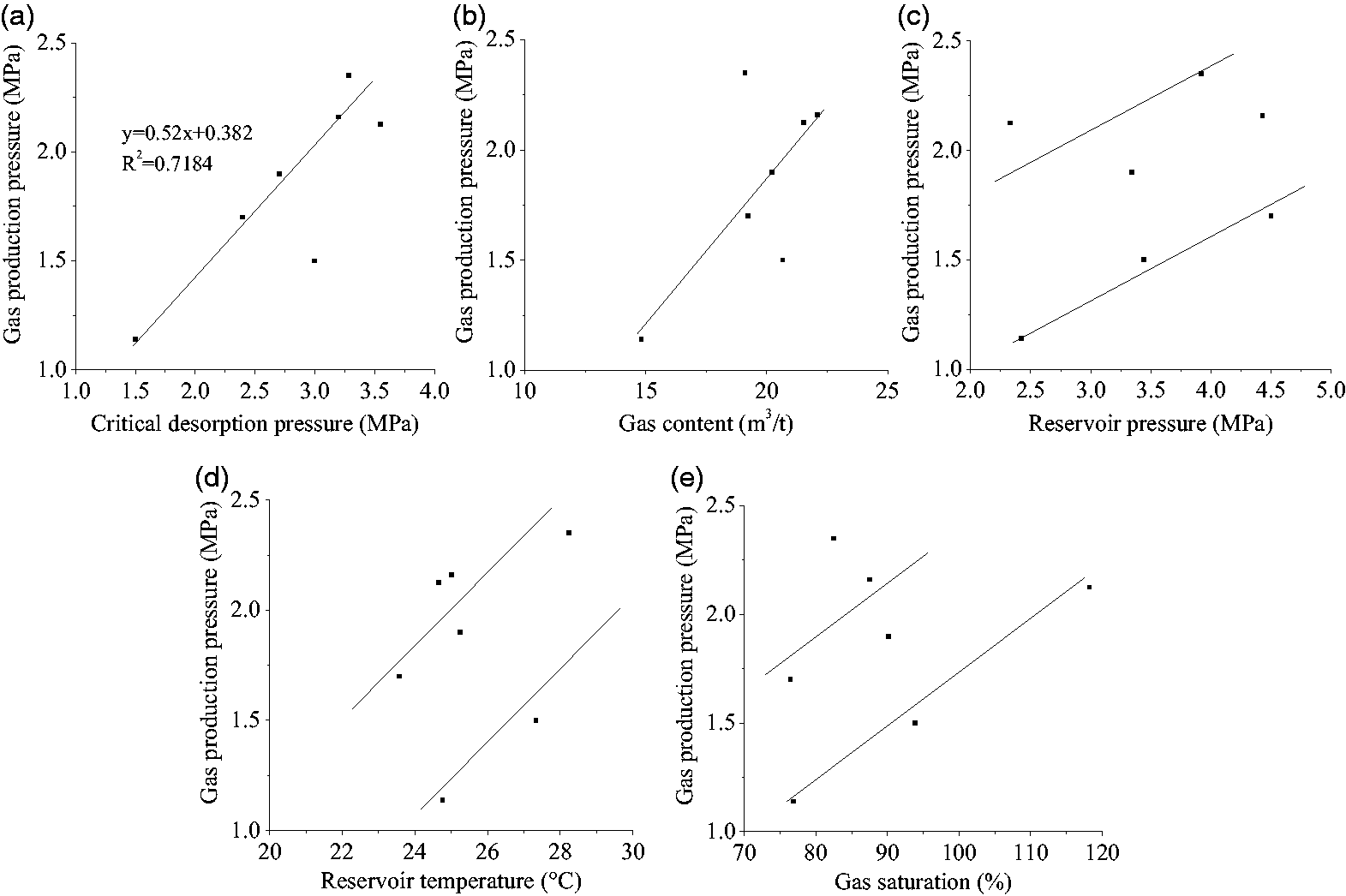
Relationship between energy parameters of coal reservoir and the gas production pressure, (a) critical desorption pressure, (b) gas content, (c) reservoir pressure, (d) reservoir temperature and (e) gas saturation.
The CDP is closely related to the gas content (Figure 3). The increase in gas content is associated with increase in gas saturation and CDP, which enhances the power of CBM output. Therefore, the GPP of the CBM well increases. With increasing reservoir temperature, the thermal movement of gas molecules accelerates, and the viscosity of gas decreases, which leads to the increase of reservoir energy and the decrease of reservoir energy loss. Meanwhile, desorption of CBM could also be promoted. Thus, the GPP of a CBM well was increased.
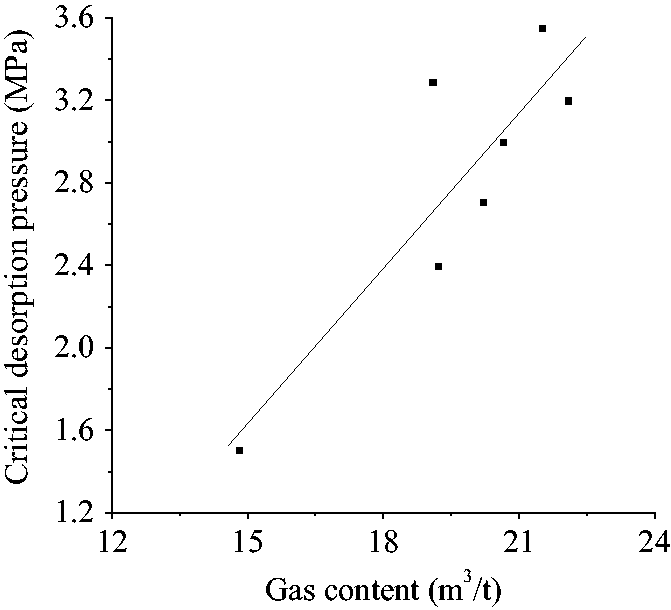
Relationship between critical desorption pressure and gas content.
Reservoir pressure is a comprehensive expression of gas pressure and water pressure. For a CBM well, it is impossible to measure the gas pressure. Gas pressure can be obtained by indirect method according to the standard of AQ 1026–2006. It is calculated by equation (11).

The high reservoir pressure caused by gas pressure can increase the power of diffusion and seepage of the gas, leading to the increase of the GPP of a CBM well (Figure 4). However, the high reservoir pressure caused by water pressure has dual effects on CBM production, and the relationship between water pressure and GPP is not obvious (Figure 4). Therefore, the relational grade between reservoir pressure and the GPP of a CBM well is relatively low. Although the GPP of a CBM well increases with increasing reservoir pressure, it is still independent from reservoir pressure.
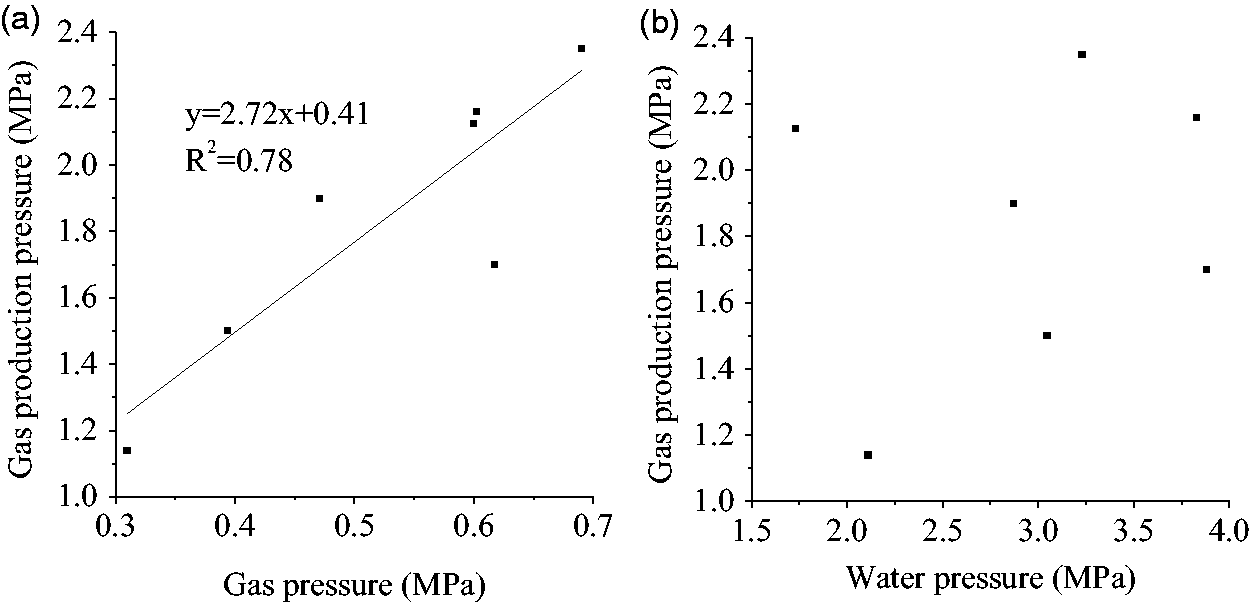
Relationship between gas pressure, water pressure and gas production pressure, (a) gas pressure and (b) water pressure.
Migration channel
With enough energy, coal reservoir needs channels to produce CBM. Therefore, the migration channel is key to the production of CBM. The CBM desorbed from the surface of coal matrix enters the wellbore through diffusion and seepage. The migration resistance of the whole process is closely related to the GPP of a CBM well. The results of grey relational analysis show that the fracture growth degree and permeability of coal reservoir are closely related to the GPP of a CBM well. To some extent, the porosity can indirectly reflect the permeability. Therefore, the relationship between porosity and GPP of a CBM well is weaker than that of permeability. The microfractures of coal are the main channel for seepage and output of CBM. The more the microfractures develop, the smaller the seepage resistance is. Developed microfractures make CBM easier to diffuse and seep into large fractures. As presented in Figure 5, with the development of fractures (Figure 5(a)) and the increase of permeability (Figure 5(b)), the GPP of a CBM well has an increasing trend.
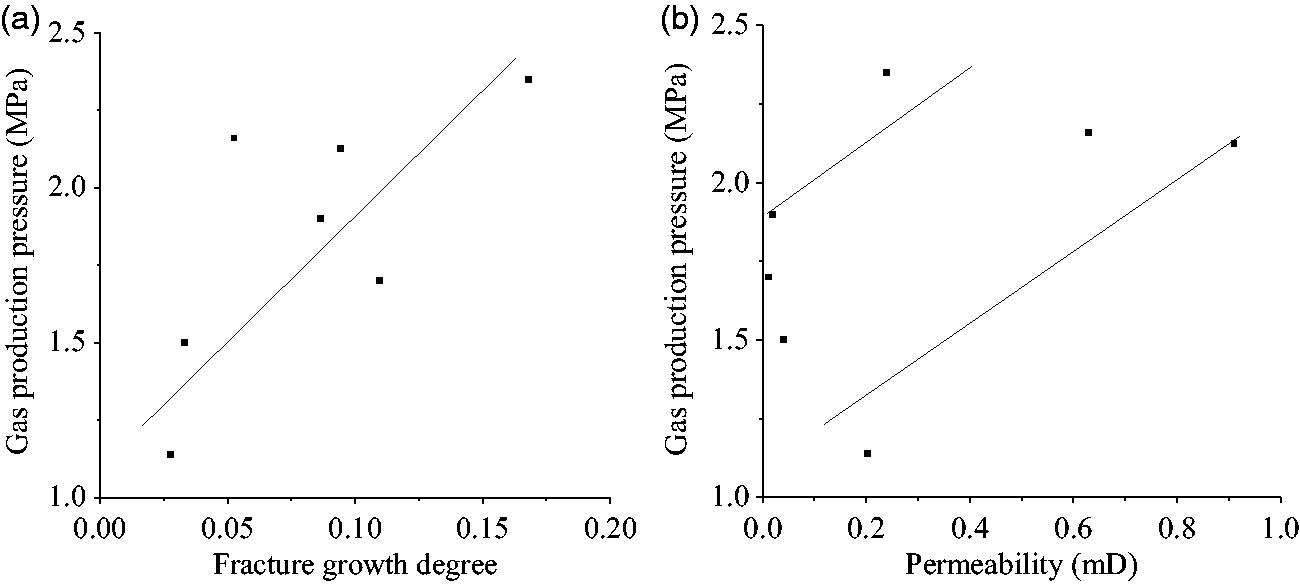
Relationship between migration channel parameters and gas production pressure, (a) fracture growth degree and (b) permeability.
Characteristics of adsorption and desorption
The characteristics of adsorption and desorption are the indirect reflection of reservoir energy and migration channel. They can affect the gas bearing property, the desorption rate of CBM and the development of microfractures. As observed in Figure 6, with increasing ash yield (Figure 6(a)) and moisture content (Figure 6(c)), the GPP of a CBM well shows a downward trend. With increasing vitrinite content (Figure 6(b)), the GPP of a CBM well displays an upward trend.
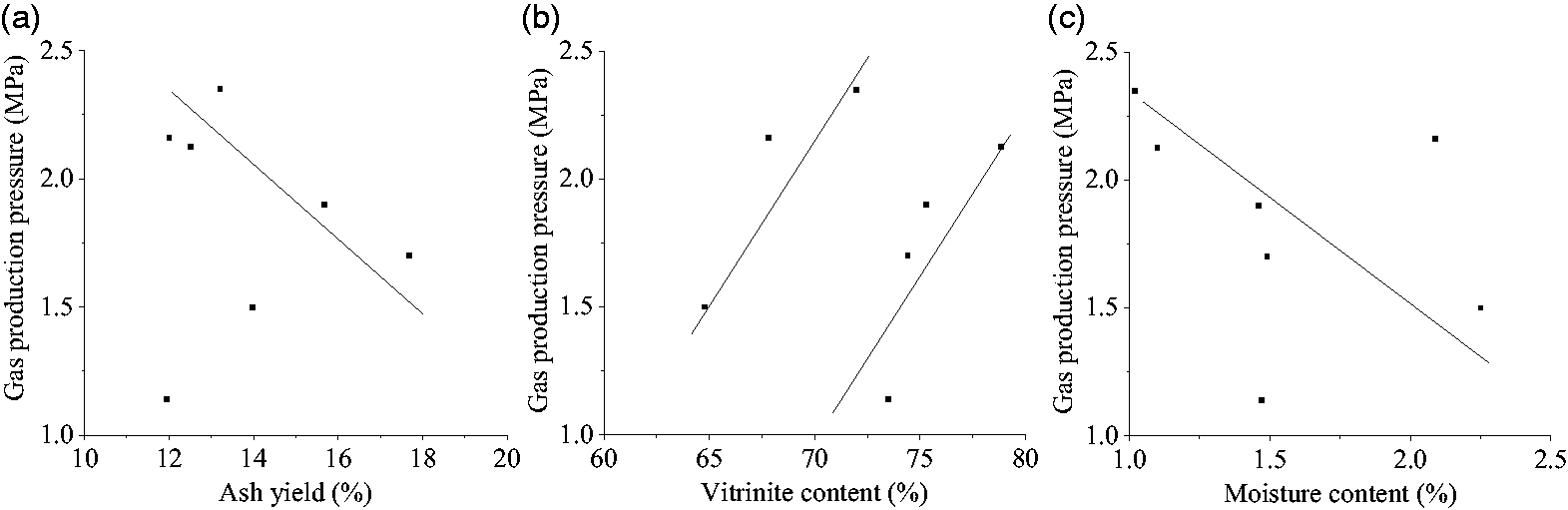
Relationship between characteristic parameters of adsorption and desorption and gas production pressure, (a) ash yield, (b) vitrinite content and (c) moisture content.
Ash is mainly derived from inorganic mineral, and basically does not adsorb gas. The higher the ash content is, the weaker the adsorption capacity of coal reservoir is. Moreover, the increasing ash yield in coal reservoir will also influence the desorption rate. Water can occupy the adsorption space of CBM and hinder the migration . The high moisture content will lead to the decrease of CBM content (Hu et al., 2014) and the increase of migration channel resistance (Liu and Wu, 2017), which will decrease the GPP. The yield of volatile matter is closely related to coal rank, so it is an indirect reflection of gas bearing characteristic. With increasing coal rank, the gas content initially increased and then decreased. After reaching a certain degree of maturity, the gas content decreases sharply. In the studied area, Ro, max is more than 3.4. The gas content shows a rapid decreasing trend (Figure 7), which caused some impacts on the energy of coal reservoir. The hydrocarbon-generating ability of the three macerals of coal is obviously inconsistent, such that the hydrocarbon-generating ability of vitrinite appears to be stronger. Moreover, the macerals also affect the fracture growth degree. The gas content and fracture growth degree are enhanced with increasing vitrinite content (Figure 8).
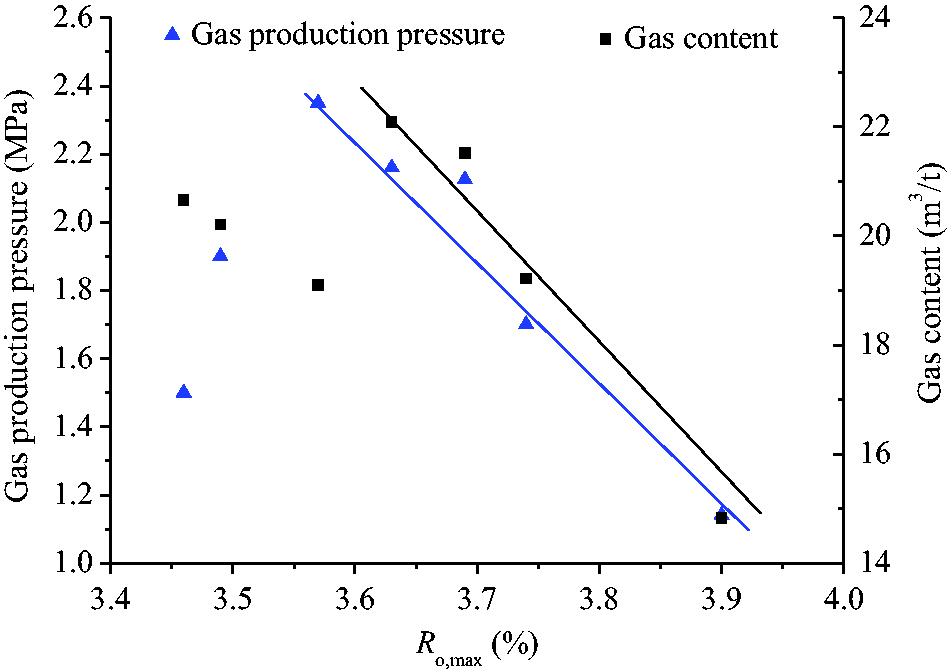
Variation of gas production pressure and gas content with Ro, max.
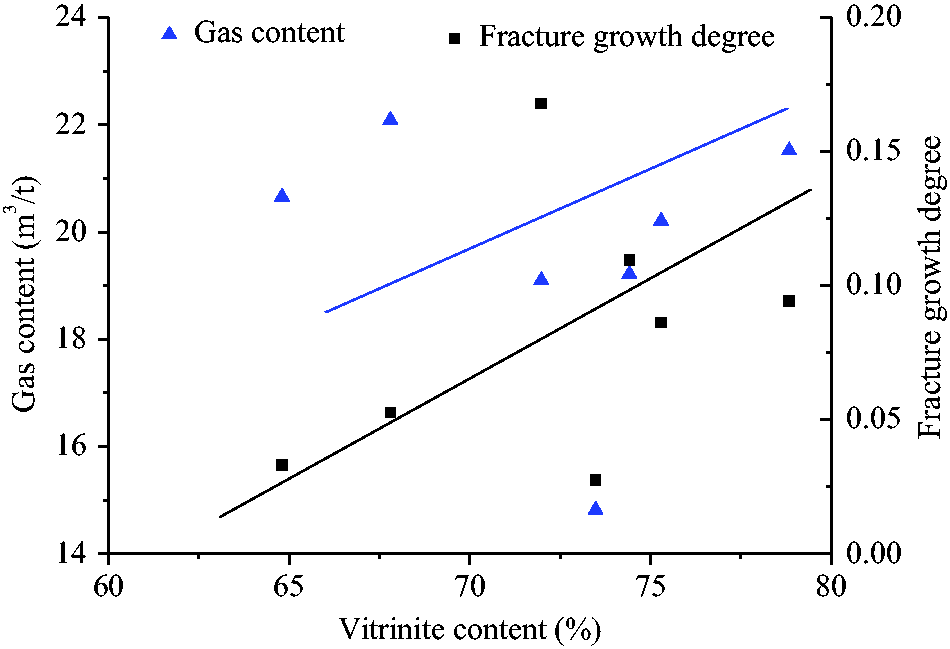
Influence of vitrinite content on gas content and fracture development.
The above analyses show that there are many influencing factors for the GPP of a CBM well and there is no very significant relationship with a single parameter, which is consistent with the grey relational analysis. Therefore, in order to facilitate the analysis, it is necessary to integrate a number of parameters into a few main parameters.
Prediction of GPP
According to the above analysis, there is a direct or indirect relationship between each parameter and the GPP of a CBM well. The overlap of information among parameters is serious. Therefore, it is necessary to simplify these factors and eliminate the overlapped information. Principal component analysis has significant advantages in this aspect. Considering the difficulty of obtaining all reservoir parameters, this study used as few parameters as possible to ensure the prediction accuracy. Based on the results of grey relational analysis, the principal component analysis was carried out with the parameters with a relational grade to GPP of a CBM well above 0.6. Finally, the GPP of a CBM well was predicted by the established regression model.
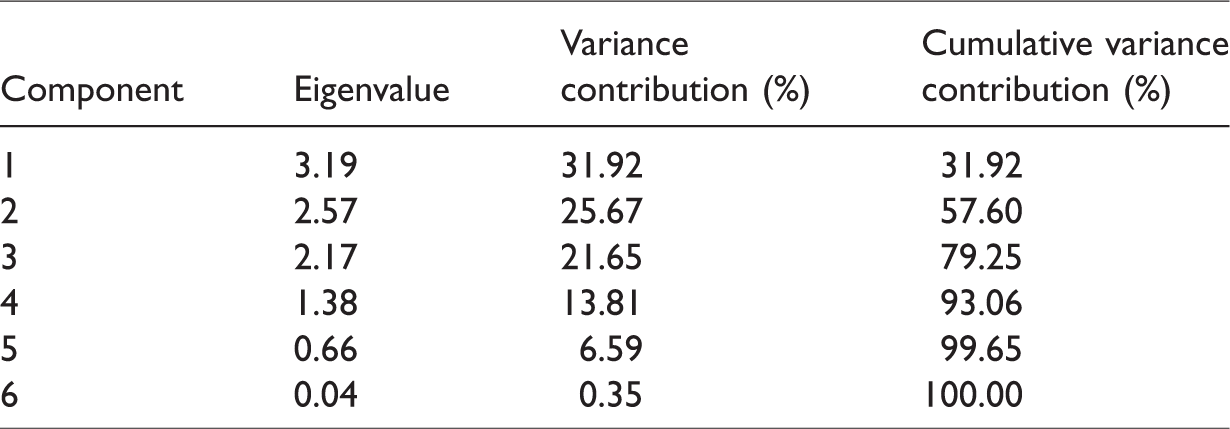
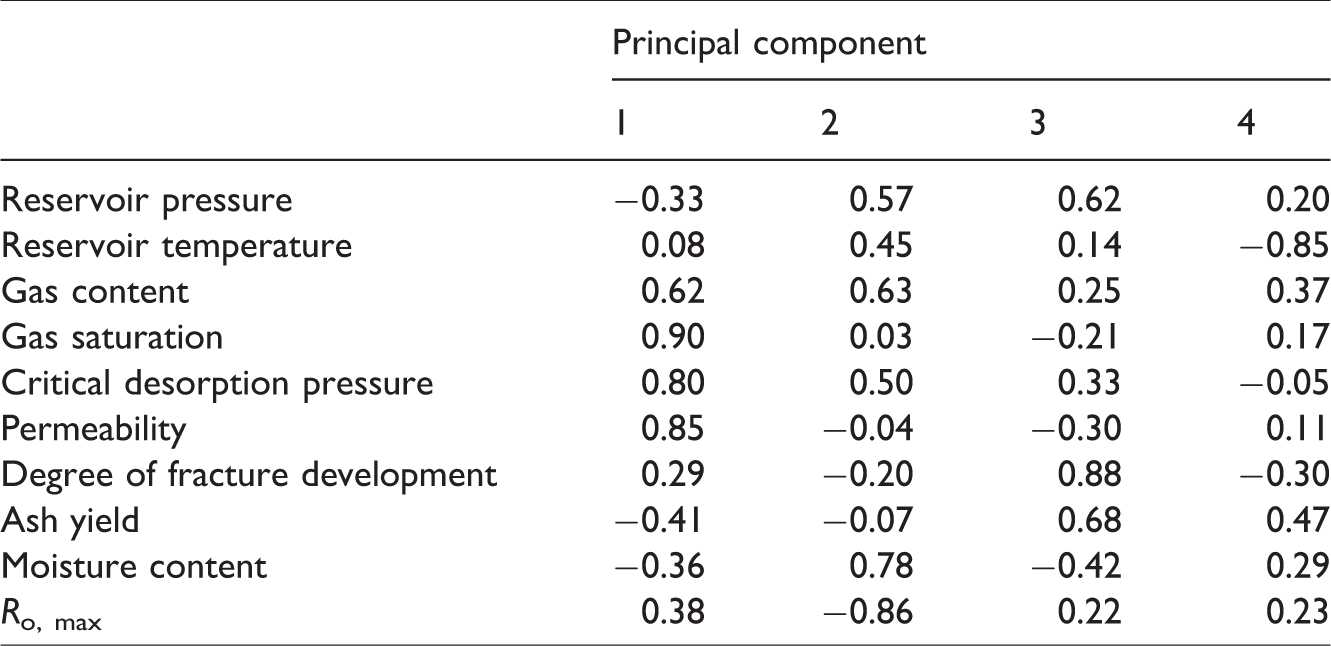
According to the results of grey relational analysis, reservoir pressure, reservoir temperature, gas content, gas saturation, CDP, permeability, fracture growth degree, ash yield, moisture content and vitrinite content were selected for principal component analysis. As a standard of principal component analysis, cumulative variance contribution rate should be greater than 85% in this study. Table 3 shows the eigenvalue and variance contribution rate of each component. Four principal components were obtained. The eigenvalues of the four principal components are above 1 and contain 93.06% of the information. As presented in Table 3, all the information could be contained when the number of principal components increased to 6, indicating that the information contained in each parameter is seriously overlapped with others. The loading of each reservoir parameter for the four principal components is shown in Table 4. It could be seen that the first principal component mainly contains the information of gas content, gas saturation, CDP and permeability. It is a comprehensive reflection of reservoir energy and migration channel. The second principal component mainly includes the information of gas content, moisture and coal rank. The loading of water and coal rank is larger, mainly reflecting the characteristics of adsorption and desorption. The third principal component mainly contains the message of reservoir pressure, fracture growth degree and ash yield. The loading of fracture growth degree is larger, mainly reflecting the information of migration channel. The fourth principal component mainly comprises the information of reservoir temperature, mainly reflecting the reservoir energy. From the information contained in the four principal components, the loading of the reservoir energy information is relatively larger. It also reveals that the reservoir energy is the basis of CBM production.
Eigenvalue and cumulative variance contribution rate for each component.
Loading of each reservoir parameter in four principal components.
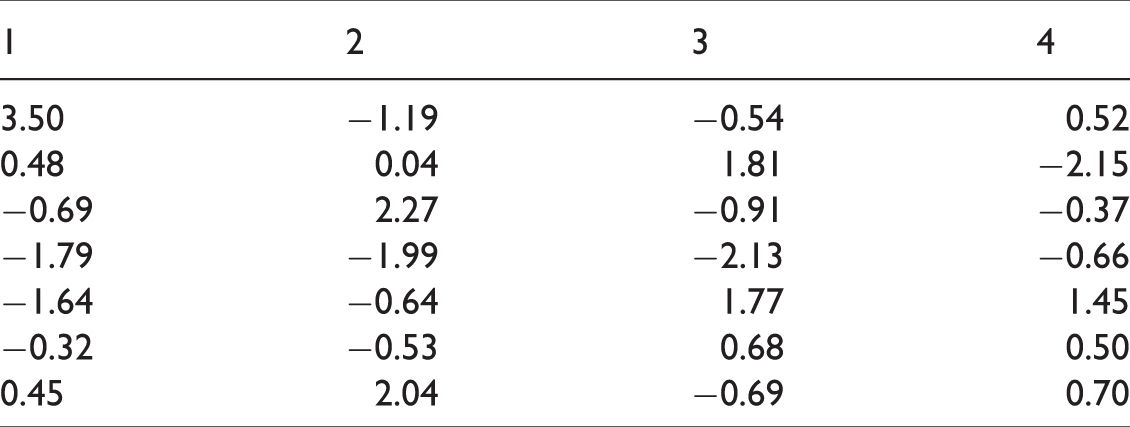
According to equation (9), the principal component matrix was obtained (Table 5). The regression equation was gained by linear regression analysis of the GPP of a CBM well and principal components.

Principal component matrix.
According to the regression equation, the predicted value and the actual GPP of a CBM well have a higher fitting degree (R2 = 0.8661, Figure 9). The prediction value is better than that of CDP (R2 = 0.7184). It is found that the error is less than 5% except R3 and R7 by comparing the predicted value with the actual value. The error may be related to the record of the dynamic liquid level of the actual gas production. Besides, with increasing principal components, the accuracy of the prediction result continues to improve.
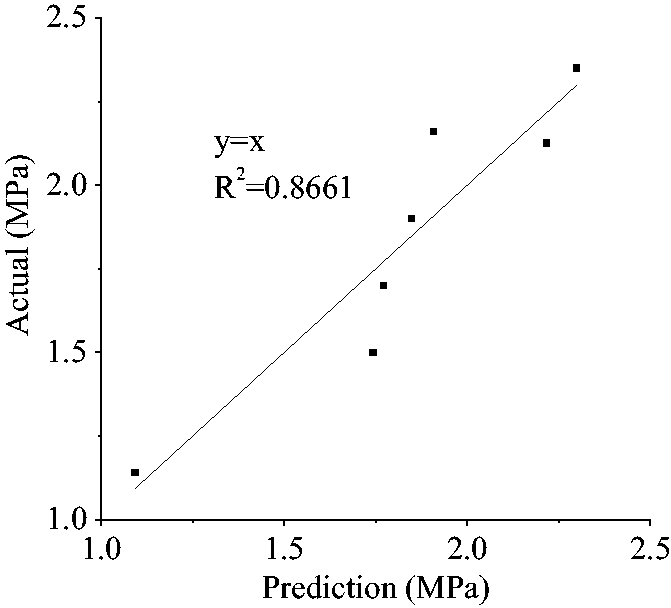
Actual value and predicted value of gas production pressure.
Conclusions
The influence of physical properties of coal reservoir on the GPP of a CBM well was analysed and evaluated by grey relational analysis. According to the analysis results, the main control factors (correlation degree >0.6) were selected, and the GPP of a CBM well was forecasted according to the principal component regression analysis. The results show that the GPP of CBM well is mainly affected by the energy of coal reservoir, migration channel and characteristics of adsorption and desorption. Reservoir energy plays a fundamental role, and migration channel plays a key role. Characteristics of adsorption and desorption are necessary. The results of grey relational analysis present that the relational grade between the energy parameters of coal reservoir and GPP of a CBM well is the highest, followed by the parameters of migration channel and the characteristic parameters of adsorption and desorption. The results of principal component analysis illustrate that the information of the energy parameters of coal reservoir has the largest loading among the four principal components. The results of grey relational analysis and principal component analysis confirm that energy is the fundamental, migration channel is the key, and adsorption and desorption are the necessary condition in the process of CBM output. Finally, a prediction model of the GPP of a CBM well was obtained through linear regression. The similarity between the predicted value and the actual GPP of a CBM well shows high consistency. Furthermore, the quantitative relationships between reservoir energy and parameters need further study.
Footnotes
Authors’ note
Xiaolei Liu is also affiliated with School of Safety Science and Engineering, Henan Polytechnic University, Jiaozuo 454003, China. Xiaoyang Zhang is now affiliated with College of Earth Sciences & Engineering, Shandong University of Science and Technology, Qingdao, China.
Declaration of conflicting interests
The author(s) declared no potential conflicts of interest with respect to the research, authorship, and/or publication of this article.
Funding
The author(s) disclosed receipt of the following financial support for the research, authorship, and/or publication of this article: This work was supported by the National Natural Science Foundation of China (41572140, 41872170), the National Major Special Project of Science and Technology of China (2016ZX05044001), the Fundamental Research Funds for the Central Universities (2015XKZD07), and the Qing Lan Project.