




Abstract
The present work explores the use of argemone mexicana (non-edible and adulterer to mustard oil) biodiesel in multicylinder compression ignition, indirect injection engine. Argemone Mexicana biodiesel was produced by transesterification process and the important physico-chemical properties of various blends were investigated. Blends of diesel/biodiesel (AB10, AB20, AB30 and AB40) were prepared and used for analysing the engine performance and emission characteristics at varying loads (0, 25, 50 and 75%) and speeds (2500–4000 r/min). The results show improvement in indicated thermal efficiency and indicated specific fuel consumption with increased proportion of biodiesel in diesel, when compared to conventional diesel. In addition, exhaust emissions such as carbon monoxide, unburnt hydrocarbon and smoke opacity were significantly reduced by AOME/diesel blends. The improvement in engine performance and exhaust emissions were observed up to 30% blending of AOME/diesel. Beyond that, higher blend (AB40) showed deterioration in performance characteristics in contrast to AB30 but still better as compared to conventional diesel.
Introduction
The energy demand of the world is primarily met through non-renewable sources; such as coal, natural gas and oil. Dependency on these sources can create serious energy security problems, because of their depletion at a fast rate. The transport sector globally is dependent on liquid fossil fuels. As a result, the world’s demand for crude oil has increased by 751 MT from 2000 to 2014 (Statistical review of world energy and resources, 2014). The last 15 years have seen a drastic increase of 19.6% in consumption of crude oil (Statistical review of world energy and resources, 2014). There have been many predictions regarding the depletion of crude oil fossil fuel reserves at different times. Though researchers have difference of opinion regarding depletion of global crude oil reserves, but all agree that the end of oil age is not very far. Besides this threat, the world is also facing the challenge of gradual degradation of environment due to the burning of fossil fuels, due to which the global surface temperatures are likely to increase by 1.1℃ to 6.4℃ between 1990 and 2100 (Intergovernmental Panel on Climate Change, 2014).
To address these issues, biofuels promise a ray of hope, as they have practically no sulphur and aromatic contents and thus no emissions of SO2 and polycyclic aromatic hydrocarbons (PAH) (Demirbas, 2007; Trewella et al., 2015). The biofuels have the potential to improve performance and emission characteristics of the engine due to more oxygen content (Tomic et al., 2014). Biofuels are also said to be carbon neutral as the amount of carbon dioxide released by their combustion is same as absorbed by plants during their growth (Sorate and Bhale, 2014).
Keeping in view the benefits of biofuel utilization and reducing the dependence on imported fossil fuel, USA and EU have made it mandatory to use the blends of biofuels with fossil fuels (Jank et al., 2007). Asian countries like India and China have also made a road map to use 10–15% blending of biodiesel by year 2020. The liquid biofuels mainly consist of ethanol and biodiesel. Ethanol is produced from crops containing sugar and starch and biodiesel is obtained from oil seeds. In the recent years, there have been numerous investigations in which biodiesel has been identified as a potential alternative fuel for diesel engines. Since biodiesel is made from vegetable oils (edible or non-edible); thus, abundantly available vegetable oil in a specific region is the leading source for biodiesel production. Therefore, the feedstock for biodiesel production are country specific, e.g. European countries use rapeseed and sunflower oil (Labecki et al., 2012), USA use soya-bean and animal fats (Srivastava and Prasad, 2000), and palm oil has been predominantly used by tropical countries (Mei et al., 2008) as a source of biodiesel. Enhancement in production of biodiesel, by these conventional feedstocks is not feasible; as it may result in global food crisis (Patel and Shah, 2015). Also, the country like India is deficient in edible oils. Therefore, there is a need to thoroughly explore all the available options.
Jatropha (Chauhan et al., 2010) and karanja (Mamualiya and Lal, 2015) are the leading non-edible sources that have been mentioned in literature as an alternative fuel for diesel engine. The other potential non-conventional non-edible sources available are azadirachta indica or neem (Dhar et al., 2012), yellow oleander (Adebowale et al., 2012), luffa cylindrical (Oniya and Bamgboye, 2014) and argemone mexicana (Kumar and Sharma, 2011).
It is also reported that different feedstocks of bio-diesel behave differently in a CI engine as they have different free fatty acid profile (Mustafa and Havva, 2008; Rakopoulos et al., 2008). The operating conditions of the engine also have a significant effect on its performance and emission characteristics (An et al., 2012; Qi et al., 2009). Authors observed that most of the previous studies were conducted on constant speed engines. Agarwal and Rajamanoharan (2009) carried out experimentation on single cylinder constant speed CI engine and observed that the Karanja oil blends with diesel up to 50% (v/v) would replace diesel for running the CI engine for lower emissions and improved performance. Dhar et al. (2012) also found improvement in brake thermal efficiency and emission characteristics of a single cylinder constant speed engine fuelled with neem oil biodiesel.
There are very few investigations dedicated to study the effect of biodiesel on engine performance and emissions on a variable speed multi-cylinder engine. An et al. (2012) performed a series of experimentation on multi cylinder DI engine with transesterified waste cooking oil. They reported that biodiesel and its blends show improvement in engine performance and emission characteristics at full load. The reason suggested was high injection pressure that leads to proper atomization of fuel which dominates the higher viscosity effect of biodiesel. However, low load condition results in decreased BTE, and higher CO and HC emissions. Tesfa et al. (2013) tested waste oil, rapeseed oil and corn oil in a multi-cylinder CRDI variable speed engine and observed higher peak cylinder pressure of the engine running with biodiesel blends. The main reason mentioned for a higher in-cylinder pressure is due to the advanced combustion process being initiated by the higher lubrication effect of biodiesel and its other relevant physical properties such as viscosity, density and bulk modulus. Further the studies on utilization of argemone methyl ester on CI engine are scanty in literature. For acceptance of biodiesel as a fuel by transport sector, more studies need to be conducted under variable speeds & load conditions. The present work uses argemone mexicana as a source for bio-diesel. The use of argemone mexicana for biodiesel production may discourage its adulteration with mustard oil, which may result in a disease called Epidemic Dropsy (Ansari et al., 2004; Das and Khanna, 1997).
In this study, various blends of diesel/AOME (AB10, AB20, AB30 and AB40) were prepared and used as a fuel in CI engine. The objective is to investigate the performance (thermal efficiency, indicated mean effective pressure, specific fuel consumption and exhaust gas temperature (EGT)) and emission characteristics (NOx, CO, HC, CO2 and smoke) of a variable speed multicylinder turbocharged indirect injection (IDI) engine using various diesel/AOME blends. All these parameters were measured at 0%, 25%, 50% and 75% load conditions.
Material and method
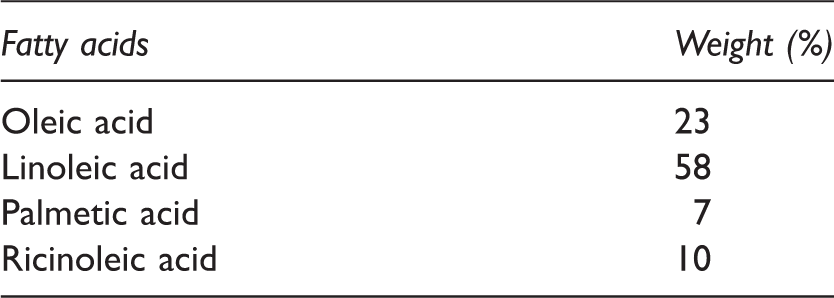
Fatty acid composition of argemone seed oil.
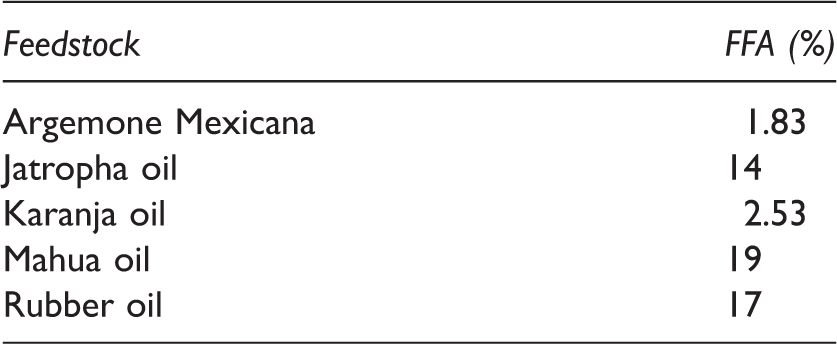
Comparison of FFA of argemone oil methyl ester with other biodiesel feedstocks.
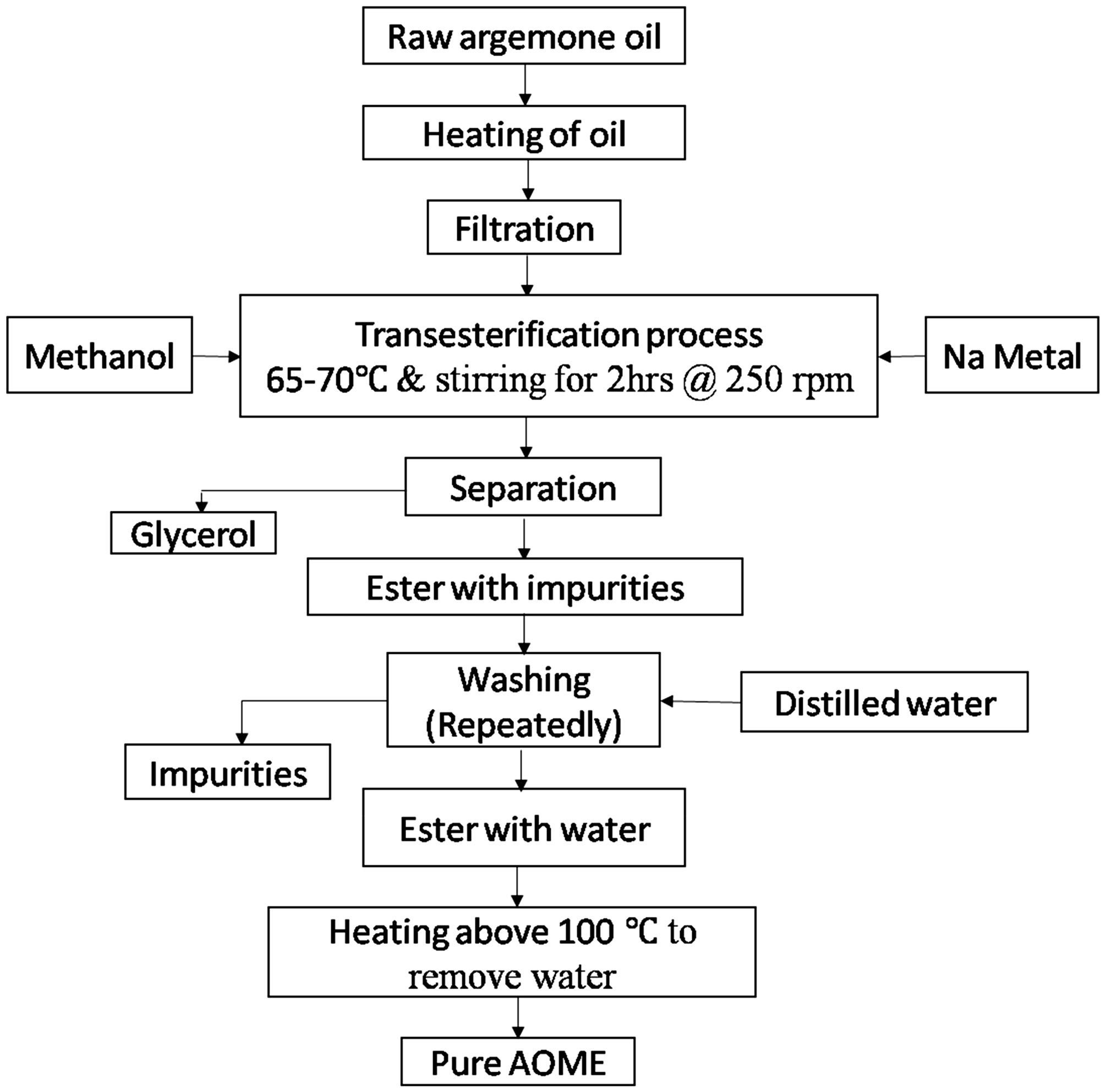
Flowchart of transesterification process.
This mixture was then added to 1000 ml CAO (preheated to 80℃). After that, the mixture was kept under constant agitation to maintain the uniform heat transfer rate in the system. An electric motor was used for agitation at 250 r/min, and the temperature was maintained between 65 and 70℃. At the end of the reaction, the mixture was allowed to settle. The lower glycerol layer was drawn off while the upper layer of methyl ester was washed to remove entrained glycerol. The excess methanol and water were removed by heating the AOME for 4–5 minutes at a temperature of 100℃.
Experimental setup
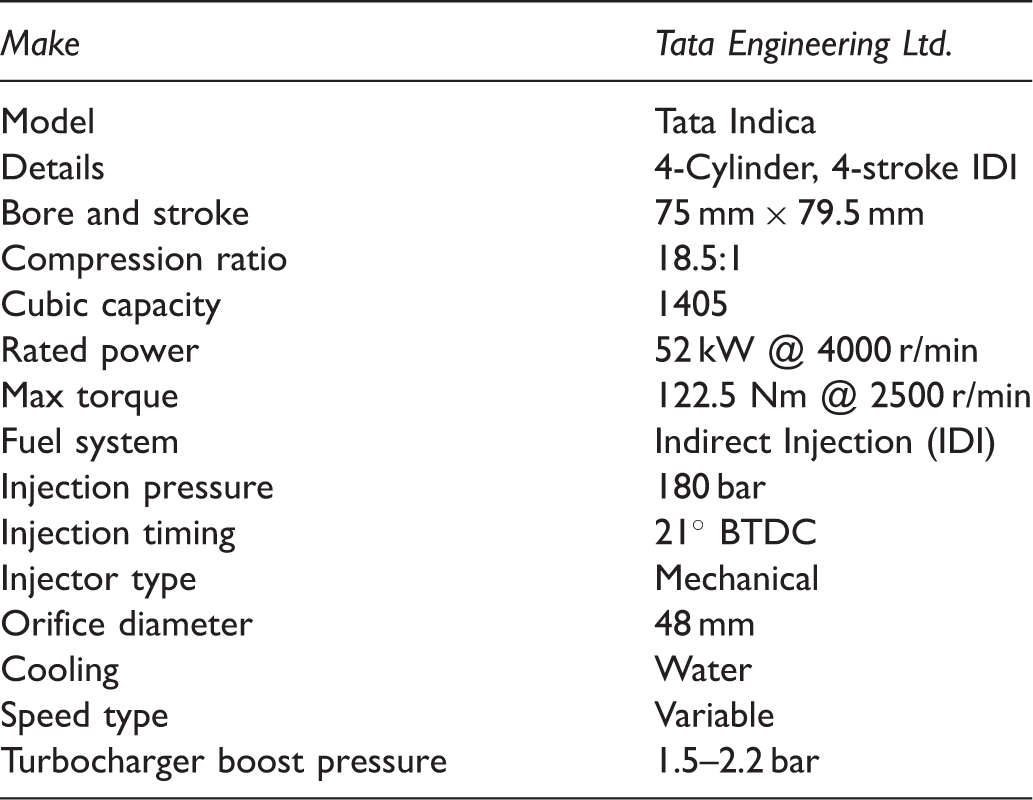
Engine specifications.
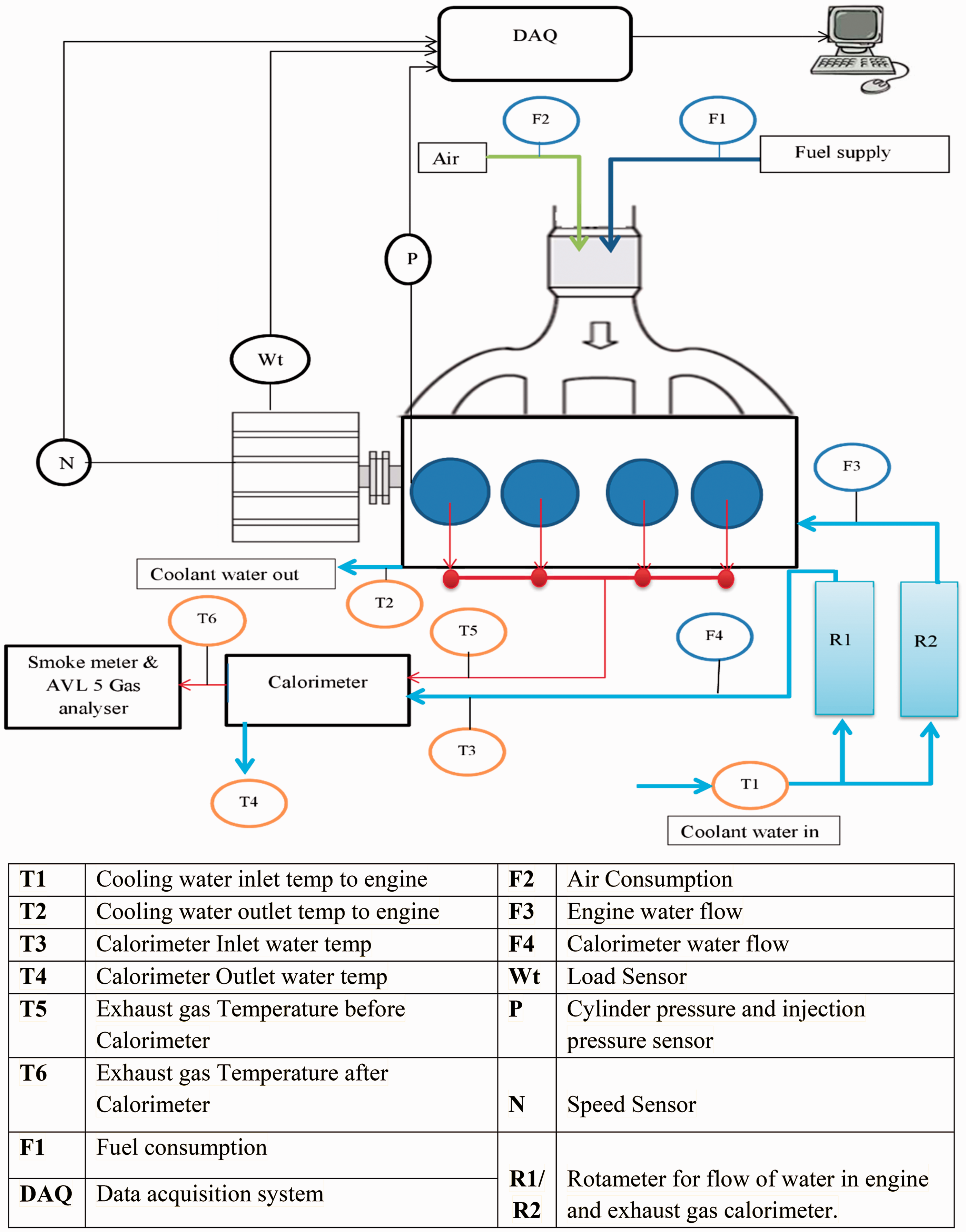
Schematic diagram of engine.
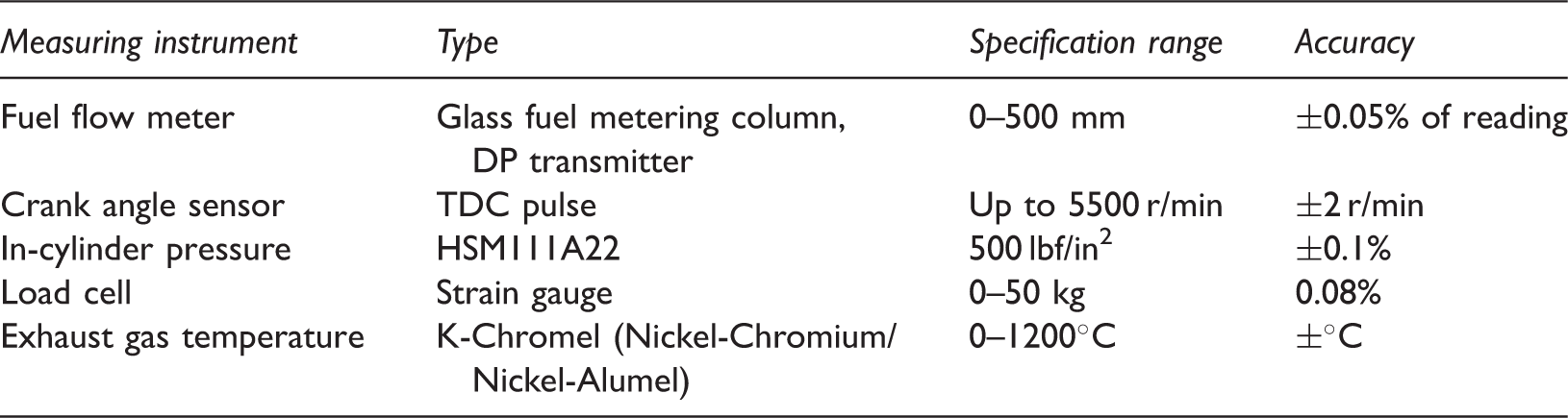
Measuring instrument specification.
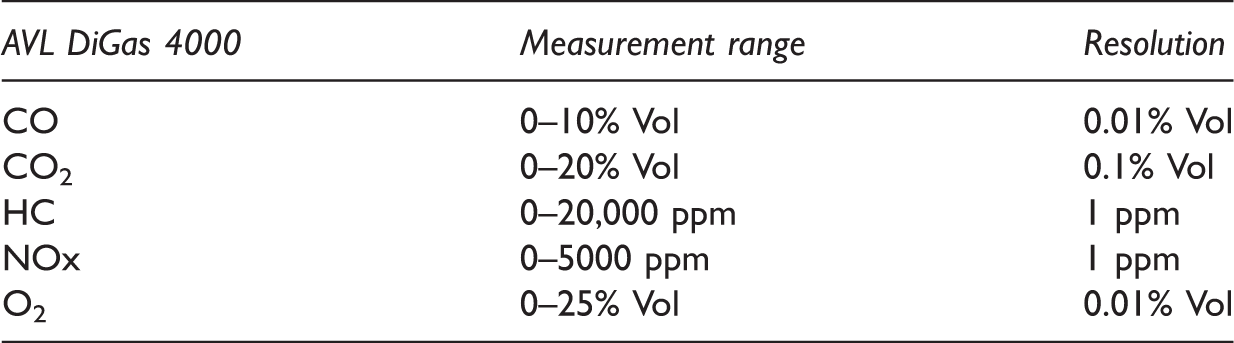
Specifications of emission analyser.
Experimental methodology
In this exertion, various blends of AOME/diesel (AB10, AB20, AB30 and AB40) were prepared by turbulent mixing. The biodiesel blends were monitored for 2 weeks and no layer separation was observed. It might be due to very less density difference of biodiesel and petro-diesel. Before testing various diesel/argemone biodiesel blends in an engine, various measuring instruments such as: temperature sensor, cylinder pressure sensor, crank angle sensor, etc. were completely checked and cleaned. Cylinder-1 was equipped with cylinder pressure sensor and proper working of all the four cylinders was ensured during experimentation. Circulation of cooling water to engine and eddy current dynamometer was ensured to keep the temperature with in permissible limits.
Range of engine was studied to make an appropriate combination of load and speed (Figure 3). To conduct the investigation engine was gradually throttled from 2000 to 4000 r/min (at an interval of 500) under four different conditions: (i) No load, (ii) 25% load, (iii) 50% load and (iv) 75% load. The operation of engine was limited to 75% load condition as engine could not be loaded at 100% load beyond 3000 r/min. During experimentation, all the temperatures (T1, T2, T3, T4, T5 and T6) were allowed to stabilize before logging the data in “Engine soft”. Each fuel sample was tested three times in an engine and mean values were used for analysis.
Engine range measurement.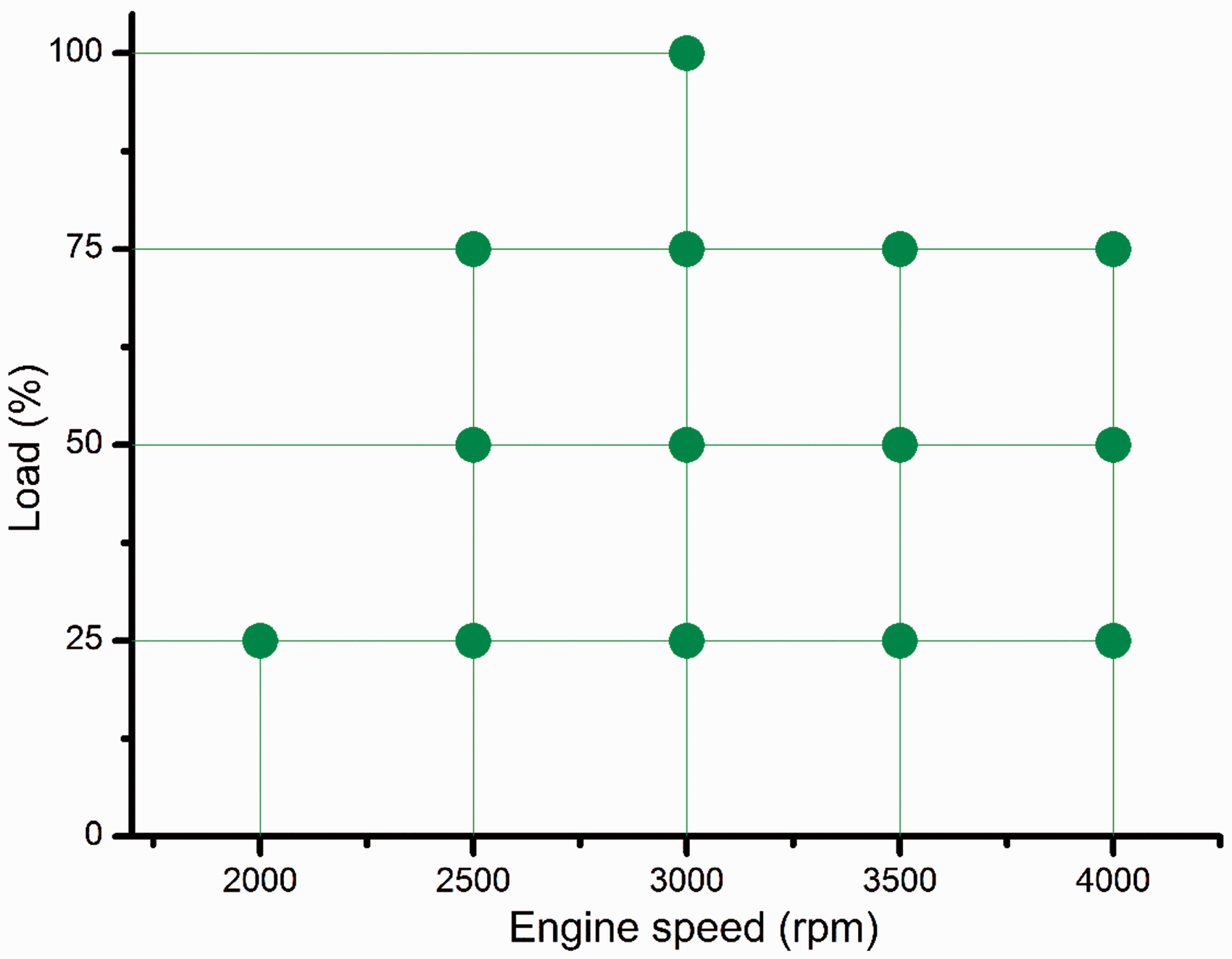
Experimental results and discussion
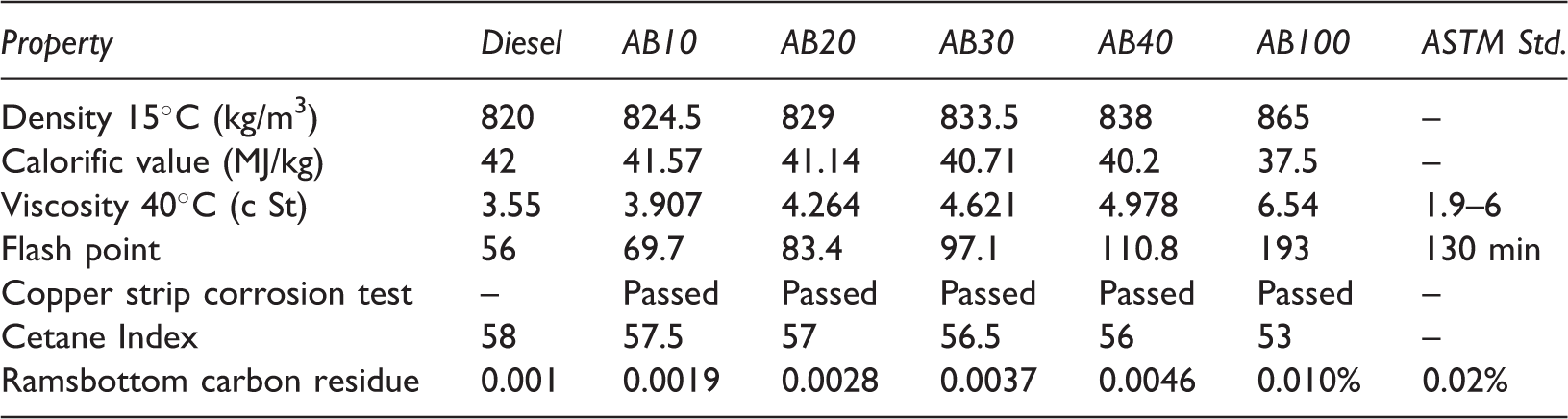
Based on the experimental results, the effect of diesel/AOME blends on engine performance (thermal efficiency, specific fuel consumption and indicated mean effective pressure) and emission (NOx, CO2, CO, HC and smoke) characteristics is analysed in this section. In addition to this, comparison of various properties of AOME and its blends with diesel is also discussed.
Fuel properties
Properties of diesel/Argemone biodiesel blends.
Performance and emission characteristics
Thermal efficiency and Indicated mean effective pressure
Thermal efficiency is used to relate the desired engine output to the amount of energy input (Heywood, 1988). It can be calculated as:
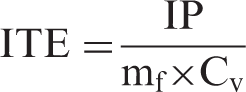
mf = mass flow rate of the fuel;
Cv= Calorific value of the fuel.
To calculate the indicated power, engine is fitted with a dynamic pressure sensor (piezo sensor) and rotary encoder to sense the combustion pressure and crank angle, respectively. The signals from pressure sensor and rotary encoder are simultaneously scanned by an engine electronic unit and communicated to computer. The software (Engine Soft) draws pressure volume plots and computes the indicated power of an engine.
In this study, it was observed that, with the increase in biodiesel blends up to AB30, ITE increases (Figure 4a–d), except at lower loads (no load and 25% load) and high speed (3500–4000). This increase in ITE is the result of extra oxygen present in biodiesel blends that helps in combustion. Another reason could be due to increased lubricity of biodiesel blends (Mustafa, 2007). With higher blends (AB40), the thermal efficiency trend was reversed which could be due to decreased heating value of fuel and thus increase in fuel consumption. Lower ITE was also observed at low load and high speed. The reason is less time available for combustion at low load (25%) and high r/min (4000). Though time available for combustion for higher load (50% and 75%) and 4000 r/min is also less, but high in-cylinder temperature at this load and speed lowers the viscosity of biodiesel blends and thus improves the ITE. Cylinder temperature is low at low load and 4000 r/min when compared with high load (50% and 75%) and 4000 r/min. Therefore, high viscosity and density of biodiesel becomes a dominating factor at low load and high r/min condition.
Indicated thermal efficiency as a function of engine load and speed.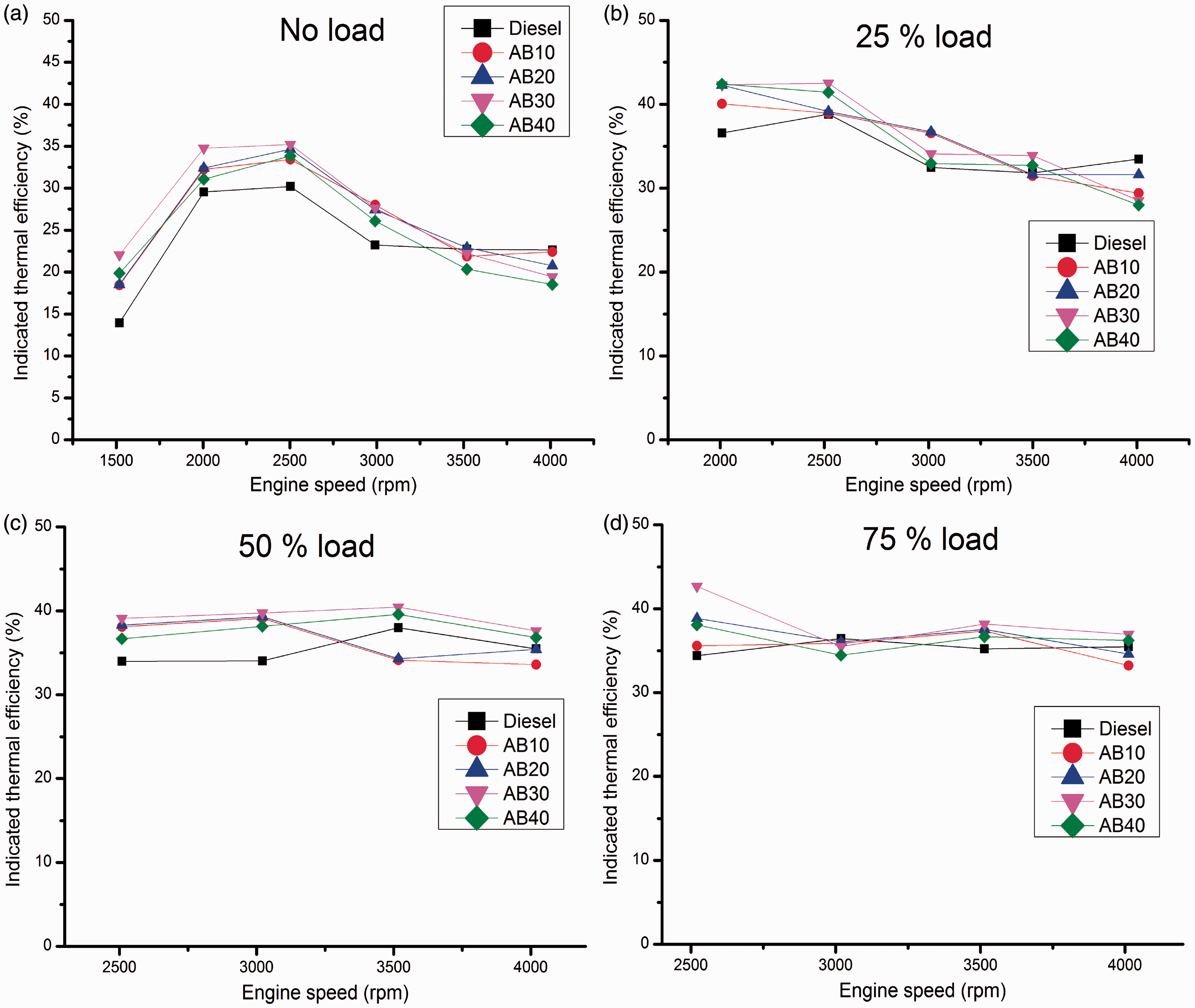
ITE was low at no load as compared to part load (25% and 50%) and high load (75%) (Figure 4a–d), as increased load results in more percentage increase in indicated power, as compared to increased fuel consumption. It was also observed that ITE is affected by speed only at low load; at higher loads, the effect of speed is less significant. This is because, at low load, with an increase in speed, more fuel is consumed, as compared to net work done by the engine. However, at higher loads, fuel consumption and net work done by engine, increase at the same rate.
Indicated mean effective pressure is a valuable parameter which is a measure of engine's capacity to do work that is independent of engine displacement. Indicated mean effective pressure increases with the increase in load as with the increase in load net-work generated in the engine increases (Figure 5a–d). Moreover, it can also be observed that IMEP is lower at both the high and low r/min at every load condition because at lower r/min, heat loss from combustion chamber wall is proportionally greater and at higher r/min, less time is available for combustion. Further with the increase in biodiesel blends up to AB30, increase in IMEP is found except at lower loads and high r/min conditions (after that decrease is observed).
Indicated mean effective pressure as a function of engine load and speed.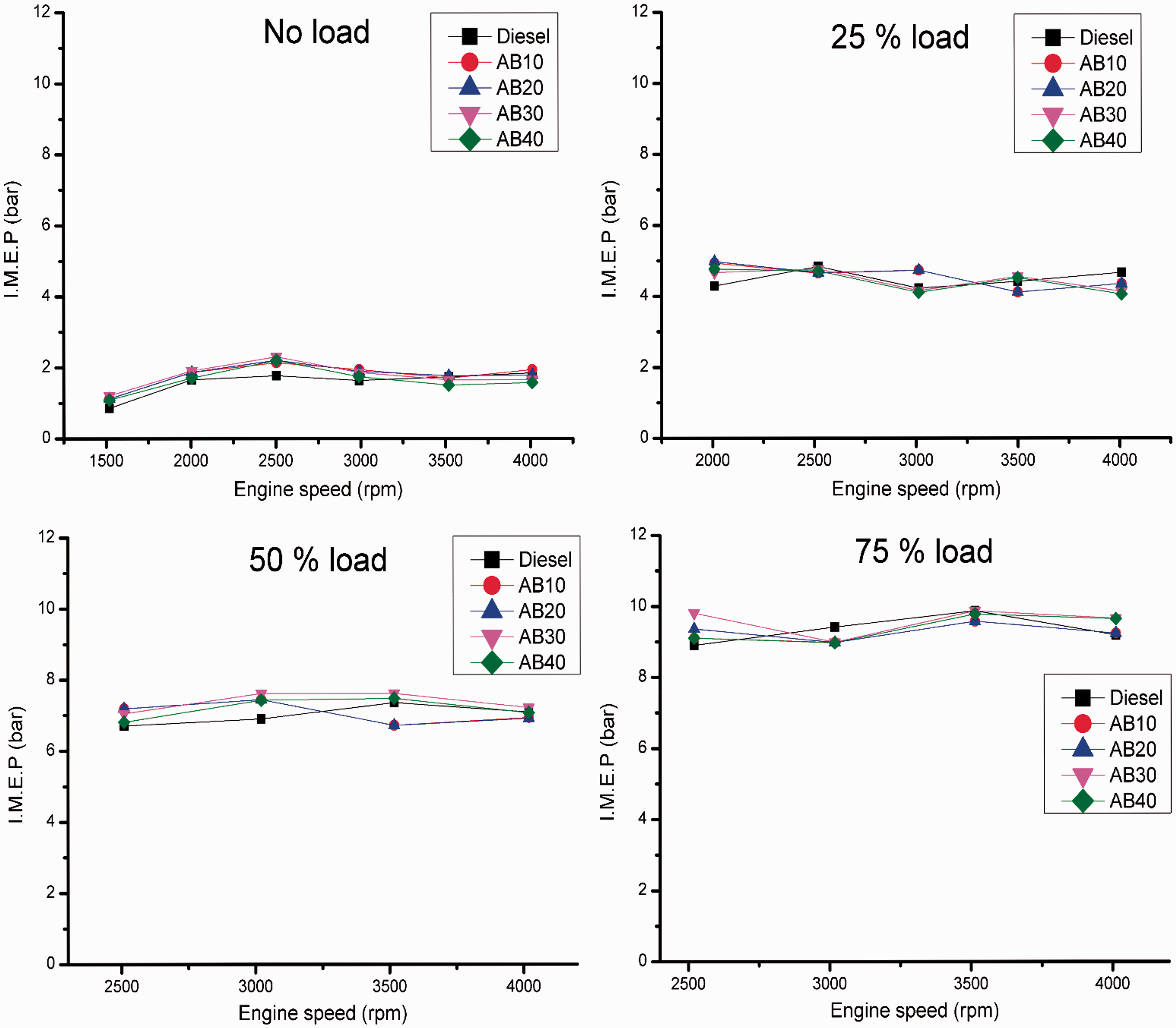
Specific fuel consumption
Specific fuel consumption is an important parameter, to observe how efficiently the fuel is being utilized in an engine to produce useful work (Pulkrabek, 2004). The present work (Figure 6) shows that ISFC decreases with an increase in biodiesel blend ratio up to 30%; thereafter an increase is observed. In general, it is believed that for conventional diesel fuel, specific fuel consumption is inversely proportional to the heating value of hydrocarbon fuel (Cardone et al., 2002). However, though biodiesel and its blends have lower calorific value than conventional diesel, even then they show lower specific fuel consumption. This is attributed to higher oxygen content, in the chemical structure of Methyl esters (Biodiesel) (Ramadhas et al., 2005). As a result, AB 30 shows minimum ISFC at almost all the observation points. However, this increased oxygen content is only beneficial to some extent, as higher oxygen content results in reduction in calorific value. Therefore, AB40 (CV lower than AB30) shows higher ISFC as compared to AB30.
Indicated specific fuel consumption as a function of engine load and speed.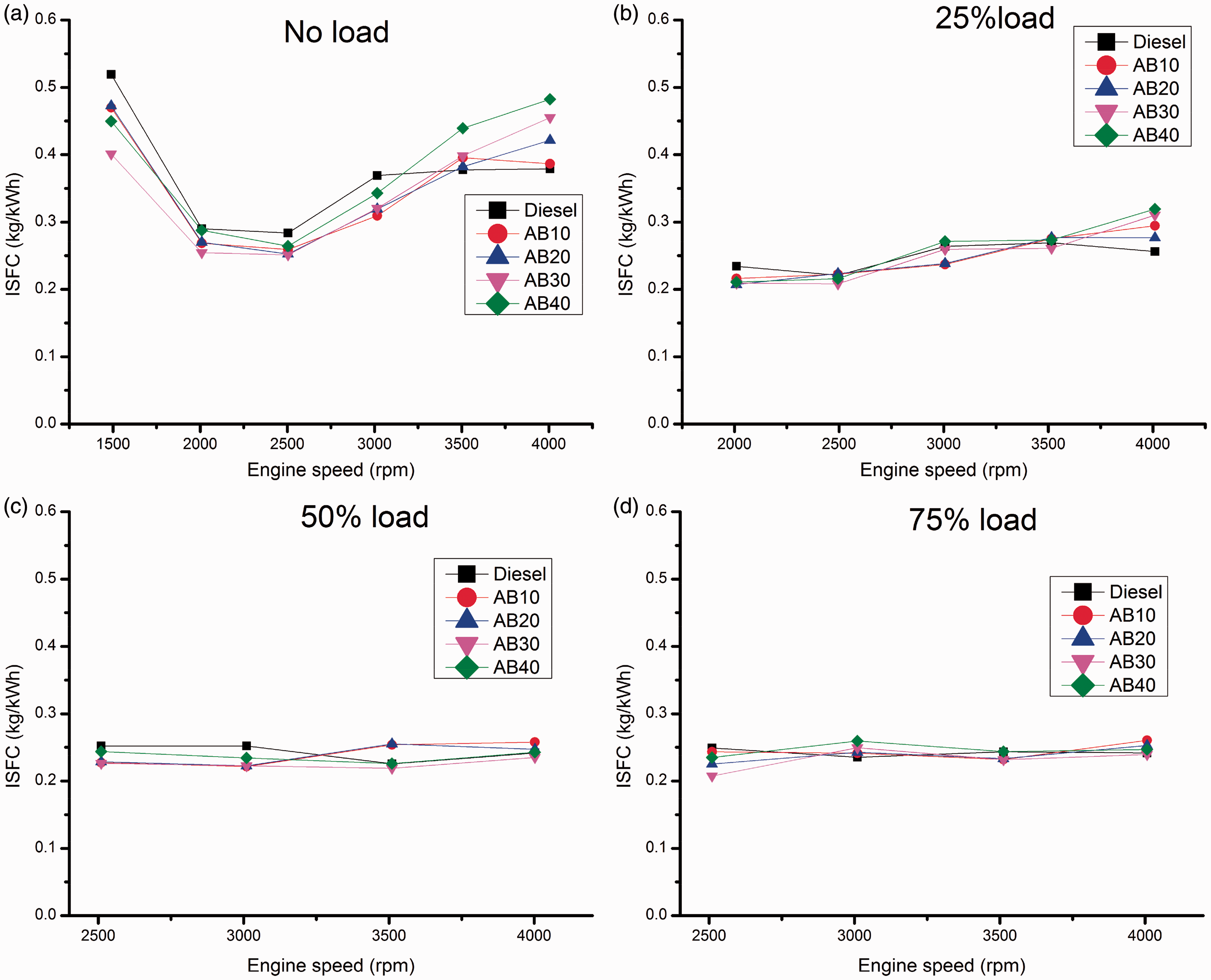
With increase in load, ISFC decreases, as increased load results in more percentage increase in indicated power as compared to fuel consumption. At lower load and high speed, biodiesel blends show poor performance, as engine faces high frictional resistance at this condition. At higher loads (50% and 75%), speed has no effect on ISFC, as under this condition, increased speed results in similar percentage increase in indicated power and fuel consumption.
Exhaust gas temperature
The EGT gives qualitative information about the combustion in an engine. EGT increases with increase in load as more heat is generated due to burning of more fuel (Figure 7a–d). The EGT also increases with increase in r/min as less time is available for the combustion to complete at higher speeds.
Exhaust gas temperature as a function of engine load and speed.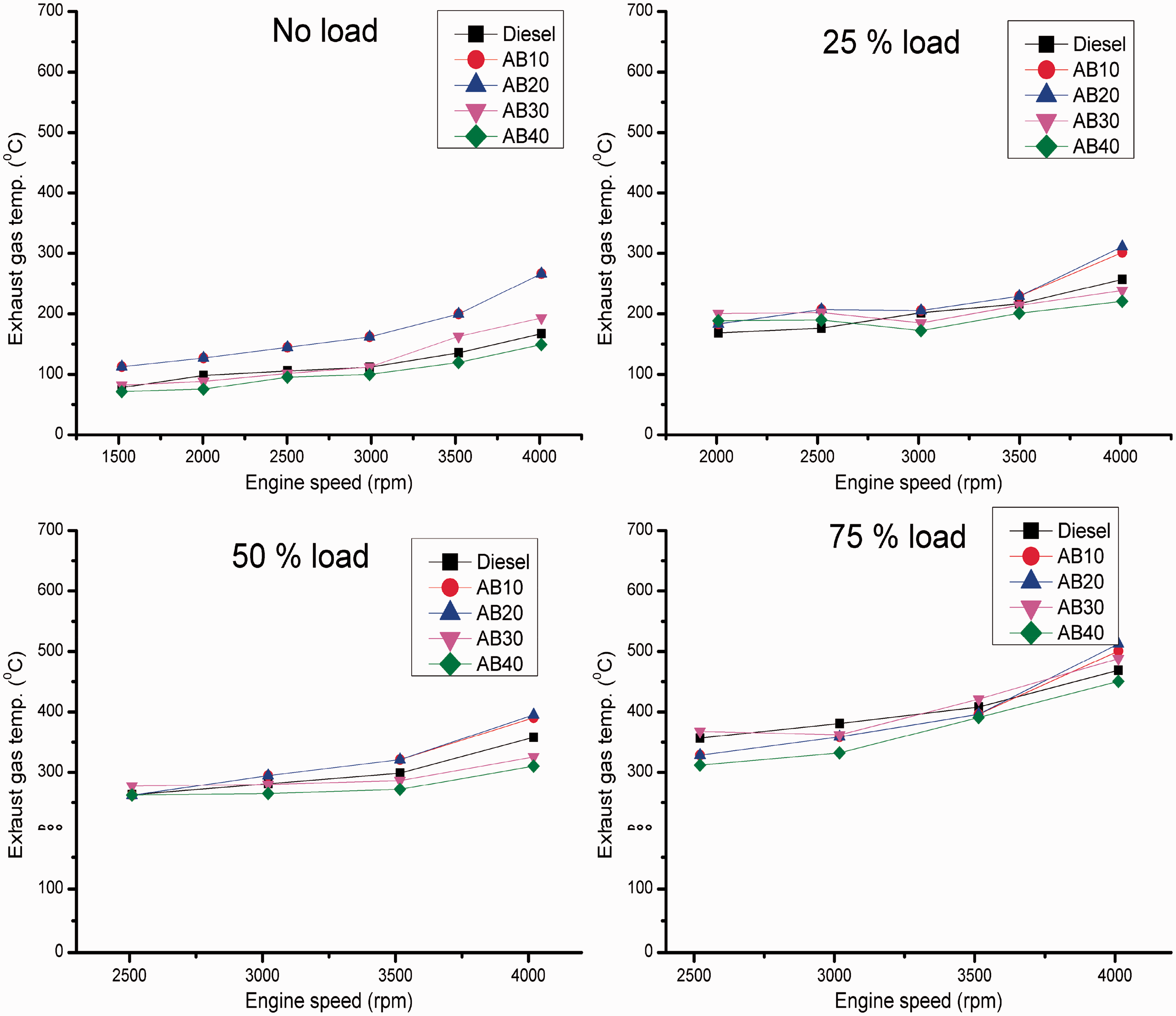
Some researchers observed that EGT decreases with increase in biodiesel blend ratio (Canakci et al., 2006; Muralidharan and Vasudevan, 2011). However, Pramanik (2003) and Ramadhas et al. (2005), observed increase in EGT with increasing biodiesel/diesel blend ratio. Somewhat similar results were obtained in the present study. With an increase in biodiesel blends, EGT was found to be more than that of diesel up to AB30 (after that decrease is seen) as more oxygen content in biodiesel is beneficial for combustion up to a certain extent. Thereafter due to reduced calorific value of higher blends, total energy release is reduced, and hence lowering the peak cylinder temperature and EGT. The EGT of AB30 has been almost similar to diesel for all loads. The EGT for AB40 decreases, the prime reason for this seems to be reduced calorific value of higher blends which results in reduced total energy release (Gumus et al., 2012).
Nitrogen oxide
NOx is a term collectively used for nitrogen dioxide (NO2) and nitric oxide (NO). The NOx formation is due to the reaction of atmospheric N2 with oxygen at elevated temperatures (Fernando et al., 2006).
Figure 8(a) to (d) shows NOx emission (ppm and g/kWh) for diesel and various blends of diesel/argemone biodiesel. Literature shows an increase in NOx emissions with biodiesel as a fuel (Gumus and Kasifoglu, 2010; Roy et al., 2014; Xue et al., 2011). The reason mentioned is the presence of oxygen and higher cetane number which leads to higher NOx levels. The present work also shows the correlation between NOx emission and increasing fraction of biodiesel in diesel. AB30 shows maximum NOx emission (Figure 8a–d) as compared to diesel and other diesel/AOME blends. High density and more oxygen content are the probable reason for this increase in NOx. Higher density of biodiesel blends results in larger mass flow rate for the same volume of fuel and more oxygen is responsible for complete combustion that results in high in-cylinder temperature. A few researchers (Cardone et al., 2002; Xue et al., 2011) are of the view that injection advance is also one of the reason for the increase in NOx. Advanced injection timing, increases the amount of heat release before TDC which results in higher in-cylinder temperature. The higher viscosity of biodiesel is responsible for advanced injection which results in higher in-cylinder temperatures and thus higher emissions of NOx. In contrast to this, higher proportion (more than 30%) of biodiesel in diesel results in lowering the CV of the blends and hence lowers the in-cylinder temperature. Therefore, AB40 shows lower NOx emissions as compared to AB30.
Oxides of nitrogen as a function of load and speed.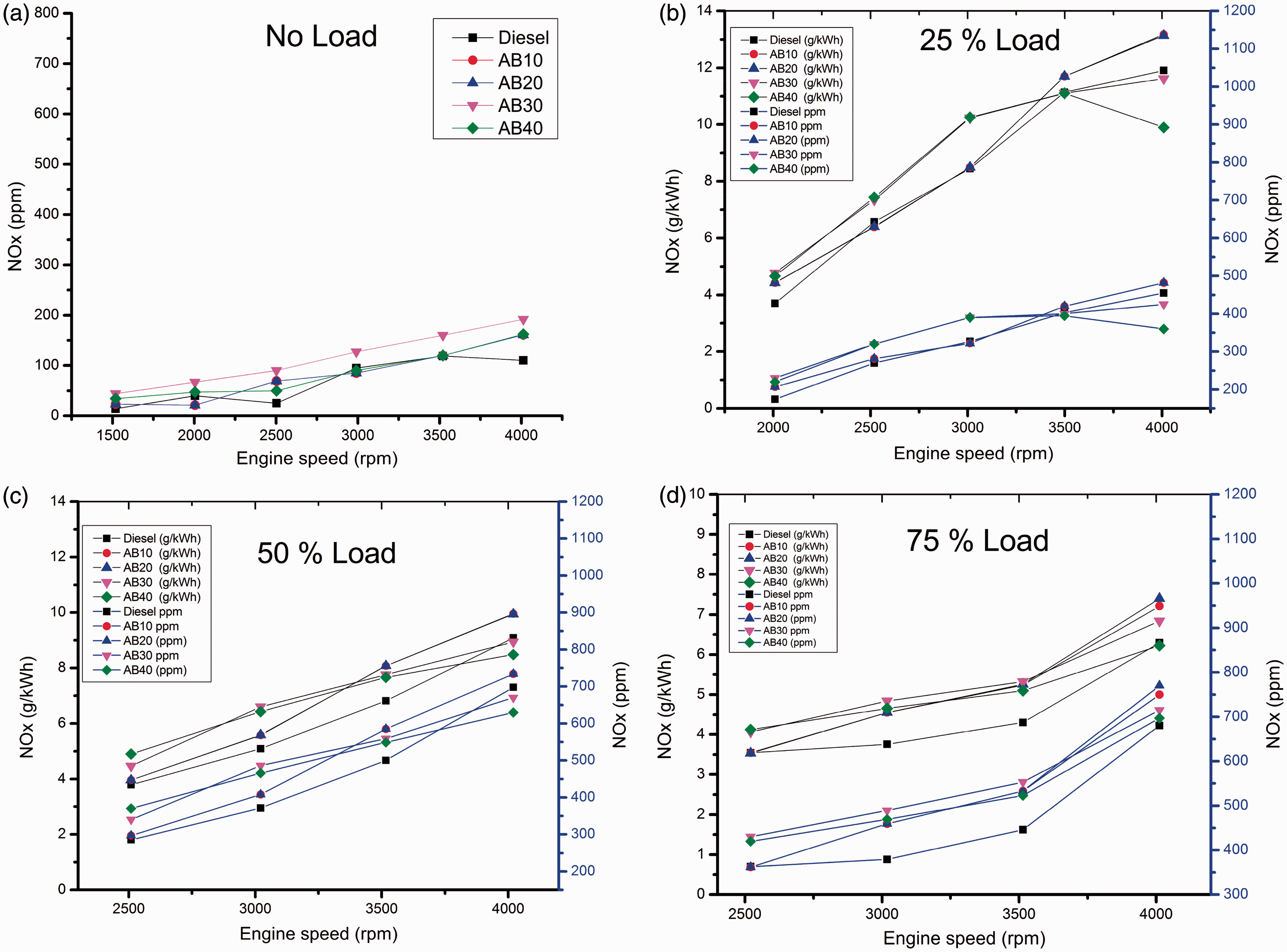
Some correlation between NOx emissions and EGT was also observed. As can be seen from Figure 7(a) to (d), a decrease in EGT was observed for higher blends of biodiesel (above B30); similar such trends were followed by NOx for B40. Al-shemmeri and Oberweis (2011) too found that NOx emissions were directly proportional to engine exhaust emissions.
NOx emission increases with increase in engine load and speed as increased load results in significant increase in in-cylinder temperature and thus higher NOx levels. Increased speed makes less time available for heat transfer to cylinder walls and thus higher in-cylinder temperature which results in higher NOx emissions.
Carbon dioxide
CO2 is an unregulated emission produced by burning of both biodiesel and fossil fuels. CO2 produced by the burning of fossil fuels accumulate in the atmosphere and cause damage to human health and environment. However, CO2 produced during burning of biodiesel is readily absorbed by the crops used for production of biodiesel (Ramadhas et al., 2005). Therefore, overall atmospheric CO2 level remains balanced.
In this study, it was observed that CO2 emission increases with increase in biodiesel content (up to 30%) in the diesel (Figure 9). Further, an increase in biodiesel content lowers the CO2 emission. In essence, this increase in CO2 is the result of extra oxygen content in the biodiesel blends which results in higher CO2 and lower CO. Higher blend (AB40) though have higher oxygen content, but its lower calorific value and higher viscosity results in incomplete combustion. Therefore, higher blends (AB40) show high CO and low CO2 emissions.
Carbon dioxide as a function of speed and load. Carbon monoxide as a function of speed and load.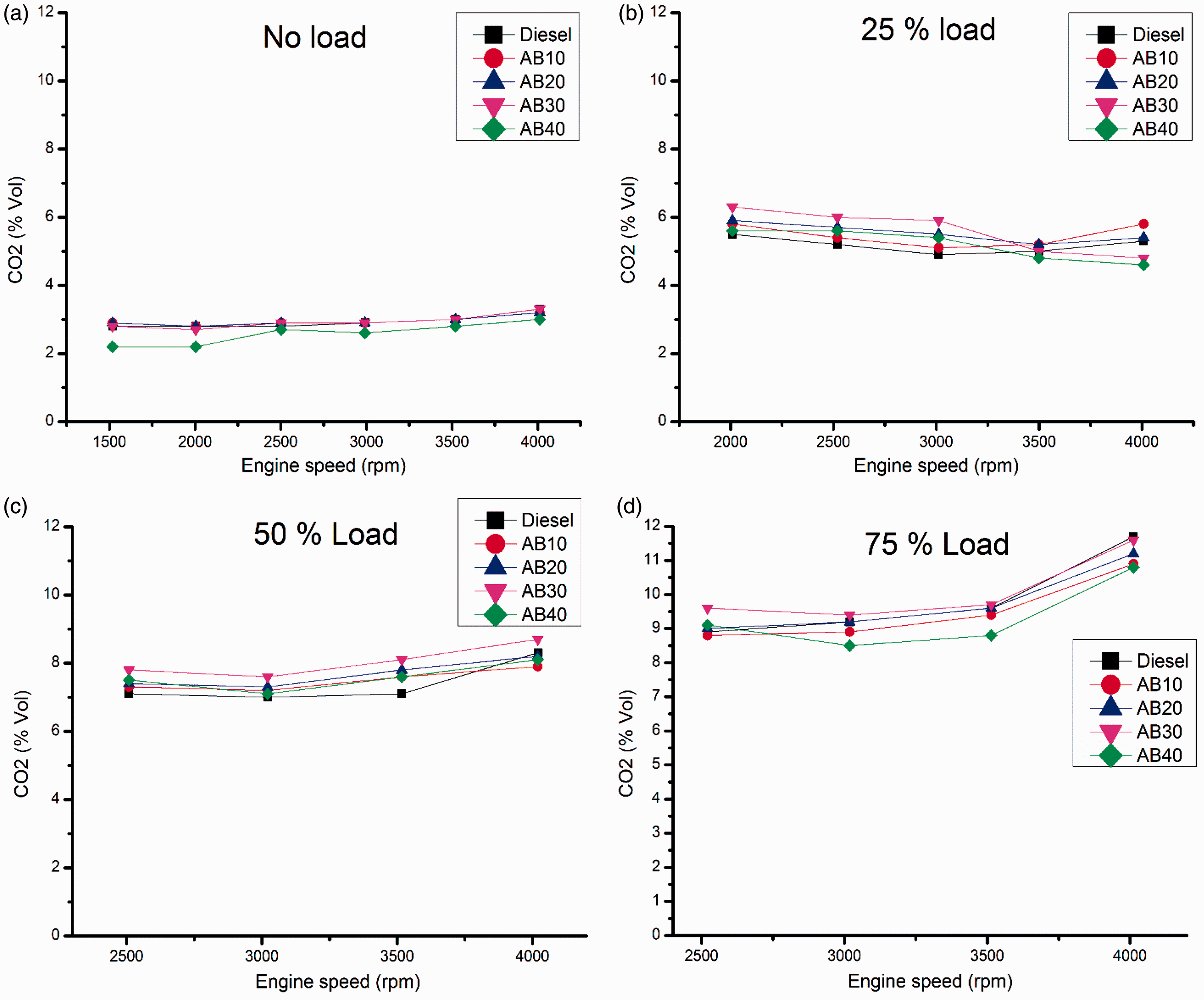
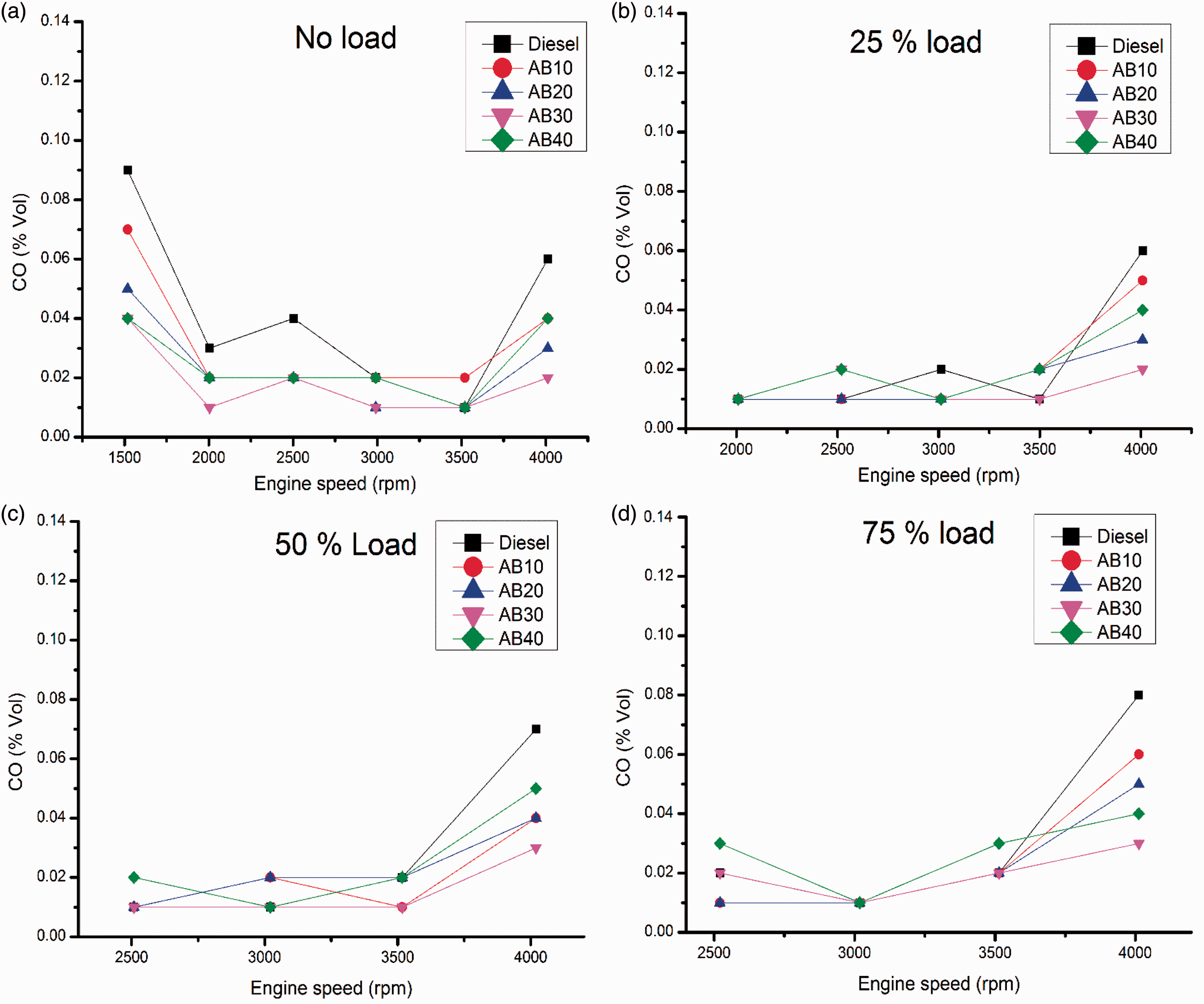
Engine operating conditions also have a strong influence on the CO2 emissions. It was found that CO2 emissions increase with corresponding increase in load. This is because increase in load results in the formation of a rich mixture. In other words, comparatively more fuel is burned in the engine with an increase in load.
Carbon monoxide
CO formation is the result of incomplete combustion of HC fuels. In general, it is believed that lowering the A/F ratio results in increased CO emissions (Tashtoush et al., 2003). This exertion shows that CO emissions decrease with increasing biodiesel fraction in the diesel (Figure 10). Oxygen present in the molecules of AOME is one of the probable reasons for the improvement in combustion and decrease in CO emissions. Storey et al. (2005) suggested advancement in injection timing using biodiesel, which could be another reason for the decrease in CO. Therefore, AB30 showed the lowest CO emission at all observation points. Higher blend, AB40 has the highest oxygen content, among all blends, but its lower calorific value and higher viscosity lowers the combustion temperature. Also, higher blends of biodiesel/diesel have low volatility as compared to diesel, hence an enhancement in CO emissions was observed for AB40.
A/F ratio decreases with an increase in load and speed. Therefore, an enhancement in CO emission was noticed with increase in load and speed. Similar such trends were obtained by Raheman and Phadatare (2004). Further, it has also been observed from Figure 10(a) to (d) that CO emissions are high at high speed as time available for combustion is reduced.
Unburnt hydrocarbons
In CI engines, UHC are the result of too lean or too rich mixture. Hydrocarbons in diesel fuel are of higher molecular weight than gasoline (Heywood, 1988). Therefore, the structure of UHC is more complex in diesel as compared to gasoline.
A number of investigations conclude that HC emissions decrease with increase in biodiesel content in the diesel (Buyukkaya, 2010; Chauhan et al., 2012). This study shows the similar trend for HC emissions (ppm and g/kWh). AB 30 shows minimum UHC, at almost all the observation points as shown in Figure 11(a) to (d). This is attributed to higher oxygen content in the molecules of AOME. Higher blend, AB40 shows enhancement in HC emission as biodiesel is less volatile and more viscous than diesel which results in poor atomization of the fuel leading to increase in CO emissions.
Unburned hydrocarbons as a function of speed and load.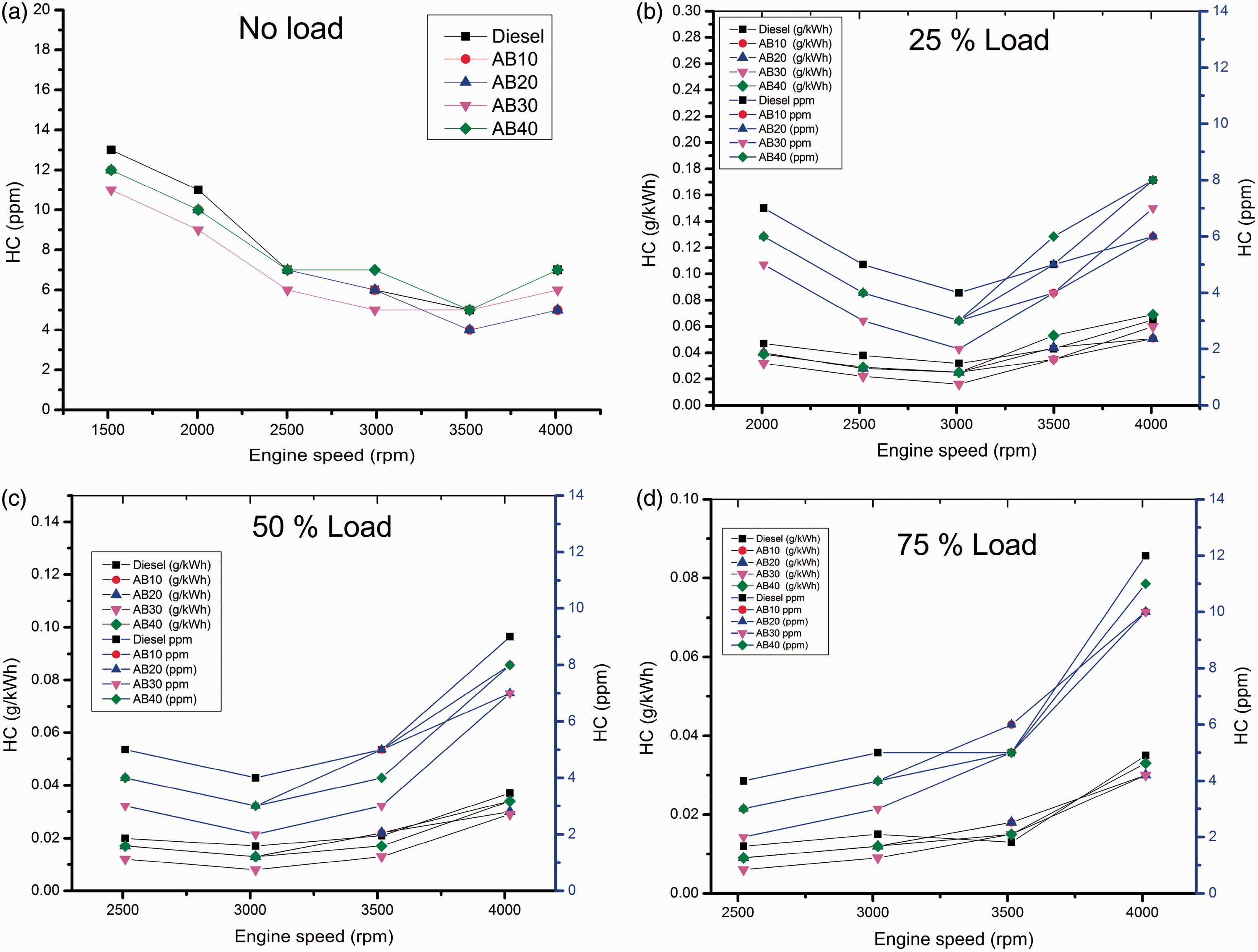
Engine operating conditions also have a significant impact on the formation of UHC. No load and low load (25%) operation produces significantly higher HC emission than full load (75%). At low load, the in-cylinder temperature is low. As the load increases, the higher in-cylinder temperature reduces viscosity and breaks down the larger fuel molecules to smaller ones due to improved spray atomization. This results in better air-fuel mixing. The higher in-cylinder temperature also decreases the quenching distance which results in decreased HC emissions with increase in load. It was also observed that HC emissions increase at high load and high speed, which is due to rich mixture supplied to the engine (Figure 11d).
Smoke opacity
Smoke opacity with varying operating conditions of engine has been shown in Figure 12(a) to (d). It is measured in Hartridge smoke unit (HSU); which is a scale of percentage opacity with sampling length = 430 mm, Temperature = 100℃ and Pressure = 1 atm. During experimentation, it was observed that biodiesel blends; AB10, AB20, and AB30 show lower smoke opacity as compared to conventional diesel. This is attributed to the higher thermal efficiency of these blends (Figure 4a–d) that indicates complete combustion. Similar such trends were observed by Ramadhas et al. (2005). It was also noticed that further increase in biodiesel content results in slight increase in smoke opacity as compared to AB30. The same effect is reflected in ISFC and ITE that show poor combustion of higher blends (AB40).
Smoke as a function of speed and load.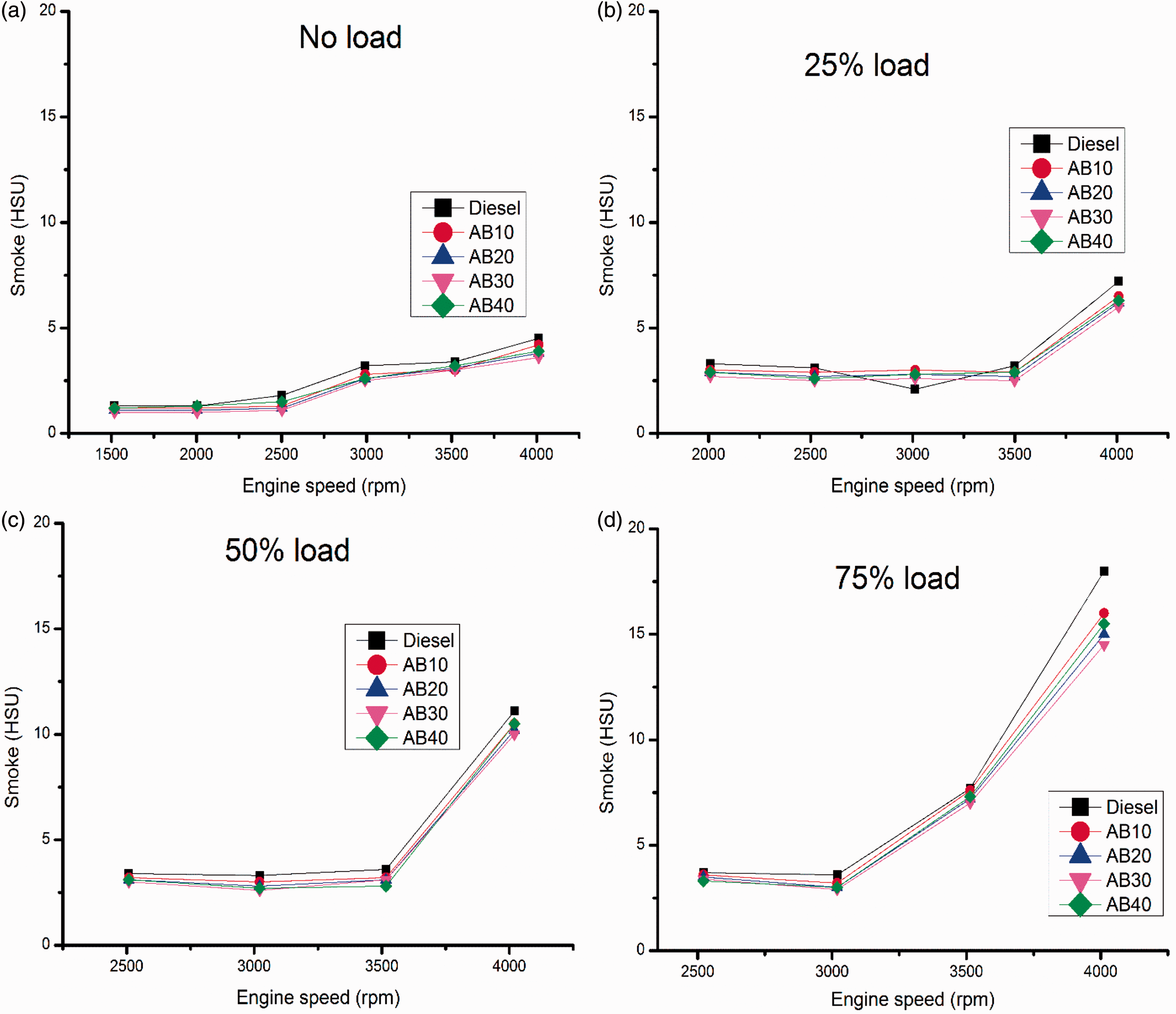
Smoke opacity increases with increase in load and speed. This is expected as increasing load and speed results in higher fuel consumption.
Conclusions
In this study, experimentation was conducted on multicylinder, IDI, compression ignition engine. Diesel and various blends of AOME and diesel were prepared and tested in engine. To investigate the effect of operating conditions of engine on performance of diesel/biodiesel blends; tests were performed at no load, 25%, 50% and 75% load conditions by varying speed from 2500 to 4000 r/min at individual load. Following conclusions can be drawn from the series of experimentation performed.
Engine operating conditions have a significant effect on engine performance and emission characteristics. It was observed that diesel/AOME blends show better results at higher loads as compared to lower load condition. Moreover, biodiesel blends show poor performance at lower loads and high speed conditions. Due to high density, oxygen content and viscosity of AOME, the performance of engine gets improved. Therefore, all the tested blends AB10, AB20, AB30 and AB40 show better performance and emission characteristics than conventional diesel. Among all the blends, AB30 shows maximum ITE and minimum ISFC. In addition to this, exhaust emissions such as HC, CO and smoke are also minimum for AB30 blend. However, AB30 blend shows higher emissions of CO2 and NOx as compared to diesel and other tested blends. Reduction in NOx and CO2 emissions were observed for AB40 fuel when compared with AB30. In essence, this reduction is due to lower calorific value of the blend that results in higher fuel consumption. AB 40 shows improvement in performance and emission characteristics as compared to diesel but deterioration in performance characteristics when compared with AB30.
The present analysis reveals that AB30 can be utilized in an engine with the advantage of higher thermal efficiency and lower CO, HC and smoke emissions. The engine fuelled with AB30 does not require any hardware modification.
Footnotes
Declaration of conflicting interests
The author(s) declared no potential conflicts of interest with respect to the research, authorship, and/or publication of this article.
Funding
The author(s) received no financial support for the research, authorship, and/or publication of this article.
Supplemental material
Supplementary material is available for this article online.
Appendix
References
Supplementary Material
Please find the following supplemental material available below.
For Open Access articles published under a Creative Commons License, all supplemental material carries the same license as the article it is associated with.
For non-Open Access articles published, all supplemental material carries a non-exclusive license, and permission requests for re-use of supplemental material or any part of supplemental material shall be sent directly to the copyright owner as specified in the copyright notice associated with the article.
