




Abstract
Bioenergy is an effective energy form used by developing countries. It covers about 38% of the energy consumed primarily obtained from the biomass in about 13% of the world. Due to the energy production costs, much attention has currently been paid on alternative bioenergy sources in the developing countries. Biofuels may be used instead of fossil fuels to produce power, heat, and/or some chemicals. Its production with local resources suggests a reproducible alternative streamlining the economic and social improvement in developing countries, in case the bioenergy projects are established economically viable and well planned with local cooperation. Biofuels are important resources which can take place with fossil-based fuels. Generally speaking, biofuels offer several benefits such as the reduction of greenhouse gas emissions, regional social and structural development, sustainability in energy provision, and agricultural development. In this study, a life cycle analysis of a full-scale biogas plant was conducted. In the life cycle analysis, the ecological effects of the biogas process, the by-products from the biogas production, and the cogeneration unit where the electricity generation is performed are evaluated quantitatively according to the ISO 14040. The functional unit of the plant was designed for 30 tons per day big cattle manure, 5 tons per day poultry manure, and 15 tons per day cheese whey of industrial biogas plant.
Introduction
Energy is not only required to sustain our lives but also motivates economic improvement. There exists a clear correlation between energy consumption and living standards of people. Three categories of energy resources are available which are fossil fuels, renewable sources, and nuclear sources.
The fossil energy resources are diminishing very fast, their outcomes are CO2 and the other greenhouse gases which are accumulating in the atmosphere and are considered the origin of climate changes. These changes are thought to have unusual effects on human body and the other living organisms. Goldenberg and Coelho (2004) stated that the ecological changes encouraged people for the improvement of renewable energy (RE) sources, which are essential factors for the eco-friendly sustainable development (Ozyurt, 2010).
For developing countries, RE alternatives are extremely prominent and may be particularly appropriate for meeting the energy needs of developing countries. Energy-consuming regions particularly in remote area, especially in rural areas, the transmission and distribution of energy produced from fossil fuels is difficult and expensive. Therefore, production of RE in local area may offer a more practical and viable alternative in the short run. Because, RE sources are able to expedite the economic and social development of developing countries, in case that the RE-related projects are efficiently planned and carefully implemented with local partners and cooperation. Hence, Thornley et al. (2015) examined bioenergy systems for electricity, heat, chemical, and biochar production on scientific basis using consistent life cycle assessment methodology, scope of system, and assumptions. Their findings showed that bioenergy delivers substantial and cost-effective greenhouse gas reductions. Similarly, Moriarty and Honnery (2016) stated that fossil fuels face resource depletion, supply security, and climate change problems; however, RE may offer the best prospects for their long-term replacement and they argued that the most future RE output will be electric, necessitating radical reconfiguration of existing grids to function with intermittent RE. Tripathi et al. (2016) claim that there are many outstanding questions to be answered before the large-scale production of bioenergy from polluted lands; however, bioenergy is getting worldwide attention as it is considered as a clean and a versatile source of energy.
From the early beginning time of the industrial revolution, the oil, coal, and natural gas called fossil fuels have been used to meet the major energy requirement of the whole globe. The first and the most important energy source of human beings was biomass. Today, as a result of developments in the modern biomass concept, the aims and fields of use of biomass have been greatly expanded and advanced (Sing et al., 2016). Zheng et al. (2014) studied the various pretreatment techniques involving physical, chemical, and biological approaches on lignocellulosic biomass for conversion to renewable bioenergy. The study describes the structural and compositional properties of lignocellulosic biomass and various process parameters, performance, and advantages versus drawbacks. In the developing nations, biomass is still a dominant energy form and used by many people; it is estimated that the biomasses meet about 13% of the world's primary energy consumption and also meets about 38% of energy needs of developing countries. Moreover, biomass provides more than 90% of total energy demand in rural areas of developing countries.
There are traditional and modern, hence two types of bioenergy sources. Traditional biomass sources include fuelwood, dried animal wastes, and traditionally produced charcoal. Modern biomass sources comprise liquid biofuels produced from agricultural residues and forest wastes. The bioenergy technologies can be counted as industrial cogeneration and bio-refineries, pellet heating systems, biofuels (bioethanol, biodiesel, and bio-hydrogen), bioplastics, biogas produced by anaerobic digestion of residues, and some other related technologies (Eskandary, 2017; Sing et al., 2016; Demirbas et al., 2016). Franco et al. (2015) developed a multicriteria decision approach to identify the most suitable facility locations for biogas plants. Their methodology takes into consideration the most relevant criteria for the social, economic, and political dimensions of decision process. Akbas et al. (2015) proposed an integrated prediction and optimization model using multilayer perceptron neural network and particle swarm optimization techniques to increase the biogas production, biogas quality, and contributes to the quantity of electricity production. Budzianowski (2016) reviewed the potential biogas process innovations considering the production, conditioning, cleaning, and utilization (Sun et al., 2015) to provide short practical comments on selected methods and briefly analyses their perspectives and constraints. Further, biogas process innovation criteria are designed and multiple-criteria assessment of preselected potential process innovations is made in this study. The study concludes with the characterization of innovativeness of selected solutions and suggests future research needs for biogas energy technology that could bring new innovations in near term.
With new modern biomass applications, biomass has become important even for developed countries. Nowadays, the bioenergy research and practices have been improved and environmental problems have been solved in more advanced modern and scientific ways. These developments have brought new dynamics in the agriculture industry and provided alternative sources and technologies to obtain more sustainable, clean, and cheap energy mixes (Kashi et al., 2016).
This study aims to promote sustainable and RE production through biogas from animal wastes such as cattle manure, poultry manure, and cheese whey in a small-scale enterprise. Hence, initially the necessity and importance of biomass, biofuels, and bioenergy management were explained. The life cycle analysis of a biogas plant was carried out and presented in the following sections. The paper culminates with the results and discussions.
Necessity of energy management
Parameters effect on necessity of energy management.
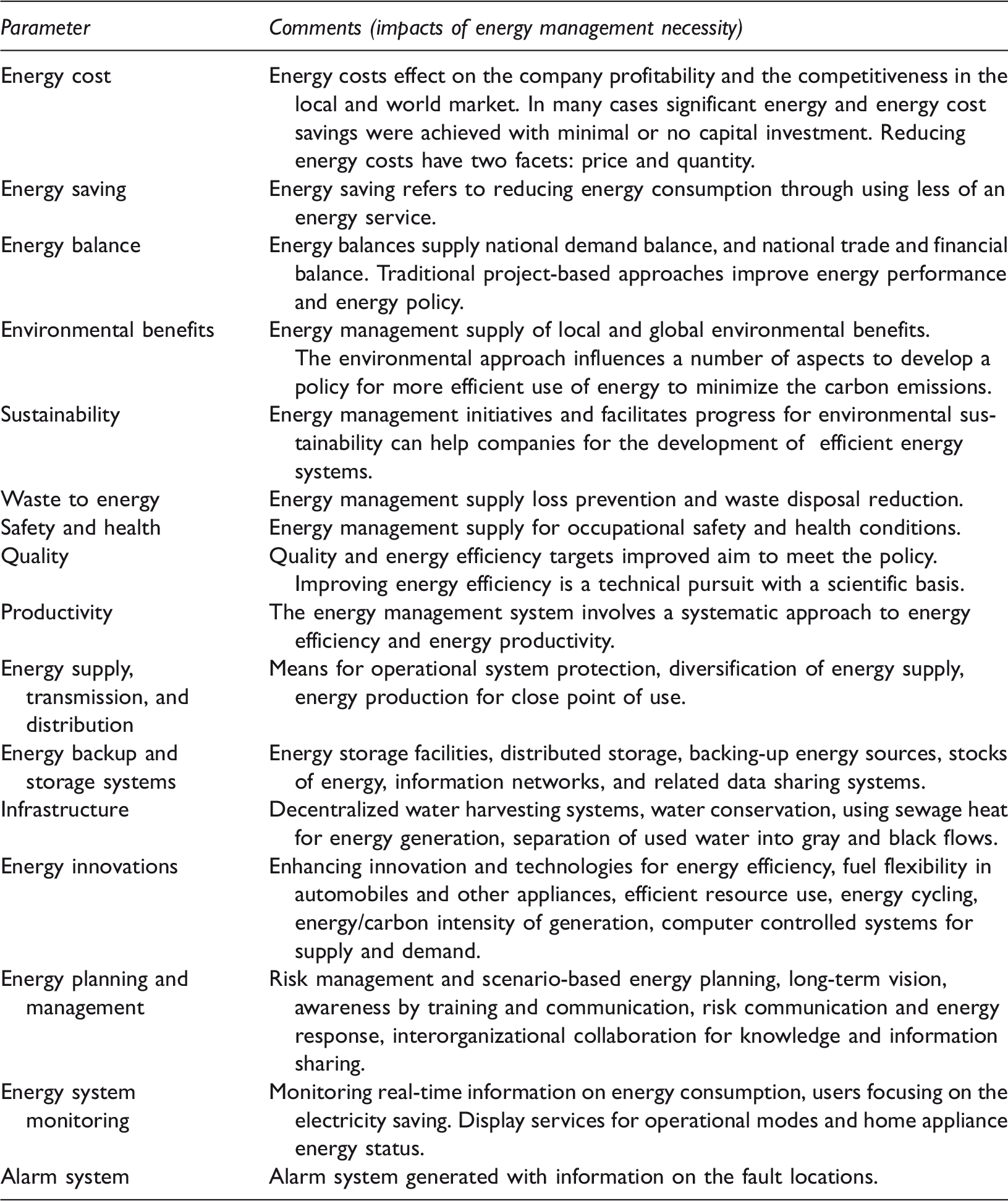
As it is stated in IEA (2008), energy consumption has rapidly been increasing globally in the second half of the last century and is expected to expand continuously over the next 50 years. The growth in energy consumption was met by relatively “cheap” fossil fuels until today; however, the rapid development of industrialization in China, India, and the some other Asian countries will increase the energy demand and consumption in the current century. On the other hand, as one-third of the world's population is living in China and India, the energy demand of this region will increase drastically; this will make the energy supply and demand policy more complex for the coming 50 years. The sustainability in oil supply, new oil reserve discovery, and oil pricing policy are important factors on the economic growth. Oil sources, however, are expected to deplete in near future, and the high consumption of oil and the other human activities may cause global climate and environmental changes. This can be counted as the reasons to search the renewable resources and improve the related technologies. The wind, biofuel, solar, and photovoltaics are the area that the RE technologies are showing maturity for the positive changes in energy needs. The developments in these energy-based technologies and the competitiveness in the cost reduction of these technologies are the other promising factors. The total energy demand of the world in 1980 was increased from 7223 million tons of oil equivalent (Mtoe) to 11,730 Mtoe in 2006; the average increment is about 2% per year. On the other hand, the increment in energy demand worldwide from 2001 to 2006 was about 4.1% per year and 4.3% from 2004 to 2008. This growth is mainly due to the rapid economic and social development in Asia Pacific region, hence IEA (2008) statistics shows that the average energy demand increased 8.6% from 2001 to 2006 per year. For instance, the primary energy consumption of China increased by 35% during 2000 and continues until 2006. The data analysis depicted that a similar increment trend will continue in China, and in India for a long period. High economic growth and social developments in these two countries will increase the energy consumption, hence the increment rates are expected between 3 and 5% for at least few more years. The other reality is that a 2% increment in energy demand of these countries per year will double the energy demand by 2050 and triple by 2070 for the primary energy demand of 11,730 Mtoe in 2006. Therefore, high energy demand and the other expectations in the coming 50 year, it is crucially important to evaluate and make use of all available alternative resources, strategies, and technologies to fulfill the future demand, especially for the electricity and transportation areas. Figure 1 shows the distribution of RE resources in the world.
Renewable energy as share of total primary energy consumption, 2011 (https://www.eia.gov/totalenergy/data/annual/perspectives.php).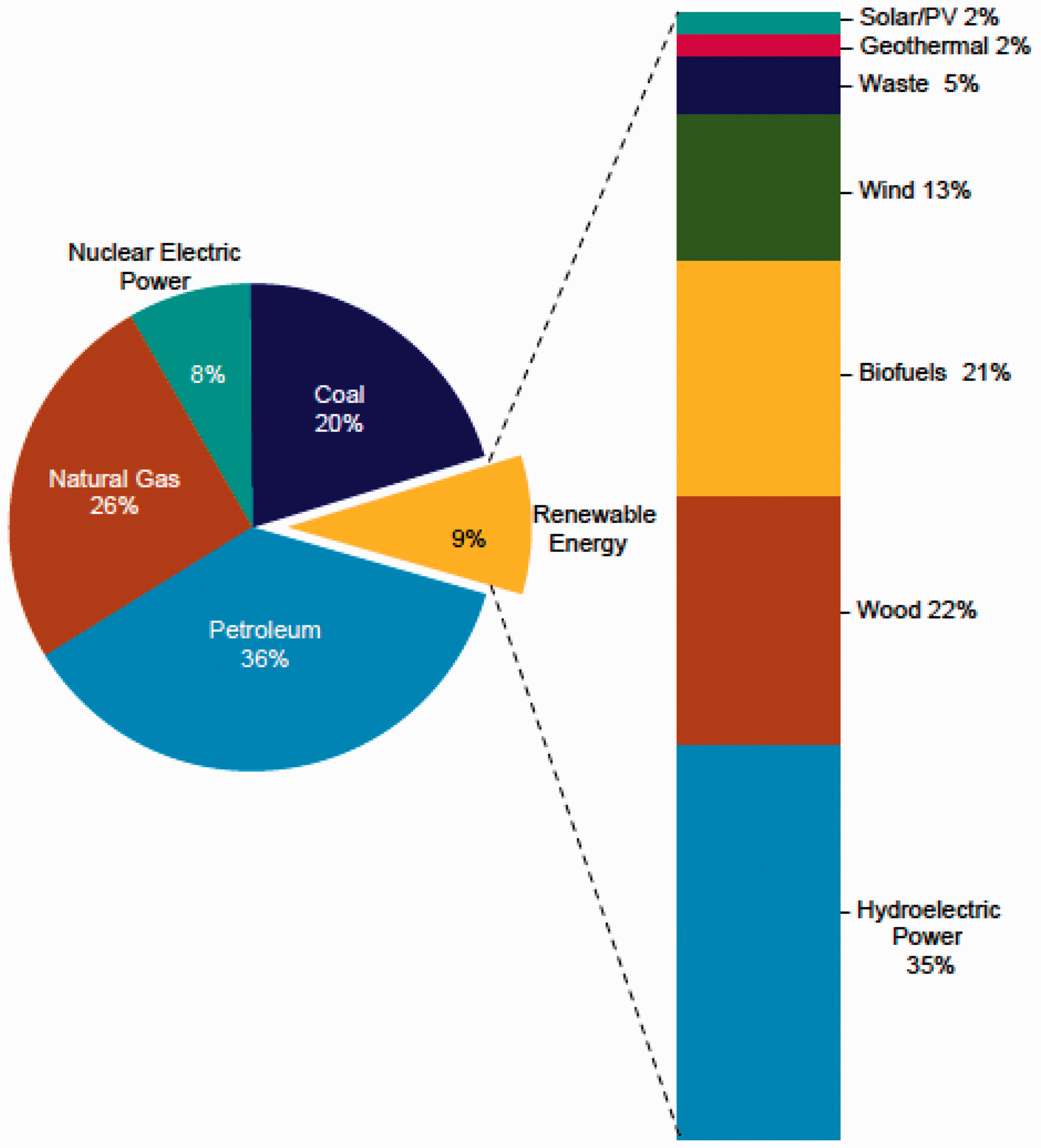
Power production systems, transportation systems, heating and cooling systems, and industrial plants are the main major sectors using energy sources for different purposes. The statistics of International Energy Agency (IEA) presents that the demand of electricity has almost doubled from 1980 to 2006 period (IEA, 2008). However, electricity production as a primary energy in the world increased from about 20% in 1980 to about 30% in 2006. This shows that electricity is a very important and convenient form of energy for several systems for the usage and production of economic welfare. On the other hand, the energy usage of all sectors has been increasing; however, the relative shares of the sectors have changed considerably, the transportation sector can be taken aside which still has been increasing and using considerable amount of energy. This is because electricity is a preferred form of energy; it is clean and has many sources to be produced for all applications (IEA, 2008).
However, during the generation and transmission and distribution of electricity, some losses take place. Two types of losses may generally occur: the transmission losses which are called the technical losses. The illegal use and the distribution losses of electricity are considered the other losses. Therefore, to map the data in the plants, a vector-based Geographic Information System (GIS) software package Arc GIS 8.3 was employed. The illegal usage cases and hence the rate of nontechnical losses can be drastically reduced by means of establishing a regular system (Berktay et al., 2004).
The RE and its importance for underdeveloped countries
The term “renewable energy” is used for the types of energies that are easily renewed. These energies have been used as the primary source of energy for the whole history of the human being. Hydropower, biomass sources, solar energy, wind power, and geothermal energies are the examples of RE sources. RE sources are obtained and derived from natural resources mainly by mechanical processes and/or geothermal operations which have repeatable abilities within our lifetime. Therefore, these sources might be relied on for producing sustainable energy when it is required. Theoretically, it is assumed that RE sources can be available infinitely. However, these energy sources may be depleted as well. On the other hand, as long as the earth goes around the sun, it will be producing energy. The heat produced by sun constitutes atmospheric conditions to generate wind and water. Similarly, sun produces the required lights for the plants and trees which constitute the main source of biomass for energy production. Hence, bioenergy is always taken into account as a form of RE.
Moreover, the RE sources and technologies have been currently receiving more attention in the developing countries. Energy generation from fossil fuels is difficult, its transmission and distribution are expensive, several losses may occur during these operations. Therefore, the local production of RE can suggest a viable alternative. Especially in poor rural areas, the project costs of RE can use up the significant part of participants' small incomes. The energy policy and investments in a country have to conduce the stability in conditions for commercial activities. The consumer consumption, moreover, the RE resources can encourage rejuvenation of future research and development in these industries and lead improvement in developing countries. Therefore, the countries interested in developing RE projects have to evaluate the natural resources for energy production; determine the needs; and support the local communities for participation in project design, development, and task issues (Taylan et al., 2016).
In 2006, the RE resources were meeting 12.89% of the total primary energy supply of the world. Khalife et al. (2017) stated that the biomass is the source of 80% of the RE supply obtained now; however, it is mainly converted by traditional inefficient open combustion methods in the developing countries. If modern and advanced technologies are used, the biomass resources can be converted in a more efficient way and can supply about 20% of total energy demand. For electricity production, the total share of all renewable resources was about 17.6% in 2003, a vast majority 90.3% of which is obtained from hydroelectric power plants.
The importance of biomass, biofuels, and bioenergy
Organic materials are the main source of biomass which are stored under the sunlight in order to form chemical energy. On the other hand, sugar cane, wood and wood waste, straw, animal manure, and many other agricultural wastes are also biomass sources for bioenergy production. For instance, the green plants convert sunlight into plant material through photosynthesis.
There are three reasons that make biomass an attractive feedstock; first, biomass and its technology are renewable resources and may be sustainably improved in the future. Second, as a positive environmental property of biomass, it results in less release of CO2 and lower sulfur contents. Third, as it was stated by Ak and Demirbas (2016), increases in fossil fuel prices in the future may provide significant economic potential for the development of biofuel technologies. Bio(m)ethanol forms lignocellulosic materials which have low emission, because the carbon content of alcohol can be sequestered in the growing bio-feedstock and then be rereleased into the atmosphere (Aghbashlo and Demirbas, 2016).
Main advantages of biofuels and ultimate goals.
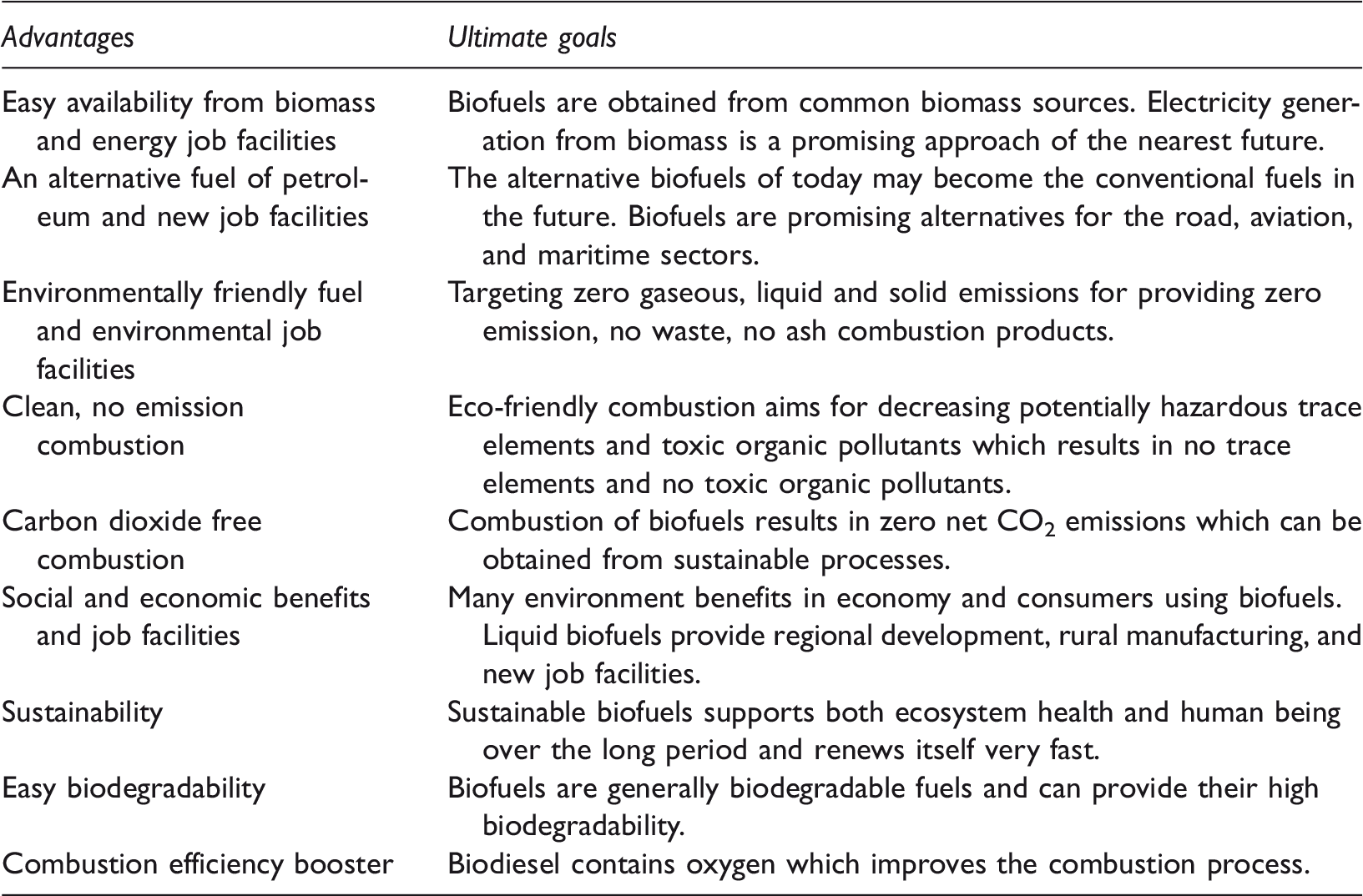
The greenhouse gases and CO2 emission reduction are important strategies for the greenhouse effects on the environmental pollution. Therefore, developing the carbon neutral sources and their improvement as the RE sources are much more than ever before. Thus, using the crops residues for bioenergy production should be carefully evaluated by the Kingdom's authority, mainly due to its positive effects on soil carbon confiscation, soil quality maintenance, and ecosystem protection. The main technology used for biomass conversion is the bio-refineries which integrate the equipment to produce fuels from biomass; generate power, heat, and some chemicals; and can add value to the economic improvements. Bio-refineries can produce more than one product by using several biomass elements and their intermediates, thus maximize the economic value of biomasses derived from raw materials (Nizami et al., 2017).
Biogas from biomass with biological conversion
In parallel to the rapid industrialization and population growth, a large increase in the energy and industrial raw material requirements have been observed in developing countries. Depending on this growth: the disposals of organic residues and by-products produced in the service and manufacturing industries are the major problems for the municipal authorities, which also have serious environmental impacts. For instance, more than 30 different industries that have organic wastes identified in the KSA require amenable anaerobic digestion treatment methods. Using anaerobic digestion approaches and techniques, the industrial wastes can be processed for the production of RE and organic fertilizer. The evaluation and conversion of organic wastes into biogas and biofertilizer will ensure that the treatment will reduce the wastes and convert these wastes to useful products instead of leaving them as harmful environmental problems. Therefore, it is possible to state that the organic wastes can be evaluated in Kingdom and converted to profitable form of clean energy sources.
The natural fertilizers from the plant outputs balance the pH, N, P, K of the soil with natural ways and upgrade to the ideal level. The soil crop yields increased in a sustainable manner over the time can reduce the need for chemical fertilizers requirement. Hence, the effects and damages of chemical fertilizers on the environment will be minimized by decreasing the usage of them (Nasir et al., 2014; Werle and Dudziak, 2014). In addition to removal of carbon-containing compounds, pesticide-based hazardous and carcinogenic wastes are the chlorinated organic compounds (chlorophenols, chloromethane, cresol, PCBs, etc.) which can be removed by anaerobic digestion methods (Ding et al., 2013; Imu and Samuel, 2014; Ji, 2015; Khan et al., 2014; Maghanaki et al., 2013; Shane et al., 2015). In addition, biogas is a clean fuel comparing to other fuels in terms of air pollution emissions. For example, resulting NOx and SO2 emissions of burning biogas are within the emissions standards without any other treatment in Germany (Sadecka et al., 2013)
Life cycle analysis of biogas plant
The aim of this analysis is to quantitatively evaluate an integrated industrial biogas plant. The functional unit of the industrial biogas plant was determined in the beginning for 30 tons/days of big cattle manure, 5 tons/days of poultry manure, and 15 tons/days of cheese whey.
The plant presented in Figure 2 was constructed to use 50 tons/day of wastes and turned it into energy and produce 300 kW electricity and 300 kW heat per day. This plant also is able to produce 45 tons of fertilizer.
Biogas plant.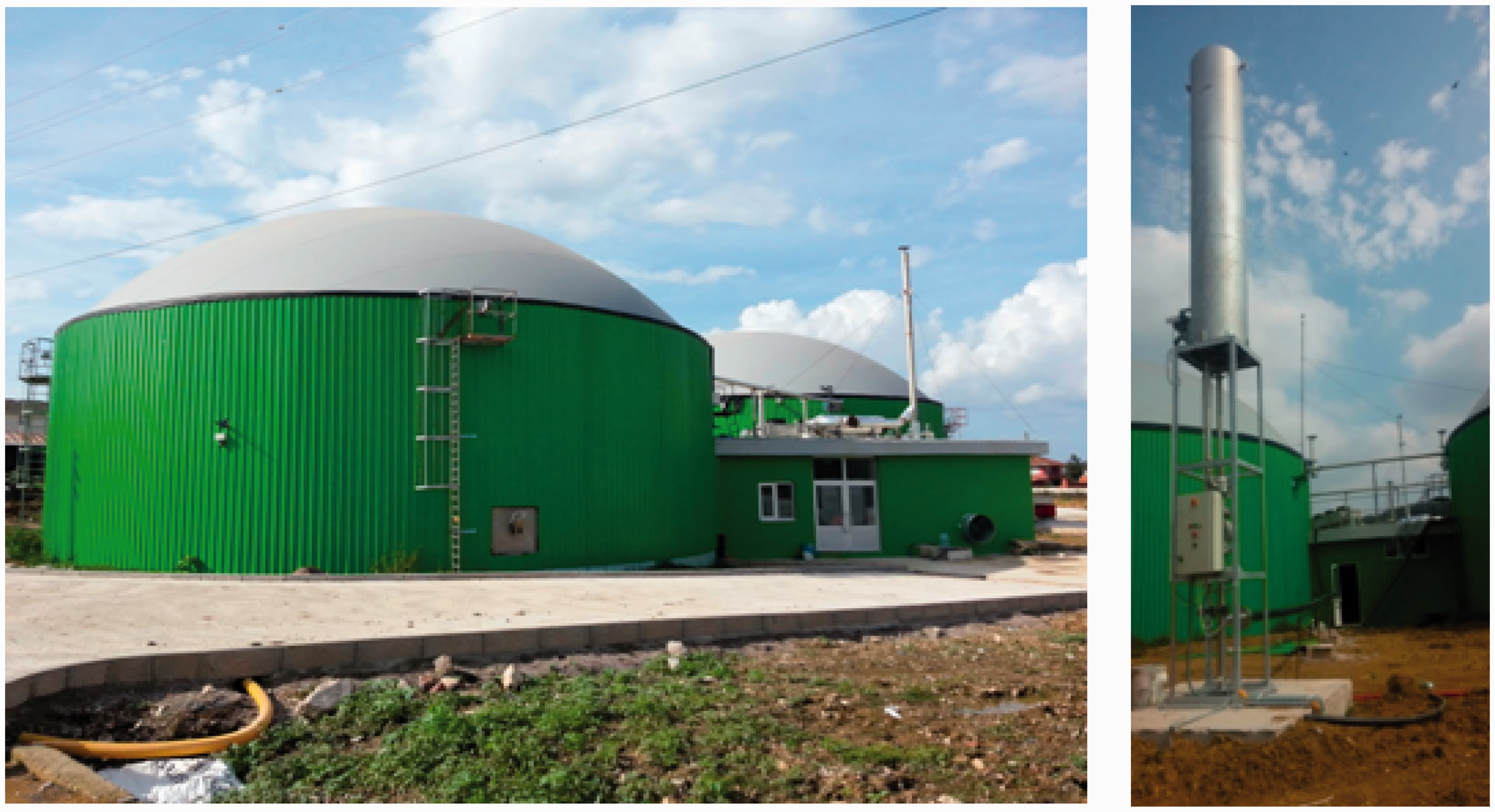
Materials and methods
The life cycle analysis of a full-scale biogas plant was conducted in the study. In the life cycle analysis, the ecological effects of the biogas process, by-product production from the biogas, and the cogeneration unit where the electricity is generated are also evaluated based on the ISO 14040 (ISO, Environmental management-Life cycle assessment principles and framework (ISO 14040), 2006 Brussels: European Committee for Standardization) standards. Sima Pro V8.23 life cycle analysis program was employed for the evaluation of the process.
The life cycle analysis consists of four steps in this study: the target and scope definition, the analysis of inventory, the impact assessment, and interpretation of outcomes. The target and scope definition aims to identify the main goal of initiating this study. It is to make and evaluate the life cycle analysis of an industrial-scale biogas plant that produces biogas from cattle manure, poultry manure, and cofermentation of cheese whey. Then, the results obtained will be evaluated and possible harms or benefits of biogas production on the environment by cofermentation have been assessed (Dey and Bhattacharya, 2016). The functional capacity of plant as a production unit is 300 kW h of electricity generation in the study. The parameters of production system are counted as waste transportation unit, biogas production unit, and electricity production unit. Figure 3 shows the border, target, and the scope of the bioenergy production system.
The system border.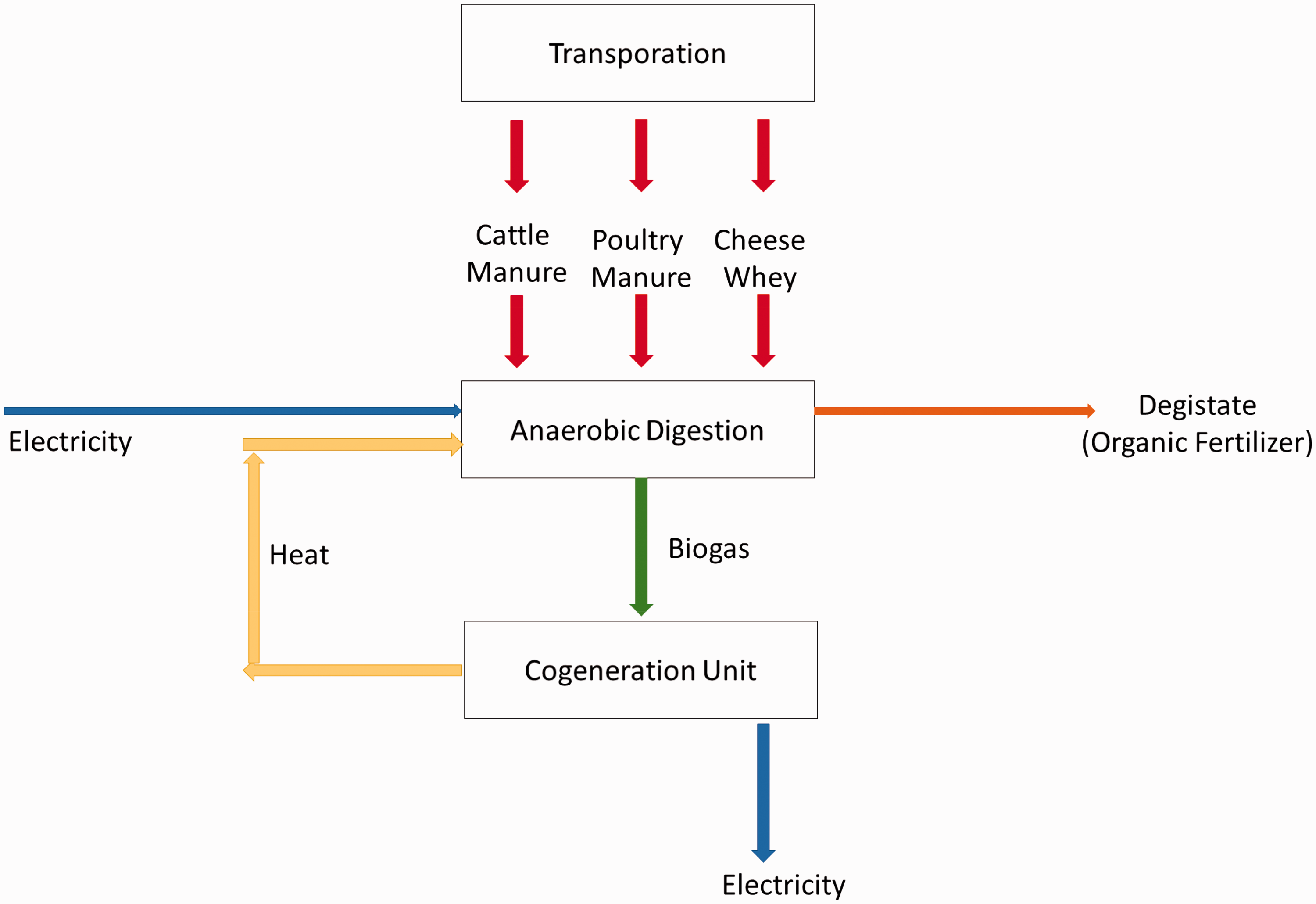
The characteristic of waste used for life cycle analysis.

Cogeneration unit production and consumption capacities.

The impact assessment of biogas plant is the third step for the life cycle assessment. Ecoinvent 3 database and ecological effects (EDIP-2003) impact assessment method was used to analyze the life cycle of plant.
Results and discussion
Results of all impact categories based on selected functional unit.
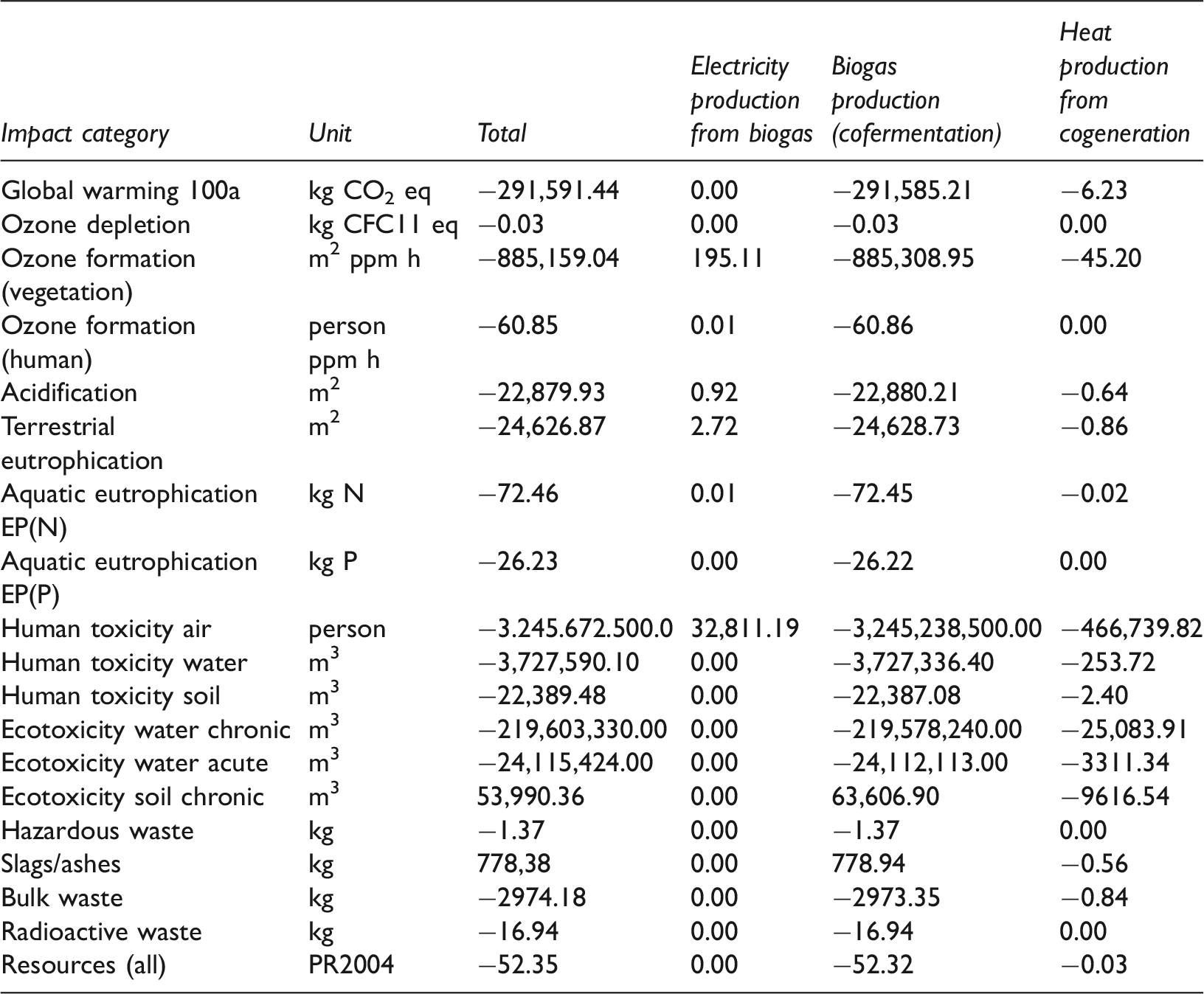
The biogas electricity generation process is composed of the following steps: collecting the wastes and transferring them to the plant, obtaining the biogas from the wastes and converting the produced biogas to heat and electricity energy by burning in the gas engine. As the raw materials used in the biogas plant are animal wastes, their environmental impacts would be negative. Therefore, as it is presented in Figure 3, the life cycle analysis of the whole process was carried out; however, the environmental impact of biogas production is not included in this study. For the biogas production, the animal wastes are transported to the plant by trucks. After biogas production, fermented wastes are produced that are organic manures which can be used for agricultural production. This power generation system has a positive impact environment for reducing the use of industrial manures; therefore their environmental impact is assessed negative.
The cogeneration unit and the environmental impacts of heat and electricity production are due to emissions from the combustion of the biogas. Figure 4 shows the environmental impact assessment results according to process stages. The environmental impact is assessed negative, because the resulting heat energy from the combustion of the biogas is recycled and is used for heating reactors.
The environmental impact assessment results.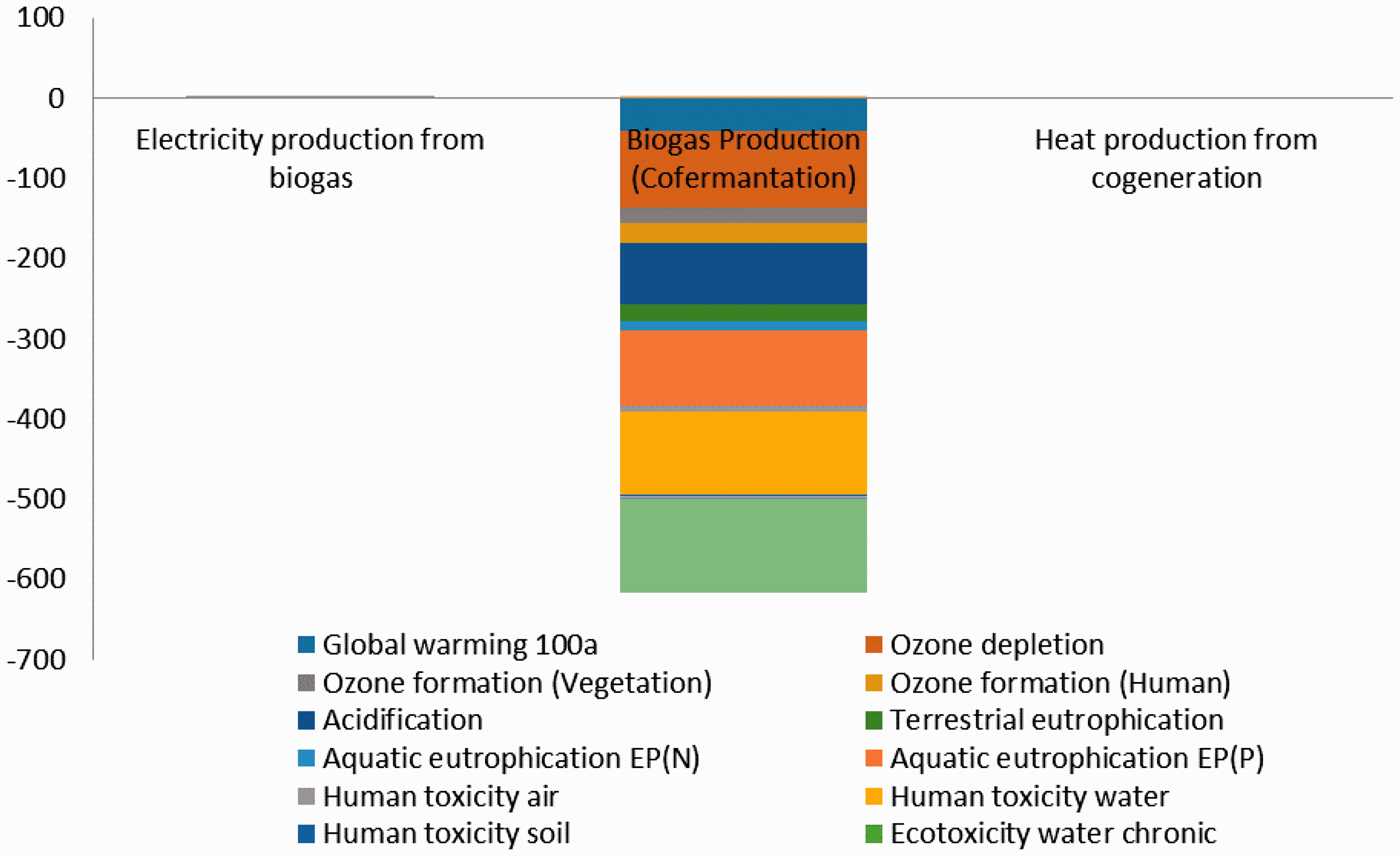
The categories of environmental impact assessment analysis results are presented in Figure 5. Vega et al. (2014) analyzed the environmental implications of biogas plants in a similar way using wheat straw, the organic fraction of household waste (OW) and the solid fraction (SF) of slurry as cosubstrates to slurry, using the LCA methodology. However, our assessment was carried out for the following parameters: global warming 100a analysis, ozone depletion, ozone formation for vegetation, ozone formation for human being, acidification rates, terrestrial eutrophication, aquatic eutrophication EP(N), aquatic eutrophication EP(P), toxicity in air–soil and water for human, ecotoxicity of water chronic, ecotoxicity of water acute, ecotoxicity of soil chronic, hazardous waste, slags/ashes, bulk waste, and radioactive waste according to the EDIP (2003). These assessments are presented in a scale with different colors in Figures 4 and 5.
Impact assessment categories analysis results.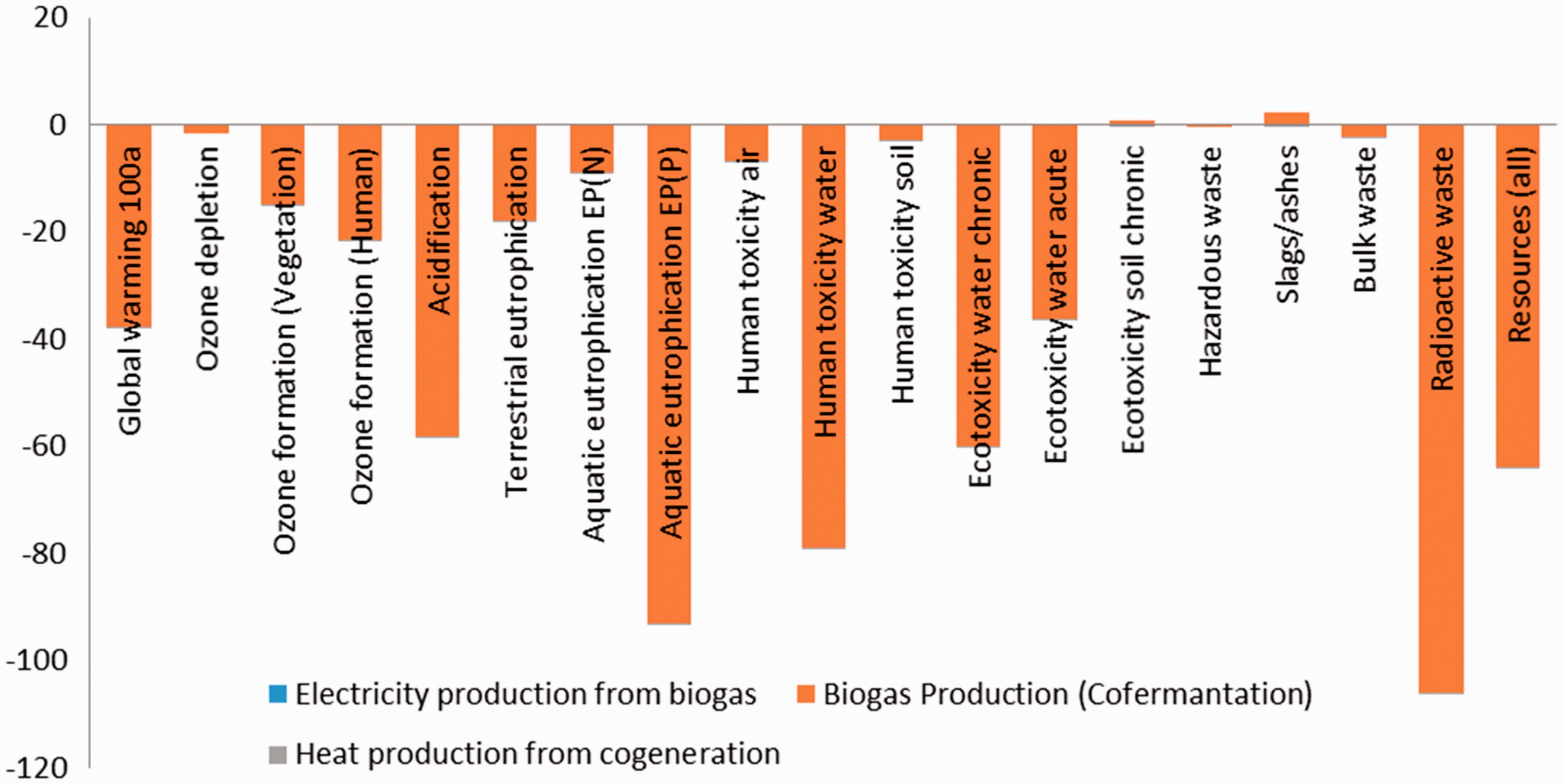
All wastes are evaluated and reused in the life cycle analysis performed in the plant. The heat generated from wastes is used for heating the reactors, hence the energy requirement is reduced in the plant. On the other hand, manure is obtained from fermentation and is used as organic material for agricultural production, hence the use of chemical manure is avoided. The analysis of results shows that according to EDIP (2003) method, several important contributions such as reduction of global warming, prevention of ozone formation, aquatic environment eutrophication and Ecotoxiticy thelin can be counted as the outcome of this biogas plant construction. Similarly, the results of the analysis also show that the environmental impact of biogas production appears to be at a minimum level when the whole plant is taken in the consideration. The process that adversely effects on environmental assessment seems to be the cogeneration unit where the electricity is generated. However, the reuse of heat obtained from the cogeneration unit contributes to the reductions of the other side effects of this unit. When the total impacts are considered, it can be said that the evaluated plant has a minimum impact on the environment.
Conclusion
Bioenergy can be obtained from biomass that is a renewable form of energy. The energy is essential to economic growth with comprehensible correlation among its consumption and the living standards. The bioenergy is the leading form of energy that is still applied in the least developed countries. Nowadays great focus is considered to renewable choices in the developing countries. The RE is a suitable form for the developing countries. Moreover, the bioenergy depends usually of the supplies from rural energy with greater than 90% in total from several developing countries.
The life in countryside has changed gradually in all over the world. The high dependence to the rural bioenergy in developing countries is a result of the industrial growth and the unavailability of cheap oil supplies than in developed countries. The production of RE domestically might present a feasible alternative. The RE is capable of possible social and economic growth in communities, and that is only if projects are economically considered and neatly planned with cooperation of partners and local inputs. The projects of RE costs high to participants' low incomes mostly located in poor rural areas. For instance, it is possible to grow crops from sewer water and use them as biomass for RE production in Saudi Arabia. This will establish the possibility of selling more oil abroad. On the other hand, the nuclear sources, renewable sources, and fossil fuels are the categories to energy sources used by many countries.
Similarly, liquid biofuels are essential energy sources since they can be substituted to the petroleum fuels. Liquid biofuels at present are offered in two forms: biodiesel and bio-alcohols. Bio-alcohols are generally used in mixture with gasoline while the biodiesel matches to a wide form of fatty acid esters for the use in diesel engines. The direct conversion of biomass into a liquid fuel is a possible supply for transportation fuel needs of airplanes, trains, buses, trucks, and cars. Nowadays, about one-third of the nation use this energy for transportation means which is extremely significant.
Generally speaking, biofuels offer several advantages which can be stated as follows: sustainable energy production, regional development, greenhouse gas emission reduction, agricultural and social development.
Footnotes
Declaration of conflicting interests
The author(s) declared no potential conflicts of interest with respect to the research, authorship, and/or publication of this article.
Funding
The author(s) disclosed receipt of the following financial support for the research, authorship and/or publication of this article: This project was funded by the Deanship of Scientific Research (DSR) at King Abdulaziz University, Jeddah, under grant no. (7-135-36-RG). The authors, therefore, acknowledge with thanks DSR technical and financial support.