




Abstract
In the present investigation, an attempt has been made to study lignite samples from the working mines of Bikaner–Nagaur basin of Rajasthan with reference to their maturity and their hydrocarbon potential. The study has been made on the basis of petrological and geochemical characteristics. The assessments made through the empirically derived equations have been cross-checked and correlated with the rock-eval data. The study reveals that the low rank coals of Bikaner–Nagaur basin contain mainly kerogen type-III organic matter and are dominantly composed of huminite (77–87%) with small concentrations of liptinite (4–11%) and inertinite (2–14%), which are worth liquefying to obtain liquid oil and gas. Further, the high conversion factor (93–95%) and high oil yield (63–65%) make them industrially significant, considering the vast lignite resource of the region.
Introduction
With progress in the coalification, not only the rank changes, but there is also change in the chemical composition and properties of the macerals. Hydrocarbon resource of a basin is related to source rock, depositional, and tectonic structures and thermal maturation of the organic matter (Yang et al., 2014; Zhu et al., 2015). Contributions have been made by Demaison (1980), Dembicki et al. (1983), Mishra and Cook (1992), Peters (1986), Singh and Singh (1998), and Teichmuller and Durand (1983). Because macerals are considered as building blocks of coal, it is important to have a proper understanding of their chemical composition, structure, and their decompositional products (Sun et al., 1998; Wilkins and George, 2002). Petersen et al. (1998) observed a significant influence of vitrinite macerals on S2 values (fixed hydrocarbon) in the Danish central Graben coals while liptinite being in small quantity had a limited influence. Low-rank coals are dominantly composed of huminite which is isotropic in nature, and anisotropy increases with increase in coal rank. In low-rank coals, huminite significantly influences the technological properties, and this is related to the degree of humification and gelification (Sýkorová et al., 2005). The liquefaction behavior of coal is controlled, to a large extent, by its rank and composition (Fisher et al., 1943). Brown coals may be successfully converted into distillable products. Such studies have been carried out by the US Bureau of Mines (Given et al., 1979; Given et al., 1980). Contributions on the influence of rank and composition on the liquefaction behavior of coal have been made by Graham and Skinner (1929), Fisher et al. (1943), Wu and Storch (1968), Gorin (1981), Singh (2012), Singh and Singh (1994a, 1994b), and Singh et al. (2013). Coals having carbon content less than 89% are considered good for liquefaction. There exists an inverse relation between carbon content of coal and its conversion to distillable liquids as advocated by Storch (1937). High volatile coals (Rmax = 0.49−1.02%) having reactive macerals (RM) (vitrinite + liptinite) more than 70% were proved to be most ideal for liquefaction (Davis et al., 1976; Given et al., 1975; Given et al., 1979; Given et al., 1980). Thus, understanding of thermal maturity of organic matter is important in order to decipher its potential utilization. In the present article, an attempt has been made to study the lignites of Bikaner–Nagaur basin of Rajasthan with respect to their thermal maturity and oil potential. In this basin, lignite is being mined from Barsingsar, Gurha, and Kasnau–Matasukh lignite fields. The total resource of lignite in the entire Rajasthan is estimated to be well over four billion tons.
Geological setting
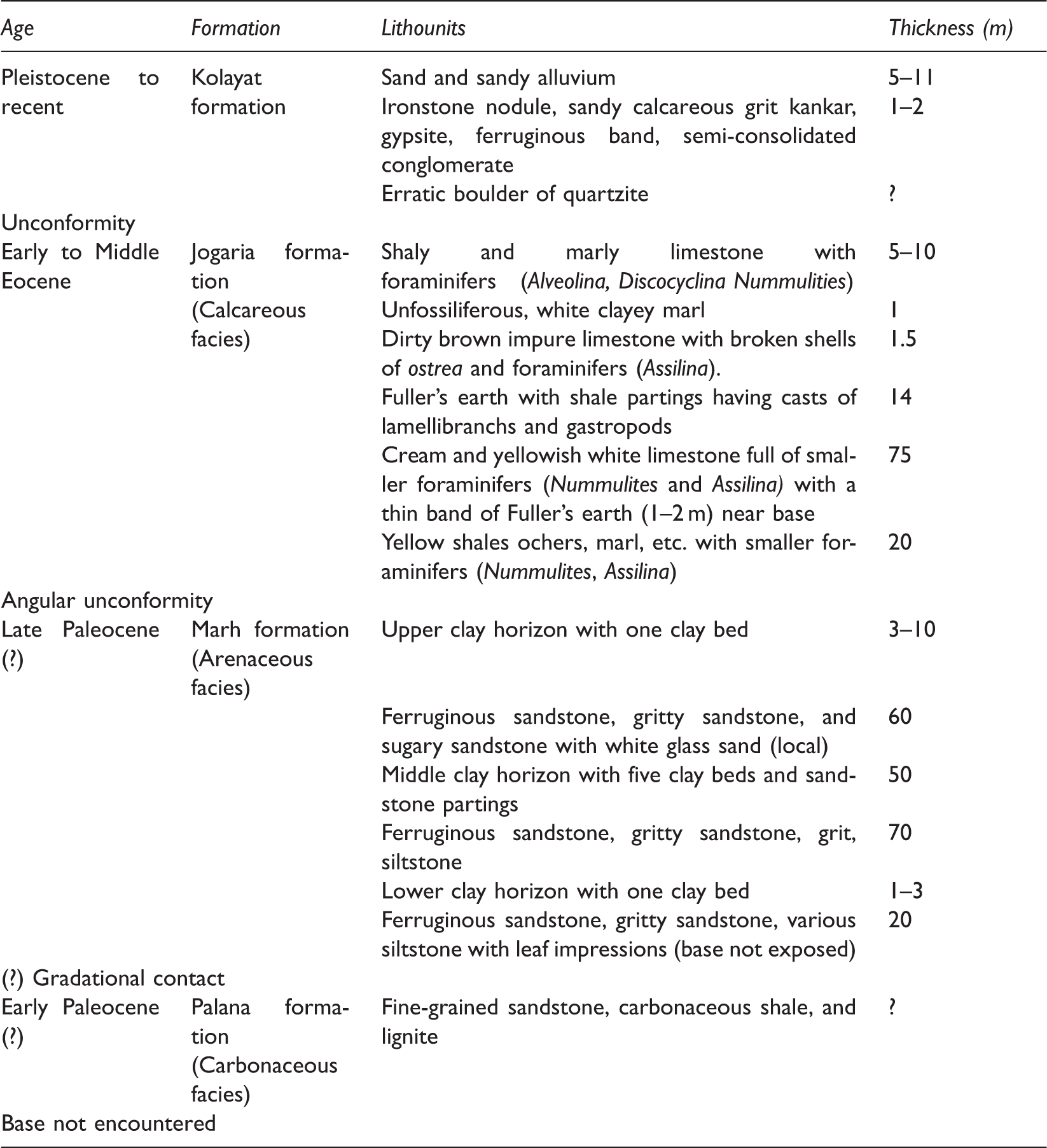
General stratigraphic succession in the Bikaner–Nagaur basin, Rajasthan (after Ghose, 1983).
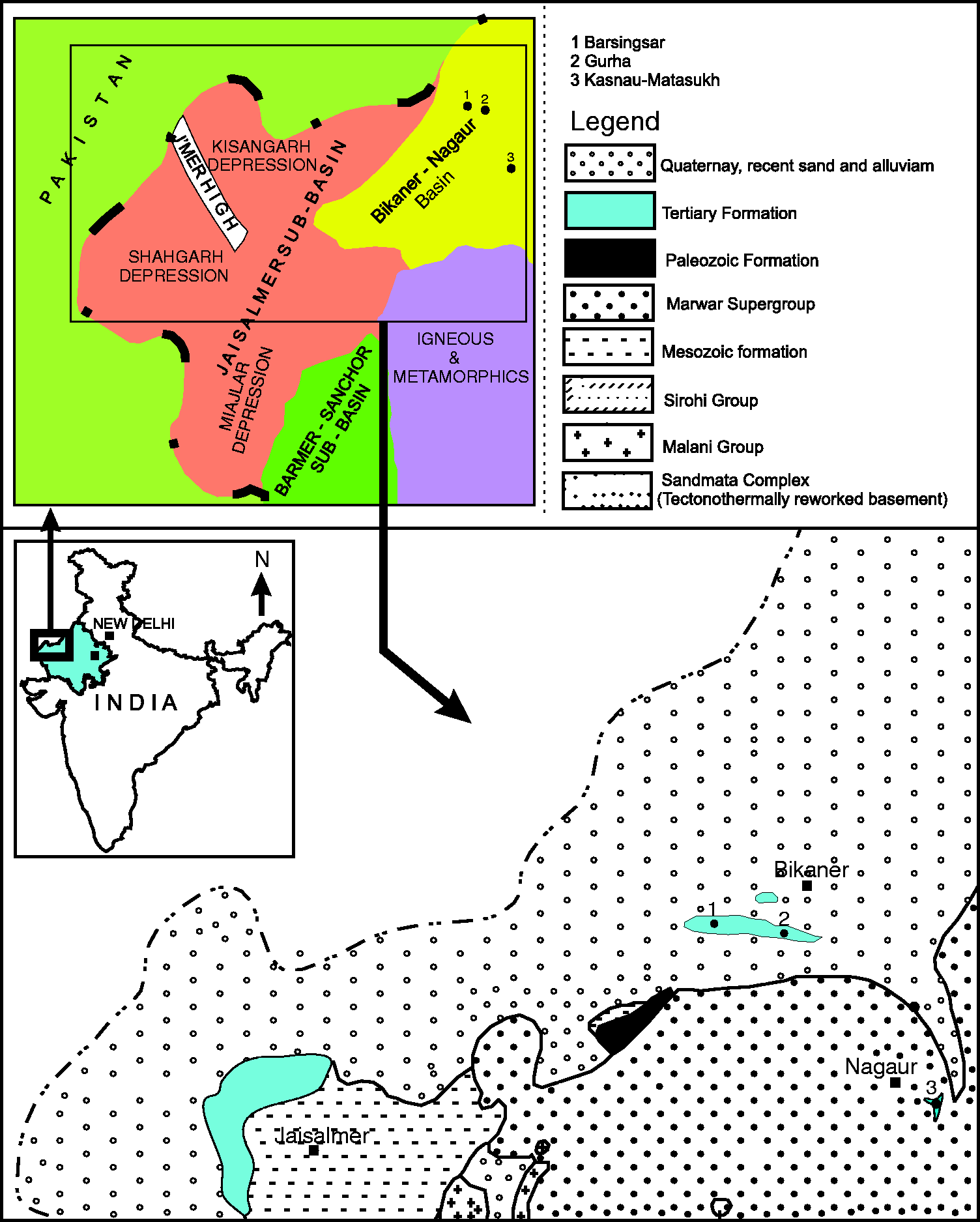
Geology of Bikaner–Nagaur basin, Rajasthan. Source: After Roy and Jakhar (2002).
Method of study
Lignite samples
Lignite samples from the working phases of all the working lignite mines of Bikaner–Nagaur basin have been collected following Pillar Coal Sampling Method (Schopf, 1960) so that the full seam thickness is represented at the sampling point and the same may be reconstructed in laboratory. The mines include Barsingsar, Gurha, and Kasnau–Matasukh. The samples have been crushed to −18 and −72 mesh sizes. The samples of −18 mesh size were used to prepare polished particulate mount for petrography while −72 mesh samples were subjected to proximate, ultimate, and rock-eval pyrolysis. The maceral analysis was carried out in Coal and Organic Petrology Lab, Banaras Hindu University by Leitz Orthoplan Pol Microscope following Taylor et al. (1998). The Rock Eval-6 pyrolysis was carried out at R & D department, Oil India Ltd., Duliajan to determine their hydrocarbon potential. The samples were heated in an open pyrolysis system under nonisothermal condition, and the recorded FID signal is divided in two surfaces, S1 and S2, which are expressed in mg HC/g of initial rock. The method is completed by combustion (oxidation) of the residual rock recovered after pyrolysis up to 850℃ under artificial air (nitrogen). The released CO and CO2 were monitored online through an infrared cell. This complementary data acquisition enables in determining total organic carbon (TOC) and total mineral or inorganic carbon (TMC or TIC).
Result and discussion
Petrographic composition
Petrographic and chemical components of the lignite of Bikaner–Nagaur basin, Rajasthan.

Values within parentheses are recalculated on mmf basis.
Chemical constituents
The lignites of the investigated area have high volatile matter content. It varies (daf basis) from 54.4% to 60.0% (av. 57.8%) in Barsingsar lignites, 49.6–59.4% (av. 54.9%) in Gurha lignites, and 52.6–67.0% (av. 58.3%) in Kasnau–Matasukh lignites. The ash yield is moderate in Barsingsar (4.2–27.9%; av 19.2%) and it is low in Gurha (3.6–7.4%; av. 5.1%) and Kasnau–Matasukh (3.0–18.2%; av. 8.4%). The ultimate analysis (av. values on daf basis) shows that Barsingsar lignites contain 67.61% carbon, 4.91% hydrogen, 2.04% nitrogen, 23.94% oxygen, and 1.58% sulfur (db) while Gurha lignites contain 65.67% carbon, 4.8% hydrogen, 1.67% nitrogen, 26.30% oxygen, and 1.62% sulfur (db) (Table 2).
Thermal maturity and oil potential
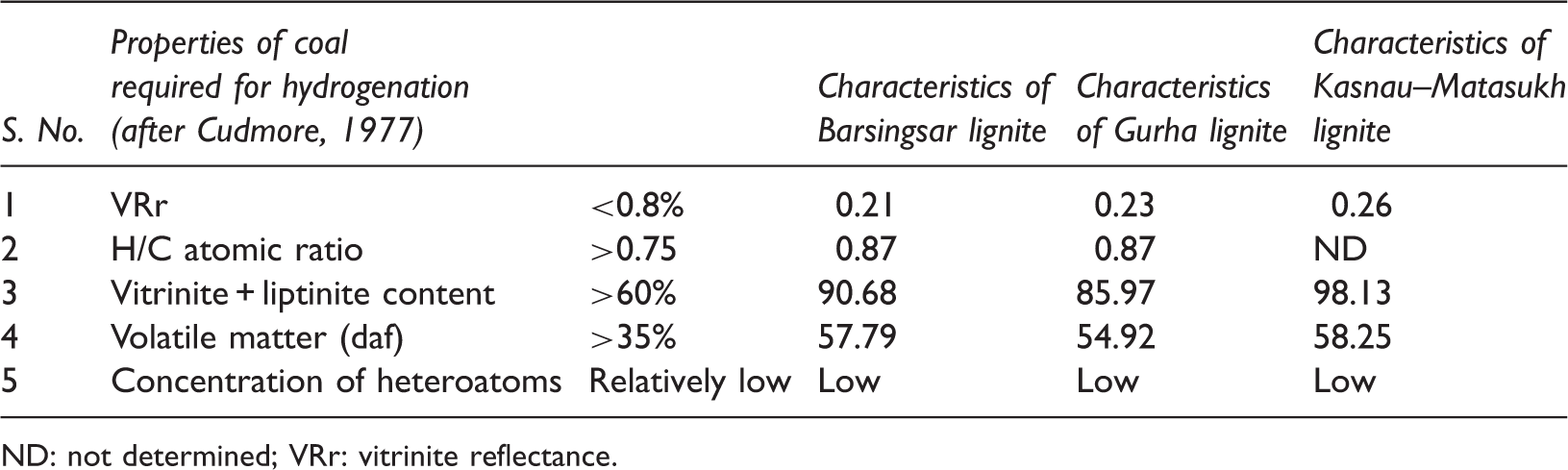
Maturity of organic matter is a measure of the degree to which its oil potential has reduced with increase in thermal stress (Wilkins and George, 2002). Maturity differs depending on the initial composition of the organic matter. Many oil basins of the world have coal bearing sequences (Powell and Boreham, 1994) such as Kutei basin of E. Kalimantan (Indonesia) and Gibbsland basin of Australia (Macgregar, 1994). Fleet and Scott (1994) have discussed the formation of oil-prone coal-bearing sequences from detritus in coastal environment. The bulk H/C ratio in 0.8–0.9 range indicates that source rock has a good hydrocarbon potential (Powell and Boreham, 1994). Moreover, coals with H/C ratio more than 0.9 and liptinite content over 15% generate oil (Taylor et al., 1998). The oil potential of New Zealand coals has been attributed to their detrovitrinite content (Killops et al., 1994). Several workers believe that certain coals, where liptinite is low, contain hydrogen-rich vitrinite which generates oil (Bertrand, 1989; Newman et al., 1997; Petersen et al., 2000; Singh, 2012; Singh et al., 2013). Based on the studies made on solvent extraction, coal pyrolysis, and variation of porosity and permeability with rank, it is understood that the generated hydrocarbon products have a finite storage capacity, and until this capacity is exceeded, there will not be any oil expulsion (Durand, 1983; Inan et al., 1998; Mc Auliffe, 1979; Powell, 1978; Tissot and Welte, 1984). Wilkins and George (2002) have explained that hydrocarbon expulsion would occur by activated diffusion of molecules to maceral boundaries and ultimately by cleats and fractures. Hydrocarbon retention is high in coals with less than 1% vitrinite reflectance (VRr) (Boudou et al., 1984). Davis et al. (1976) have observed better liquefaction in high volatile coals having more than 70% RM (vitrinite/huminite plus liptinite) content. Cudmore (1977) believes that coals with less than 0.8% VRr and H/C ratio less than 0.75 and RM over 60% and more than 35% volatile matter (daf) are ideal for liquefaction. If rank of coal is constant, then the oil yield would depend on maceral composition and mineral matter (Kalkreuth et al., 1986). Serio et al. (1993) observed a decrease in the yield of hydrocarbon gases with moisturization during liquefaction of low rank coals. They attributed this to the reaction of moisture with side chain structures in coal to form oxygen functions. This could restrict the side chain structures to form oils and hydrocarbon gases during liquefaction.
Rock-eval data of the lignite samples of Barsingsar–Nagaur basin, Rajasthan.
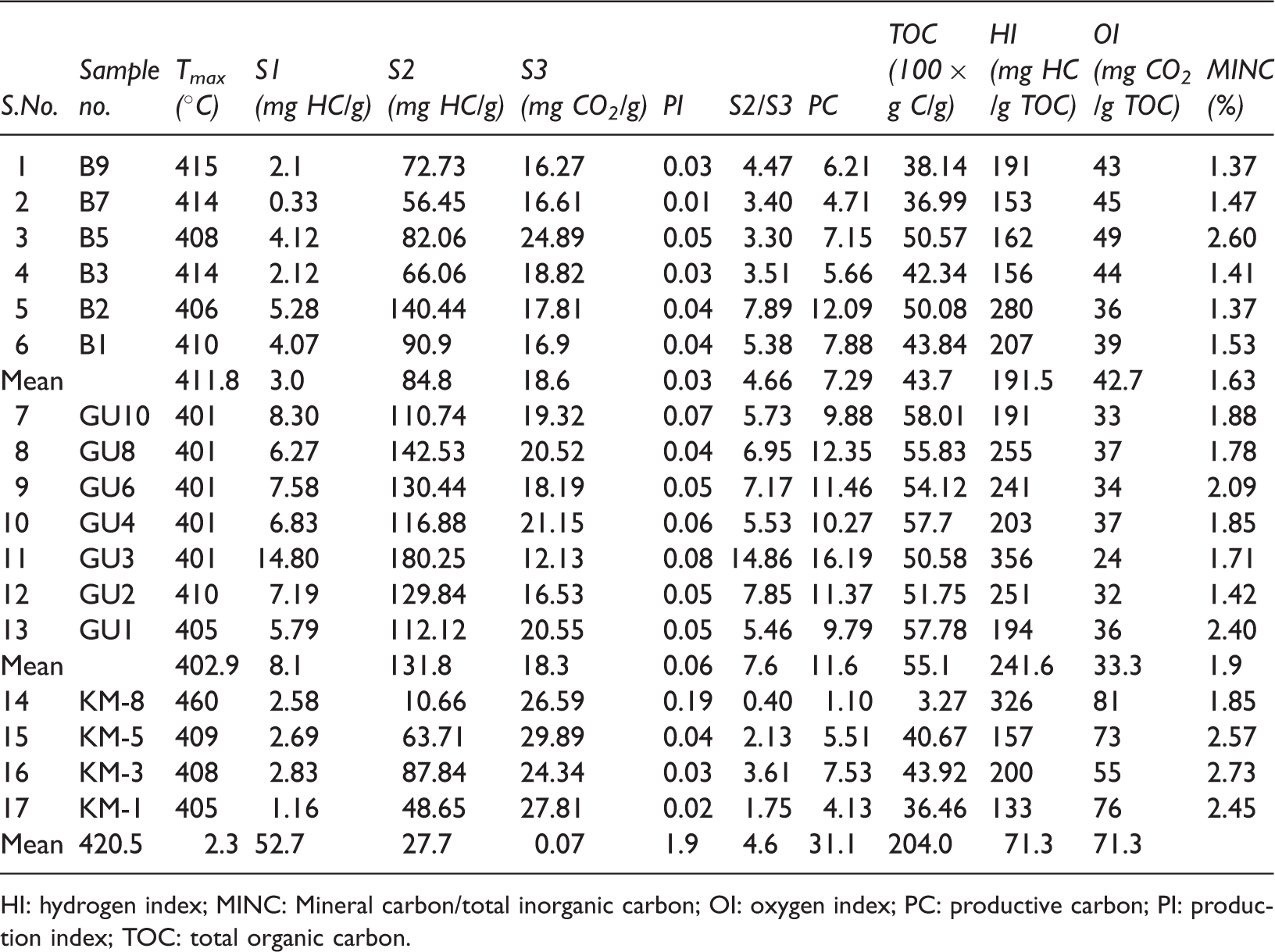
HI: hydrogen index; MINC: Mineral carbon/total inorganic carbon; OI: oxygen index; PC: productive carbon; PI: production index; TOC: total organic carbon.
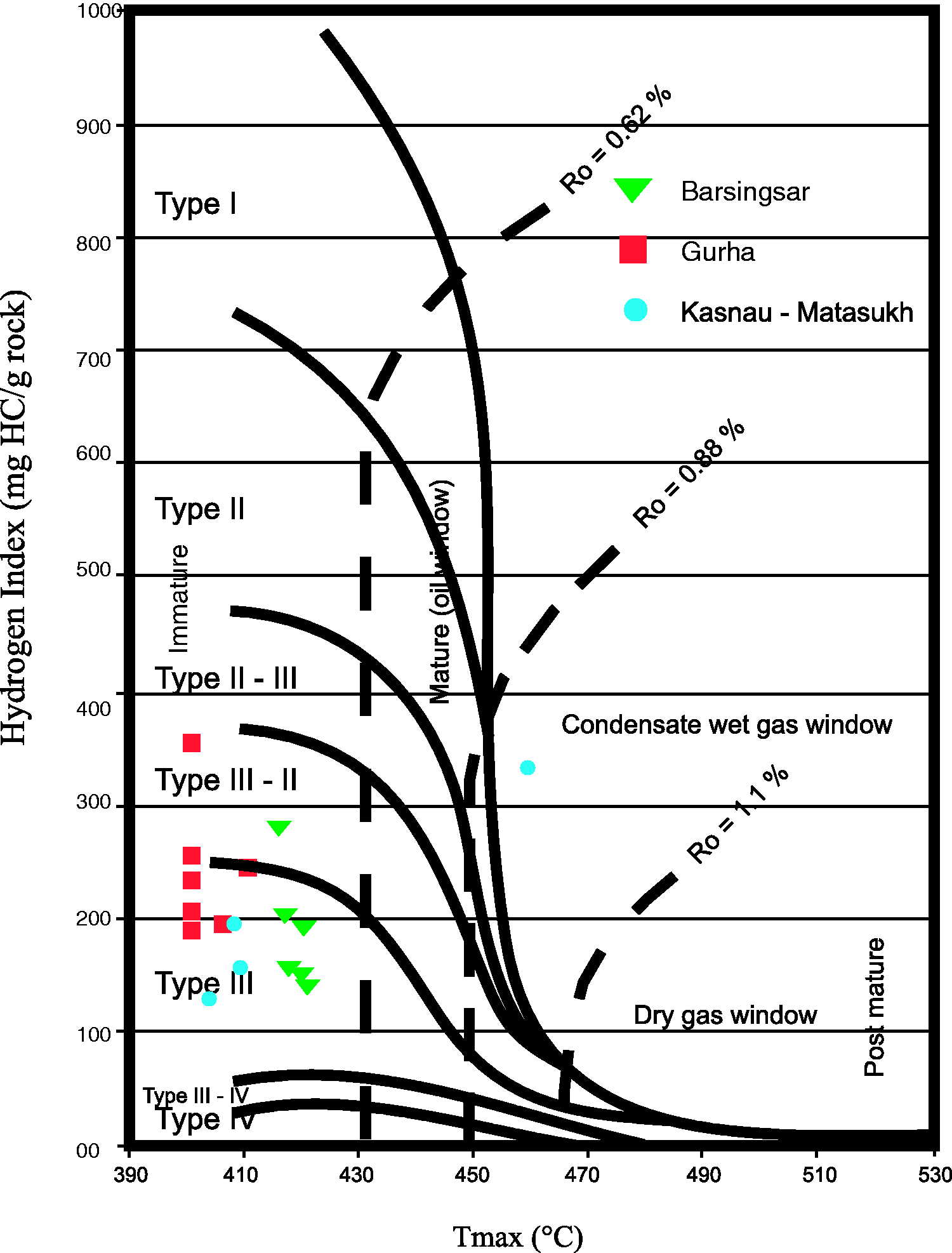
Cross plot between Tmax and hydrogen index of the analyzed lignite samples of Bikaner–Nagaur basin. Source: Adopted from Koeverden et al. (2011).
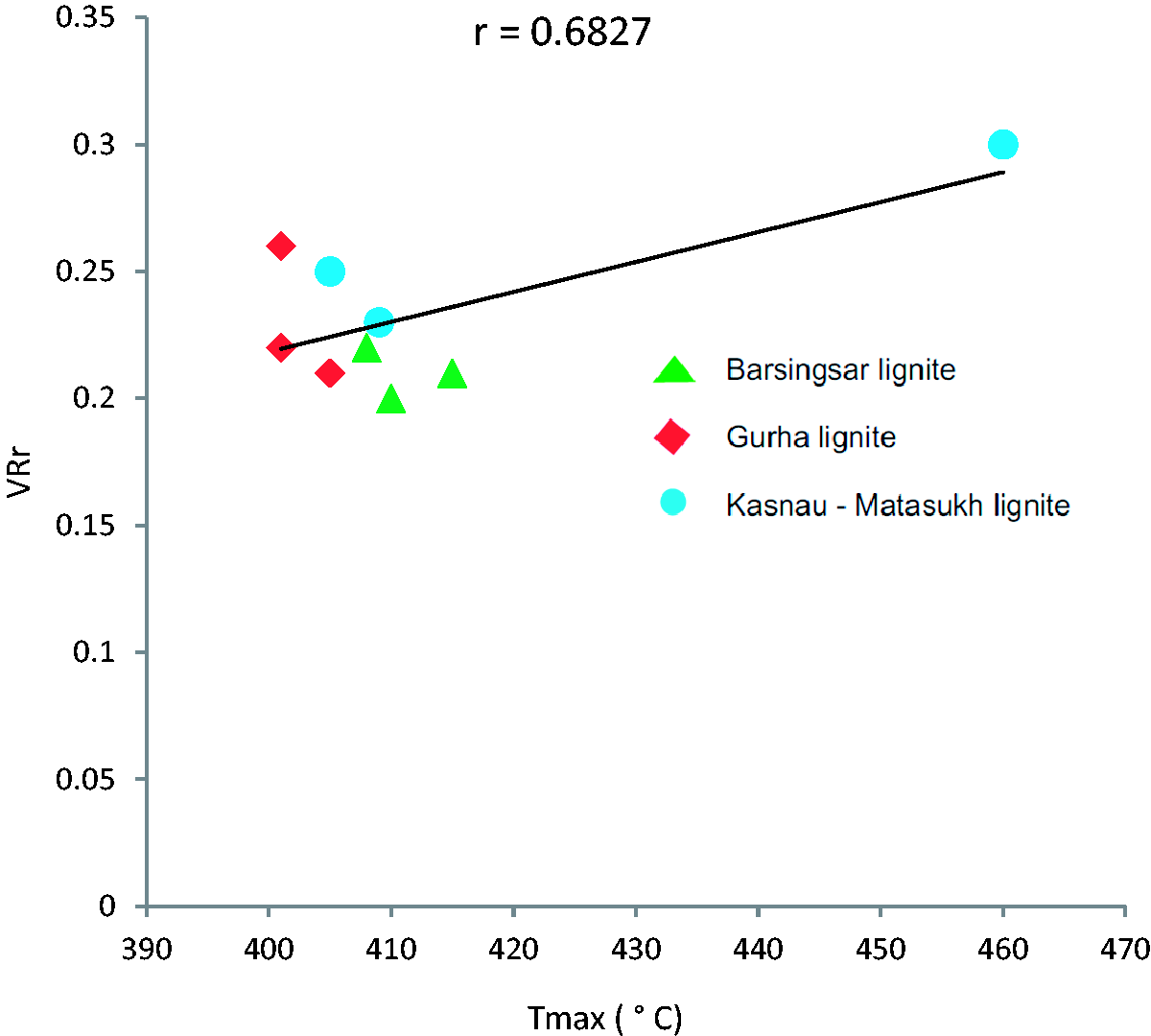
Correlation between Tmax and vitrinite reflectance (VRr).
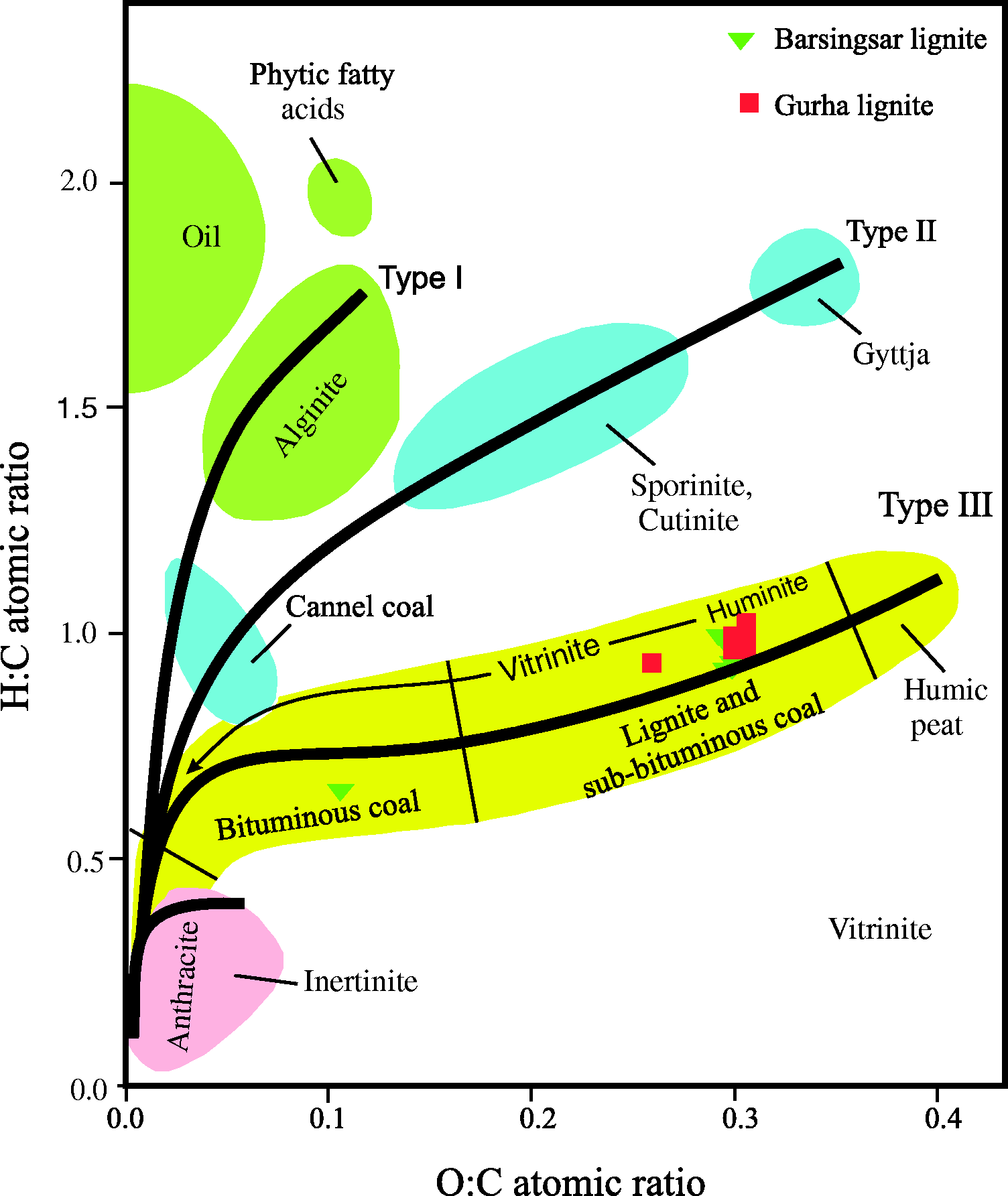
Cross plot between H/C and O/C atomic ratio (after Cornelius, 1978).
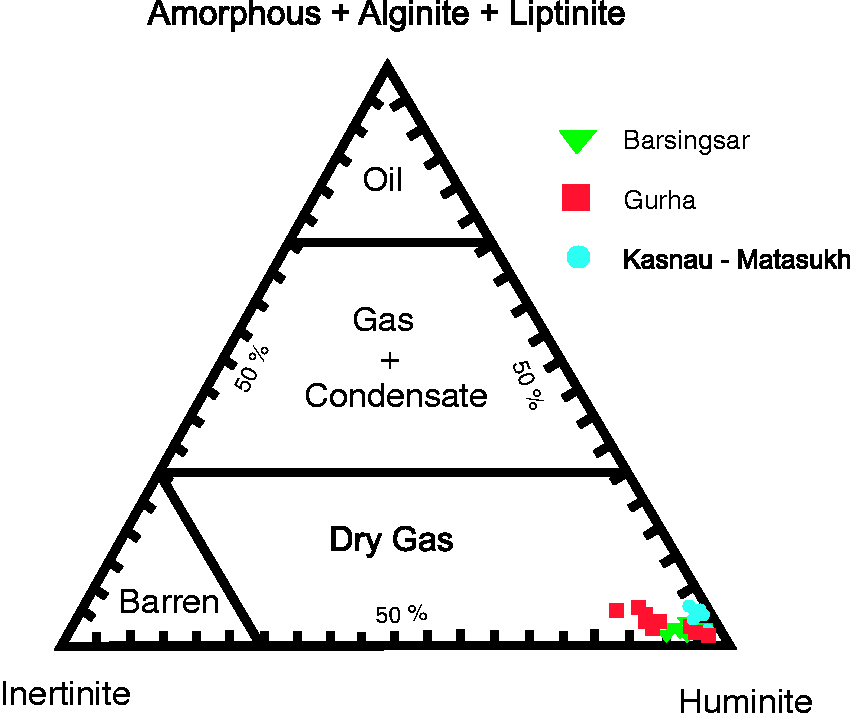
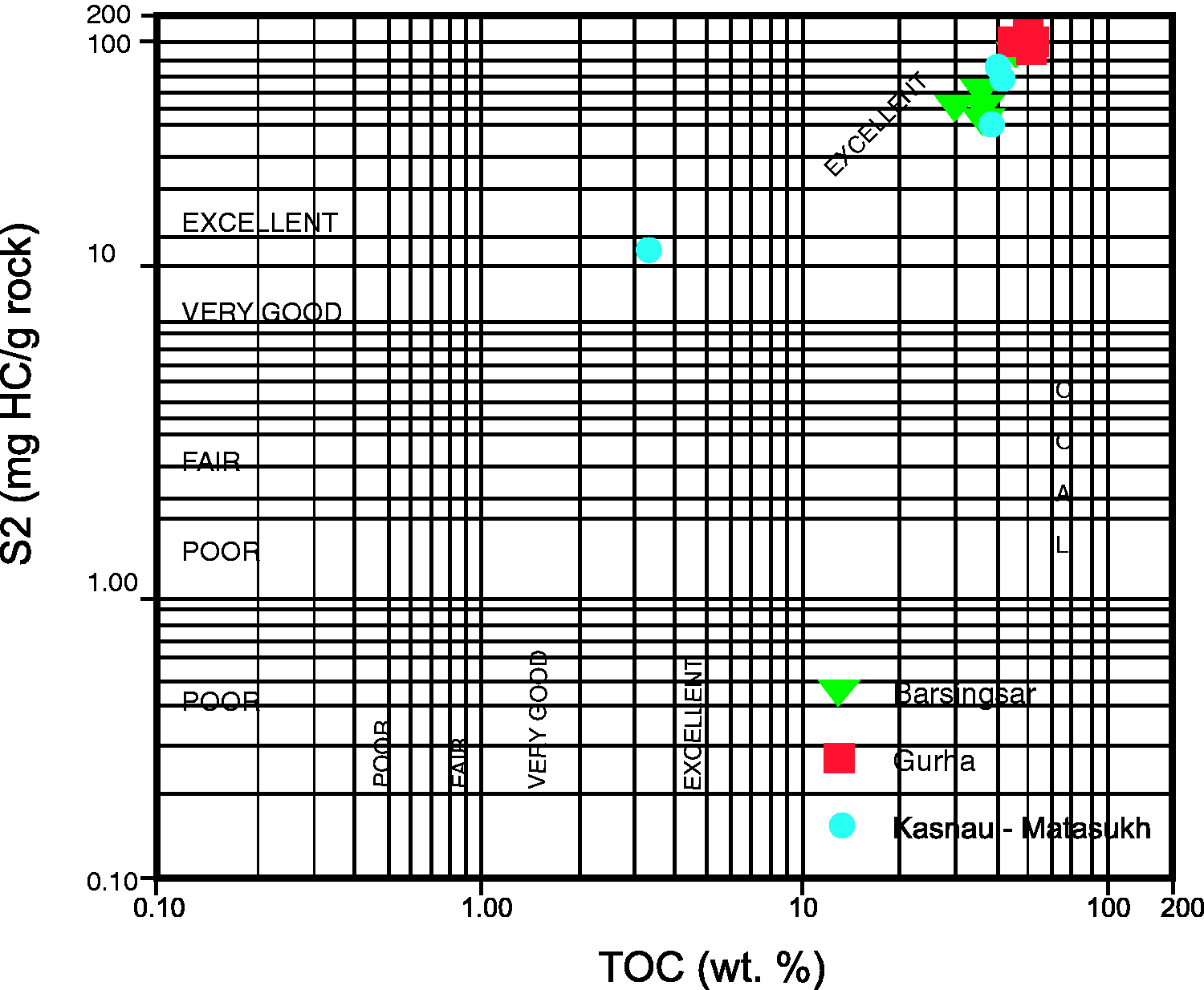
The ternary plot based on the maceral composition of the lignites of Bikaner–Nagaur basin (Figure 5) favor generation of lighter hydrocarbons while a strong correlation (r = 0.789) between TOC and S2 reveals that the organic carbon favors generation of hydrocarbons through thermal cracking. Further, this relation also indicates an excellent hydrocarbon potential of these lignites (Figure 6). The high RM (75-99.8%) and other favorable conditions of these lignites make them ideal for liquefaction (Table 4). Chen and Ma (2002) studied the application of petrography in utilization of Chinese coals and discussed the role of reactivity of macerals. Jin and Shi (1997) carried out tests on various kinds of coal and correlated the conversion or oil yield with the amount of RM. Vitrinite and liptinite put together form the total RM. They introduced the following formula:
Ternary diagram based on maceral composition indicating the hydrocarbon potential of lignites of Bikaner–Nagaur basin (after Tissot and Welte, 1984). Cross plot between total organic carbon (TOC) and fixed hydrocarbon potential (S2) of the analyzed lignite samples of Bikaner–Nagaur basin (modified after Peters and Cassa, 1994; Dembicki, 2009). Coal characteristics of the investigated area indicating its suitability for hydrogenation. ND: not determined; VRr: vitrinite reflectance.

Values of conversion, oil yield, and petrofactor calculated for the lignites of Bikaner–Nagaur basin, Rajasthan using empirical formula.
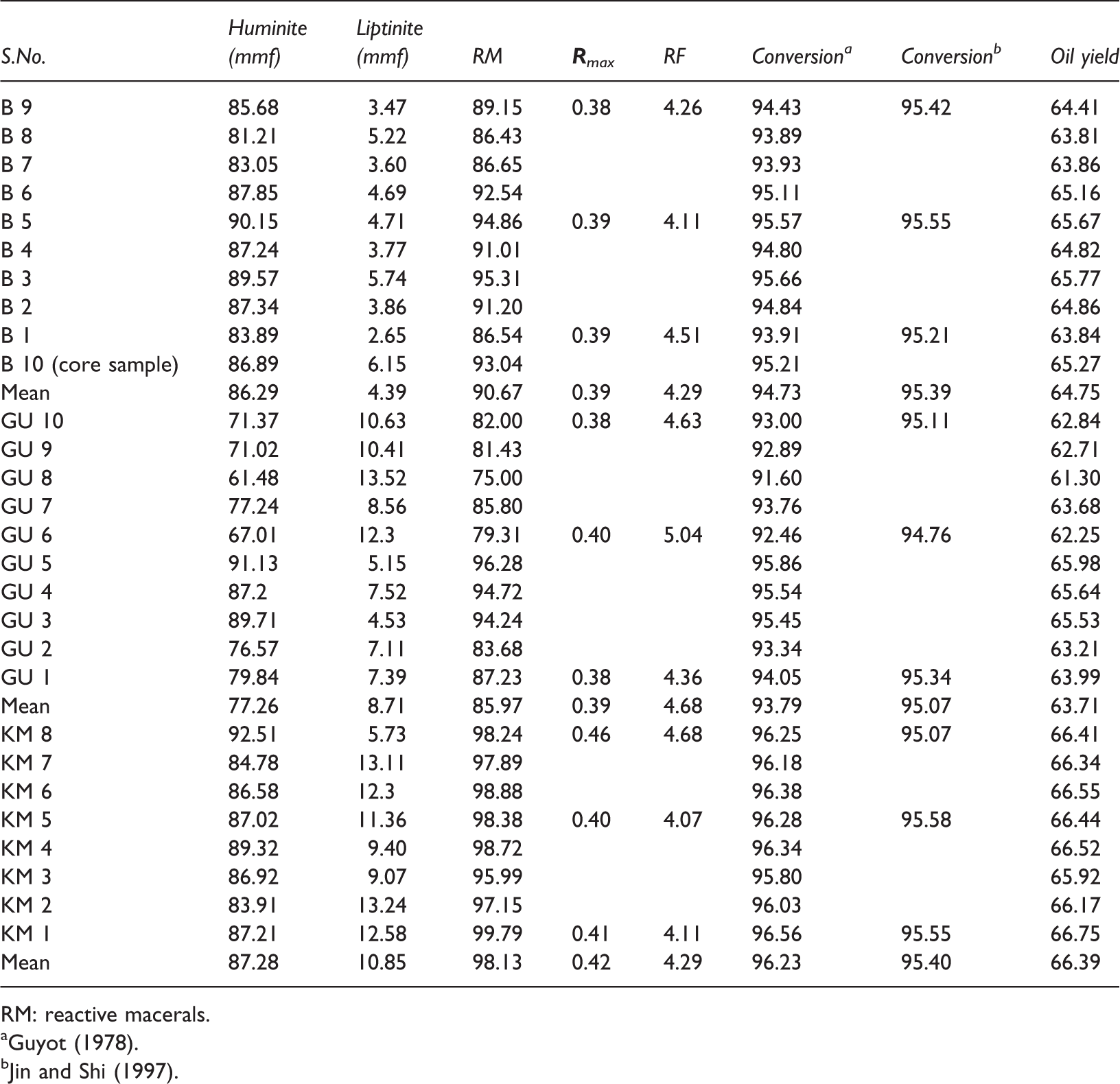
RM: reactive macerals.
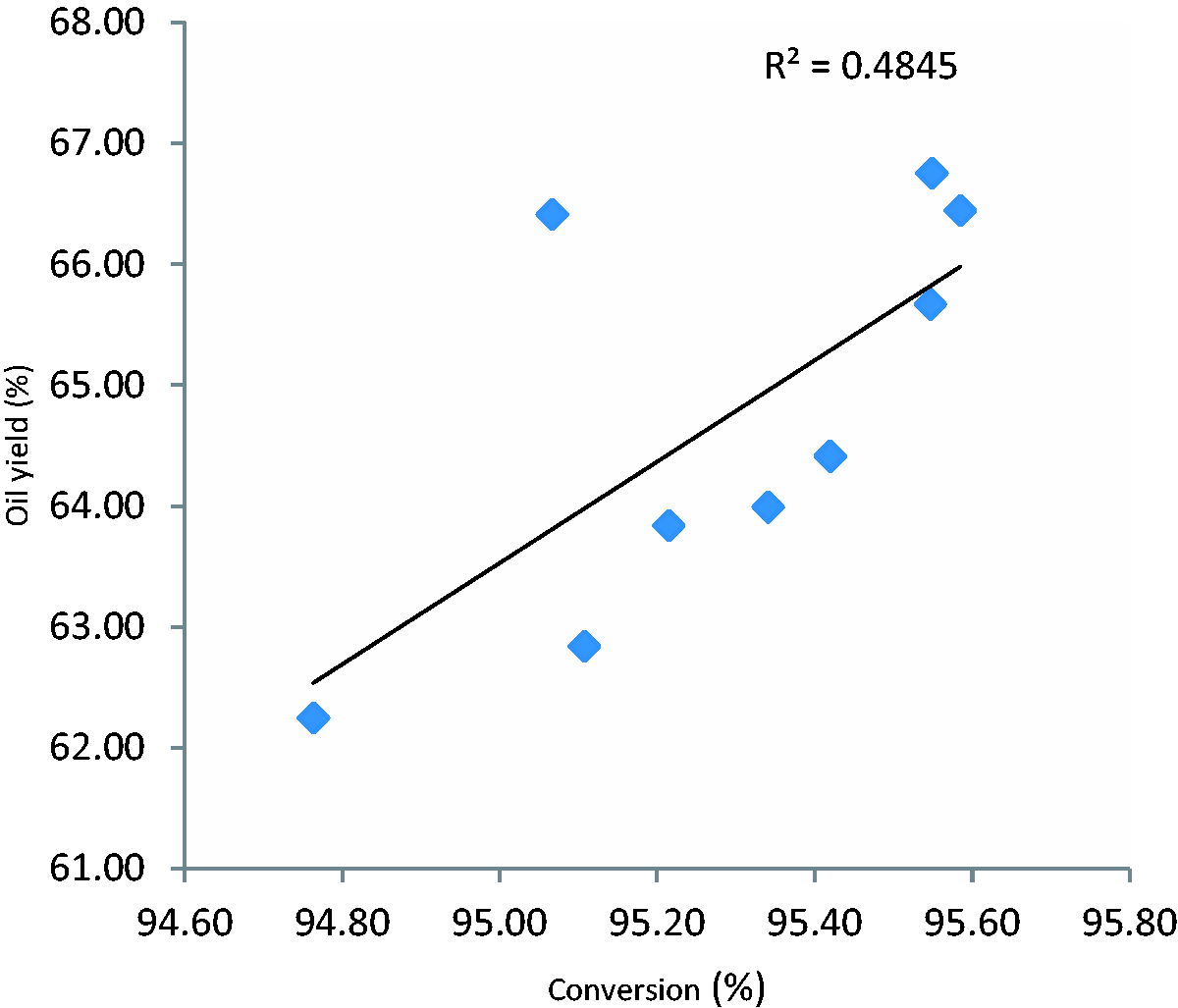
Correlation between Conversion and oil yield for the lignite of Barsingsar–Nagaur basin.
Conclusions
The lignite samples drawn from Barsingsar, Gurha, and Kasnau–Matasukh mines of Bikaner–Nagaur basin of Rajasthan were subjected to petrological and geochemical investigations. The study made on these lignites leads to following conclusions:
These low rank coals of Bikaner–Nagaur basin contain mainly kerogen type-III organic matter and are dominantly composed of huminite (77.3–87.3%) along with subordinate amounts of liptinite (4.4–10.9%) and inertinite (1.9–14%). They have low to medium (5.1–19.2%) ash yield and high volatile matter (54.9–58.3%). Fixed hydrocarbons (S2) (52.72–131.83) are much higher than free hydrocarbons (S1) (2.32–8.11). The HI (191.5–241.57) is quite higher than OI (33.29–71.25). The relationship between TOC and S2 reveals that the organic matter of these lignites favors the generation of hydrocarbons through thermal cracking. The presence of RM in high concentration further favors them for liquefaction. The assessments made through the empirically derived equations have been cross-checked and correlated with the rock-eval data. Further, the high conversion factor (93–95%) and high oil yield (63–65%) make them industrially significant considering the vast lignite resource of the region. Nevertheless, this warrants further studies on large quantities of bulk samples.
Footnotes
Acknowledgments
The authors thankfully acknowledge the Department of Geology, Banaras Hindu University for extending the laboratory and other facilities. The help received for Rock Eval-6 pyrolysis from the R & D department of Oil India Ltd, Duliajan, is thankfully acknowledged. The authors also thank CMPDI, Ranchi for carrying out ultimate analysis.
Declaration of conflicting interests
The author(s) declared no potential conflicts of interest with respect to the research, authorship, and/or publication of this article.
Funding
The author(s) received no financial support for the research, authorship, and/or publication of this article.